The Repair Estimate Is Worth More Than The Car
The car still runs, but now the mechanic says it needs an expensive emissions repair before it can pass inspection. When the estimate is higher than the vehicle’s resale value, writing a check can feel ridiculous. Before sending the car to the scrapyard, though, find out exactly what failed. There may be cheaper repairs, warranty coverage, state assistance, waivers, or perfectly reasonable reasons to fix an old car anyway.
Find Out What Actually Failed
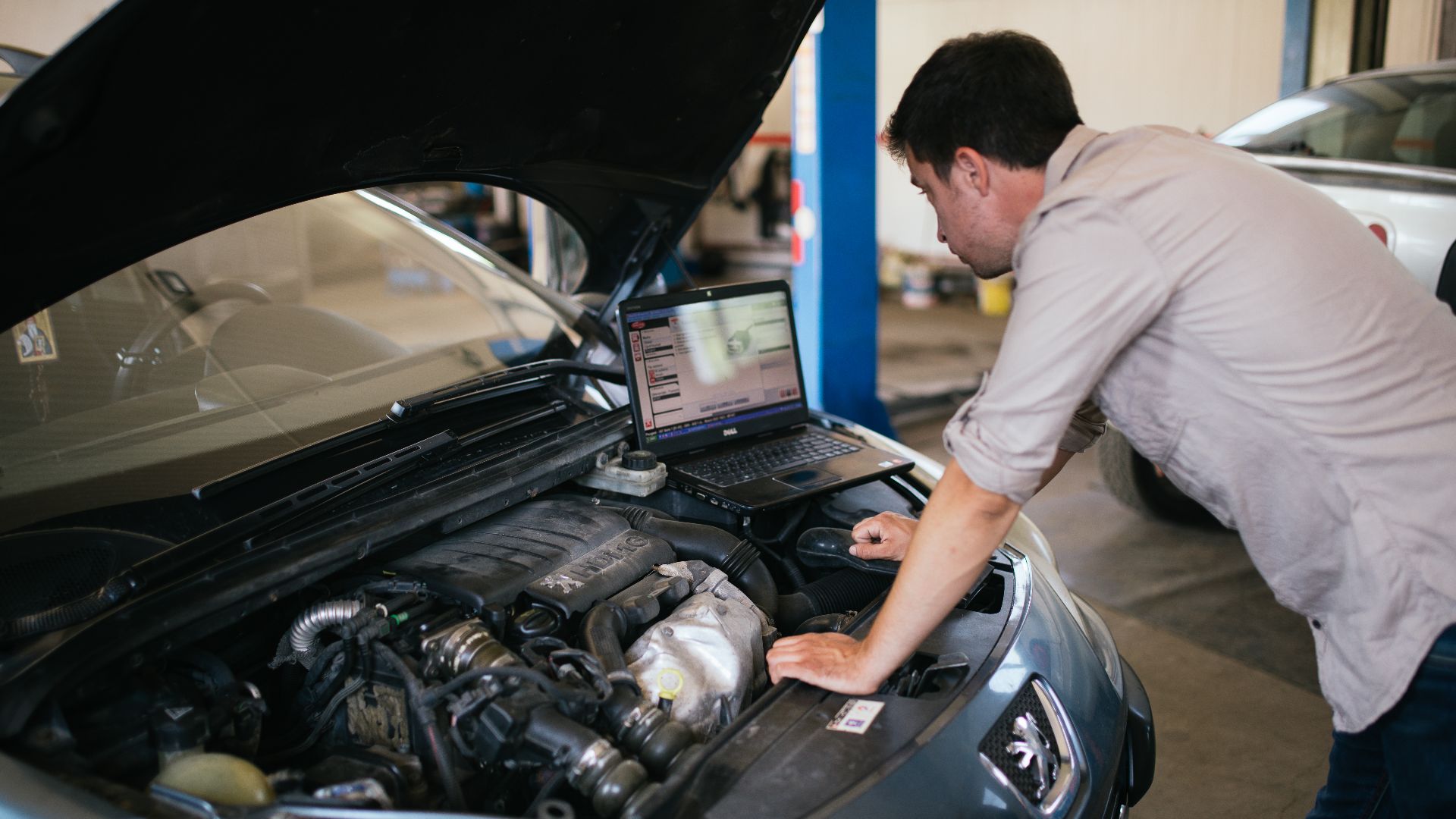
“Emissions problem” covers everything from a loose gas cap to a catalytic converter costing thousands of dollars. Ask the mechanic for the diagnostic trouble codes, failed inspection results, and a written explanation of the recommended repair. You need to know whether the quote addresses the actual cause of the failure or simply the component currently triggering the warning light.
A Trouble Code Isn’t The Same Thing As A Diagnosis
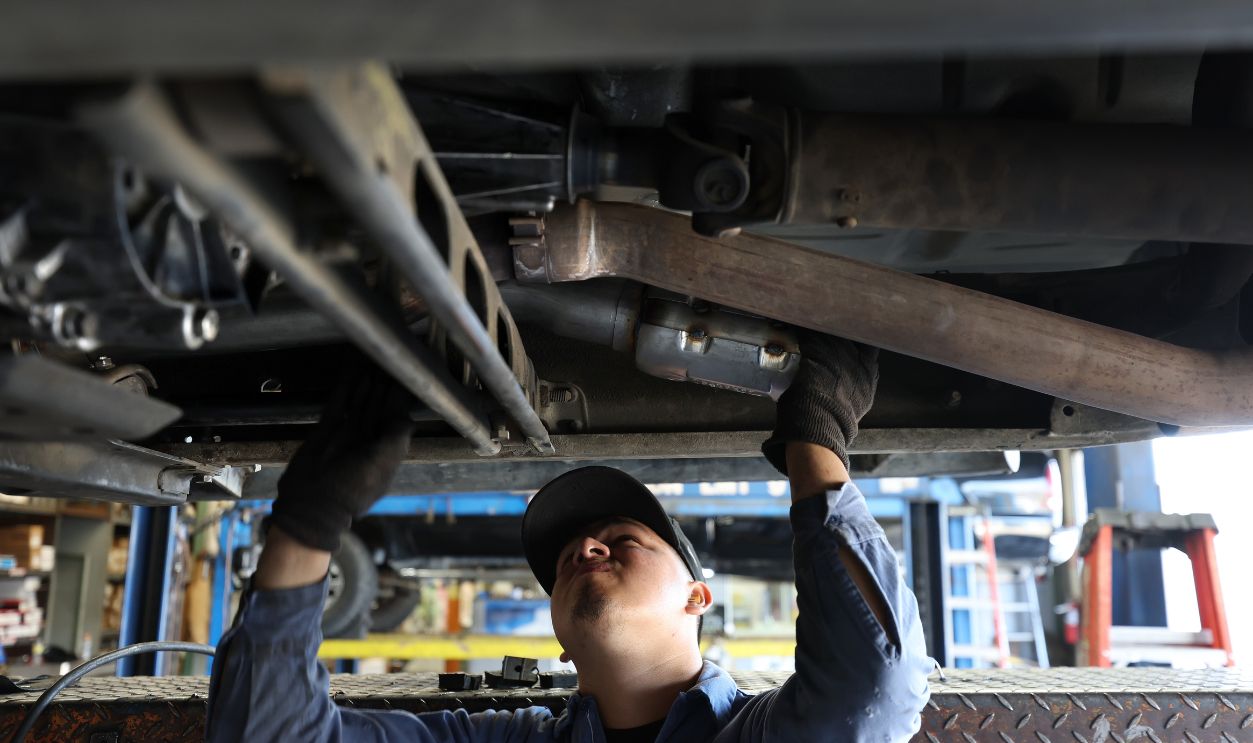
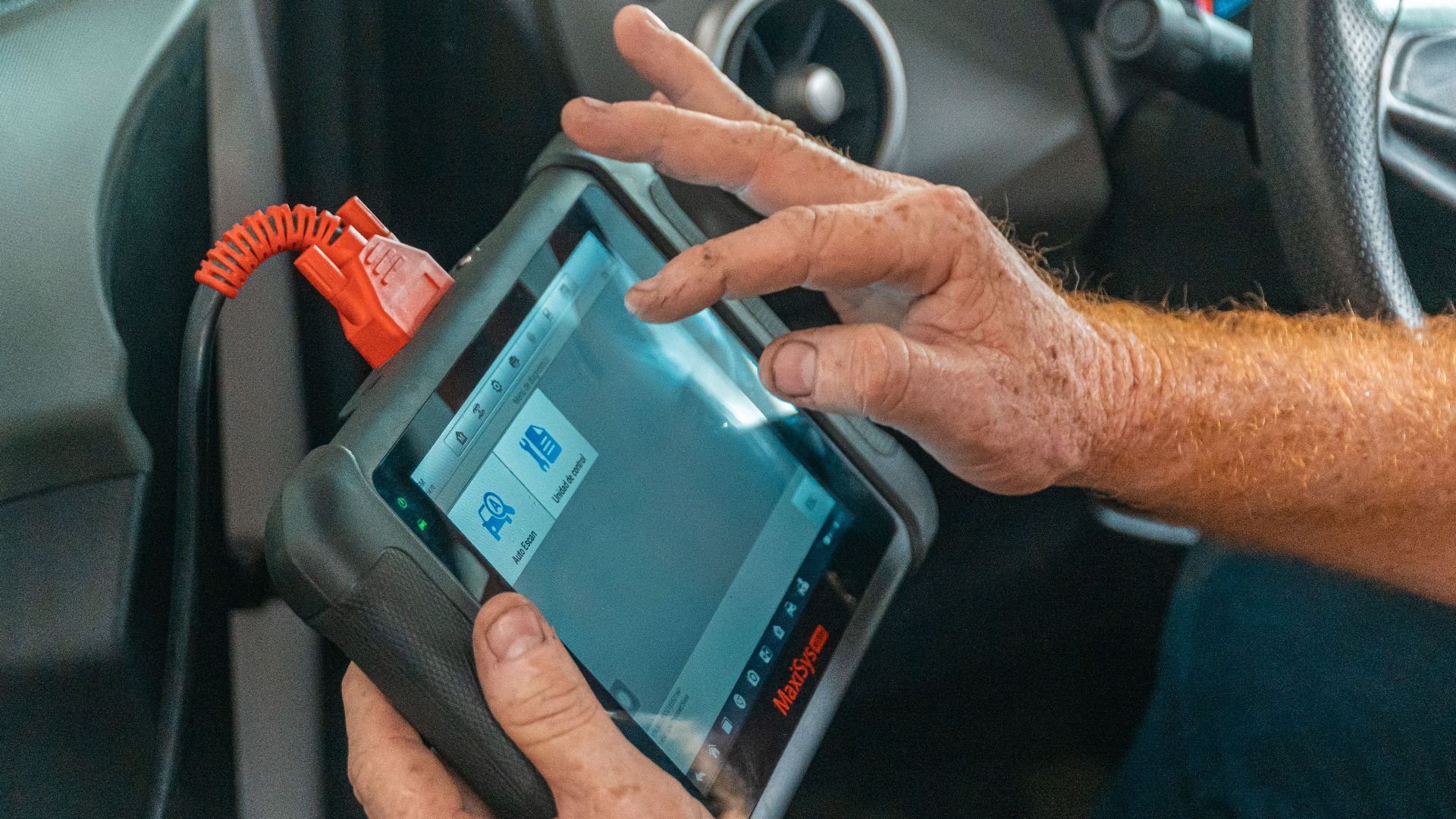
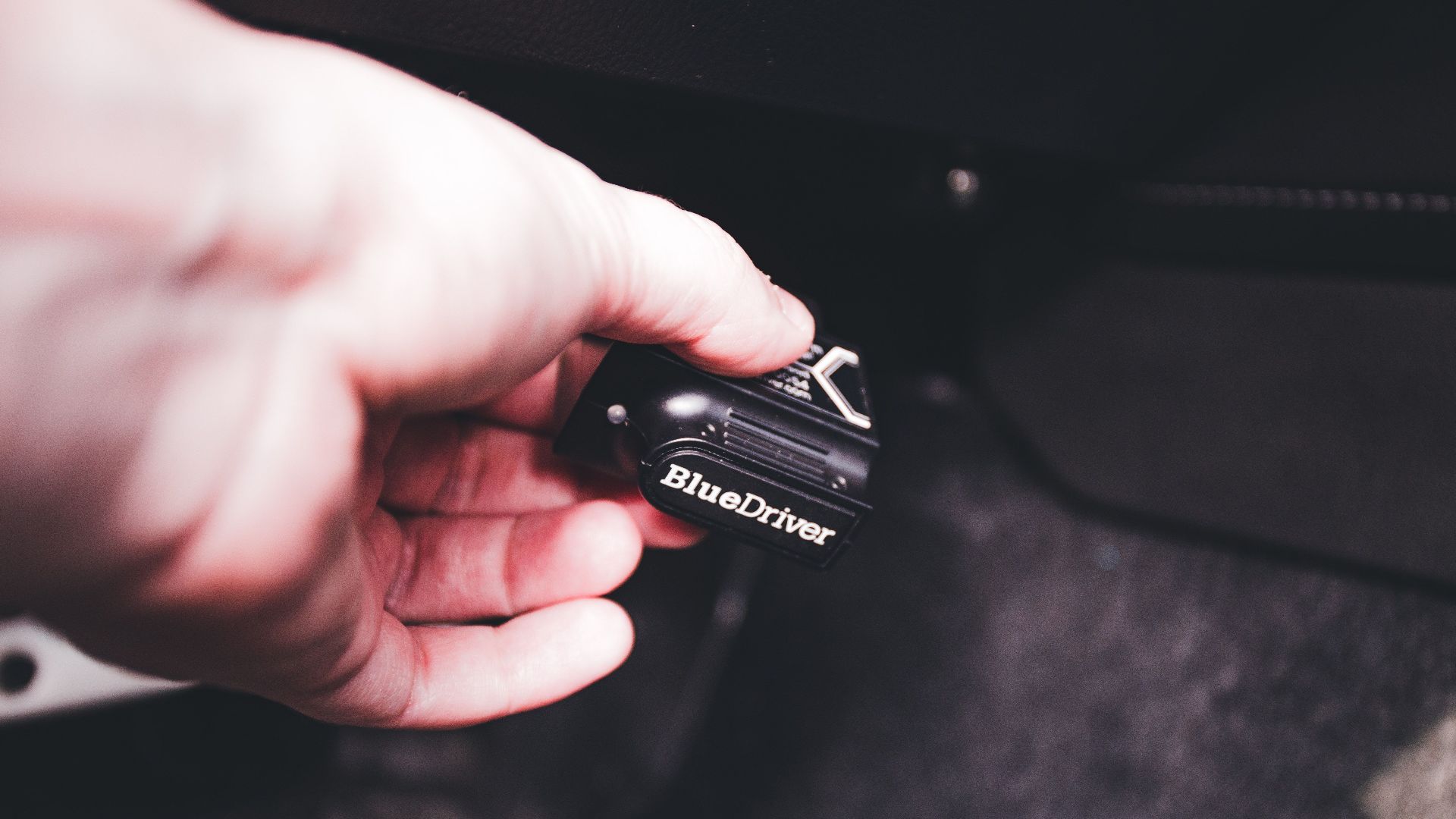
An OBD-II scanner can provide an important clue, but it doesn’t automatically identify the failed part. Consumer Reports notes that a check-engine code generally points technicians toward a problem that still requires proper diagnosis. Replacing an expensive component simply because its name seems related to the code can become a very costly experiment.
 Jose Ricardo Barraza Morachis, Pexels
Be Especially Careful With Catalytic Converter Diagnoses
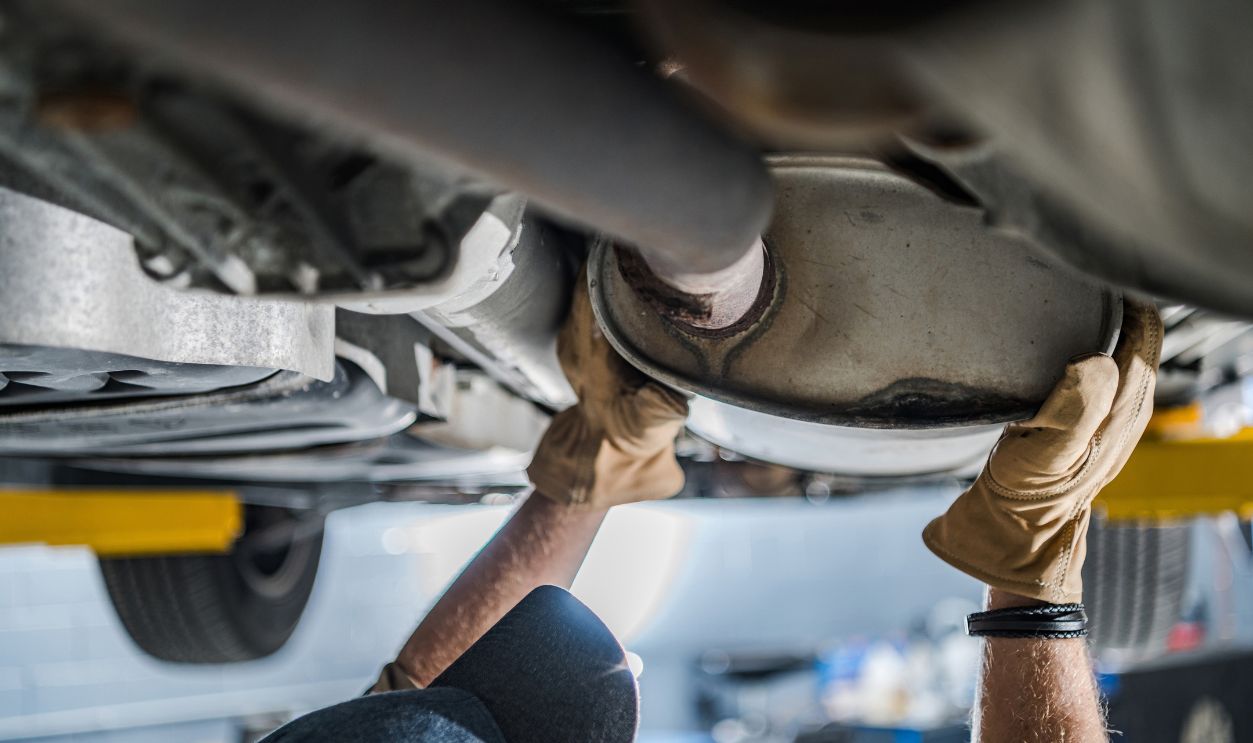
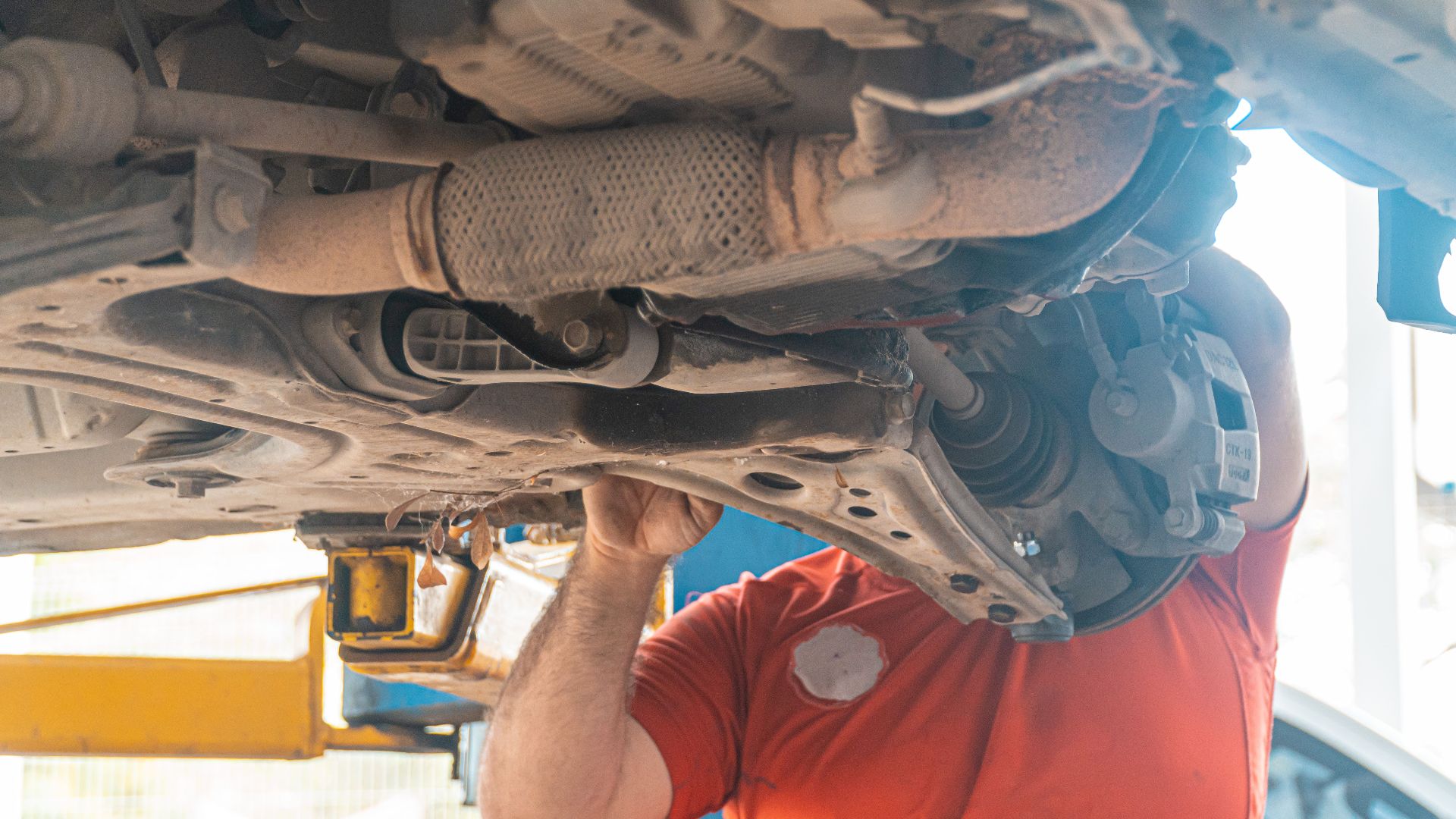
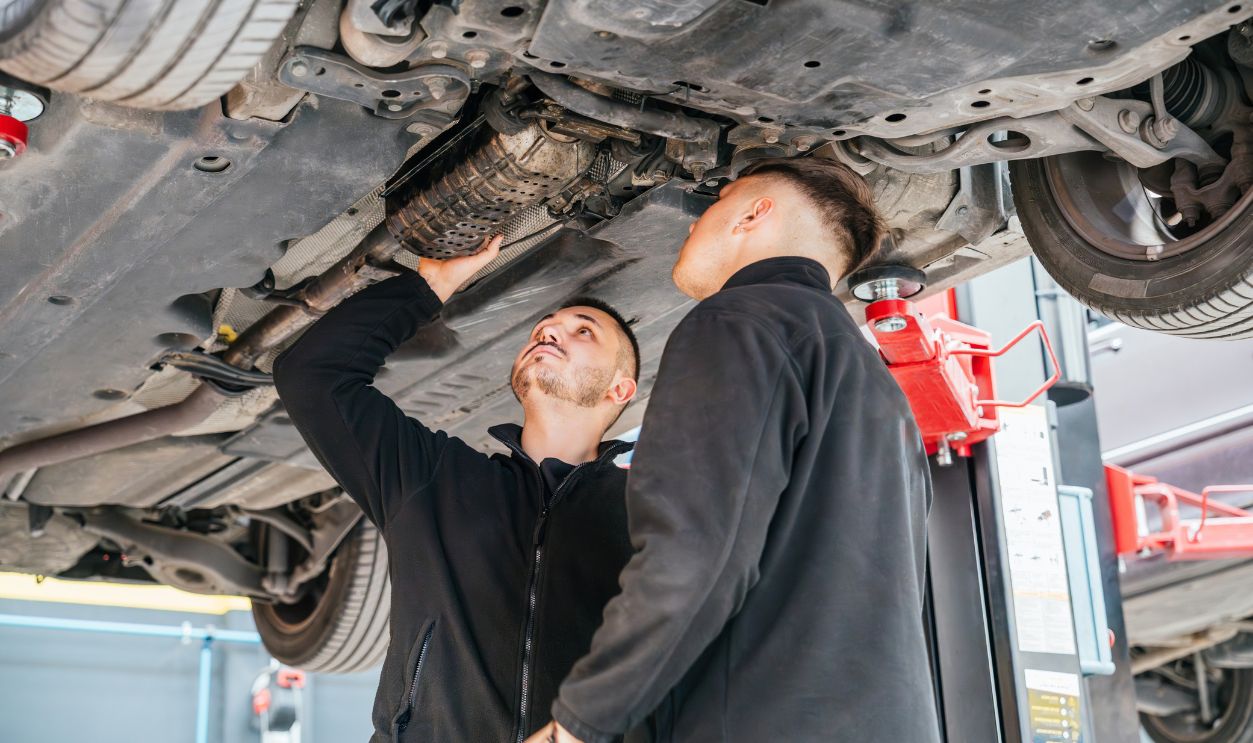
A P0420 or similar catalyst-efficiency code doesn’t always mean the converter itself is the original problem. AAA notes that oxygen-sensor problems and catalytic-converter problems can sometimes produce similar symptoms or codes. Misfires, fuel-mixture problems, oil burning, or other engine issues can also damage a converter, meaning a new one could eventually fail again if the underlying cause isn’t corrected.
Get A Second Opinion Before Spending Thousands
When a repair costs as much as the vehicle, another diagnostic fee is cheap insurance. Ask a reputable independent shop experienced with emissions systems to review the codes and test results without telling them what the first mechanic concluded. A second technician may confirm the expensive diagnosis, but they may also identify a much smaller problem.
Compare The Estimate With Normal Repair Prices
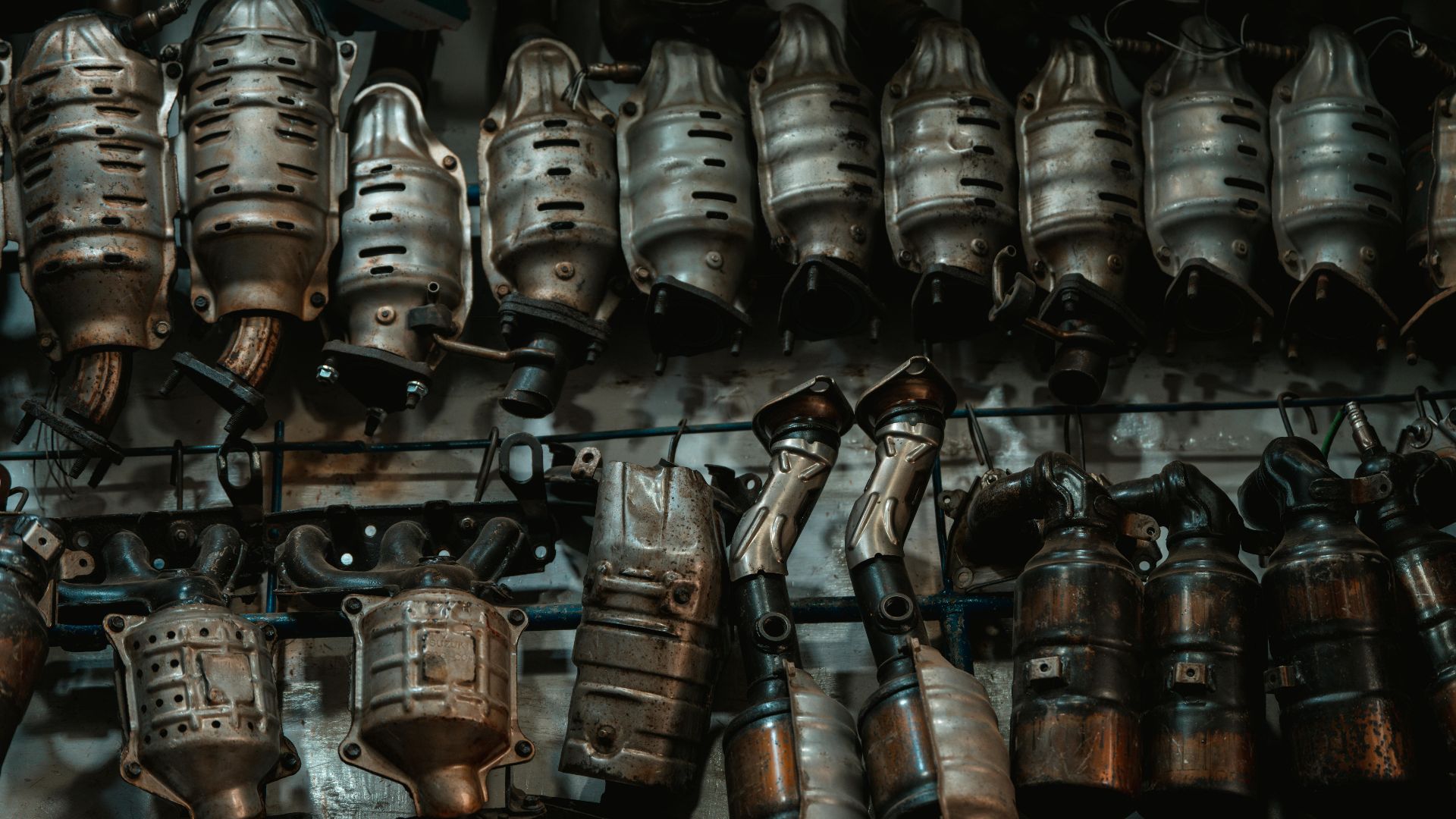
A high quote isn’t automatically unreasonable. Edmunds estimates that catalytic-converter replacement averages roughly $2,164 to $2,483, while AAA says some replacements can range from around $1,000 to $4,000 depending on the vehicle and parts involved. Still, those ranges make it worth comparing multiple written estimates.
Ask Whether A Legal Aftermarket Part Is Available
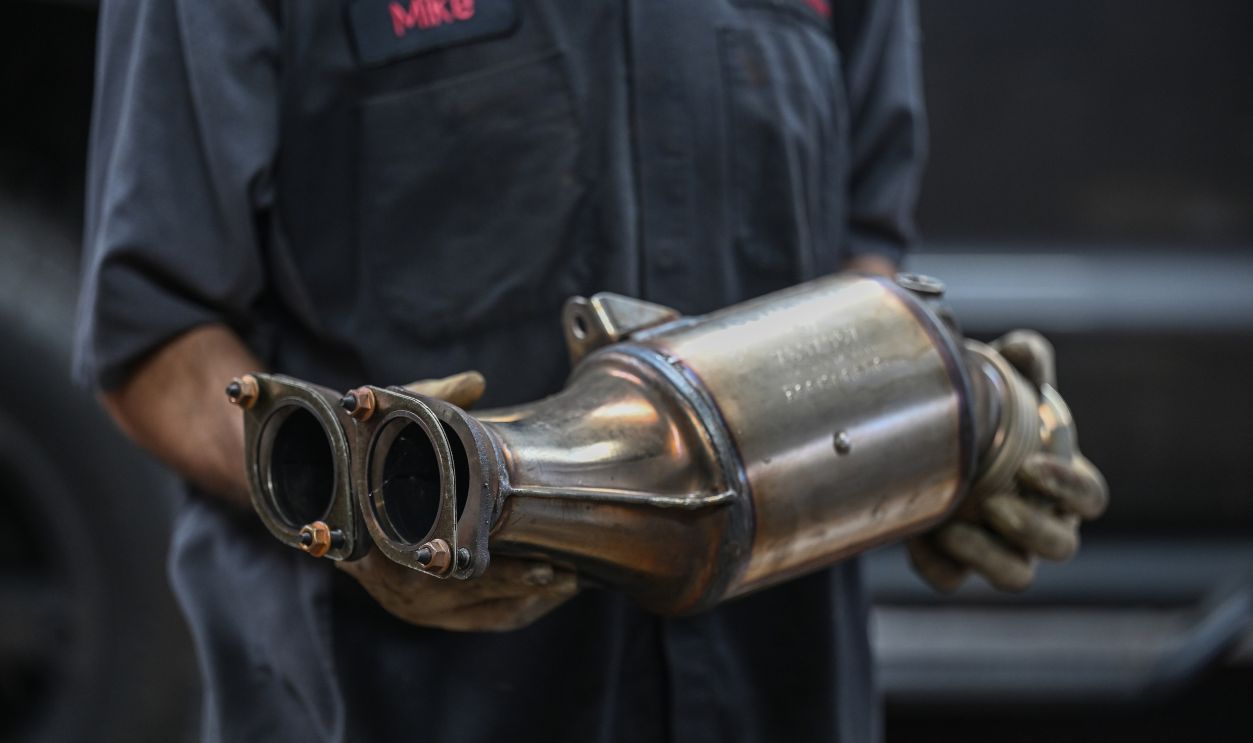
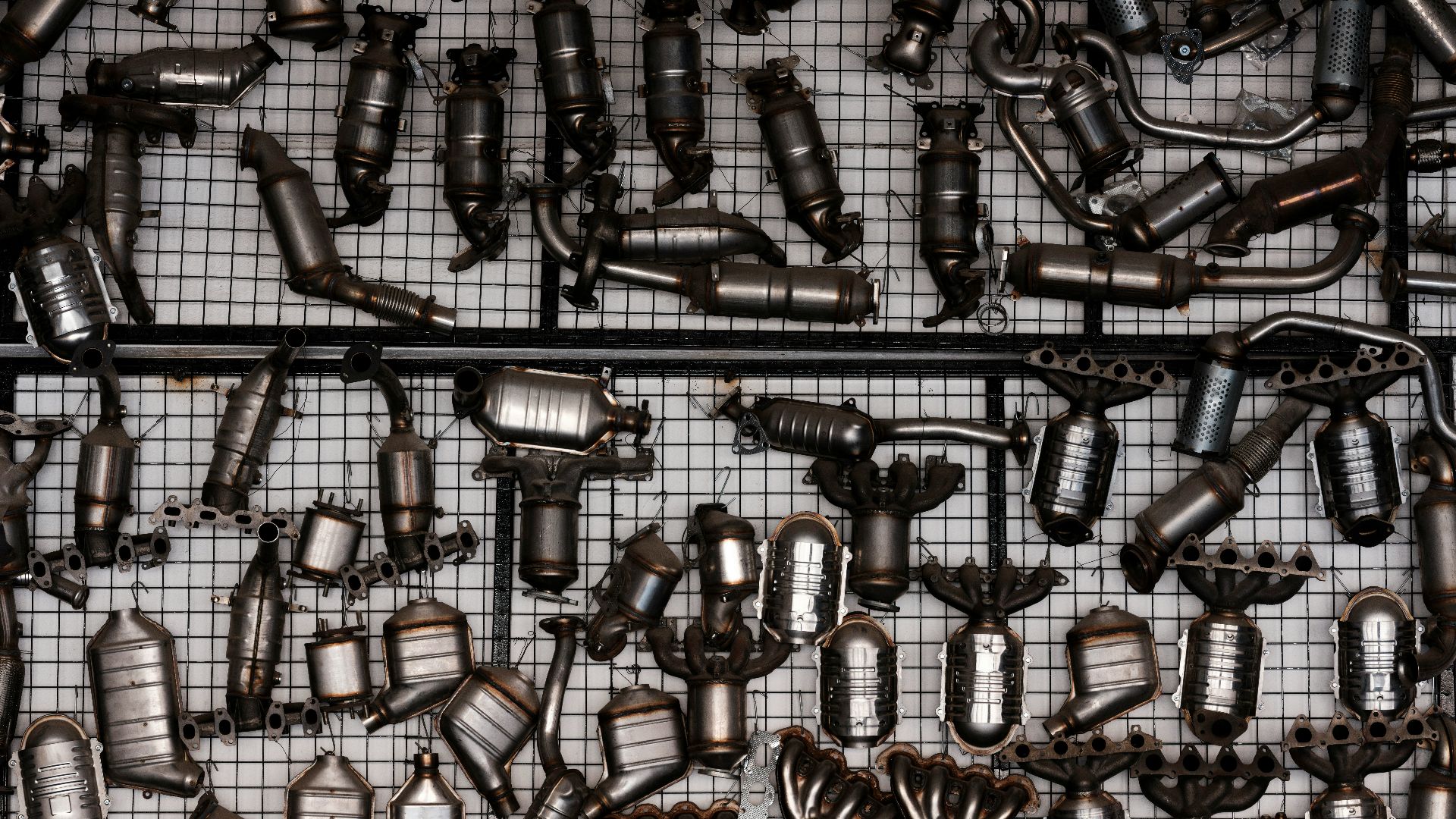
Factory catalytic converters can be dramatically more expensive than aftermarket alternatives. Depending on the vehicle and where it’s registered, an approved aftermarket converter may lower the bill considerably. But emissions rules differ, particularly in states following California emissions standards, so make sure any replacement is legally approved for that specific vehicle and jurisdiction.
Check The Federal Emissions Warranty
Before authorizing a major emissions repair, open the warranty booklet. Federal law provides longer coverage for certain major emissions components. EPA says catalytic converters, the emissions-control computer, and the onboard diagnostic computer on qualifying light-duty vehicles receive federal emissions warranty protection for 8 years or 80,000 miles, whichever comes first.
 Unknown author, Wikimedia Commons
That Warranty Can Follow A Used Car
The federal emissions warranty isn’t limited to the original buyer. EPA says eligible warranty protection can apply to used vehicles too because the coverage follows the vehicle’s age and mileage. An owner who bought the car second-hand may therefore have coverage they never realized existed.

Check For Longer Manufacturer Or State Coverage Too
The federal minimum isn’t necessarily the only warranty involved. Certain vehicles, emissions certifications, and states can have different or longer coverage for particular components. Check the emissions-warranty section of the owner’s manual using the VIN and ask the manufacturer directly rather than relying only on an independent shop to identify warranty coverage.

Look For Recalls And Service Campaigns
Before paying for the repair, search the VIN for open recalls and ask the manufacturer whether any service campaign applies. Also ask the dealer about technical service bulletins involving the trouble code or emissions component. A known software update or recurring vehicle-specific problem could substantially change the diagnosis or repair strategy.

Figure Out Whether You Actually Need An Emissions Test
Emissions-testing requirements vary widely across the United States. EPA directs motorists to their state or local inspection program because testing frequency, covered vehicles, exemptions, waivers, and repair rules differ by jurisdiction. Some states have statewide programs, others test only certain metropolitan areas, and many don’t require periodic emissions inspections at all.
Older Cars May Eventually Become Exempt
Vehicle age can matter. New York, for example, exempts certain older gasoline-powered vehicles from its standard emissions-testing requirements while still requiring applicable safety inspections. Other states use completely different model-year rules. Before spending more than the car is worth, check whether it’s approaching an exemption that actually applies where you live.
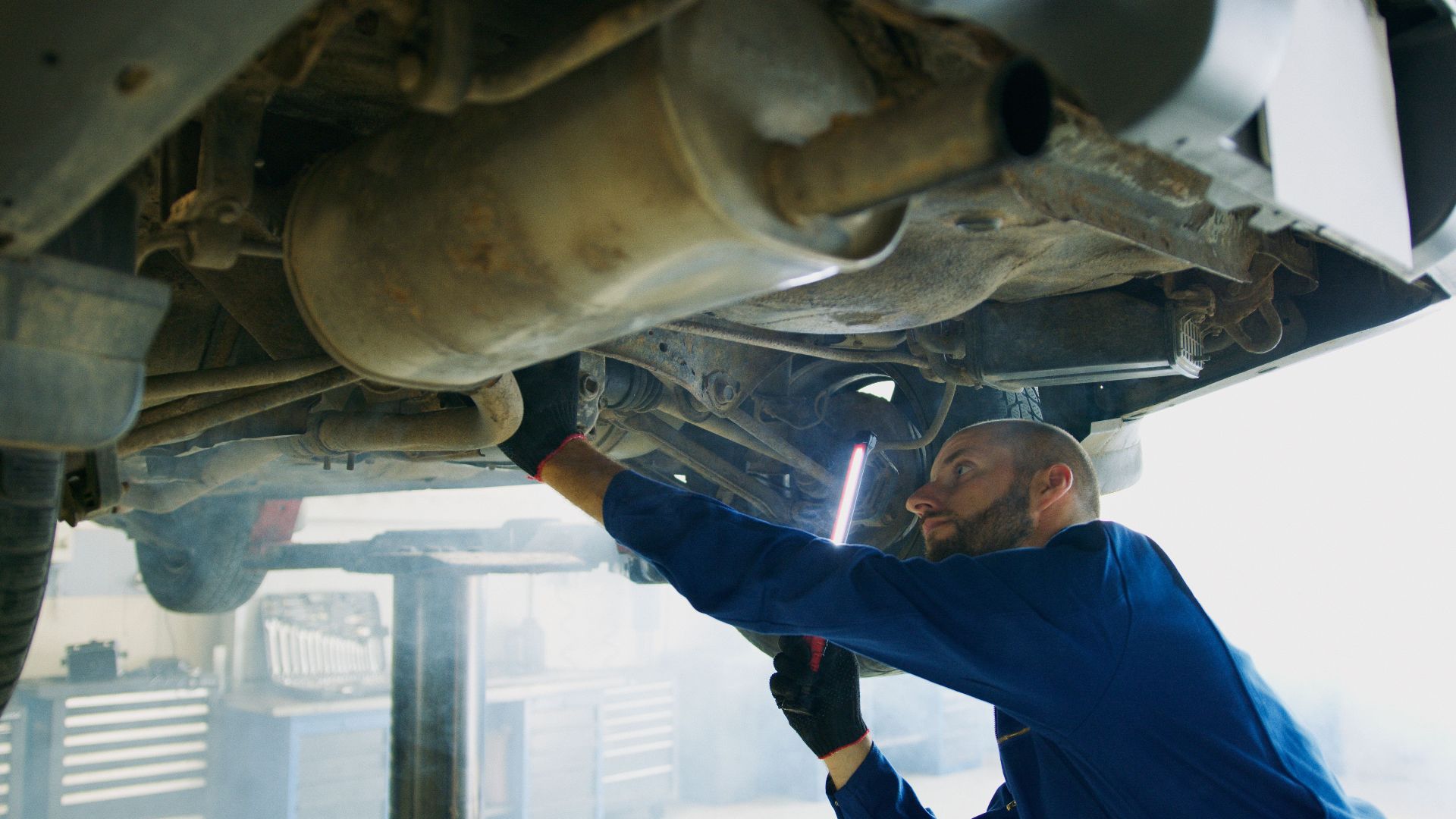
A Failed Test Doesn’t Always Mean Unlimited Repairs
Some emissions programs recognize that requiring motorists to spend endlessly on an old car would create serious hardship. EPA notes that certain state and local programs offer repair-cost waivers after owners make qualifying attempts to correct a failed emissions inspection.
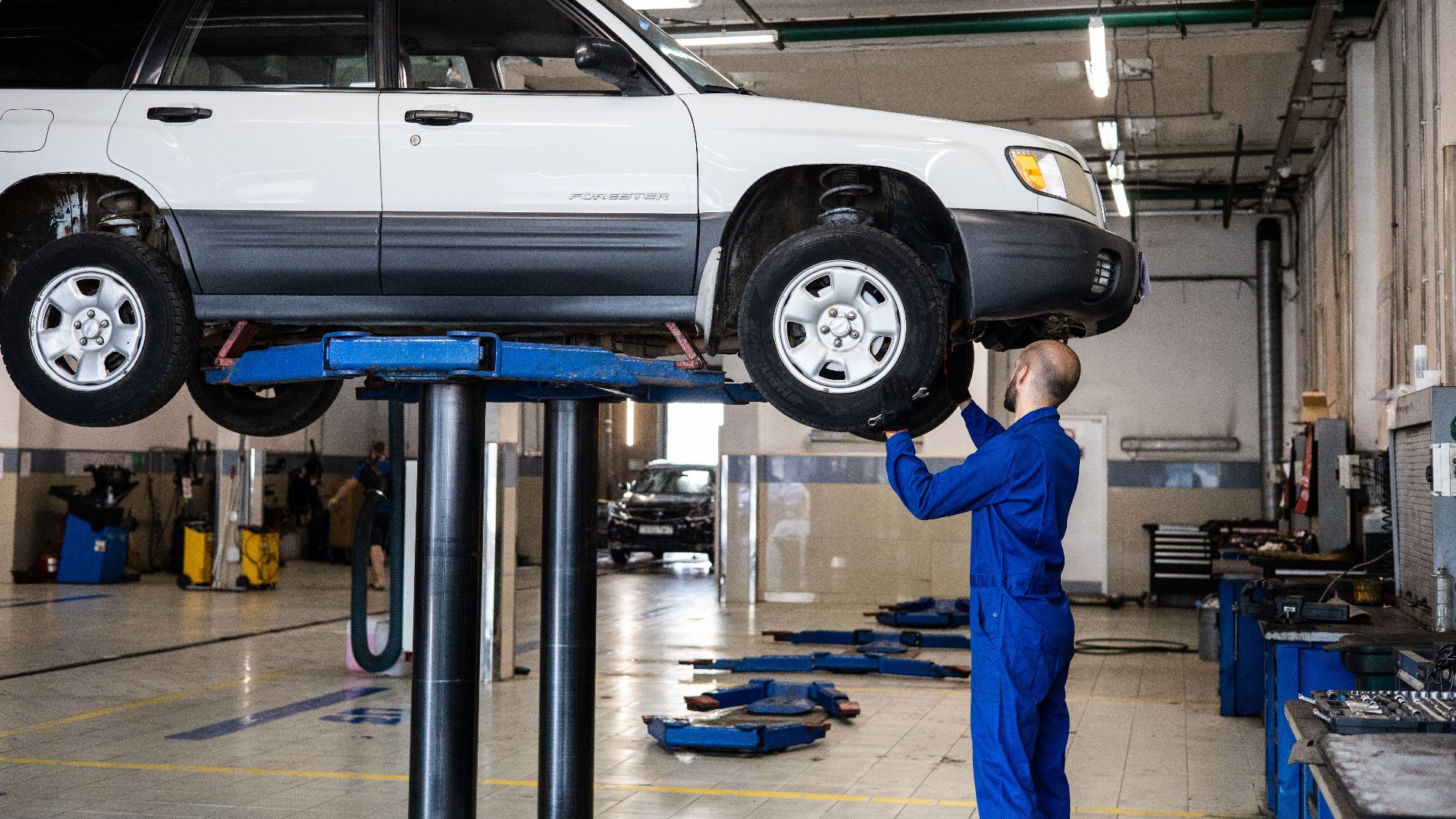
New York Provides One Example
Under New York’s current OBD-II waiver process, an eligible vehicle that still fails after qualifying emissions repairs may receive a waiver after at least $450 has been spent on eligible repairs. There are detailed documentation and timing requirements, so owners need to investigate the waiver before randomly paying for repairs and hoping they count.
Virginia Uses A Different Threshold
Virginia also provides emissions waivers, but its current rules are different. Virginia DEQ says the qualifying emissions-related diagnostic and repair charges for its applicable program must reach the waiver amount shown on the failed inspection report, which is $1,090 for failures occurring on or after January 5, 2026. This is why advice from a driver in another state may be useless.
 Shixart1985, Wikimedia Commons
Some States Help Pay For Repairs
A waiver isn’t the only option. EPA notes that some state and local inspection programs operate repair or replacement assistance programs for lower-income motorists. These programs can provide financial help when someone owns an older high-emitting vehicle but can’t reasonably afford the necessary repair.
California Has A Significant Assistance Program
California’s Consumer Assistance Program currently offers qualifying income-eligible owners help with emissions repairs after a failed Smog Check. For model-year 1996 and newer vehicles, the state can contribute up to $1,450 toward approved emissions-related repairs, subject to eligibility rules and owner copayments.

Vehicle Retirement Programs Can Pay Something Too
Some jurisdictions would rather permanently remove a high-emitting old vehicle from the road than keep subsidizing repairs. California, for example, offers qualifying owners payments for vehicle retirement through the same Consumer Assistance Program. Check whether your area offers a similar scrappage or replacement incentive before simply selling the car to a junkyard.
Don’t Clear The Check-Engine Light Just Before A Test
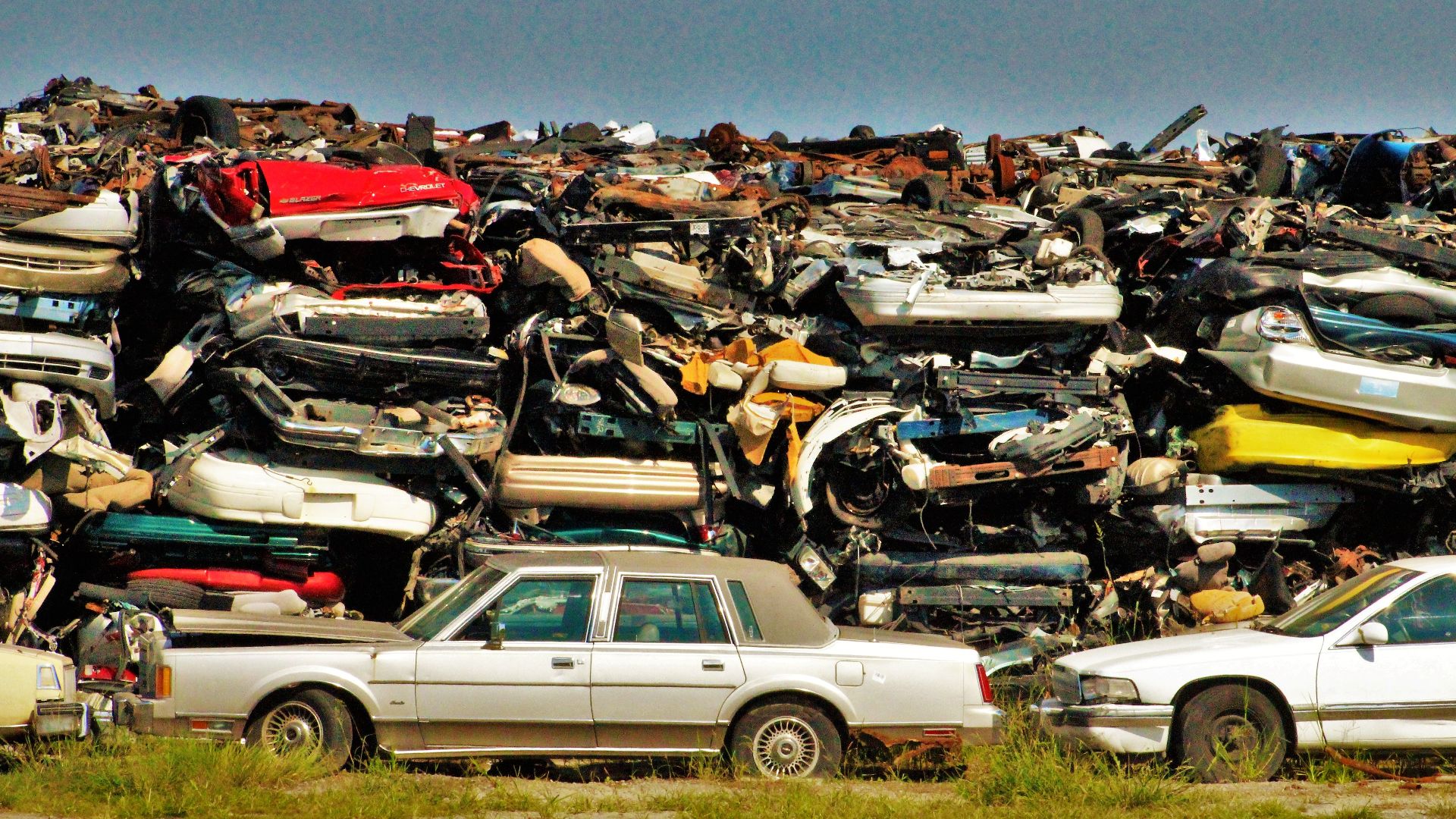
Disconnecting the battery or using a scanner to erase the code can turn the light off temporarily, but that doesn’t fix anything. It also resets the car’s emissions readiness monitors. An inspection station can detect monitors that haven’t completed their self-tests, potentially leaving the vehicle unable to pass until it has been driven enough to run them again.
 Bartolomiej Pietrzyk, Shutterstock
Don’t Try To Bypass The Emissions Equipment
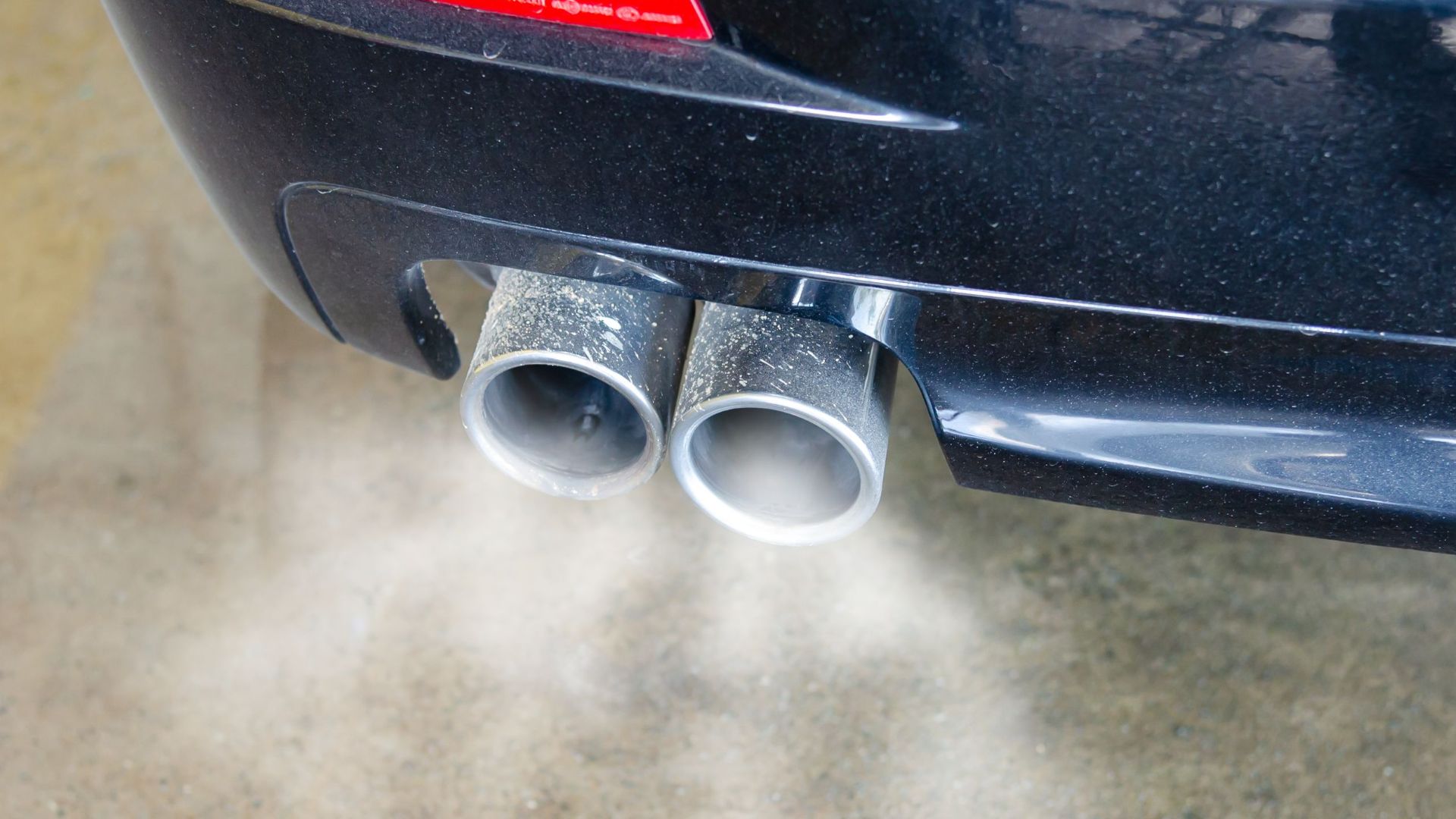
Removing a catalytic converter, installing a straight pipe, defeating an OBD monitor, or using software intended to hide an emissions failure isn’t a legitimate cheap fix. EPA treats disabling required emissions-control equipment as tampering under federal law. The fact that the car is old or inexpensive doesn’t create an exemption.
 Jose Ricardo Barraza Morachis, Pexels
Decide Whether The Car Is Safe And Reliable Otherwise
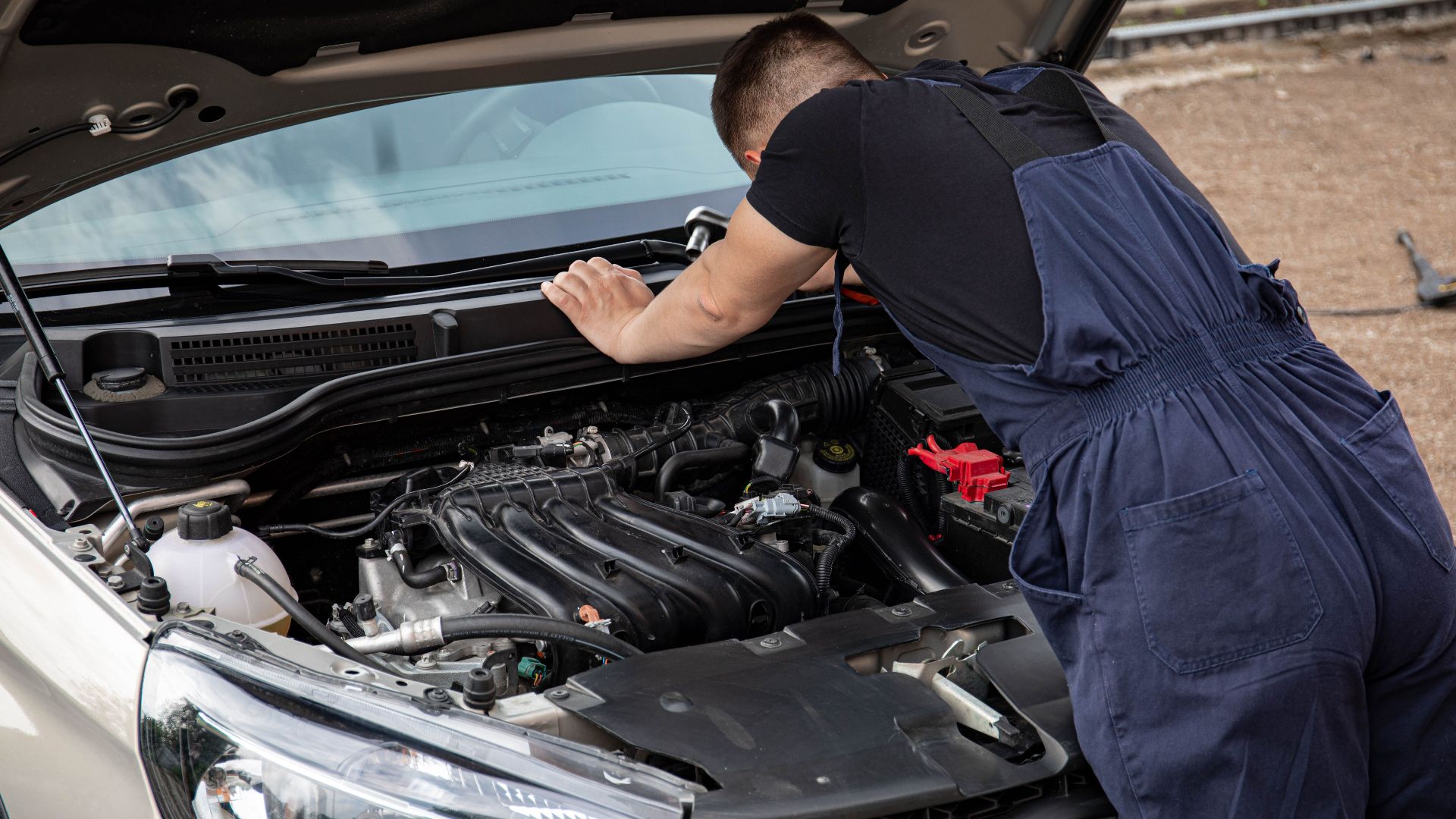
The market value shouldn’t be the only number in the decision. A $2,500 emissions repair may make little sense on a car with serious rust, transmission problems, oil consumption, worn suspension, and an unreliable cooling system. The same repair can look quite different on a well-maintained old car that could reasonably provide several more years of transportation.
Repair Cost Versus Car Value Isn’t A Perfect Rule
It sounds irrational to spend $3,000 repairing a car worth $2,500, but replacing the car may cost far more than $3,000. Consumer Reports recommends considering how many additional months you expect to keep the vehicle and dividing the repair cost across that period. A major one-time repair can still be cheaper than years of loan payments.

Compare The Repair With Your Replacement Cost
Don’t compare a $2,500 repair only with the old car’s trade-in value. Compare it with the actual cost of replacing the vehicle with something reliable enough to meet your needs. Used-car prices, sales tax, registration, financing, higher insurance premiums, and another used car’s potential repairs all belong in that calculation.
Look At The Car’s Recent Repair History
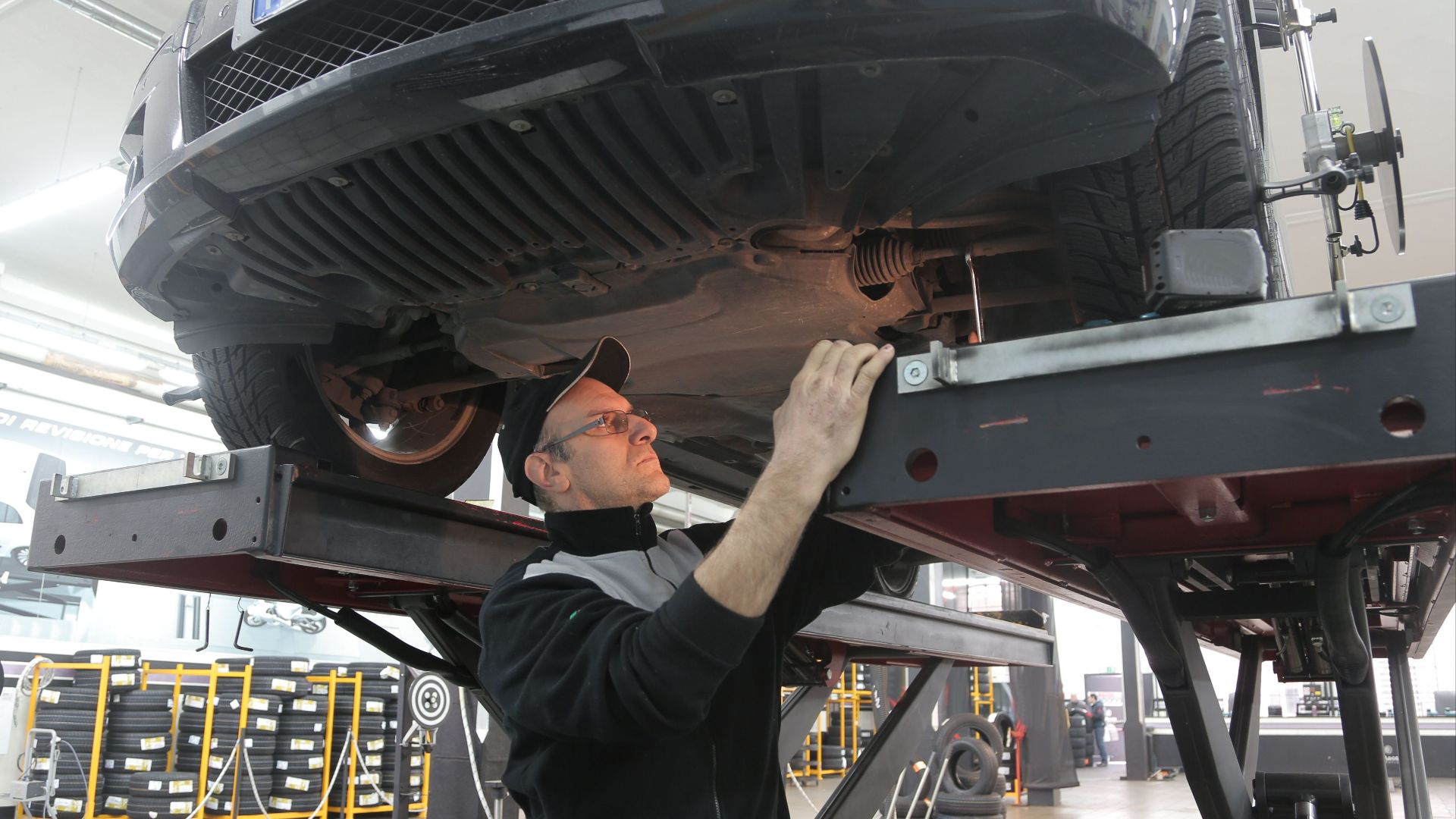
One major repair after several inexpensive years isn’t necessarily a reason to give up. Three $2,000 repairs in 12 months may be. Edmunds suggests considering how frequently the car leaves you stranded and notes that a repair exceeding roughly half the vehicle’s value can be a useful signal that replacement deserves serious consideration.
Selling The Car Is Still An Option
A failed emissions test doesn’t necessarily mean the vehicle has zero value. A dealer may accept it as a trade, a mechanic or hobbyist may want it, or a buyer may be willing to make the repairs. But state law can govern inspections, disclosures, and what sellers must provide, so don’t advertise the vehicle as problem-free when you already know why it failed.

Trading It In May Be Simpler Than A Private Sale
A dealership regularly handles vehicles requiring reconditioning and may be willing to take the car as-is, although the failed emissions system will almost certainly reduce the offer. For someone who doesn’t want to navigate inspection and disclosure requirements with a private buyer, accepting a lower trade value can be the cleaner exit.

Scrapping The Car Can Make Sense Eventually
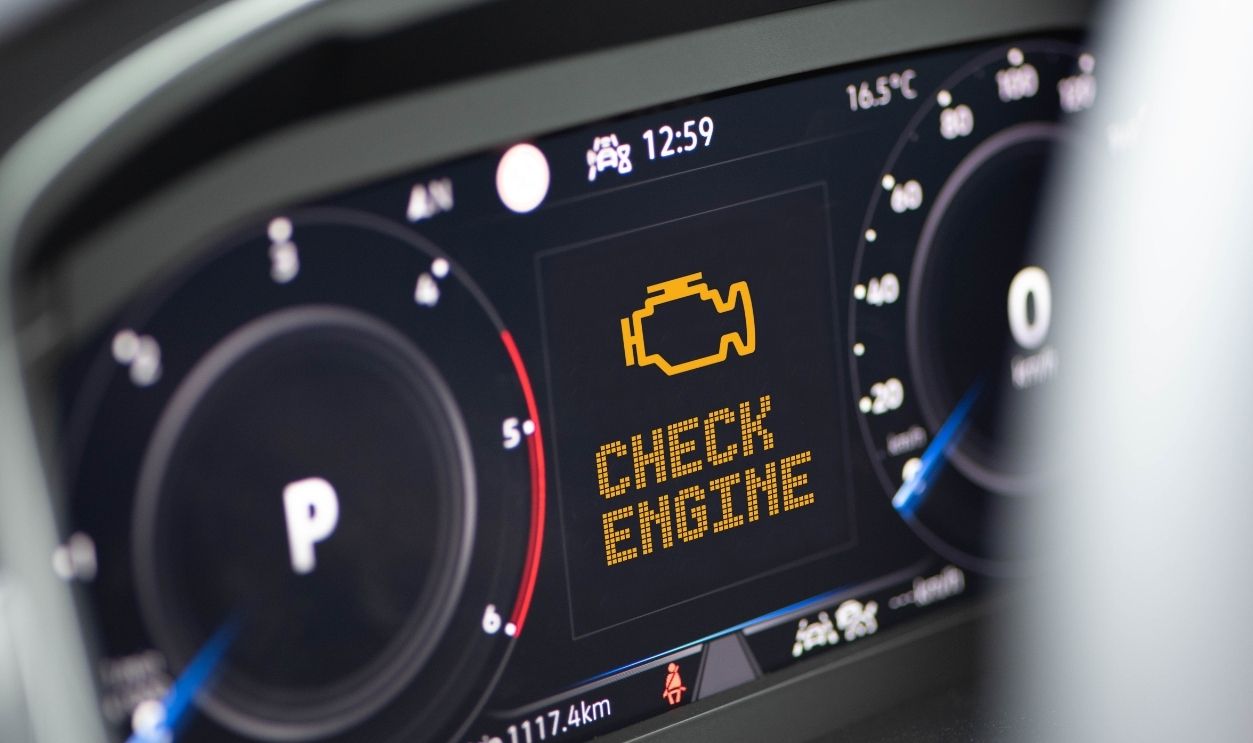
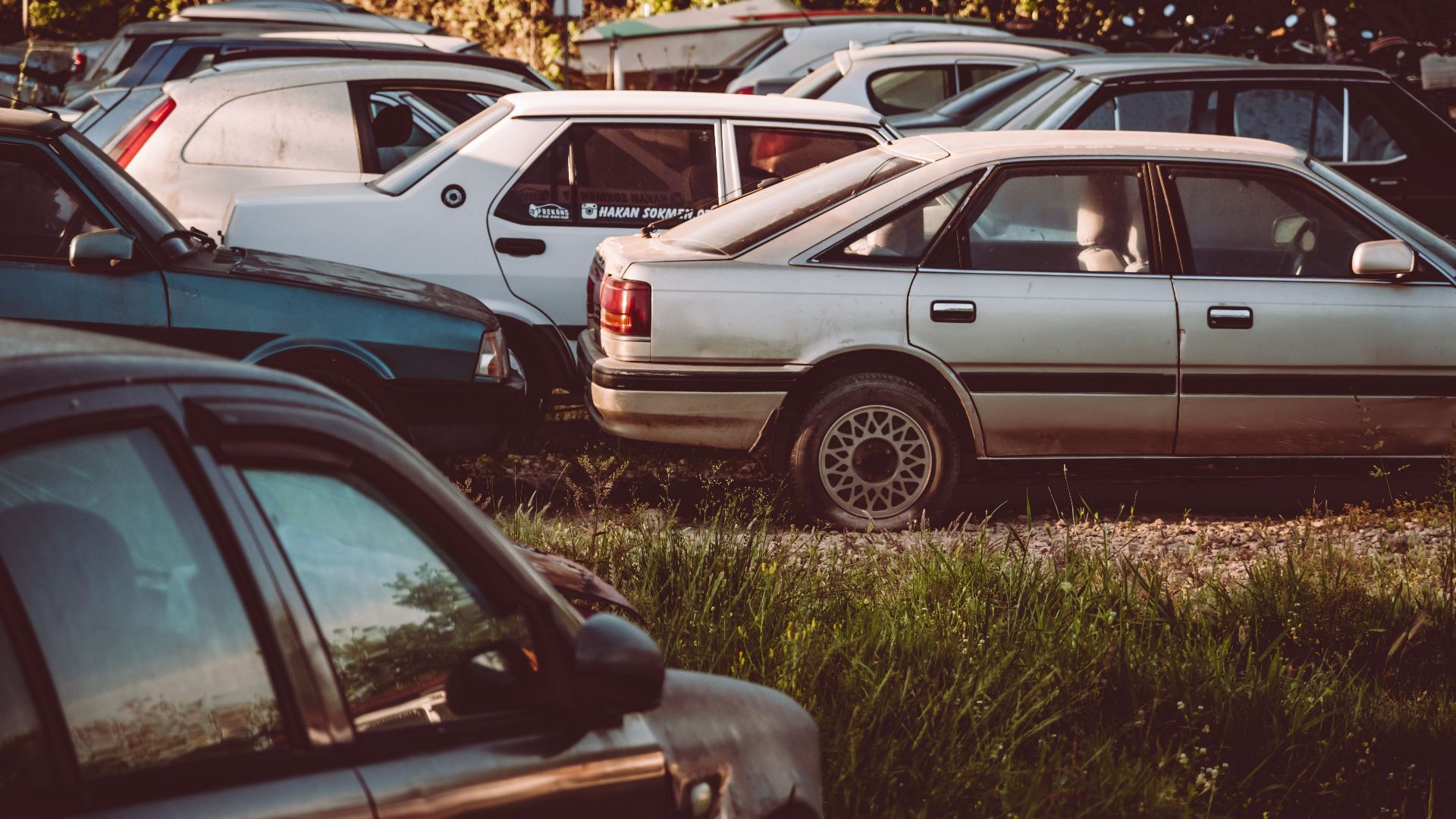
If the emissions repair exceeds the car’s value and the vehicle also needs tires, brakes, suspension work, rust repair, or other expensive maintenance, retirement may be the rational choice. Get several scrap or salvage quotes before accepting the first offer, and follow your state’s procedures for surrendering the title and plates.
Don’t Let The Car’s Book Value Make The Decision By Itself
An emissions estimate larger than the vehicle’s resale value is a warning sign, not an automatic order to junk it. Confirm the diagnosis, investigate warranties and recalls, check legal aftermarket parts, research your state’s exemptions, waivers, and assistance programs, and compare the repair with the true cost of replacement. Sometimes walking away is absolutely sensible. Other times, fixing a $2,500 car for $3,000 can still be the cheapest way to stay on the road.

You May Also Like: