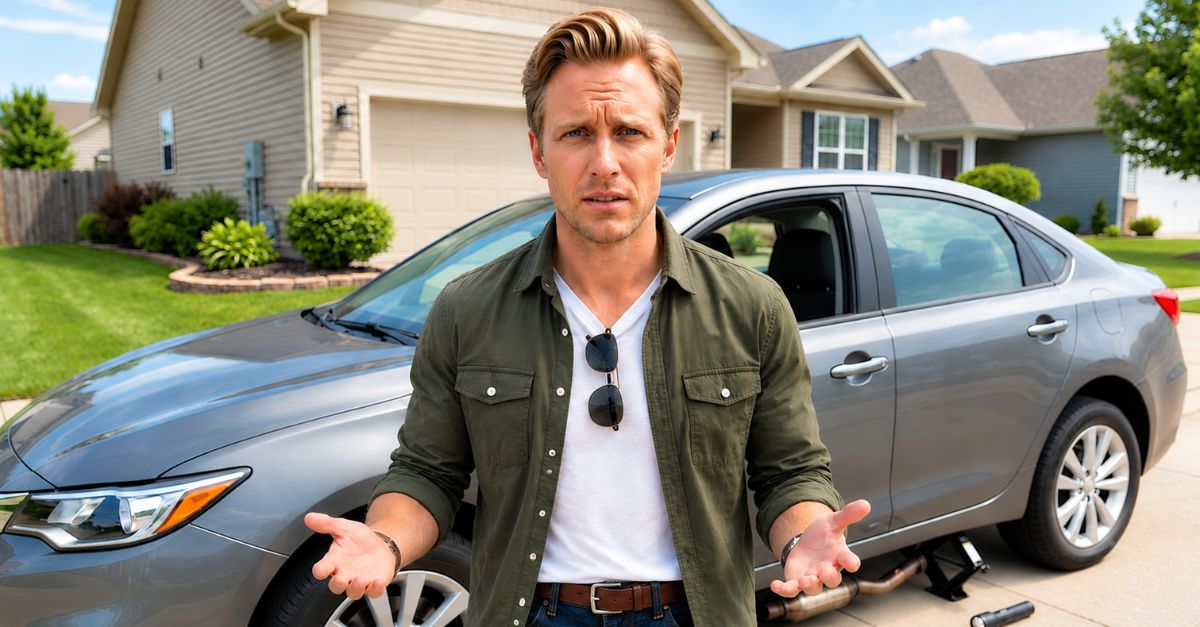
The Second Theft Can Hurt More Than The First
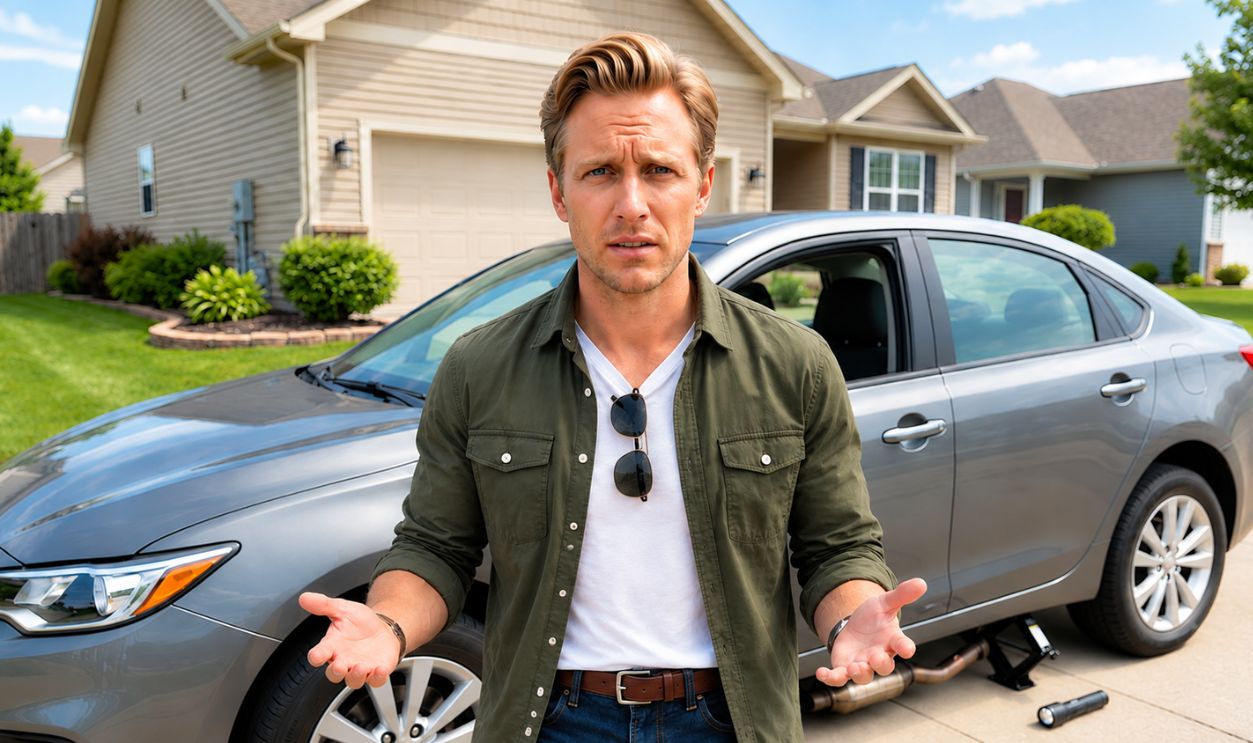
Having your catalytic converter stolen once is bad enough. Having it happen twice in one year, then hearing your insurer say another claim could raise your premium, can make you feel stuck. And sometimes, that really does leave drivers paying for theft out of pocket, even though theft is exactly the kind of thing insurance is supposed to cover.
Why This Keeps Happening
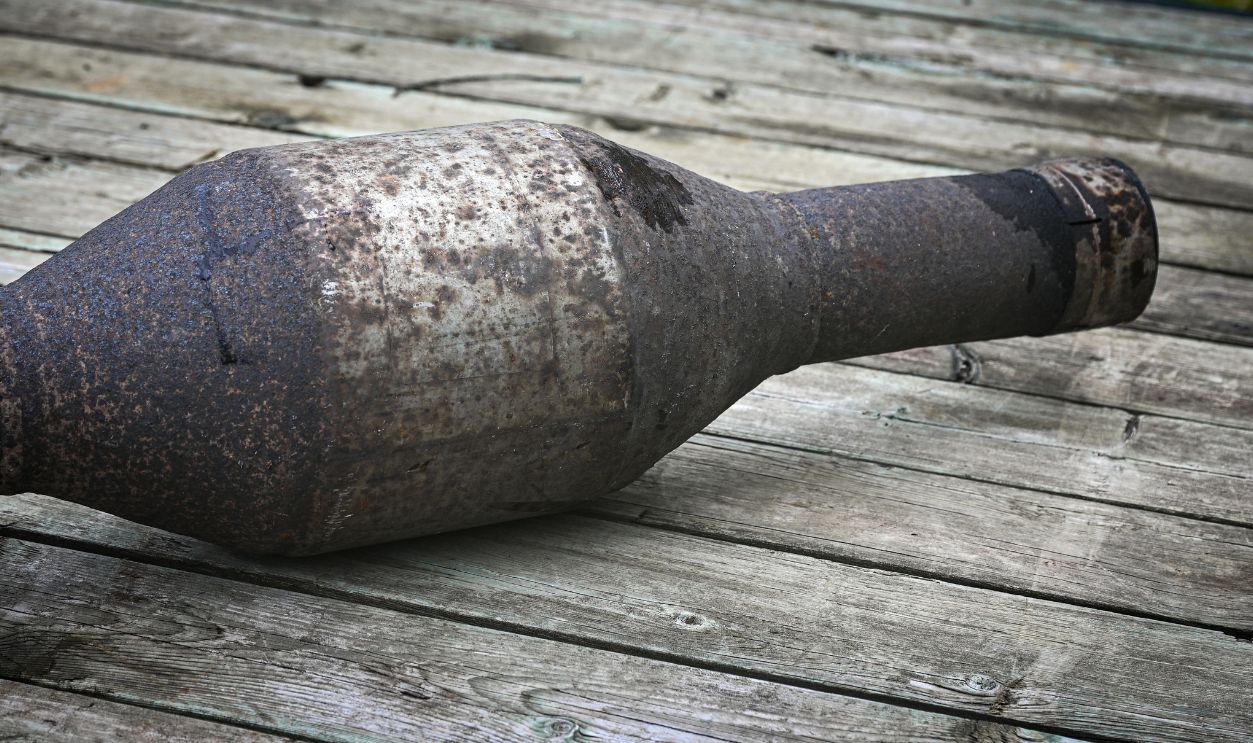
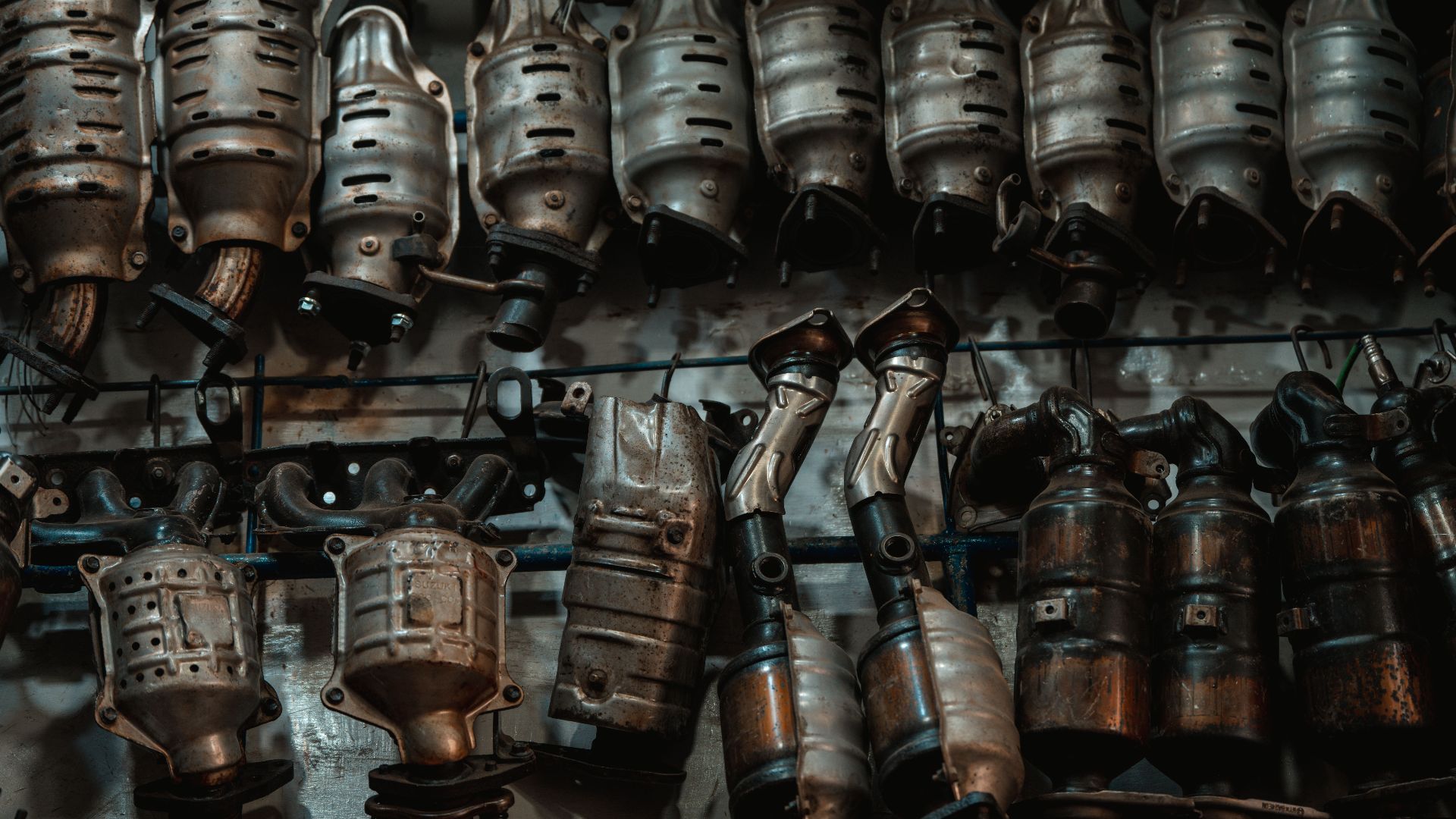
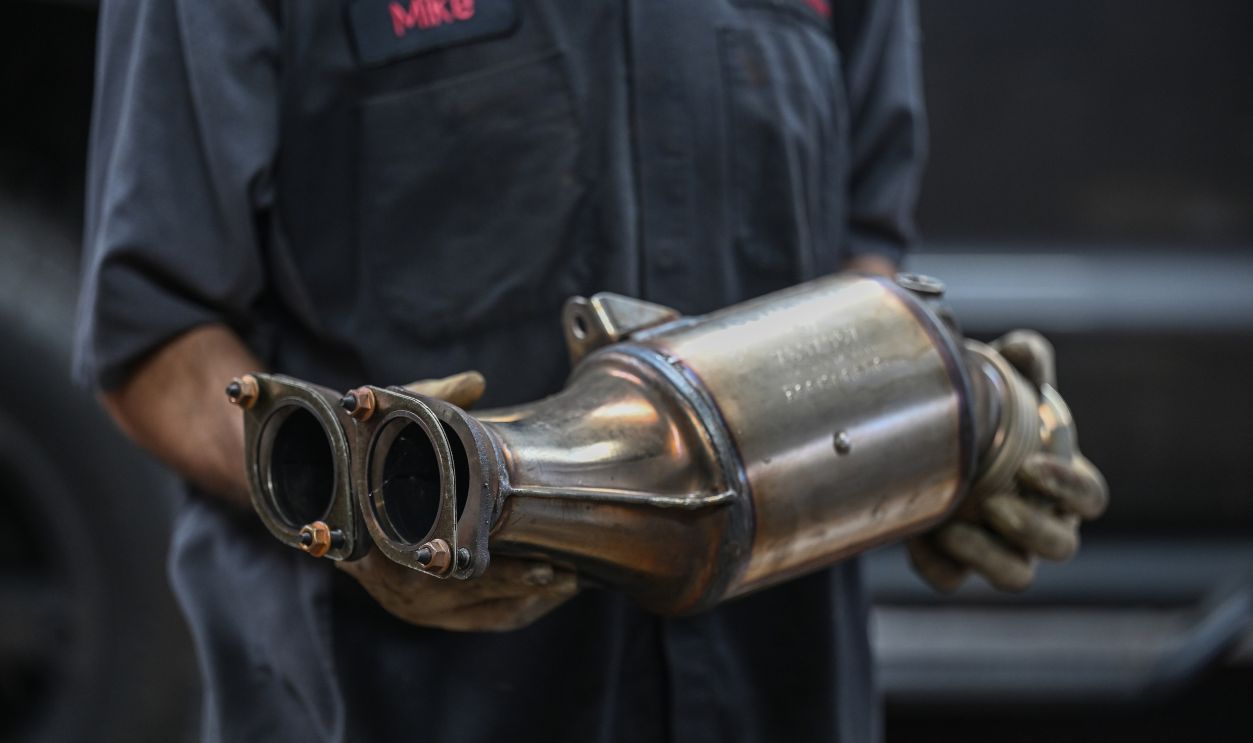
Catalytic converter theft took off because the part contains valuable metals like rhodium, palladium, and platinum. Thieves can often cut one out in just a few minutes with basic tools, especially on vehicles with more ground clearance. The National Insurance Crime Bureau said theft reports jumped hard in the early 2020s, which helps explain why insurers got more careful about repeat claims.
The Surge That Changed Everything
The National Insurance Crime Bureau reported about 16,660 catalytic converter thefts in 2020, up from 3,389 in 2019. It later said reports rose to around 64,701 in 2022 before dropping in 2023. Those numbers made it clear this was not just a string of bad luck for a few owners. It had become a nationwide insurance problem.
Claims Are Not Free Money
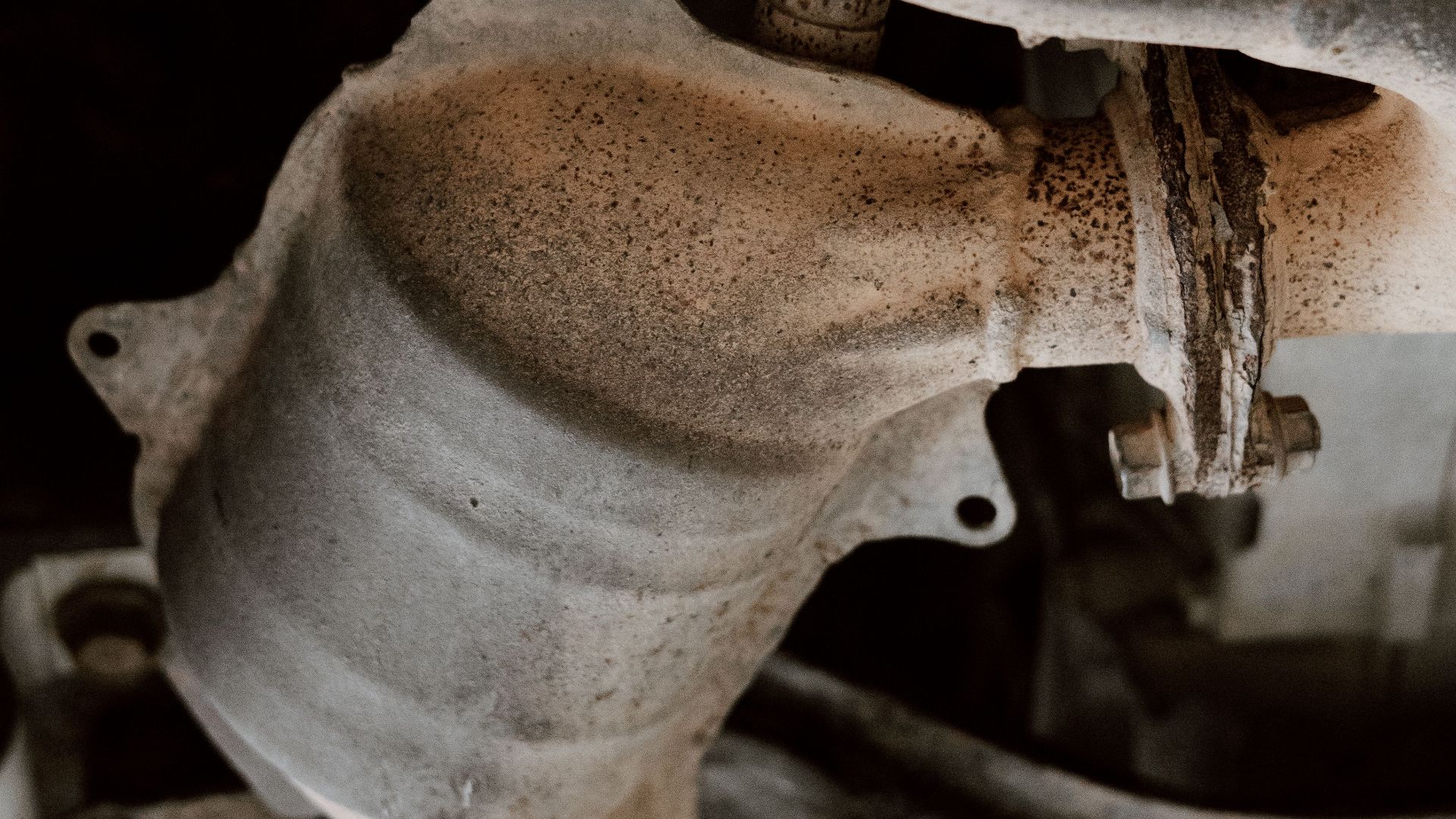
If your catalytic converter is stolen, the claim usually falls under comprehensive coverage, not collision. Comprehensive is the part of an auto policy that usually covers theft, vandalism, hail, and other non-crash damage. But filing a claim does not mean your rate will stay the same, and it does not always mean filing is the best money move.
What Insurers Usually Cover
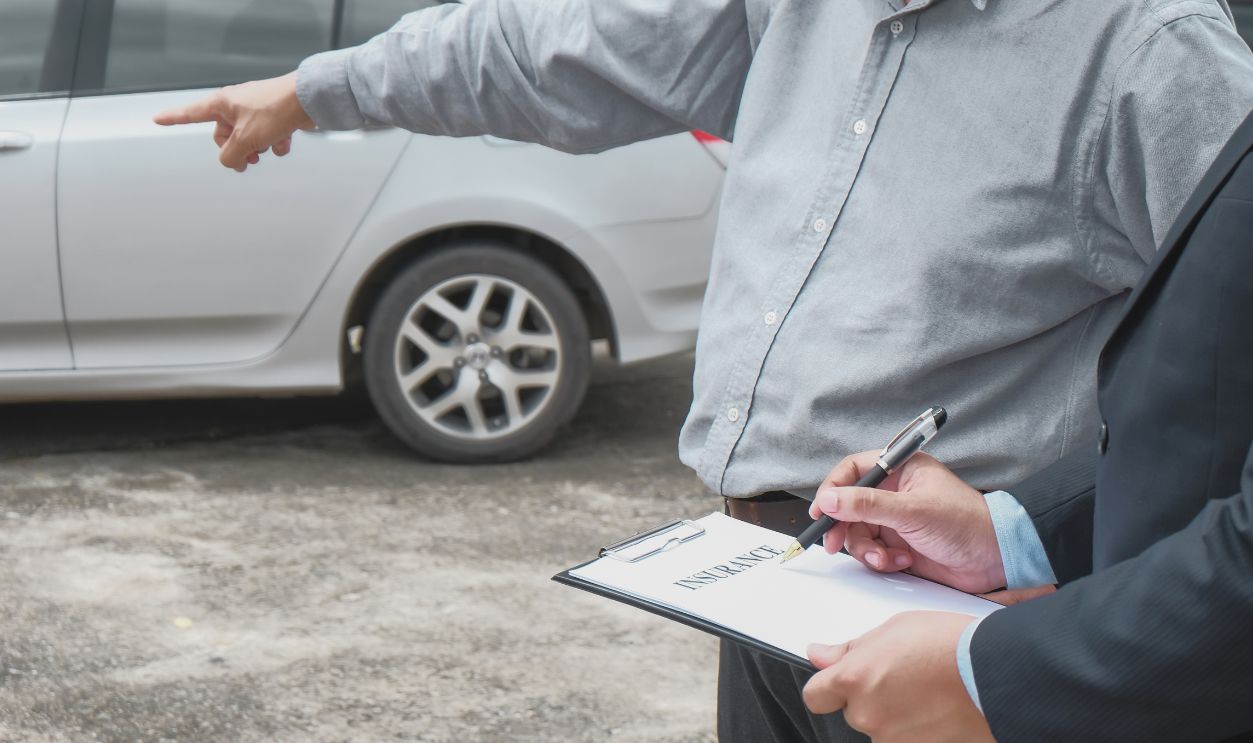
Progressive says catalytic converter theft is usually covered under comprehensive insurance, minus your deductible. State Farm says basically the same thing, noting that theft is generally covered and the deductible still applies. So if you have a $1,000 deductible, you may have to cover the first $1,000 of the repair yourself before insurance pays anything.
Why That Warning From Your Insurer Matters
A lot of drivers assume a theft claim cannot affect their premium because they did nothing wrong. But insurers look at claim history, location, and vehicle risk when setting rates, and repeat losses can count against you even when you were not at fault. The Insurance Information Institute says insurers price based on the chance of future claims, which is why a second or third theft can make them uneasy.

Can A Theft Claim Raise Your Premium
Yes, it can. The exact impact depends on your state, your insurer, and your overall risk profile. Consumer guidance from insurers often notes that comprehensive claims can affect rates at renewal, even if they usually matter less than at-fault crash claims. So if your insurer warned you, that warning is believable.

When Paying Out Of Pocket Starts To Make Sense
If your deductible is close to the repair cost, filing a claim may not help much. Kelley Blue Book says catalytic converter replacement can range from about $1,000 to several thousand dollars depending on the vehicle. If the repair bill barely clears your deductible, paying it yourself may protect your claims history while saving only a small amount through insurance.

The Deductible Is The First Thing To Check
Start with the math. If your deductible is $500 and the total repair is $1,400, insurance may save you about $900 before you even think about any future premium increase. If your deductible is $1,000 and the repair is $1,300, the claim may barely help at all.

The Repair Bill Can Get Big Fast
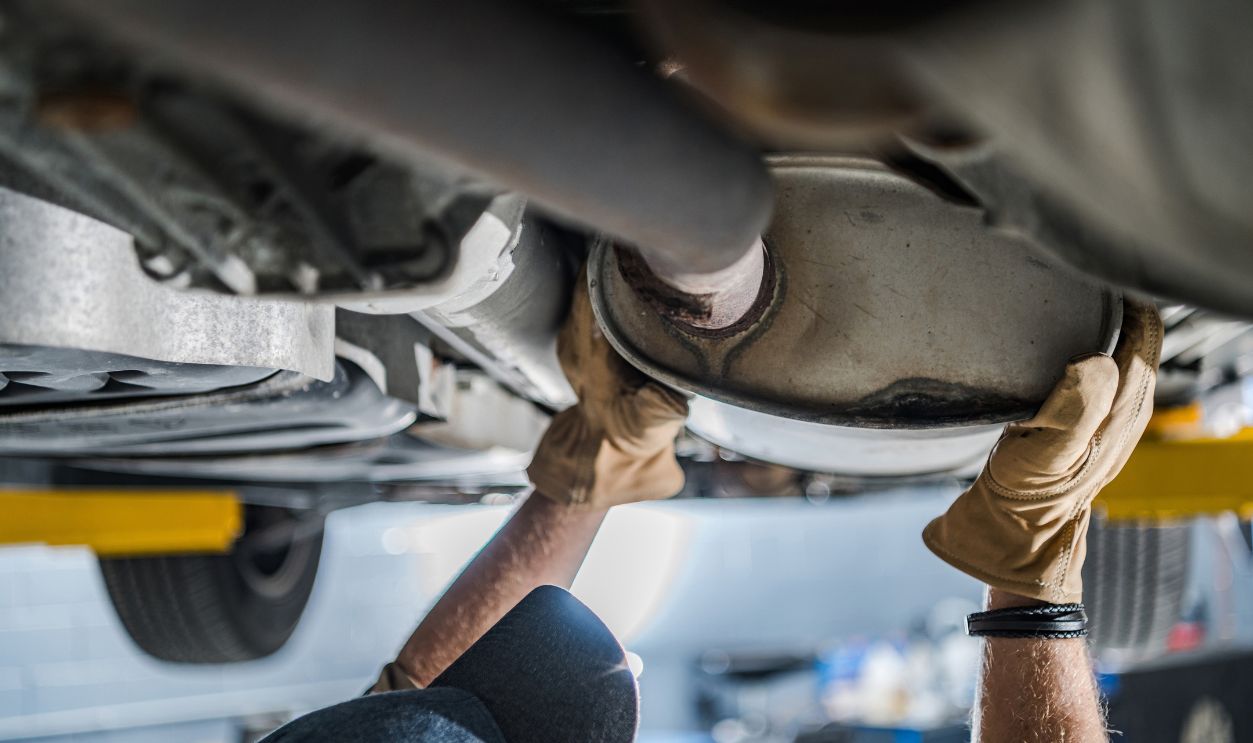
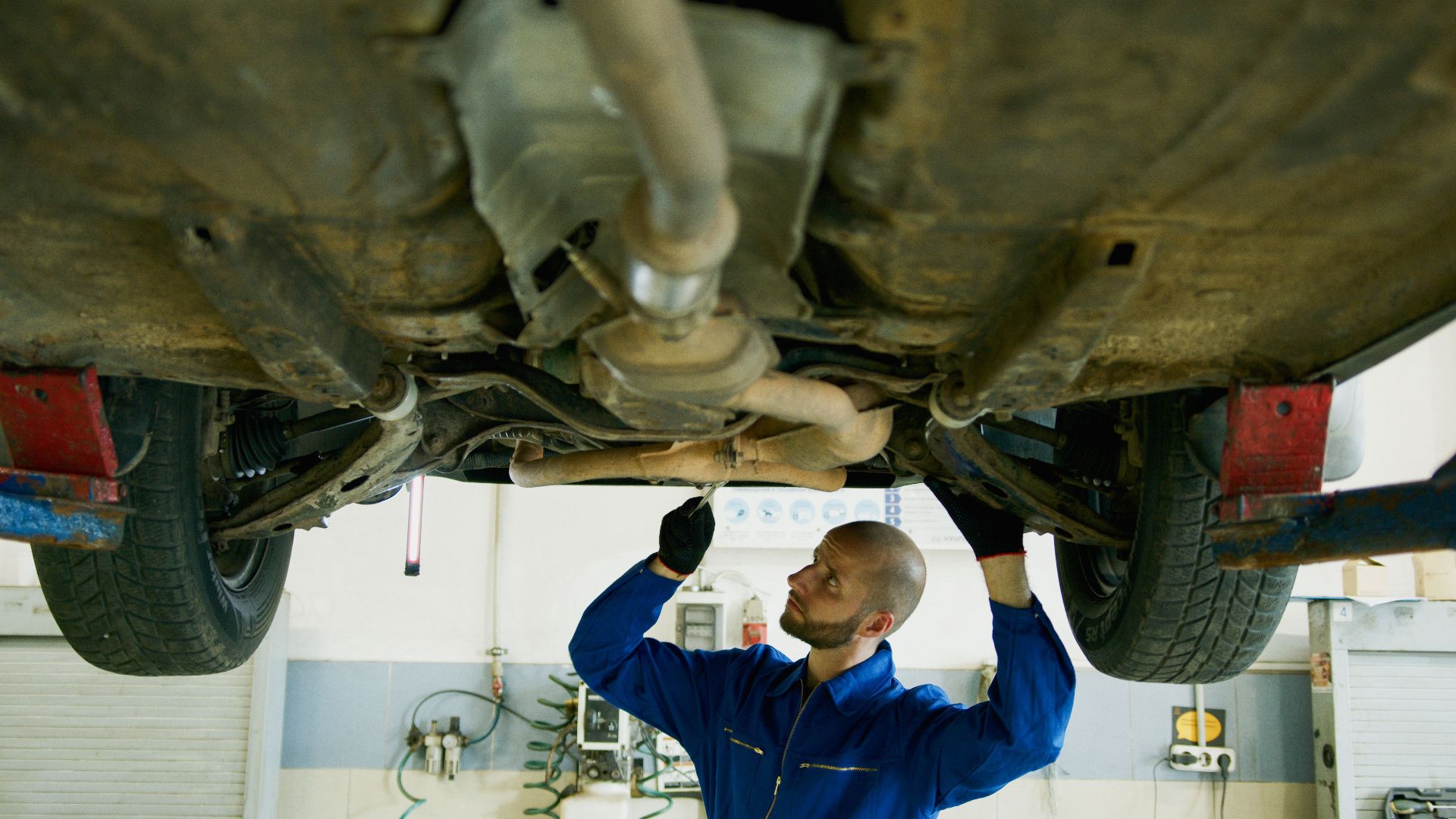
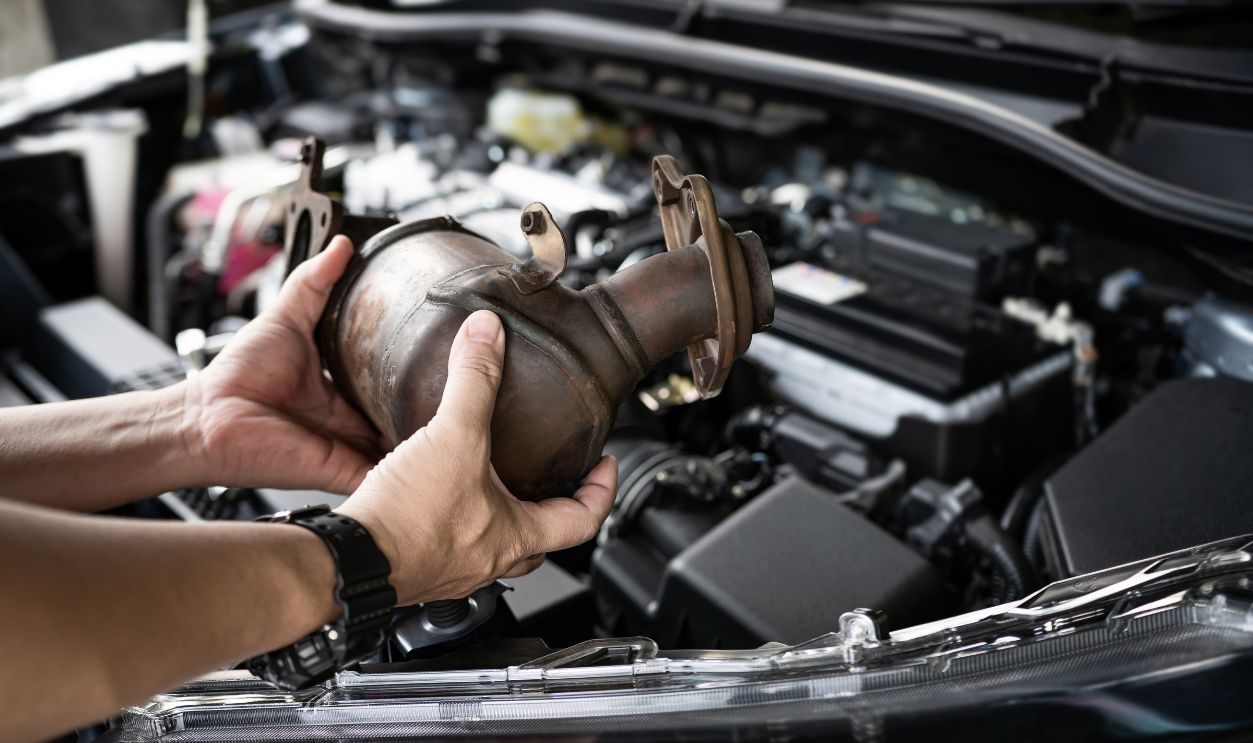
Catalytic converter theft often damages more than just the converter. Oxygen sensors, exhaust pipes, heat shields, and other parts may also need to be replaced, and labor is not cheap. Carfax has noted that repair costs can run from around $1,000 to more than $3,000, especially for hybrids and some trucks or SUVs.
Some Vehicles Are Easier Targets
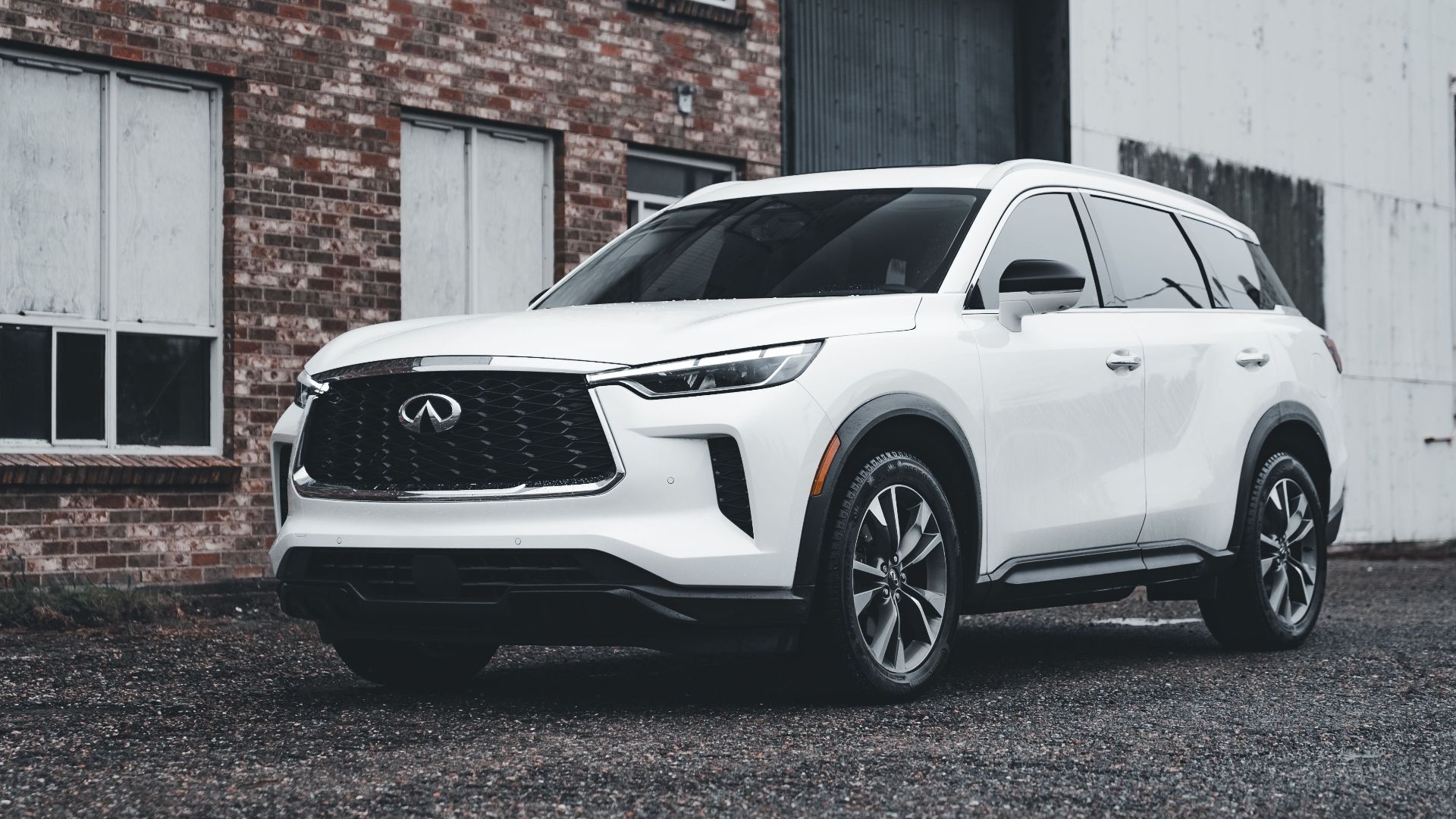
Vehicles that sit higher off the ground are easier for thieves to get under, which is one reason trucks and SUVs are common targets. Hybrids have also been hit hard because their catalytic converters can contain more recoverable precious metals due to lower wear. NICB and law enforcement alerts have repeatedly flagged models like the Toyota Prius as common targets.
Where You Live Matters A Lot
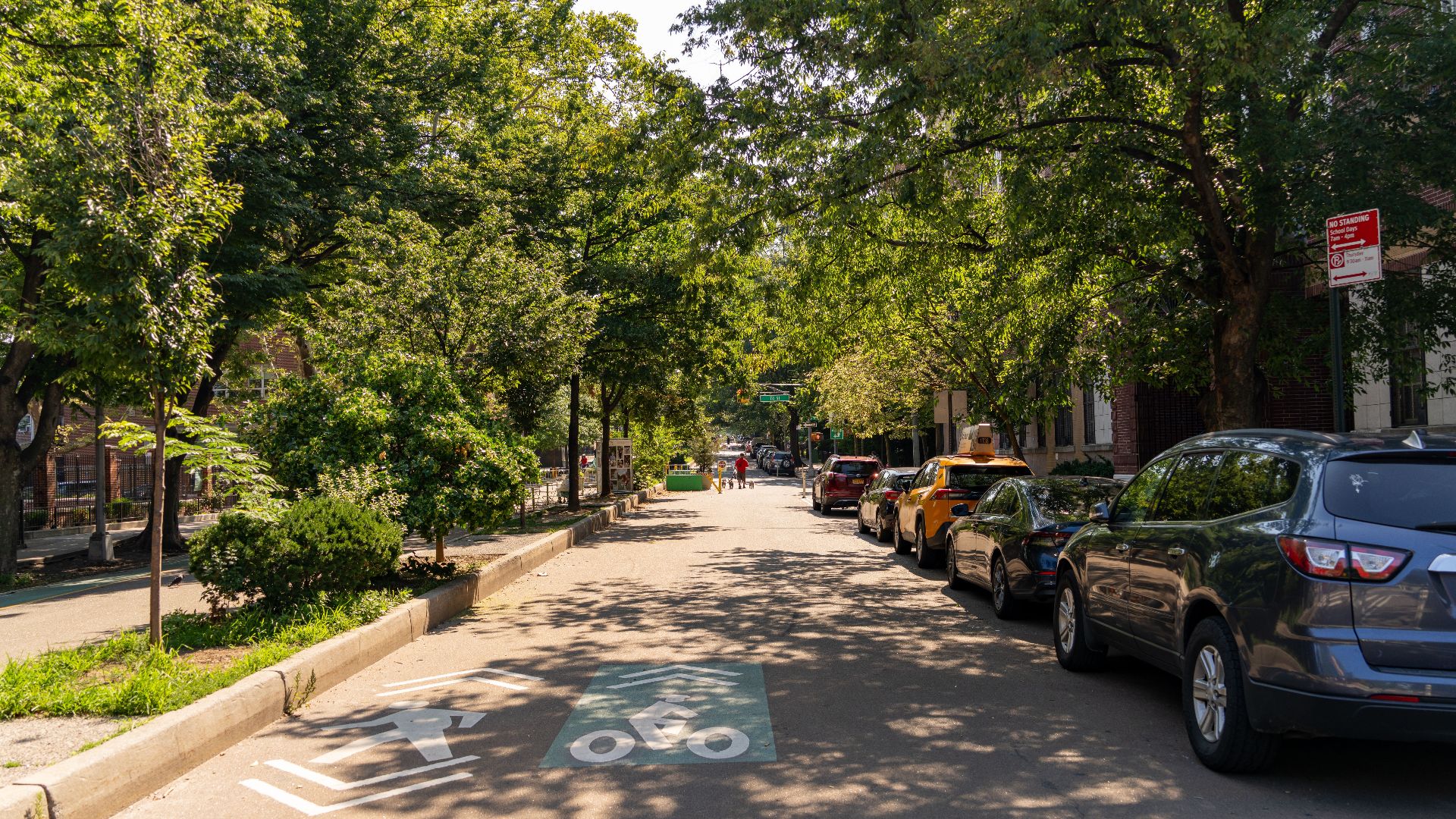
Insurers do not just rate the vehicle. They also look at where it is parked and driven, including theft patterns in your ZIP code and region. If you have already had two thefts in one year, your insurer may see your location and parking situation as an ongoing risk, even if you did nothing wrong.
Your Insurer Is Pricing Risk, Not Fairness
This is the part that frustrates people most. Insurance pricing is built on expected future losses, not who deserves blame. If the data say your car is likely to be targeted again, the company may raise your premium, change your terms, or sometimes choose not to renew the policy.

Nonrenewal Is Not The Same As Cancellation
When drivers hear a warning about rates, they sometimes worry their policy could disappear overnight. Usually that is not how it works. In most states, nonrenewal and cancellation are different, and insurers generally have to follow notice rules. That does not make repeat theft claims painless, but it does mean there is usually a process before major policy changes happen.

What To Ask Before Filing Claim Number Three
Before opening another claim, call your insurer and ask direct questions. Confirm your deductible. Ask whether aftermarket anti-theft devices are covered, whether earlier thefts affect underwriting, and whether your state allows surcharges after comprehensive claims. You need answers tied to your policy, not a vague script.

Ask The Repair Shop For A Full Estimate
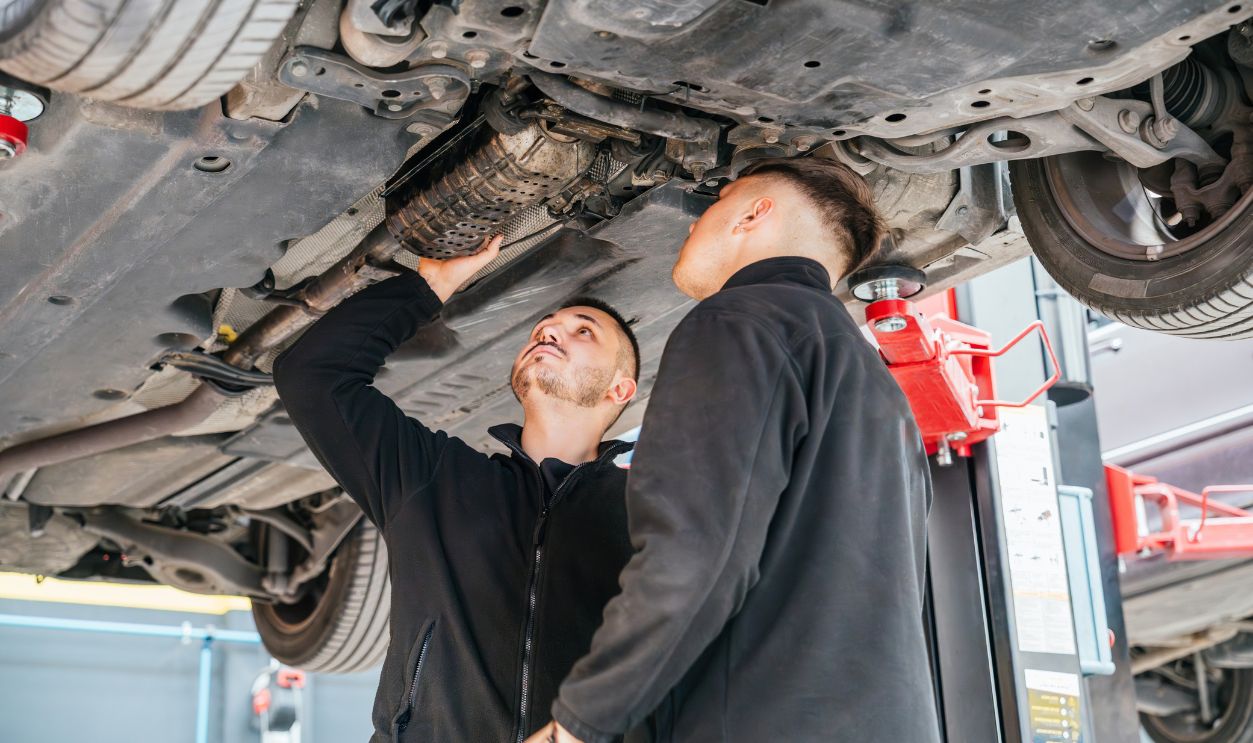
Do not base your decision on the converter alone. Get a written estimate that includes sensors, shields, gaskets, pipes, labor, taxes, and any follow-up check-engine-light diagnosis or calibration. A full quote gives you a real way to compare your out-of-pocket cost with your deductible and any possible premium hit later.

You May Be Able To Cut The Risk Before It Happens Again
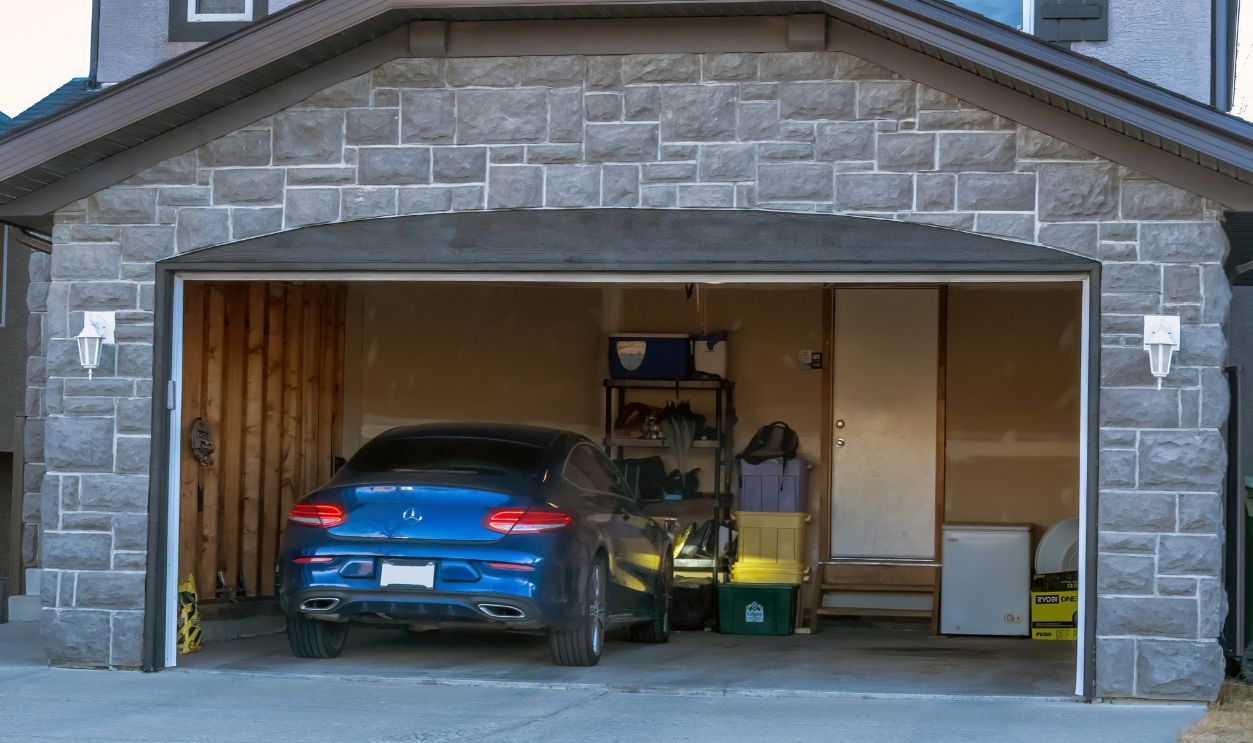
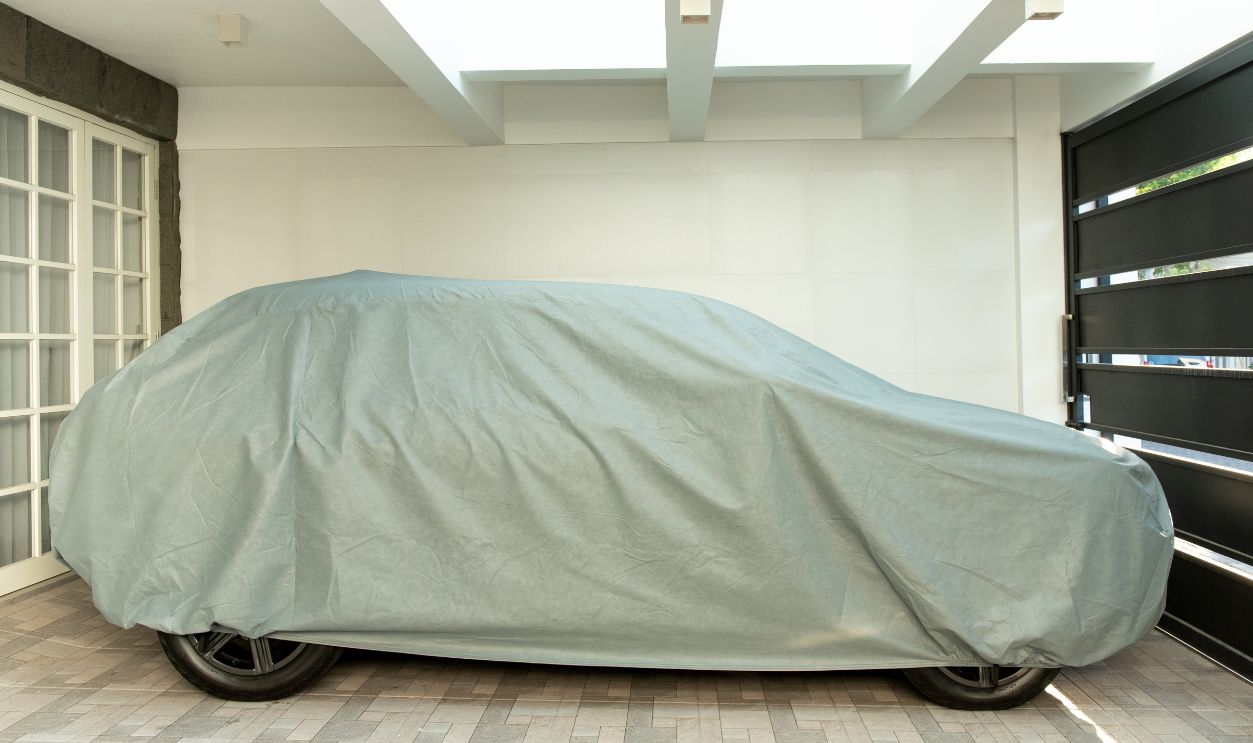
Anti-theft cages, shields, and etched serial markings can help, though none is perfect. NICB recommends parking in a locked garage when possible, choosing well-lit areas, and using cameras or alarms if you have them. Sometimes making the theft slower and louder is enough to send a thief looking elsewhere.
Cat Shields Cost Money, But They May Save You More
Aftermarket shields and cages can cost a few hundred dollars plus installation, depending on the vehicle. If your converter has already been stolen twice, that cost may be easier to justify than another deductible and another insurance headache. It is not a sure fix, but it is one of the most practical steps you can take.
See Whether The Shop Offers Theft Deterrents
Some exhaust shops and dealerships now offer protective hardware as part of the repair. Ask whether the shield is made for your exact model, whether it affects ground clearance or maintenance access, and whether it has worked well on similar vehicles. A solid deterrent is worth more than a generic promise.
Police Reports Still Matter
If your converter is stolen, file a police report quickly even if you are thinking about paying out of pocket. The report helps document what happened, supports any later insurance claim, and adds to local theft tracking. Law enforcement agencies and NICB have both stressed how important reporting is because theft trends are built from those records.
Your State May Give You More Protection
Insurance rules are heavily shaped by state law, and that can change whether a theft claim affects your premium. Some states limit how insurers can use certain kinds of claims when setting rates or making nonrenewal decisions. If your insurer’s warning sounds too broad or does not line up with local rules, check with your state insurance department.

If You Lease Or Finance, Read The Details
A leased or financed car can make the pay-it-yourself decision more complicated. Your lender or leasing company may require you to carry comprehensive coverage, but that does not mean you have to file every claim. It does mean you should make proper repairs and keep records of the loss and the fix in case questions come up later.

Think Beyond This One Repair
The cheapest option today is not always the cheapest option over the next year. A small payout from insurance can cost more later if it leads to a higher premium at renewal, especially in an area where theft is still common. On the other hand, a major repair bill that would wreck your budget is exactly why comprehensive coverage exists.
 Roman Samborskyi, Shutterstock
So Do You Really Have To Pay For Theft Yourself
Not always. If the loss is large and your comprehensive coverage will pay a meaningful amount after the deductible, filing a claim can make sense. But if the payout would be small and your insurer has already warned that another claim could affect your rates, paying out of pocket may be the smarter call.
A Simple Rule Of Thumb
Compare three numbers before you decide: your deductible, the full repair estimate, and the likely premium impact if your insurer has given you any real guidance. If insurance only saves you a little, paying for the repair yourself may be the safer long-term move.

How To Protect Yourself Next Time
Park indoors if you can. If you cannot, choose bright, busy spots and consider adding a converter shield or cage after repeat thefts. Ask your insurer whether anti-theft steps can help with underwriting, and save receipts for everything. Prevention is a lot easier than another trip to the repair shop.
The Bottom Line For Drivers Who Feel Trapped
It feels unfair, and in everyday terms it is. But insurance is built around risk, and repeat catalytic converter thefts can leave drivers in a spot where paying for theft themselves is sometimes the least costly option. The smartest move is to run the numbers, know your state rules, and make the vehicle a harder target before thieves come back.