A Little Tap, A Very Big Repair Bill
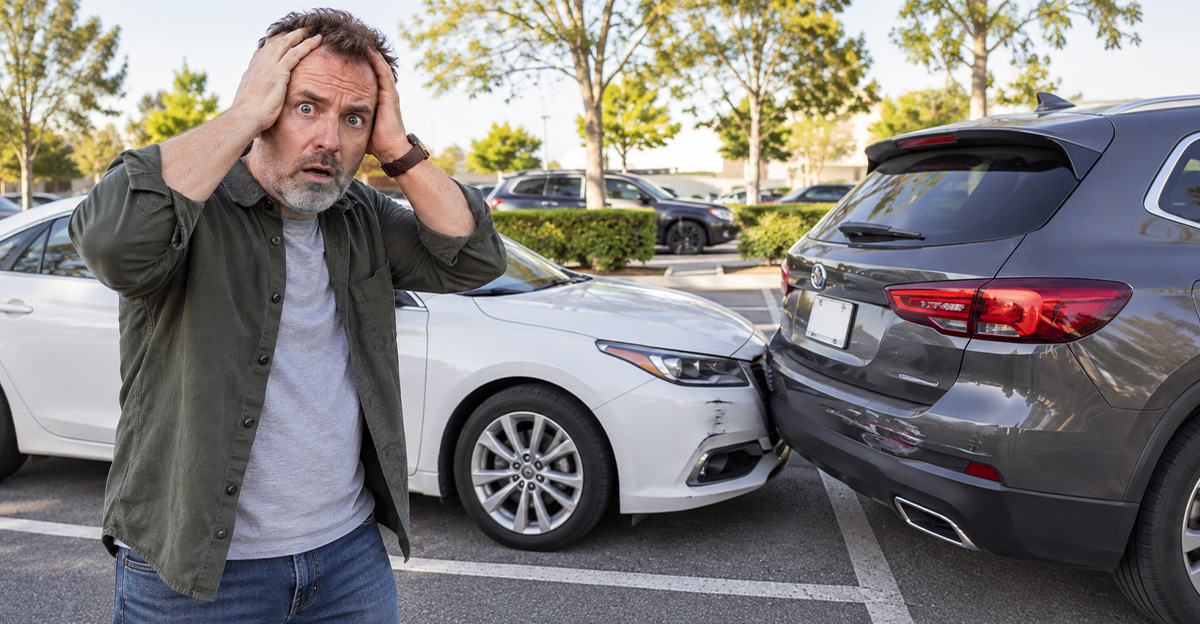
You barely bumped the car behind you. There is no shattered taillight, no dangling bumper, and maybe not even a visible scratch. Yet suddenly your dashboard is complaining that the parking sensors are unavailable. Welcome to the modern bumper, where something that once amounted to painted plastic can now contain enough electronics to make a minor fender-bender surprisingly expensive.
Bumpers Aren't Just Bumpers Anymore
Older drivers remember when a bumper's primary job was fairly straightforward: absorb a minor impact and protect the bodywork behind it. Modern bumper covers may hide parking sensors, wiring harnesses, radar units, cameras, mounting brackets, and other components. The plastic you see from outside is only the beginning.
Your Parking Sensors Are Probably Ultrasonic
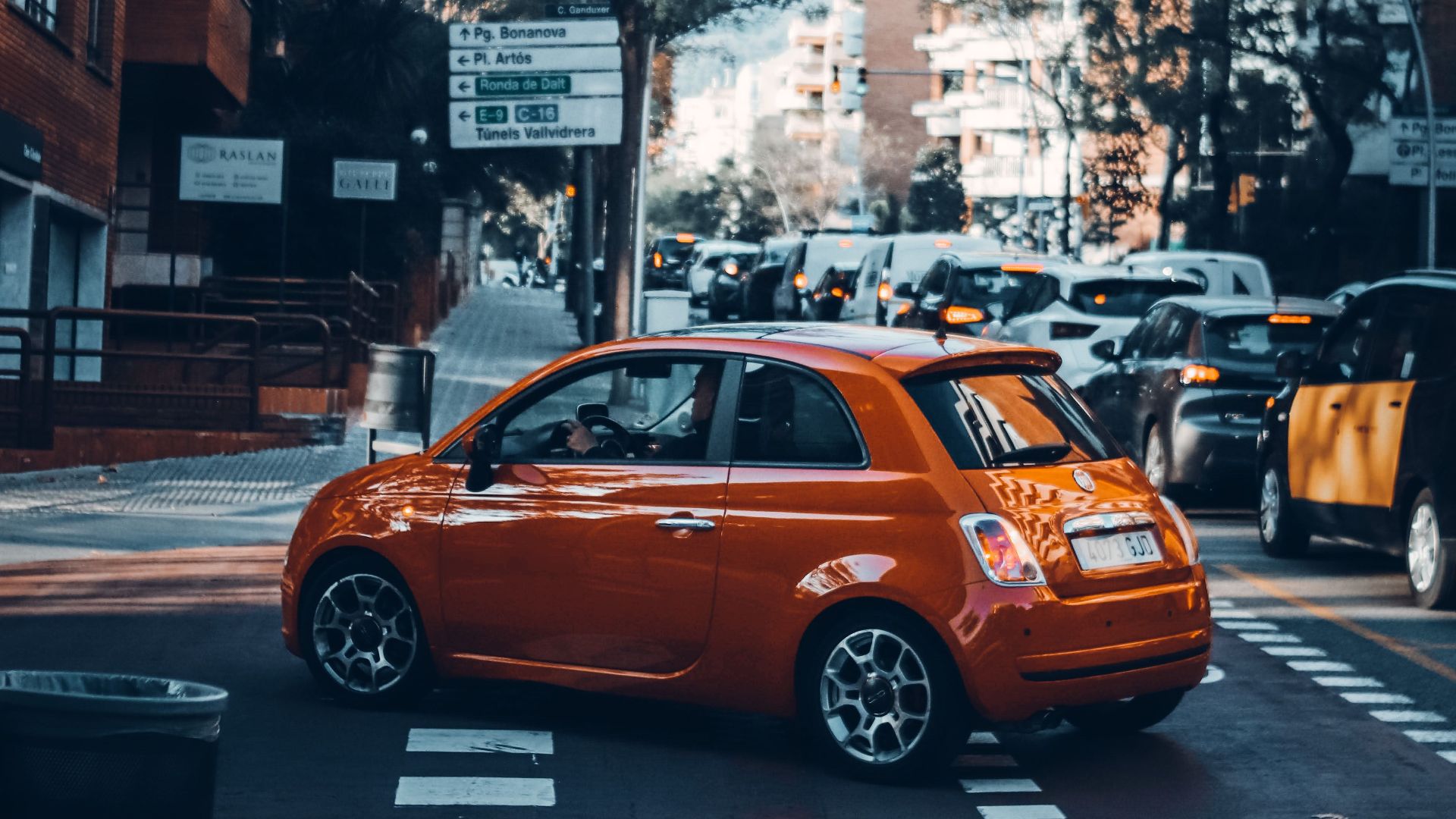
Most familiar backup sensors use ultrasonic technology. Those little circles embedded in the bumper transmit high-frequency sound waves and measure how quickly the echoes return. From that information, the car estimates how close you are to another vehicle, a wall, a shopping cart, or that garbage can you swear somebody moved.
 Shixart1985, Wikimedia Commons
A Small Hit Can Move A Sensor
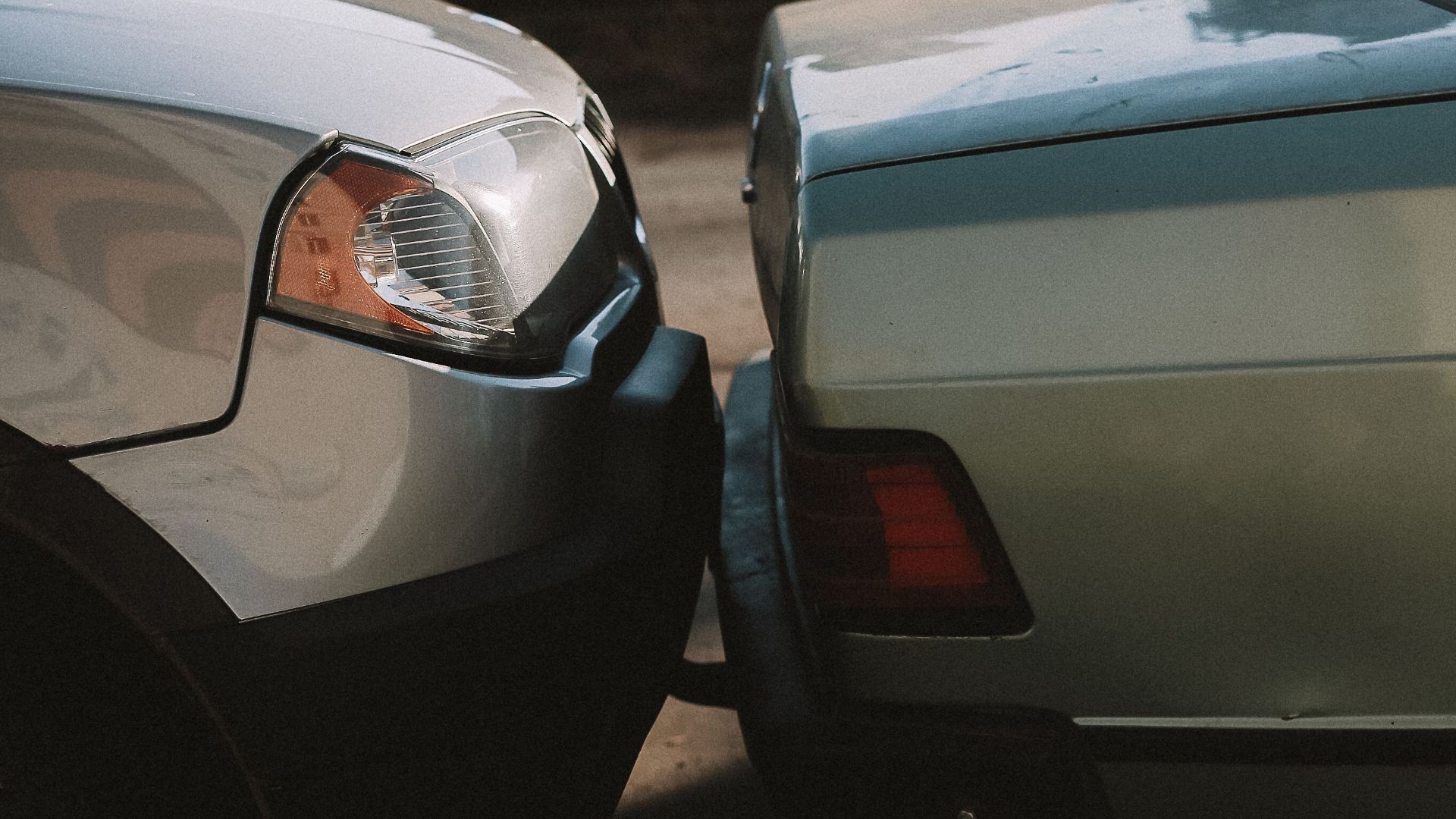
A parking sensor does not necessarily have to break completely to stop working correctly. A light bumper impact can knock one slightly out of position, damage its mounting bracket, or push it inward. Even a tiny alignment change can interfere with how the sensor sends and receives its signals.
The Bumper May Look Perfectly Fine
This is one of the frustrating parts. Flexible bumper covers can bend during an impact and spring back into shape afterward. What looks perfectly normal from five feet away may conceal a cracked bracket, pinched wire, broken connector, or sensor that is now pointing at the pavement instead of behind the vehicle.
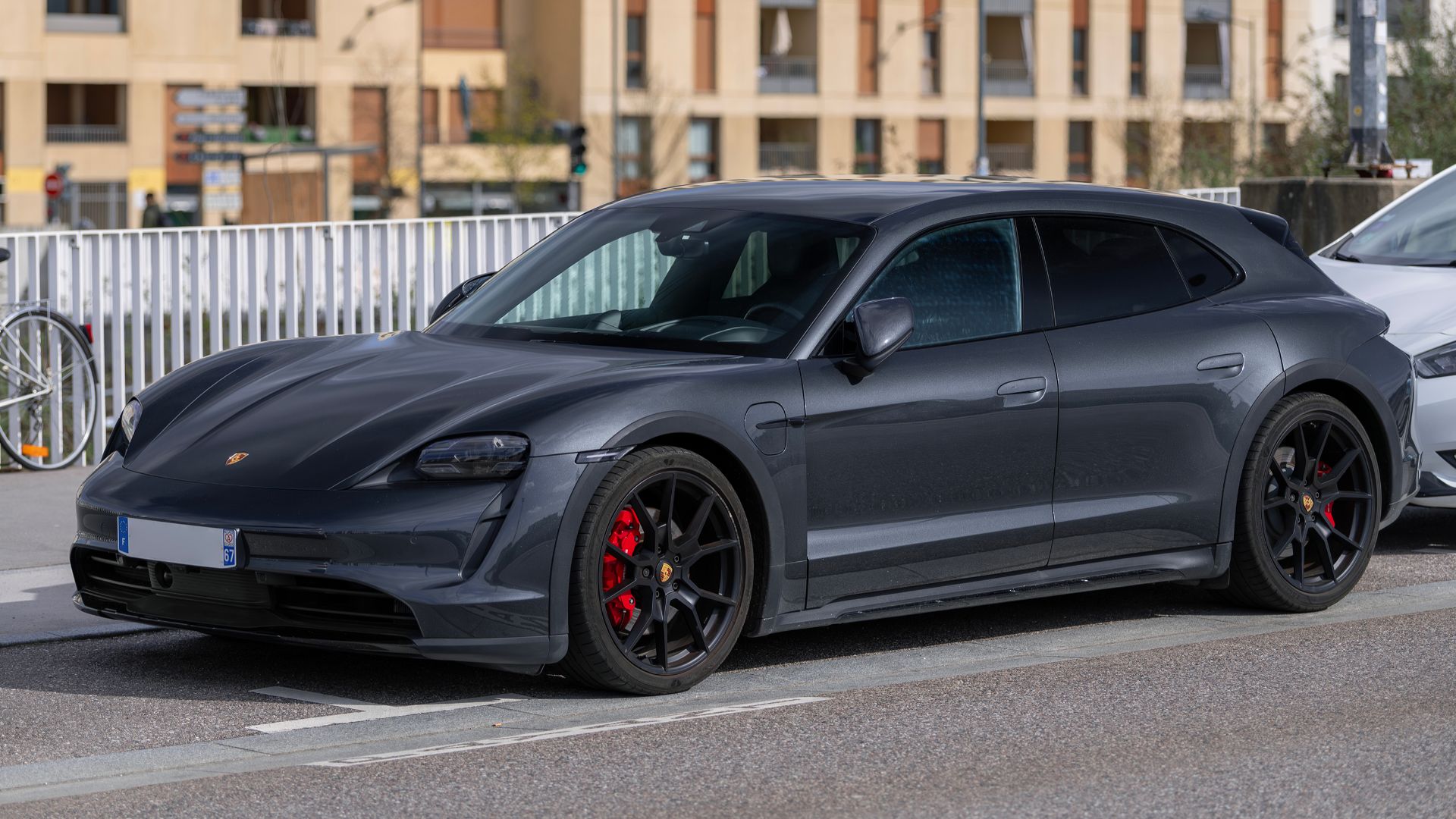 Alexandre Prevot from Nancy, France, Wikimedia Commons
One Bad Sensor Can Confuse The System
Depending on the vehicle, one malfunctioning parking sensor may disable several sensors or the entire parking-assistance system. Rather than feeding the driver unreliable information, the computer may simply shut the feature down and display a warning. That makes one damaged component seem like a much bigger failure.

Dirt Can Cause Trouble Too
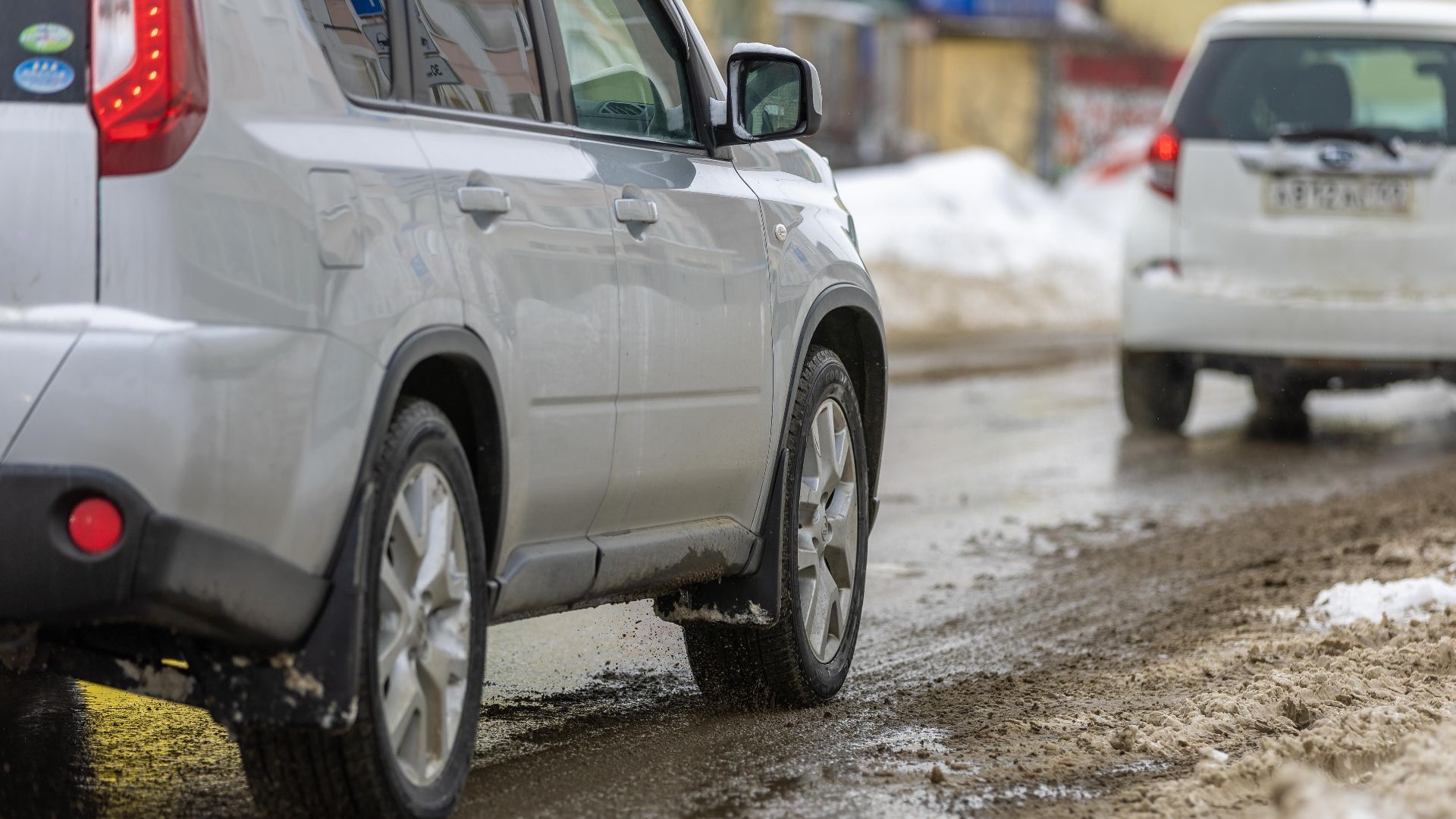
Before assuming your bumper needs surgery, clean the sensors. Mud, road salt, ice, snow, heavy wax buildup, and even certain bumper stickers can interfere with ultrasonic sensors. Canadian winter drivers especially know how quickly the back of a vehicle can turn into a salty gray mess.
Listen For The Sensors
Some ultrasonic sensors make faint clicking or ticking noises while operating. With the parking system activated and the vehicle safely secured, a technician may listen or use diagnostic equipment to determine whether individual sensors are functioning. Owners should avoid crawling around a running vehicle or relying solely on DIY tricks for diagnosis.

The Computer Usually Stores A Clue
Modern cars continuously monitor many electronic systems. If a parking sensor stops communicating or reports an implausible signal, the vehicle may store a diagnostic trouble code. A capable scan tool can often identify which sensor, circuit, or module has detected a problem, saving plenty of unnecessary parts swapping.
Sometimes It's Just The Wiring
A bumper impact may pull on a wiring harness without visibly damaging the sensor itself. Connectors can loosen, wires can break internally, and moisture can eventually work its way into damaged connections. Replacing a perfectly good sensor will accomplish nothing if electricity can no longer reach it.
Plastic Brackets Cause Expensive Problems
Those little sensors usually sit inside plastic retaining brackets attached behind the bumper cover. During a minor collision, the sensor might survive while its bracket cracks. Depending on how the manufacturer designed the bumper, repairing that small piece may require removing the entire bumper cover.
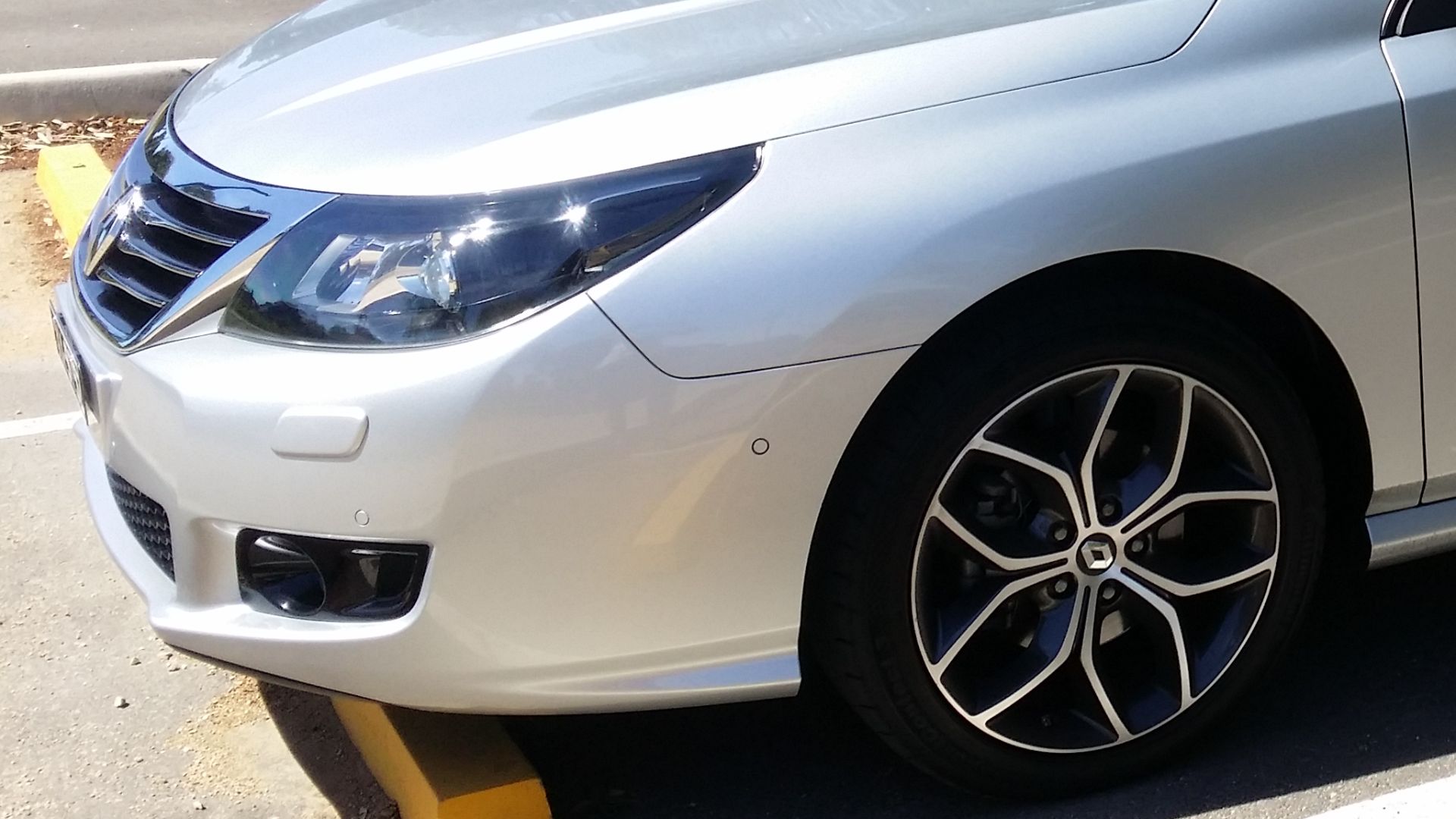 TuRbO_J from Adelaide, Australia, Wikimedia Commons
That's Where The Labor Starts Adding Up
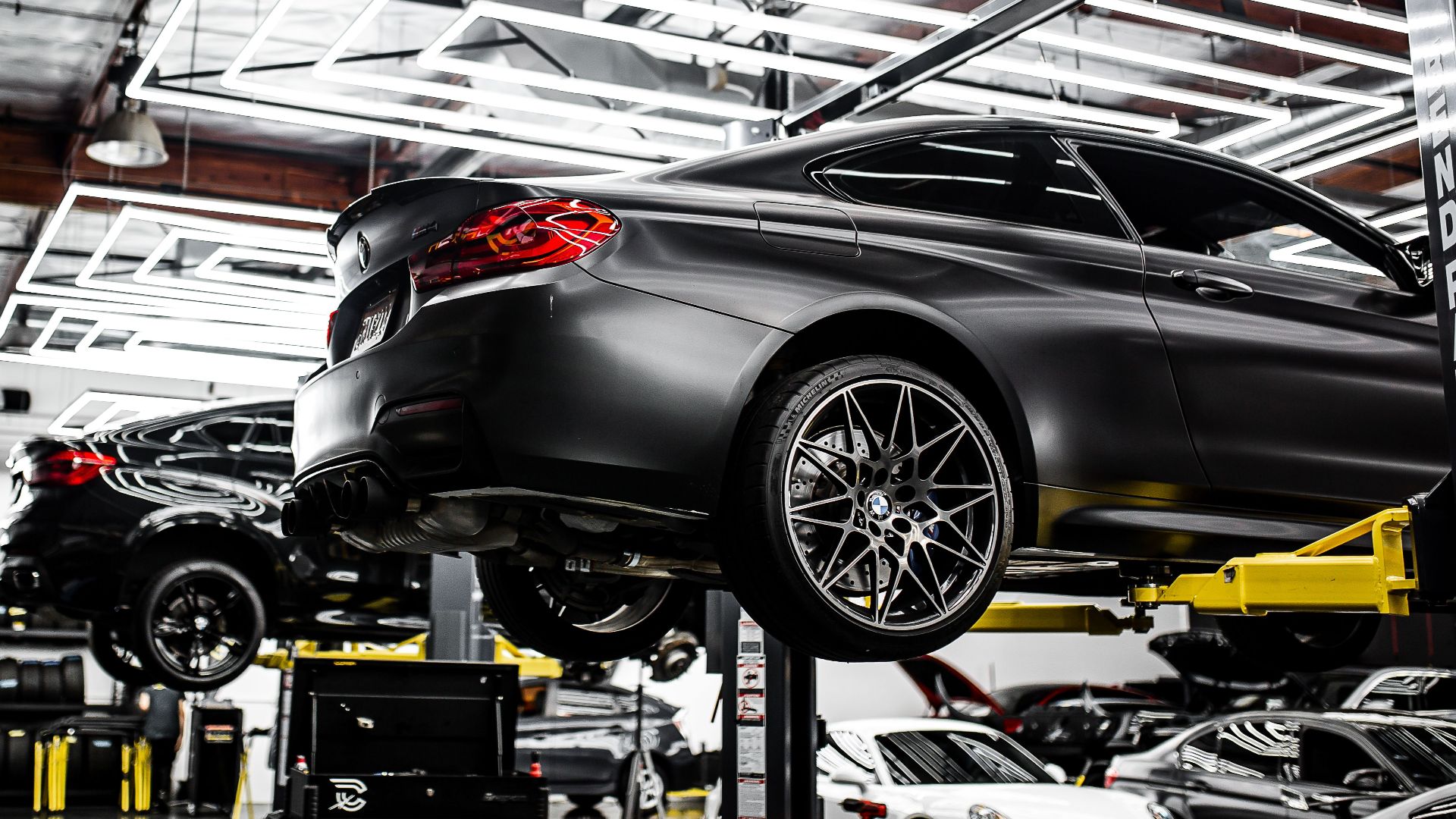
Removing a modern bumper can involve considerably more than undoing four bolts. Shops may need to remove trim panels, wheel-well fasteners, underbody shields, electrical connectors, lamps, or other pieces before the bumper comes free. Reassembly also has to be done carefully so every component sits where it belongs.
Radar Makes Things Even More Complicated
Some vehicles have radar equipment behind their bumpers for blind-spot monitoring, rear cross-traffic alerts, or other driver-assistance features. These components are different from ordinary ultrasonic parking sensors. Radar units can be more expensive and may require precise positioning to operate properly after repairs.
 Dinkun Chen, Wikimedia Commons
Cameras Have Joined The Party
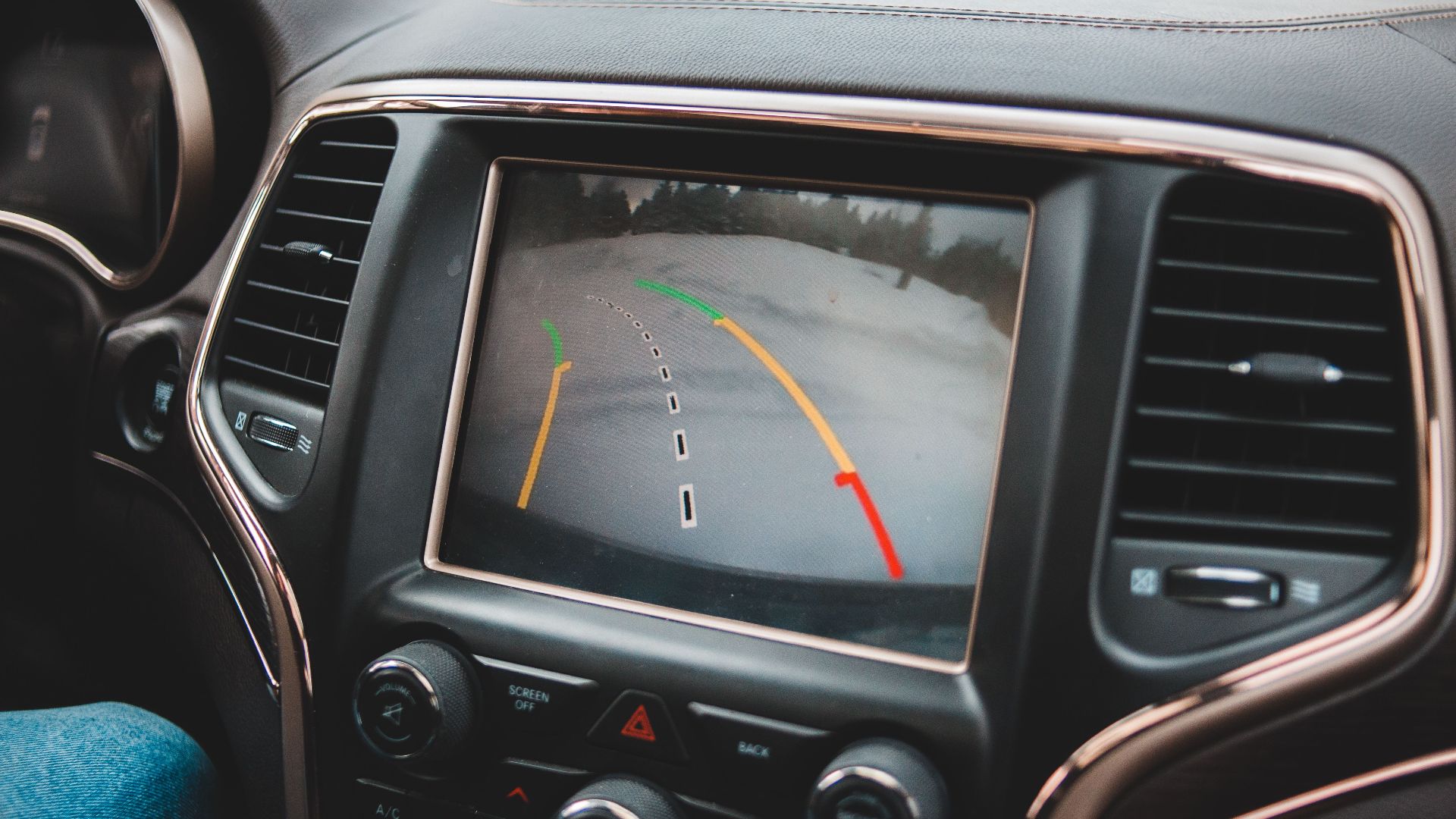
Backup cameras are now standard equipment on newer passenger vehicles sold in the United States, and many cars go far beyond a simple rear camera. Surround-view systems may use multiple cameras to stitch together a bird's-eye image. Damage near one camera or its mounting point can affect the whole system.
Calibration Can Add Another Charge
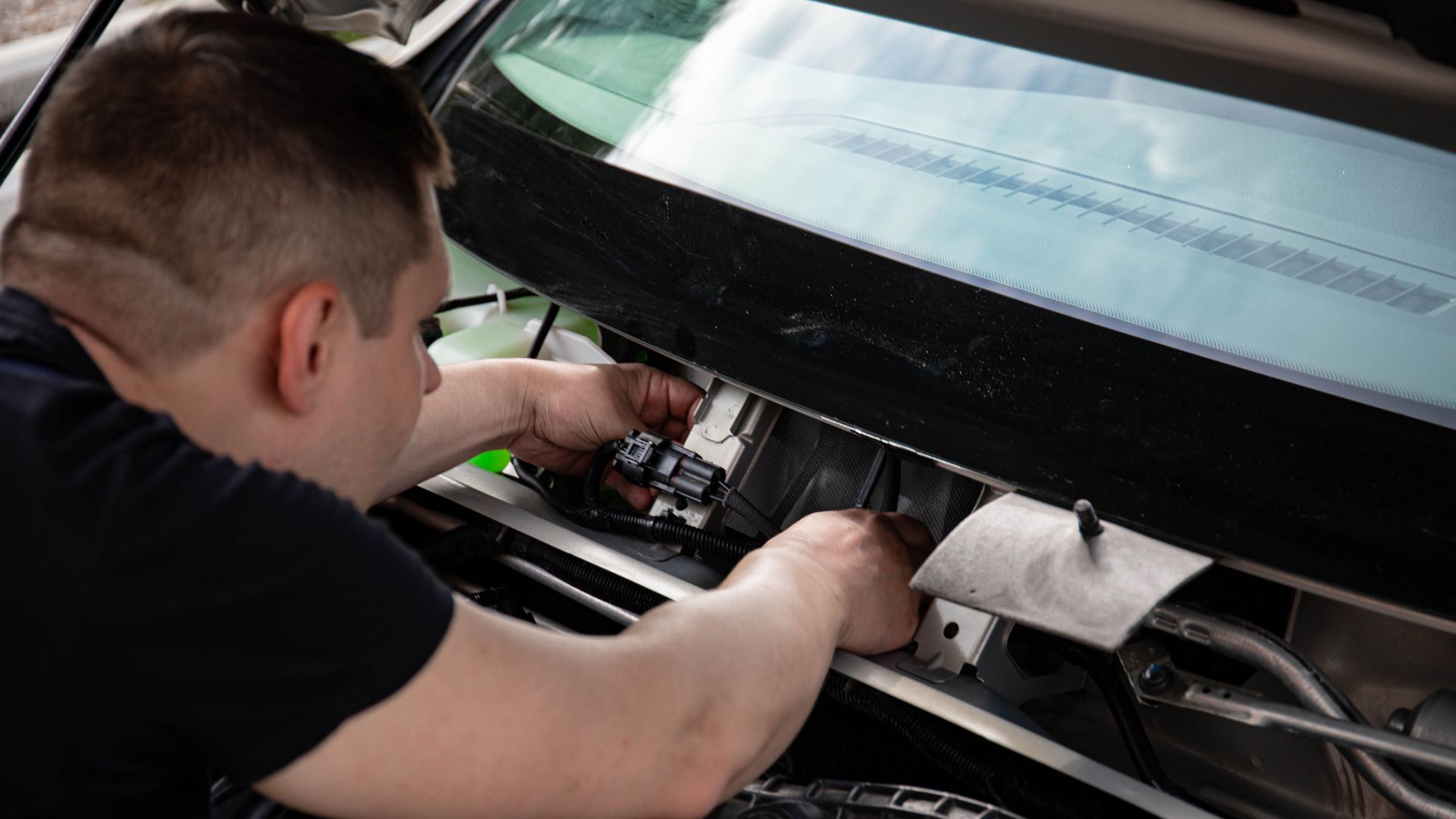
Certain driver-assistance components need calibration after replacement, adjustment, or collision repairs. Calibration ensures the vehicle understands exactly where a camera or radar sensor is pointing. It may require specialized equipment, carefully measured targets, a particular driving procedure, or some combination of those steps.
Not Every Parking Sensor Needs Calibration
This is an important distinction. Basic ultrasonic parking sensors generally aren't calibrated in the elaborate way that forward cameras or radar modules can be. They still need to be installed correctly, however. Asking the repair shop exactly what is being calibrated can help you understand why a particular charge appears on the estimate.
Paint Can Even Affect Some Sensors
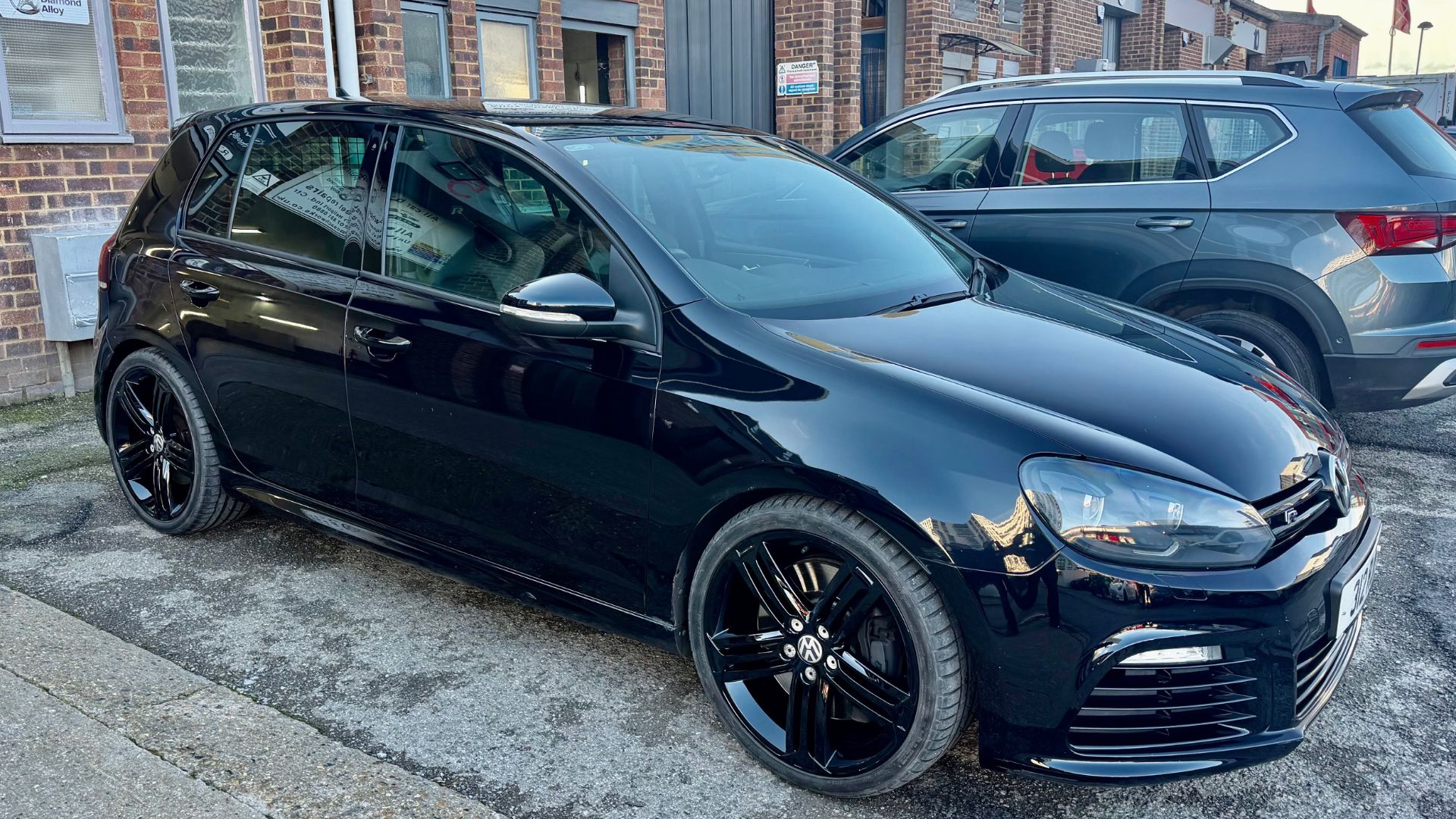
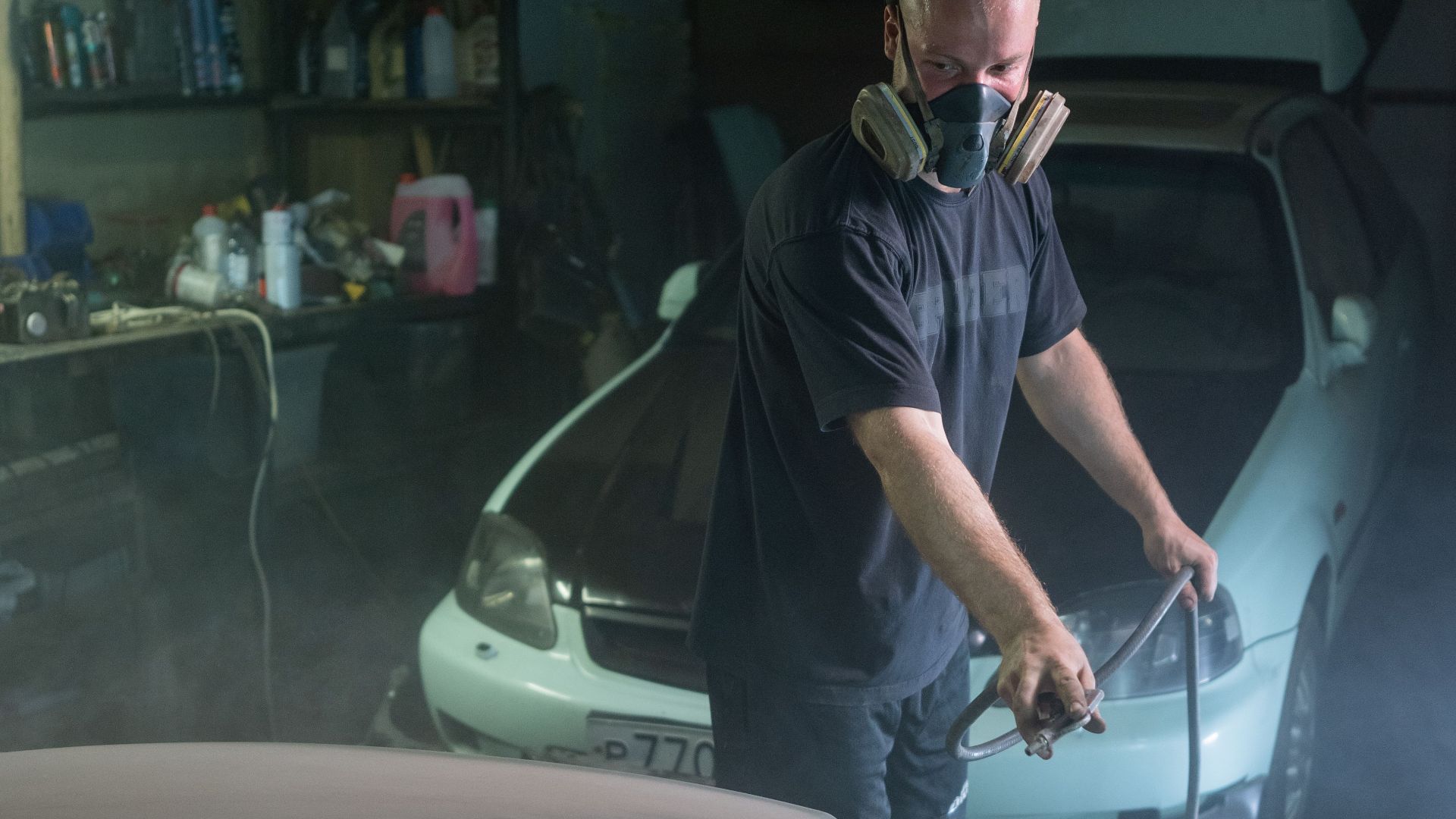
Modern bumper repair requires more care than simply spraying on a matching color. Excessive paint thickness over certain ultrasonic sensors can interfere with their operation, particularly when sensors are designed to be painted. Manufacturers may specify particular refinishing procedures for sensor-equipped bumper components.
So Are Automakers Doing This On Purpose?
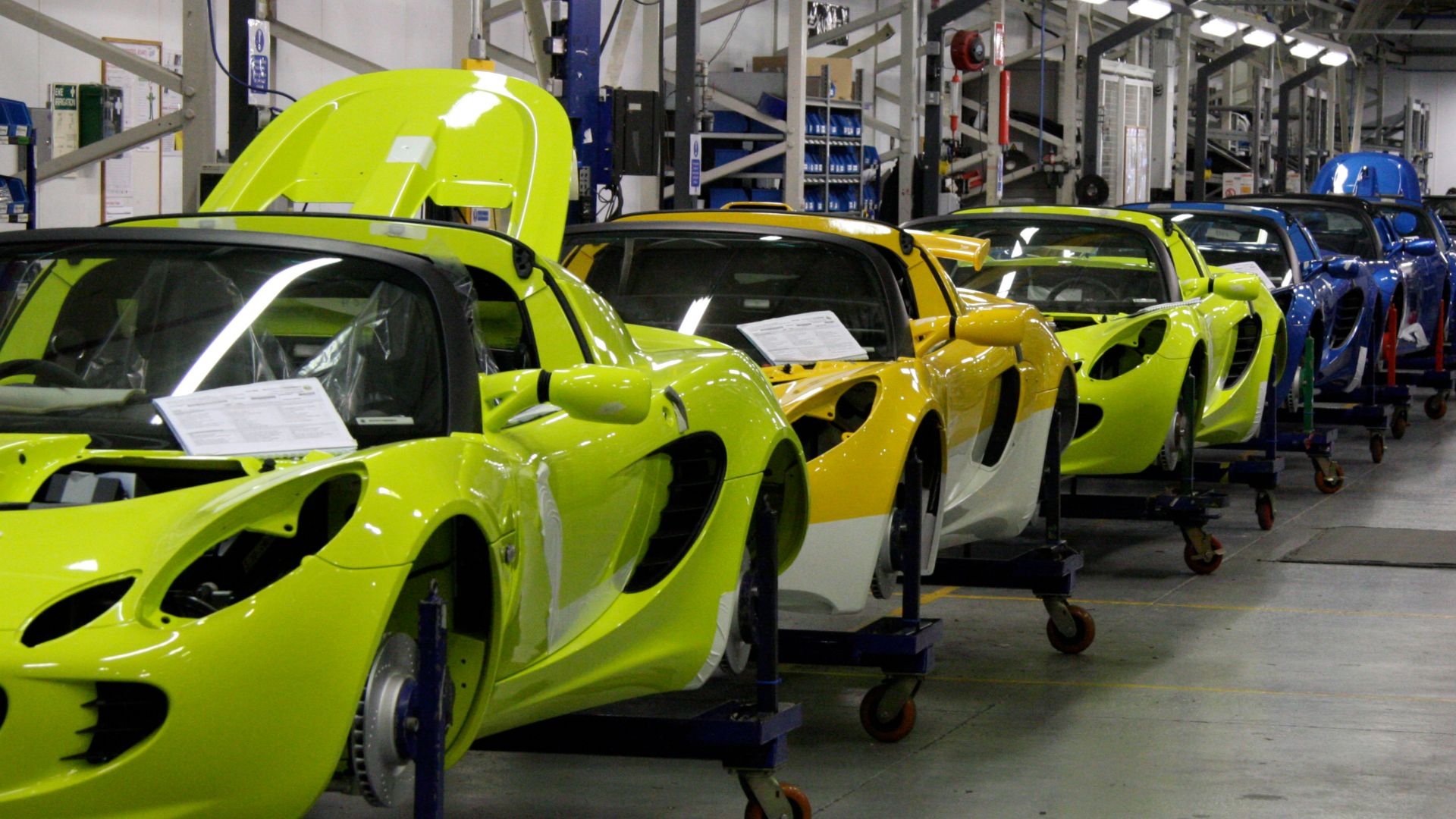
There is little reason to assume manufacturers are deliberately designing parking sensors simply to inflate repair bills. The electronics are there because buyers increasingly expect parking assistance, collision warnings, cameras, and other safety or convenience technology. Expensive repairs are an unfortunate consequence of putting increasingly sophisticated equipment in vulnerable parts of the vehicle.
 Brian Snelson, Wikimedia Commons
There Is A Genuine Trade-Off
Anyone who learned to drive without a backup camera might wonder whether all this technology is necessary. Yet parking sensors can warn drivers about obstacles that mirrors do not show clearly, while rear cross-traffic systems may detect approaching vehicles when backing from a crowded space. Convenience has value, but it brings additional complexity.
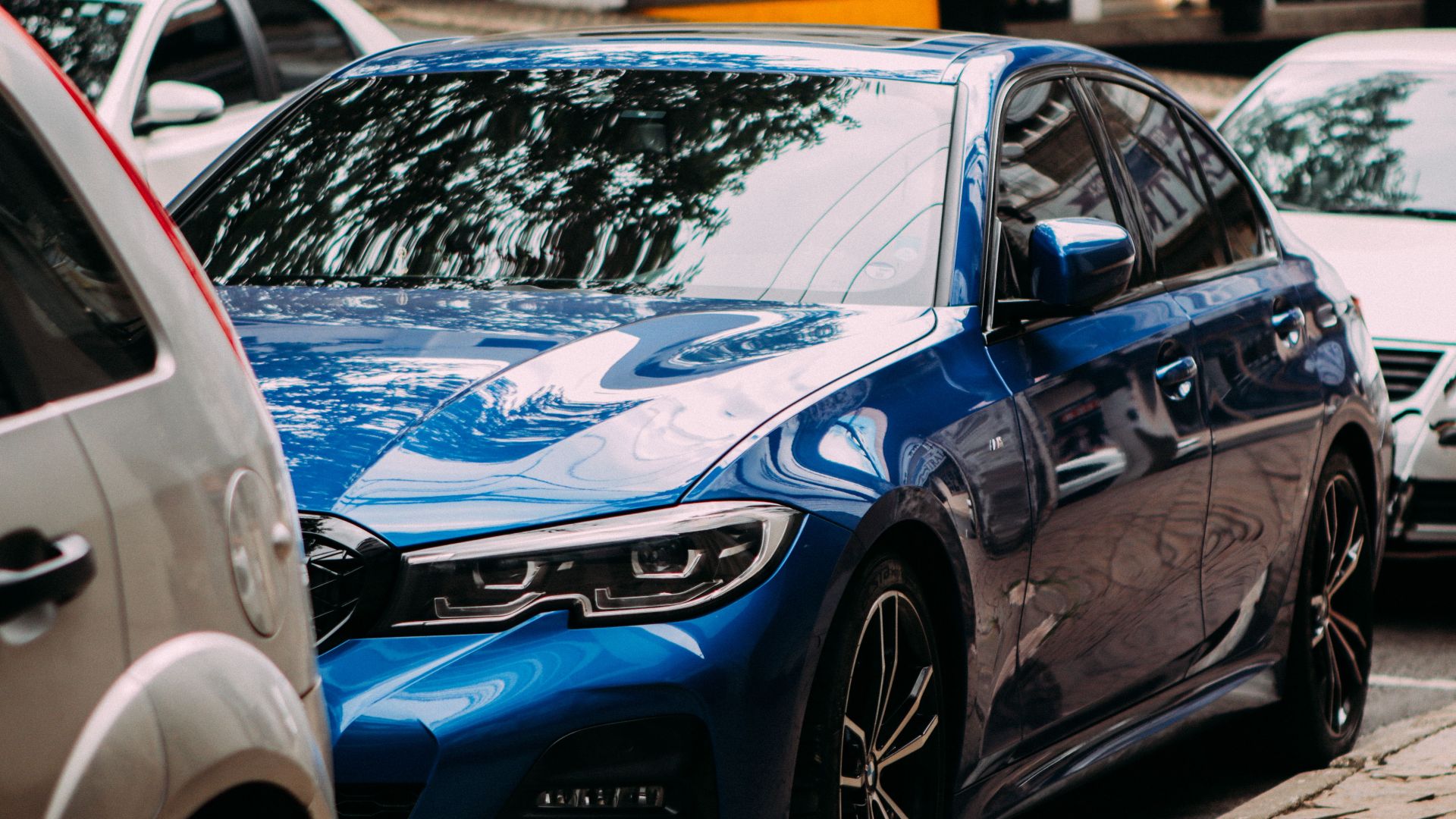
Bumpers Became Technology Hubs
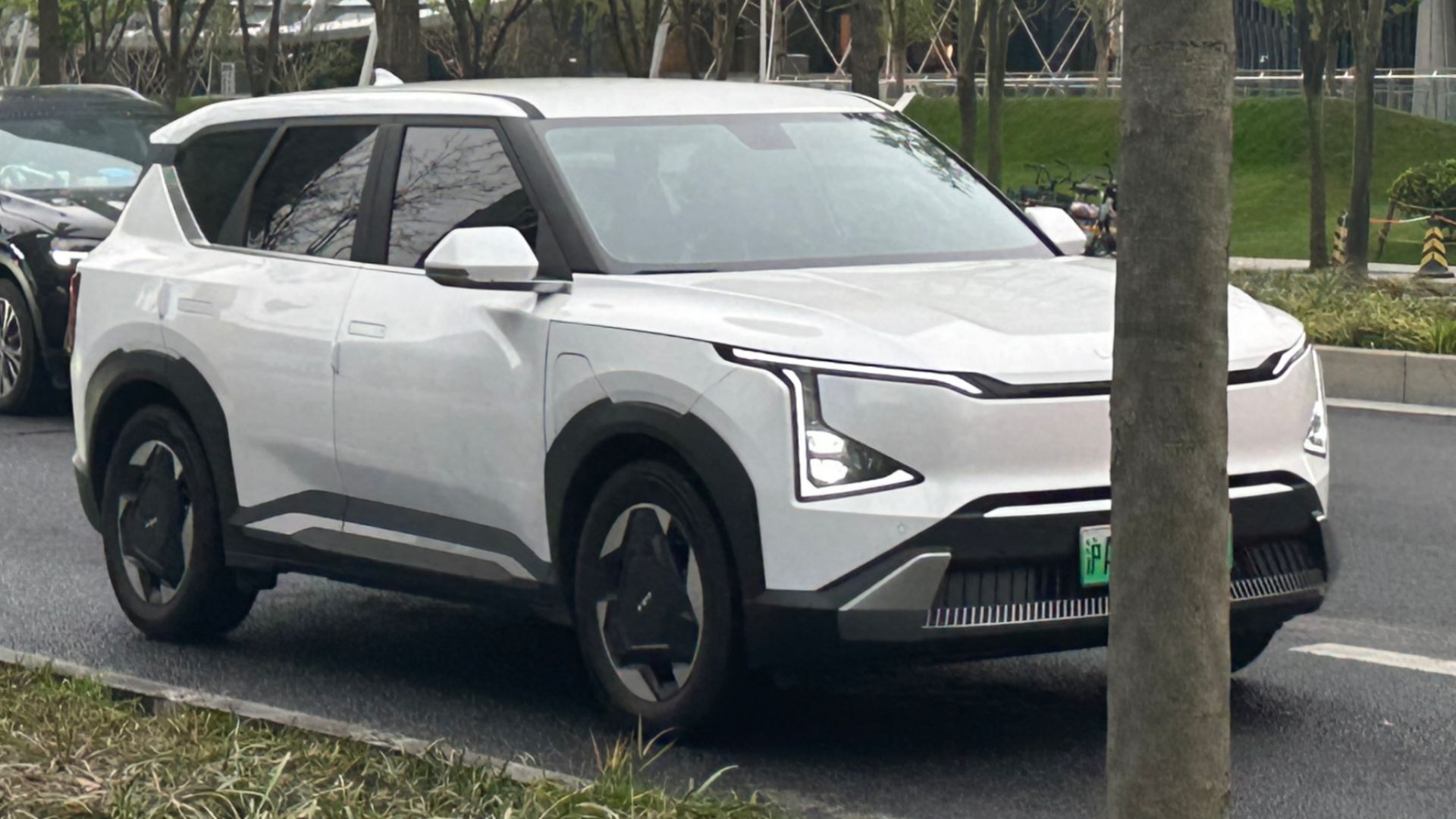
Automakers have limited places to install sensors while still giving them an unobstructed view of the surrounding environment. Bumpers happen to provide an ideal location. Unfortunately, they are also among the first pieces of the car to get bumped, scraped, nudged, and introduced to concrete parking pillars.
 JustAnotherCarDesigner, Wikimedia Commons
Ask For A Diagnostic Scan First
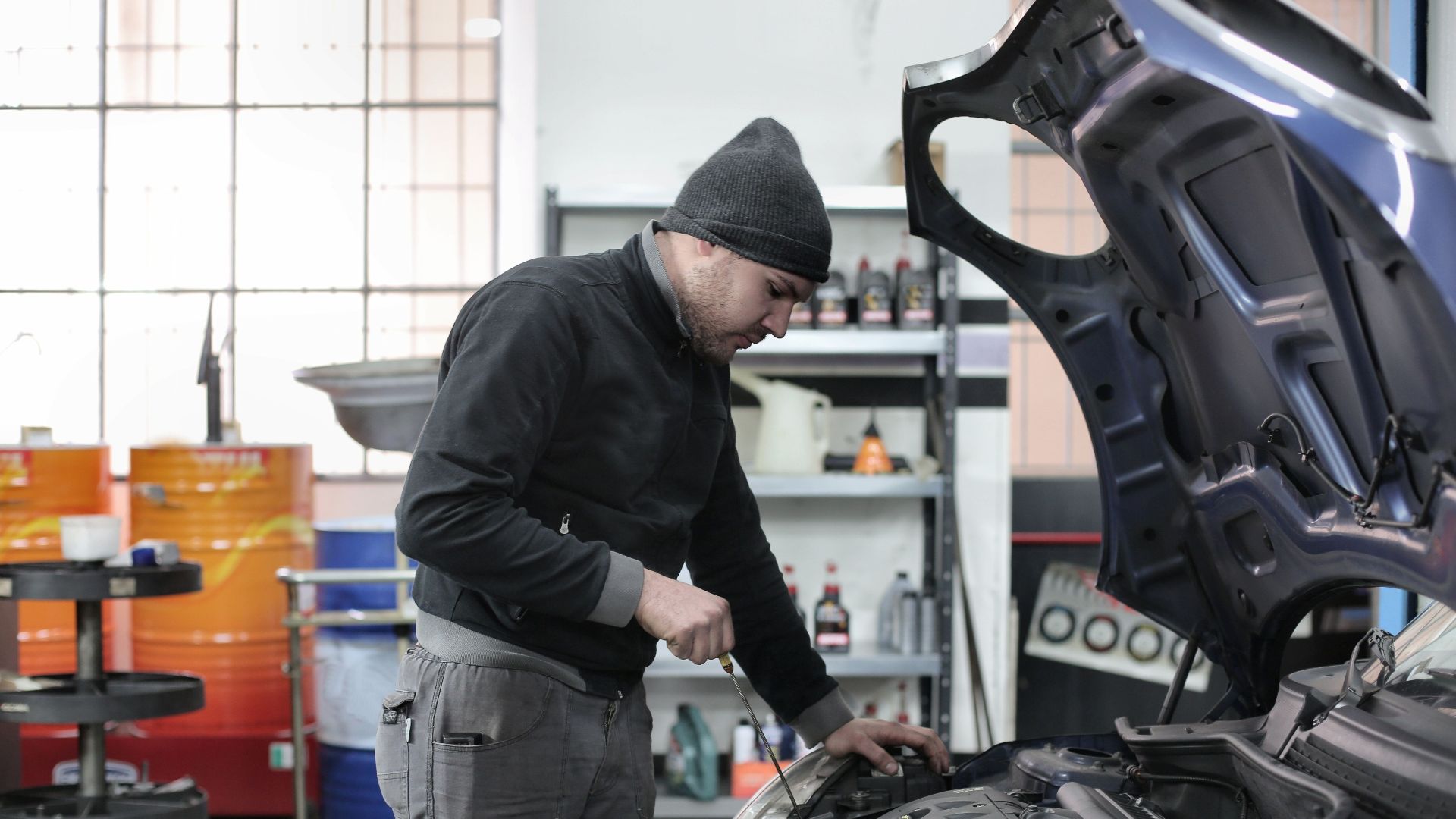
If the warning appeared immediately after the bumper tap, start with diagnosis rather than authorizing a complete bumper overhaul. Ask the shop to scan the parking-assistance system and identify the specific stored codes. You want evidence pointing toward the failed part rather than an expensive round of automotive guesswork.
Request An Itemized Estimate
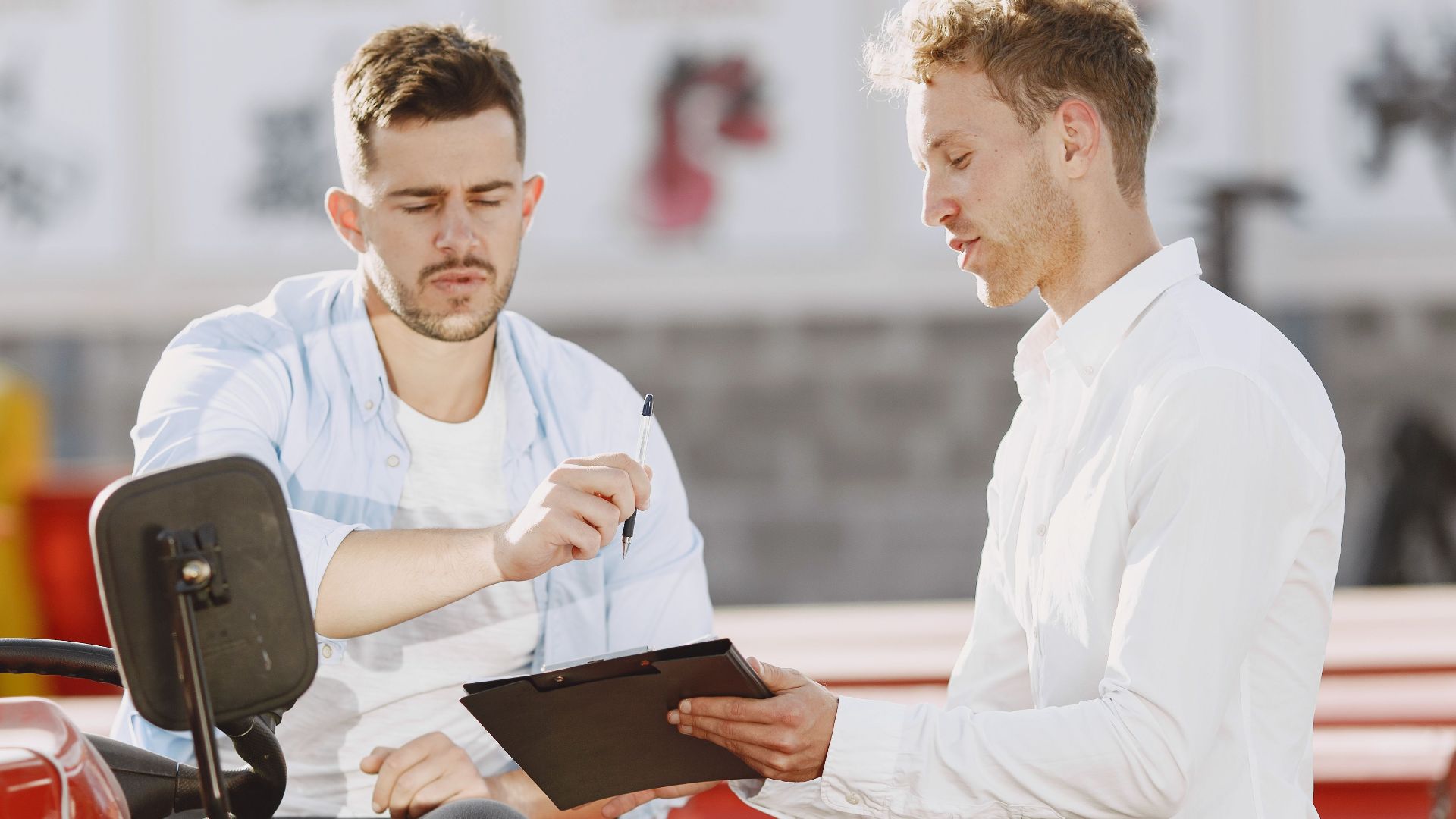
A proper estimate should separate parts, labor, refinishing, scans, and calibration procedures when applicable. If you see several hundred dollars labeled vaguely as "ADAS service," ask what procedure is actually being performed. A reputable repair facility should be able to explain why the manufacturer requires each step.
Ask Whether The Bracket Can Be Repaired
Sometimes the troublesome part is not the electronic sensor at all. It may simply be a damaged holder or mounting tab. Depending on the vehicle and repair standards involved, a shop may be able to replace or repair mounting hardware without installing an entirely new bumper assembly.
Don't Automatically Choose The Cheapest Sensor
Online marketplaces are full of inexpensive replacement parking sensors. Some work perfectly well; others may communicate poorly with the vehicle, trigger fault codes, or fail prematurely. Before buying the cheapest component available, compare its specifications and compatibility with the original equipment.

Used Parts Can Sometimes Make Sense
A good used original-equipment sensor may be another option on certain vehicles, especially older models where new factory parts have become expensive. Compatibility matters tremendously. Part numbers, software versions, mounting arrangements, and vehicle options can differ even between cars that appear nearly identical.

Check Your Insurance Situation Carefully
If another driver caused the bumper damage, collision repairs may potentially be handled through insurance depending on the circumstances and local rules. If the damage was your own doing, compare the estimate with your deductible before filing a claim. A modest repair may not justify involving the insurer.

Modern Convenience Comes With A Price
The days when every parking maneuver depended on mirrors, judgment, and turning around in the seat are fading. Today's systems can make driving easier, but every sensor adds another component that may eventually need attention. That doesn't mean the technology is a scam. It means the bumper has become much more complicated.
Fix The Problem, Not The Whole Car
Your minor bumper tap may have damaged nothing more than a sensor bracket, connector, or wire. Get the system scanned, request an itemized estimate, and ask exactly why any calibration or bumper replacement is necessary. Modern bumpers really are expensive, but careful diagnosis can keep a small parking-lot bump from becoming a needlessly enormous bill.

You May Also Like:
The $3.3 Million Plymouth Is One Of Just Five Ever Made—And They Called It “The White Elephant”