A Sensor Can Still Fail The Test.
Modern emissions inspections often rely on the car’s own diagnostic system, so a malfunctioning sensor can trigger a failure even when nobody measures unusually dirty exhaust at the tailpipe. Whether you must repair it, qualify for a waiver, or have another testing option depends on your vehicle’s age and the rules where it is registered.
A Sensor Failure Can Be Enough
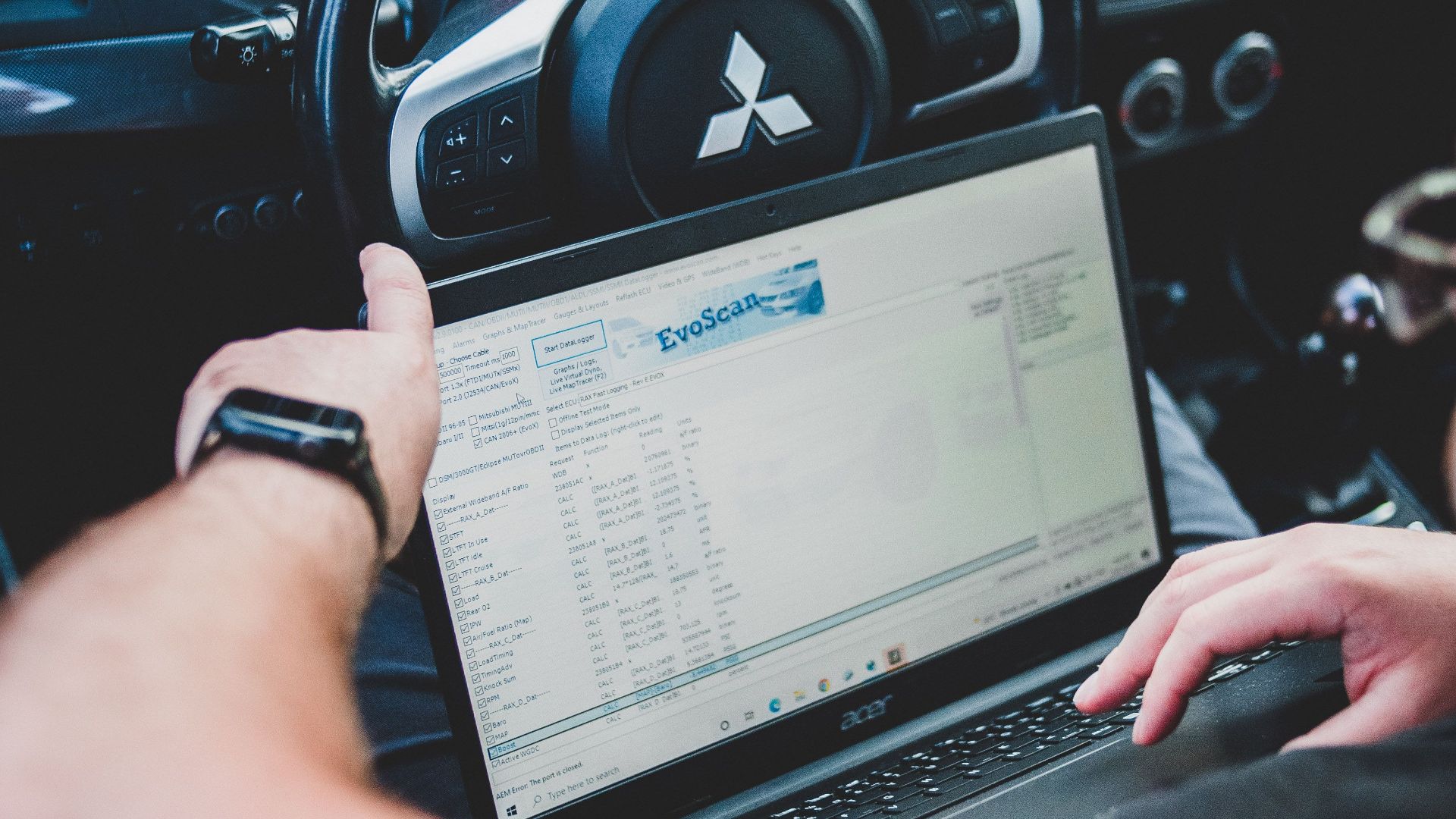
On many 1996-and-newer vehicles, emissions inspections rely heavily on the onboard diagnostic system, commonly called OBD II. The computer monitors components that can affect emissions and stores trouble codes when it detects a malfunction. If the check-engine light is commanded on for an emissions-related fault, that alone can cause an inspection failure in many states.

The Test May Never Measure Your Tailpipe
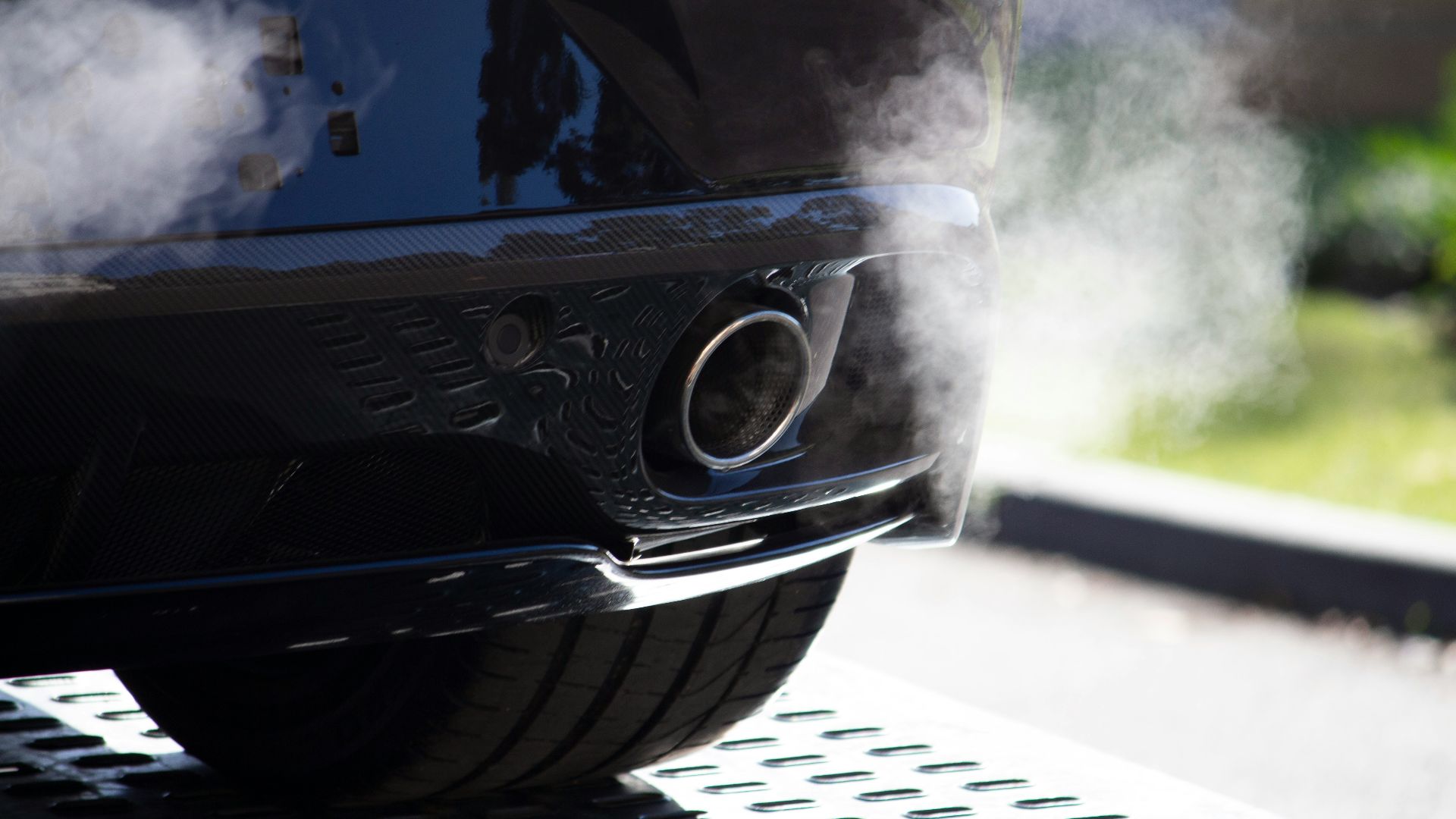
Drivers often picture an emissions test as a probe inserted into the exhaust pipe. That is still used for some older vehicles, but many newer cars are tested through their diagnostic port instead. California, New York, Virginia, and other programs use OBD information for many vehicles rather than measuring exhaust gases directly.
That Does Not Make The Failure Fake
OBD systems were created specifically to detect conditions that can increase emissions before a simple tailpipe test necessarily catches them. California regulators say OBD II monitors virtually every component capable of affecting emissions performance. A sensor fault therefore represents a problem with the emissions-control system even when the car appears to run normally.
Sensors Help The Engine Make Decisions
Modern engine computers depend on sensor information to adjust fueling, ignition, emissions controls, and diagnostic checks. Bad information can make the engine operate less efficiently or prevent the computer from verifying that another emissions component is working properly. A faulty sensor is therefore more than an annoying dashboard light.

Oxygen Sensors Are A Good Example
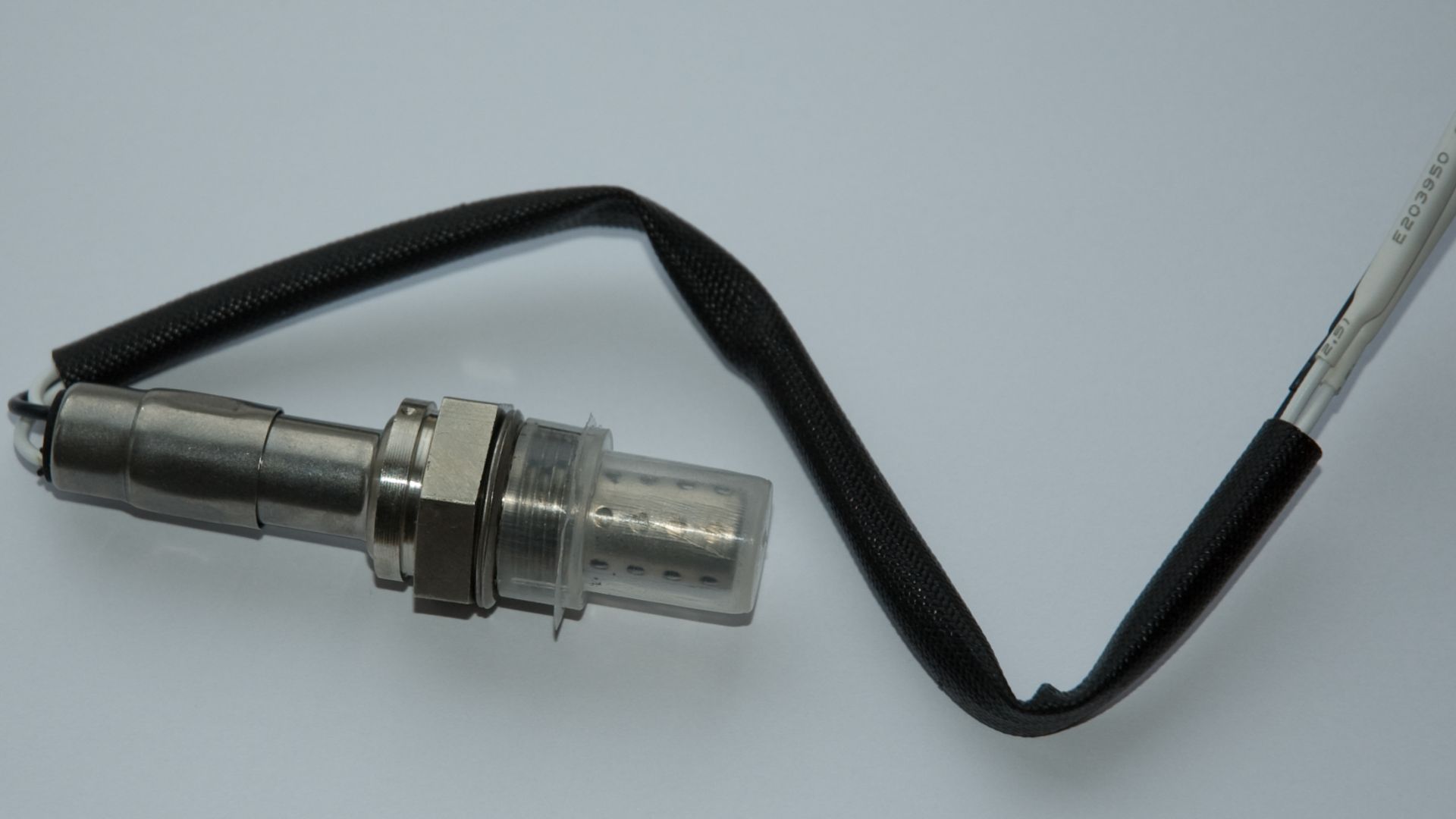
Oxygen sensors monitor oxygen content in the exhaust and provide information the engine computer uses when managing fuel delivery. California’s OBD rules require the system to detect oxygen-sensor failures that can push emissions beyond specified limits or prevent proper feedback operation. A failing oxygen sensor can therefore be both a diagnostic problem and an actual emissions problem.
Sometimes The Sensor Is Only The Messenger
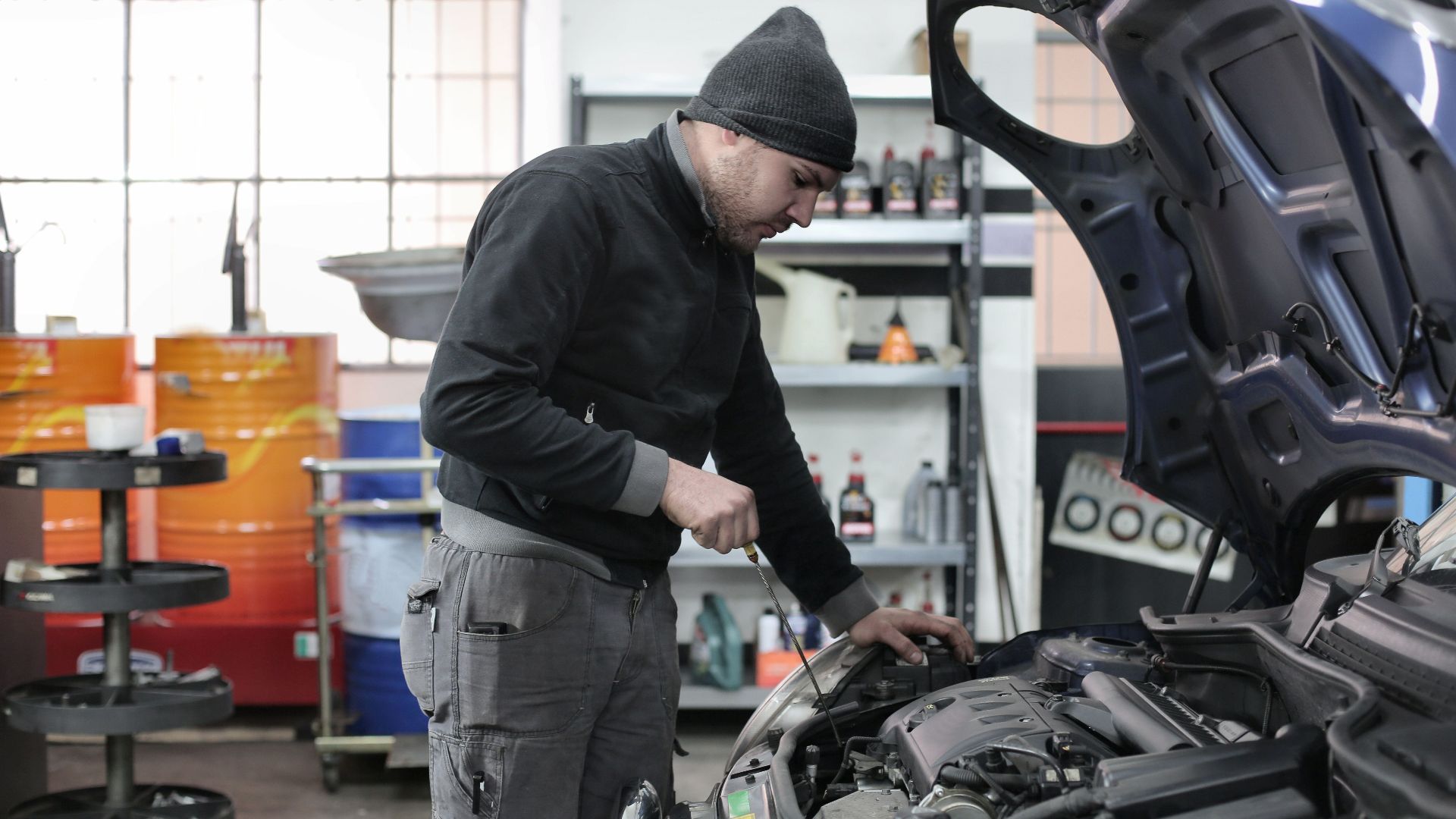
A trouble code naming a sensor does not prove the sensor itself is defective. Wiring faults, vacuum leaks, exhaust leaks, damaged connectors, or another engine problem can produce readings the computer considers abnormal. Replacing the part named in the code without diagnosing the underlying cause can waste money.

Trouble Codes Are Starting Points
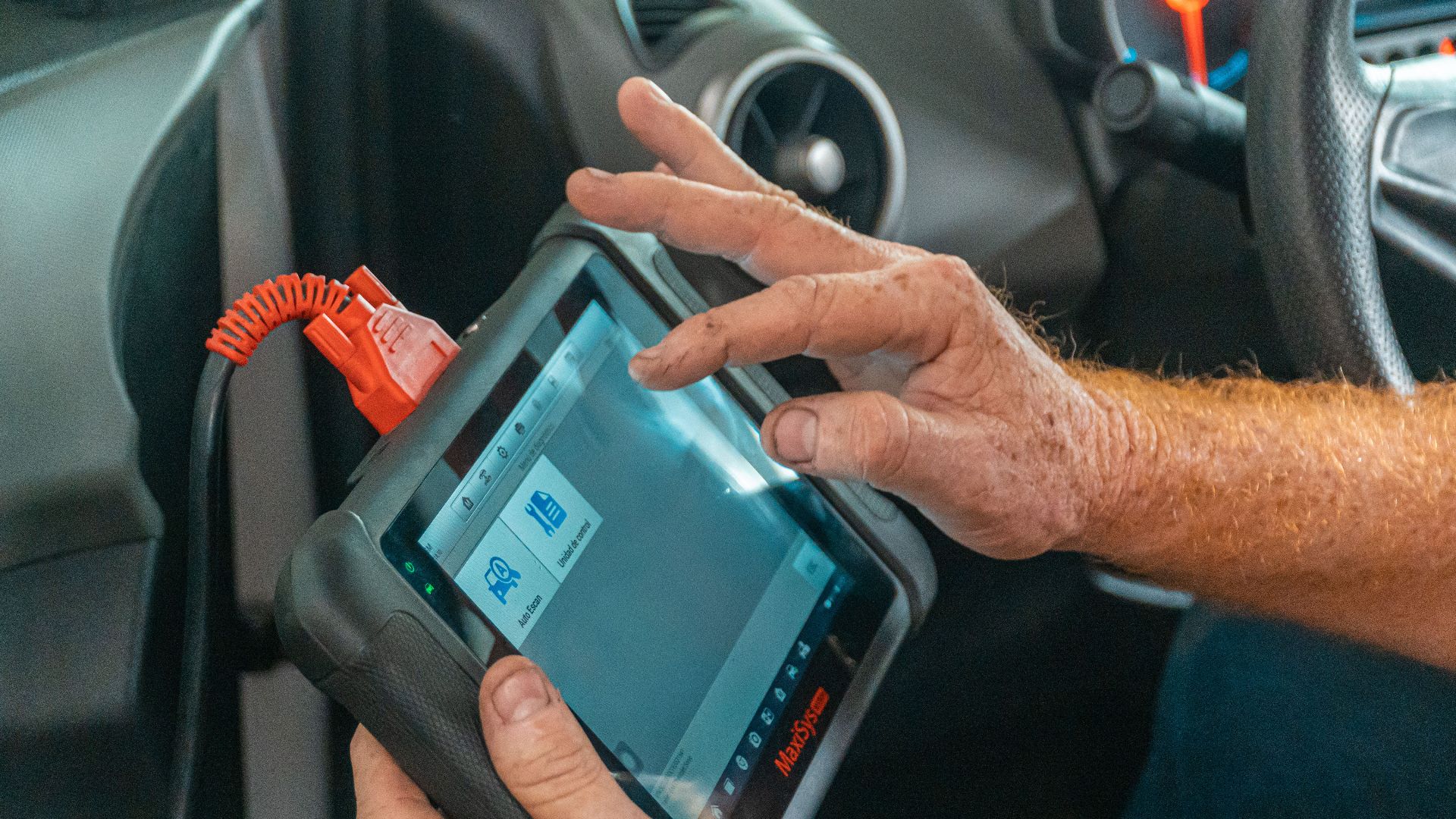
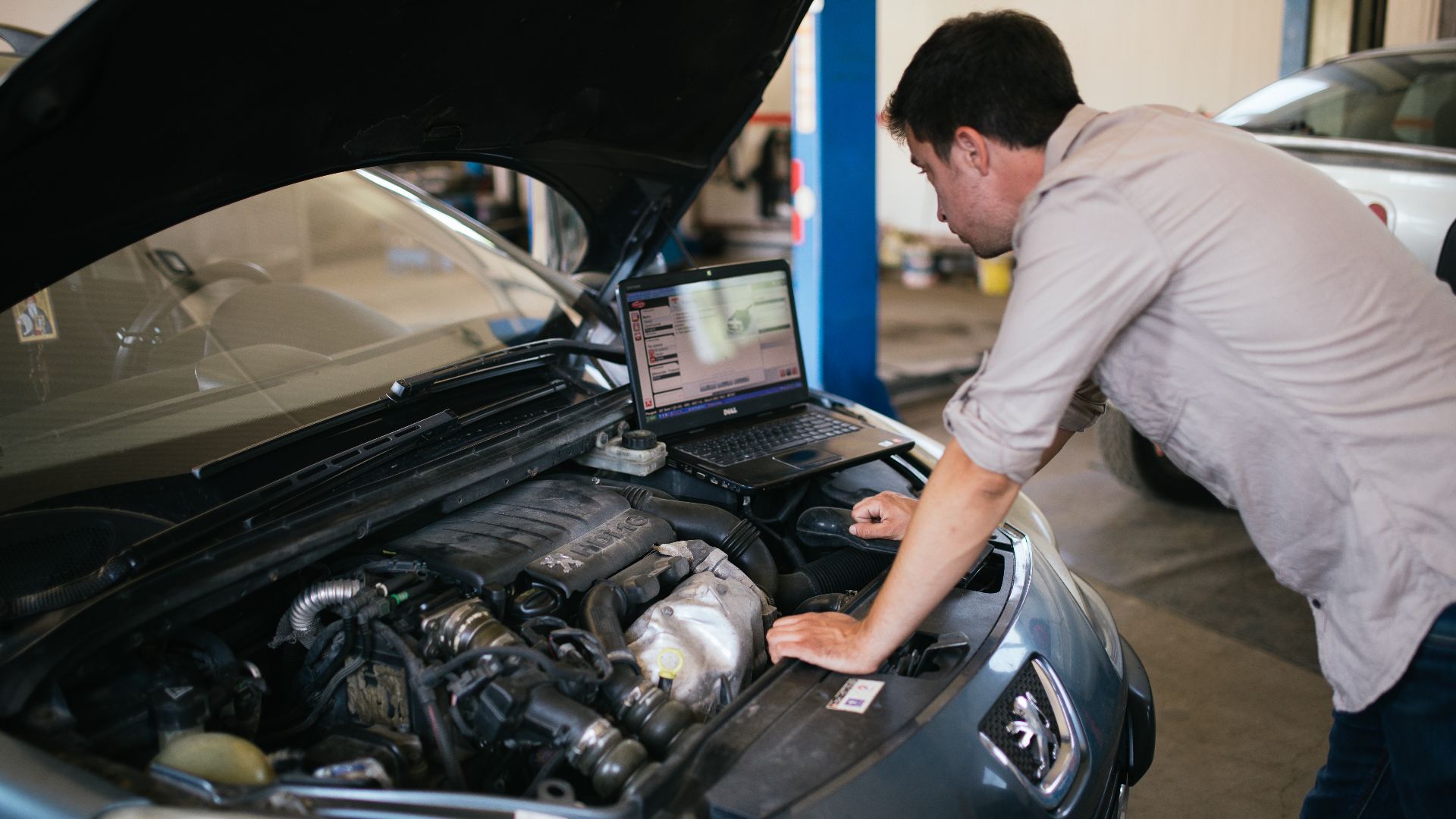
Massachusetts emissions guidance describes diagnostic trouble codes as the first step in identifying an emissions-related problem. The code tells the technician which system detected something wrong, not necessarily which part should be replaced. A competent diagnosis should confirm the fault before parts are ordered.
 Jose Ricardo Barraza Morachis, Pexels
Ask Exactly Why The Car Failed
Your inspection report should identify the reason the vehicle did not pass. It may show an illuminated malfunction indicator light, diagnostic trouble codes, incomplete readiness monitors, an OBD communication problem, or an actual tailpipe failure. Those categories call for different solutions.

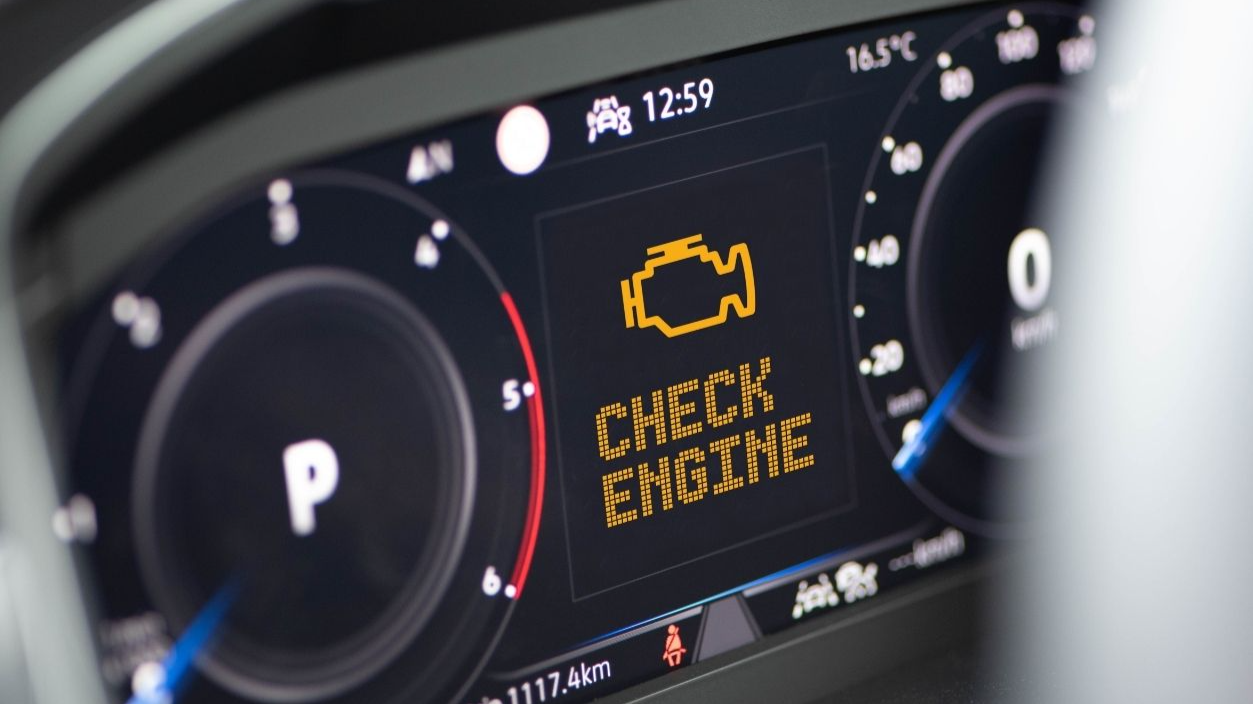
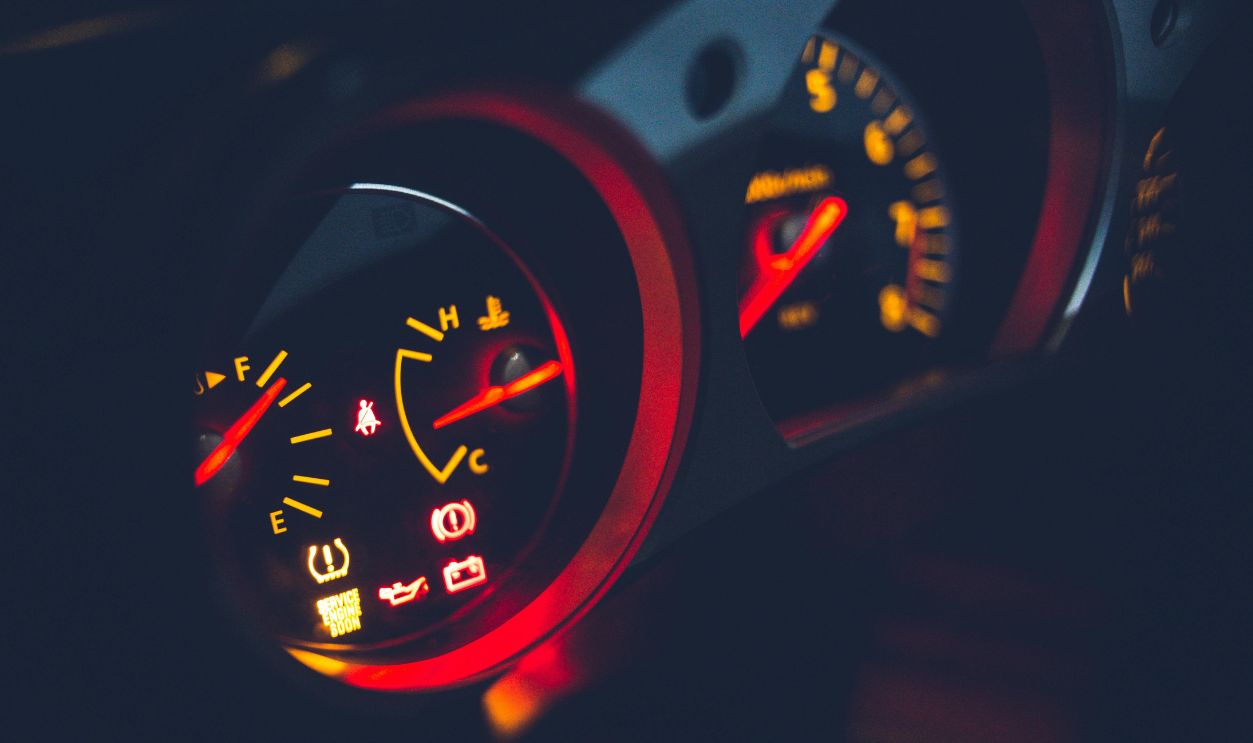
A Check-Engine Light Usually Means Failure
California tells motorists directly that a vehicle will not pass its Smog Check with the check-engine light illuminated. New York’s OBD inspection similarly checks whether the malfunction indicator light is operating and whether the computer reports emissions faults. Simply arguing that the exhaust smells clean will not override those rules.
 Bartolomiej Pietrzyk, Shutterstock
Clearing The Code Is Not A Repair
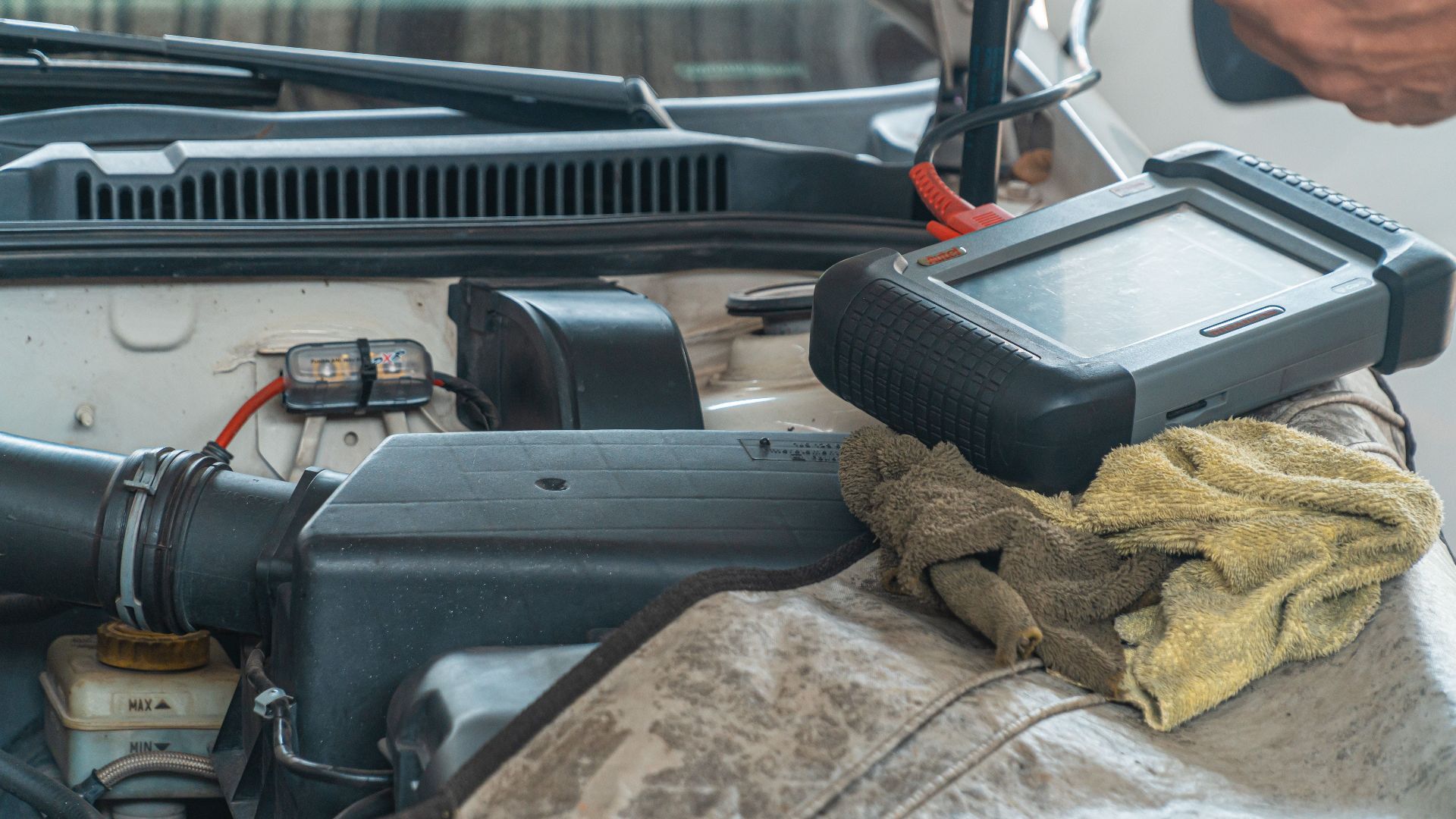
Disconnecting the battery or using a scan tool to erase codes can temporarily switch off the warning light. It also resets readiness monitors that the inspection system expects to see completed. The car may then be rejected or fail because its computer has not finished the required self-tests.
 Jose Ricardo Barraza Morachis, Pexels
Readiness Monitors Need Driving Time
After codes are cleared or the battery is disconnected, the vehicle normally has to complete specific driving conditions before its monitors return to “ready.” New York says this can take multiple drive cycles, while California tells drivers that normal driving for roughly a week may be needed in some cases. Retesting immediately after clearing codes can therefore backfire.
“Not Ready” Is Different From Broken
A vehicle can fail or be rejected because the computer has not completed its tests even though no current component fault exists. Battery replacement, recent repairs, or cleared codes are common reasons. In that situation, you may need driving time rather than another new sensor.
Some Cars Have Known OBD Problems
California maintains a detailed reference for vehicles with known inspection difficulties. It includes models that need software updates, recalls, unusual drive cycles, or special referee procedures because their diagnostics do not behave normally. That means an inspection failure can occasionally result from a documented design problem rather than ordinary wear.
Software Can Be The Culprit
A vehicle computer can report data incorrectly even when the hardware is physically intact. California’s current OBD reference lists vehicles whose readiness or communication problems require manufacturer software updates. Before replacing expensive hardware, check for recalls and technical service information relating to your exact model.

Your Mechanic Should Prove The Sensor Diagnosis
Ask which diagnostic trouble code is stored and what testing confirmed the sensor itself is defective. Voltage measurements, scan-tool data, circuit checks, manufacturer procedures, and comparison with expected values can support the diagnosis. “The code says sensor” is not enough by itself.
A Cheap Sensor May Prevent A Bigger Repair
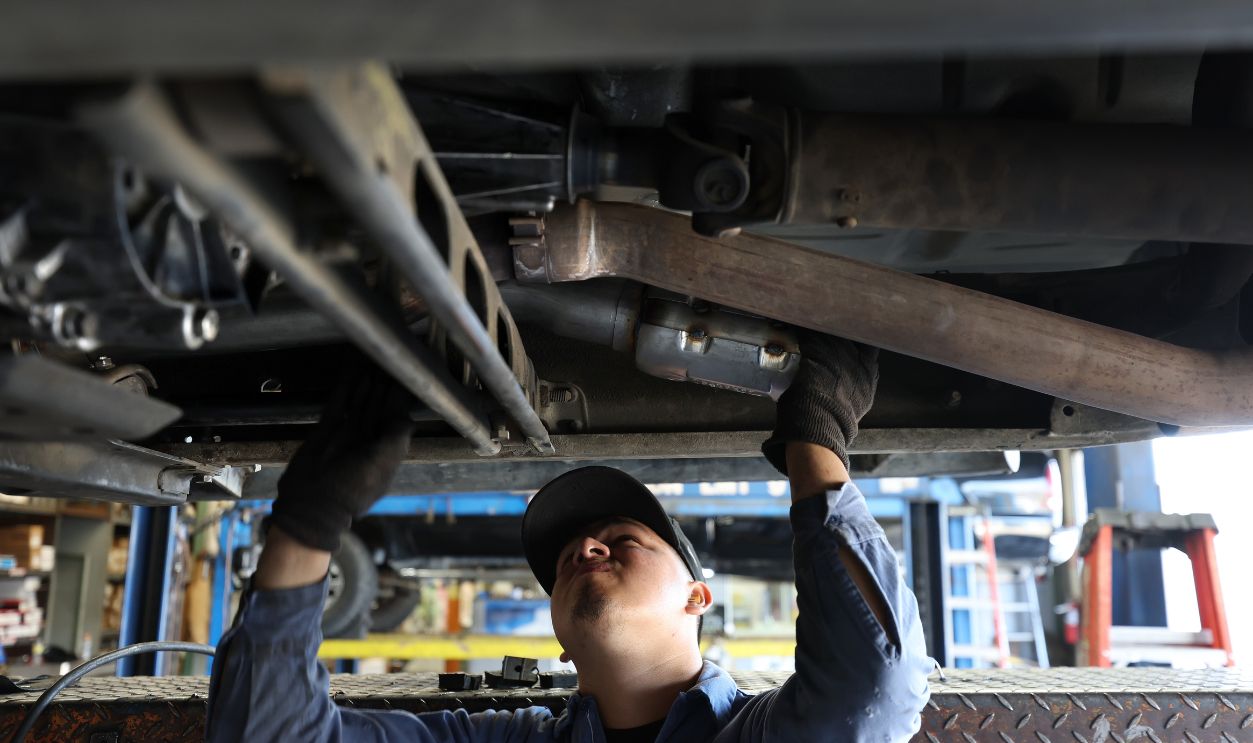
Some emissions-related faults can affect fuel economy, drivability, or other components if ignored. California warns that certain malfunctions can damage the catalytic converter, particularly when the check-engine light flashes. Fixing a relatively inexpensive underlying fault can therefore protect a much more expensive emissions component.
 Shixart1985, Wikimedia Commons
A Flashing Check-Engine Light Is More Urgent
A steadily illuminated light generally signals a detected fault that deserves diagnosis. A flashing light can indicate a severe malfunction capable of damaging the catalytic converter. If the light flashes, reduce unnecessary driving and have the car inspected promptly.
The Catalytic Converter Is Expensive For A Reason
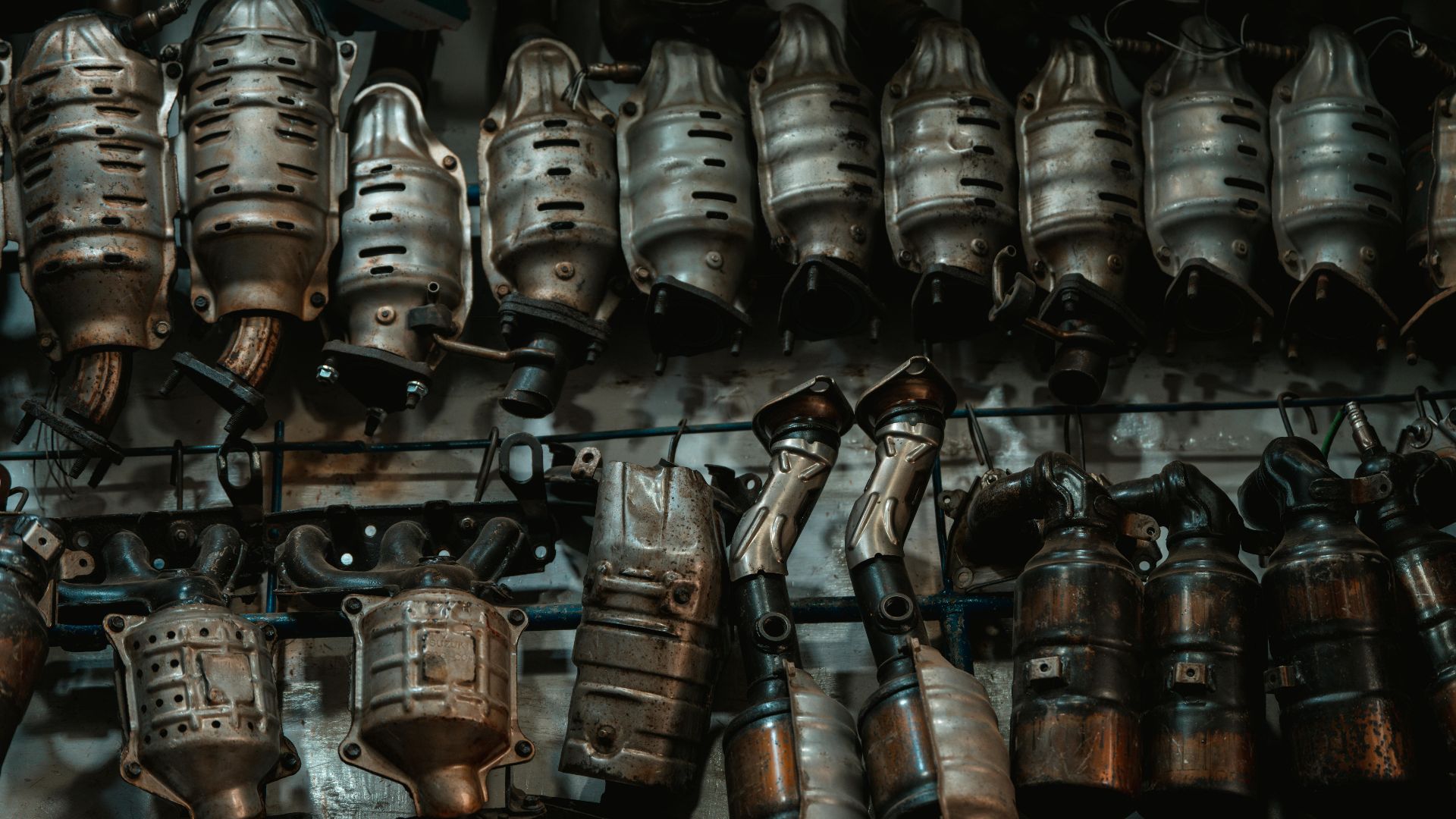
Catalytic converters are major emissions-control devices designed to reduce harmful pollutants in the exhaust. Federal law gives them longer emissions-warranty protection than most ordinary components on qualifying vehicles. Protecting the converter is one reason seemingly minor sensor or mixture-control problems should not automatically be ignored.
Your Older Car May Have A Different Test
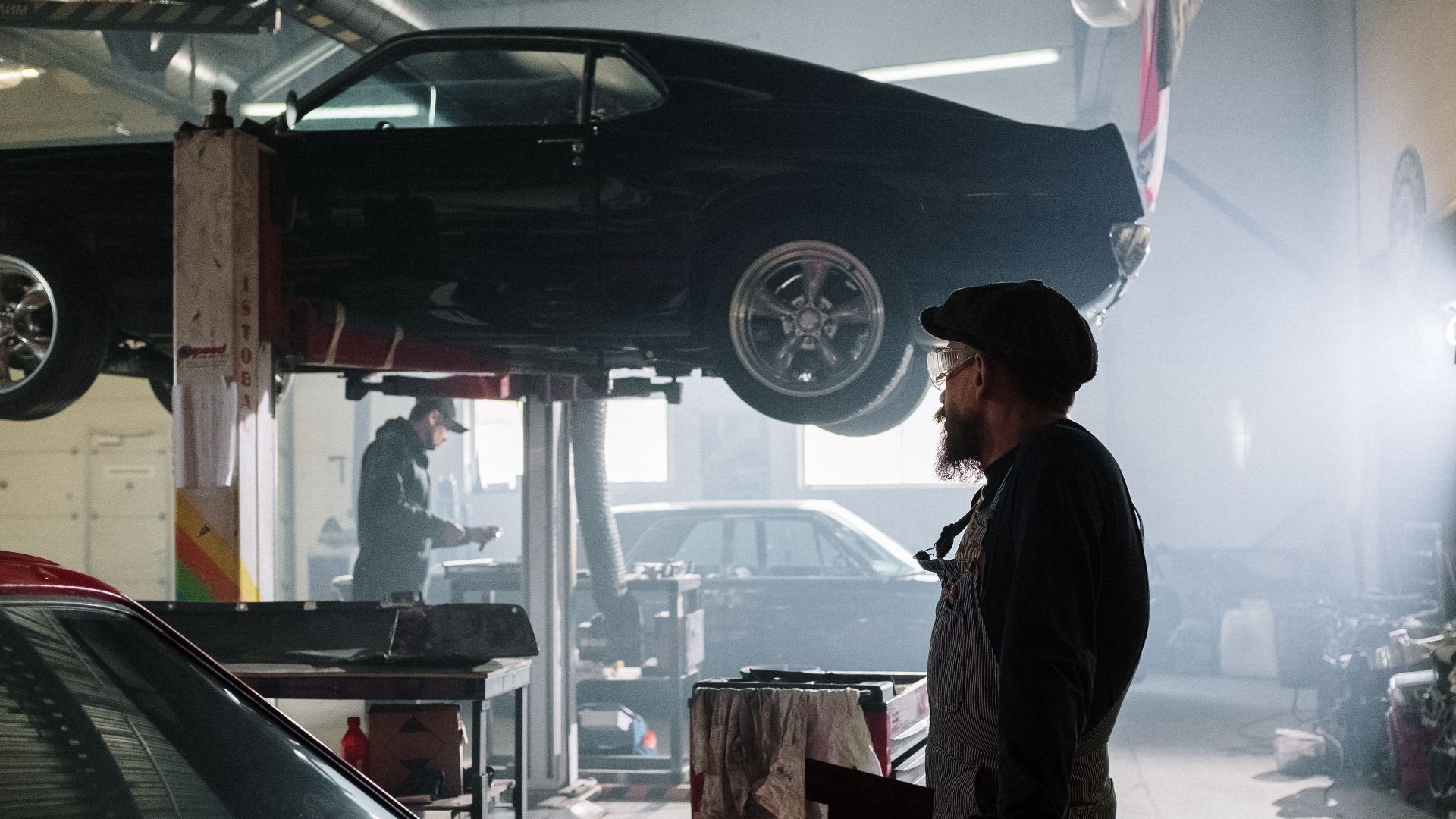
Inspection procedures often change with model year. California generally performs OBD checks on most 2000-and-newer vehicles while many 1999-and-older vehicles receive a tailpipe-based inspection. New York also uses different procedures for older vehicles that fall outside its normal OBD II testing group.
Location Changes Everything
There is no single nationwide emissions-inspection procedure for every driver. States and regions determine which vehicles need testing, which model years qualify, and how failures are handled. Your mechanic’s advice should therefore be paired with the rules for the jurisdiction where the car is registered.

Some Older Cars Are Exempt Entirely
Vehicle age can eventually remove a car from a state testing program. California exempts gasoline-powered vehicles from model year 1975 and earlier, while other states use their own rolling or fixed exemptions. Check the current rule before spending money solely to satisfy an inspection your vehicle may no longer require.

Passing Usually Requires Fixing The Fault
If your car is subject to OBD inspection and an active emissions fault commands the check-engine light, you generally cannot pass simply because a mechanic believes the tailpipe emissions are acceptable. California specifically requires the malfunction to be repaired before the vehicle can pass. New York and Virginia apply similar OBD-based requirements.
But A Waiver May Be Possible
Several emissions programs allow qualifying owners to receive a waiver after spending a required amount on legitimate emissions repairs without successfully passing. These programs are not automatic exemptions from repairs. They generally require an initial failure, documented repair attempts, a retest, and a minimum qualifying expenditure.

New York Has A Repair Waiver
New York currently allows certain OBD II vehicles to receive an inspection waiver after at least $450 in qualifying emissions repairs and another failed test. The vehicle must meet additional conditions and the repairs must address the original emissions failure. Dealer vehicles being prepared for sale are not eligible for that waiver.

Virginia Uses A Much Higher Threshold
Virginia requires a failing vehicle to be repaired and reinspected until it passes or qualifies for a waiver. For 2026, qualifying diagnostic and emissions repair costs must reach at least $1,090 when performed or approved through the required certified repair process. That figure can change annually.

Connecticut Also Offers Waivers
Connecticut provides repair, diagnostic, and economic-hardship waivers under specific circumstances. Its 2026 repair-waiver expenditure threshold is $1,137, and qualifying repairs must follow the program’s certification requirements. A documented manufacturer-related diagnostic issue can also qualify for a separate diagnostic waiver.
California Offers Repair Assistance Instead
California operates a Consumer Assistance Program for qualifying owners whose vehicles fail Smog Check. As of the current program, eligible owners of 1996-and-newer vehicles may receive up to $1,450 toward emissions-related repairs. Income and other eligibility requirements apply.

Check Your Emissions Warranty First
Federal law provides separate emissions warranties that can outlast some ordinary vehicle coverage. EPA says most emissions-related components have federal coverage for 2 years or 24,000 miles, while the catalytic converter, emissions-control computer, and onboard diagnostic device receive 8 years or 80,000 miles. These warranties apply to used vehicles as well when the eligibility requirements are met.
California Coverage Can Be Longer
California-certified vehicles can carry stronger emissions warranties. CARB currently lists 3 years or 50,000 miles for emissions-related defects and performance coverage, plus 7 years or 70,000 miles for specified high-cost emissions parts. Certain PZEV and TZEV vehicles have even longer coverage, so checking the warranty booklet is worthwhile even on a car that no longer feels new.
 Jose Ricardo Barraza Morachis, Pexels
An Older Car Is Probably Past Federal Sensor Coverage
Most ordinary sensors are not among the three components receiving the federal 8-year or 80,000-mile protection. The longer federal coverage is limited to the catalytic converter, emissions-control computer, and OBD device or computer. If your older car needs an ordinary sensor, the cost may therefore fall on you unless another warranty applies.

Do Not Buy Parts Until The Diagnosis Is Clear
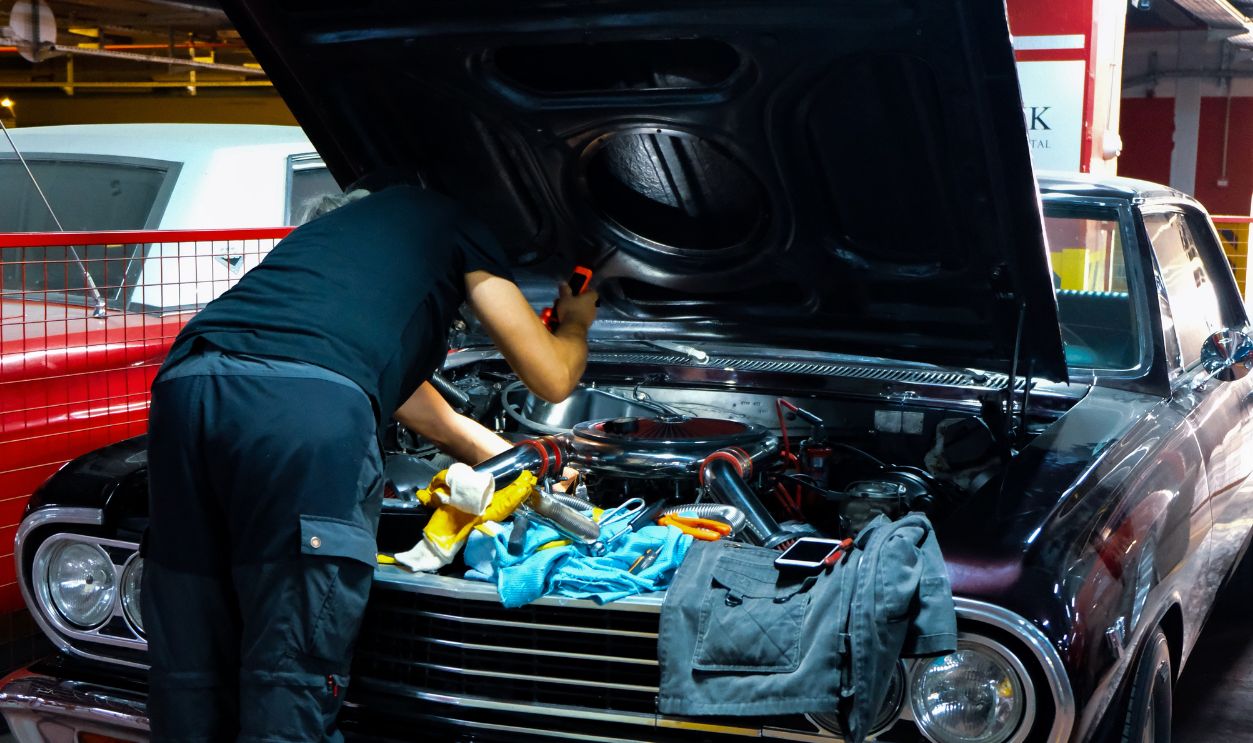
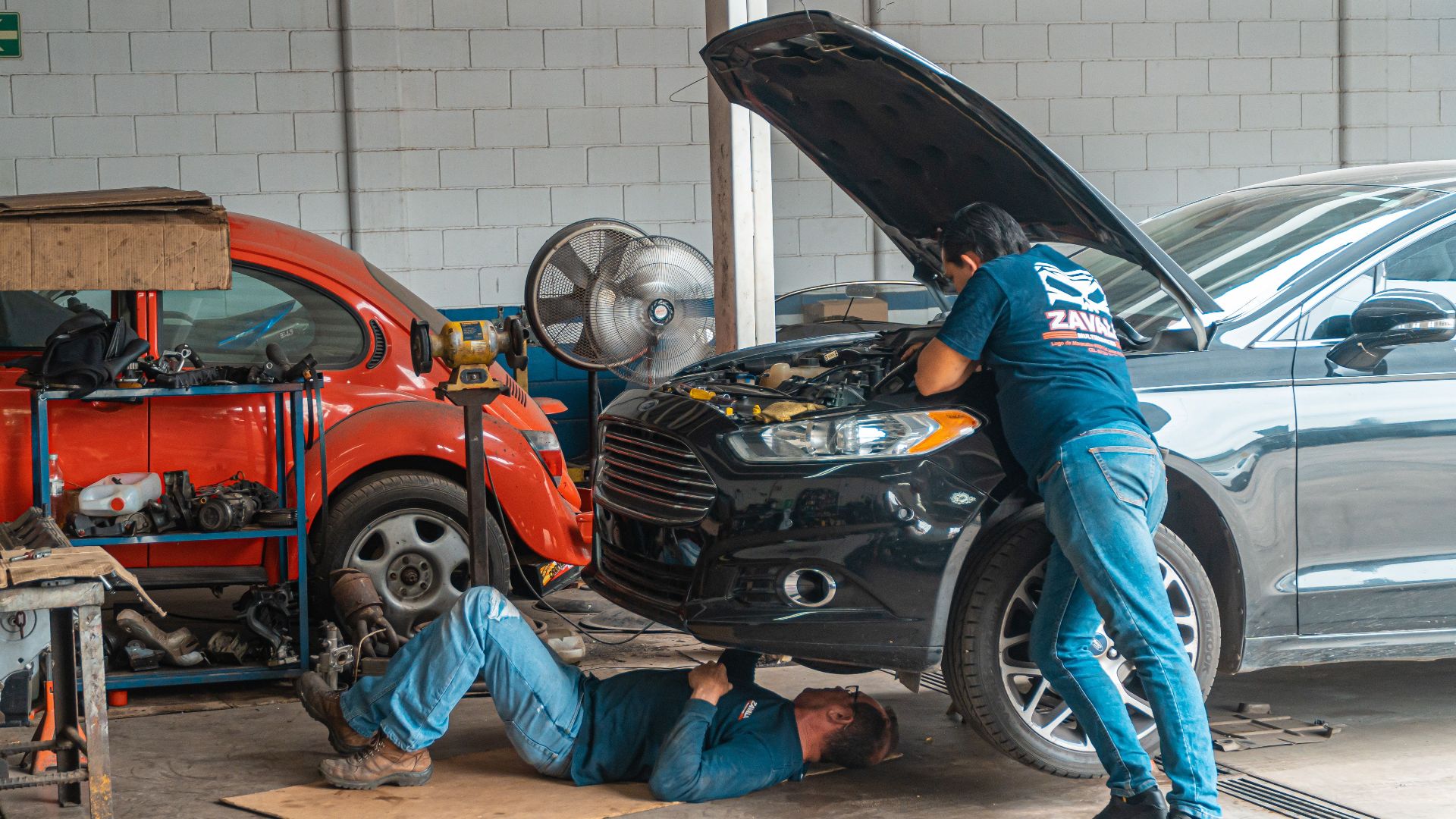
Ask for the inspection report, diagnostic codes, monitor status, and the mechanic’s test results before authorizing repairs. Confirm whether the vehicle actually has a bad sensor, a wiring problem, an unset monitor, a software issue, or another failure causing the sensor reading. Spending an hour on proper diagnosis can be cheaper than firing parts at the problem.

Yes, You Probably Still Have To Address It
If your jurisdiction requires an emissions inspection, a genuine OBD sensor fault normally has to be repaired, resolved through an approved manufacturer fix, or handled through whatever waiver process your state provides. The fact that nobody directly measured excessive tailpipe pollution does not automatically invalidate an OBD failure. What you should question is not whether the rule exists, but whether the sensor has been correctly diagnosed before you pay to replace it.
You May Also Like:
Classic Cars That Were Found In Barns, Then Set Auction Records
Electric Cars With The Fastest 0–60 Times
Three Cars On The Verge Of Extinction
Sources: 1, 2, 3, 4, 5, 6, 7, 8, 9, 10, 11, 12, 13, 14, 15, 16, 17