What a Diagnostic Fee Actually Covers
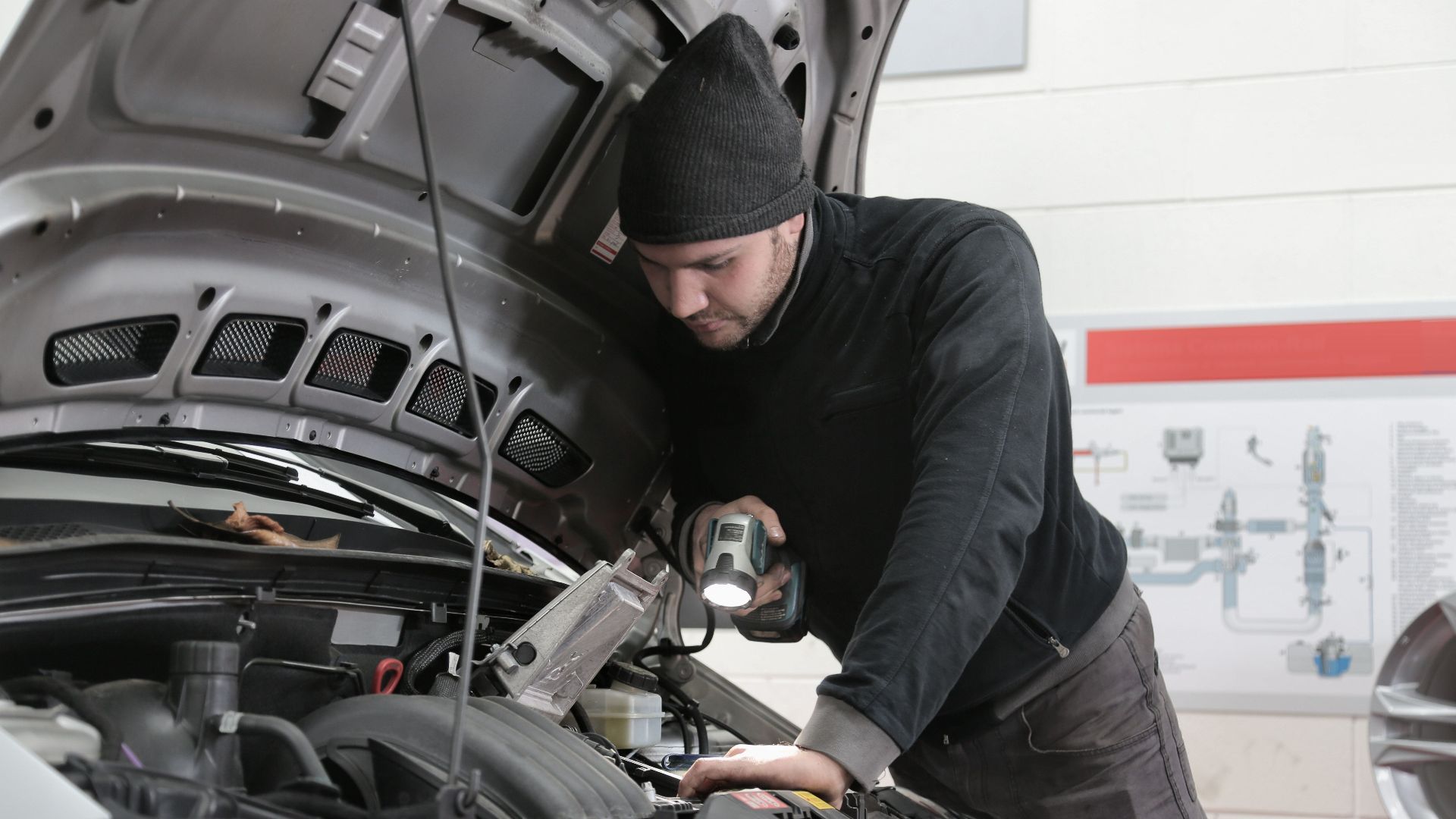
A diagnostic fee pays for the technician’s effort to identify a problem, not repairs. Testing may include scanning fault codes and inspecting vehicle systems. The Federal Trade Commission advises drivers to ask about diagnostic charges before authorizing work, if they might seek repairs elsewhere.
 Janon Stock, Shutterstock Images
An Active Warranty Does Not Cover Everything
A manufacturer’s warranty promises to address specified defects for a specified period. It is not blanket coverage for every complaint. Whether the customer pays depends on the problem identified, the applicable warranty terms, and authorization.

An Upfront Charge Can Be Conditional
A dealership may quote a diagnostic charge pending a coverage decision. Cadillac expressly describes a possible initial diagnosis fee, while Tesla says some initially priced repairs have their charges removed once warranty coverage is confirmed.

Covered Repairs Change Who Pays
Cadillac says qualifying warranty repairs are performed without charge and diagnosis fees for those repairs are refunded. Tesla similarly removes initial repair charges when coverage is confirmed. An unreversed fee for an accepted claim warrants explanation. Ask whether that charge should be waived, credited, or refunded.

Excluded Repairs Can Leave a Bill
If diagnosis identifies a problem outside the warranty, the dealer may charge for authorized testing. Cadillac states that diagnosis fees are not refundable for excluded repairs. Request the specific exclusion rather than accepting an explanation that the vehicle is “not covered.”

Normal Wear Is Not a Manufacturing Defect
Warranties distinguish defects from ordinary wear and maintenance. Cadillac excludes regular maintenance and makes clear that tire wear is not a manufacturing defect. A brake or tire complaint requires a coverage determination, not merely a check of warranty expiration.

Accident Damage and Misuse Are Exclusions
Cadillac lists accidents, misuse, inadequate maintenance, and alterations among its bumper-to-bumper exclusions. Such findings may explain a denied repair claim, but ask for the cause of failure and the contractual provision supporting its decision.
Bumper-to-Bumper and Powertrain Coverage Differ
A vehicle may be beyond its basic warranty yet remain within powertrain coverage. Cadillac, for example, lists different terms and components for these warranties. The precise failed part matters more than a general statement that the car remains under warranty.

Both Time and Mileage Set Limits
New-car warranties commonly expire when either the stated time or mileage limit is reached first. The FTC advises checking dates and coverage limits, while Tesla lists separate basic and battery limits. Verify the applicable warranty for your vehicle. Some protections also transfer to subsequent owners.

Extended Service Contracts Work Differently
An optional auto service contract is generally not the manufacturer’s original warranty. The FTC explains that these contracts cover specified repairs and include exclusions. Identify the applicable contract before assuming a dealer must handle diagnosis like a factory-warranty claim.

A Deductible Is a Separate Question
Service contracts may require a deductible per service visit. That amount should not be confused with diagnostic labor. Ask the administrator to identify the deductible clause and whether the diagnostic amount is additional or included.
 f.t.Photographer, Shutterstock
Engine Tear-Downs Create Special Exposure
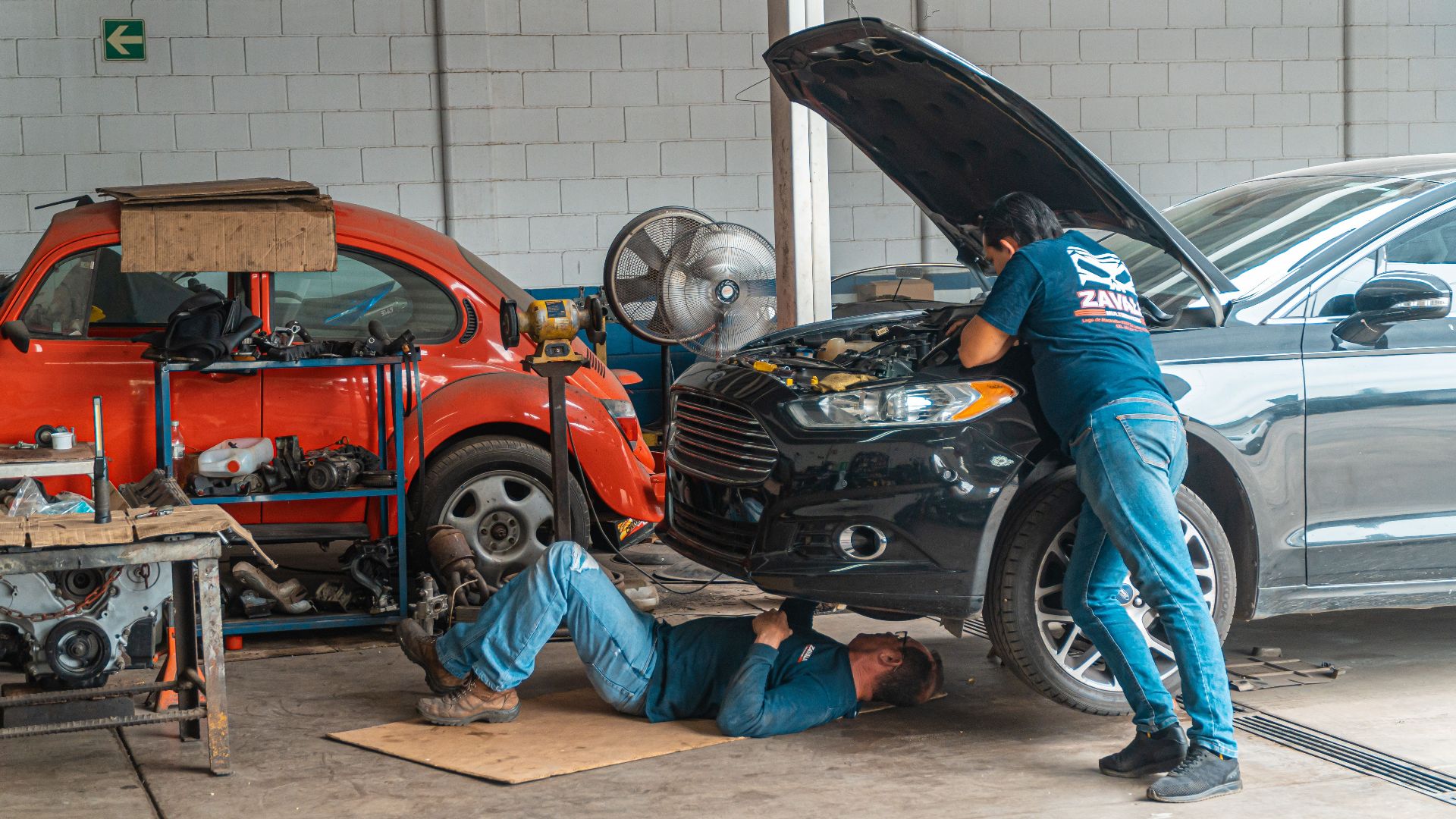
The FTC specifically warns service-contract buyers to check who pays when an engine must be disassembled and the mechanic discovers noncovered components. Before approving dismantling, request the estimated tear-down and reassembly cost and written instructions on what follows a denial.
 Jose Ricardo Barraza Morachis, Pexels
An Administrator May Decide Coverage
Many dealership-sold service contracts are administered by third parties. The FTC says those administrators can make claims-authorization decisions. A service adviser’s expectation of approval is not final approval; request the administrator’s decision and any contractual reason for rejecting the claim.

A “No Problem Found” Visit Is Different
An intermittent noise or warning might not be reproduced during a shop visit. Without an established covered defect, payment for authorized diagnostic time may remain disputed. Ask what tests were performed and whether the dealership documented the concern rather than treating an inconclusive visit as a successful repair. A written record matters if the symptom returns.
Keep Evidence of Intermittent Symptoms
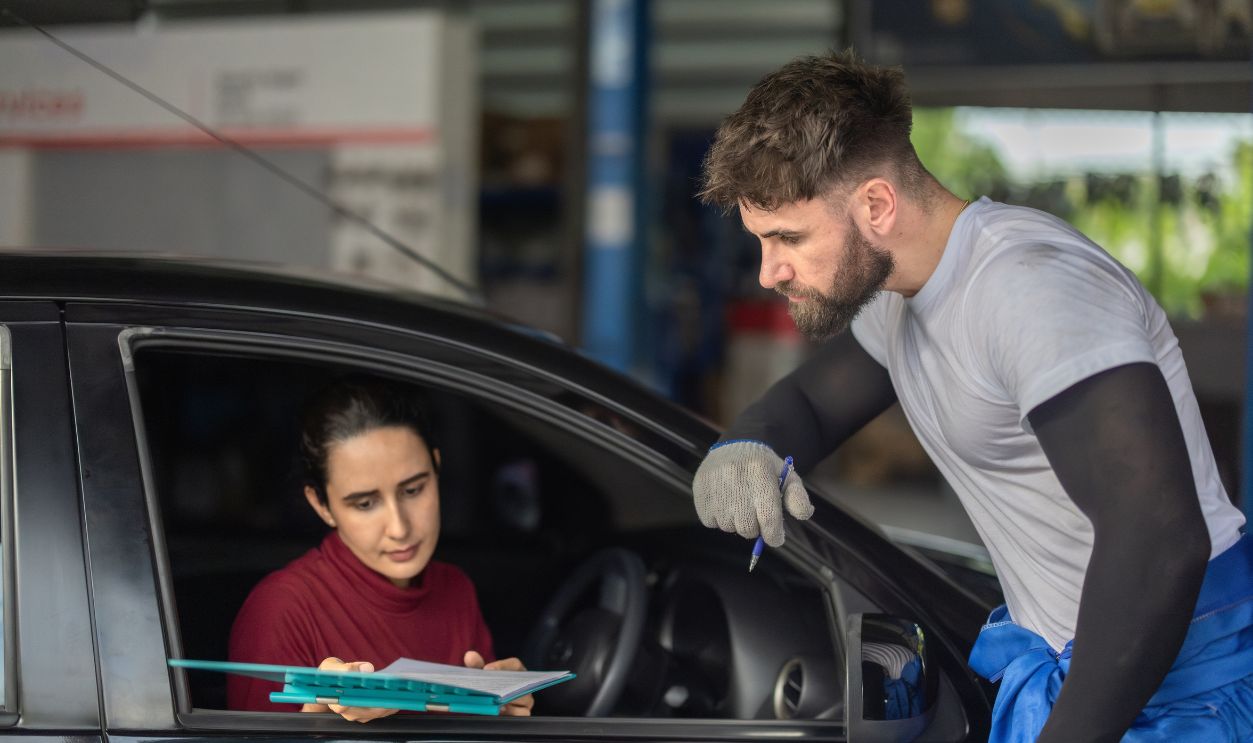
Record when the problem occurs, including driving conditions, warning messages, and dates, and ask for those details on the repair order. The FTC recommends retaining repair records, which can support later warranty claims. Preserve each invoice even without a confirmed fault.

Independent Maintenance Does Not Automatically Void Coverage
The FTC says manufacturers cannot deny factory-warranty protection merely because routine maintenance or repairs happened elsewhere. Service at an independent shop is not itself grounds for charging you for a covered defect. Keep maintenance receipts. However, free warranty repairs may require a manufacturer-designated facility.

Aftermarket Parts Require a Causal Connection
Using aftermarket or recycled parts does not, by itself, cancel a vehicle warranty. The FTC says a manufacturer or dealer must show the replacement caused the damage before denying coverage for the affected part. Demand that explanation in writing.

Safety Recalls Have Their Own Rule
The National Highway Traffic Safety Administration says open safety-recall repairs are free at the manufacturer’s dealership. Verify the recall by VIN, and distinguish recall-related work from unrelated testing. A dealer should not recast the free recall remedy as ordinary paid service.

A Technical Bulletin Is Not Necessarily a Recall
Manufacturers also distribute technical bulletins, product updates, and warranty extensions. NHTSA says these communications can concern problems whether safety-related or not. Finding a bulletin describing your symptom does not guarantee free coverage; ask whether a specific warranty extension or service campaign applies.
Emissions Components May Have Longer Protection
Federal emissions warranties can outlast basic vehicle coverage. The Environmental Protection Agency identifies eight-year, 80,000-mile coverage for catalytic converters and certain emissions computers. EPA guidance says diagnosis required for an approved emissions repair cannot be billed to the owner.

A Full Warranty Has Stronger Free-Service Terms
Under FTC used-car guidance, a warranty labeled “full” must provide necessary warranty service without charge, including covered-system removal and reinstallation. A “limited” warranty has different terms. Check which description actually appears in your paperwork before challenging a bill.

Used-Car Dealer Warranties Can Split Costs
The FTC’s Used Car Rule requires a Buyers Guide disclosing what percentage of covered repair costs the dealer pays. Some limited warranties split parts and labor expenses or require deductibles. Compare the posted Buyers Guide and written warranty against the invoice.

Authorization Rules Depend on Your State
California requires specific customer authorization before diagnosis or repairs, even warranty work. Authorization can be written, oral, or electronic, but it must be documented. A signature accepting possible charges is important evidence; it does not alone resolve whether the warranty should pay.

Estimates and Invoices Should Tell the Story
California’s Bureau of Automotive Repair requires estimates, authorization for additional charges, and itemized invoices. Its guidance also tells consumers to retain repair records. Request the diagnostic line item, technician findings, warranty disposition, and revised approvals before paying a contested amount

Escalate a Fee That Still Looks Wrong
Start with the service manager, then contact the manufacturer or service-contract administrator with your invoice and warranty terms. For unresolved disputes, the FTC points consumers toward state consumer-protection agencies; BBB AUTO LINE also offers free dispute resolution for eligible owners.