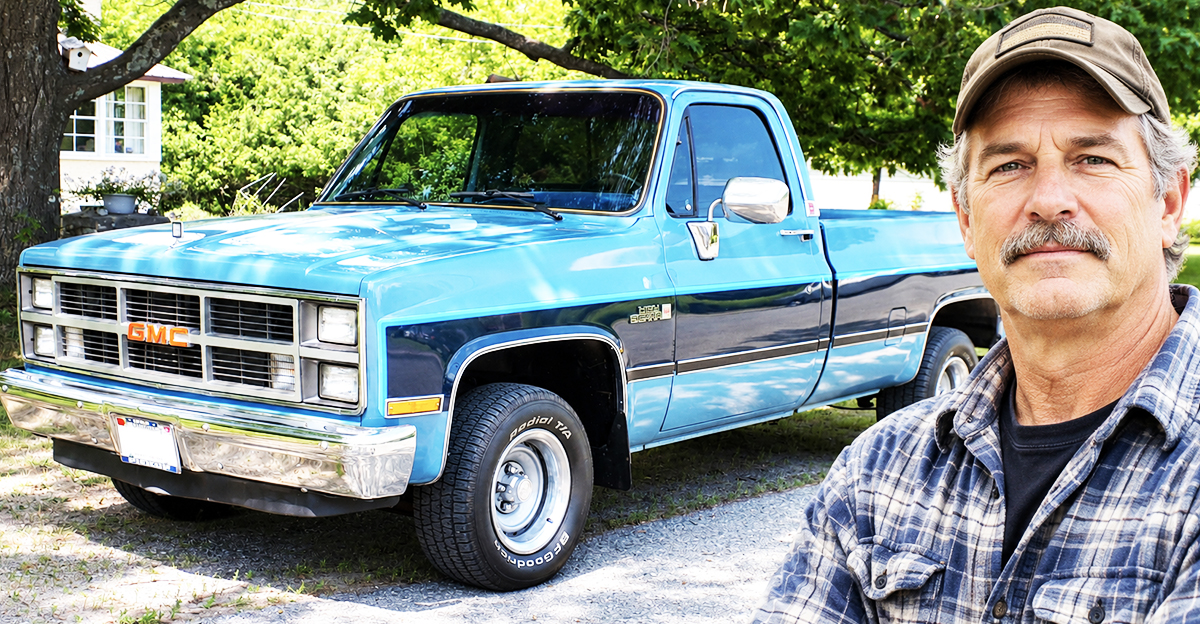
Yesterday's Daily Drivers Are Today's Collector Cars
There was a time when a Volkswagen Beetle, Honda Civic, or Chevrolet pickup was simply something you drove to work. Nobody expected these ordinary vehicles to become valuable collector's items decades later. Yet some surviving examples now command prices that would have seemed ridiculous when they were just used cars. The surprising part is that many of these classics were never intended to be exotic or exclusive.

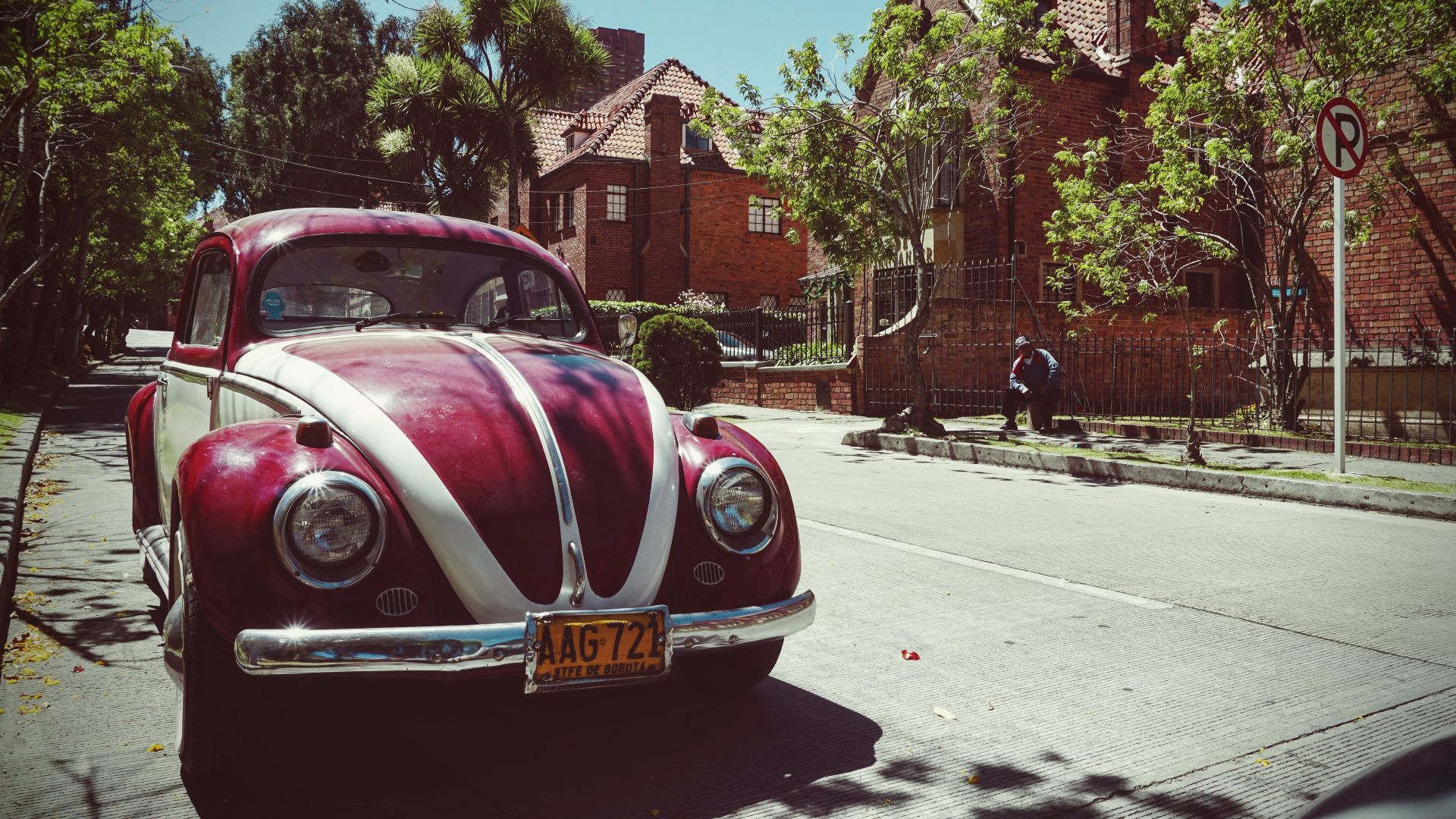
Volkswagen Beetle: The People's Car Becomes A Collector's Prize
The original Volkswagen Beetle was one of the most recognizable economy cars in automotive history, with more than 21 million produced worldwide. Its simple mechanical design and distinctive shape made it popular with generations of everyday drivers. Today, early models, convertibles, and exceptionally well-preserved examples attract interest from collectors. Although ordinary Beetles remain relatively accessible, the most desirable survivors can sell for considerably more than their original budget-car reputation might suggest.
 Maarten van den Heuvel mvdheuvel, Wikimedia Commons
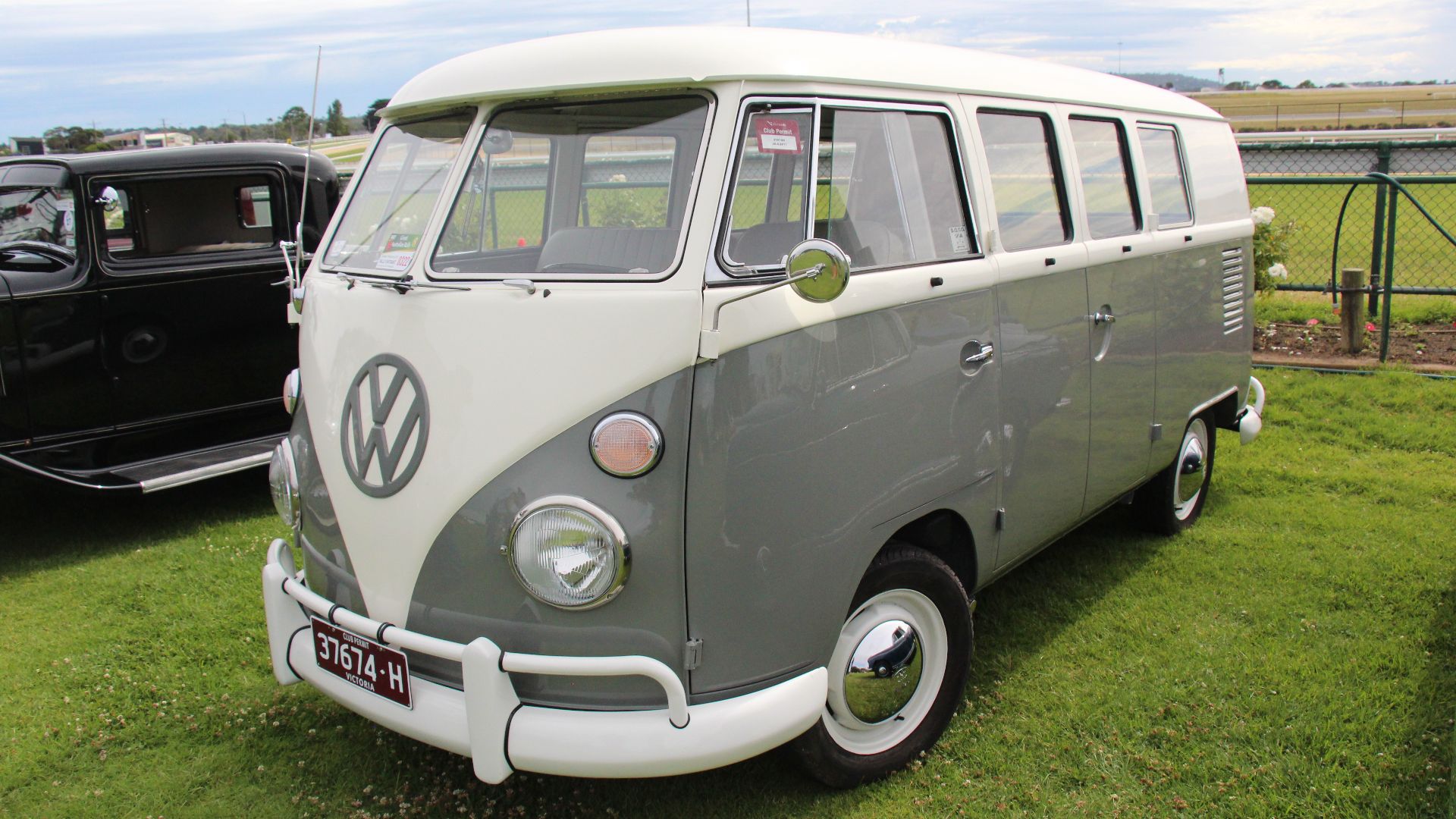
Volkswagen Microbus: From Family Hauler To Expensive Nostalgia
Volkswagen's Type 2 was built to carry passengers and cargo rather than impress wealthy collectors. Families, small businesses, and travelers appreciated its roomy interior and practical layout. Decades later, vintage buses have become symbols of an entire era, especially among enthusiasts attracted to their distinctive styling. A 1969 Volkswagen Type 2 Bus sold through Hagerty Marketplace in March 2026 for $24,503, demonstrating how much collectors may pay for a once-ordinary utility vehicle.
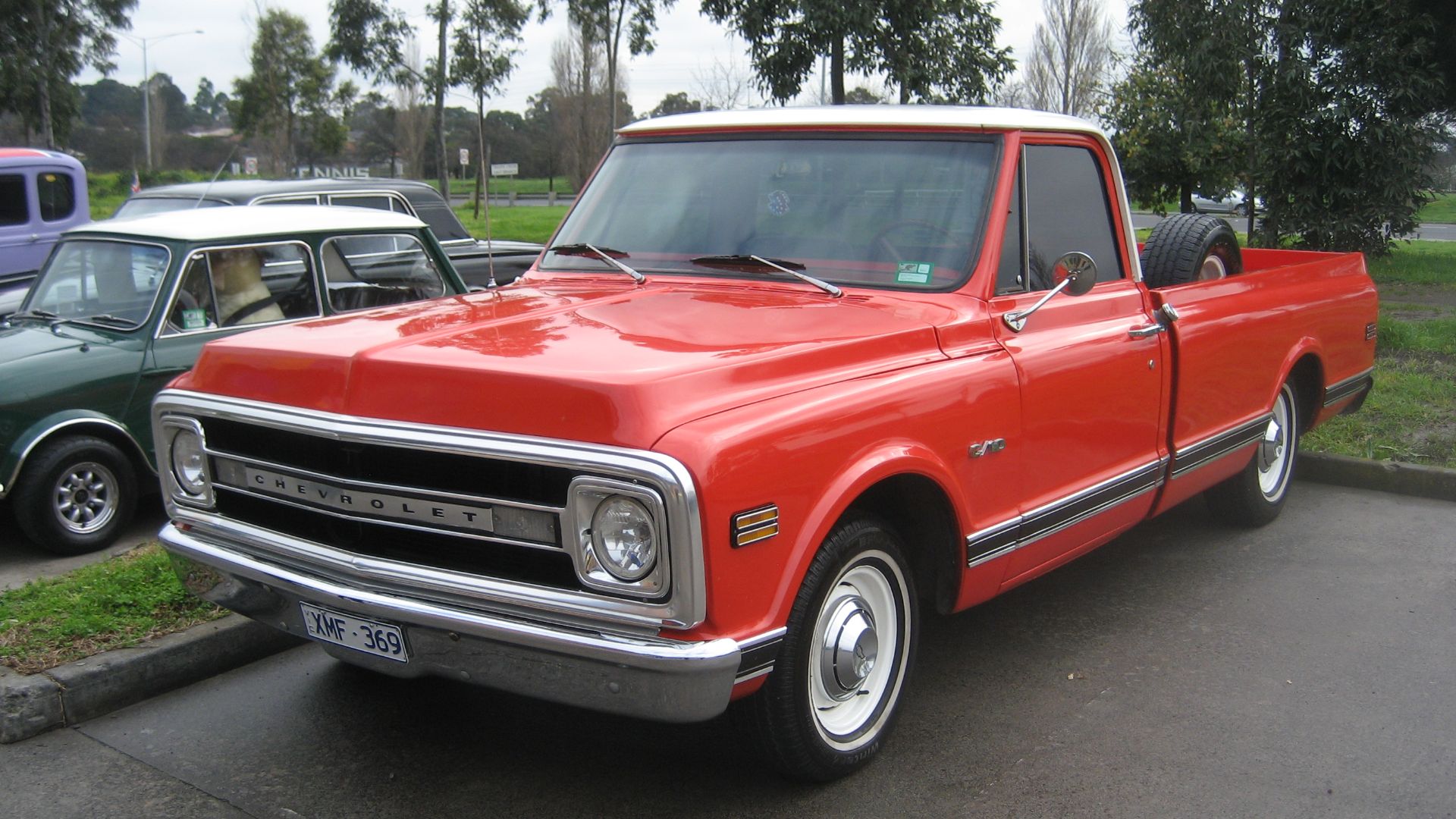
Chevrolet C10: The Farm Truck That Became A Showpiece
The Chevrolet C10 was originally a working pickup, built for hauling supplies, carrying equipment, and handling everyday transportation. Its straightforward construction made it useful long before collectors appreciated its styling. Today, the 1967 through 1972 generation has developed a strong following among enthusiasts interested in restoration and customization. Beautifully restored examples can command substantial prices, although values vary widely depending on originality, condition, and mechanical specifications.
Ford Bronco: The Utility Vehicle That Became A Status Symbol
When Ford introduced the Bronco in 1966, it was designed as a practical four-wheel-drive vehicle for people who wanted off-road capability. Its compact proportions and rugged construction made it useful for outdoor recreation and everyday transportation. The first generation has since become one of the most recognizable vehicles in the vintage SUV market. Hagerty reported an average value of $45,800 for first-generation Broncos in its March 2025 Ford valuation analysis, illustrating their transformation into sought-after collectibles.
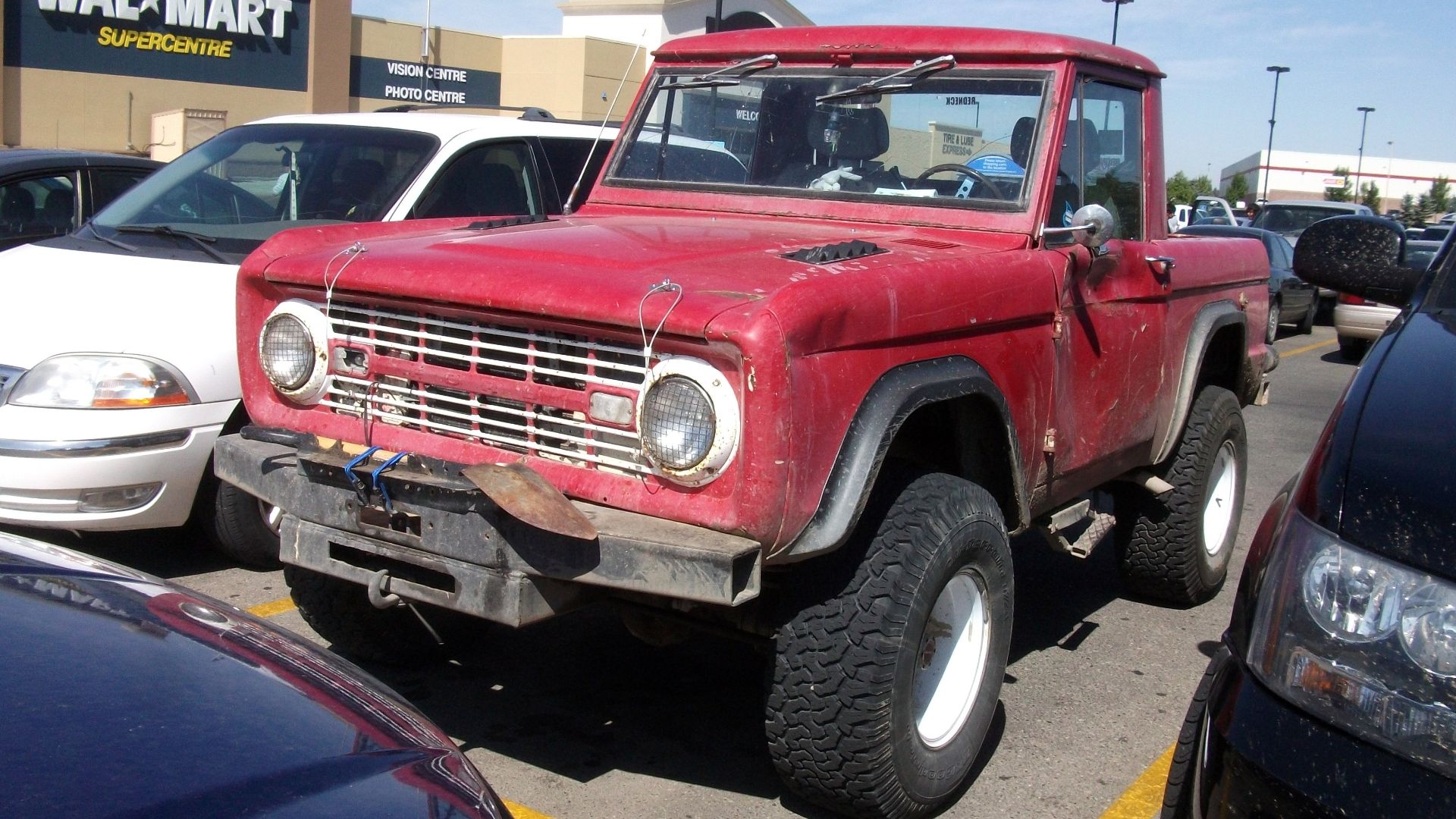 dave_7 from Lethbridge, Canada, Wikimedia Commons
Toyota Land Cruiser FJ40: The Workhorse That Refused To Disappear
Toyota's FJ40 Land Cruiser earned its reputation as a rugged utility vehicle capable of handling difficult terrain. It was valued for durability and practicality rather than luxury or exclusivity. Collectors now appreciate the same mechanical simplicity and distinctive appearance that made it useful decades ago. Well-restored examples can attract substantial interest, particularly when they retain their original character and equipment.
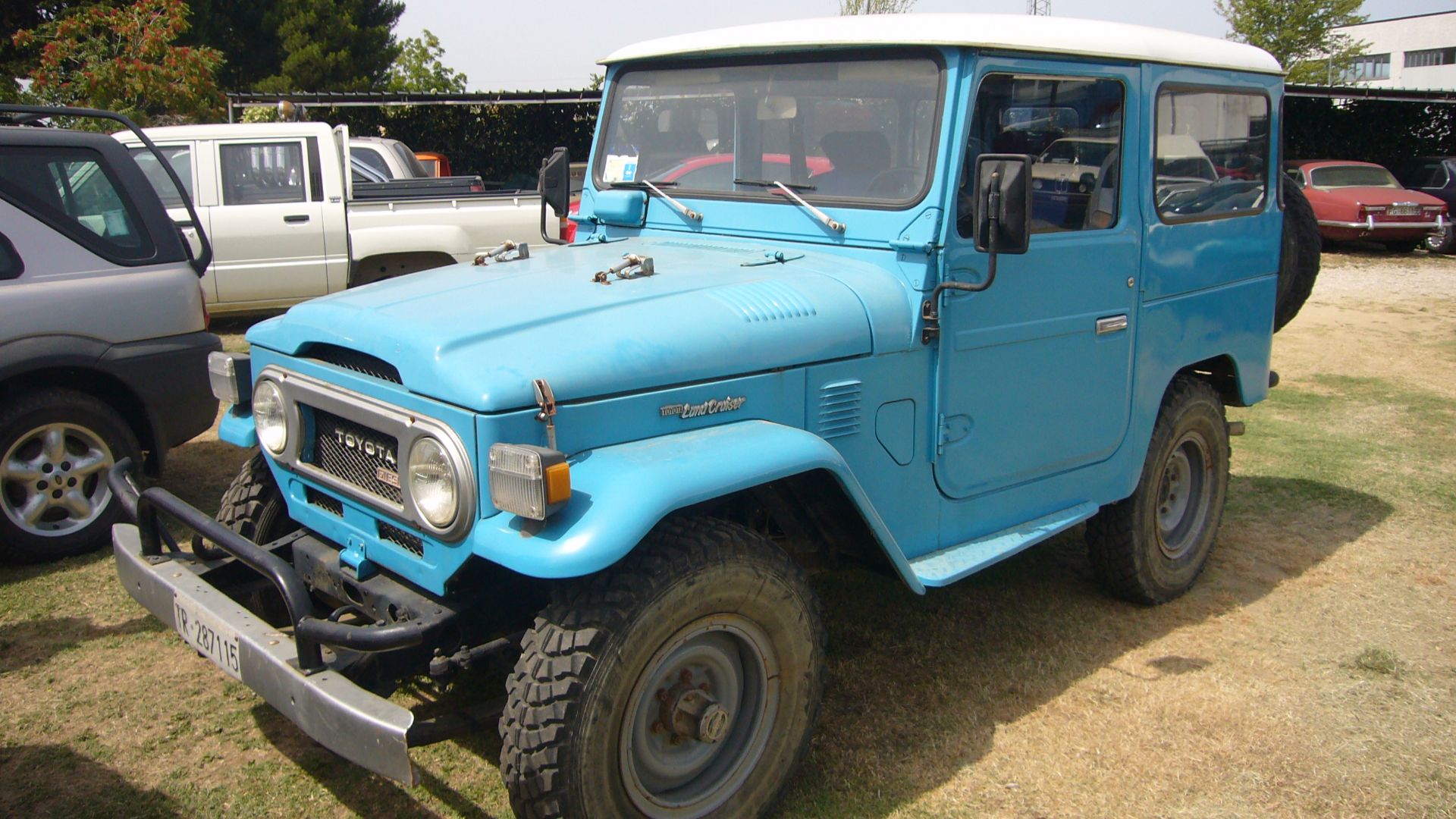 Rutger van der Maar, Wikimedia Commons
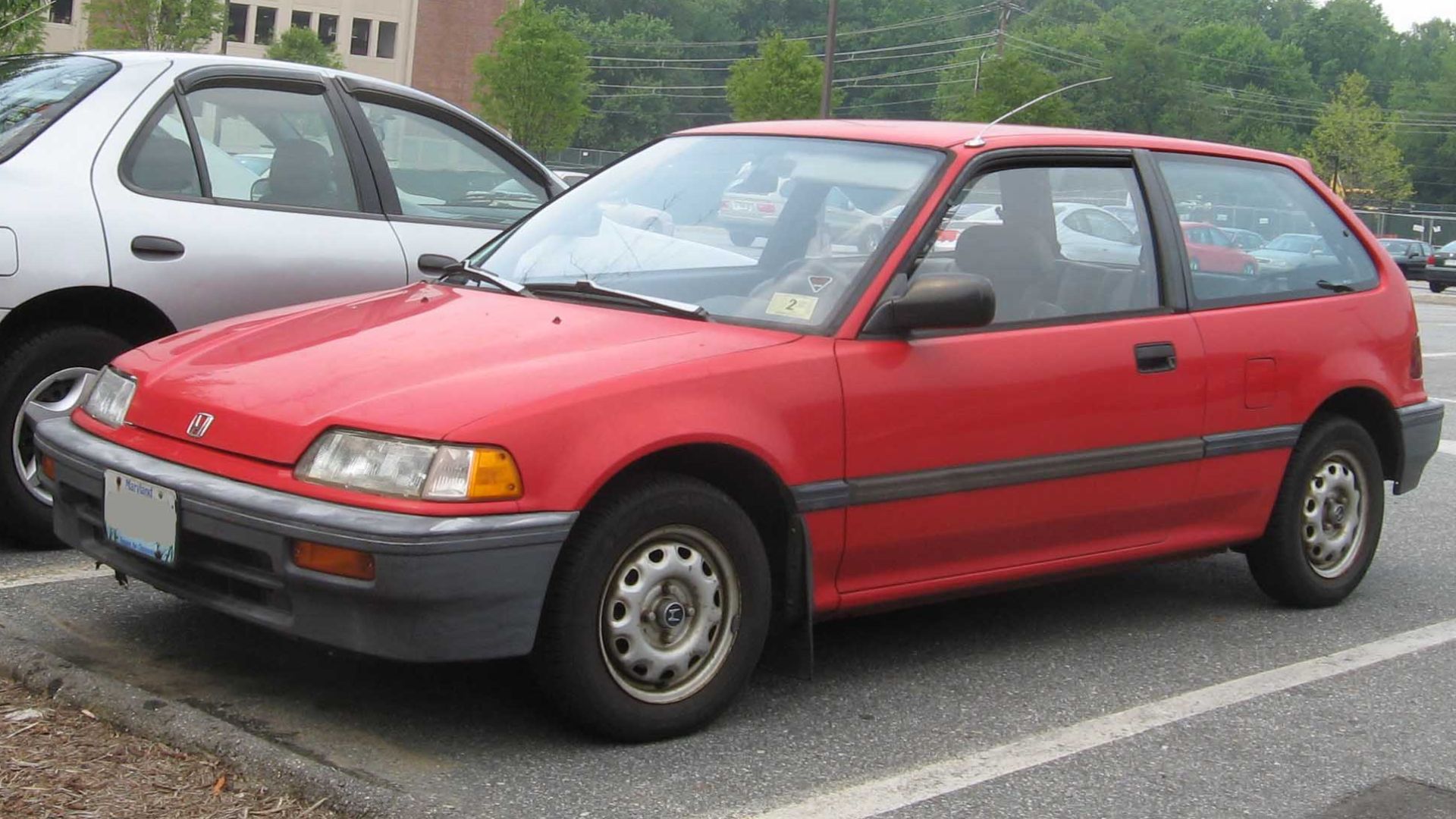
Honda Civic Si: The Affordable Hatchback That Grew Up
The fourth-generation Honda Civic was once a common sight in school parking lots, suburban driveways, and commuter traffic. Its Si version offered extra performance while remaining a relatively affordable compact hatchback. Today, collectors increasingly appreciate clean examples of these lightweight Hondas, especially those retaining their original equipment. Their appeal reflects growing enthusiasm for Japanese performance cars that were once inexpensive enough to serve as daily transportation.
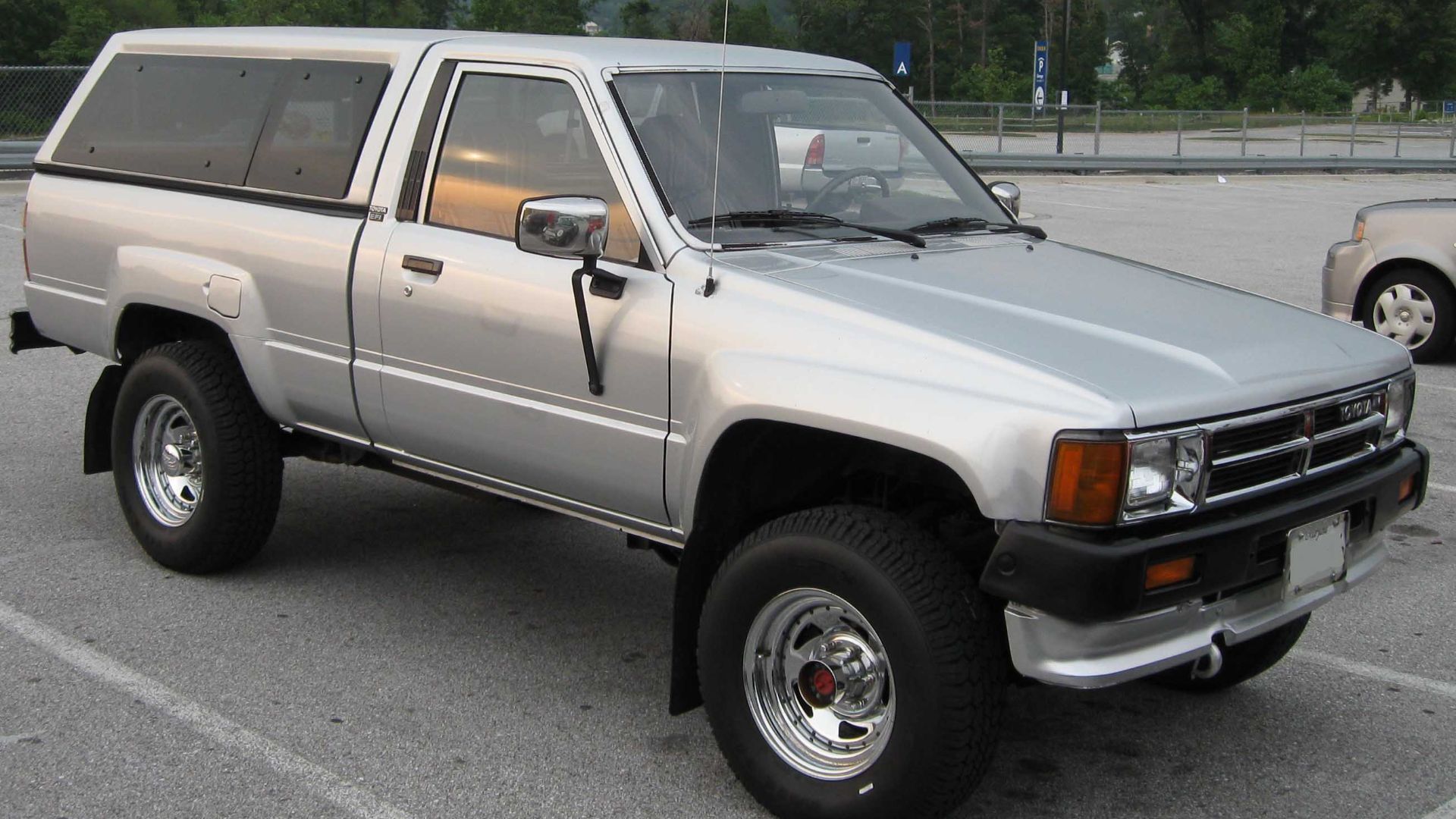
Toyota Pickup: The Small Truck With A Surprisingly Big Following
Toyota's compact pickups were built to be dependable tools for contractors, commuters, and people who needed an uncomplicated truck. Their modest dimensions and straightforward engineering helped make them useful in a wide range of situations. Surviving 1980s examples now appeal to enthusiasts who appreciate their old-school design and off-road capability. Original four-wheel-drive models are particularly interesting because many examples spent years doing demanding work rather than being preserved as collectibles.
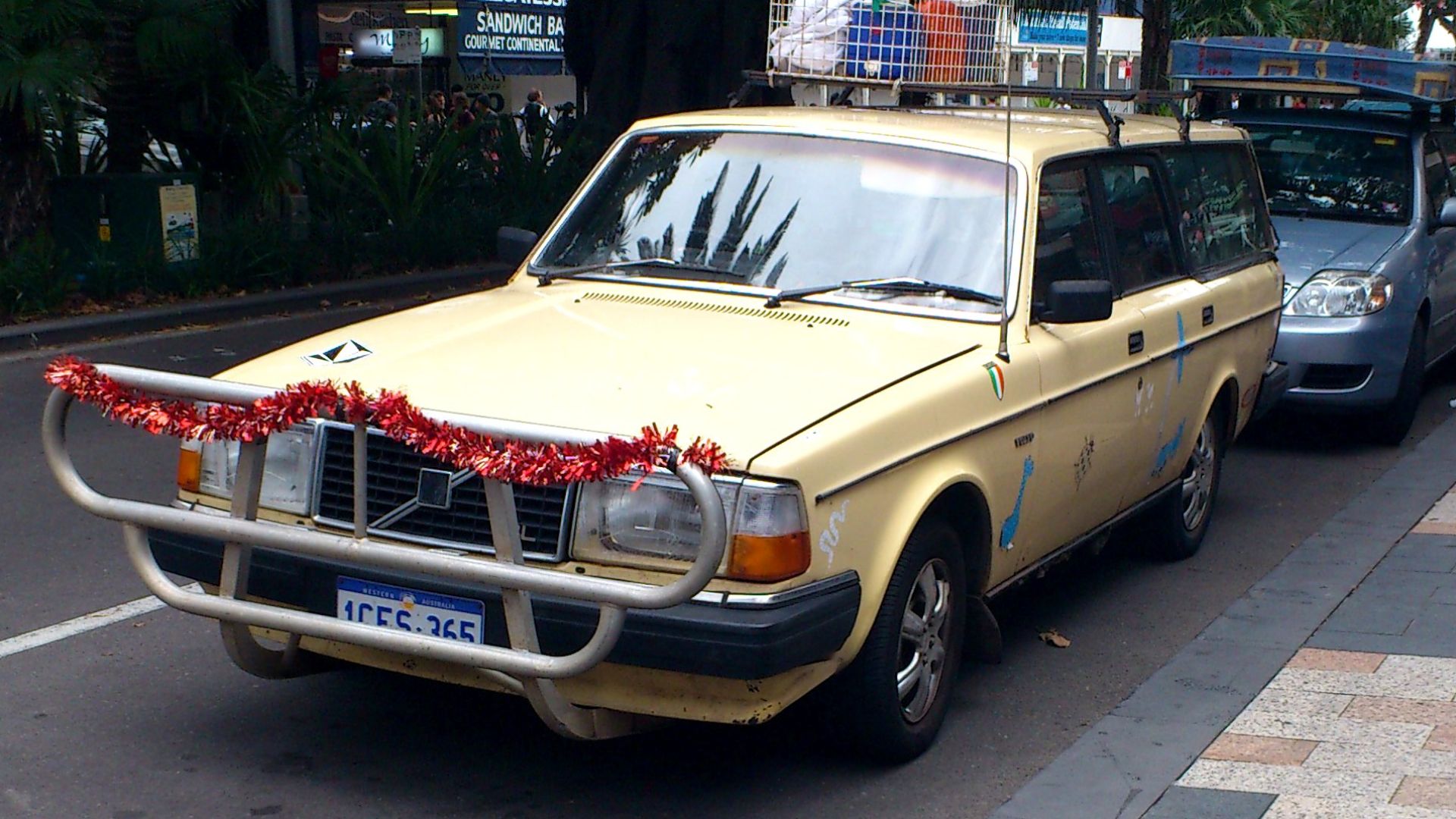
Volvo 240 Wagon: The Family Car Nobody Expected To Collect
The Volvo 240 wagon was the definition of sensible family transportation, with a boxy body and a reputation for practicality. It carried groceries, luggage, children, and pets without pretending to be fashionable. That unmistakable shape has become part of its appeal as collectors revisit the cars they remember from childhood. Exceptionally clean survivors attract attention because so many examples accumulated substantial mileage during their working lives.
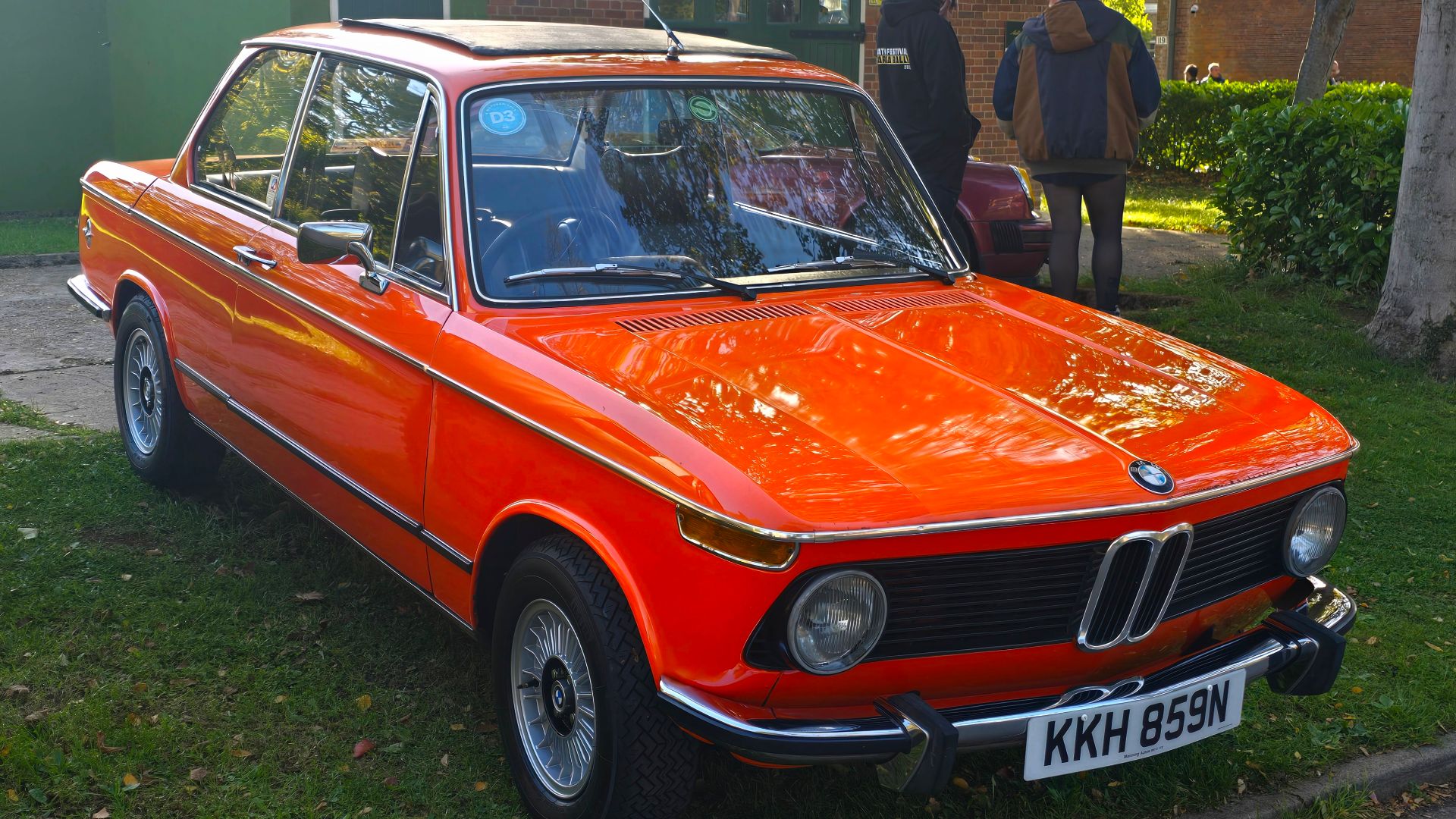
BMW 2002: The Sensible Sedan That Became A Driving Legend
The BMW 2002 combined everyday sedan practicality with lively handling and a compact four-cylinder engine. It was never a supercar, but its engaging driving experience helped establish BMW's reputation among enthusiasts. Today, well-maintained examples attract buyers looking for a classic that remains enjoyable on ordinary roads. A Hagerty valuation report dated February 2026 lists a good-condition 1974 BMW 2002 at $21,000 and an excellent example at $44,700, showing how much collectors value this once-affordable sedan.
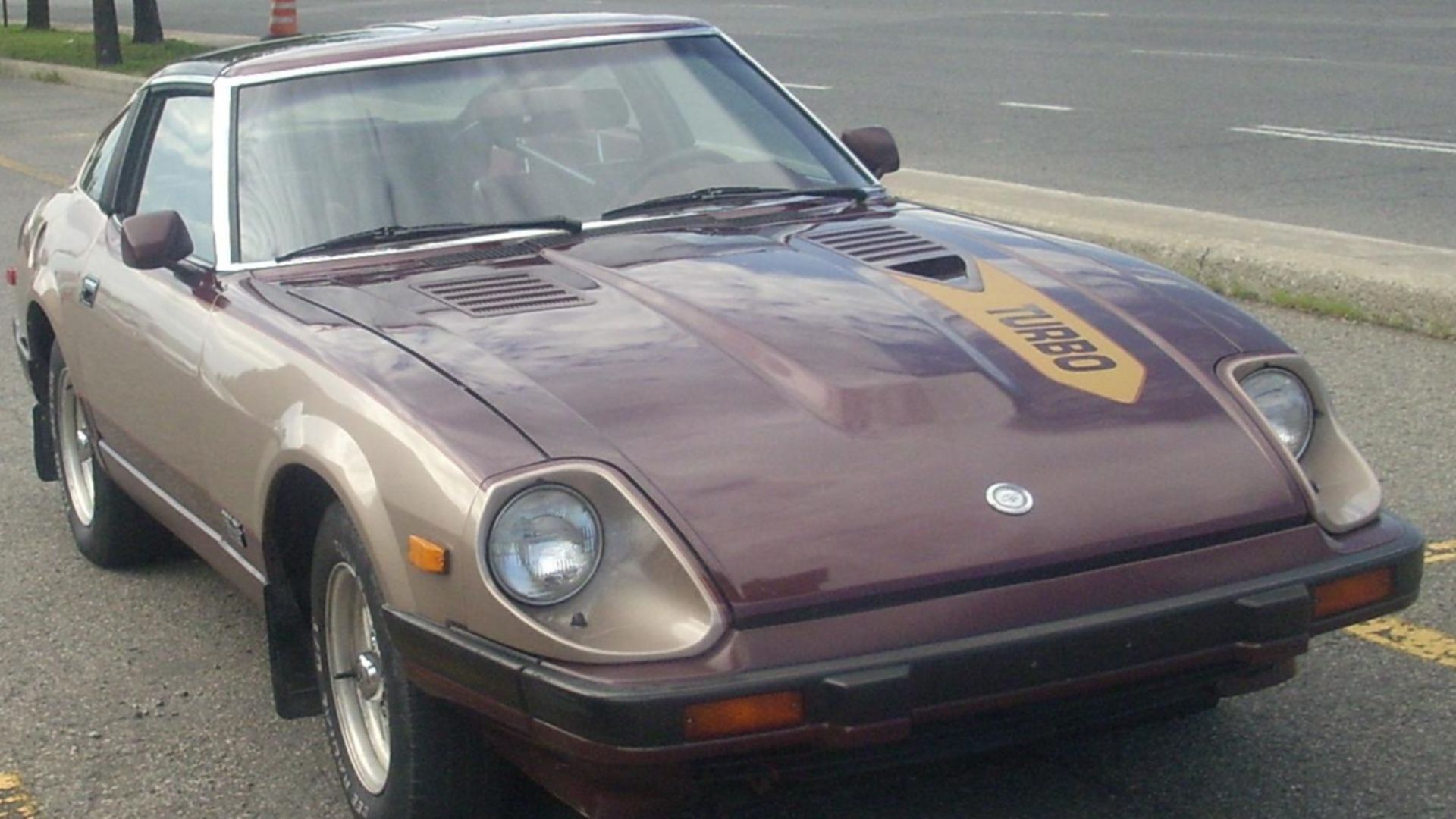
Datsun 280ZX: The Forgotten Sports Car Gets Its Revenge
The Datsun 280ZX was once a familiar sight on American roads, offering sporty styling with more comfort than the earlier Z cars. For years, enthusiasts often overlooked it in favor of the lighter, more celebrated 240Z. That attitude has changed as collectors rediscover its appeal, particularly in well-preserved turbocharged examples. Hagerty's 2025 Bull Market report valued an excellent 280ZX at $32,800 and reported a 138% increase in prices since 2019.
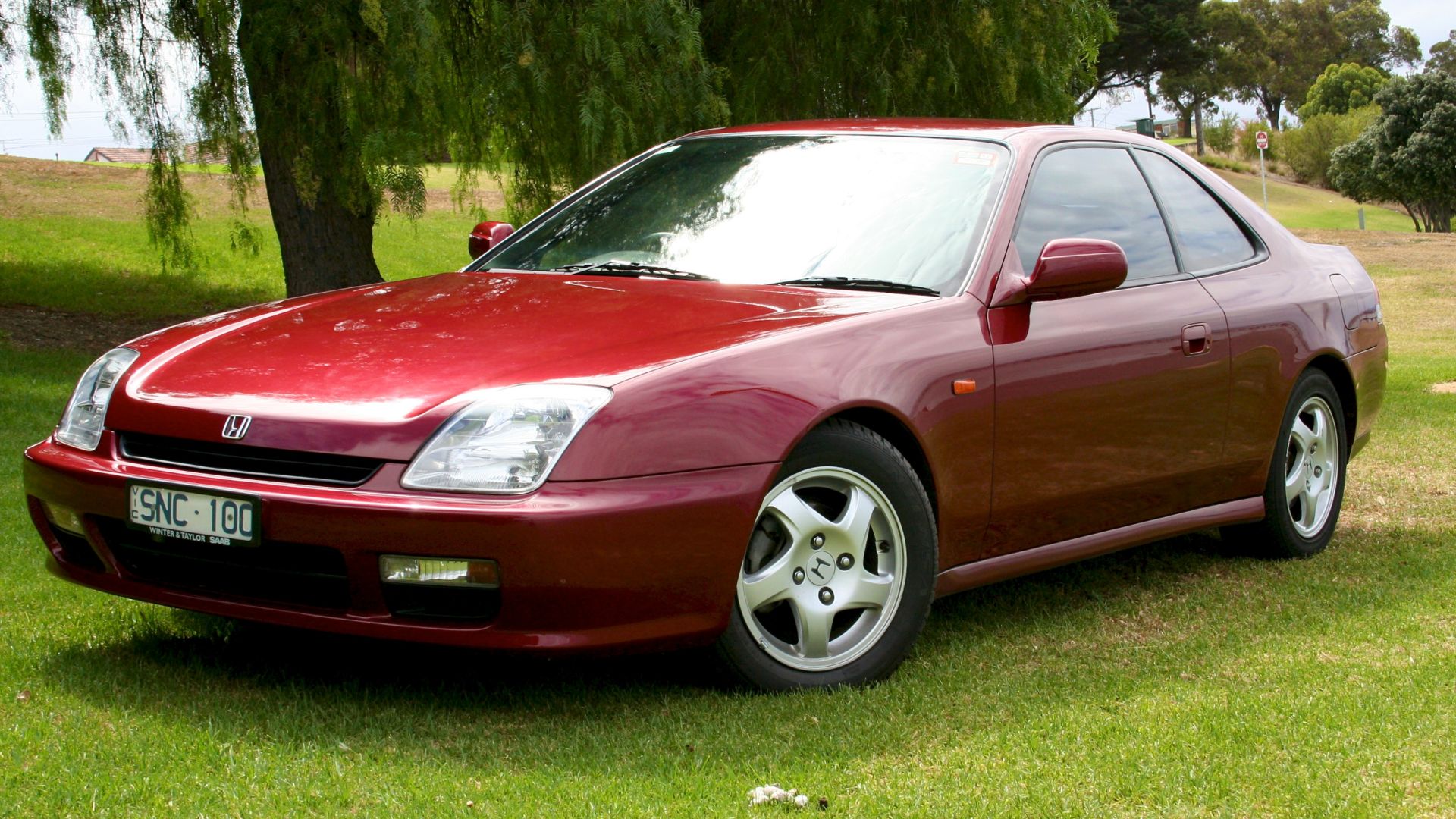
Honda Prelude: The Commuter Coupe That Found A New Audience
The Honda Prelude offered drivers a practical way to enjoy sporty handling without paying luxury-car prices. Its fifth generation, sold from 1997 through 2001, combined understated styling with a reputation for enjoyable driving. Those qualities have attracted younger collectors who remember the car as an attainable dream from their earlier years. Hagerty's 2025 report valued an excellent example at $17,400 and highlighted the model's growing appeal among younger enthusiasts.
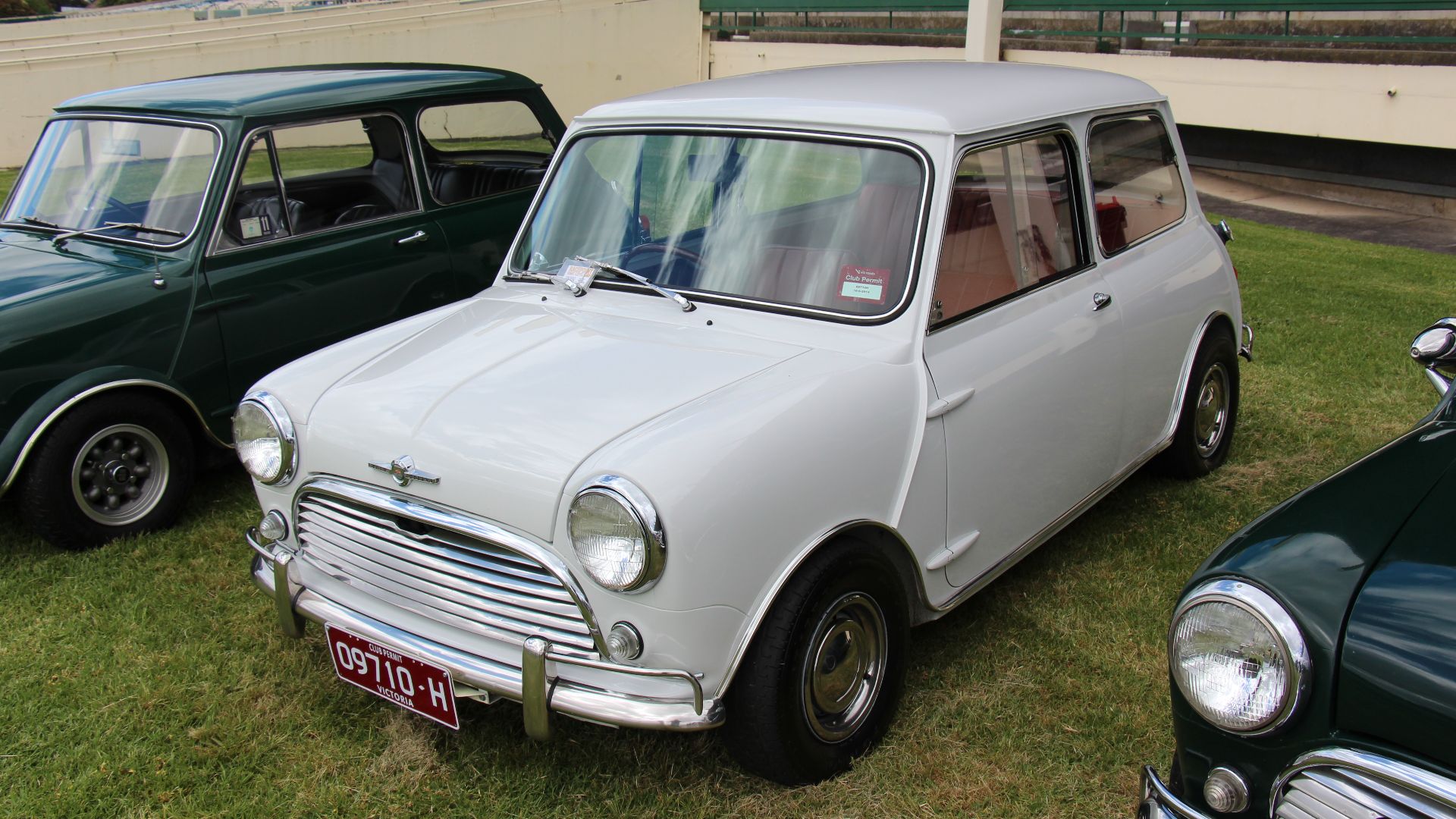
Mini Cooper: The Tiny Economy Car With A Huge Legacy
The original Mini was designed around the idea that a small, economical car could make clever use of limited space. Its compact dimensions and front-wheel-drive layout helped make it an important part of British motoring history. Sportier Cooper versions developed a reputation that extended well beyond basic transportation. Today, enthusiasts appreciate these cars for their historical importance, distinctive character, and entertaining driving experience.
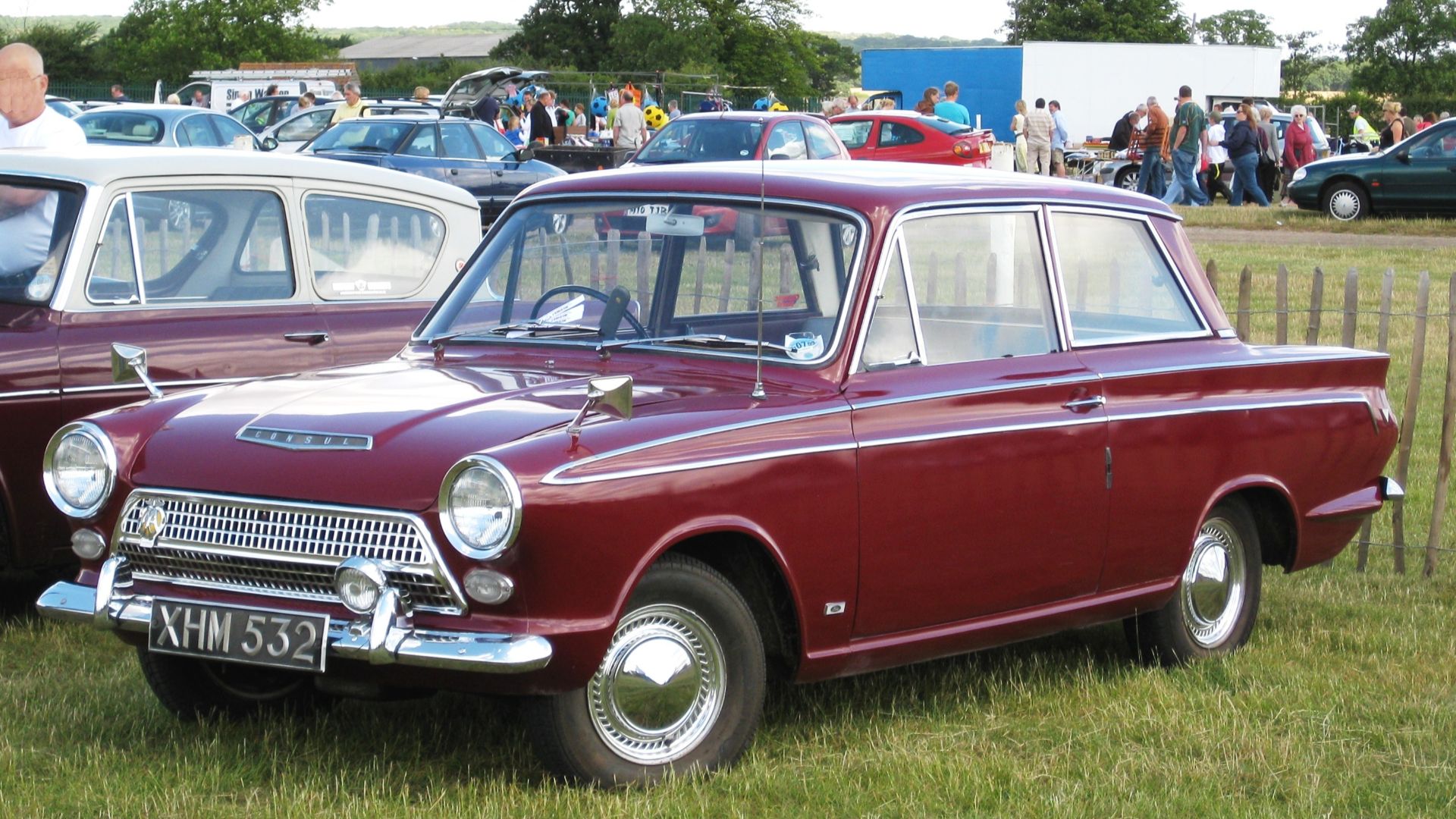
Ford Cortina: Britain's Forgotten Family Favorite
The Ford Cortina was once a familiar fixture in British driveways, valued as an affordable family sedan rather than a prestigious collector car. Its popularity meant that many examples endured years of commuting and family use before eventually being scrapped. Surviving cars have become increasingly interesting to enthusiasts who remember how common they once were. Hagerty UK's 2021 analysis found that first-generation Cortina values had increased by approximately 19% over the preceding year, demonstrating how quickly perceptions of an ordinary car can change.
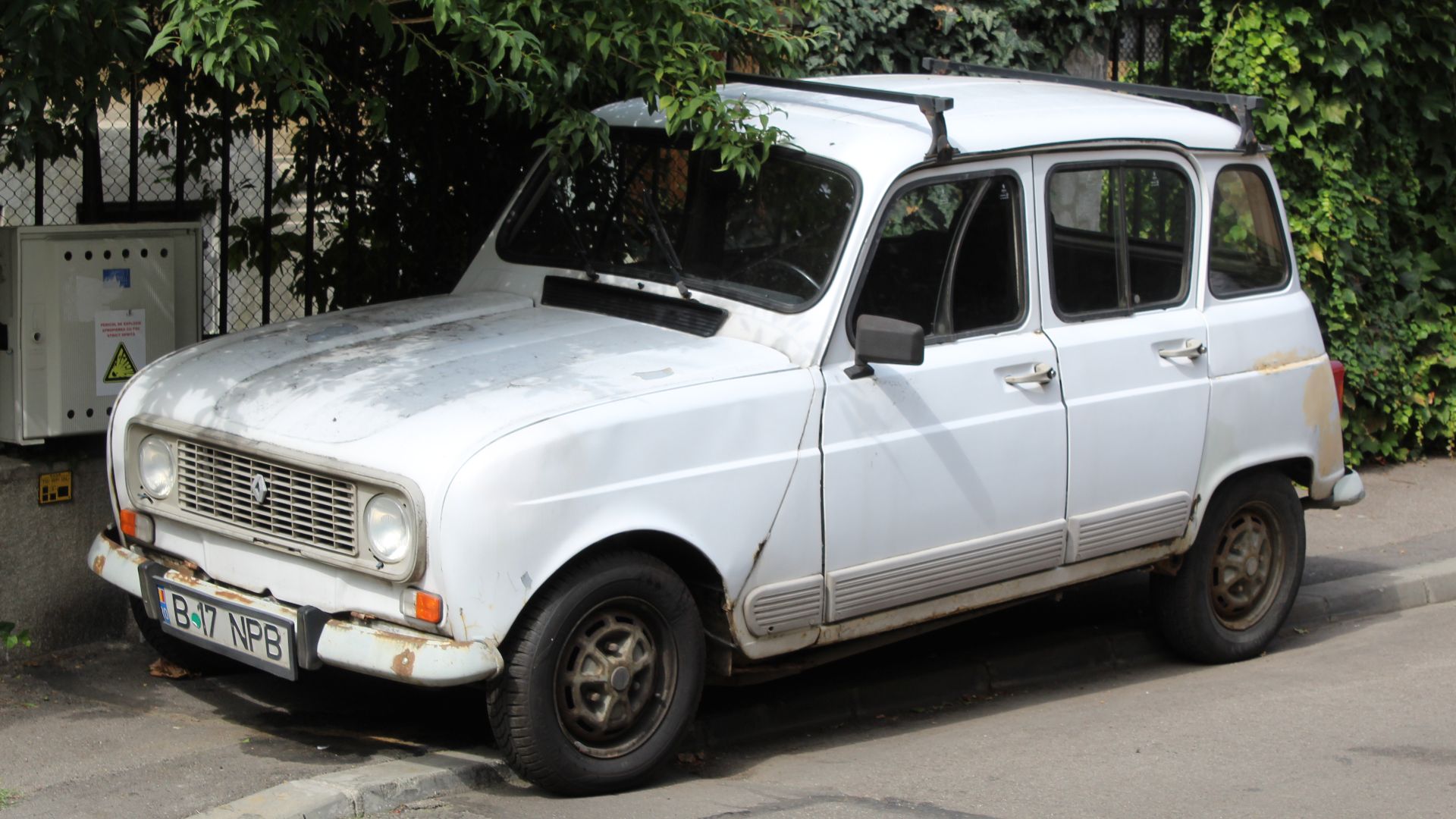
Renault 4: The Practical French Hatchback Finds New Admirers
The Renault 4 was designed to provide economical, versatile transportation with a useful rear hatch and uncomplicated mechanical layout. Its appeal came from practicality rather than speed or luxury. That modest reputation makes its later collector interest particularly interesting. Hagerty UK's 2021 analysis reported a 10.6% annual increase in Renault 4 values, showing that even inexpensive family transportation can attract growing collector demand.
 TrainSimFan, Wikimedia Commons
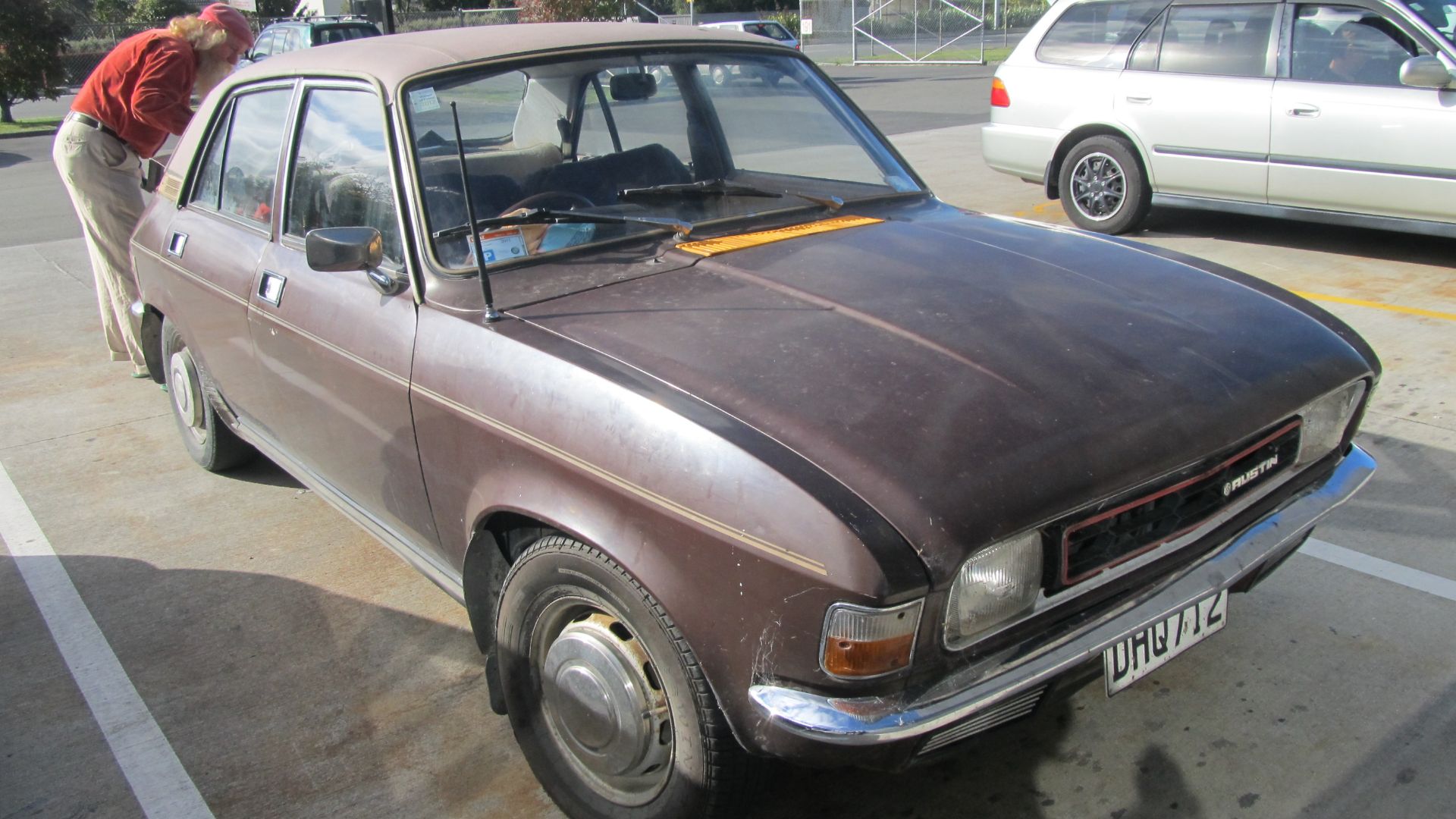
Austin Allegro: Even The Unfashionable Cars Have Collectors
The Austin Allegro was never universally admired for its appearance or driving experience. Nevertheless, it was a recognizable part of everyday British motoring during the 1970s and early 1980s. As surviving examples became less common, enthusiasts began treating the model as a piece of social and automotive history. Hagerty UK reported a 13.6% increase in average Allegro values between 2020 and 2021, proving that collector interest doesn't always follow traditional ideas of beauty or performance.
 Riley from Christchurch, New Zealand, Wikimedia Commons
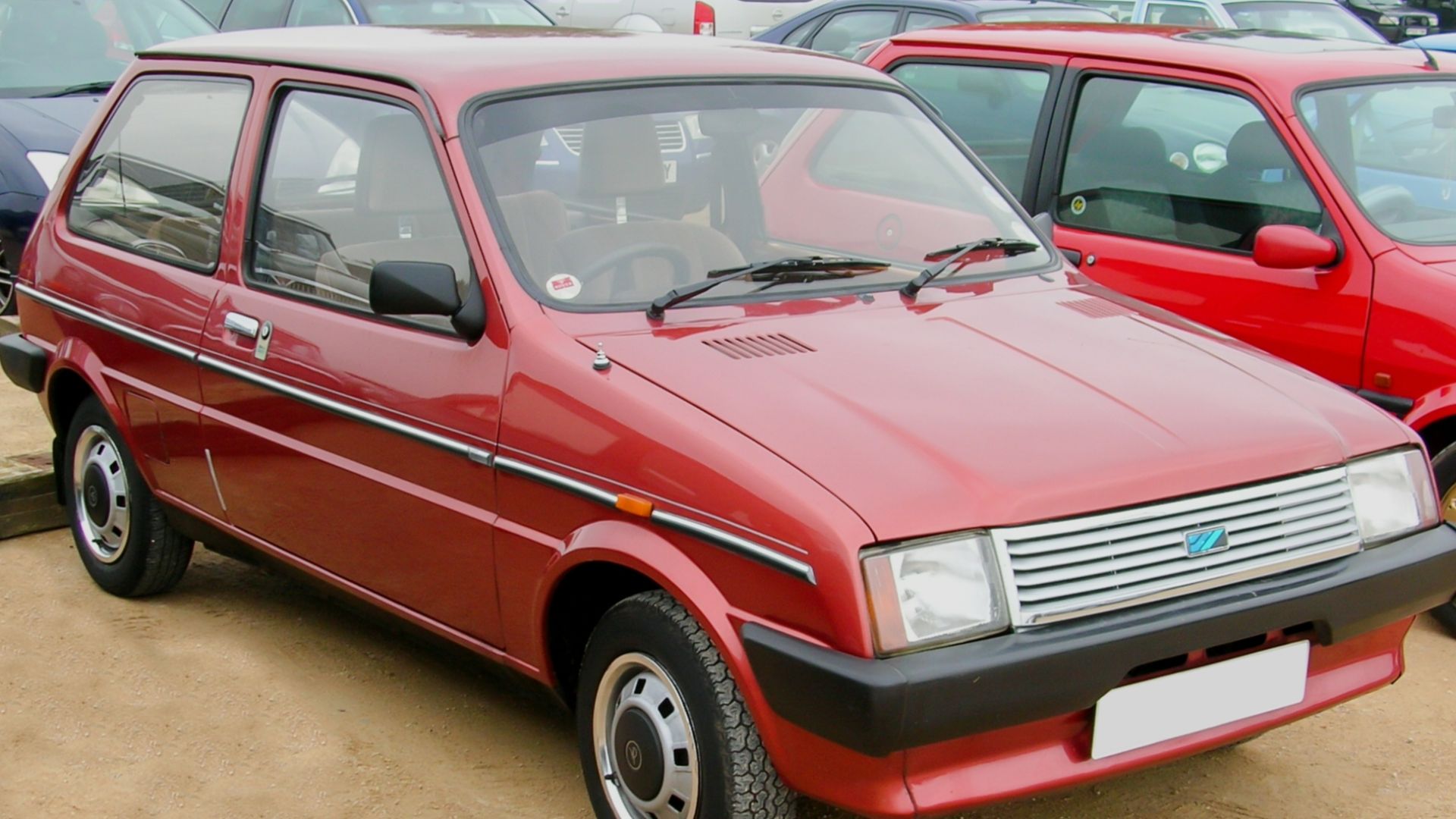
Austin Metro: The City Car That Outlived Its Reputation
The Austin Metro was built to serve drivers looking for a compact, economical vehicle that could handle everyday urban life. For many British motorists, it represented affordable transportation rather than an object of desire. Years of routine use and eventual disposal reduced the number of surviving examples. Hagerty UK's 2021 market analysis recorded a 3.2% annual increase in Metro values, reflecting the developing interest in previously overlooked British family cars.
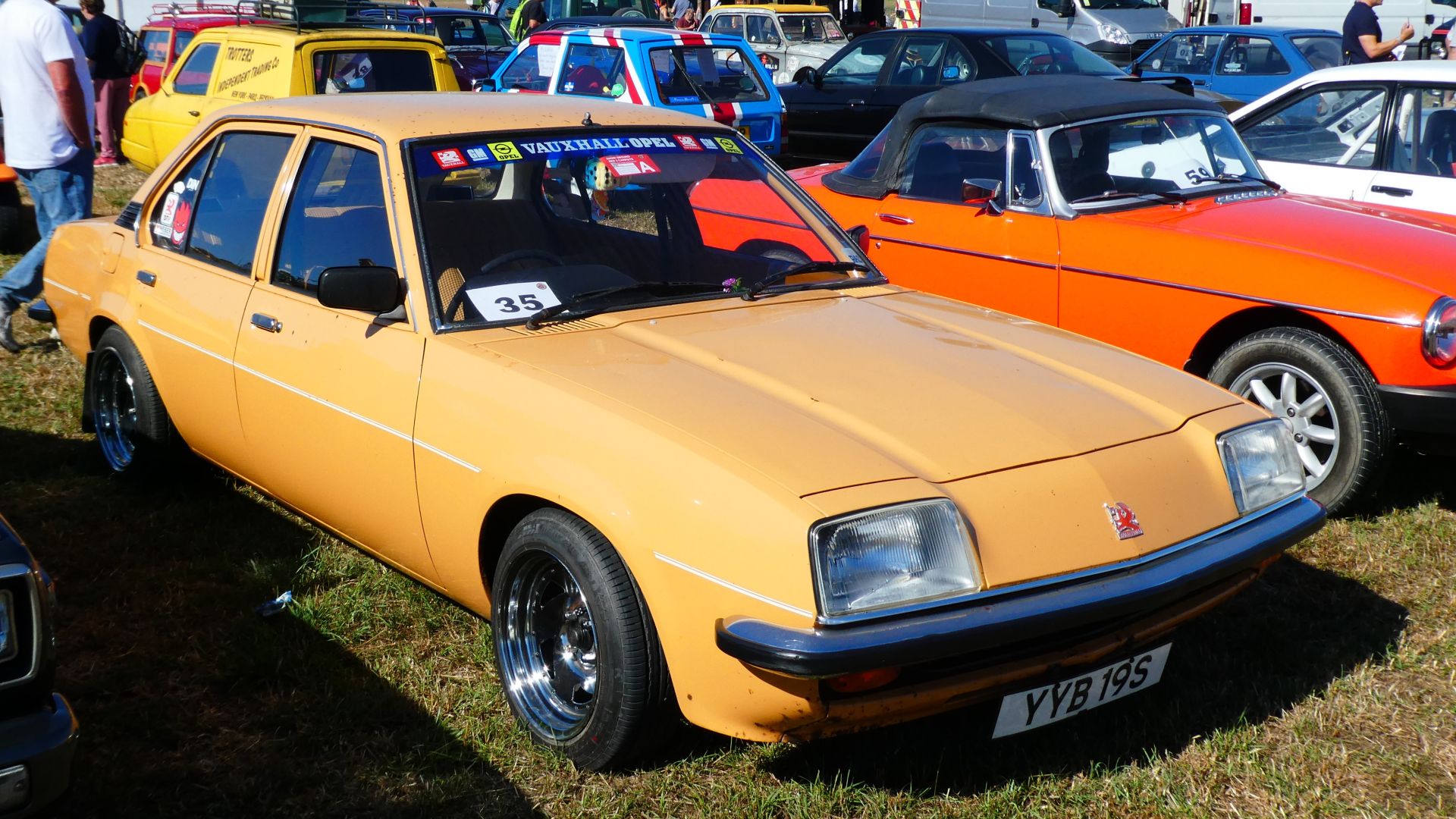
Vauxhall Cavalier: The Company Car That Became A Time Capsule
The Vauxhall Cavalier was a familiar family and company car in Britain, valued for its usefulness and conventional design. It spent much of its life doing exactly what ordinary transportation was supposed to do. Today, a well-preserved Cavalier can evoke an era when these sedans filled office parking lots and suburban streets. Hagerty UK's 2021 analysis included the first-generation Cavalier among everyday classics experiencing modest value increases, although it remained relatively affordable.
 Andrew Bone, Wikimedia Commons
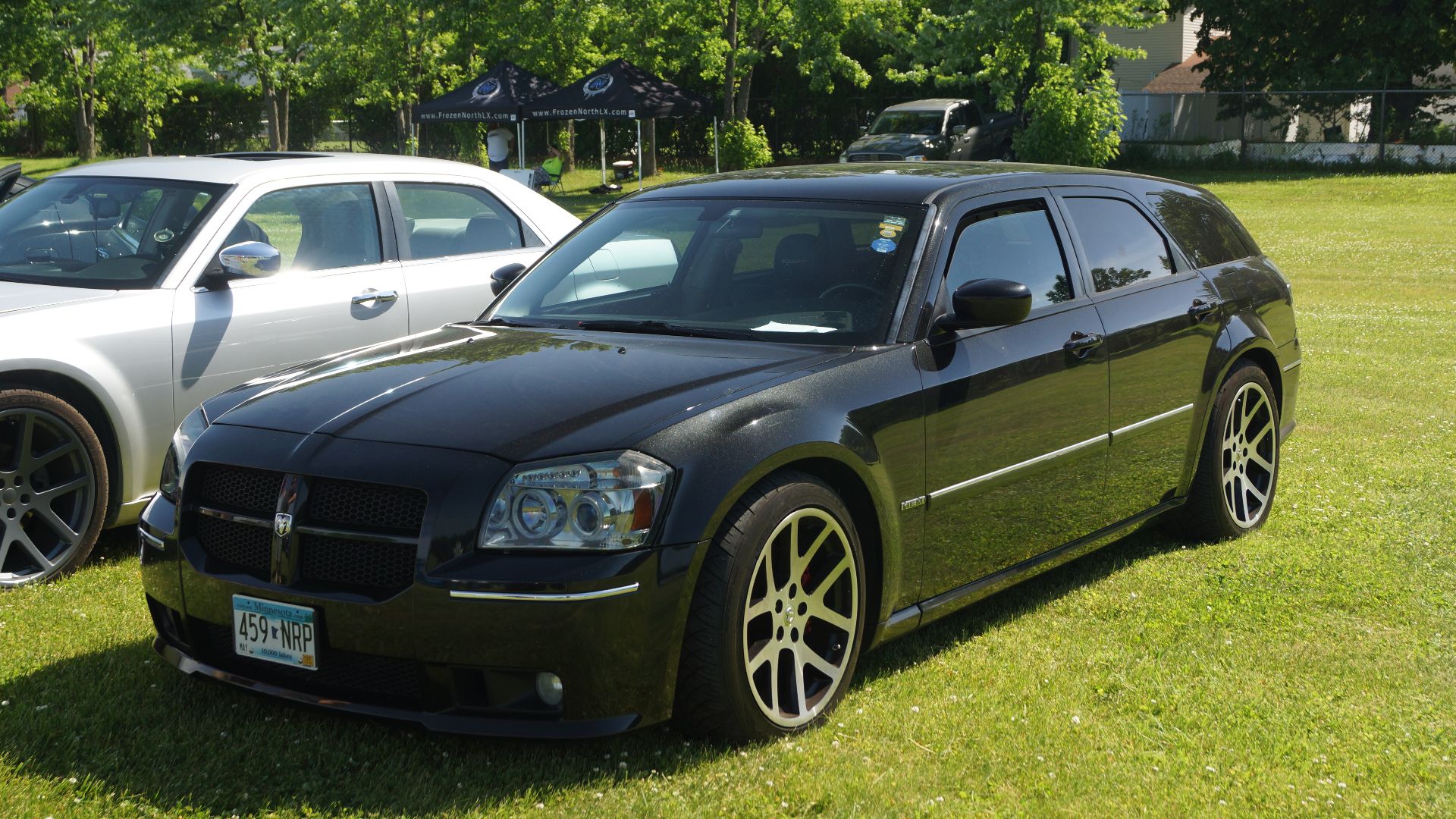
Dodge Magnum SRT-8: The Family Wagon With A Secret
The Dodge Magnum looked like a practical station wagon, but the SRT-8 version concealed a 425-horsepower V8 beneath its hood. It combined genuine cargo space with performance that was unusual for a family-oriented vehicle. That combination has made the high-performance Magnum increasingly appealing to collectors. Hagerty's 2025 Bull Market report valued an excellent SRT-8 at $32,600 and reported a 39% increase over the preceding five years.
 Greg Gjerdingen from Willmar, USA, Wikimedia Commons
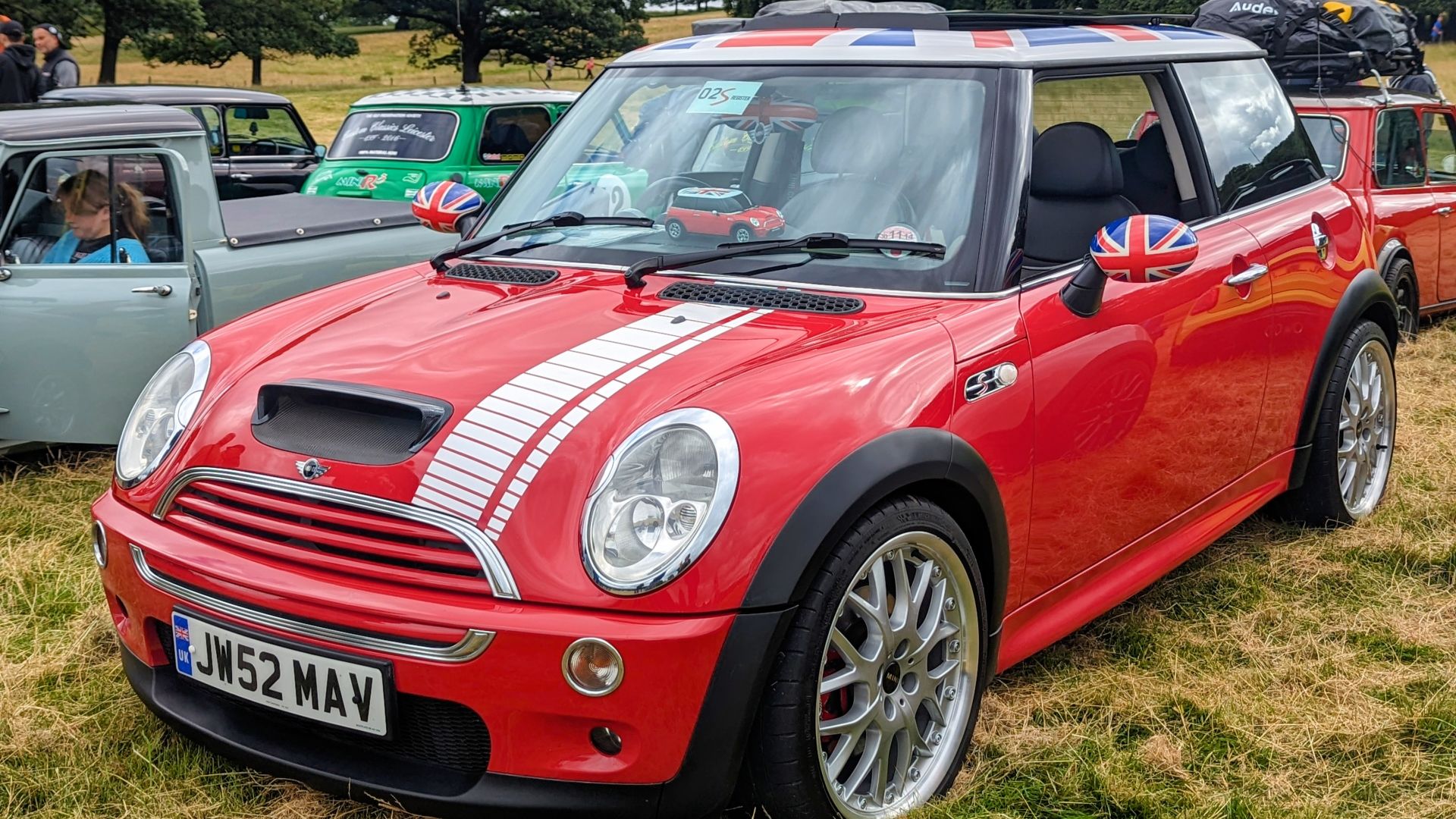
Mini Cooper S: The Everyday Hatchback That Became A Modern Classic
When BMW revived the Mini brand, the resulting hatchback combined retro styling with modern equipment and an entertaining driving experience. The supercharged Cooper S was sporty enough to attract enthusiasts while remaining practical for daily use. Early examples are now old enough to appeal to collectors interested in cars from the beginning of the 2000s. Hagerty's 2025 Bull Market report listed the 2002 through 2006 Cooper S at $12,000 in excellent condition, showing that collectible doesn't always mean unaffordable.
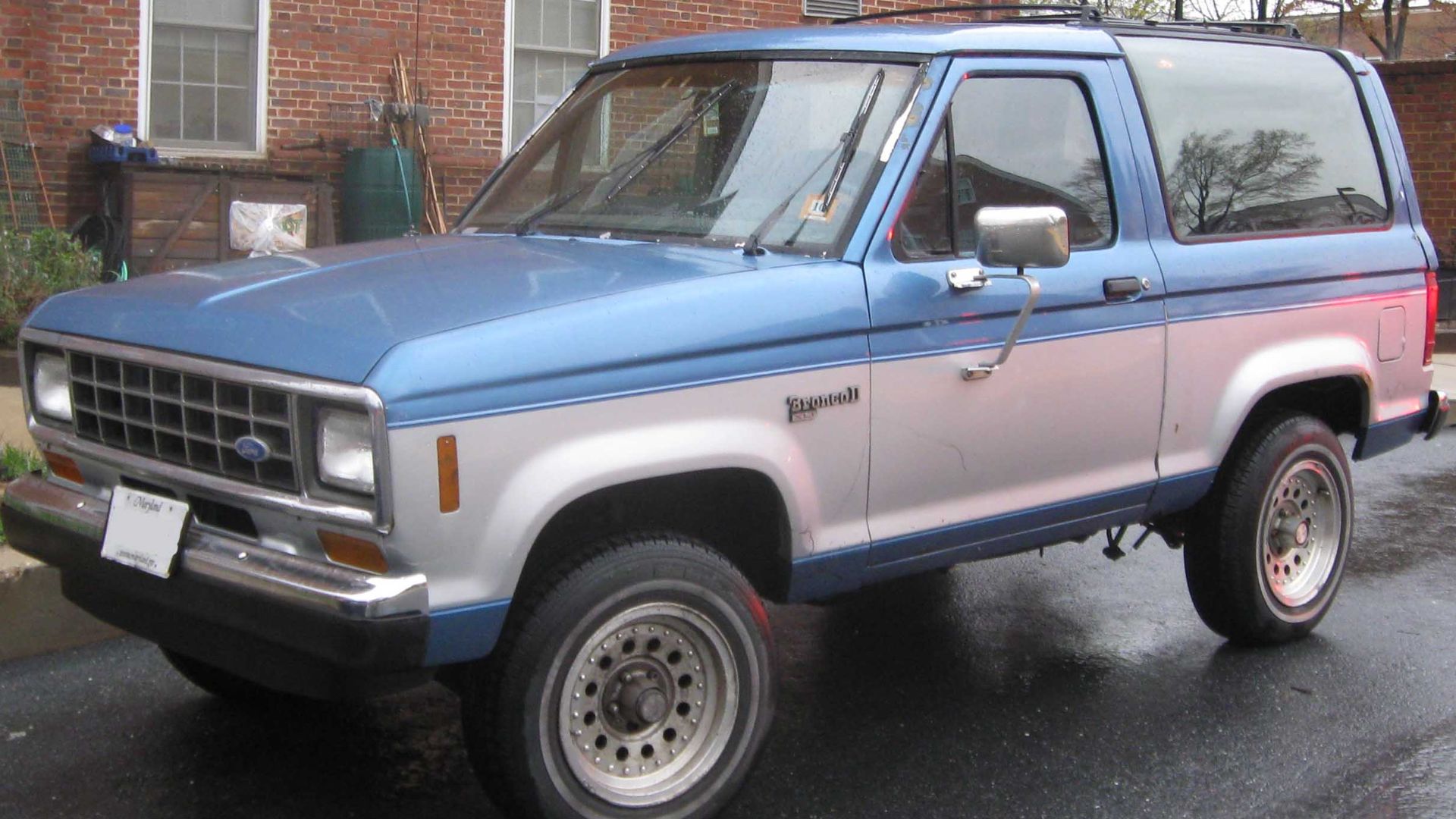
Ford Bronco II: The Little SUV Gets A Second Chance
The Bronco II was a compact SUV that offered four-wheel-drive capability in a smaller package than its full-size namesake. It was designed for practical use rather than the collector market. Decades later, its distinctly 1980s styling has attracted enthusiasts who want something different from today's larger SUVs. Hagerty included the 1984 through 1990 Bronco II in its 2025 Bull Market list, assigning an excellent-condition value of $15,600.
Why Ordinary Cars Became So Valuable
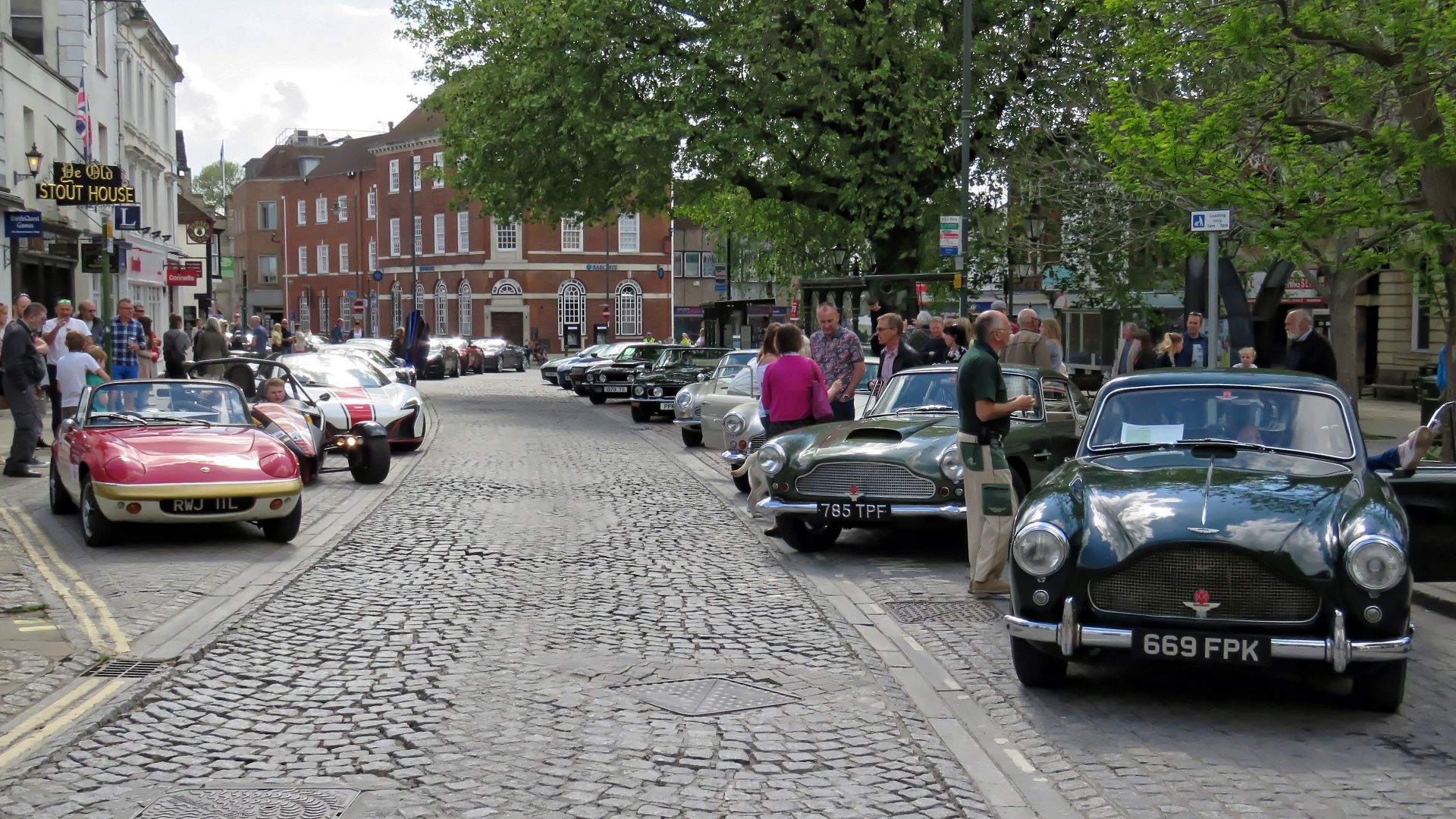
The appeal of these vehicles isn't necessarily connected to horsepower, luxury, or racing success. Hagerty's research into previously overlooked British cars found that nostalgia and increasing rarity were important factors behind growing demand. Many examples spent their working lives being driven regularly rather than carefully preserved. As a result, finding an original, well-maintained survivor can be more difficult than remembering how common the model once seemed.
The Cars Nobody Thought To Save
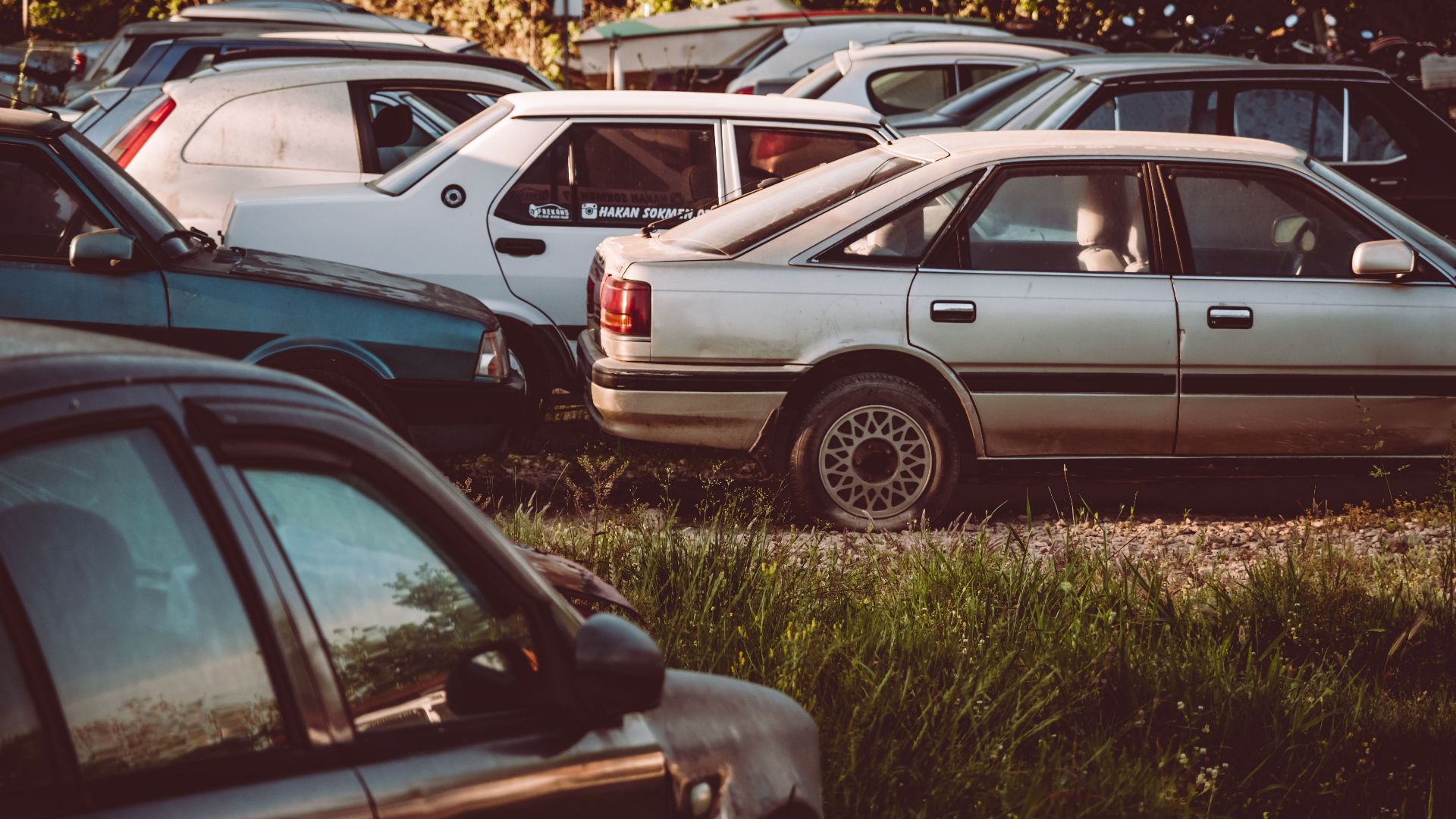
When an inexpensive family car became worn out, owners generally had little reason to preserve it for future generations. Vehicles that needed expensive repairs could simply be replaced with newer transportation. This helps explain why once-common models can become unexpectedly scarce several decades later. Hagerty's analysis of ordinary British classics specifically identified the disappearance of unloved workhorses as a major reason surviving examples have gained collector appeal.
Originality Can Be Worth More Than Modifications
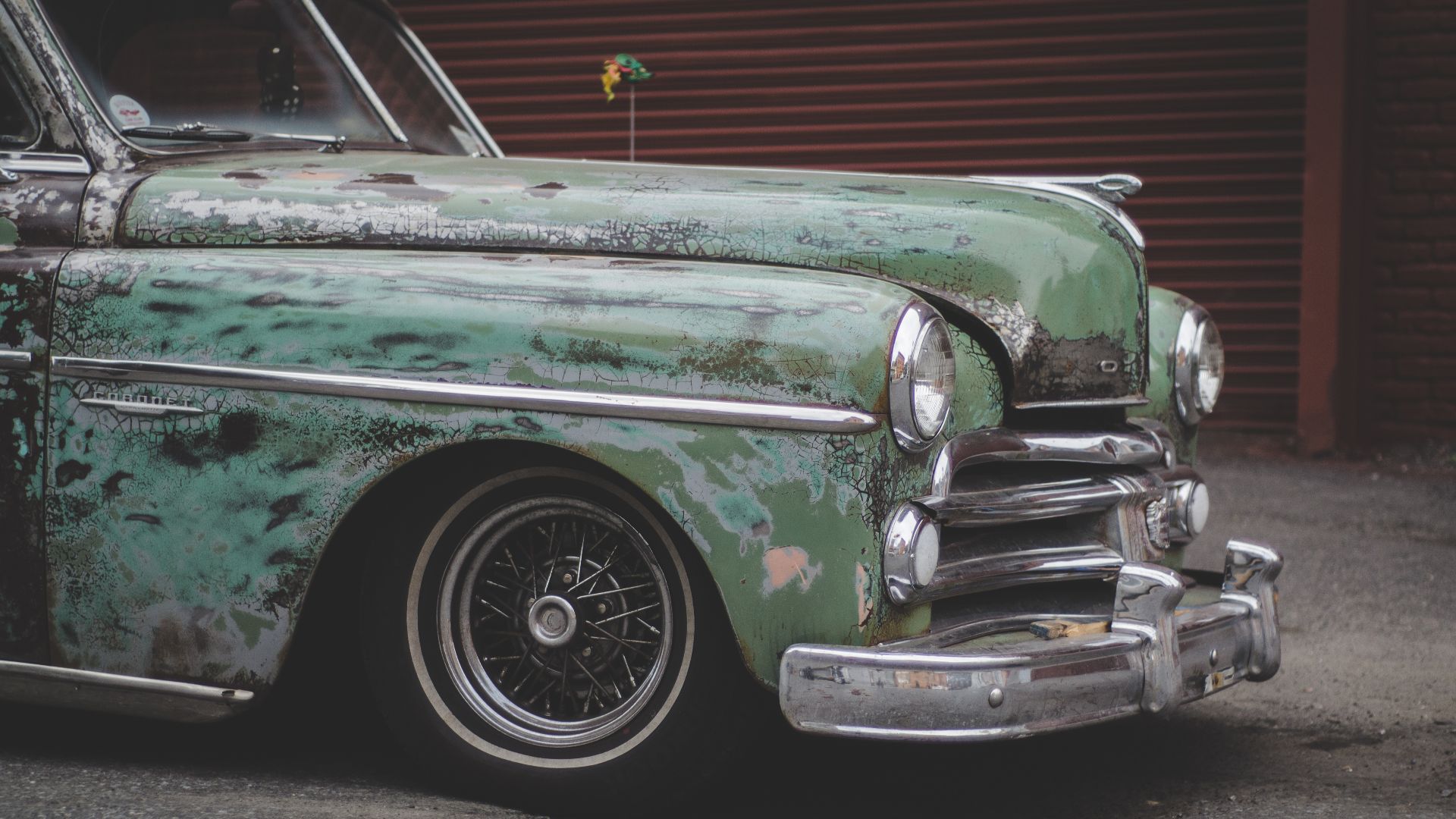
A restored or customized car can be attractive, but collectors don't always agree that modifications increase its value. Factory specifications, desirable original equipment, and documented ownership history can all influence buyer interest. Extensive changes can sometimes reduce appeal among buyers looking for an authentic example of a particular model. That makes a carefully preserved survivor especially interesting when so many similar vehicles were altered during their years on the road.
 Will Langenberg wlangenberg, Wikimedia Commons
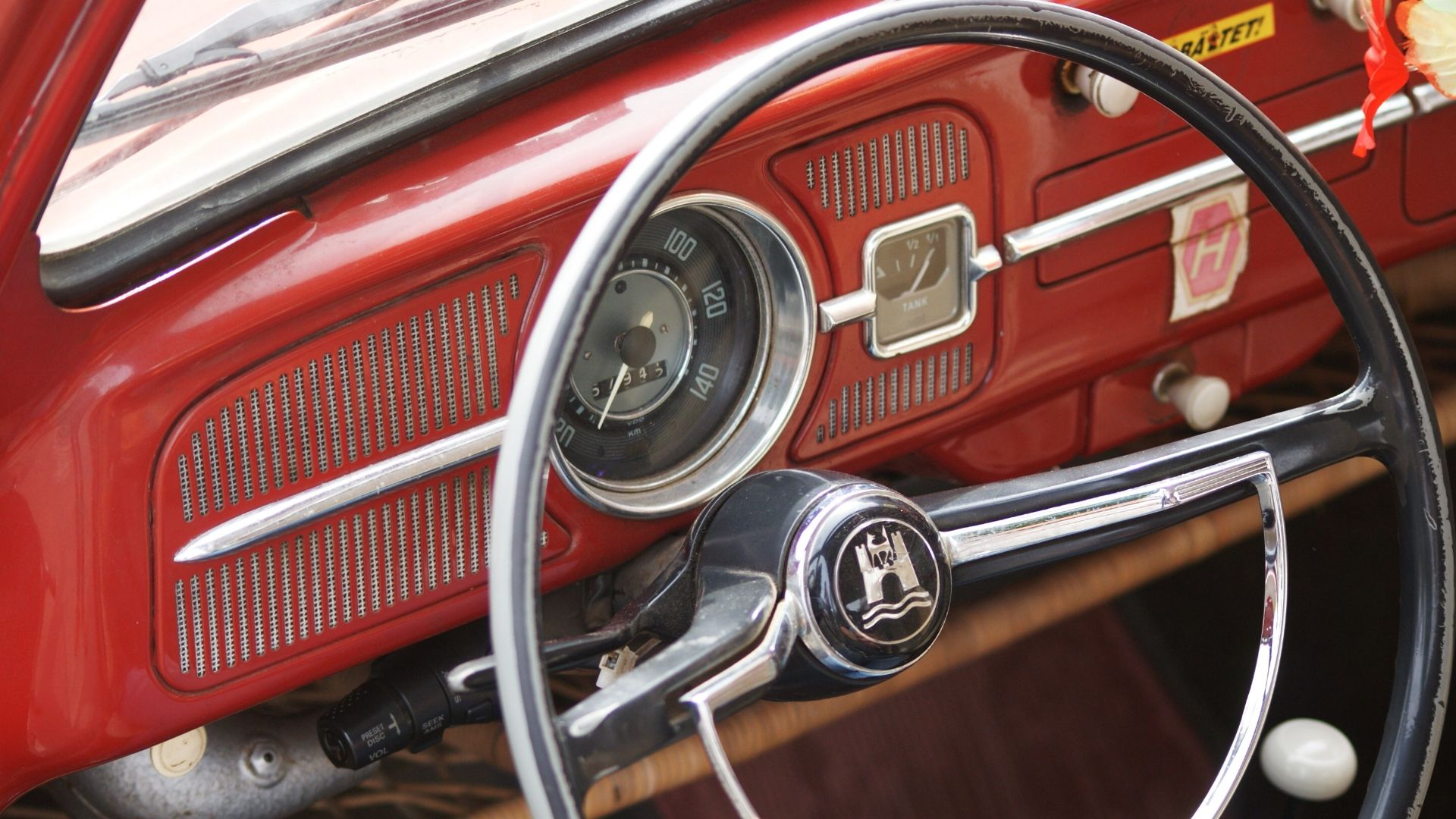
Low Mileage Can Make An Ordinary Car Extraordinary
A low-mileage economy car might once have seemed like a slightly better used-car purchase. In the collector market, exceptionally low mileage can help distinguish a surviving vehicle from thousands of heavily used examples. Mileage can also provide useful context when evaluating a vehicle's condition and originality. However, an old car with very few miles can still require maintenance, so its mechanical condition remains important.
 Niels de Wit from Lunteren, The Netherlands, Wikimedia Commons
Younger Collectors Are Changing The Market
Collector cars are no longer limited to the vehicles admired by earlier generations of enthusiasts. Hagerty's 2025 Bull Market research highlighted growing interest in cars from the 1980s, 1990s, and 2000s. Its survey also found that nearly 60% of Gen Z respondents expressed interest in owning a collector car, compared with 31% of Baby Boomers. That changing audience helps explain why cars such as the Honda Prelude and early Mini Cooper S are receiving attention alongside much older classics.

A Huge Auction Price Doesn't Mean Every Example Is Valuable
A spectacular auction result can make an ordinary model seem like an instant investment opportunity. However, collector-car values depend heavily on condition, originality, specification, mileage, and ownership history. Hagerty's valuation reports distinguish between concours, excellent, good, and fair-condition vehicles because those differences can produce dramatically different prices. A record-setting sale for an exceptional car doesn't mean a rusty example parked behind someone's garage is worth anything close to that amount.
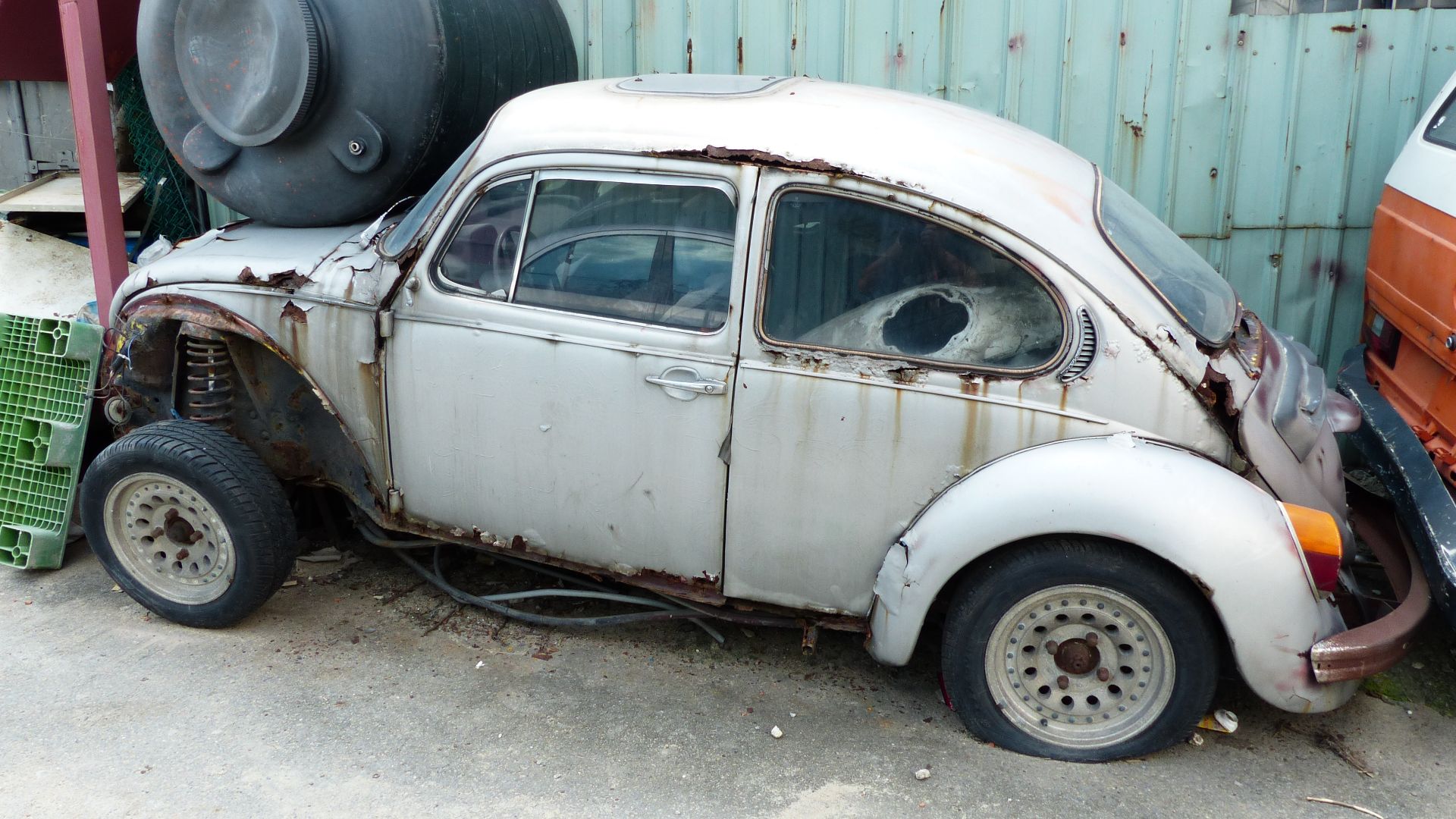
The Next Valuable Classic Might Be Sitting In Your Driveway
The history of collector cars shows that yesterday's ordinary transportation can become tomorrow's prized possession. Vehicles once bought for commuting, grocery shopping, or hauling equipment are now being evaluated for their originality and historical significance. Still, collector values can rise or fall, and not every surviving economy car will become expensive. The lesson is that a familiar old car may deserve a closer look before anyone dismisses it as just another worn-out vehicle.
You May Also Like:
Classic Truck Features That Drivers Miss Now That Pickups Have Gone Luxury
Popular Vehicle Features That Mechanics Say Cause More Trouble Than They’re Worth
The Most Valuable Survivor Cars That Escaped The Crusher Against All Odds