The Tow Truck Problem Nobody Sees Coming
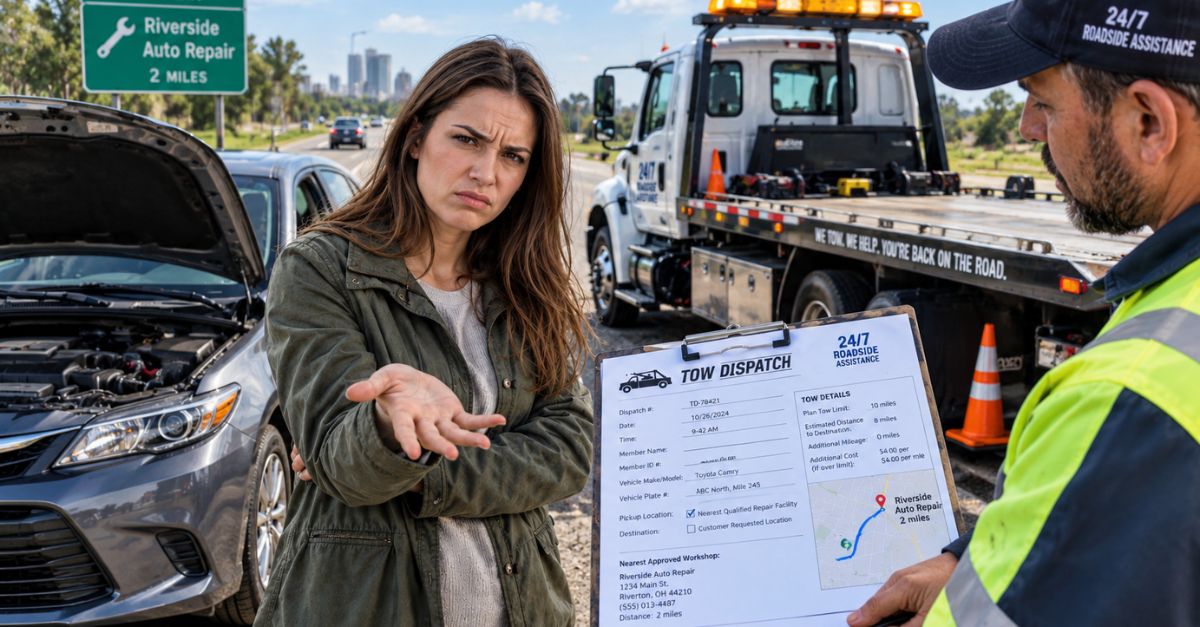
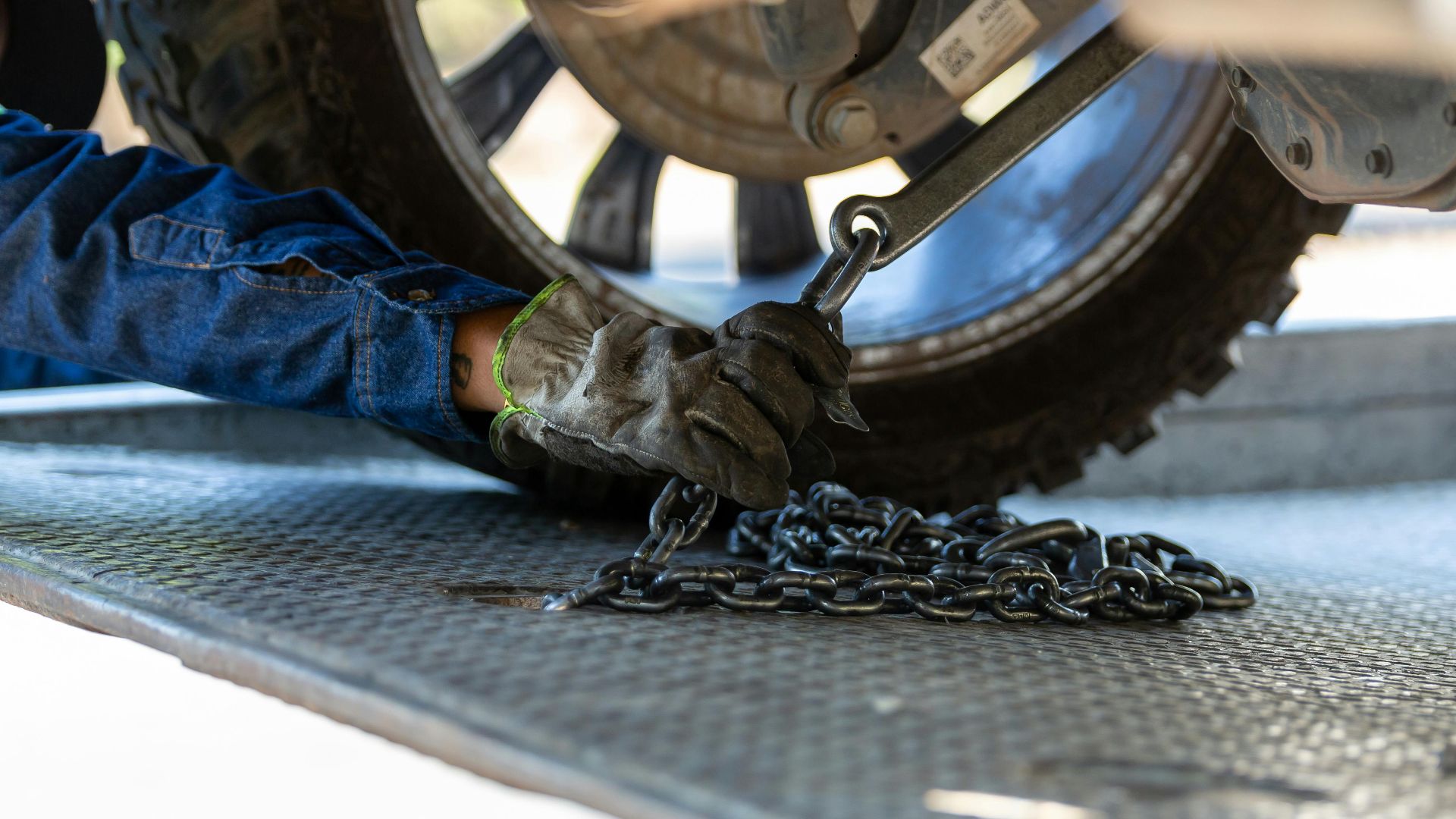
Your car breaks down, you call roadside assistance, and then you get more bad news. The company says it will tow the car only to the nearest repair shop, not the mechanic you trust. It's understandable if that feels shady, but in almost all cases the answer comes down to your contract and the rules in your state.
The Fine Print Usually Decides It
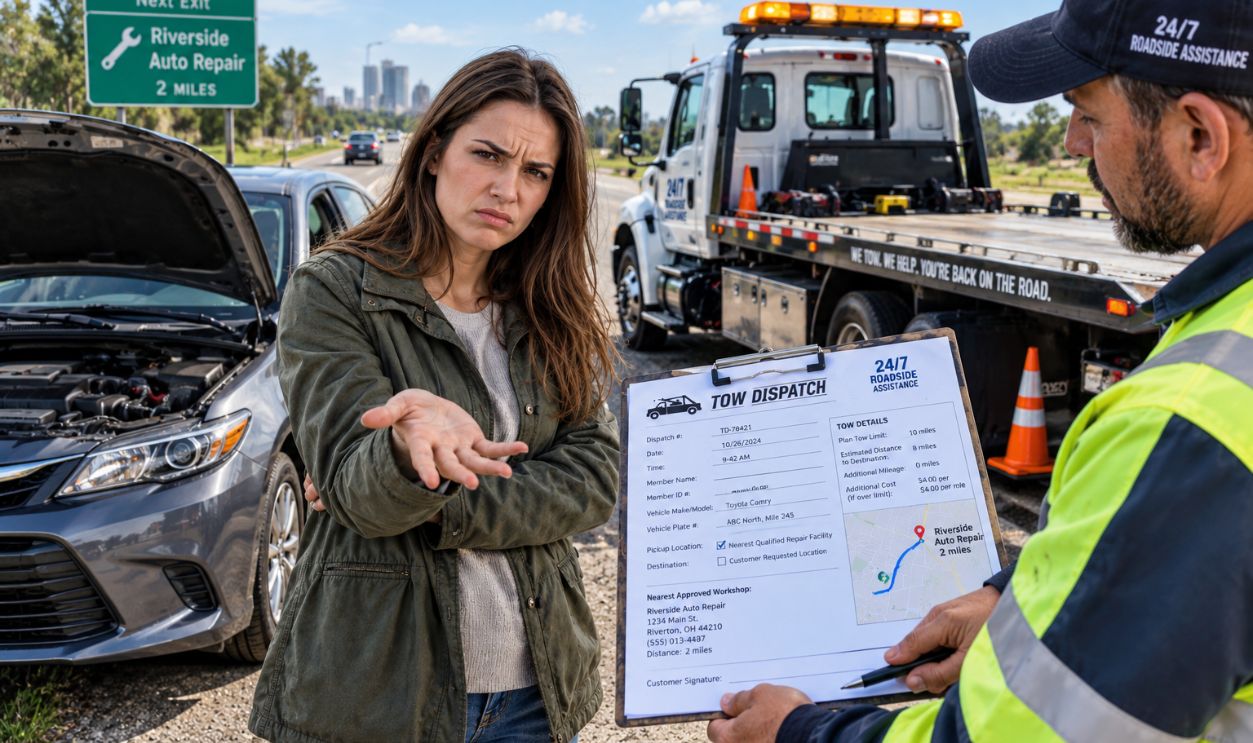
Roadside assistance is usually a membership perk or an insurance benefit, not an open-ended promise to tow your car anywhere. That means the company can set mileage limits, destination rules, and other conditions in the plan terms. If your plan says “nearest qualified repair facility” or caps the tow at a certain number of miles, that language usually controls what happens.
AAA Shows How These Rules Work
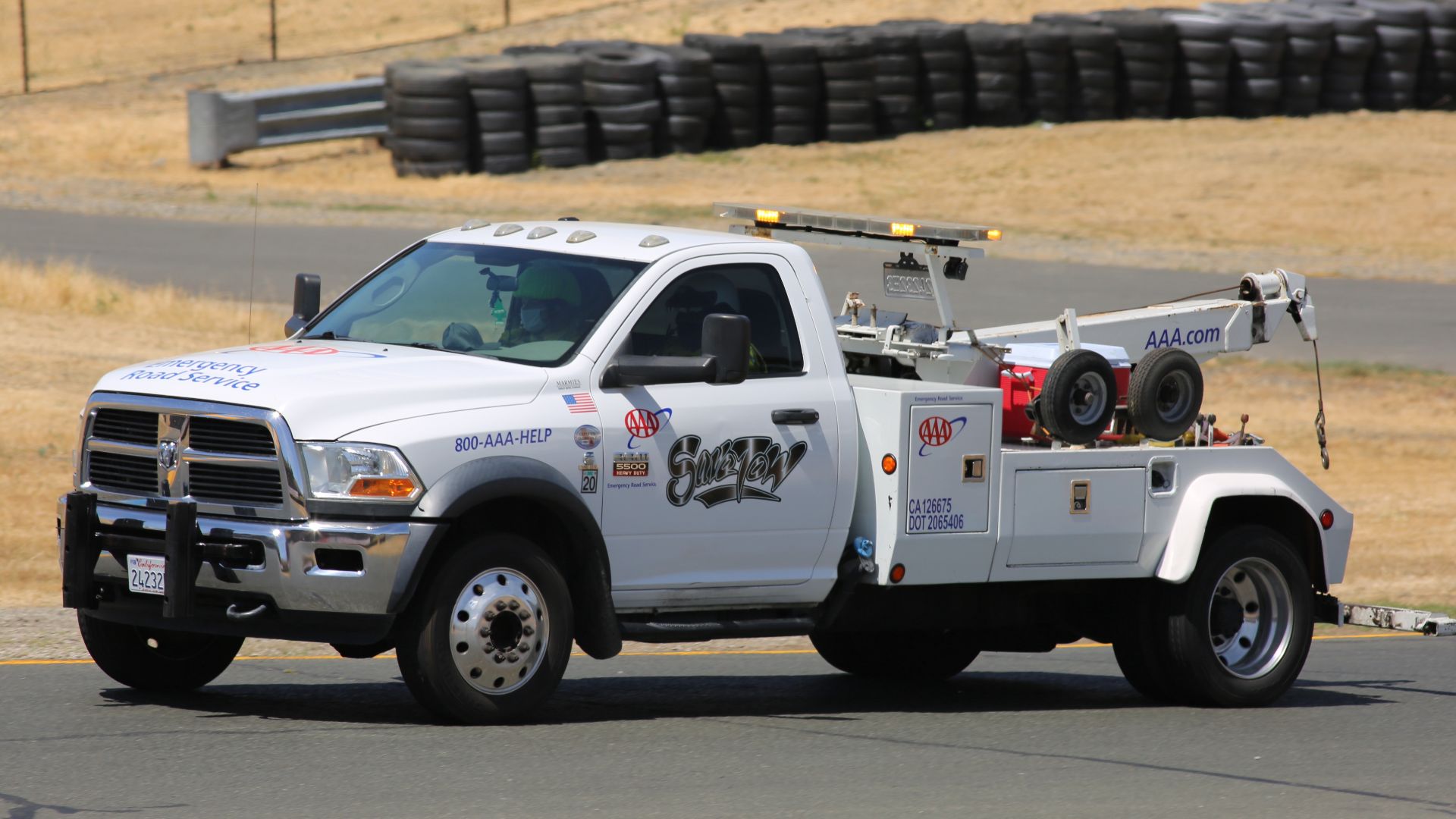
AAA is a good example because its benefits are public and fairly detailed. Different AAA clubs spell out towing benefits by membership level, and basic plans often cover towing only to a responding station or to a repair facility within a limited distance. Higher-tier plans usually include longer free tows, which can make your preferred mechanic an option if that shop is within the covered range.
 TaurusEmerald, Wikimedia Commons
AAA Terms Can Change By Region
There is one catch with AAA. It is made up of regional clubs, so the exact wording can vary from one club to another. Some clubs, for example, describe Classic service as towing to a responding facility or up to a set mileage to any destination tied to the breakdown. So even under a familiar brand, you should not assume every roadside plan works the same way.
 Mike Mozart from Funny YouTube, USA, Wikimedia Commons
Agero Uses Mileage Limits Too
Agero, a major roadside provider used by automakers and insurers, also publishes terms showing that towing depends on mileage limits and plan level. Its sample terms say that if your chosen destination is beyond the included mileage, you may have to pay the difference. In real life, that is often the middle ground when a closer shop is available but not the one you want.

Good Sam Says The Same Thing More Directly
Good Sam’s emergency road service materials also make clear that towing depends on benefit limits and membership terms. Plans differ on whether the tow goes to the nearest service center or to a place you choose within the covered distance. The point is simple: roadside assistance does not automatically mean you can pick any shop, any distance away.
Insurance Policies Often Add More Limits
If your roadside help comes through your auto insurer instead of a motor club, the restrictions can be even tighter. State Farm, for example, says roadside coverage pays for towing to the nearest repair location if the covered vehicle is not drivable. Wording like that gives the provider a strong basis to refuse a longer tow to your regular mechanic.
 Harrison Keely, Wikimedia Commons
Your Best Chance Is Before The Car Gets Loaded
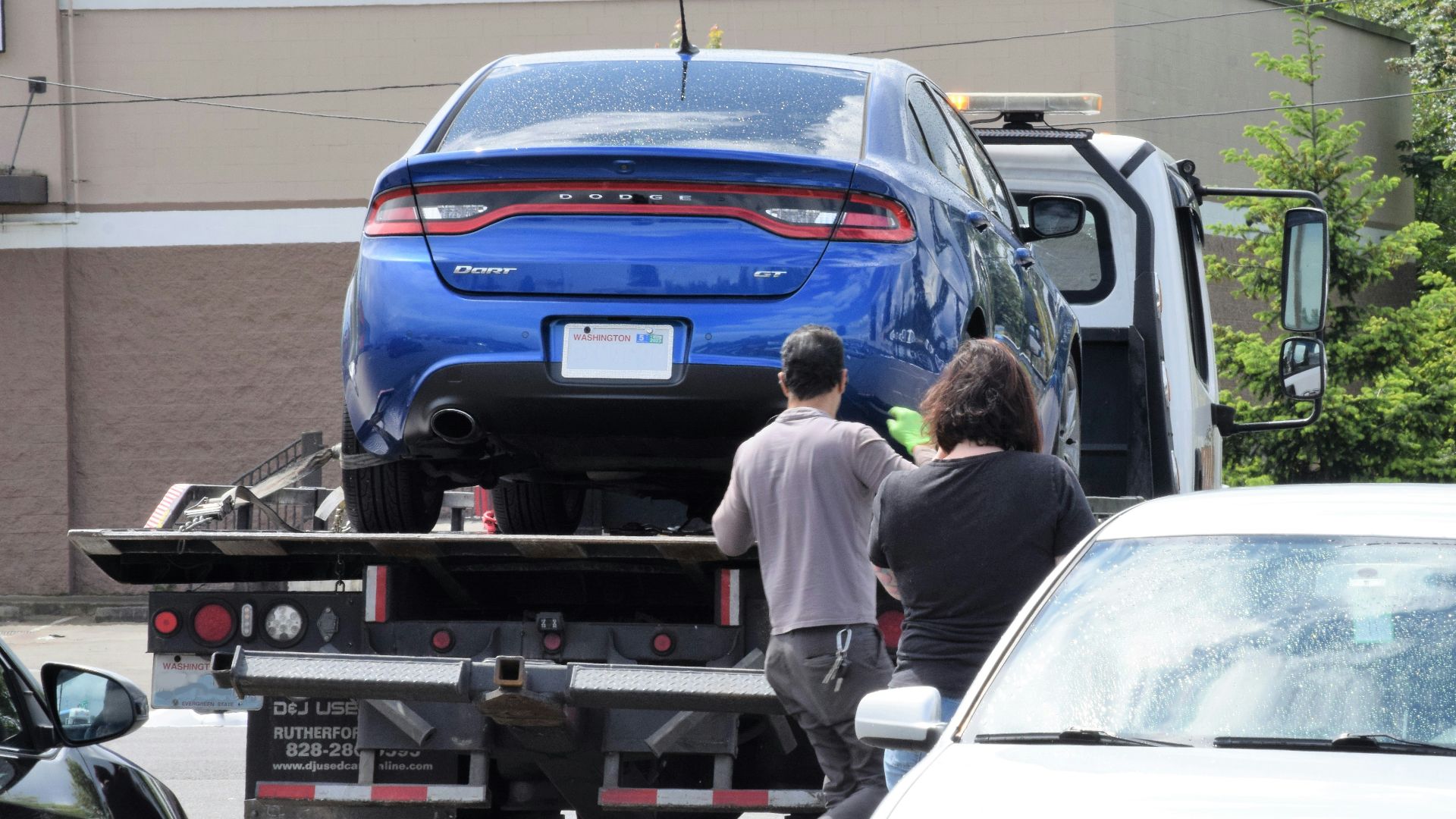
The key moment is before the tow truck hooks up your car. Once you approve the service and the vehicle is moved, it gets much harder to argue that it should have gone somewhere else. Ask the dispatcher to spell out the exact rule, the mileage included, and what the extra cost would be to reach your preferred shop.
California Shows The Difference Clearly
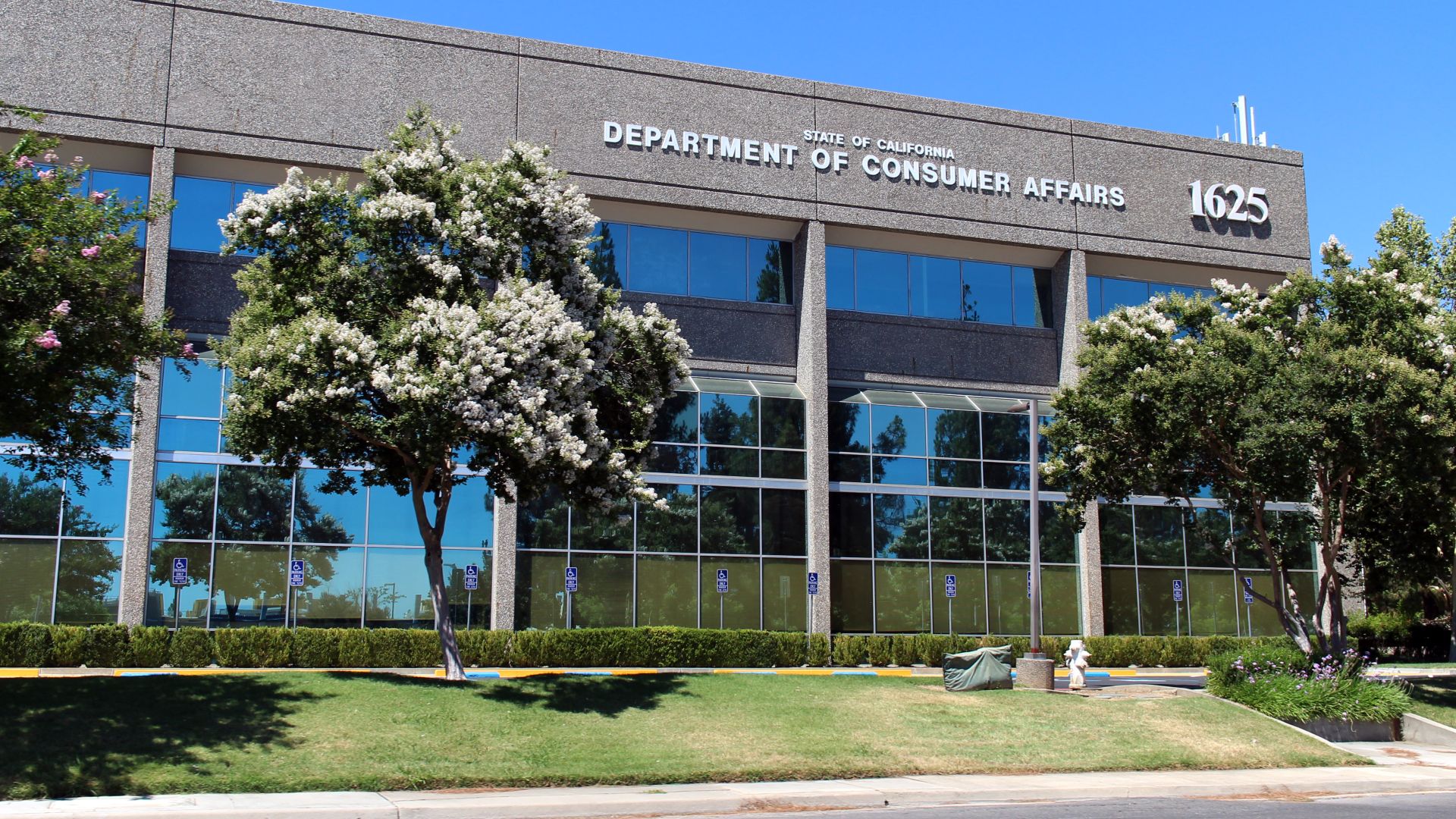
California is a useful example because its towing rules are fairly specific. The California Department of Consumer Affairs says a tow company generally needs authorization from the vehicle owner or the person in control of the car before towing and storing it, except in special cases like law enforcement impounds. That helps protect people from unauthorized tows, but it does not require a roadside plan to pay for any destination you pick.
Why Permission Is Not The Same As Full Choice
People often mix up two different issues. One is whether a tow company can move your car without your okay. The other is whether your roadside provider has to cover the tow to the place you want under your service plan. The first issue is usually about consumer protection law. The second is usually about the contract.

The FTC Warns Drivers To Watch Closely
The Federal Trade Commission has long warned people to be careful about towing and repair disputes after a breakdown. Its advice is straightforward: read documents before signing, ask where the car is being taken, and understand the charges before the tow starts. That matters because a disagreement over destination can turn into a storage-fee mess fast.

Storage Fees Can Start Piling Up Fast
Once a car is dropped at a shop or yard, storage charges may start running quickly. Consumer agencies regularly warn drivers not to wait too long to figure out where the car is and what fees are being added. If your roadside company insists on the closer shop, ask whether you can line up a second tow right away before the costs climb.
There Is A Big Difference Between “Can Tow” And “Will Pay”
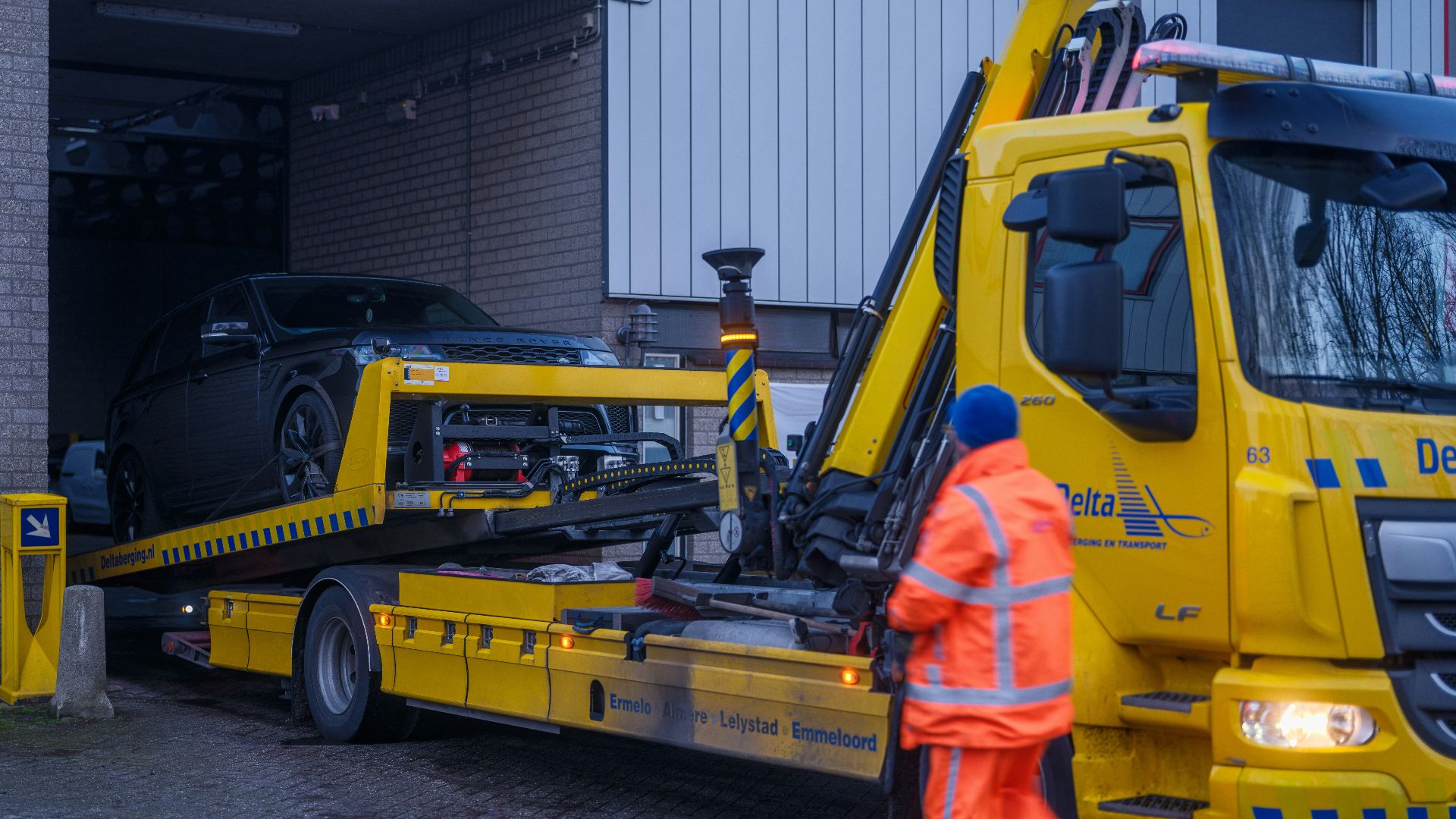
A tow truck may be able to take your car across town or across the county without any problem. The real question is whether your roadside provider will cover that trip under your plan. If the plan pays only for the nearest qualified repair shop, you can still ask for a different destination, but you may have to pay the extra mileage or even the full amount.

What “Nearest Qualified Repair Facility” Usually Means
This phrase shows up all the time in roadside contracts. It usually means a nearby business that can handle the type of problem your car has, not necessarily the dealer or specialist you prefer. If your trusted mechanic is farther away than another shop that can do the job, the provider may say its duty ends at the closer place.

Preferred Networks Can Complicate Things
Some roadside programs push drivers toward partner shops or network providers. That does not always mean you have to use them, but it can affect what the company fully covers or how quickly it sends help. Ask directly whether the restriction is about mileage, network rules, or both.

State Laws Usually Cover Conduct, Not Generosity
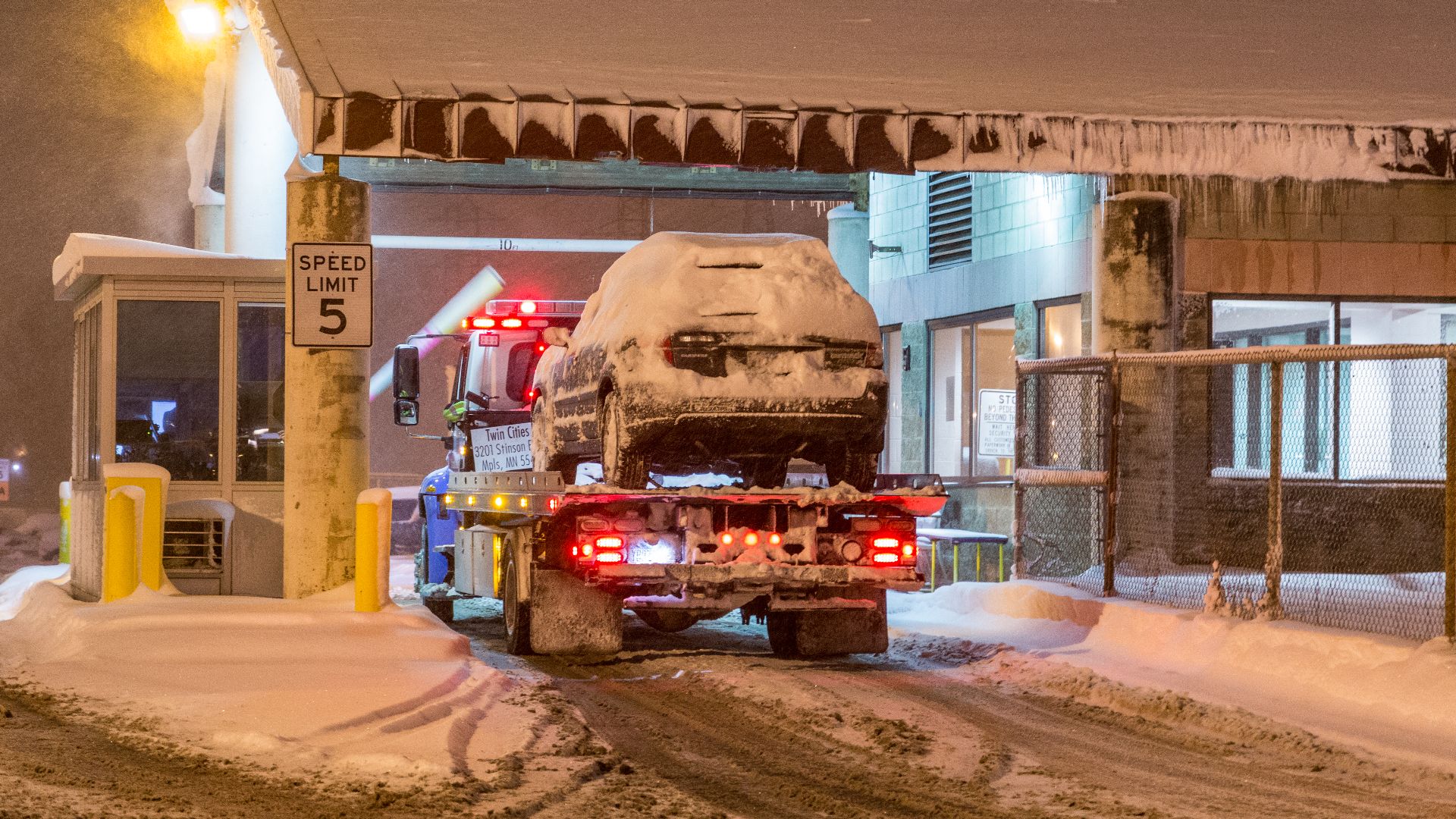
States often regulate towing company licenses, consent, fees, signs, and impound practices. They are much less likely to require a motor club or insurer to pay for a tow beyond what the contract promises. So even in a state with solid towing protections, your free destination may still be limited by the plan you bought.
 Tony Webster from Minneapolis, Minnesota, United States, Wikimedia Commons
If You Want Your Mechanic, Ask About Paying The Difference
This is often the quickest fix. Many roadside providers will approve the tow to your preferred shop if you pay for the miles beyond the included benefit. If possible, get that amount in writing or by text, and make sure the drop-off address on the dispatch is correct.
Sometimes A Dealer Really Is The Right Call
Not every breakdown belongs at the nearest general repair shop. If the car is under factory warranty, the issue may be tied to a recall, or the problem may need a brand-specific specialist, a dealer can make more sense. Explain that clearly, because some dispatchers may note an exception if there is a solid reason the closer shop is not actually the right fit.
Ask The Dispatcher These Four Questions
Keep it simple. Ask what your tow mileage limit is, whether the plan requires the nearest qualified repair facility, how much extra mileage costs, and whether a second tow later would be covered. Those four answers will usually tell you whether the company is truly saying no or just telling you the price.
 Education Images, Getty Images)
Document Everything While It Is Happening
Write down the date, time, dispatcher name, and the exact wording used about the destination limit. Save screenshots of your plan terms and any texts or app messages about the tow. If you need to challenge charges later, notes made during the breakdown can make a big difference.

Check Your Plan Level Before You Argue
A lot of destination fights are really about benefit tiers. Drivers often think they bought longer towing coverage than they actually did. Before pushing back on the roadside company, check your membership level and included tow distance so you know exactly what you are entitled to ask for.

App Requests Can Miss Important Details
Roadside apps are handy, but they do not always show the fine print up front. Some give you only a vague option like “tow to repair facility” without showing the real limits until later. If that happens, call and ask for the actual policy wording. A few extra minutes can save you from an unwanted drop-off.

If The Car Is Already At The Wrong Shop
Act fast. Find out whether storage or diagnostic charges have started, and ask for those amounts in writing. Then figure out what costs less: having your mechanic retrieve the car, arranging your own second tow, or letting the current shop do only a minimal diagnosis.
When It Makes Sense To File A Complaint
If the company ignored the written terms of your plan, charged more than it disclosed, or sent the car somewhere you did not approve, a complaint may be worth filing. Depending on the case, that could mean complaining to the motor club, the insurer, your state insurance department if insurance coverage is involved, or a state consumer protection office. Complaints are much stronger when you can point to exact policy language and dated records.

How To Avoid This Next Time
Read the towing section of your roadside plan before you need it, not while you are stuck on the side of the road. If you always want the option to use your own mechanic, pick a plan with a longer tow radius or one that clearly allows any destination within the mileage cap. It also helps to keep your preferred shop’s address handy so you can quickly compare the distance with your coverage.

The Bottom Line On Choosing The Destination
In most cases, you do not have an unlimited legal right to make a roadside assistance company tow your car anywhere you want for free. You usually have the right to approve where the car goes, but the company normally only has to pay for what the contract covers, which is often the nearest qualified repair facility or a set number of miles. So yes, you may get a choice, but not always on the provider’s dime.