A Dead Battery Is More Than An Annoyance
You went to bed expecting a charged car and woke up unable to make your normal commute. If a neighbor deliberately unplugged the vehicle overnight, the issue isn't just bad charging etiquette. Depending on where and how it happened, it could become a genuine property-law question.
There's No Simple Rule Against It
There is no general legal rule giving a neighbor permission to disconnect your EV simply because the plug is reachable. The important questions are whether they entered private property, intentionally interfered with your belongings, caused damage, or violated rules governing a shared charging area.
Touching Property Is Not The Whole Test
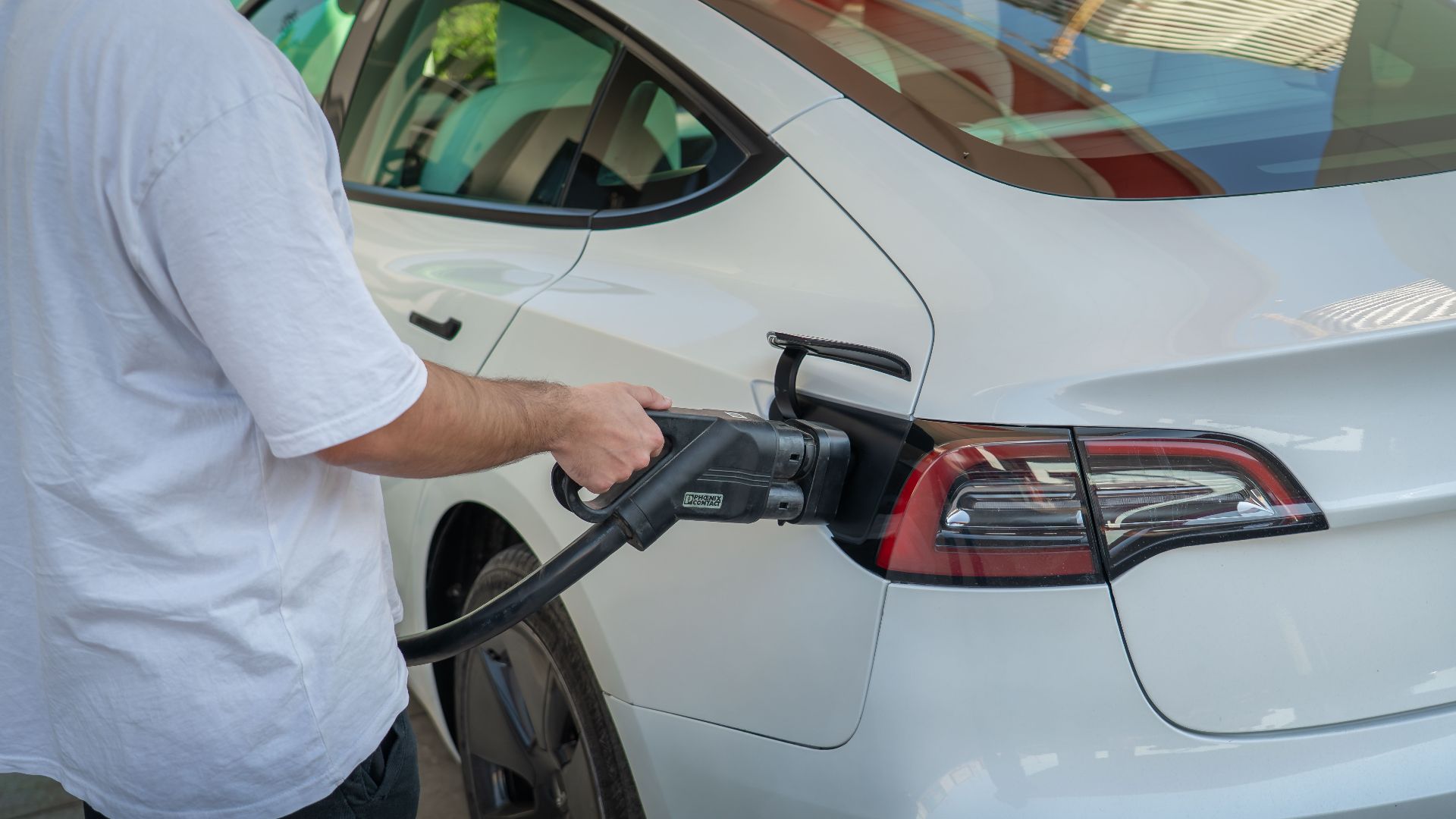
The law usually cares about unauthorized entry, interference, damage, and intent rather than the bare fact that someone touched an object. A harmless accidental bump is very different from deliberately stopping your vehicle from charging. The surrounding facts therefore matter more than the physical contact alone.
Start With Where The Car Was Parked
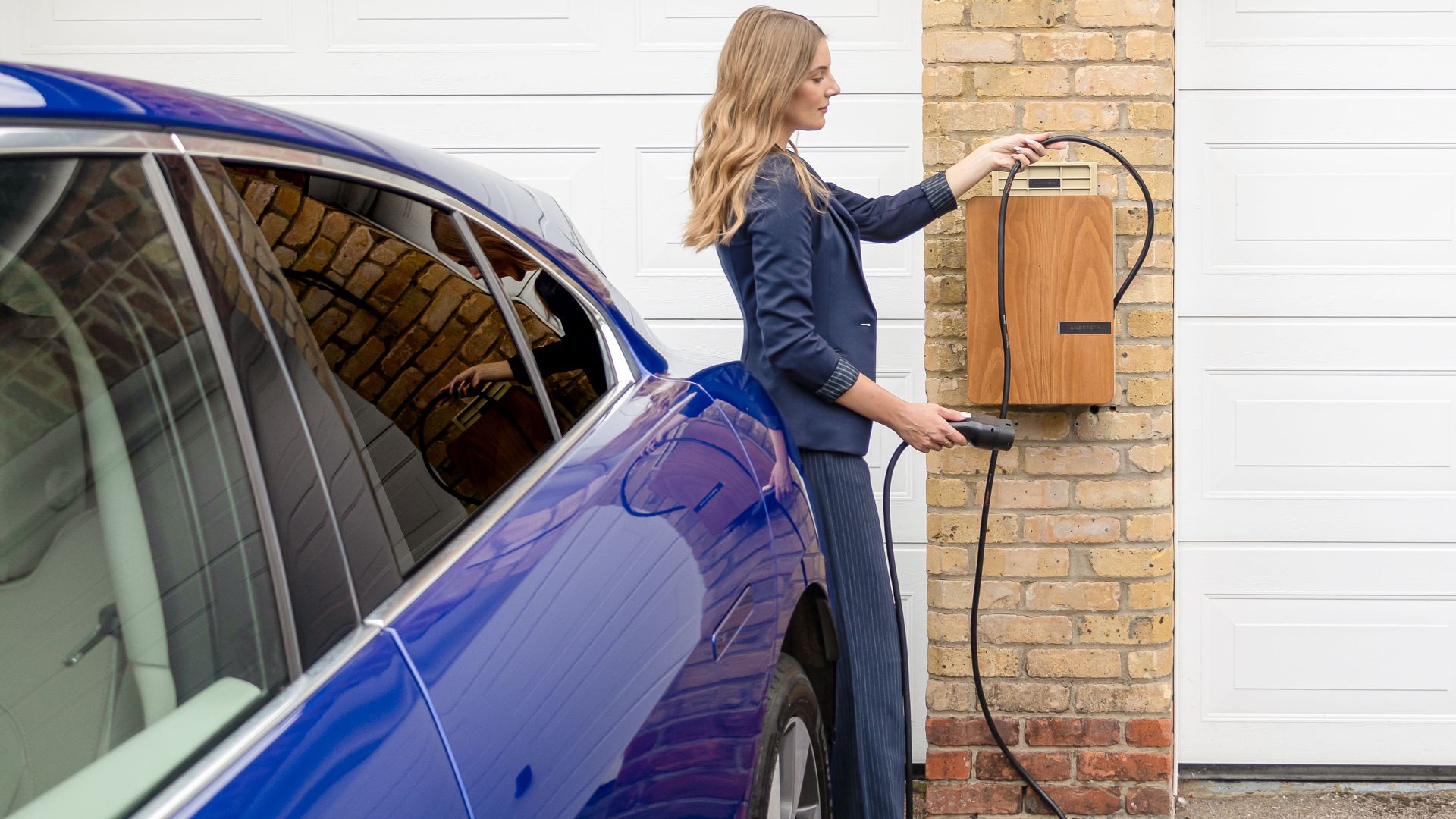
Location can change the analysis immediately. A cord running entirely within your private driveway presents a different situation from a charger in an apartment garage or public parking lot. Before deciding what rights were violated, identify who controls the land, outlet, charger, cable, and parking space.
Your Driveway Gives You The Strongest Argument
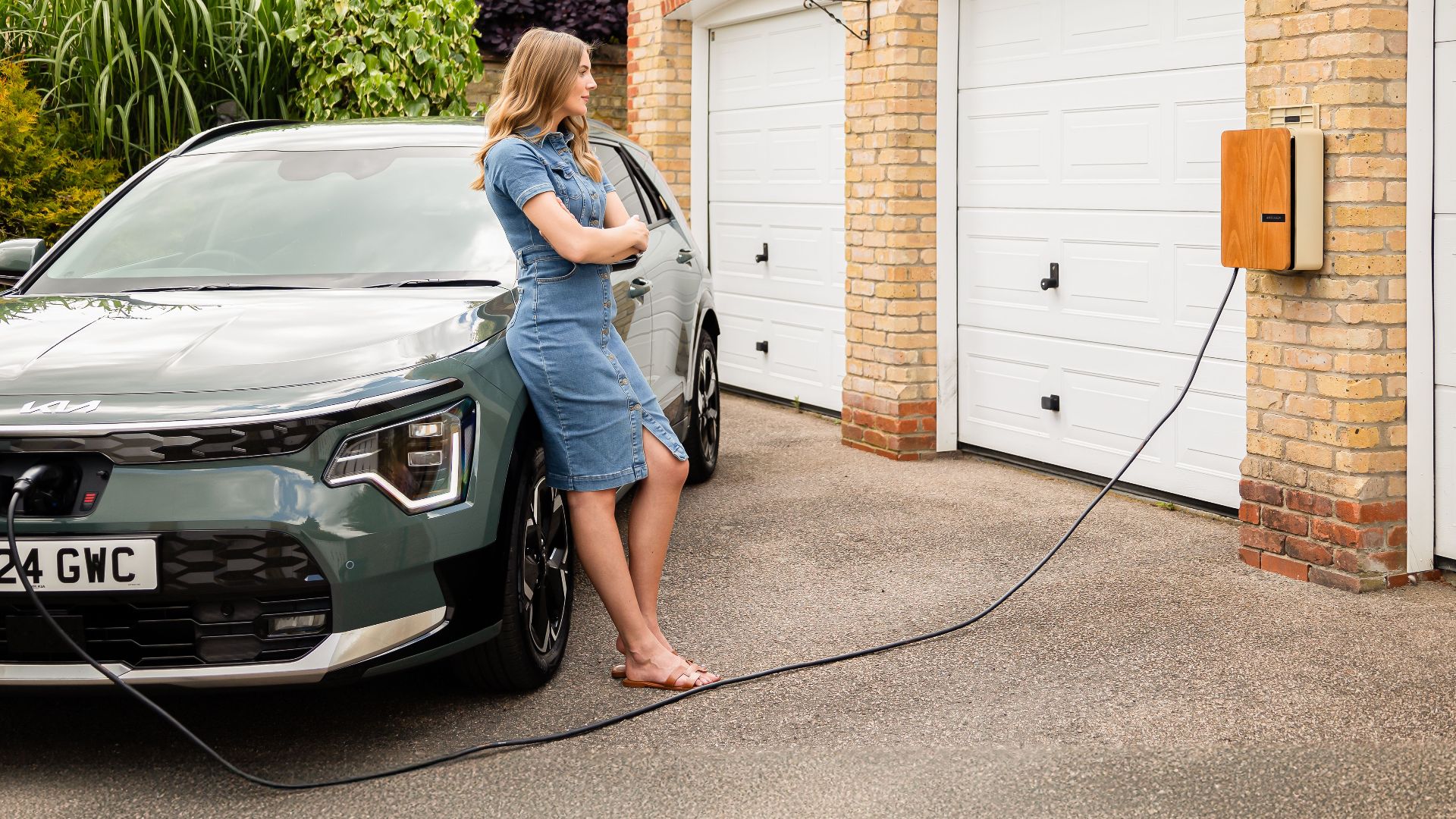
Entering another person's land without permission can amount to trespass under civil law, although the exact rules vary by state. If your neighbor had to walk onto your driveway or other private area to reach the plug, that entry may create a separate issue from unplugging the car itself.
Criminal Trespass Depends On State Law
States define criminal trespass differently, so not every unwanted step onto a driveway becomes a crime. New York, for example, defines trespass as knowingly entering or remaining unlawfully on premises. Your own state may use different elements, exceptions, notice requirements, or penalties.

The Cord And Car Are Personal Property
An EV, portable charging cord, and similar movable items are generally personal property rather than land. Civil law recognizes trespass to chattels when someone intentionally interferes with another person's possession or use of personal property and that interference causes legally recognized harm.
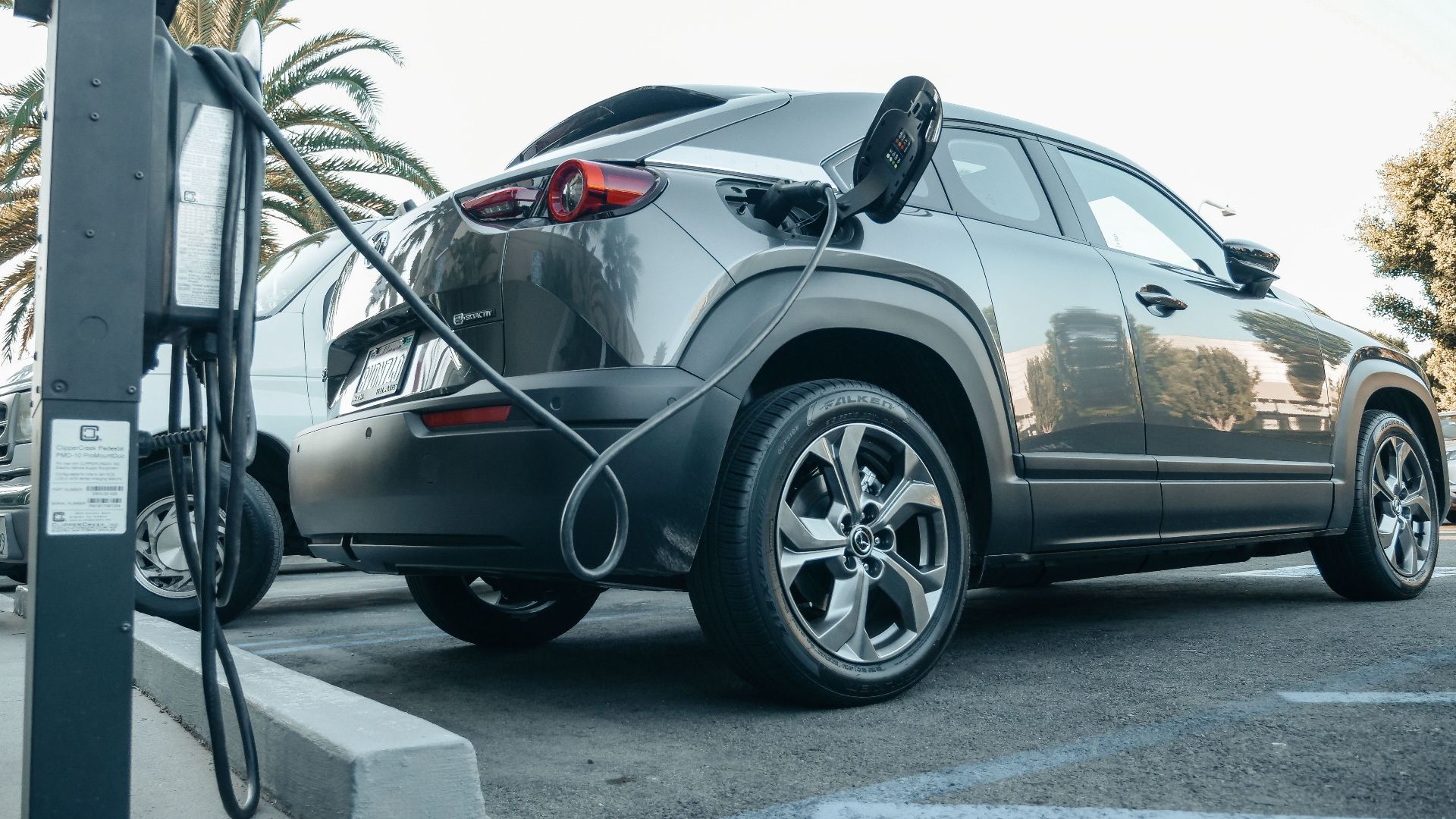
Lost Use Can Matter Even Without A Broken Plug
Trespass to chattels can involve more than visible physical damage. Interference may include depriving an owner of the use of personal property. A failed commute could therefore be relevant, although whether it supports a claim depends on state law and provable harm.
 https://kaboompics.com/, Pexels
Some States Criminalize Deliberate Tampering
New York provides a useful example of how broad these rules can become. Its criminal tampering statute covers someone who, without a right to do so, tampers with another person's property intending to cause substantial inconvenience. Other states use different statutes and legal thresholds.

Damage Raises The Stakes Quickly
If the neighbor broke the connector, charging port, cable, or wall unit, property-damage laws may become much more important. New York's criminal mischief statute, for example, covers intentional damage to another person's property without a right to do so. Penalties depend heavily on jurisdiction and damage.

Forcing A Locked Connector Can Cause Damage
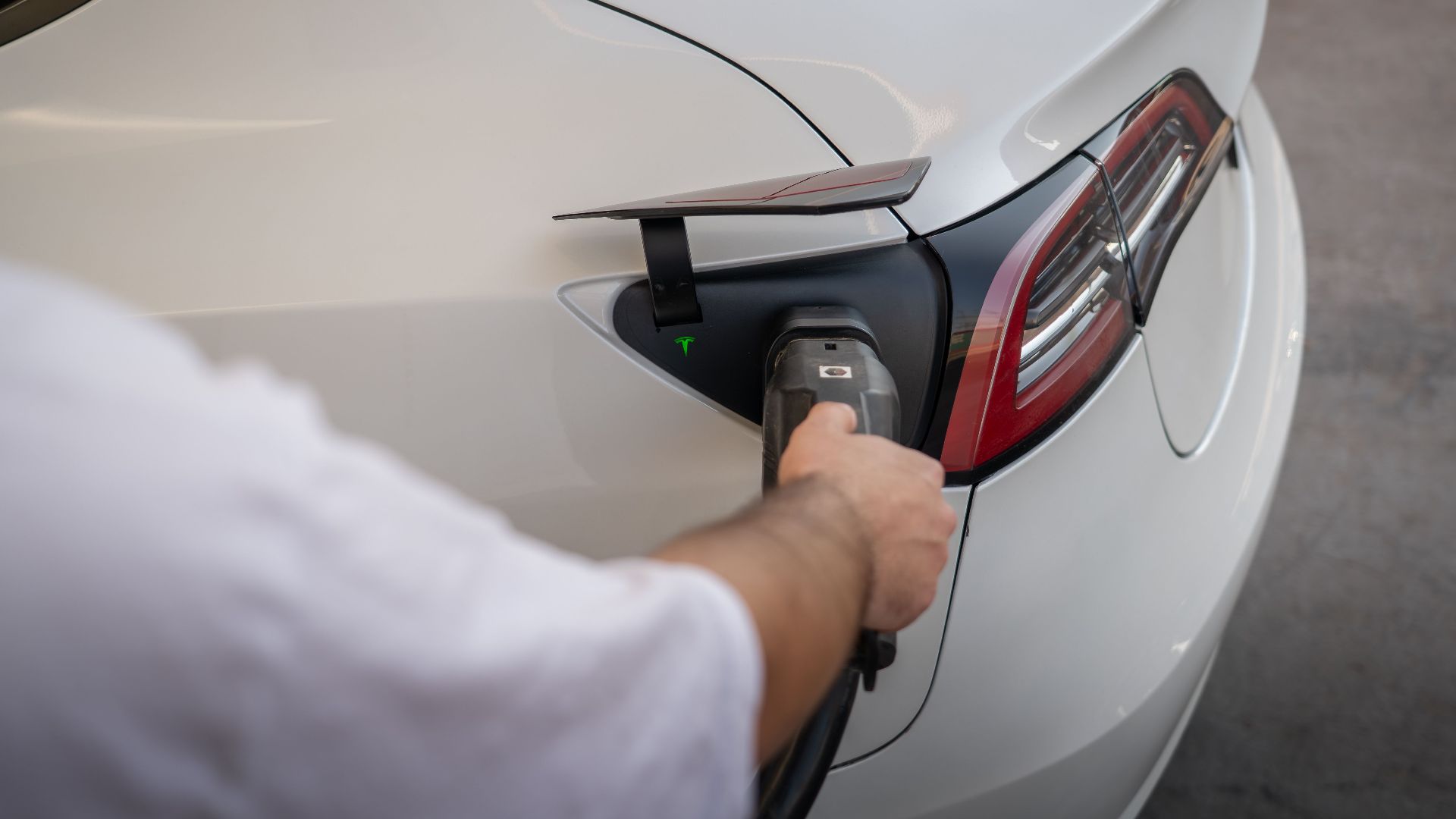
Modern EVs may physically lock the charging connector to prevent unauthorized removal. Kia specifically warns owners not to force a connector that has not been properly released because the connector and charging inlet can be damaged. Tesla likewise keeps its charge-cable latch locked against unauthorized unplugging.
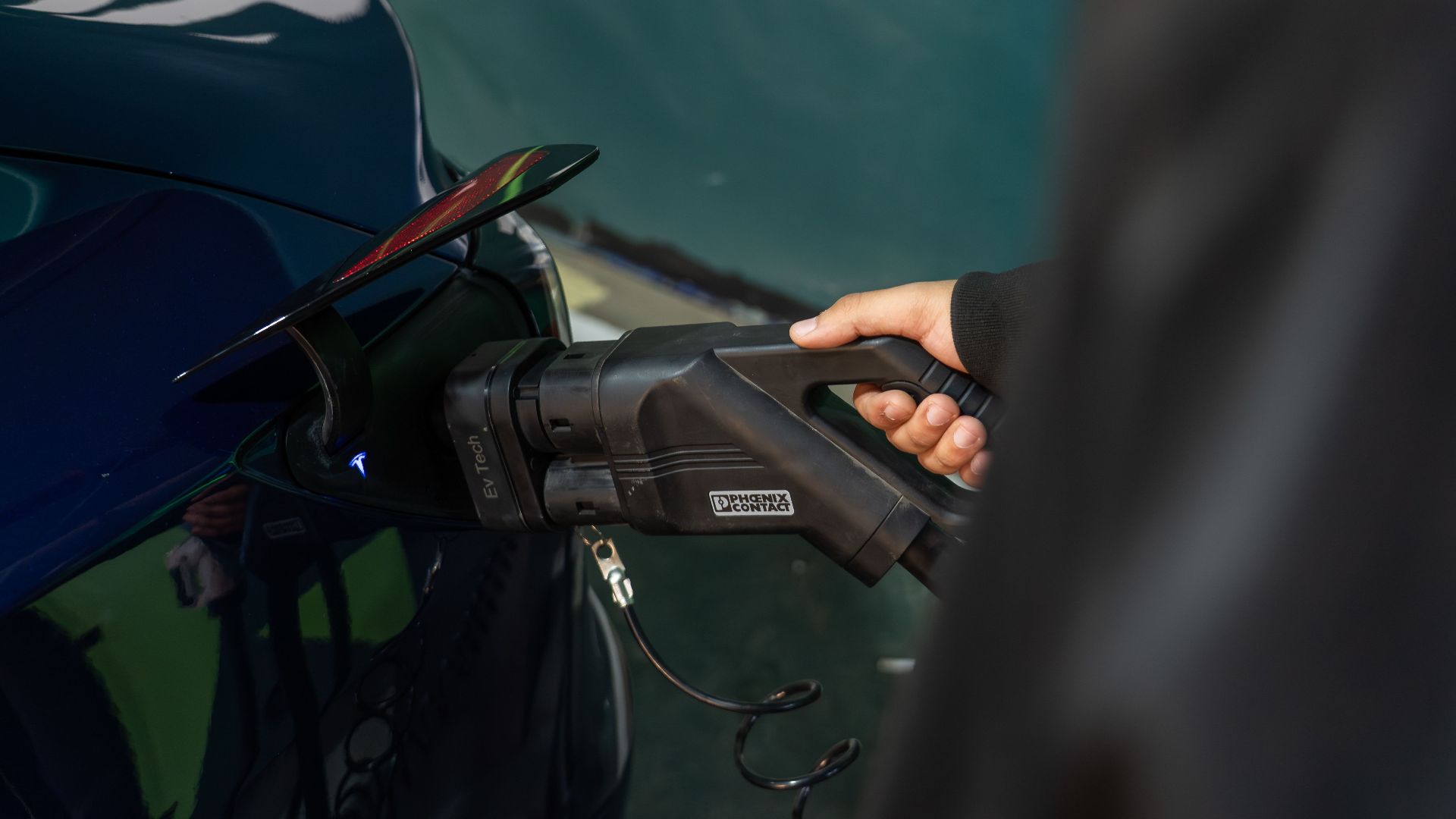
Check Whether Your Car Has A Lock Setting
Some vehicles let drivers choose when the charge connector locks. Kia offers settings such as always lock, lock while charging, and do not lock, while Tesla requires the vehicle to be unlocked or recognize a key before normal disconnection. Your owner's manual should explain the exact behavior.

Shared Parking Changes The Property Question
Apartment, condominium, and workplace charging can involve multiple layers of ownership and permission. The Department of Energy notes that multifamily charging raises parking, electrical-access, billing, and legal considerations. In those settings, lease terms, association rules, and posted charger policies can matter enormously.
A Neighbor May Have A Complaint Without A Right To Unplug
Perhaps your cord crossed a shared walkway, blocked access, or used a space governed by community rules. Those facts could give a neighbor a legitimate complaint to management. They do not automatically establish a personal right to enter your space or disconnect your vehicle without authorization.
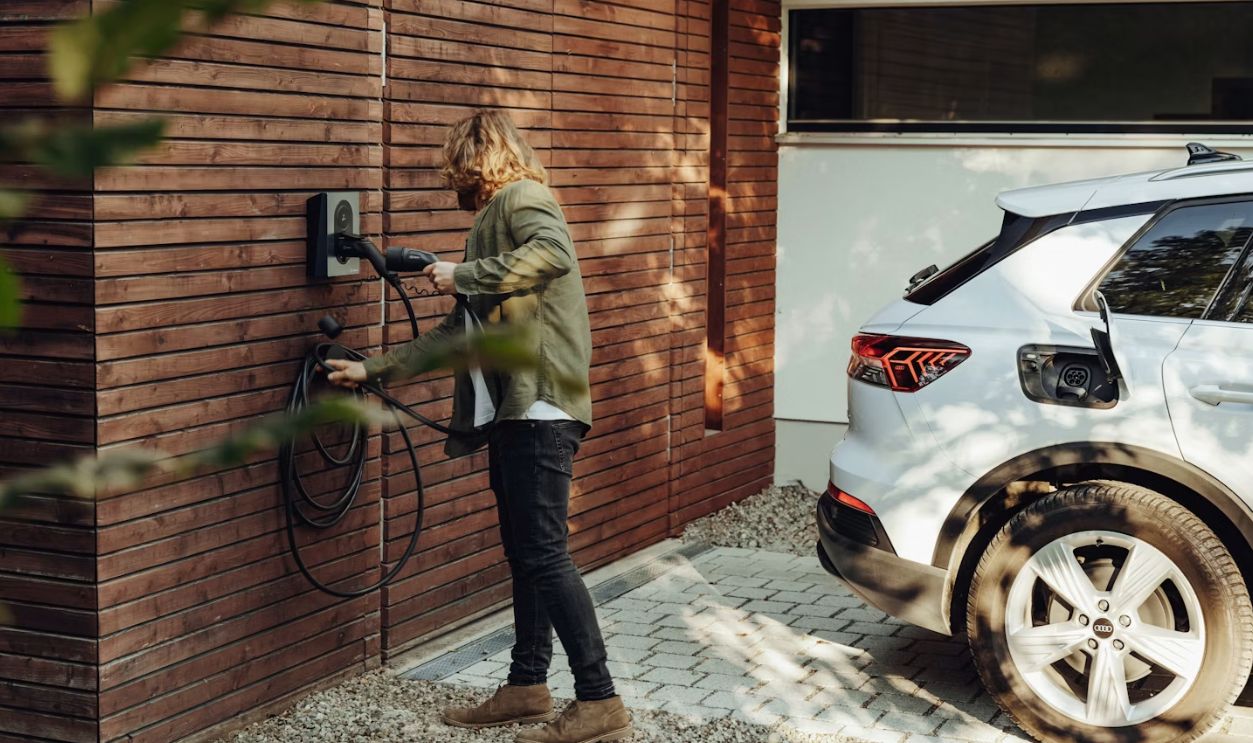
Public Chargers Follow Different Rules
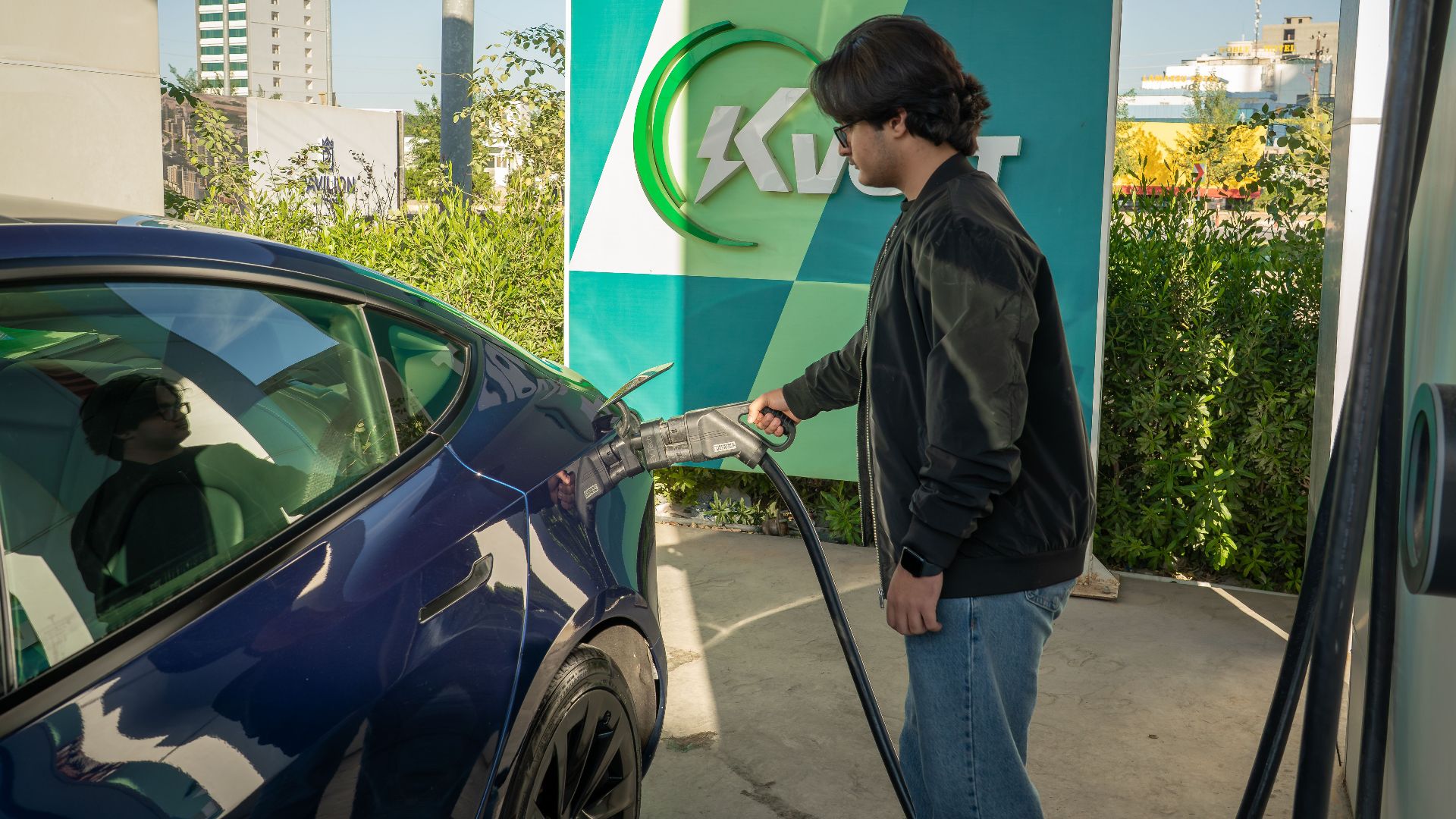
At a public charging station, the charger host and local government may impose time limits, active-charging requirements, fees, and parking restrictions. The Department of Energy says signage is used to communicate and enforce those policies. Drivers should check the posted rules before assuming who may disconnect anything.
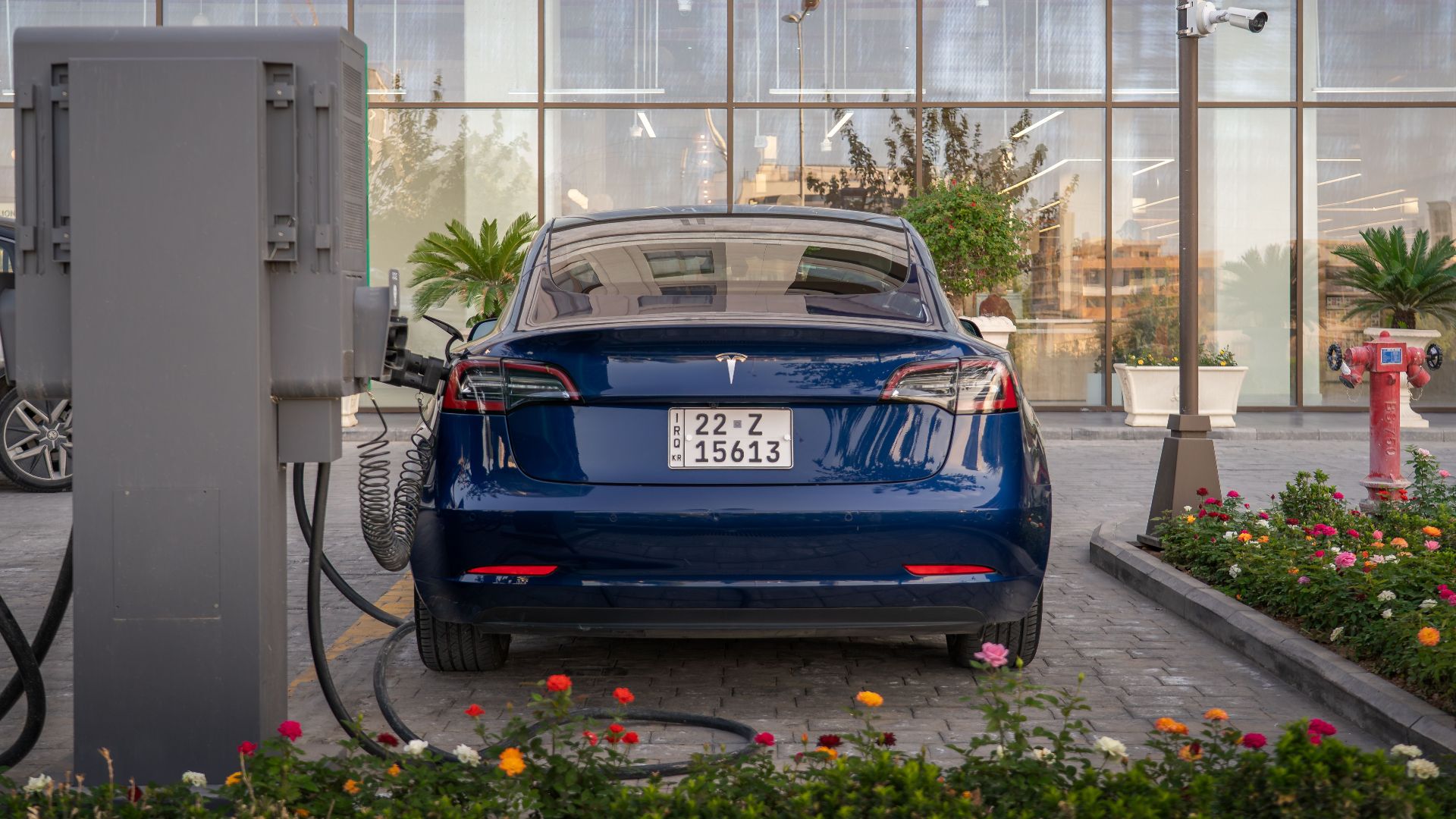
Unplugging Can Create A Parking Problem
Some jurisdictions require an EV to remain connected or actively charging while occupying a designated charging space. California, for example, allows properly signed charging spaces to be restricted to vehicles connected for charging. Unauthorized unplugging could therefore leave another driver in an awkward enforcement situation.
An Emergency Can Change The Analysis
Property law recognizes necessity in limited circumstances. Someone may sometimes be privileged to interfere with property to prevent serious harm when there is no less damaging option, although liability for actual damage can remain. A routine parking disagreement is very different from a genuine safety emergency.

Check The Charging App Before Assuming Intent
Start by confirming exactly when charging stopped. Many connected EVs and smart home chargers record charging sessions, status changes, and other useful data. Advanced Level 2 equipment can also include data collection, communications, timers, and user-interface features.

Inspect Everything Before Plugging Back In
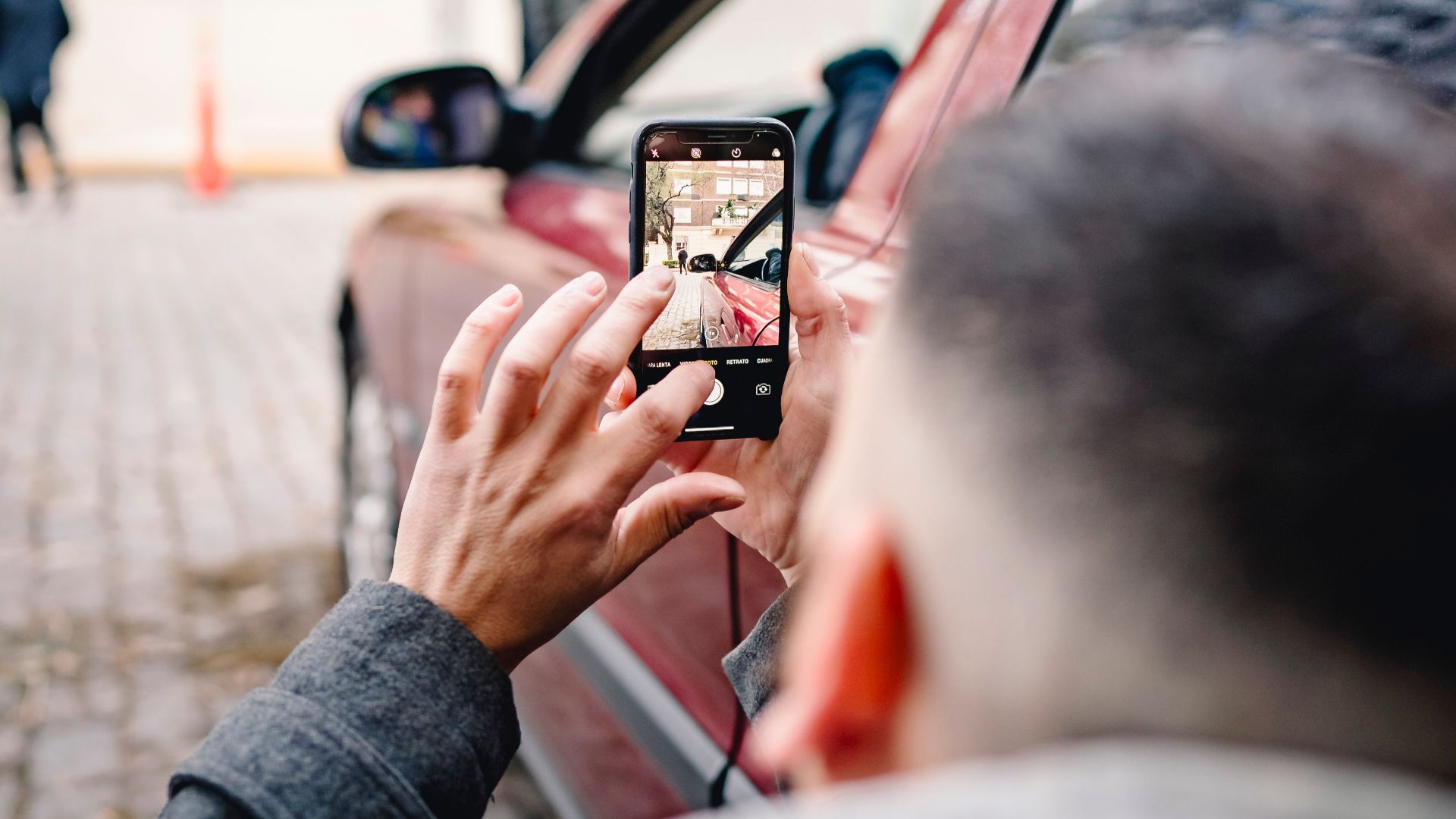
Look closely at the connector, cable, charging inlet, wall unit, and outlet before resuming charging. Photograph anything unusual, especially scratches, bent pieces, loose fittings, or signs of force. Manufacturer guidance matters if a locking mechanism was defeated or the hardware no longer operates normally.
Save Evidence While It Still Exists
Preserve charging-app records, doorbell footage, security-camera clips, texts, and photographs with dates and times. Write down what happened while the details are fresh, including any missed work or extra transportation costs. Good documentation helps separate a one-time misunderstanding from repeated intentional interference.

A Calm Conversation May Solve The First Incident
If you know who unplugged the car and feel safe speaking with them, ask what happened before escalating. They may claim the cord created an access or safety concern, or they may admit they simply wanted it disconnected. Either way, a clear conversation establishes that you do not consent.

Put The Boundary In Writing If It Happens Again
After a repeated incident, a short written message can create a useful record. State that the car, cable, and charging equipment must not be disconnected or handled without permission, and direct any concerns to you or the property manager. Keep the message factual and avoid threats or retaliation.

Bring Management In When The Space Is Shared
If you live in a condominium, apartment, or managed community, send the documentation to the landlord, association, or parking operator. Multifamily charging commonly involves formal rules about parking, access, electricity, and equipment. Management is usually better positioned than neighbors to interpret and enforce those rules.

Police Reports Make More Sense When There Is Damage
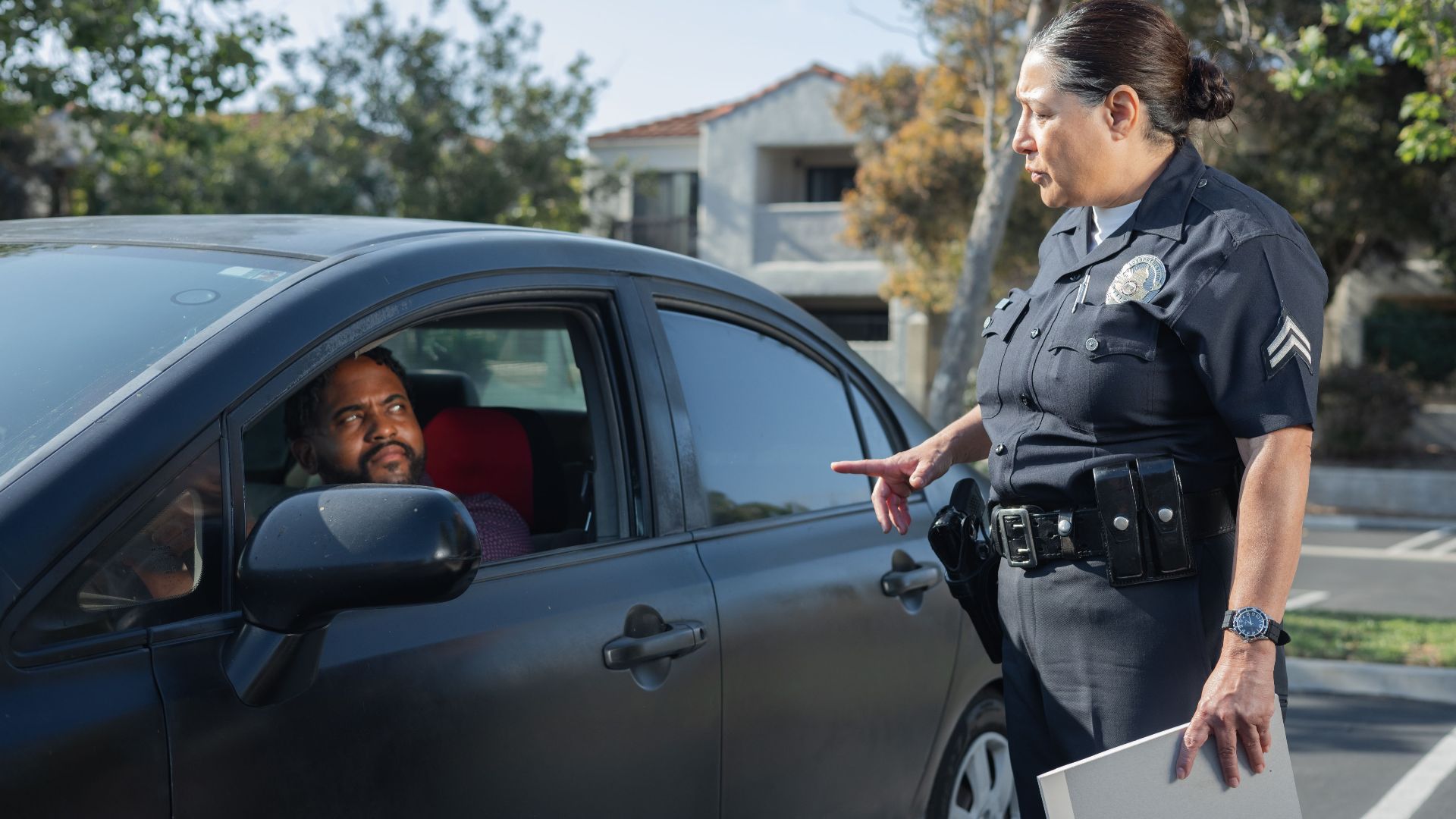
A one-time unplugging dispute may be handled differently from damaged equipment or repeated intentional tampering. If property is damaged, document it and consider contacting local law enforcement through the appropriate channel. Insurers commonly ask for photographs and may find a police report useful when evaluating vandalism claims.
Insurance May Help If The Car Was Damaged
Comprehensive auto coverage commonly covers vandalism-related vehicle damage, subject to the policy and deductible. Drivers should document vandalism, take photographs, file a police report where appropriate, and contact their insurer. Damage to a separate home charger may fall under different coverage, so check your policies.

Do Not Unplug Their Car In Return
Retaliation can turn a straightforward complaint into two property disputes. Do not damage, disconnect, block, or interfere with the neighbor's vehicle or equipment simply to make a point. Preserve your evidence, use property-management procedures, and let local law determine whether the conduct crossed a legal line.
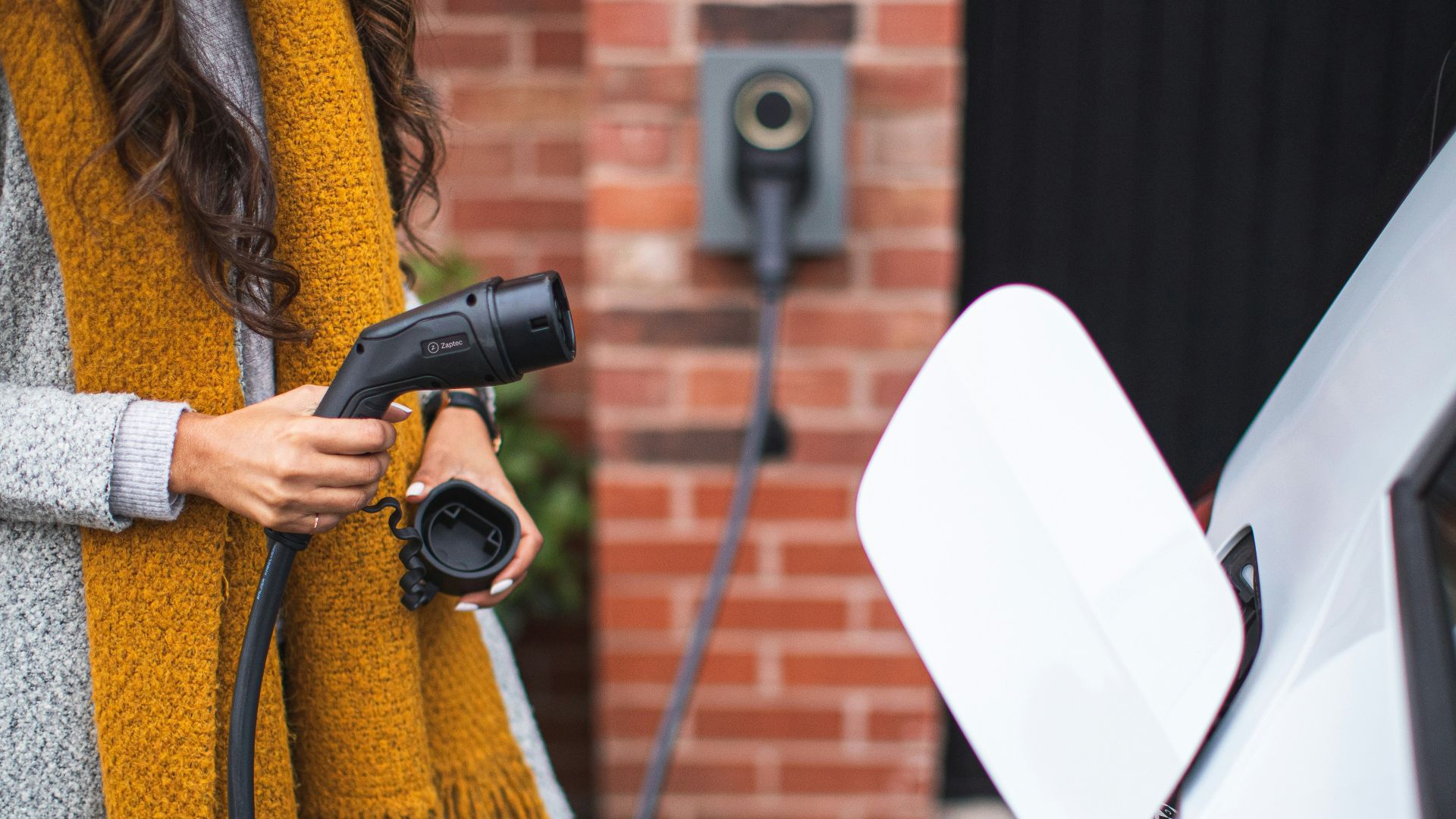
Use The Car's Anti-Unplugging Features
If your EV offers a charge-port lock, consider enabling it for overnight charging. Manufacturers use these features specifically to prevent unauthorized connector removal or cable theft. Do not add improvised hardware that conflicts with the vehicle or charger instructions, especially around high-voltage charging equipment.
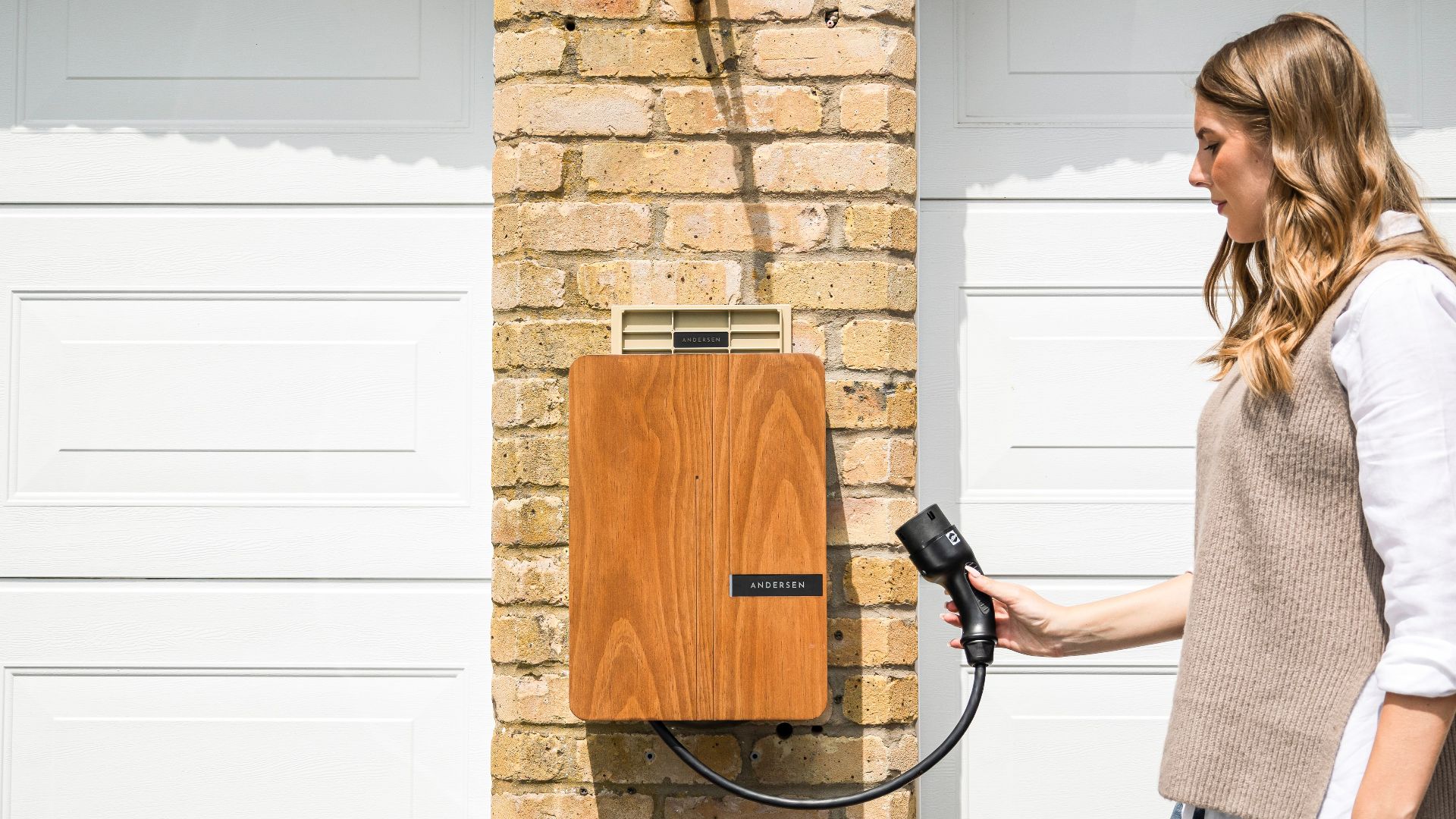
The Bottom Line Depends On Control, Intent, And Harm
A neighbor generally does not gain permission to interfere with your EV simply because the cord is accessible. Private-property entry, deliberate disruption, damage, shared-space rules, and local statutes all affect the legal answer. If the conduct repeats or causes meaningful loss, local legal advice can clarify your remedies.
You May Also Like:
Anyone Remember These Classic Celebrity Cars From The 1950s?
Classic Mid-Life Crisis Cars: Be Honest, Do You Own One?