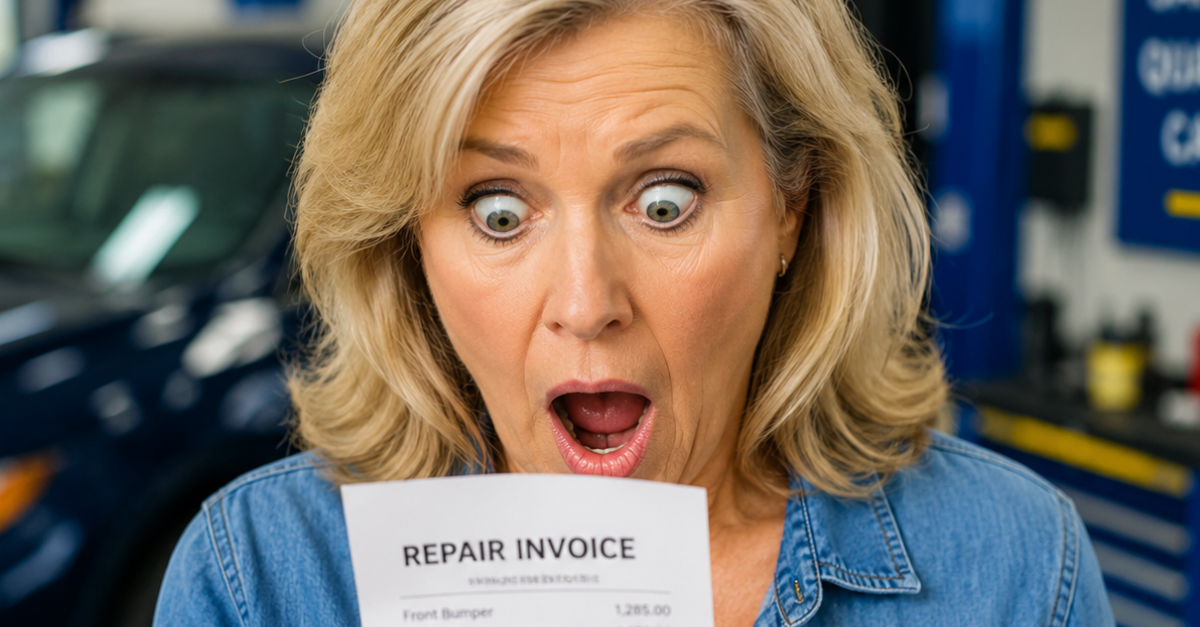
That Bill Would Make Anyone Second-Guess Themselves
You handed back a car with what looked like a few scratches. Then came a bill for more than $4,000. Suddenly, the protection plan you turned down at the dealership sounds like the best deal you never took. But before you decide you made a mistake, there’s a more pressing question: what, exactly, did you pay for?

A Lease Doesn’t Require A Perfect Car
A leased car is expected to show some wear. The issue is where your leasing company draws the line between normal wear and damage it can charge you for. That standard should be in your lease or wear-and-use guide, and it matters more than whether a scratch looks minor to you.

“A Few Scratches” Isn’t Enough Detail
Some scratches may fall within normal wear. Others can be chargeable because of their size, number, or depth. Toyota Financial, for example, lists scratches that penetrate the paint and exceed the size of a credit card among its examples of excessive wear. Your own leasing company may use different rules.

Still, $4,000 Calls For An Explanation
That amount is hard to judge from “a few scratches” alone. Was the charge for paint damage on several panels? Did the invoice also include tires, excess mileage, missing equipment, or a disposition fee? Those can appear on a lease-end bill too. You need the breakdown before deciding whether a protection plan would have helped.
 Tualek Photographer, Shutterstock
Start With The Itemized Invoice
Go through every line and separate the scratch charges from everything else. Ask for the inspection report, photographs, and the wear standard used for each charge. If you’ve already paid, you can still ask the leasing company to review an item you believe was assessed incorrectly. Keep the invoice and your correspondence together.

Check Your Return Photos
Did you photograph the car just before handing over the keys? Pull up every angle, including close-ups of the areas on the inspection report. If a listed scratch doesn’t appear in your photos, or a mark looks smaller than the report suggests, you have something specific to raise with the leasing company.

Compare Each Charge With Your Lease
Find the wear-and-use guide that applied to your lease, then compare its standards with the inspection report. Don’t rely on a general rule you found for another brand. If the report calls a scratch excessive, ask which part of your agreement supports that finding and how its charge was calculated.

The Dealer May Not Be The One Billing You
Returning the car to a dealership doesn’t necessarily mean the dealership made the final assessment or issued the bill. Contact the company named on the invoice. That’s especially useful if someone at the dealership told you the car “looked fine” but the later inspection reached a different conclusion.

Can You Dispute It After Paying?
You can still ask the leasing company to review the charges and refund any amount it agrees was assessed incorrectly. Send a short written request identifying the charges you question and why. Include your photos or other documents if you have them. Paying the bill doesn’t make a questionable inspection report any more convincing.
 Korawat photo shoot, Shutterstock
What If They Refuse?
Ask for a written explanation and keep a record of your attempts to resolve it. If you believe a U.S. auto finance company has handled the dispute improperly, the Consumer Financial Protection Bureau accepts complaints about financial products and services. A complaint won’t automatically erase a valid charge, but it gives you another way to seek a response.

Now, About That Protection Plan
Dealerships use different names for these products, including excess wear and use protection. They’re commonly plans that waive qualifying lease-end charges, subject to their terms. That’s different from an ordinary auto insurance policy that pays for damage from a covered event. The distinction matters when you’re looking back at a bill.

Would It Have Covered $4,000?
Possibly, but the total bill doesn’t answer that. Ford says its WearCare plan can waive up to $5,000 in excess wear and use charges in most cases. Toyota also advertises a $5,000 total limit for its plan, with limits on individual covered events. The plan offered with your lease could have had different terms.

A $5,000 Limit Isn’t A Blank Check
Toyota’s plan, for example, lists a $5,000 overall limit but says each eligible damage event must be valued at $1,000 or less. A single $2,000 event may fall outside the plan’s coverage, even when the total bill is under $5,000. The plan’s individual limits matter just as much as its advertised maximum.
 Natthawadee Jana, Shutterstock
Some Leases Already Include A Small Waiver
There’s another detail worth checking before you regret skipping the plan. Toyota says that, for leases made after January 27, 2026, it waives up to $500 in eligible excess wear charges without the optional product. That’s Toyota’s policy, not a rule for every lease, but it shows why your own agreement matters.

It Might Not Cover The Whole Invoice
A wear plan generally addresses qualifying wear charges. Excess mileage, a disposition fee, and other lease obligations are separate items. If those made up part of your $4,000 bill, buying the plan might still have left you with a substantial amount to pay. The invoice is the only way to tell.
 f.t.Photographer, Shutterstock
You Probably Can’t Buy It Now
These plans are meant to be purchased when the lease begins. Ford, for example, says WearCare is available only at signing. So the practical question now is whether the charges are accurate. The protection-plan decision is useful mainly when you’re weighing what to do on your next lease.

Was Turning It Down A Mistake?
That depends on what the plan cost, what it covered, and how much of this bill qualified. If a $900 plan would have waived $4,000 in valid charges, you’d wish you had it. If most of the bill fell outside its terms, paying $900 for the plan could have made an expensive lease even more expensive.

There Was Another Option Before Return
A pre-return inspection can show you potential charges while you still have the car. GM Financial recommends completing its complimentary inspection two to four months before lease maturity, giving drivers time to consider repairs or prepare for the bill. Availability and timing vary by leasing company.

That Gives You Time To Compare Costs
Once you know which damage is chargeable, you can ask the leasing company about its repair requirements and get quotes from repair shops. A repair may cost less than the lease-end charge, though you need to follow the lease’s rules. Paying to fix every tiny mark without checking the wear guide could waste money too.

Your Regular Car Insurance Is A Separate Question
If a particular scratch came from a covered incident, your auto policy might be relevant, depending on the coverage and circumstances. But an auto policy generally isn’t a catch-all for ordinary lease-end wear, and a deductible may apply to a covered claim. Ask your insurer about a specific incident before assuming it will pay.

Don’t Let This Bill Decide Your Next Lease Alone
When you’re offered a wear plan again, ask for its full price and terms. Check the total limit, any limit per damage event, exclusions, and which lease-end charges it actually waives. Then compare that cost with how you use the car and whether you’d rather budget for possible repairs yourself.

So, Was The Plan A Scam?
No, these plans can waive real lease-end charges. But that doesn’t mean buying one is always a good deal. Whether you missed out depends on the plan’s price, its limits, and how much of your $4,000 bill actually qualified. Check the invoice before you decide you made a mistake.

You Might Also Like:
Forgotten 1970s Gas Station Brands—Even Baby Boomers Can't Remember 5 Of These