Protecting The Paint Suddenly Sounds Like A Warranty Risk
The whole point of paint protection film is to prevent expensive cosmetic damage, so it can sound backwards when a dealership warns that installing it could put the factory paint warranty at risk. Before abandoning the idea or accepting a future warranty denial, you've got to figure out exactly what the factory warranty covers and what an aftermarket modification actually changes.
Start With What Your Paint Warranty Really Covers
Factory paint coverage generally isn’t a promise to keep the exterior flawless. New-vehicle warranties typically cover defects in factory materials or workmanship for a limited period, while things like stone chips, scratches, environmental contamination, accident damage, and ordinary deterioration may be excluded. Toyota, for example, distinguishes defects in materials or workmanship from damage caused by outside influences. That distinction matters long before PPF enters the picture.
Aftermarket PPF Doesn’t Normally Erase The Whole Warranty
Under federal warranty law, a manufacturer generally can’t simply declare your entire factory warranty void because you used an aftermarket product or an independent installer. The FTC has repeatedly warned companies that warranty coverage can’t be conditioned on using only branded parts or authorized services unless narrow exceptions apply. Installing PPF doesn’t suddenly eliminate protection for your transmission, air conditioning, electronics, or every other factory component.
Paint Coverage Is Where The Argument Gets More Specific
The important question isn’t whether PPF voids “the warranty.” It’s whether the film or its installation caused the particular paint problem you’re asking the manufacturer to repair. If a factory paint defect develops underneath professionally installed film for reasons unrelated to the PPF, the existence of the film alone isn’t the same thing as proof that the modification caused it. If the installation physically damaged the finish, however, that becomes a very different claim.
The Manufacturer Can Exclude Damage The Film Actually Caused
Magnuson-Moss protections don’t force an automaker to repair damage created by an aftermarket modification. If an installer cuts through the clear coat with a knife, pulls paint from a previously repaired panel, damages trim during disassembly, or uses a chemical that harms the finish, the manufacturer can have a legitimate reason to say that specific damage isn’t a factory defect. The distinction is between having aftermarket equipment and being damaged by aftermarket equipment.
“Could Void It” Is Too Vague To Be Useful
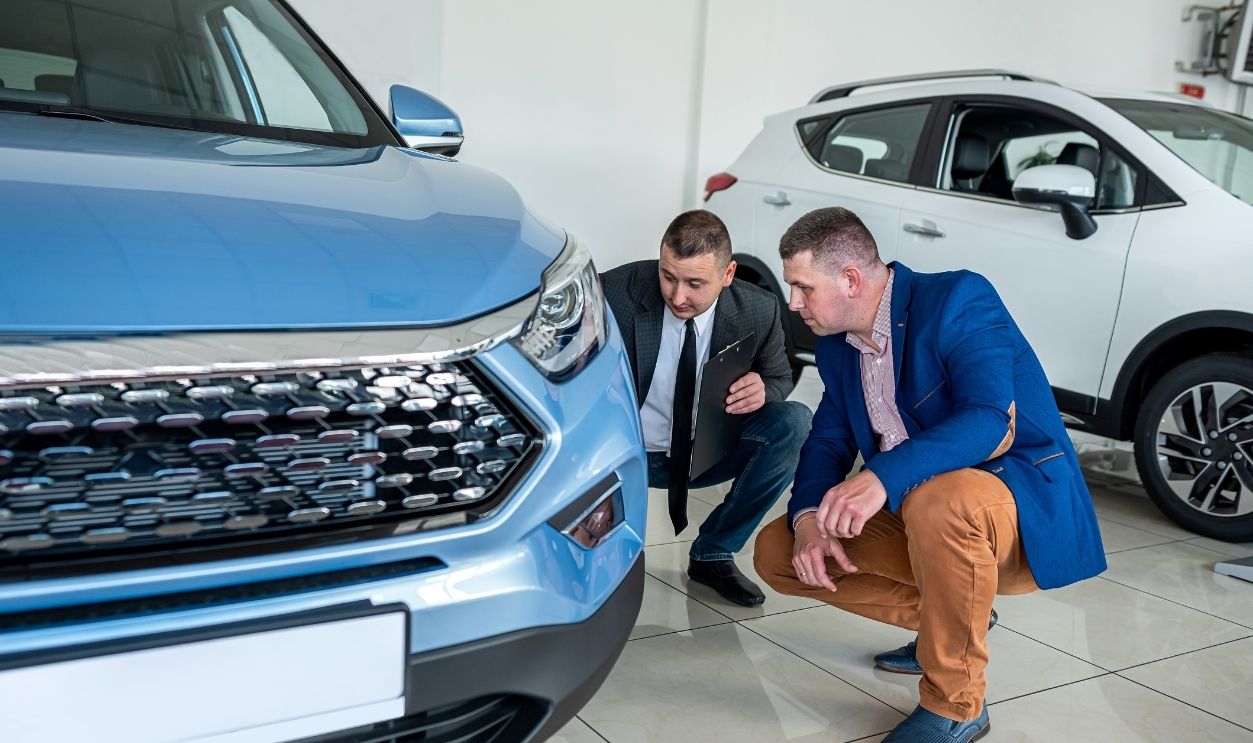
Ask the dealership what it actually means. Does it claim the manufacturer prohibits PPF altogether? Does the warranty booklet contain a specific exclusion? Or is the adviser simply warning that damage caused during installation wouldn’t be covered? Those are very different statements. Request the exact written warranty provision rather than relying on a service-counter warning that your “paint warranty could be void.”
Paint Warranty And Corrosion Warranty Aren’t Necessarily The Same Thing
Automakers can offer several forms of exterior coverage. Basic warranty protection may cover defects in factory paint or workmanship, while a separate corrosion-perforation warranty covers body panels that rust completely through under specified conditions. Surface rust, scratches, chips, and corrosion caused by external damage are frequently excluded. Subaru, for example, specifically separates rust-through protection from cosmetic surface corrosion. Know which coverage the dealer is actually discussing.

PPF Is Designed To Sit On Factory Paint
Quality paint protection film is specifically engineered for installation over automotive finishes. XPEL states that properly installed and properly removed PPF shouldn’t damage original factory paint, while 3M markets automotive films specifically for protecting painted vehicle surfaces. That doesn’t guarantee every installation will be harmless, but it makes a blanket claim that all aftermarket PPF inherently damages factory paint difficult to accept without something more specific.
The Installer Matters Almost As Much As The Film
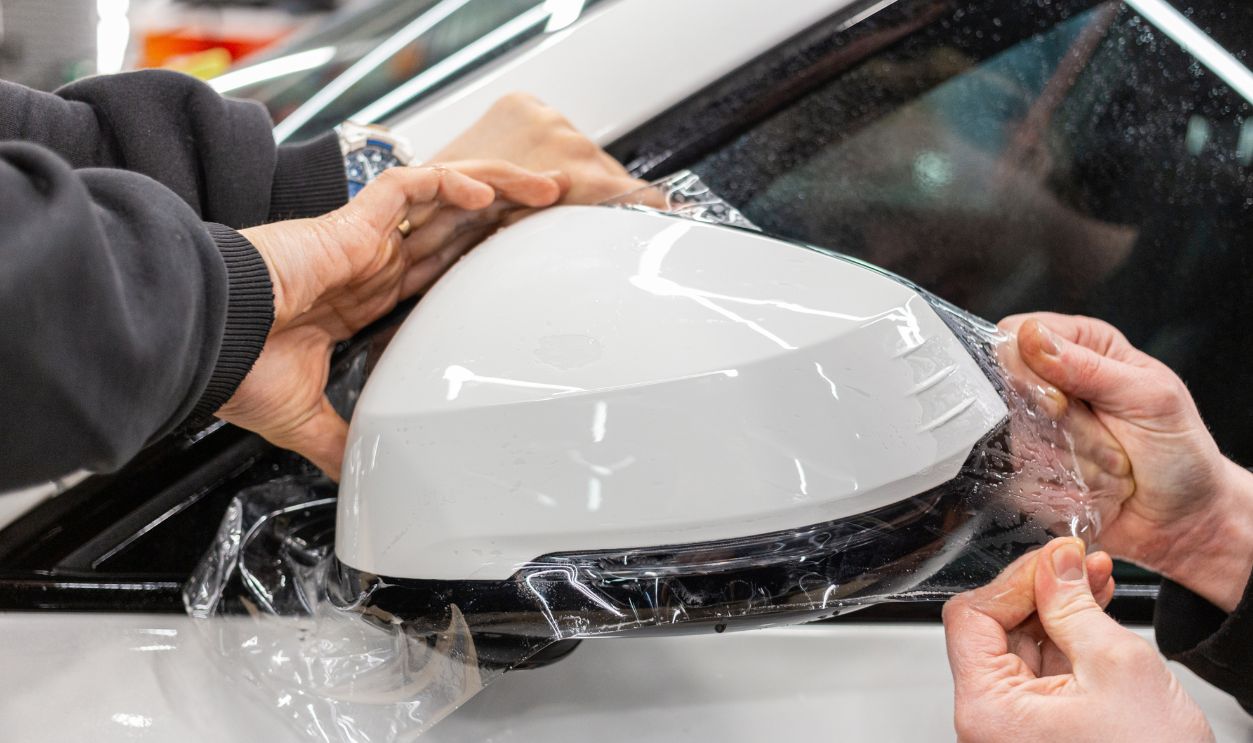
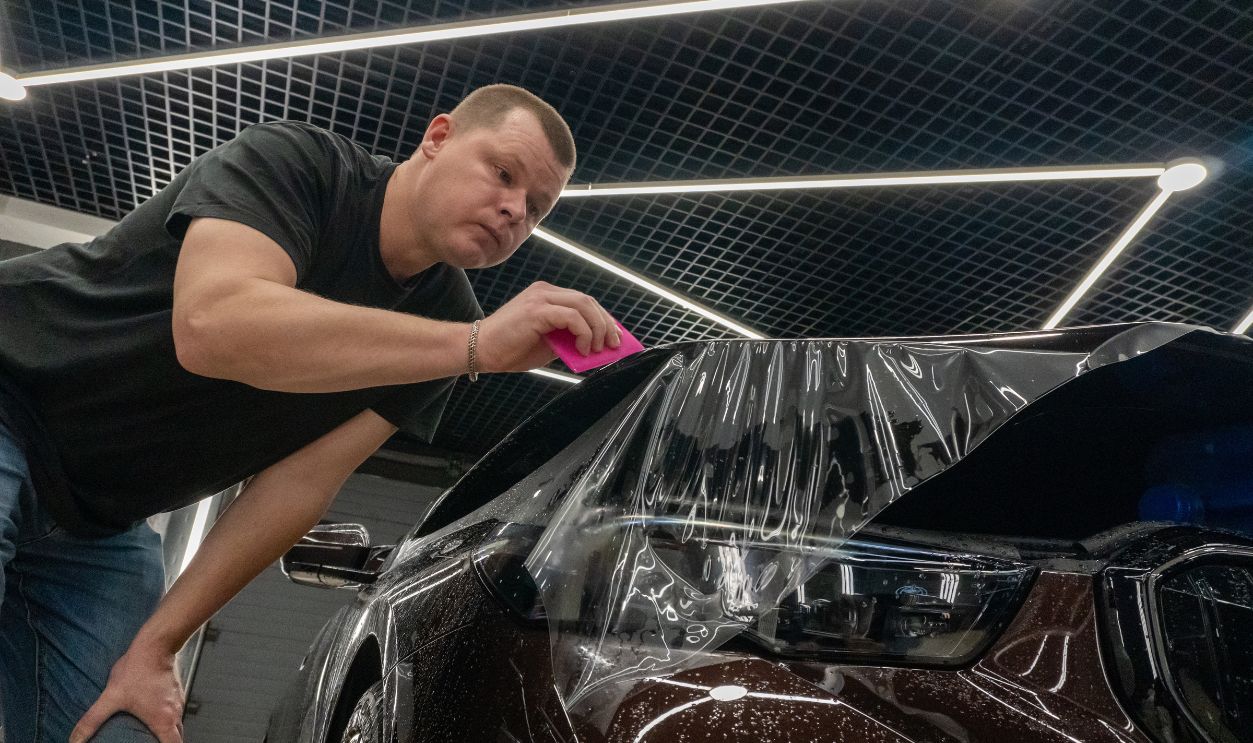
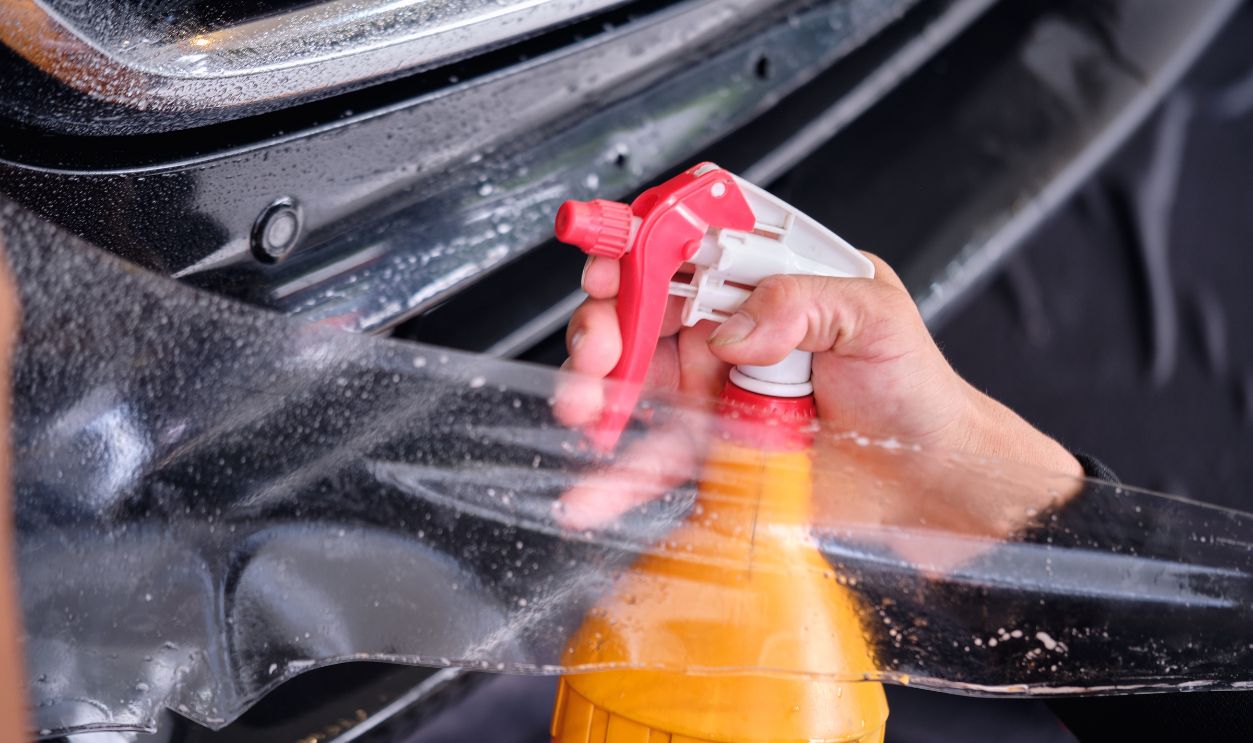
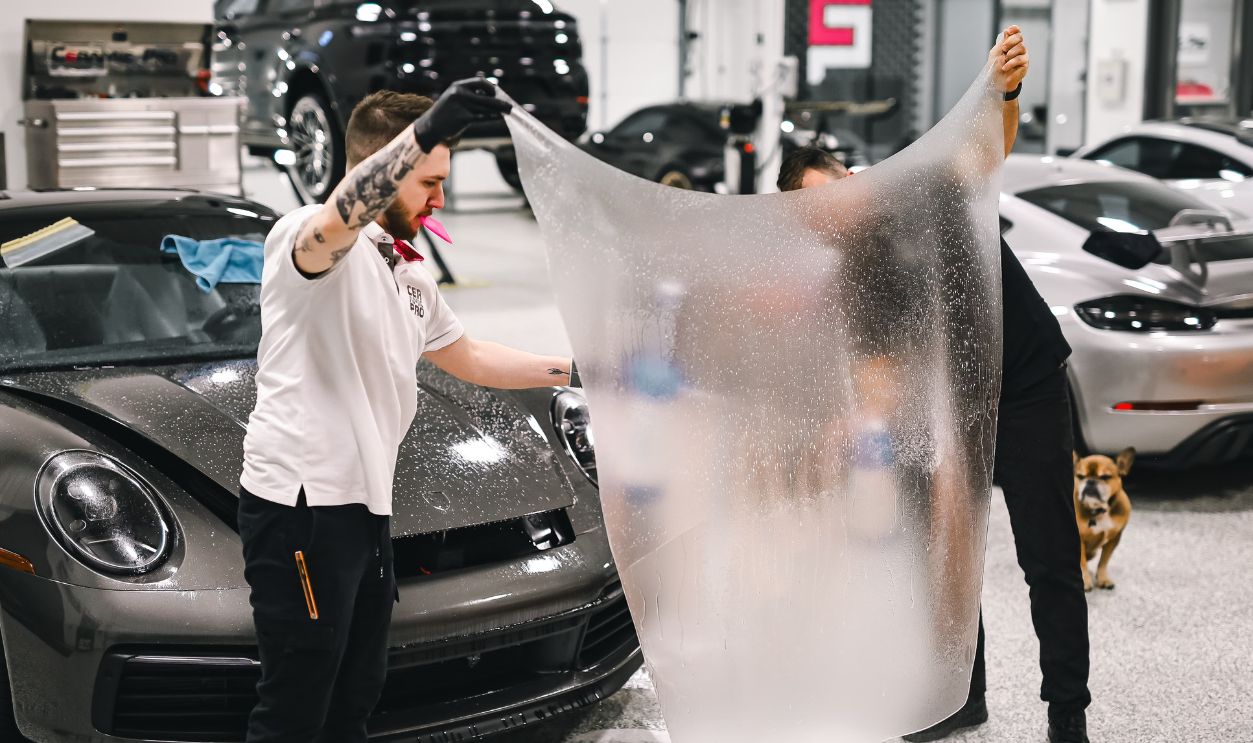
The material itself may be compatible with factory paint while poor installation creates problems. An inexperienced installer might cut film directly on the vehicle, use inappropriate chemicals, pry off trim incorrectly, stretch film excessively, or contaminate the adhesive. If you’re worried about preserving warranty arguments, choosing an experienced installer with documented procedures and its own workmanship warranty becomes especially important.
Knife Marks Can Give The Manufacturer A Stronger Argument
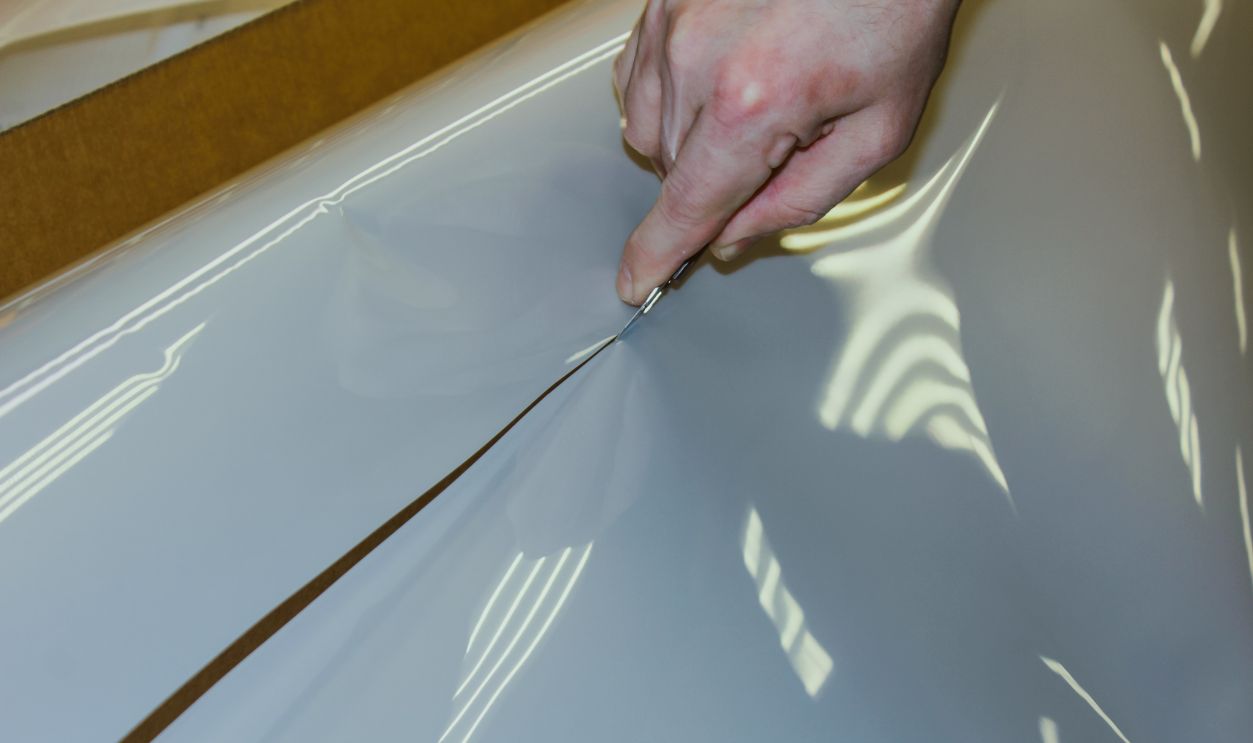
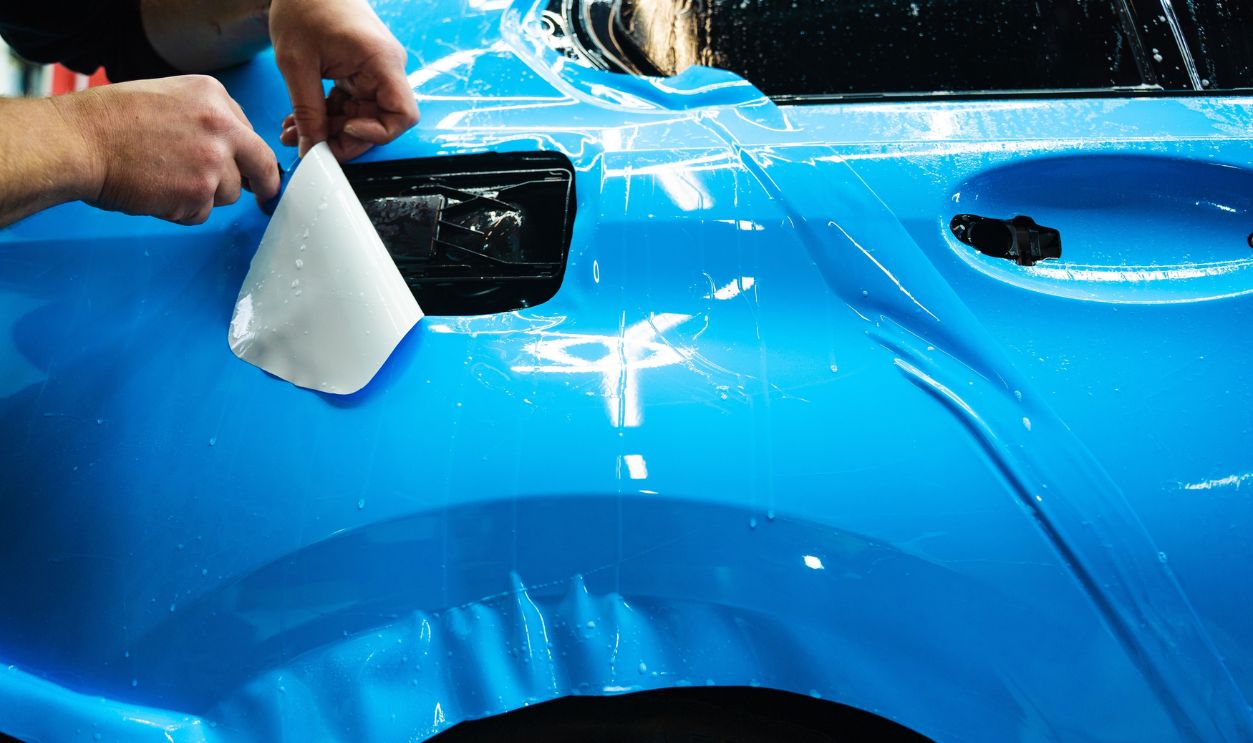
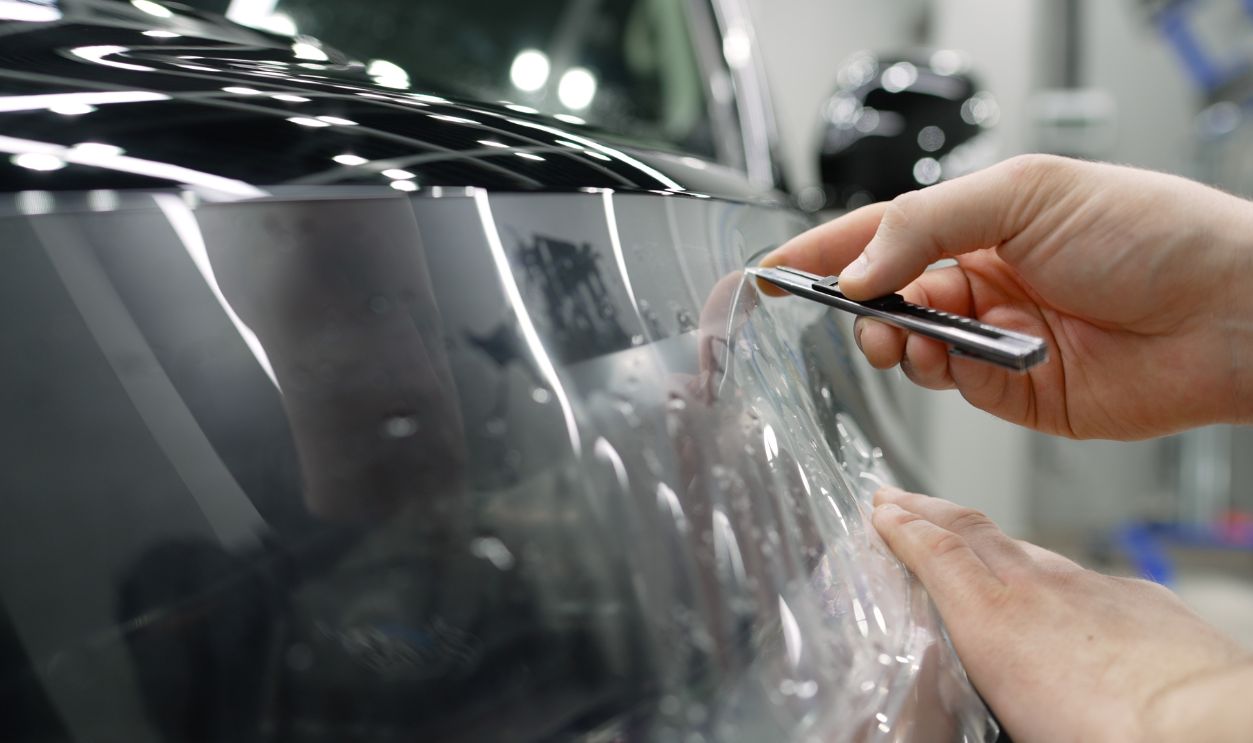
Some PPF installations require trimming near panel edges. A careless knife stroke can cut through the clear coat or paint, creating a line that may eventually become visible or allow corrosion to begin. That isn’t a paint defect caused at the factory. Before choosing an installer, ask whether it uses computerized pre-cut patterns, hand trimming, or a combination, and how it prevents blades from contacting painted surfaces.
Disassembly Creates Another Potential Risk
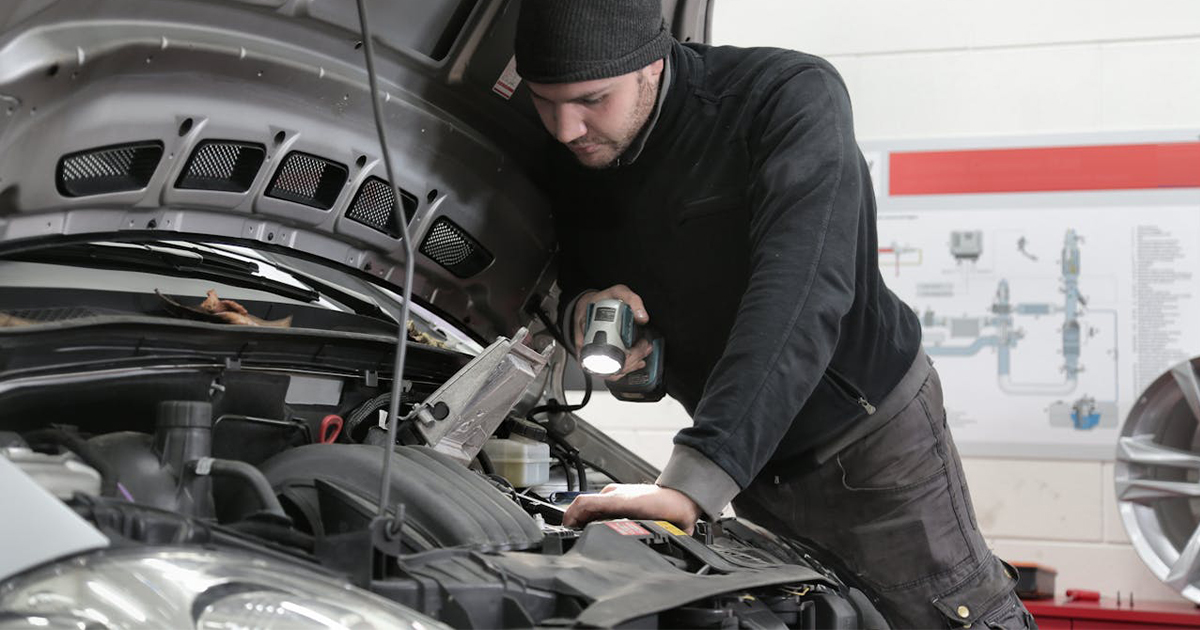
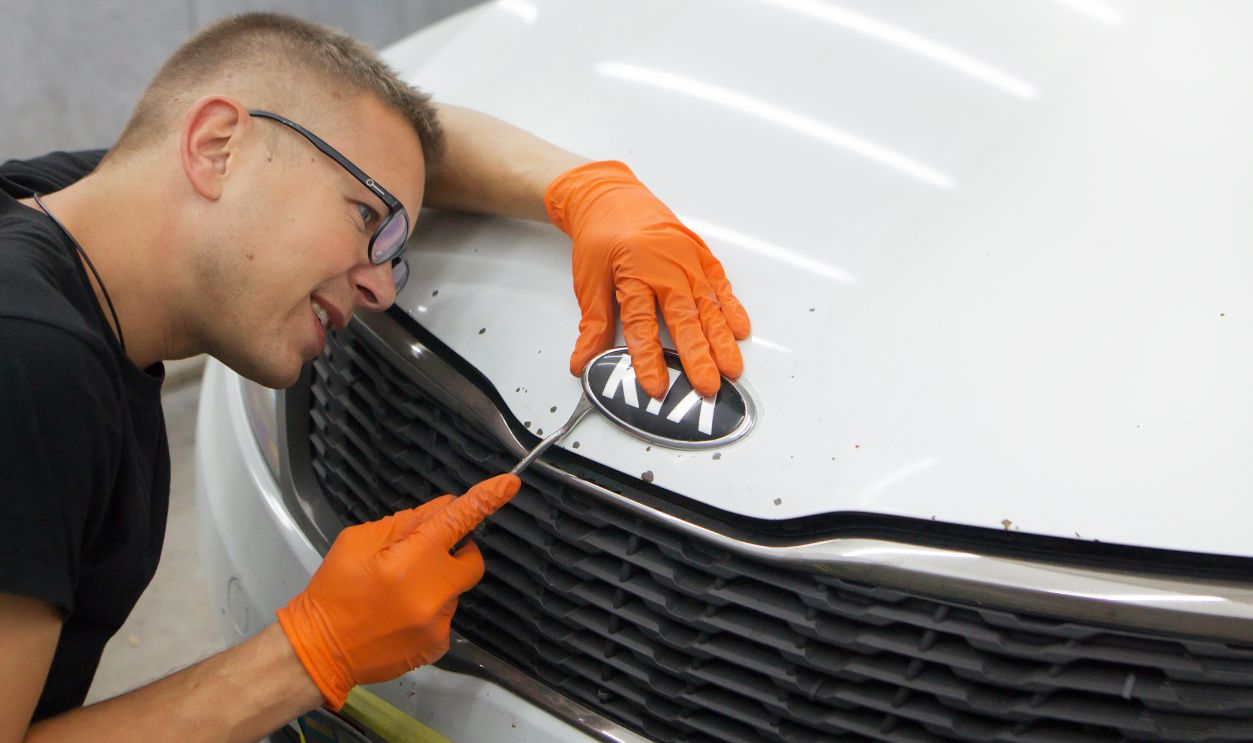
High-end installations sometimes involve removing emblems, mirrors, trim pieces, handles, or other components so the film can wrap around edges more cleanly. Done properly, this can produce an excellent result. Done badly, it can scratch paint, break fasteners, damage seals, or create alignment problems. Ask exactly what the shop plans to remove before authorizing the work and whether those operations are included in its workmanship warranty.
Repainted Panels Need Extra Caution
PPF behaves most predictably on fully cured original factory paint. A panel that has been repainted after collision work creates more uncertainty because paint preparation, curing, adhesion, and repair quality can vary. Film removal may be more likely to lift weak aftermarket paint than properly bonded factory paint. Tell the installer about every known body repair before the film goes on rather than assuming the entire vehicle still wears original paint.
 KULLAPONG PARCHERAT, Shutterstock
The Installer Should Inspect The Paint First
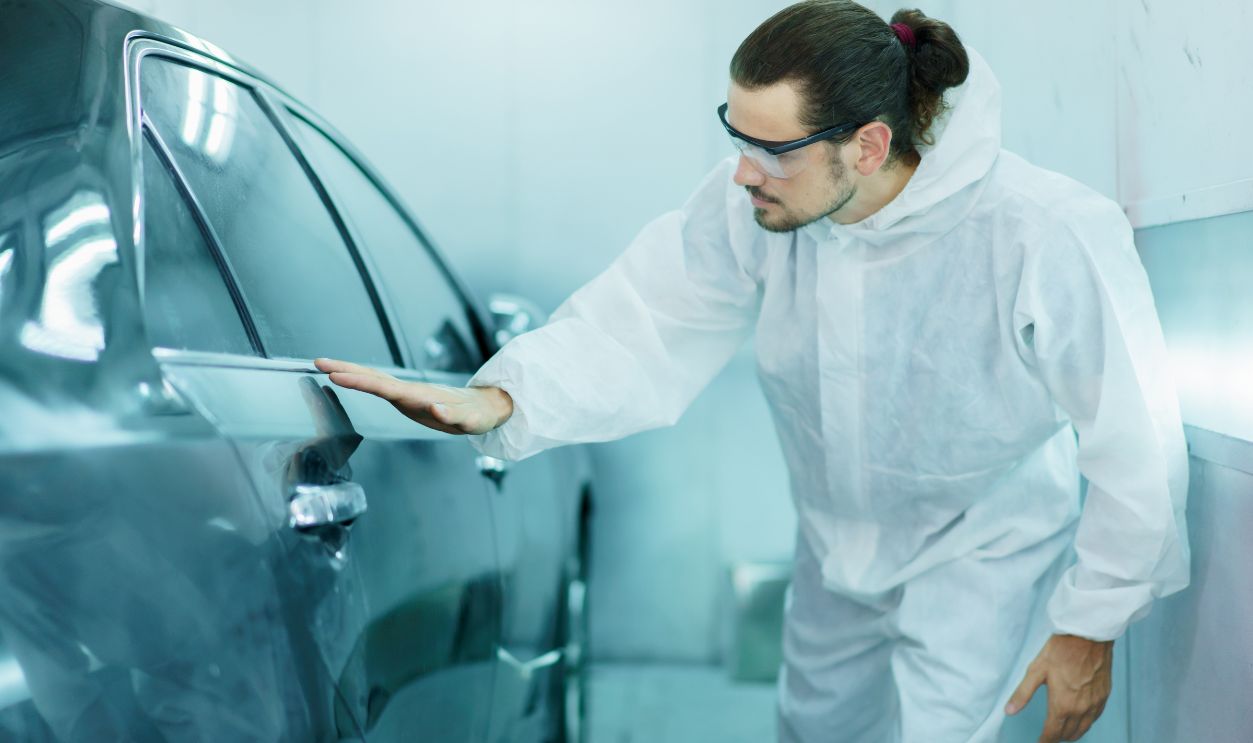
A professional shop should look for chips, peeling clear coat, previous repair work, corrosion, touch-up paint, and other defects before installation. Photograph questionable areas and make sure the work order identifies them. That protects both sides. If a paint defect later appears underneath the film, you’ll have evidence showing whether it existed before the PPF was installed.

Keep The PPF Invoice And Product Information
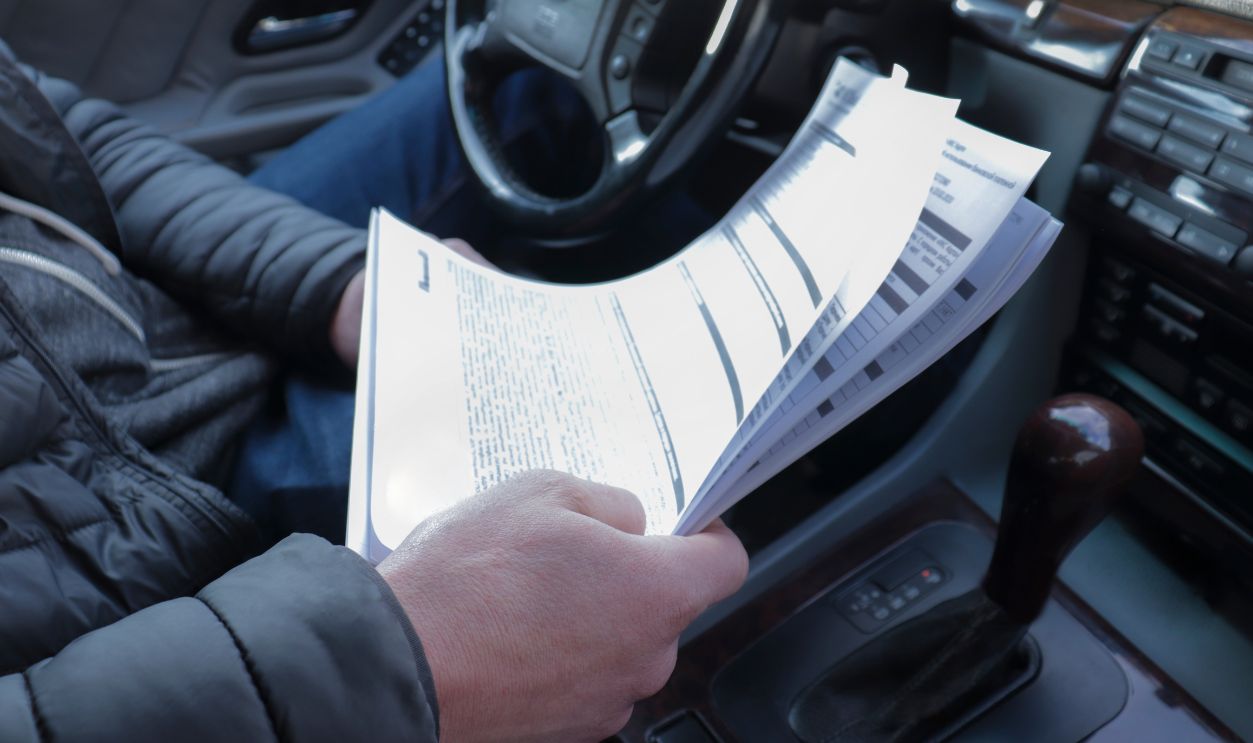
Save the invoice showing the exact film manufacturer, product line, installation date, panels covered, and installer. Keep the film warranty as well. If a paint-warranty dispute occurs three years later, being able to identify exactly what was placed on the vehicle is far more useful than saying, “Some shop installed clear film when the car was new.”
 Natallia Ustsinava, Shutterstock
Ask About The Film Manufacturer’s Warranty Too
The automaker isn’t the only company potentially responsible if something goes wrong. PPF manufacturers commonly warrant their own products against specified defects such as yellowing, bubbling, cracking, or delamination, while installers may separately warranty workmanship. Read both sets of terms. If the film itself fails, the correct claim may belong with the film company or installer rather than the vehicle manufacturer.
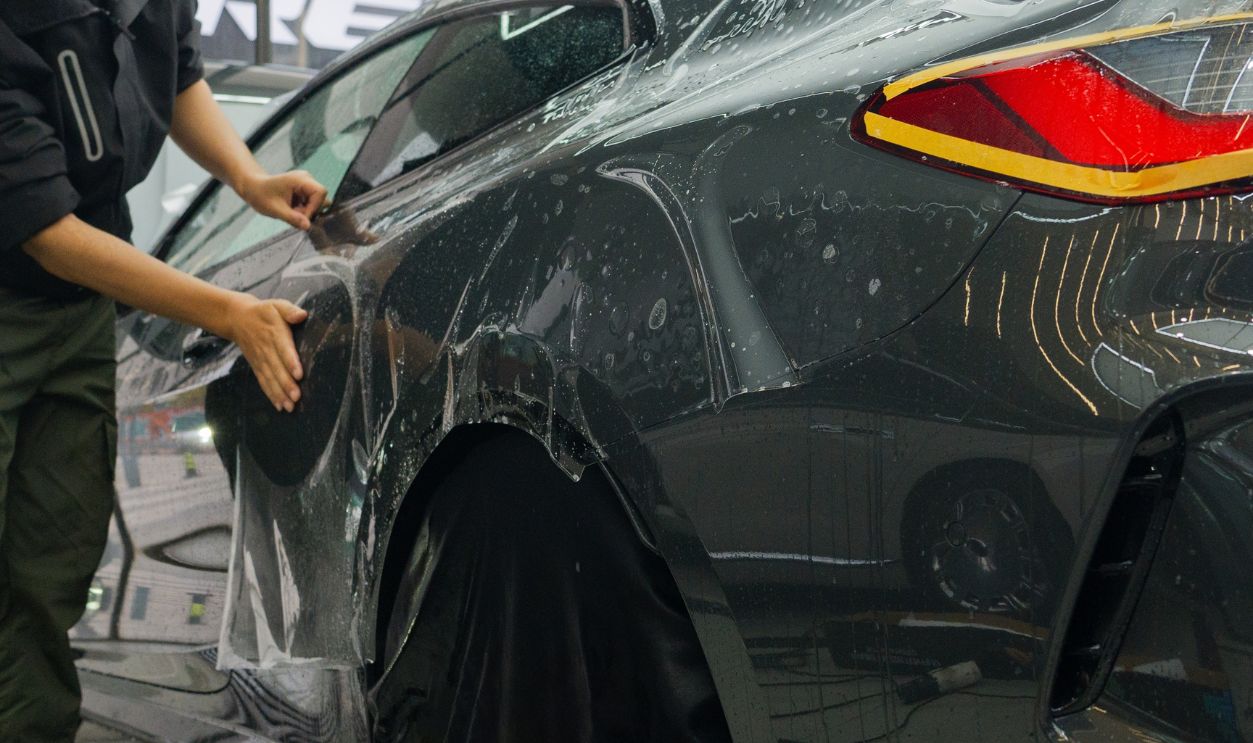
Film Warranties Don’t Necessarily Cover Damaged Paint
Don’t assume the PPF company automatically pays if factory paint comes off during removal. Warranty exclusions vary significantly. 3M, for example, states in certain film warranty materials that coverage doesn’t include paint pull during removal. Ask the installer directly who assumes responsibility if properly installed film later damages otherwise original paint, and get any promise in writing.
 Potashev Aleksandr, Shutterstock
Removal Technique Matters
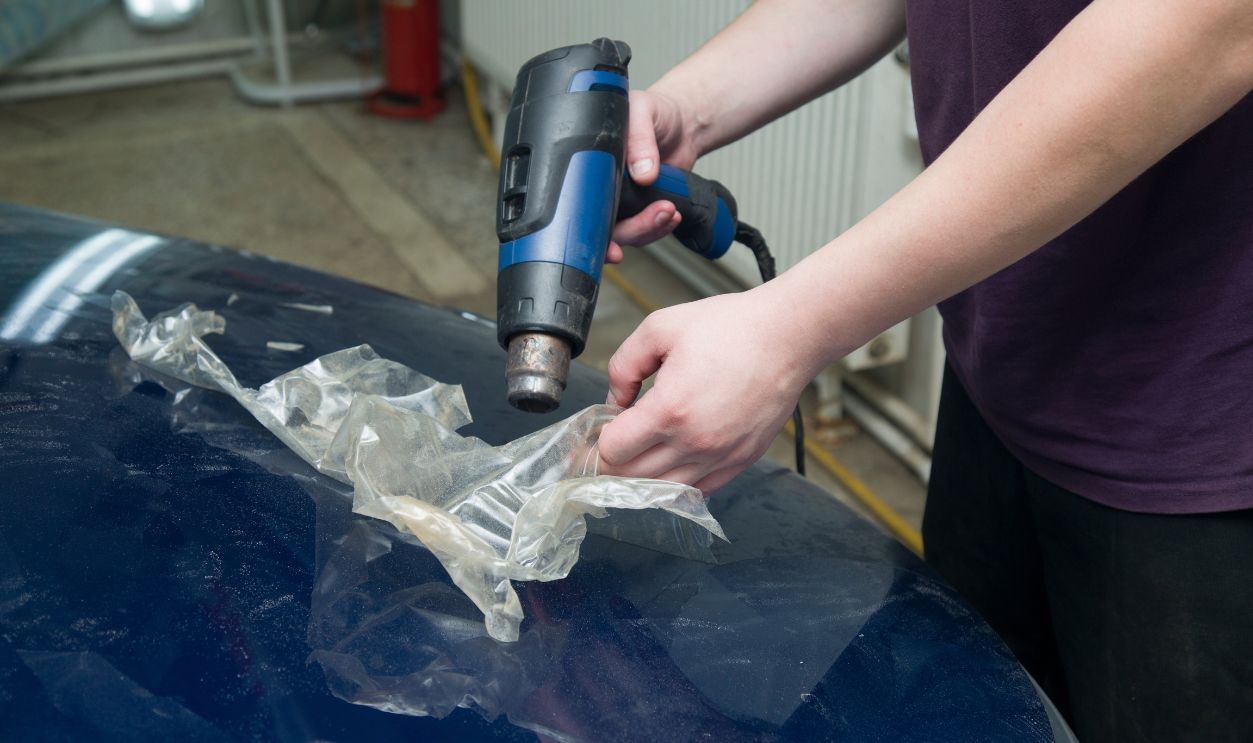
Well-installed PPF is designed to be removable, but technique, film age, heat, paint condition, and previous refinishing can all affect the process. Don’t attack old film with a heat gun and scraper in the driveway shortly before submitting a paint claim. If film has to come off for inspection or repair, have an experienced professional remove it and document the process.
Don’t Remove Evidence Before A Warranty Inspection
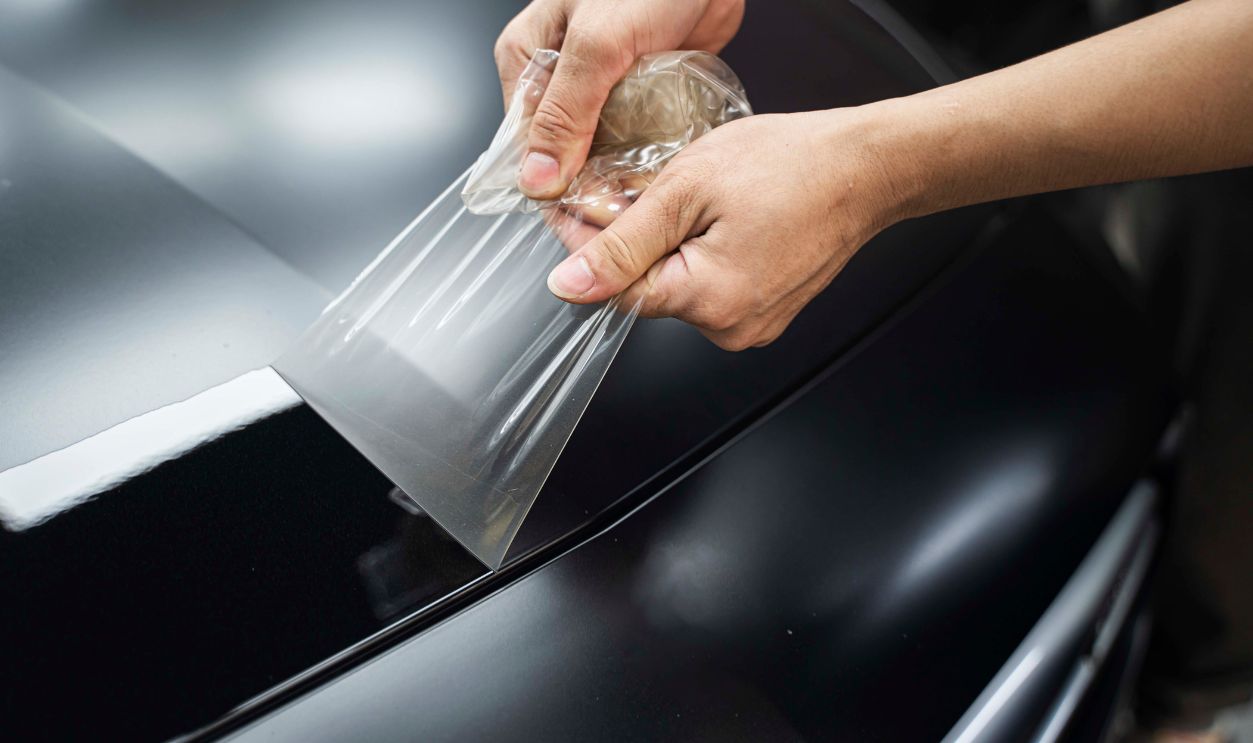
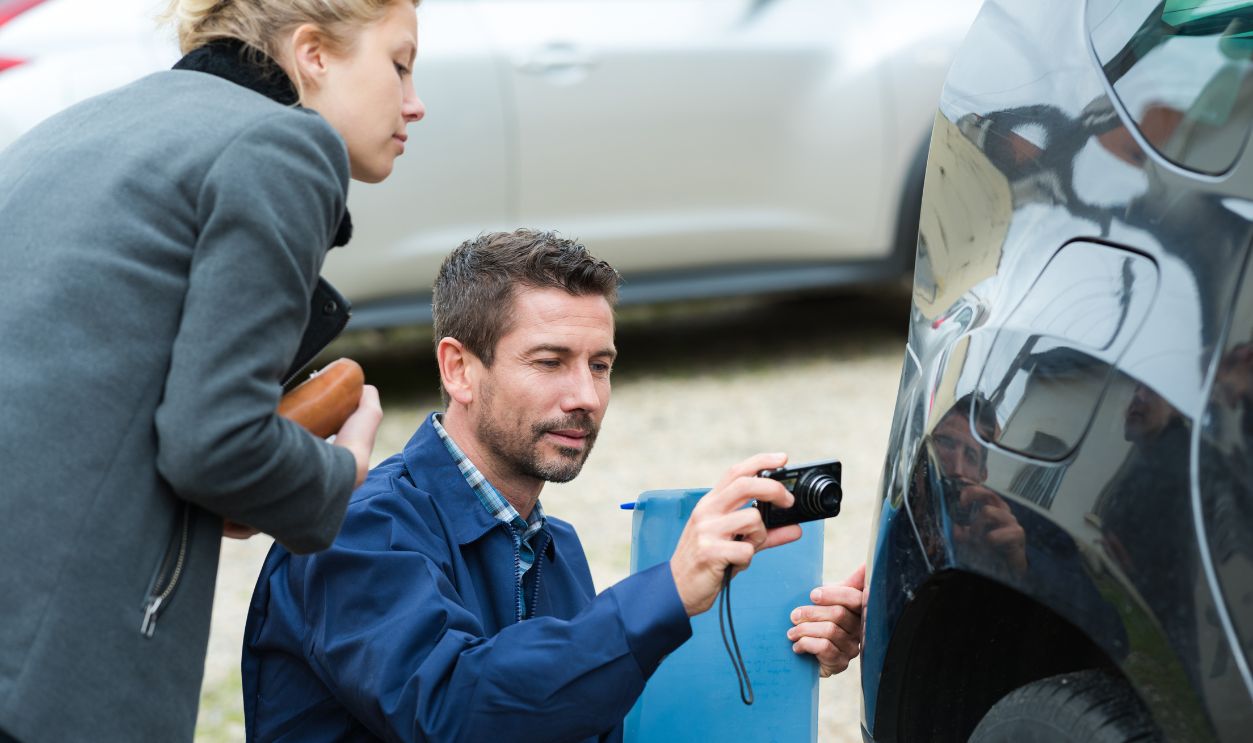
If bubbling paint, clear-coat failure, corrosion, or another defect appears beneath the PPF, photograph it before anyone strips the panel. Contact the dealer and film installer first. Ideally, both should see the condition while the film remains in place. Removing everything before the manufacturer examines it can make causation harder to establish and give both sides more opportunities to blame whoever touched the vehicle last.
Ask For A Warranty Denial In Writing
If a dealer actually refuses paint coverage, ask for a written decision identifying the specific defect, warranty provision, and reason coverage is being denied. “Aftermarket film installed” isn’t particularly informative. You want to know whether the manufacturer believes adhesive damaged the paint, installation scratched the panel, removal lifted the finish, moisture caused corrosion, or something else specifically happened.

Then Ask Them To Explain The Causal Link
This is the most important follow-up. How did the PPF cause this particular problem? If clear coat is peeling under the film because of an alleged factory adhesion problem, ask what evidence shows the film caused that failure. If there are obvious knife cuts running along the film edge, the dealer’s argument becomes much stronger. A useful warranty decision should connect the modification to the defect rather than merely noticing that both exist on the same panel.
An Unrelated Factory Defect Is Still An Unrelated Factory Defect
Imagine PPF covers the hood but paint begins peeling around a factory-painted door hinge nowhere near the film. The fact that the car has aftermarket PPF elsewhere doesn’t logically explain that failure. Similarly, the existence of PPF on one panel shouldn’t automatically excuse unrelated defects throughout the exterior. Keep each alleged problem tied to the panel, cause, and warranty provision actually involved.
Escalate Beyond One Dealership If Necessary
The dealership service adviser doesn’t write the manufacturer’s warranty law. If you believe a claim has been improperly denied, contact the automaker’s customer-care department and ask for a formal review. Another franchised dealership may also be willing to inspect the vehicle. Provide photographs, installation records, film information, and the written denial rather than restarting the entire story verbally every time.

Bring The PPF Installer Into The Discussion
A reputable installer should be willing to inspect the paint and respond if the dealership claims the installation caused damage. Ask for its findings in writing. If the shop believes the defect originated in the factory finish, it may be able to explain why. If the installer discovers that its own workmanship actually caused the damage, that’s exactly what its liability or workmanship protections should address.

Federal Warranty Law Gives You Something To Push Back With
The Magnuson-Moss Warranty Act restricts companies from conditioning warranty coverage on the use of specified branded parts or services, subject to limited exceptions. The FTC has repeatedly reinforced that using third-party parts or independent service doesn’t, by itself, allow a company to wipe out warranty protection. Manufacturers can still exclude damage caused by those products or services, which is why getting the dealer to identify actual causation is so important.
 Sergei Gontsarov, Shutterstock
Protecting The Paint Shouldn’t Automatically Cost You Its Warranty
Aftermarket PPF isn’t an automatic warranty eraser. A manufacturer can reasonably refuse to repair paint that an installer scratched, altered, pulled off, or otherwise damaged, but that’s different from declaring factory paint coverage gone simply because protective film exists. Before installation, read the warranty and choose a reputable shop. If a claim arises later, preserve the evidence, demand the denial and reasoning in writing, and make everyone distinguish a genuine factory defect from damage actually caused by the film.
You May Also Like:
My mechanic says cheap aftermarket parts are why repairs fail. Is OEM always worth it?