The Cheap Part Trap Feels Real For A Reason
If you have ever picked up your car after a repeat repair, you know how fast “saving money” can turn into paying twice. Mechanics often complain about cheap aftermarket parts because fit, material quality, and consistency can vary a lot from one brand to another. But “aftermarket” is a huge category, and the facts show OEM is not automatically the best buy every time.
First, Know What OEM Actually Means
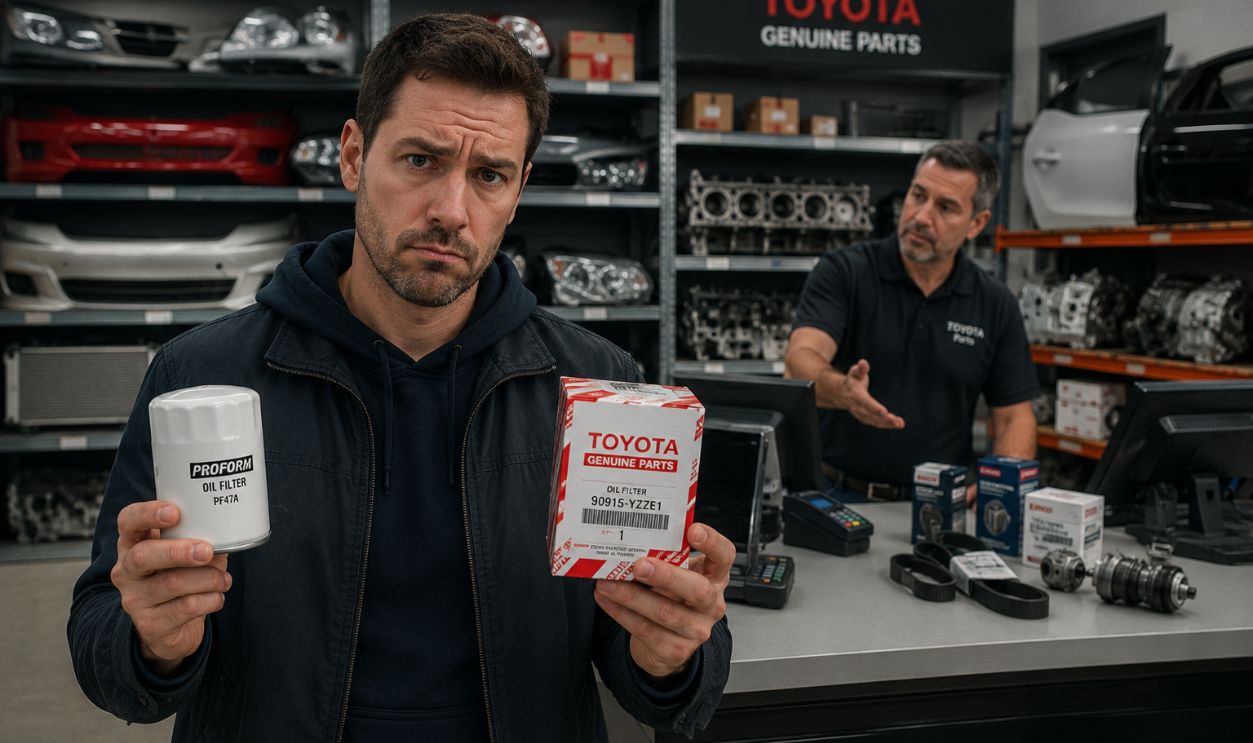
OEM stands for original equipment manufacturer. In simple terms, that usually means a part made to the automaker’s specs for that vehicle. OEM parts are sold through the brand’s dealer network and are meant to match the original design, dimensions, and performance targets. That does not mean the automaker made the part itself, since many car companies buy components from outside suppliers.
Aftermarket Is Not One Thing
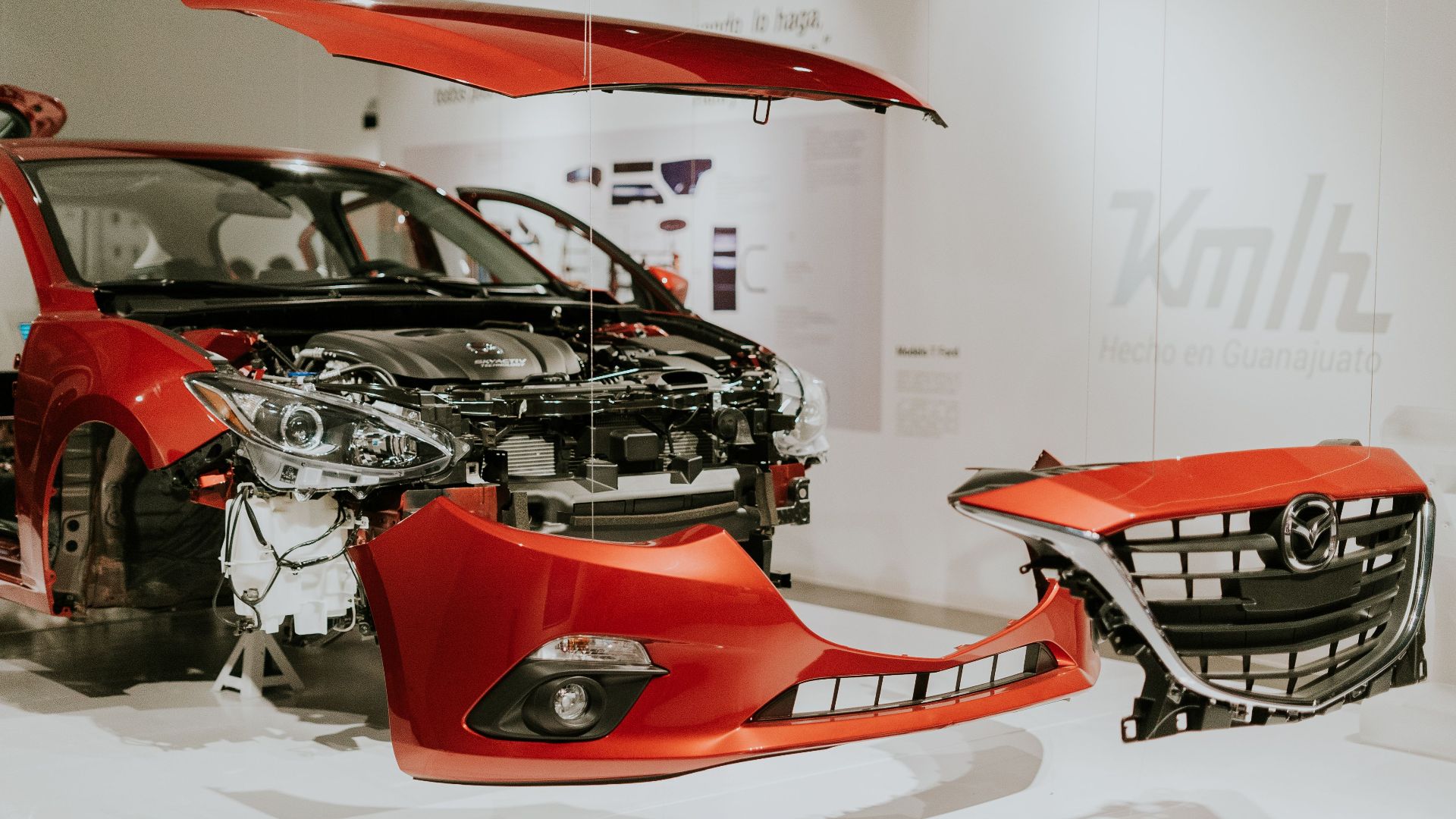
Aftermarket parts can be anything from high-quality replacements made by trusted suppliers to bargain parts with shaky quality control. The Auto Care Association describes the aftermarket as the industry for replacement parts, accessories, and services sold after the original sale of a vehicle. So when a mechanic warns you about “aftermarket,” that could mean anything from a well-made brake pad to a mystery sensor from an online seller.
Why Mechanics Complain About Cheap Parts
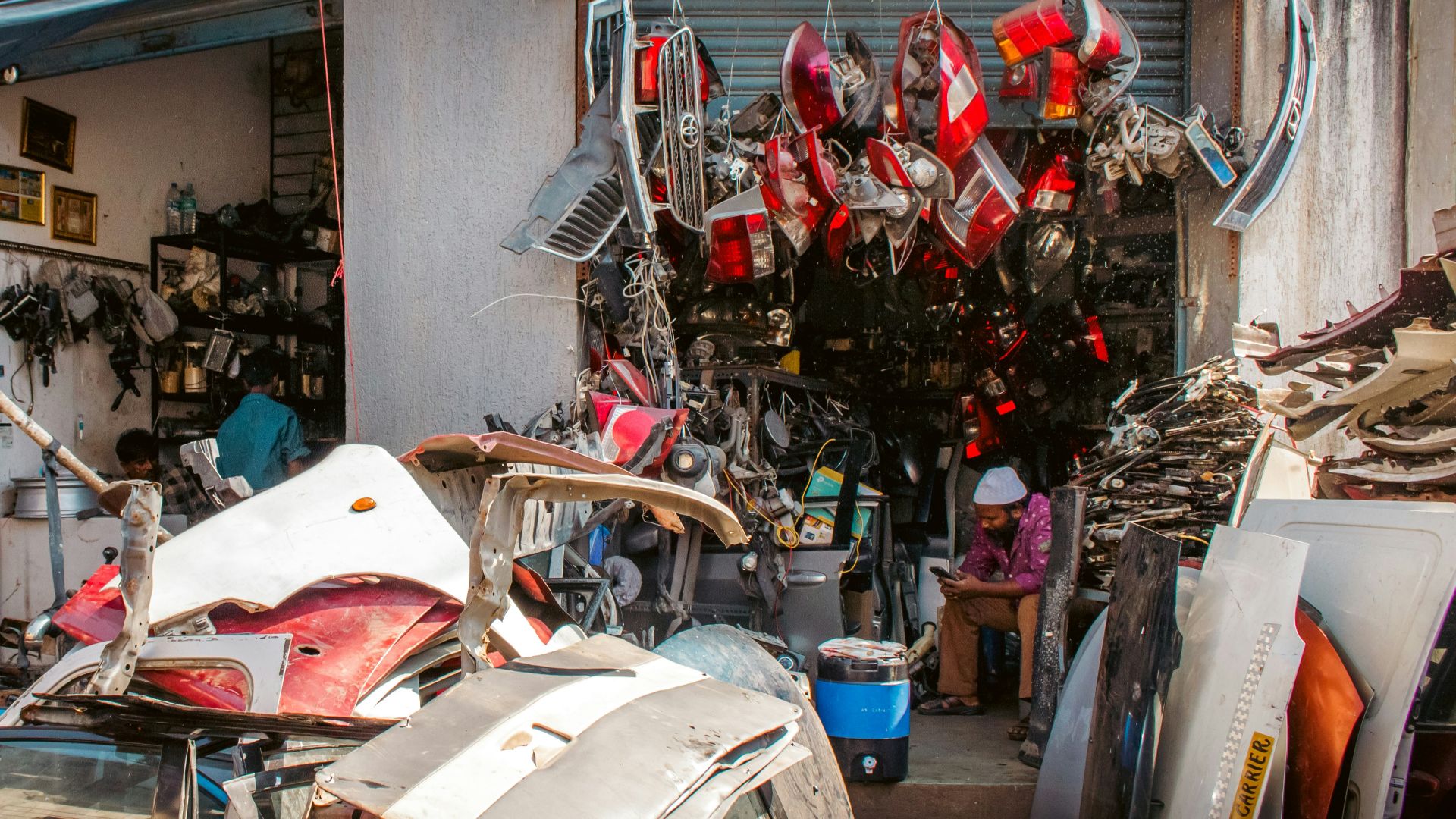
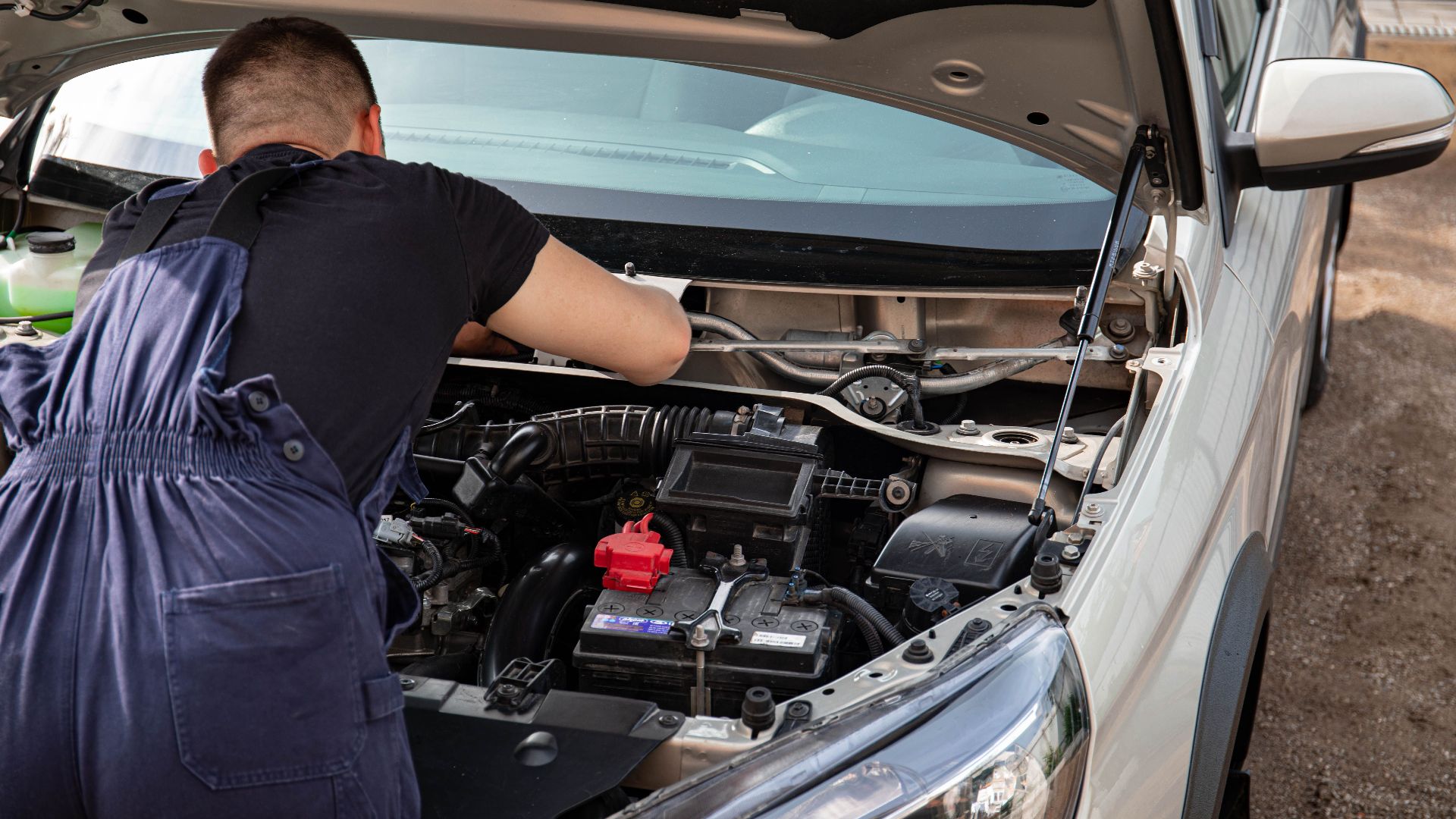
Most of the frustration comes down to comebacks. A part that fits badly, fails early, or turns on a warning light can force the shop to do the job again. That costs time, money, and patience. For a mechanic, the cheapest part can turn into the most expensive one if it brings the car right back into the bay.
Fitment Is Where Trouble Often Starts
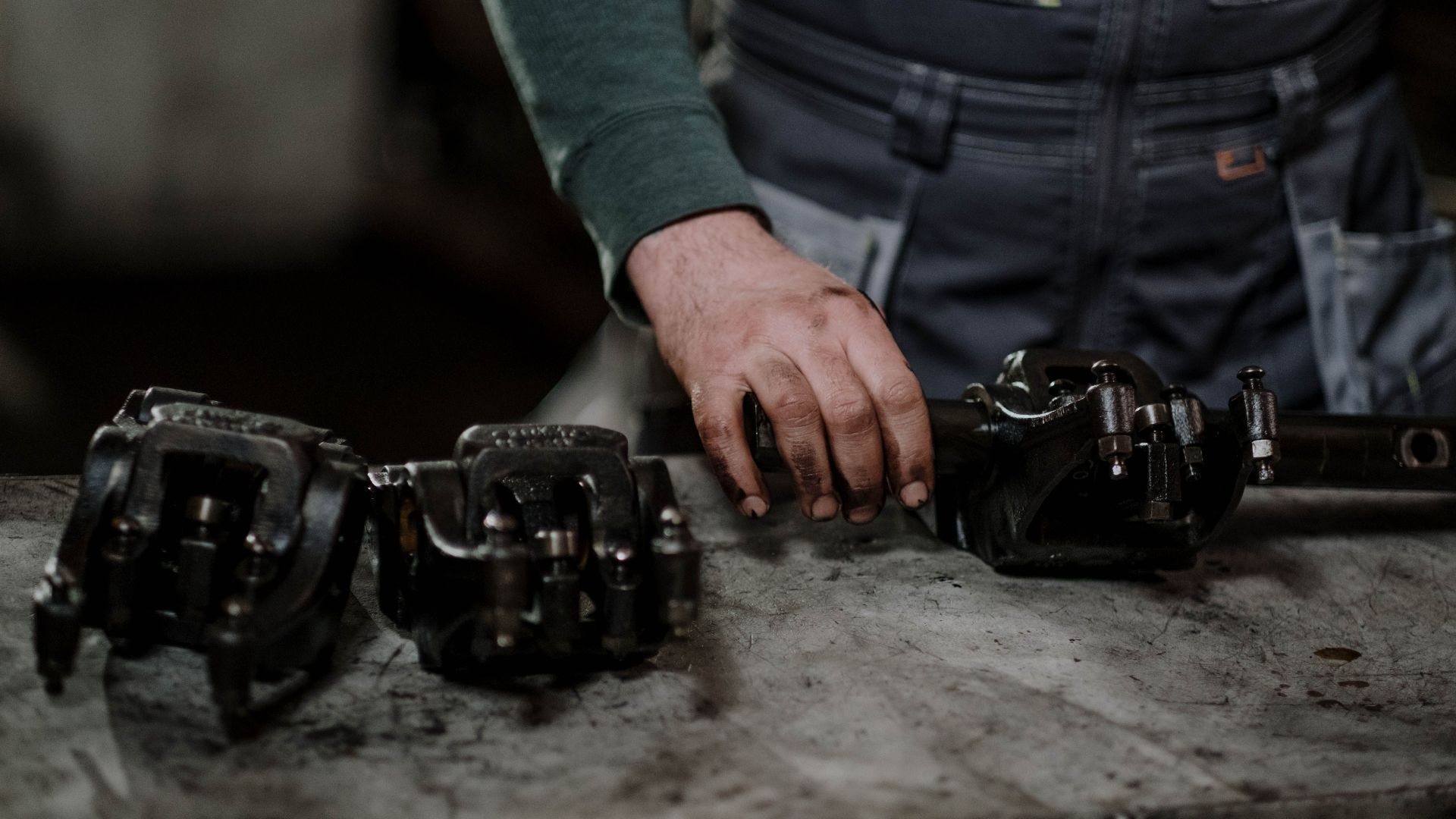
Two parts can look almost identical and still cause problems because of tiny differences in dimensions, connectors, mounting points, or software calibration. This is especially true for sensors, electronics, and more complex assemblies. Consumer Reports has noted that replacement parts can vary in quality and compatibility, and that matters even more as cars get more complicated.
Crash Parts Sparked A Big Quality Debate
One of the clearest examples of OEM versus aftermarket concerns came from collision repair. In a 2010 test funded by the Insurance Institute for Highway Safety, a 2009 model repaired with imitation parts performed worse in a low-speed crash than the same model repaired with original manufacturer parts. That did not prove all aftermarket parts are bad, but it showed how poorly matching structural or cosmetic parts can affect protection and repair results.
 Insurance Institute for Highway Safety, Wikimedia Commons
CAPA Entered The Picture To Tackle That Problem
The Certified Automotive Parts Association, founded in 1987, was created to test and certify certain non-OEM crash parts. Its goal was simple: make sure replacement parts meet standards for fit, material, construction, and corrosion resistance. The fact that CAPA exists is a sign that quality differences in the aftermarket have been a serious issue for decades.
 Harrison Keely, Wikimedia Commons
Certification Matters More Than The Label
If you are shopping outside the dealer parts counter, certification can tell you more than broad assumptions. CAPA certification covers specific categories like sheet metal, lighting, and plastic parts, giving buyers a way to avoid the roughest end of the market. That still does not mean every certified part is equal to OEM in every case, but it is far better than picking the lowest price and hoping for the best.
 Matti Blume, Wikimedia Commons
Brakes Are A Great Example Of Good And Bad Aftermarket
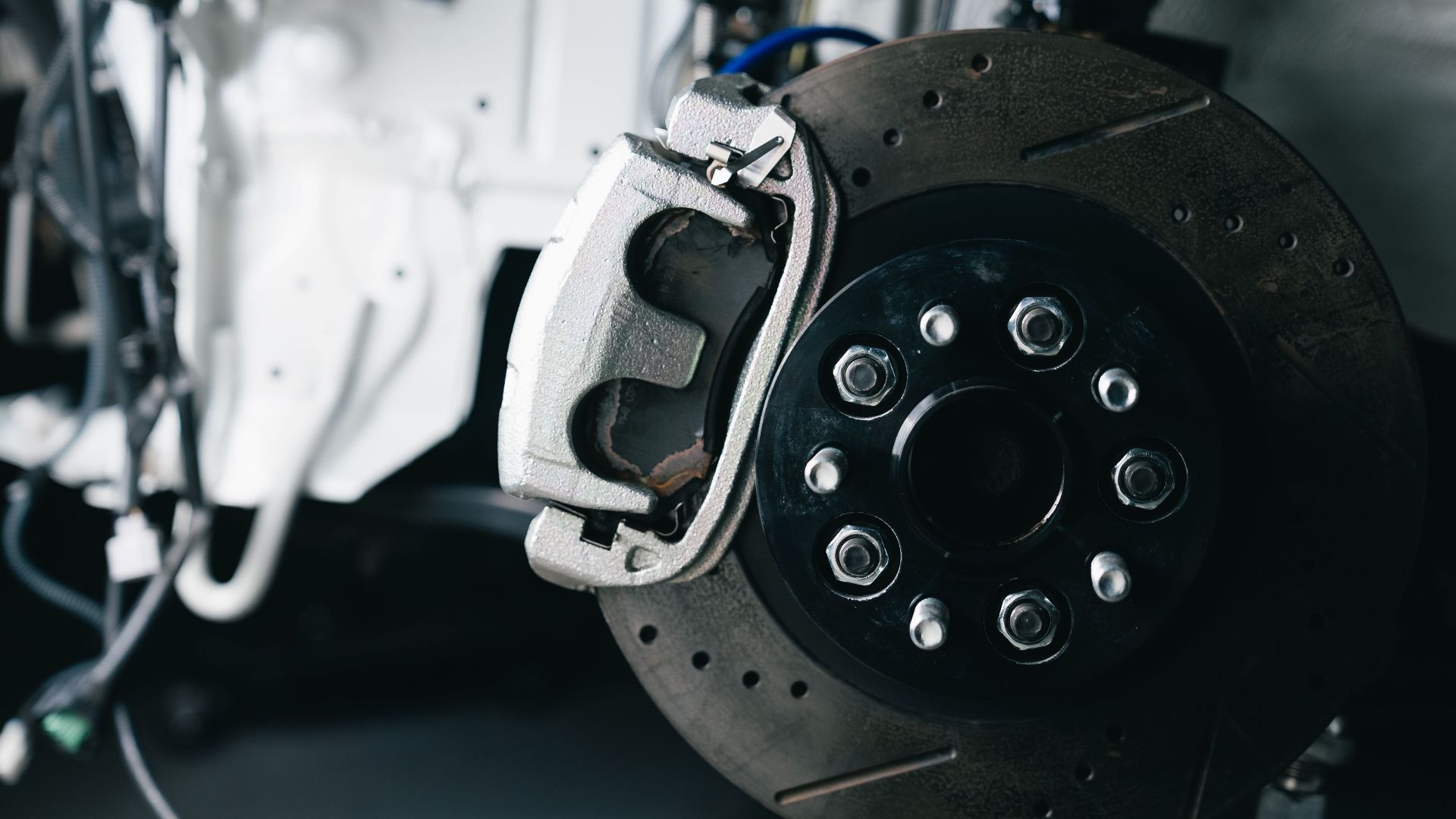
Brake pads and rotors show how messy this topic can get. Well-known aftermarket brake makers may offer compounds tuned for less dust, less noise, longer life, towing, or performance, sometimes giving drivers options the factory never did. At the same time, poor-quality pads can wear out fast, squeal, or stop less consistently. That is why mechanics often recommend trusted brands instead of the cheapest listing online.
Some OEM Parts Are Made By The Same Suppliers
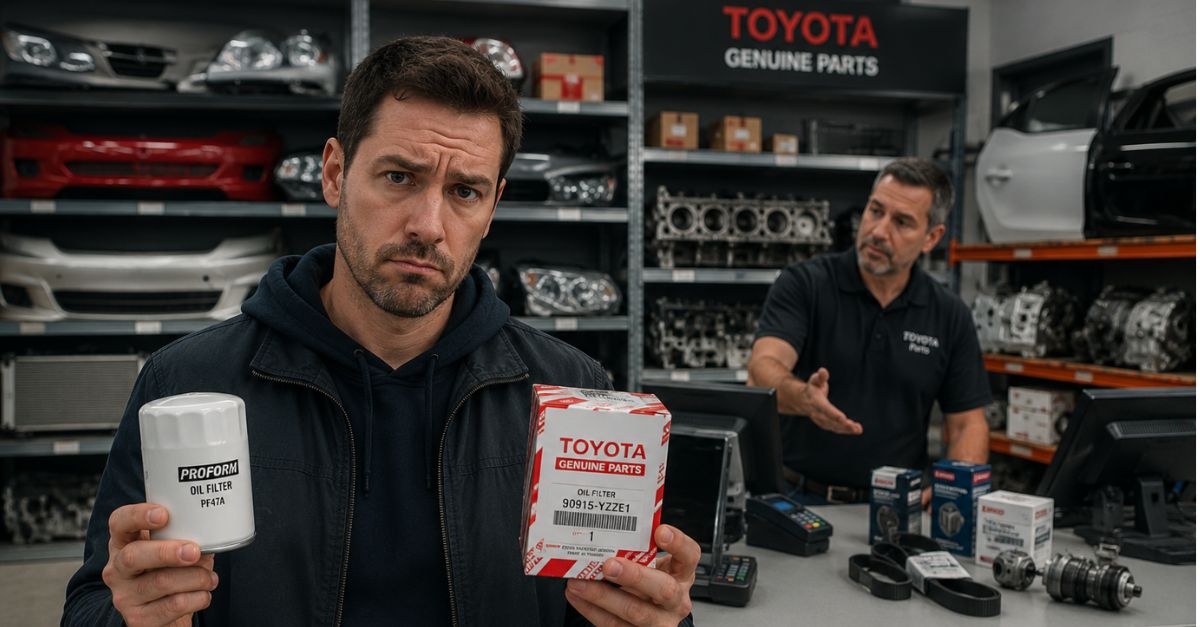
Here is the part many drivers never hear at the counter. An OEM part may be made by a supplier such as Denso, Bosch, Aisin, NGK, or ZF, and a similar or even identical part may later be sold in that supplier’s own box. That means some premium aftermarket parts come from the same companies that supplied the original vehicle, even if the branding and packaging are different.
But Same Supplier Does Not Always Mean Same Part
This is where assumptions can get expensive. A supplier may make one version to an automaker’s exact original spec and another version for the wider aftermarket at a different price point. Unless you can confirm the part number, design revision, and source, “same manufacturer” does not prove two parts are truly identical.
Electronics Are Where OEM Often Earns Its Price
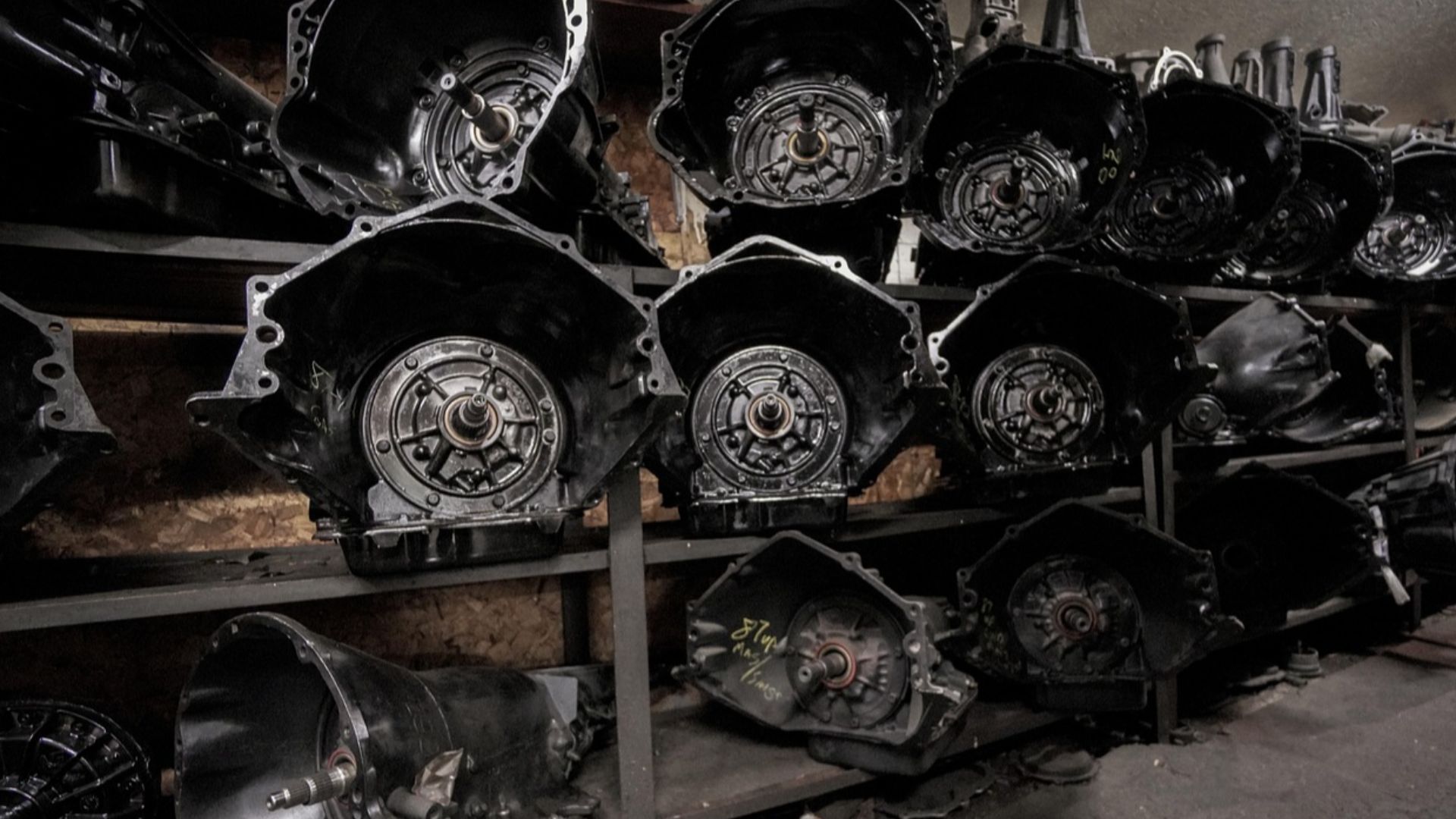
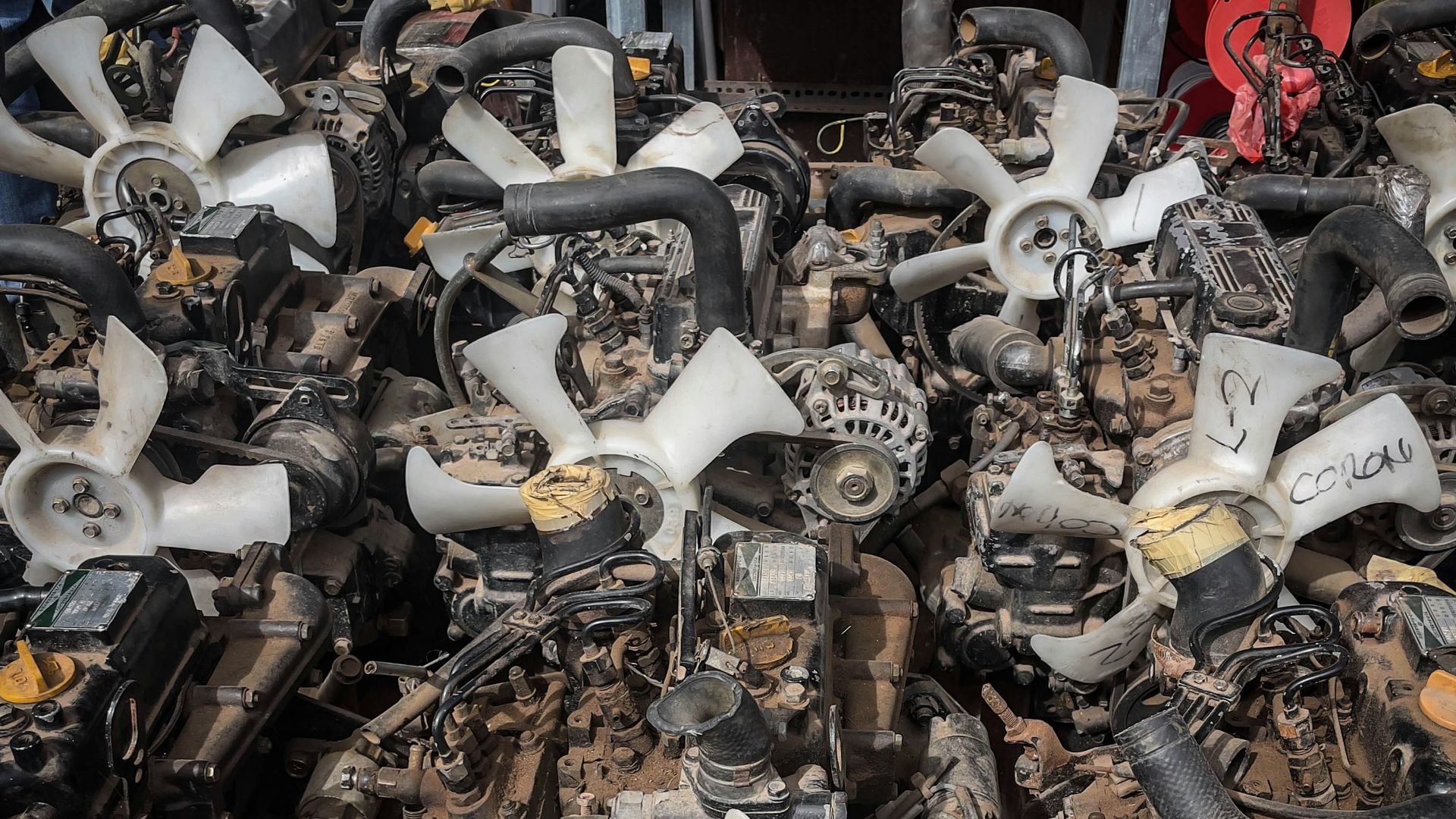
Modern cars depend on tightly calibrated sensors, modules, cameras, and software-linked components. For parts like mass airflow sensors, crank sensors, transmission solenoids, and ADAS-related hardware, small differences can trigger drivability issues or warning lights. This is one area where many technicians strongly prefer OEM or a known original supplier because diagnostics and repeat labor can wipe out any savings fast.
Safety Systems Leave Little Room For Guesswork
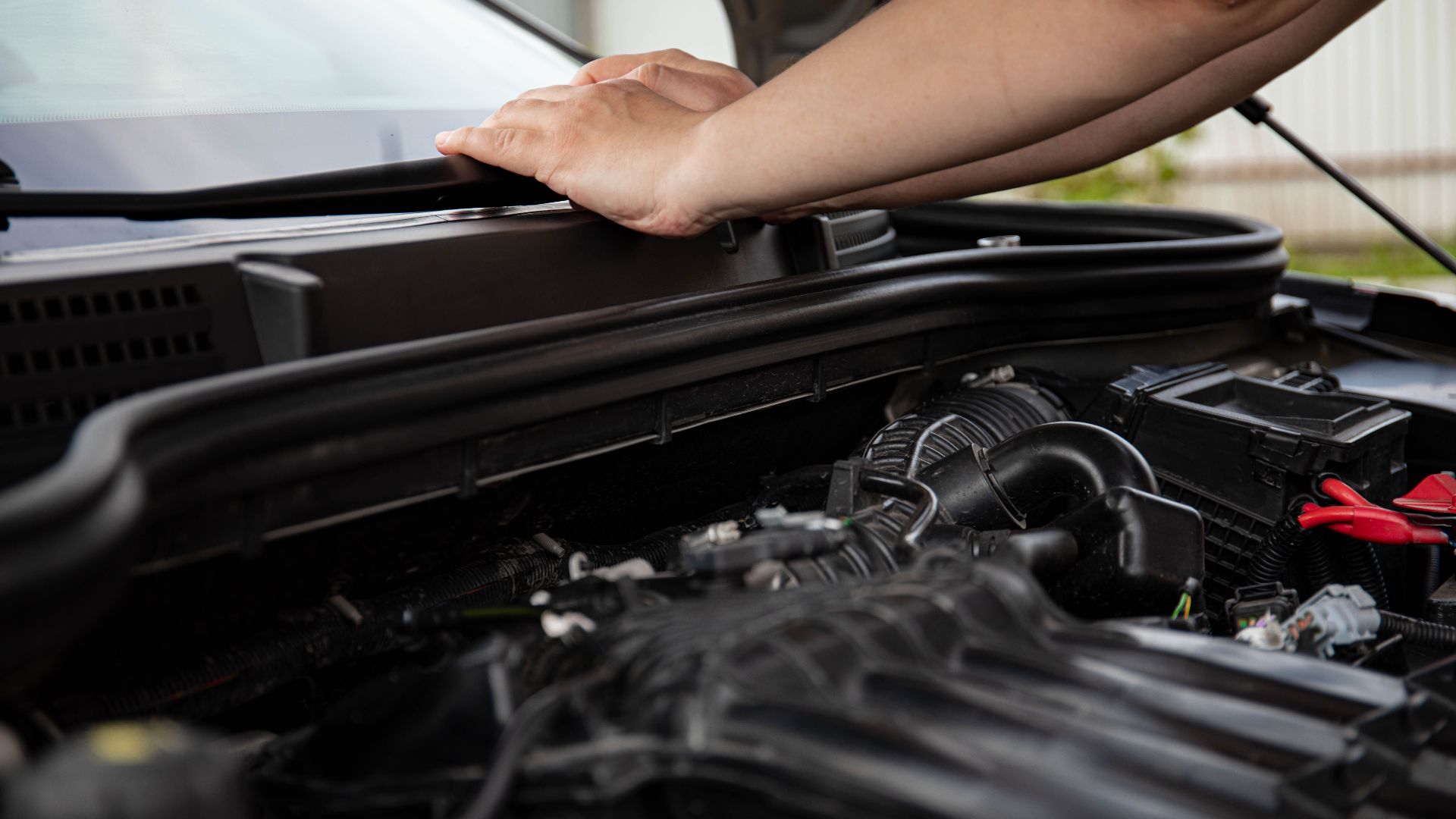
Airbag components, seat belt pretensioners, radar sensors, and braking system electronics should not be treated like generic parts. Vehicle manufacturers and safety groups have repeatedly stressed proper repair procedures and correct replacement components for crash-related systems. If a part affects crash performance or active safety, OEM is often the safer and more sensible pick.
 Paul Sableman, Wikimedia Commons
Body Panels And Lighting Need More Than A Good Price
A fender that needs extra work to line up or a headlamp that does not seal properly can make a bargain look bad in a hurry. Poor panel fit can affect gaps, corrosion resistance, and the time needed to finish a repair. Lighting is also getting more complicated, especially with LED units and adaptive systems, which makes quality and compatibility even more important.

Filters, Belts, And Fluids Are Usually A Different Story
Many routine maintenance items do not require dealer-only shopping. Quality filters, belts, spark plugs, batteries, and fluids from reputable brands often perform just as well as OEM when they meet the right specs. The key is not buying “aftermarket” as a category. The key is buying the right spec from a brand with a strong track record.
Tires Prove OEM Is Not Automatically Best
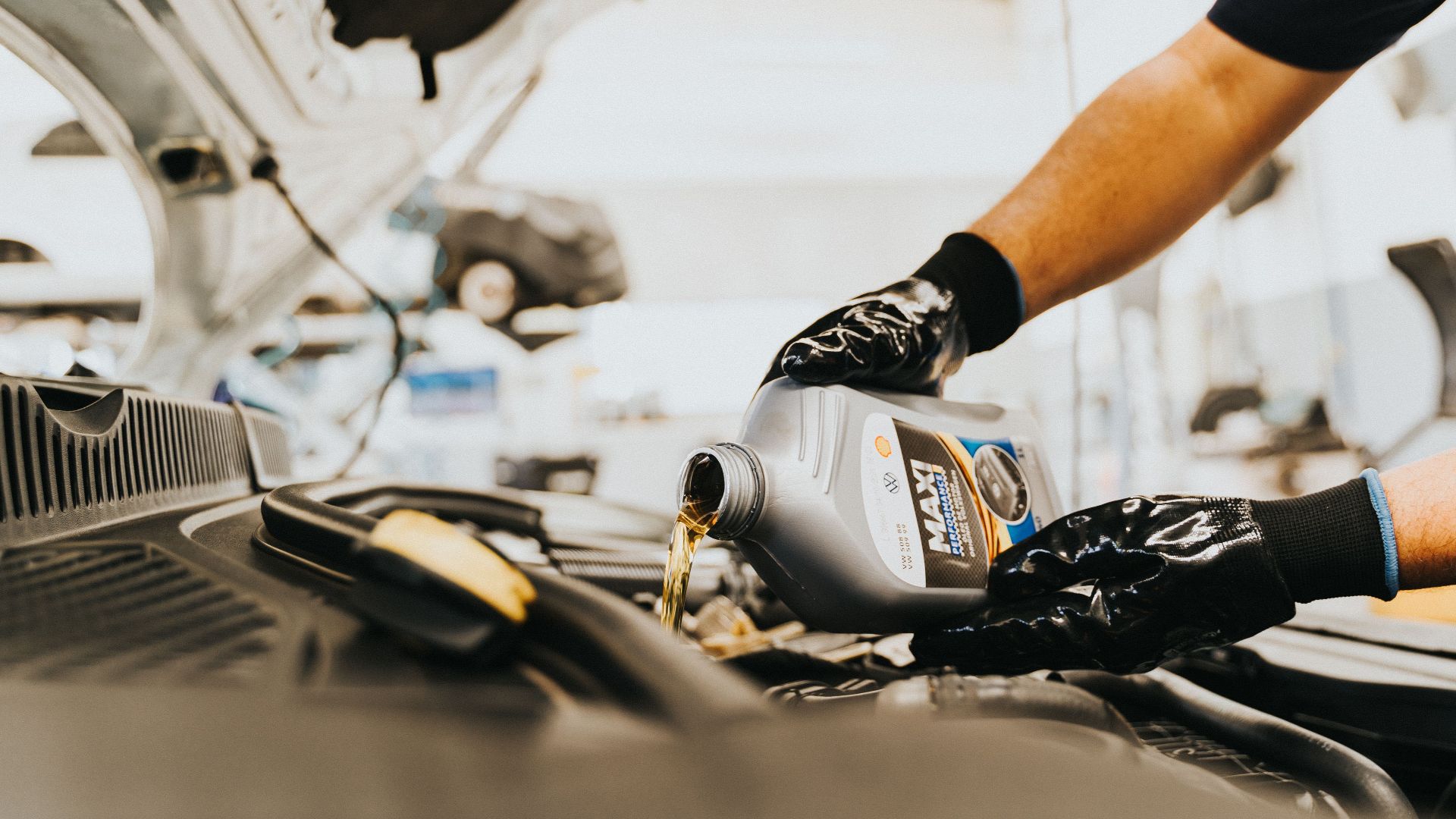
Tires are a good reality check because many drivers replace their original tires with non-OEM options on purpose. They may want a quieter ride, longer tread life, better winter grip, or a lower price than the factory fitment offered. As long as the size, load rating, speed rating, and intended use are correct, aftermarket can easily be the smarter buy.
Warranty Law Also Changes The Conversation
The Magnuson-Moss Warranty Act is a big reason automakers cannot simply demand OEM parts for every repair. The Federal Trade Commission explains that a manufacturer generally cannot void your warranty just because you used an aftermarket part or went to an independent repair shop. The important catch is that if the aftermarket part caused the problem, the manufacturer can deny warranty coverage for that specific damage.
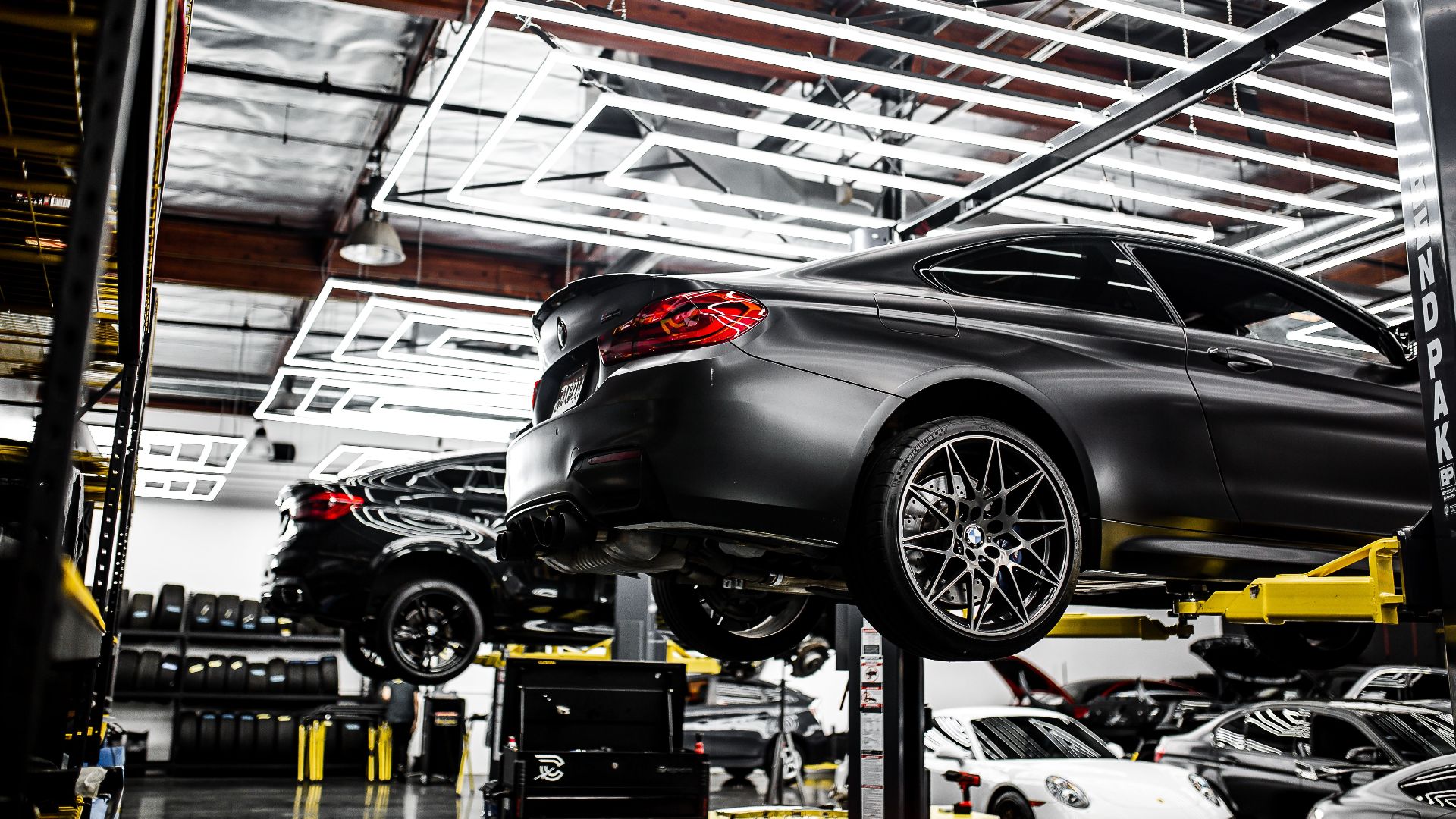
That Means Cheap Can Cost You Twice
Warranty law protects consumers, but it does not save you from a bad purchase. If a bargain ignition coil fails, damages another component, or creates a misfire that sends you back to the shop, the savings disappear fast. That is why experienced technicians often say they are not anti-aftermarket. They are anti-comeback.
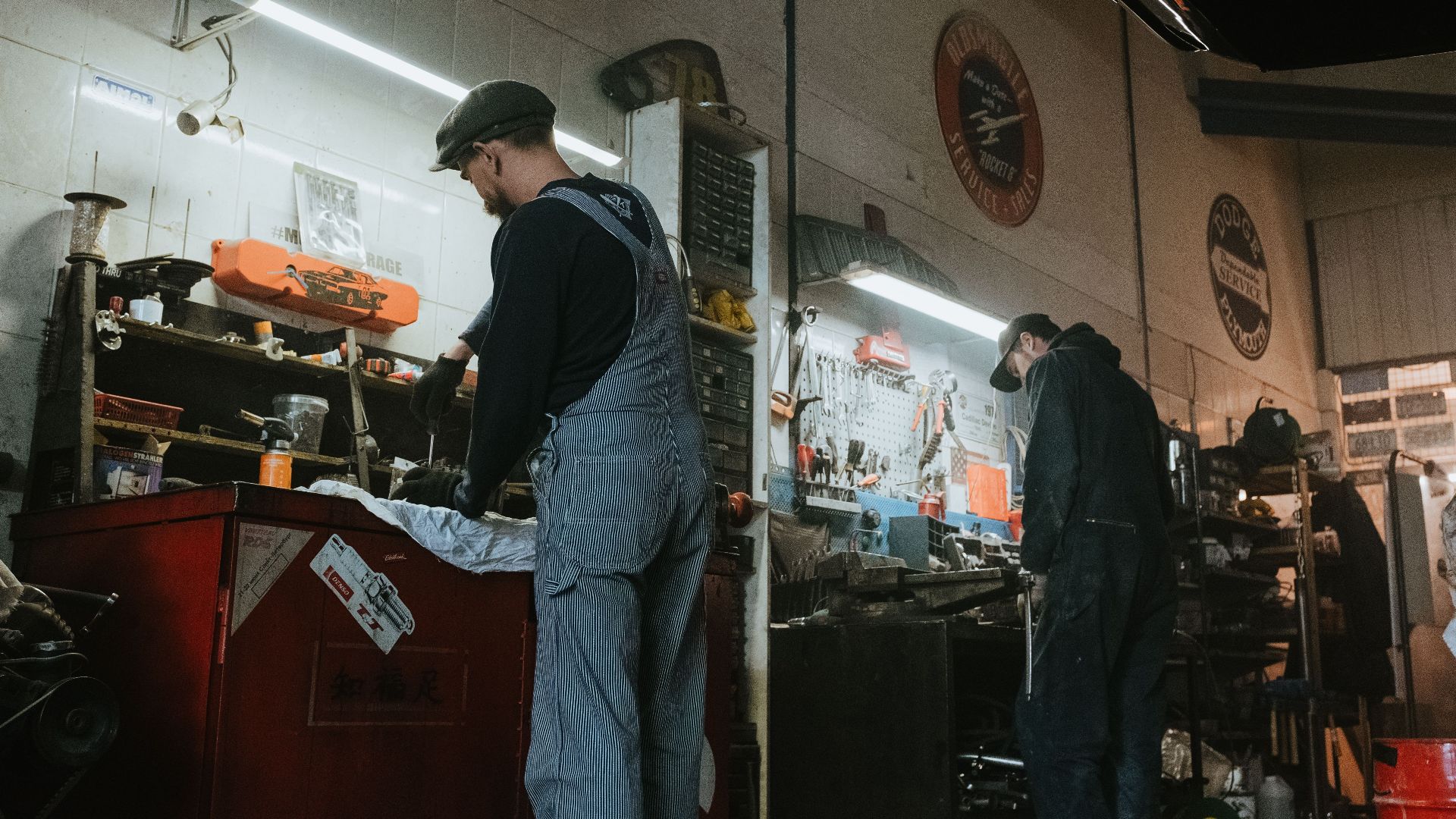
Counterfeit Parts Are The Nightmare Scenario
There is a darker side to bargain shopping that goes beyond normal quality differences. U.S. Immigration and Customs Enforcement and automakers have warned for years about counterfeit airbags, brake parts, and other critical components entering the market through shady channels. A fake part can look convincing while lacking the materials, testing, and traceability of a real OEM or reputable aftermarket part.
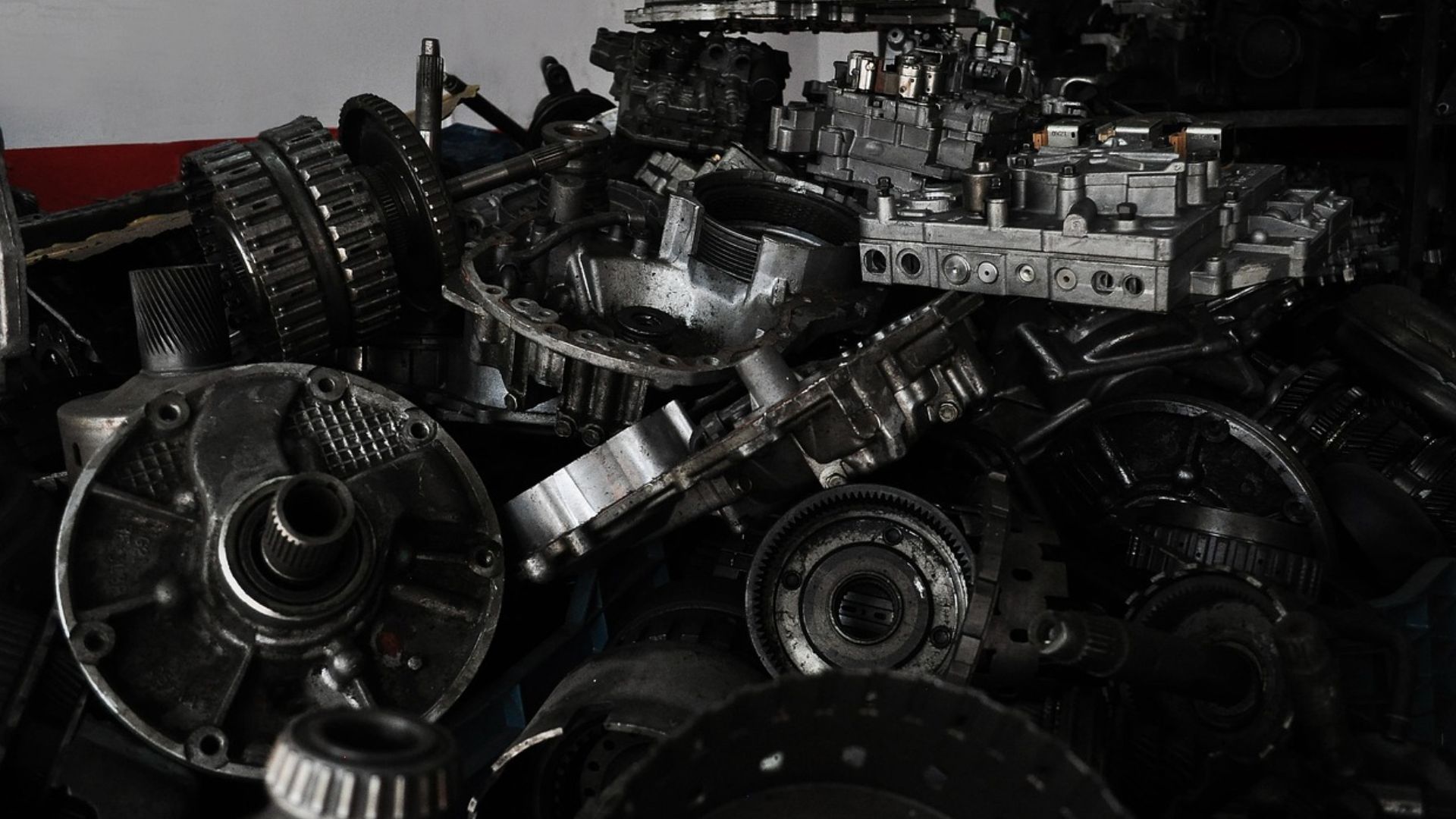
Online Marketplaces Make Vetting More Important
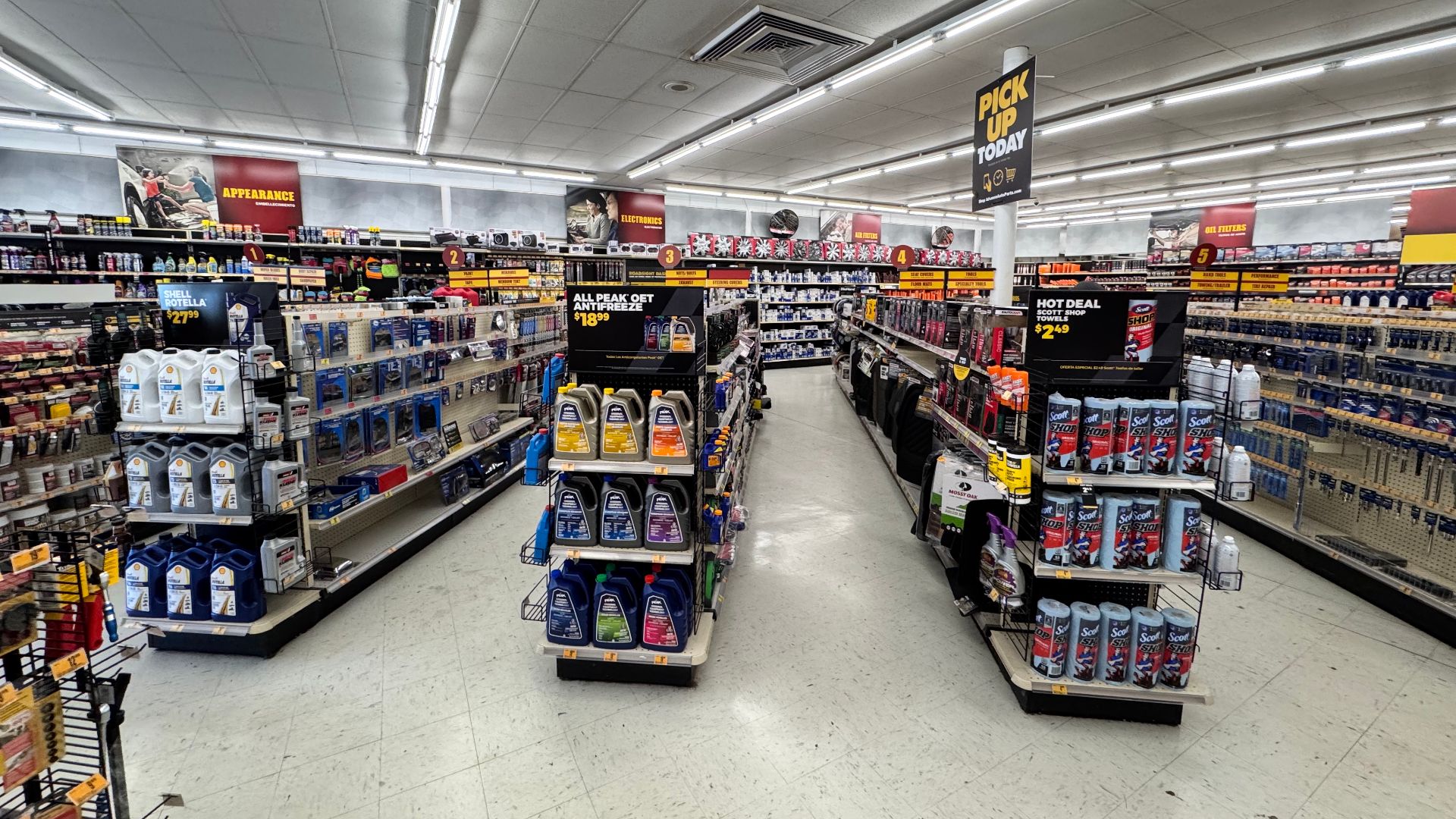
Buying parts online can save money, but it also raises the risk of wrong fitment, poor packaging, and counterfeit goods if the seller is not well established. Check who is actually selling the part, not just the website where it appears. A rock-bottom price on a safety-critical component should make you more cautious, not more eager.

There Are Times When OEM Is Clearly Worth It
OEM is often worth the extra cost for sensors, modules, infotainment-related hardware, drivetrain electronics, sealing components buried deep in the engine, and parts tied to safety systems. It also makes sense when labor is expensive, because repeating a major job due to a questionable part is brutal math. If a repair takes many hours just to reach the part, paying more up front can be the smart move.
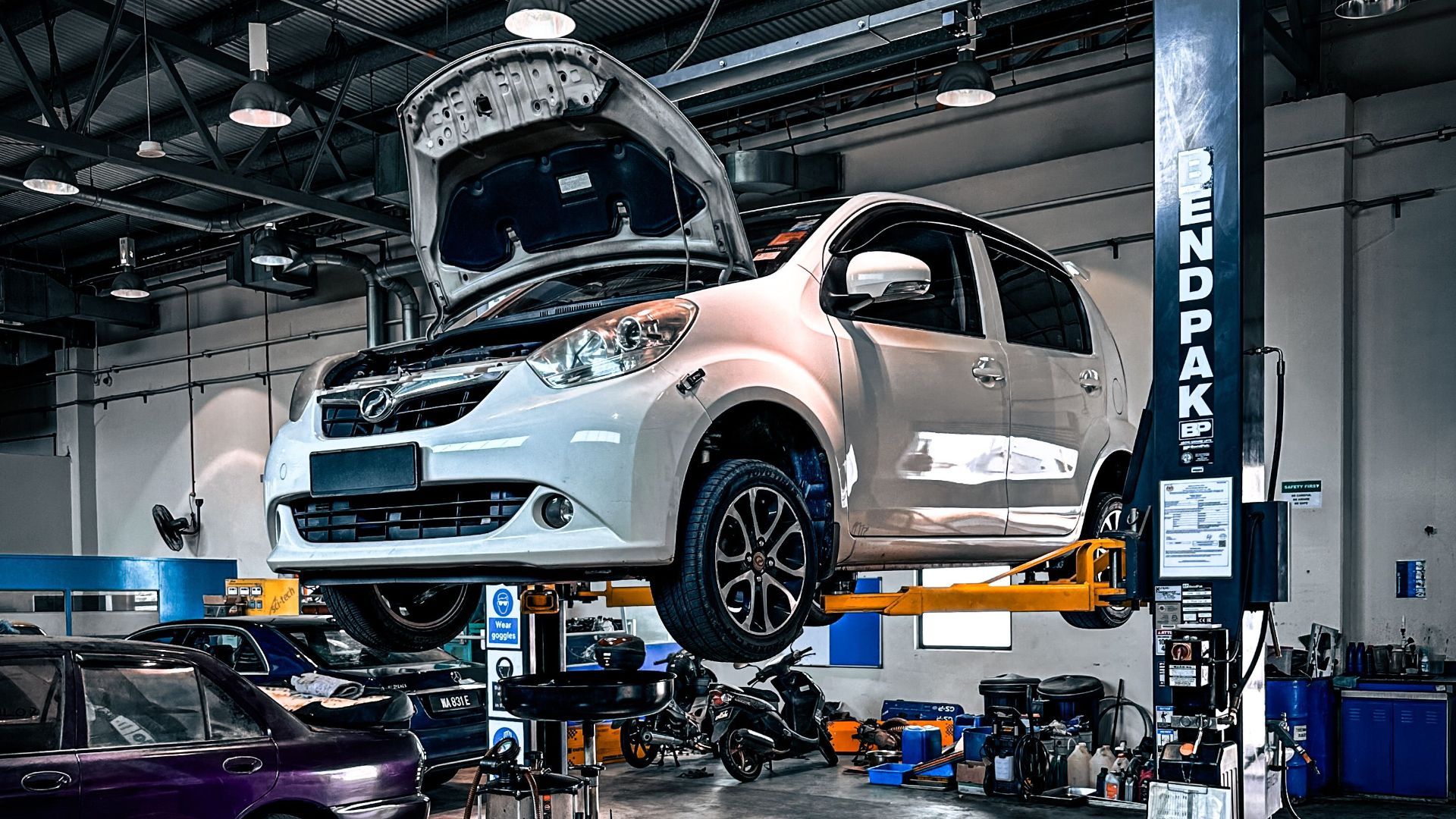
There Are Times When Premium Aftermarket Makes More Sense
Premium aftermarket can be a very smart choice for brakes, suspension parts, maintenance items, tires, and some cooling system and ignition parts when the brand is proven and the specs are right. In some cases, aftermarket even improves on the factory part by fixing a known weakness or using updated materials. The trick is choosing premium aftermarket, not just the cheapest option.
Ask Your Mechanic A Better Question
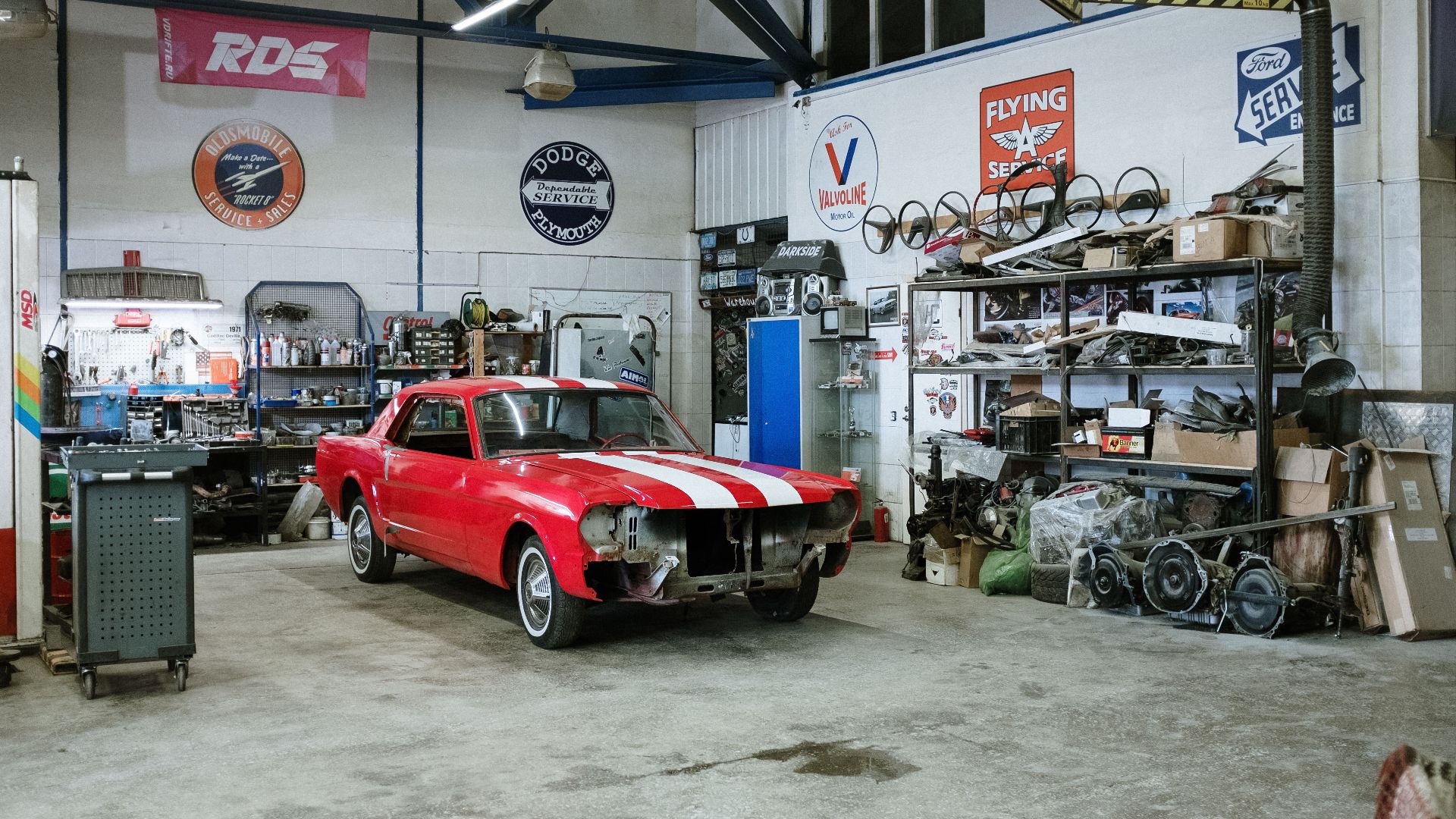
Instead of asking “OEM or aftermarket,” ask “Which brand would you put on your own car?” That usually gets a more honest and practical answer. Good technicians tend to have brand lists built from real comeback rates, fitment consistency, and how often a certain part fixes the problem the first time.

Part Numbers And Specifications Matter A Lot
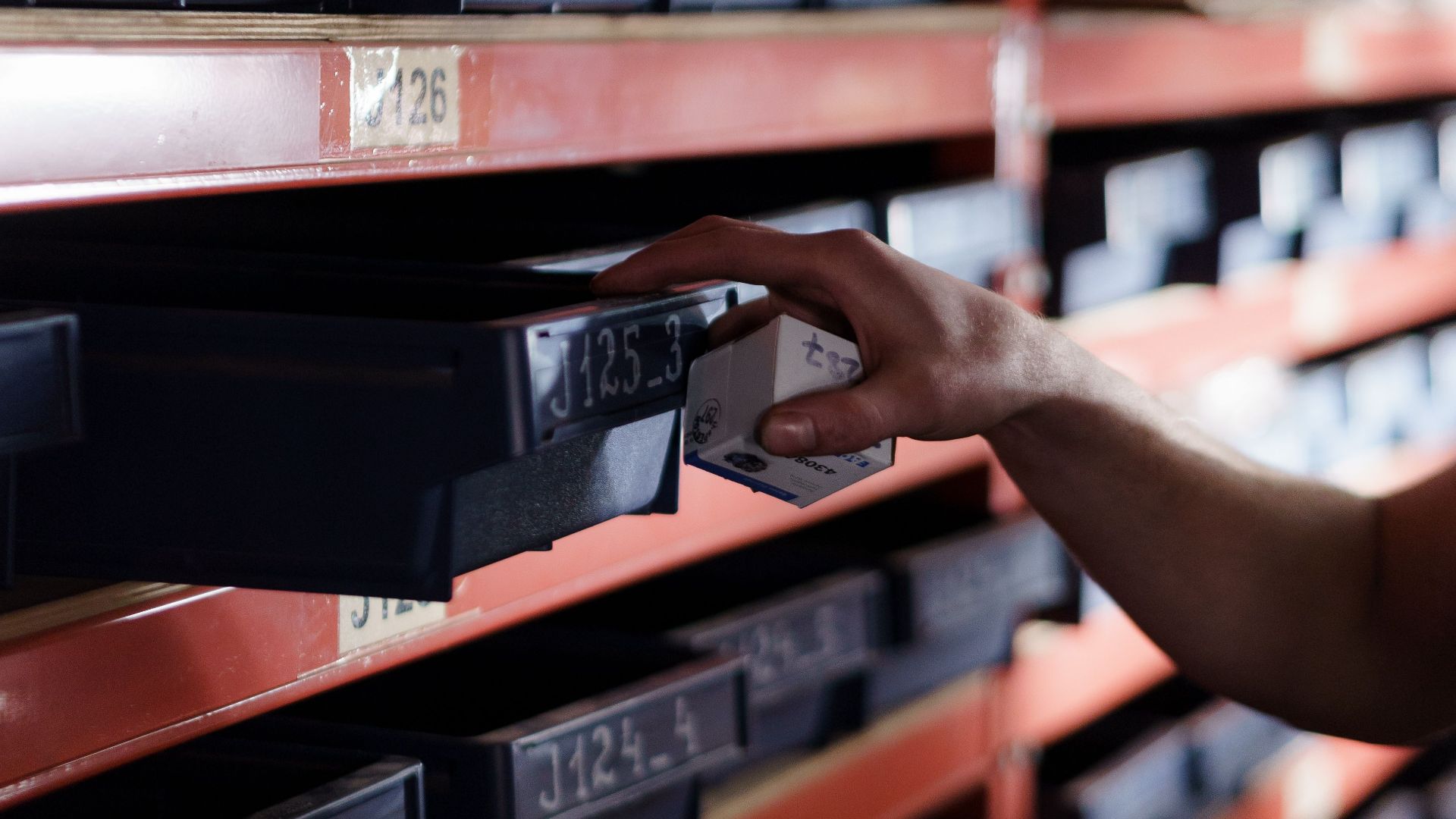
When comparing options, look past the marketing. Confirm the exact vehicle fitment, OEM-equivalent claims, spec standards, and whether the seller clearly identifies the manufacturer. If your mechanic can show you the OEM part number and the aftermarket cross-reference, you are already making a better decision than most shoppers.
Labor Cost Should Drive Your Decision
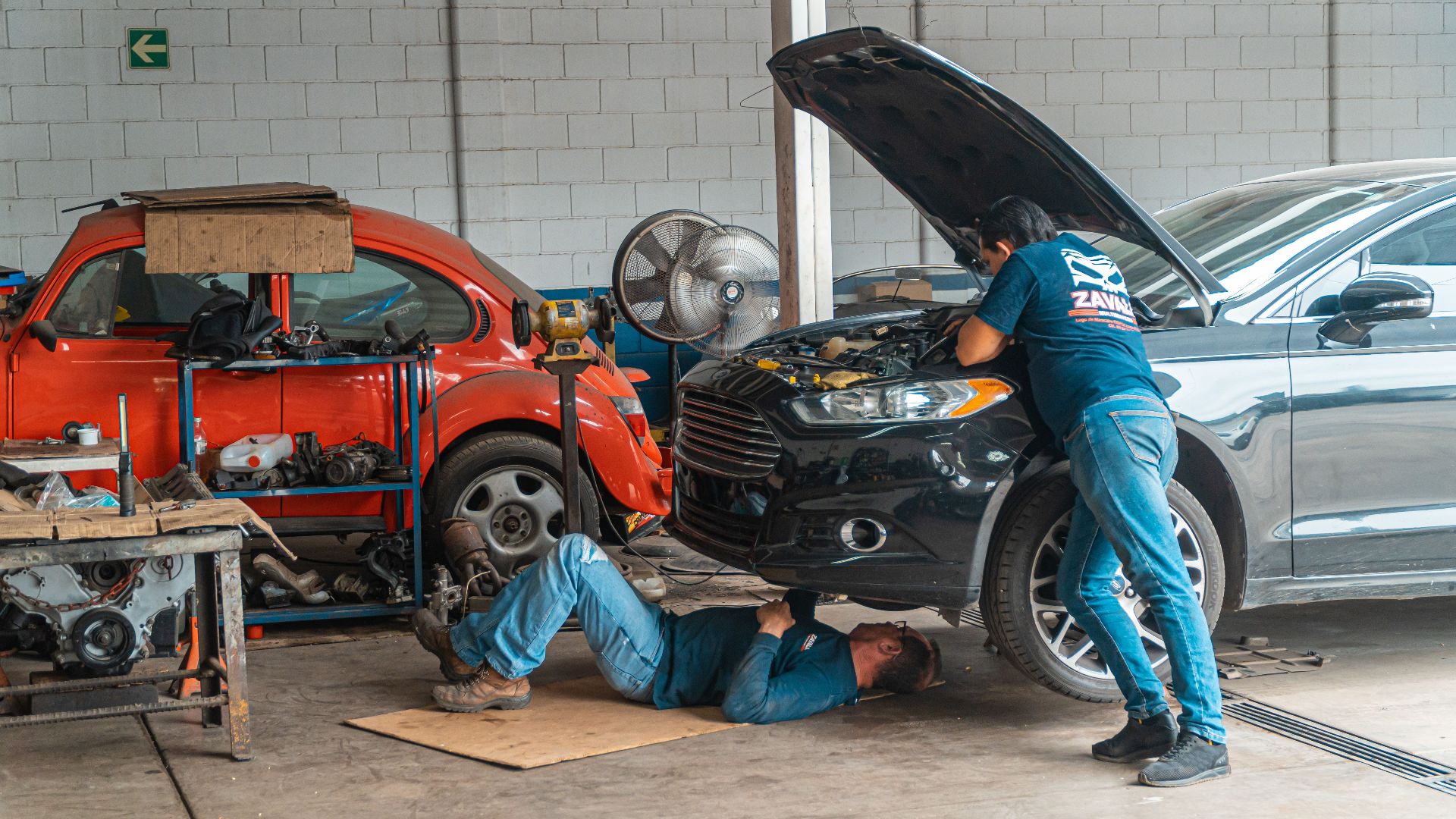
A simple rule can save you money. The more labor-heavy the job, the more sense it makes to use OEM or a top-tier original supplier part. Saving $60 on a part that takes six hours to install is not a win if that part is the reason the whole job has to be done again.
 Jose Ricardo Barraza Morachis, Pexels
The Sweet Spot Is Not Blind Loyalty
Some drivers assume OEM is always just overpriced dealer markup, while others assume anything non-OEM is junk. Both views miss the real picture. The smartest strategy is selective spending: use OEM for high-risk components and premium aftermarket where it has a solid track record.

So, Is OEM Always Worth It
No, OEM is not always worth it. But for safety systems, electronics, difficult labor jobs, and parts where calibration and fit are critical, OEM often earns its price. Your mechanic is right to be wary of cheap aftermarket parts, but the better takeaway is simple: buy quality, not just a label.