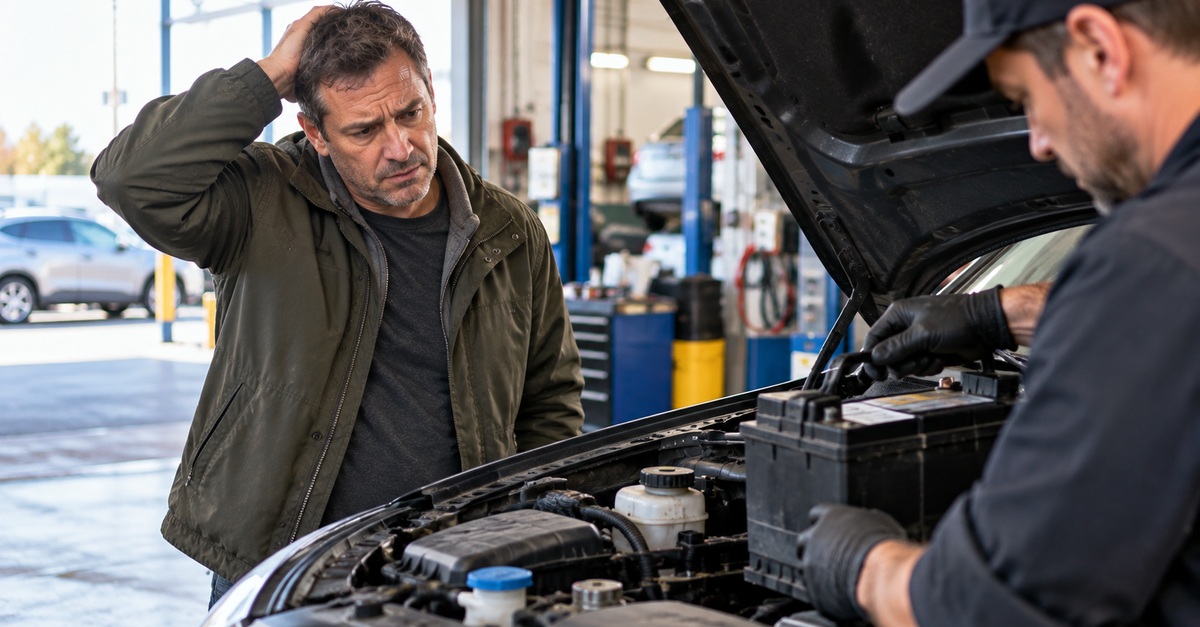
Another Dead Battery, Another Expensive Surprise
I thought replacing my car battery would solve my starting problems for several years. Instead, almost exactly two years later, I'm standing in a parking lot with another dead battery and another replacement bill. The mechanic says batteries wear out, but this is becoming an expensive pattern. Am I just unlucky, or is something about my car or driving habits causing the problem?

Two Years Is Shorter Than Expected
According to AAA, most conventional car batteries last approximately three to five years, although actual lifespan varies considerably. Climate, driving habits, and maintenance can all influence how quickly a battery deteriorates. Some batteries fail earlier, but replacing one every two years is worth investigating. The real question is whether the battery itself is failing or something else is shortening its life.
Your Driving Habits Could Be The Culprit
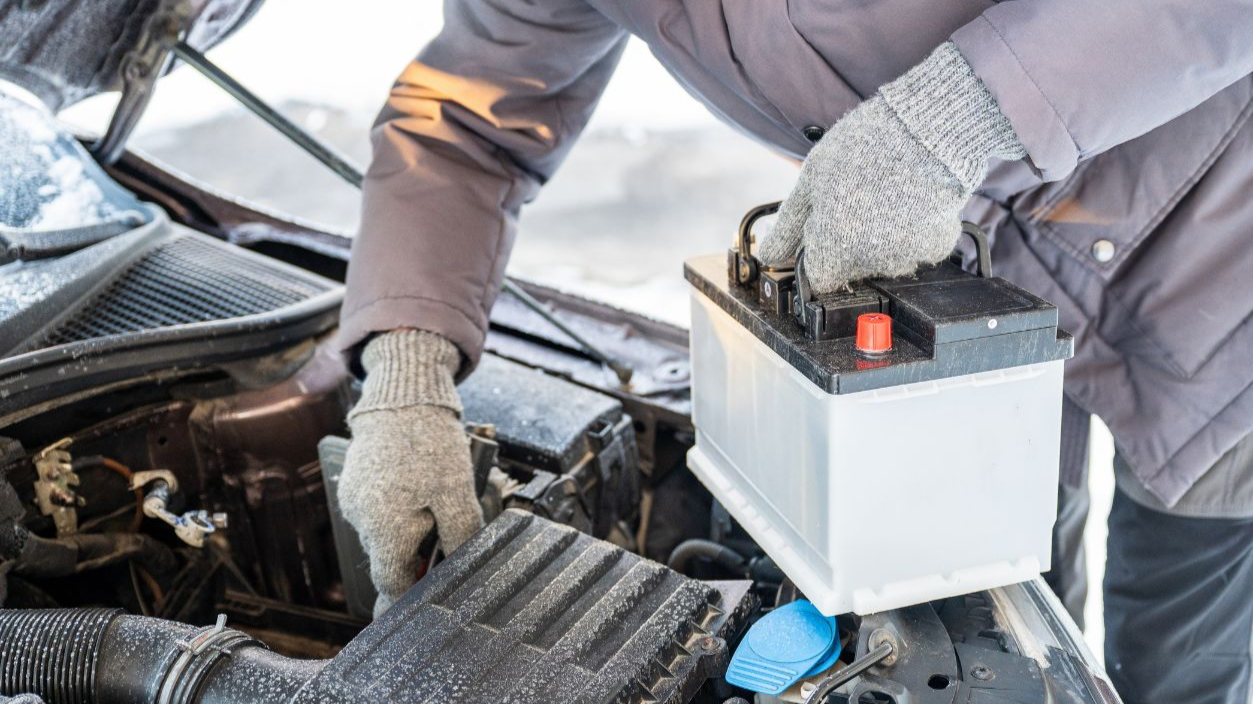
One of the biggest surprises is that frequent driving doesn't always keep a battery healthy. AAA explains that cars driven mostly on short trips may not give the charging system enough time to replenish the energy used during starting. Over time, this can leave the battery operating at a reduced state of charge. If most journeys involve quick errands, the problem might begin with the daily routine.

Five-Minute Trips Aren't Doing You Any Favors
A short drive to the grocery store may barely give the charging system time to replace the electricity used to start the engine. Consumer Reports recommends occasional drives of at least 20 minutes to help maintain battery charge, although actual charging needs vary. Repeated short journeys can become particularly troublesome when combined with cold weather or heavy electrical demands. A car that starts several times a day isn't necessarily getting enough charging time between starts.

Leaving The Car Parked Can Be Just As Bad
A vehicle doesn't have to be running to consume electricity. Modern cars use small amounts of power while parked to support systems such as security equipment and electronic memory. Consumer Reports explains that extended periods without driving can allow this normal electrical consumption to weaken the battery. A vehicle that sits for weeks between trips may need additional charging support.

The Battery Might Be Draining Overnight
If a relatively new battery repeatedly goes flat after only a few days, ordinary aging may not explain the problem. Consumer Reports identifies excessive electrical consumption from a faulty control module as one possible cause. This type of problem is often called a parasitic drain, meaning something continues drawing more electricity than it should after the vehicle is shut down. Replacing the battery without identifying that drain may simply restart the same frustrating cycle.
 Natalia Kokhanova, Shutterstock
That Dashcam Could Be Costing You
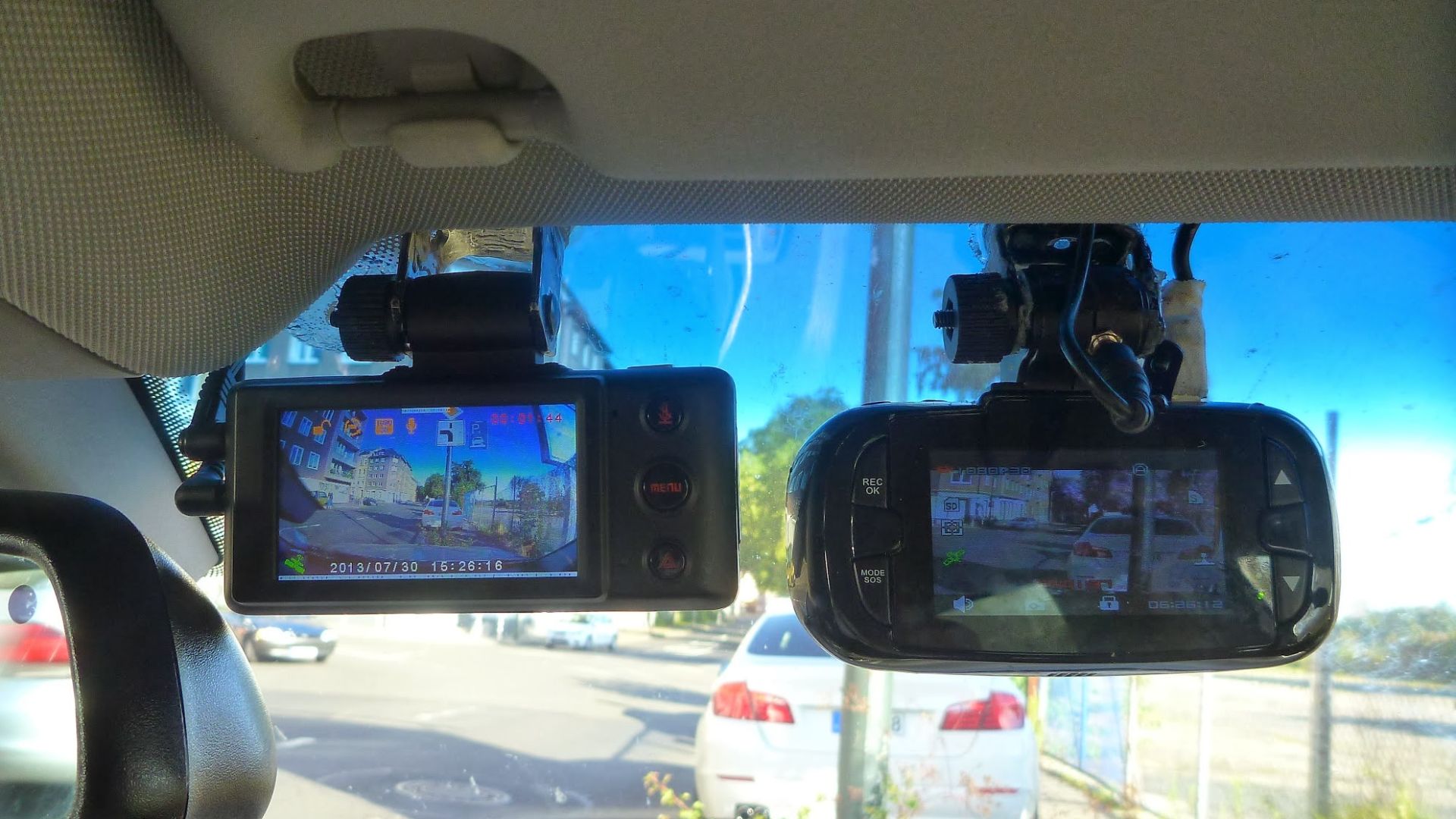
Aftermarket electronics can quietly increase the demands placed on a car battery. Consumer Reports specifically warns that dashcams and phone chargers can contribute to battery drain while the vehicle is parked. Some accessories continue receiving power even when their own switches appear to be off. Checking how aftermarket equipment is connected can reveal an unexpected source of electrical consumption.
Your Key Fob Might Be Keeping Things Awake
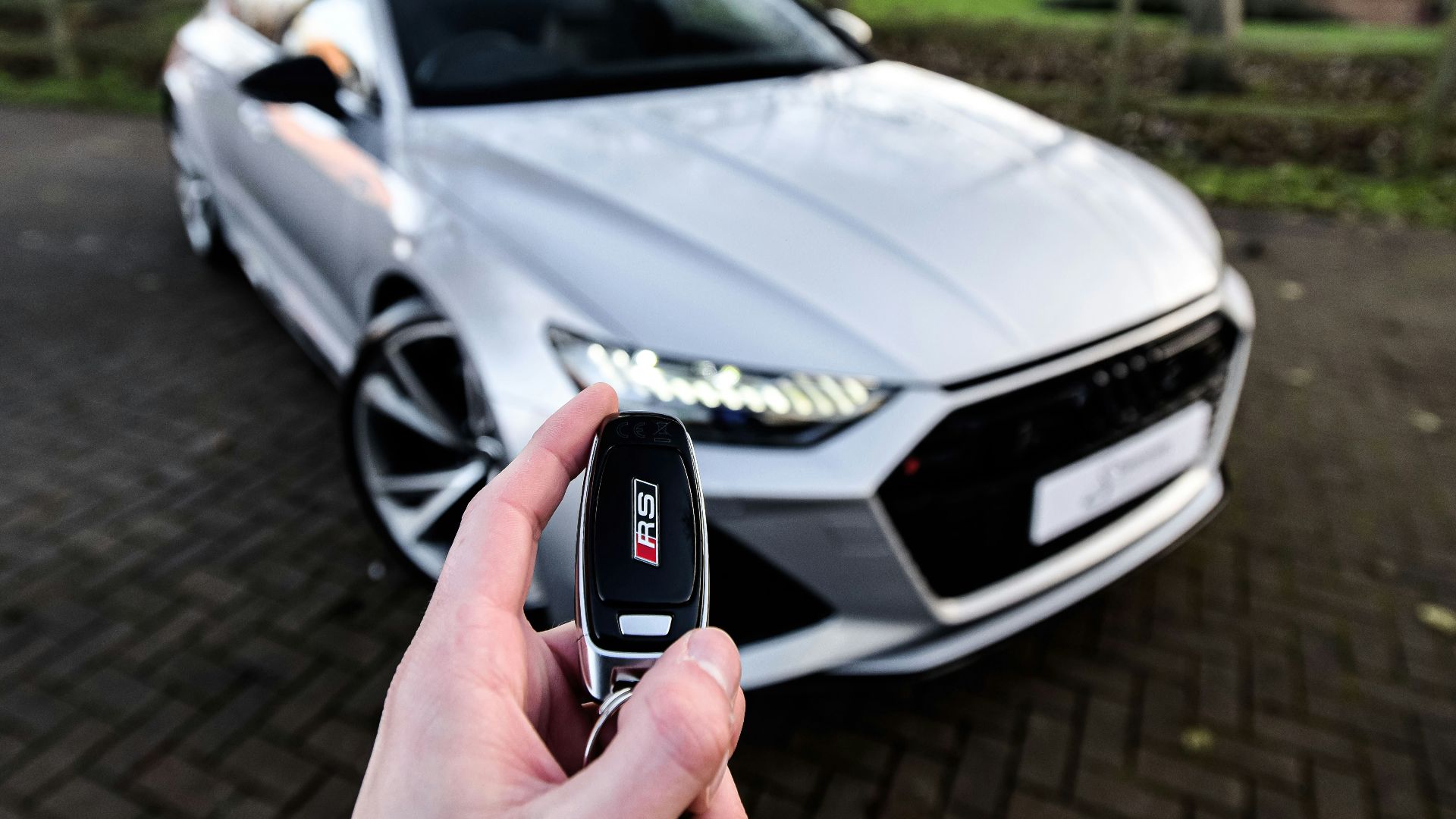
Modern proximity keys allow drivers to unlock and start vehicles without inserting a traditional key. However, Consumer Reports notes that storing these keys too close to a parked vehicle can sometimes wake electronic systems unnecessarily. Repeated electronic activity may contribute to battery drain while the car is sitting. Moving the keys farther away from the garage is a simple precaution worth trying.
 Swansway Motor Group, Unsplash
Even An Unlocked Car Can Matter
Leaving a vehicle unlocked inside a secure garage might seem completely harmless. Consumer Reports explains that some modern vehicles keep certain electronic systems active when the doors remain unlocked. Locking the vehicle can allow those systems to enter their normal low-power state. It's a small habit that may help reduce unnecessary battery consumption.

Your Alternator Might Be The Real Problem
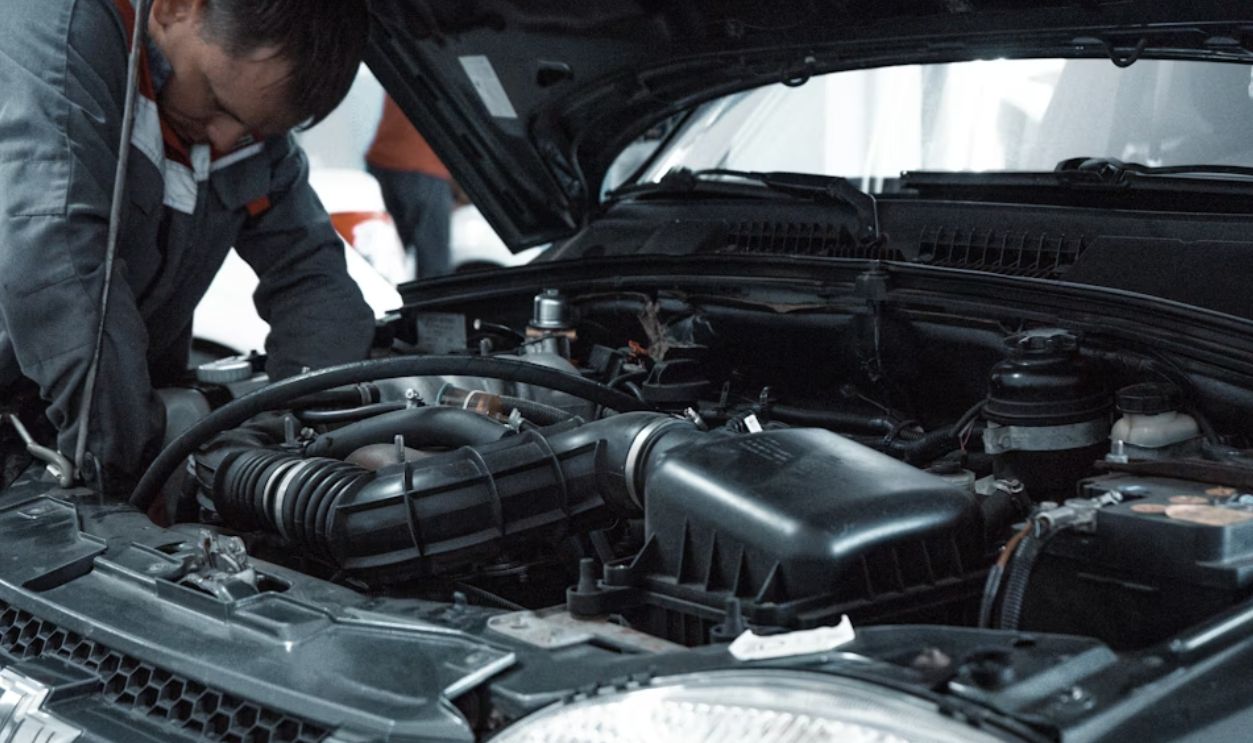
The alternator is responsible for supplying electrical power and helping recharge the battery while the engine operates. AAA warns that a malfunctioning charging system can shorten battery life through persistent undercharging or overcharging. A new battery won't solve the underlying issue if the charging system isn't working properly. That's why a complete electrical diagnosis should include more than simply testing the battery.
Too Much Charging Can Also Cause Damage
Most drivers worry about batteries not receiving enough charge, but excessive charging can also cause trouble. AAA explains that overcharging accelerates battery deterioration, just as chronic undercharging does. Modern vehicles may use sophisticated charging strategies that vary according to battery condition and electrical demand. A technician should evaluate charging performance against the manufacturer's specifications rather than relying on one universal voltage target.
 Santeri Viinamäki, Wikimedia Commons
Summer Heat Is Harder On Batteries Than You Think
Cold mornings get most of the attention when cars refuse to start, but summer heat can do substantial damage first. Consumer Reports explains that high temperatures accelerate the chemical deterioration inside automotive batteries. That damage can accumulate long before the driver notices anything unusual. A battery weakened during summer may finally reveal its condition when temperatures drop.
Winter Often Exposes An Already Weak Battery
Cold weather slows the chemical reactions that allow a battery to produce electricity. Interstate Batteries explains that lower temperatures reduce available starting performance, making an already weakened battery more likely to struggle. The engine may also require more effort to crank in freezing conditions. A winter no-start problem doesn't necessarily mean the battery was damaged during that particular cold night.

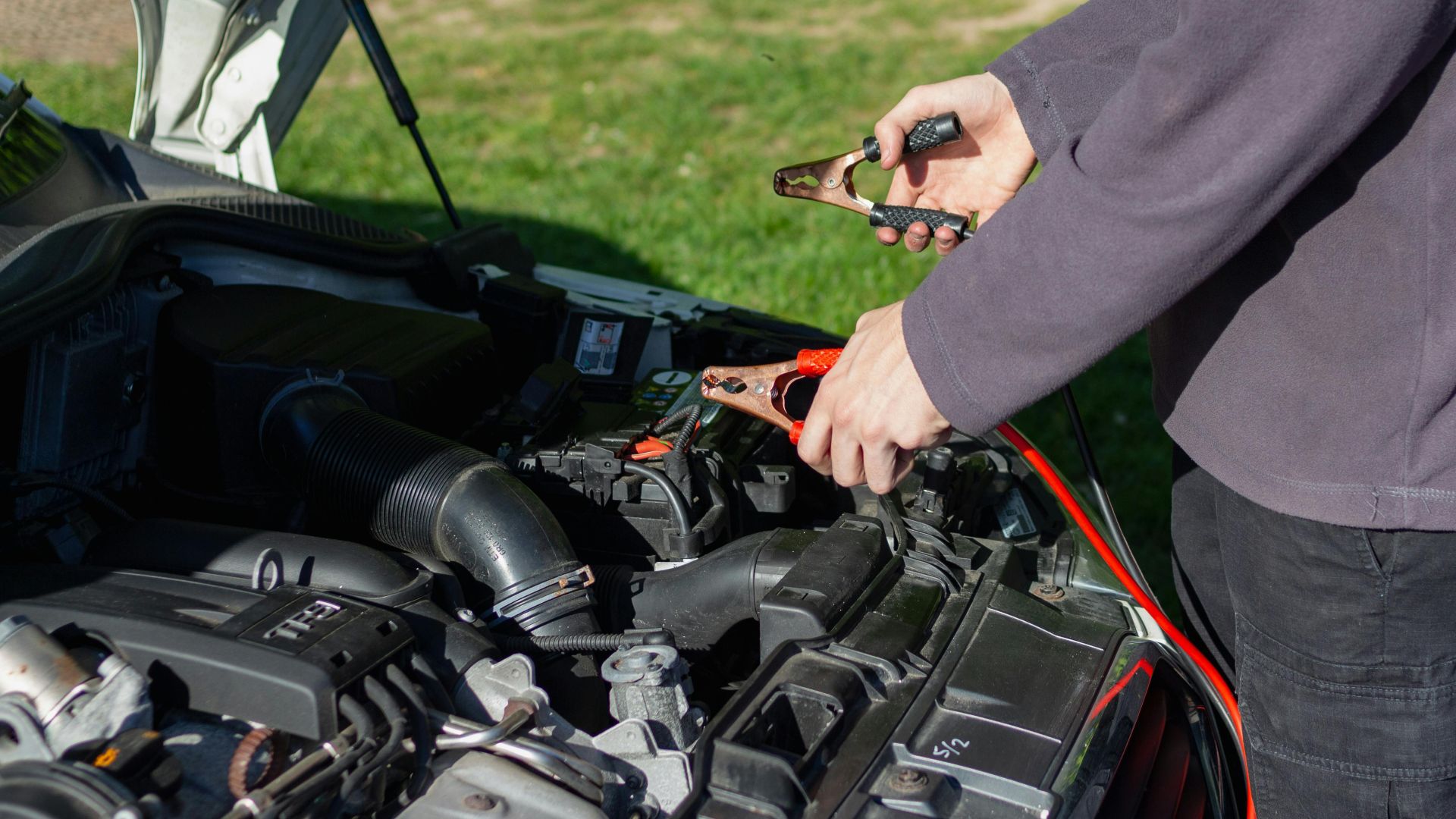
Your Battery Could Be Vibrating Itself Apart
A battery needs to be secured properly inside the vehicle. AAA warns that excessive vibration can damage internal battery components and shorten service life. Missing or loose hold-down hardware allows the battery to move more than intended during normal driving. Checking the mounting bracket is an inexpensive step that shouldn't be overlooked.
 Daniel @ bestjumpstarterreview.com, Pexels
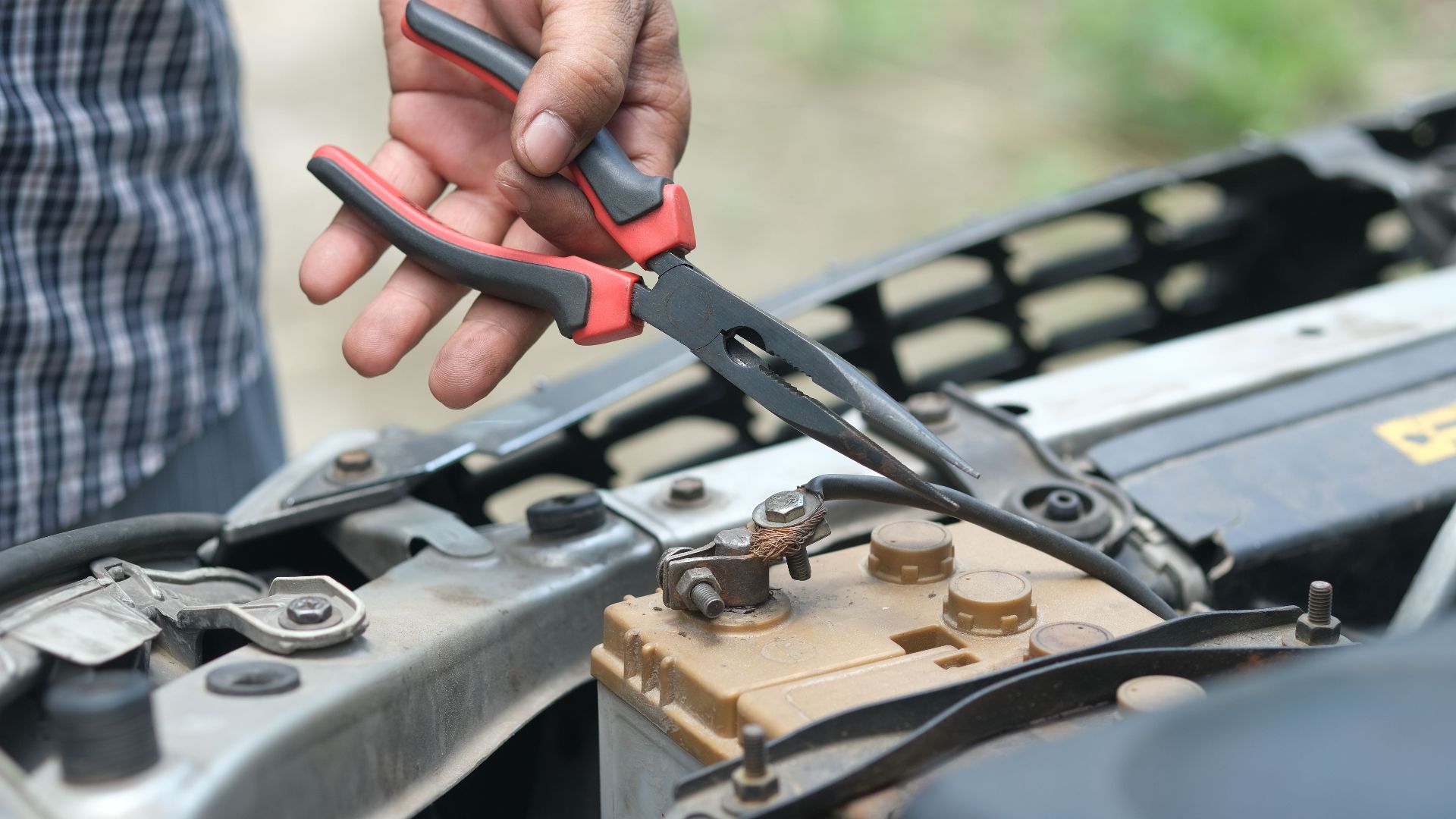
Corroded Terminals Can Cause Big Trouble
White or greenish buildup around the battery terminals isn't something to ignore. Consumer Reports explains that corrosion can interfere with electrical connections and contribute to starting problems. Even a healthy battery may struggle when electricity cannot flow properly through damaged or dirty connections. Keeping the terminals clean and securely connected is an important part of routine maintenance.
One Deep Discharge Can Shorten Battery Life
Accidentally leaving the headlights on overnight might seem harmless once the car has been jump-started. However, AAA warns that allowing a battery to become completely discharged can significantly reduce its remaining lifespan. Repeated deep discharges are particularly damaging to conventional starting batteries. Preventing the battery from going flat is therefore just as important as choosing a quality replacement.

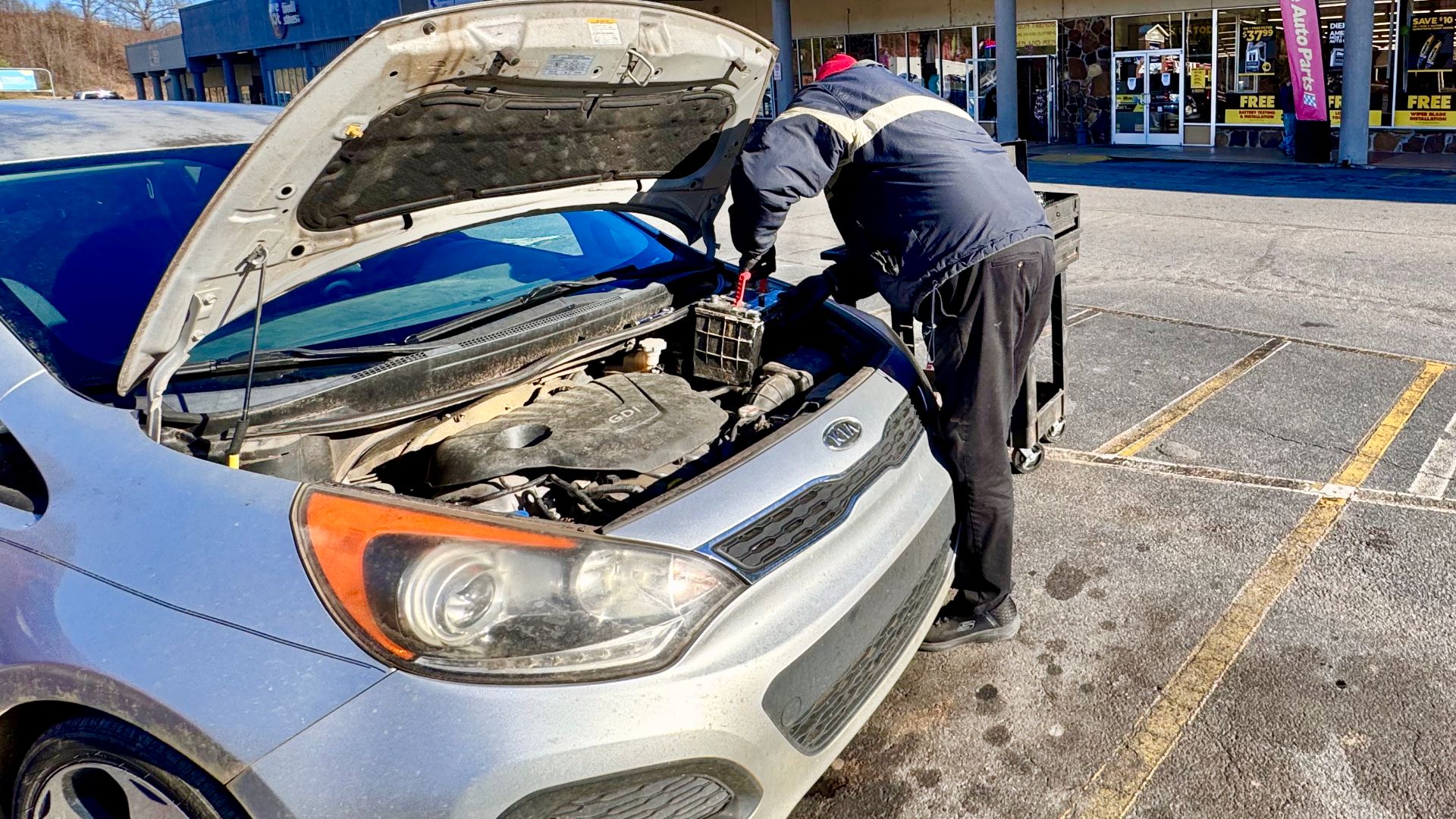
The Wrong Battery Could Be Installed
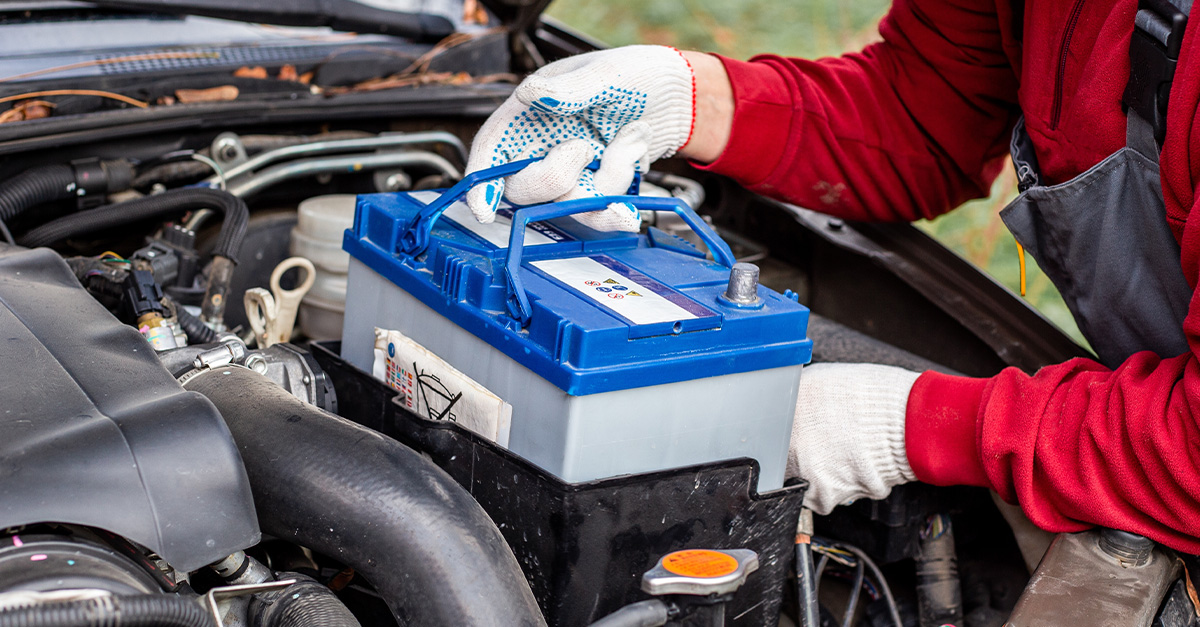
Not every battery that physically fits inside a vehicle is suitable for it. AAA explains that battery selection must account for physical size, terminal configuration, and electrical ratings. Installing a battery that doesn't meet the manufacturer's specifications can cause starting or charging problems. The owner's manual and a reliable vehicle-specific battery guide should determine which replacement is appropriate.
 Harrison Keely, Wikimedia Commons
Stop-Start Cars Need Special Attention
Vehicles with automatic engine stop-start systems often require batteries designed for more demanding operating conditions. CAA-Quebec explains that these cars may use absorbent glass mat batteries, commonly called AGM, or enhanced flooded batteries, known as EFB. Replacing the specified battery with an ordinary conventional battery can create problems. Before buying a cheaper replacement, it's important to confirm which battery technology the vehicle requires.

Your Car May Need Battery Registration
Some modern vehicles use battery management systems that monitor battery condition and adjust charging behavior. Consumer Reports notes that certain vehicles require electronic reprogramming when a replacement battery is installed. Skipping a required registration or reset procedure can prevent the charging system from adapting correctly to the new battery. Checking the manufacturer's service requirements is especially important when batteries seem to fail prematurely.

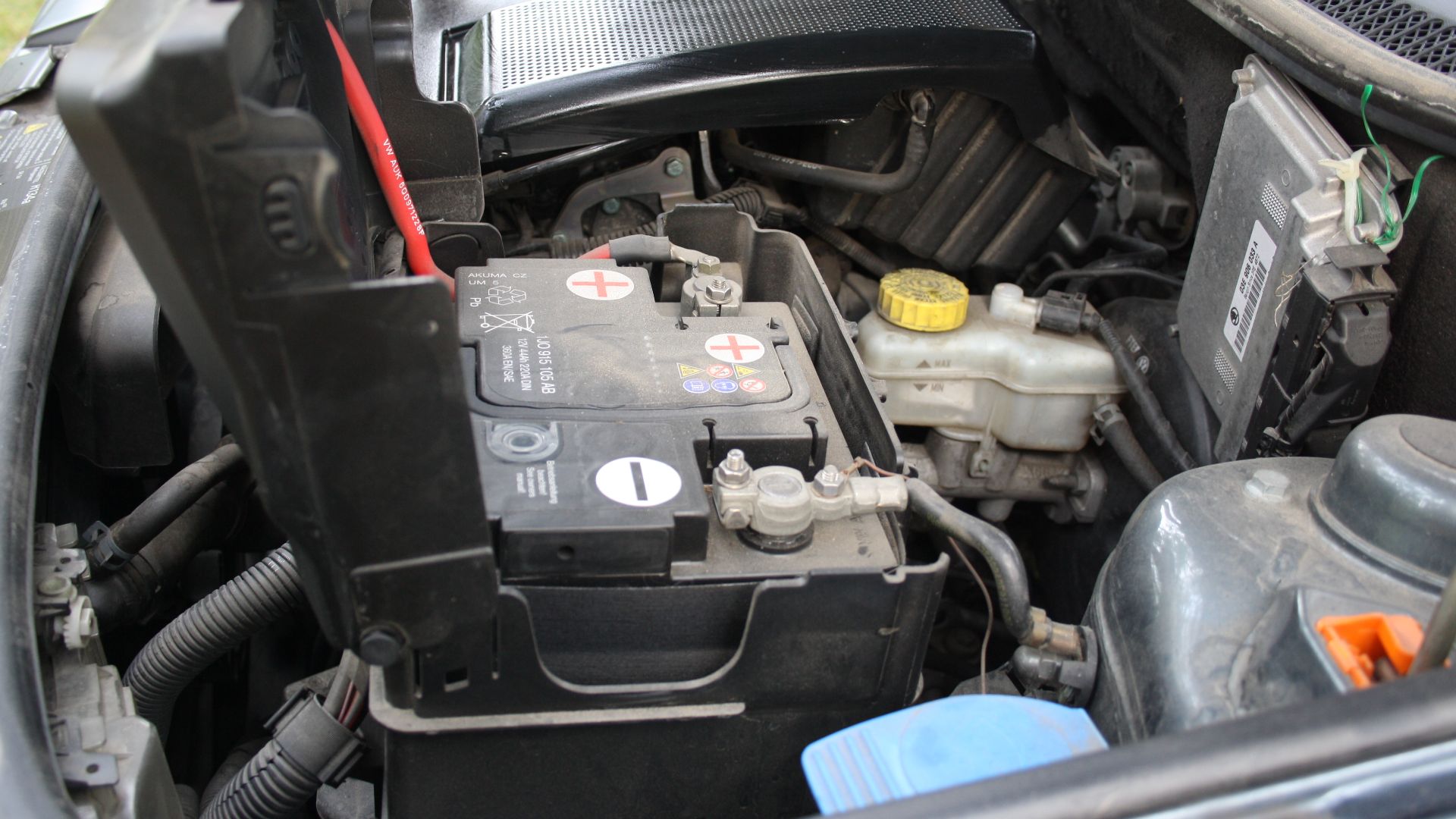
The Cheapest Battery Isn't Always The Best Deal
A low purchase price doesn't necessarily mean a battery offers the best long-term value. Consumer Reports recommends comparing battery performance, specifications, and warranty coverage rather than shopping by price alone. A battery designed for the vehicle's electrical demands is more important than simply finding the least expensive option. Paying less upfront won't feel like a bargain if another replacement becomes necessary unusually soon.
That New Battery Might Not Be So Fresh
Batteries gradually lose charge while sitting in storage, even before they're installed in a vehicle. Consumer Reports recommends buying fresh stock and checking the manufacturing or shipping date when possible. A battery that has spent a long time on a shelf may not be in the same condition as one manufactured recently. Purchasing from a retailer with high inventory turnover can help reduce that concern.
A Battery Maintainer Might Solve The Problem
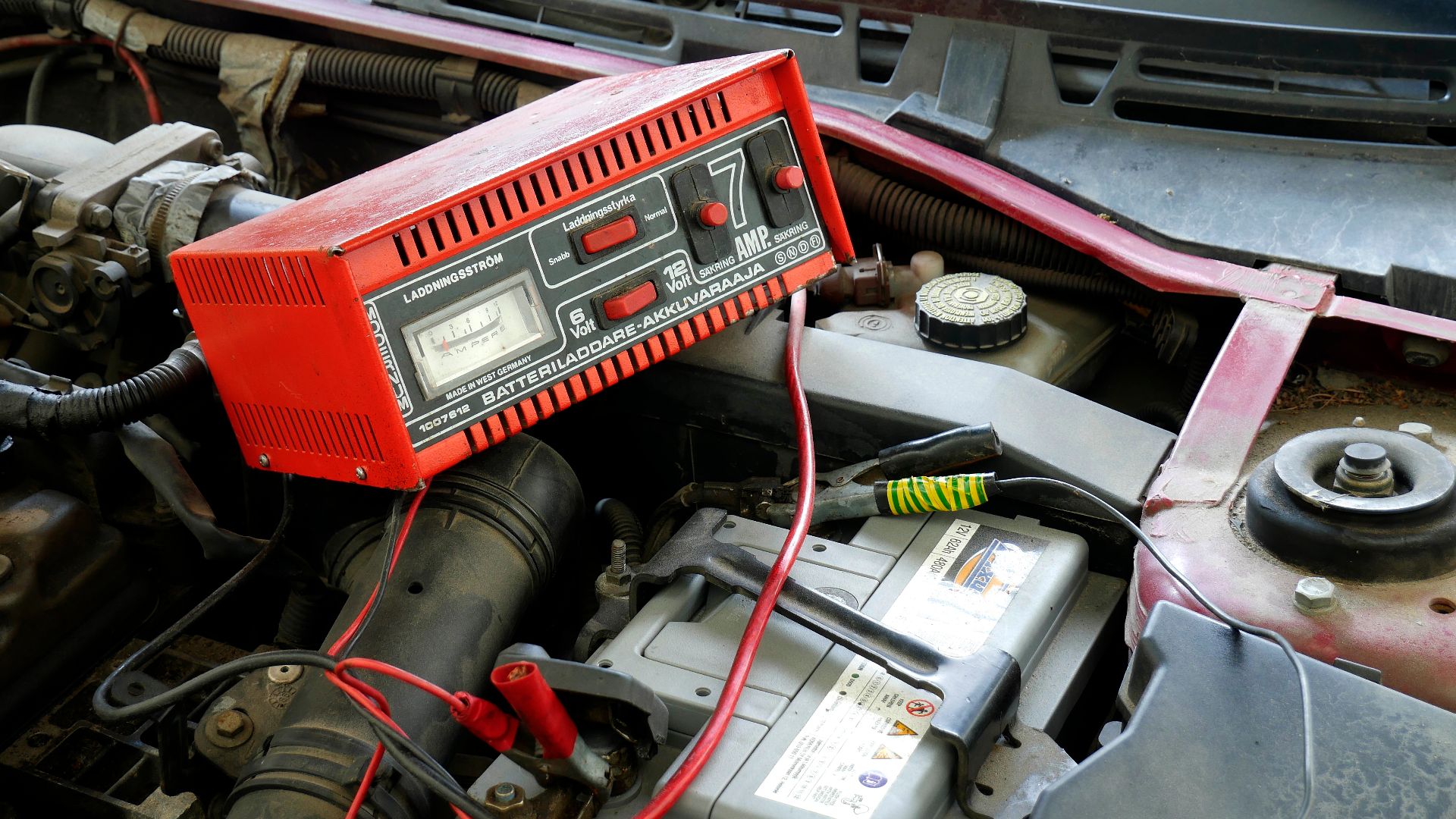
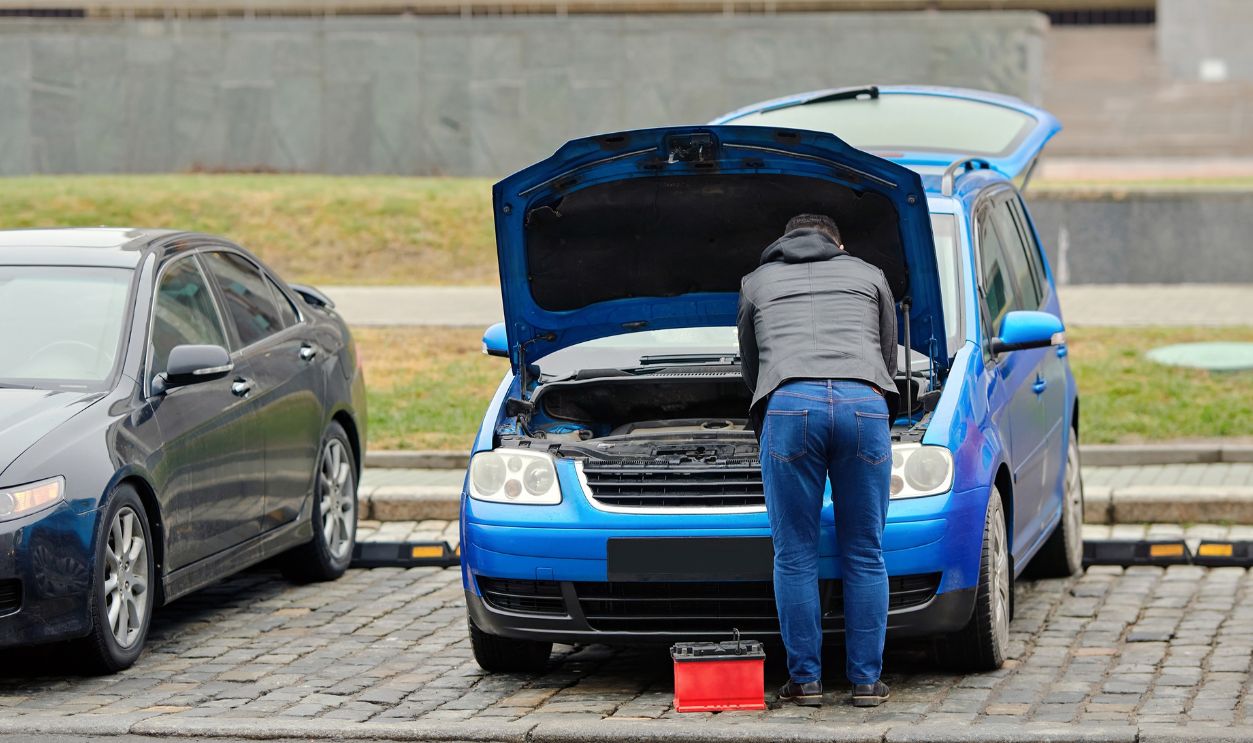
For vehicles driven infrequently, a compatible battery maintainer can be a useful investment. AAA recommends maintenance chargers to keep batteries properly charged during extended periods of inactivity. Unlike an unsuitable charger left connected indefinitely, a quality automatic maintainer regulates charging to reduce the risk of overcharging. The correct equipment depends on the battery type and the vehicle manufacturer's instructions.
Stop Using Accessories With The Engine Off
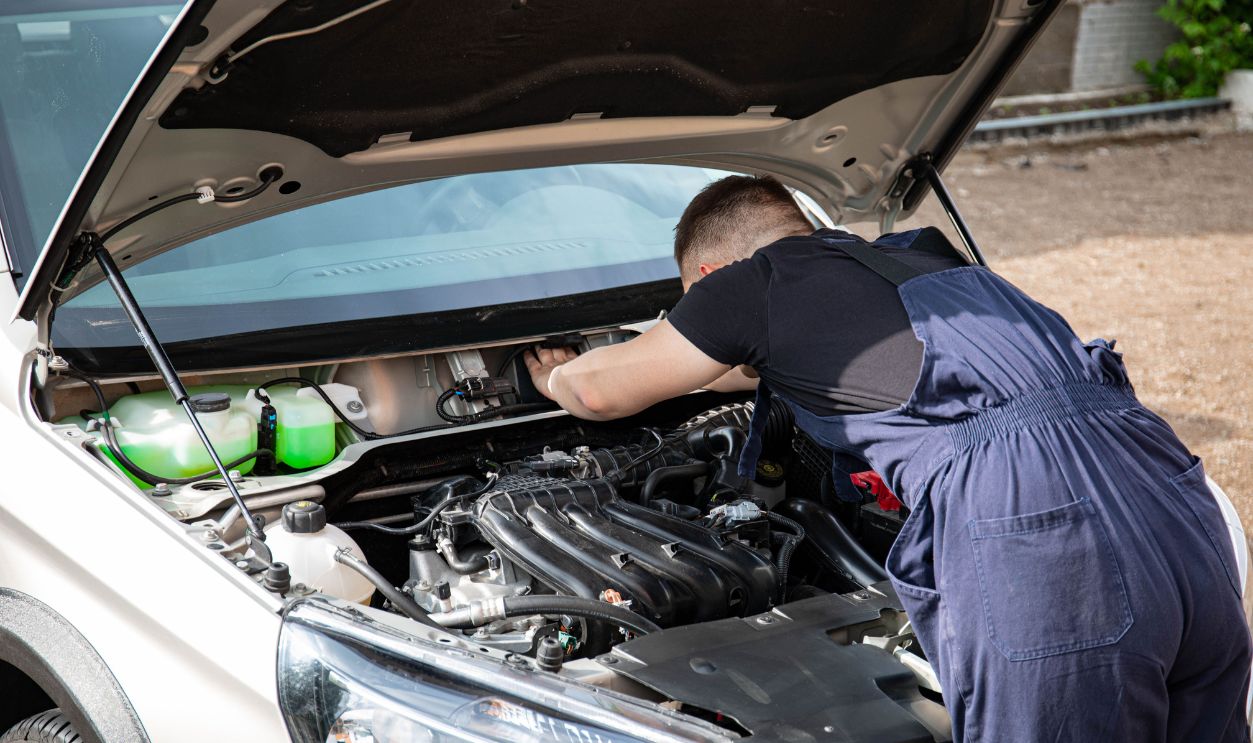
Listening to music or operating electrical accessories while parked can seem harmless. However, CAA-Quebec warns that using lights, heating, and entertainment systems with the engine switched off can drain the starting battery. Frequent accessory use becomes especially problematic when the vehicle is already driven mostly on short trips. Reducing unnecessary electrical consumption helps preserve the charge needed for the next engine start.

A Battery Test Could Save You Hundreds
A car that struggles to start doesn't automatically need another battery. AAA recommends testing the battery and examining the starting and charging systems before deciding on a replacement. A proper battery test can help determine whether the unit is deteriorating or simply needs recharging. If the battery passes, the technician can investigate other causes instead of selling another replacement unnecessarily.

Don't Wait Until The Car Refuses To Start
Battery problems often provide warning signs before a complete failure. AAA identifies slow engine cranking, dim headlights on some vehicles, and battery or charging warning lights as possible indicators of trouble. These symptoms can also point to electrical faults elsewhere in the vehicle. Having the system checked when the symptoms first appear may prevent another unexpected breakdown.

Your Warranty Could Cover The Replacement
Before paying for another battery, it's worth checking the paperwork from the previous purchase. Consumer Reports explains that battery warranties may include a free replacement period followed by prorated coverage. The exact terms vary, and exclusions may apply when failure results from improper installation or misuse. If the battery fails within two years, the warranty could be particularly important.

So What Am I Actually Doing Wrong?
Replacing a battery every two years doesn't necessarily mean I'm mistreating my car, but it suggests something deserves closer attention. AAA and Consumer Reports identify short trips, prolonged inactivity, excessive electrical drain, charging faults, heat, and improper battery selection as potential contributors to premature failure. Before buying another battery, I'd request a complete battery, starting-system, charging-system, and parasitic-drain evaluation. Fixing the underlying cause could finally break the cycle of paying for a new battery every couple of years.

You May Also Like: