The Upsell That Shows Up Before You Even Drive Off
You buy a car with remote start hardware, then hear that you need a subscription just to use it. Now this selling feature is looking more like a toll charge added after the sale. It also sits right at the center of a bigger fight over connected-car features, monthly fees, and who really controls the functions built into your vehicle.
Why Drivers Take This Personally
For a lot of owners, remote start is not some flashy extra. It warms the cabin in winter, cools it in summer, and makes everyday life easier. So when access to that feature seems tied to another monthly bill, it is fair to ask whether you bought the car outright or only rented parts of it.

What Dealers Usually Mean By A Touchscreen Subscription
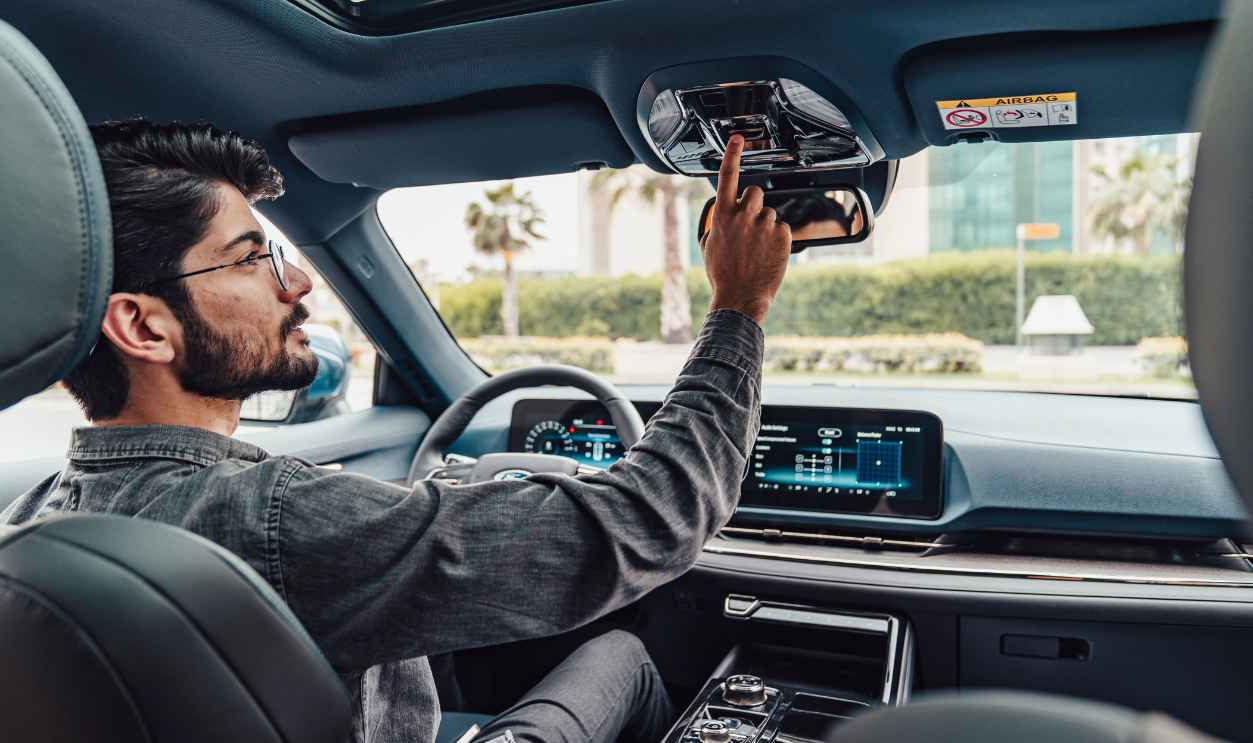
Most of the time, they are talking about a connected-services plan linked to the vehicle’s built-in cellular connection and phone app. Automakers package these plans under names like OnStar, FordPass connected services, Kia Connect, and Lexus Enform on older models. If remote start is being done through the app instead of the key fob, the fee is usually for that connected service, not the touchscreen itself.

The Important Difference Many Buyers Never Hear Clearly
There are usually two ways remote start works. One is traditional key-fob remote start, which uses short-range radio signals and often does not require a subscription. The other is phone-app remote start, which usually depends on the automaker’s connected service and may cost money after a free trial ends.

Why The Sales Pitch Can Sound So Misleading
When someone says a touchscreen subscription is required, they may be lumping together several different things. The screen in the dashboard, the car’s telematics hardware, and the mobile app are not the same thing. If a dealer does not spell that out, a buyer can easily walk away thinking the car’s built-in controls will be locked unless they keep paying.

General Motors Shows Why This Topic Got So Heated
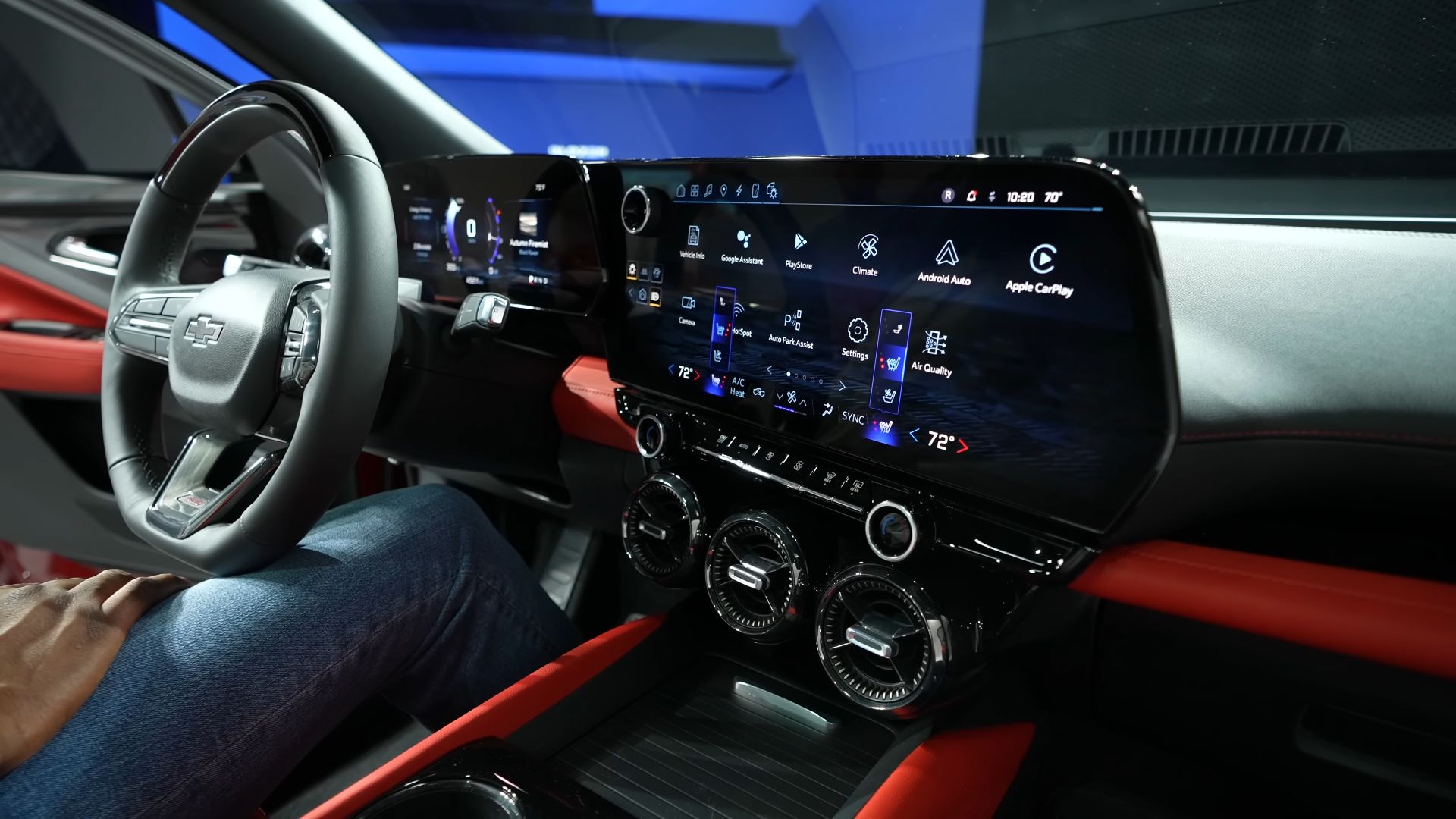
General Motors is one of the clearest examples because remote features on many of its vehicles are tied to OnStar and connected services. GM’s own owner materials explain that remote commands through the mobile app need an active service plan, while key-fob remote start depends on whether the vehicle was equipped with that feature in the first place. That difference matters, because buyers often hear one broad sales pitch and only find the fine print later.
 Booredatwork.com, Wikimedia Commons
GM’s Own Support Pages Make The Subscription Connection Clear
On GM brand sites and OnStar support pages, remote commands through the mobile app are described as part of connected vehicle services. Those services may come with a trial period and then continue only through a paid package. In plain terms, your phone can become a paid remote control even though the car already has the hardware to start.

BMW Became The Flash Point In 2022
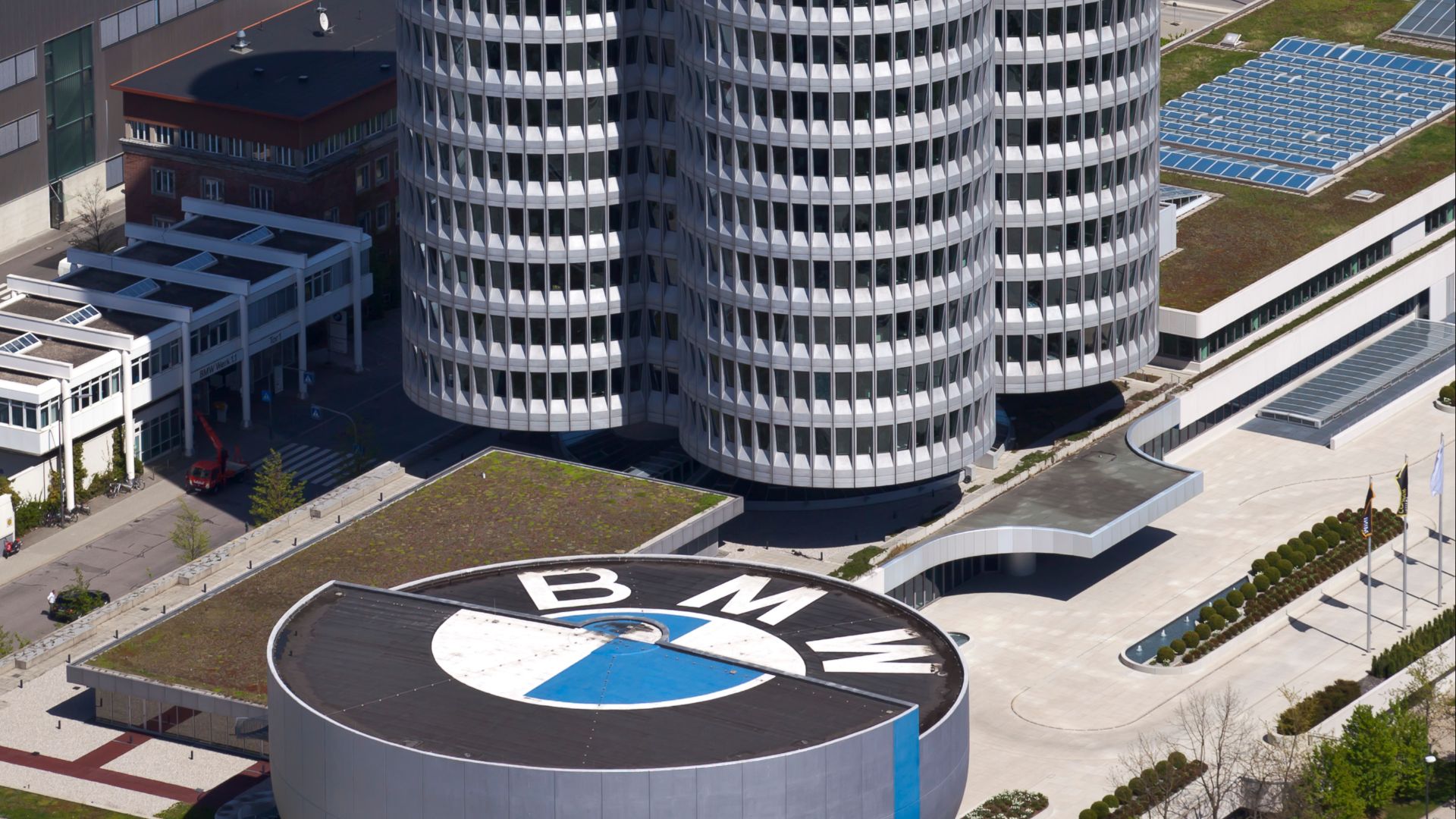
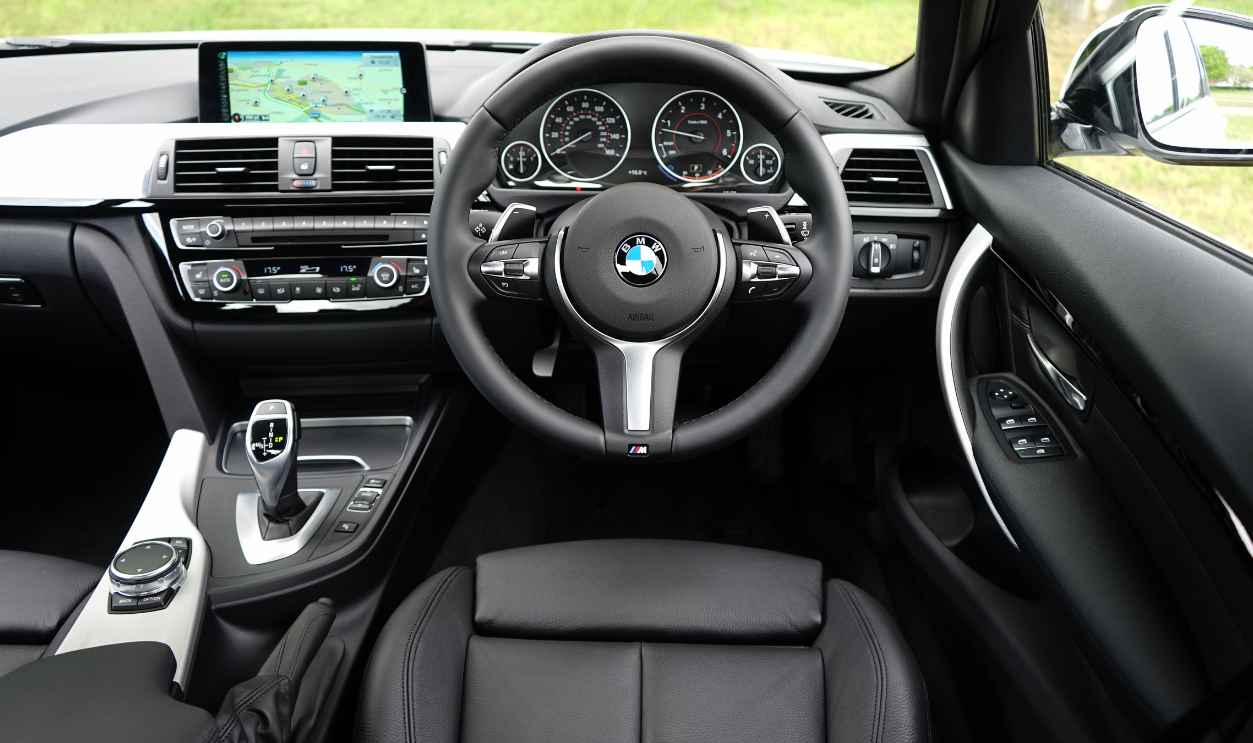
If there was one moment that made people stop and pay attention, it was BMW in 2022. In July of that year, reporting from The Verge highlighted that BMW was charging a monthly fee for heated seats in some markets through its ConnectedDrive store. That story quickly became a symbol of how software-controlled car features could turn into recurring charges.
 Diego Delso, Wikimedia Commons
Why Heated Seats Matter In A Remote Start Debate
Heated seats are not remote start, but the business logic feels similar. The hardware is already in the car, yet software access becomes the gatekeeper. Once that happens with one comfort feature, drivers naturally start wondering what else might end up behind a paywall.
Ford Has Faced Pushback Too
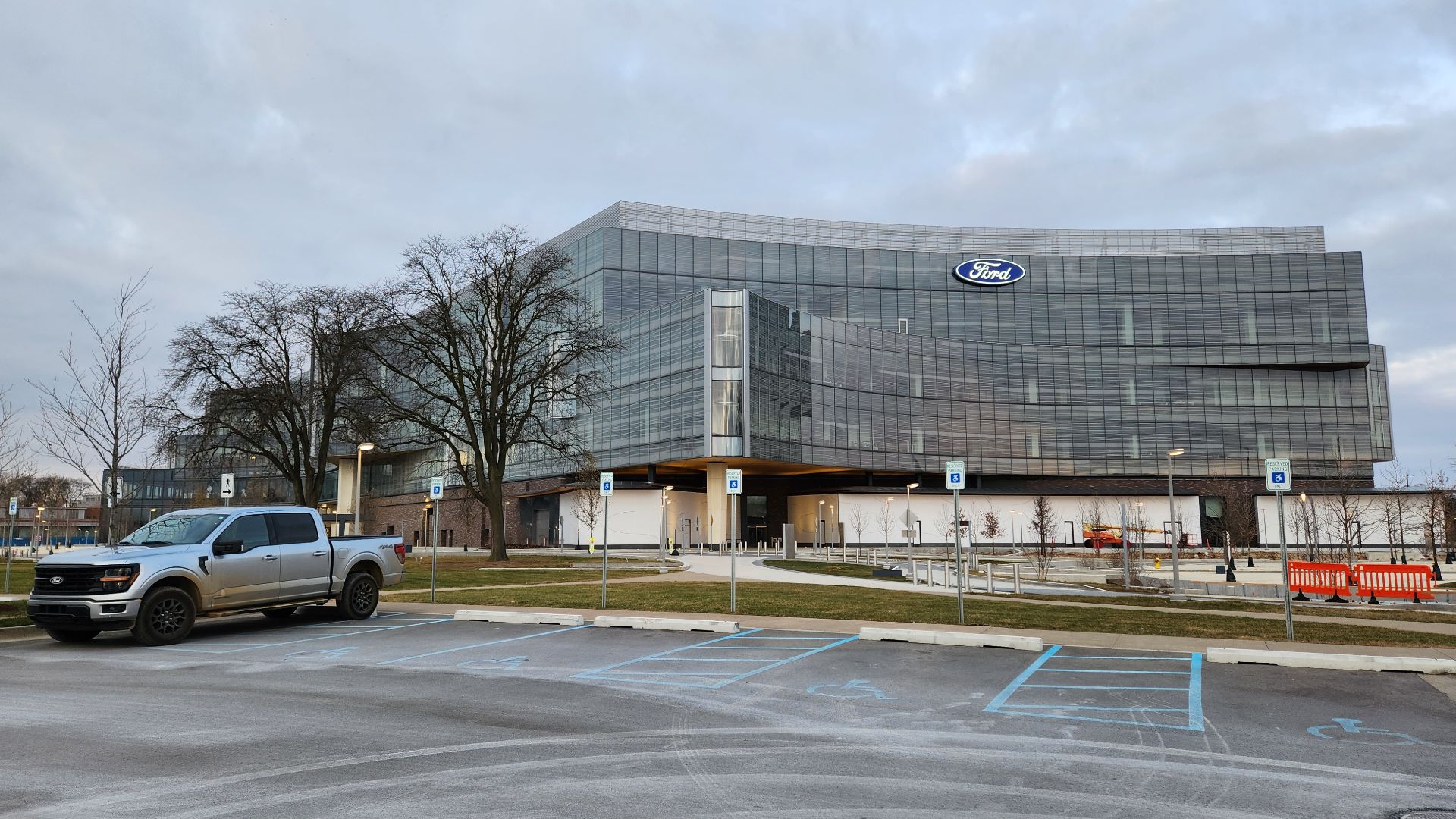
Ford has also tied some remote functions to connected services. Ford’s support materials for FordPass and related features explain that remote lock, unlock, start, and vehicle status can depend on modem-equipped vehicles, app access, and service availability. Even when these features are included at first, trial periods, changing terms, and shifting service bundles can leave owners unsure what they will keep long term.
Toyota Learned This Lesson In Public
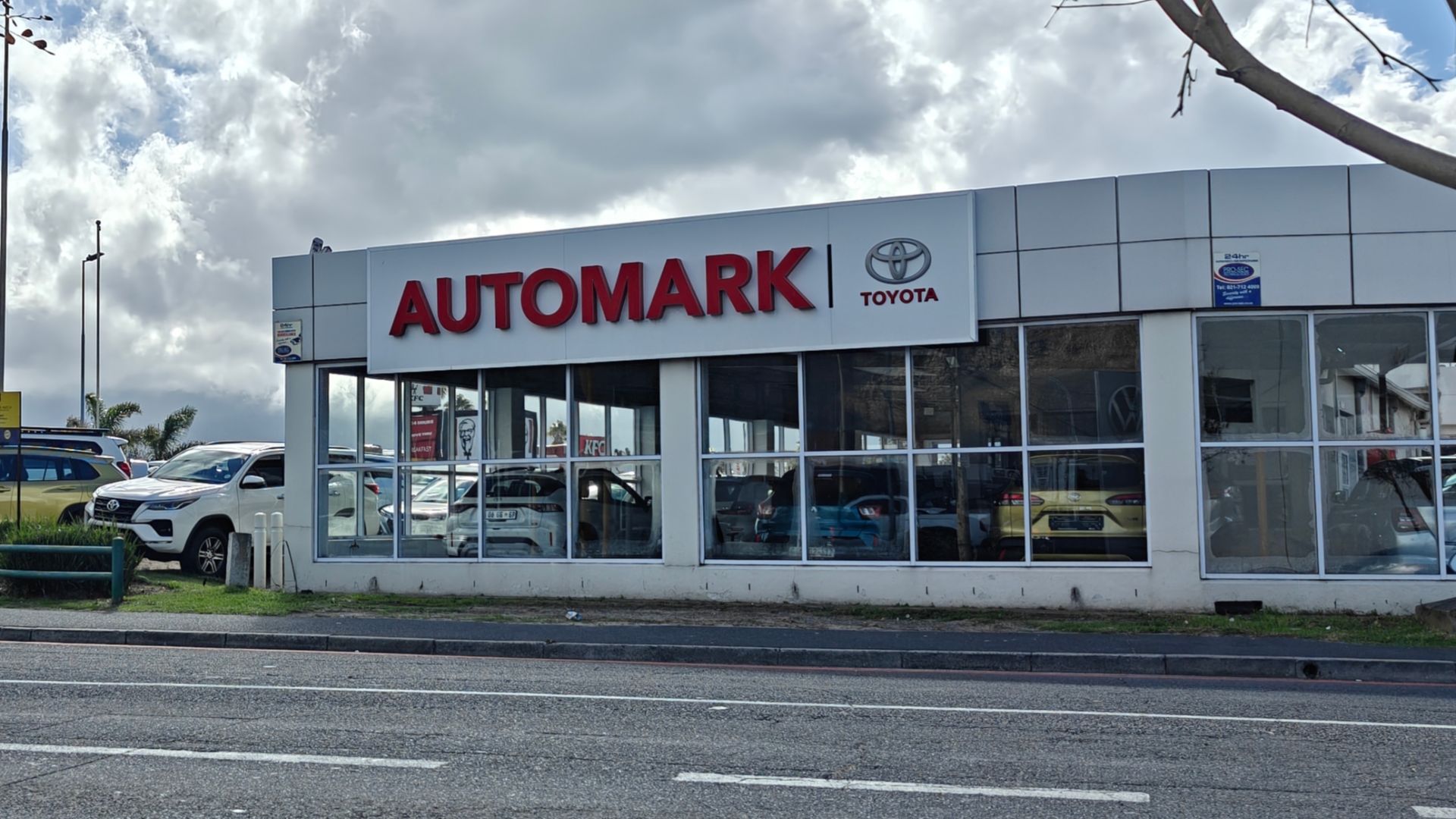
Toyota faced major criticism after owners learned that app-connected remote start and, on some vehicles, key-fob remote start behavior were tied up with connected-services terms. A widely discussed 2021 report from The Drive drew attention to confusion over whether remote start would keep working after a trial expired. Toyota later clarified the details, but the backlash showed how quickly trust can break down when feature access is not explained clearly.
What The Fine Print Usually Says
Automakers typically say connected features require cellular coverage, account setup, agreement to terms, and sometimes a paid plan once the trial period ends. They also usually reserve the right to change packages and feature availability. That may cover them legally, but it does not feel very friendly when the sales pitch made it sound like the feature simply came with the car.
Is This Nickel-And-Diming Or A Real Service Cost
The honest answer is that it can be both, depending on what you are paying for. There are real costs behind mobile apps, servers, customer accounts, cybersecurity, and cellular data connections. But when those costs are bundled in confusing ways, or when a feature feels carved out of an already expensive vehicle, it lands as nickel-and-diming.

What You Actually Own On Day One
When you buy a vehicle, you own the physical car, subject to the purchase agreement, warranty, and software terms that come with it. What you may not own forever is access to every connected service that runs through the automaker’s network. That gap between owning the hardware and paying for the service is one of the least obvious parts of modern car ownership.

Why Touchscreens Take The Blame
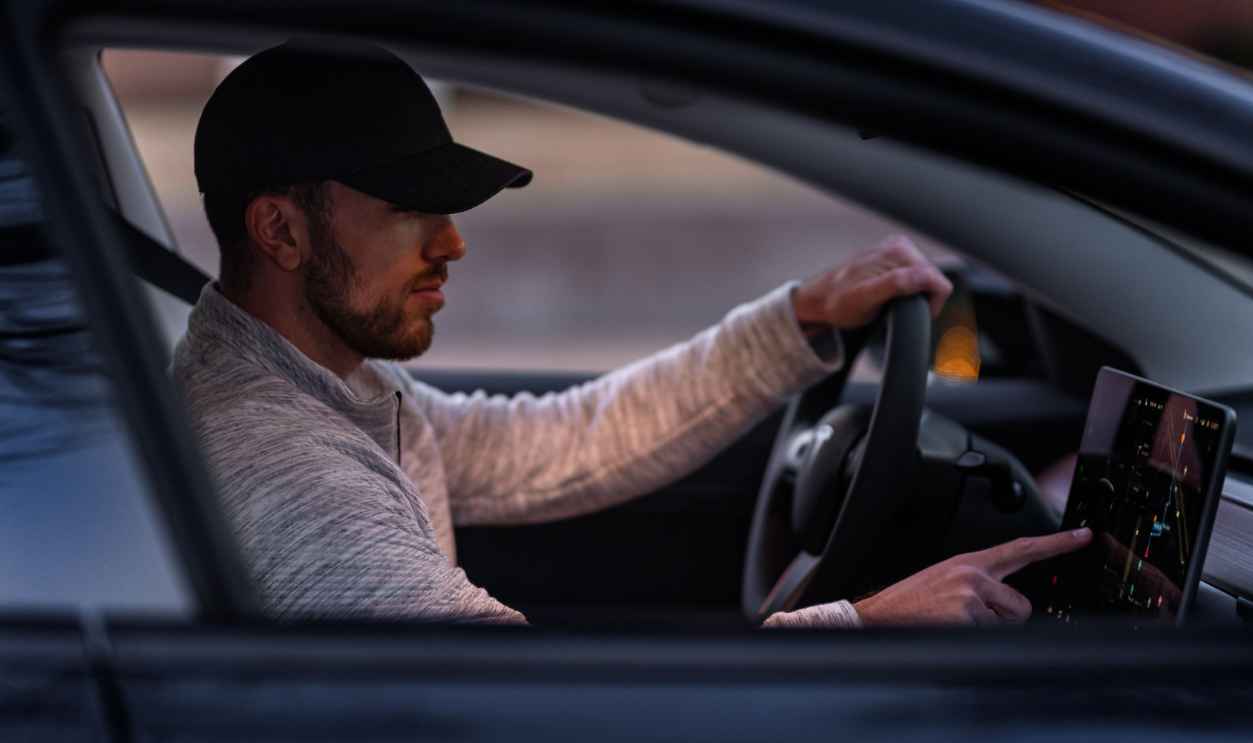
The touchscreen is the part drivers see and use, so it catches the frustration. But in most cases, the monthly fee is not really for tapping the screen. It is for the connected system behind it, including telematics hardware, cloud services, app support, and cellular data.
The Dealer May Be Wrong, Or Only Half Right
If your car has factory remote start on the key fob, you may not need a subscription for that method at all. The paid plan may apply only to remote start from your phone or smartwatch through the brand’s app. That is why it makes sense to ask the dealer to show both methods and explain exactly what stops working when any trial period ends.

Ask For The Feature Breakdown In Writing
This is where buyers protect themselves. Ask the dealer to show the official owner-facing page or window sticker details that list remote start, app-based remote start, connected services, trial length, and renewal pricing. If they cannot show that clearly, be careful about taking a verbal claim at face value.

Check The Window Sticker And The Owner’s Manual
The window sticker can show whether remote start is included as factory equipment, while the owner’s manual explains how it works. If the manual gives a key-fob sequence for remote starting, that is a strong sign the car may have local remote start without an app subscription. If the feature is described only through the app, then the dealer’s warning about a subscription may be more accurate.

Pay Attention To Trial Length And Renewal Cost
Connected services often begin with a free period that varies by brand, trim, and model year. After that, app-based convenience may turn into a monthly or yearly charge. Buyers should ask for the exact end date of the trial and the current renewal price, because both can change.
Why This Model Keeps Spreading
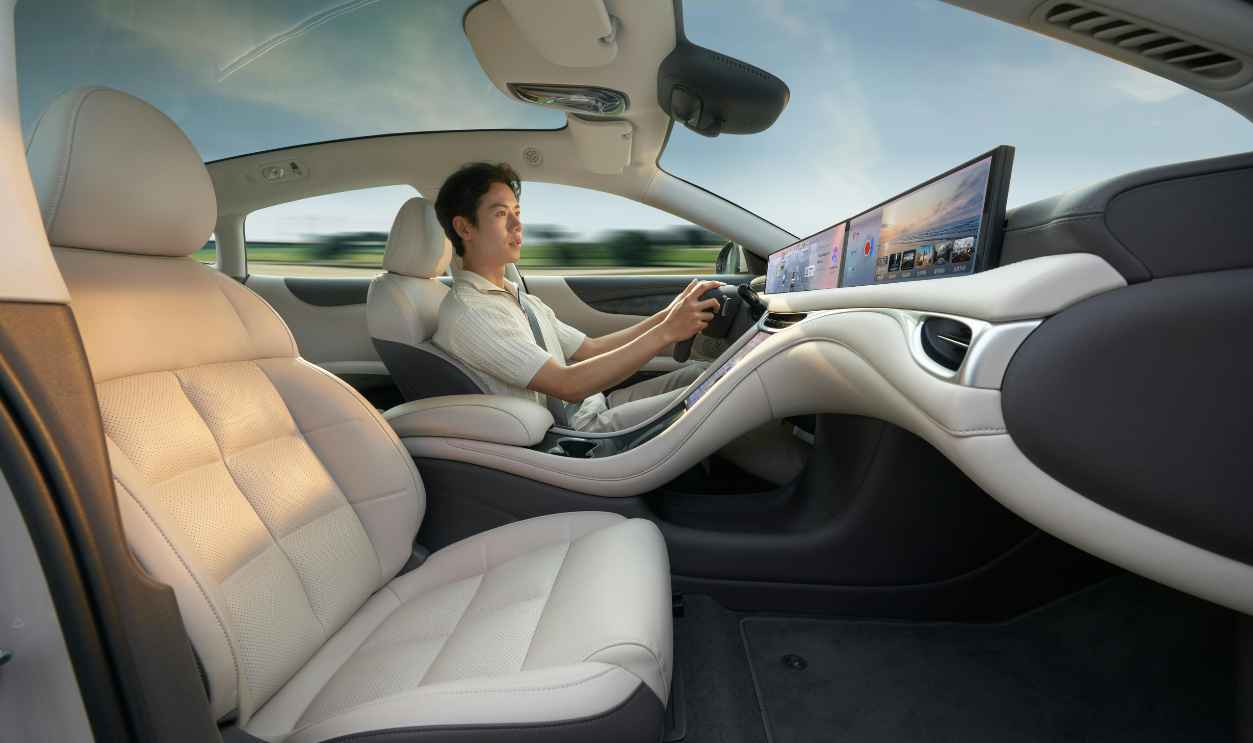
Automakers have spent years looking for recurring revenue after the initial sale. Investors like predictable subscription income, and software-based feature management makes it easier to package services that way. That may make sense on a spreadsheet, but it clashes with the common feeling that an expensive car should not keep asking for rent.
 Anatoliy Cherkas, Shutterstock, Modified
Consumer Backlash Has Already Made A Difference
The loud response to BMW’s heated-seat subscription and Toyota’s remote-start confusion showed automakers that drivers are paying attention. Negative coverage in 2021 and 2022 turned what might have been buried policy details into mainstream ownership concerns. Companies now have more reason to be clear about what is included, even if the clarity still varies a lot.

Regulators Are Watching The Connected-Car World Too
Government attention is not focused only on subscription fatigue. Privacy and data collection have become major issues in connected vehicles, with agencies taking a closer look at how automakers gather and use driver data. That matters here because the same telematics systems that power app-based remote start also support the data flows that raise those concerns.

Your Best Argument At The Dealership
If the car has remote-start hardware and a key fob with a remote-start button or sequence, ask the dealer to show that a subscription is required for the fob itself to work. If what they really mean is that the phone app requires a subscription, ask them to say that clearly in an email or on the buyer’s order. Specific wording matters, because vague wording is how small monthly costs become normal.

How To Push Back Without Starting A Fight
Keep it simple. Say that you understand app-based connected services may cost extra, but you want to know whether the built-in remote-start feature works without ongoing fees. That separates a real network-service cost from a claim that may make the car’s basic equipment sound more restricted than it is.

When Paying May Actually Be Worth It
If you often start your car from well beyond key-fob range, app-based remote start can be genuinely useful. It may also come with features like vehicle location, lock and unlock, diagnostics, and emergency assistance. For some owners, that package is worth the price. The problem is not that it exists. The problem is when it comes as a surprise.

When It Starts To Feel Like Too Much
The line gets crossed when a dealer suggests that a factory-installed convenience feature will stop working without a monthly plan, even though a local method still works. It also feels unreasonable when trial periods, package changes, or fuzzy disclosures leave owners discovering the limits only after they sign the paperwork. That is exactly the kind of experience people describe as nickel-and-diming.

The Bottom Line For Buyers
No, charging for app-based remote start is not automatically a scam, because there are real connected services behind it. But yes, it can absolutely feel like nickel-and-diming when the difference between key-fob remote start and subscription-based app remote start is hidden, glossed over, or poorly explained. Before you sign anything, have the dealer show you what works from the key fob, what works from the app, how long any free trial lasts, and what the renewal price will be.
 Anatoliy Cherkas, Shutterstock