
I Paid Off My Car, Why Is The Tracker Still There?
Most buyers accept a GPS tracker or starter-interrupt device as part of a financing agreement, especially at buy-here-pay-here dealerships and other high-risk lenders. The understanding is usually simple: the device helps protect the lender while money is still owed. That's why many owners are shocked to discover the tracker is still installed and possibly active years after the loan was paid off. Luckily, you have several options for dealing with the device.

These Devices Are More Common Than Many People Realize
GPS tracking devices and starter-interrupt systems have been widely used in subprime auto financing for years. They help lenders locate vehicles after defaults and, in some cases, prevent a vehicle from starting if payments are missed. While many consumers associate these devices with buy-here-pay-here lots, they have been used throughout the high-risk financing industry.
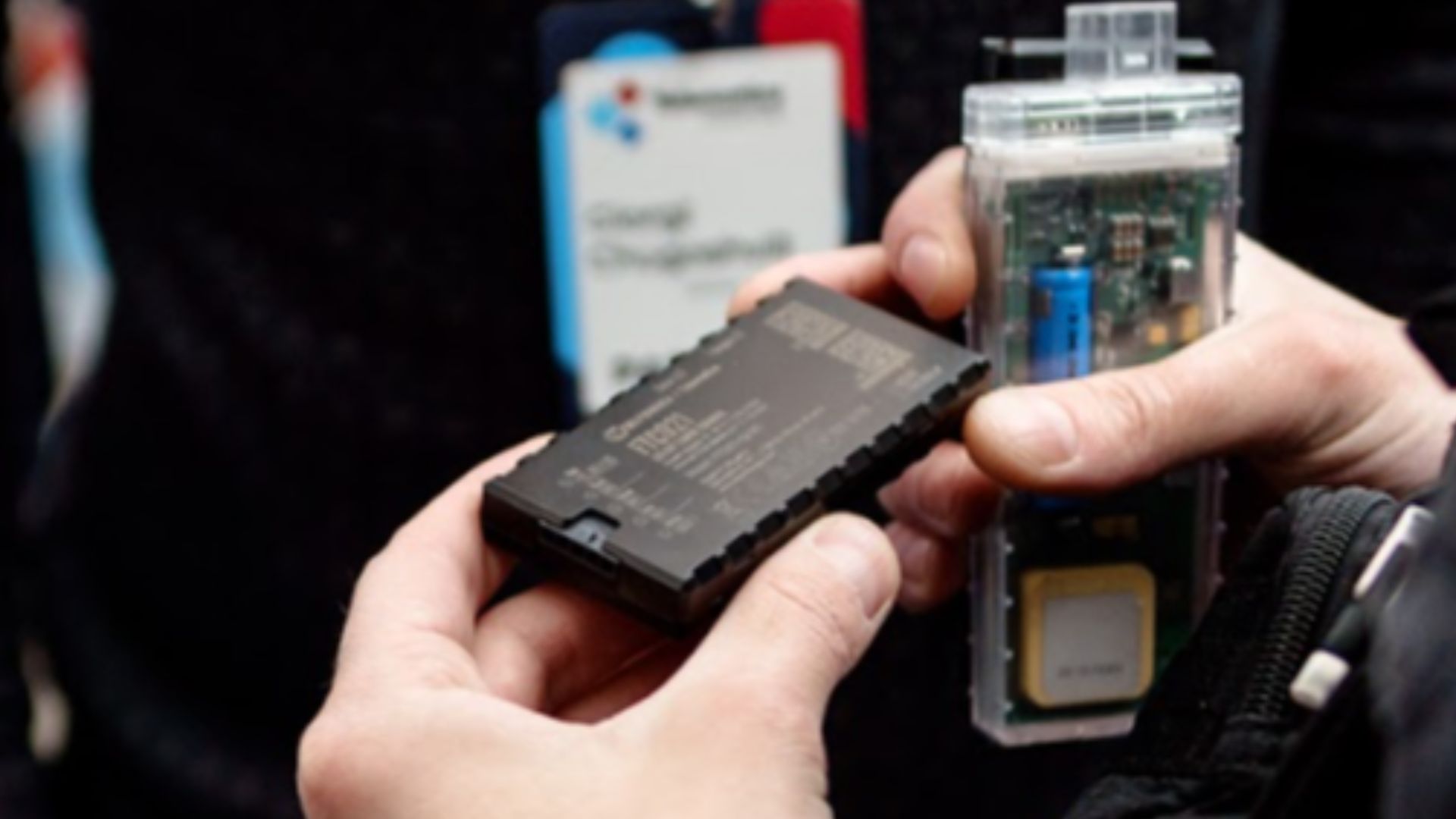
Some Devices Do More Than Track
Many people refer to these units simply as trackers, but some systems include additional features. Certain devices can function as starter interrupts, sometimes called kill switches, that prevent a vehicle from starting after receiving a remote signal. Importantly, these systems are generally designed to stop a vehicle from starting, not shut it off while it is already moving.

The Financing Contract Usually Controlled Everything
When the truck was financed, the dealership or lender typically relied on language in the financing agreement that authorized installation of the device. In many cases, buyers signed disclosures acknowledging that the vehicle contained tracking technology or a starter-interrupt system. Those agreements are usually what gave the lender the legal right to use the device while the loan remained active.

Paying Off The Loan Changes The Situation
Once the loan is paid in full, the lender's security interest in the vehicle generally ends. The entire purpose of the tracker was to protect the lender's financial interest in collateral that no longer secures a debt. As a result, many legal experts view the owner's rights very differently after payoff than during the financing period.

The Device May Be Dormant
Finding a tracker does not necessarily mean someone is actively monitoring the truck. Some dealerships deactivate devices remotely once a loan is satisfied but leave the hardware installed. In other cases, the tracker remains physically connected but can no longer communicate with the dealer's system. Determining whether the unit is active is an important first step before assuming the worst.

Start By Reviewing Your Original Paperwork
If you still have your financing documents, review them carefully. Look for references to GPS tracking, collateral protection devices, telematics systems, starter interrupts, payment assurance technology, or similar language. The paperwork may reveal whether the dealership promised to remove the device, deactivate it, or leave it installed after payoff.

Contact The Dealership First
Before removing anything, consider contacting the dealership that sold the truck. Ask whether the device is still active, whether it has been deactivated, and whether they will remove it. Some dealerships have procedures for handling these requests, while others may not have considered the issue since the loan was paid off. Getting answers in writing is often helpful.

Ask Direct Questions
Do not settle for vague responses. Ask whether the device can still transmit location data, whether it remains connected to a cellular network, whether it contains a starter-interrupt feature, and whether anyone has access to its data. Specific questions often produce more useful answers than general complaints.

Get Everything In Writing
If the dealership tells you the device has been deactivated, ask for written confirmation. If they claim it no longer functions, ask them to state that clearly. Written records can become important later if questions arise about privacy, vehicle problems, or future disputes.

A Mechanic May Be Able To Identify It
If you are unsure what kind of device is installed, a qualified mechanic can often help identify it. Many trackers are installed under the dashboard, near the ignition system, around the OBD-II port, or in other accessible locations. Identifying the manufacturer and model often makes it easier to determine what the device can actually do.

Not Every Device Is Installed The Same Way
Some trackers simply plug into the vehicle's diagnostic port. Others are hardwired into the electrical system and starter circuit. The installation method affects how difficult removal may be and whether professional assistance is advisable.
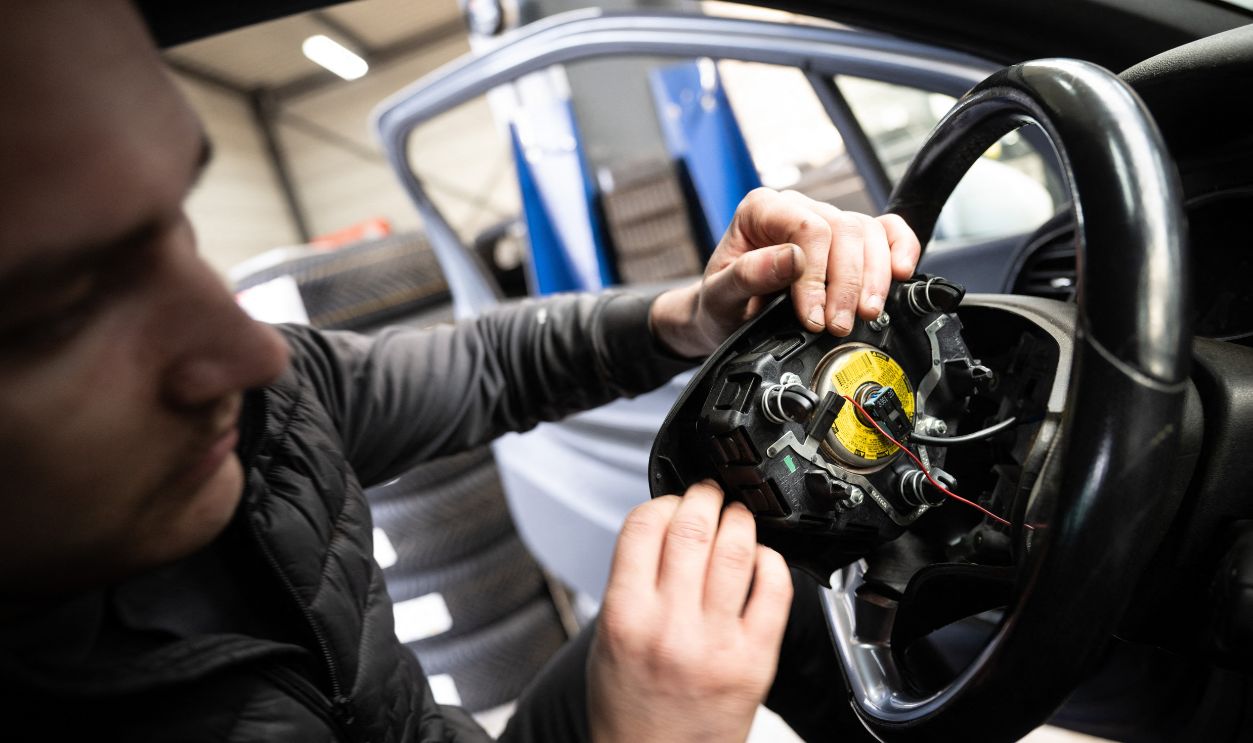
DIY Removal Can Create Problems
Many owners are tempted to remove the device themselves immediately. While that may be possible in some cases, it can also create electrical issues if wiring is disturbed incorrectly. A poorly executed removal can lead to starting problems, warning lights, battery drain, or other unexpected headaches.

The Starter Circuit Deserves Special Attention
If the device includes a starter-interrupt feature, it may be wired directly into the ignition or starter system. Removing it improperly can leave the truck unable to start. That is one reason many owners prefer having a mechanic perform the work rather than attempting it themselves.

Battery Drain Can Be A Clue
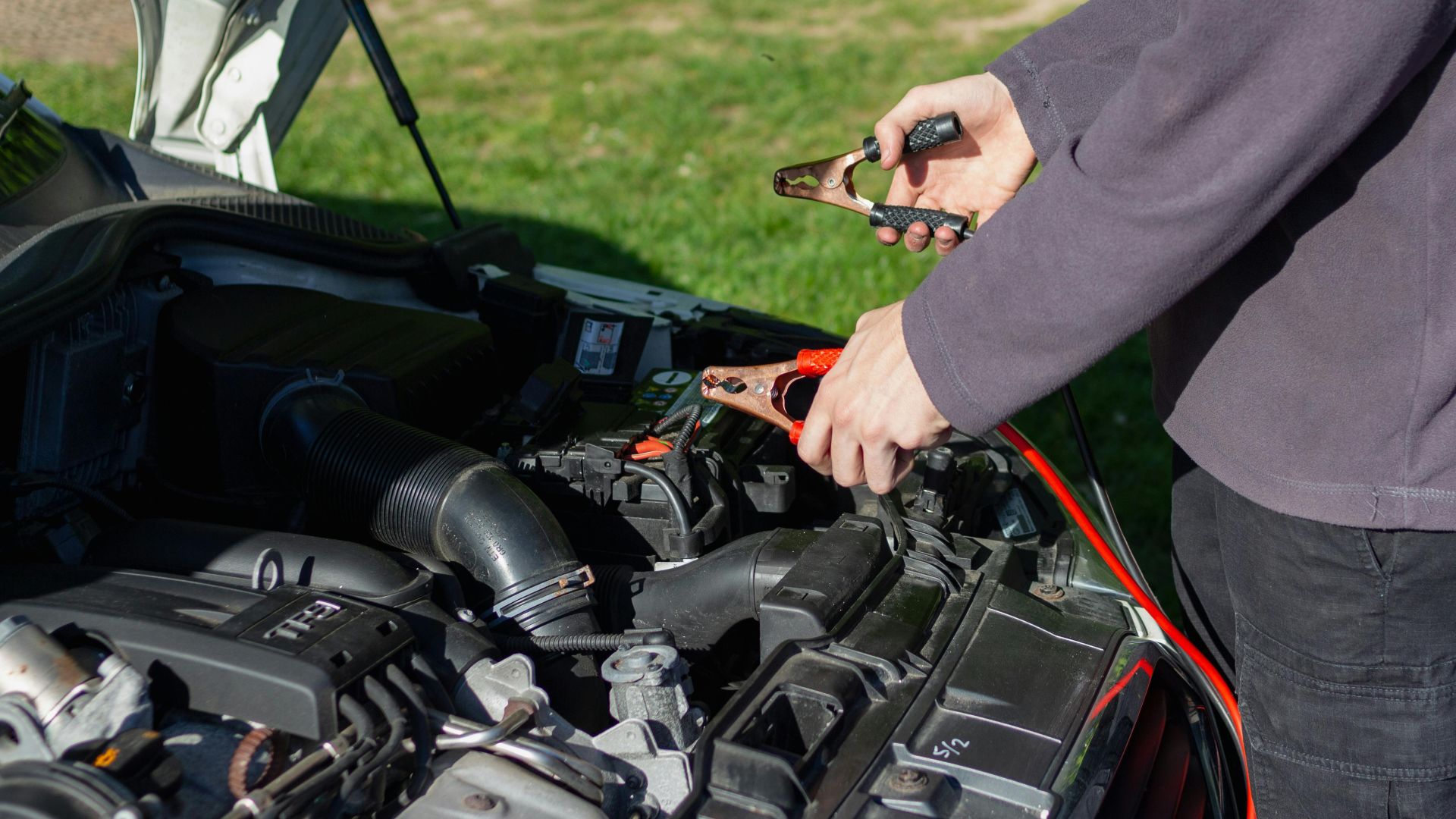
Some tracking devices draw a small amount of power continuously. While the power usage is usually modest, older devices can sometimes contribute to battery-drain issues over long periods. If your truck has experienced unexplained battery problems, the tracker may be worth investigating.
 Daniel @ bestjumpstarterreview.com, Pexels
Privacy Concerns Are Understandable
Many owners become uncomfortable simply knowing a tracking device remains in the vehicle. Modern location data can reveal where a person lives, works, shops, worships, and spends time. Even if the dealership claims the device is inactive, some owners prefer complete removal for peace of mind.

There Have Been Real Problems After Payoff
There have been reported cases where owners experienced vehicle issues years after paying off their loans, only to discover an old tracking or starter-interrupt device was still installed. While such situations appear relatively uncommon, they demonstrate why some owners prefer not to leave obsolete equipment connected indefinitely.

The Manufacturer May Have Information
If you can identify the device manufacturer, contacting them may provide additional answers. Some companies can explain whether the unit remains capable of transmitting data, whether service has been terminated, and whether removal is recommended after a loan is satisfied.

State Laws May Matter
Certain states have disclosure requirements and regulations governing tracking devices and starter-interrupt systems. These rules vary considerably. If you believe the dealership failed to disclose the device properly or continued using it after payoff, local laws may become relevant.

Consider Asking For Removal Costs
If the dealership installed the device solely to protect its financing interest, some owners argue that the dealership should bear the cost of removal once the loan is paid. Not every dealer will agree, but it may be worth asking before paying out of pocket.

Keep Records Of Everything
Save payoff documents, emails, service records, dealership responses, and photographs of the device. If questions arise later about vehicle issues or privacy concerns, good documentation can make resolving the matter much easier.

Do Not Assume The Tracker Is Harmless
Many dormant devices never cause a problem. Others may never transmit another signal after the loan is paid. Still, old electronics can fail, wiring can deteriorate, and starter-interrupt systems can sometimes create complications years later. Evaluating the device rather than ignoring it is often the smarter approach.

Professional Removal Is Often Worth It
If you decide you want the device gone, paying a qualified technician to remove it may be money well spent. The cost is often modest compared to the potential headaches of electrical problems, privacy concerns, or future troubleshooting. A professional can also verify that the truck's systems operate correctly after removal.

You Probably Have More Control Than You Think
Many owners assume they are stuck with whatever the dealership installed years ago. In reality, paying off the truck generally changes the legal and practical landscape considerably. The dealership's financial interest has ended, your ownership rights are stronger, and you have every reason to ask questions about equipment that remains in your vehicle.

The Best Approach Is Usually A Simple One
If you discover a dealership-linked tracker years after paying off your truck, start by confirming whether it is actually active. Review the paperwork, contact the dealership, identify the device, and consider professional removal if you no longer want it installed. In many cases, the issue turns out to be manageable, and a little investigation can help you regain both peace of mind and full control over your vehicle.
 LightField Studios, Shutterstock
You May Also Like: