A Broken Lift Doesn't Automatically Make This Your Problem
You handed over an intact car, the shop put it on its lift, and now you're looking at damage that happened while the vehicle was in its possession. Hearing that nobody is responsible because “the lift malfunctioned” can sound pretty convenient. Equipment failure may affect who ultimately pays, but it doesn't necessarily mean the shop can simply hand you a damaged car and walk away.
Don't Accept “Equipment Failure” As The Entire Explanation
A lift malfunction might explain the immediate event, but it doesn't explain why the malfunction happened. Auto lifts require inspection, maintenance, correct setup, and trained operation. OSHA has documented serious lift accidents involving defective components, broken hardware, failed safety locks, improper setup, and inadequate maintenance. Finding the underlying cause is much more important than the shop simply labeling it a malfunction.
The Shop Had Control Of Your Car
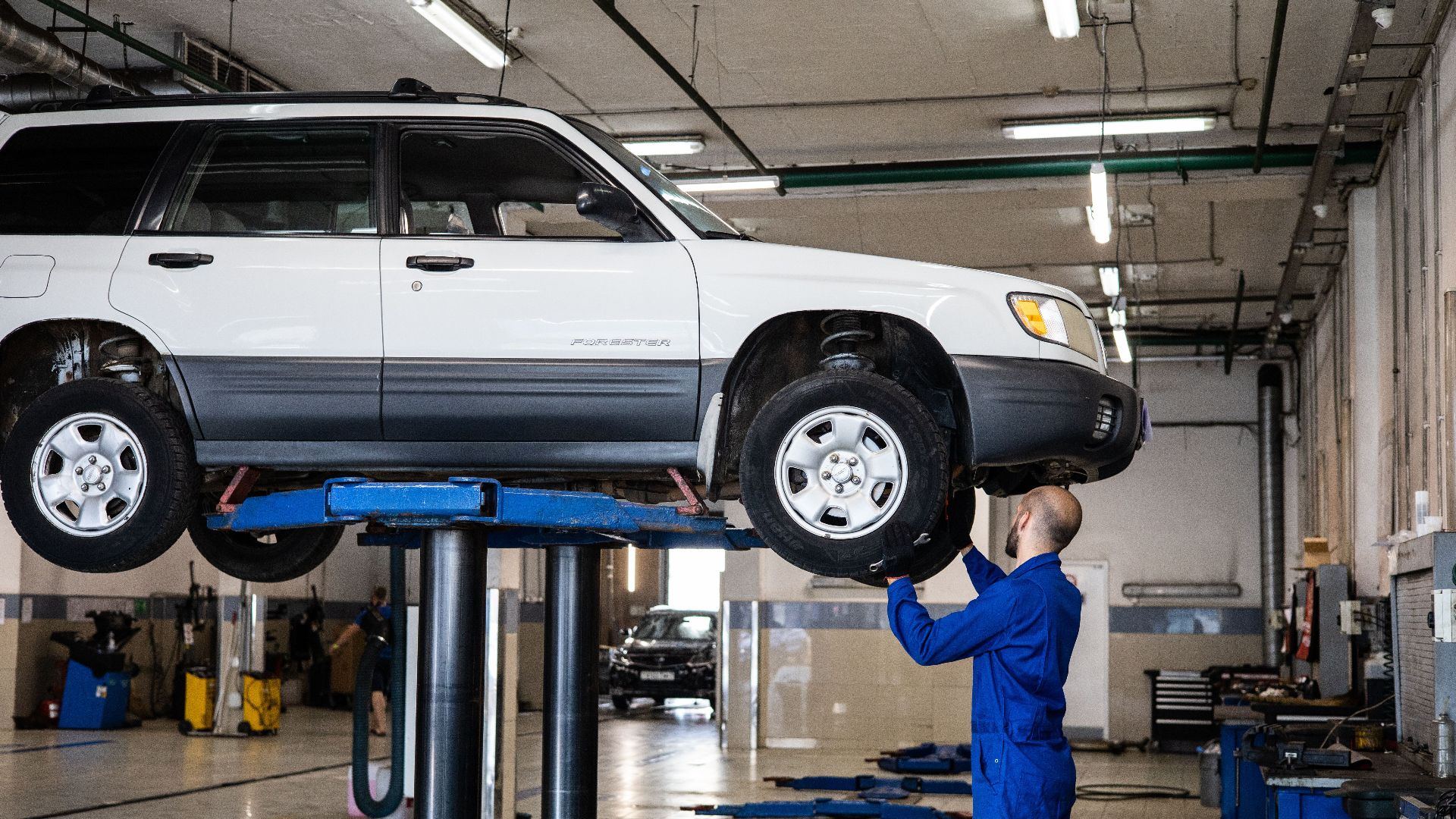
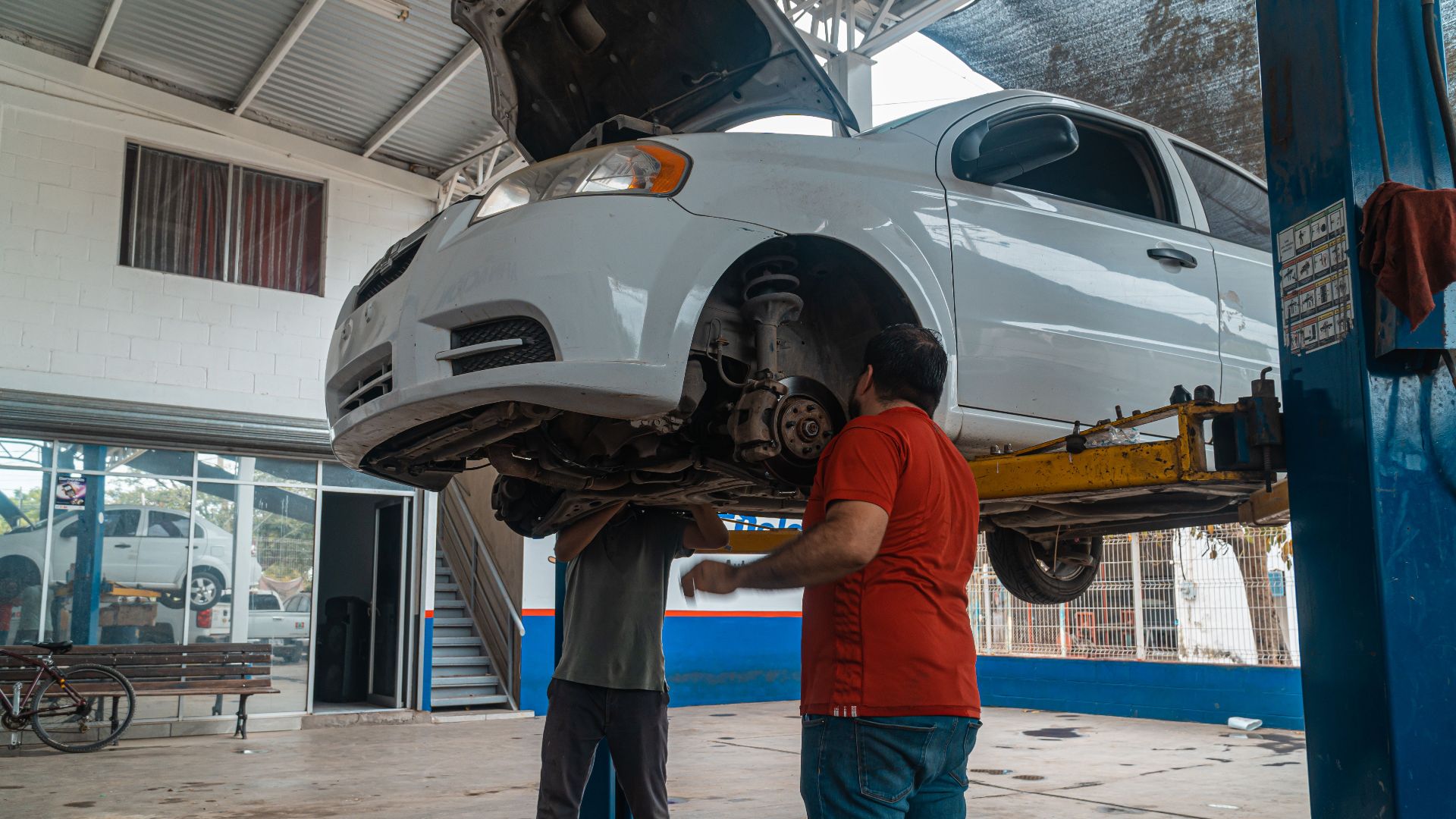
Once a repair facility takes possession of a customer's vehicle, that vehicle is generally considered to be in the shop's care, custody, or control. That's an important concept in both liability and insurance. You weren't operating the lift or choosing where its arms were placed. The shop was handling the vehicle and the equipment being used to service it.
Shops Often Carry Insurance Specifically For Customer Cars
Auto repair businesses commonly purchase garagekeepers coverage for exactly this type of risk. Travelers describes garagekeepers liability as coverage for physical damage to customer vehicles while they're in the shop's care, custody, or control. That can include damage occurring during service, storage, or other shop activities.
 Jose Ricardo Barraza Morachis, Pexels
Garagekeepers Isn't The Same As Ordinary Garage Liability
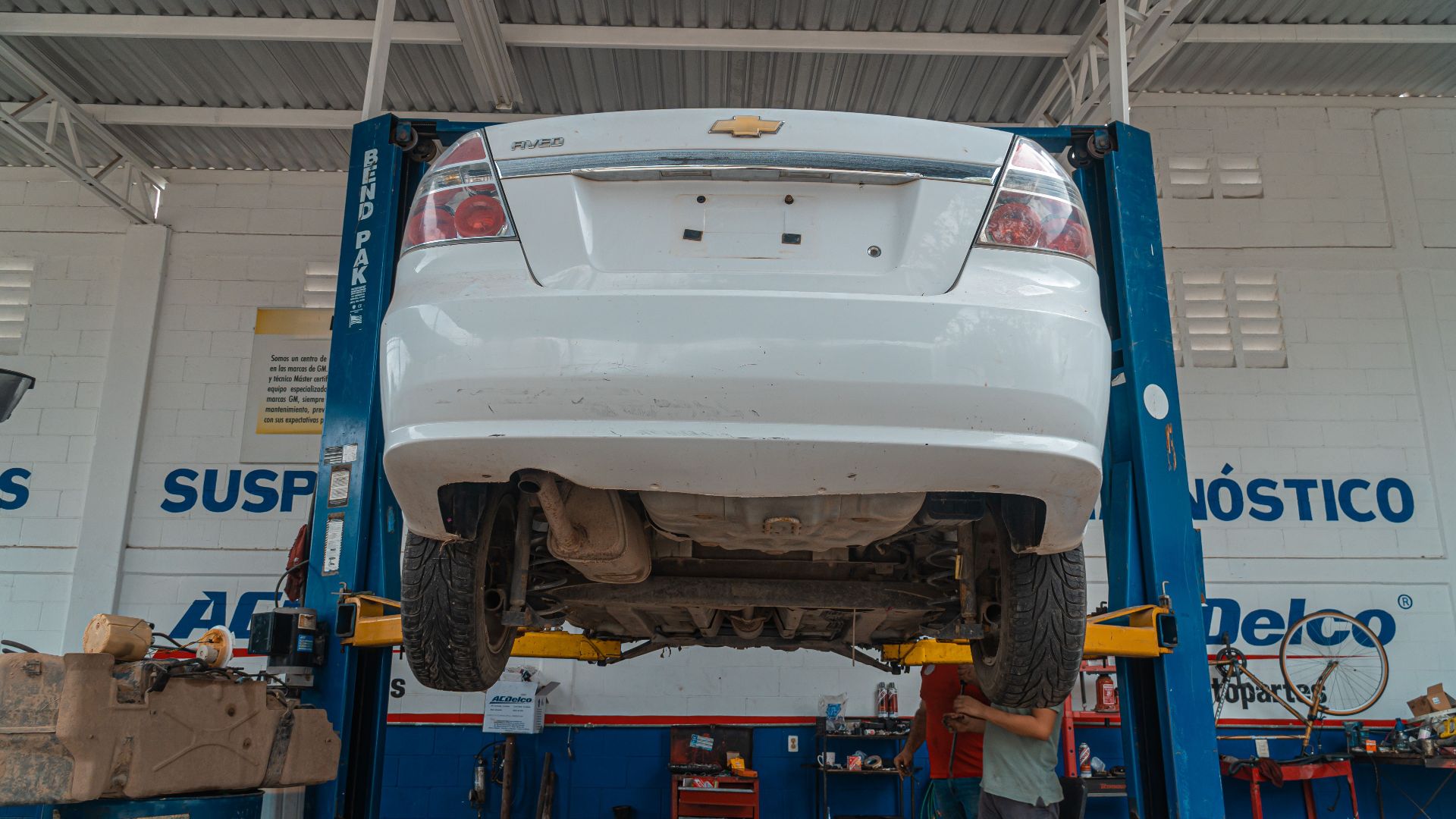
The names are confusing. Garage liability insurance generally deals with broader risks associated with the business, such as injuries to customers or damage to other property. Garagekeepers coverage is designed specifically around vehicles belonging to customers while the shop possesses them. If you're asking about the car that fell off the lift, garagekeepers is usually the coverage worth asking about first.
 Jose Ricardo Barraza Morachis, Pexels
But Not Every Garagekeepers Policy Works The Same Way
This is where the shop's statement may contain a small piece of truth. Some garagekeepers policies are written on a legal-liability basis, meaning the insurer pays when the shop is legally responsible for the loss. Other forms can provide broader direct coverage even when fault is disputed. You can't assume the shop's insurer automatically pays simply because an accident occurred.
A True Unavoidable Defect Could Complicate Liability
Suppose a properly maintained lift contained a hidden manufacturing defect that nobody reasonably could have detected. The shop's insurer may argue that the shop wasn't negligent. Responsibility could potentially shift toward the lift manufacturer, installer, or maintenance contractor. But that determination requires an investigation. The shop simply saying “the lift broke” doesn't establish that the failure was unavoidable.
Poor Maintenance Is A Very Different Story
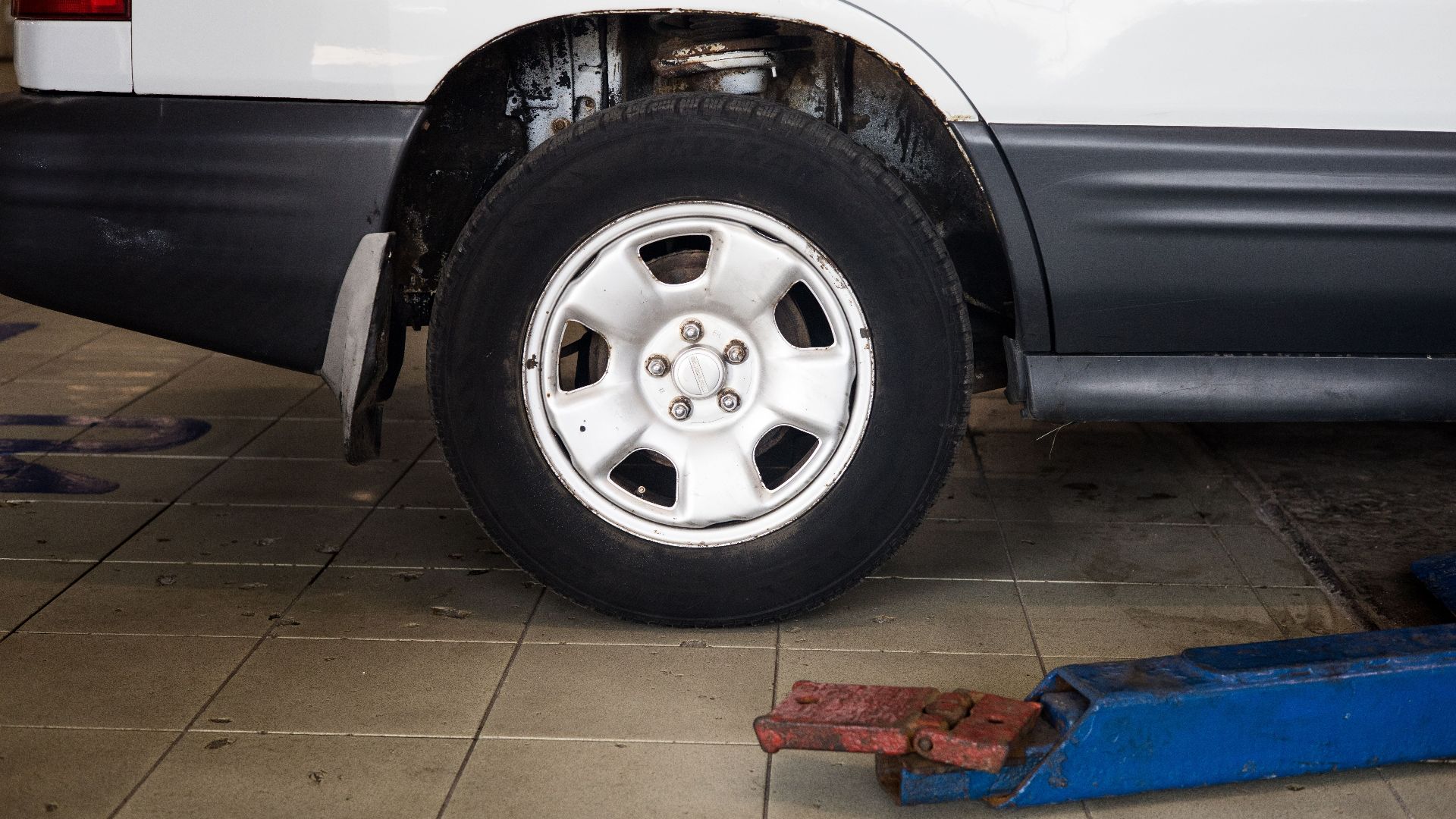
If the lift had damaged locks, worn pads, loose bolts, hydraulic problems, or another known issue that wasn't repaired, the shop's position becomes much harder to defend. OSHA enforcement records include lift incidents where inspections revealed defective parts or inadequate preventative maintenance. Ask whether this lift had experienced previous problems.
Operator Error Could Matter Too
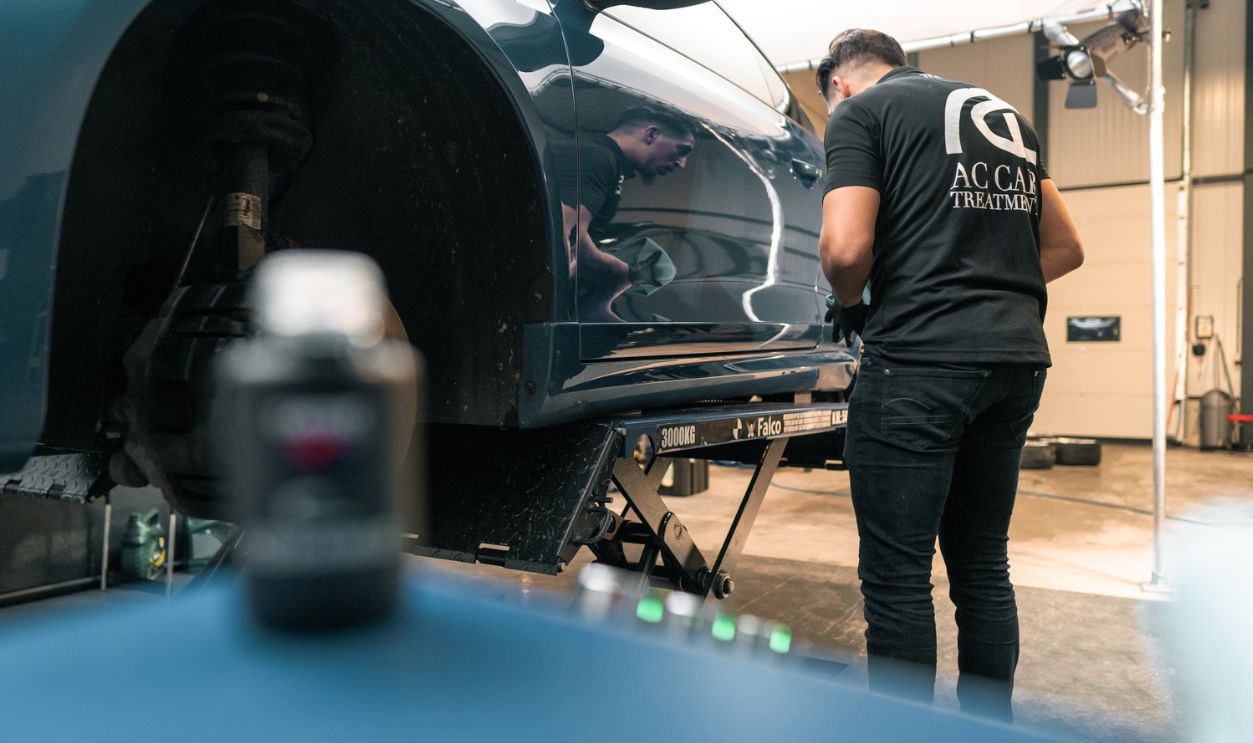
A perfectly functional lift can still drop a vehicle if it's used incorrectly. Lift arms must contact appropriate lifting points, the vehicle must be balanced properly, and locks need to engage. If a technician positioned your car incorrectly, exceeded the lift's capacity, or failed to verify stability, the mechanical condition of the lift may not even be the main issue.
Ask For An Incident Report
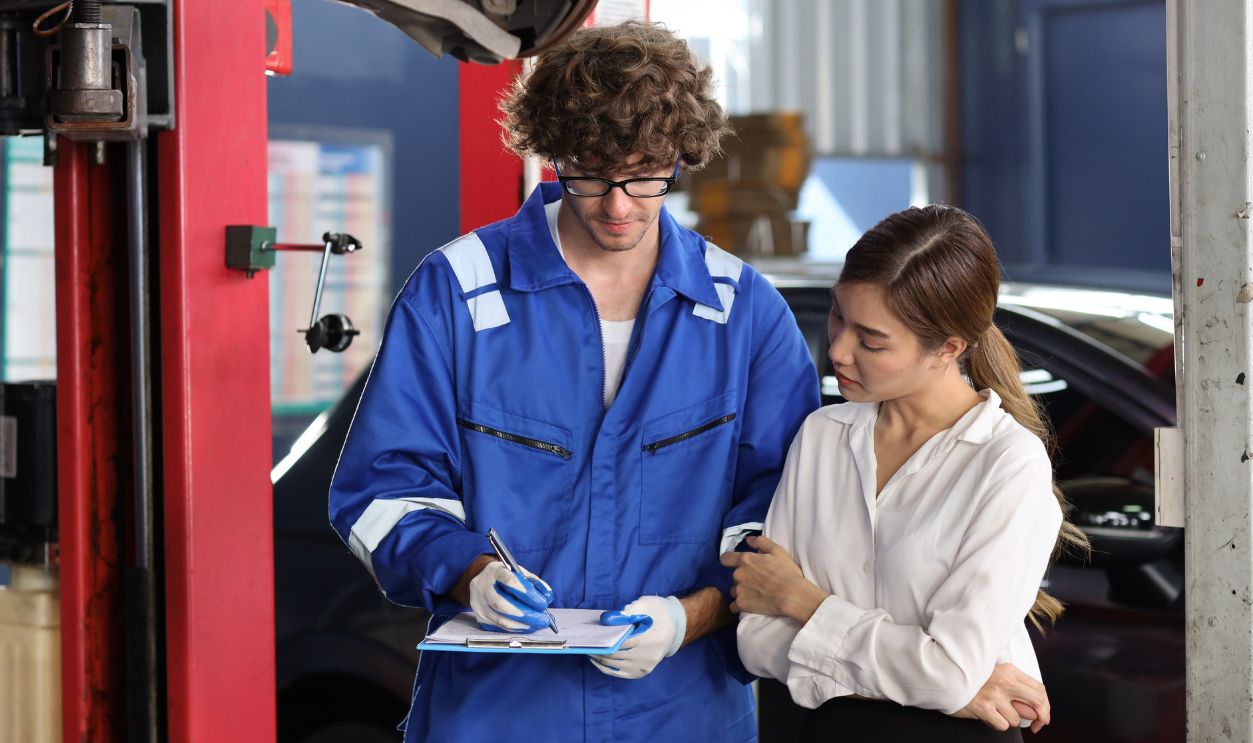
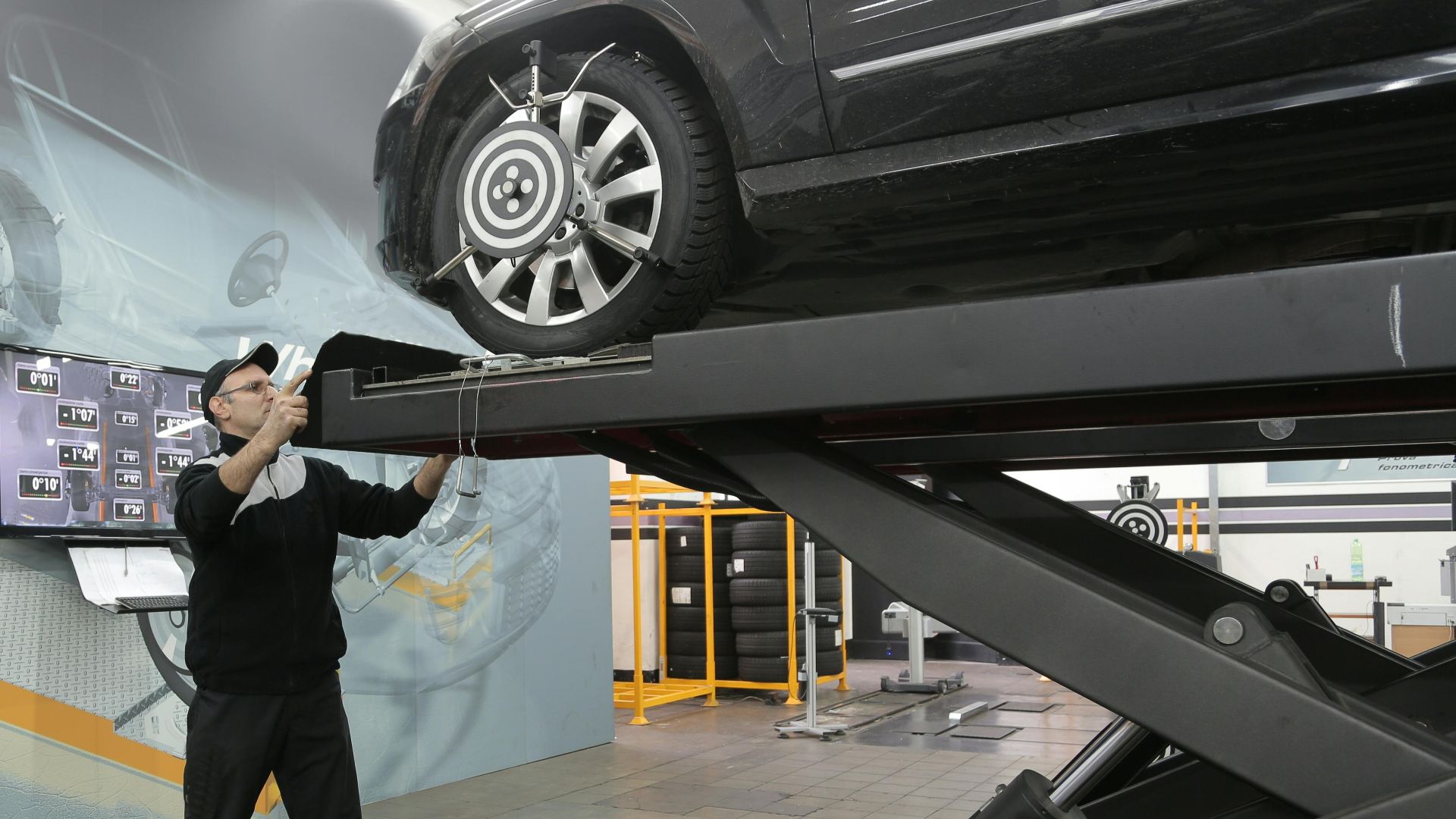
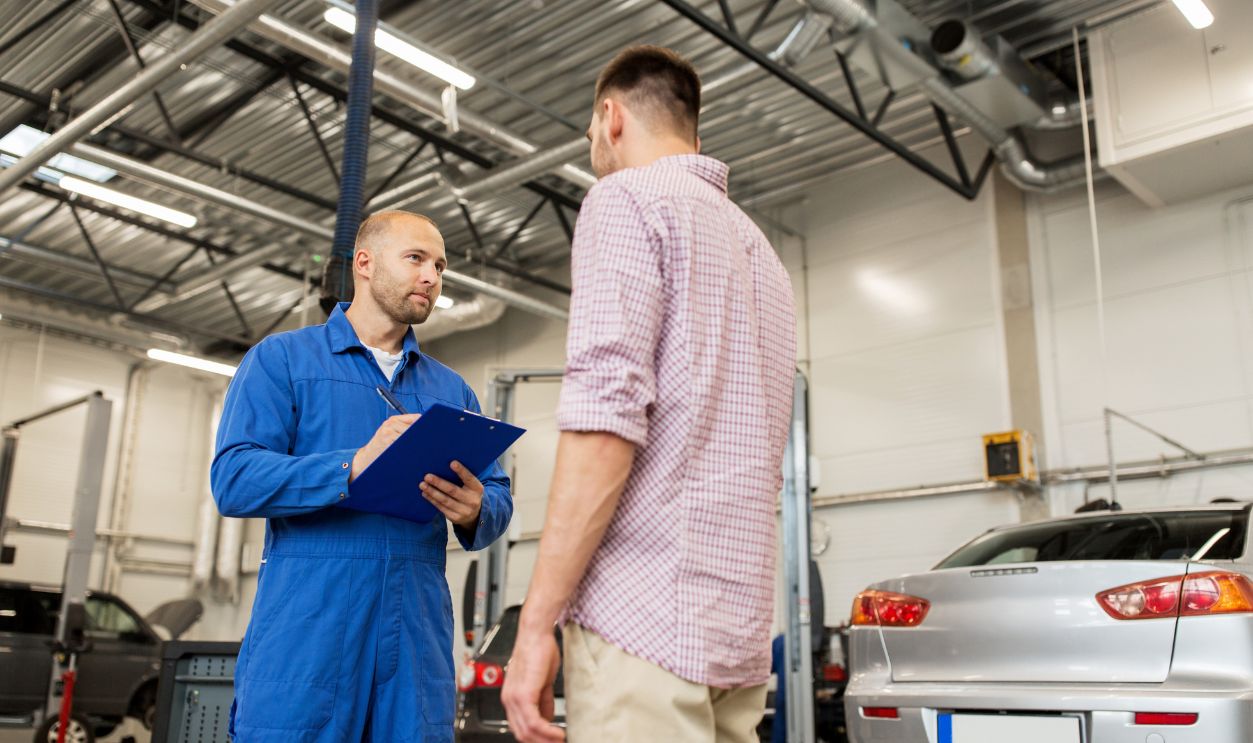
Request a written account of what happened, including the date, time, lift involved, employees present, and the shop's explanation of the failure. If the business already completed an internal incident report for management or its insurer, ask whether you can receive a copy. At minimum, send your own email summarizing what the shop told you so there's a dated written record.
Photograph Everything Before Repairs Begin
Take detailed pictures of every damaged area, including the underside if it can be inspected safely by another shop. Photograph crushed rocker panels, bent suspension components, body damage, wheels, exhaust parts, underbody panels, and anything else affected. Also save any photos the repair shop took immediately after the vehicle fell.

Ask The Shop To Preserve Camera Footage
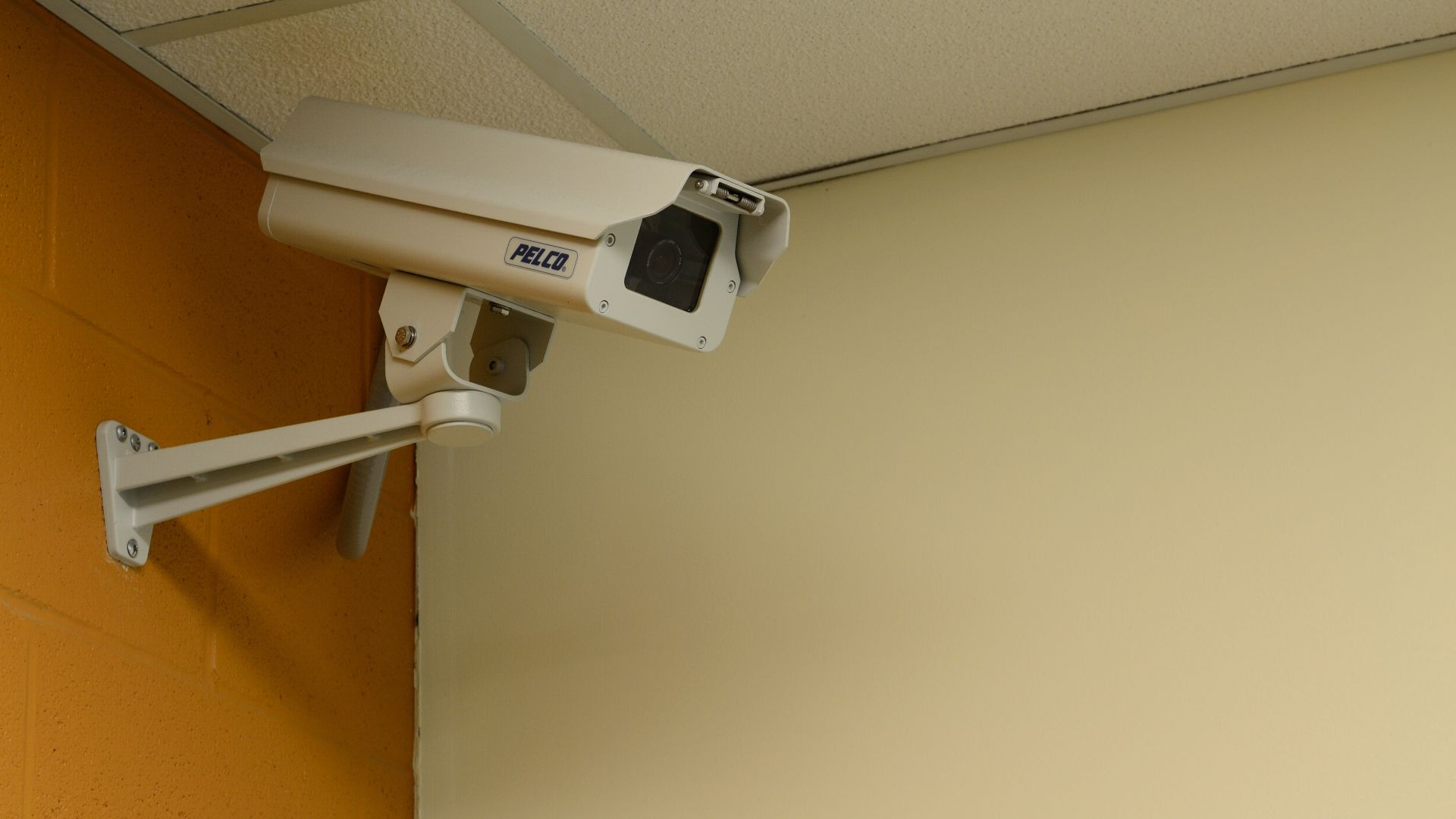
Many repair facilities have security cameras covering service bays. Video could show how the vehicle was positioned, how it fell, who was nearby, and what happened immediately afterward. Ask the shop in writing to preserve any footage before it gets automatically overwritten. Don't assume a recording will still exist several weeks later.
 Raysonho @ Open Grid Scheduler / Grid Engine, Wikimedia Commons
The Lift Itself Is Evidence Too
If the shop claims equipment failure, the condition of the lift may become important evidence. Ask whether the lift has been inspected since the incident and whether damaged parts were removed or replaced. You can also ask the shop or its insurer to preserve maintenance records, inspection reports, repair invoices, and the failed component while the claim is being investigated.
 Memory Stockphoto, Shutterstock
Don't Let The Same Shop Be The Only One Evaluating The Damage
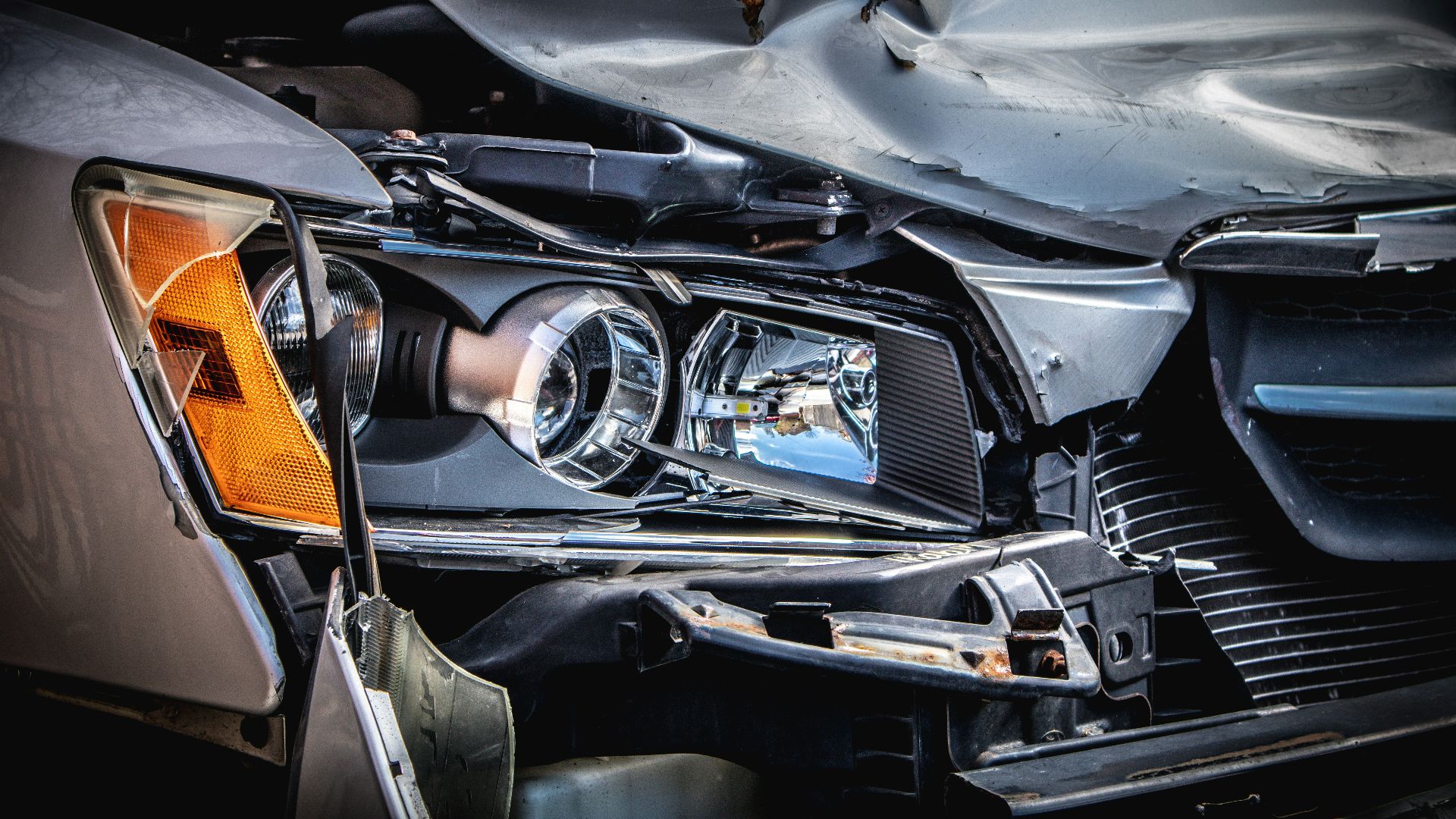
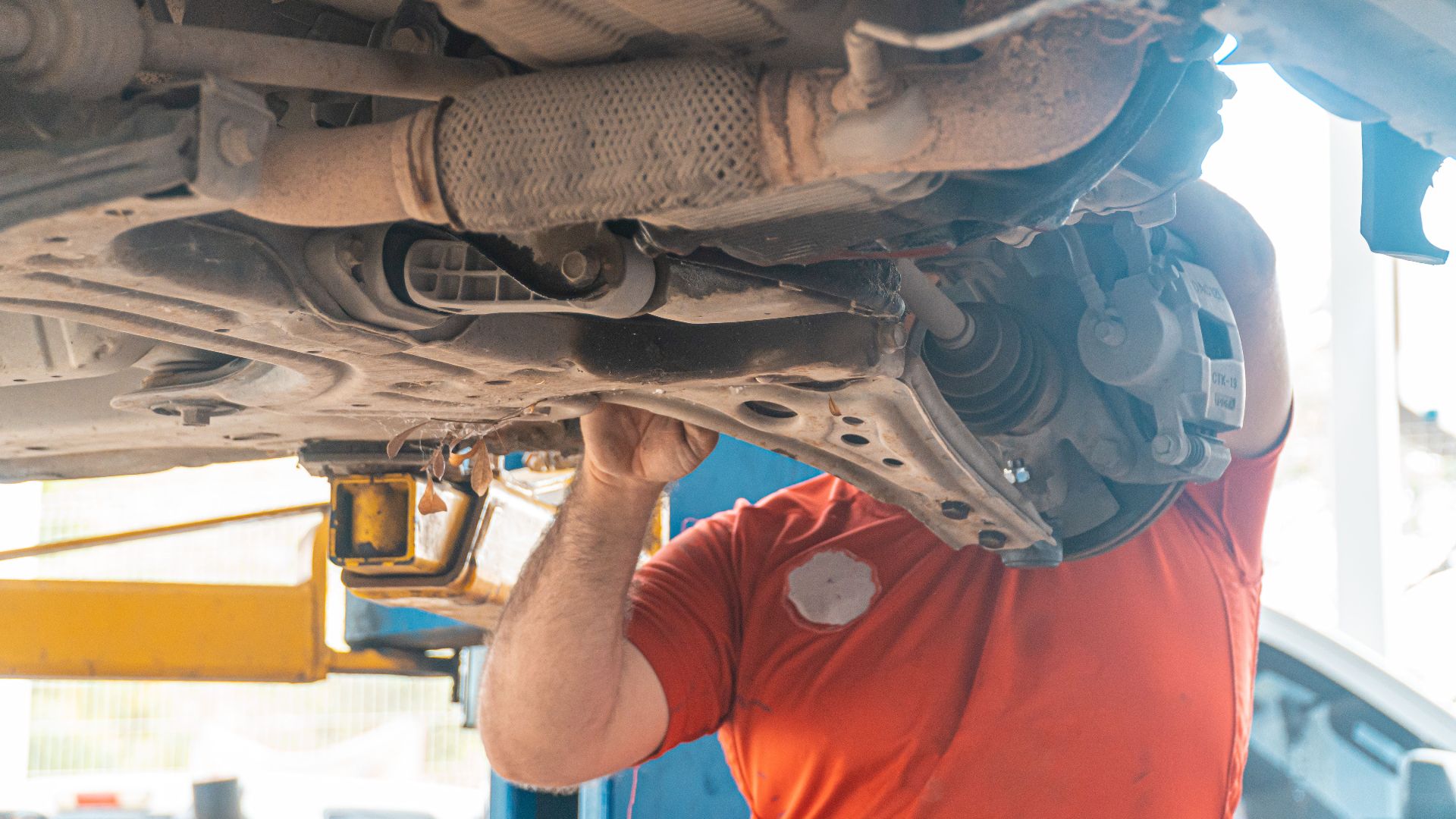
A vehicle falling from a lift can suffer damage beyond the obvious dent or scrape. Have an independent repair facility inspect it, ideally one comfortable assessing structural and suspension damage. You want an estimate from someone who wasn't involved in the accident and doesn't have a financial reason to minimize what happened.
 Jose Ricardo Barraza Morachis, Pexels
Look Beyond The Body Panels
Depending on how the car landed, damage could involve rocker panels, pinch welds, subframes, suspension arms, wheels, steering components, exhaust, oil pans, battery cases on EVs, or other underbody components. Wheel alignment can also change. A car that looks fine from five feet away may still need a substantial mechanical inspection.
Get The Shop's Insurance Information
Ask the owner or manager for the name of the insurance carrier, policy or claim information if available, and contact information for the adjuster handling the incident. If the shop says it has already reported the accident, request the claim number. Dealing directly with the insurer can be easier than repeatedly arguing about responsibility at the service counter.
Don't Sign A Release Just To Get The Car Back
Read anything the shop asks you to sign carefully, especially language saying the matter is settled, the shop isn't responsible, or you've accepted the vehicle without further claims. If the shop insists that you sign a liability release before returning your own vehicle, consider getting legal advice before agreeing to it.
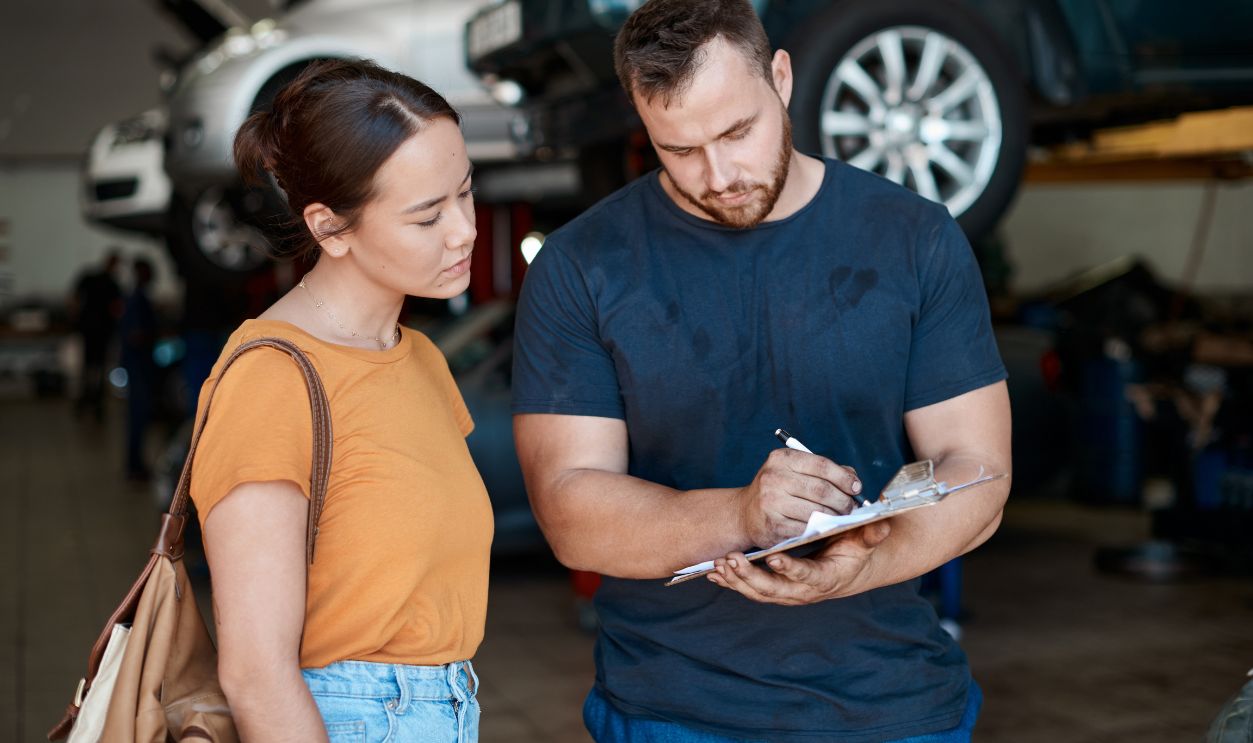
A Disclaimer On The Repair Order Isn't Necessarily The Last Word
Some repair orders contain broad language attempting to limit the shop's responsibility for theft, fire, damage, or other losses. Whether that language actually protects the business depends on state law and the circumstances. FindLaw notes more generally that businesses can't always escape responsibility for vehicle damage simply by posting or printing a “not responsible” disclaimer.
Your Own Insurance May Be The Faster Route
If the shop and its insurer are arguing while your vehicle sits unusable, contact your own auto insurer. Depending on your policy and the circumstances, physical-damage coverage may apply. Let the claims representative determine whether the loss falls under collision, comprehensive, or another provision rather than guessing based on how the accident happened.

You May Have To Pay Your Deductible At First
Using your own coverage can mean paying the applicable deductible even though you didn't cause the incident. The advantage is that your insurer may be able to get the repair moving sooner. If it later concludes that the repair shop or another party was responsible, it may seek reimbursement through subrogation and potentially recover some or all of your deductible.
 https://kaboompics.com/, Pexels
Subrogation Can Move The Argument Away From You
Subrogation basically means your insurer pays a covered claim and then pursues whoever it believes was responsible. Instead of you debating lift maintenance with a repair-shop owner, two insurance companies can sort out the liability. That doesn't guarantee recovery, but it can be useful when the shop refuses to cooperate.
Don't Forget Towing, Rental Cars, And Other Costs
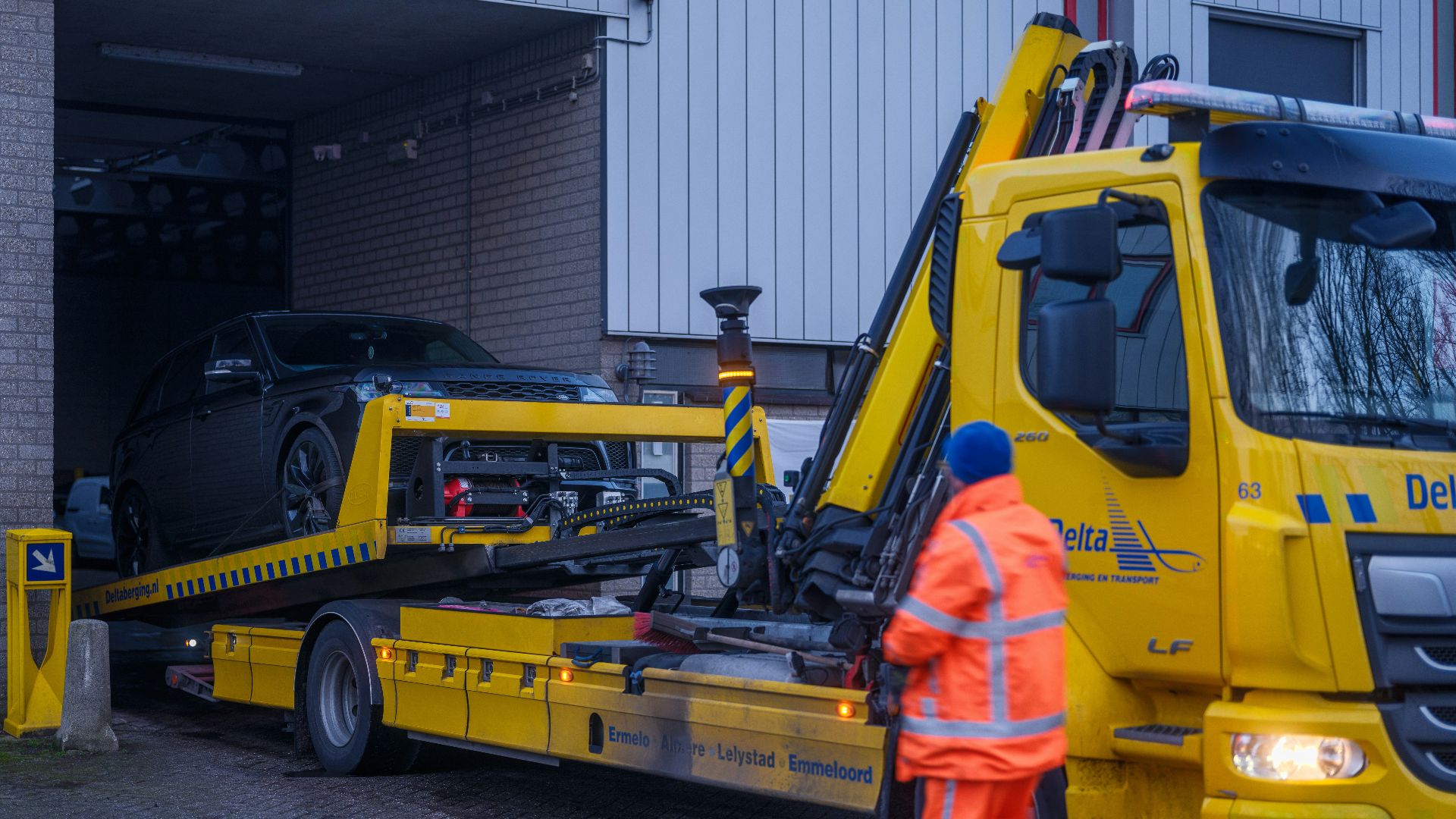
The damage claim may involve more than fixing the car itself. If the vehicle needs to be towed elsewhere, stored, or replaced temporarily with a rental car, keep every receipt. Property-damage claims can sometimes include reasonable expenses that directly resulted from the incident, although what's recoverable depends on state law and the applicable insurance coverage.
Significant Damage Could Affect The Car's Value
A newer, valuable, or collectible vehicle may be worth less after substantial repairs simply because it now has a serious damage history. That's known as diminished value. Whether you can recover it depends heavily on state law, the circumstances, and the type of claim, but it can be worth investigating if the lift accident caused major structural or body damage.
Small Claims Court Can Be An Option If Insurance Goes Nowhere
If the repair cost falls within your state's small-claims limit and the shop refuses to pay, a property-damage claim may be possible. Repair estimates, photos, communications with the shop, video, maintenance records, and the shop's explanation of the accident can all become important. For a high-value vehicle or major structural damage, talking with a local attorney may make more sense.
“The Lift Malfunctioned” Isn't Enough To Close The Matter
A shop doesn't automatically become legally responsible for every freak equipment failure, and the exact result will depend on state law, the cause of the malfunction, and the shop's insurance policy. But your car was damaged while the business had it on equipment the business controlled. Ask for the incident report and insurance information, document the damage, get an independent inspection, and make sure evidence surrounding the lift is preserved. If the shop's insurer won't cooperate, your own insurer may be able to pay a covered loss and pursue the responsible party afterward. Equipment failure may determine where the claim ultimately lands, but it isn't a reason to simply hand the entire repair bill back to you.
You May Also Like: