When A Frozen Screen Stops Being A Small Problem
A glitchy touchscreen sounds like just an annoyance until it freezes when you need it for your car's basic functions. While dealers might claim this is a minor issue, to be expected with modern cars, not everyone agrees. U.S. safety regulators have repeatedly treated screen failures as more than cosmetic when they affect required equipment or pull the driver’s attention from the road.
 Gustavo Fring, Pexels, Modified
You Are Not Wrong
Yes, a frozen infotainment screen can be a safety defect in many situations, in particular when it affects a safety-related function like the rearview camera, windshield defogging controls, warning chimes, or quick access to essential features. If a dealer brushes it off as minor but the freeze disables those functions, recent recalls and federal safety rules suggest the issue deserves a much closer look.
What Counts As A Safety Defect
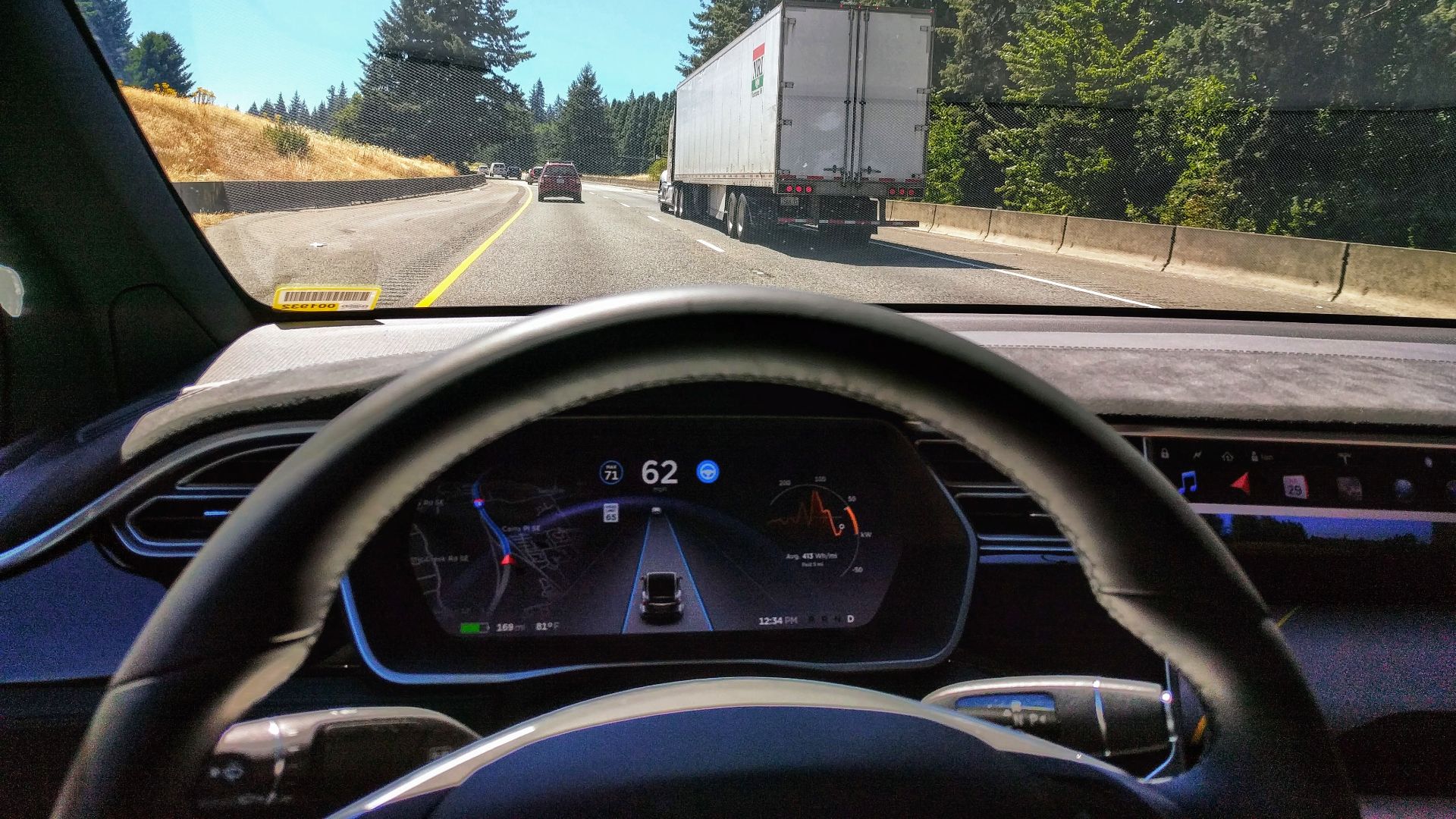
The National Highway Traffic Safety Administration, or NHTSA, says a safety-related defect is a problem that creates an unreasonable risk to motor vehicle safety and may exist in a group of vehicles with the same design or build. That can include software, not just broken parts. If a touchscreen freeze regularly blocks critical controls or safety displays, it can fit that definition.
 Ian Maddox , Wikimedia Commons
Why Screens Matter More Than They Used To
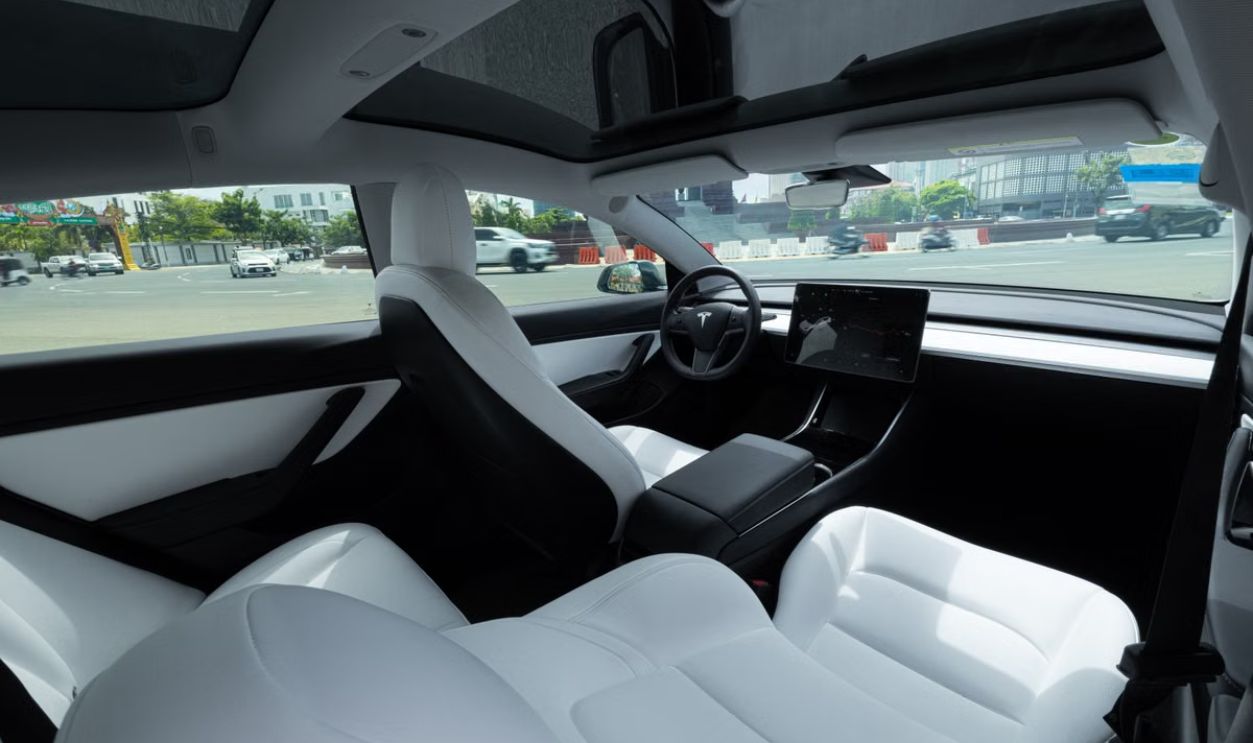
Modern cars run far more through the center display than older vehicles ever did. On many models, climate settings, defrost, camera views, audio alerts, and vehicle settings all run through one screen and one software system. When that system locks up, the problem can turn into a real driving risk in seconds.
The Rearview Camera Changed The Stakes
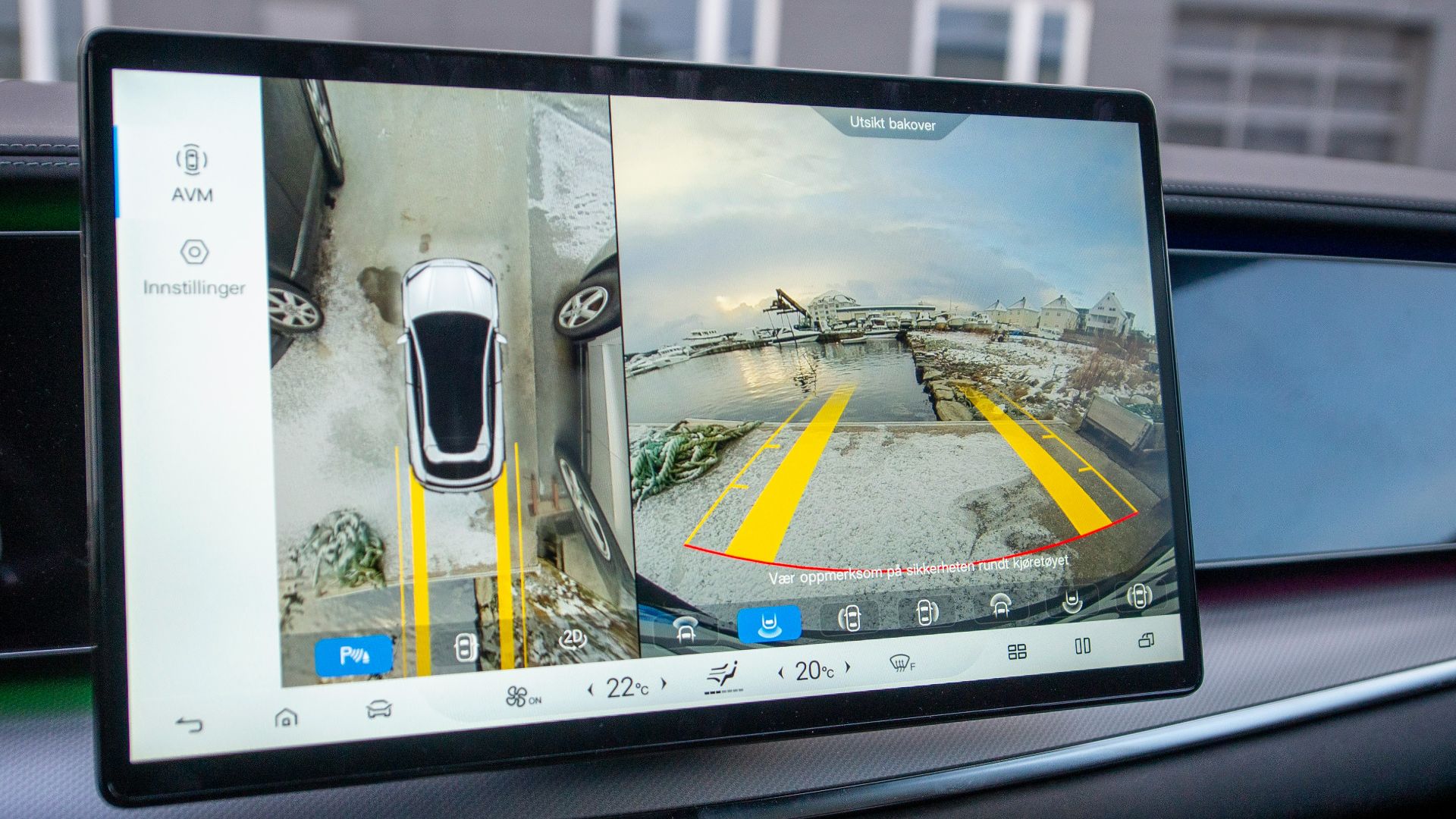
One big reason touchscreen problems now get serious attention is the rearview camera rule. Federal Motor Vehicle Safety Standard No. 111 requires new light vehicles to have a compliant rear visibility system, and automakers have recalled vehicles when screen problems interrupted that view. If your display freeze blanks out or delays the backup camera image, that is a major warning sign, not picky-owner territory.
A Huge Tesla Recall Put Screens In Focus
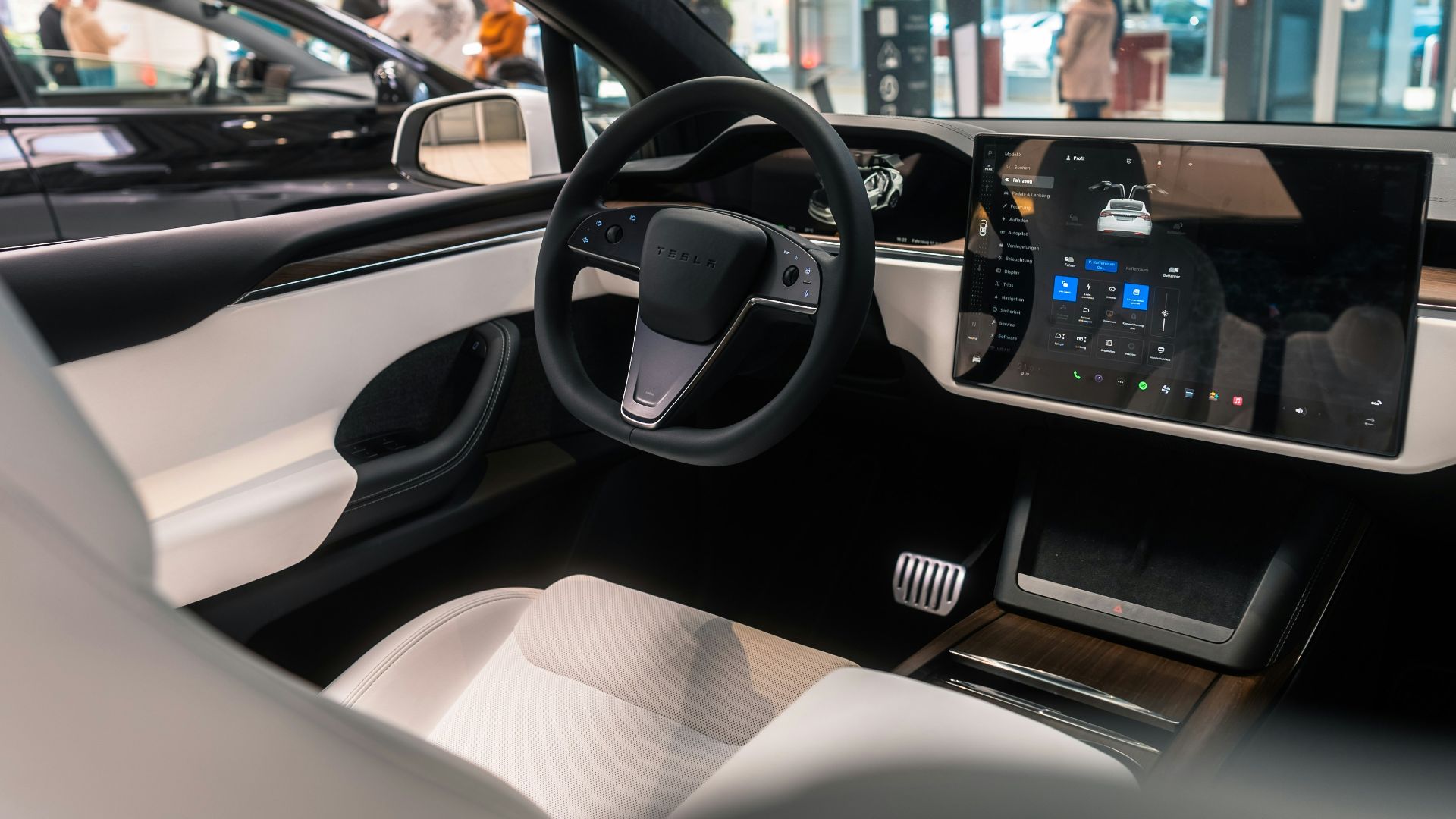
In December 2023, Tesla recalled more than 2 million vehicles after NHTSA found the Autopilot controls and warnings were not enough to prevent misuse. That case was mostly about driver monitoring and system design, but it pointed to something bigger. Regulators are willing to treat interface design and software behavior as safety issues when the way information shows up on a screen affects how a driver behaves.
Another Tesla Case Was Even Clearer
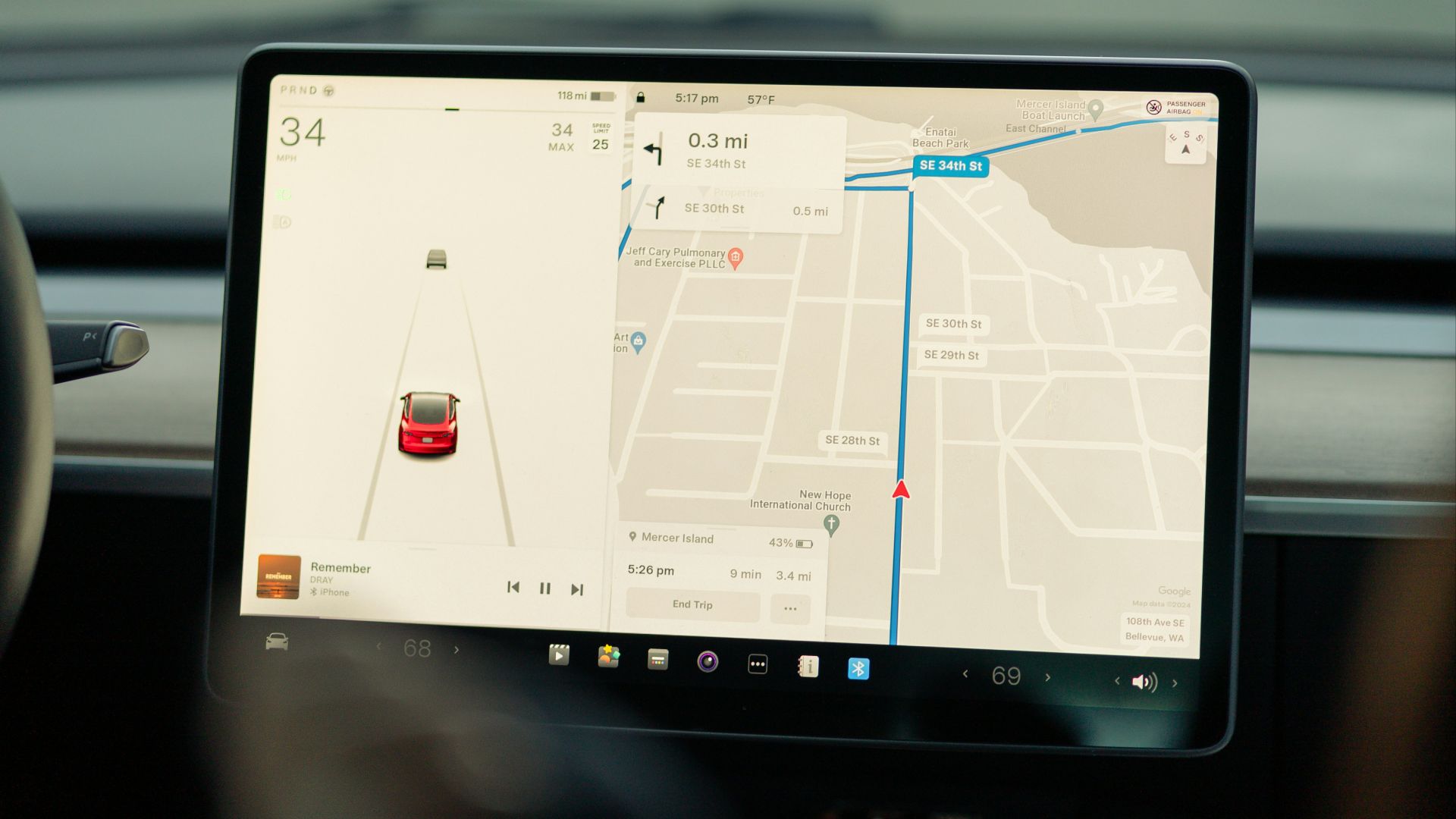
In January 2024, Tesla recalled certain Model S, X, 3, and Y vehicles because warning lights for the brake, park, and anti-lock brake system could appear too small on the instrument panel. NHTSA said that did not meet federal requirements for telltales. It is a clear example of screen-based information becoming a safety defect when it fails to communicate critical warnings the right way.
Ford Had A Backup Camera Problem Too
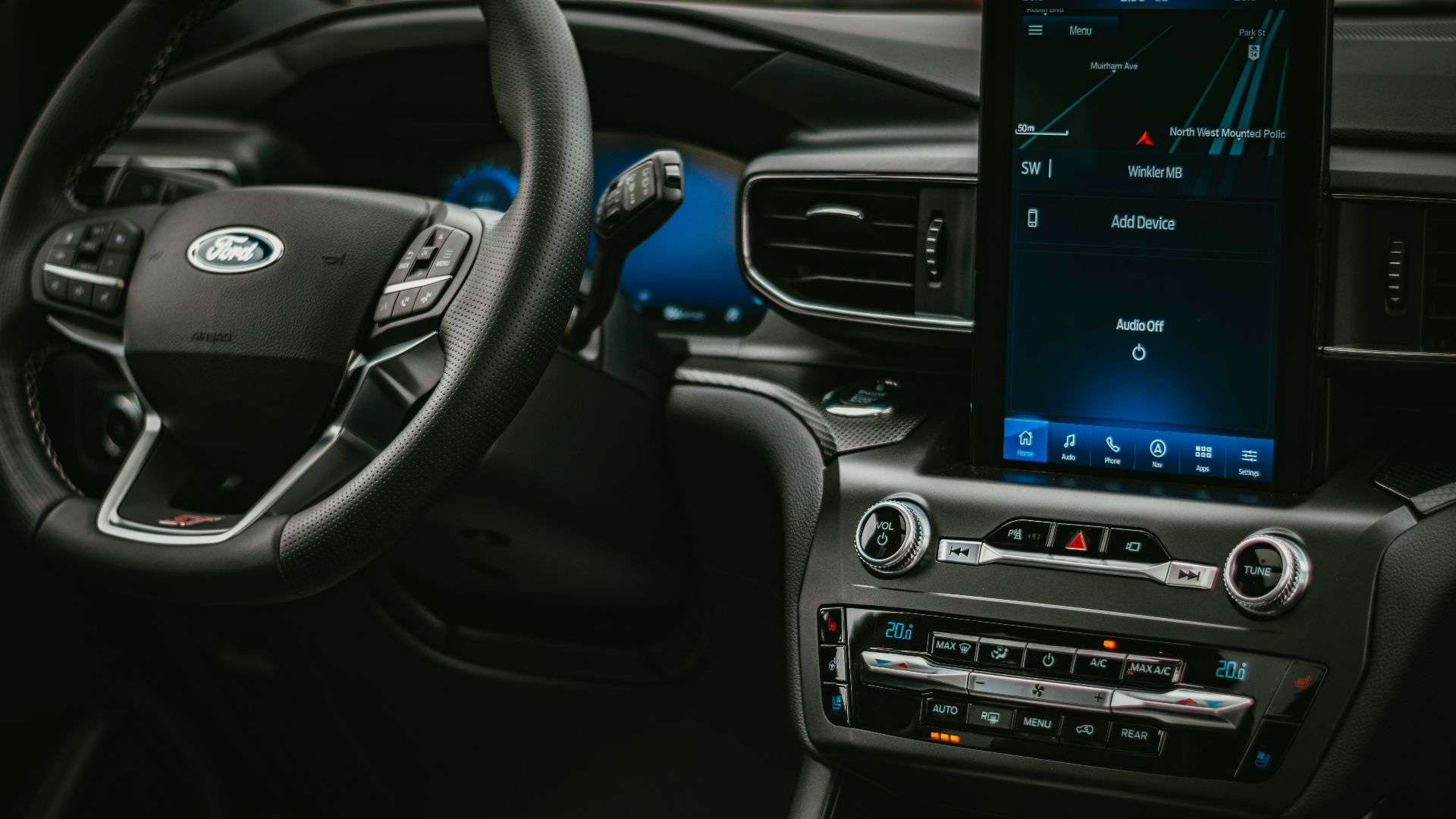
Ford has issued multiple recalls tied to software or hardware failures that caused the rearview camera image to freeze, delay, or not show up at all. In one broad action, the company recalled vehicles because the center infotainment screen could display a blank or distorted rear camera image. That matters because it shows how regulators and automakers already treat display failures that affect required camera functions.
Stellantis Faced Similar Trouble
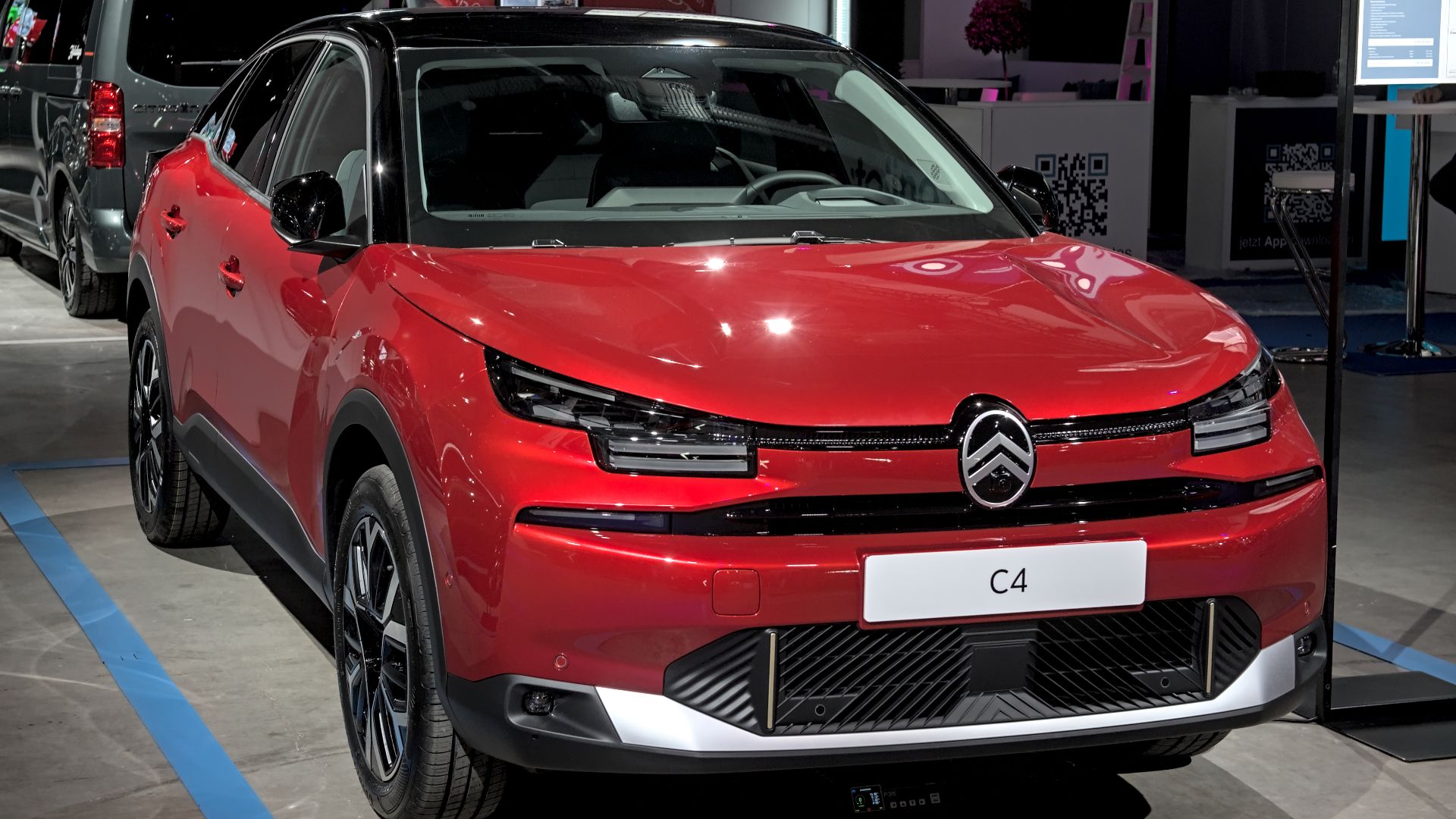
Stellantis has also recalled vehicles for radio software problems that interfered with the rearview camera image. The details change by model and year, but the pattern is the same. If a touchscreen freeze affects a required safety feature, the industry and NHTSA do not just wave it away as harmless.
 Alexander-93, Wikimedia Commons
Jaguar Land Rover Offers Another Real Example
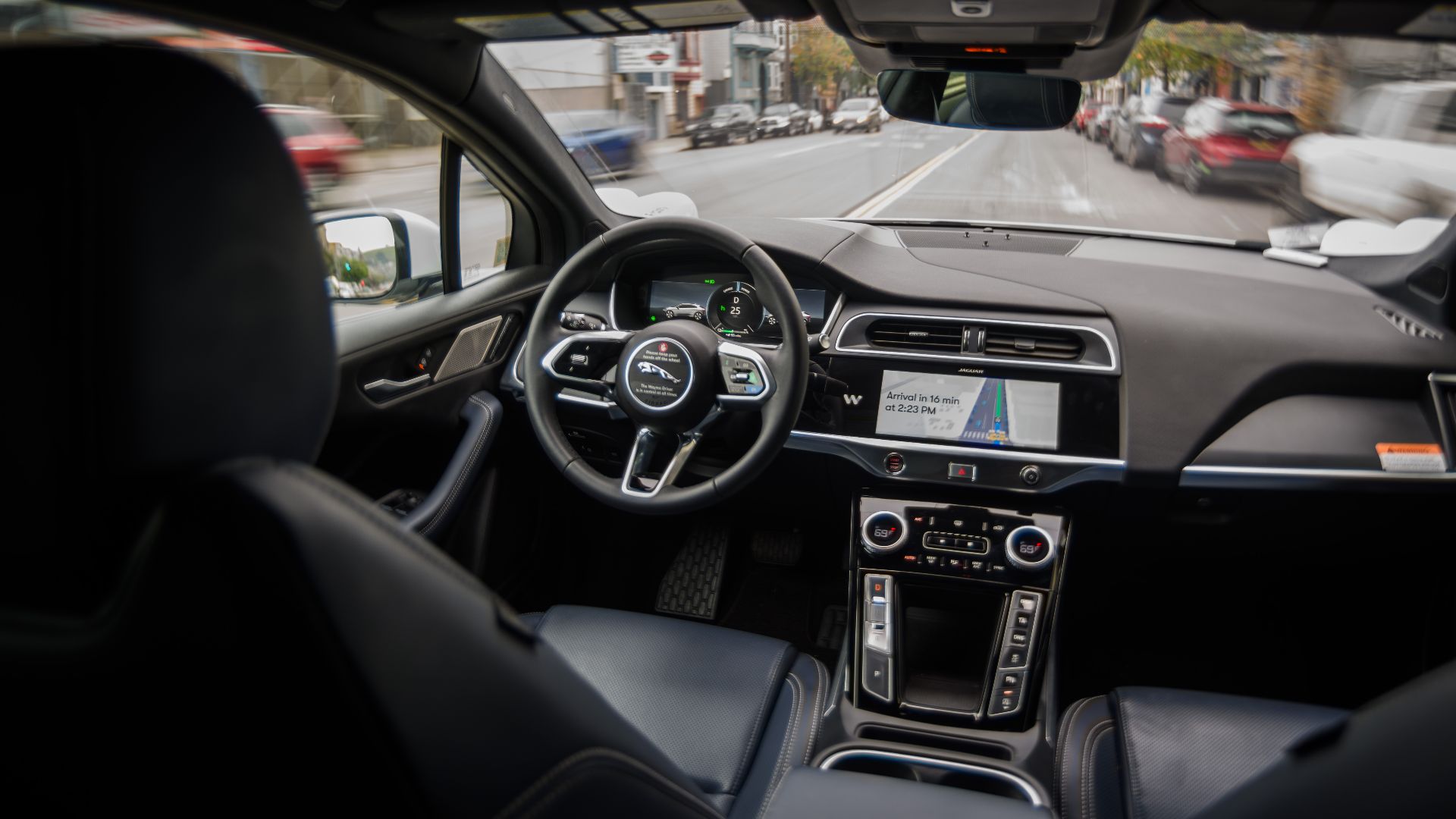
Jaguar Land Rover recalled certain vehicles after software errors could delay the rearview camera image. That delay alone was enough to trigger a safety recall, because timing matters when a driver shifts into reverse. A system does not have to fail all the time to create a safety defect.
Not Every Frozen Screen Is Automatically A Defect
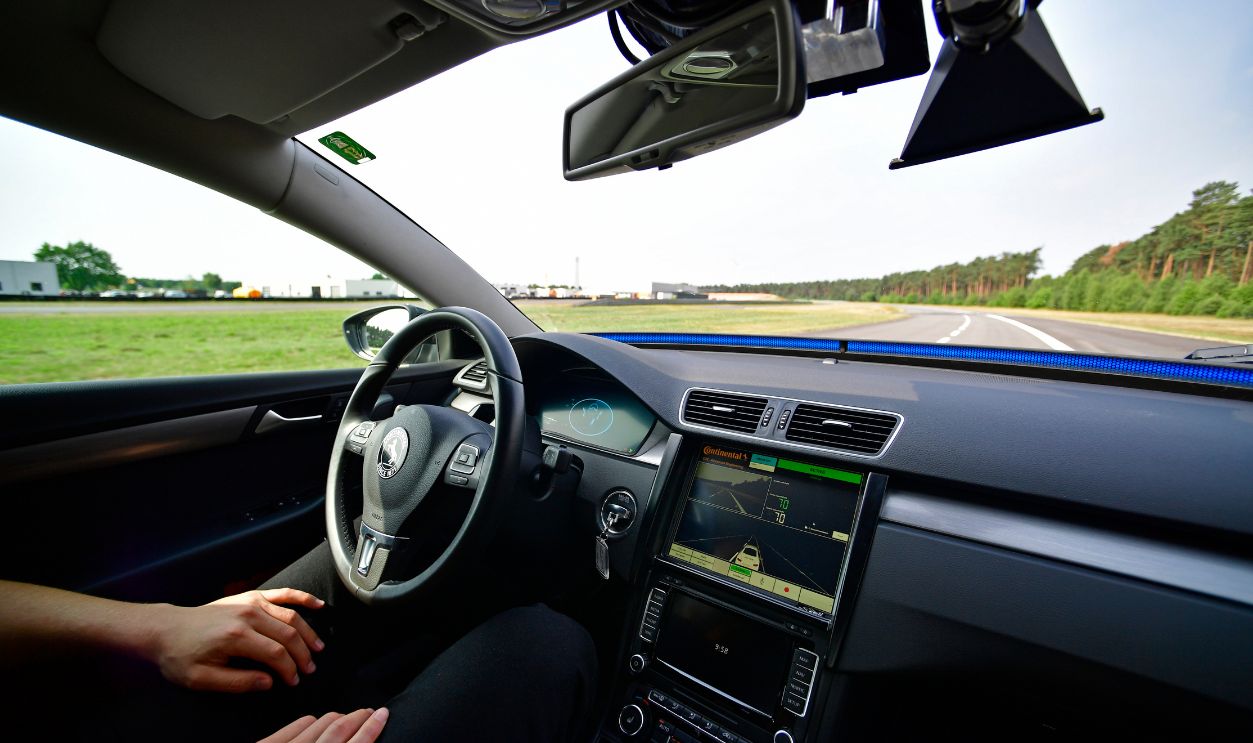
A music app crashing once is not the same as losing your defroster controls in heavy rain. Whether something counts as a safety defect depends on which functions are lost, how often it happens, and whether other vehicles with the same design show the same pattern. That is why good documentation matters so much.
 Alexander Koerner, Getty Images
The Dealer And The Manufacturer Do Different Jobs
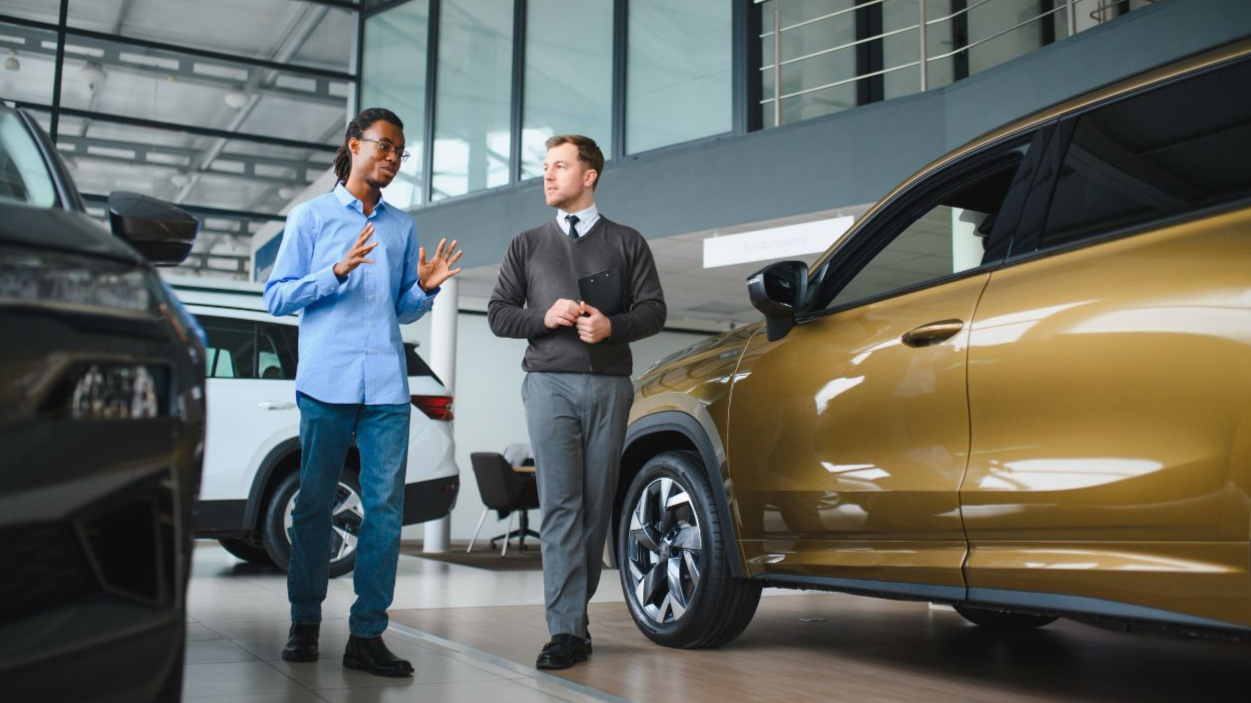
A dealer may call the issue minor because the car still starts, moves, and stops. But dealers do not decide whether a defect is safety-related across a whole lineup. Automakers, and in the end NHTSA, look at the bigger picture, including complaint trends, engineering analysis, warranty data, and crash risk.
 Hryshchyshen Serhii, Shutterstock
What NHTSA Looks At
NHTSA’s Office of Defects Investigation reviews consumer complaints, manufacturer communications, technical information, and field data. If enough evidence builds up, the agency can open a preliminary evaluation and dig deeper. Many major recalls started with owners reporting what sounded like random glitches that kept happening across the same model line.
The Trouble With Touch-Only Controls
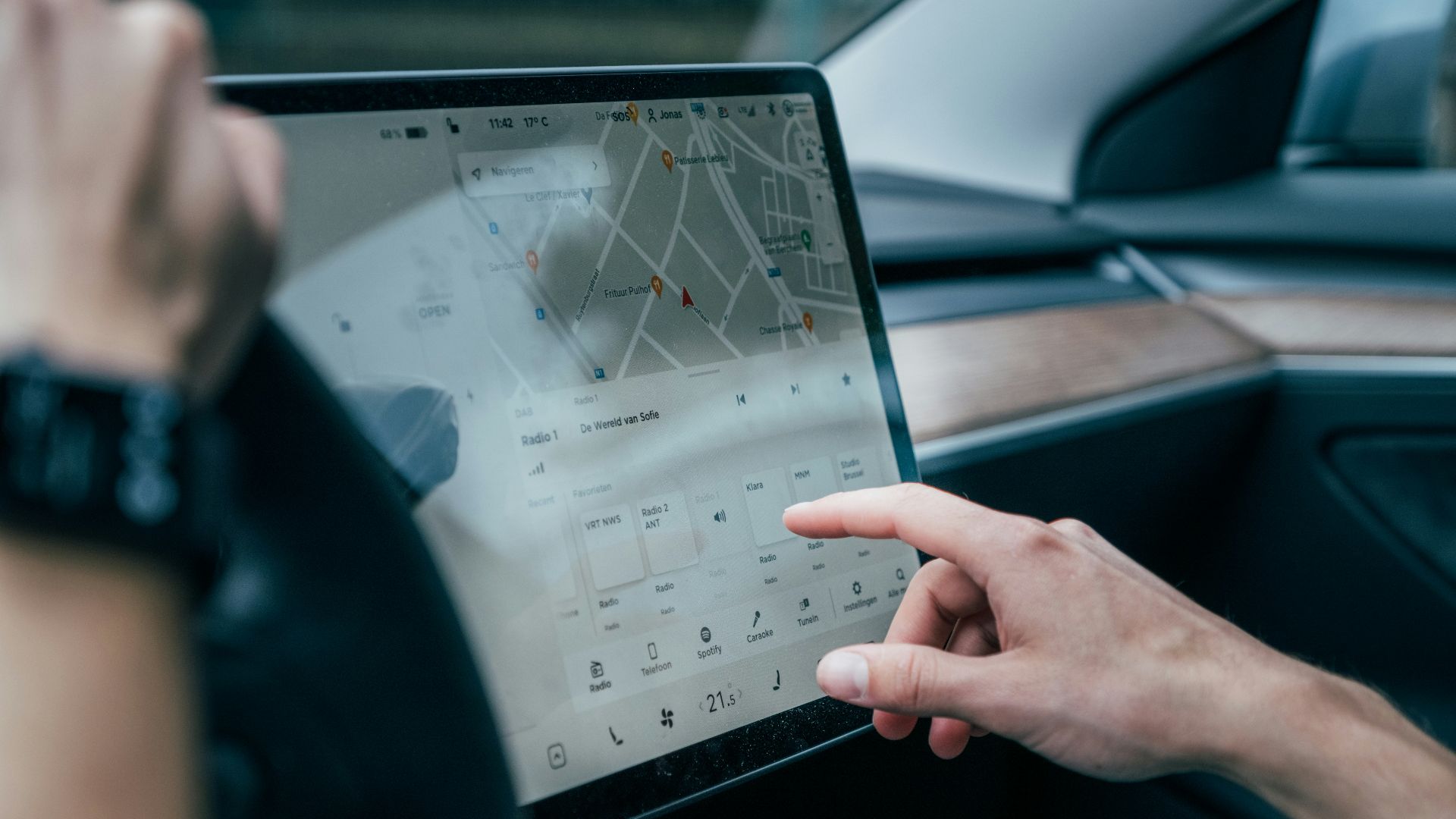
The safety concern gets sharper when a car hides basic functions inside the screen. If you have to tap through menus to turn on front defrost, adjust wipers, or deal with a fogged camera view, a freeze can instantly become dangerous. Regulators and safety advocates have increasingly pushed back on this design trend because it can take attention away from the road even when the system is working normally.
Frozen While Driving Is Different From Frozen At Startup
Timing matters. A screen that lags during startup can still be frustrating, but a screen that locks up in traffic or during a lane change creates a very different level of risk. If the failure happens while you are driving and you lose access to key controls, the dealer’s use of the word minor gets much harder to defend.
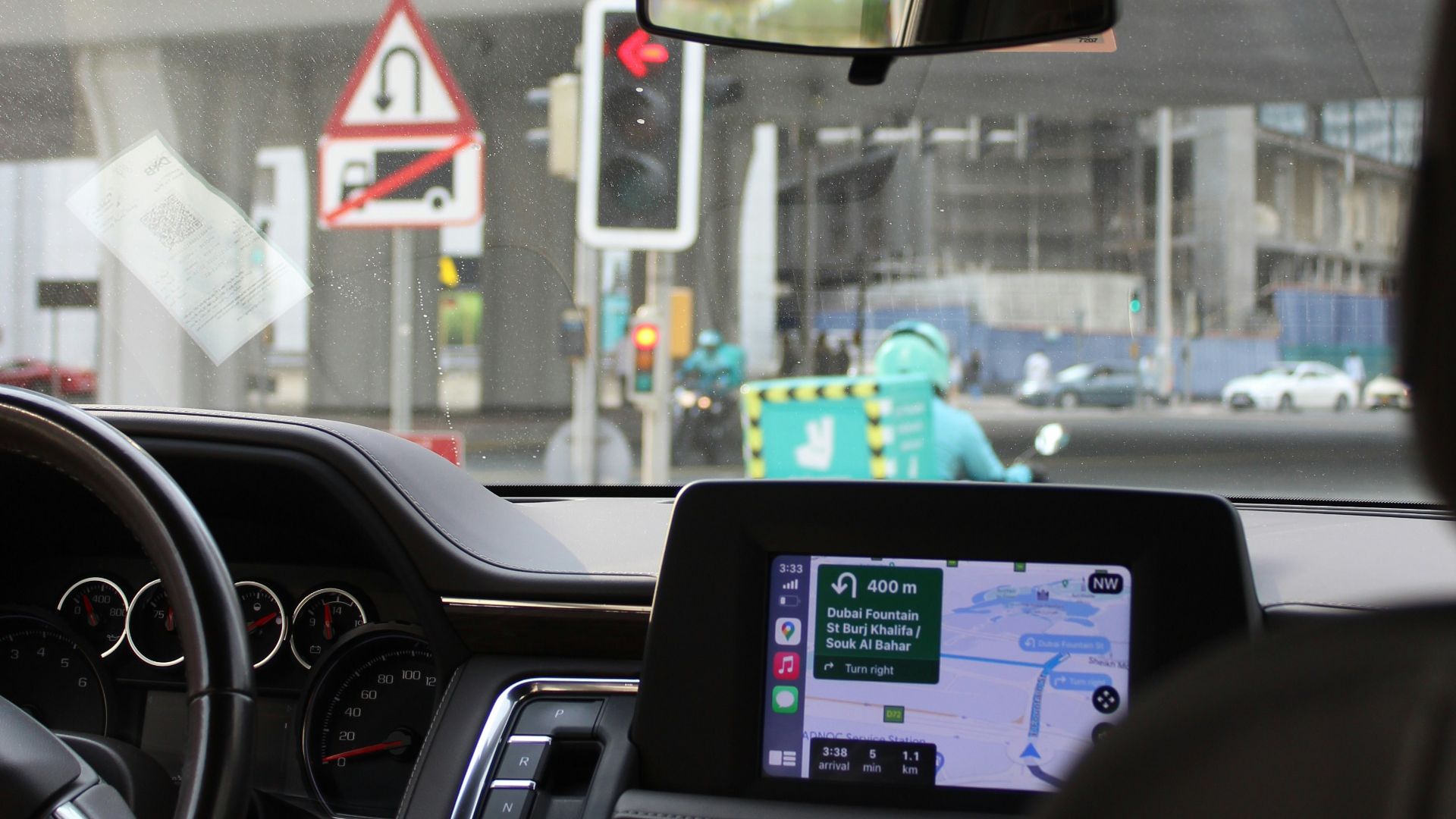
Climate Controls Can Be A Safety Issue
This is especially true when the screen controls front defog or defrost. If you cannot quickly clear the windshield in rain, snow, or heavy humidity, visibility can drop fast. That is not a comfort issue. It can be a direct safety problem.
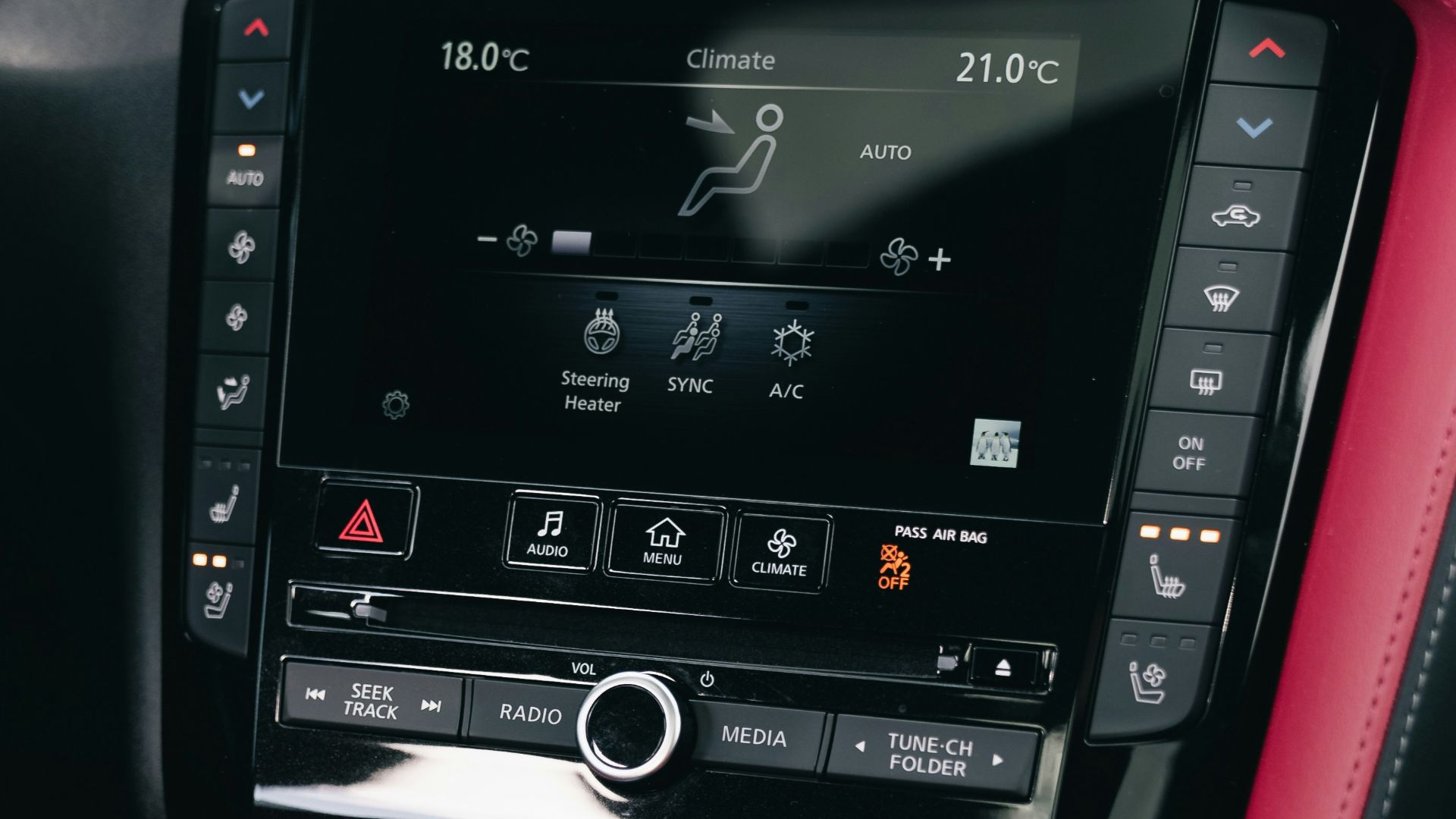
Warning Chimes And Alerts Matter Too
Some infotainment systems also handle audible alerts, parking sensor tones, and safety prompts. If the freeze mutes or delays those warnings, the problem is more serious than a dead radio display. A driver who misses a critical alert because the system locked up may be dealing with a defect with real safety consequences.
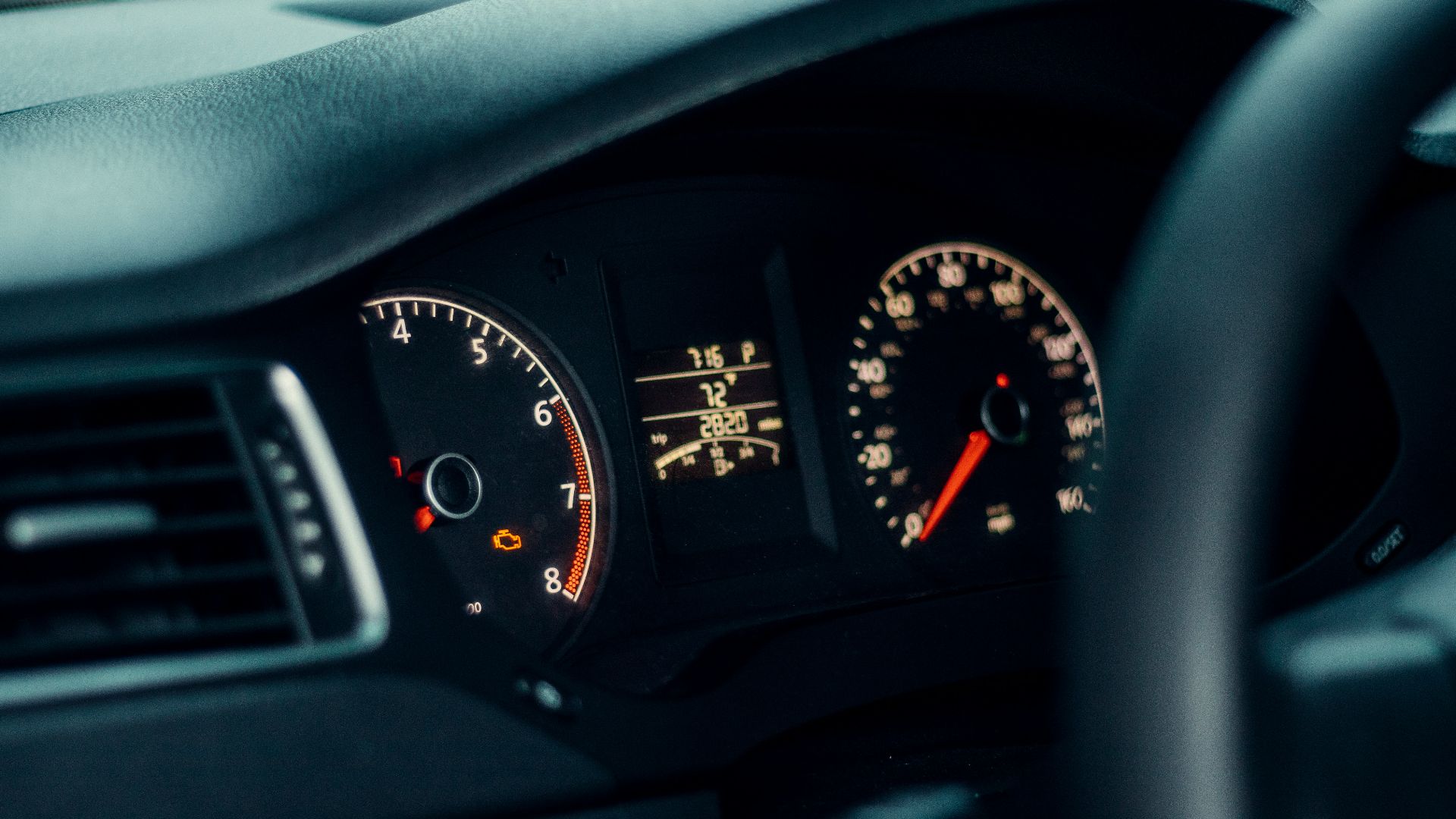
Intermittent Problems Can Still Count
One of the hardest parts of software-related defects is that they often come and go. A dealer may not be able to reproduce the issue during a short visit and may send the car home unrepaired. But intermittent failures have still led to recalls when owners consistently documented the same symptoms across enough vehicles.
Document What Happens And When
If your screen freezes, write down the date, mileage, weather, speed, and which functions were affected. Note whether the backup camera failed, whether the defrost was unavailable, or whether warning messages disappeared. Photos and short videos taken safely after pulling over can be especially helpful when a dealer says it cannot duplicate the issue.

Check For Technical Service Bulletins
A technical service bulletin, or TSB, is not the same as a recall, but it can show that the manufacturer already knows about a software problem. NHTSA’s website lets owners search recalls, investigations, and often manufacturer communications. If your model has a known touchscreen or camera issue, that can strengthen your case with the dealer.

File A NHTSA Complaint If Safety Functions Are Affected
If the freeze affects a safety-related feature, file a complaint with NHTSA at nhtsa.gov. Include your VIN, the exact symptoms, and what happened when you reported it to the dealer. Consumer complaints are often the first clues that help regulators spot a wider pattern.

Ask The Dealer Better Questions
Do not stop at asking if it can be fixed. Ask whether there are software updates, service bulletins, field actions, or known cases involving your model and year. Ask the service adviser to write your exact complaint on the repair order, including any loss of camera, defrost, warning chimes, or other safety functions. That paper trail matters if the issue later turns into a recall.

Escalate Beyond The Service Desk
If the dealership dismisses the problem, contact the manufacturer’s customer care line and open a case. Ask for the case number in writing. If the vehicle is under warranty and the defect affects safety functions, pushing the issue past the local store is often the next practical step.

Software Updates Can Fix It, But They Also Make The Point
Manufacturers often solve these issues with over-the-air updates or dealer-installed software patches. That can be good news for owners, but it also shows how central software has become to vehicle safety. When a patch restores a backup camera or warning display, it is hard to argue the glitch never mattered.
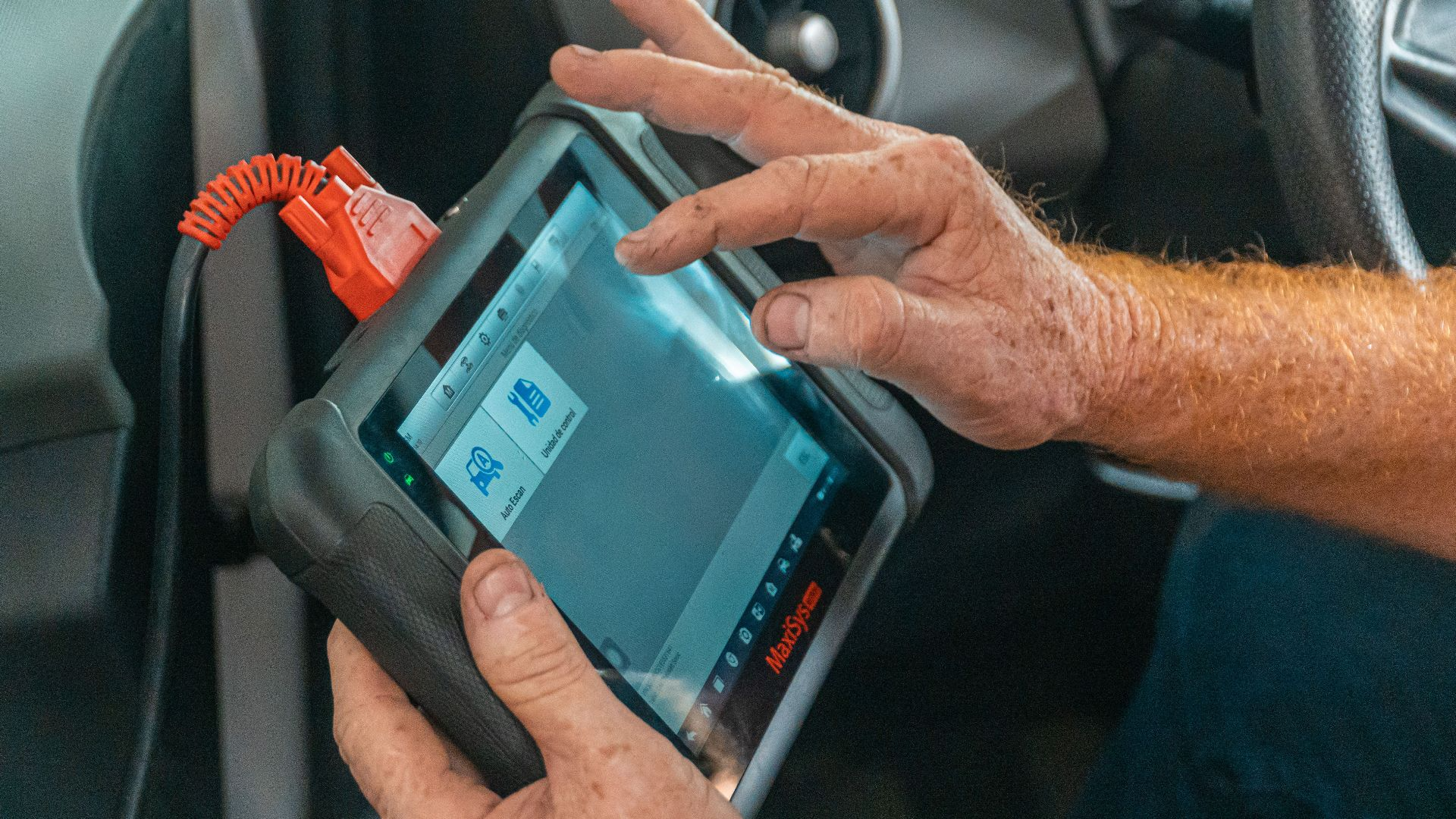 Jose Ricardo Barraza Morachis, Pexels
Lemon Law And Warranty Rights May Matter
If the car keeps going back for the same unresolved screen problem, state lemon law or warranty protections may come into play, depending on where you live and how new the vehicle is. The rules vary a lot by state, so owners should check local law carefully. Keep every repair order, even when the dealer writes no problem found.

How To Tell If Your Case Is Strong
Your case is strongest when the frozen screen affects a federally required function, blocks visibility-related controls, silences alerts, or keeps happening while driving. It also gets stronger when other owners of the same model report similar behavior. In that situation, calling it a minor issue starts to sound more like a label than a real safety judgment.

The Bottom Line For Drivers
If your car’s touchscreen freezes while driving and the failure reaches anything tied to visibility, warnings, cameras, or essential controls, take it seriously. Recent recalls across several automakers show that screen-related software faults can absolutely become safety defects. The best move is to document the problem, check for recalls or bulletins, and report it if safety functions are involved.