
Have You Been Wasting Money For Decades?
You've been pouring fuel additives into your gas tank for 40 years, convinced you're protecting your engine. Now your mechanic says those expensive little bottles probably haven't accomplished much. Is he right, or have you been doing something smart that most drivers overlook?

Gasoline Already Contains Cleaning Chemicals
Your mechanic's argument starts with something many drivers don't realize. In the United States, federal regulations already require gasoline to contain deposit-control detergents. These chemicals help prevent buildup that can interfere with engine performance, meaning your fuel is already doing some of the work those expensive bottles promise.

But Not All Gasoline Is Equal
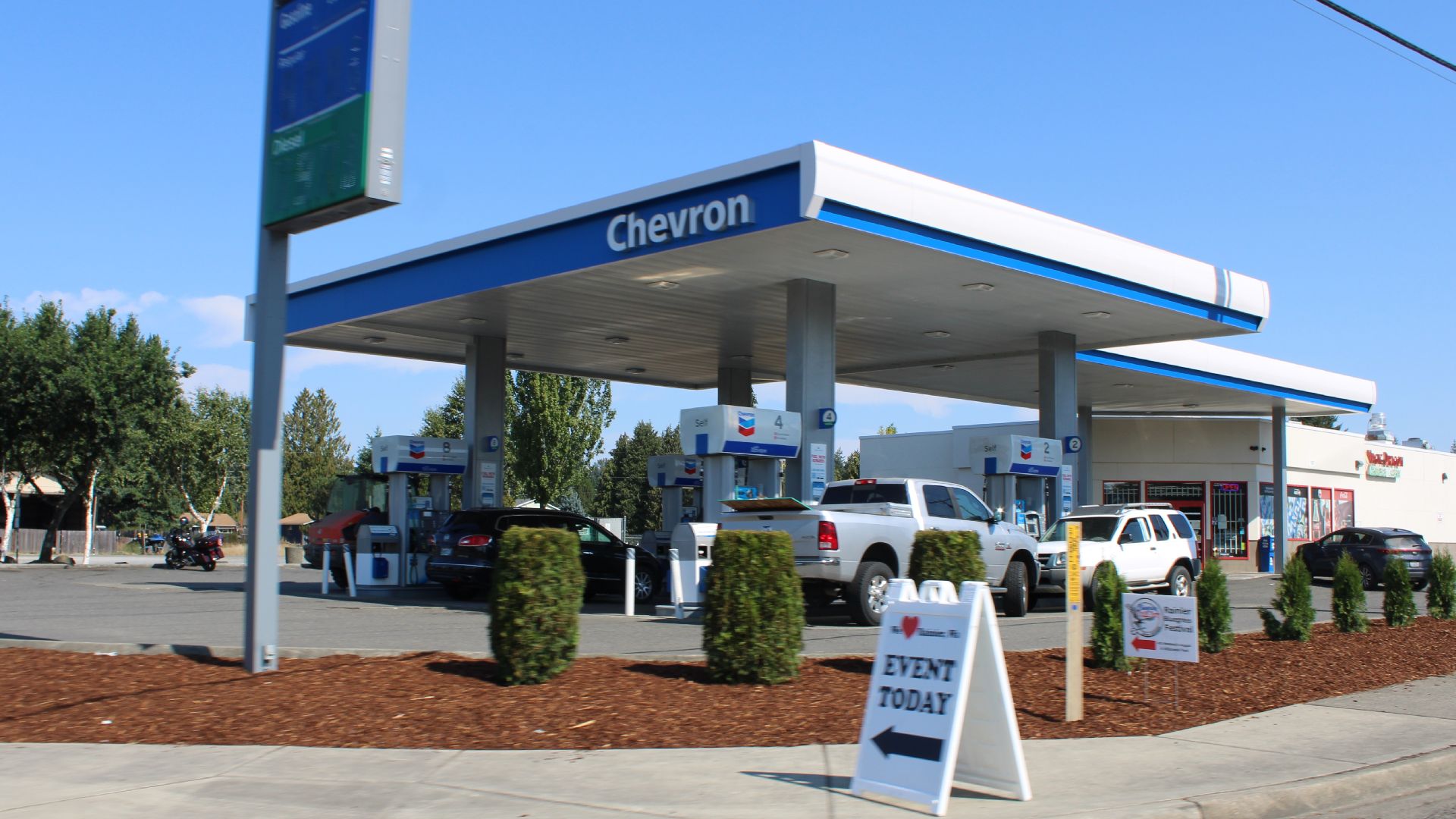
Although gasoline must meet minimum detergent requirements, some brands offer considerably stronger cleaning formulations. These differences can affect how much carbon buildup develops inside an engine. AAA investigated those differences in 2016 and uncovered some surprising results.
AAA Found A Shocking Difference
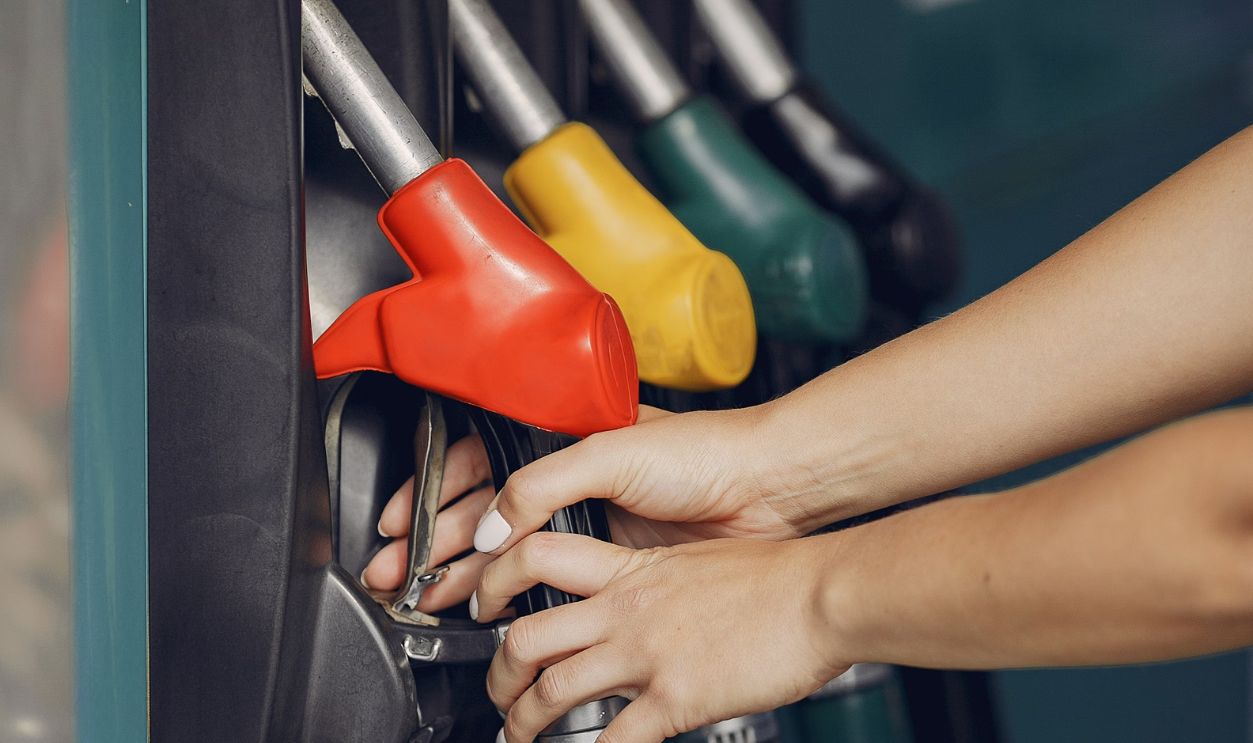
AAA tested gasoline from different retailers and found that non-TOP TIER fuels produced 19 times more engine deposits than TOP TIER gasoline. The results came after 4,000 miles of simulated driving. The findings demonstrated that gasoline quality matters considerably more than many drivers realize.
 Tatiana Diuvbanova, Shutterstock
What Is TOP TIER Gasoline?
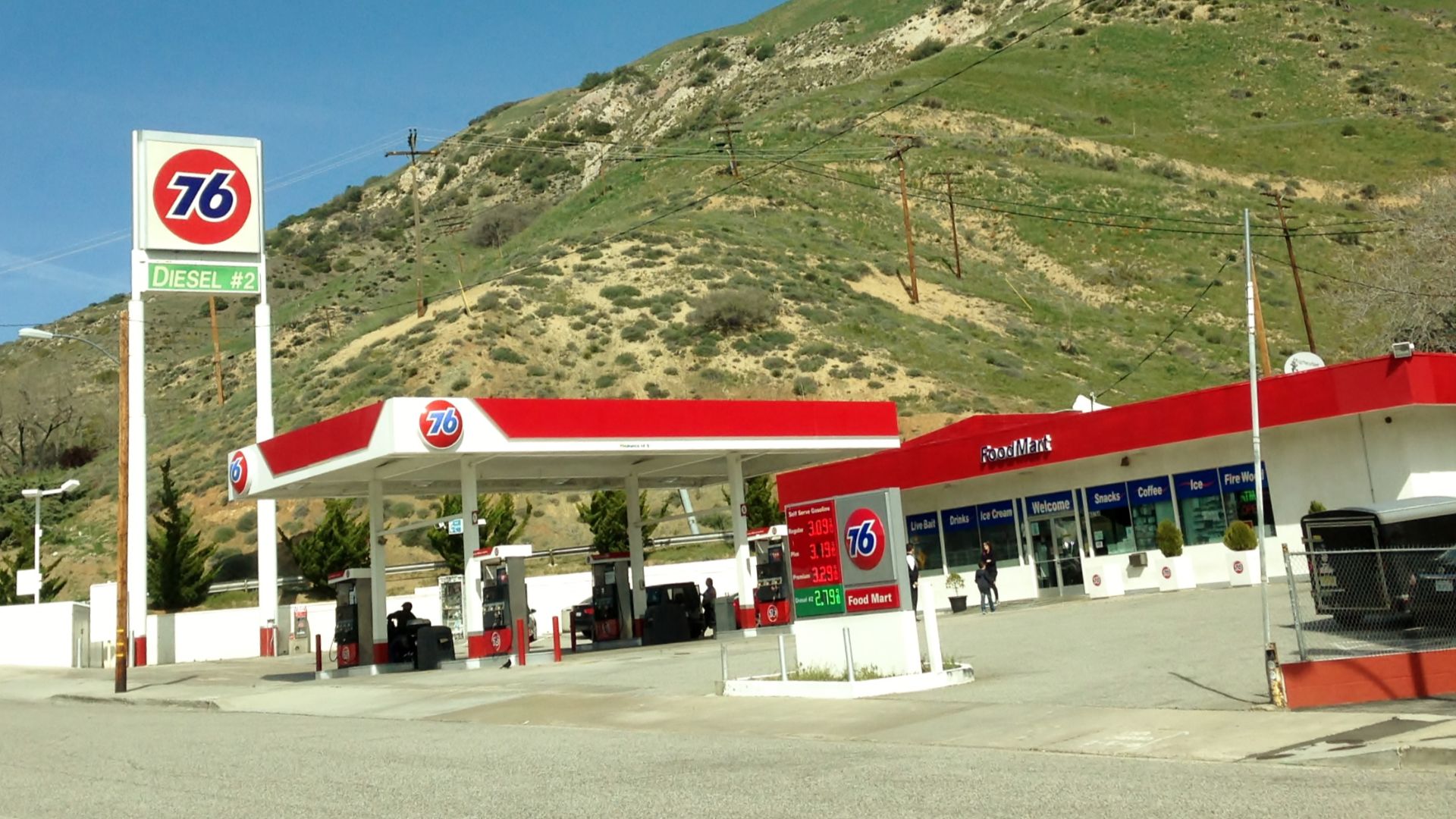
TOP TIER is an enhanced gasoline detergent standard supported by major automakers. Participating gasoline brands must meet stricter deposit-control requirements than the federal minimum. Choosing one of these brands may be a simpler way to protect your engine than constantly buying additional cleaners.
 Clotee Pridgen Alloc…, Wikimedia Commons
You Don't Need Premium Gas
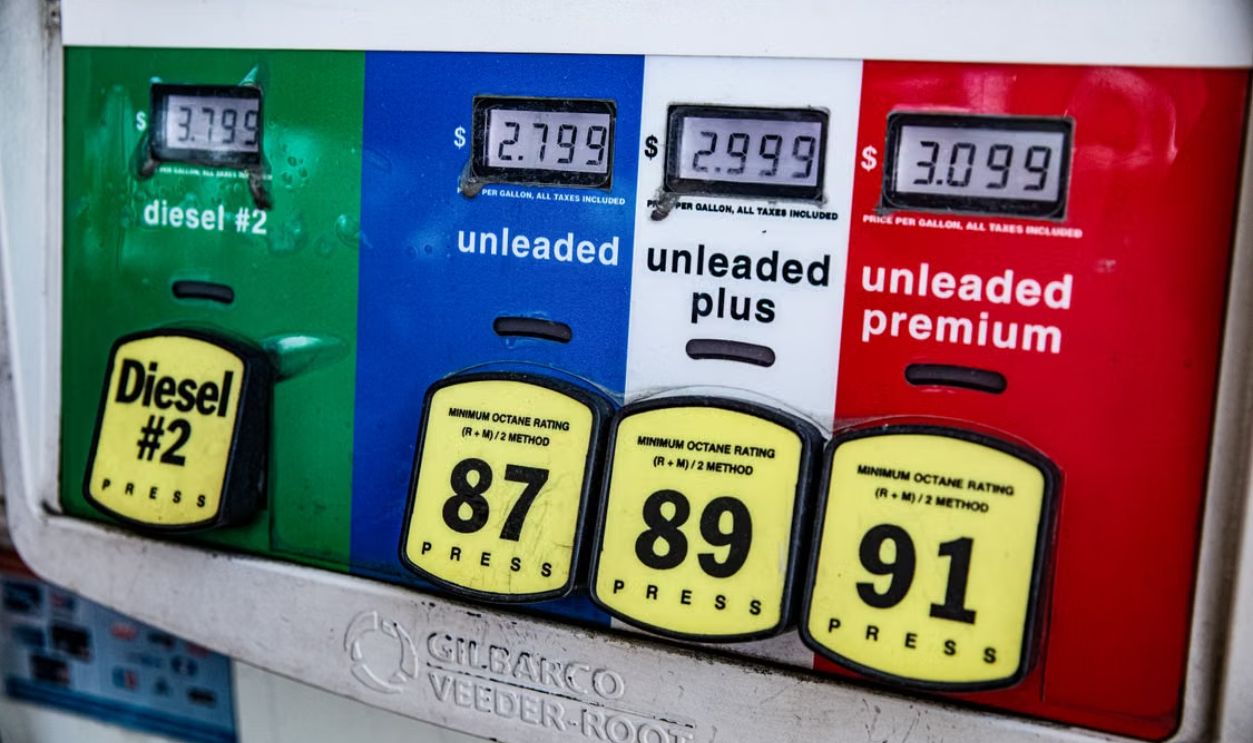
Here's something many drivers misunderstand: premium gasoline isn't automatically cleaner than regular gasoline. Premium primarily refers to a higher octane rating, not superior detergent quality. AAA found no significant benefit from premium gasoline in vehicles designed to run on regular fuel.
So Why Do Fuel Cleaners Exist?
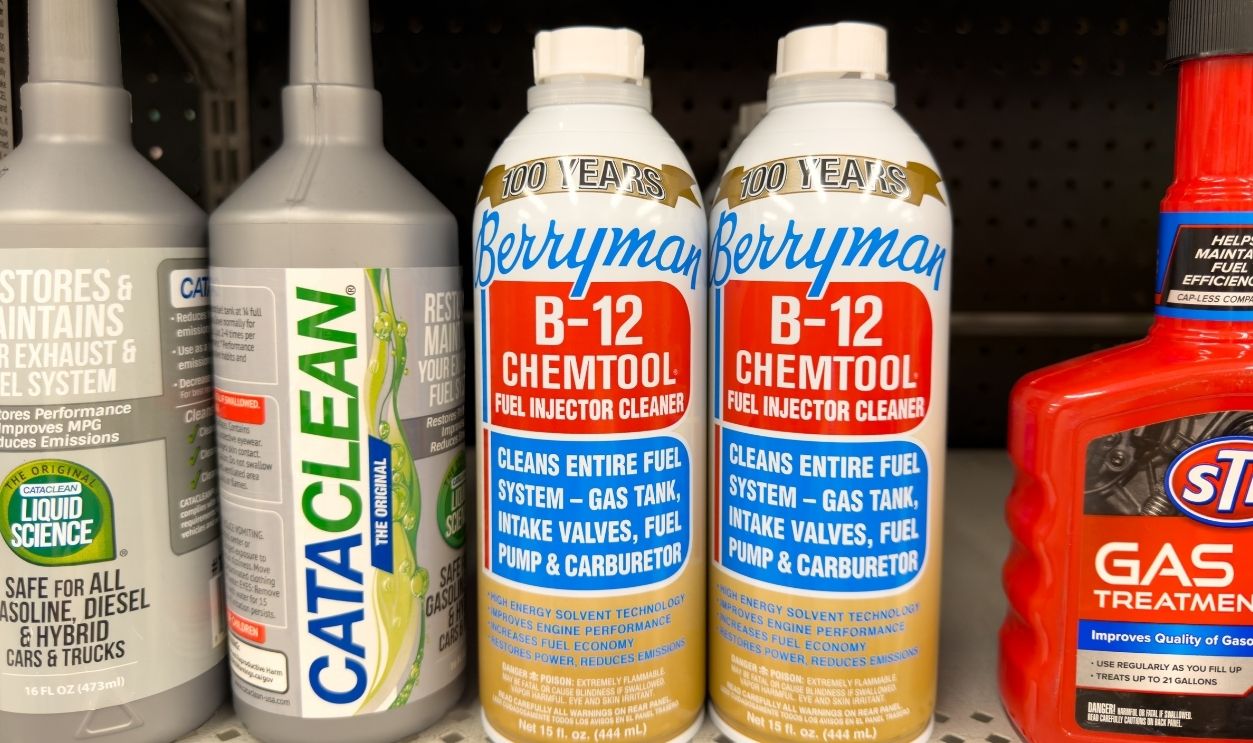
Fuel-system cleaners are intended to remove or control deposits that develop inside certain engine components. These deposits can interfere with proper fuel delivery and combustion. Under the right circumstances, an appropriate cleaner may help restore performance that has deteriorated because of buildup.
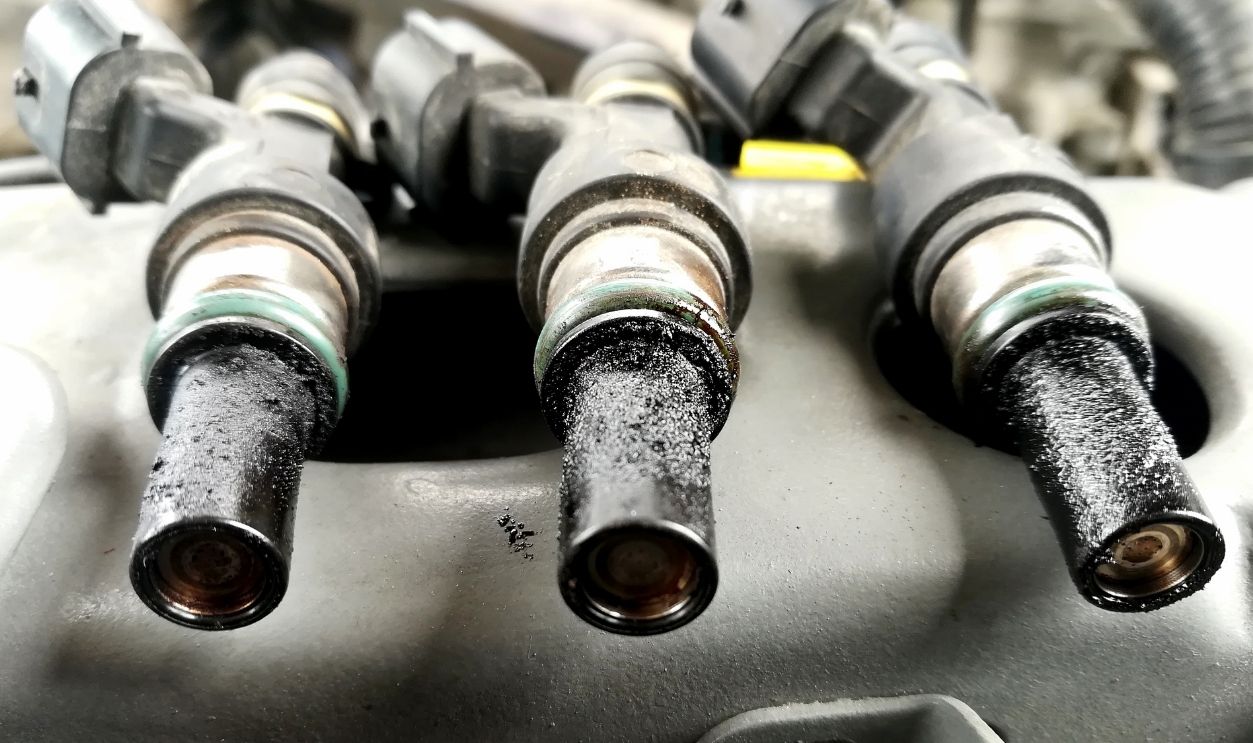
Your Fuel Injectors Can Get Dirty
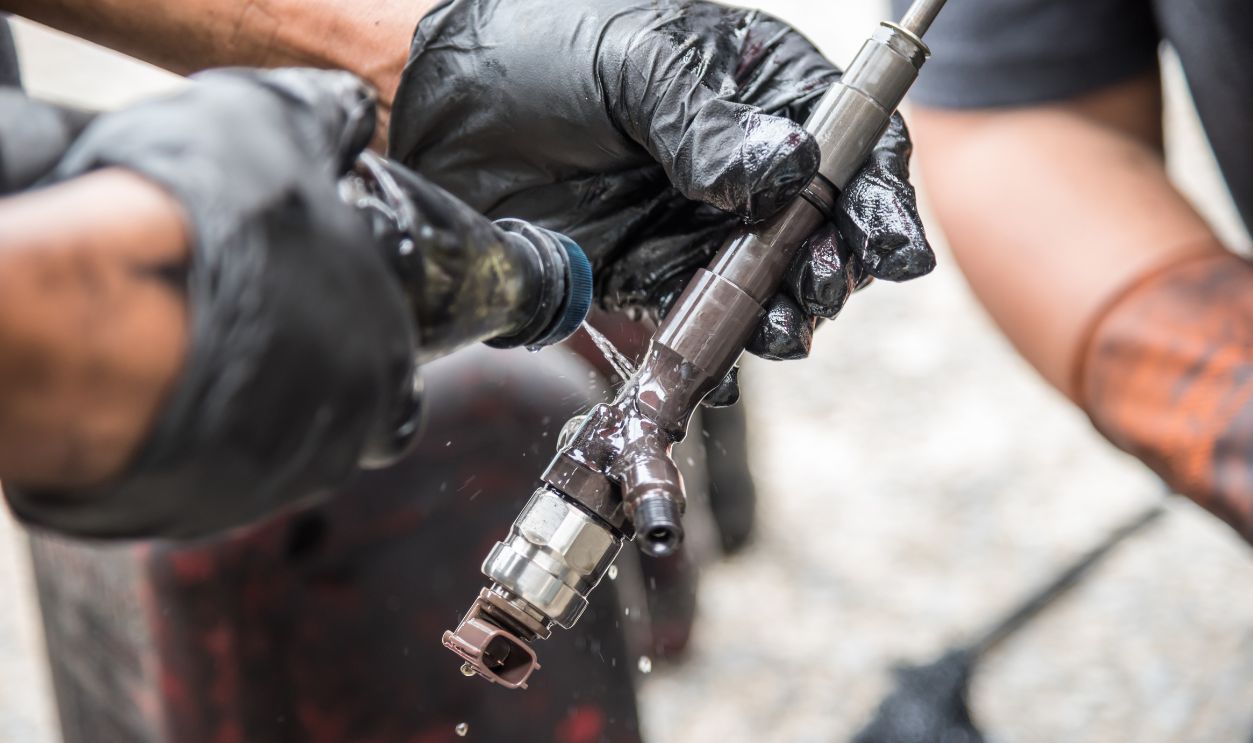
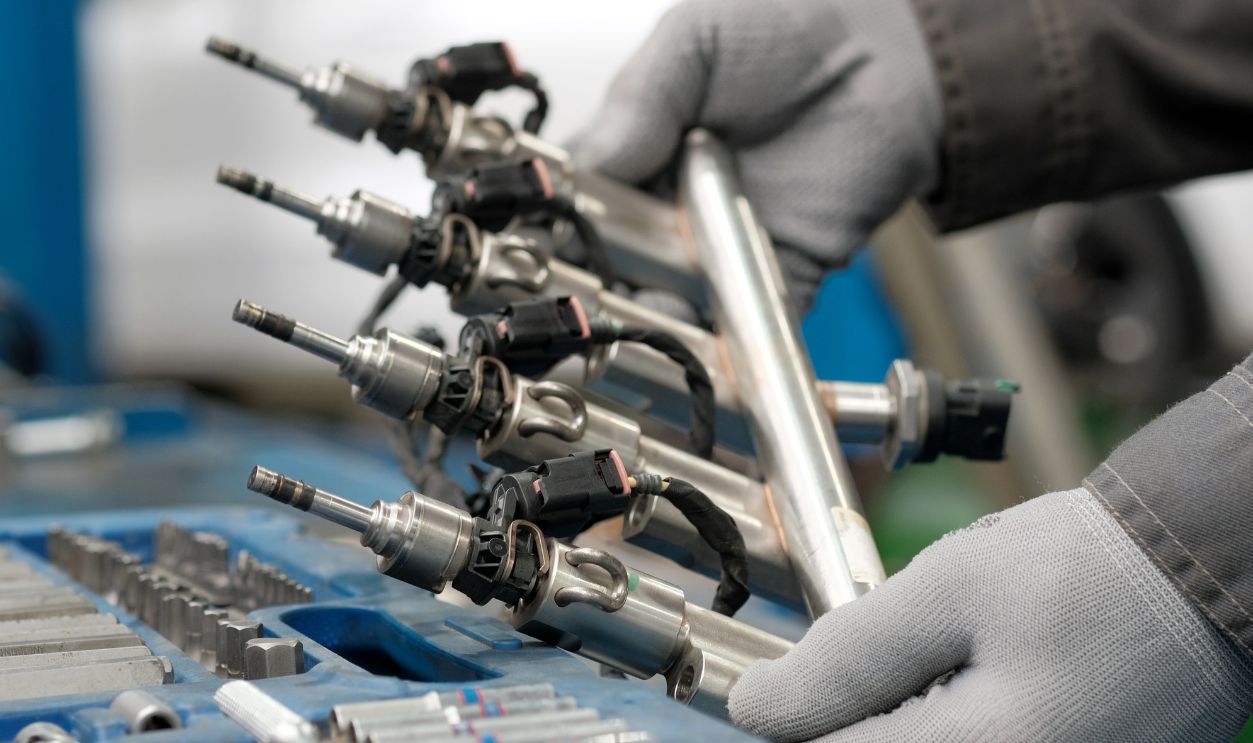
Fuel injectors deliver carefully measured amounts of gasoline into an engine. Deposits can interfere with their spray patterns or restrict fuel flow, potentially affecting performance. Injector-cleaning additives are designed to help control these deposits, although their effectiveness depends on the formulation and the problem.
 iTsMe.9iNe.YospoL15, Shutterstock
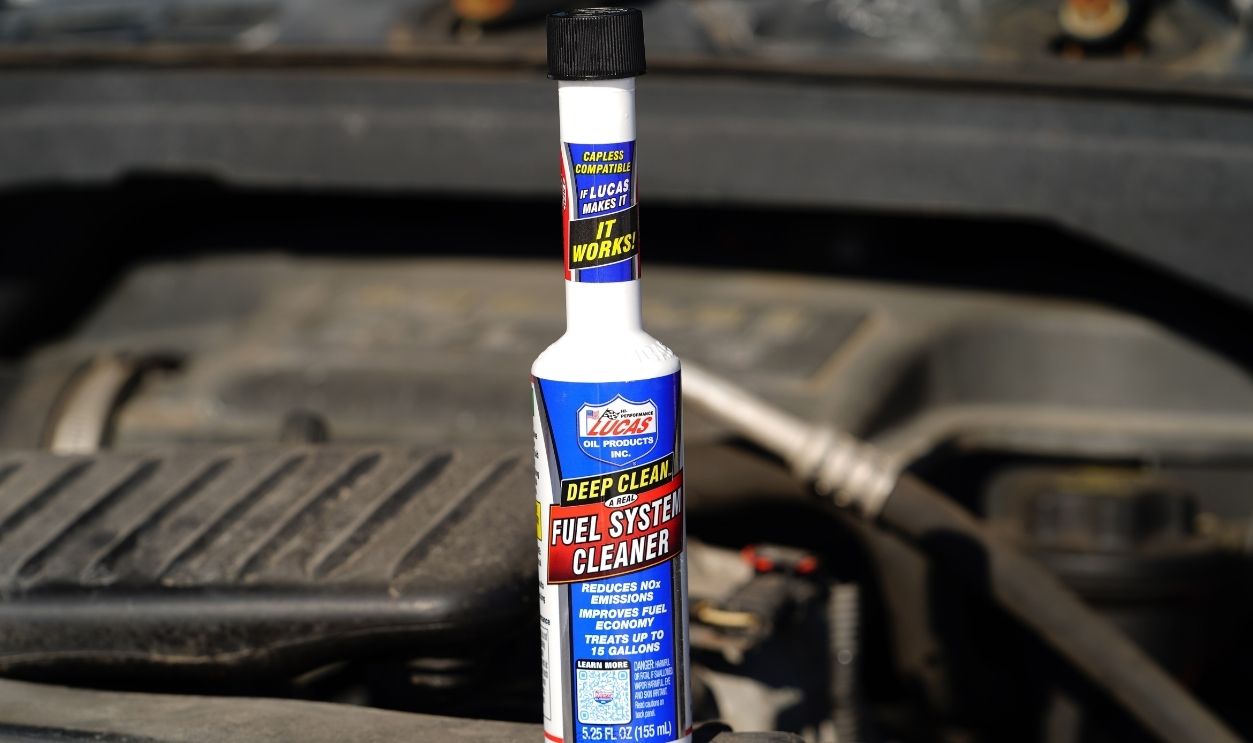
Not Every Cleaner Works The Same Way
Fuel-system cleaners use different detergent chemistries, including polyetheramines, commonly called PEA. Technical research has demonstrated that different formulations vary in their ability to control deposits. That means two bottles promising identical benefits may perform quite differently.
 Aaron of L.A. Photography, Shutterstock
More Cleaner Doesn't Mean Better Results
Adding extra detergent isn't automatically beneficial, even when the chemistry itself is effective. Research has shown that different detergent formulations and concentrations can affect deposit formation in different ways. That's why following the manufacturer's recommended dosage matters more than pouring in additional cleaner.
General Motors Has An Interesting Position
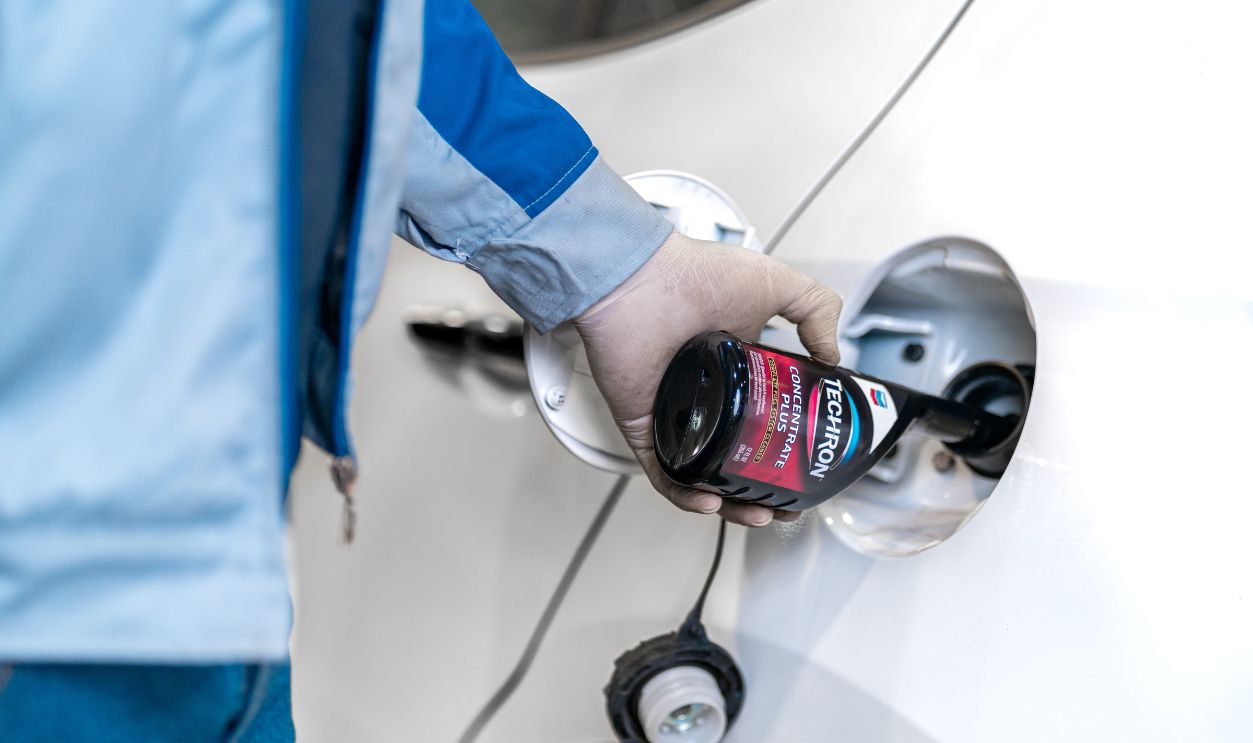
General Motors has advised against routine professional fuel-injector cleaning as preventive maintenance unless a diagnostic procedure calls for it. However, a GM service bulletin also endorsed its own Fuel System Treatment PLUS at every oil change. The distinction shows that automakers may recommend particular in-tank treatments while discouraging unnecessary cleaning services.
Ford Offers Different Advice
Ford recommends TOP TIER gasoline for certain vehicles to help minimize engine deposits. Its owner's manuals also warn against fuels containing specific additives, including certain metallic octane boosters. The lesson is that your vehicle manufacturer's recommendations matter more than a bottle's advertising.
 Chris Light, Wikimedia Commons
Your Engine's Design Matters Too
Older carbureted engines, port-injected engines, and direct-injection engines deliver gasoline differently. Those differences determine which components come into contact with fuel detergents. A cleaner that reaches one engine's intake valves might never touch those same surfaces in another engine.

Direct Injection Has A Catch
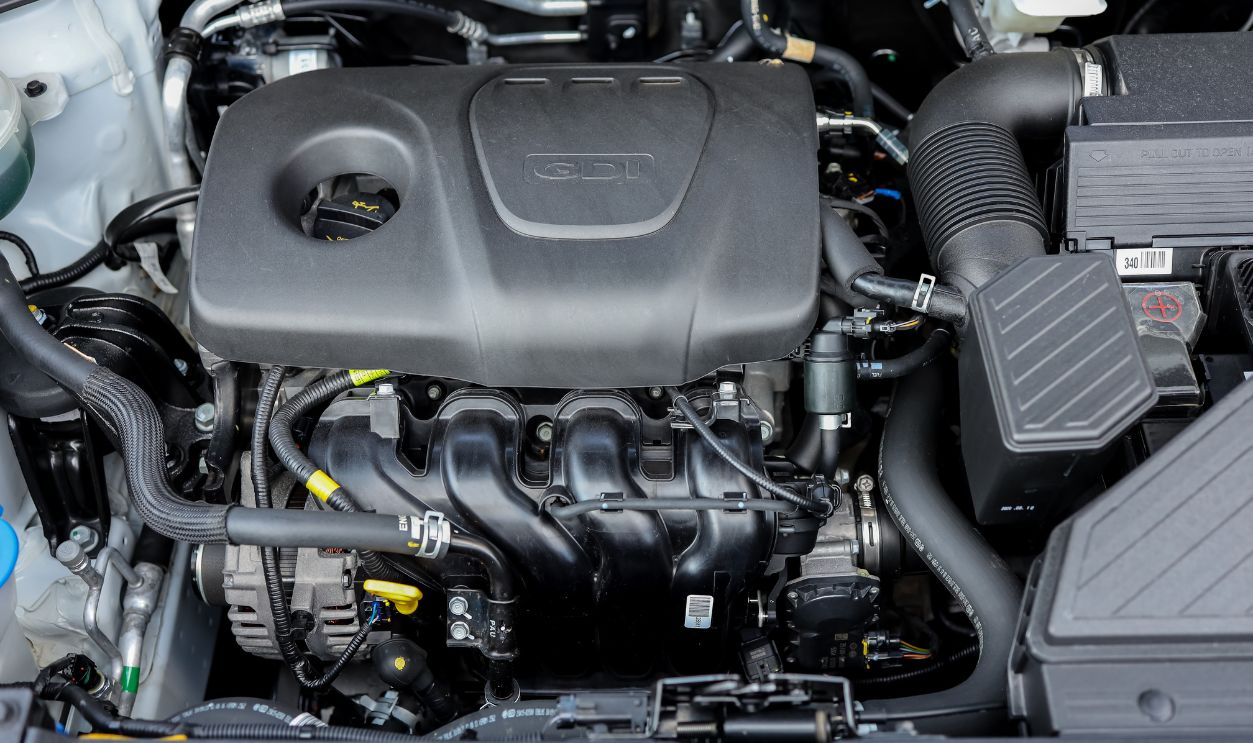
Engines using only direct injection spray gasoline directly into their combustion chambers. Unlike conventional port injection, this arrangement doesn't allow gasoline to wash over the backs of the intake valves. As a result, fuel-tank cleaners cannot directly remove deposits from those surfaces.
Some Carbon Deposits Need Professional Cleaning
Certain direct-injection engines develop enough intake-valve buildup to cause drivability problems. Consumer Reports has documented professional cleaning using finely crushed walnut shells to remove stubborn deposits. Pouring cleaner into the tank won't replace that procedure when the problem involves surfaces the fuel cannot reach.

A Bottle Won't Fix A Broken Part
If your car hesitates, stalls, or runs roughly, dirty injectors are only one possible explanation. Ignition problems, faulty sensors, and mechanical failures can produce similar symptoms. Adding cleaner without diagnosing the cause may simply delay the repair your vehicle actually needs.

What About Better Gas Mileage?
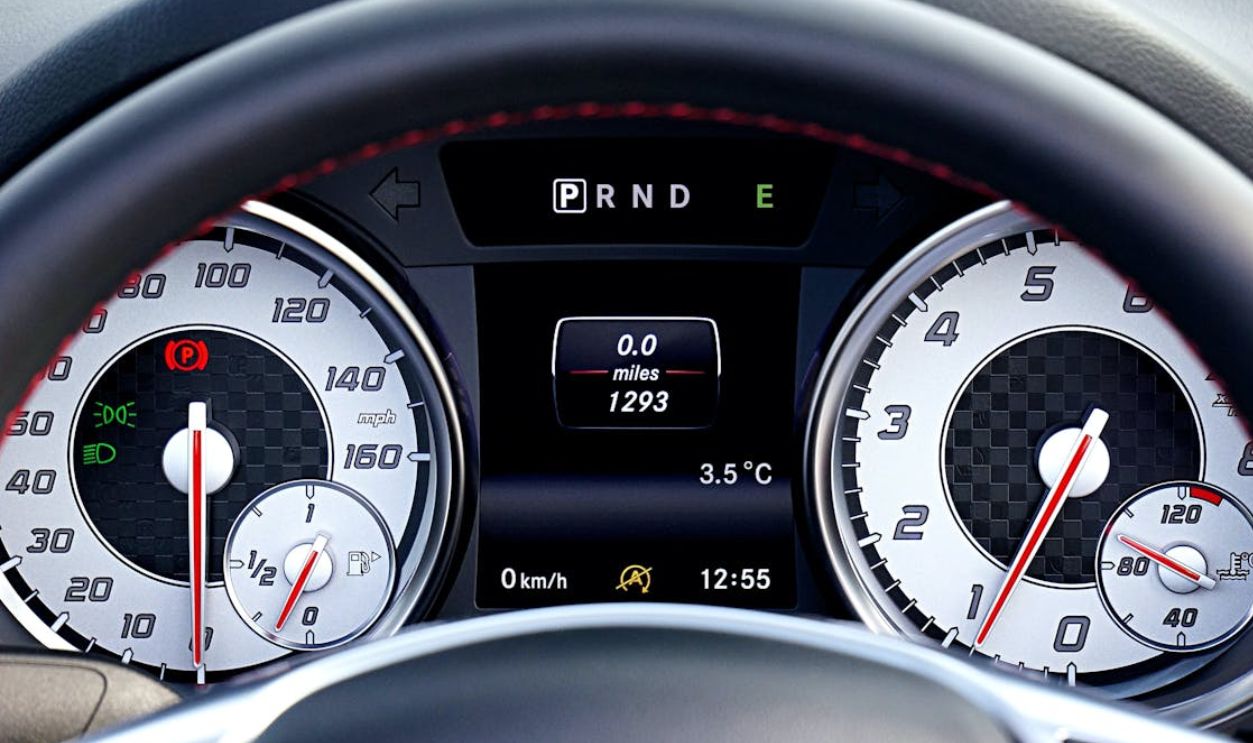
Many fuel additives promise improved fuel economy, making them tempting when gas prices climb. But the Federal Trade Commission warned in 2002 that EPA evaluations of more than 100 purported fuel-saving devices and additives had found no product that significantly improved mileage. Dramatic promises of gasoline savings deserve skepticism.
Cleaning Isn't The Same As Improving
Removing deposits that interfere with engine operation may help restore lost performance. However, that's different from making an already healthy engine substantially more fuel-efficient. If your vehicle is running properly, a bottle of cleaner shouldn't be expected to deliver a dramatic mileage improvement.
 Palitsyn Evgenii, Shutterstock
Octane Boosters Are Another Story
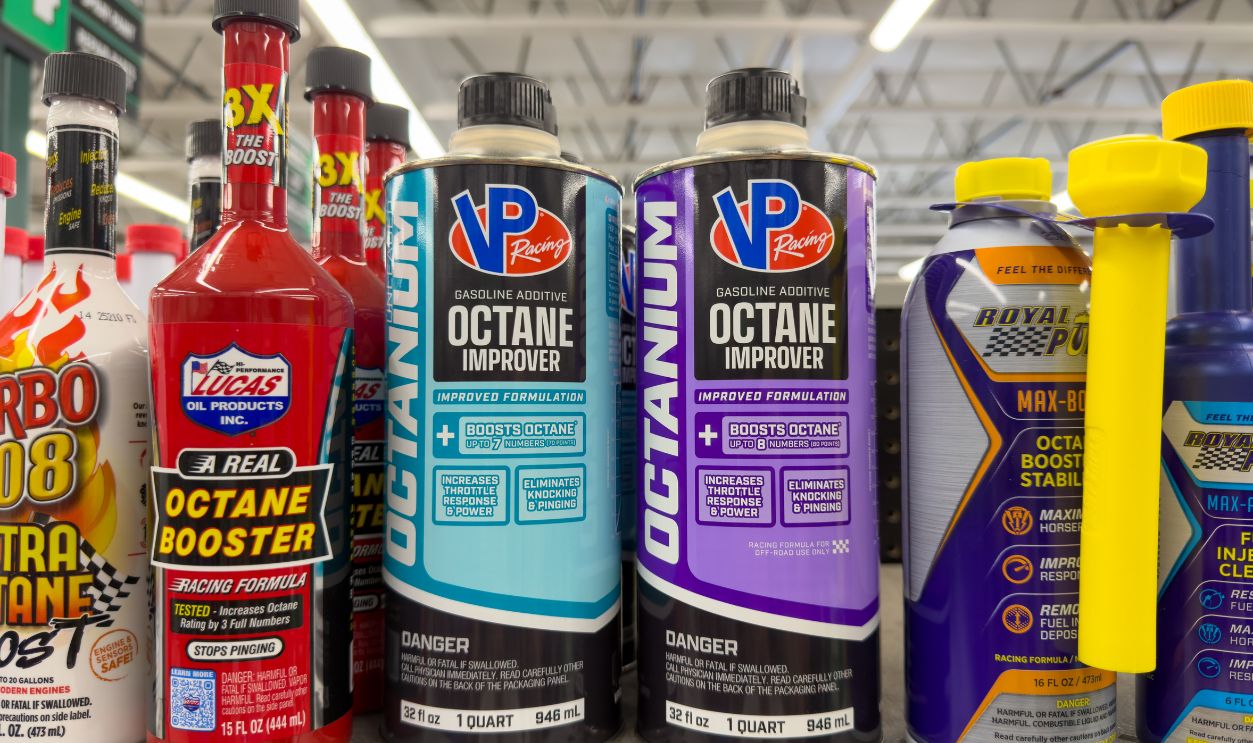
Octane boosters are designed to increase gasoline's resistance to engine knock rather than simply clean the fuel system. Higher octane can benefit engines specifically designed to require or take advantage of it. But adding octane to a vehicle that runs properly on regular gasoline doesn't automatically improve its performance.
Some Additives Can Actually Cause Problems
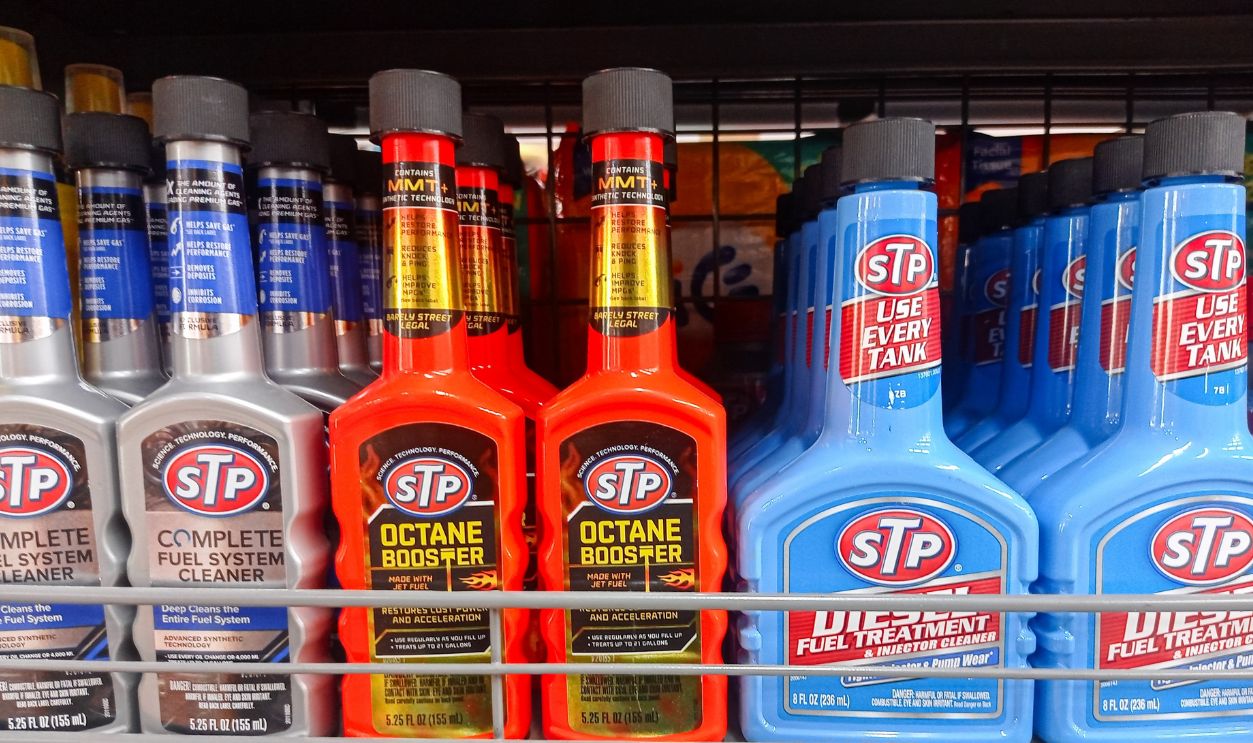
Certain metallic fuel additives can interfere with engine performance and emissions-control systems. Ford specifically warns against manganese-based compounds, including an octane booster called MMT, in some vehicles. Choosing an incompatible product could create problems instead of preventing them.
Could An Additive Affect Your Warranty?
Using an aftermarket product doesn't automatically cancel your entire vehicle warranty. However, manufacturers may deny coverage for damage caused by unsuitable products or fuels. Ford warns that damage resulting from fuel that doesn't meet its specifications may not be covered, giving you another reason to check your owner's manual.
 Roman Samborskyi, Shutterstock
Fuel Stabilizers Are A Different Story
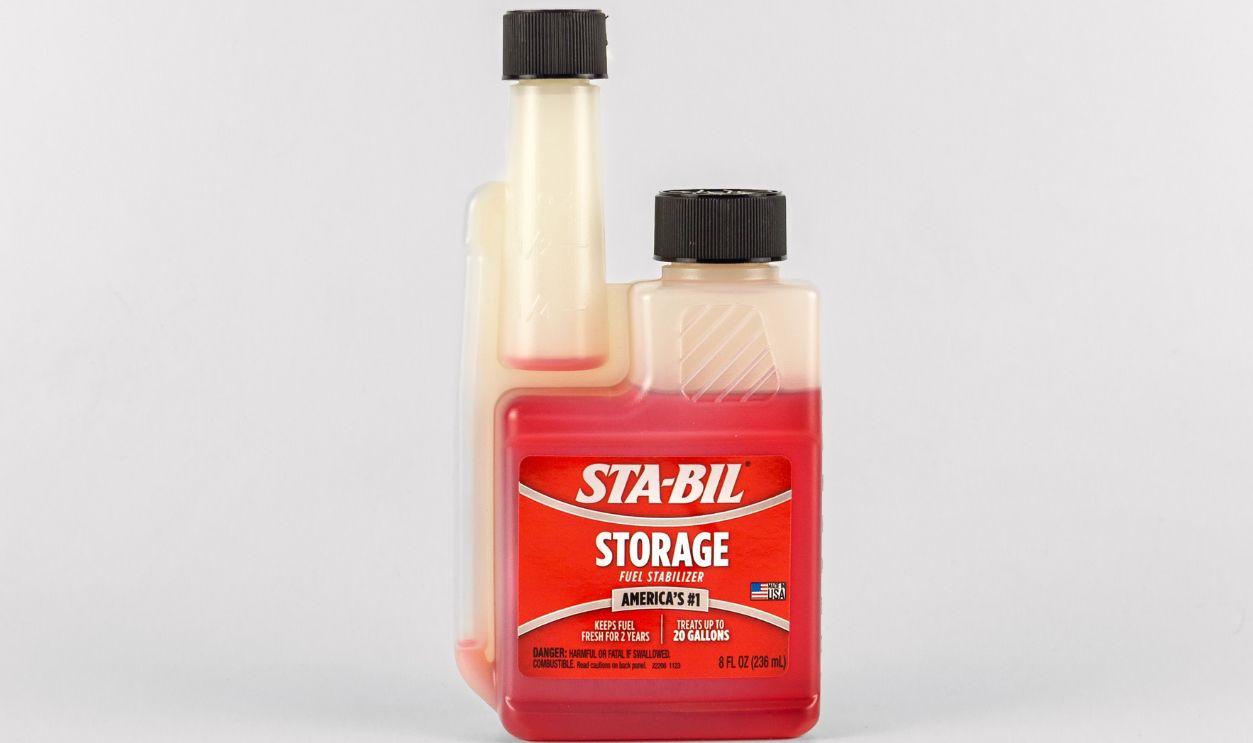
Not every fuel additive is intended to improve engine performance. Fuel stabilizers help slow gasoline deterioration when a vehicle sits unused for an extended period. AAA recommends considering them for long-term storage, making this one category with a clear practical purpose.
Your Classic Car Might Actually Need One
If your vintage Mustang or Corvette spends several months parked during winter, gasoline deterioration becomes a legitimate concern. AAA recommends adding an appropriate stabilizer and driving the vehicle afterward to circulate treated fuel. This helps protect the fuel during storage rather than attempting to boost engine performance.
 Greg Gjerdingen from Willmar, USA, Wikimedia Commons
But Your Daily Driver Probably Doesn't
A vehicle driven regularly generally uses its gasoline before extended storage becomes a concern. Fuel stabilizer therefore offers little practical advantage when you're constantly replacing the fuel in your tank. Save that particular treatment for vehicles or equipment that spend long periods sitting unused.

An EPA Registration Doesn't Prove Anything
Some fuel additives advertise that they're registered with the Environmental Protection Agency. However, EPA registration does not establish that a product improves fuel economy, protects an engine, or delivers its advertised benefits. The agency explicitly states that registration isn't an endorsement of a product's effectiveness.
Forty Years Of Bottles Adds Up
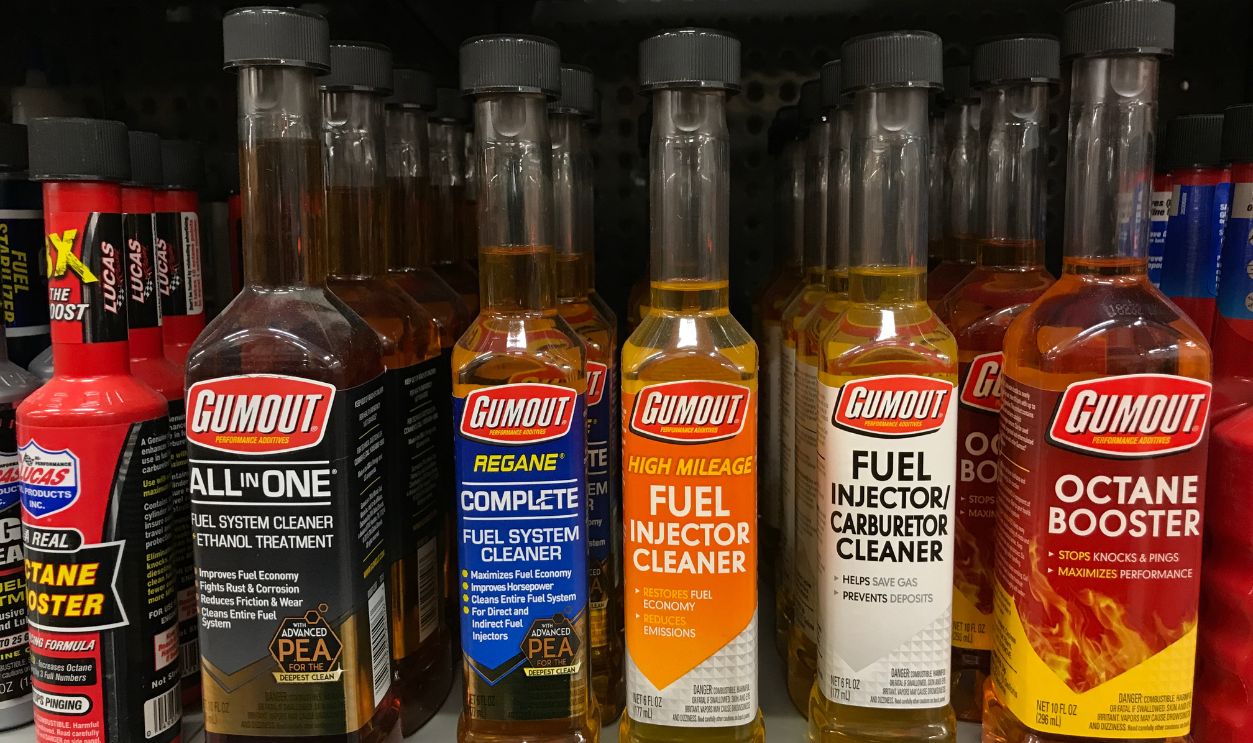
Imagine you've spent $10 on a bottle of fuel additive every month for the past 40 years. That works out to $4,800, without accounting for inflation or changing product prices. If those treatments weren't necessary, you could have spent thousands of dollars without receiving a meaningful benefit.

What Actually Saves You Gas?
The Department of Energy identifies driving habits as a major influence on fuel consumption. Aggressive acceleration, braking, and speeding can reduce fuel economy substantially, especially in stop-and-go traffic. Smoother driving and proper maintenance offer more dependable opportunities to save money than unproven mileage-boosting additives.

When Should You Actually Buy A Cleaner?
An additive may be worth considering when your manufacturer recommends a specific treatment or a qualified mechanic identifies deposits as a likely cause of poor performance. Choose a product appropriate for your engine and follow its directions carefully. If the problem continues, get the vehicle diagnosed rather than repeatedly adding more cleaner.

So Was Your Mechanic Right?
Your mechanic is probably right if you've been routinely adding cleaners to an otherwise healthy car that already runs on quality gasoline. But some treatments have legitimate uses, particularly approved fuel-system cleaners and stabilizers for vehicles in storage. After 40 years, the smartest change might be to stop treating every tank and start using additives only when your engine actually needs them.

You May Also Like:
The Most Expensive Repairs On Cheap Used Cars, According To Mechanics