Two Safety Nets, One Breakdown
You discover that your car insurance includes roadside assistance, but your credit card advertises the same benefit. Are you paying twice for identical protection? Possibly, but the answer depends on what each program actually covers and charges.

Included Doesn't Always Mean Free
Roadside assistance can mean prepaid coverage or simply access to a service provider. Some credit cards arrange help but charge you for every call. Others contribute toward the bill. That difference changes the entire calculation.

Insurance Coverage Is Usually Optional
Many insurers sell roadside assistance as an additional policy feature. GEICO, for example, advertises emergency roadside coverage starting at $14 annually per car. Your actual price depends on your policy, so check what you're paying.
 Coolcaesar at en.wikipedia, Wikimedia Commons
Your Credit Card Might Just Dispatch Help
Visa's Roadside Dispatch program operates on a pay-per-use basis. It connects eligible cardholders with service providers, but you pay a set fee for each call. Having access to that number doesn't mean you've purchased prepaid towing coverage.

Some Premium Cards Actually Pay
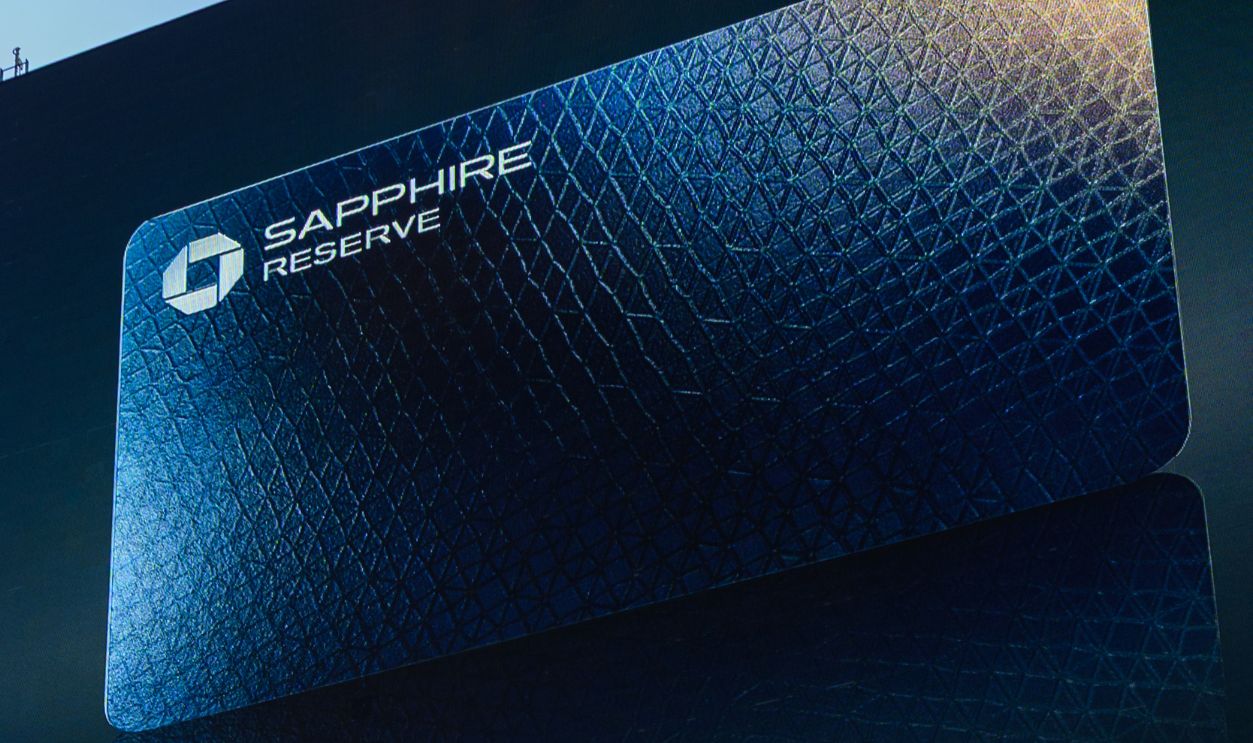
The Chase Sapphire Reserve offers up to $50 per roadside incident, four times annually. That's meaningful protection, although costs exceeding the limit remain your responsibility. Premium card benefits may be more comparable to insurance coverage than ordinary dispatch services.
Even Cards From The Same Bank Differ
Chase Sapphire Preferred provides roadside dispatch, but service fees are charged to the card. Sapphire Reserve offers its limited roadside benefit. The cards come from the same issuer, yet their roadside arrangements work differently.
 Ajay Suresh, CC BY 2.0, Wikimedia Commons
Don't Trust The Logo Alone
Seeing Visa or Mastercard on your card doesn't establish its exact roadside benefits. Features vary by issuer and individual card. Review your current Guide to Benefits rather than relying on general network advertising or assumptions about premium branding.

Find Your Actual Insurance Charge
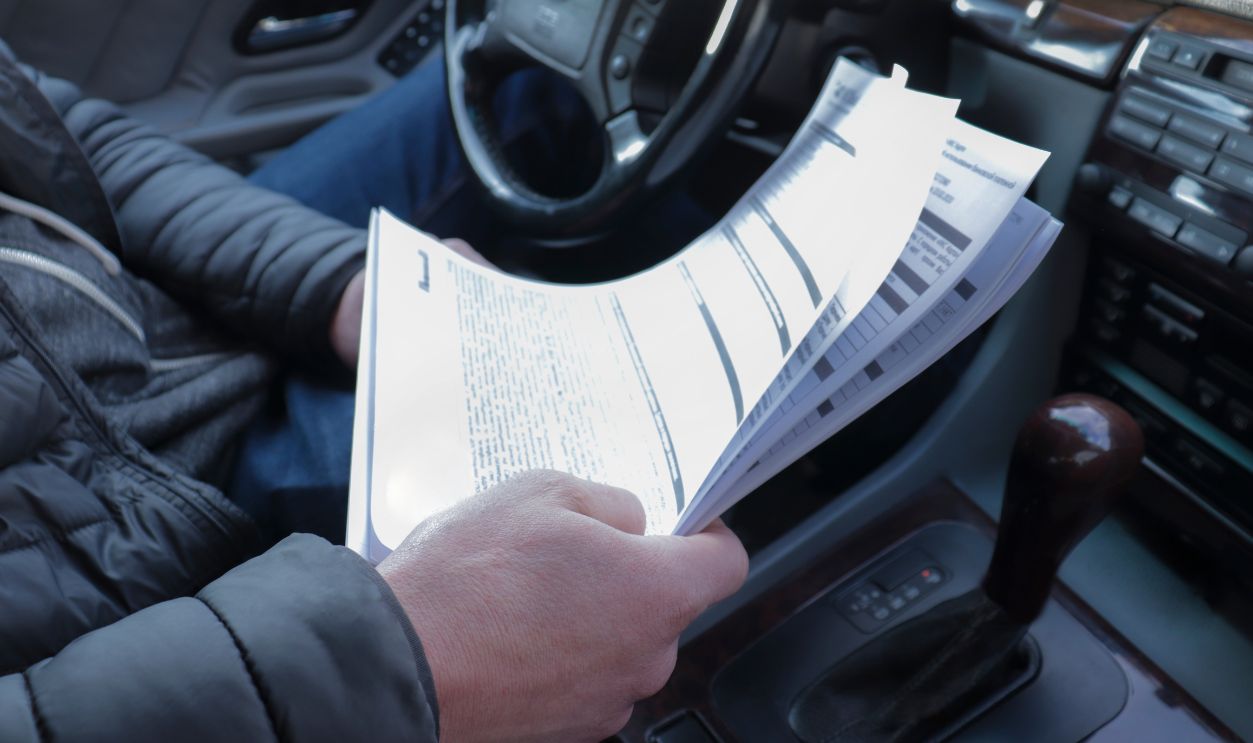
Your insurance declarations page should identify your selected coverages. Locate the roadside endorsement and its price, then ask your insurer what removing it would save. That figure matters more than the insurer's advertised starting rate.
 Natallia Ustsinava, Shutterstock
Towing Mileage Makes A Huge Difference
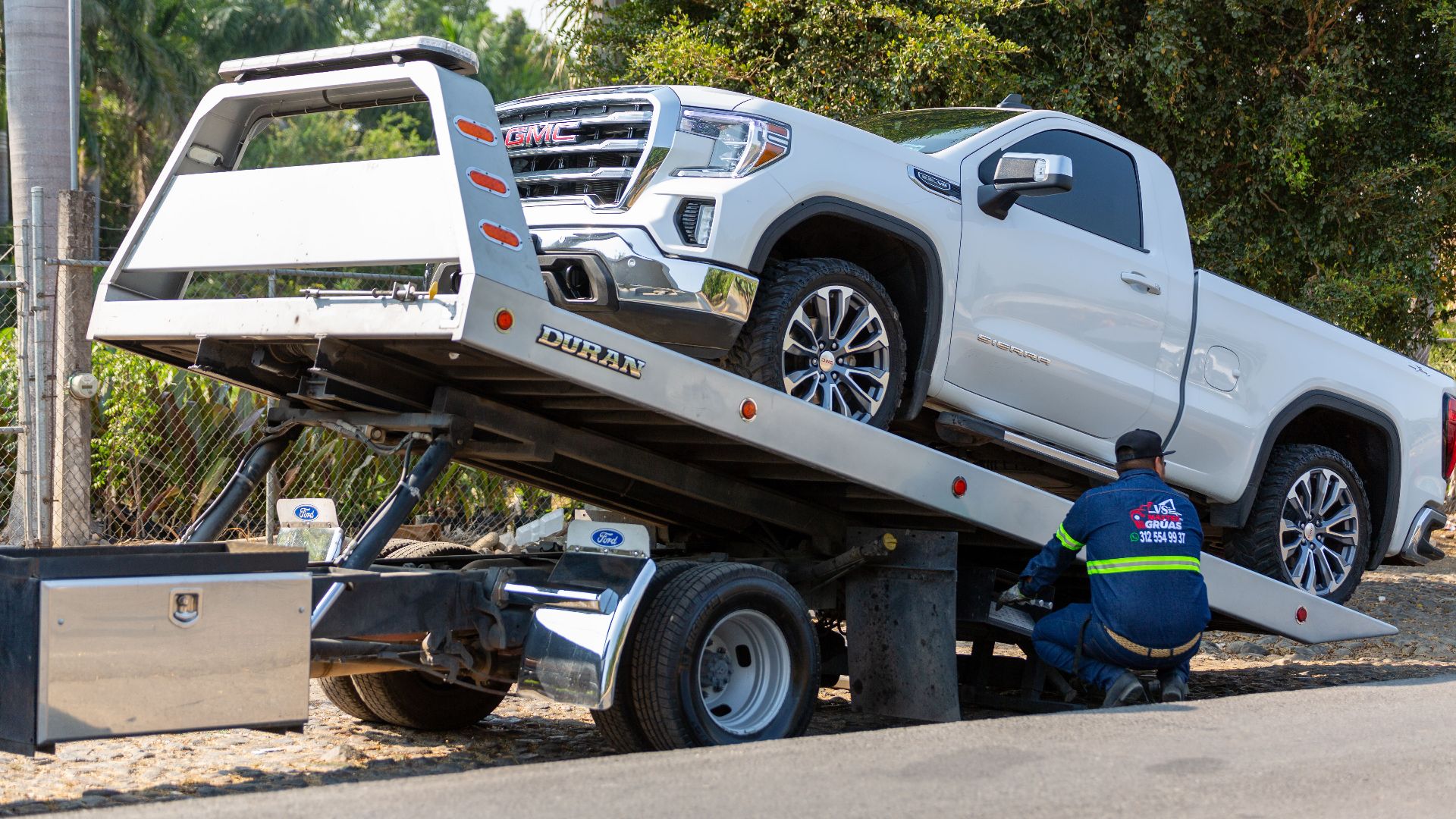
Progressive's roadside program generally includes towing within a 15-mile radius, with additional provisions for the nearest qualified repair shop. Allstate membership tiers offer different towing distances. Compare mileage limits before deciding your benefits are interchangeable.
Your Preferred Mechanic Might Cost Extra
State Farm generally covers towing to the nearest repair location under its emergency road service coverage. Choosing a more distant garage can create additional charges. The cheapest program isn't necessarily the best one for your preferred repair shop.
Flat Tires Have A Catch
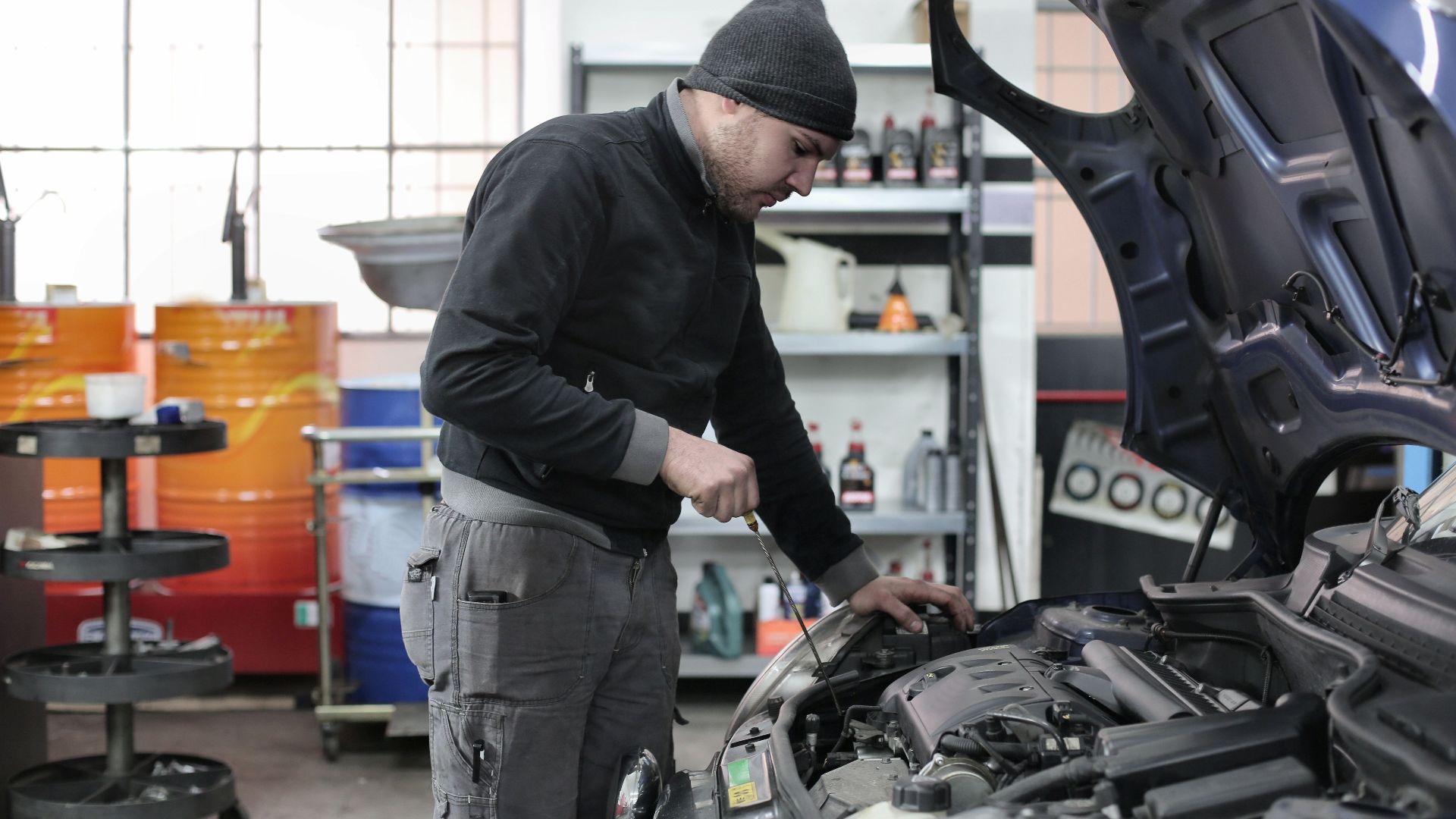
Roadside programs commonly include changing a flat tire, but they generally expect you to have a usable spare. Progressive and GEICO both specify this requirement. Without one, you may need towing instead of a quick roadside tire change.

A Jump-Start Isn't A New Battery
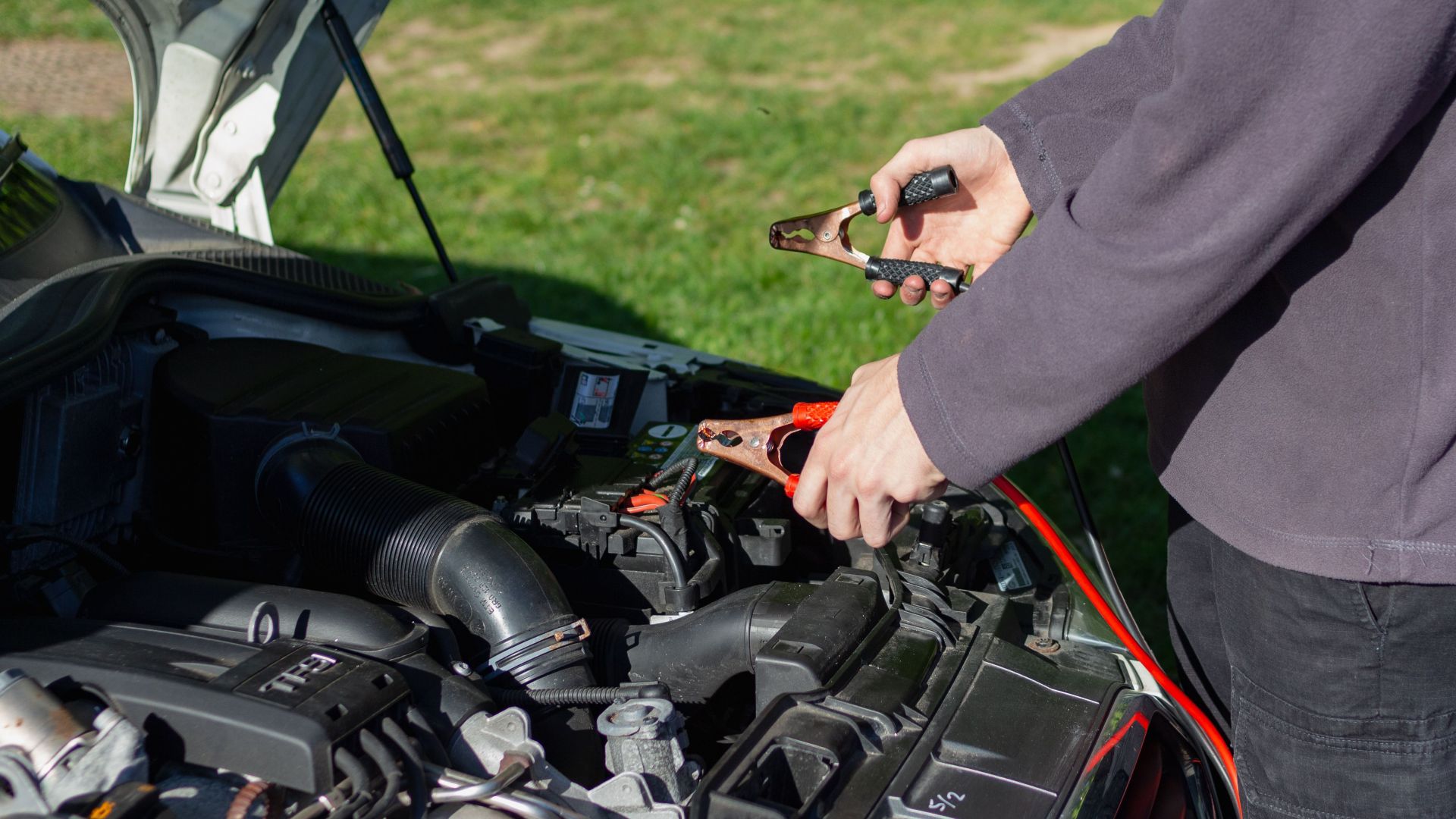
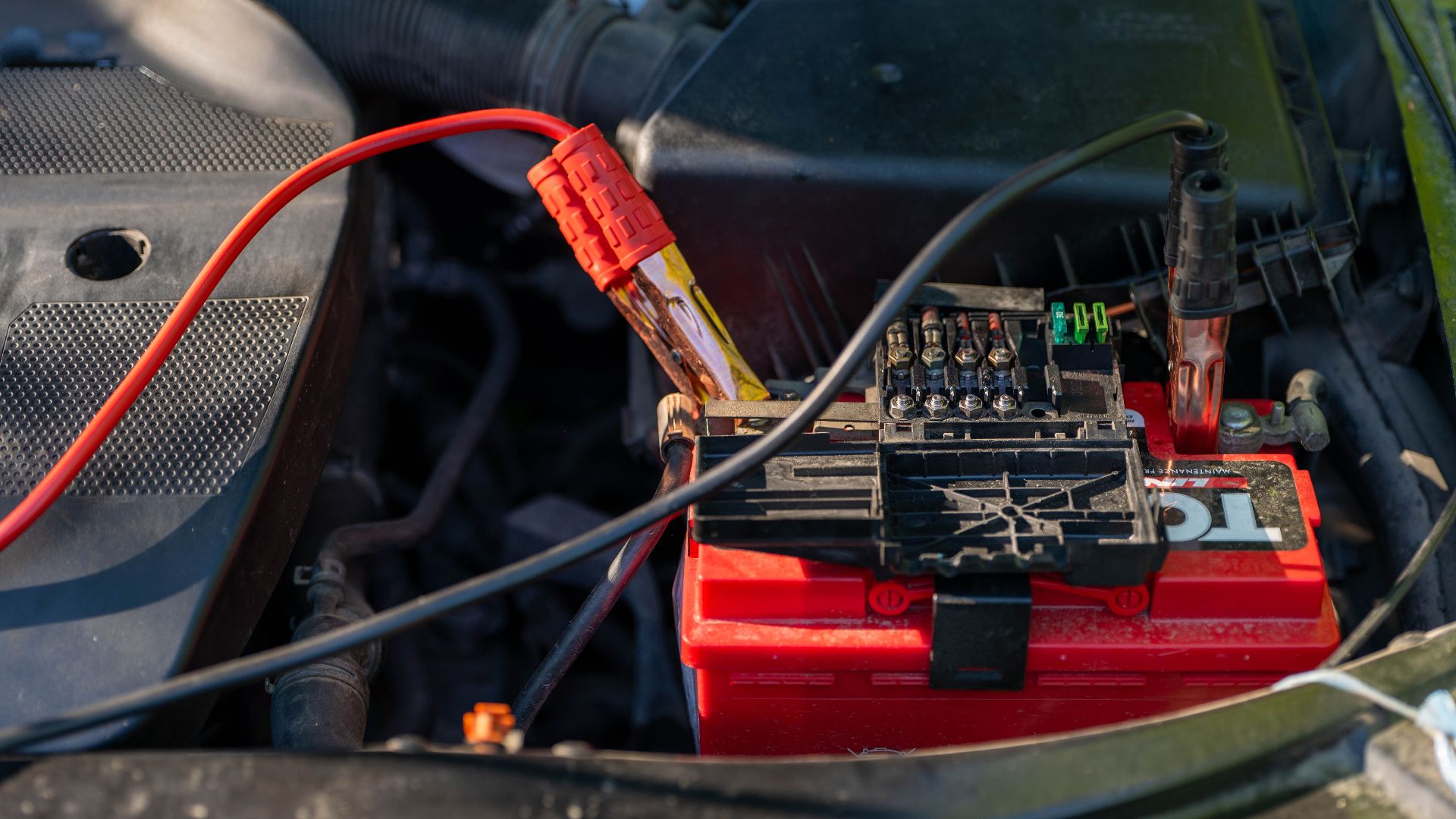
Both insurance and card programs may arrange battery assistance. However, the service usually focuses on getting your vehicle running again. State Farm distinguishes covered emergency service from the cost of replacement items, including batteries.
 Daniel @ bestjumpstarterreview.com, Pexels
Fuel Delivery Doesn't Mean Free Gas
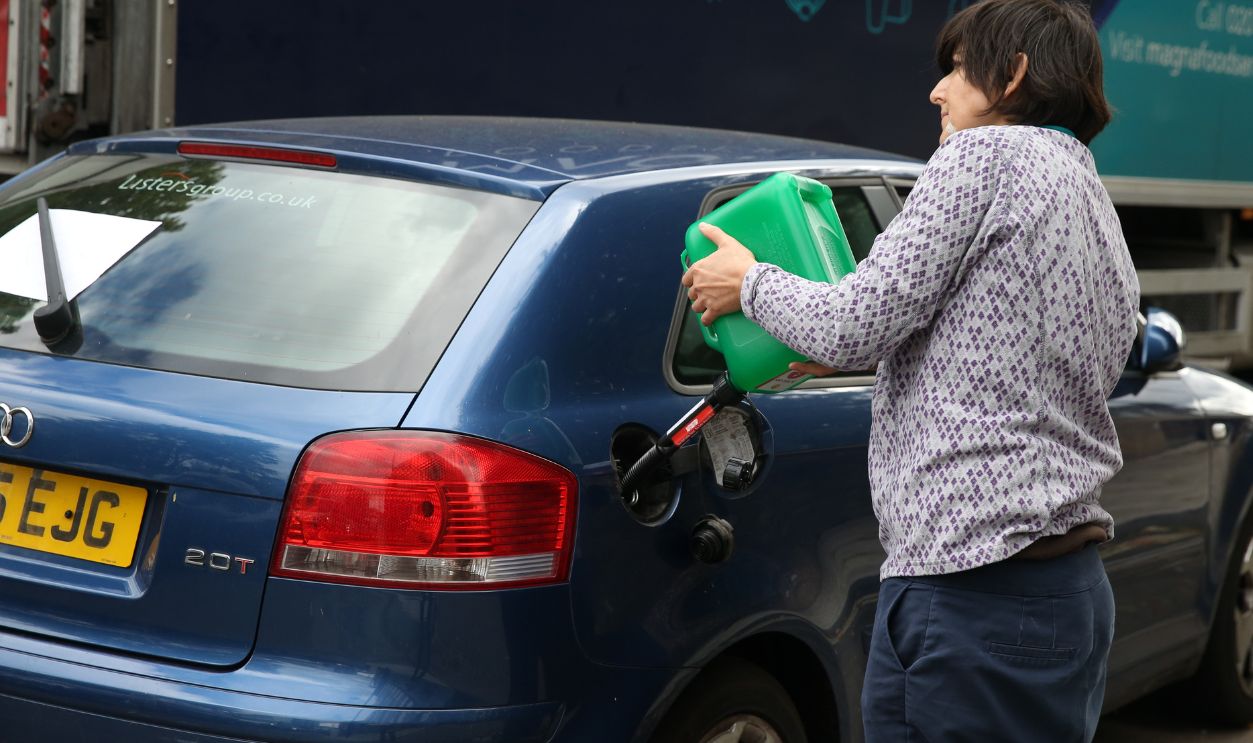
Running out of fuel can qualify for roadside assistance, but you'll often pay for the gasoline itself. Progressive covers delivery while charging for fuel. Compare the actual benefit rather than assuming every advertised fuel-delivery service includes everything.
Lockout Coverage Has Limits
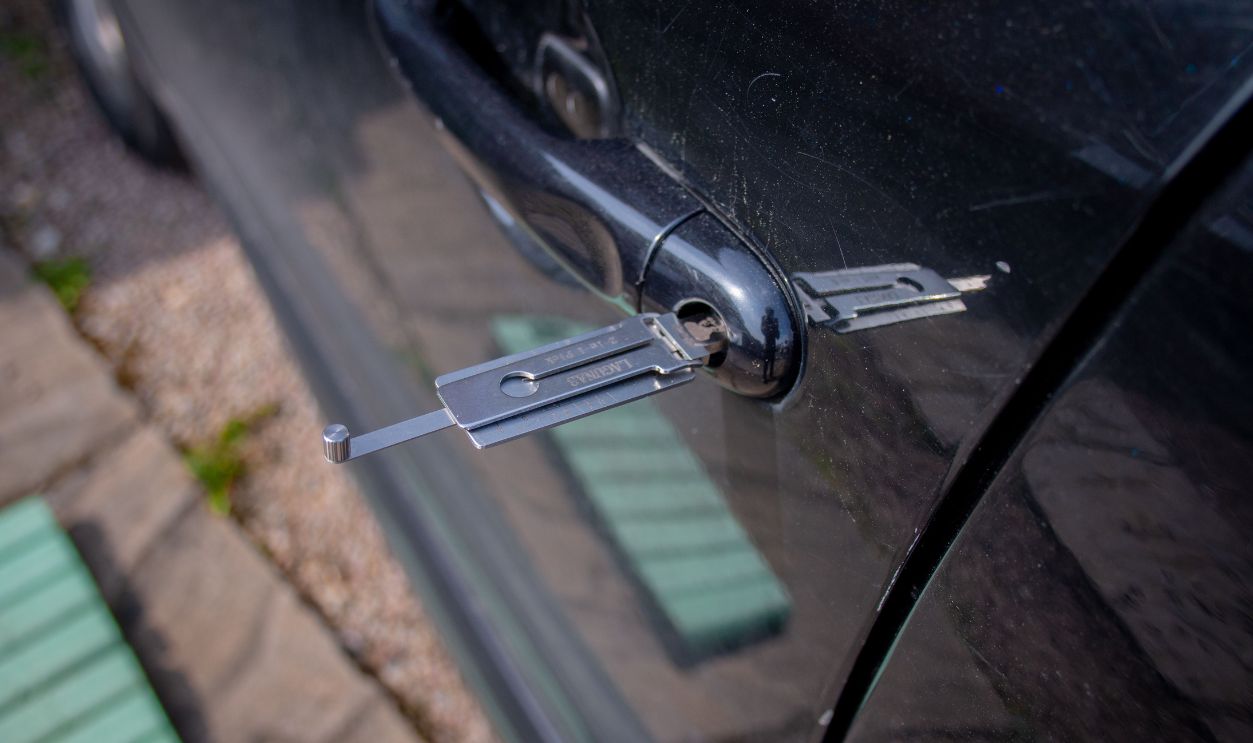
Roadside programs can help when you've locked your keys inside your vehicle. However, replacing missing keys is another expense. Chase's Sapphire Reserve benefit excludes replacement keys, while GEICO specifies a dollar limit for covered lockout services.
Winching Isn't Unlimited Recovery
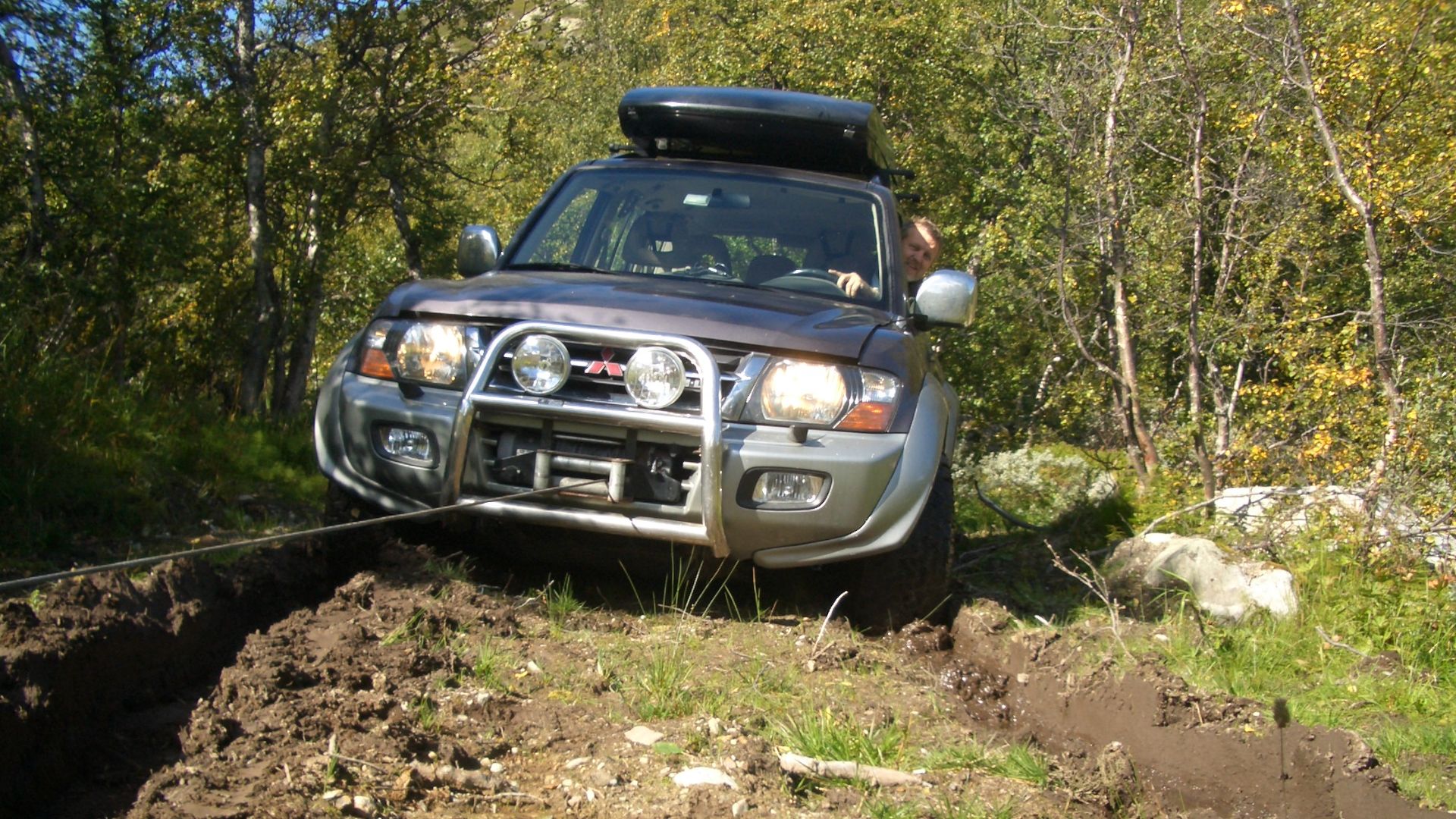
A vehicle stuck in mud or snow might qualify for winching, but location matters. Progressive specifies a 100-foot distance from a road or highway. Chase also restricts off-road situations inaccessible to ordinary towing vehicles.
Collision Towing Is Different
A covered collision may qualify for towing under your regular auto insurance claim, even without a roadside endorsement. Progressive distinguishes accident-related towing from ordinary breakdown assistance. Check this distinction before treating all towing benefits as identical.

Some Protection Follows The Vehicle
Insurance roadside coverage commonly applies to vehicles listed on the relevant policy. State Farm describes emergency services for covered vehicles. If your household owns several cars, confirm which ones are protected and whether separate charges apply.

Other Protection Can Follow You
Some roadside programs protect the individual rather than one registered car. AAA memberships, for example, generally cover members in eligible vehicles they're driving or riding in. Credit-card eligibility also depends on the cardholder's particular benefit terms.
 Mike Mozart from Funny YouTube, USA, Wikimedia Commons
Rental Cars Complicate Everything
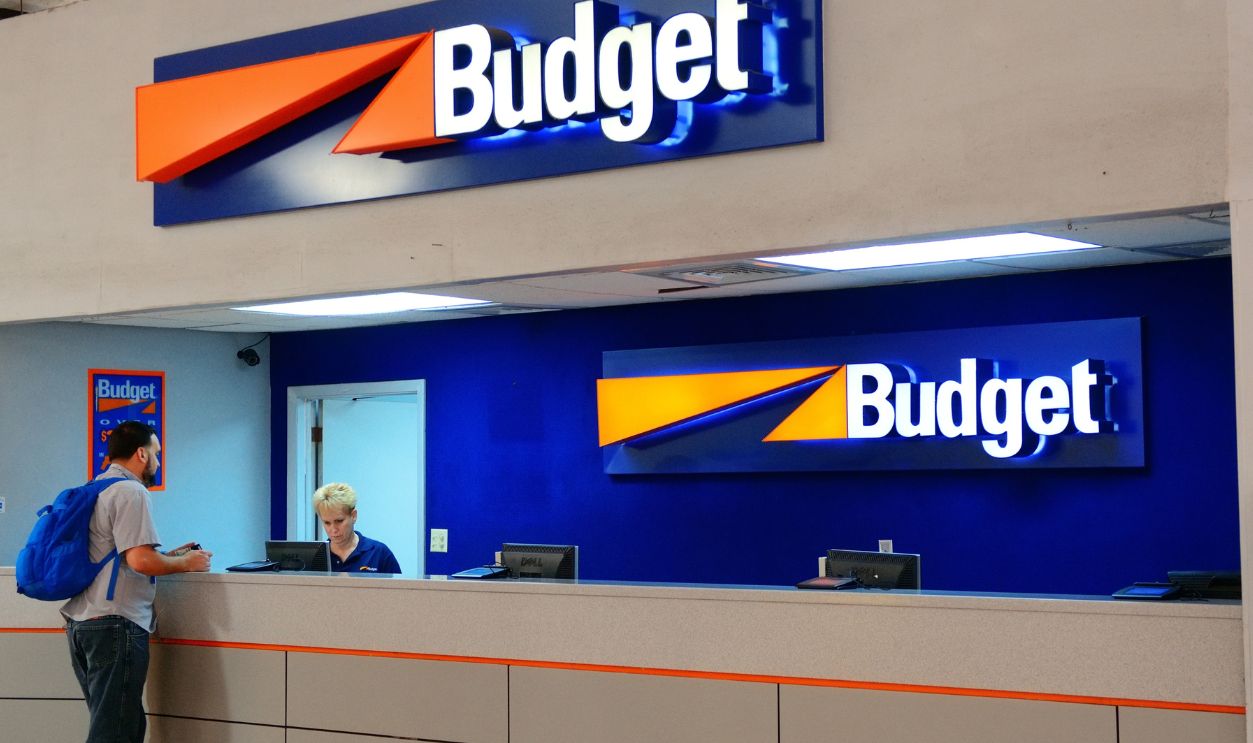
Before arranging assistance for a rental vehicle, contact the rental company. Chase advises that rental agencies may have their own required roadside procedures. Using an outside service without checking those requirements could complicate an already inconvenient breakdown.
Geography Can Change Your Options
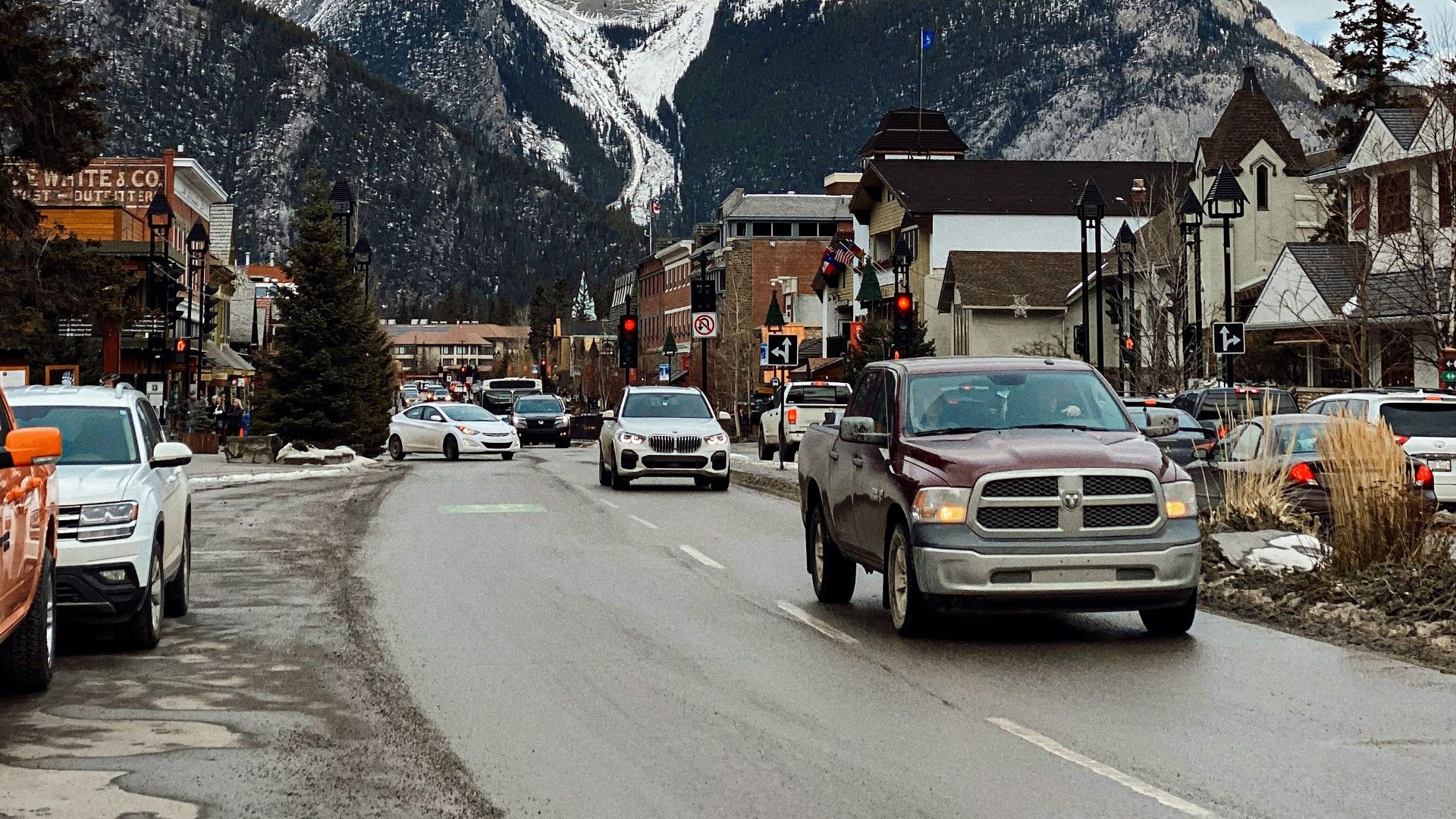
Chase Sapphire Reserve roadside assistance operates in the United States and Canada. Individual programs also restrict inaccessible locations or certain vehicle types. If you regularly travel across borders or remote areas, confirm the relevant geographic restrictions first.
Service Calls Aren't Always Unlimited
Chase Sapphire Reserve limits its roadside benefit to four covered incidents annually. Progressive notes that some policies restrict the number of roadside events. State Farm typically permits repeated requests. The annual allowance can make a significant difference.

Repeated Problems Can Trigger Restrictions
Chase Sapphire Reserve has a restriction involving repeated incidents of the same type within seven days. If your battery keeps failing, another call might not qualify. Compare restrictions before depending entirely on one program.
Payment Methods Matter Too
Some insurance programs arrange direct payment to the service provider. GEICO also allows eligible customers who paid upfront to request reimbursement within coverage limits. Credit-card dispatch services may bill your card immediately, making the initial expense different.

Ask About Your Claims Record
Progressive processes roadside requests through its claims system, while Allstate says its separate roadside memberships aren't recorded as auto insurance claims. Ask your insurer how policy-based roadside calls are recorded and whether frequent use could affect future pricing.

Don't Count On Double Reimbursement
Having two programs doesn't automatically mean both will reimburse the same towing invoice. Payment rules and limits differ. Before choosing a provider, ask whether your insurer accepts independently arranged towing and what documentation it requires for reimbursement.

Run A Simple Cost Comparison
Suppose your insurer charges $20 annually for roadside coverage. Over five years, that's $100, even without a service call. Compare that expense against your credit card's per-call charges, included benefits, towing limits, and likely usage.

Keep The Coverage That Earns Its Place
If your card only offers paid dispatch, an inexpensive insurance endorsement might be worth retaining. If your card already provides sufficient prepaid protection, you could eliminate redundant coverage. Review both agreements before making changes because card benefits can change.

You May Also Like:
My extended warranty won’t cover a known defect. Isn’t that what extended warranties are for?