That Growl From One Corner Can Get Expensive Fast
When a mechanic says one wheel bearing is noisy but recommends replacing both on the same axle, it does sound like an upsell—and sometimes it is. But in many cases, you should listen to your mechanic. The right move depends on how wheel bearings fail, how your vehicle is built, and what the shop actually found.
Start With The Short Answer
No, you do not automatically need to replace both wheel bearings just because one is noisy. Unlike parts that are often replaced in pairs in some cases, wheel bearings are usually replaced based on condition. If one bearing is clearly bad and the other is quiet, smooth, and still within spec, replacing just the failed side is often the right call.
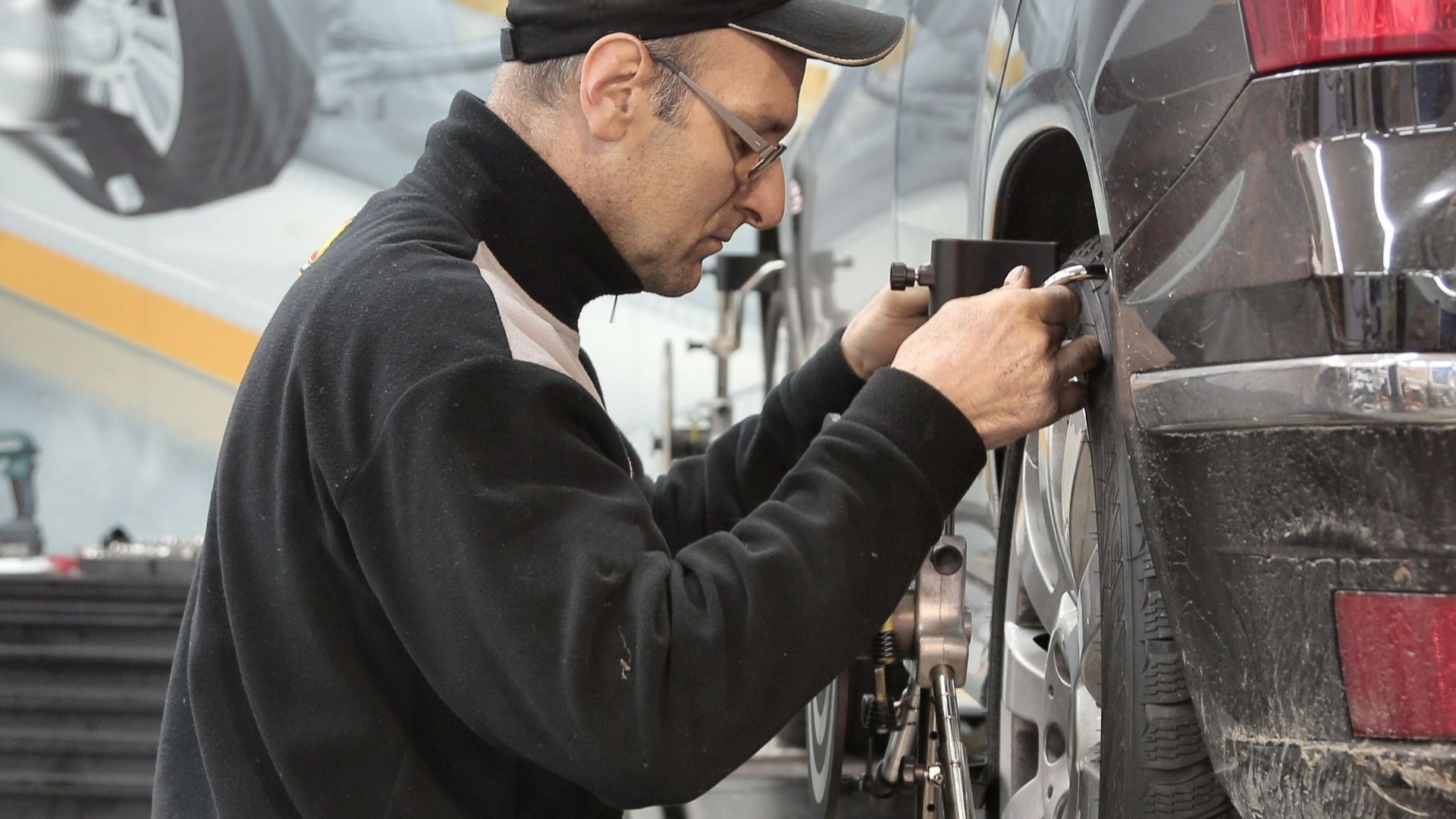
Why The Question Comes Up So Often
People hear “same age, same mileage” and assume both bearings must be wearing out at the same rate. Mechanics sometimes make that argument too, since both sides have dealt with similar miles, weather, and potholes. That is not unreasonable, but it still does not prove the other bearing is bad or even close to failing.
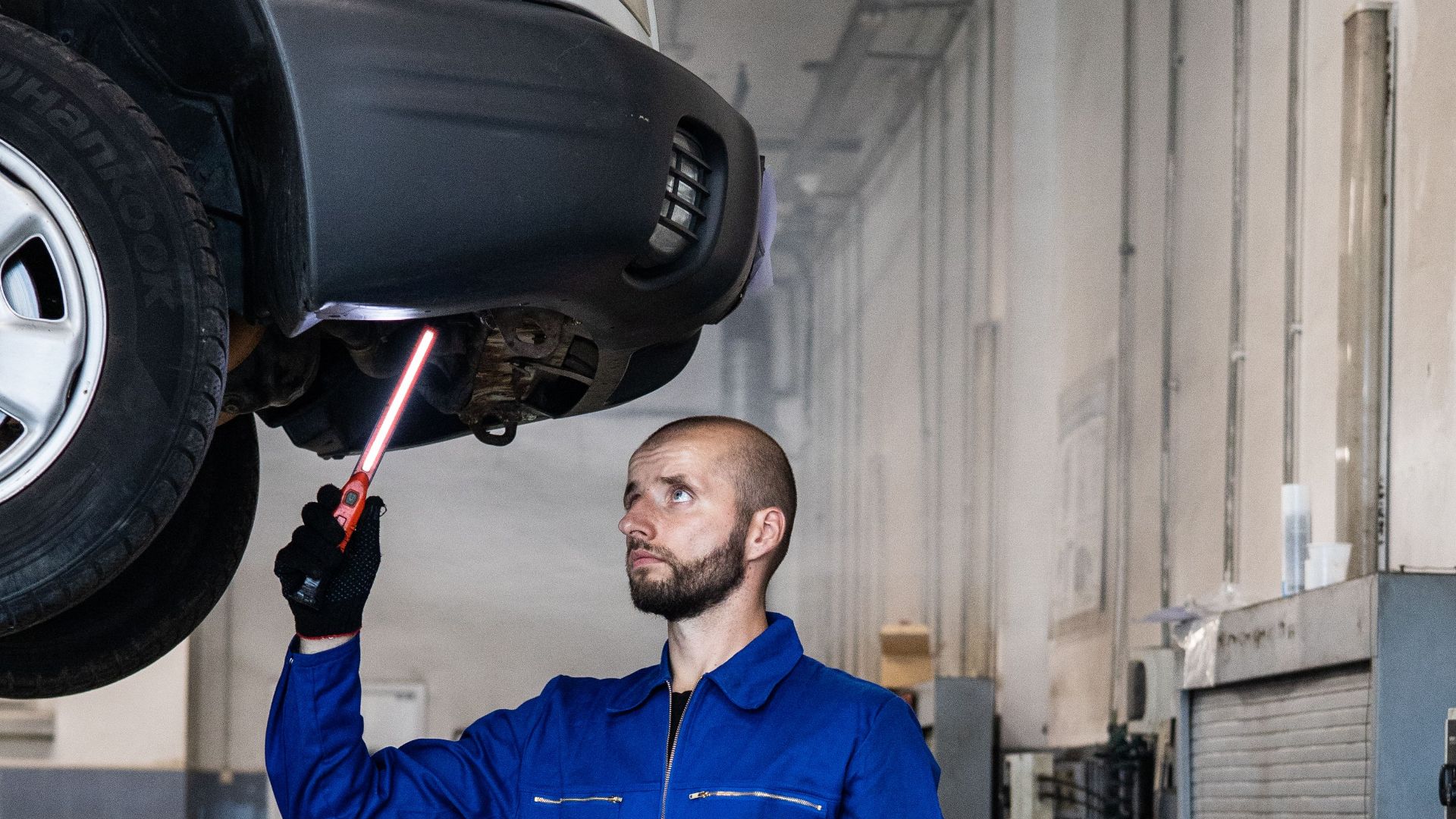
What A Wheel Bearing Actually Does
A wheel bearing lets the wheel and hub spin smoothly while carrying the weight of the vehicle. Many modern vehicles use sealed hub-bearing assemblies, while older setups may use serviceable tapered roller bearings. Timken explains that these parts are built to handle both radial and axial loads, which is one reason proper diagnosis matters so much.
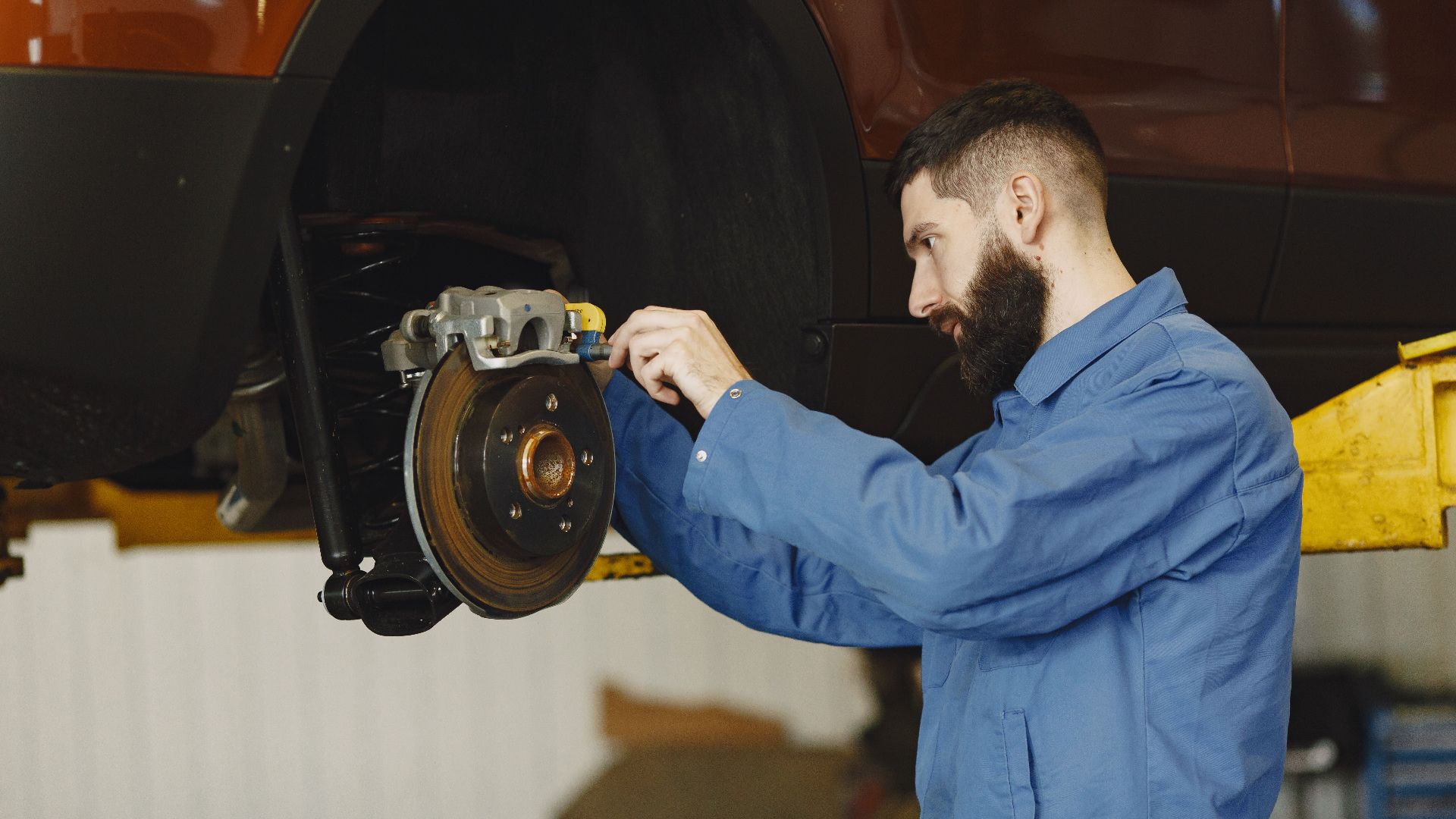
The Industry’s Basic Rule Is Condition-Based Repair
Most service guidance treats wheel bearings as replace-on-condition parts, not automatic pair replacements. SKF points to common failure causes like contamination, impact damage, poor installation, and incorrect preload. Those problems do not always hit both sides the same way, which is why one bearing can fail long before the other.
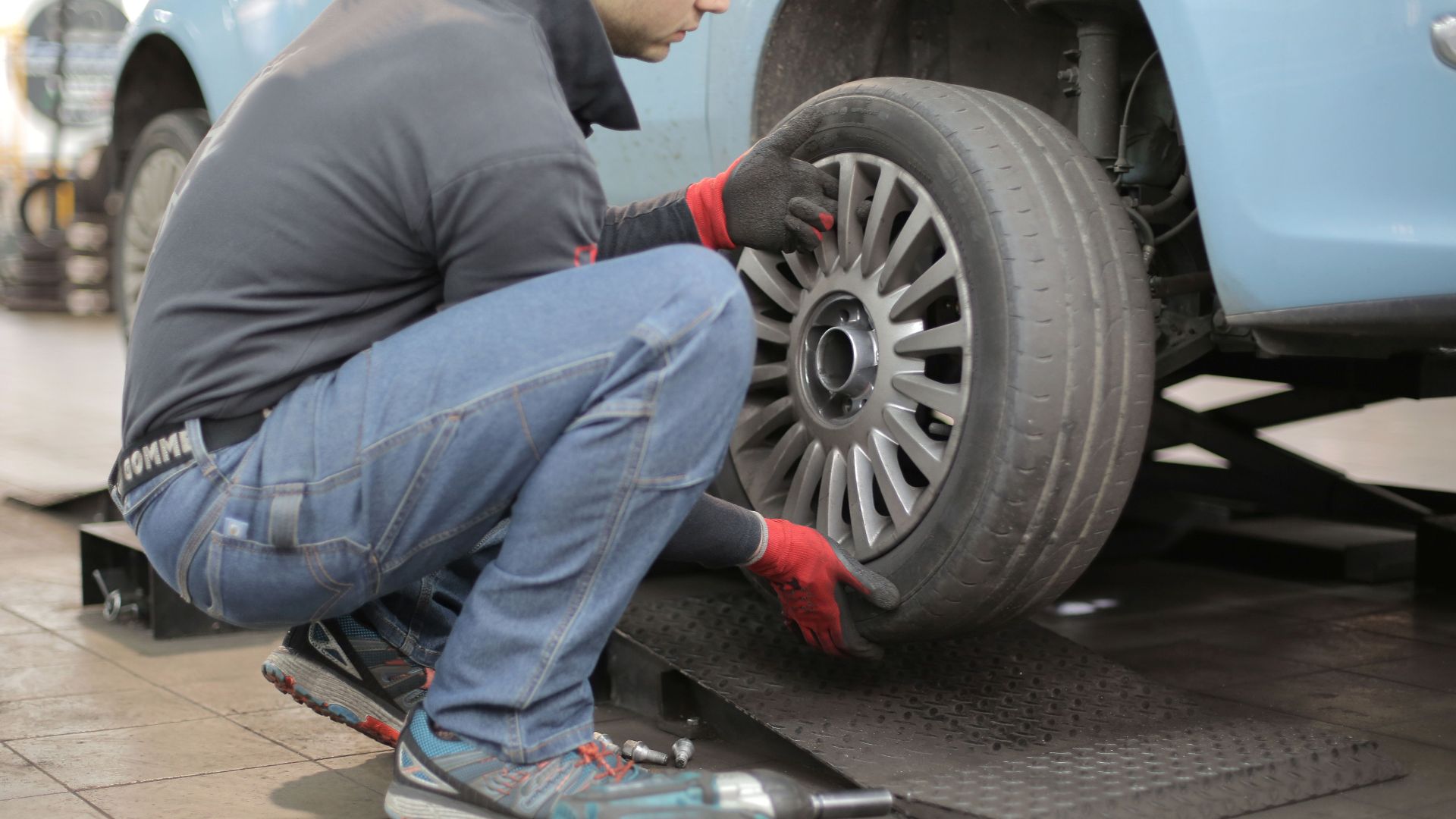
One Noisy Bearing Does Not Prove The Other One Is Bad
This is the big point. Bearings can fail because of road shock, a torn seal, water getting in, wrong torque during earlier work, or even a curb hit on one side. If the cause is one-sided, replacing both by default may just add cost without adding much benefit.
But There Are Times Replacing Both Makes Sense
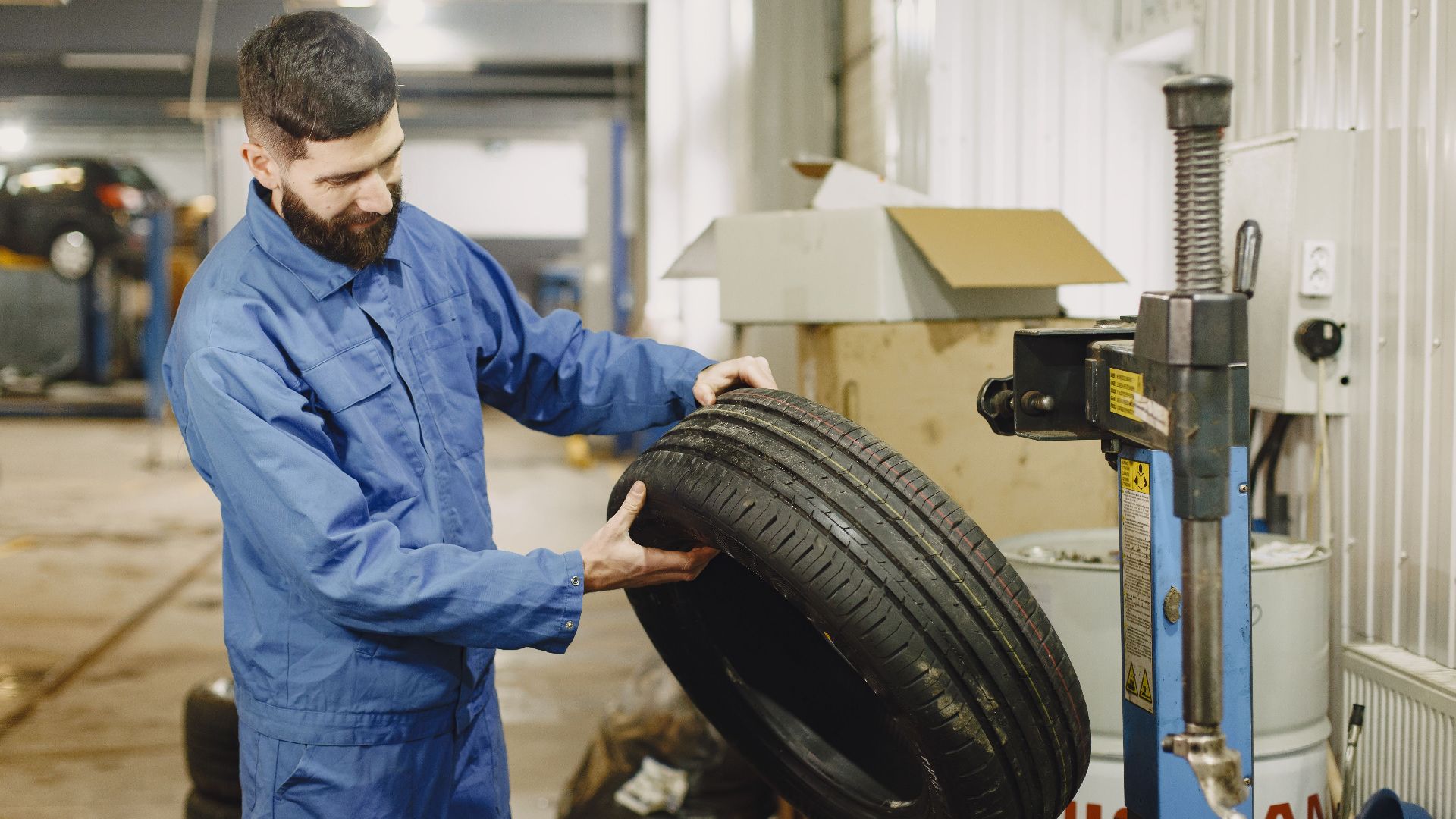
Replacing both can be reasonable if the vehicle has very high mileage, both sides show looseness or roughness, or the labor overlap is big. Some shops also recommend both when hub assemblies on a certain model are known to fail around the same time. That can be a fair call, but the mechanic should be able to explain exactly why the second side is being included.
Noise Alone Can Be Tricky
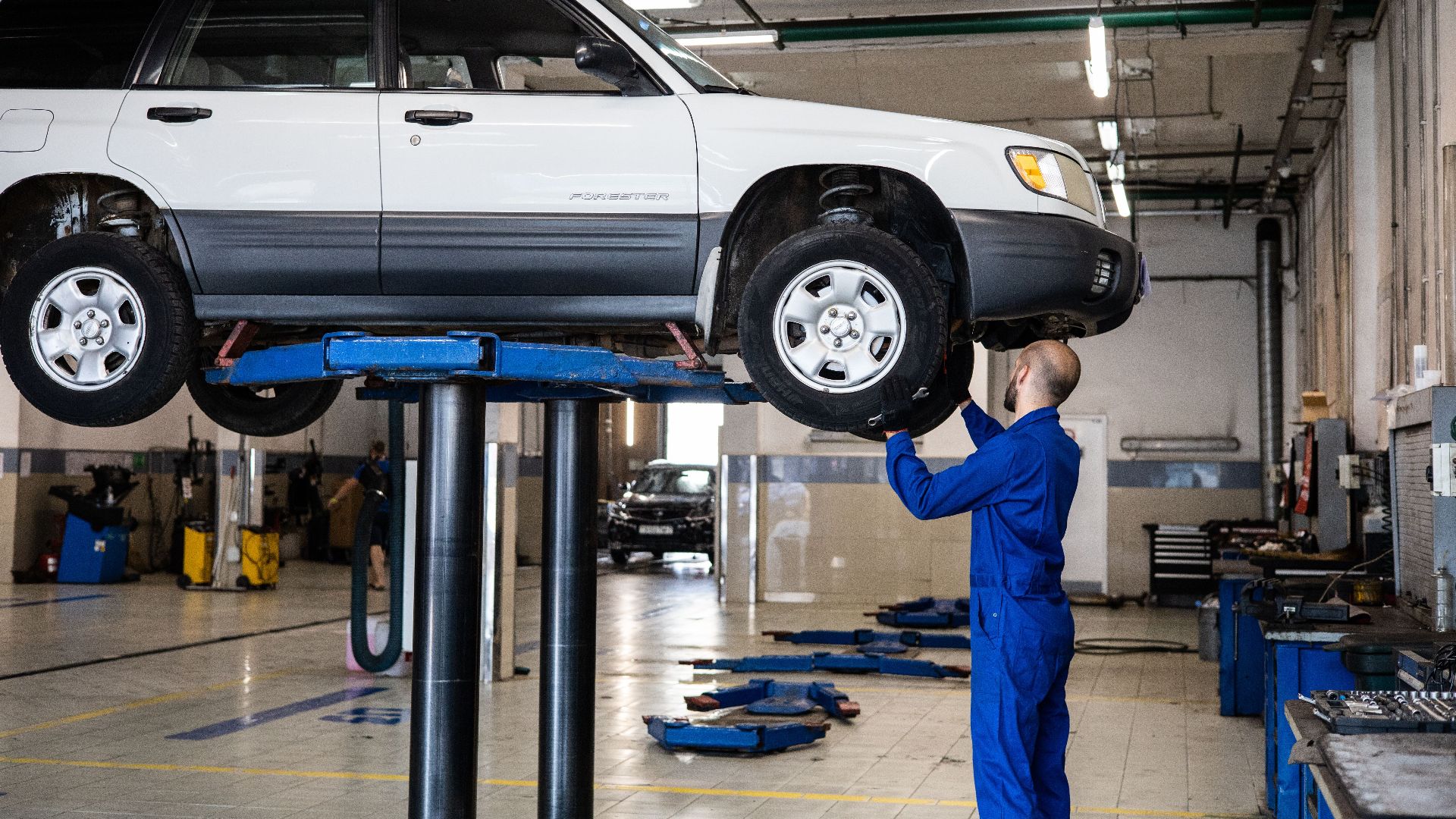
A bad wheel bearing often makes a humming, growling, or rumbling noise that changes with speed. NHTSA has long noted that worn bearings can cause noise and wheel play, but that kind of sound is not unique to bearings. Tires with uneven wear, cupping, or aggressive tread can sound almost the same.
That Means Diagnosis Matters More Than The Sales Pitch
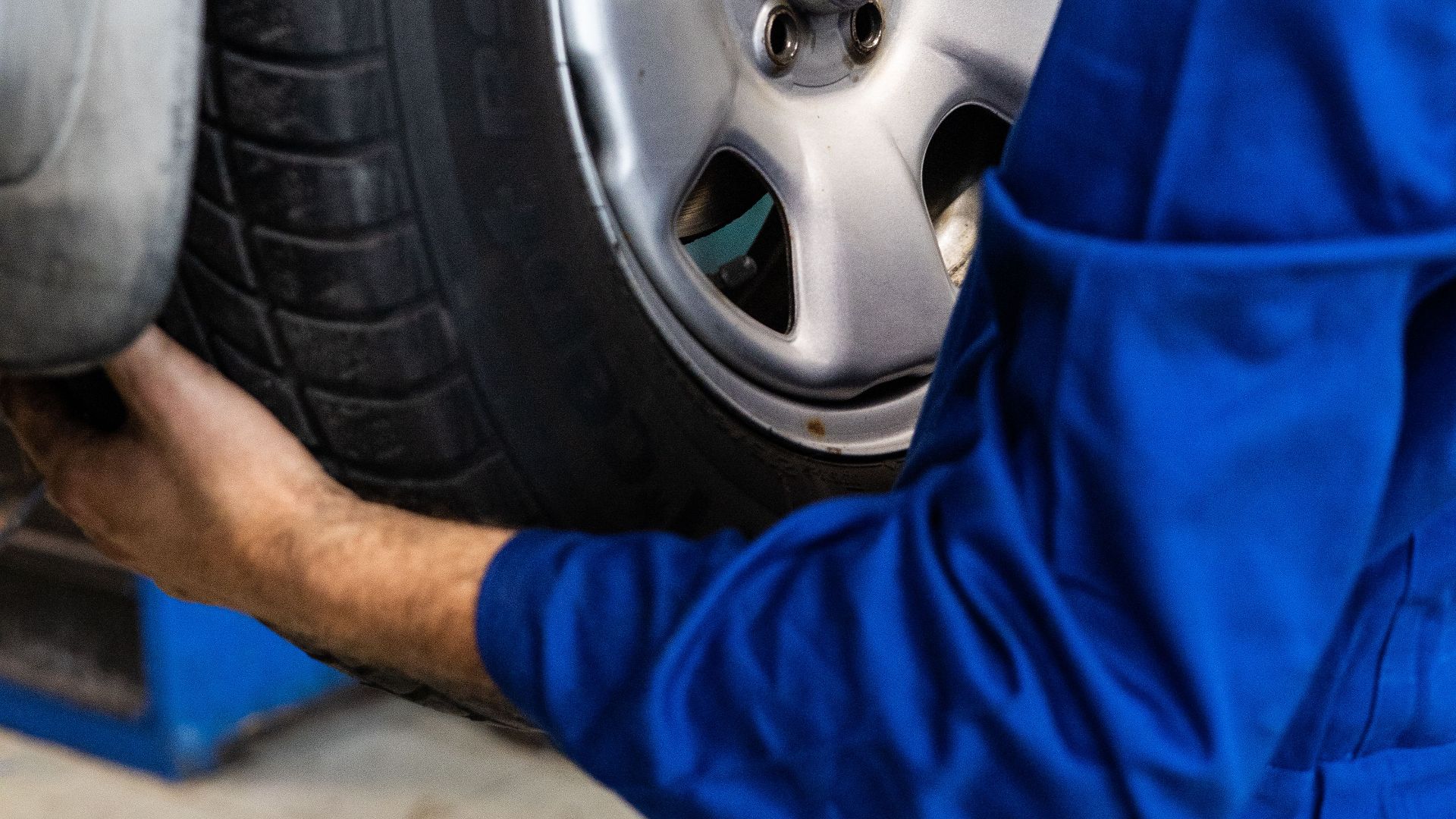
If a shop wants to replace both sides, ask how they confirmed the noisy side and what they found on the quiet side. A proper diagnosis may include a road test, listening for changes while loading the suspension in turns, checking for play, and feeling for roughness when the hub is spun by hand. The best answer is proof, not “we always do them in pairs.”
Turning Can Offer A Big Clue
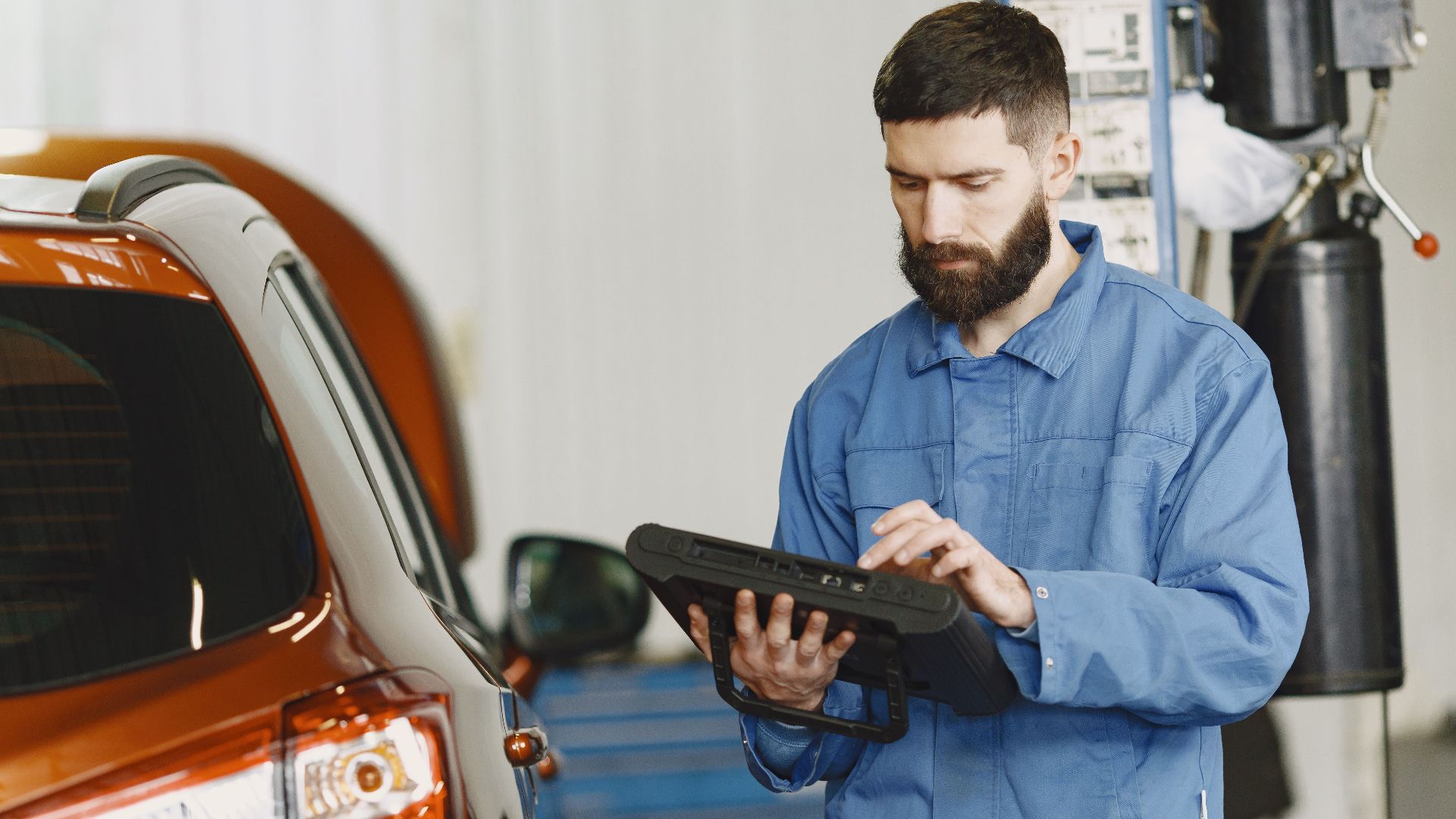
Technicians often use cornering behavior as one clue. A bad right-side bearing may get louder when the vehicle’s weight shifts onto that side during a left turn, and the same idea applies in reverse. It is a useful test, but it is not perfect, because tire noise can fool even experienced techs.

Sealed Hubs Changed The Conversation
On many newer vehicles, the bearing is part of a sealed hub assembly that gets replaced as one unit. That can make the repair simpler, but it also drives up the parts cost. Since these units usually are not adjusted or repacked like older bearings, the decision usually comes down to whether that specific hub shows confirmed wear or damage.
Older Serviceable Bearings Are A Different Story
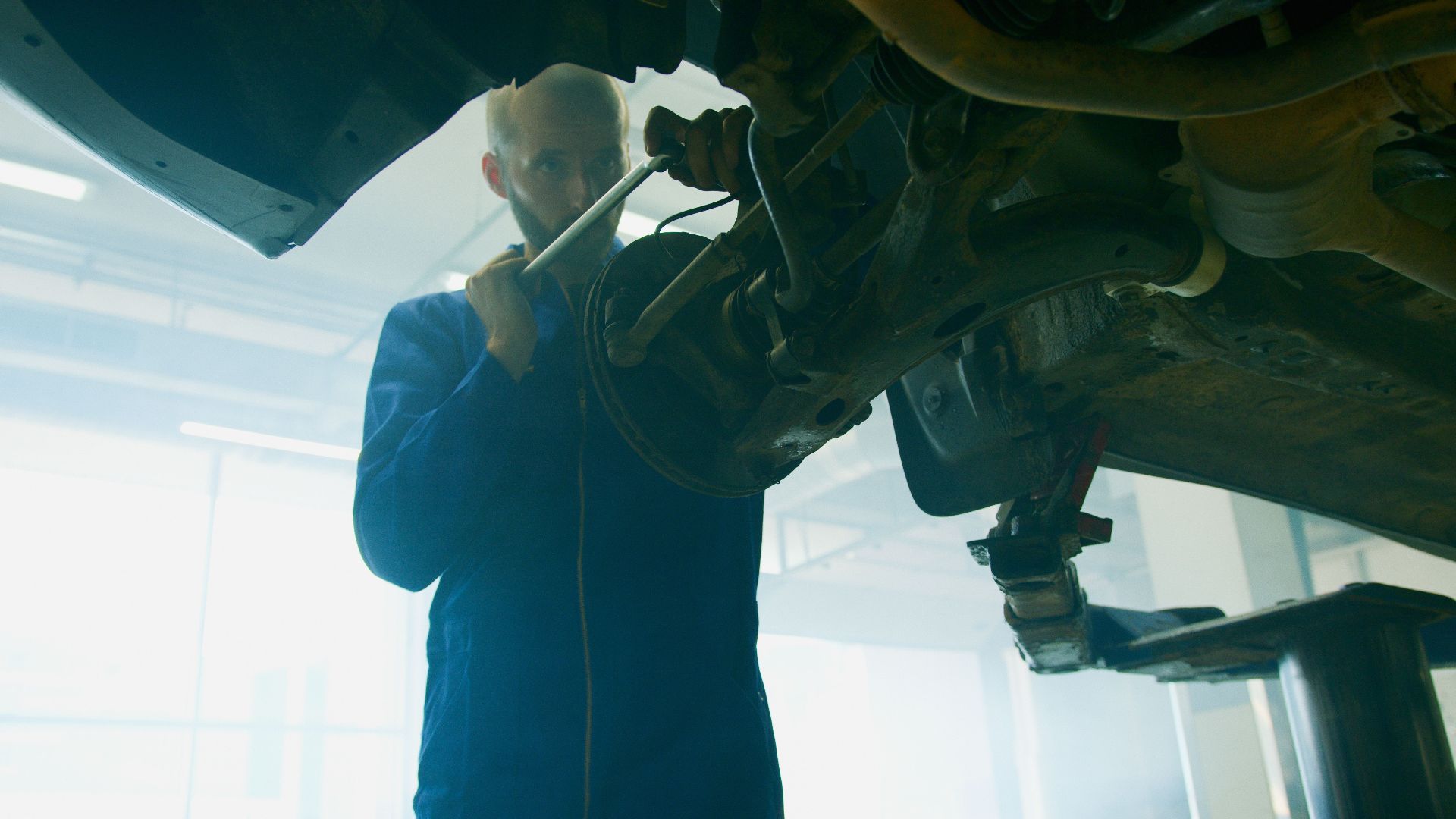
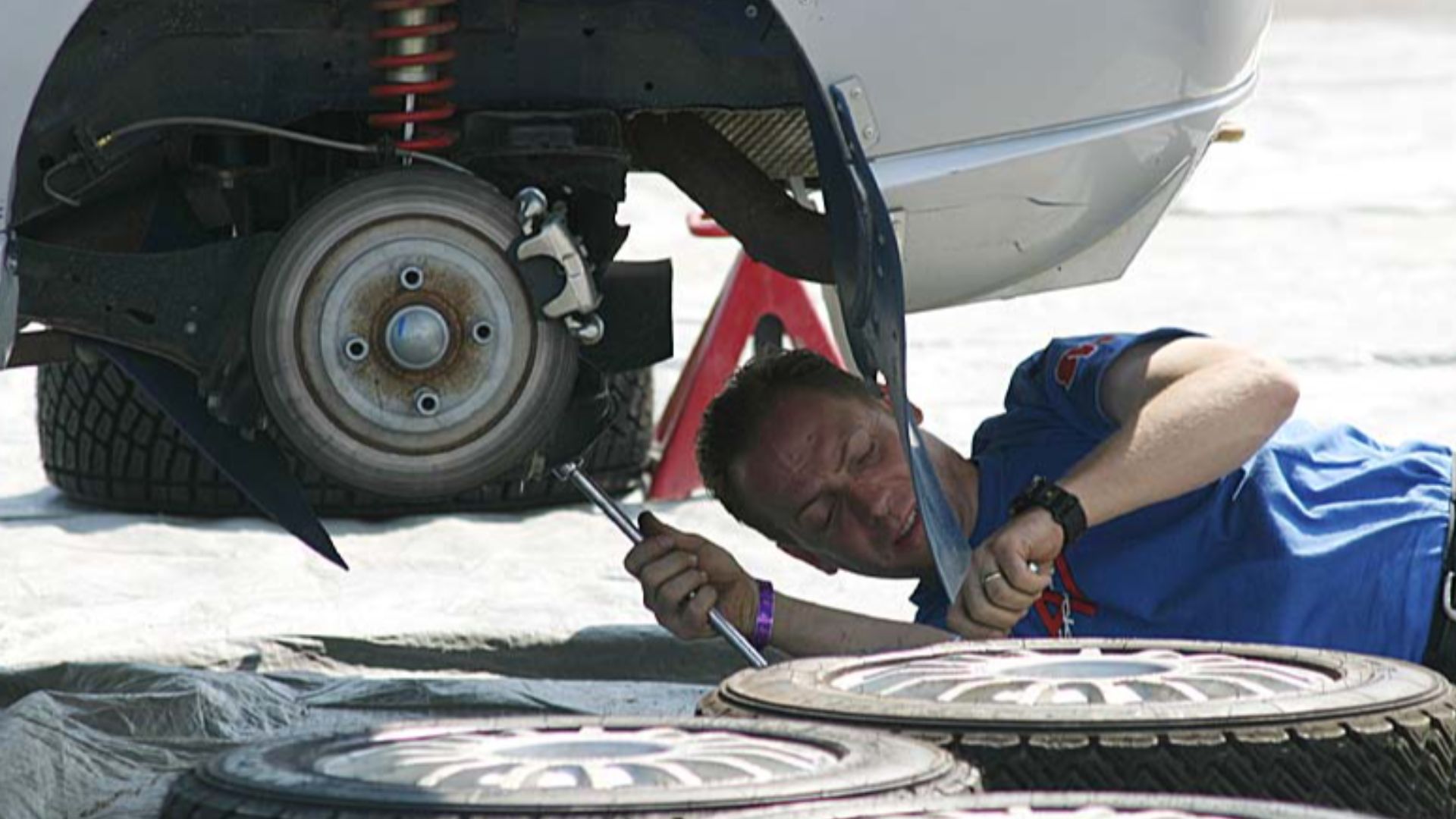
Some older trucks, trailers, and classic vehicles use tapered roller bearings that can be cleaned, inspected, repacked, and adjusted. In those cases, a mechanic may inspect both sides during brake or hub work and find one bearing discolored, pitted, or rough while the other still looks fine. Even then, both sides do not have to be replaced automatically, though some owners choose to refresh more parts while everything is apart.
 User Interiot on en.wikipedia, Wikimedia Commons
What Real Bearing Damage Looks Like
Federal Highway Administration bearing references and major bearing makers describe common failure signs like pitting, spalling, heat discoloration, scoring, and seal damage. Those are physical problems that can be inspected and documented. If your mechanic says the other side should be replaced too, ask whether any of those signs are present.
Installation Errors Can Kill A New Bearing Early
This explains a lot of repeat failures. SKF and Timken both warn that improper installation, such as pressing through the wrong race or over-torquing axle nuts, can damage a new bearing before the vehicle even leaves the shop. If one side failed soon after earlier work, that matters a lot more than “both are the same age.”
Torque Specs Are Not Optional
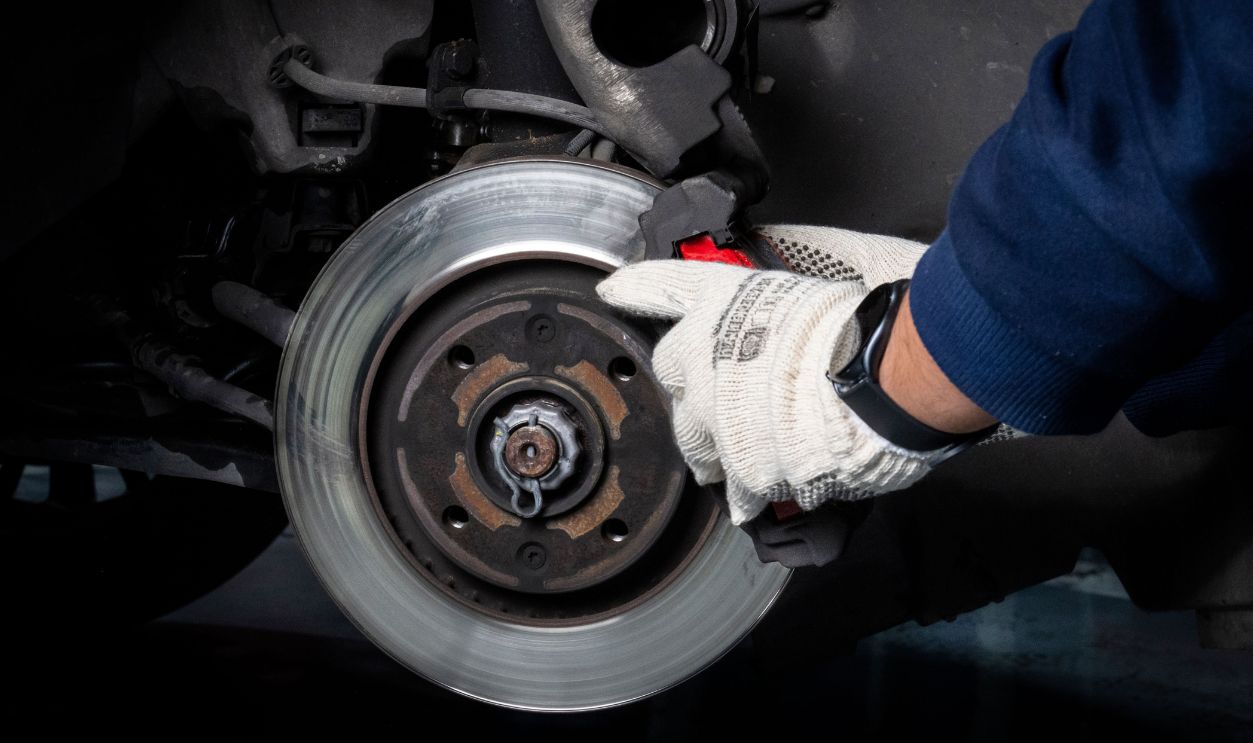
Modern hub bearings are sensitive to correct axle nut torque. Too loose can allow play and movement. Too tight can overload the bearing. That is why factory procedures matter, and why one careful repair is often smarter than replacing both sides carelessly.
ABS Sensors Add Another Layer
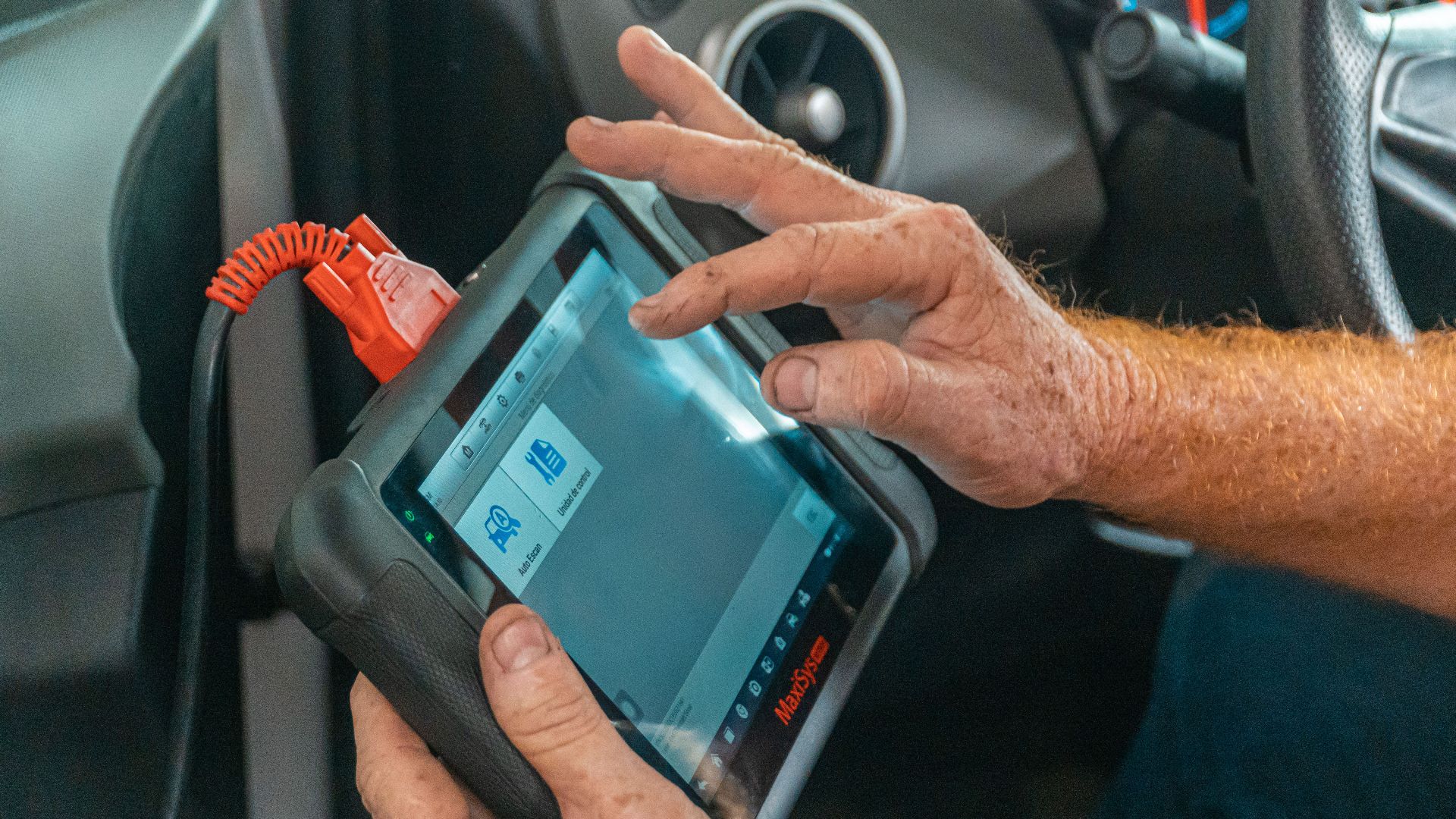
Many hub assemblies include, or work closely with, wheel speed sensors used by ABS and stability control systems. A failing hub can sometimes trigger warning lights, but wiring or sensor problems can do the same thing. If a shop is recommending both hubs, make sure it is not using a general ABS complaint to sell parts without pinning down the actual failed part.
 Jose Ricardo Barraza Morachis, Pexels
Labor Cost Can Change The Math
Sometimes the case for replacing both is about labor savings, not mechanical need. If the vehicle already has to come apart deeply and the other side may be nearing the end of its life, doing both now could save you another labor charge later. That is a convenience argument, and it can be fair, but it is not the same as saying both are bad right now.
Ask Whether The Other Side Has Play Or Roughness
This is one of the best questions you can ask. If the quiet side has measurable play, roughness while spinning, heat damage, or contamination, replacing it becomes much easier to justify. If the answer is no, then replacing only the failed side is usually a solid choice.
High Mileage Does Not Automatically Mean Pair Replacement
A vehicle with 150,000 miles can still have one bad bearing and one that is still serviceable. Mileage raises the odds of wear, but it does not replace inspection. A mechanic who can show you looseness, noise through a stethoscope, or visible damage is giving you something better than a guess.
Road Conditions Matter More Than Many Drivers Realize
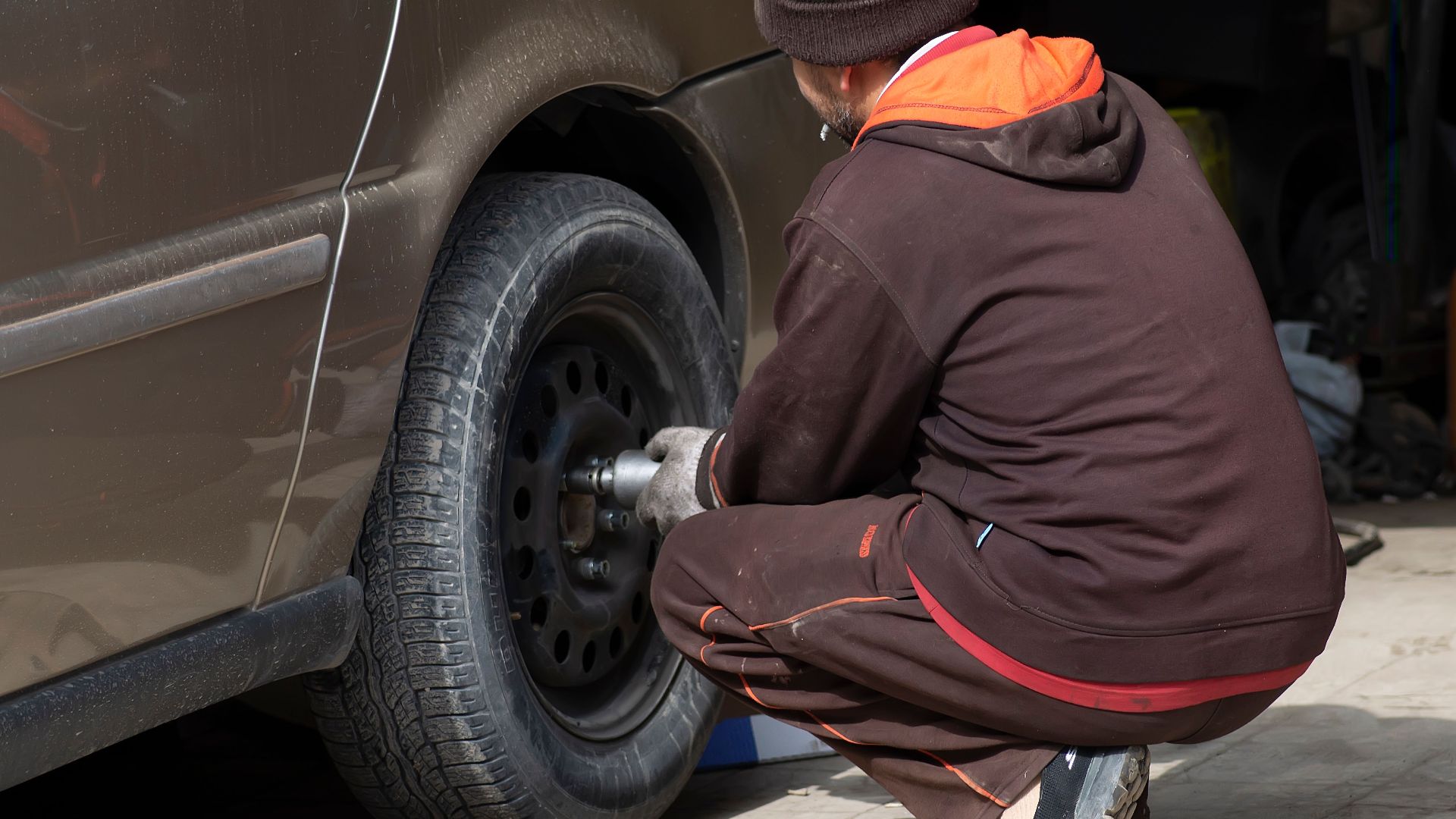
Bearings live a hard life, and that life is not always equal from side to side. One wheel may hit more potholes, get soaked by standing water near the curb, or take a curb impact while parking. Those real-world differences are another reason one bearing can fail without the other one being next in line.
So When Is “Do Both” A Strong Recommendation?
It becomes a stronger recommendation when both sides show symptoms, when a known design weakness affects both equally, or when the second side is already noisy or loose. It can also make sense when the cost difference is small and you want to lower the chances of another similar repair soon. That is a practical choice, not a hard rule.
When Is Replacing Just One The Better Call?
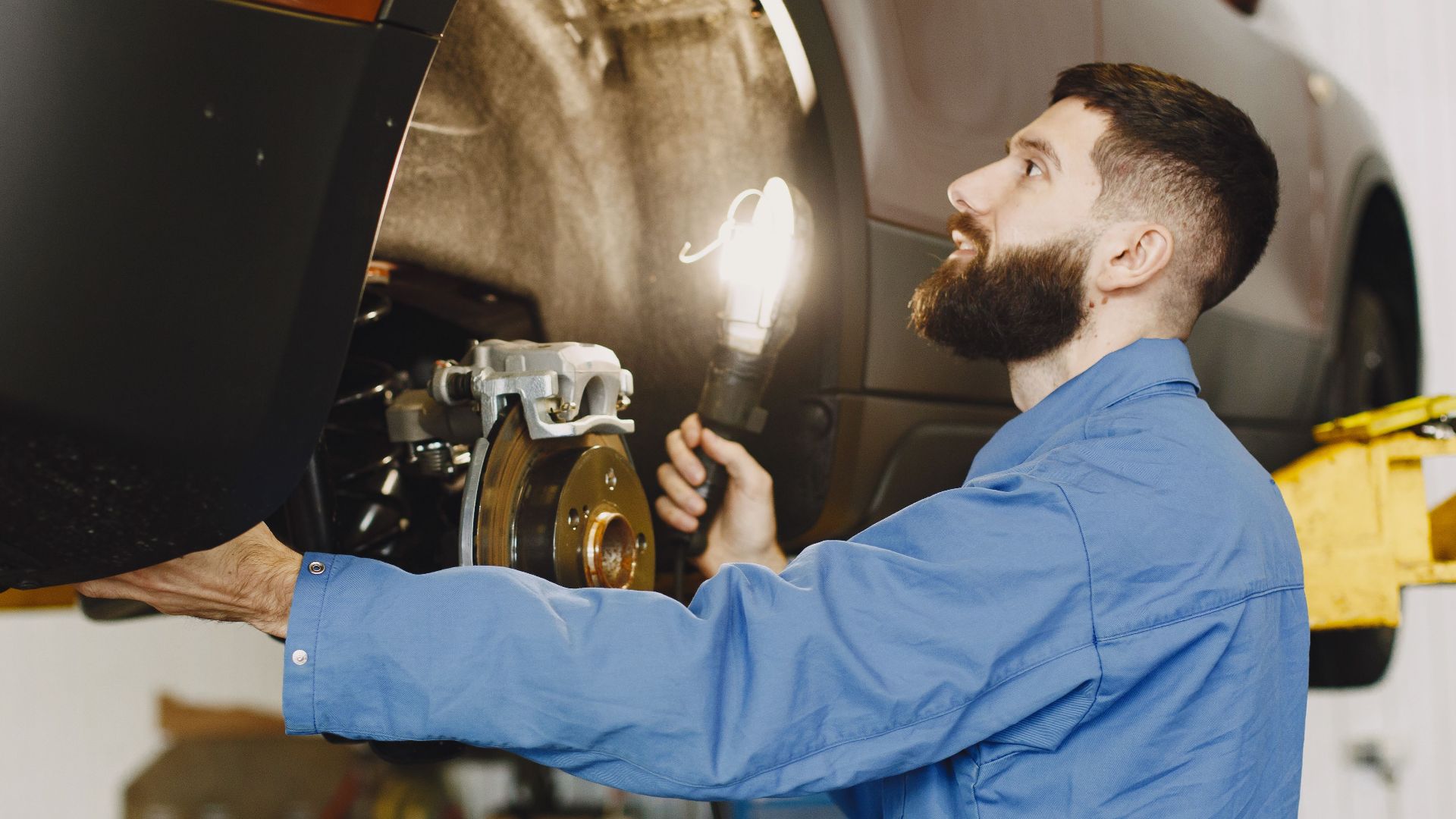
If the diagnosis clearly points to one failed bearing and the other side checks out, replacing one is usually enough. That is especially true when money is tight, when there are no signs of wear on the other side, and when the shop cannot show real evidence for replacing both. Good repair decisions should follow symptoms and inspection results.

How To Protect Yourself At The Repair Shop
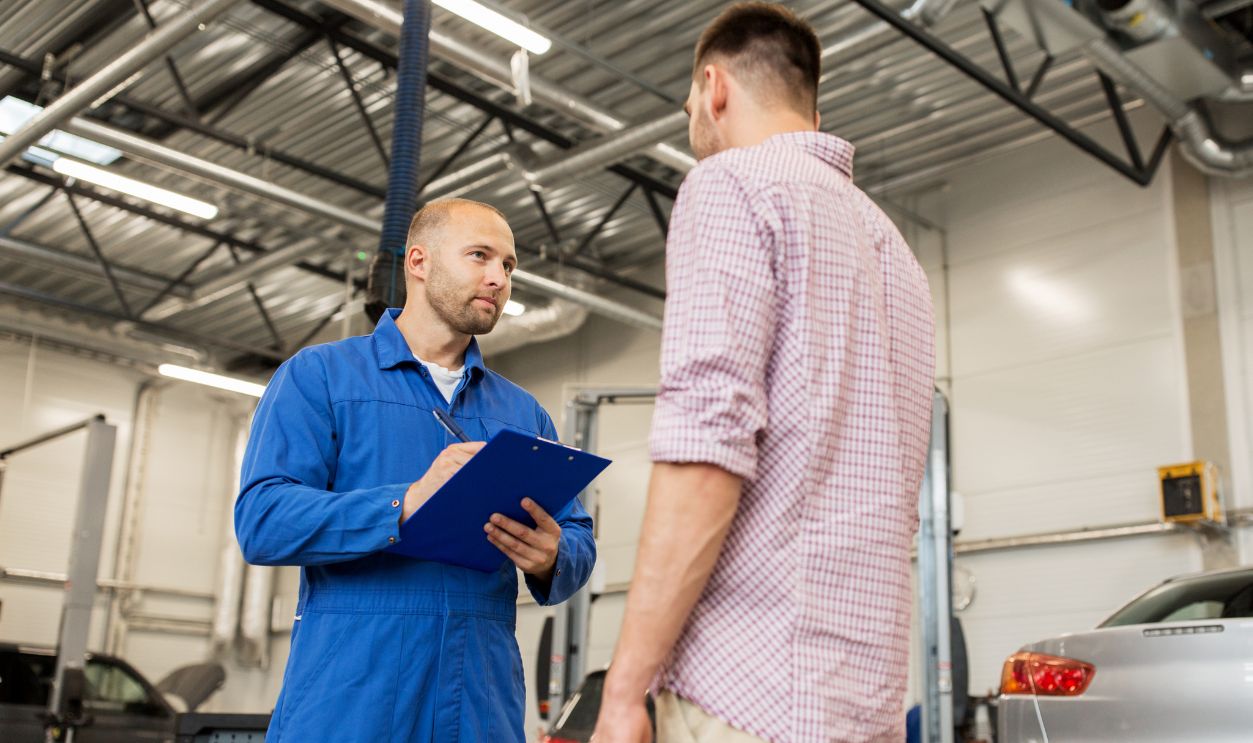
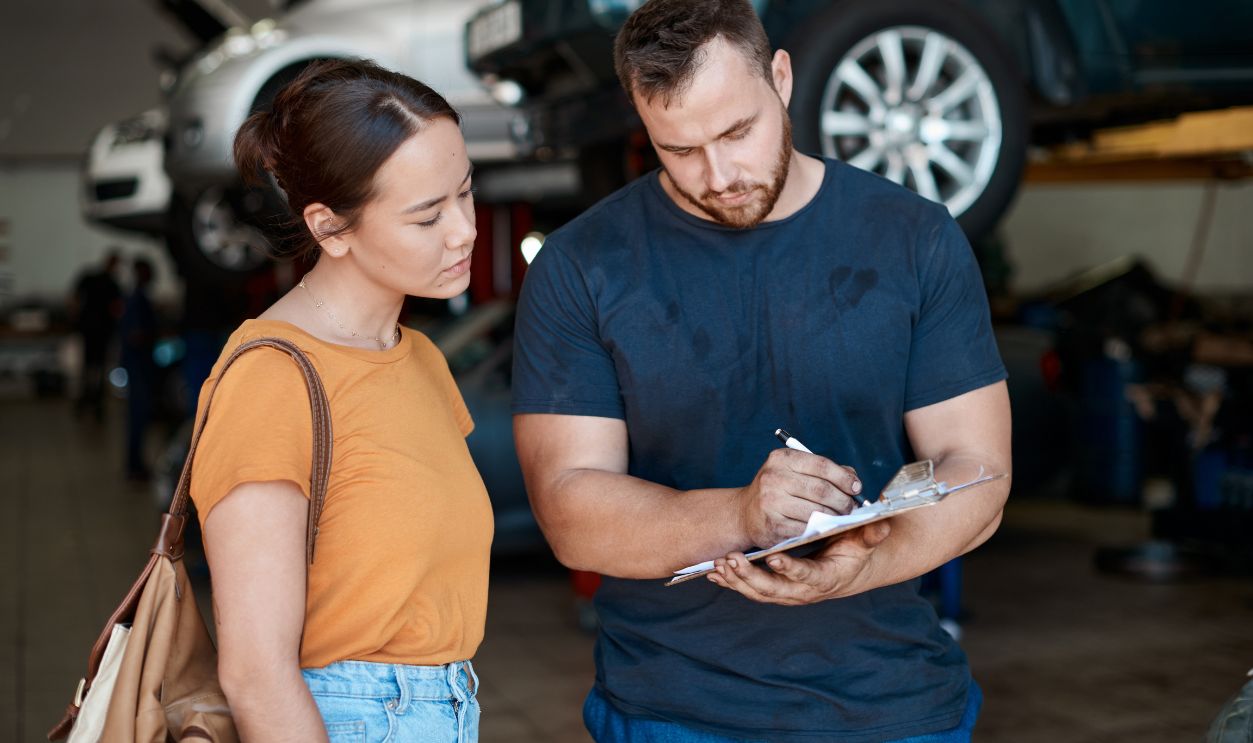
Ask the shop to explain the test results in plain English. Ask them to show you any looseness, roughness, fault codes, or physical damage if they can. If the explanation feels vague, getting a second opinion is completely reasonable because wheel bearing noise gets misdiagnosed all the time.

Do Not Ignore A Confirmed Bad Bearing
Even if you want to avoid unnecessary pair replacement, a confirmed bad wheel bearing is not something to put off for long. NHTSA materials and standard service guidance have long pointed out that excessive wheel bearing wear can lead to wheel play, abnormal tire wear, noise, and in severe cases, safety risks. This is one repair that can get expensive and risky fast if you ignore it.
The Best Answer Is Evidence, Not Habit
There is no universal rule that both wheel bearings must be replaced when only one is noisy. There is also no universal rule that replacing both is a rip-off. The right answer depends on diagnosis, visible condition, vehicle design, mileage, labor overlap, and how well the mechanic can back up the recommendation.
 Quality Stock Arts, Shutterstock
What To Say Before You Approve The Work
Try this: “I understand the noisy side needs repair. What specific signs tell you the other side also needs replacement now?” That one question usually separates a careful, evidence-based recommendation from a generic upsell.

The Bottom Line For Drivers
If only one wheel bearing is noisy, replacing both is not automatically necessary. Replace both only when the second side shows wear, the model has a clear pattern of paired failures, or the labor and convenience tradeoff makes sense for you. A good mechanic should be able to tell you which of those reasons applies and why.