
The Charger Was Supposed To Save Me Money
Your apartment building finally installed EV chargers. Great news, right? Then you plugged in, looked at the bill, and wondered whether someone had secretly filled your battery with premium gasoline. Apartment charging can absolutely cost more than expected, and in certain cases, it can even rival the cost of driving on gas.
Home Charging Is Usually The Cheap Version
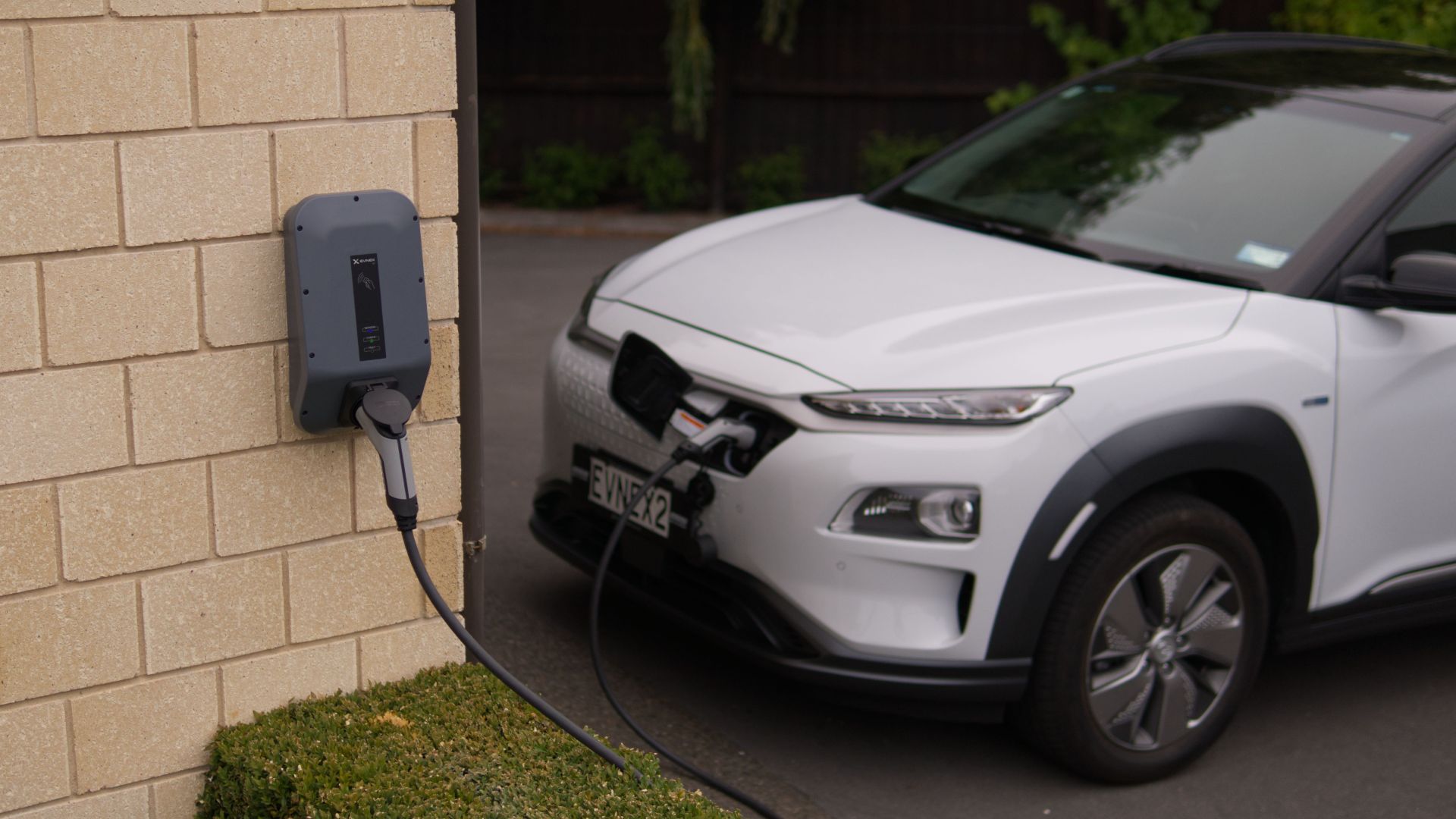
When people talk about how inexpensive EVs are to operate, they are usually thinking about charging from a homeowner’s electrical service. That means paying approximately the household electricity rate with relatively few additional expenses. Apartment chargers can operate under a completely different business model.
Your Landlord Is Not The Electric Company
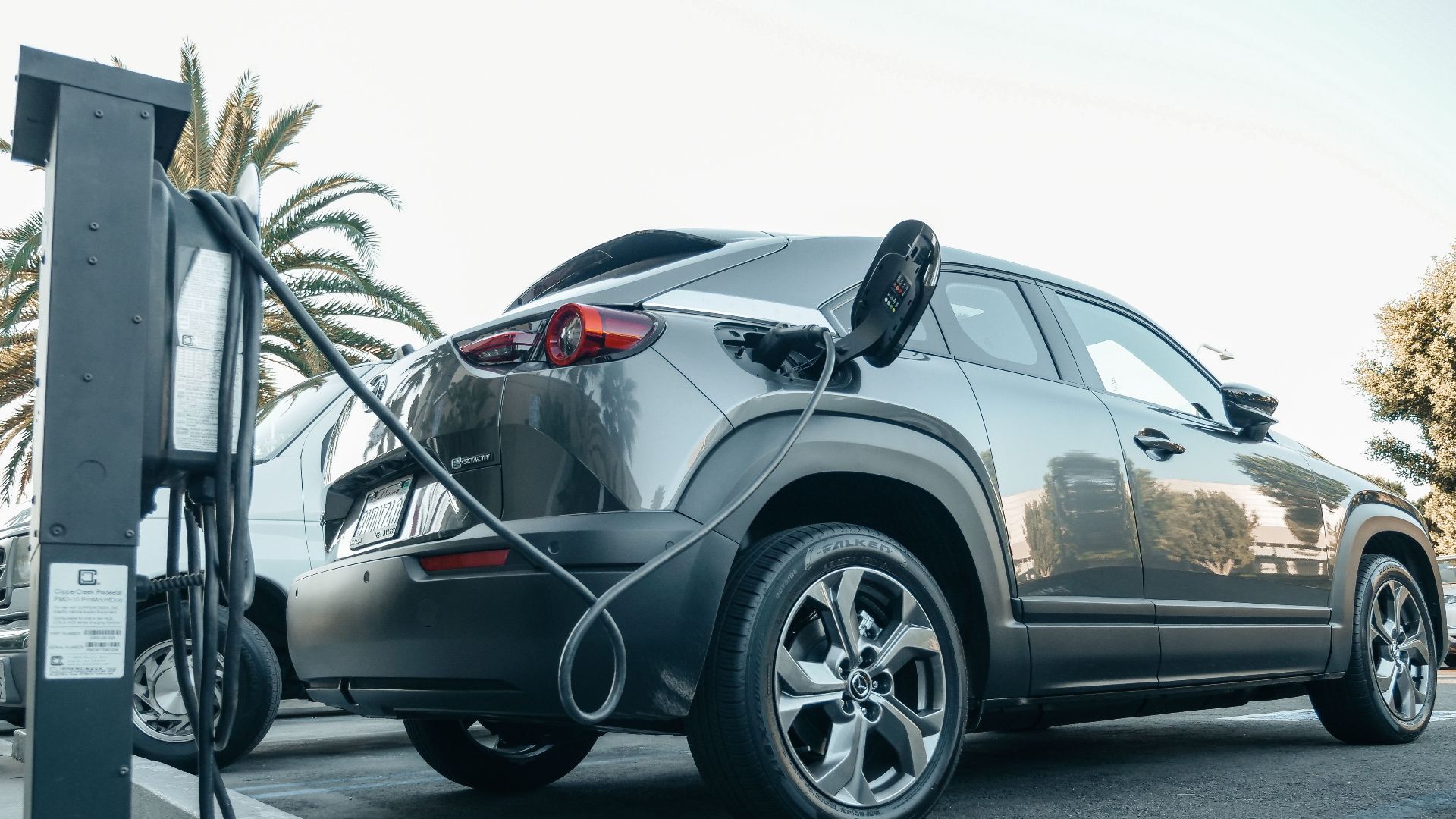
The charger outside your apartment may draw electricity from the same grid powering your refrigerator, but that does not mean you are paying the same price. Property owners can often establish their own charging prices through commercial charging networks, depending on local rules and the equipment being used.

You May Be Paying For More Than Electricity
A charging bill can include much more than the electrons entering your battery. Apartment operators may be trying to recover equipment costs, installation expenses, networking subscriptions, maintenance, payment processing, and other operating costs. Suddenly, electricity that looked cheap on your utility bill becomes considerably more expensive at the parking spot.
The Charger Itself Was Not Free
Installing several commercial EV chargers can involve new wiring, electrical panels, trenching, permits, networking equipment, and sometimes upgrades to the building’s electrical service. Somebody has to pay for those improvements. Some landlords absorb the expense as an amenity, while others attempt to recover it from EV drivers.
Commercial Chargers Need Software Too
Modern charging stations are often connected to cloud-based networks that handle access, billing, monitoring, and pricing. Those services can involve ongoing costs rather than a one-time purchase. Commercial charging platforms also allow property operators to control who can charge and what different groups of drivers pay.
 Haberdoedas Photography, Pexels
Watch For The Session Fee
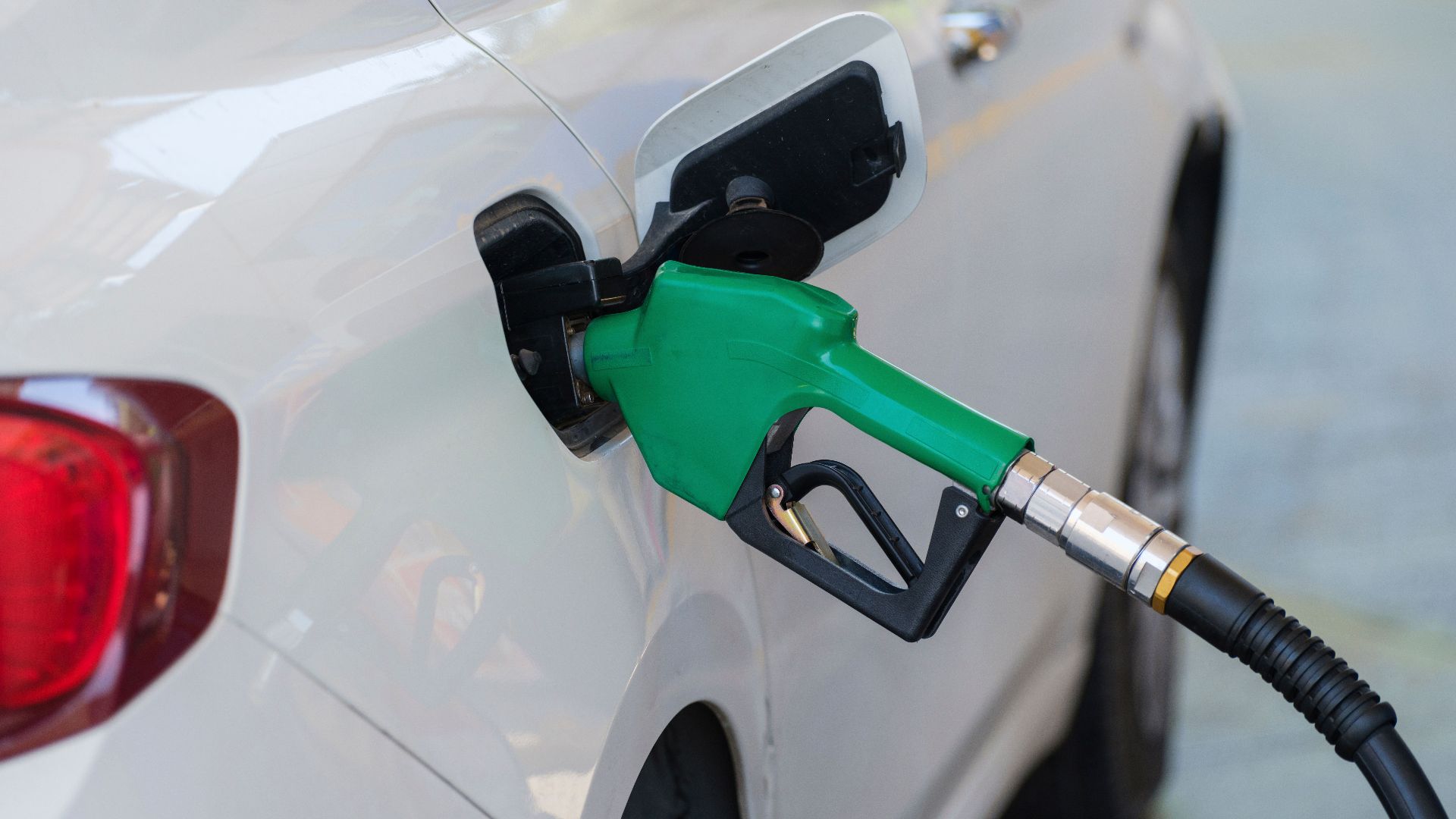
Imagine buying gasoline and discovering a separate charge simply for inserting the nozzle. EV charging can sometimes work that way. Depending on the network and property, your bill may include a flat session fee before the electricity charge is even calculated. Small fees become noticeable if you plug in frequently.
Service Fees Can Sneak In Too
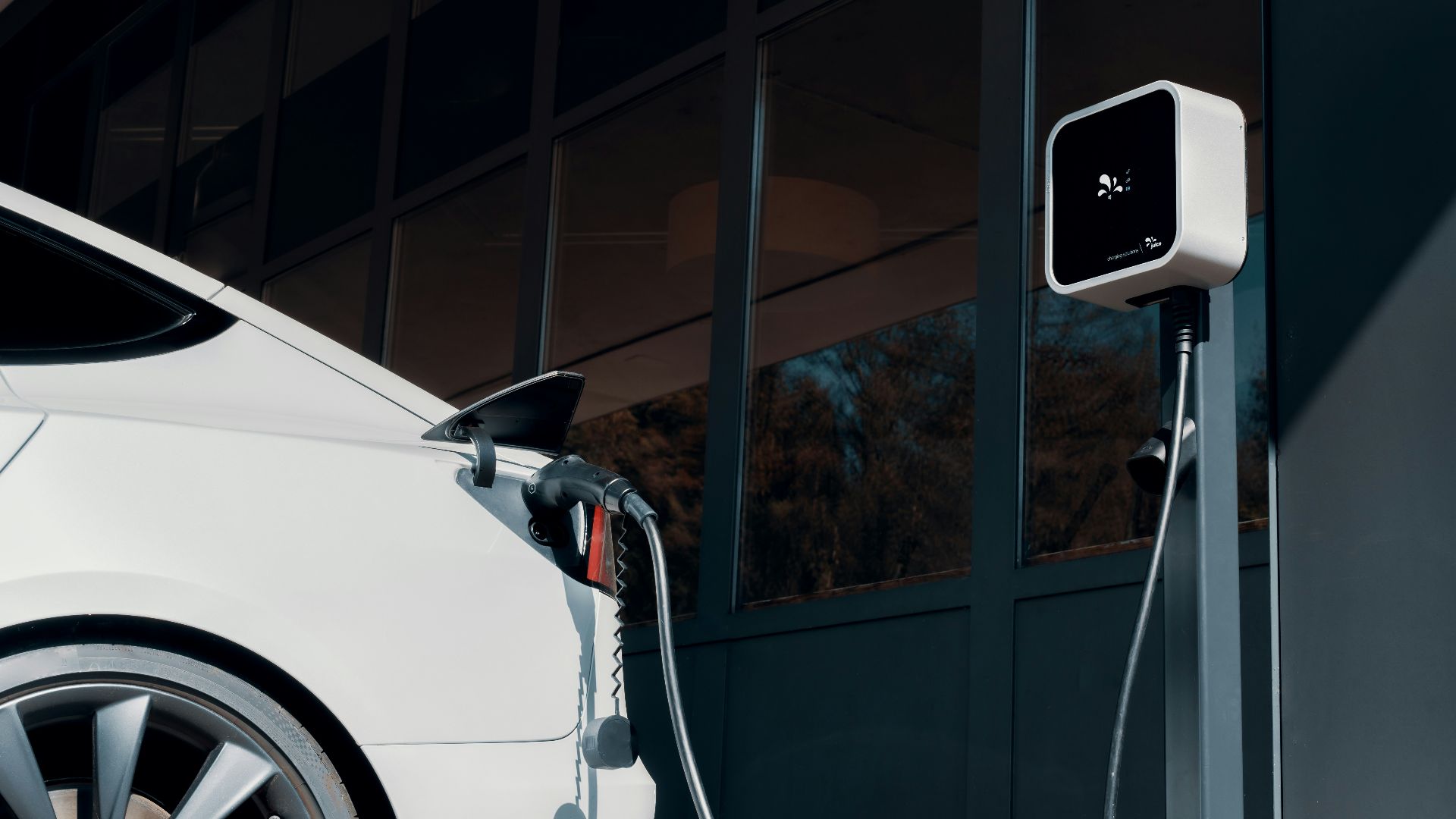
Charging networks can also impose their own service charges. ChargePoint, for example, currently lists service fees for certain paid AC and DC charging sessions, with different charges for account holders and guests. Those amounts may be modest individually, but they illustrate why the posted electricity rate is not always your entire bill.
Parking Charges Change The Equation
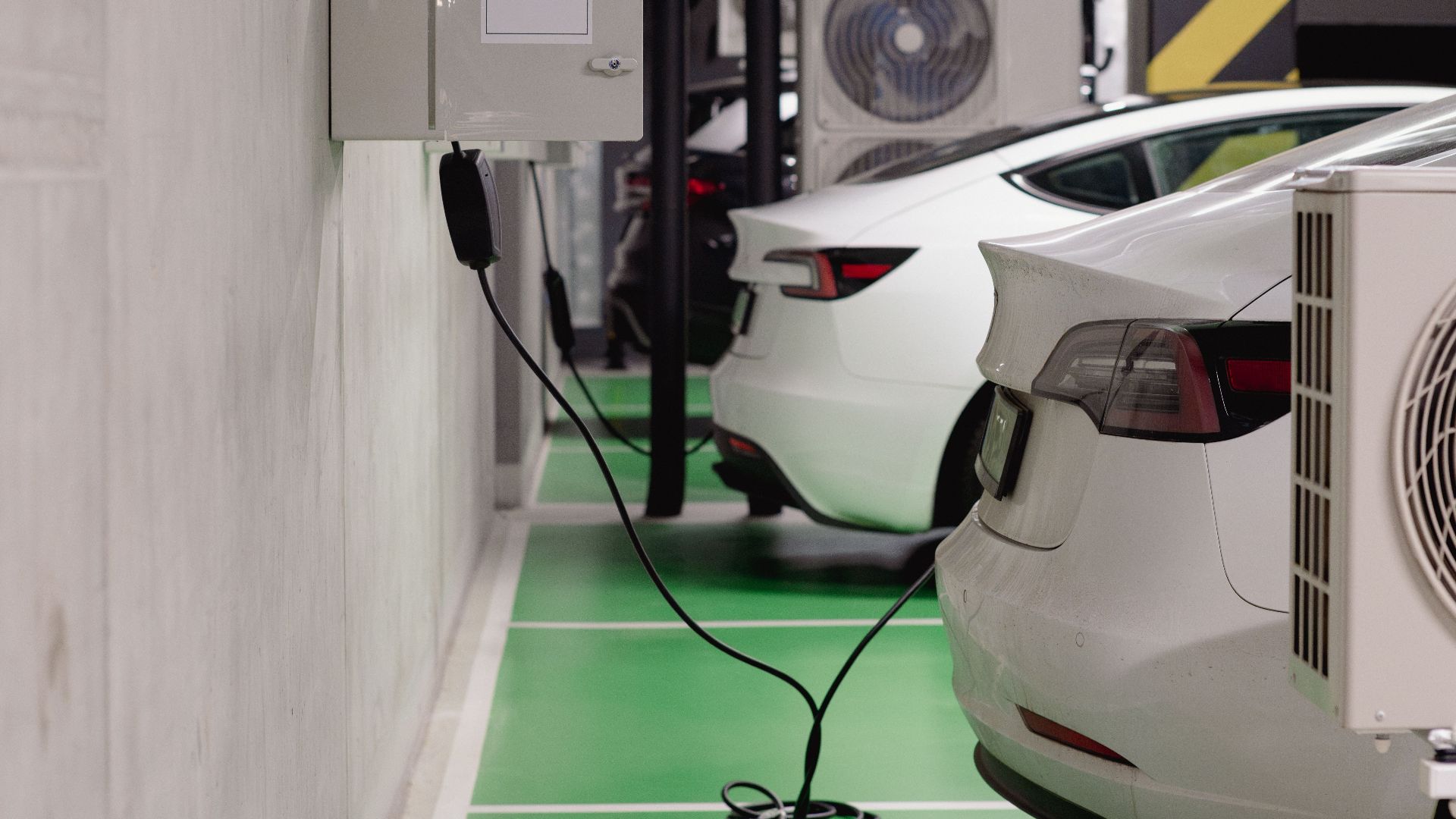
Some apartment properties effectively charge you for occupying the parking space as well as using electricity. That might make sense where chargers are scarce and management wants cars moved quickly. For somebody who assumed the charger worked like an ordinary household outlet, however, the final cost can be an unpleasant surprise.
Idle Fees Can Really Hurt
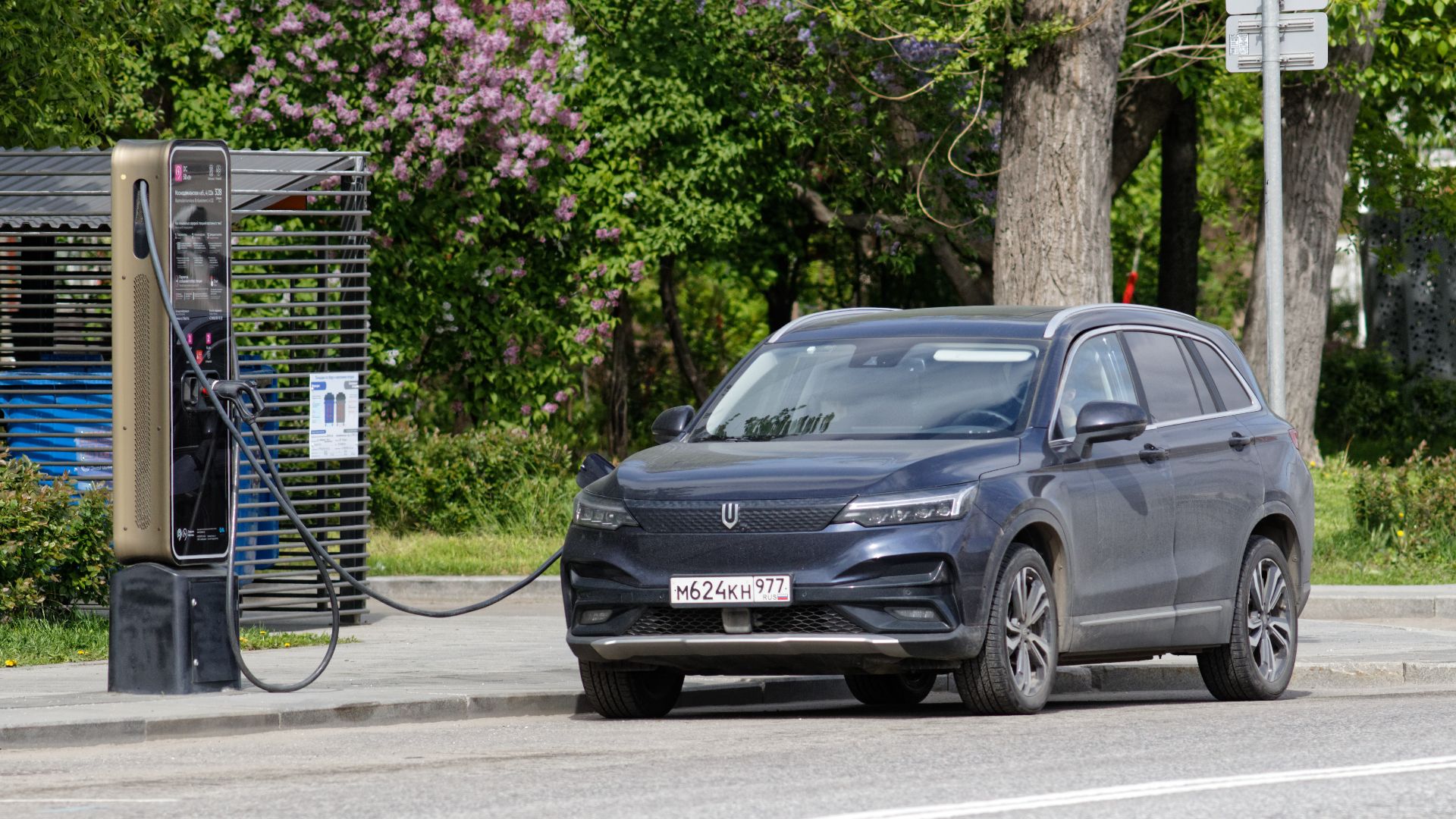
The most painful bill may happen after your battery has finished charging. Some charging systems permit owners to impose overstay or idle charges once charging stops. Leave the car connected overnight, and several hours of unnecessary fees could wipe out much of your expected EV savings.
 Retired electrician, Wikimedia Commons
Read The Fine Print Before Plugging In
Before starting your next session, open the charging app and examine the entire pricing structure. Look for energy rates, connection-time charges, session fees, minimum charges, parking costs, and overstay fees. Charging networks can support several of these pricing methods simultaneously, so the headline rate may tell only part of the story.

Per-Kilowatt-Hour Pricing Is Easiest To Understand
The simplest pricing model looks a little like paying for gasoline by the gallon. You pay a specified amount for every kilowatt-hour delivered to the battery. That allows you to compare charging locations fairly easily because you know approximately how much energy your EV needs.
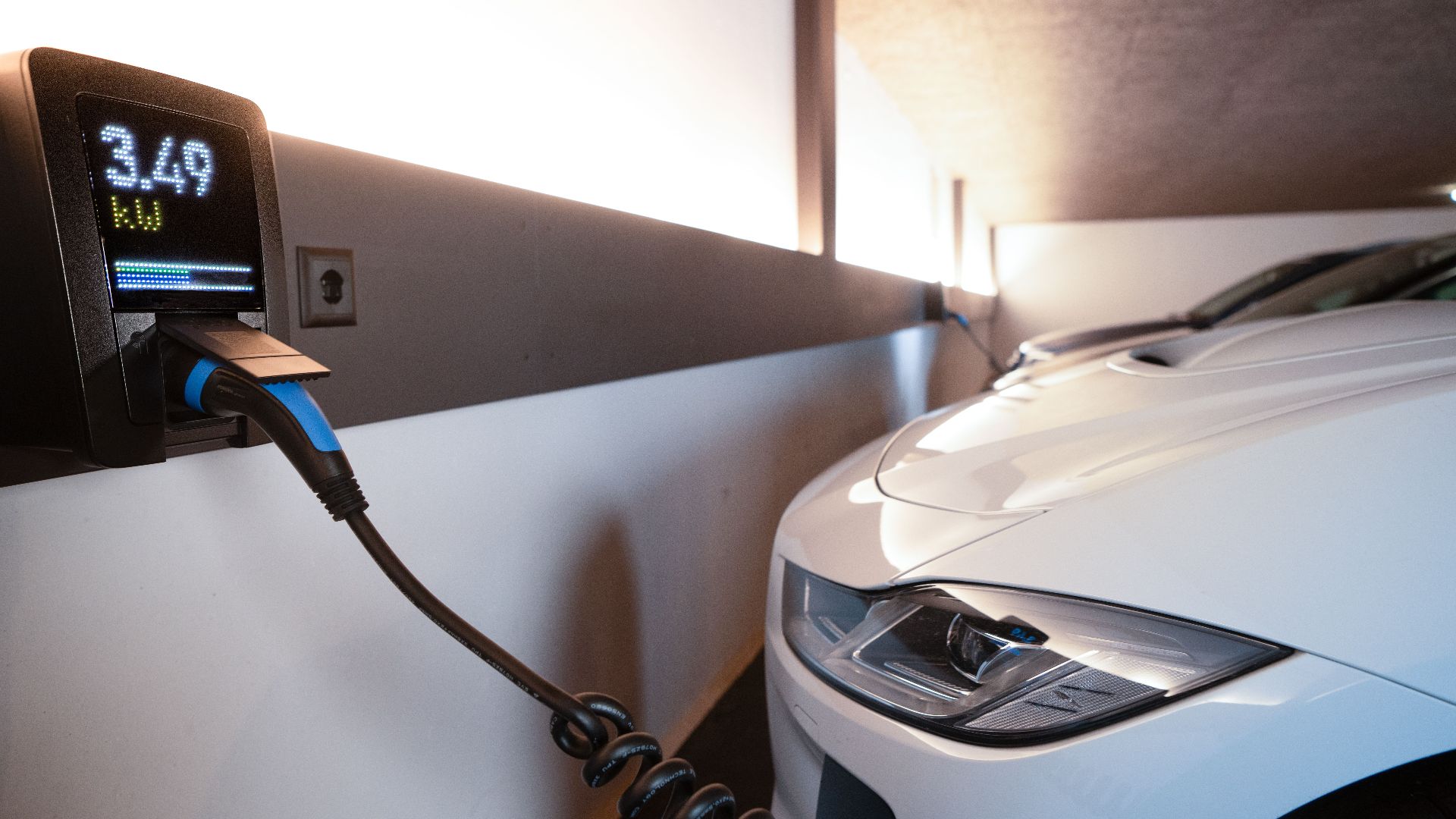
Time-Based Charging Can Be Trickier
Some chargers may bill according to connection time or charging time, where permitted. That becomes frustrating because two EVs connected to the same charger might receive electricity at different speeds. The slower-charging car can effectively pay more for the same amount of energy.
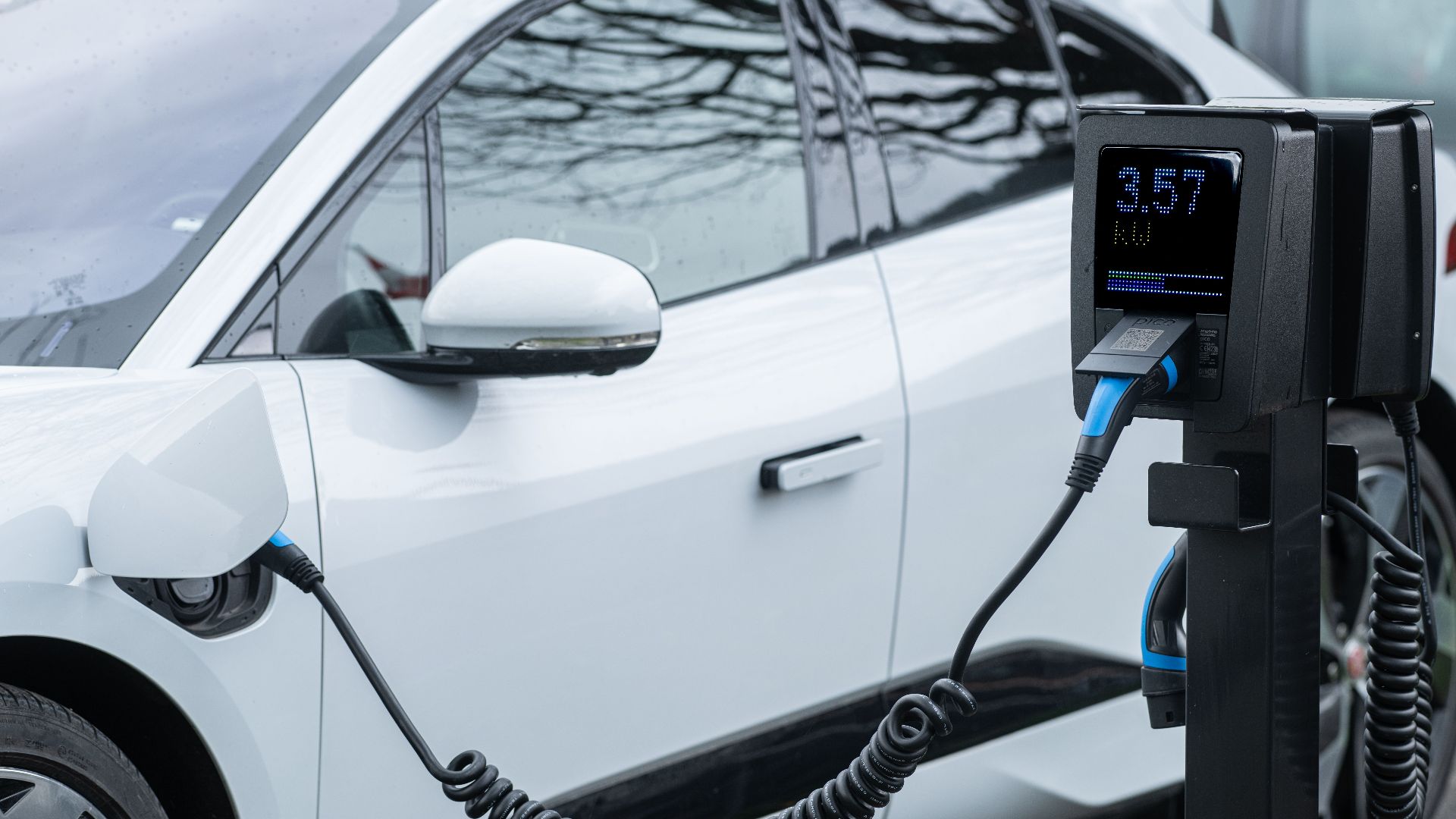
Your Car Controls Part Of The Speed
A charger might advertise an impressive output, but your EV determines how much power it can actually accept. Battery temperature, state of charge, onboard charging equipment, and the vehicle’s maximum AC charging rate can all affect speed. Paying by time makes those differences particularly important.
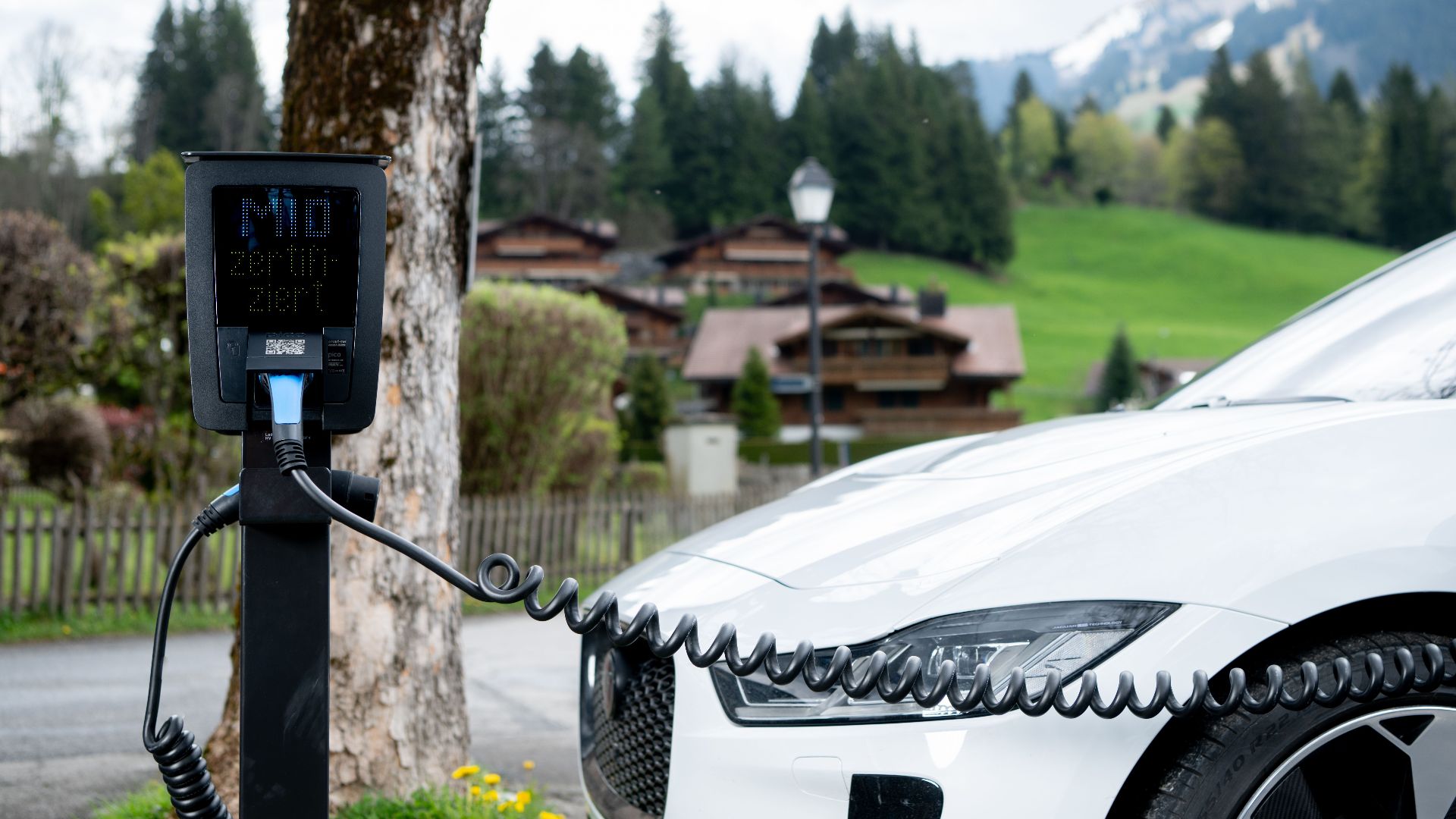
Cold Weather Can Make Things Worse
Baby Boomers who spent decades watching engines grumble through January mornings already know that machines dislike extreme cold. EV batteries are no exception. Cold conditions can reduce charging performance, and if your building bills according to time rather than energy, slower charging can make winter sessions feel particularly expensive.

Now Compare It With Gas Properly
Do not compare one charging session with one visit to the gas station. Compare cost per distance driven. Calculate how much you spend to drive 100 miles or 100 kilometres in the EV, then compare that figure with what a comparable gasoline vehicle would consume over the same distance.
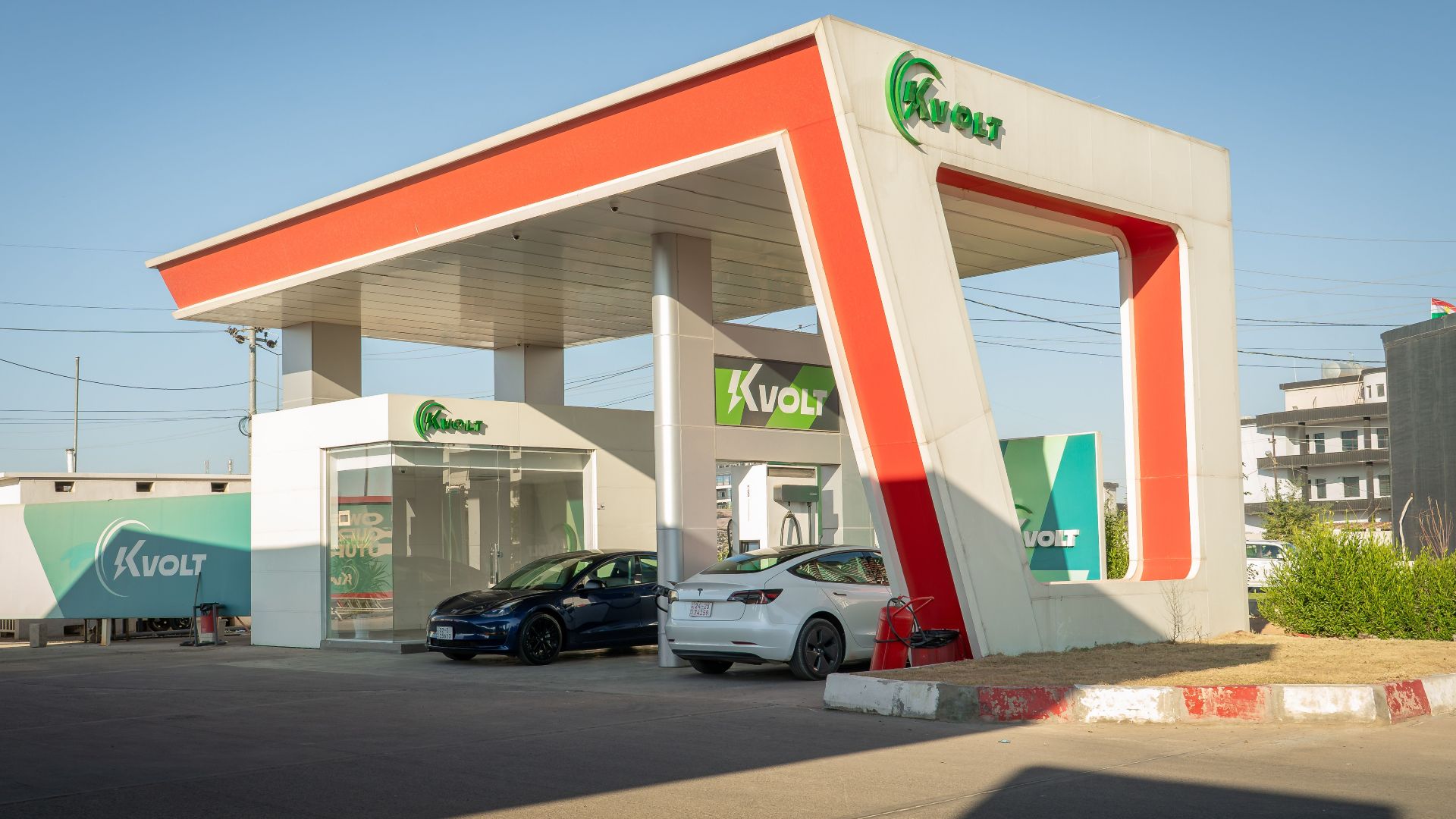
Here Is The Basic EV Math
Suppose your EV consumes 30 kWh for every 100 miles. At 20 cents per kWh, that energy costs $6. At 60 cents per kWh, however, it costs $18 before extra fees. Suddenly the famous EV fuel-cost advantage becomes much less impressive.

Then Do The Gasoline Math
Imagine a gasoline vehicle getting 30 mpg. It needs roughly 3.3 gallons to travel 100 miles. At $4 per gallon, that works out to about $13.20. In our hypothetical example, the expensive apartment charger would indeed cost more per mile than gasoline.

That Does Not Mean EVs Are Always More Expensive
It simply means charging location matters enormously. An EV owner with inexpensive residential electricity may enjoy excellent operating costs, while another driver relying on costly commercial charging could have a completely different experience. The drivetrain did not change. The price of the energy did.
Public Fast Charging Can Have The Same Problem
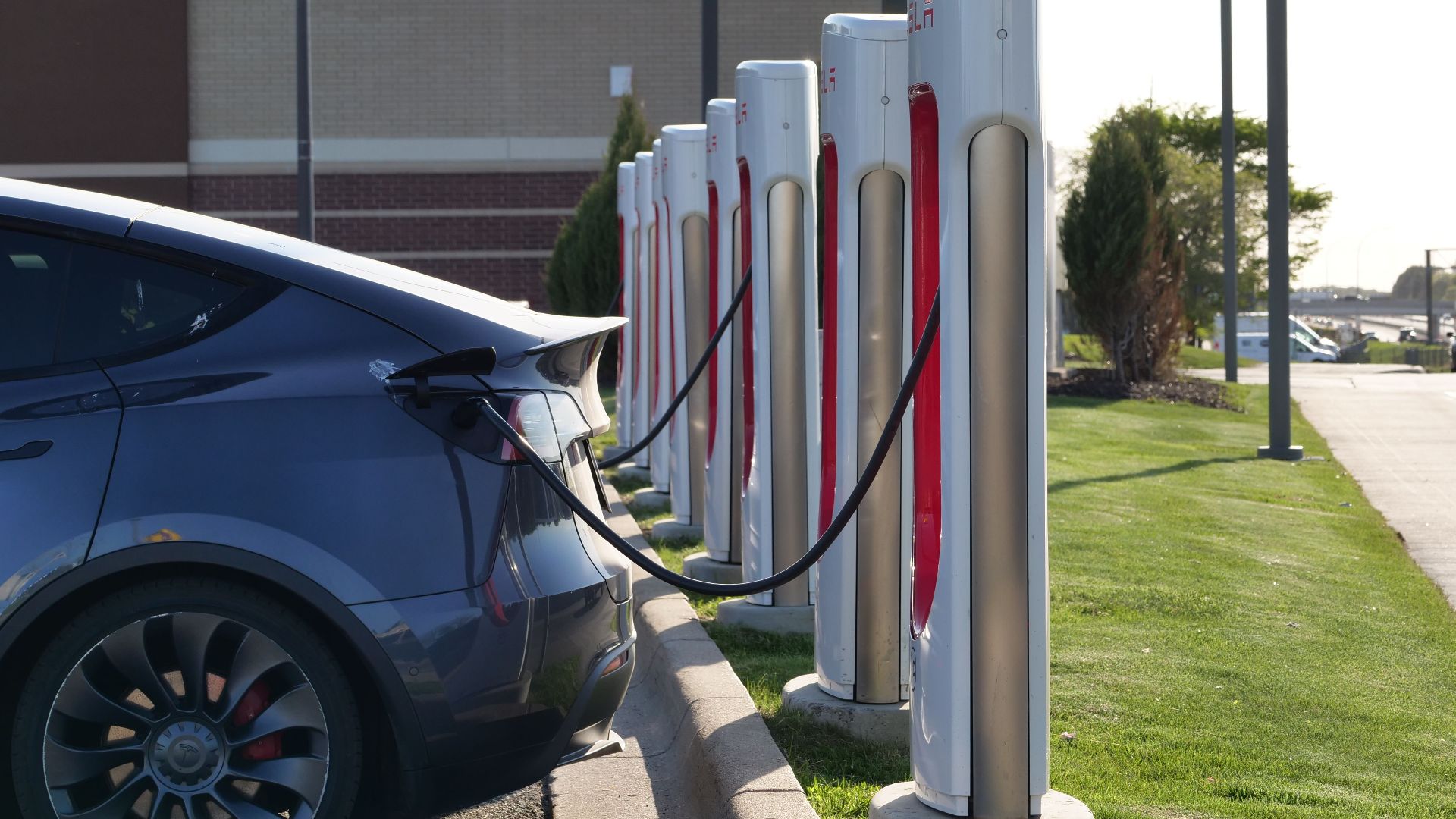
Apartment chargers are not alone. Public fast-charging prices can vary by location and time, and certain networks add congestion or similar charges under particular circumstances. Tesla, for example, displays site-specific pricing and can use on-peak and off-peak rates at some Superchargers.
Apartment Charging Should Have One Big Advantage
Unlike highway fast charging, your apartment charger does not necessarily need to refill a battery in 20 minutes. Your car may sit parked for eight or ten hours anyway. That makes relatively inexpensive Level 2 charging a natural fit for apartments, provided the property’s pricing model does not undermine the advantage.
Ask Management How The Price Was Set
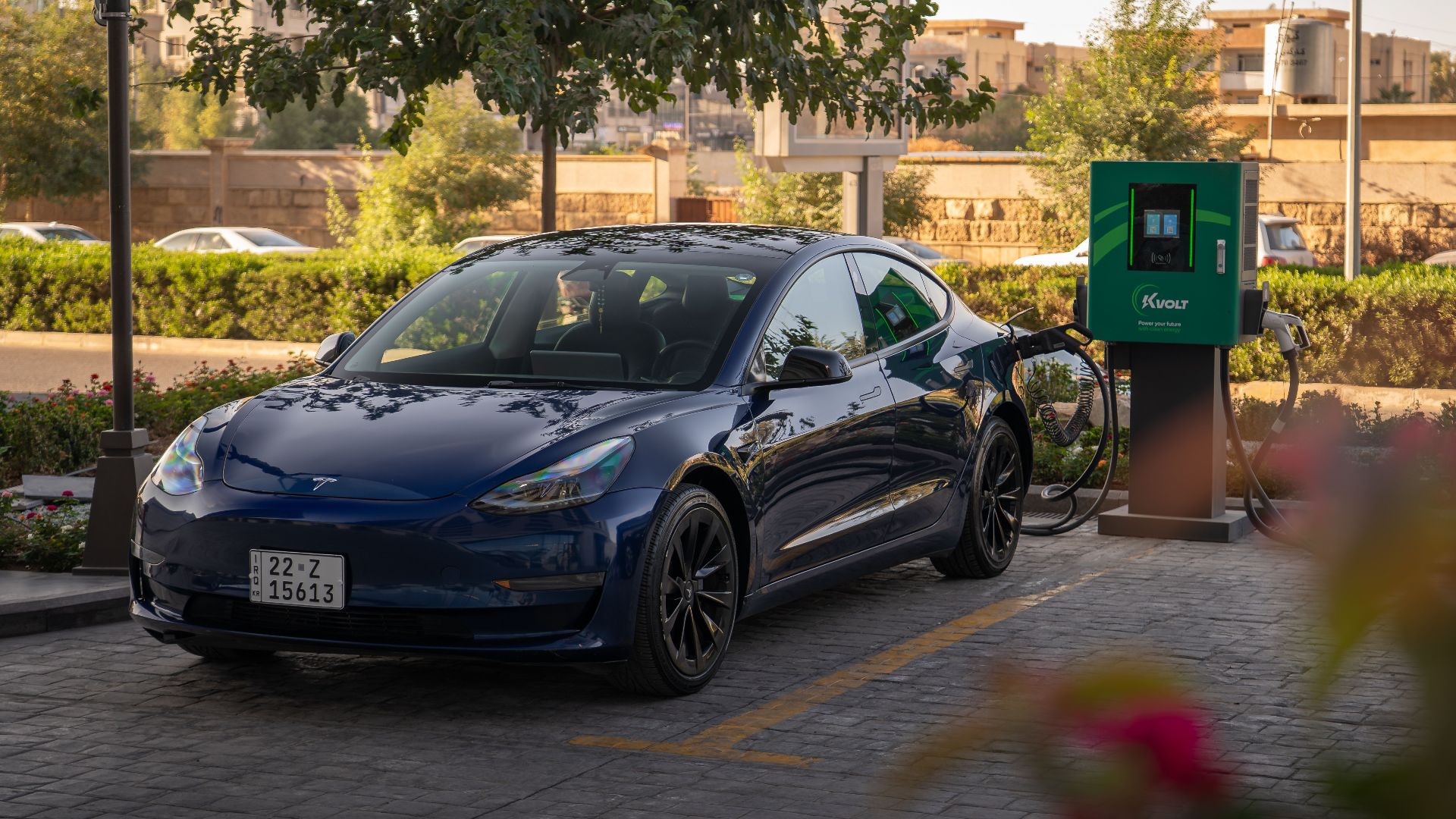
There is nothing unreasonable about asking the property manager for an explanation. Is the building simply passing through electricity costs? Is it recovering installation costs? Is a third-party company operating the chargers? Are parking or network fees included? Knowing the answer tells you what you are actually purchasing.

Ask Whether Residents Get A Special Rate
Some charging systems allow property owners to establish different access or pricing arrangements for specific driver groups. That creates the possibility of resident pricing that differs from visitor pricing. If your building has not considered that arrangement, residents may have a perfectly reasonable case for asking about it.
Look For Cheaper Charging Nearby
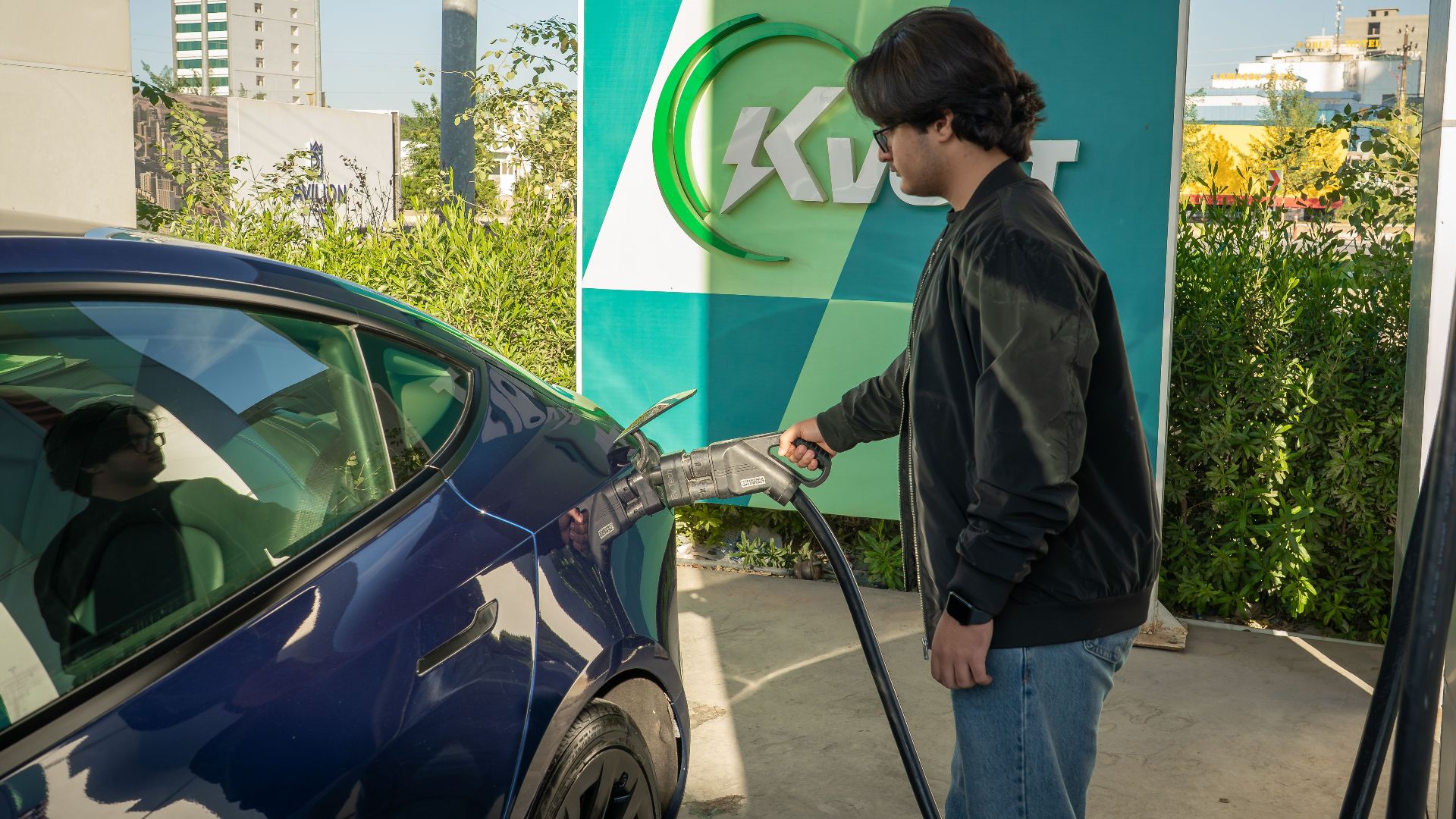
Apartment charging is convenient, but convenience does not obligate you to use it. Check supermarkets, municipal garages, shopping centres, workplaces, dealerships, and public charging networks around your normal routes. A reasonably priced charger near somewhere you already spend time could dramatically lower your monthly costs.
Your Workplace May Be The Better Outlet
If your employer provides inexpensive or complimentary charging, your daily commute may become your refueling routine. Arrive at work, plug in, and return home with enough range for tomorrow. For apartment residents without access to ordinary home electricity rates, workplace charging can make EV ownership considerably easier.

Avoid Treating Every Charger Like A Gas Pump
Gasoline drivers are accustomed to fueling only when the tank gets low. EV ownership can work differently. Short charging sessions whenever convenient may make sense, but flat session fees can punish that strategy. Understanding the charger’s pricing rules helps determine whether frequent top-ups or fewer longer sessions are cheaper.
 Shixart1985, Wikimedia Commons
Keep A Month Of Receipts
Do not judge your EV from one irritating bill. Track charging costs and mileage for a complete month. Include apartment charging, public stations, workplace charging, and any miscellaneous fees. Once you calculate your real cost per mile or kilometre, you will know whether the building charger is genuinely expensive.
 https://kaboompics.com/, Pexels
Expensive Apartment Charging Is Possible, But Not Inevitable
So, is it normal for an apartment charger to cost more than gasoline? It can happen, especially once commercial electricity rates, network charges, parking costs, and other fees enter the picture. But it is not an unavoidable feature of EV ownership. Understand the pricing, compare alternatives, and treat electrons with the same price-conscious skepticism you once reserved for the gas pump.

You May Also Like:
The $3.3 Million Plymouth Is One Of Just Five Ever Made—And They Called It “The White Elephant”