
The Chargers Are There, But Getting To Them Is Another Story
The building finally installed EV chargers, only for residents to discover that the spaces are regularly occupied by cars that can’t use them. It’s frustrating, especially when somebody actually needs a charge to get to work the next morning. But turning that frustration into an enforceable parking rule involves more than simply painting an EV symbol on the floor.
Start With Who Controls The Parking Spaces
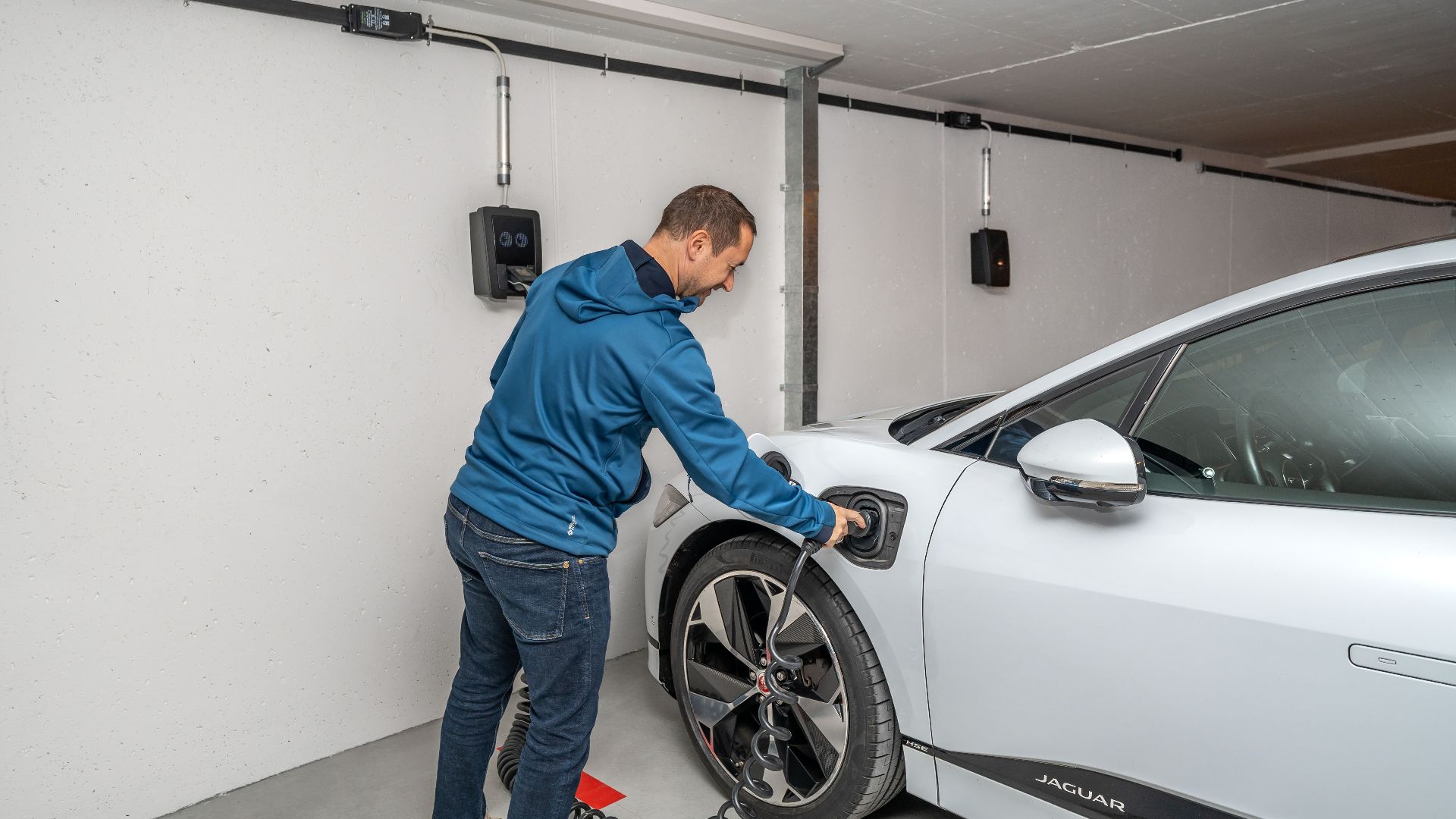
The first question is whether the charging spaces are part of the condominium’s common property. If the association controls the garage and assigns or regulates those spaces, it generally has much more authority to establish rules about how they’re used.
Condo Boards Usually Have Broad Parking Powers
Parking garages are one of the areas condo associations routinely regulate. Governing documents and state condominium laws commonly give associations authority over common areas, which can include establishing parking restrictions, guest rules, permits, and other reasonable conditions.
But The Governing Documents Still Matter
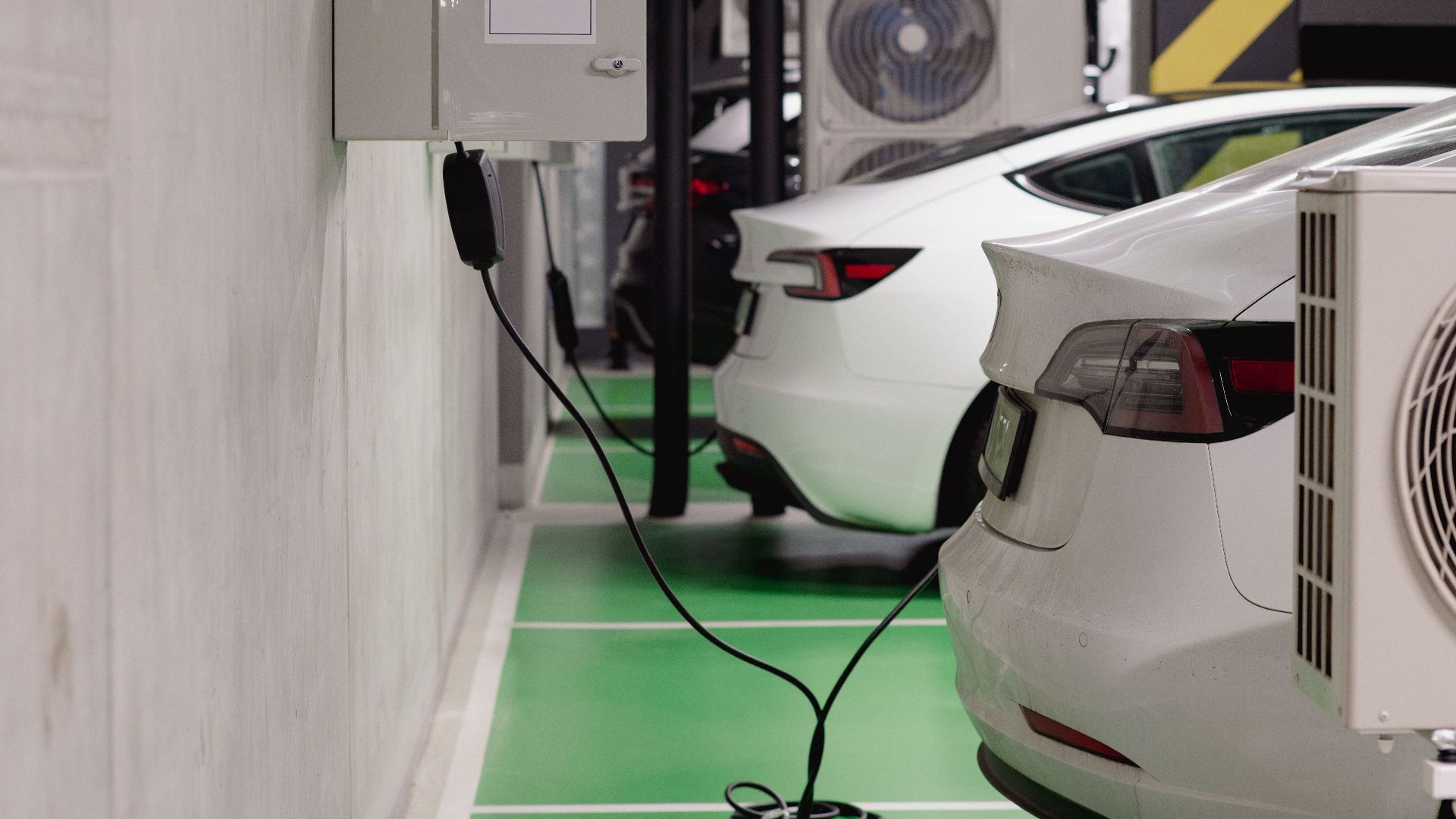
A board’s authority isn’t unlimited. Check the declaration, bylaws, parking rules, and any resolutions adopted when the chargers were installed. Those documents may already explain who can use charging spaces and what happens when someone violates the rule.

Installing A Charger Doesn’t Automatically Create A Fine
There’s a difference between creating an EV charging space and adopting an enforceable penalty for misusing it. If the board wants to fine residents, it generally needs authority under the governing documents and applicable state law, along with a properly adopted rule.

The Rule Should Say Exactly What Is Prohibited
“EV parking” can be surprisingly vague. Does the space belong only to electric vehicles? Must the vehicle actually be plugged in? Can a plug-in hybrid use it? Can a fully charged EV remain there overnight? The building should answer those questions before it starts issuing penalties.
Gas Cars Are The Most Obvious Problem
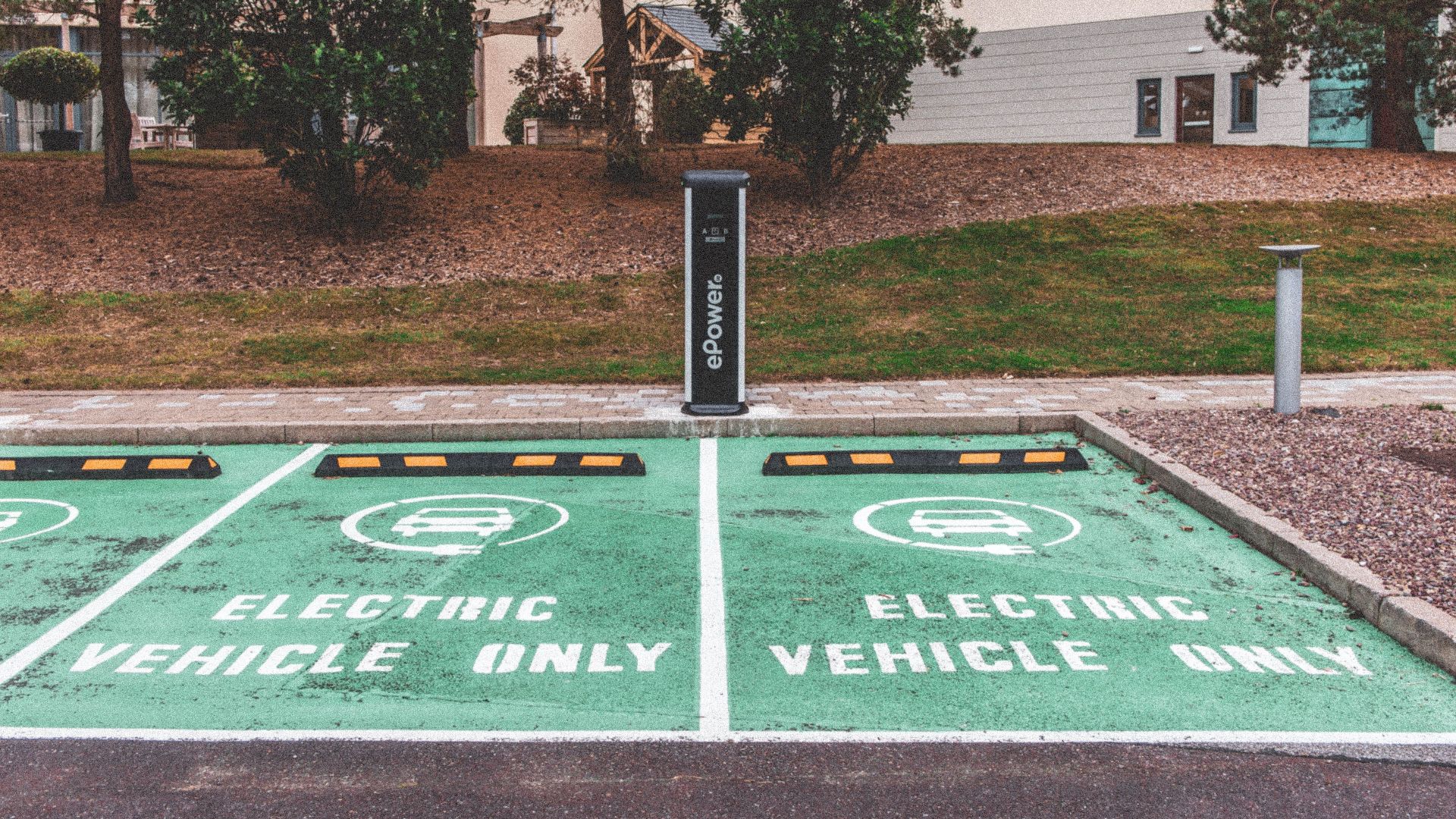
An internal-combustion vehicle parked in front of a charger prevents the equipment from serving its intended purpose. EV drivers sometimes call this “ICEing,” referring to internal-combustion-engine vehicles blocking charging spaces. MotorTrend has documented the same frustration at public charging locations
But EVs Can Block Chargers Too
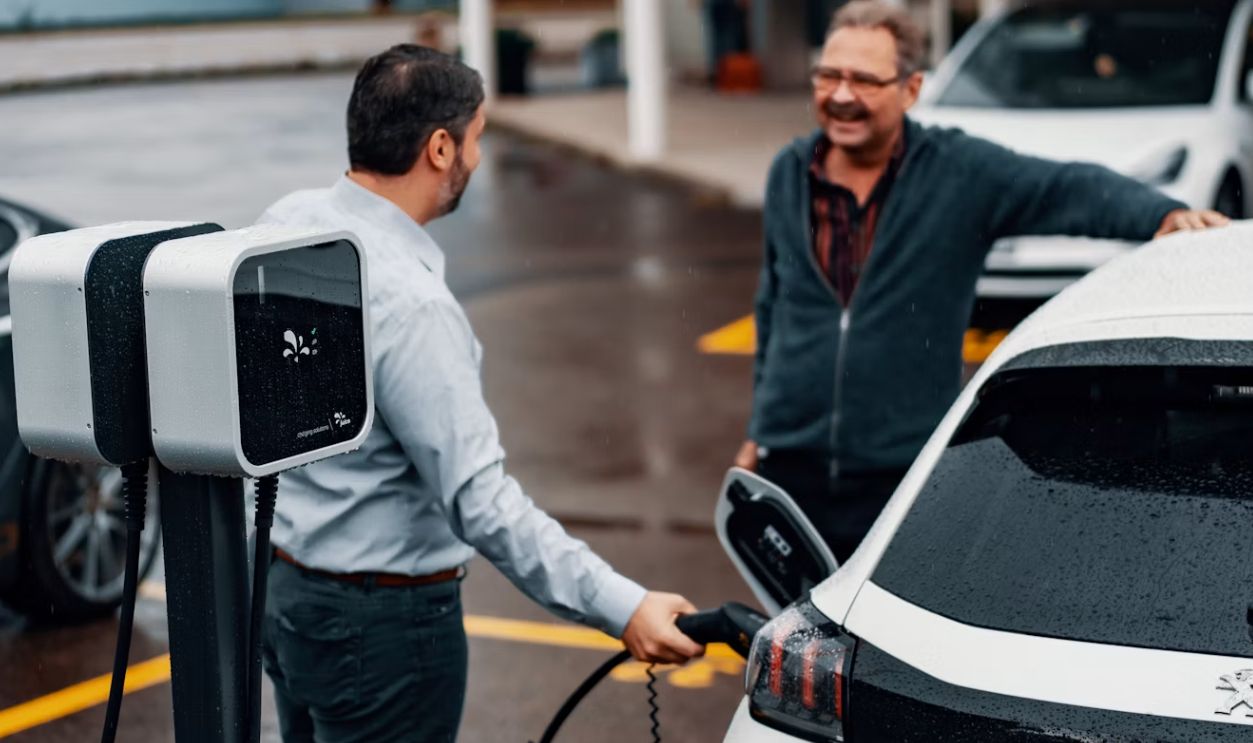
A Tesla or other EV sitting in a charging space without charging can create exactly the same problem. If the purpose of the space is charging rather than preferential EV parking, the rules should apply to electric vehicles too.
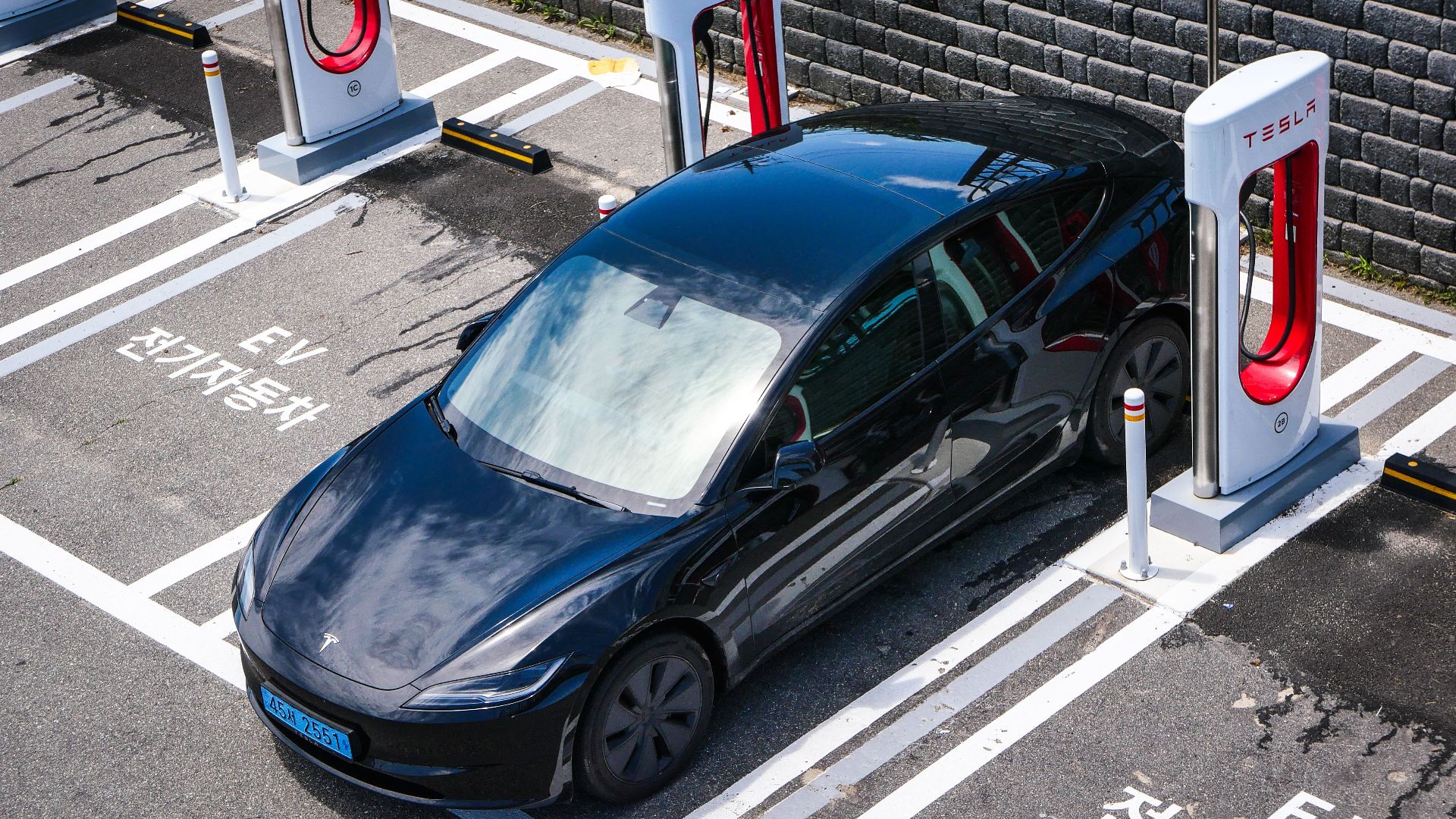
Call Them Charging Spaces, Not EV Parking Spaces
That small wording change can eliminate a lot of arguments. A sign reading “Electric Vehicle Charging Only While Connected” makes the purpose much clearer than one simply marked “EV". It tells drivers the space exists for an activity, not for a category of vehicle.
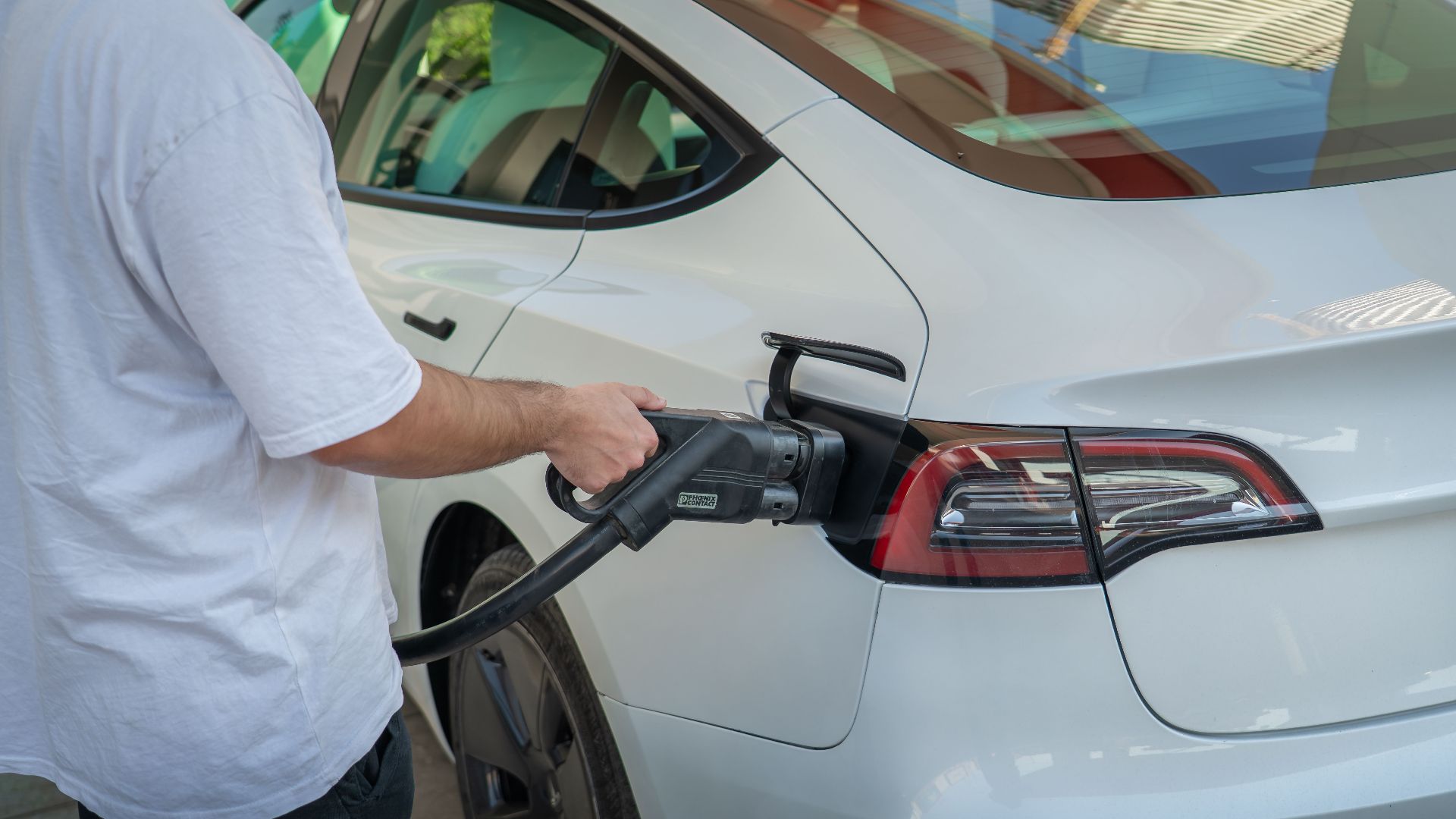
Clear Signs Make Enforcement Much Easier
Drivers have a stronger argument against a fine when the restriction was barely communicated. Put signs at eye level, mark the pavement, and explain whether the rule applies 24 hours a day. Residents shouldn’t have to guess that a seemingly ordinary parking space carries a penalty.
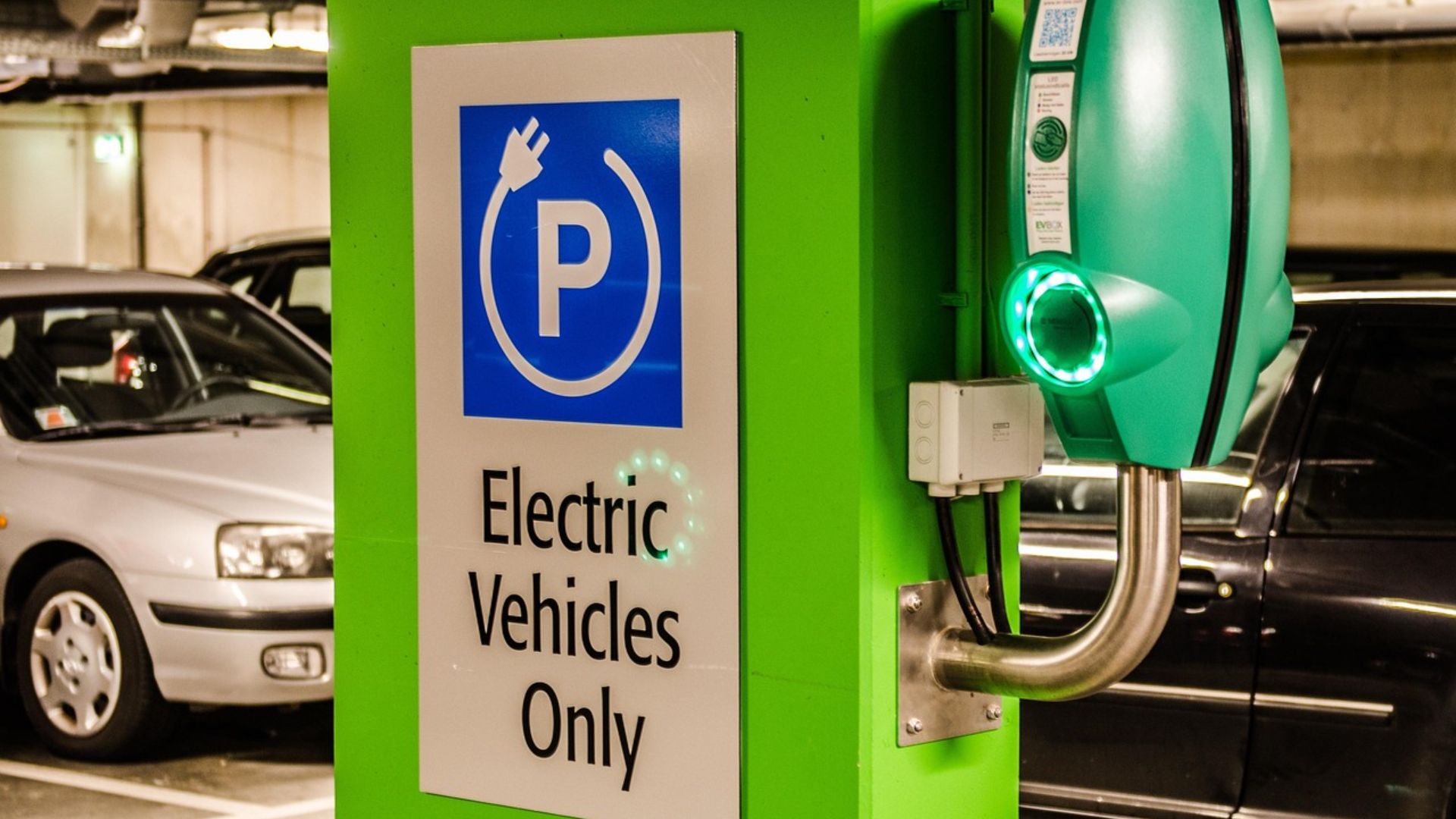
Send The Rule To Everyone
Don’t rely on signs alone. The property manager should send residents the charging policy by email or whatever official communication system the association normally uses. Include it in parking rules and new-resident materials as well.
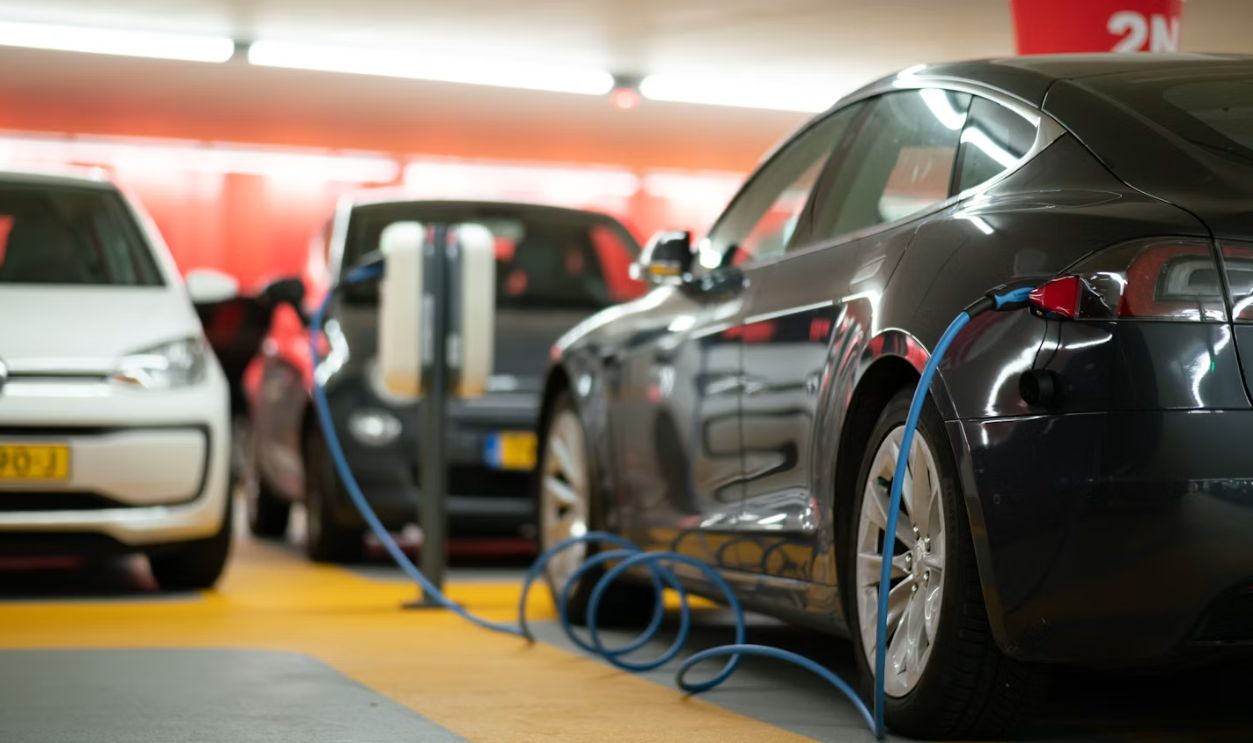
 Henri Mathieu-Saint-Laurent, Pexels
Decide Whether Charging Has A Time Limit
If there are only two chargers for 100 units, leaving one vehicle there for three days may create just as much conflict as a gas car blocking it. Buildings can consider maximum charging periods or require drivers to move their vehicles after charging is complete.
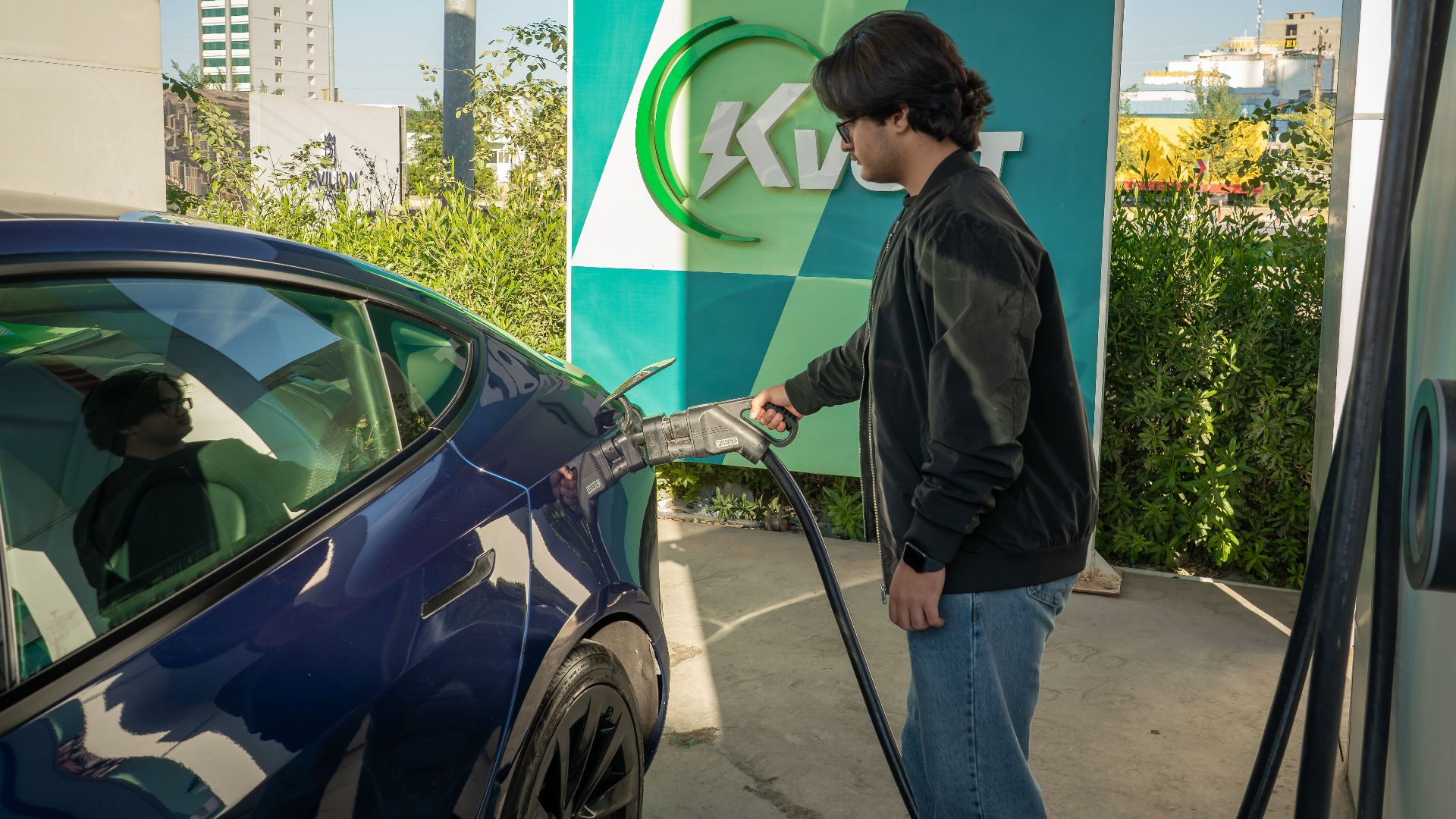
Overnight Charging Needs Different Rules
An aggressive two-hour limit might make sense at a shopping center but not in a residential garage. Residents may plug in at 10 p.m. and reasonably expect to move the vehicle the following morning. Policies need to reflect how people actually use the building.
Charging Networks Can Help Manage Access
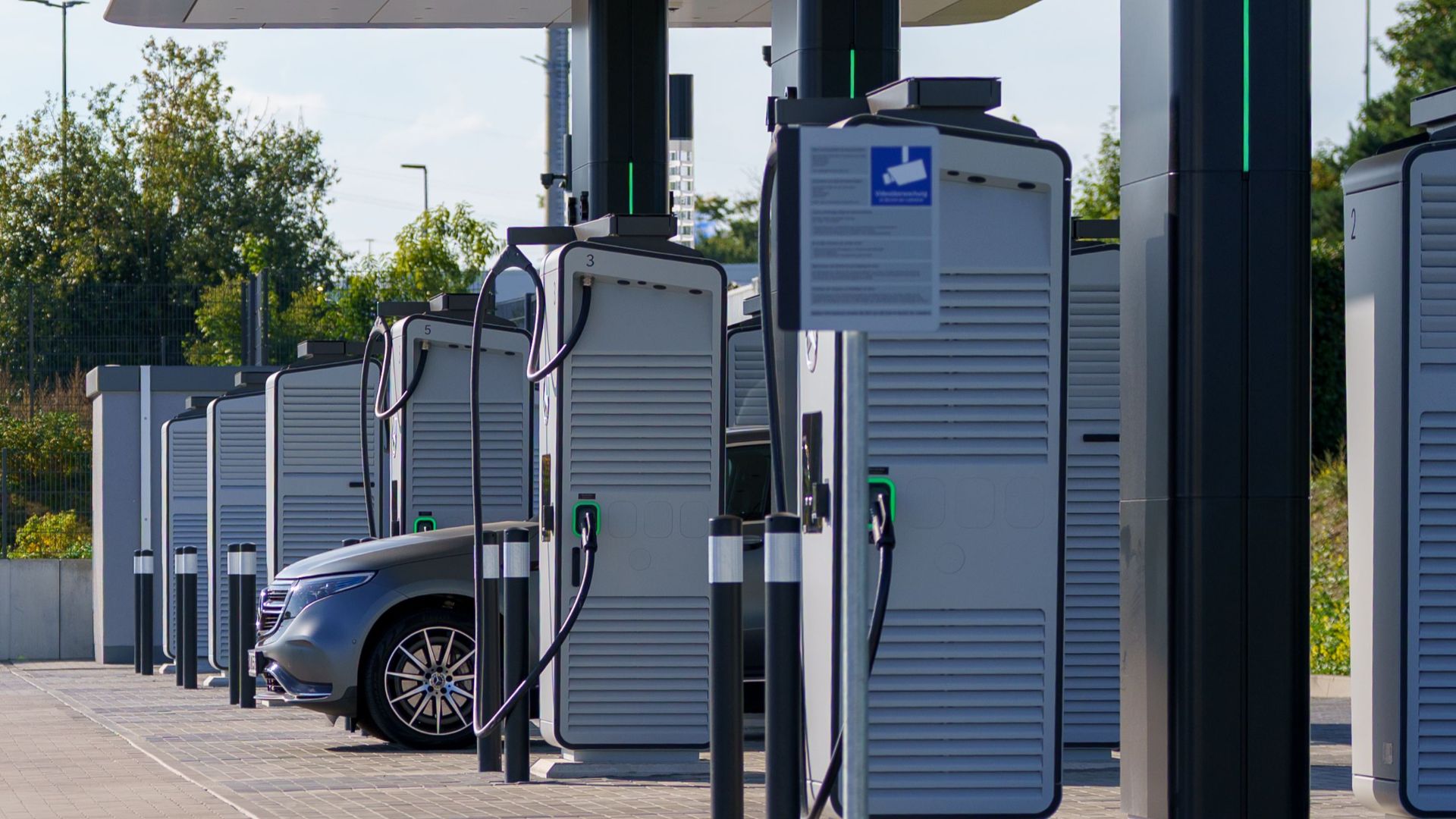
Modern networked chargers can give property managers tools that ordinary parking spaces don’t have. Depending on the system, buildings may be able to restrict access to approved residents, track charging sessions, bill drivers directly, and monitor charger usage.
Idle Fees Are Another Option
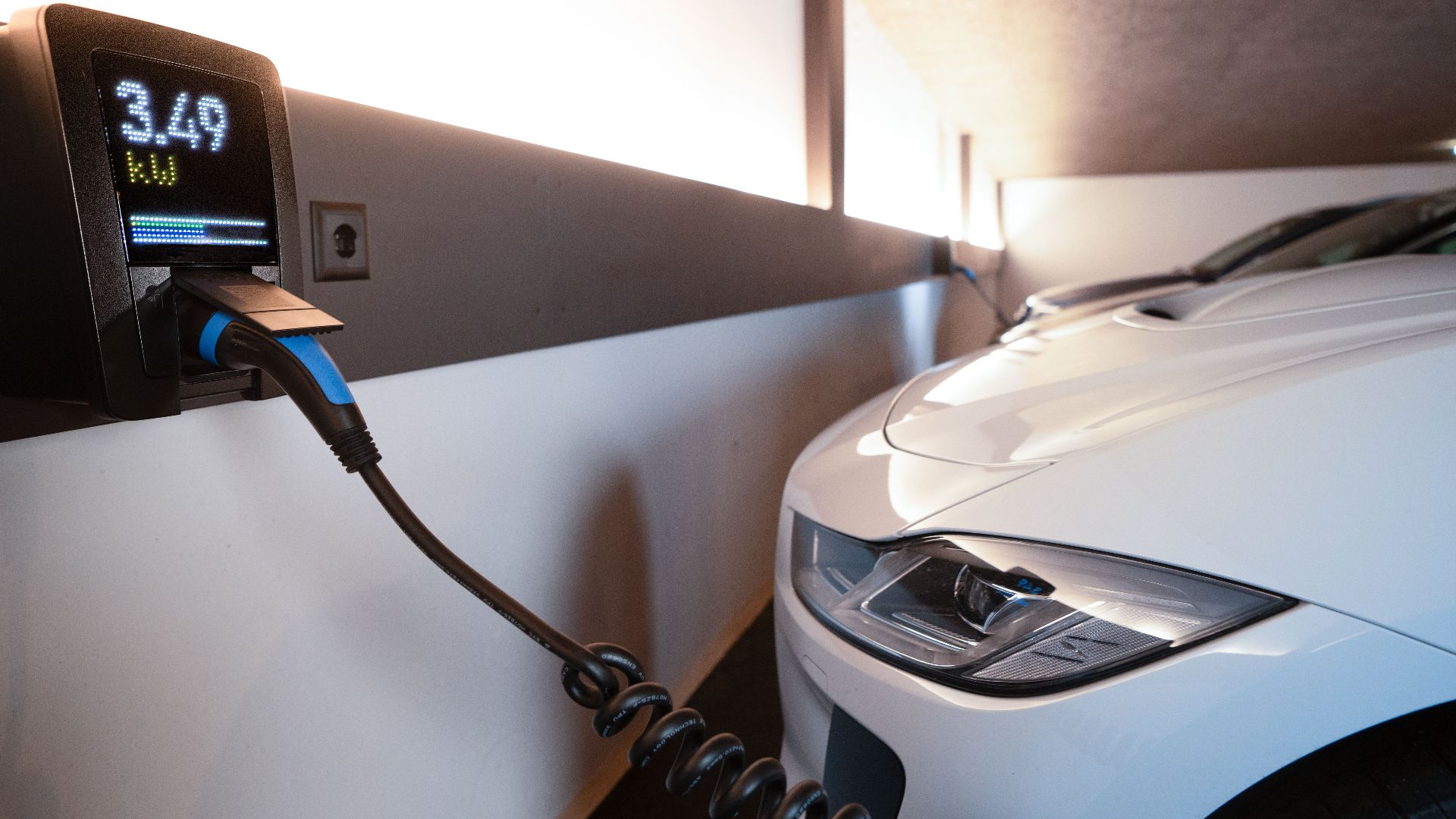
Instead of immediately fining residents through the condo association, some properties can use charging fees that increase after a charging session ends. That gives EV drivers a financial reason to move without requiring management to patrol the garage constantly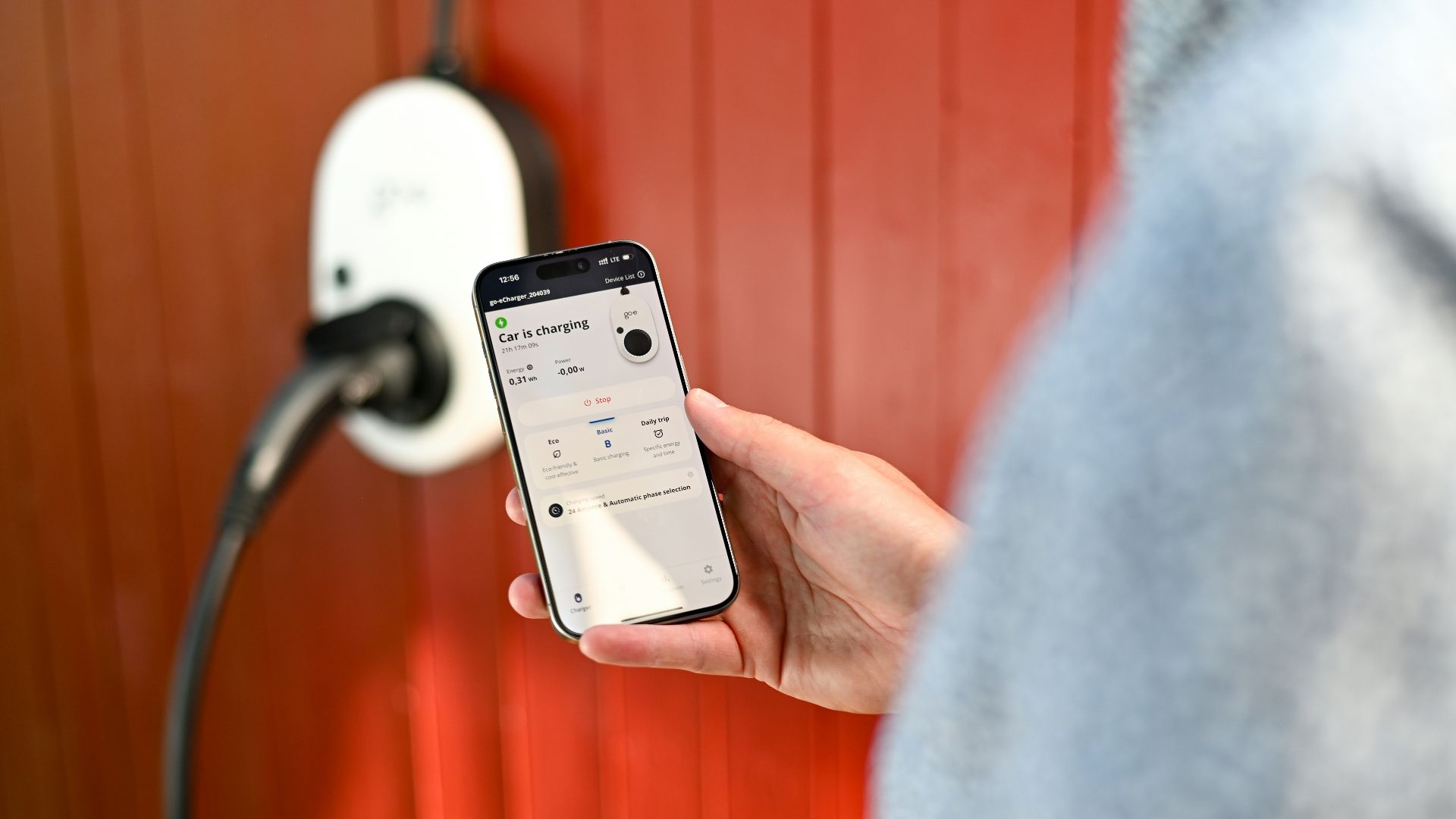 go-e, Unsplash
Gas Cars Need A Different Enforcement Tool
An idle fee obviously won’t discourage a gasoline vehicle because it never connects to the charger. For those vehicles, the association may need warnings, parking violations, fines, permit enforcement, or potentially towing where legally permitted.

Start With Warnings If The Spaces Are New
When charging stations have just opened, a grace period can prevent unnecessary fights. Someone who has parked in the same convenient garage space for ten years may genuinely not realize its purpose has changed. A warning makes the new expectation unmistakable.
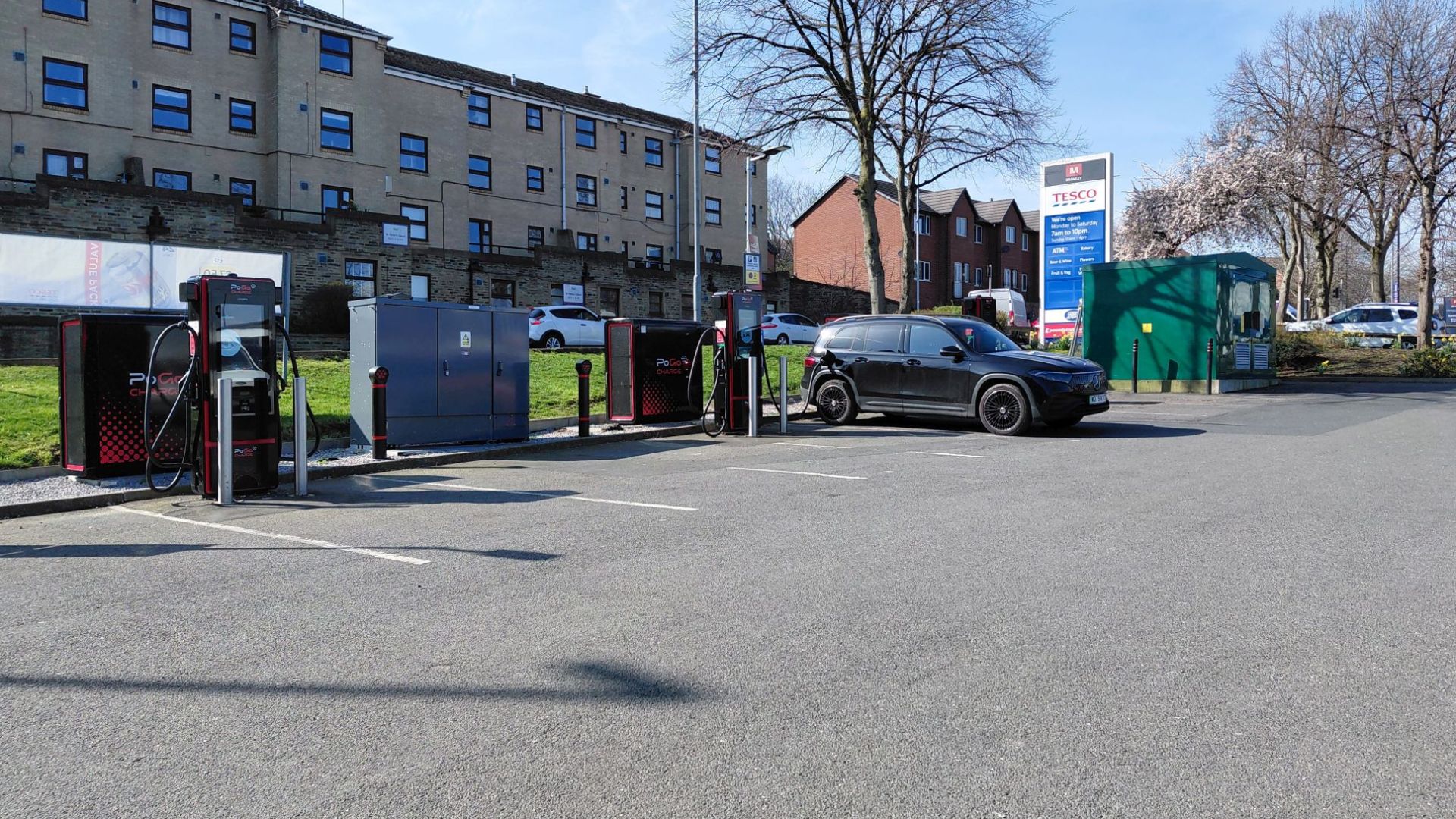 Stephen Craven , Wikimedia Commons
Repeat Violations Are Different
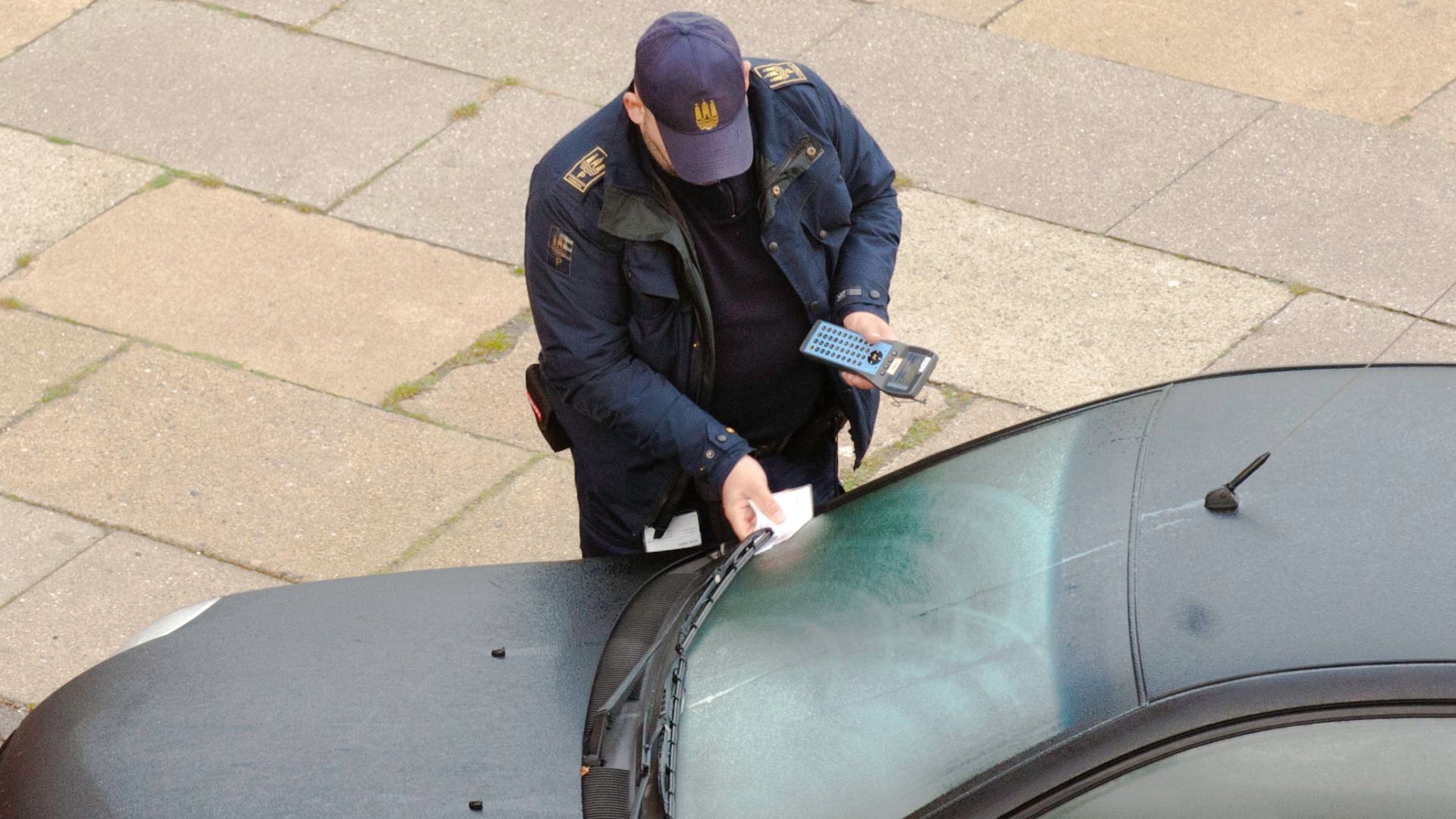
Once residents have received clear notice, repeatedly blocking the chargers becomes harder to dismiss as confusion. That’s where escalating penalties can make sense, assuming the association’s governing documents and state law permit them.
 heb@Wikimedia Commons (mail), Wikimedia Commons
Fines Should Follow The Building’s Normal Process
A condo board generally shouldn’t invent a special cash penalty on the spot because someone parked badly. Many states regulate how condominium or HOA fines are imposed, including requirements involving notice, hearings, published fine schedules, or opportunities to contest a violation.

The Owner May Be Responsible For A Tenant
The illegally parked car may belong to a renter rather than a unit owner. Depending on the governing documents and state law, the association may still be able to enforce rules through the owner whose unit is associated with that tenant or vehicle.

Guests Need To Know The Rules Too
A visitor may see an empty charging space and assume it’s fair game. Residents should therefore be told that they’re responsible for explaining garage rules to their guests. Guest vehicles can otherwise become a recurring loophole.
Towing Is A Much Bigger Step
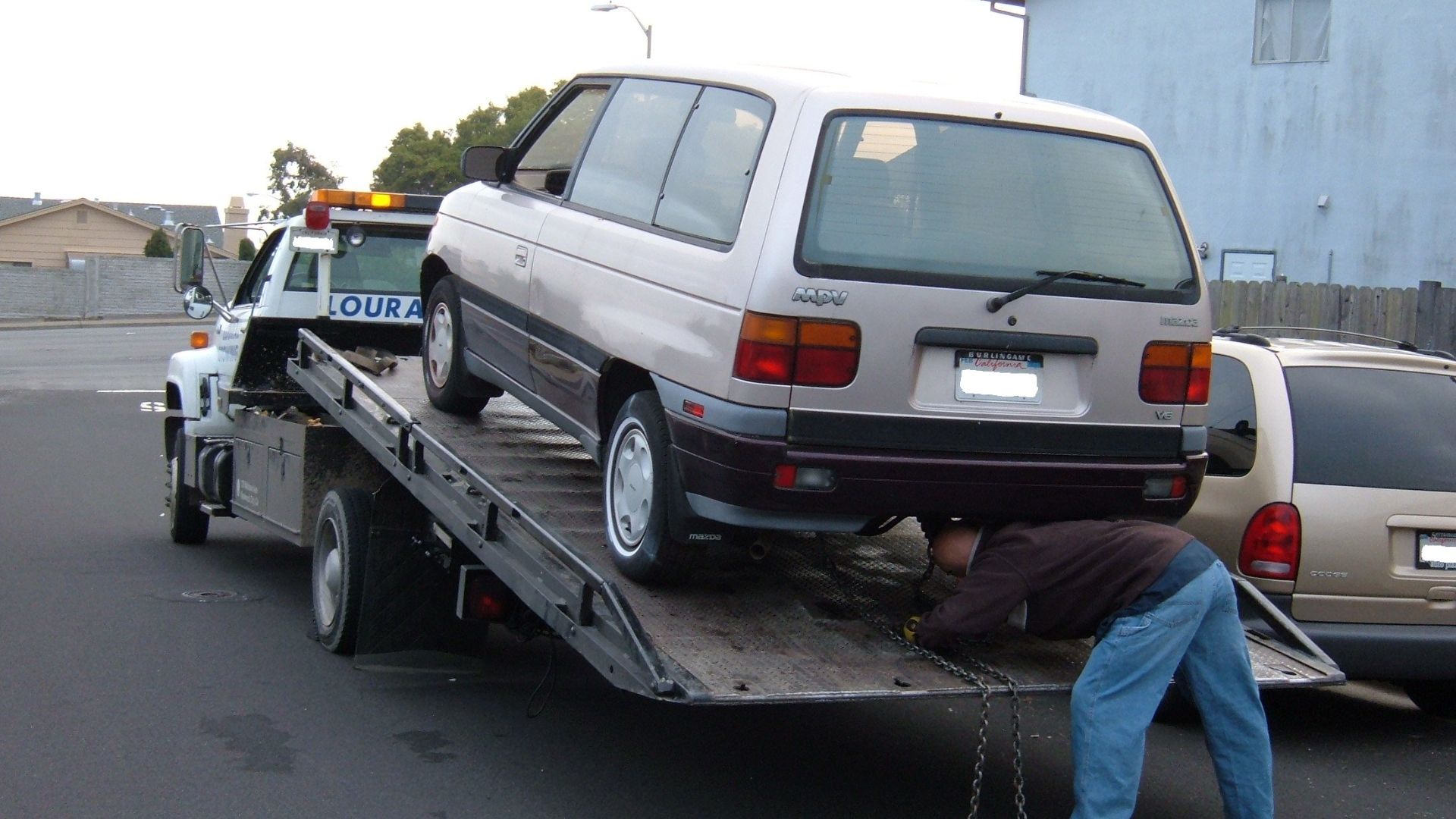
Having a vehicle removed is more serious than sending a warning or issuing an association fine. State and local laws can impose specific requirements before vehicles are towed from private property, including signs, authorization procedures, notice, and relationships with licensed towing companies.
 BrokenSphere, Wikimedia Commons
Don’t Let Residents Take Enforcement Into Their Own Hands
An EV owner shouldn’t block another car in, move it, attach angry notices that damage the vehicle, or try to have it independently towed. Report the violation through the property manager or association instead. Parking disputes can become much uglier once residents start policing one another.

Photograph The Problem
If chargers are repeatedly blocked, residents should document dates, times, space numbers, and vehicles, following the building’s privacy and reporting policies. A pattern is more persuasive than simply telling the board that “people are always parking there".

Track How Often Drivers Actually Can’t Charge
The board should look at utilization data too. If charging spaces are frequently blocked while residents are waiting, that supports stronger enforcement. It can also reveal whether the building simply needs more charging capacity.

Condo Charging Is Becoming A Bigger Issue
Car and Driver has noted that EV ownership becomes substantially more difficult for people living in condos, apartments, and other multifamily buildings without dedicated charging. The U.S. Department of Energy likewise identifies parking configuration, electrical access, billing, and legal considerations as major issues for multifamily charging.
Some States Specifically Protect Condo EV Charging
A growing number of states have laws limiting an association’s ability to prohibit reasonable EV charger installations. California, Washington, Florida, Hawaii, and others have adopted rules addressing EV charging in condominiums or common-interest communities. Those laws don’t all work the same way, which is another reason a board should check local requirements before creating its policy.
Public EV Parking Laws May Not Automatically Apply
Some states and cities also prohibit gasoline vehicles from blocking designated public charging spaces. But a privately controlled condo garage can fall under different rules. Residents shouldn’t assume a municipal parking officer can simply enter the garage and issue the same ticket they would at a public charger.
Make Sure Accessible Spaces Stay Accessible
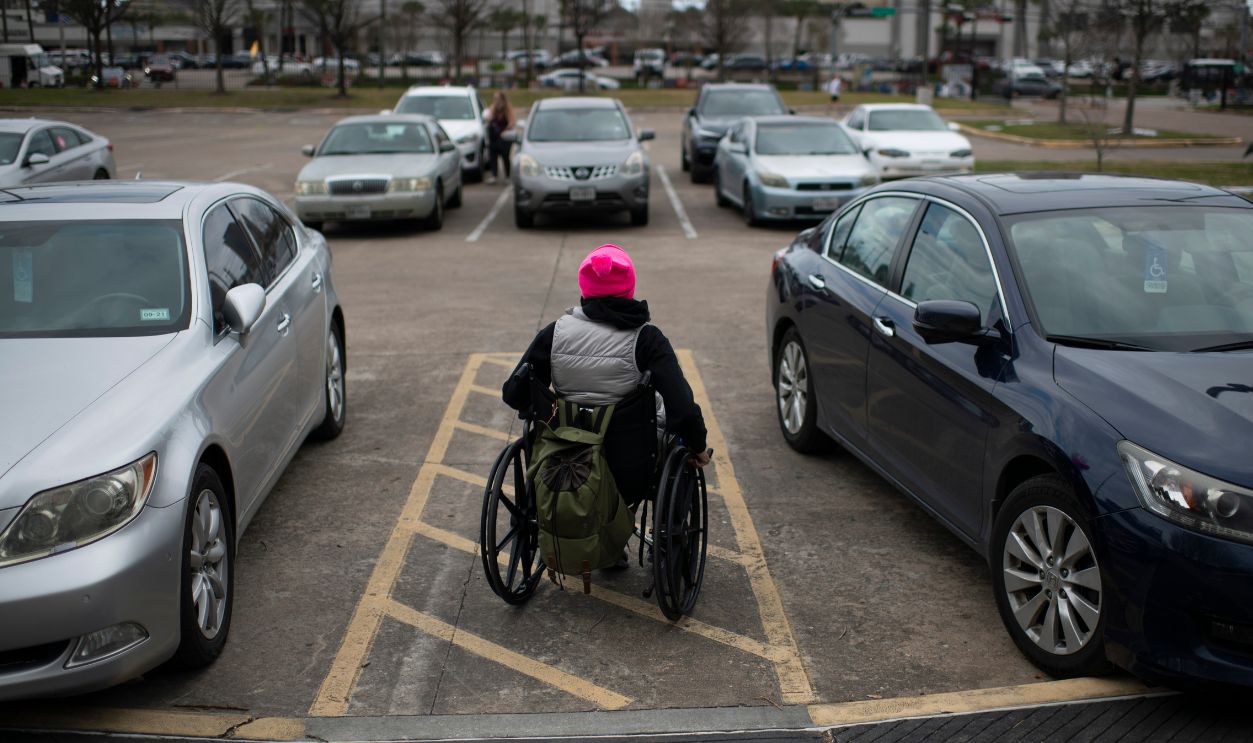
EV charging creates another complication when a charging stall is designed for accessibility. The building has to consider accessibility requirements separately from ordinary EV parking rules. A charger shouldn’t become an excuse to disregard disabled access or other legally required parking arrangements.
 The Washington Post, Getty Images
The Board Needs A Complete Policy, Not Just A Fine
The best system spells out who may use the chargers, whether vehicles must be connected, charging limits, overnight rules, guest access, rates, warnings, fines, and towing procedures. ChargePoint’s multifamily systems, for example, are specifically designed around different resident, shared, and guest parking arrangements.
Ask Management For The Written Rule
If gas vehicles are continually blocking the spaces, start by asking the property manager what rule currently applies and how violations should be reported. If there isn’t one, ask the board to adopt a clear charging-space policy rather than relying on residents to negotiate among themselves.

The Chargers Aren’t Much Use If Nobody Can Reach Them
A condo association may have substantial authority to regulate its own common parking areas, and that can include penalties for violating properly adopted EV charging rules. But whether a particular fine is valid depends on the governing documents, state law, notice requirements, and how the rule was adopted. The solution usually isn’t simply making the fine bigger. It’s making the charging rules clear enough that nobody can reasonably claim they didn’t know what those spaces were for.
You May Also Like: