Nothing Feels Wrong, So Why Did It Fail?
The engine starts normally, the brakes feel fine, and the car drives exactly like it did yesterday. Then an inspector points to one glowing symbol on the dashboard and refuses to pass it. That can seem ridiculous until you understand what the car may be detecting long before the driver notices anything.
First, Find Out Which Warning Light Failed It
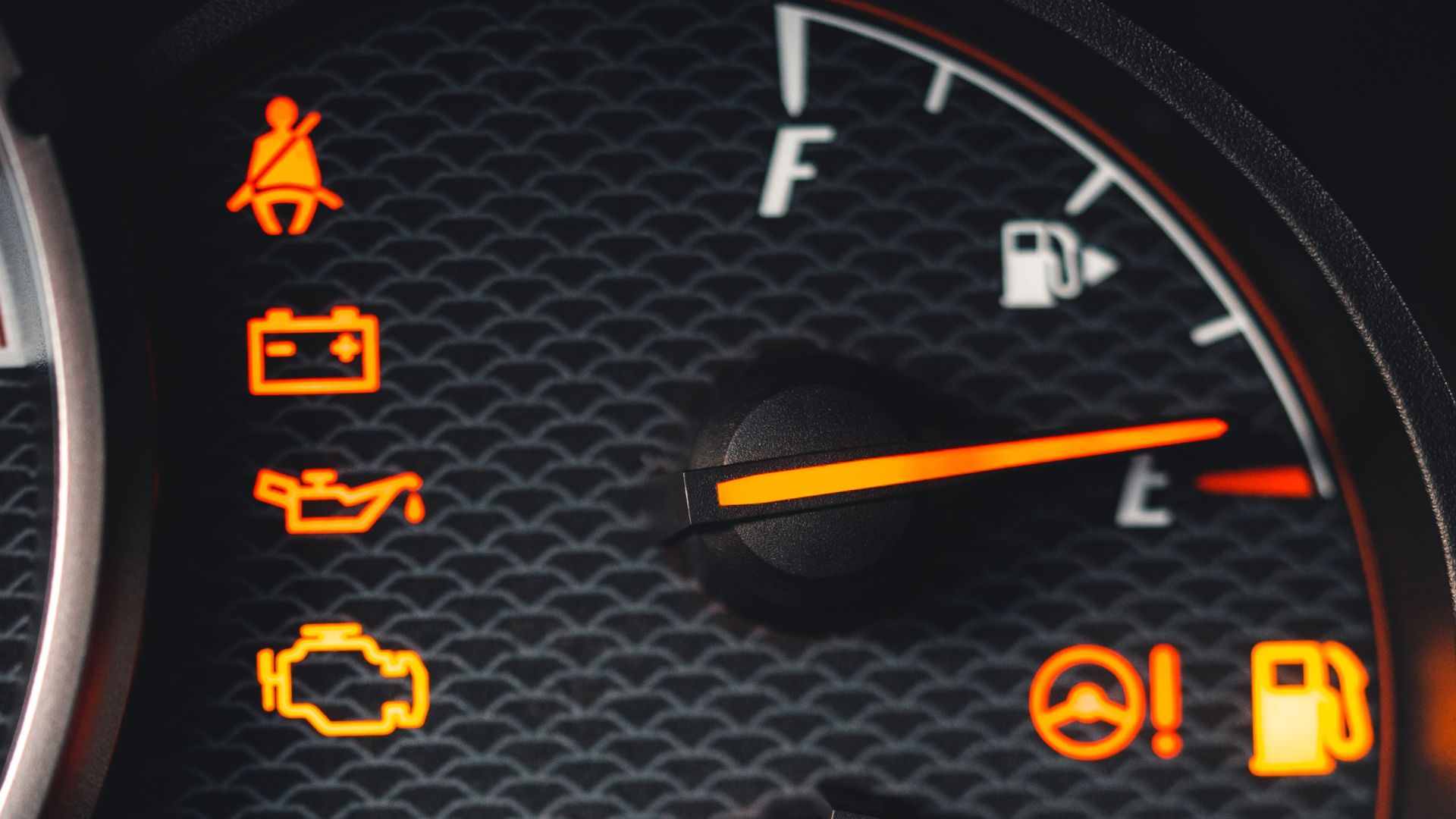
“Dashboard warning light” is far too broad. A check engine light, ABS warning, airbag light, brake-system warning, and tire-pressure light all indicate different systems, and states don’t necessarily treat them the same way during inspections. Get the exact reason for the rejection from the inspection report.
 Bartolomiej Pietrzyk, Shutterstock
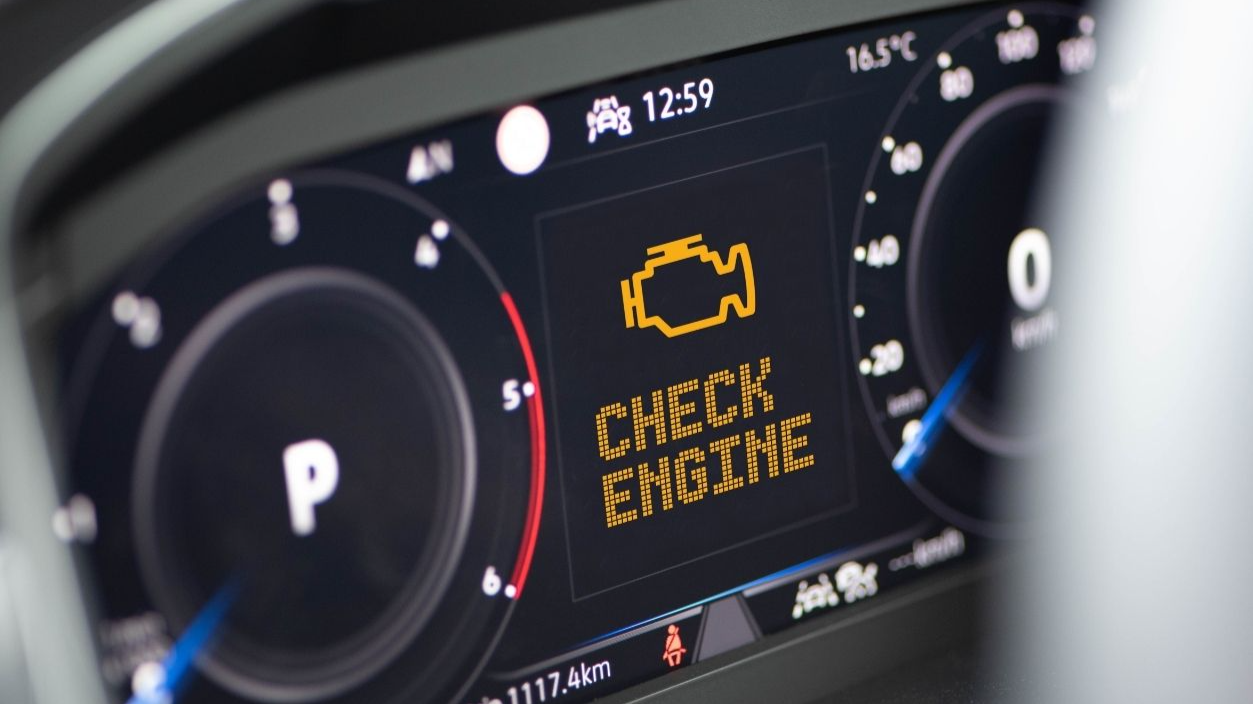
A Check Engine Light Is Often About Emissions
For vehicles equipped with modern onboard diagnostics, the check engine light is formally known as the malfunction indicator lamp. It commonly appears when the computer detects a fault affecting emissions or engine management. That makes it particularly important in states or regions that conduct OBD-based emissions inspections.
The Car Really Can Drive Perfectly Normally
Modern vehicle computers can detect problems before they become obvious from behind the wheel. A faulty oxygen sensor, evaporative-emissions leak, or deteriorating catalytic converter may trigger a warning without causing rough running, strange noises, or a noticeable loss of power.

That Doesn’t Make The Warning Meaningless
“Drives fine” only tells you what the driver can feel. It doesn’t tell you whether emissions are excessive, an airbag will work in a crash, ABS will activate during an emergency stop, or a small mechanical problem is getting worse behind the scenes.
 U.S. Air Force photo by Airman 1st Class Imani West, Wikimedia Commons
Check Engine Lights Are A Common Inspection Problem
Many emissions programs connect directly to the vehicle’s OBD-II system. The inspection equipment can determine whether the check engine light has been commanded on and whether the vehicle’s emissions monitors have completed their self-tests. A vehicle can therefore fail without anyone needing to see smoke coming from the exhaust.
A Steady Check Engine Light Isn’t The Same As A Flashing One
A steady light generally means the car needs diagnosis soon, but it doesn’t always mean an immediate breakdown is coming. A flashing check engine light is much more urgent and can indicate a severe misfire capable of damaging the catalytic converter. If it’s flashing or the car suddenly runs poorly, continuing to drive can be a bad idea.
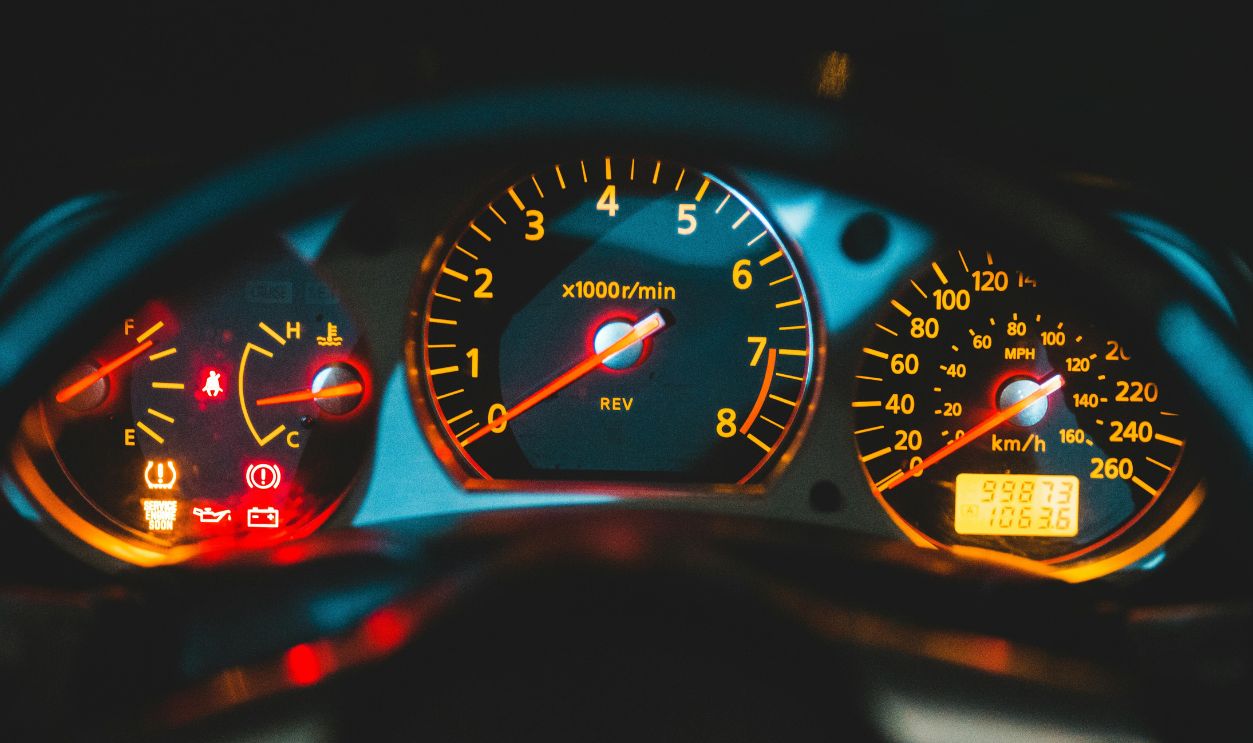
Some Red Warning Lights Are Much More Serious
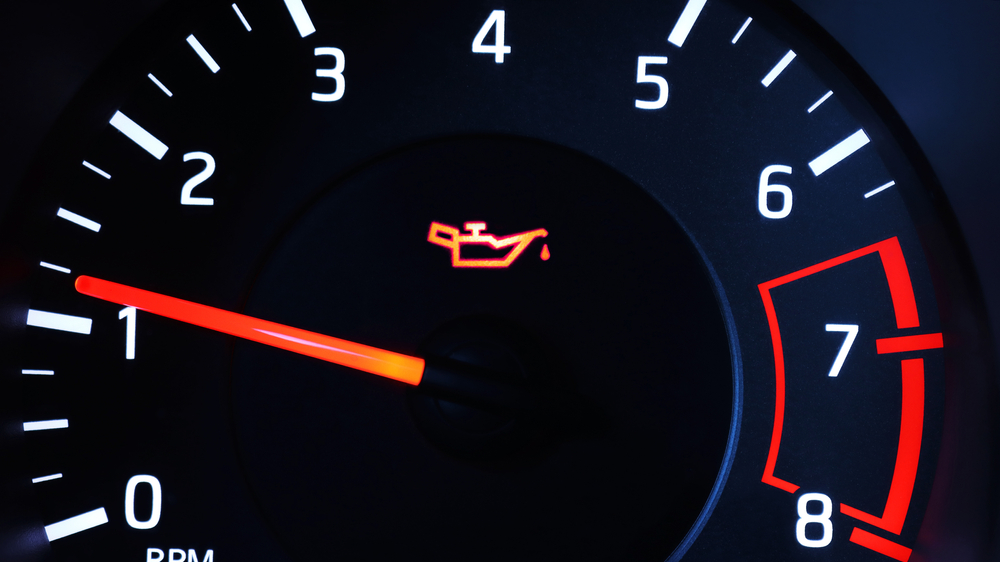
An oil-pressure, overheating, or serious brake warning deserves a different response from a routine amber warning. If the car is losing oil pressure or overheating, the inspection sticker is no longer the main concern. Continuing to drive could cause major damage or create an immediate safety risk.
An ABS Light Can Be Deceptive
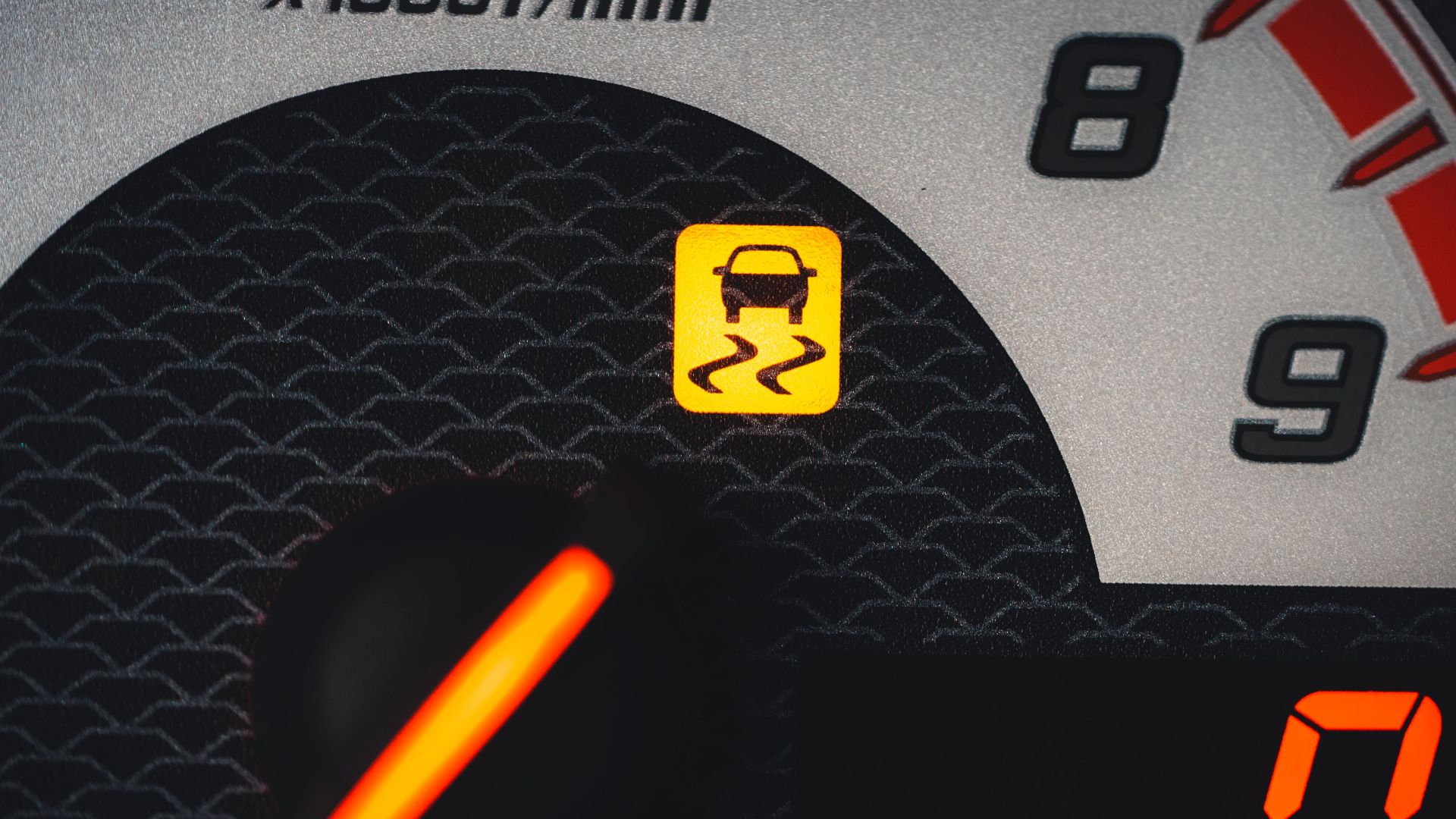
A car with an ABS fault may still stop when the brake pedal is pressed, which can make everything seem normal. But the anti-lock function may not operate properly during a panic stop or on a slippery surface. That difference might not reveal itself until the exact moment the system is needed.
Airbag Warnings Are Similar
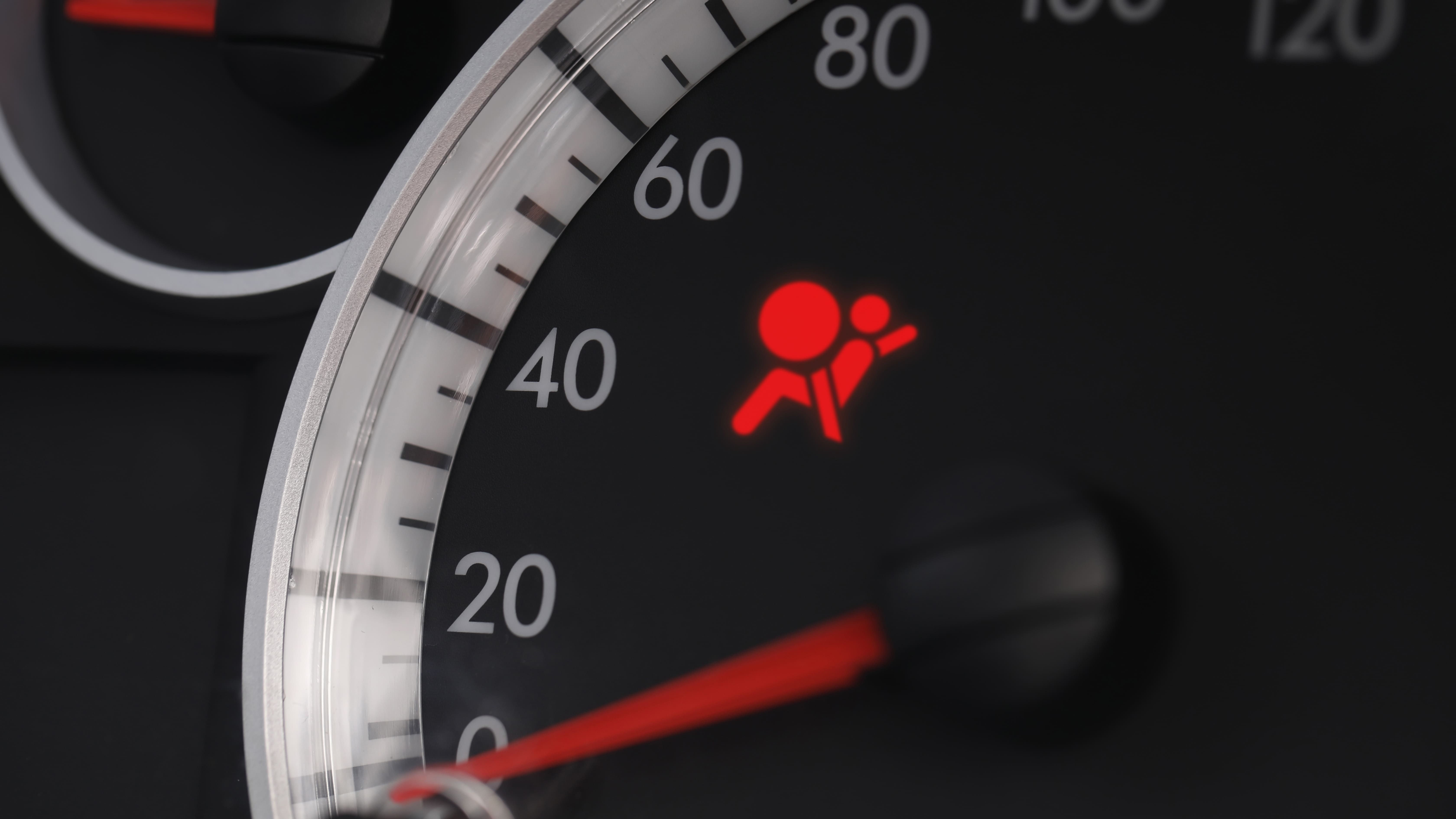
An illuminated airbag warning might have no effect whatsoever on how the vehicle accelerates, steers, or brakes. The concern is what happens during a collision. Depending on the fault, part of the supplemental restraint system may not function as designed.
Not Every State Inspects The Same Warning Lights
There’s no single nationwide passenger-vehicle inspection standard. Some states have annual or periodic safety inspections, others primarily conduct emissions testing in certain areas, and some have no recurring passenger-car inspection at all. Even states with inspections can differ substantially on which dashboard warnings cause rejection.

Emissions And Safety Inspections Aren’t The Same Thing
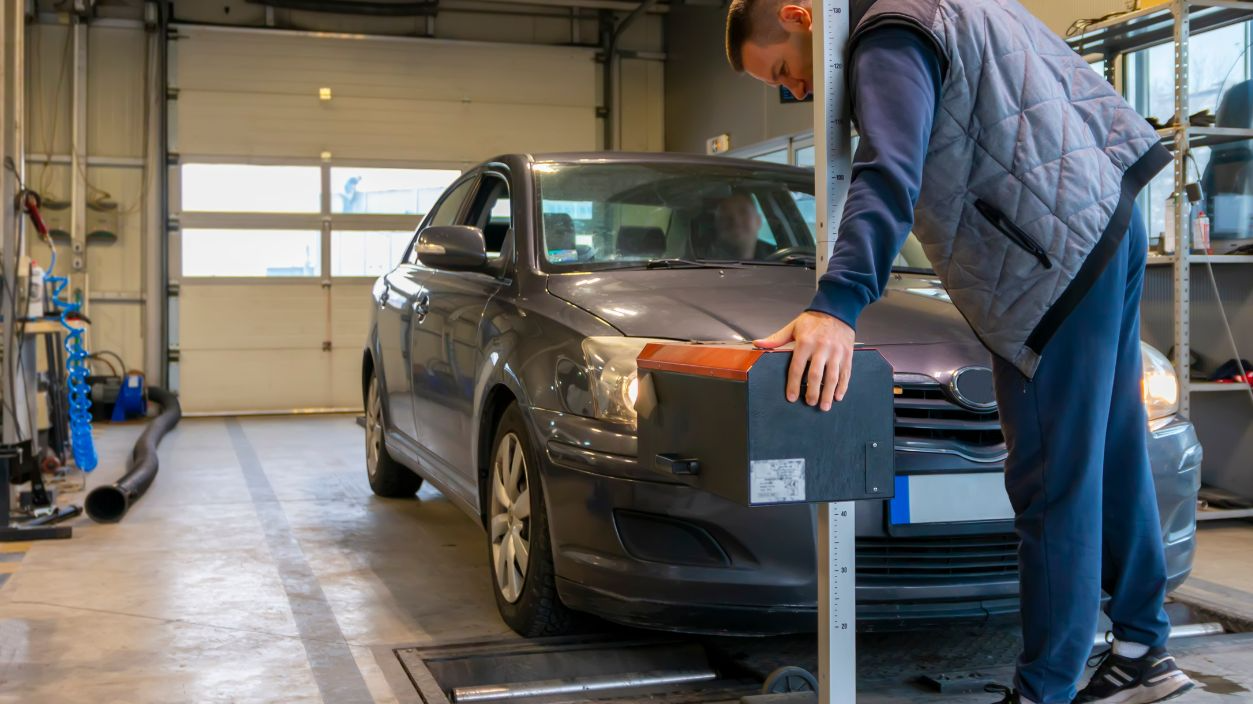
A check engine light can be crucial during an emissions inspection because it’s tied to the emissions diagnostic system. A safety inspection may instead concentrate on brakes, tires, steering, lighting, structural condition, and restraint systems. Some states combine both inspections, while others separate them.
 Anastasija Vujic, Shutterstock
Get The Vehicle Inspection Report
Don’t leave with nothing more than “warning light failed". The report should identify why the vehicle didn’t pass. That gives a repair shop something specific to investigate and helps you determine whether you’re dealing with emissions readiness, an actual diagnostic fault, or a separate safety issue.

Have The Trouble Codes Read
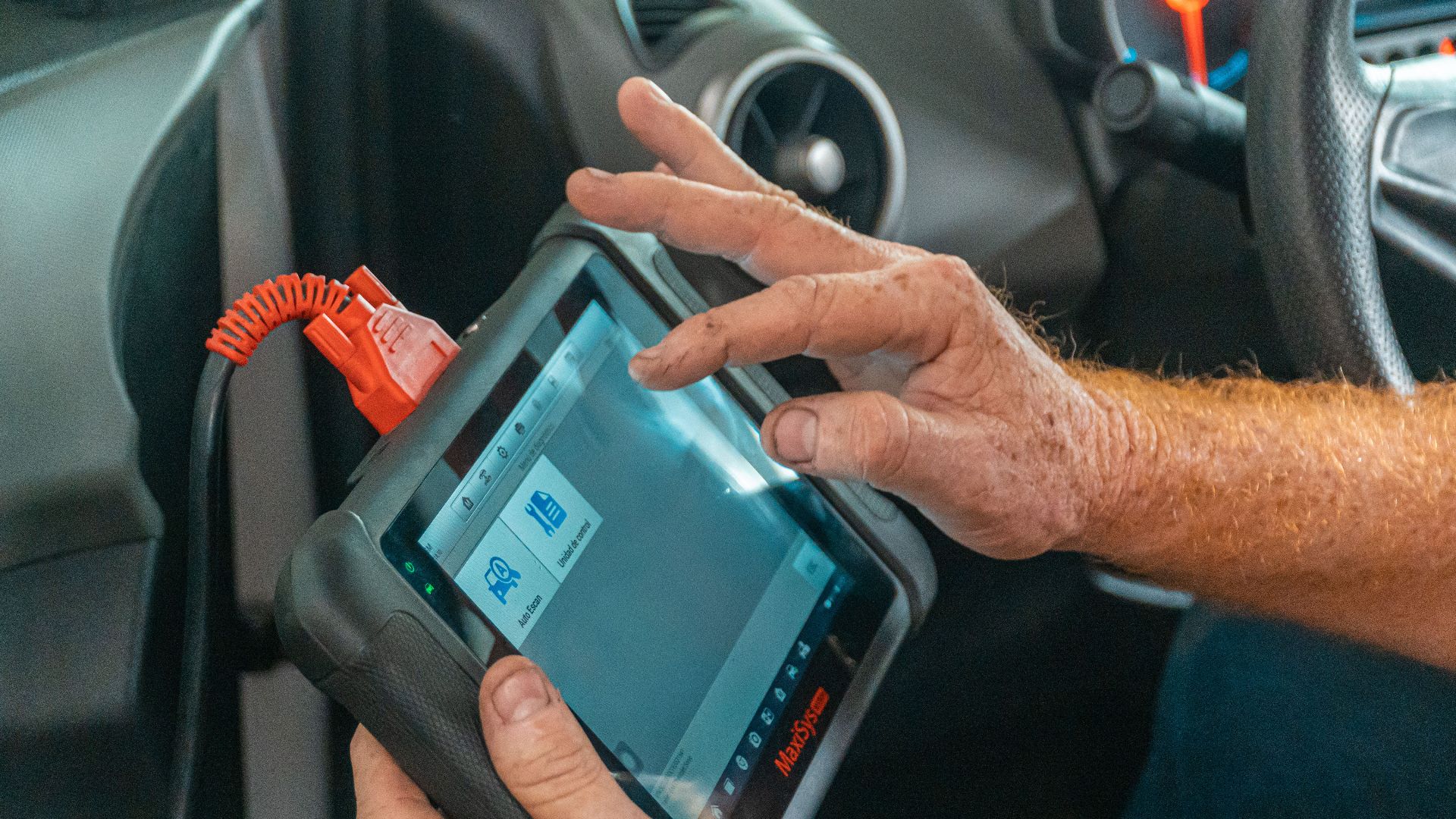
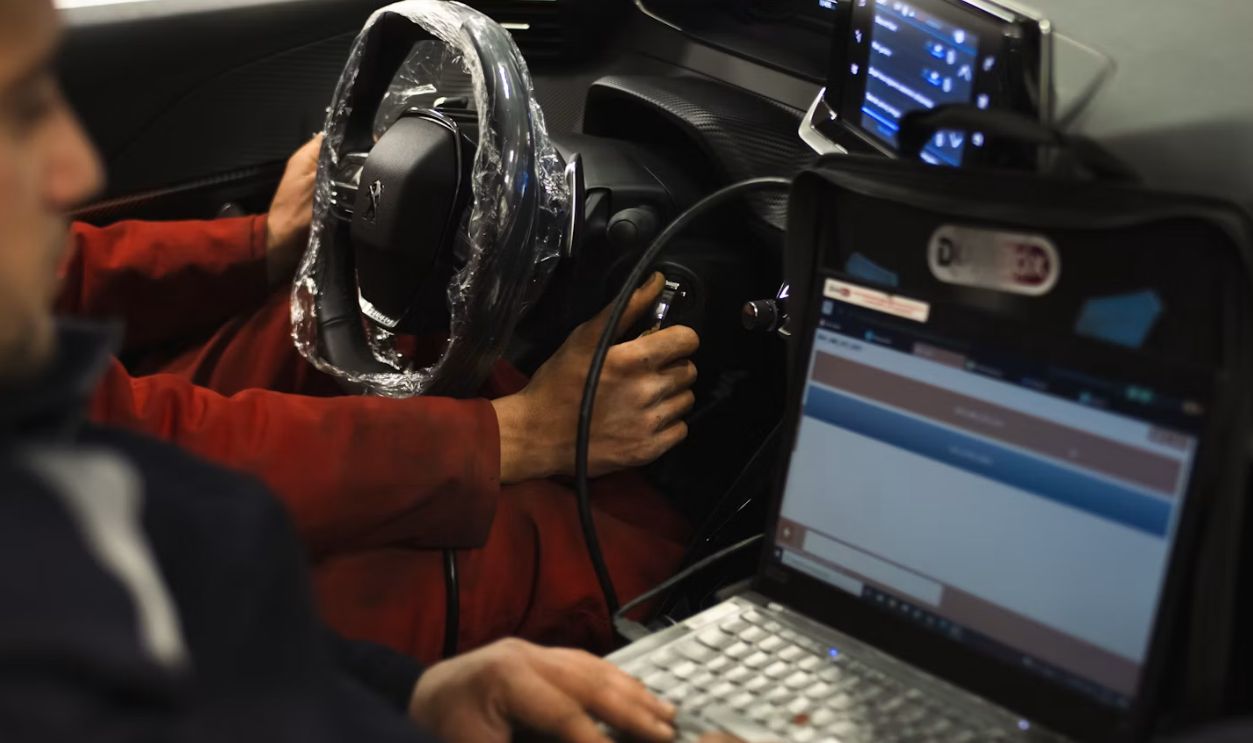
If the check engine light caused the failure, retrieve the diagnostic trouble codes stored in the vehicle’s computer. Many repair facilities and auto-parts stores can read OBD-II codes. The code is a starting point for diagnosis, not necessarily a command to replace the part named in its description.
 Jose Ricardo Barraza Morachis, Pexels
A Code Doesn’t Automatically Tell You What To Buy
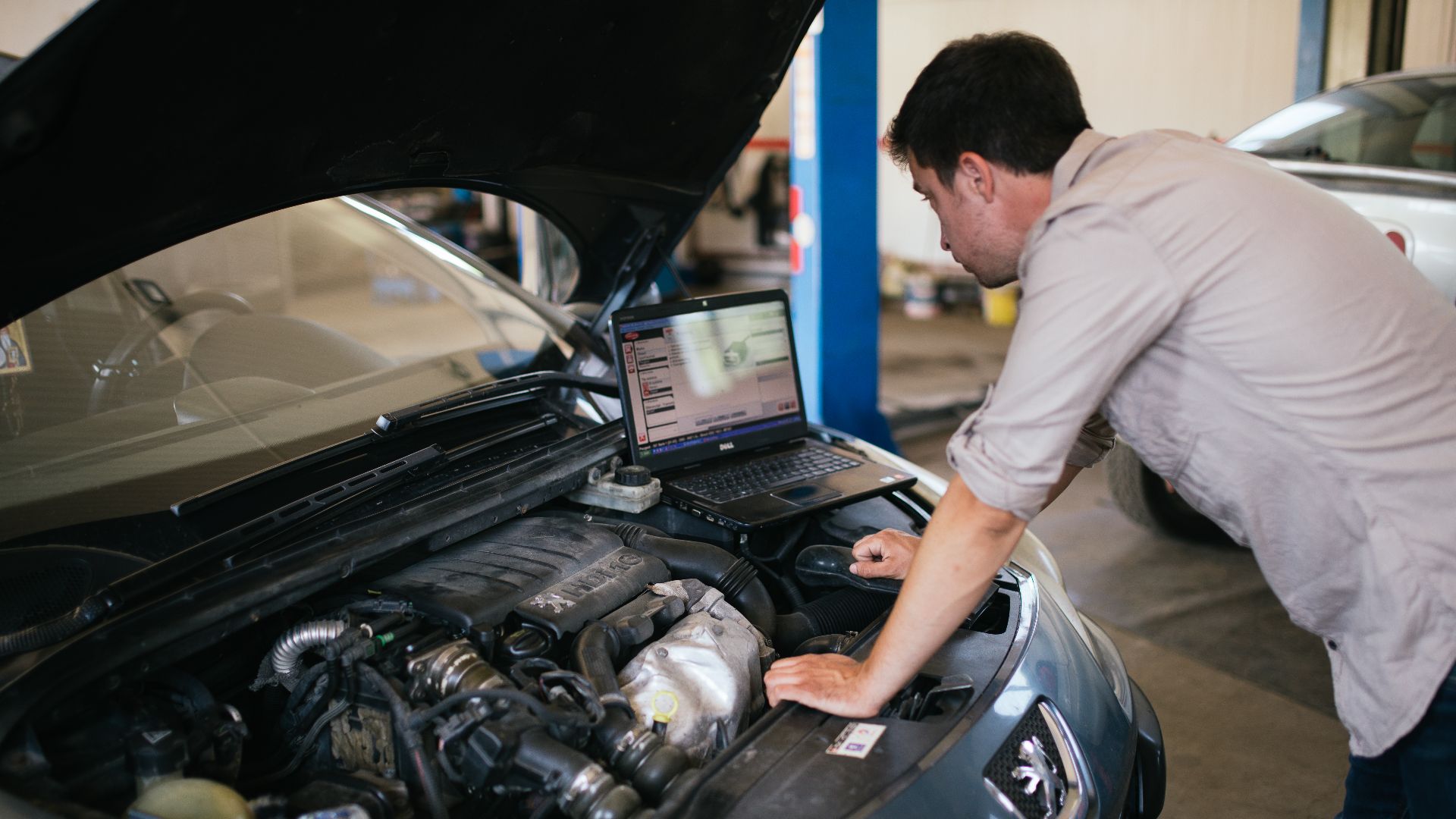
Suppose the computer identifies an oxygen-sensor-related fault. The sensor itself might be defective, but wiring, an exhaust leak, or another engine problem could also be responsible. Replacing parts solely because their names appear in a code description can get expensive quickly.
 Shixart1985, Wikimedia Commons
Sometimes The Problem Really Is Small
A loose or defective gas cap can cause an evaporative-emissions fault and illuminate the check engine light on some vehicles. Other possibilities range from relatively inexpensive sensors to far more costly catalytic-converter or engine problems. You won’t know which category you’re in until the fault is diagnosed.

Don’t Clear The Light Right Before The Retest
Erasing the fault codes or disconnecting the battery might make the warning disappear temporarily. Unfortunately, it also resets many of the emissions system’s readiness monitors. The inspector may then see that the computer hasn’t completed its tests and reject the car again.

“Not Ready” Can Fail An Inspection Too
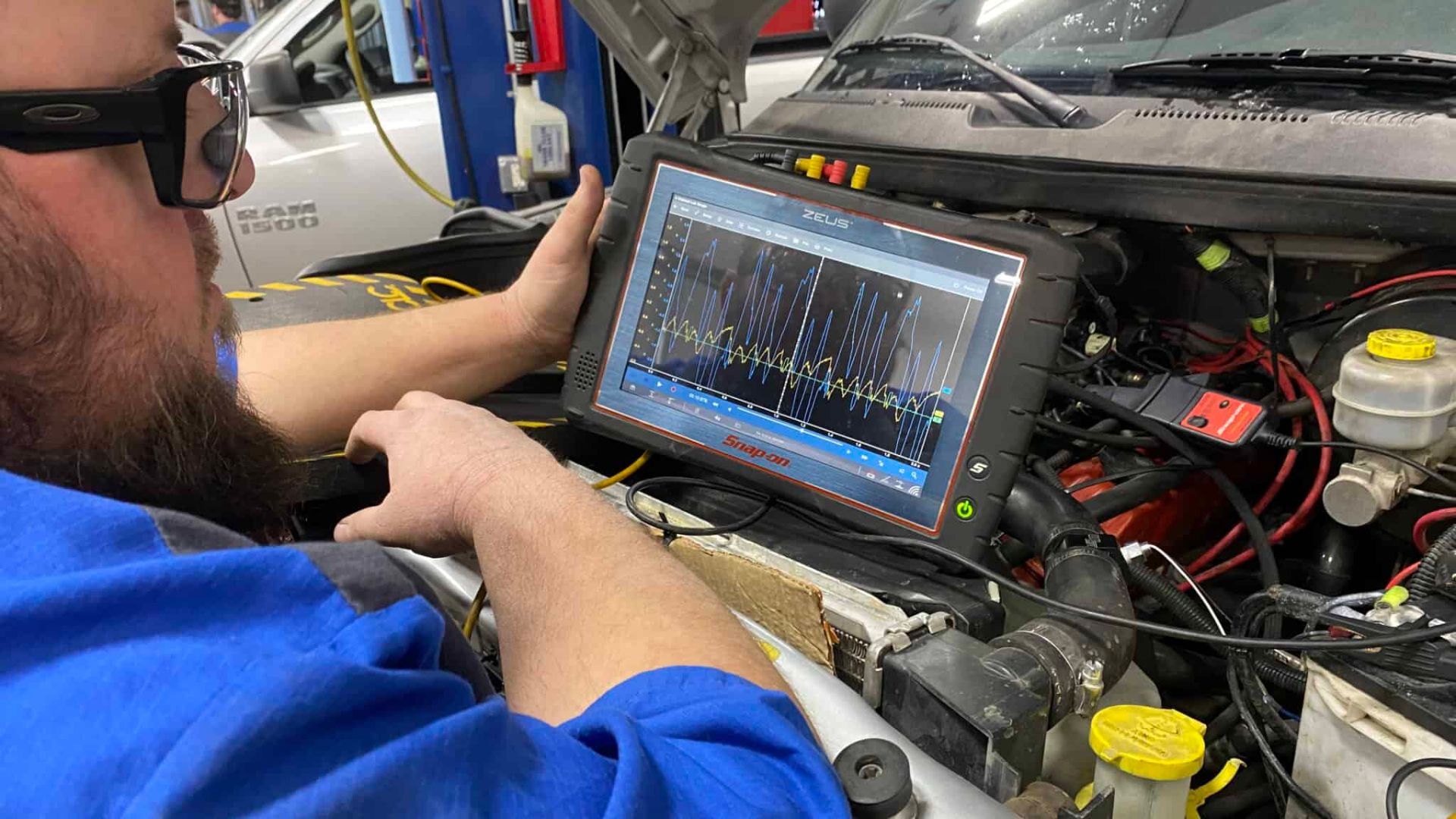
The vehicle computer continually runs diagnostic tests called readiness monitors. After the battery is disconnected, codes are erased, or certain repairs are performed, some monitors return to a “not ready” state. The car may need to be driven through particular conditions before those self-tests finish.
 Modern Auto Service: Advanced Vehicle Diagnostics in Fruitland, ID, Wikimedia Commons
Driving Around The Block May Not Be Enough
A complete drive cycle can require a combination of cold starts, highway driving, lower-speed operation, acceleration, deceleration, and cooling periods. Requirements vary by vehicle and monitor. That’s why a light that stays off for ten minutes after a repair doesn’t necessarily mean the car is ready for another inspection.
Ask The Shop Whether The Monitors Are Ready
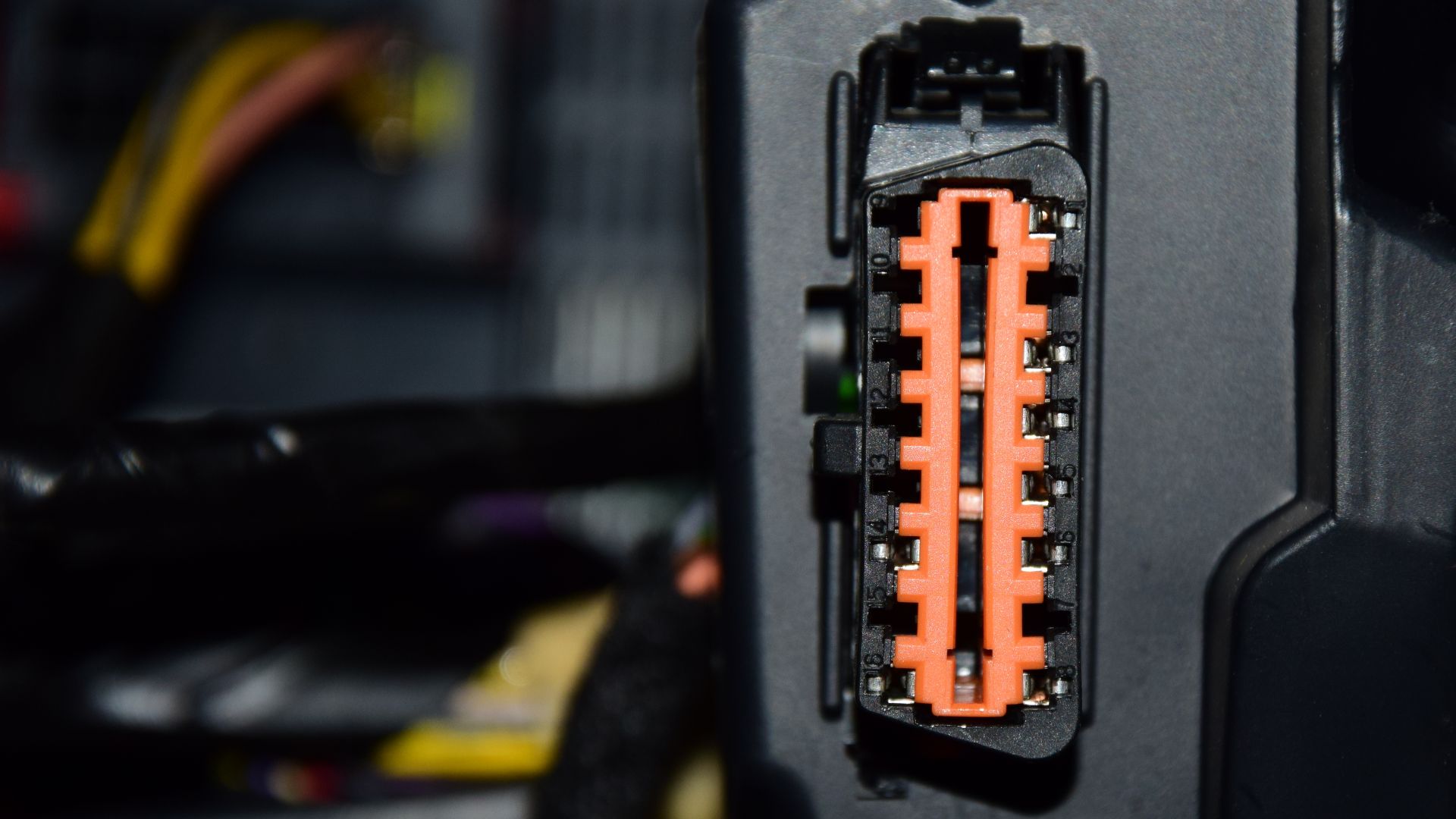
Before paying for another inspection, a technician can check the readiness status through the OBD port. This can save an unnecessary trip if the computer still hasn’t completed enough self-tests.

Don’t Wait Until The Last Day Of The Inspection Period
Inspection problems become much more stressful when the current sticker or registration expires tomorrow. If your state allows it, have the vehicle inspected early enough to leave time for diagnosis, repairs, drive cycles, and a retest.

A Failed Inspection Doesn’t Always Mean Immediate Impoundment
This is where drivers often jump to the wrong conclusion. Failing an inspection can mean the vehicle can’t receive a new inspection sticker or complete registration requirements, but states differ on what happens next. Some provide retest periods, temporary extensions, or other procedures, while others impose different deadlines and restrictions.

Check Your State’s Rules Before Assuming You Can Keep Driving
Don’t rely on what happened to a friend in another state. Look up the rules from your state DMV, environmental agency, state police, or inspection authority. Find out when the current inspection expires and whether a failed vehicle can legally be driven during the repair period.

Your Existing Sticker May Matter
A vehicle that fails an early inspection while its previous inspection is still valid can be treated differently from one whose inspection has already expired. Again, the precise consequences depend on state law, so the dates on the paperwork matter.

Repair Waivers Sometimes Exist
Some emissions programs provide waivers or special procedures when owners have spent a required amount attempting legitimate emissions repairs but the vehicle still won’t pass. Eligibility rules are usually strict, and a waiver isn’t the same thing as simply ignoring the warning light.

There May Be Repair Assistance Too
Owners shouldn’t automatically assume a failed emissions test means choosing between an expensive repair and giving up the car. Some states operate repair-assistance, waiver, or vehicle-retirement programs for qualifying motorists. Ask the inspection program before spending money blindly.

The Inspector Usually Isn’t Diagnosing The Car
An inspection failure identifies a condition that doesn’t meet the program’s requirements. It doesn’t necessarily tell you why that condition exists. A good next step is diagnosis from a trusted technician rather than authorizing every repair the inspection station suggests without understanding the problem.

You Usually Don’t Have To Use The Same Repair Shop
In many inspection programs, the shop that fails the vehicle isn’t necessarily the shop that must repair it. If a proposed repair seems excessive, get another diagnosis. Just make sure the repair and retest procedures you follow still satisfy your state’s requirements.

Get A Second Opinion On An Expensive Diagnosis
If the first shop jumps from a warning light to a $2,000 catalytic converter, transmission repair, or major electrical job, another diagnosis can be worthwhile. Diagnostic codes narrow the search, but they don’t eliminate the need for actual troubleshooting.

Don’t Confuse A Maintenance Reminder With A Fault Warning
Some dashboards display “maintenance required,” oil-life reminders, or service notifications based largely on mileage or time. Those aren’t necessarily the same thing as a check-engine or safety-system warning. Verify which symbol caused the rejection before assuming every glowing dashboard icon matters to the inspection.

The Owner’s Manual Can Decode The Light
Dashboard symbols have become numerous enough that guessing based on shape or color isn’t a great strategy. The owner’s manual can tell you exactly what the warning means and whether the manufacturer recommends stopping immediately, seeking service soon, or simply performing routine maintenance.

The Bigger Issue Isn’t Whether The Car Feels Fine
A smooth-running vehicle can still have an emissions or safety-system fault, so a warning light can legitimately matter during a state inspection. But a failed inspection doesn’t automatically tell you the car is mechanically dangerous or that it must instantly disappear from public roads. Find out exactly which system failed, diagnose the underlying problem rather than simply erasing the light, and check your own state’s rules for repair deadlines, retesting, registration, and temporary operation before deciding what happens next.

You May Also Like:
My neighbor says my EV charger is lowering his property value. Can he complain to the city about it?