When The Number Looks Wrong
You found cars just like yours selling nearby for thousands more. Same model, similar miles, maybe even the same color. Then your insurance company sends its offer, and suddenly your car looks like it got marked down in a clearance bin. So what gives? The answer is that insurers usually are not pricing your car like a dealership does.

They Start With Actual Cash Value
Most insurers use something called actual cash value, often shortened to ACV. That means what your car was worth right before the crash, theft, flood, fire, or other covered loss. It is not what you paid. It is not what you still owe. It is their estimate of the car’s market value at that moment.

It Is Not Replacement Cost
This is where many drivers get frustrated. Replacement cost means enough money to go buy another similar vehicle. Actual cash value can be lower. The insurer may say your car was worth one amount, while every dealer near you is asking more. That gap is where the argument usually begins.
 293.xx.xxx.xx, Wikimedia Commons
Asking Prices Are Not Sale Prices
Those online listings are useful, but insurers often treat them carefully. A car listed for $24,000 might actually sell for $22,500 after negotiation. Dealers may also price high because they expect haggling. Insurance companies usually care more about estimated selling prices than the most ambitious sticker price on a lot.

Dealers Build In Profit
A dealership price is not just the car. It often includes reconditioning costs, advertising, overhead, profit, and room to negotiate. Your insurer may strip some of that away because they are valuing the vehicle itself, not the dealership’s business model. Annoying? Absolutely. But that is usually how the math works.

They Use Comparable Vehicles
Insurance companies usually look for comparable vehicles, often called “comps.” These are cars of the same year, make, model, trim, mileage range, condition, and location. The closer the match, the better. If your car was a 2020 sedan with 62,000 miles, they should not be comparing it to a worn-out base model from three states away.
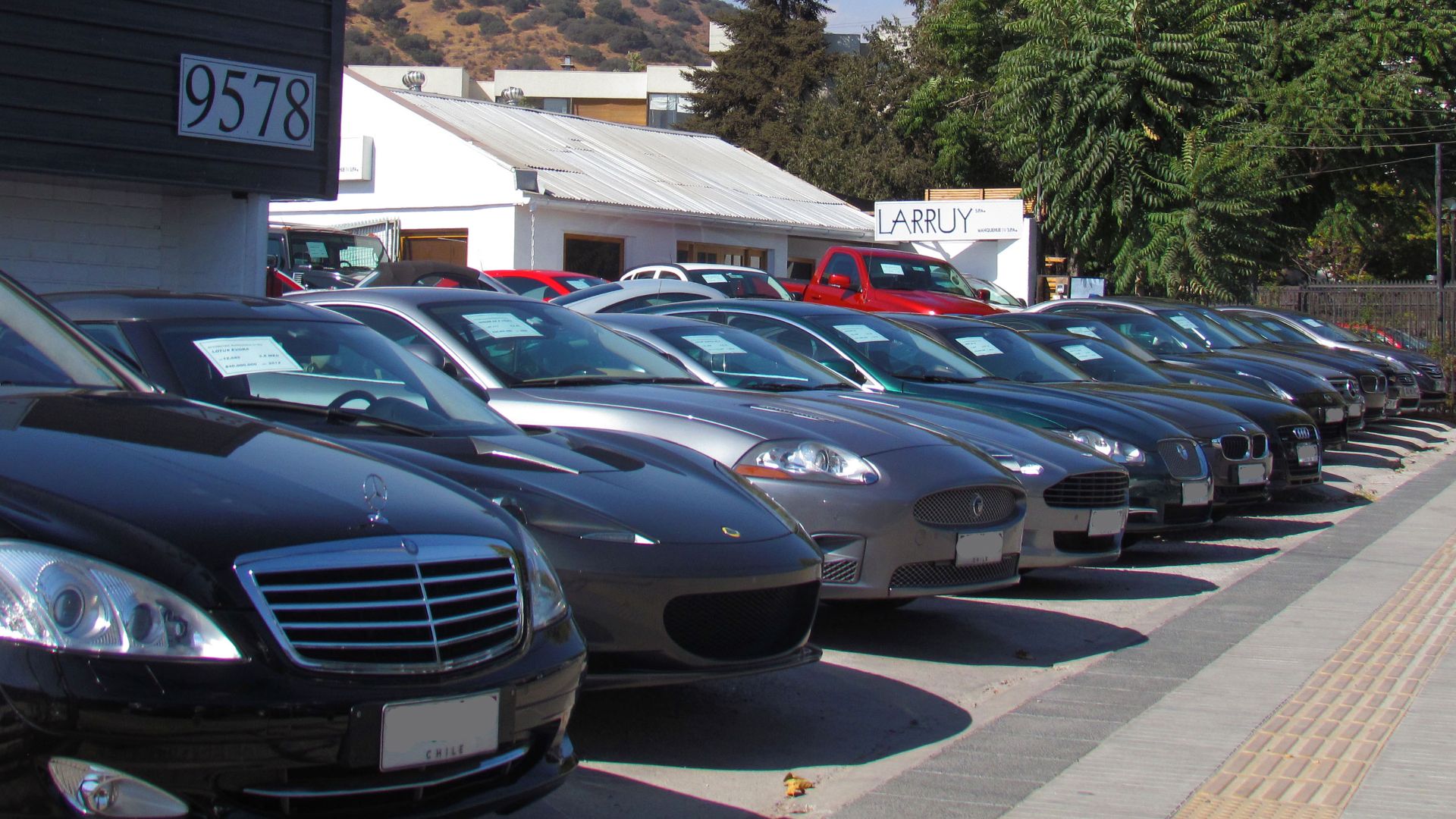 order_242 from Chile, Wikimedia Commons
Trim Level Matters A Lot
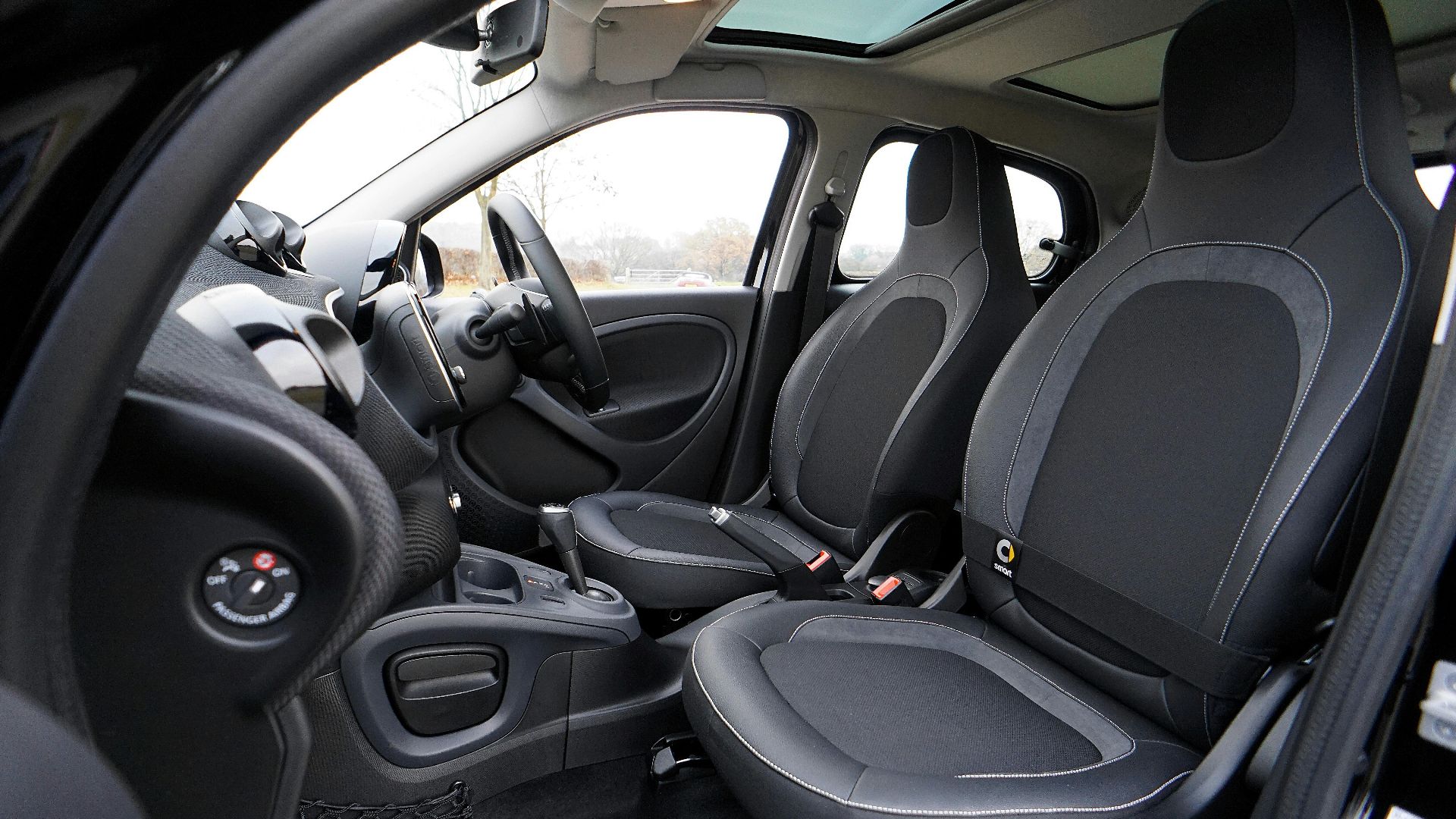
Two cars can look identical and still be worth very different amounts. A base trim and a loaded trim may share the same badge, but the options can change the value by thousands. Leather seats, premium sound, driver-assist tech, sunroof, upgraded wheels, and towing packages can all matter. Make sure the insurer has your trim correct.
Mileage Can Change Everything
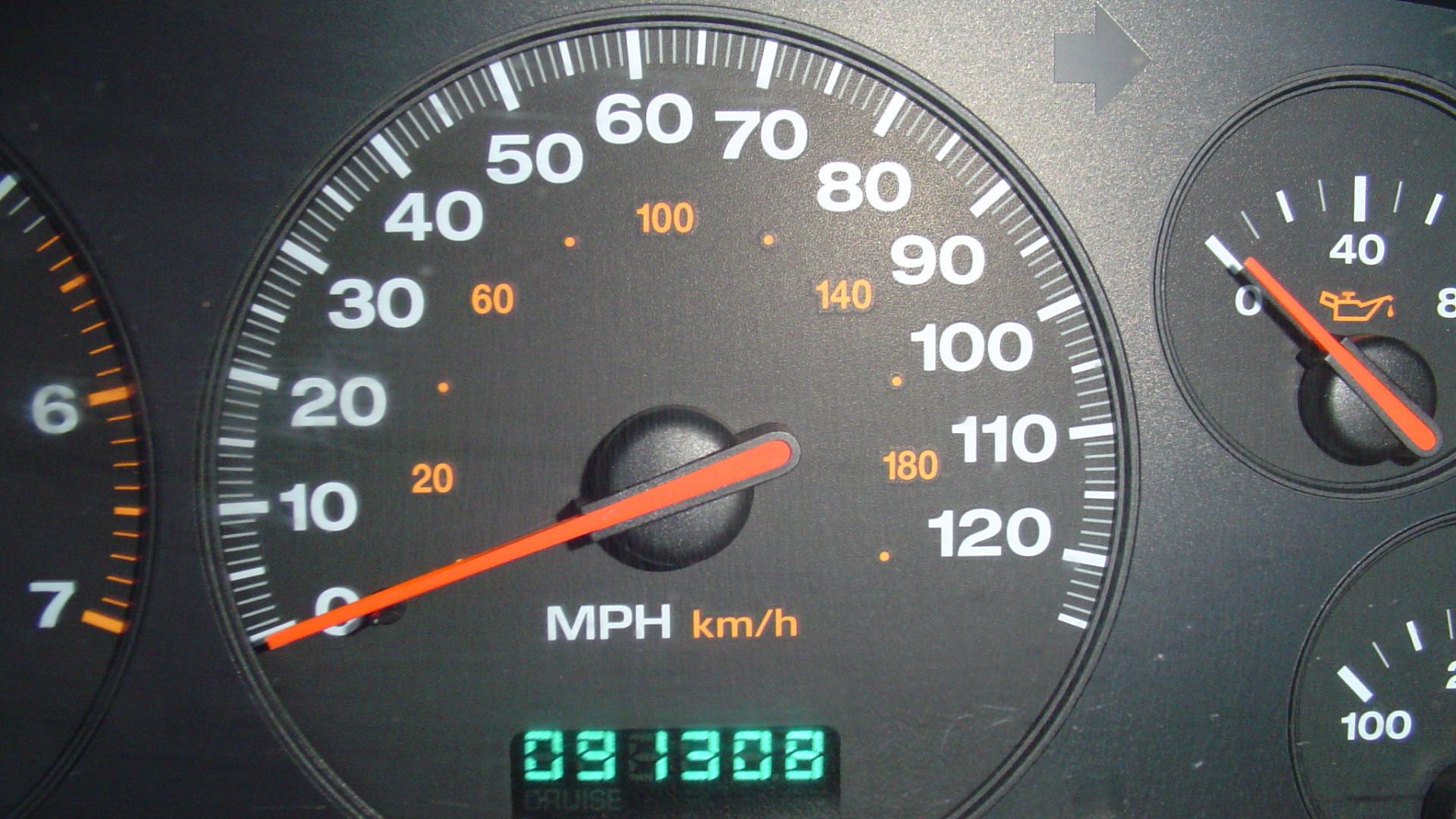
Mileage is one of the biggest value movers. A car with 38,000 miles is not usually valued like one with 92,000 miles, even if they look the same in photos. Insurers adjust up or down based on mileage. A small error in the odometer reading can make a surprisingly large difference in the final offer.
 Sav127 at English Wikipedia, Wikimedia Commons
Condition Is A Major Factor
Your insurance company may rate your car as average, below average, or sometimes something similar. That condition rating can affect the payout. If your car was genuinely clean, well maintained, and free of major wear before the incident, you may need to prove it with photos, service records, inspection notes, or recent repair receipts.

Pre-Loss Damage Counts
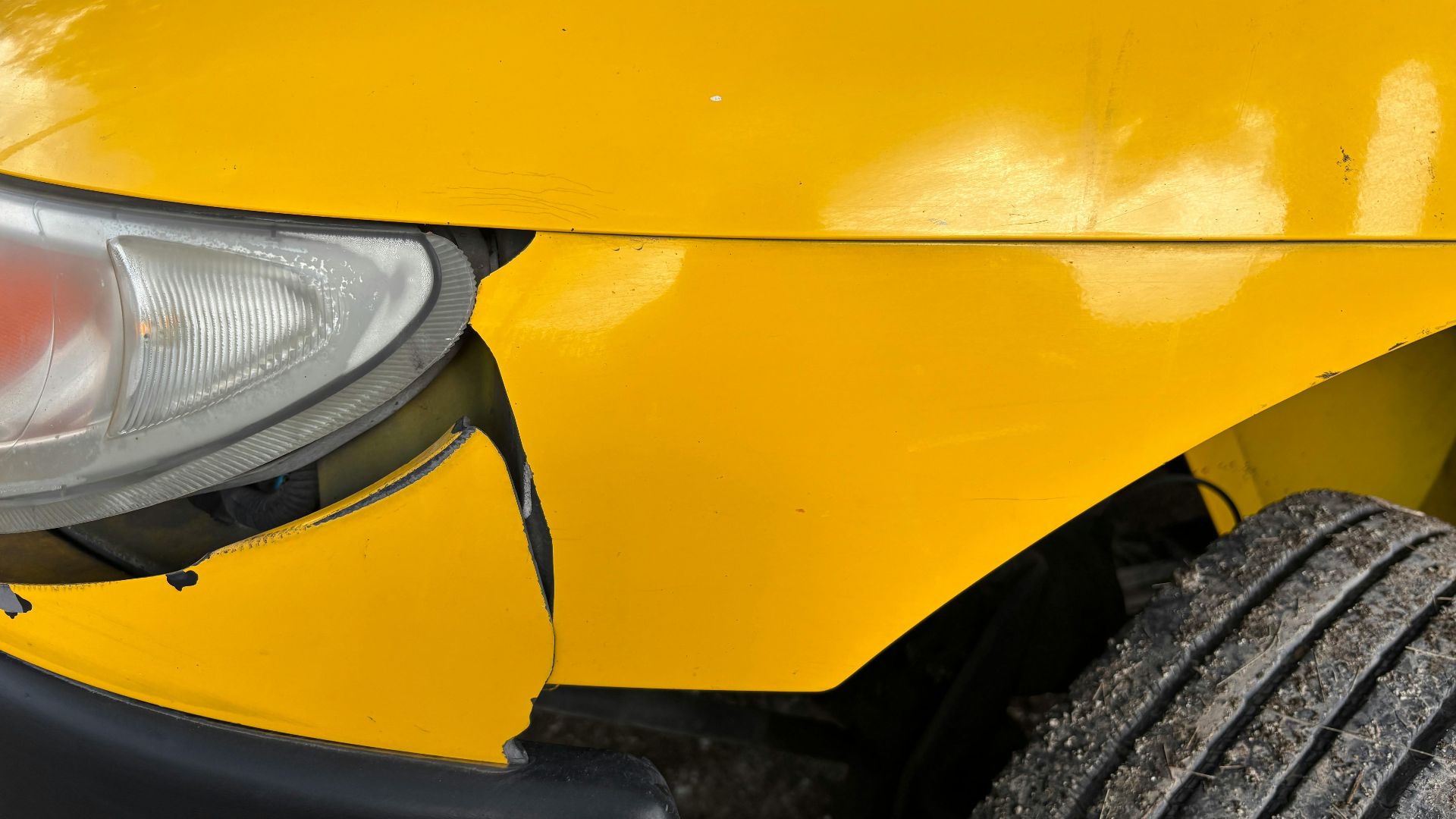
That dent you ignored for six months? The insurer may not ignore it. Old scratches, worn tires, cracked glass, interior stains, rust, warning lights, and mechanical problems can reduce the value. The payout is based on the car right before the loss, not the car you wish it had been on its best day.
Recent Repairs May Help
Recent repairs can support your case, but they do not always add dollar-for-dollar value. A new engine, transmission, tires, brakes, or major service may increase the estimate somewhat. However, normal maintenance usually just helps prove the car was in good shape. Still, send those receipts. Paperwork can be your best co-pilot.

Location Changes The Number
Vehicle values vary by region. A pickup may be hotter in one area than another. A convertible may sell better in sunny states than snowy ones. Insurers usually use local market data, but “local” can be stretched. If their comparable cars are from far away, ask why those vehicles were used.
 loganrickert, Wikimedia Commons
The Report May Contain Mistakes
Insurance valuation reports are not magic tablets from the mountain. They can contain errors. The wrong trim, missing options, incorrect mileage, bad condition rating, or weak comparable vehicles can all drag down the number. Before you get angry on the phone, get the full valuation report and read it closely.

Total Loss Rules Can Affect Timing
A car is usually declared a total loss when repair costs get too close to, or exceed, the vehicle’s value. The exact rules vary by place and policy. Once that happens, the insurer shifts from repair math to value math. That is when ACV becomes the star of the show, whether you like it or not.

Your Loan Balance Does Not Decide Value
This one stings. If you owe $28,000 and the insurer says the car is worth $22,000, the insurer usually does not raise the offer just because of the loan. That is what gap insurance is for. Without it, you may still owe money after the claim is settled.

Taxes And Fees May Be Separate
Depending on where you live and what your policy says, the insurer may need to include sales tax, title fees, registration costs, or similar expenses. Sometimes these are included automatically. Sometimes they are not. Always ask whether taxes and fees are part of the settlement or will be added separately.

Salvage Value Is Different
If you want to keep the totaled car, the insurer may subtract its salvage value from your payout. That means they estimate what the damaged car is worth as-is. Keeping the car can make sense for some people, but it can also bring title problems, inspection requirements, and repair headaches.

Online Value Tools Are Only A Starting Point
Sites like Kelley Blue Book, Edmunds, and other pricing tools can help you understand the range, but they may not match the insurer’s number exactly. Different tools use different data. The strongest argument usually comes from real comparable vehicles, accurate options, good records, and clear proof that the report missed something.

Identical Vehicles Need To Be Truly Identical
When drivers say “identical,” they often mean “pretty close.” Insurers get picky. Same model year, same trim, similar mileage, same drivetrain, similar options, and similar condition all matter. A car with all-wheel drive may be worth more than one with front-wheel drive. A luxury package can quietly change the whole conversation.

Certified Used Cars May Be Higher
Certified pre-owned vehicles usually cost more because they come with inspections, warranties, and dealer-backed benefits. If your insurer compares your non-certified car to standard used cars, that may be fair. But if you are using certified listings to argue value, be ready for the insurer to push back.

Private Sales And Dealer Sales Differ
Private-party prices are often lower than dealer prices. Dealer listings are often easier to find online, but they may not perfectly represent market value. If all nearby cars are at dealerships, that still matters. Just remember that the insurer may adjust those prices down to account for dealer markup.

You Can Challenge The Offer
The first offer is not always the final word. You can ask for the valuation report, check every detail, gather comparable listings, and send a calm written response. Do not just say, “That is too low.” Say exactly why. Numbers, links, receipts, photos, and corrections carry more weight than frustration.

Bring Better Comparables
Look for cars that match yours as closely as possible. Same year, make, model, trim, mileage, engine, drivetrain, options, and region. Save the listings before they disappear. Include the price, location, mileage, VIN if available, and screenshots. A clean packet of evidence is much harder to brush aside.

Ask About The Appraisal Clause
Some policies include an appraisal clause. This can let you hire an independent appraiser if you and the insurer cannot agree on value. It may cost money, so it is not always worth it for a small dispute. But if thousands of dollars are at stake, it may be worth reading your policy carefully.

Stay Polite But Firm
Claims adjusters deal with angry drivers all day. Being polite does not mean being passive. Ask clear questions, keep notes, save emails, and request explanations in writing. A calm driver with organized evidence often gets further than someone who just yells, “I saw one online for way more!”

Know When To Escalate
If the insurer will not correct obvious mistakes, ask for a supervisor or claims manager. You can also contact your state or provincial insurance regulator for guidance. That does not guarantee a bigger payout, but it can help you understand your rights and make sure the process is being handled properly.

The Real Trick Is Proof
Your insurance company calculates value by using market data, comparable vehicles, mileage, options, condition, location, and policy rules. Nearby listings matter, but they are only part of the story. If the offer looks too low, do not just complain. Build a case. In car insurance, proof is horsepower.

You May Also Like:
Experts Don't Like These Cars. They're Wrong.
My neighbor’s new landscaping blocks my view when backing out. Can I make them change it?