The Surprise Bill
You expected a routine oil change, but your wife came home with a bill in excess of $1,200 after being persuaded to approve a bunch of additional services that weren’t necessary. Situations like this are common in auto service environments where recommended repairs can quickly escalate costs, leaving you convinced that you were taken advantage of.
 Factinate; Krakenimages.com, Shutterstock; Factinate
Why This Happens At Dealerships
Always keep in mind that dealership service departments are profit centers, and upselling additional services is a standard practice. Advisors may recommend maintenance based on mileage, inspection checklists, or sales targets. While some recommendations are actually legitimate, others may be presented as urgent even when they are optional or can be put off for the time being.

Necessary Vs Suggested Work
Not all recommended services are essential. Mechanics often make a distinction between required repairs and preventative maintenance. However, this distinction doesn’t always come across clearly to the customer. Customers frequently interpret suggestions as urgent fixes, which can lead to approving work that isn’t immediately necessary or critical for safety.

Common Add-Ons During Oil Changes
Oil change visits often trigger suggestions for additional services like fluid flushes, air filter replacements, or injector cleanings. Some of these services may not be necessary at your vehicle’s current mileage. Experts warn that many dealer recommended services are just unnecessary upsells rather than urgent mechanical needs.
Role Of Sales Pressure
Service advisors may work under quotas or commission structures, which can incentivize them to start pestering you to have extra work done. This puts pressure on you to bundle services together, sometimes without any clear explanation of priority or necessity. As a result, you may be presented with a long list of repairs framed as urgent, that aren’t necessarily needed right away.

Miscommunication Can Be A Big Factor
Not every high bill is the result of bad intent. Sometimes the issue is just bad communication. A technician may say a service is recommended soon, but it gets interpreted as though it must be done today. This gap in understanding often leads customers to approve work they would’ve normally declined.

You’re Not Obligated To Approve Immediately
One key point many drivers miss is that you don’t have to approve repairs on the spot. You can pause, ask questions, and even refuse services until you have more information. Taking time to evaluate recommendations can prevent costly decision-making done under pressure.

Get A Detailed Breakdown
Ask for a written, itemized estimate showing parts, labor, and the reason for each service. A reputable shop should explain why each repair is needed and how urgent it is. If they cannot clearly justify the work, that’s a red flag.

Compare With Your Owner’s Manual
Your vehicle’s maintenance schedule is the most reliable guide for what actually needs to be done. If a dealership is throwing out all kinds of recommendations for services that aren’t listed at your current mileage, ask why. This simple step can help you pinpoint unnecessary upsells quickly.

Get A Second Opinion
Before you ever agree to expensive repairs, consider taking your vehicle to another mechanic for an independent inspection. Many recommended services are not emergencies and can wait a few days or even longer while you confirm whether the work is truly needed.

Independent Shops Vs Dealerships
Independent repair shops often score higher in customer satisfaction and trust compared to dealerships. They may also offer more transparent pricing and less aggressive upselling practices, making them a good alternative for routine maintenance.
Check To See What Was Actually Done
Review the invoice carefully to ensure that all the listed services were actually performed. If possible, ask for old parts or visual proof of the work. This adds accountability and helps confirm whether the charges are legitimate.

Dispute Charges After The Fact
If you believe unnecessary work was performed without proper authorization, you can dispute the charges. Start by contacting the dealership’s service manager and calmly explaining your concerns. Many disputes can be resolved at this level.

Escalate The Issue
If the dealership doesn’t cooperate, consider escalating your complaint to the manufacturer’s customer service department. You can also file complaints with consumer protection agencies or automotive regulatory bodies in your area.

Credit Card Protections
If the bill was paid by credit card, you may have the option to dispute the charge through your card issuer. Furnish documentation and explain that services may have been misrepresented or unauthorized.

Learn The Red Flags For Next Time
Watch for warning signs like pressure to act immediately, vague explanations, or a long list of urgent repairs. Shops that can’t clearly prioritize what needs immediate attention versus what can wait should be approached with caution.

Set Clear Instructions Up Front
When you drop off your car, explicitly state that no additional work should be done without your approval. This sets out a clear boundary and prevents surprise charges later.

Build A Relationship With A Trusted Mechanic
Having a reliable, honest mechanic you trust can make a huge difference. Regularly working with the same shop cuts down on the likelihood of unnecessary upselling and gives you a consistent source of advice.
Educate Yourself On Basic Maintenance
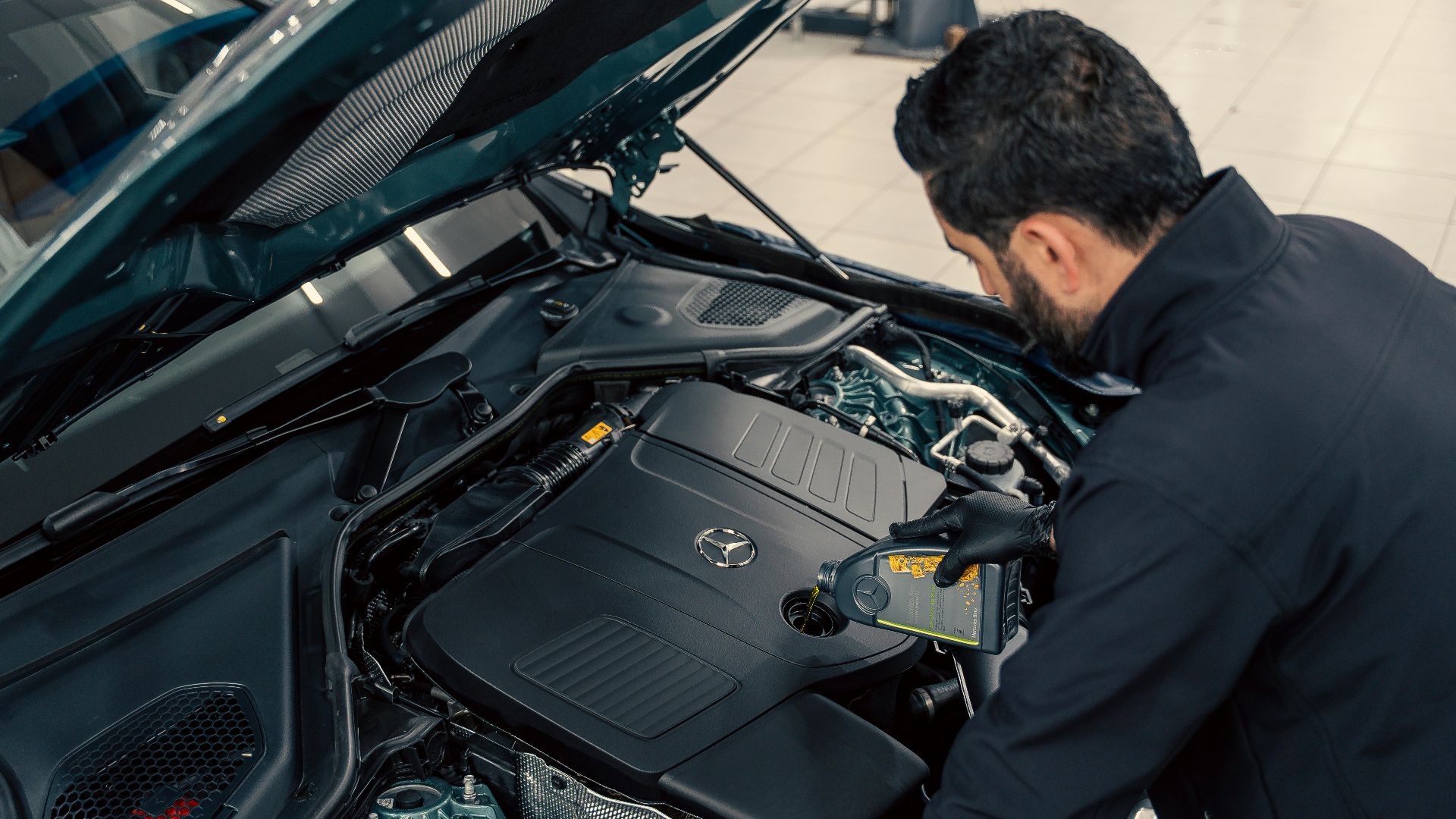
You don’t need to be an expert, but understanding basic maintenance intervals and common services can help you make informed decisions. Even a quick review of your car’s needs can prevent costly mistakes. Changing your own oil may be the way to go in future!
Take Back Control Of The Situation
A $1,200 surprise bill is frustrating, but it also highlights how important it is to stay informed and proactive. If the work was done properly, then at least your vehicle is up to date on its maintenance schedule. By asking questions, verifying recommendations, and knowing your rights, you can stay out of similar situations and make more confident decisions about your vehicle’s care.

You May Also Like: