The Ticket That Feels Completely Backward
You slow down because the weather is miserable, the road looks sketchy, and common sense tells you not to trust the posted speed limit. Then a police car appears in your mirror, and suddenly you are explaining why caution somehow turned into a citation.
Why This Situation Makes Drivers Furious
Most tickets make immediate sense, even when they are annoying. This one does not. If you were driving well under the limit because conditions were bad, it feels like you were being the responsible adult in a sea of chaos.
The Question Every Driver Asks
That frustration usually turns into one simple question: why am I paying for being a safe driver? It sounds logical, fair, and obvious. But once traffic law and real-world enforcement enter the picture, things get a lot less satisfying.
Speed Limits Are Not A Goal To Hit
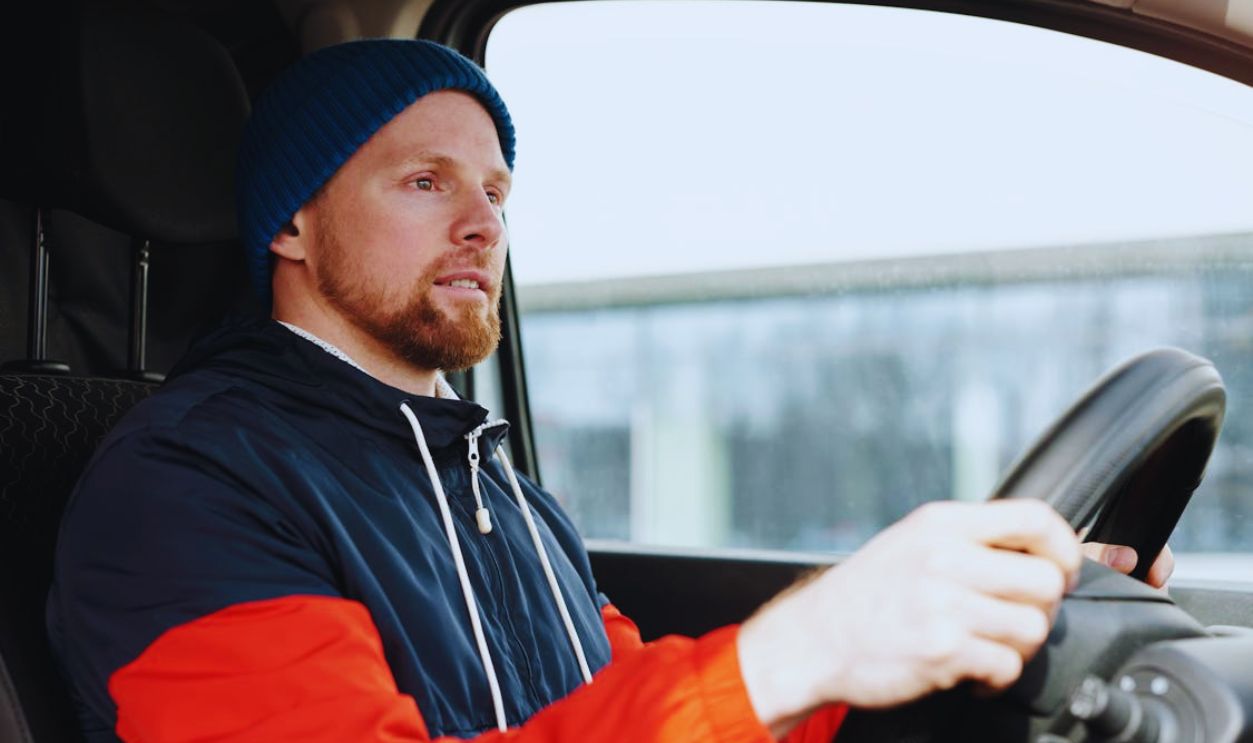
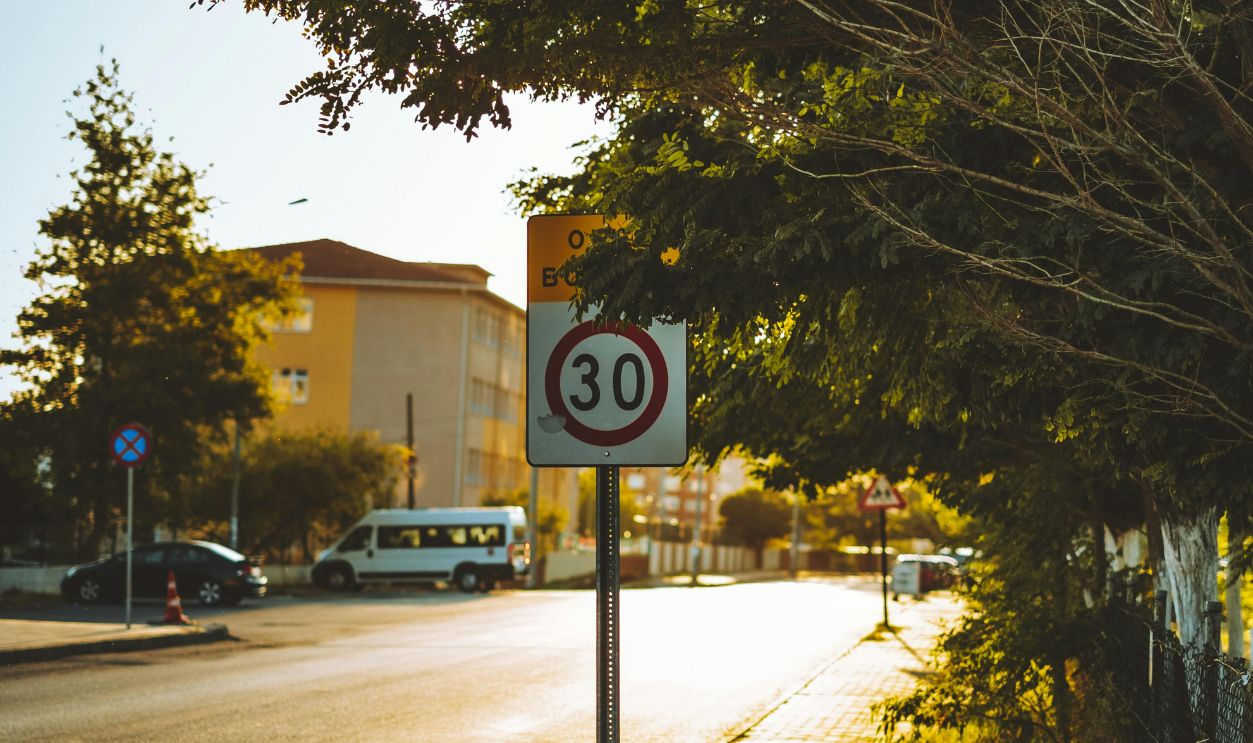
A posted speed limit is not a command that says every driver must maintain that exact number at all times. It is generally the maximum legal speed in normal conditions. Rain, snow, fog, ice, or heavy wind can all make the posted number feel wildly unrealistic.
Slowing Down Was Probably The Right Instinct
Let’s be fair from the start: easing off the gas in bad conditions is usually smart. In many cases, driving the full limit during nasty weather is exactly how people end up in ditches, guardrails, and insurance claims that ruin the rest of their month.
But Safer For You Is Not Always Safer Overall
This is where the story changes. The speed that feels safest to you may not be the speed that works best for the traffic around you. If your pace creates a major speed difference, other drivers suddenly have to react to you.
Speed Differences Can Create Their Own Danger
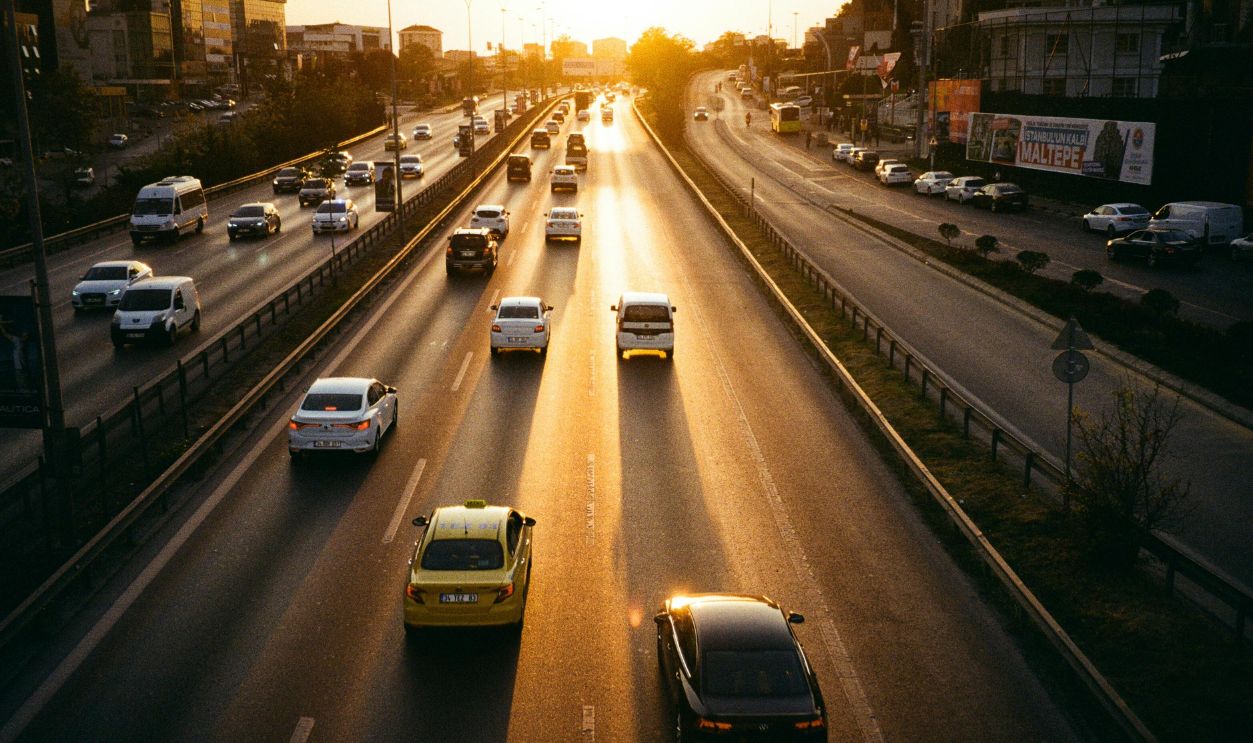
A car going much slower than surrounding traffic can trigger abrupt braking, risky lane changes, tailgating, and driver frustration. On a highway, that speed gap can become its own hazard. That is often the exact thing an officer believes they are seeing.
The Law Often Looks At Traffic Flow
Many jurisdictions have rules against impeding traffic or driving so slowly that you interfere with the normal movement of vehicles. That language matters because it shifts the issue away from your intention and toward your effect on everyone else.
The Officer Is Judging What They See
Police usually are not pulling people over based on whether they meant well. They judge lane use, speed relative to surrounding traffic, visibility, road conditions, and whether other vehicles are stacking up or making sudden moves around one slower car.
Intent Does Not Automatically Protect You
You may have honestly believed you were doing the safest possible thing. That still does not mean the law sees you as clearly in the right. Traffic enforcement is often about visible behavior, not private reasoning behind the wheel.
Bad Weather Is Not A Legal Blank Check
Drivers sometimes assume poor conditions give them unlimited freedom to pick whatever speed feels comfortable. That is not really how it works. Bad weather may justify slowing down, but it does not automatically make any chosen speed legally untouchable.
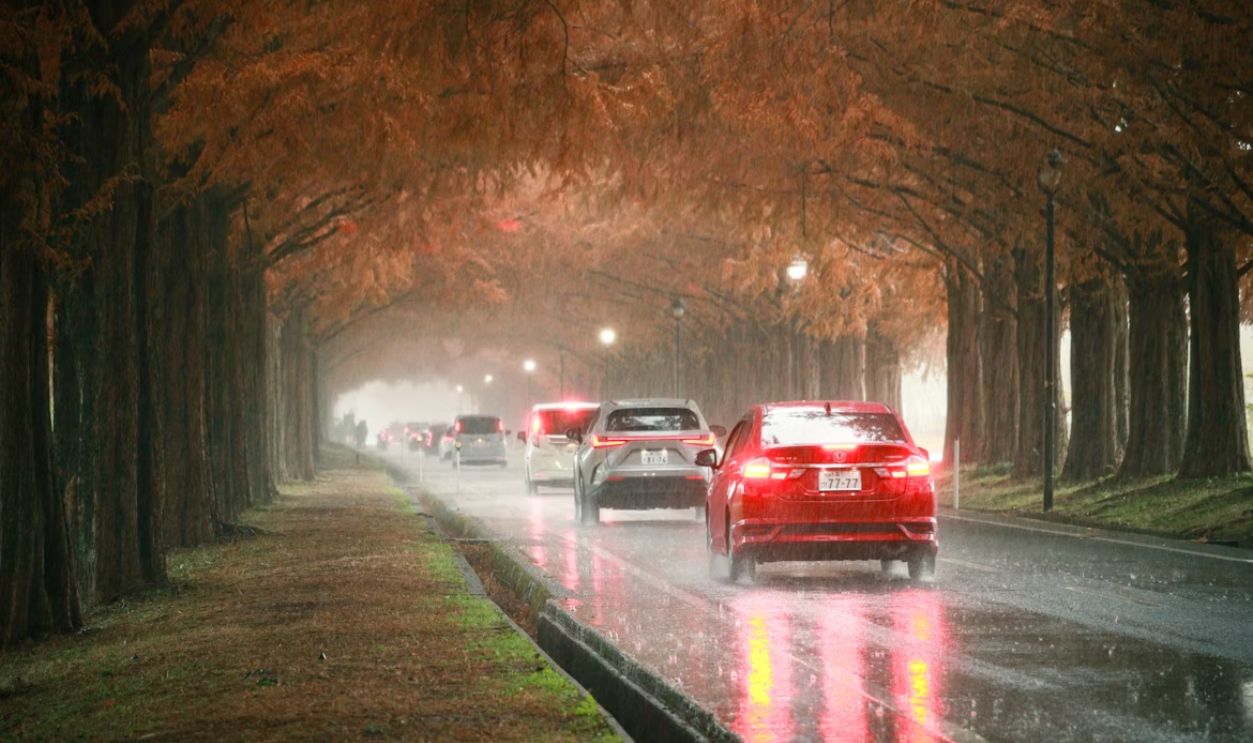
If Conditions Are That Bad, Another Question Appears
Here is the uncomfortable follow-up: if 60 MPH in a 90 MPH zone felt like the only survivable speed, should you have still been on that road? That sounds harsh, but it is often part of how officers and courts think about these situations.

Lane Position Can Change Everything
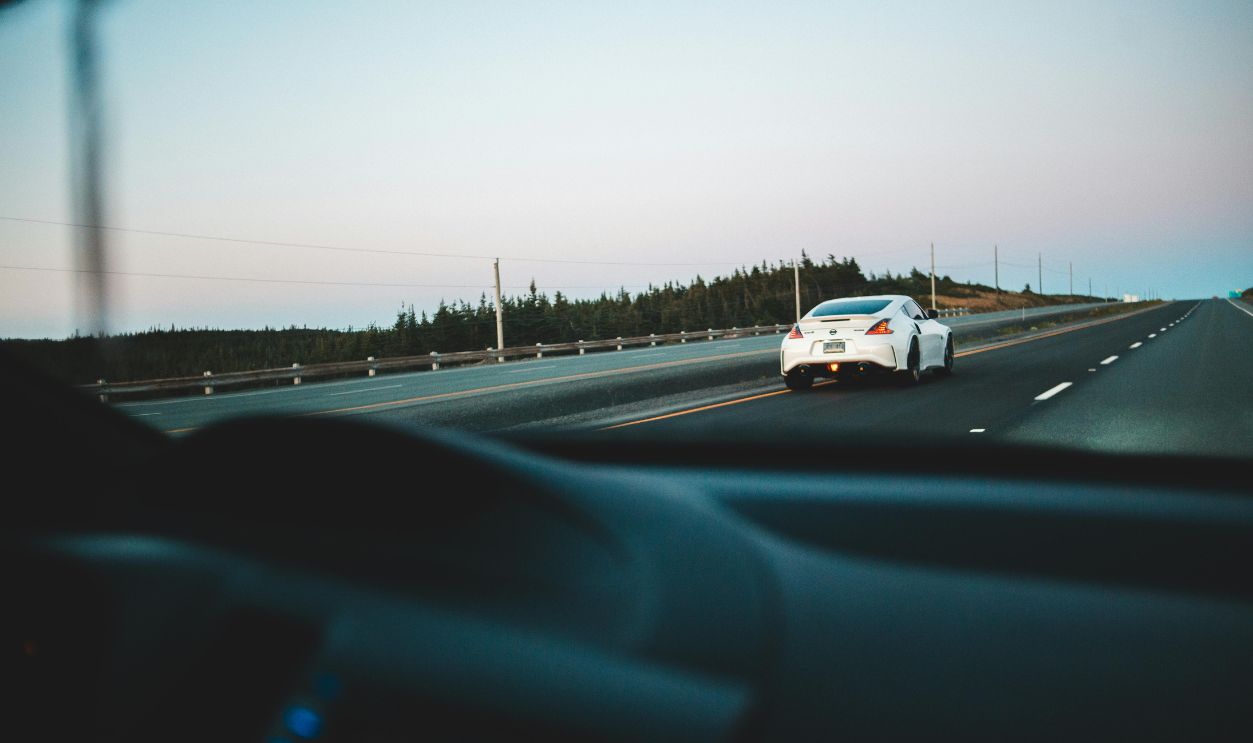
Doing 60 in the far-right lane while leaving space for others to pass looks very different from doing 60 in the middle or left lane while traffic builds behind you. Same speed, same weather, totally different impression to everyone nearby.
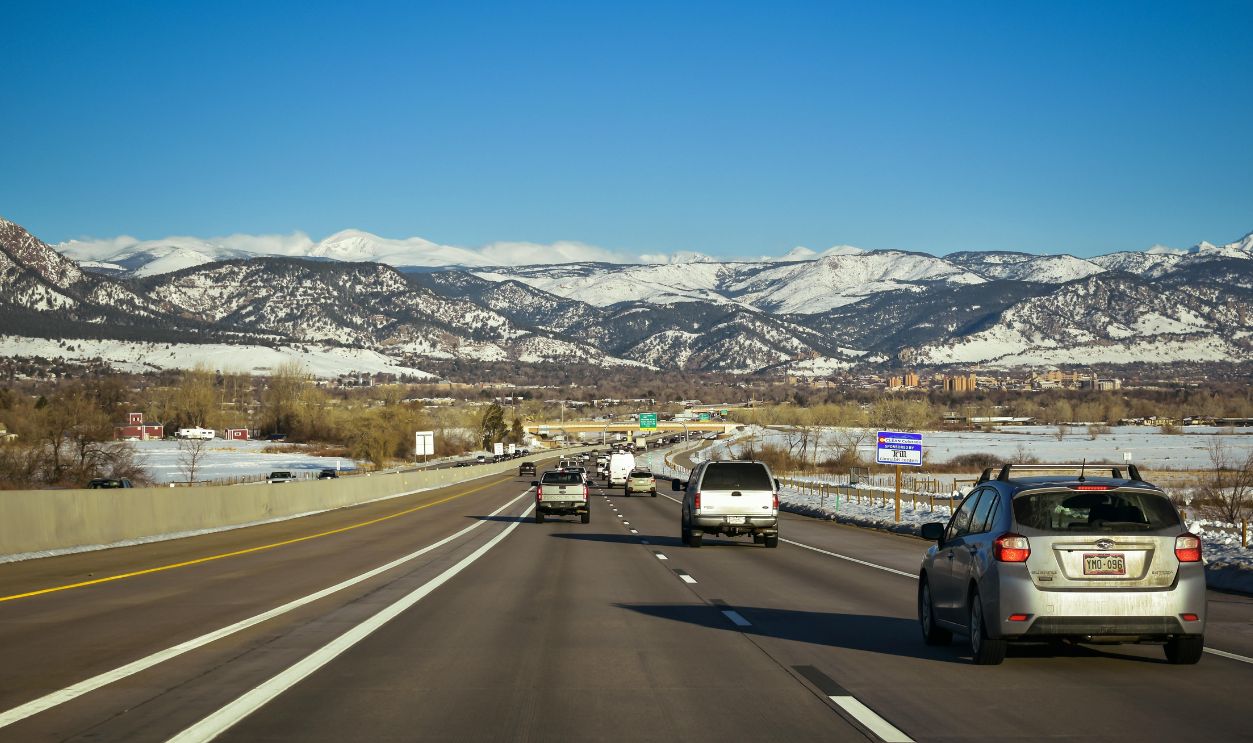
The Right Lane Is Your Best Friend
If you need to drive significantly below the prevailing pace, the right lane becomes your best defense. It tells everyone around you that you know you are moving slower and that you are not trying to manage traffic with your own private rulebook.
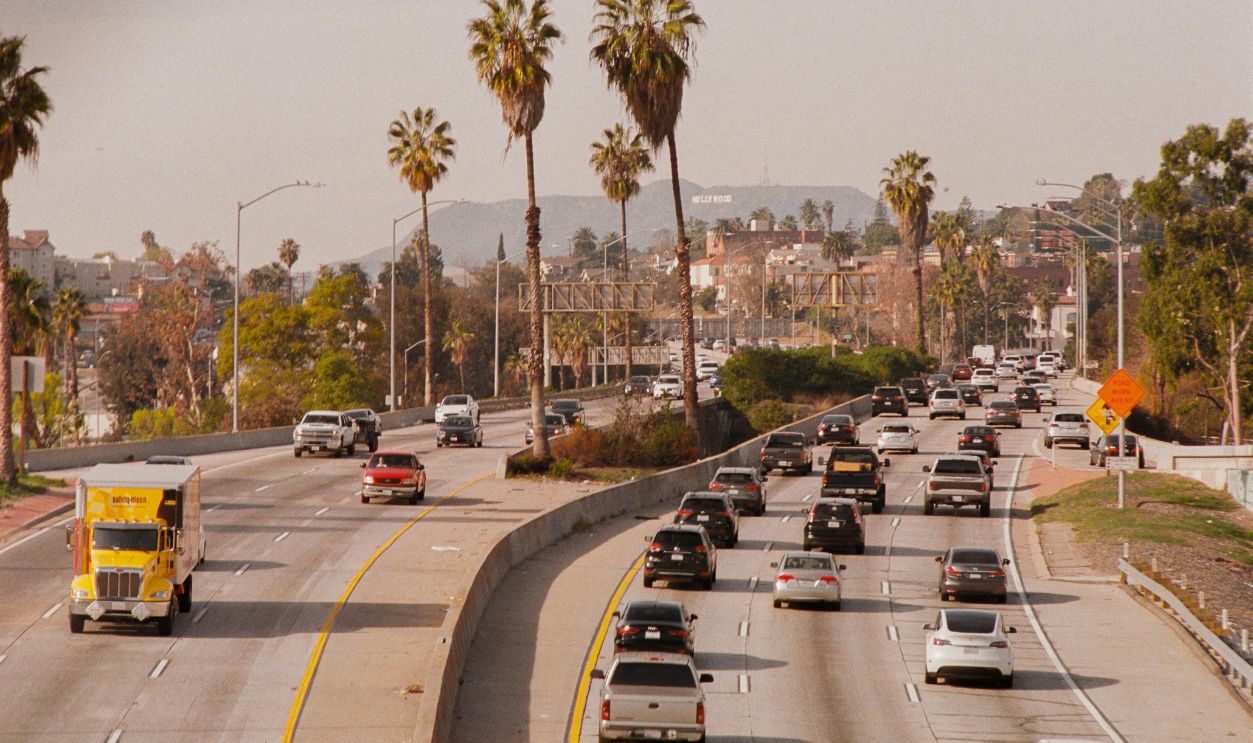
The Left Lane Makes Your Argument Weaker
A slow car in a passing lane rarely looks cautious. It looks obstructive. Even if your reason is understandable, your position on the road can make the entire situation appear less like careful driving and more like rolling disruption.
Safe Is A Moving Target
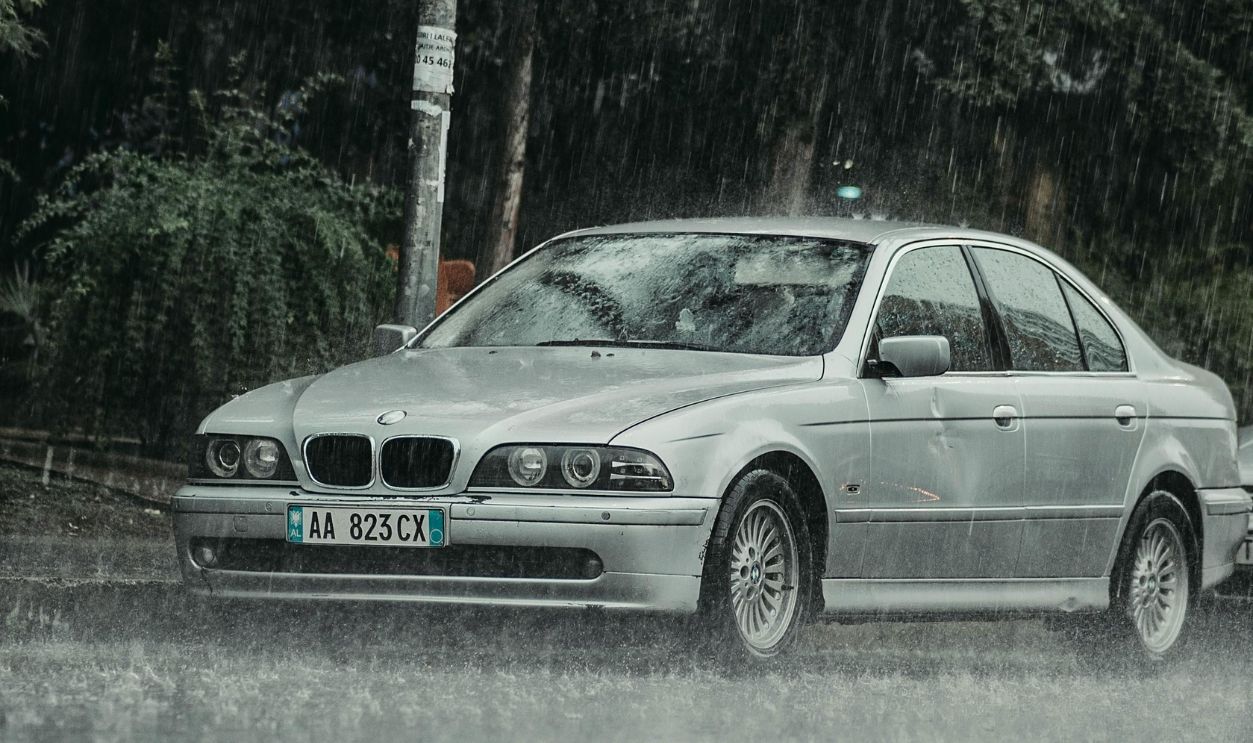
There is no universal number that magically becomes “safe” in bad conditions. In one storm, 60 might be cautious and reasonable. In another, it might still be too fast. On a clear but windy day, it may be fine. In freezing rain, maybe not.
Conditions Matter More Than The Sign
Traction, visibility, traffic density, tire condition, braking distance, road design, and lighting all change what qualifies as safe. That is why these stops feel so subjective. Real roads are messy, and the law leaves room for judgment.
Why Roadside Protests Usually Go Nowhere
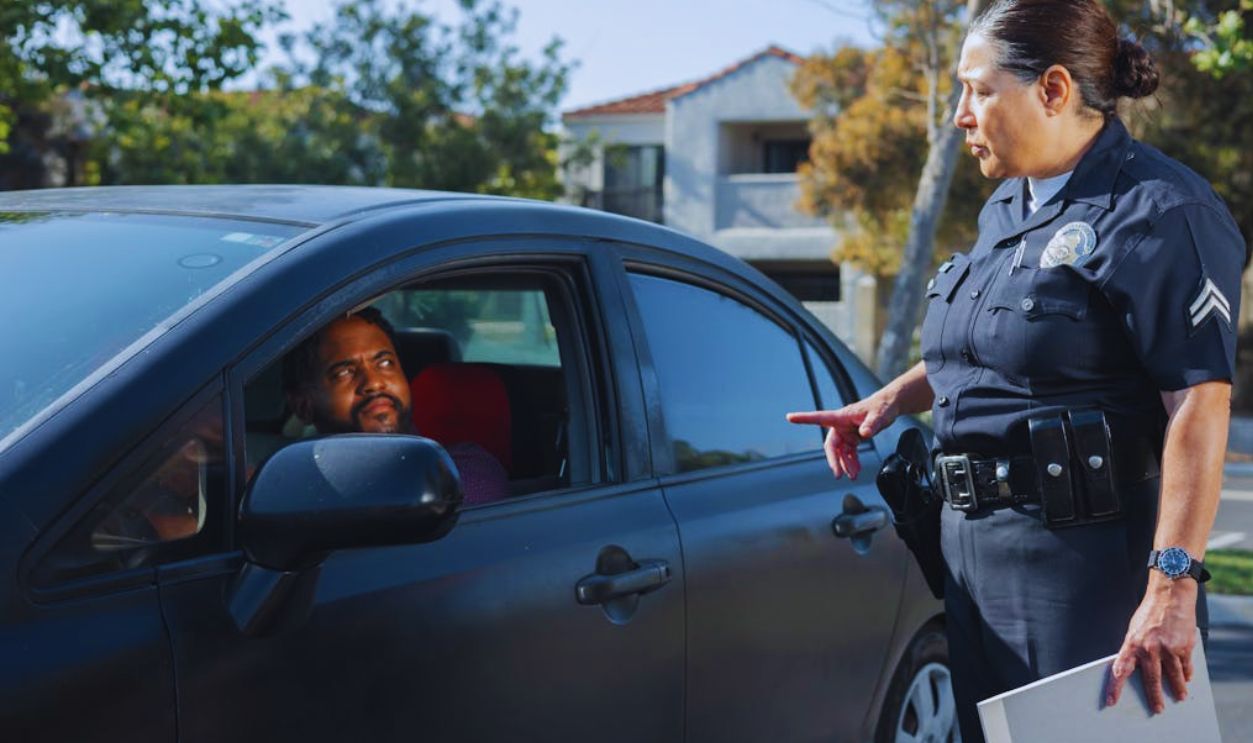
Most drivers try to explain themselves during the stop. That is understandable, but it rarely changes the outcome. Once the officer believes your driving created a problem, the shoulder of the road is not the place where that judgment usually gets reversed.
From Your View, You Were Being Smart
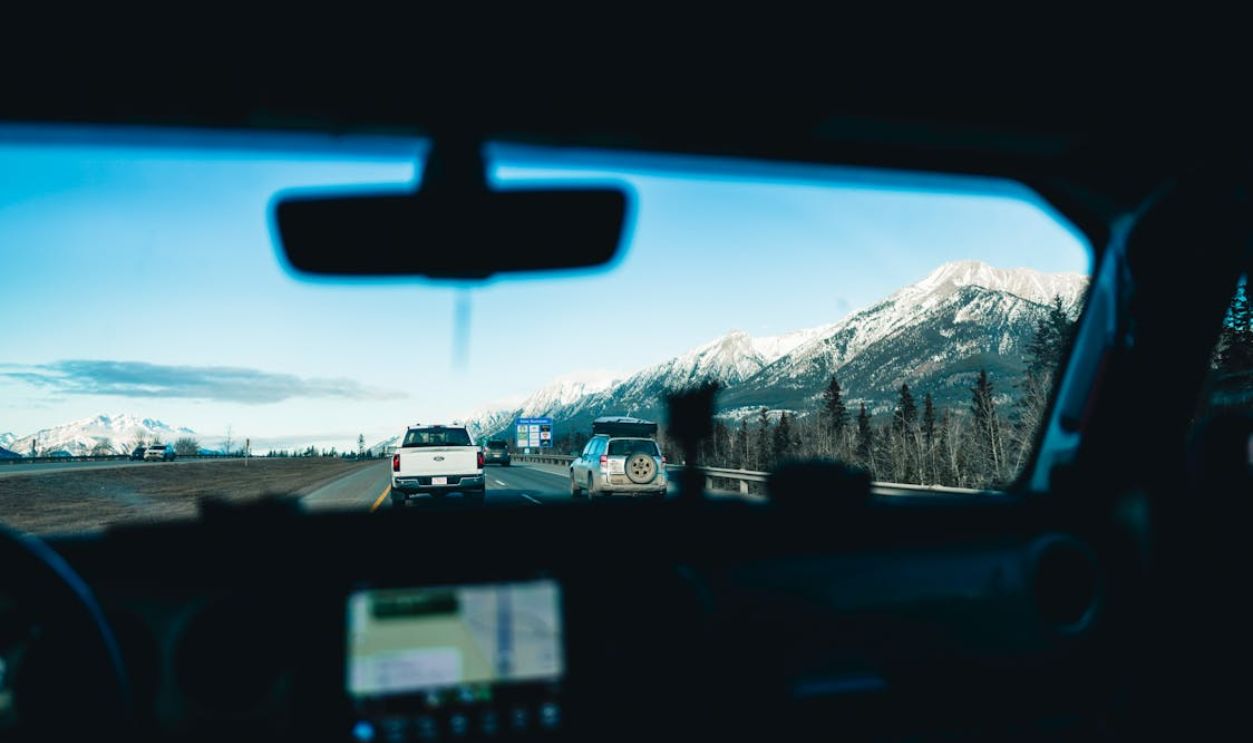
You saw danger and responded conservatively. That is the version you experienced from inside the cabin. It probably felt like exactly what a good driver should do when the weather turns ugly and confidence in the road starts to disappear.
From The Officer’s View, You May Have Been A Bottleneck
From outside the car, the picture may have looked very different. The officer may have seen one vehicle moving far slower than everyone else, forcing reactions, compressing traffic, and creating unpredictability in already bad conditions. That is a different story entirely.
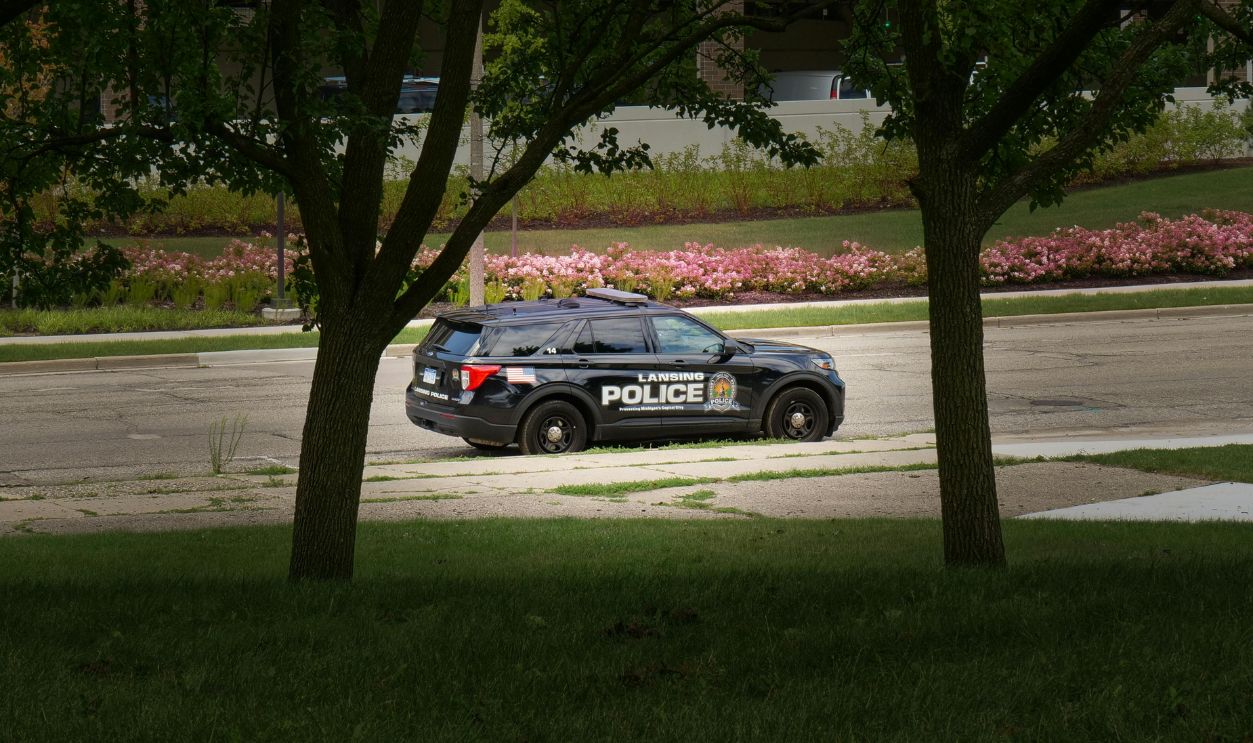
Being Careful And Being Legal Are Not Always Identical
This is the painful heart of the issue. You can absolutely be acting with caution and still get ticketed if your behavior appears to create another kind of risk. The law does not always reward the best intention. It usually targets the visible hazard.
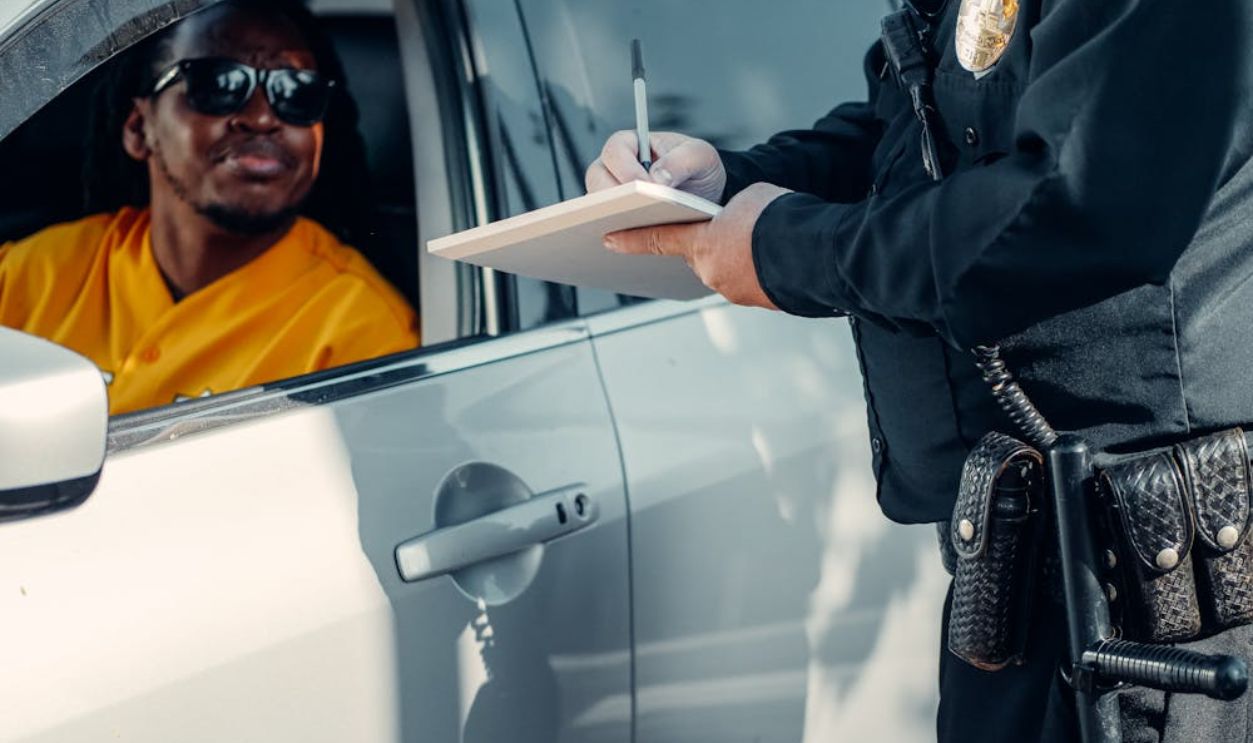
Highways Work Best When Drivers Are Predictable
Driving is not just about personal comfort. It is also about being readable to everyone else. Predictability matters. A car moving dramatically differently from the flow, whether faster or slower, forces other drivers to make decisions they did not plan on making.
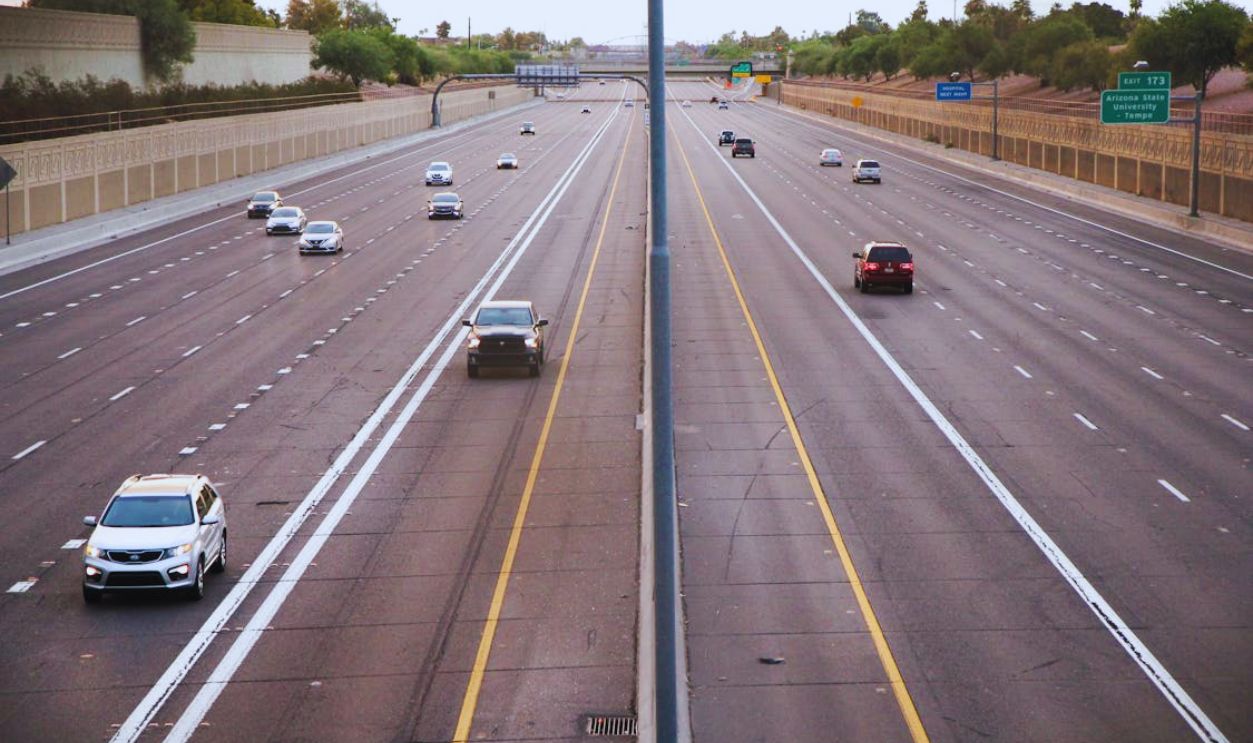
The Highway Is Basically A Group Project
And like every group project, it only takes one person doing something unexpected to make the entire experience worse for everyone else. That does not mean the slower driver is always wrong. It means being different from traffic always carries consequences.

So Were You Actually Wrong
Maybe partly. Maybe not entirely. Slowing down in bad conditions was probably the correct instinct. But whether that specific speed was legally reasonable depends on traffic volume, lane choice, road type, visibility, and whether your pace created sudden reactions around you.

What You Should Do Next Time
If conditions are bad enough that you need to drive far below the posted speed, stay right, leave plenty of following distance, avoid sudden braking, and keep your movements smooth. If traffic begins piling up, consider exiting or waiting things out.
Sometimes The Safest Choice Is Not Continuing
That is the part nobody wants to hear. If the road feels so unsafe that you have to drive vastly slower than everyone else, the smartest move may be to get off the highway altogether. Safety sometimes means not forcing the situation.
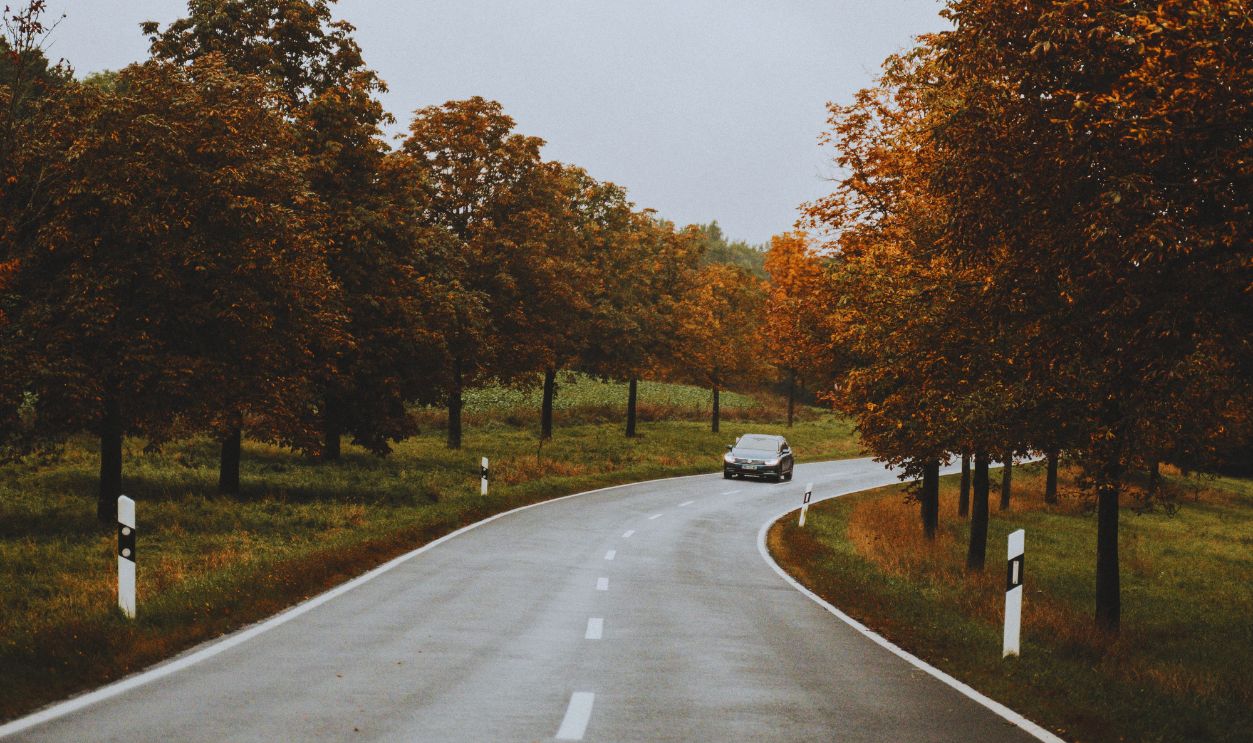
Why It Feels Like You’re Paying For Being Safe
You are probably not being punished for caution itself. You are being punished because the law often focuses on traffic impact rather than personal intention. That still feels unfair, but it explains why a “safe” choice can end with a ticket.

The Annoying Final Truth
The bitter lesson is that defensive driving is not just about protecting yourself. It is also about fitting safely into the behavior of everyone around you. On the road, being right in your own mind and being legal in traffic are not always the same thing.
You May Also Like: