When Glass Goes Rogue
You pull into the inspection station feeling confident. The brakes are fine, the lights work, and nothing is rattling like it’s about to fall off. Then the inspector squints at your windshield, taps a spot you’ve barely noticed, and hands you a failure notice. A tiny crack. Barely there. Somehow enough to sink the whole inspection. So now you’re left wondering if this is actually legal—or if the system just enjoys ruining your afternoon.
Why Windshields Are Even Part Of Inspections
A windshield isn’t just there to keep bugs out of your teeth. It’s considered a core safety component, which is why inspectors treat damage seriously. Even minor flaws can affect visibility, structural integrity, and how other safety systems behave in an accident.

The Windshield Is More Than Just Glass
Modern windshields are laminated and designed to absorb impact. They help keep passengers inside the vehicle during a crash and play a role in maintaining cabin strength. Damage compromises that design, even when it looks cosmetic.

How Inspectors Decide What Fails
Inspection rules aren’t based on vibes. Inspectors look at crack size, shape, and—most importantly—location. A crack that barely registers visually can still fail if it hits the wrong criteria, which is where many drivers get blindsided.

The Driver’s Line Of Sight Matters Most
Anything that interferes with what you see while driving is treated harshly. Cracks directly in front of the driver raise red flags because even small distortions can affect reaction time or cause glare in sunlight.
What The “Critical Viewing Area” Really Means
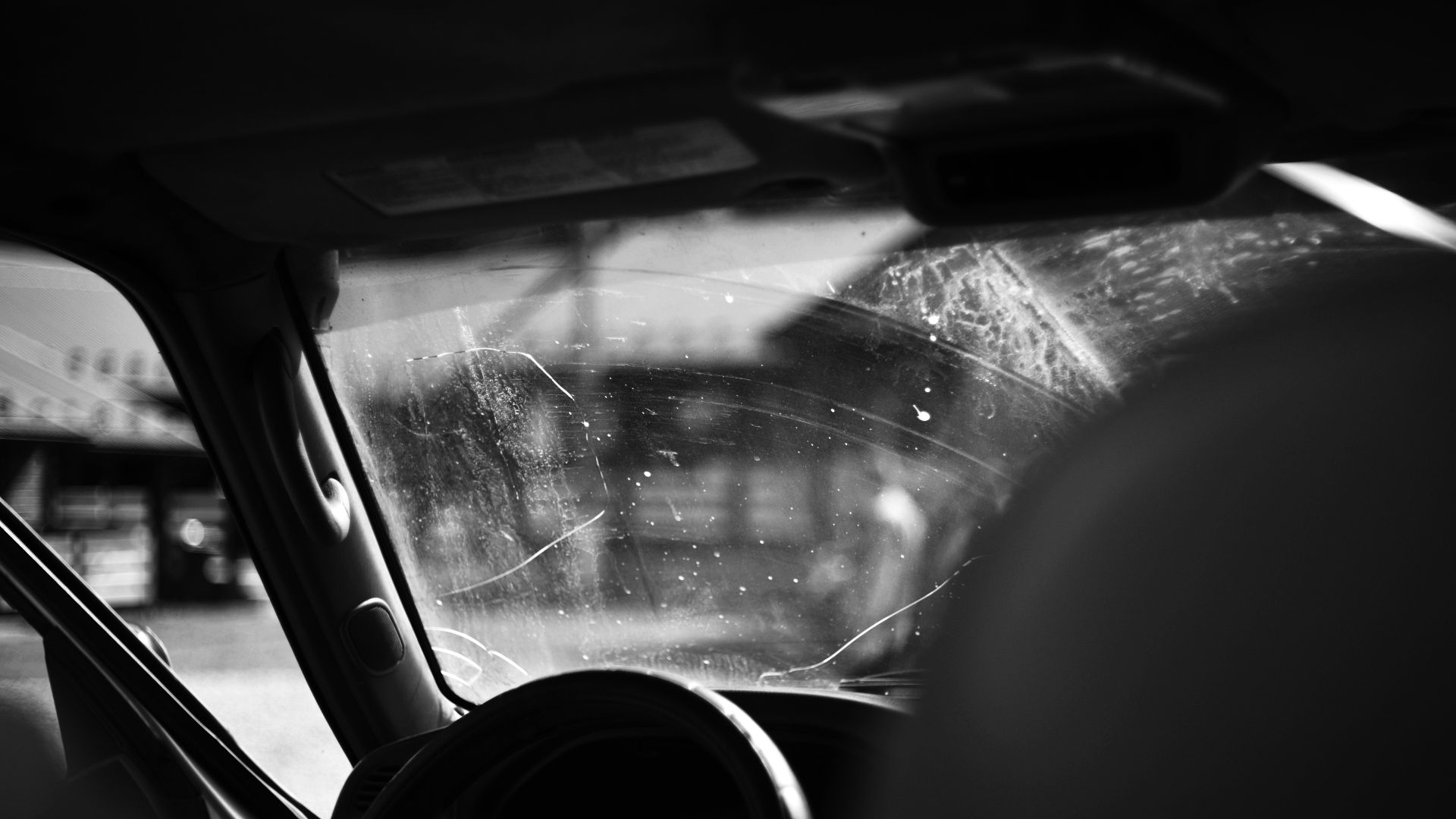
Many inspection standards define a specific zone in front of the driver’s eyes. Damage inside that area is judged more strictly than damage elsewhere. This is why two identical cracks can have completely different outcomes, depending on where they land.

Yes, A Tiny Crack Can Still Be A Big Problem
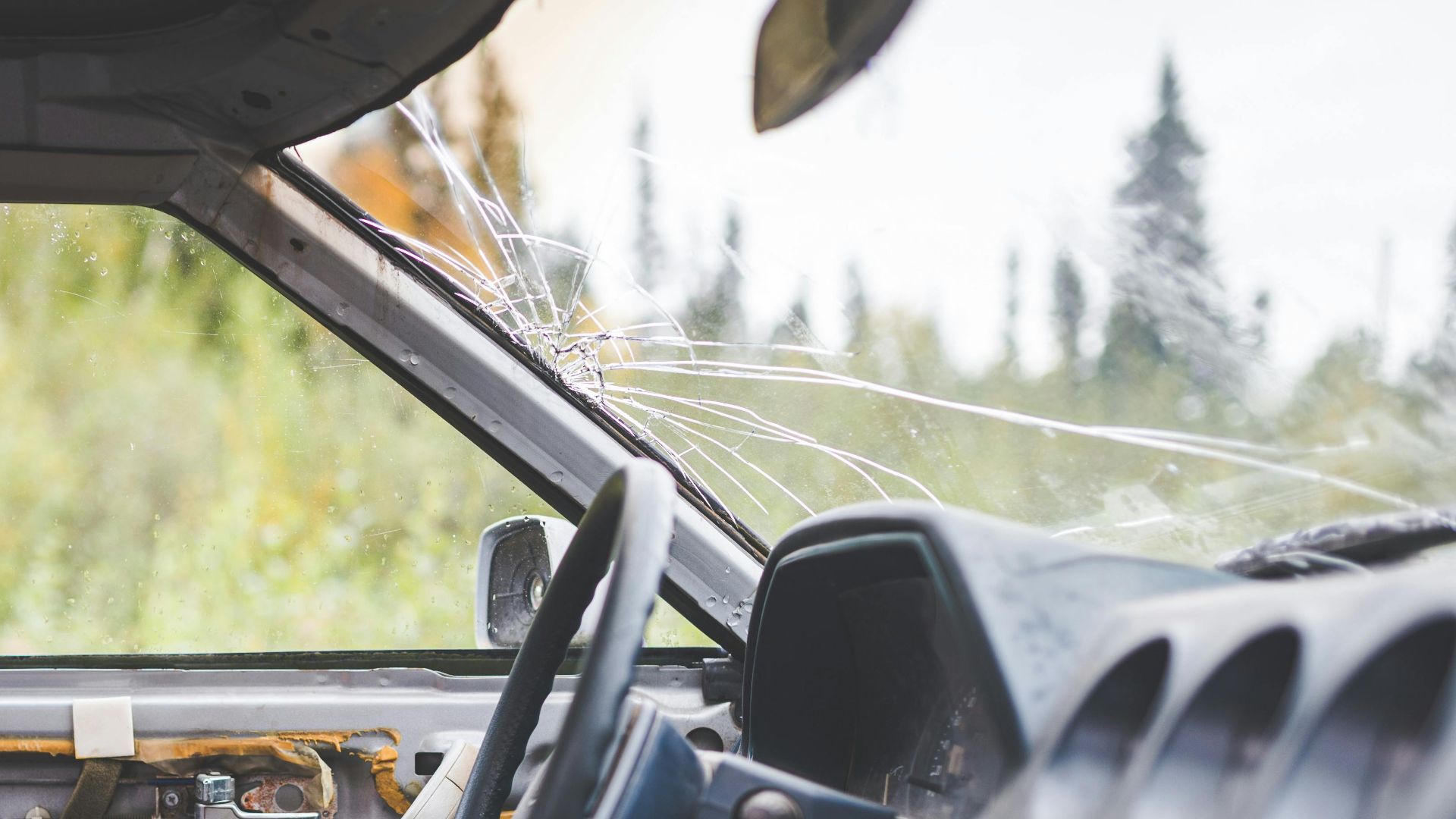
Size alone doesn’t save you. Hairline cracks can spread without warning, especially with temperature changes. Inspectors know this, which is why they often fail damage that looks harmless today but risky tomorrow.
Is It Actually Legal To Fail You For This
Short answer: yes. States are allowed to enforce their own safety standards, and windshield condition is usually included. If the rules say the crack is a safety risk, the failure is legally valid, even if it feels excessive.

Why There’s No Universal Rule
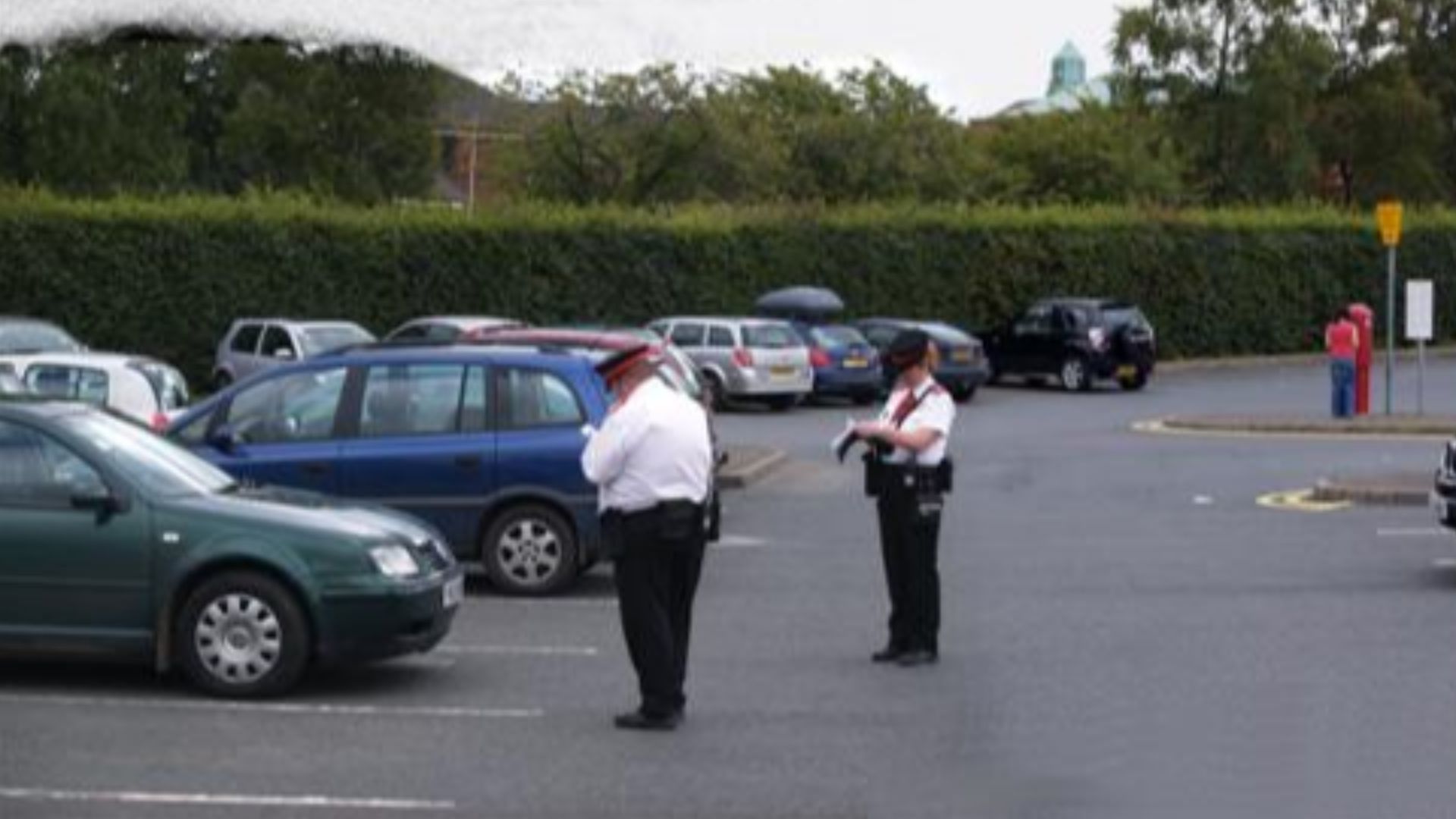
There’s no single nationwide measurement for acceptable windshield damage. Each state sets its own thresholds, which explains why a car might pass inspection in one place and fail instantly in another.
 Kenneth Allen, Wikimedia Commons
Why Drivers Think The Rule Is Ridiculous
From a driver’s perspective, it feels nitpicky. The car runs fine, nothing feels unsafe, and you’ve probably been driving with that crack for months. But inspections aren’t about how the car feels—they’re about worst-case scenarios.

Windshield Damage And Airbags Are Linked
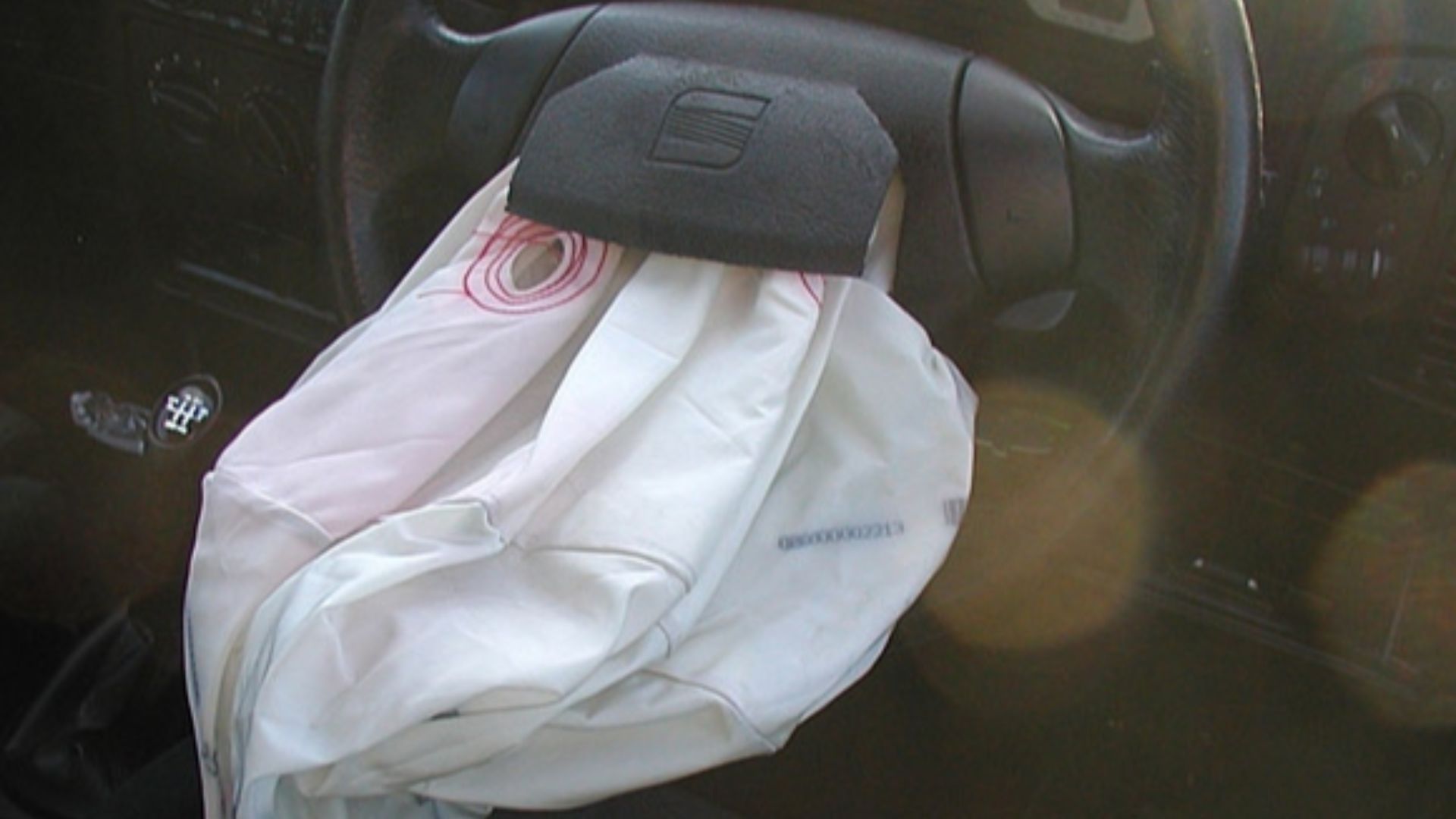
This part surprises a lot of people. During a crash, airbags deploy toward the windshield. A weakened windshield may not provide proper support, which can reduce airbag effectiveness or change deployment behavior.
 Users Lupin, Arpingstone on en.wikipedia, Wikimedia Commons
Why Inspectors Don’t Ignore “Minor” Damage
Inspectors aren’t supposed to guess whether a crack will get worse. Their job is to apply the standard as written. If damage meets the fail criteria, they don’t have discretion to wave it through, even if they sympathize.

Can You Get Pulled Over For The Same Crack
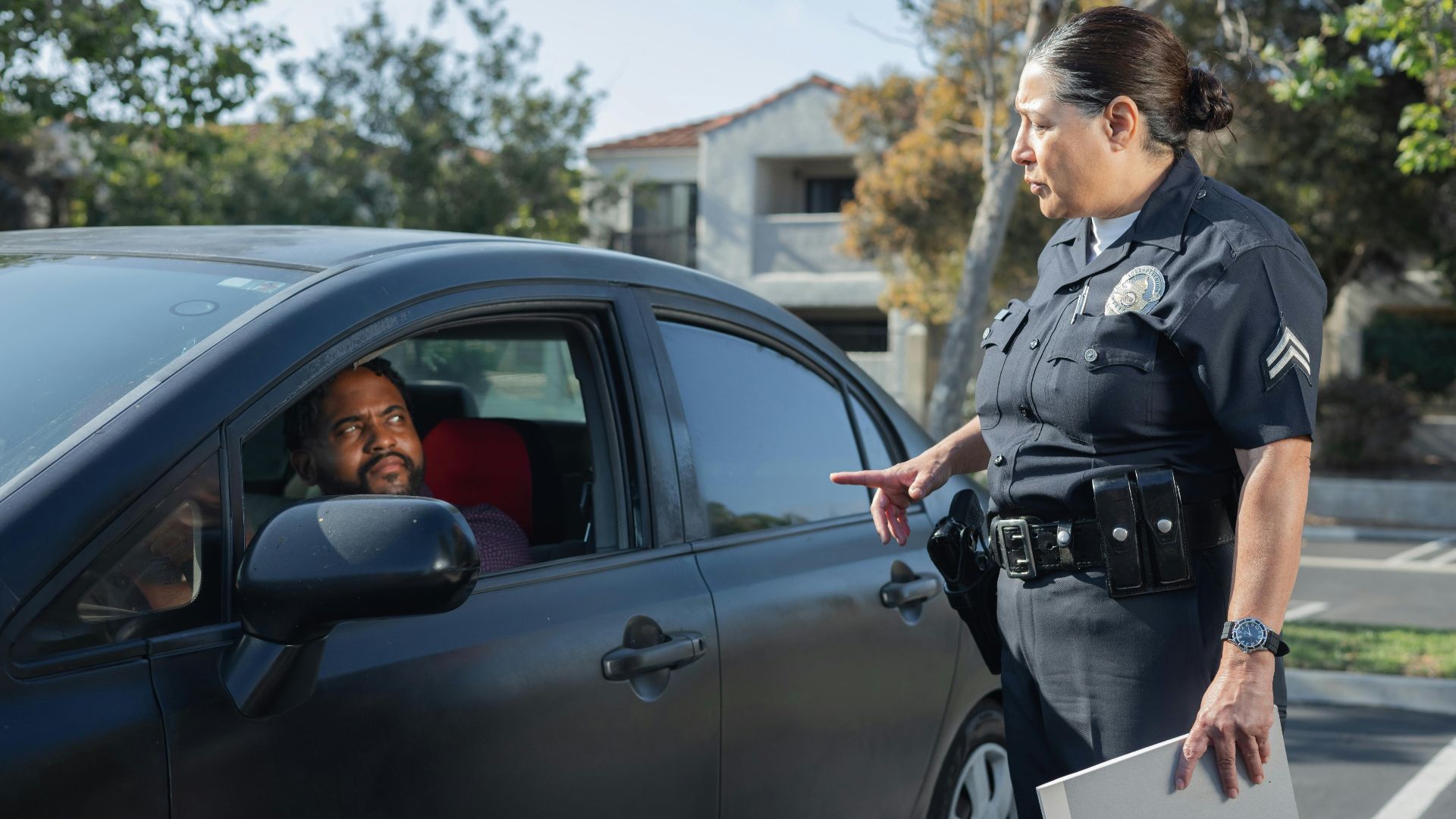
In some states, yes. Windshield damage that obstructs vision can be considered a traffic violation on its own. That means the same crack that failed inspection could also justify a stop under certain conditions.
What Happens After You Fail Inspection
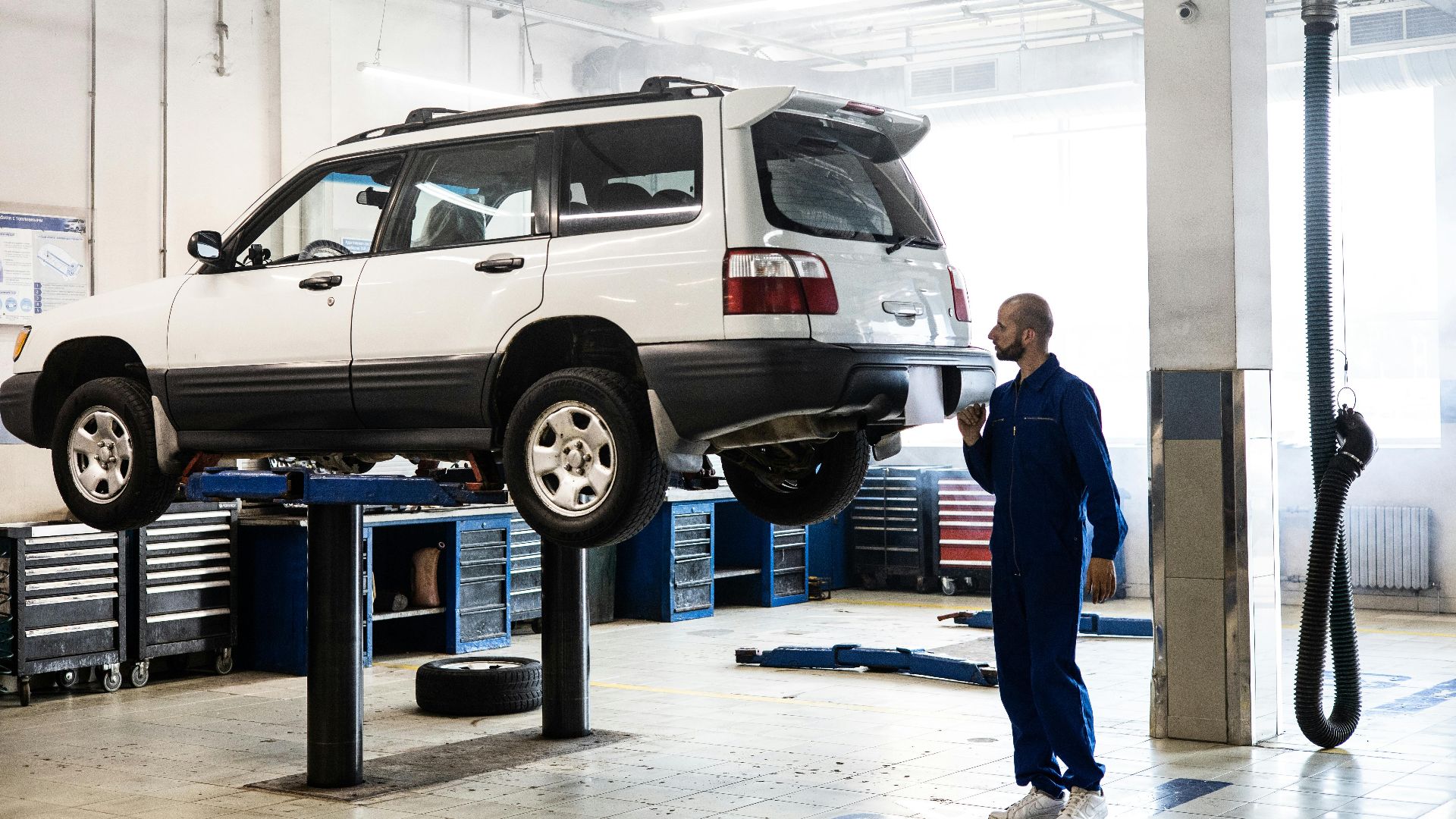
Most inspection programs give you a grace period to make repairs and return. You’re usually allowed to drive the car legally during that window, but only for the purpose of fixing the issues and completing re-inspection.

Why Cracks Tend To Spread At The Worst Time
Temperature swings, potholes, and even normal driving vibrations can cause cracks to grow. That tiny flaw can turn into a full spiderweb faster than you’d expect, which is another reason inspectors act early.

Repair Versus Replacement Isn’t Always Your Choice
Small chips can sometimes be repaired, but longer cracks or those in the viewing area often require full replacement. Inspectors typically won’t pass a windshield that’s only cosmetically improved.

Insurance Might Save You Here
Many drivers don’t realize windshield repairs are often covered under comprehensive insurance. In some cases, the repair costs less than your deductible—or nothing at all—which turns a frustrating fail into a manageable fix.

Why DIY Fixes Usually Don’t Help
Home repair kits can reduce visibility of chips, but they rarely restore structural strength. Inspection standards focus on safety performance, not appearances, so cosmetic fixes often won’t change the outcome.

Timing Matters More Than You Think
Fixing windshield damage before inspection day gives you more options. Once it’s officially failed, you’re working against the clock and the rules, which limits flexibility.

Why Inspections Prioritize Safety Over Annoyance
Inspection programs are designed to reduce risk across millions of vehicles. That means some individual failures feel unfair, but the goal is consistency—not convenience.

States Without Strict Windshield Checks
Not every state inspects windshield condition the same way. Some focus more on emissions or mechanical components, which explains why inspection stories vary so wildly between drivers.
How To Avoid This In The Future
Address chips early, replace worn wiper blades, and keep distance from debris-throwing trucks. Preventing windshield damage is far cheaper than dealing with an inspection failure later, especially when time is tight.
The Bottom Line On That Tiny Crack
It feels absurd, but it’s usually legal. A small windshield crack can fail inspection if it violates state safety standards, particularly in the driver’s line of sight. You didn’t get unlucky—you ran into a rule designed to prioritize safety over sympathy.

You May Also Like: