The Morning Drive Detour Nobody Asked For
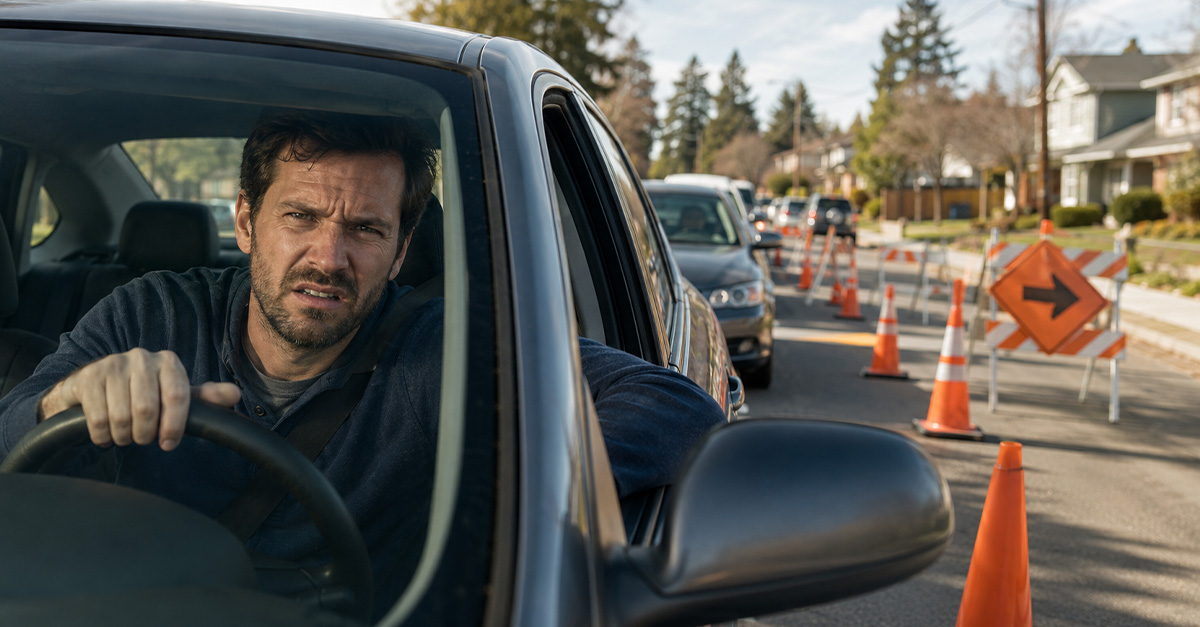
You left at the usual time. Coffee in the cupholder, podcast queued, brain still buffering. Then your neighborhood’s new traffic restrictions sent you on a scenic tour of three extra stop signs, one school zone, and a road you’re pretty sure was designed by a confused squirrel. Five minutes later, you’re wondering: am I just out of luck?
Why Cities Add Traffic Restrictions
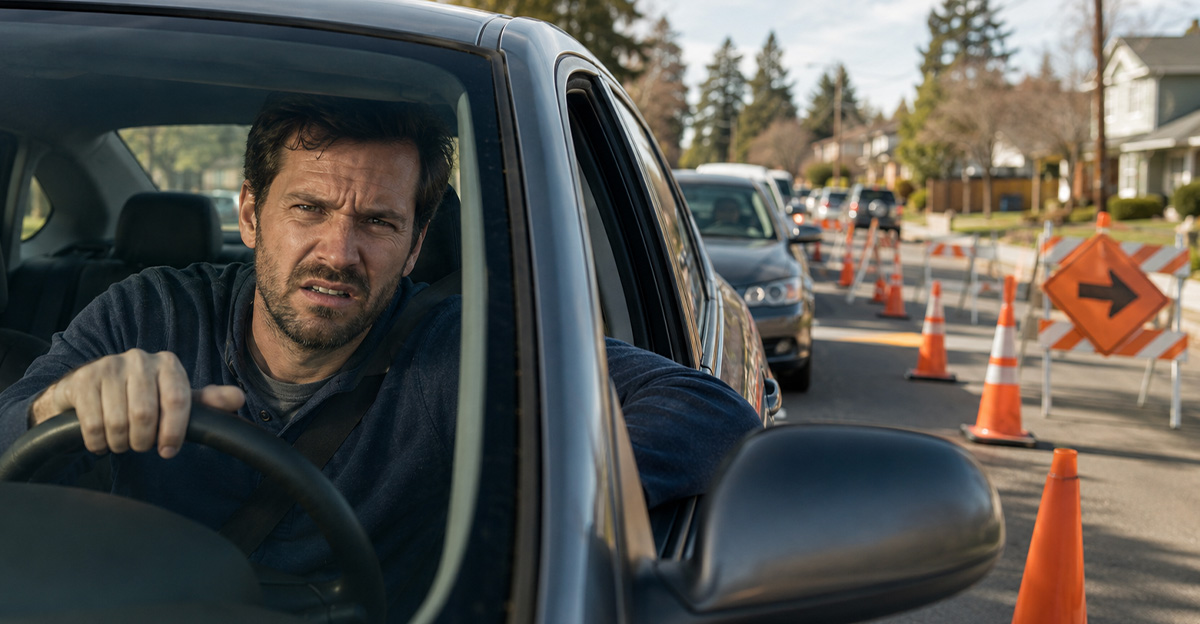
Traffic restrictions usually show up because someone, somewhere, complained about speeding, cut-through traffic, crashes, noise, school safety, or all of the above. Cities do not usually wake up and decide to personally annoy you before breakfast. The goal is often safer, calmer streets, even when the result feels like a daily obstacle course.
 gabesdotphotos photographer, Pexels
Your Five Minutes Are Real
Five minutes may not sound like much to a city planner staring at a map. But to a commuter, five minutes can mean missing the good elevator, arriving sweaty to a meeting, or losing the tiny cushion that keeps the morning from becoming chaos. Small delays feel bigger when they happen every single day.
The Road Is Not Just Yours
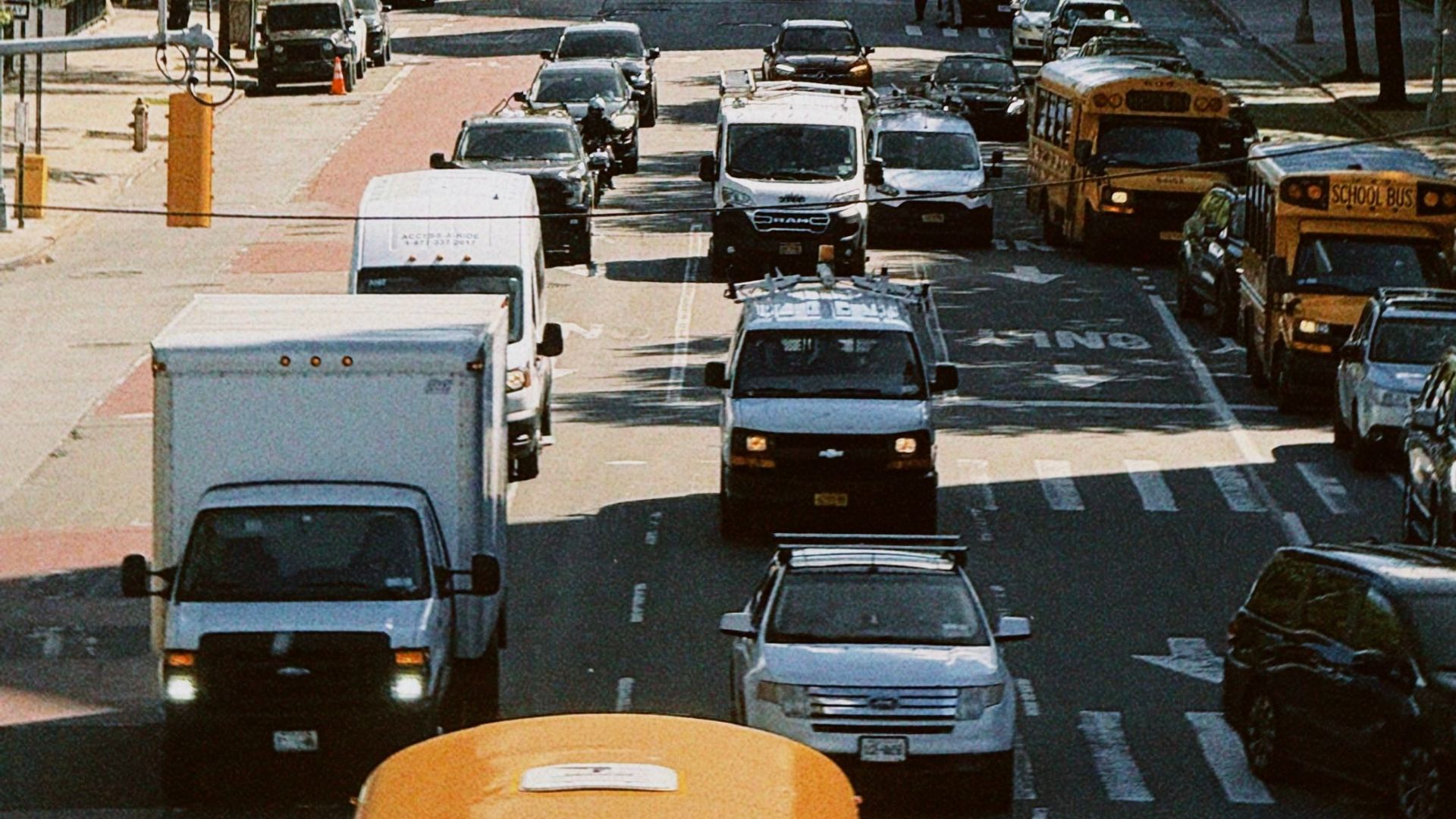
Here is the annoying truth: public roads are shared space. Drivers, cyclists, pedestrians, school buses, delivery vans, dog walkers, and people pushing strollers all have a claim. A shortcut that felt harmless from behind the wheel may have felt like a racetrack to the people living on that street.

Cut-Through Traffic Is A Big Deal
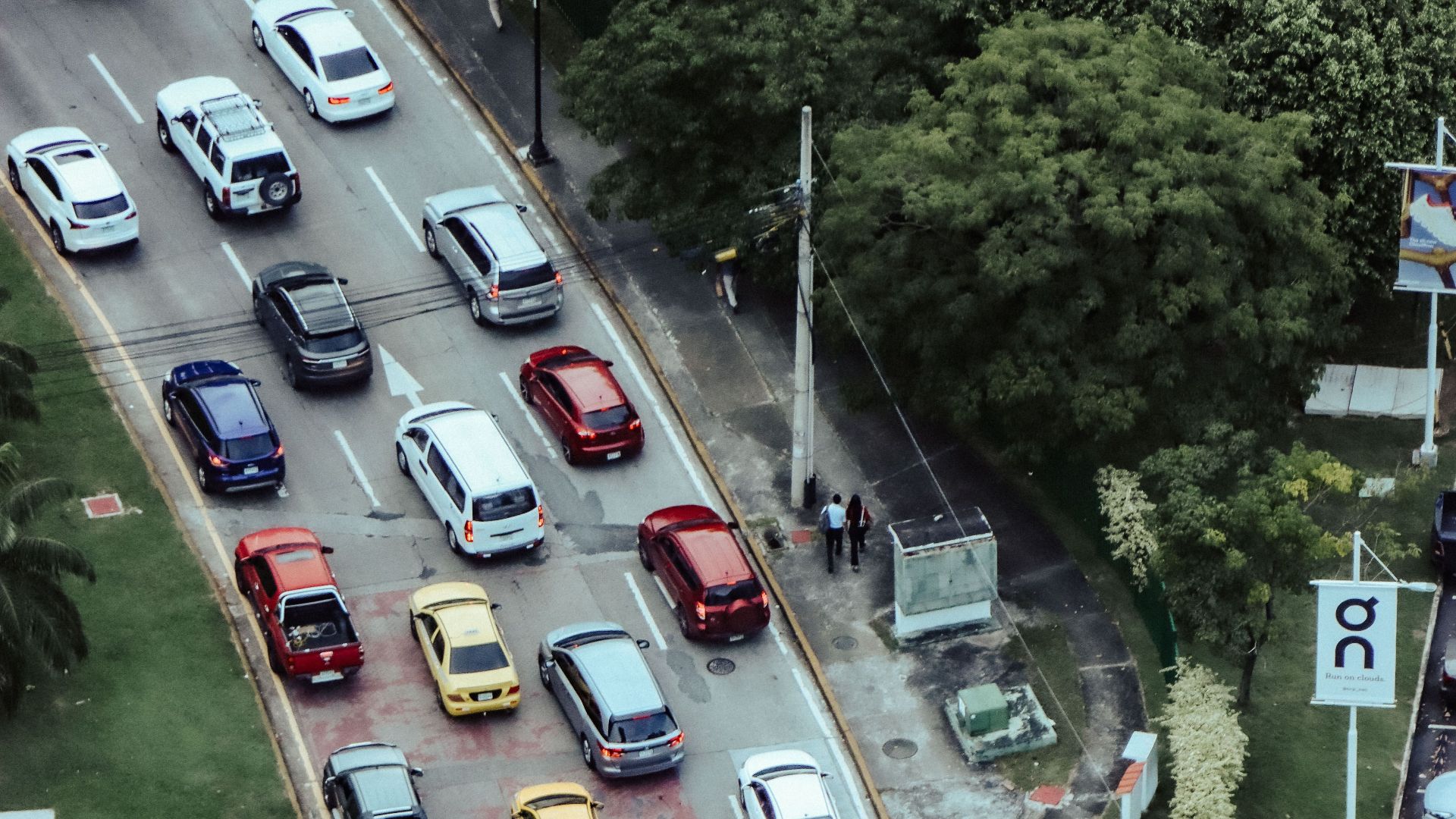
Many restrictions are designed to stop drivers from using quiet residential streets as unofficial express lanes. Apps like Waze and Google Maps can turn sleepy side streets into morning conveyor belts. Local residents may push back when their block suddenly feels less like a neighborhood and more like pit lane at Le Mans.
Safety Usually Wins The Argument
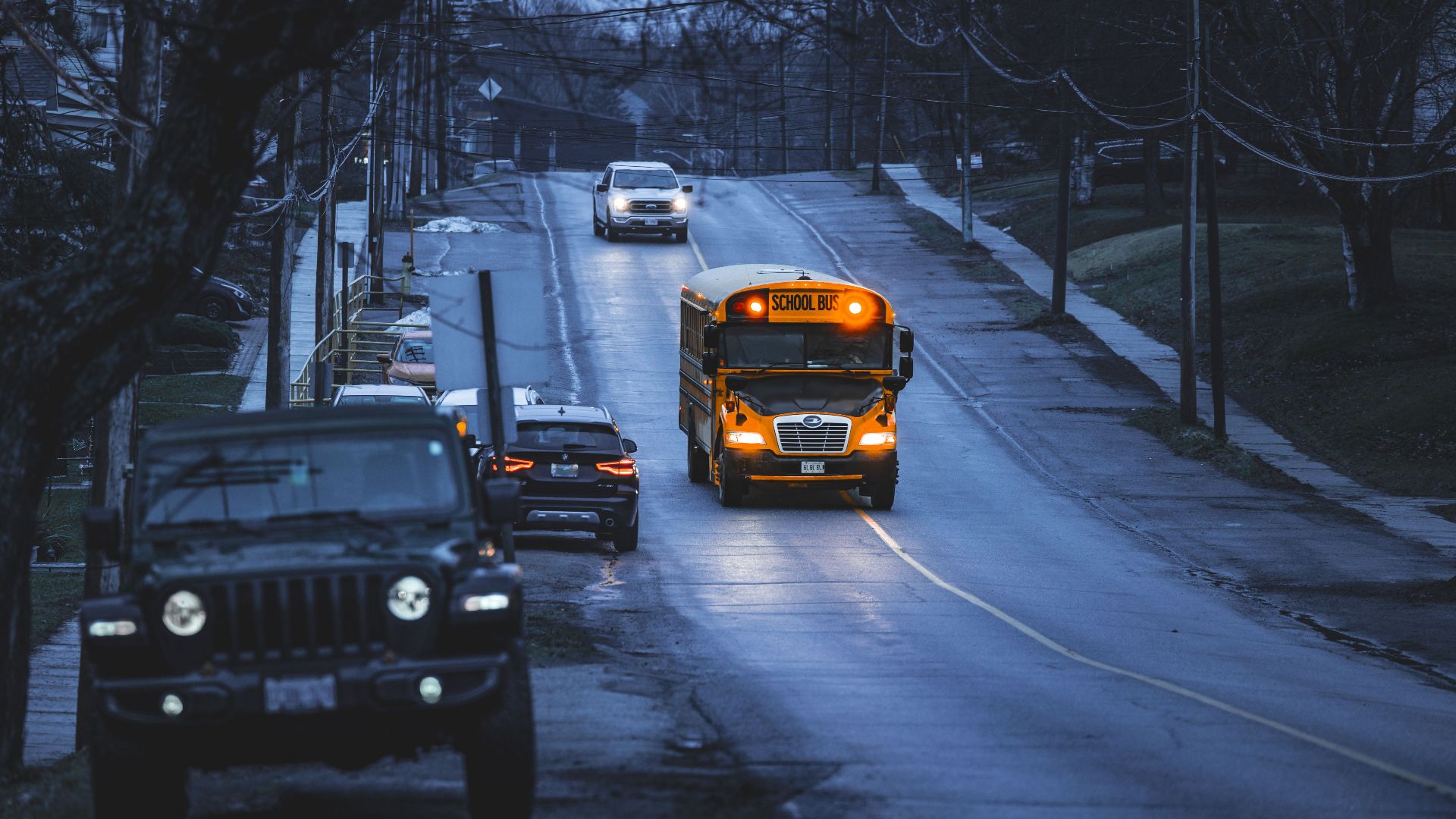
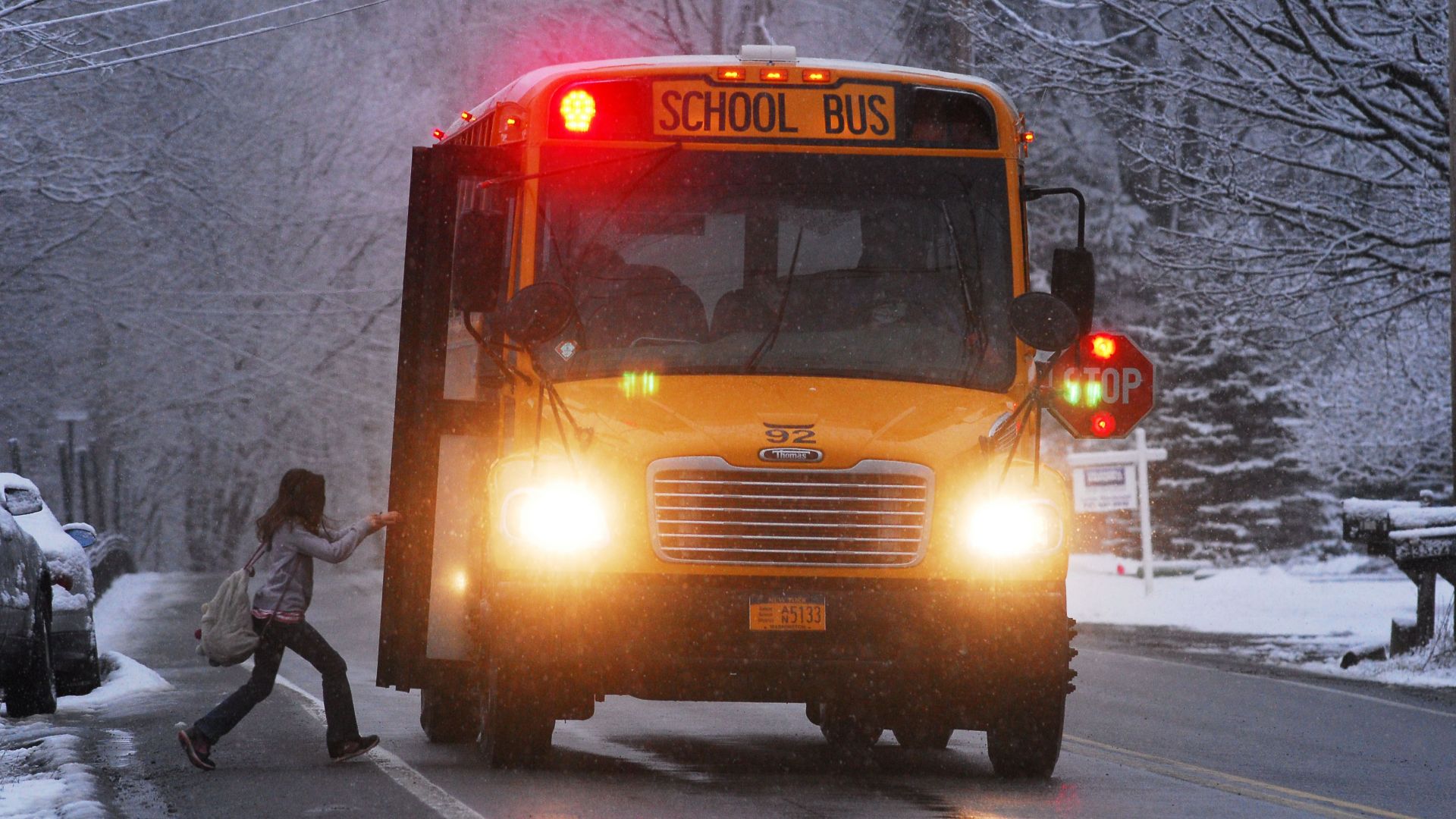
When cities choose between a slightly longer commute and fewer dangerous interactions near homes, schools, parks, or crosswalks, safety often gets priority. That does not mean your frustration is silly. It means officials may see your five-minute delay as a fair trade for slower traffic and fewer close calls.
Check Whether It Is Permanent
Before declaring defeat, find out whether the restriction is a pilot project, temporary construction measure, school-year change, or permanent traffic-calming plan. Many cities test these changes before making them final. If it is a trial, public feedback may still matter a lot more than you think.

Read The Actual Rules
Do not rely on neighborhood gossip, angry Facebook posts, or one dramatic guy at the coffee shop. Check the city’s transportation department website, posted signs, local council updates, or official notices. You want to know exactly what changed, when it applies, and whether exemptions or time windows exist.

Measure Your Commute Honestly
Before storming city hall with righteous fury, gather a little data. Time your old route if it is still legal, your new route, and at least one alternative. Do it across several mornings. One bad Tuesday does not prove the whole system is broken, but a consistent pattern gives your complaint more weight.

Try Leaving Slightly Earlier
Yes, this is the most boring advice in automotive history. It is also sometimes the cheapest fix. Leaving five to seven minutes earlier may restore your buffer without changing anything else. It is not emotionally satisfying, but neither is arriving late while yelling at a traffic bollard.

Look For A Smarter Route
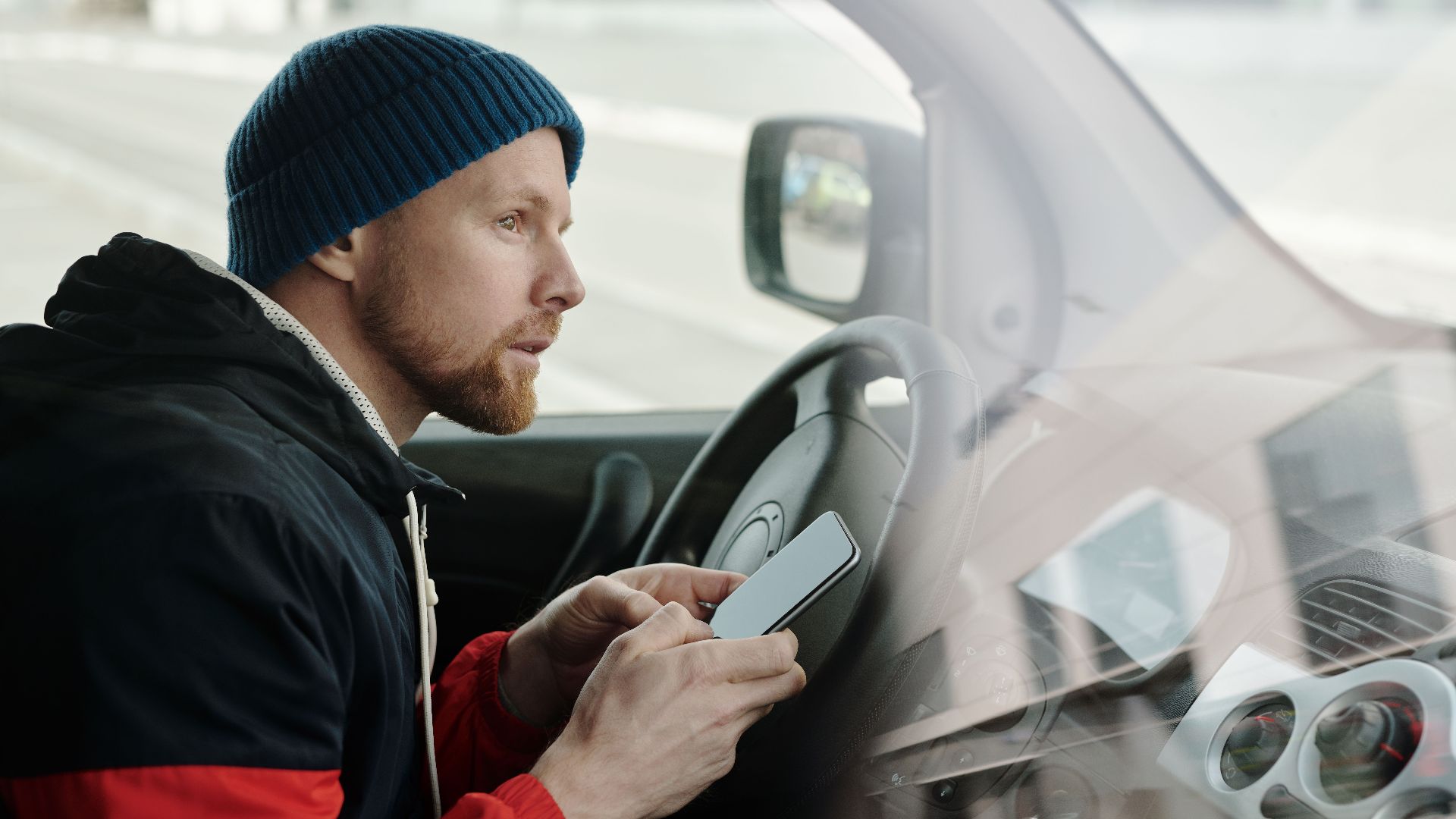
Your old shortcut may be gone, but your best route may not be. Check navigation apps at your actual departure time, not at 9 p.m. from the couch. Morning traffic has its own weird personality. One main road that looks slower on paper may now beat the maze of restricted side streets.
Avoid Fighting The Restriction Daily
Trying to outsmart new traffic rules every morning can become a miserable hobby. If the restriction is legal and enforced, repeated dodging may cost you more in tickets, stress, and fuel than it saves in time. Sometimes the winning move is to stop wrestling the same five-minute alligator.

Talk To Your Neighbors
You may not be the only one annoyed. Or you may discover that plenty of people love the change because their street is quieter and safer. Either way, neighborhood opinion matters. A calm conversation can reveal whether this is a shared commuter problem or a safety improvement with a few frustrated drivers attached.
 RealPeopleStudio, Shutterstock
Contact Your Local Representative
If the change truly creates an unreasonable burden, contact your council member, alderperson, ward representative, or local traffic office. Keep it polite and specific. “This is ruining my life” is less useful than “The new restriction adds five minutes daily and pushes traffic onto a smaller road with poor visibility.”

Bring Data, Not Just Vibes
Officials hear complaints all the time. Data helps yours stand out. Share commute times, photos of confusing signage, examples of backed-up intersections, or notes about safety problems created elsewhere. The strongest argument is not “I dislike this.” It is “This fix may have created a new problem.”

Ask About Adjustments
You do not always need the city to scrap the whole plan. Maybe the restriction could apply only during school pickup hours. Maybe signs need to be clearer. Maybe one turn could reopen during morning rush. Small tweaks are often more realistic than demanding a total reversal.
Watch For Unintended Consequences
Traffic changes can solve one issue while creating another. If cars are now flooding a narrower street, blocking driveways, or making a nearby intersection worse, document it. Cities are supposed to monitor these effects, but residents often spot the real-world weirdness faster than any spreadsheet.
Do Not Assume Drivers Are The Villains
It is easy for these debates to turn into drivers versus everyone else. That helps nobody. Most drivers are just trying to get to work, school, or daycare. Most residents just want their streets to feel safe. The best solutions admit that both sides have a point.

Consider Other Travel Options
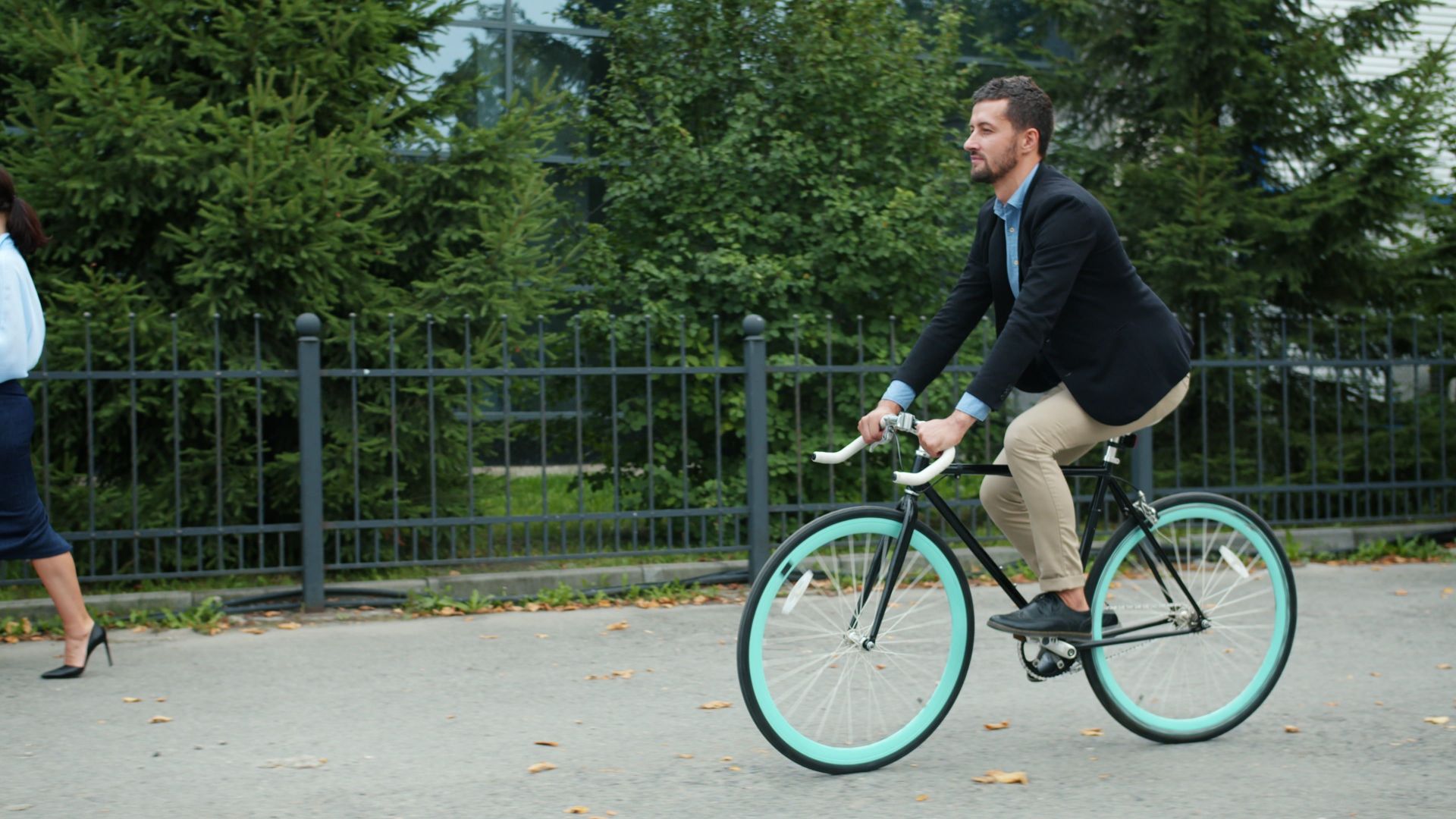
This may not be practical, but it is worth a quick look. Could you bike once a week, take transit part of the way, carpool, or shift your schedule? Even one changed day can reduce the sting. Your car may still be the main tool, but it does not have to be the only one.
Think About Fuel And Wear
Five extra minutes can mean more idling, more stop-and-go driving, and slightly more fuel use. It probably will not bankrupt you, but over a year, it adds up. That is another reason to test routes carefully instead of assuming the most direct-looking path is still the cheapest one.

Watch The Enforcement
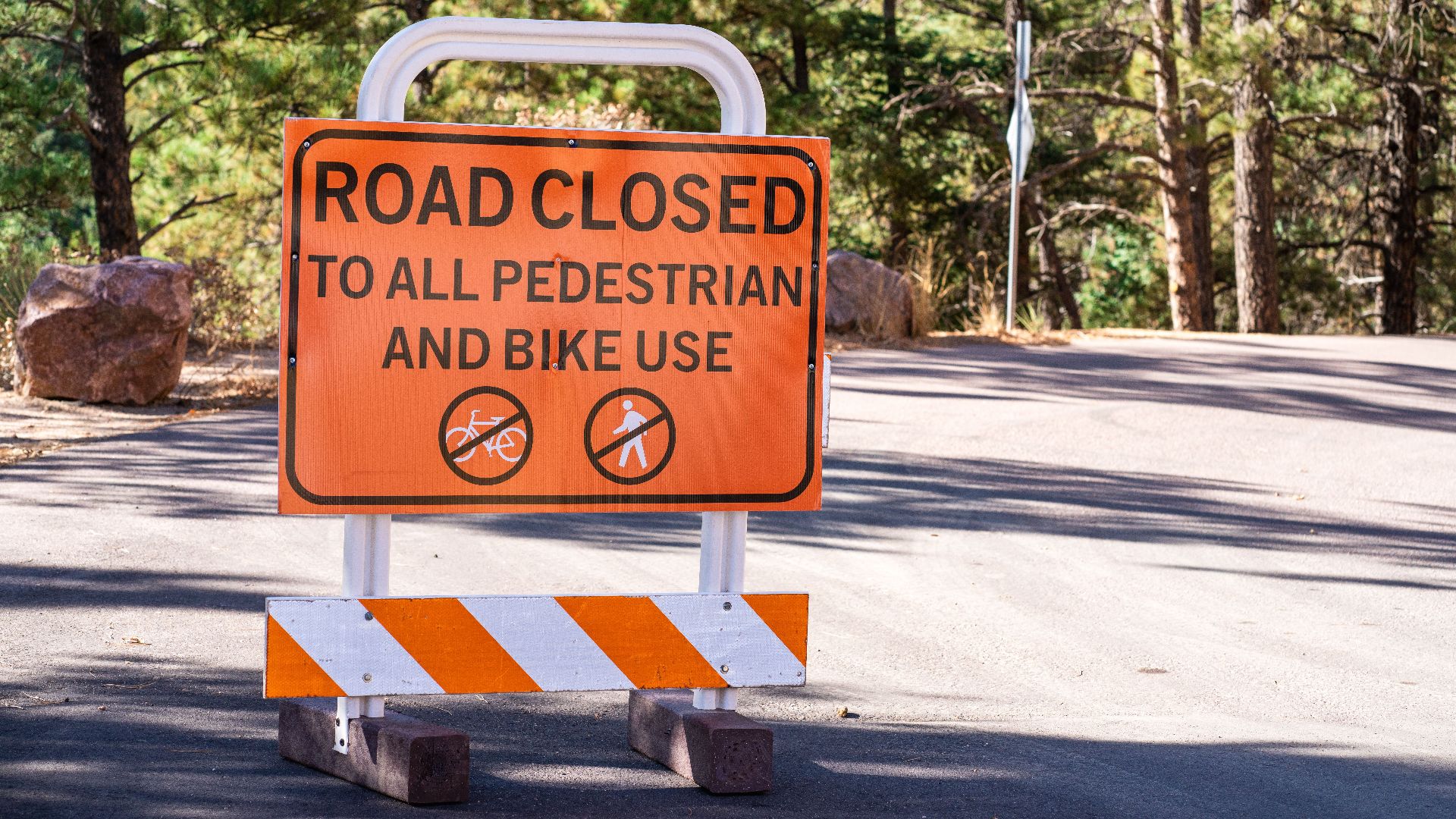
Some restrictions are enforced with signs alone. Others use cameras, bollards, gates, or police patrols. Know what you are dealing with. A ticket can turn a mildly annoying commute into a very expensive lesson. “I used to go this way” is rarely a magical legal defense.

Be Patient, But Not Passive
New traffic patterns often feel worst in the first few weeks. Drivers adapt, apps update, signal timing changes, and cities sometimes make adjustments. Give the system a little time to settle. But patience does not mean silence. Track what happens and speak up if the problem remains.
The Bigger Picture Matters
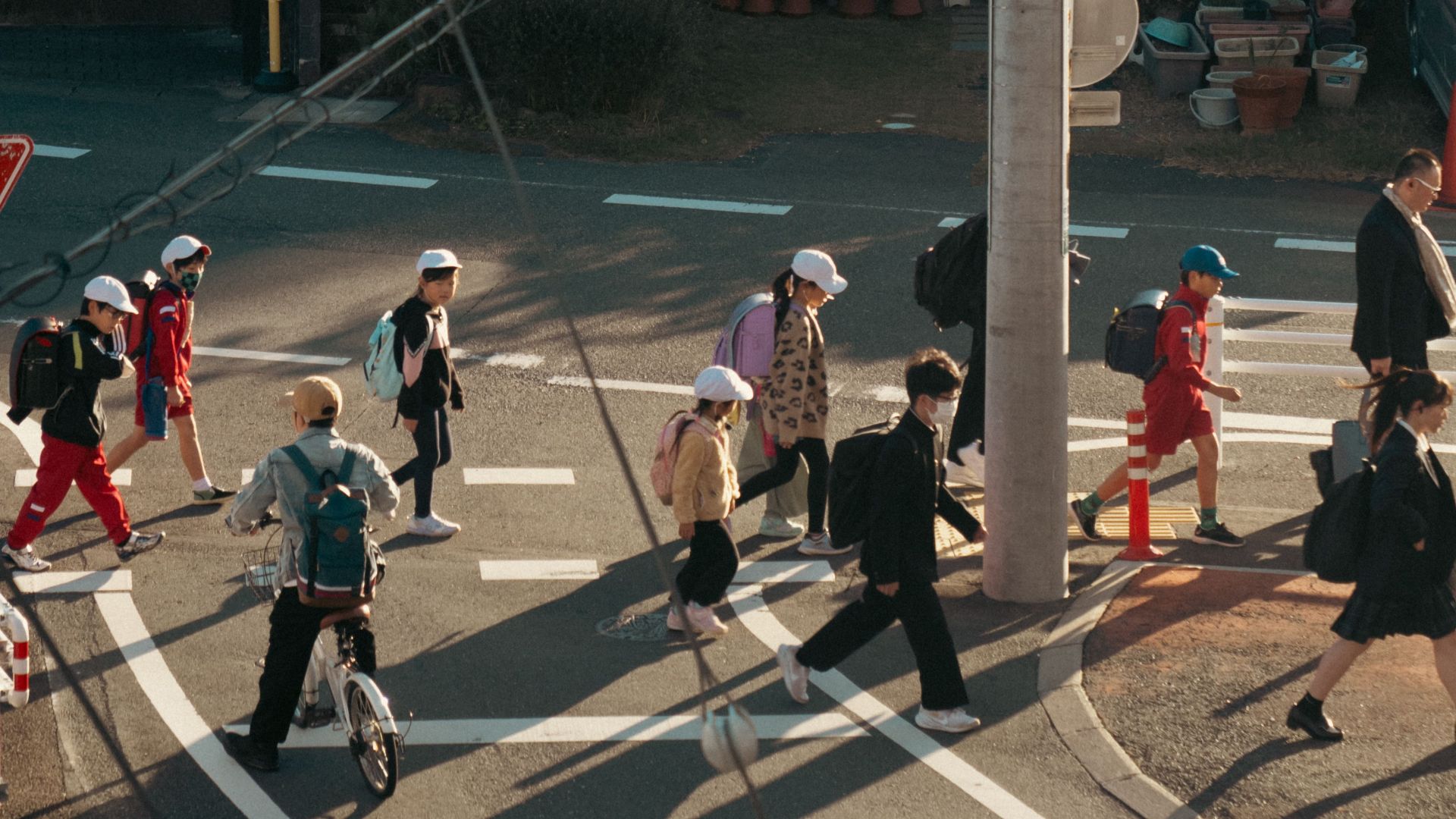
A five-minute delay is irritating. A child being able to cross the street safely is important. A quieter residential block matters too. Good transportation policy is a balancing act between convenience, safety, access, and livability. Nobody gets everything they want, which is why everyone leaves these meetings slightly grumpy.
Could You Challenge It Legally?
In most cases, probably not successfully unless the city skipped required procedures, violated access rights, created discriminatory impacts, or ignored its own rules. Traffic management is usually within local authority. That said, legal questions depend heavily on where you live, so serious concerns deserve local legal advice.

Your Best Strategy
Your smartest move is practical, not dramatic. Confirm the rule, test alternatives, collect commute data, talk to neighbors, and contact the city with specific concerns. Ask for adjustments rather than total surrender. You may not get your old route back, but you might help shape a better version.

So, Are You Out Of Luck?
Not completely. You may have to live with the extra five minutes, especially if the restriction improves safety. But you are not powerless. Cities can revise bad designs, adjust timing, improve signage, or fix spillover traffic. The key is showing a real problem, not just a bruised morning routine.

The Road Ahead
Neighborhood traffic restrictions can feel personal, especially when they ambush your daily commute. But they are usually part of a bigger tug-of-war over safer, calmer streets. Your job is to adapt where you can, push back where it makes sense, and remember that sometimes the longest five minutes are the ones before coffee.

You May Also Like: