
Does Your Car Need A Daily Outing?
The car gets used once a week, starts when it’s supposed to, and seems perfectly happy in the driveway. Then comes the warning: Drive it every day or you’ll ruin it. Nobody wants an expensive repair bill. But is taking that advice actually helping?

There’s A Detail Missing From This Argument
Before deciding who’s right, there’s a more useful question: What happens during that weekly outing? A trip around the corner and a half-hour journey both count as driving. But they leave the car in different circumstances—and that’s where this argument starts getting interesting.

The Concern Didn’t Come From Nowhere
Cars can develop problems when left unused for extended periods. Batteries lose charge, brakes can corrode, and tires can develop flat spots. So the husband hasn’t completely invented the concern. The question is whether his daily-driving solution actually addresses what can go wrong.

A Parked Car Isn’t Completely Switched Off
Even with the engine off, security systems and onboard computers still use small amounts of electricity. That’s normal, but it means the battery gradually loses charge between outings. The car might look like it’s doing absolutely nothing. Electrically, there’s still something going on.

Starting It Takes More Power
In a conventional gas-powered car, starting the engine draws power from the battery. Once the engine runs, the alternator supplies electricity and replenishes that charge. But starting the car and restoring the battery’s charge are two different things. Turning the key only gets the process underway.
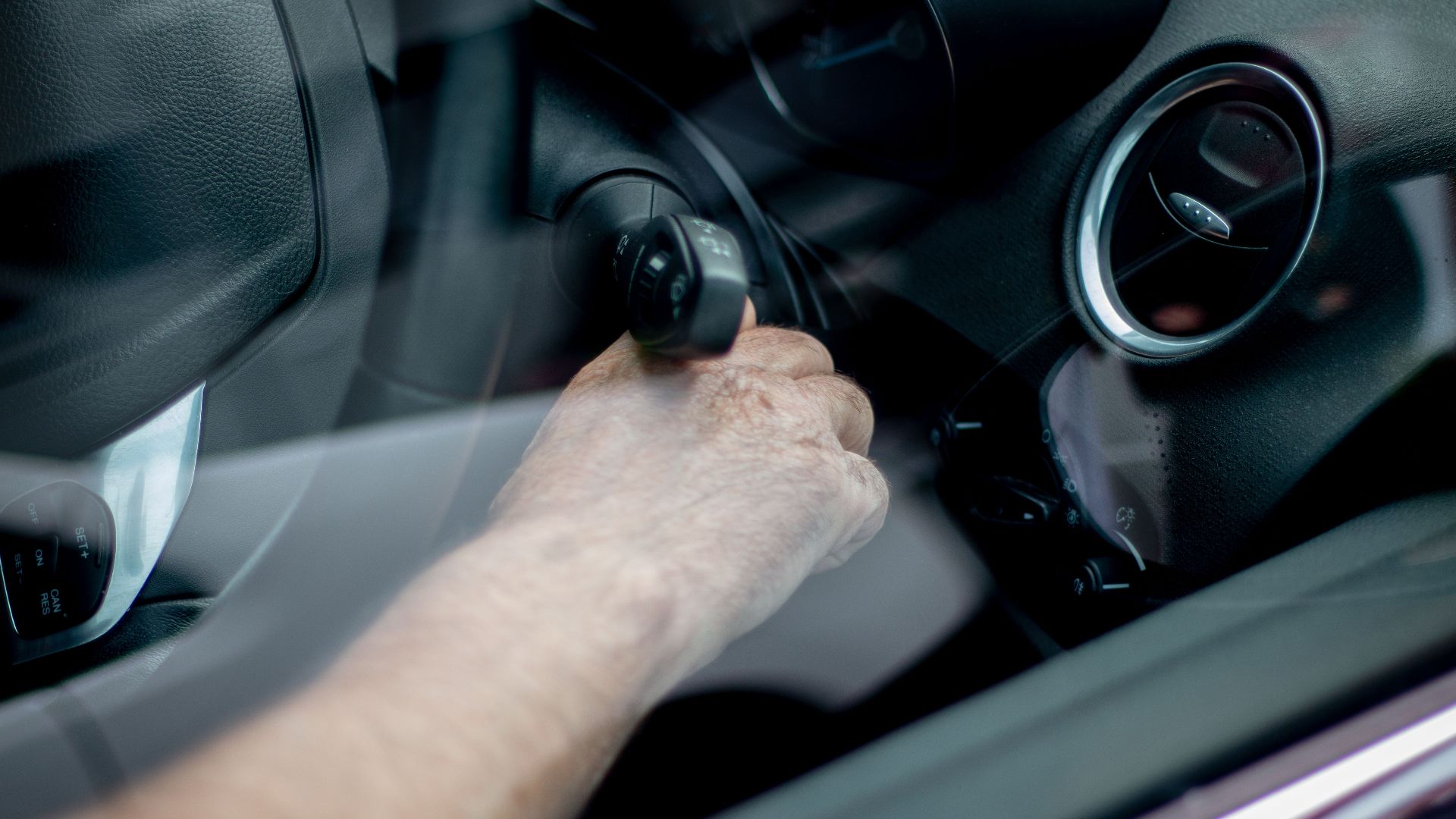
That Weekly Milk Run Might Matter
If the weekly outing is a five-minute trip to pick up milk, the charging system gets little time to work before the car is parked again. A longer outing gives it more opportunity. That difference matters more than simply checking “car driven” off the calendar.

There’s More Than A Battery Involved
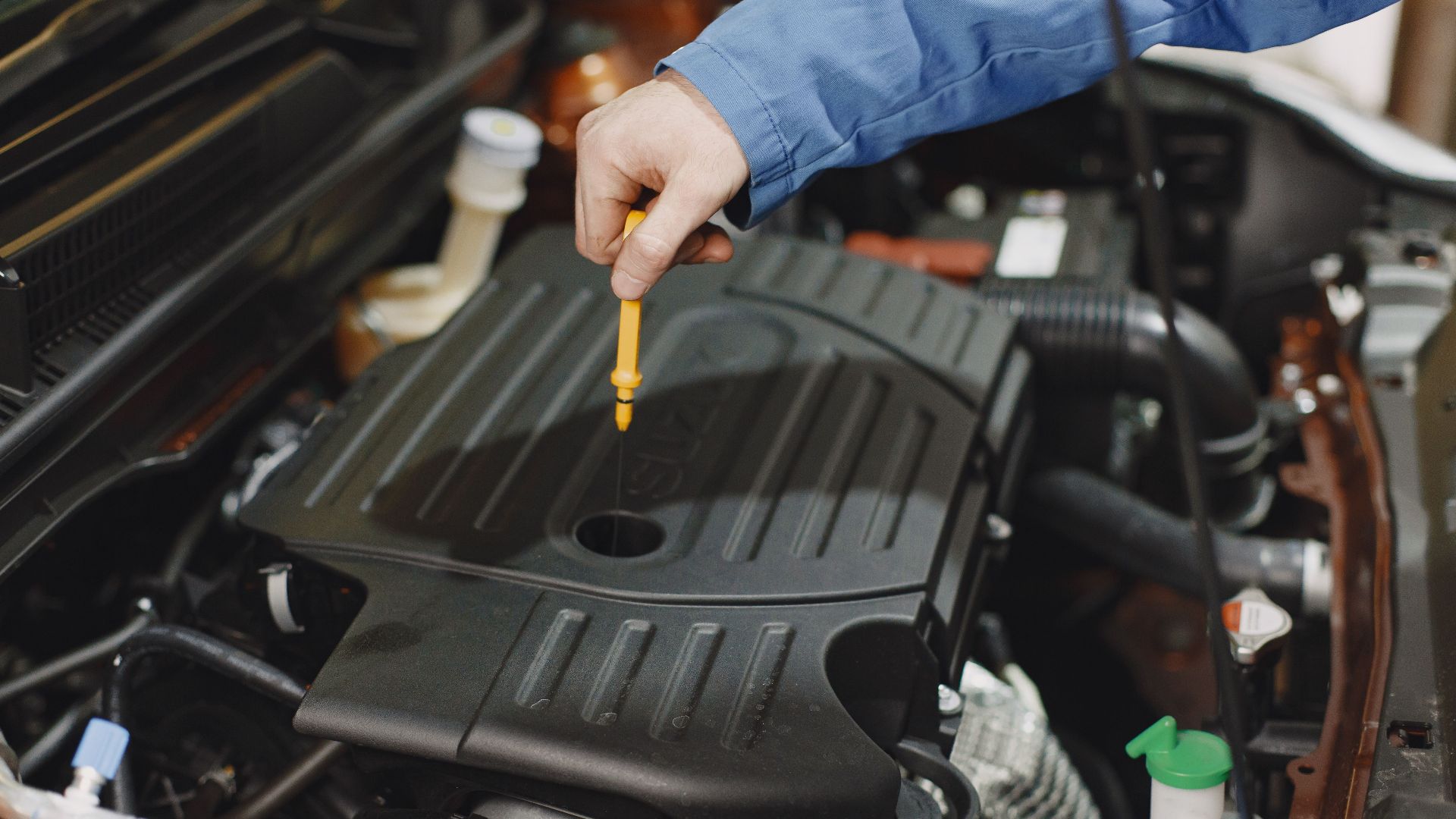
The engine also benefits from reaching proper operating temperature. Repeated trips that end before the oil gets sufficiently warm can allow moisture and fuel dilution to accumulate. So even if the car starts without complaint, that doesn’t tell the whole story about its driving routine.
Winter Can Change The Picture
Cold weather makes it harder for a battery to deliver starting power. Short winter trips can also leave the engine insufficiently warmed to remove accumulated moisture. A routine that seems perfectly adequate in mild weather may deserve another look when temperatures drop.

Low Mileage Doesn’t Always Mean Easy Use
For a 2024 Corolla primarily driven on repeated trips under five miles in temperatures below 32°F, Toyota specifies oil and filter changes every 5,000 miles or six months, whichever comes first. An occasional short winter trip doesn’t automatically trigger that schedule. Usual driving conditions matter.

Now Consider The Husband’s Solution
Taking the car around the block every morning sounds responsible. However, repeated short trips can gradually leave the battery undercharged. Adding more starts without enough charging time can miss the point. This is where “drive it more often” starts looking less helpful than it first sounded.
 Jan-Christopher Sierks, Unsplash
Running It In The Driveway Has A Catch
Starting the car and letting it sit might seem like an easy compromise. However, alternator output is lower at idle, and charging may be inadequate. A few minutes of engine noise doesn’t prove the battery has recovered what starting it used. Hearing it run isn’t the same as fixing the problem.

Even A Longer Drive Has Its Limits
A longer drive can help maintain a healthy battery, but it won’t necessarily fully recharge a deeply discharged one. Interstate Batteries explains that a battery needing a jump-start may require a charger to recover properly. Neither daily starts nor a longer outing can be treated as a guaranteed cure.

So Does It Actually Need Daily Driving?
For a healthy, properly maintained car, daily driving generally isn’t required. One substantial weekly drive can be a reasonable routine. The husband’s concern about inactivity has some basis, but the daily requirement goes too far. The useful question is whether that weekly drive meets the car’s needs.

What Counts As A Useful Weekly Drive?
A practical starting point is roughly 30 minutes, ideally including some steady driving. AAA’s published guidance varies from 20–30 minutes to 30 minutes or more. Neither is a guarantee: battery condition, weather, electrical demands, and the vehicle’s instructions still matter. There’s no magic stopwatch setting.

Combining Errands Can Help
If the weekly outing is very short, combining errands into a longer journey can give the battery more charging time. That’s a useful adjustment without automatically creating a daily obligation. The car gets more worthwhile running time, and its owner doesn’t have to invent somewhere to go every morning.
 Robert Couse-Baker, Wikimedia Commons
The Calendar Still Counts
Driving once a week doesn’t give maintenance an indefinite extension. Many service schedules include both mileage and time limits, with whichever comes first determining when service is due. A low odometer reading doesn’t erase the months since the last appointment. The calendar keeps moving while the car doesn’t.

Follow The Car’s Oil Schedule
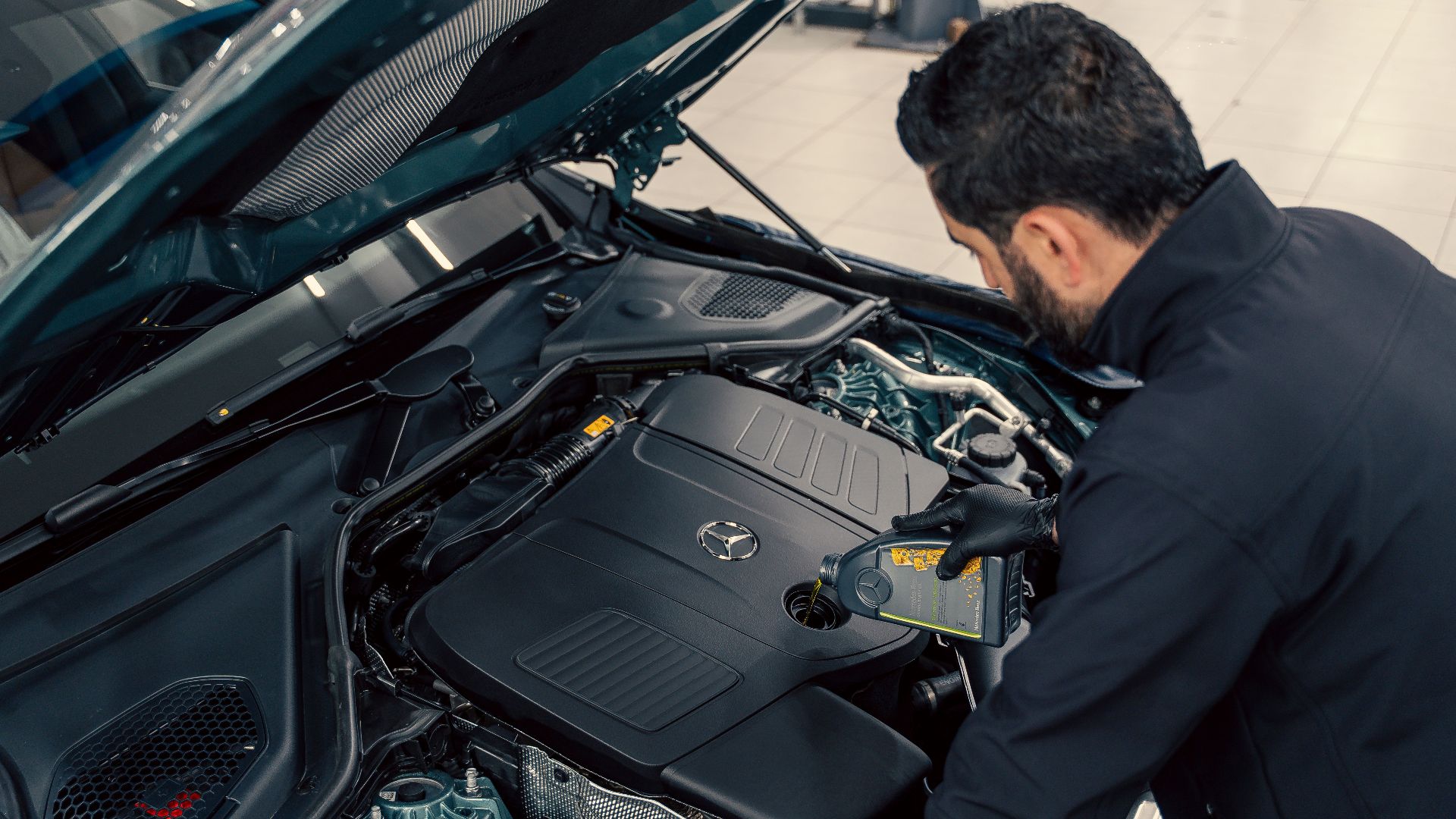
There’s no single oil-change interval that suits every occasional driver. Follow the schedule for the vehicle’s engine and driving conditions, including any time limit. Toyota, for instance, specifies mileage or month limits for oil changes and makes exceptions for certain demanding conditions. Check the actual schedule before stretching it.
There’s Another Way To Help The Battery
If limited use leaves the battery short on charge, a compatible automatic battery maintainer can help. It supplies power from an external source and adjusts charging as needed. That can be more practical than inventing errands just to keep the engine running, particularly when the car sits between outings.
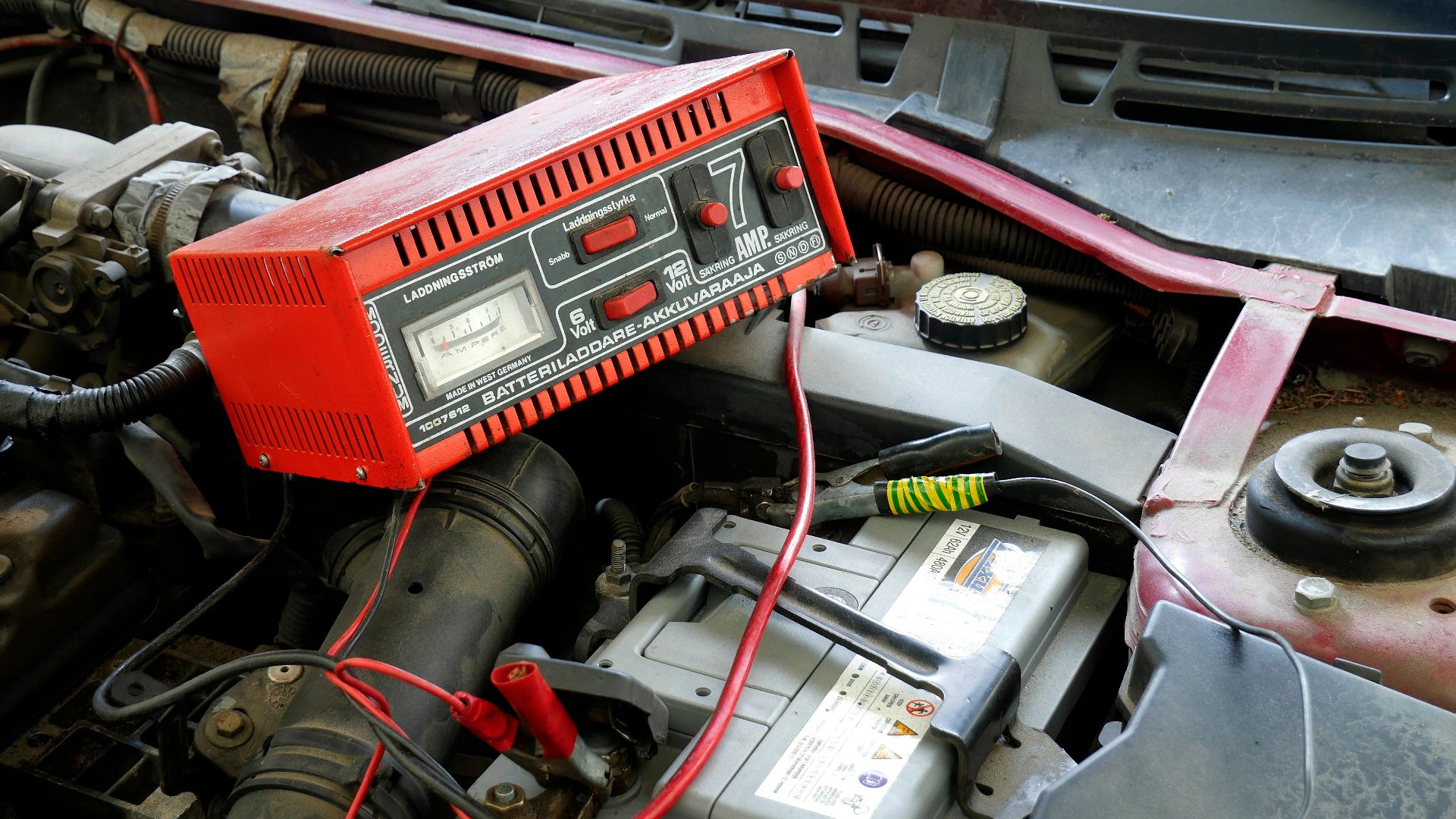 Santeri Viinamaki, Wikimedia Commons
Get The Right Device For The Job
An automatic maintainer and a basic charger aren’t necessarily interchangeable. Some chargers require manual disconnection, while maintainers regulate charging for longer connections. Check the vehicle’s manual and the device’s instructions, including compatibility with the battery type. Buying something labeled “charger” isn’t the whole assignment.
Don’t Blame Every Problem On The Schedule
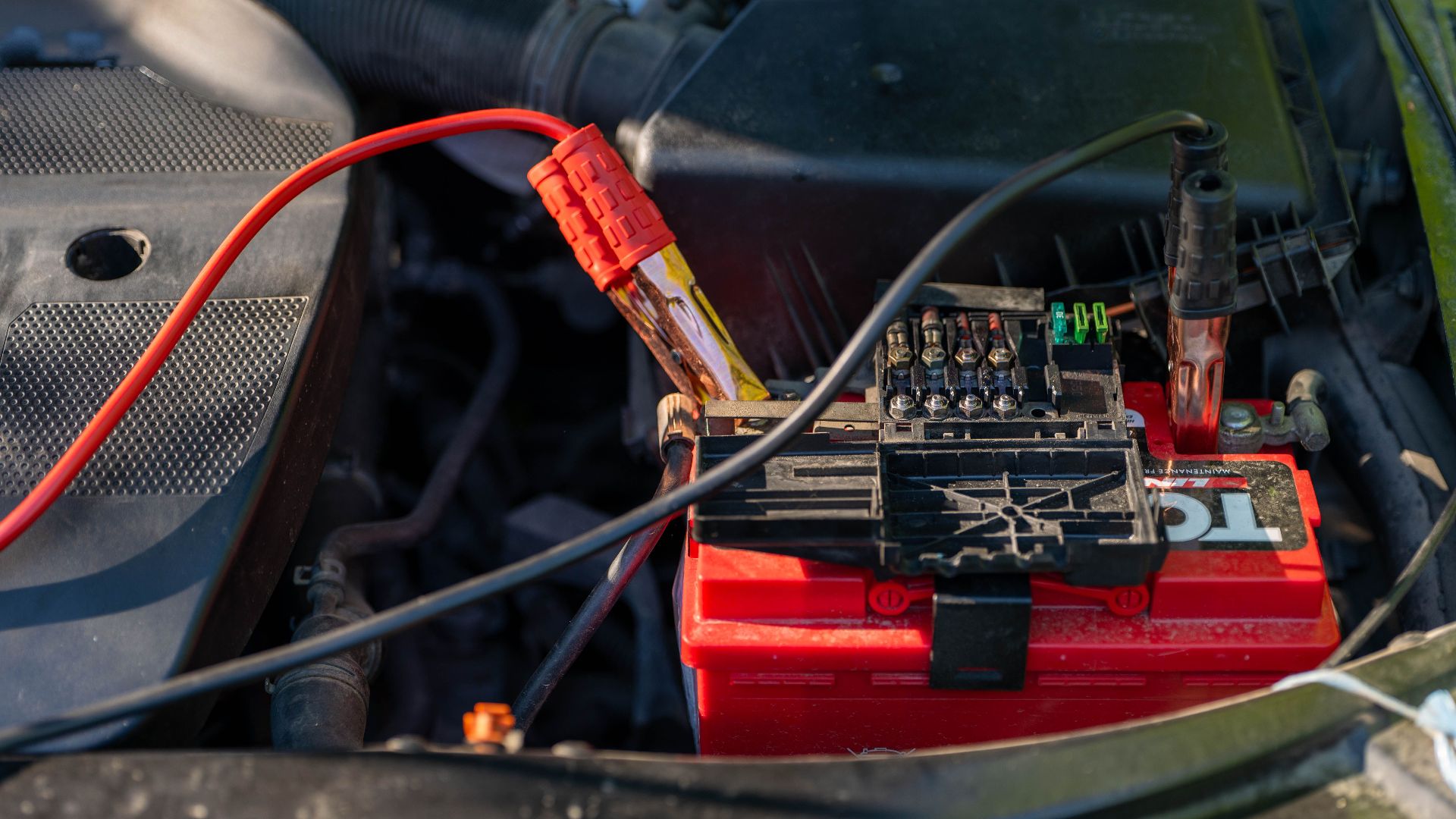
If the car regularly cranks slowly or needs a jump, the weekly driving schedule may not be entirely responsible. A failing battery, charging problem, poor connection, or excessive electrical drain could be involved. Testing the battery and charging system is more useful than guessing—or immediately scheduling daily drives.

A Little Brake Rust Isn’t Unusual
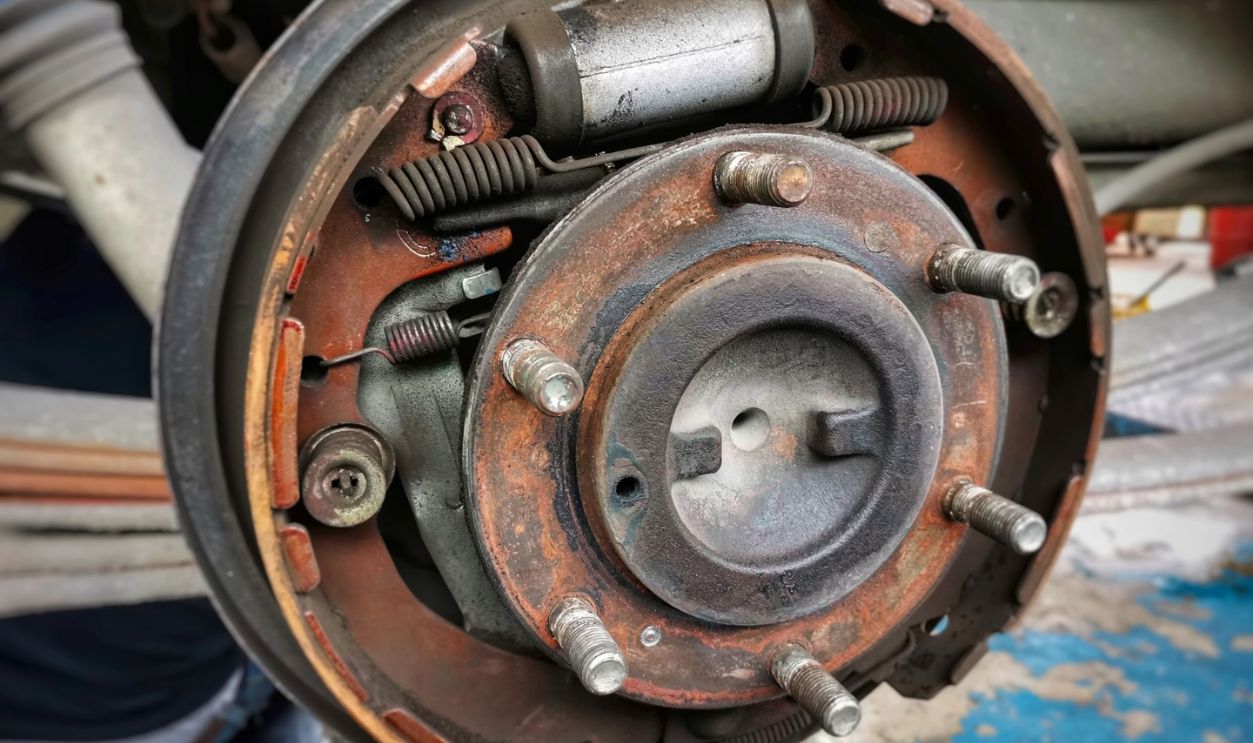
Brake rotors can develop surface corrosion while a car is parked. Normal braking generally removes that light coating. It doesn’t automatically mean the brakes are ruined or that parking between weekly outings was a mistake. Extended inactivity can allow more troublesome corrosion to develop.
Persistent Brake Problems Are Different
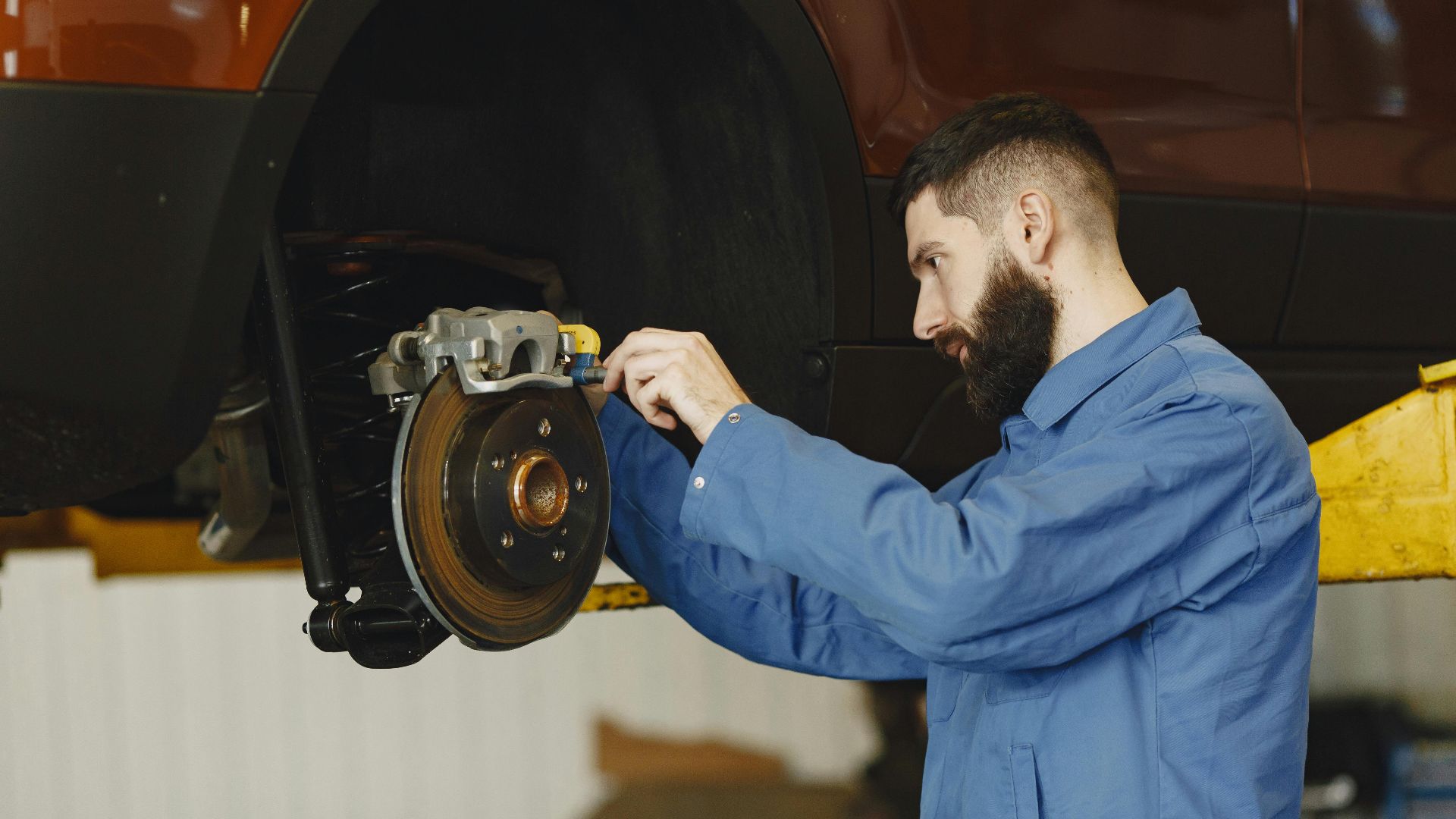
Brake noise that continues, juddering, reduced braking performance, or wheels that won’t move deserve professional attention. Those aren’t problems to solve by repeatedly taking the car around the block and hoping for improvement. Regular use helps, but it doesn’t replace repairs when something is wrong.
Check Tire Pressure Even When Mileage Is Low
Tires still need attention when the car spends most of the week parked. NHTSA recommends checking pressure at least monthly while the tires are cold. Use the recommended pressure on the vehicle’s door label or in its manual. Driving less doesn’t make this check optional.

Flat Spots Don’t Create A Daily Driving Rule
Some tires develop temporary flat spots while parked, particularly in cold weather. These often disappear as the tires warm during driving. Persistent vibration needs inspection, but temporary flat spotting doesn’t establish a daily driving requirement. Proper inflation and suitable precautions matter more during extended storage.

Missing Several Weeks Changes The Situation
If a weekly drive becomes several weeks or months without use, check the manufacturer’s storage instructions. Battery care, tires, fuel, and other preparation may need attention. Ford, for example, provides specific storage guidance. A car parked for a season needs a different plan from one used every weekend.

Electric Cars Have Their Own Instructions
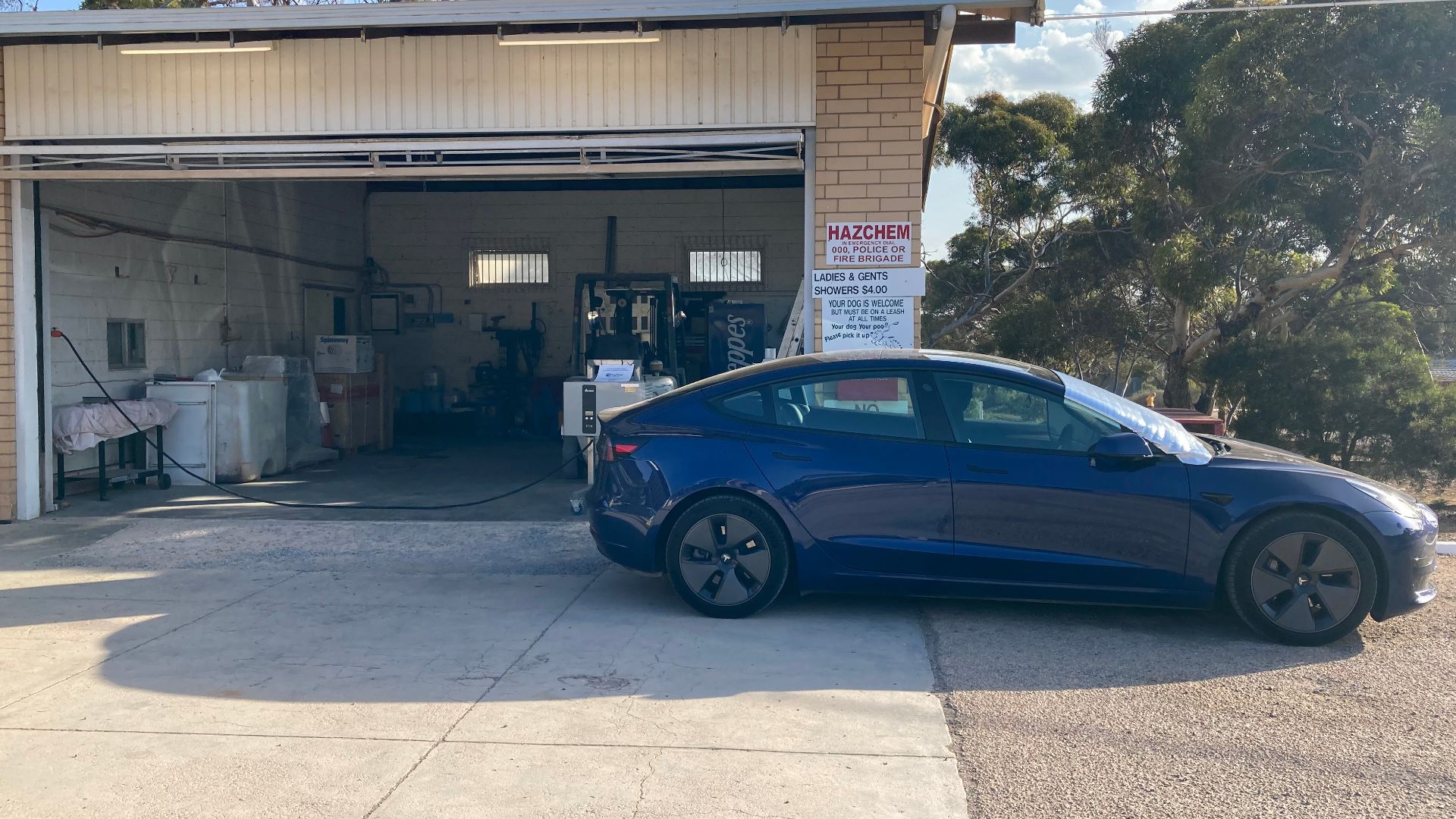
An electric car doesn’t need outings to warm engine oil, but it still needs appropriate battery care while parked. Follow its charging and storage guidance. Tesla’s Model 3 manual, for example, recommends around 50% charge and remaining plugged in when possible during long storage. Those instructions are model-specific.
The Car Needs Care, Not A Daily Appointment
One substantial weekly drive can be enough for a healthy gas-powered car. One five-minute weekly trip is less reassuring. Keep up with maintenance, check the tires, and investigate battery problems. The husband has identified a real concern. He just hasn’t established that the car needs seven outings a week.

You Might Also Like: