When A Quick Turnaround Turns Into A Daily Problem
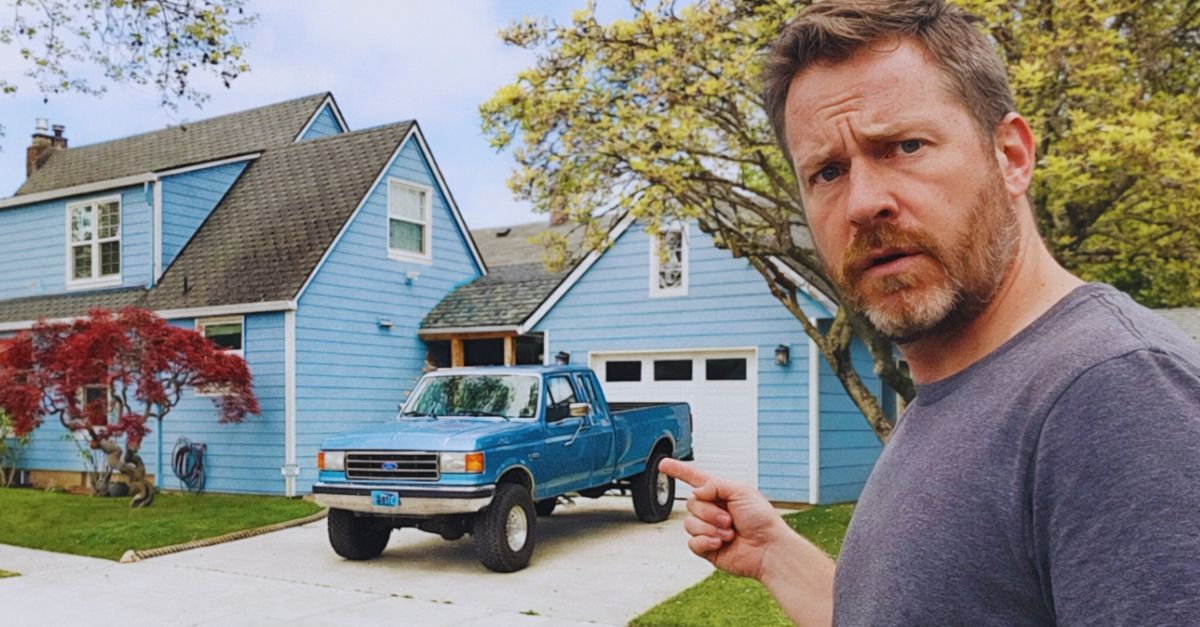
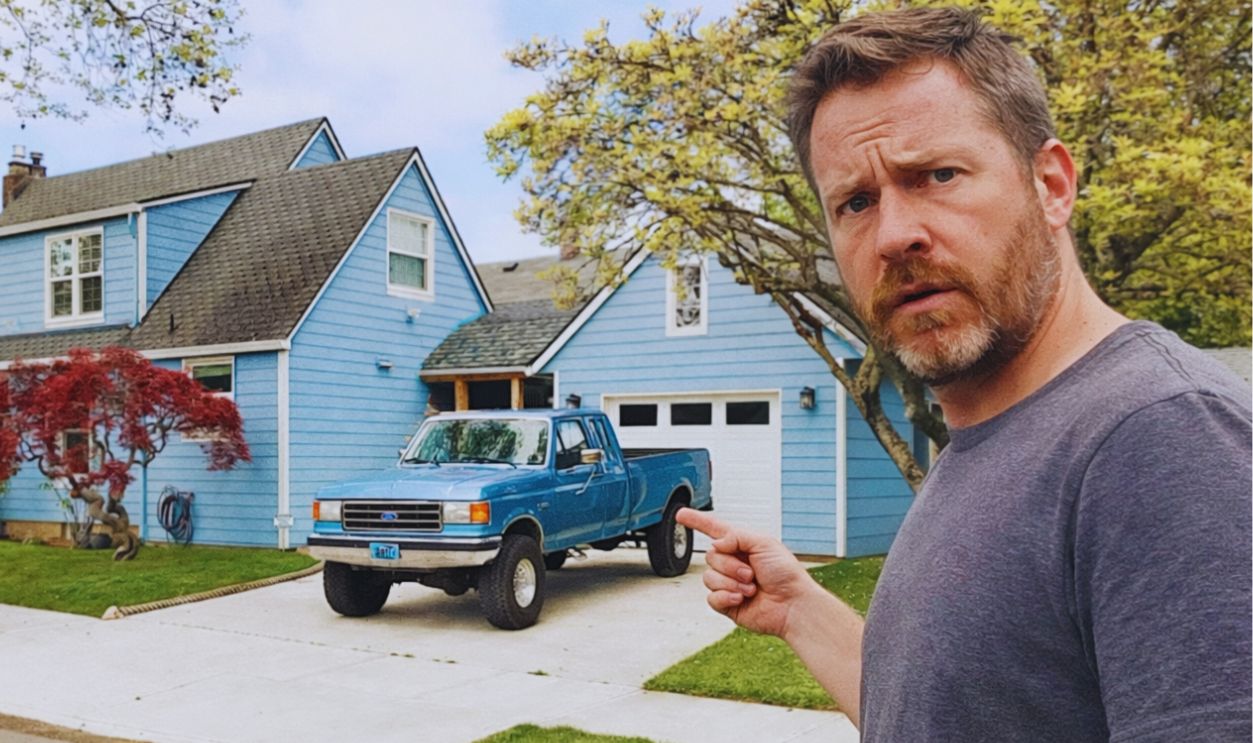
If your neighbor keeps using your driveway to turn around, it makes sense that you are fed up. What looks like a harmless three-point turn can start to feel like a steady intrusion when it happens over and over. The legal answer depends a lot on where you live and whether anyone already has rights tied to your driveway.
 Zachary Keimig, Unsplash, Modified
Your Driveway Is Usually Private Property
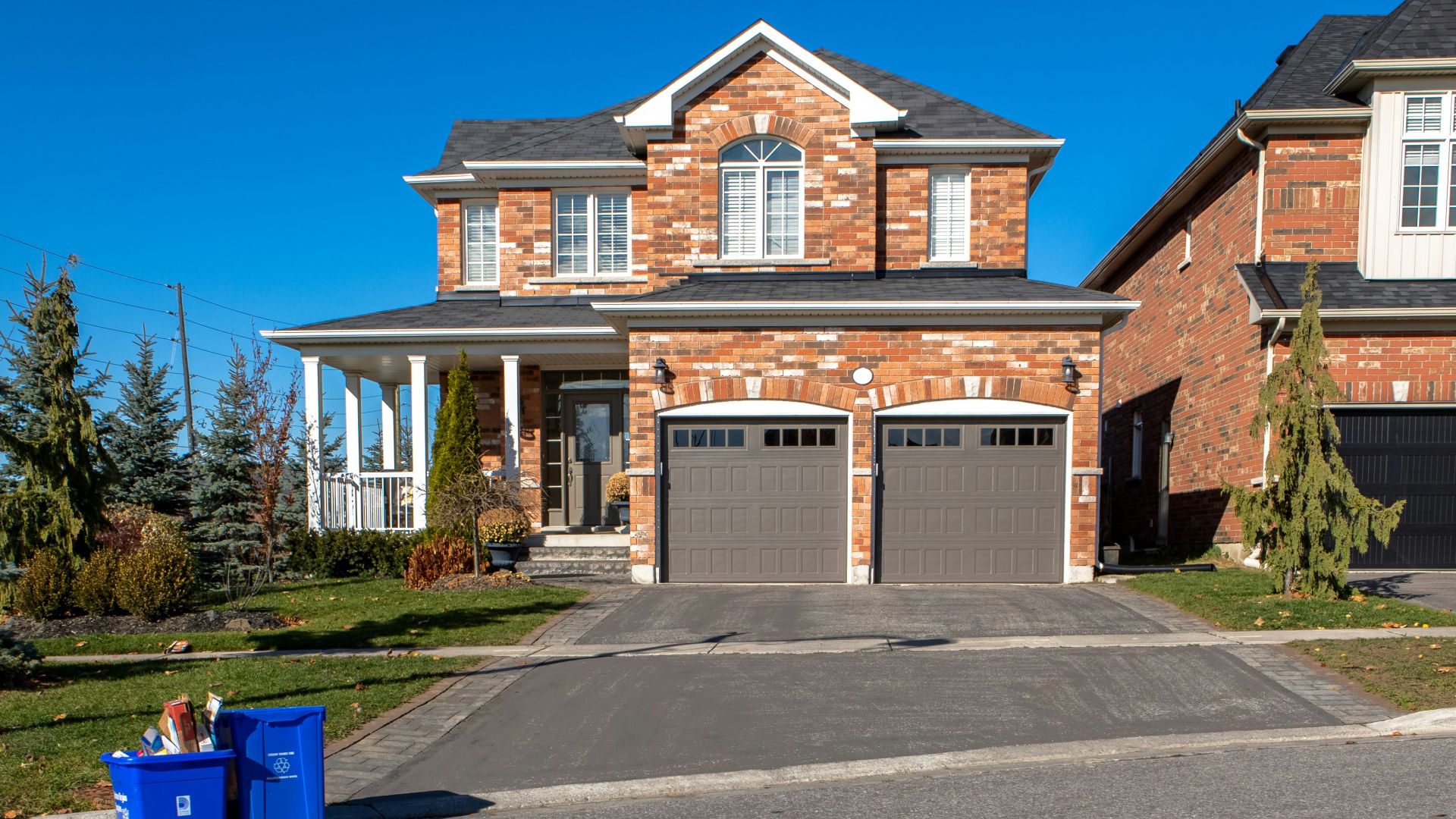
In most cases, a residential driveway on your lot is private property, not a public turnaround spot. That usually means other people do not have an automatic right to drive onto it just because it is convenient. But private property does not always mean every unwanted use is instantly a police matter or an easy lawsuit.
The First Thing To Check Is Whether Anyone Has A Legal Right To Use It
The big question is whether your driveway is subject to any legal right of access, like an easement. An easement is a property right that lets someone else use part of your land for a specific reason. Cornell Law School’s Legal Information Institute explains that easements can be created in several ways, including express grant, implication, necessity, or prescription.
An Easement Can Change The Whole Situation
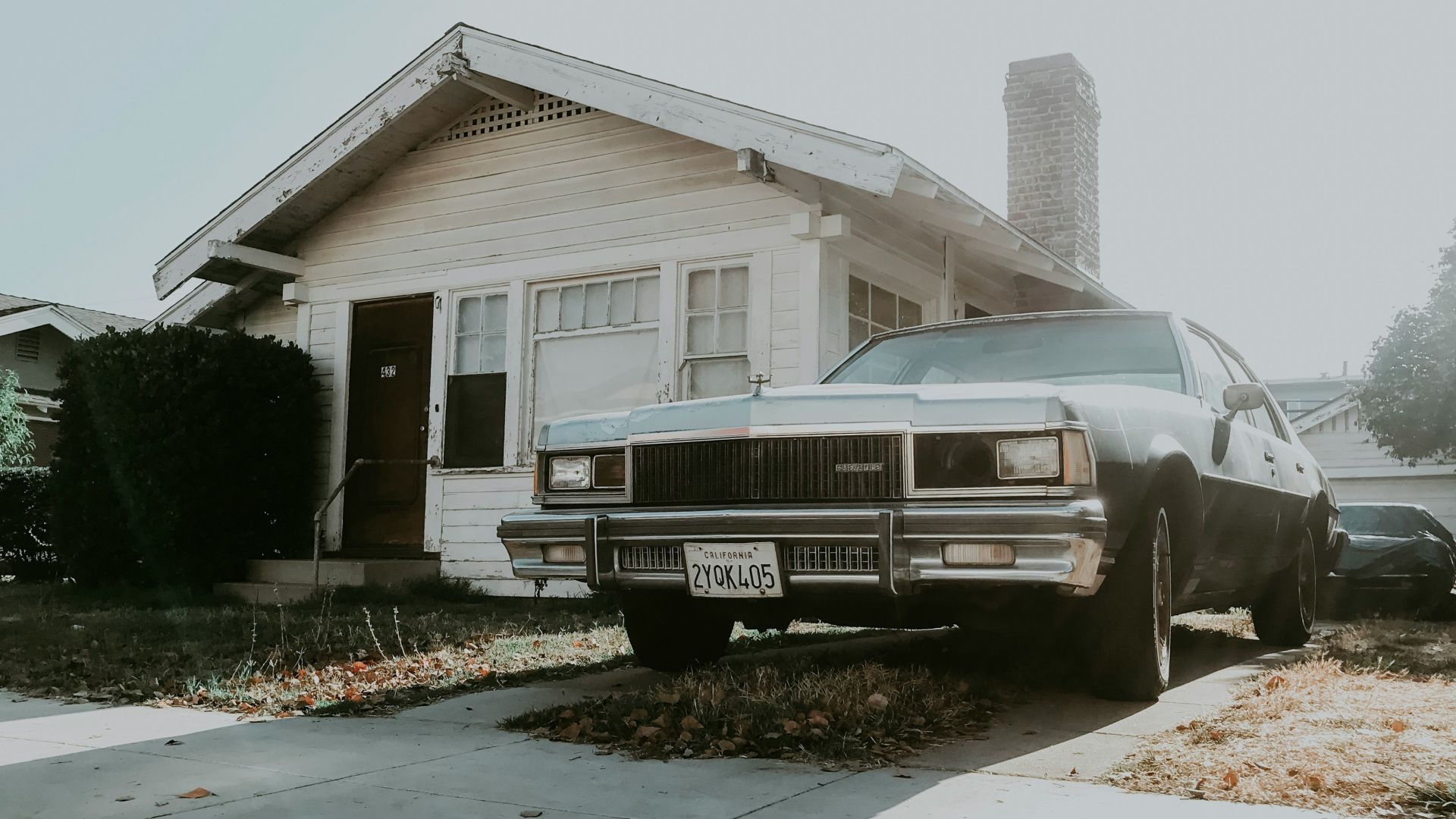
If a recorded easement gives your neighbor the right to cross or use part of the driveway, you may not be able to stop the use completely. The exact wording matters. Some easements are narrow and only allow access to a garage or back lot, not casual turning around whenever someone feels like it. To find out, check your deed, title report, plat map, or county land records.

Prescriptive Easements Are The Wild Card
One of the trickiest issues is the prescriptive easement. Cornell notes that a prescriptive easement can arise when someone uses another person’s land openly, continuously, and without permission for the amount of time required by state law. So if a neighbor has been using your driveway the same way for years, they might try to argue they gained a legal right, though the rules vary a lot by state.

State Law Sets The Clock
There is no single national time limit for a prescriptive easement because property law is mostly controlled by the states. Nolo explains that the required time period often tracks a state’s adverse possession rules, and in many places that can mean years or even decades. That is why letting the problem drag on can make it much harder to deal with later.

Permission Can Shut Down A Prescriptive Easement Claim
One practical point matters a lot here. If you clearly give your neighbor permission to use the driveway, their use is no longer hostile, which is often a required element of a prescriptive easement claim. Nolo notes that permissive use generally defeats a claim based on adverse or hostile use, which is why a written notice can carry real weight.

Start With A Calm Conversation
Before you jump to cameras, barriers, or lawyers, start with a simple conversation. Some neighbors honestly do not realize how often they are doing it or how irritating it has become. A polite request can also help show that the use is not uncontested, which may matter if the dispute gets more serious later.
 LinkedIn Sales Solutions, Unsplash
Put It In Writing If It Keeps Happening
If a casual talk does not fix the problem, move to written notice. A short letter, text, or email saying that the driveway is private property and that you do not consent to repeated use can create a useful record. That record may help undercut any later claim that the use went on for years without objection.

Written Notice Gives You Proof
Property disputes often come down to what you can prove. If you ever need to show that you objected, a dated written notice is much stronger than saying you mentioned it once in passing. It also gives your neighbor fair warning before you take bigger steps.

No Trespassing Signs Can Help, But They Are Not Magic
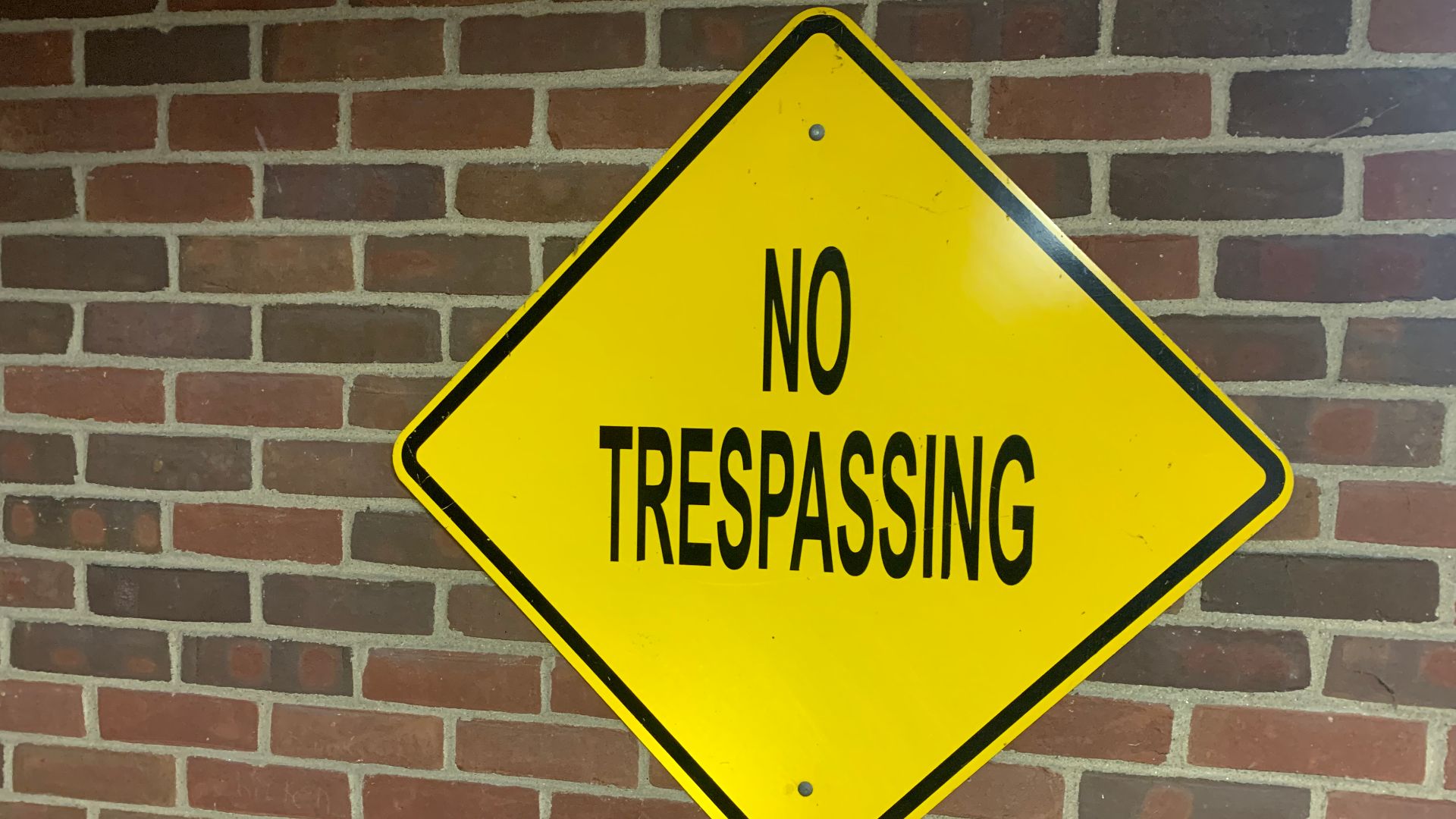
Posting a clear sign can support your position that the driveway is private and that people are not welcome to use it. Signs can be especially useful if visitors, delivery drivers, or multiple neighbors are also using the space to turn around. But a sign does not wipe out an existing easement, and it does not guarantee police will treat every entry as criminal trespass.
 MarkBuckawicki, Wikimedia Commons
Barriers Can Work If They Stay On Your Property
Many homeowners solve this kind of problem with a gate, chain, decorative posts, planters, or landscaping that makes turning around awkward or impossible. That can work well, but any barrier needs to stay fully on your property and comply with local zoning, setback, visibility, and permit rules. If the driveway is close to a sidewalk or road, you also need to avoid creating a hazard.
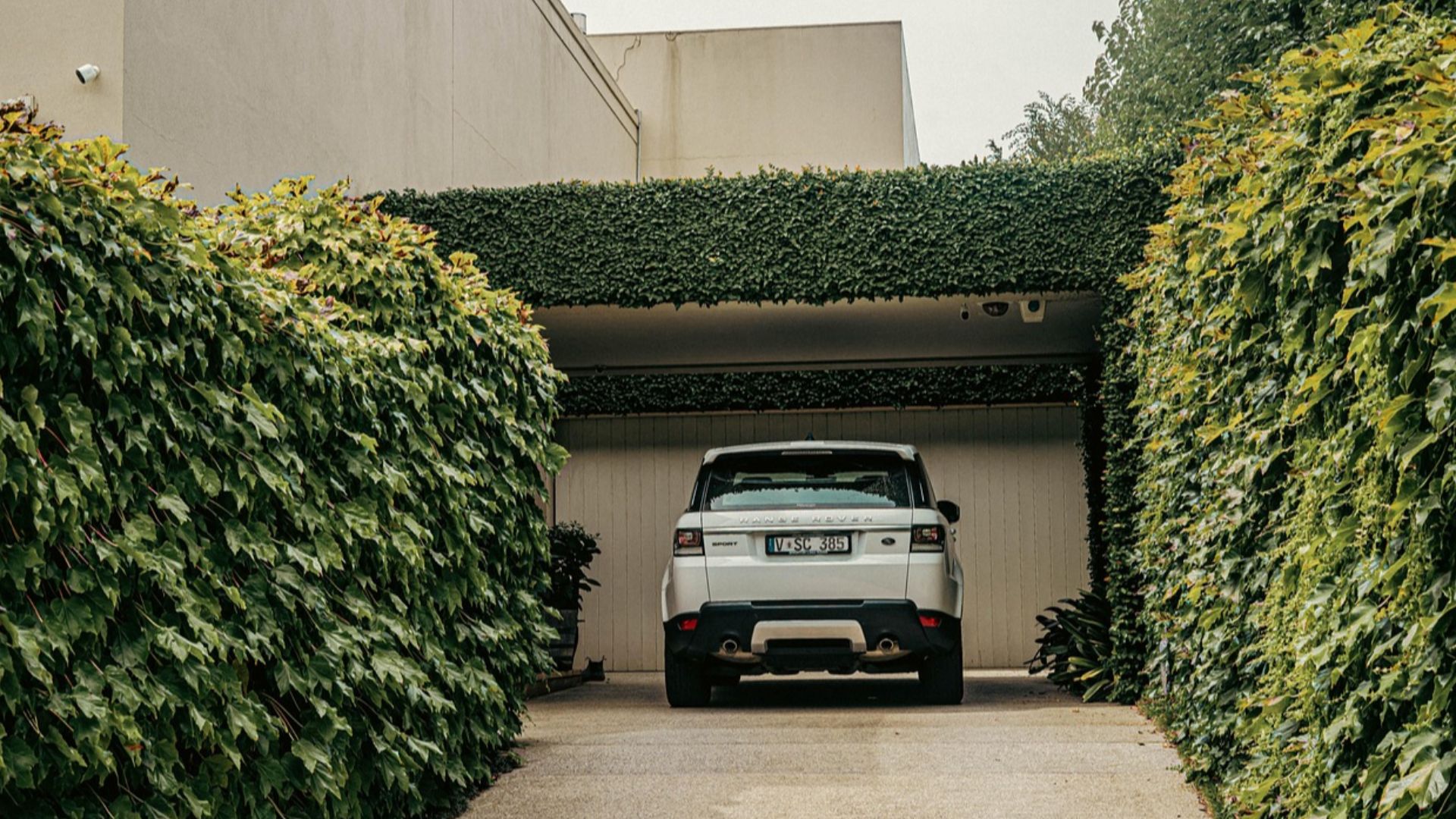
Do Not Block A Public Right Of Way
Some driveways overlap with sidewalk areas, utility easements, or access zones near the street. Put a barrier in the wrong place and you may create a new legal problem while trying to solve the old one. It is smart to check with your city or county before installing anything permanent near the road.

Police May See This As A Civil Dispute
Many homeowners assume police will quickly stop a neighbor from entering a private driveway. In real life, law enforcement often treats this as a civil matter unless there is threatening behavior, property damage, or a clear trespass issue after notice. That does not mean you are stuck. It just means the answer may not come from a patrol car.

Damage Changes Things Fast
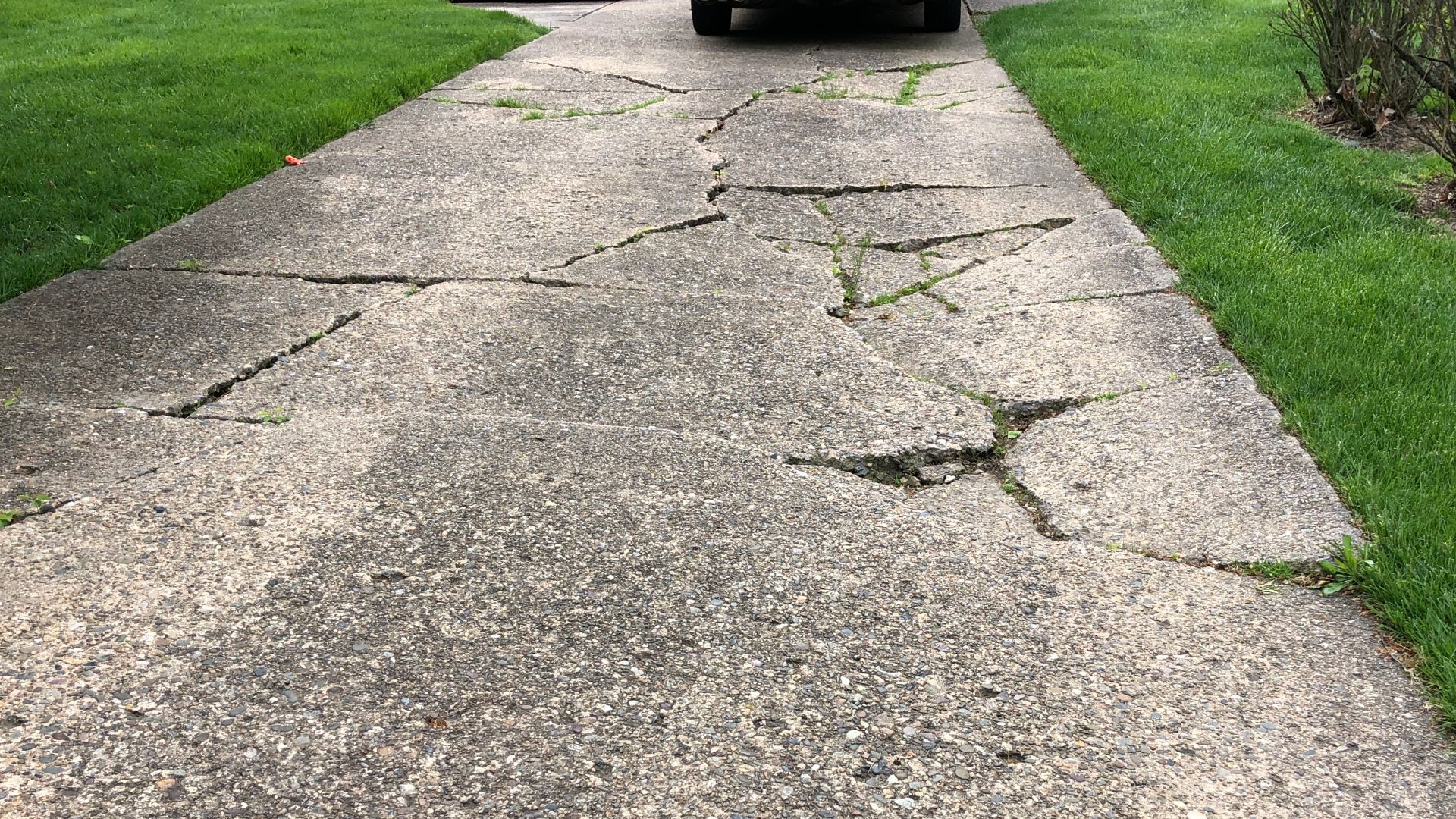
If the repeated turnarounds are causing tire ruts, cracked pavement, damaged landscaping, or safety problems, your legal position gets stronger. You may be able to seek compensation in small claims court for actual property damage. Photos, repair estimates, video footage, and a written log of dates can make a big difference.
Cameras Can Be Strong Evidence
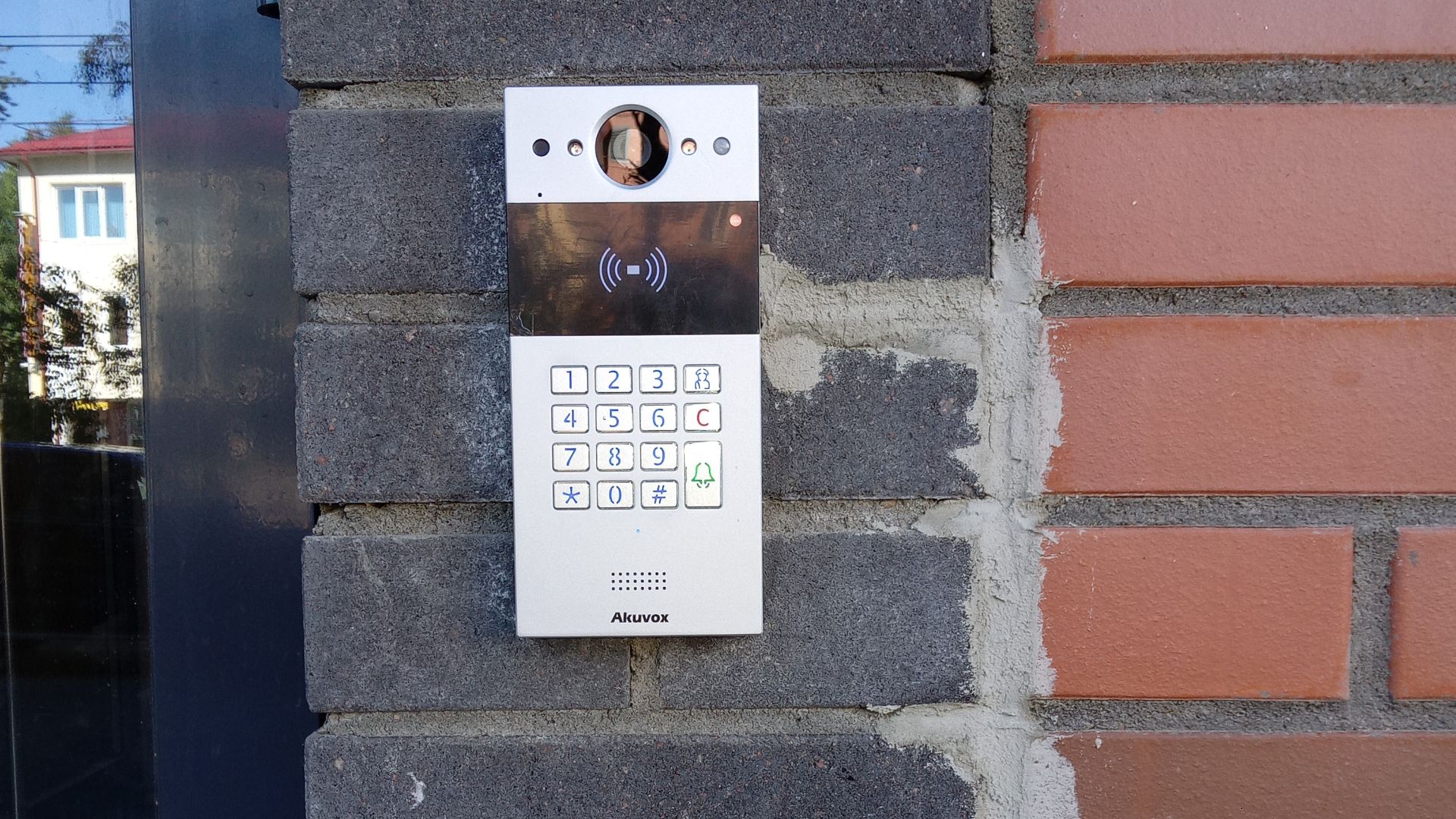
A doorbell camera or driveway camera can give you solid evidence of how often the use happens. That can matter if your neighbor later claims it was rare or accidental. Just make sure your setup follows state privacy rules, especially if audio recording is involved.
Review Your Deed And Title Records
If the dispute is getting serious, look closely at your closing papers and get a current copy of your deed and plat map. County recorder or land records offices often provide these online or in person. You are looking for anything about shared access, ingress and egress rights, recorded easements, or maintenance agreements tied to the driveway.

Shared Driveways Play By Different Rules
If the driveway is actually shared, even informally, your options may be limited by recorded documents or long-standing use. Some shared driveways are governed by easement language that lets both owners pass and repass, but not necessarily park or block access. In that situation, the issue may not be whether your neighbor can enter at all, but whether what they are doing goes beyond the legal scope.
An HOA Might Offer Another Option
If you live in a homeowners association, the rules may cover nuisance behavior, vehicle movement, or use of common access areas. An HOA cannot override deeded property rights, but it may offer a complaint process that is faster and cheaper than court. That can be useful in neighborhoods where driveways and curb cuts are packed close together.
A Cease And Desist Letter Can Get Attention
If the friendly approach goes nowhere, a lawyer can send a cease and desist letter telling the neighbor to stop using the driveway. That is often enough to make someone take the issue seriously without filing a lawsuit. It also helps show that the use is disputed, not quietly accepted.

Injunctions Exist, But They Are Usually A Last Step
If the problem is serious and ongoing, a court may be able to issue an injunction. That is an order telling someone to stop doing something, such as entering or using your property beyond any right they may have. But that route can be expensive and fact-heavy, so it usually makes sense only when the intrusion keeps happening or is causing real harm.

Timing Matters More Than People Think
One of the clearest lessons in property law is that waiting can hurt you. If repeated use continues openly for years without objection, it may become easier for the other side to claim some right based on prescription or long use. Clear action early on is usually the smarter move.
 Infrogmation of New Orleans, Wikimedia Commons
What Not To Do
Do not threaten your neighbor, damage their car, or set up something dangerous to stop them. Do not trap a vehicle and assume you are safely within your rights, because that can escalate the situation fast. And do not rely on random online advice from another state, since easement and trespass rules vary more than most people expect.

Towing Is Usually Not The Best Fix
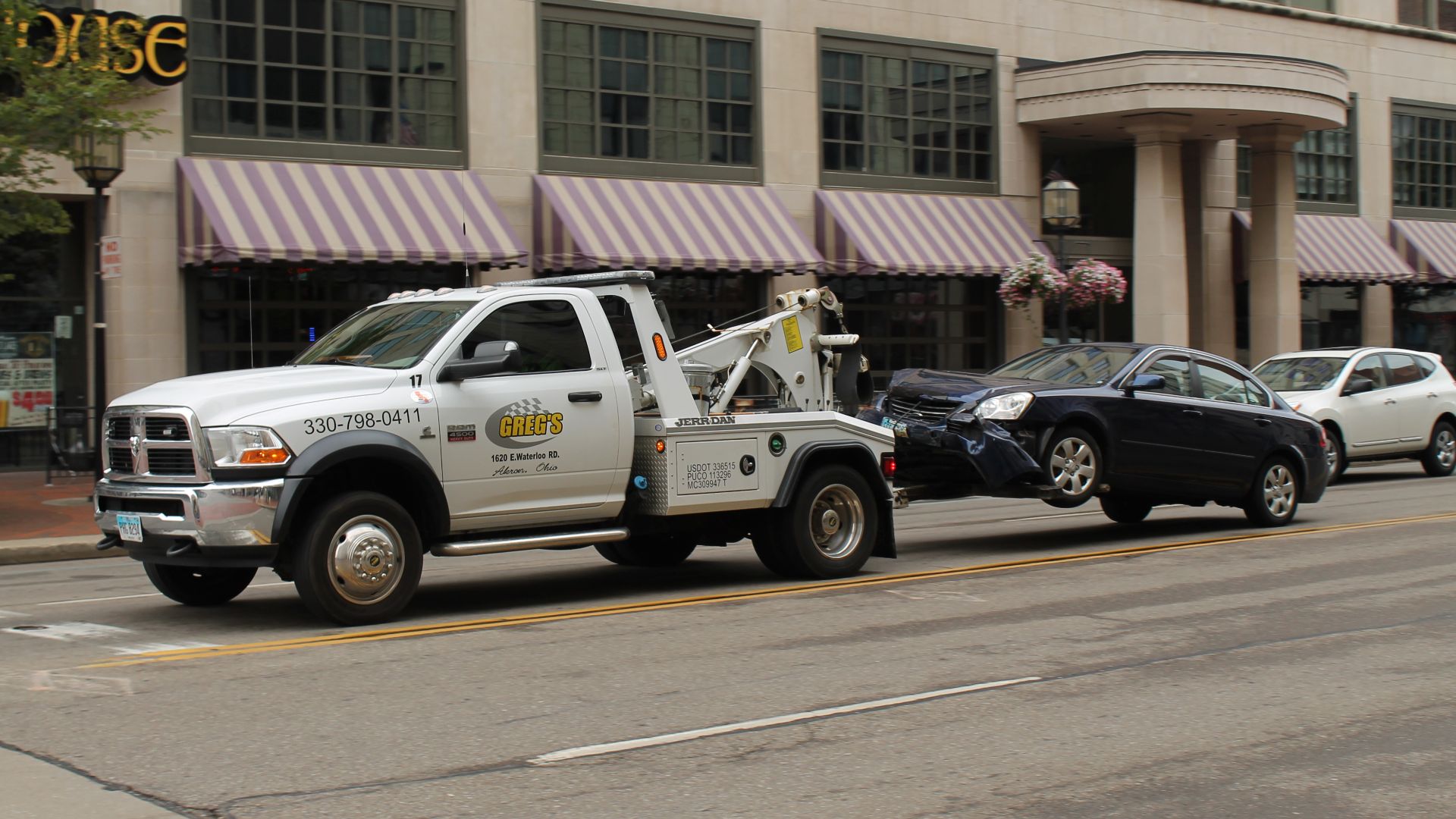
Some homeowners want to jump straight to towing, but that is often a bad fit for a quick turnaround or moving trespass. Towing laws are highly state-specific and often come with detailed rules about signage, authorization, and when a vehicle can be removed from private property. If the vehicle is not parked and is only entering briefly, towing usually is not the practical answer.
 Raymond Wambsgans from Akron Ohio, USA, Wikimedia Commons
Small Claims Court May Cover Actual Losses
If you can show repair costs, damaged edging, broken sprinklers, or similar losses, small claims court may offer a straightforward remedy. The key is documentation. Keep receipts, estimates, dated photos, and a log showing how the damage lines up with the repeated use.

Mediation Can Be Cheaper And More Practical
When neighbors still have to live next to each other, mediation can work surprisingly well. A neutral mediator can help both sides agree on a practical fix, like changing driving patterns, adding markers, or setting clear limits on any shared use. It is less dramatic than court, but often much more useful.

The Bottom Line
Yes, you may have legal ways to stop a neighbor from repeatedly using your driveway, but the answer depends on whether they already have some legal right to use it and on your state’s property laws. The strongest path usually starts with checking for easements, objecting clearly in writing, documenting what is happening, and then using barriers, mediation, or legal help if needed. If this has been going on for a long time, do not wait too long to act. In property disputes, a long-running annoyance can turn into an argument over rights.