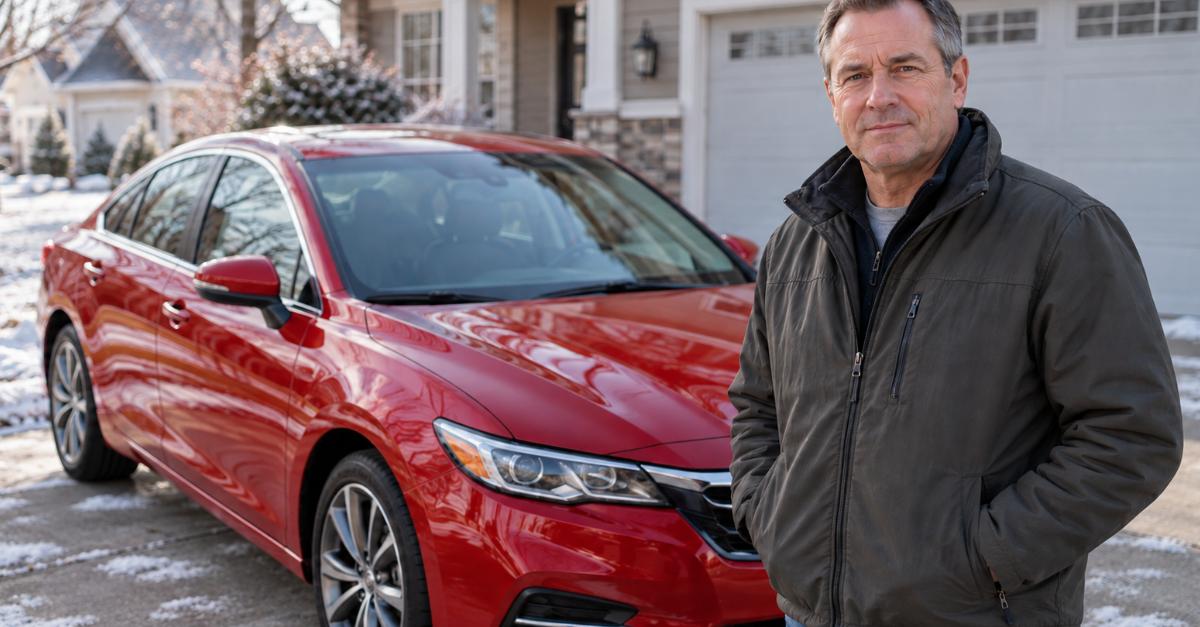
An Expensive Surprise
You’ve changed your own winter tires for years without thinking much about it. Then your insurance company says that doing the job yourself could leave you without coverage. Since when does saving a trip to the mechanic come with a warning like that?
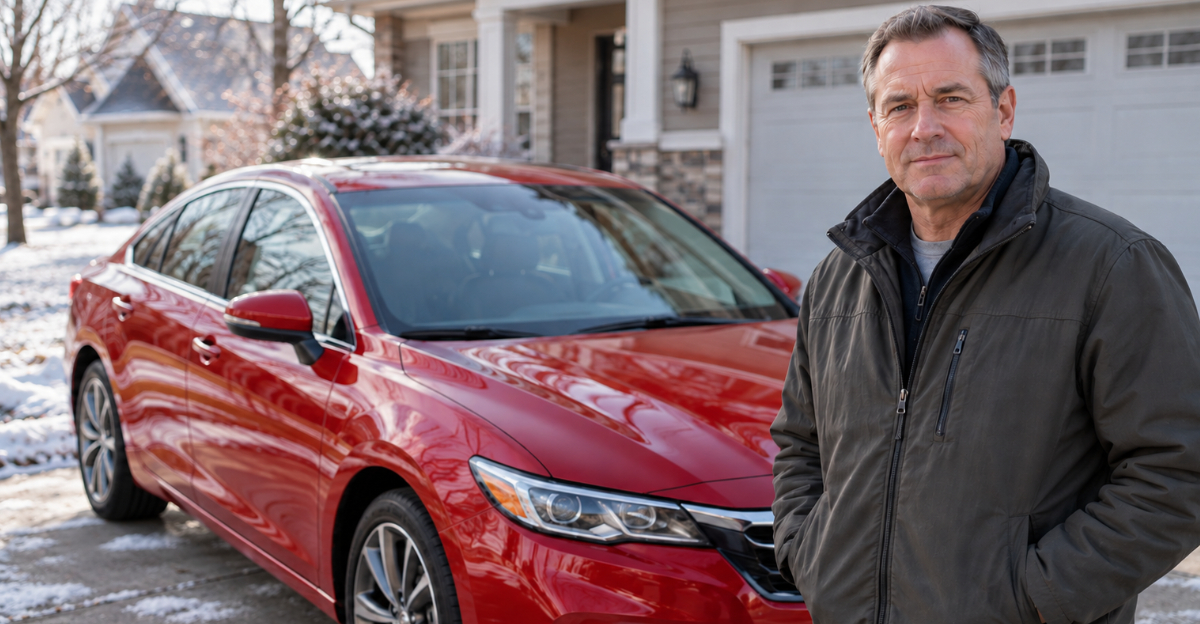
First, Get The Exact Explanation
Before booking an appointment at the garage, find out exactly what the insurer is objecting to. Is it who installed the tires, how they were installed, or something the company says you agreed to? Those details can turn a frightening statement into a very different conversation.

Your State’s Rules Matter
Auto insurance is regulated at the state level, so there isn’t one nationwide answer covering every policy. The company’s explanation needs to fit both your contract and your state’s laws. A rule that applies to a driver in New York shouldn’t automatically be treated as the rule everywhere.

Doing It Yourself Isn’t Automatically Disqualifying
Whether an insurer can withdraw coverage depends on the policy, the facts, and state law. Being told you changed the wheels yourself doesn’t explain the legal basis. Ask the company to identify the condition it says you breached and explain why that would invalidate coverage.
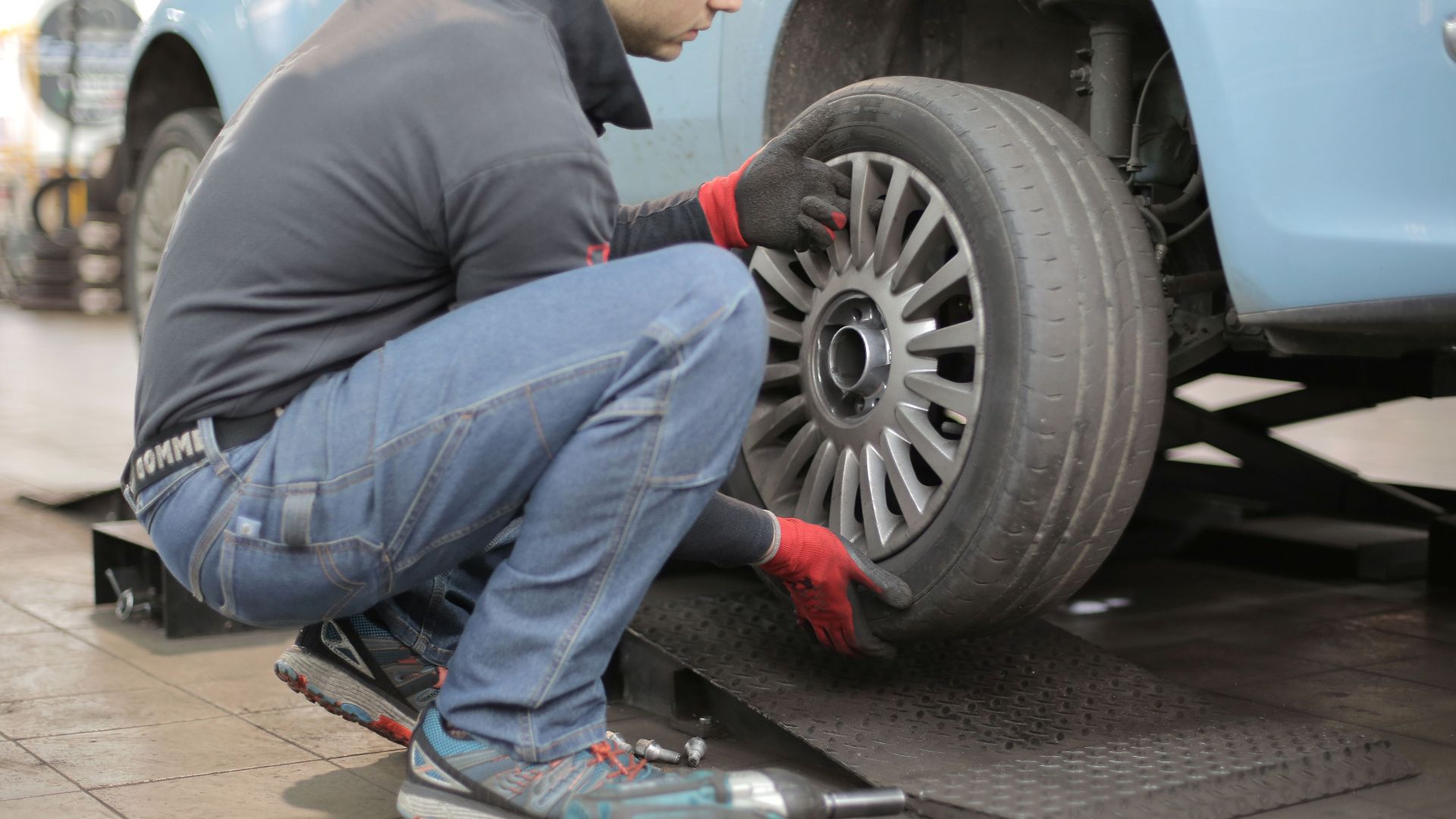
What Does “Changing Tires” Mean?
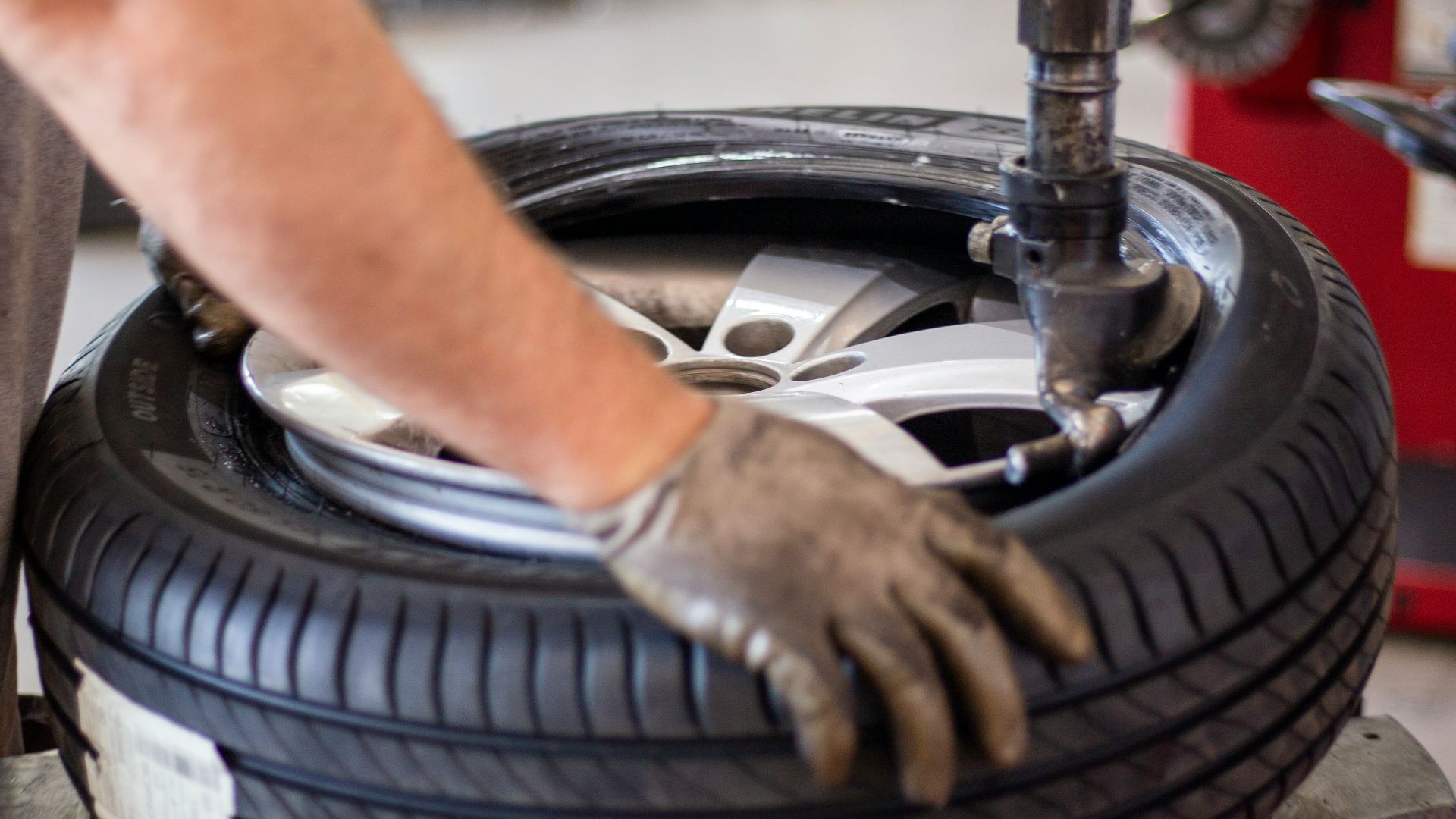
Swapping complete wheels with winter tires already mounted is different from removing tires from rims and mounting another set. Continental says tire mounting should be performed by a qualified professional with suitable equipment. Make sure the insurer understands which job was done before discussing the consequences.
Ask Them To Show You The Rule
Request the exact wording the insurer is relying on, including any endorsement that changes the policy. Ask whether it concerns installation, vehicle condition, or information on your application. A written explanation gives you something concrete to review instead of a vague warning to worry about.

“Void” And “Cancelled” Mean Different Things
An insurer seeking to void a policy may be trying to treat it as invalid from the beginning. Cancellation ends coverage on an effective date. Refusing a particular claim is another matter altogether. Ask which action the company is actually taking, because the financial consequences can be very different.

Nonrenewal Is Another Possibility
A company saying it won’t renew your policy is different from saying you have no coverage today. Nonrenewal concerns coverage ending at the relevant expiration date, while cancellation can happen during the policy term. Don’t let those terms get bundled together into one alarming statement.
 Korawat photo shoot, Shutterstock
A New Policy Can Have Different Rules
How long the policy has been in effect can matter. New York, for instance, gives insurers broader cancellation rights during the first 60 days of a new personal auto policy, subject to their underwriting guidelines. After that, midterm cancellation is limited to specific grounds. That is a New York rule.

They Can’t Always Cancel For Any Reason
After that initial period, New York’s regulator lists grounds including nonpayment, fraud or material misrepresentation, and certain license suspensions or revocations. Assigned-risk policies can have additional criteria. Changing your own winter wheels isn’t listed as a standalone ground, which makes the insurer’s actual explanation especially important.

Incorrect Information Is A More Serious Issue
If the company claims you supplied false information on the application or during a claim, ask exactly which statement it is challenging. Material misrepresentation can have serious insurance consequences. But that allegation needs to be examined separately from the simple fact that you performed a seasonal wheel swap yourself.
 Tualek Photographer, Shutterstock
A Bad Installation Raises Different Questions
If a wheel comes loose after a seasonal swap, the installation becomes relevant to investigating what happened. That still doesn’t answer every coverage question. Ask which damage the insurer is refusing to cover, what it believes caused that damage, and which policy provision supports its decision.

Insurance Doesn’t Cover Every Tire Problem
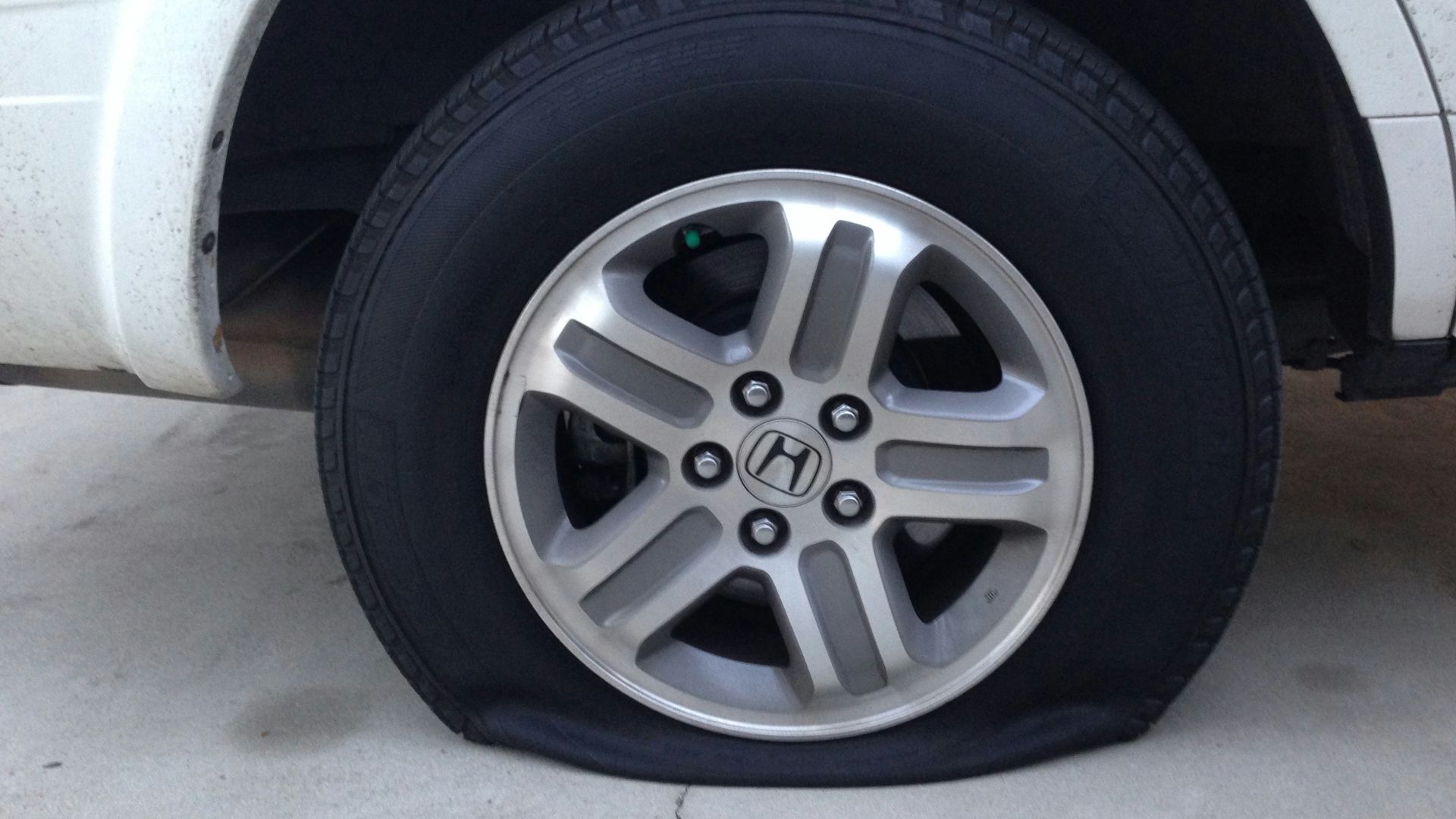
Progressive explains that ordinary tire wear, unexplained flats, and routine punctures generally aren’t covered by standard auto insurance. Damage from a covered collision or other insured event may be. Paying for a replacement tire yourself therefore doesn’t necessarily mean anything has happened to the rest of your policy.
Mechanical Trouble Isn’t The Same As Collision Damage
Standard auto insurance generally doesn’t pay for a mechanical breakdown unrelated to a covered event. If a failure leads to a crash, the failed part and resulting accident damage need separate consideration under the policy. A faulty installation alone doesn’t establish that everything is covered or that everything can be denied.

Your Own Car Needs The Right Coverage
Liability insurance generally pays for covered injuries or damage you cause to others, rather than repairs to your own vehicle. Collision coverage may help with accident damage to your car. Before arguing about the tire installation, check whether the policy includes the coverage needed for the loss being claimed.

A Second Set Of Wheels Deserves A Mention
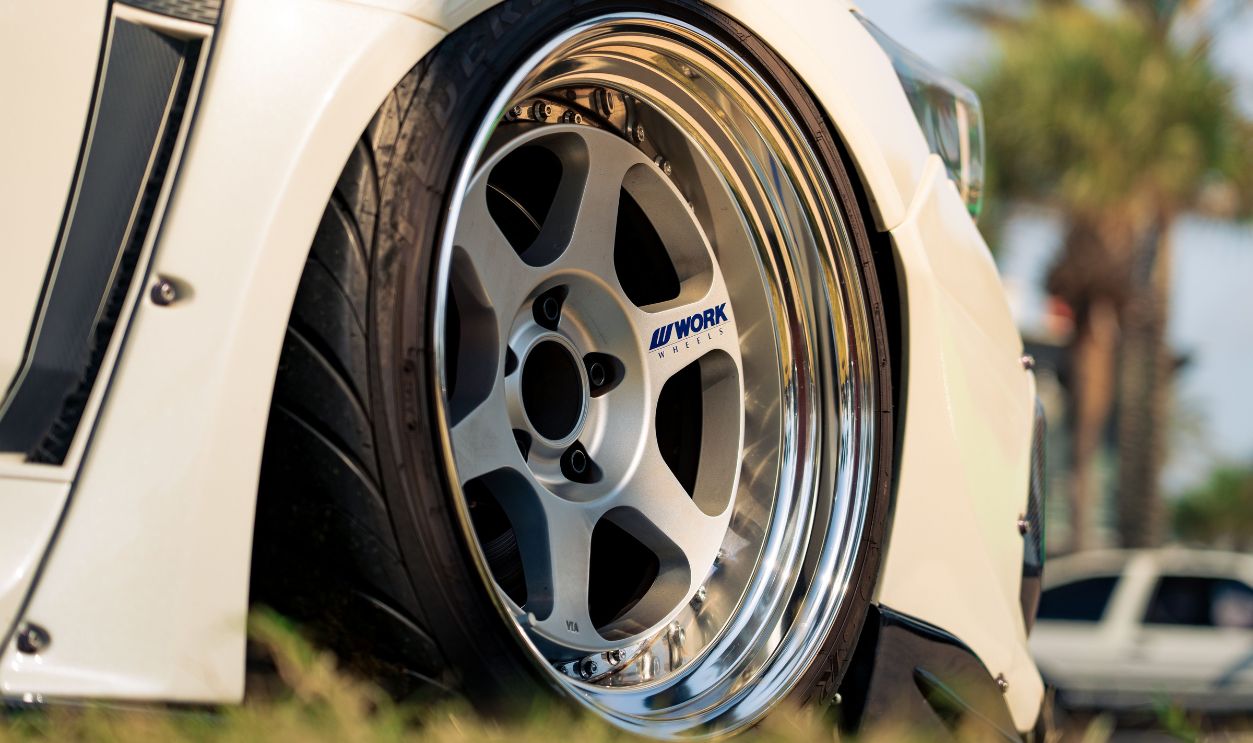
If the winter setup includes expensive aftermarket wheels, ask whether their full value is covered. Progressive notes that custom wheels may require additional custom-parts coverage. That is a question about protecting the equipment’s value, rather than proof that installing it yourself invalidates the entire policy.
“Tight Enough” Isn’t A Specification
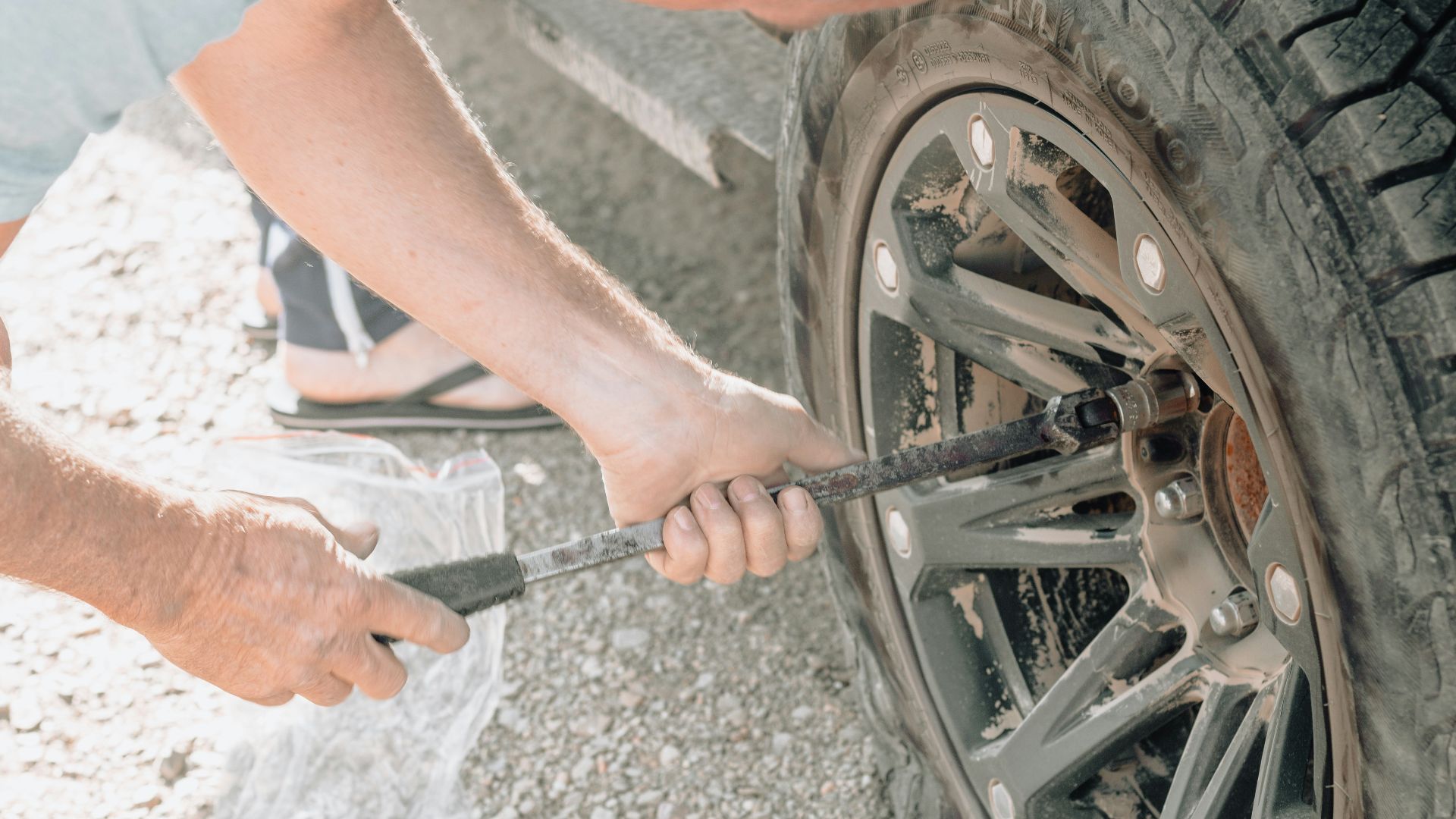
Regardless of the insurance dispute, wheel fasteners need the correct tightening torque. Continental advises using the value specified for the vehicle and a torque wrench. Years of doing the job yourself don’t make guessing more accurate. Follow the manufacturer’s instructions, including any required checks after installation.
Winter Tires Belong On All Four Wheels
Michelin recommends a complete set of four winter tires for consistent handling. Fitting only two might seem like an easy way to cut costs, but it creates a different traction balance between the axles. Whatever happens with the insurance conversation, the winter setup still needs to be appropriate for the vehicle.

Keep A Record Of The Work
Save purchase receipts and record when the winter wheels were fitted. Note the tire model and any inspection or professional check afterward. These records don’t guarantee coverage, but they can help establish what equipment was installed and when if those facts become part of a dispute.
 https://kaboompics.com/, Pexels
Get The Decision In Writing
Ask for written confirmation of whether the insurer is denying a claim, cancelling coverage, or refusing renewal. Request the reason, supporting policy provisions, and relevant dates. Keep the notice itself, too. Your state insurance department will have a much clearer issue to review when the company’s position is documented.

Confirm Whether You’re Still Covered
Ask whether coverage remains active and when any termination takes effect. Don’t assume that disputing the decision automatically keeps the policy in force. If the company says coverage has ended, confirm replacement insurance before driving. Challenging the decision and avoiding a coverage gap need to happen alongside each other.

Take It Beyond The First Representative
If the explanation still doesn’t make sense, request a supervisor or use the insurer’s complaint process. The NAIC recommends first trying to resolve the issue with the company. Keep emails, letters, and notes of calls, including dates and names, so the next reviewer can follow what happened.

Your State Insurance Department Can Help
If the company doesn’t resolve the issue, contact your state insurance department. The NAIC says these departments can investigate complaints for free, including disputed denials and allegedly unjustified cancellations or nonrenewals. Submit the policy, the insurer’s explanation, relevant records, and a clear statement of the outcome you want.

So, How Is That Legal?
The insurer needs to explain its basis under your policy and state law. A seasonal wheel swap performed at home doesn’t, by itself, establish that the policy is invalid. Installation problems, application information, and coverage exclusions raise separate questions. Get the actual reason before accepting that all your insurance is gone.
You Might Also Like:
My uncle says “ridge riding” cuts his fuel costs by over 40%. Is that really possible?