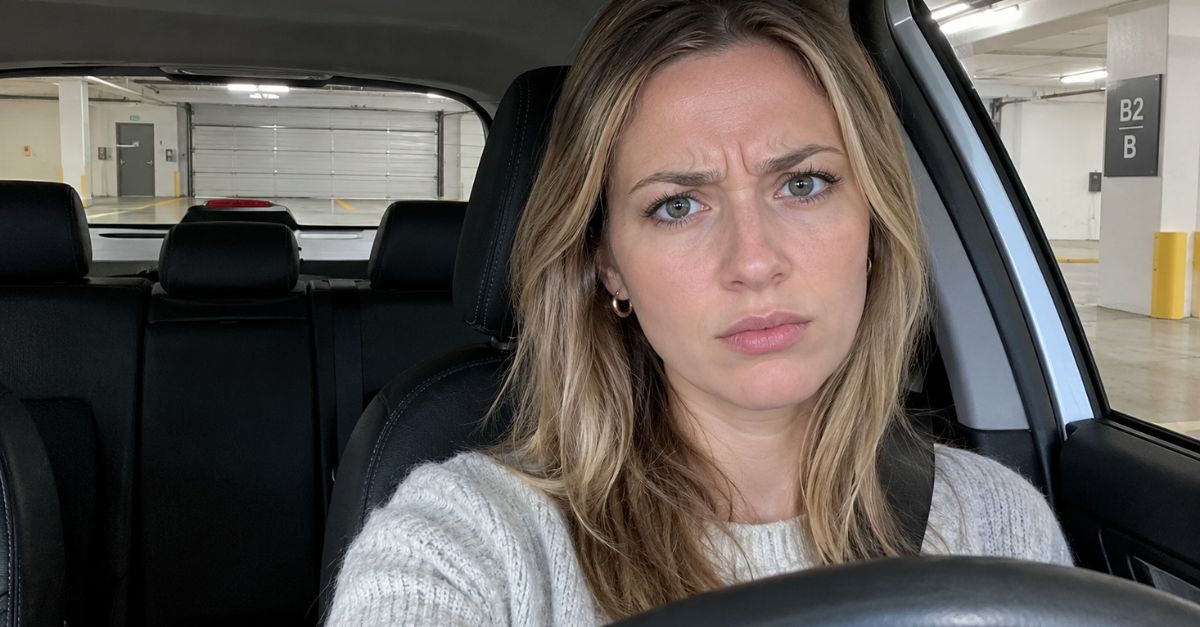
The Parking Rule You Did Not See Coming
You pull into your garage the way you always have, then a notice shows up: no more backing into the space. The condo says exhaust can stain the wall. It may sound nitpicky, but in many condos and HOA communities, rules about which way you park are real and often enforceable.
Yes, A Condo Can Sometimes Tell You Which Way To Park
If you live in a condo or HOA, your parking space may feel like your own, but it is usually still covered by community rules. Those rules often come from the declaration, bylaws, or regulations adopted by the board. If a rule was adopted the right way and does not conflict with higher law, the building can often require nose-in parking or ban backing in.

Why Reverse Parking Becomes A Problem
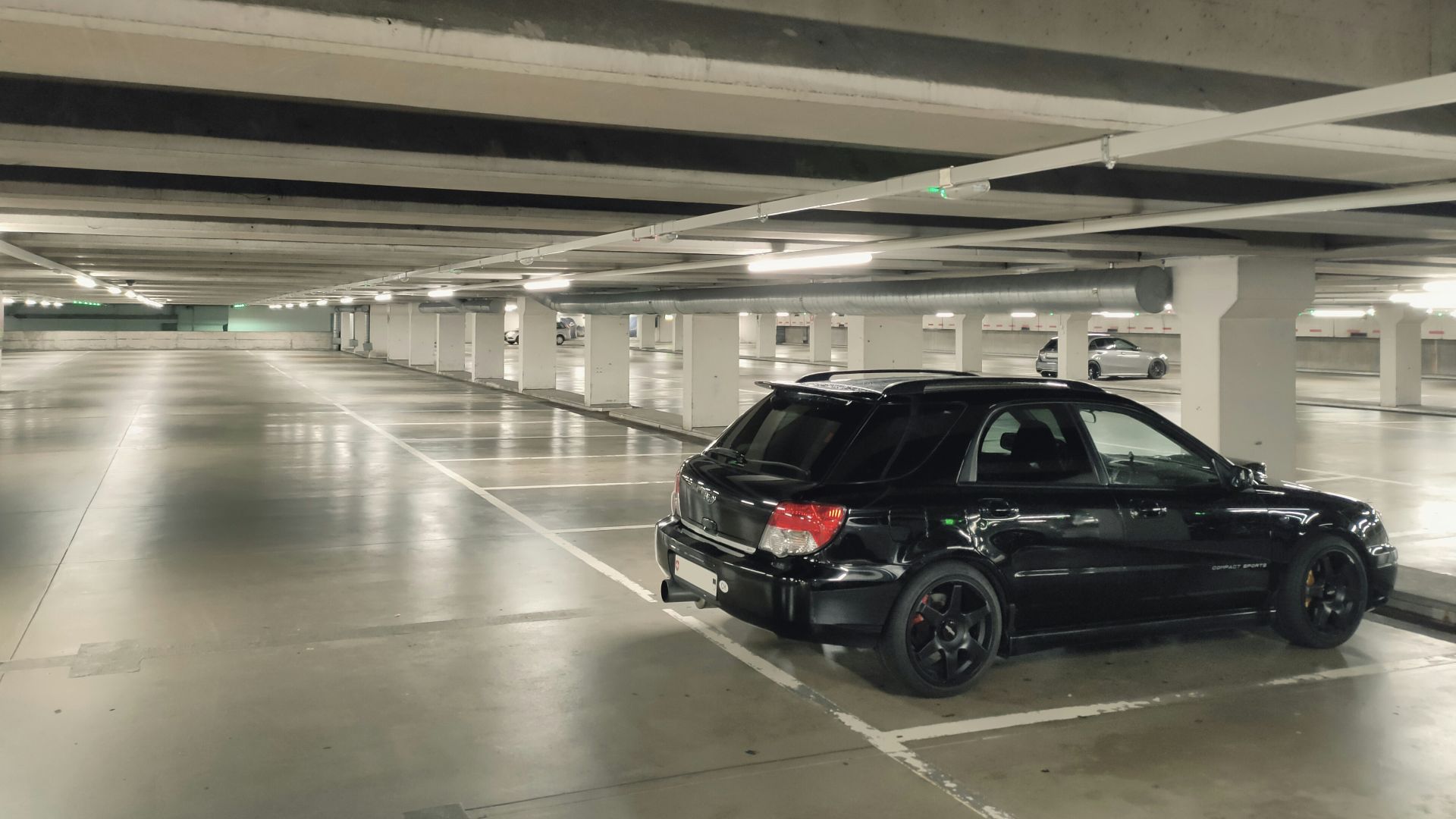
The wall-stain reason is not random. Over time, exhaust can leave soot and residue on nearby surfaces, especially in enclosed or partly enclosed garages. Property managers also point to safety, fire access, and license plate visibility when they require drivers to park nose-in.
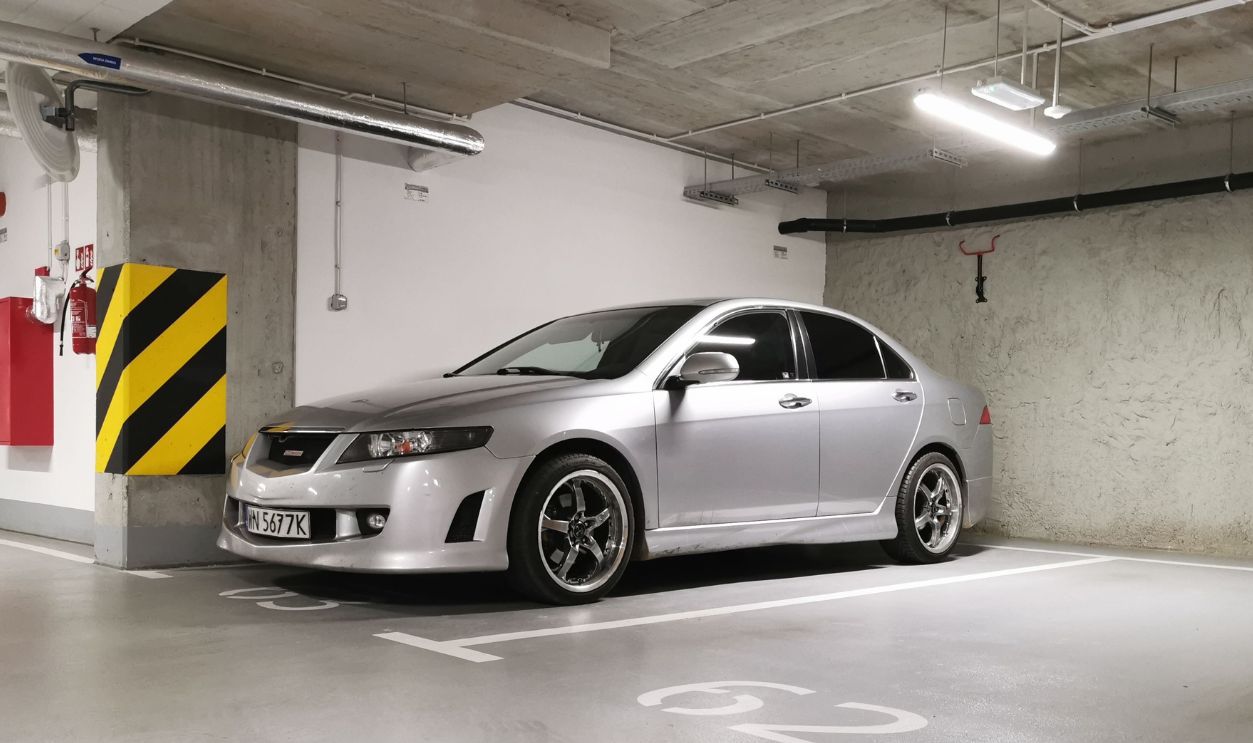
What Condo Boards Usually Control
Condo boards usually have power over common elements and shared areas, and garages often fall into that bucket even when spaces are assigned to specific owners. How far that power goes depends on the governing documents and state law. That is why parking fights usually get settled by paperwork, not by what feels fair in the moment.

The Documents That Matter Most
Start with the declaration or CC&Rs, then read the bylaws, house rules, and any parking resolutions passed by the board. Those documents may say whether the board can regulate parking on its own or whether the owners have to vote first. Timing matters too, because a newer rule may be valid only if it was adopted under the right procedures.

State Law Can Change The Answer
Condo associations do not make rules in a vacuum. State laws often spell out what boards can regulate, how rules must be adopted, and what owners can challenge. In Florida, for example, Chapter 718 lays out condo board powers and rulemaking steps that often shape disputes over parking and use restrictions.

Florida Shows How Formal The Process Can Be
Guidance from the Florida Department of Business and Professional Regulation shows that boards must act through properly noticed meetings and stay within their legal authority. That does not mean every parking rule is valid, but it does mean the process matters. If a condo skips required steps, owners may have a solid argument against enforcement.
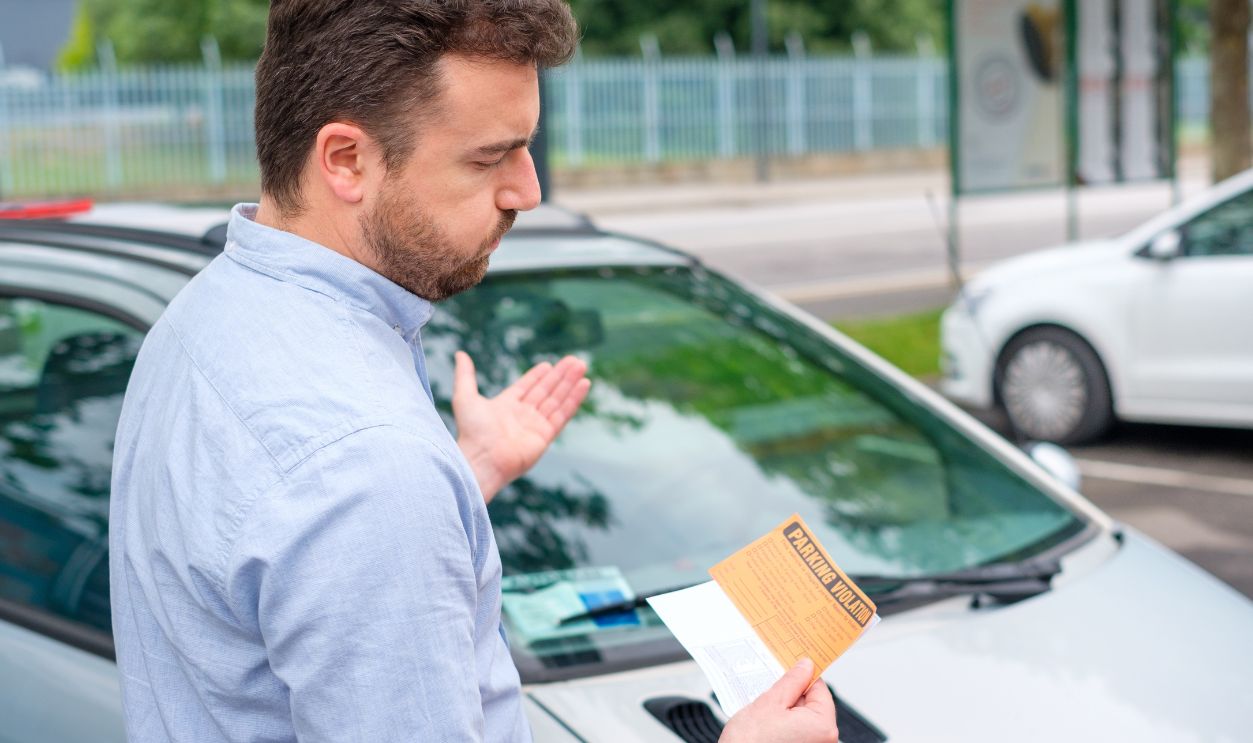
Whether The Rule Is Reasonable Often Matters Most
Courts and regulators often look at whether an association rule is reasonable and tied to a real community purpose. Preventing property damage, cutting maintenance costs, and protecting common areas are usually stronger reasons than simple preference. A vague rule, or one enforced only when convenient, is much easier to challenge than a clear rule backed by an actual problem.

Wall Stains Are Not Just About Looks
Exhaust byproducts can discolor surfaces and build up over time, especially in places with limited ventilation. The U.S. Environmental Protection Agency has long explained that vehicle exhaust contains pollutants such as carbon monoxide, nitrogen oxides, and particulate matter. So even if the rule sounds fussy, it can be tied to both maintenance and air quality.

Indoor Garages Raise The Stakes
The Occupational Safety and Health Administration warns that carbon monoxide from vehicles can quickly become dangerous in enclosed spaces. Garage ventilation systems help, but they do not stop all residue from collecting on nearby walls or doors. If a space is tight and the tailpipe points straight at a painted surface, a board has a stronger case for saying parking direction matters.
There Can Also Be A Fire Safety Angle
Some communities back up parking-direction rules by pointing to local fire access concerns, though that depends on the building and local code. The National Fire Protection Association sets widely used safety standards, and local officials often enforce garage safety rules through local ordinances. If the condo has support from a fire marshal or engineer, the rule becomes much harder to dismiss as arbitrary.

License Plates Can Be Part Of The Reason
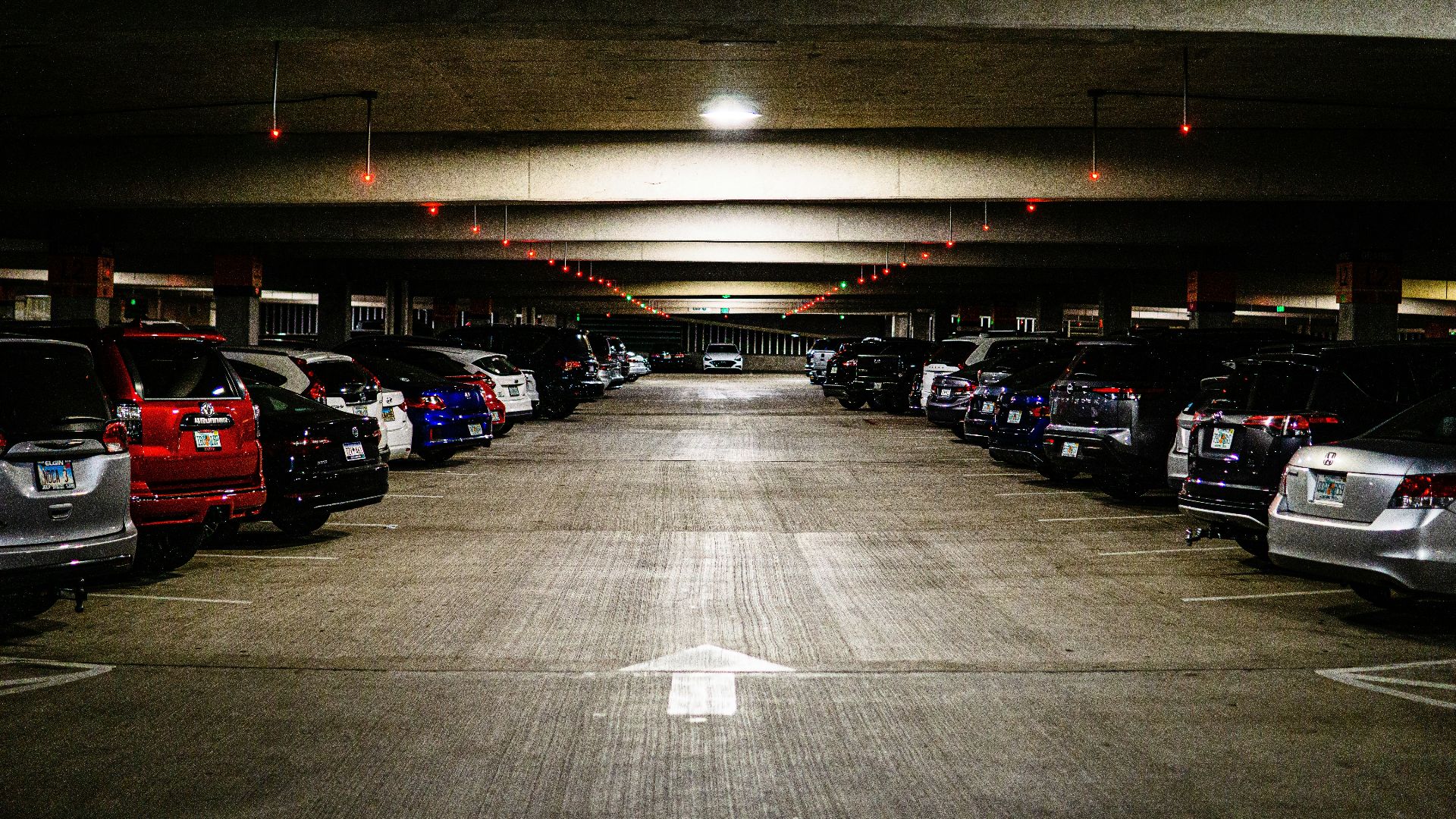
In some buildings, management wants plates facing the drive aisle so security staff can identify vehicles or handle towing more easily. That is common in communities that monitor parking closely or need to spot unauthorized vehicles fast. It is not the reason everywhere, but it shows how one parking rule can rest on several different concerns at once.
An Assigned Space Is Not Total Freedom
Many owners assume that if they bought the right to use a certain space, they can use it however they want. Condo law usually does not work that way. Ownership or exclusive-use rights are often limited by the association’s power to protect the broader community.

But The Board Cannot Invent Rules Out Of Thin Air
A restriction still needs a legal basis. If the declaration says nothing about parking direction and the bylaws sharply limit board power, the association may need an owner-approved amendment before adding a new restriction. That is why two condos on the same street can end up with very different answers to the same reverse-parking fight.

Selective Enforcement Can Undercut The Rule
One of the biggest warning signs is uneven enforcement. If management ignored back-in parking for years and then suddenly cracks down on only a few residents, owners may have a defense based on selective enforcement or waiver, depending on state law. If that seems to be happening, save photos, notices, and dates.

Notice Matters More Than Many People Think
Before a fine or violation can stick, the association usually has to give proper notice and a chance to be heard under state law and the governing documents. In Florida condos, for example, the statute includes procedures for fines and suspensions. Even a valid rule can become a problem for the board if it is enforced sloppily.

Ask The Condo To Show Why The Rule Exists
If your building says the problem is exhaust staining, ask for maintenance records, engineering advice, or photos showing the issue. That is not being difficult. It is a practical way to find out whether the rule is based on a real recurring problem or just a preference dressed up as policy.

Check Whether The Rule Was Properly Adopted
Look for board meeting notices, minutes, and the actual text of the rule. Many states require condo boards to hold open meetings except in limited cases, and the meeting record can show when the rule was discussed and approved. If the board never formally adopted the policy, enforcement may be on shaky ground.

Read The Fine Print On The Parking Space
Your deed, plat, or condo documents may describe the space as a limited common element, an exclusive-use common element, or part of the unit itself. Those labels can affect the legal analysis. They do not always block a parking-direction rule, but they can help show how much control the association actually has.

Disability Or Medical Needs Can Change The Picture
If nose-in or back-in parking creates a problem for someone with a disability, fair housing laws may require the association to consider a reasonable accommodation. The U.S. Department of Housing and Urban Development says housing providers must review those requests case by case. So a blanket parking rule is not always the final word.

Electric Cars Add Another Layer
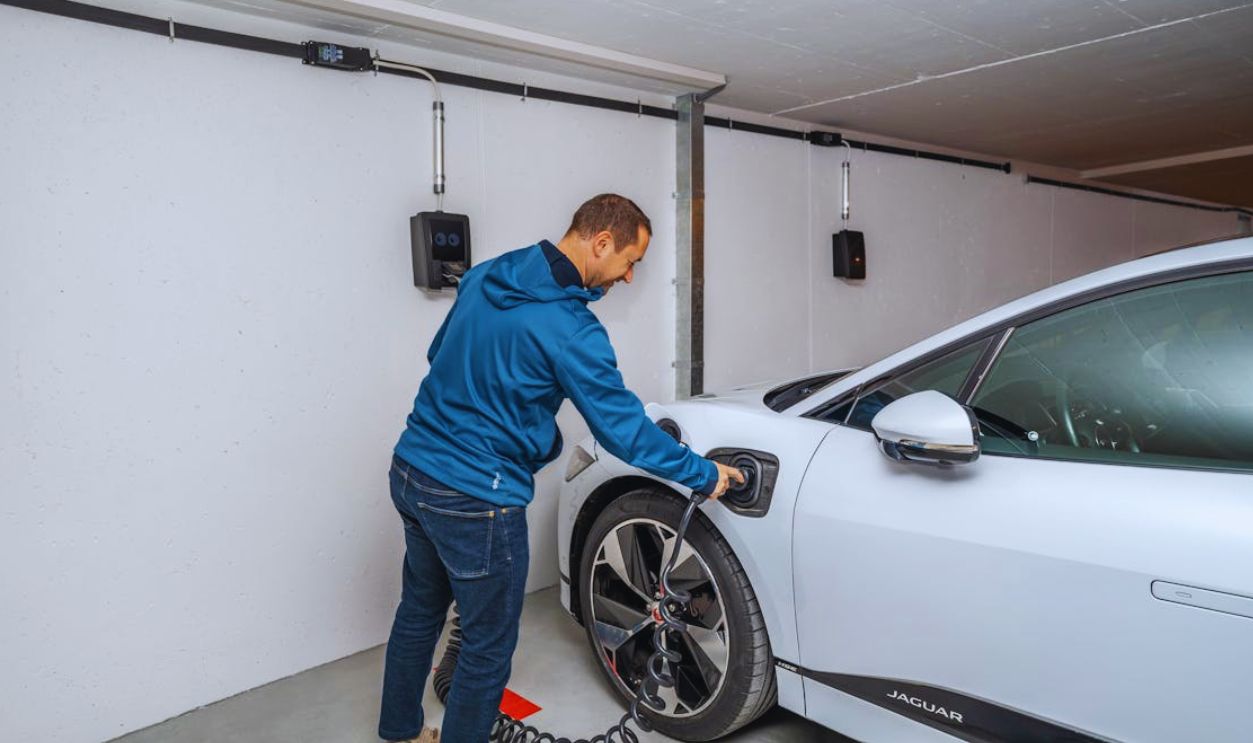
As more residents switch to EVs, charger location and cable reach can make parking-direction rules harder to apply. Many garages were designed long before charging was common, and whether a driver parks nose-in or back-in may decide whether the car can charge at all. That does not automatically cancel the rule, but it can force the board to rethink how workable the rule really is.
Local Law Can Override Condo Preferences
Sometimes city or county rules speak more directly to garage ventilation, idling, fire lanes, or safety clearances than the condo documents do. A board cannot adopt a rule that conflicts with local law. Checking the local code, or asking the building or fire department, can show whether the condo’s explanation has real official support.

What To Do Before It Turns Into A Bigger Fight
Start by asking for the governing documents, the written rule, and the date it was adopted. Then ask why the rule was created and whether the board considered other fixes, such as wall protection, better ventilation, or case-by-case exceptions. A calm paper trail usually gets farther than a parking-lot argument.

How To Push Back Without Making It Worse
If the rule seems weak or unsupported, send a short, polite letter asking the board to explain its authority or reconsider the policy. Point to the exact document language you think matters. Owners who show up informed and steady usually get further than owners who show up angry.

Mediation Or State Complaint Options May Help
Some states offer arbitration, ombudsman programs, or administrative complaint channels for condo disputes. Florida, for example, has a long-running condo oversight system through the DBPR. These options can be faster and cheaper than going straight to court, especially when the real issue is procedure or whether the board had authority to make the rule.

When It Makes Sense To Call A Lawyer
If the association is fining you, towing your car again and again, or threatening legal action, it may be time to talk to a lawyer who handles community association law in your state. A quick review of the documents can often show whether the board has a strong case. That kind of advice usually costs less than dragging out a fight based on guesswork.

The Bottom Line
Yes, a building can often tell you which way to park, especially in a condo or HOA with properly adopted rules and a real reason, such as preventing exhaust stains or protecting common areas. But the board still needs legal authority, proper procedure, and consistent enforcement. If your condo bans reverse parking, do not just argue about it in the garage. Read the documents, verify the rule, and make the building back it up.