Electric cars promise fewer oil changes, fewer moving parts and less routine maintenance. Then some owners discover the catch: tires. An EV can chew through a set surprisingly quickly, sometimes leaving drivers wondering whether something is wrong with the car. Usually, there isn't. Several characteristics that make EVs appealing also make life considerably harder for their tires.
Batteries Add Serious Weight
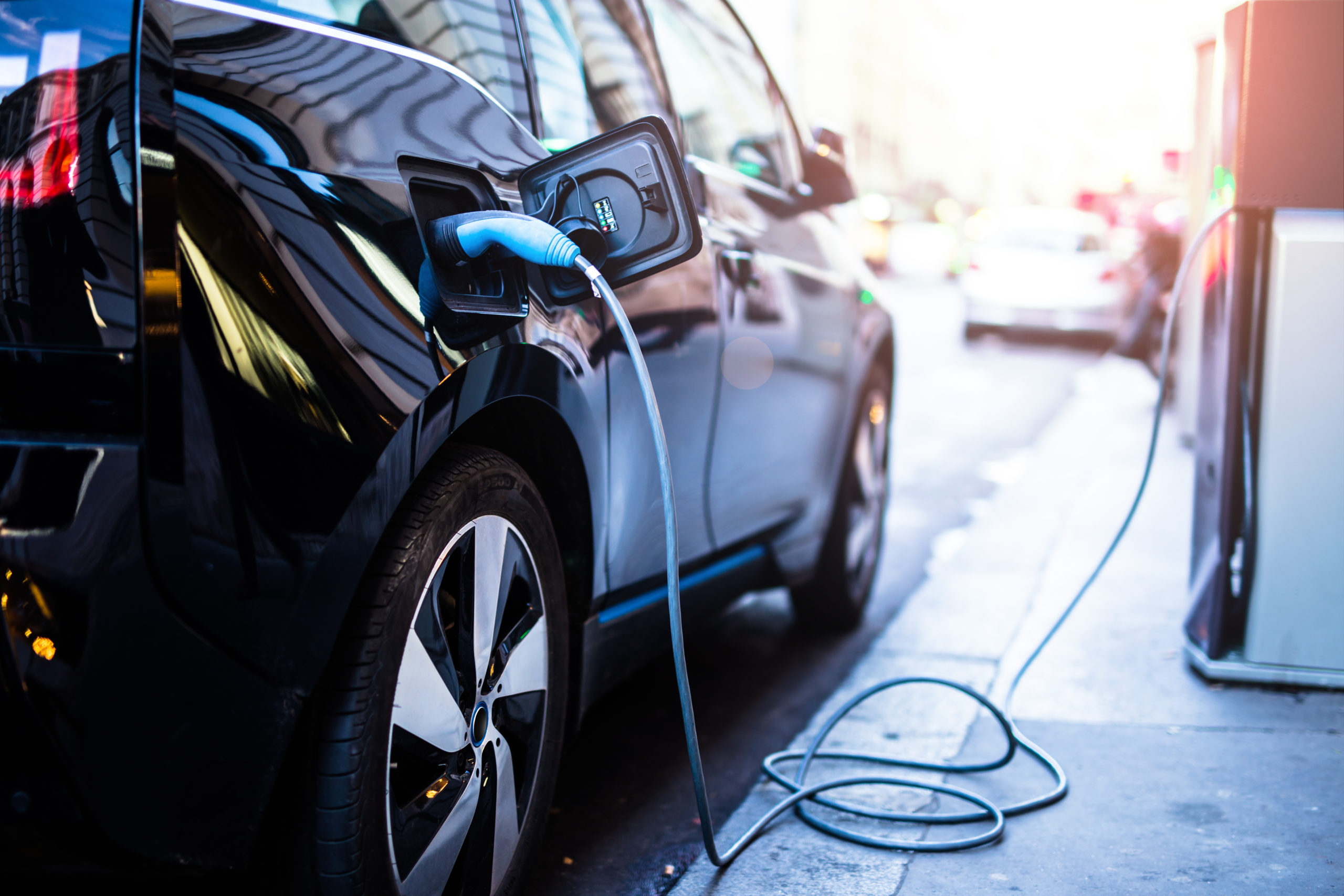
The biggest culprit is sitting underneath the passenger compartment. EV battery packs are heavy, so an electric version of a vehicle will often weigh considerably more than a comparable gasoline-powered model.
Every extra pound has to be carried by four relatively small patches of rubber touching the pavement. More weight means greater forces on the tires during acceleration, cornering and braking, increasing the work the tread has to perform. Consumer Reports notes that this additional mass is one reason many EVs use XL, or Extra Load, and HL, or High Load, tires.
Instant Torque Doesn't Help
Then there's one of the most entertaining things about driving an EV. Electric motors can deliver substantial torque immediately, giving even fairly ordinary electric cars surprisingly brisk acceleration.
Unfortunately, your tires participate in every one of those launches. Rapid acceleration places considerable stress on the tread as it transfers the motor's torque to the pavement. Repeated hard starts can therefore consume rubber faster than smooth acceleration. Michelin identifies increased weight and instant torque as two major contributors to accelerated EV tire wear.
In other words, that addictive accelerator pedal isn't free.
Regenerative Braking Adds Stress
EVs also slow themselves differently. Regenerative braking uses the electric motor to decelerate the vehicle while recovering some energy that would otherwise be lost during braking.
That's terrific for brake-pad life, but the deceleration forces still pass through the tires. Depending on the vehicle and how aggressively its regenerative braking operates, those forces can contribute to tire wear, particularly on the driven wheels.
So an EV may be unusually gentle on its conventional brakes while simultaneously asking plenty from its tires.
How Much Faster?
There isn't one percentage that applies to every electric car. Tire life depends heavily on vehicle weight, tire design, alignment, road conditions, climate and, especially, how the owner drives.
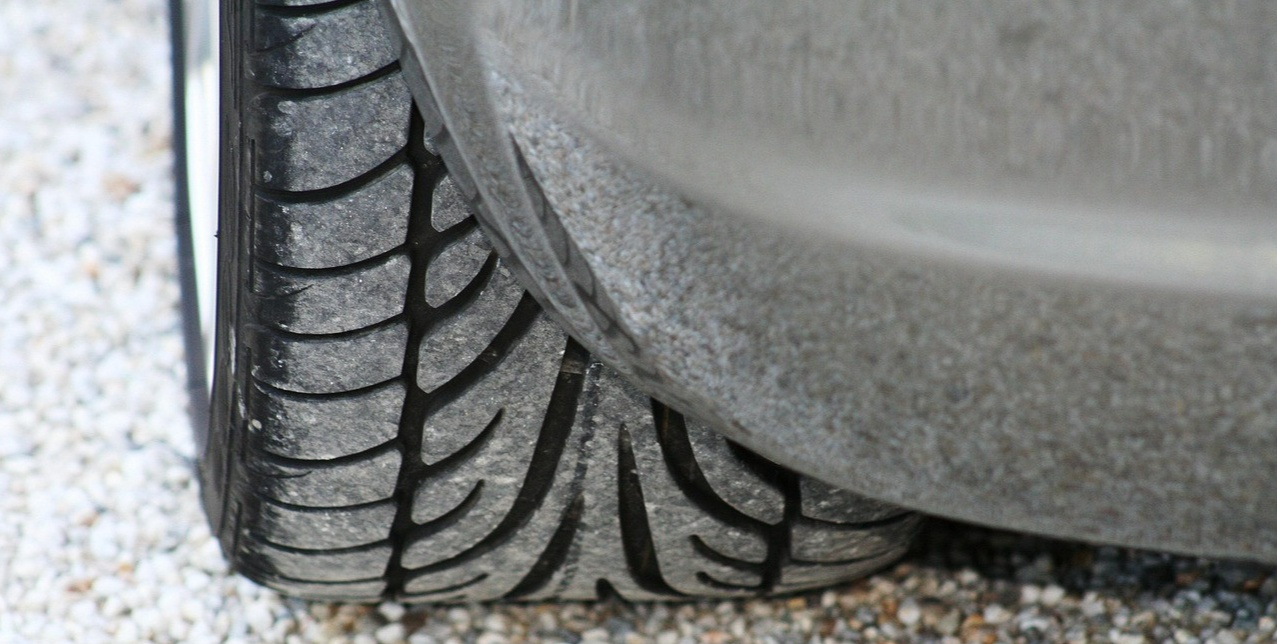
Still, the difference can be substantial. Michelin says EVs can wear tires roughly 20% faster than comparable internal-combustion vehicles, while emphasizing that newer tire designs can help offset that disadvantage. Consumer Reports similarly warns EV owners to pay particular attention to tread depth because heavier electric vehicles tend to wear their tires more quickly.
That doesn't mean every EV will destroy its tires prematurely. A gently driven electric sedan on durable touring tires can have a very different experience from a heavy, high-performance EV subjected to frequent full-throttle acceleration.
EV Tires Are Different
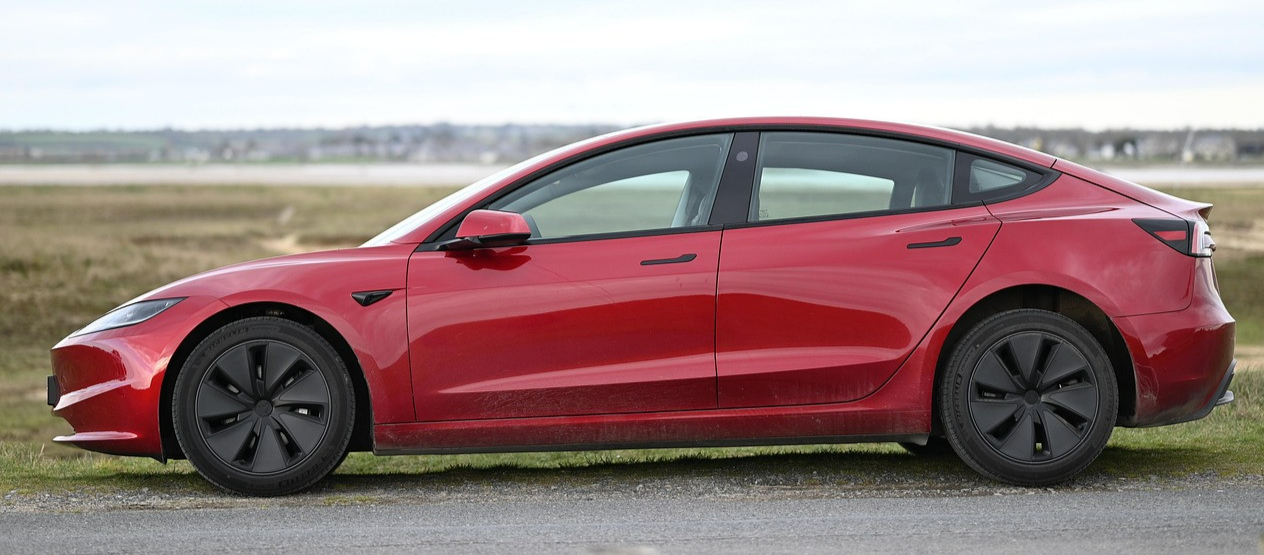
Tire manufacturers have responded by designing products around the peculiar demands of electric vehicles. They may use stronger structures and higher load ratings to handle the weight, while tread compounds are engineered to balance grip, durability and low rolling resistance.
That last requirement creates an interesting challenge. Lower rolling resistance helps an EV travel farther on a charge, but manufacturers still need enough traction to handle high torque, substantial weight and braking forces. Quietness matters too, because without an engine masking road noise, tire noise becomes much more noticeable inside an EV.
Special Tires Aren't Mandatory
Here's an important distinction: an EV doesn't automatically require a tire carrying an “EV” label.
Michelin says its conventional tire lines can be used on EVs provided the tire meets the vehicle's load-capacity requirements. What's crucial is choosing the correct size, load index, speed rating and other specifications required by the automaker. Some EVs require XL or HL tires because of the loads involved.
An EV-optimized tire may offer advantages in wear, efficiency and noise, but don't assume an expensive tire is necessary merely because “EV” appears in its marketing.
Maintenance Matters Even More
The easiest way to waste an expensive set of tires is to neglect inflation, rotation or alignment.
Underinflated tires generate more heat and tend to wear excessively around their shoulders. Incorrect alignment can rapidly scrub tread from a tire, while failing to rotate the tires can allow the driven axle to wear considerably faster than the other end of the car.
Check pressures when the tires are cold and use the pressure specified by the vehicle manufacturer, usually found on the driver's door-jamb label. Follow the vehicle or tire manufacturer's rotation schedule and inspect tread depth regularly rather than waiting for a service appointment.

Your Right Foot Matters
Finally, there's a remarkably inexpensive way to make EV tires last longer: stop demonstrating your car's acceleration to everyone who gets into it.
Smooth acceleration and progressive braking reduce the forces being transmitted through the tires. Keeping the vehicle properly aligned and inflated helps too.
Electric cars don't necessarily have a mysterious tire problem. They're simply asking their tires to handle a difficult combination of extra weight, immediate torque, regenerative deceleration and high performance. Drive accordingly, maintain them carefully and choose suitable replacements, and you can keep that expensive rubber underneath the car considerably longer.
You May Also Like:
Electric cars save you so much money over gas vehicles. Why haven't you switched yet?
My electric vehicle insurance costs more than the car payment. Is this actually the new normal?