The Premium Pump Panic Is Real
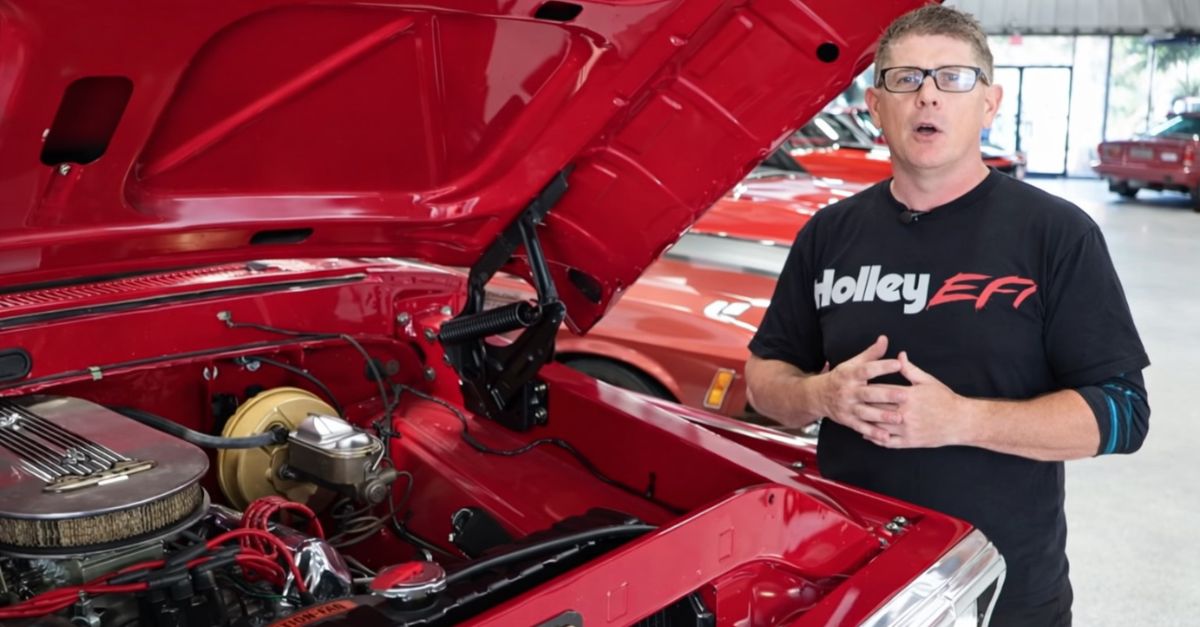
Everyone knows it these days. You pull into a gas station, look up at the price board, and feel the sting. It's even worse if the guy at the dealership insisted that you always use premium in your new car. But if your owner’s manual says regular is fine, are you just paying extra for no good reason? Usually, the answer is simple: Yes.

The Owner's Manual Usually Wins
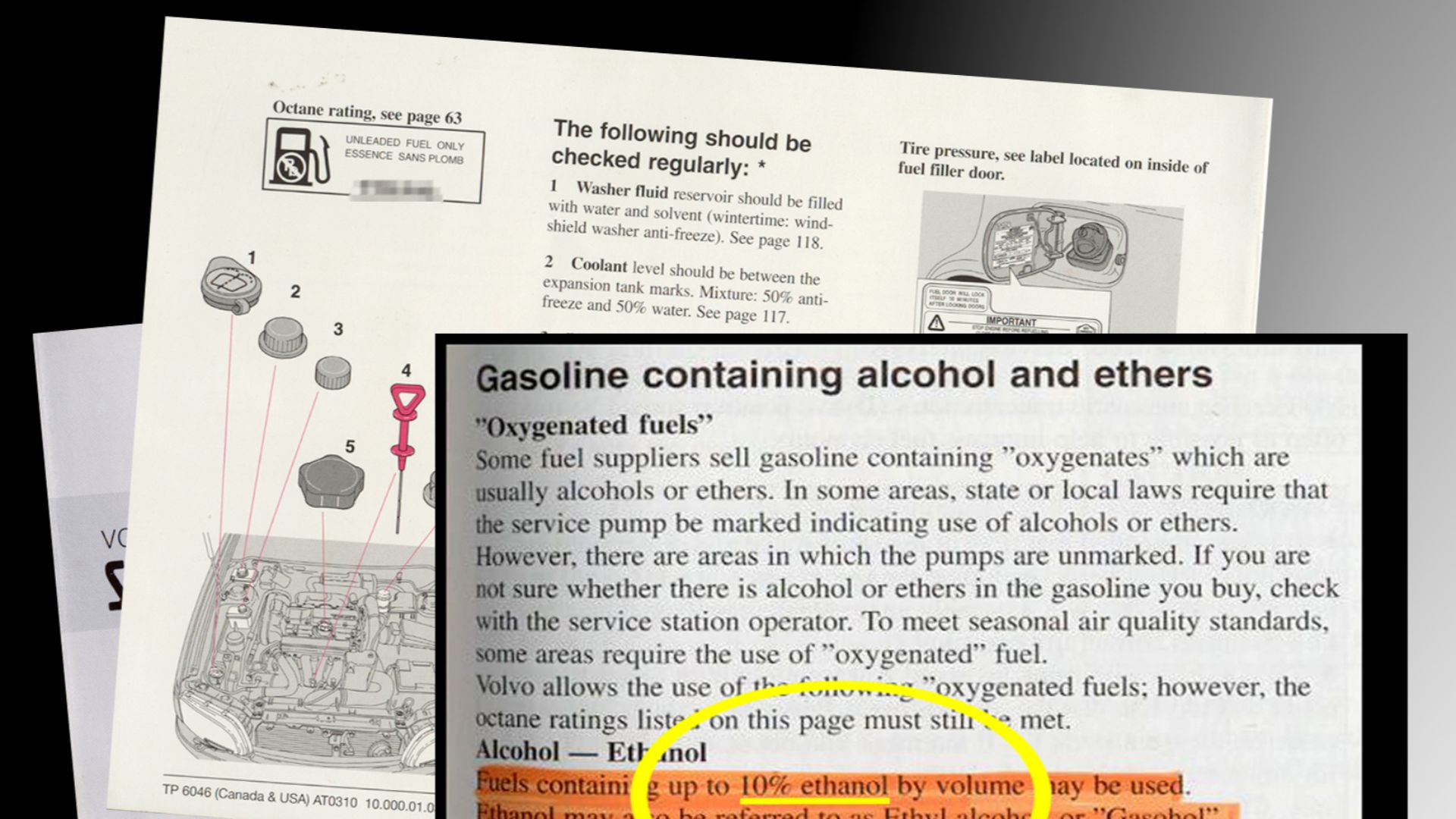
If the salesperson says one thing, the service advisor says another, and the owner’s manual says something else, trust the manual. It is written and approved by the manufacturer for your exact vehicle, engine, and model year. The dealership is not the final word on what fuel your car needs, even when the advice is well meant.
 Mariordo Mario Roberto Duran Ortiz, Wikimedia Commons
Recommended And Required Are Not The Same
This is the difference that settles most of the argument. If the manual says premium is recommended, the engine is built to run on regular, though you might give up a little performance or fuel economy. If the manual says premium is required, lower-octane gas is not what the manufacturer intended for normal use, and you can expect reduced performance.
What Octane Actually Means
Octane is not a rating for fuel quality, cleanliness, or power. It measures how well gasoline resists knocking, which is abnormal combustion inside the engine. The U.S. Department of Energy says higher-octane fuel is mainly for engines designed to use it, not as a universal upgrade for every car.
Why Some Engines Ask For More
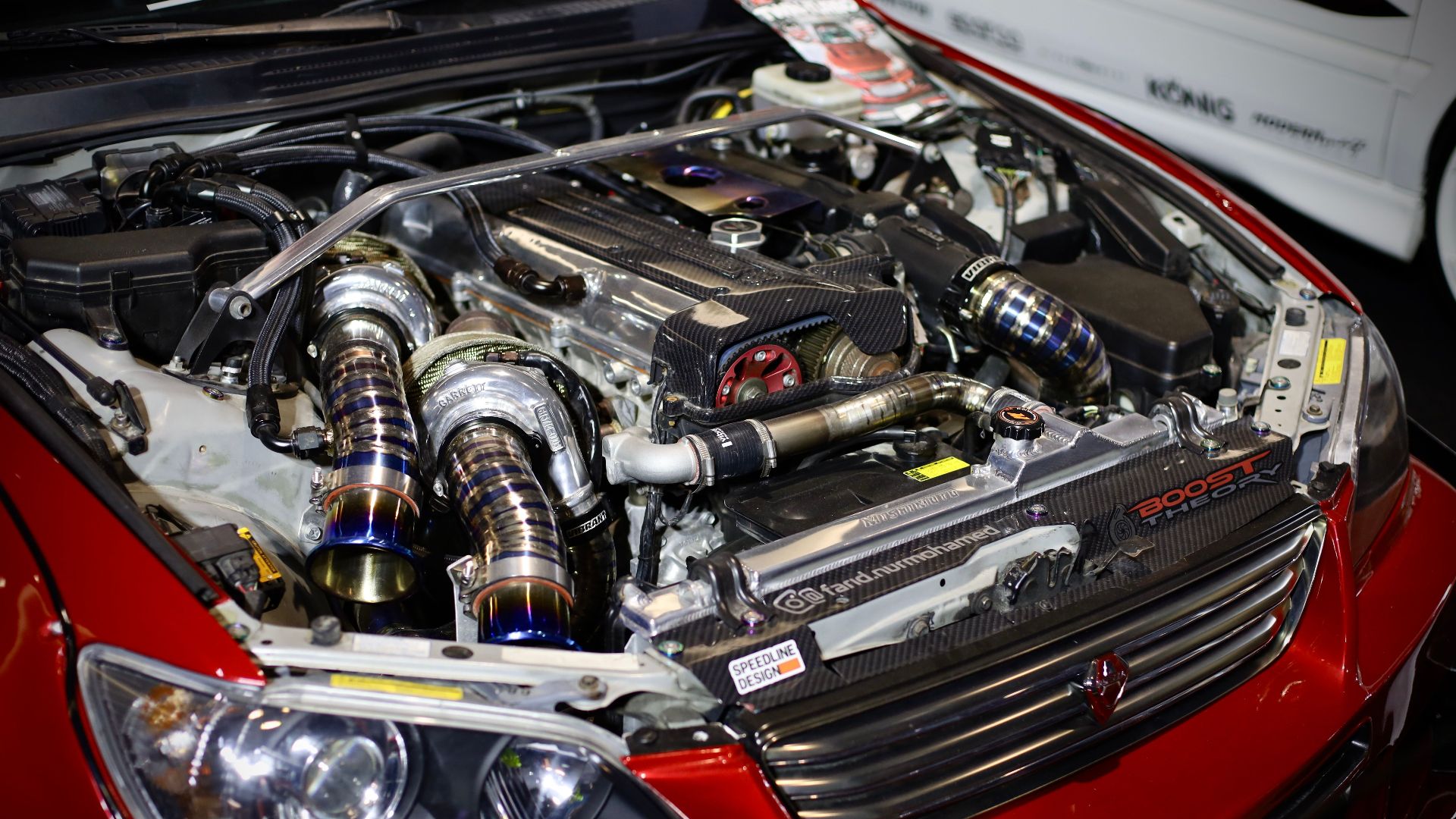
Modern turbocharged and high-compression engines create more heat and pressure inside the cylinders. That raises the risk of knock, which is why some automakers recommend or require higher-octane fuel. Premium helps the engine hold the timing and boost levels it was tuned to use.
Your Car Is Smarter Than Old Fuel Myths
Most modern engines use knock sensors and computer controls to watch combustion in real time. If you put regular in a car that only recommends premium, the engine can often adjust its ignition timing to protect itself. The car will usually run safely, though it may lose a bit of power or fuel economy.

What AAA Found In A Major 2017 Study
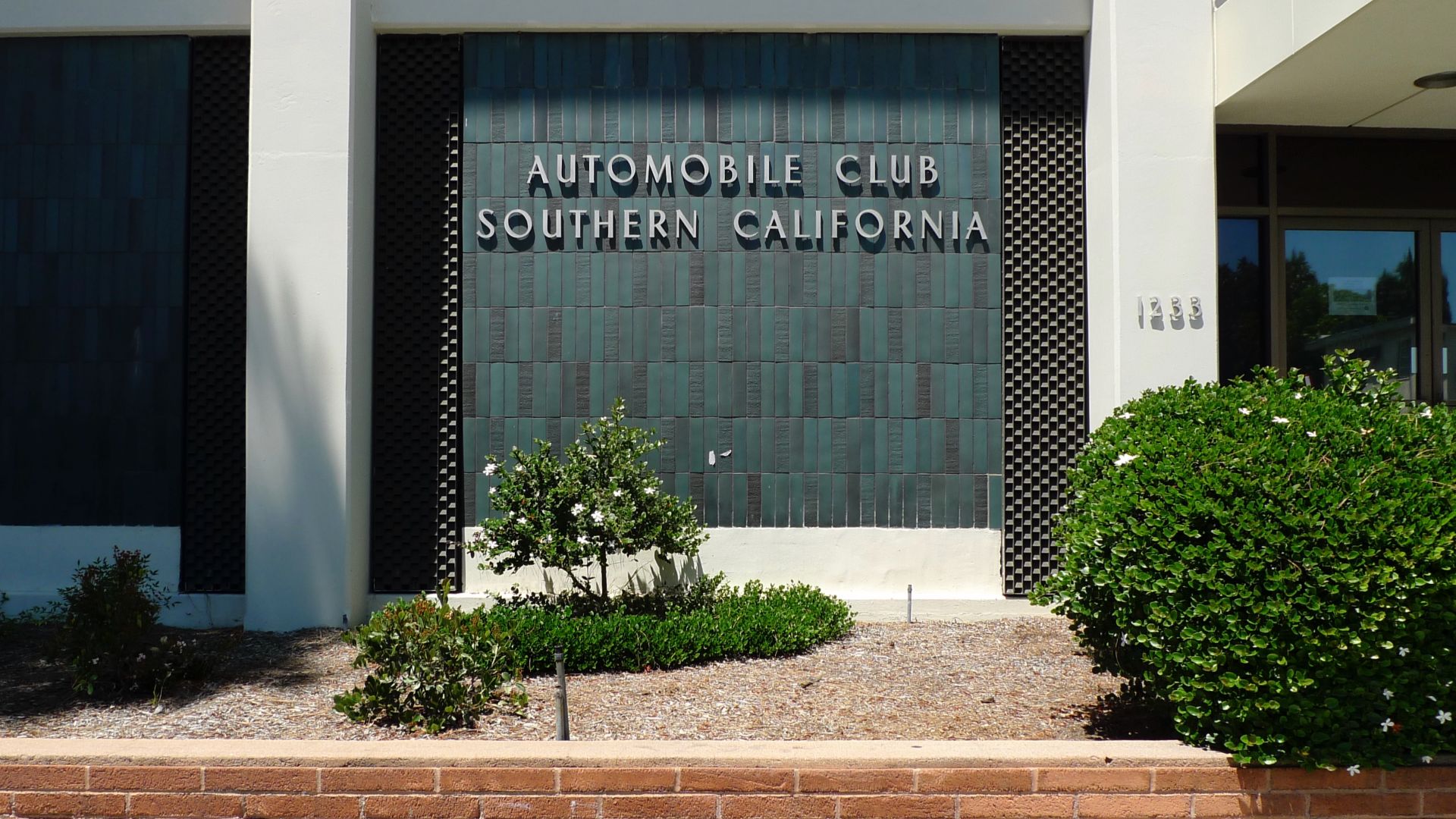
In 2017, AAA worked with the Automobile Club of Southern California’s Automotive Research Center to test vehicles that recommended, but did not require, premium gasoline. The group found that premium gave an average power increase of 2.7 percent and an average fuel economy improvement of 0.7 percent compared with regular. AAA also found that the average price gap at the time was about 26 cents per gallon, which often wiped out those small gains.
 Dreamyshade, Wikimedia Commons
The Headline Result Was Pretty Clear
AAA’s conclusion was straightforward. For drivers of vehicles that only recommend premium, the extra cost may not be worth it. If your owner’s manual says regular is acceptable, you are often paying more for only minor real-world benefits.
 The Bushranger, Wikimedia Commons
There Can Still Be A Catch
Minor gains are still gains. Some engines may feel a little stronger on premium, especially during hard acceleration, in hot weather, or with a heavy load. If you care about getting every bit of performance your engine can offer, the recommendation may still matter even if it is not a must.

What Consumer Reports Has Said
Consumer Reports has also said drivers should not buy premium unless their owner’s manual requires or recommends it. The publication notes that if premium is only recommended, switching to regular should not harm the engine. That matches AAA’s 2017 findings pretty closely.
 Consumer Reports, Inc.
, Wikimedia Commons
Consumer Reports, Inc.
, Wikimedia Commons
Why Dealerships Often Say Premium Anyway
Sometimes the advice is just overly cautious. A dealership may tell every buyer of a turbocharged or luxury model to use premium because it is simpler and helps avoid complaints about power, noise, or fuel economy. That does not mean the advice is completely wrong, but it can leave out some important detail.

Sales Language And Service Language Are Different From Engineering Language
Automakers and dealers do not always speak with the same level of precision. Engineers write fuel requirements based on testing. Dealers often boil that down to a quick message for buyers, and somewhere along the way, “recommended” can start sounding a lot like “required.”

Check The Exact Wording In Your Manual
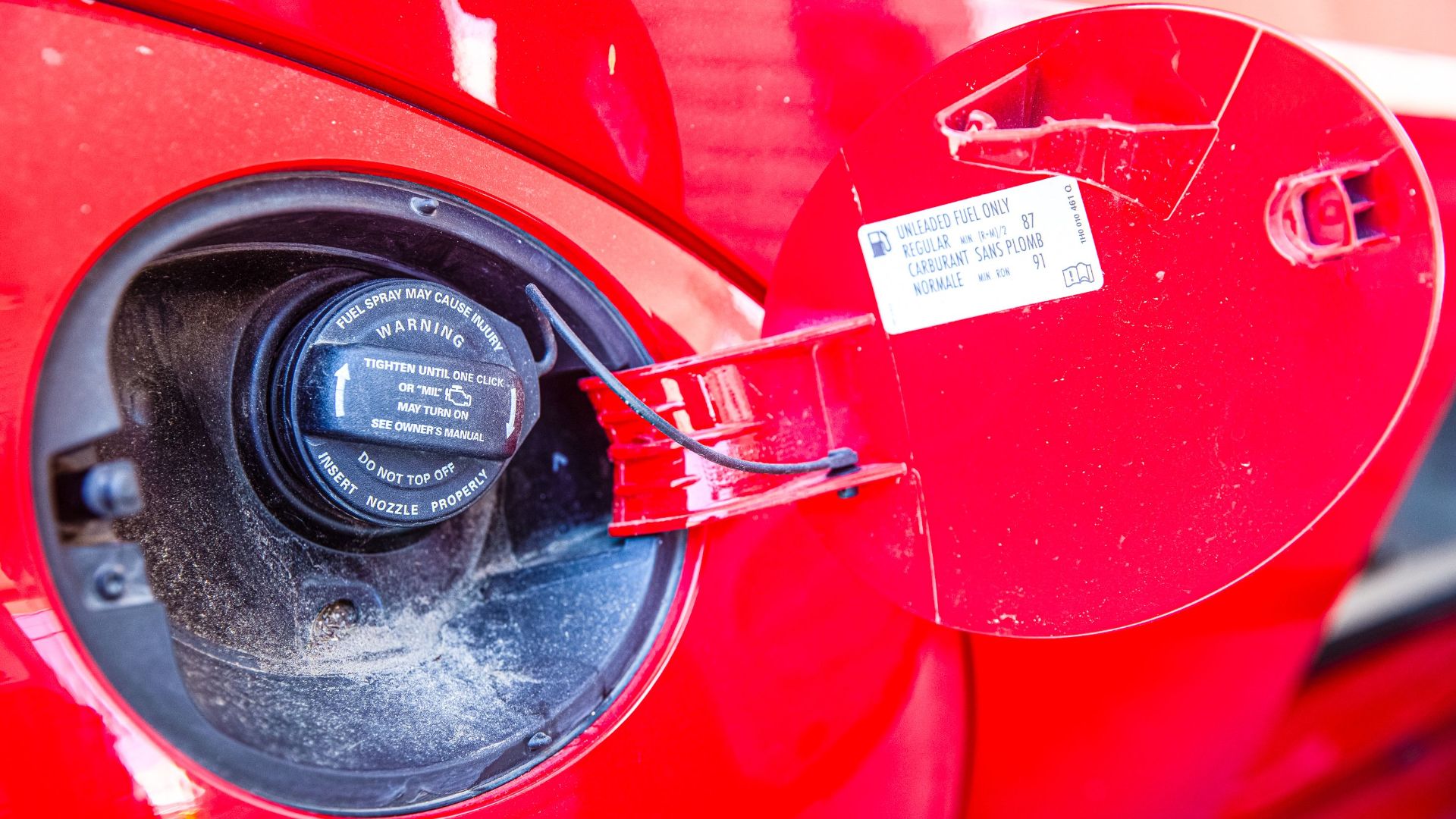
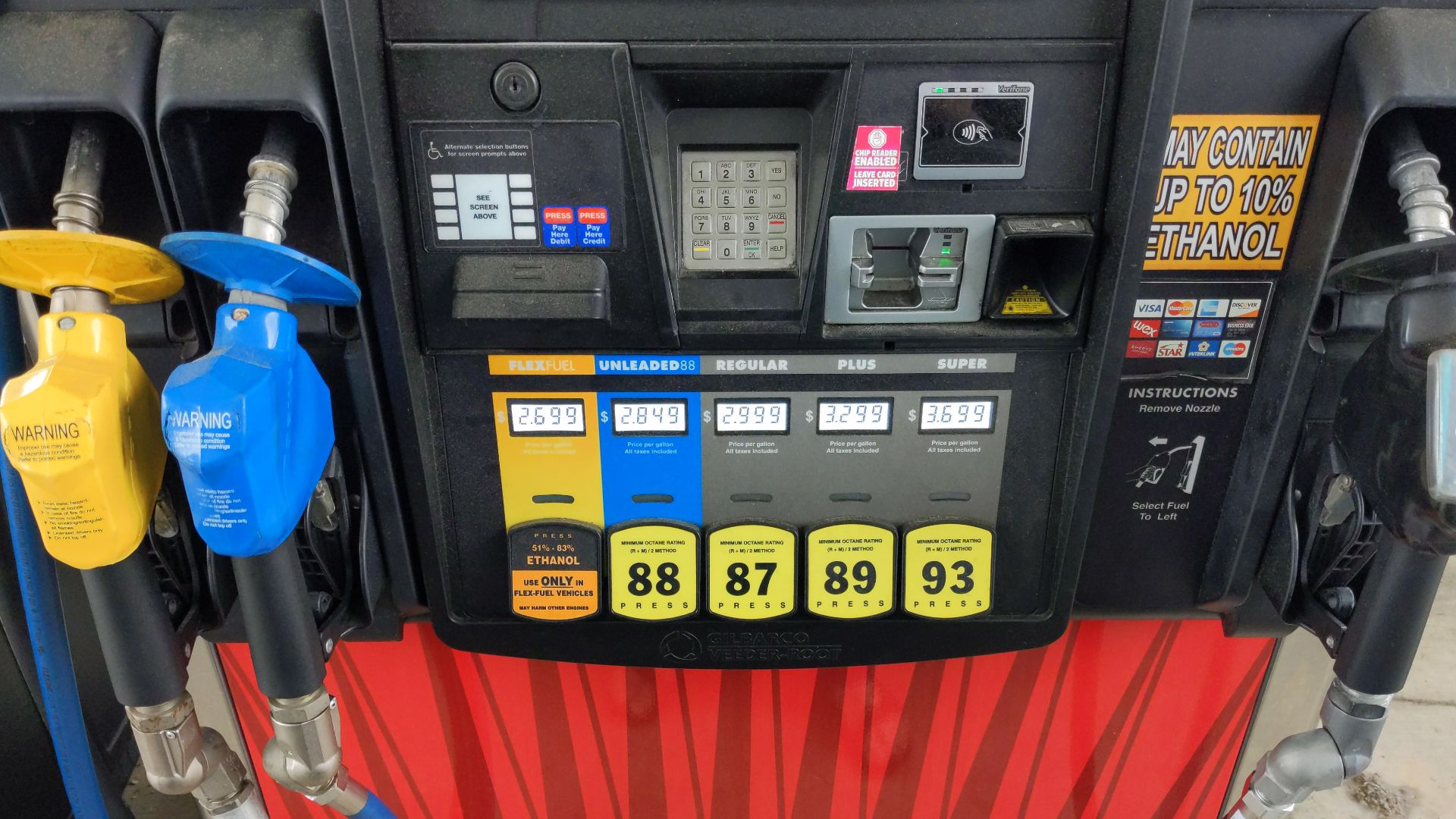
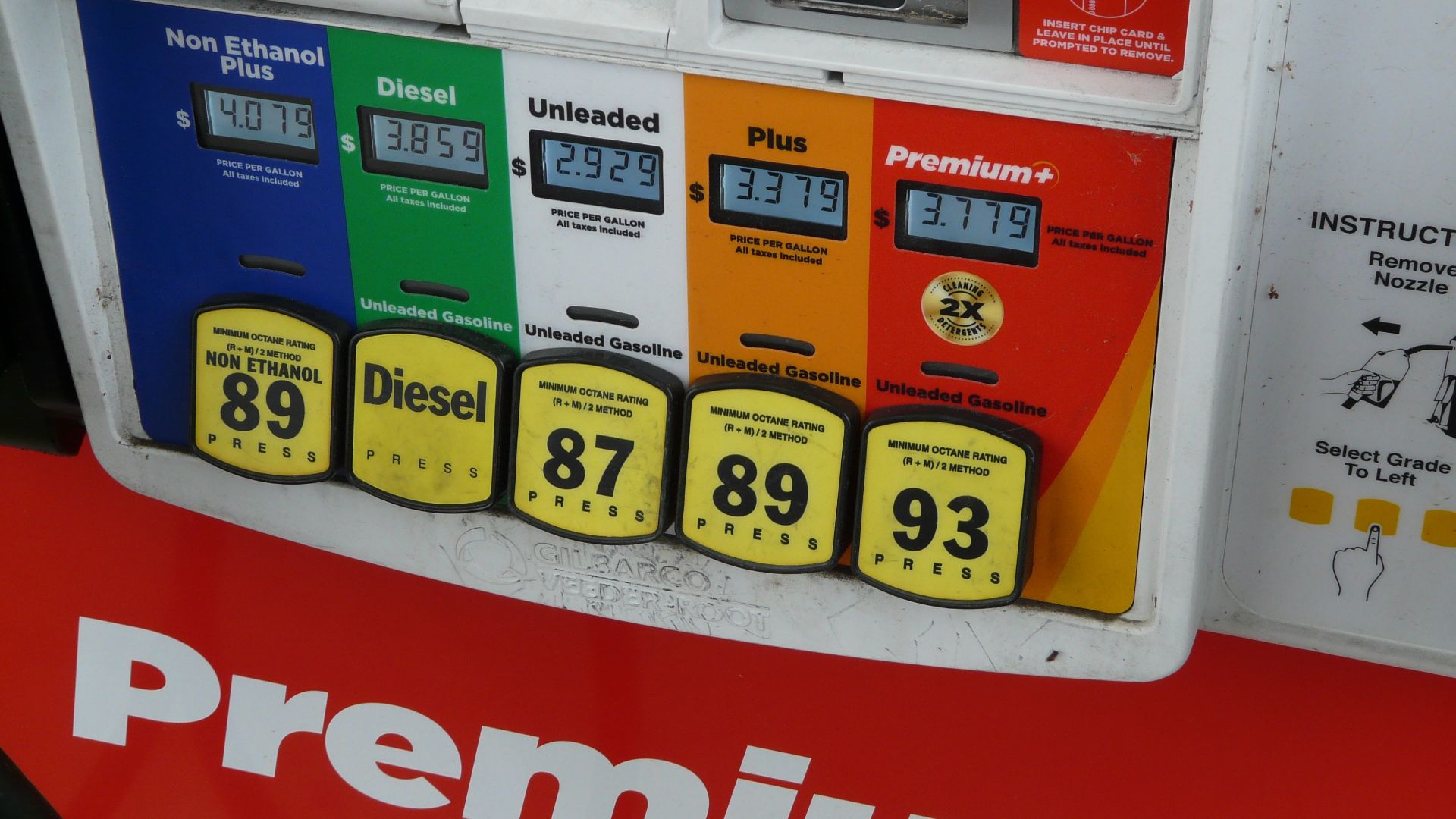
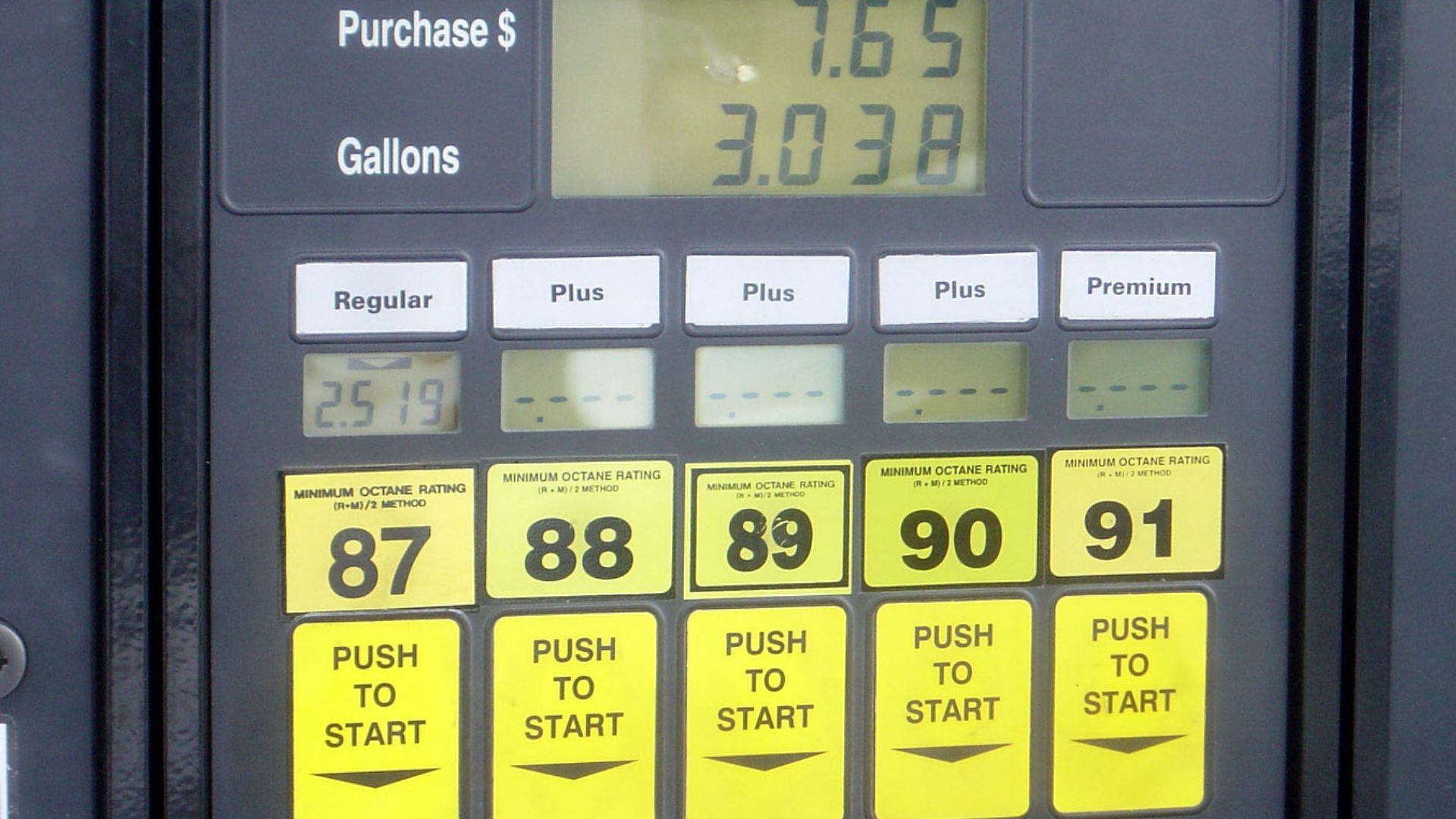
This matters more than almost anything else. Look for wording like “premium required,” “premium recommended,” or “87 AKI minimum.” In the United States, gas pumps list octane as AKI, so that is the number you should match to the wording in your manual.

AKI, RON, And Why The Numbers Can Look Different
If you have read forums or articles from other countries, you may have seen octane numbers that do not match what you see at U.S. pumps. That is because many countries use RON, while the United States and Canada commonly use AKI. So 91 RON is not the same as 91 AKI. Always go by the standard used in your manual and on your local pump.
 The original uploader was Bobak at English Wikipedia., Wikimedia Commons
What Happens If You Use Regular In A Premium Recommended Car
Usually, nothing dramatic. The engine management system may back off the ignition timing to stop knock, and you may notice softer acceleration. If the manual clearly says regular is acceptable, you are generally not damaging the engine.

What Happens If The Manual Says Premium Required
That is a different situation. The car may still protect itself to a point, but you are now outside the manufacturer’s intended fuel guidance. Expect lower performance, and do not assume using lower octane is a smart long-term habit if premium is required.
Do You Save Money With Premium Through Better Mileage
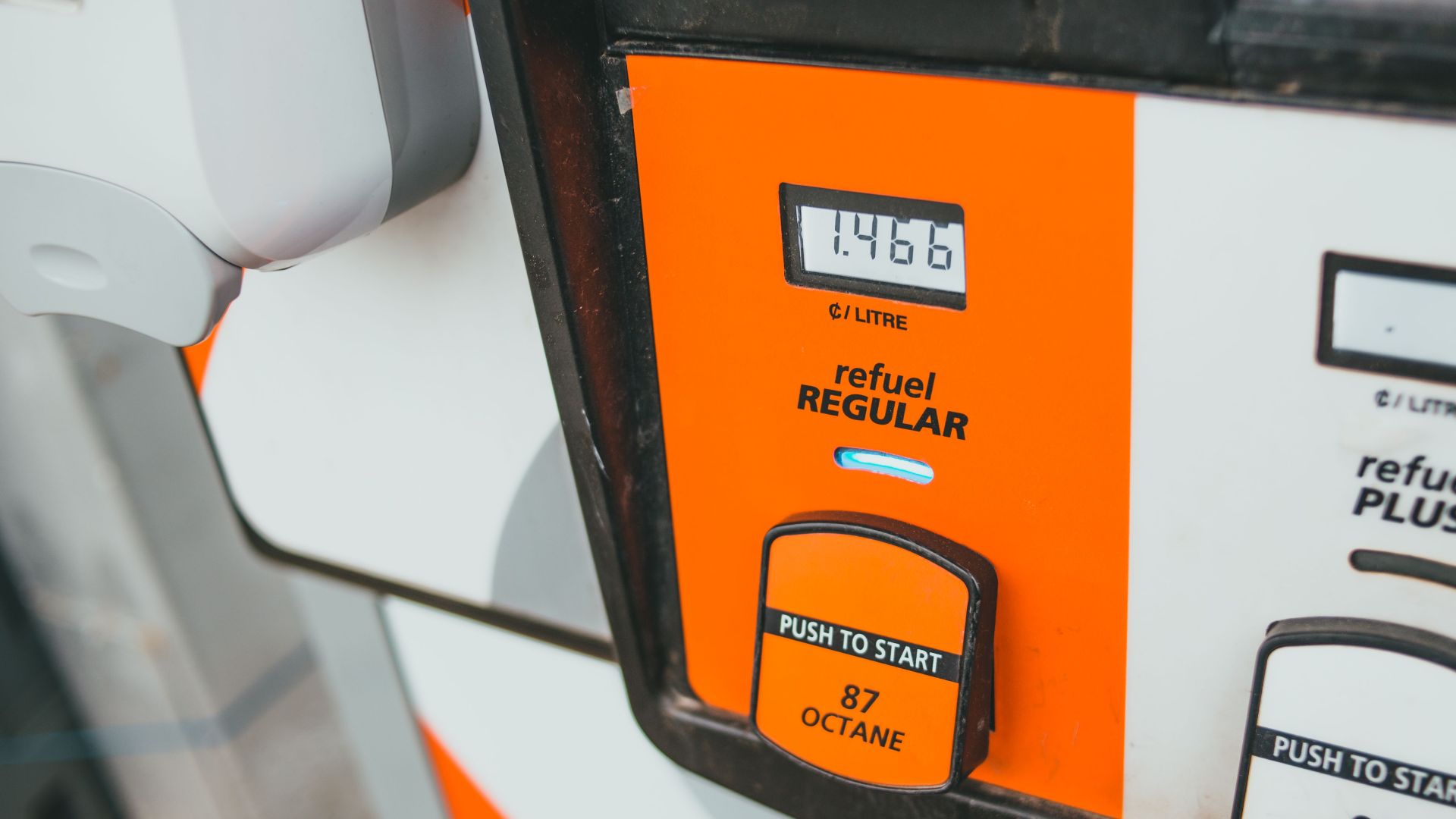
Usually not enough to make up for the higher price. AAA’s 2017 testing found only a 0.7 percent average fuel economy improvement in vehicles that recommended premium. Unless the price difference is tiny and your vehicle gets an unusual boost from premium, regular is usually the better deal when the manual allows it.
Performance Drivers May Reach A Different Verdict
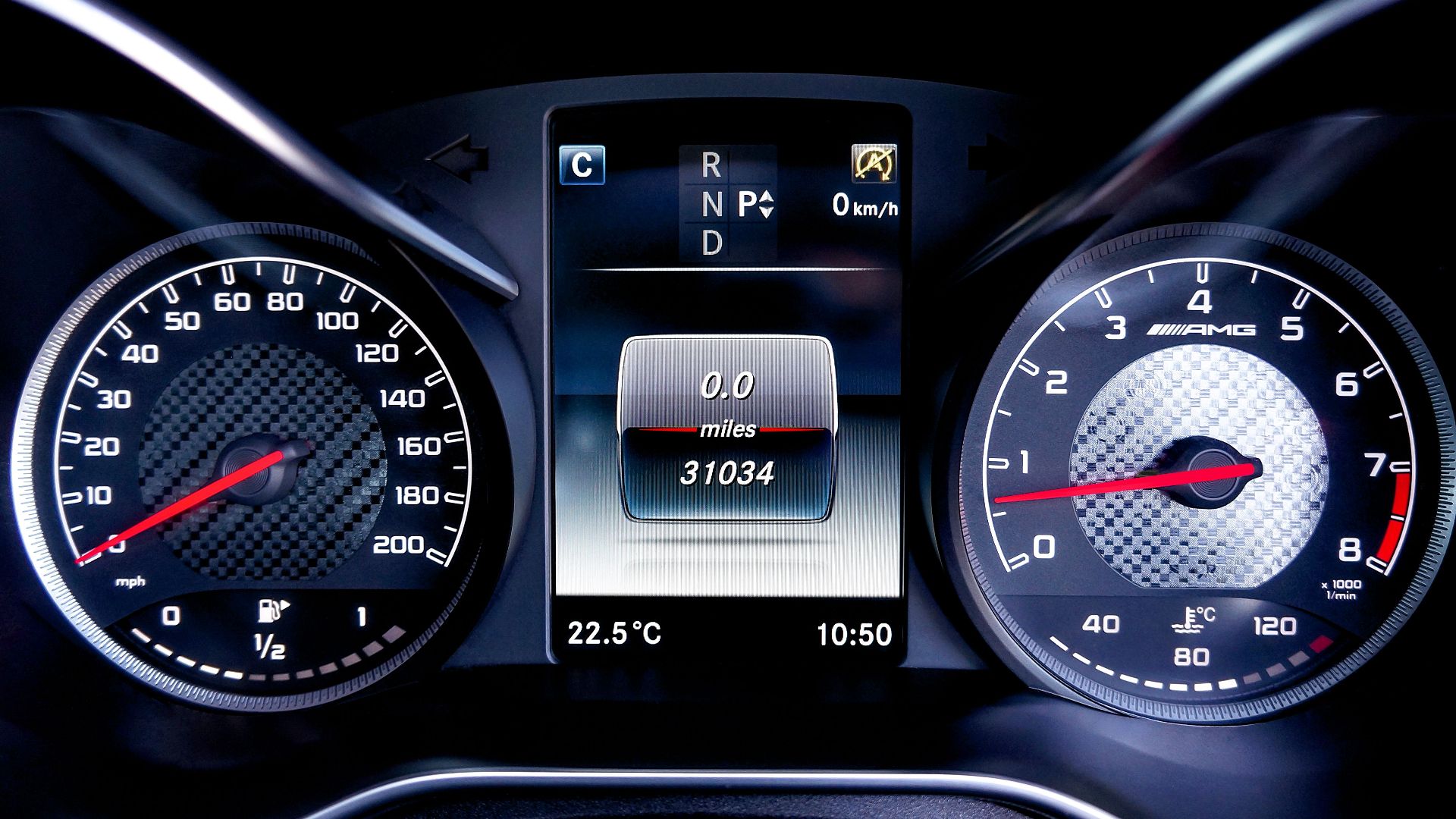
If you use full throttle often, drive in the mountains, tow, or deal with very hot summer weather, premium can make more sense in a car that recommends it. Under heavier loads, the engine is more likely to benefit from the extra knock resistance. That is less about avoiding damage and more about keeping the engine closer to its best.

Altitude Changes The Conversation A Bit
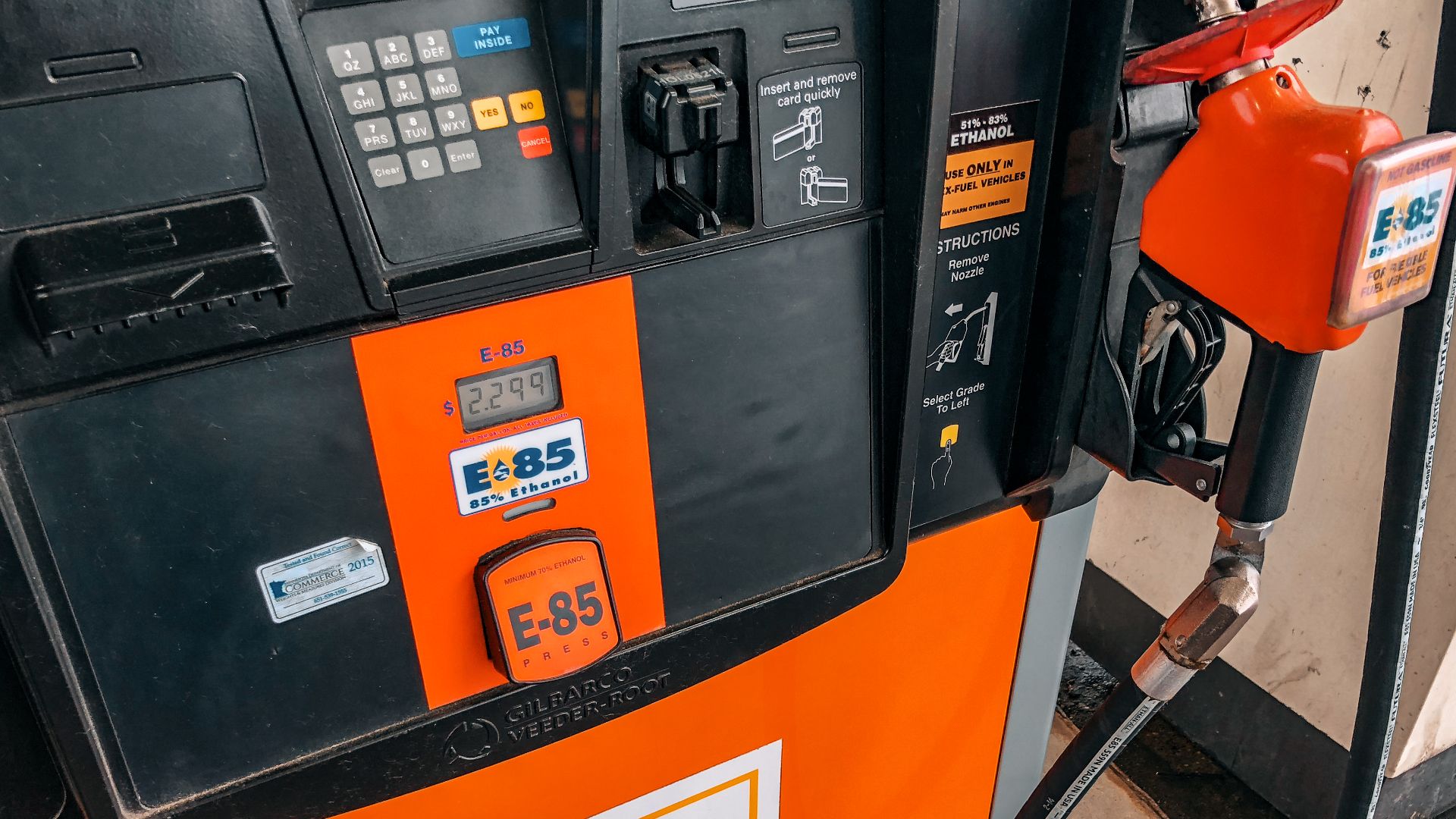
At higher elevations, you may see lower-octane regular fuel for sale, including 85 AKI in some mountain states. That can be normal in those places, but the best move is still to follow the minimum octane listed in your manual. If the manual says 87 AKI minimum, use that as your guide unless the manufacturer says otherwise.
 Tony Webster from Minneapolis, Minnesota, United States, Wikimedia Commons
Seasonal Fuel And Brand Myths Can Muddy The Waters
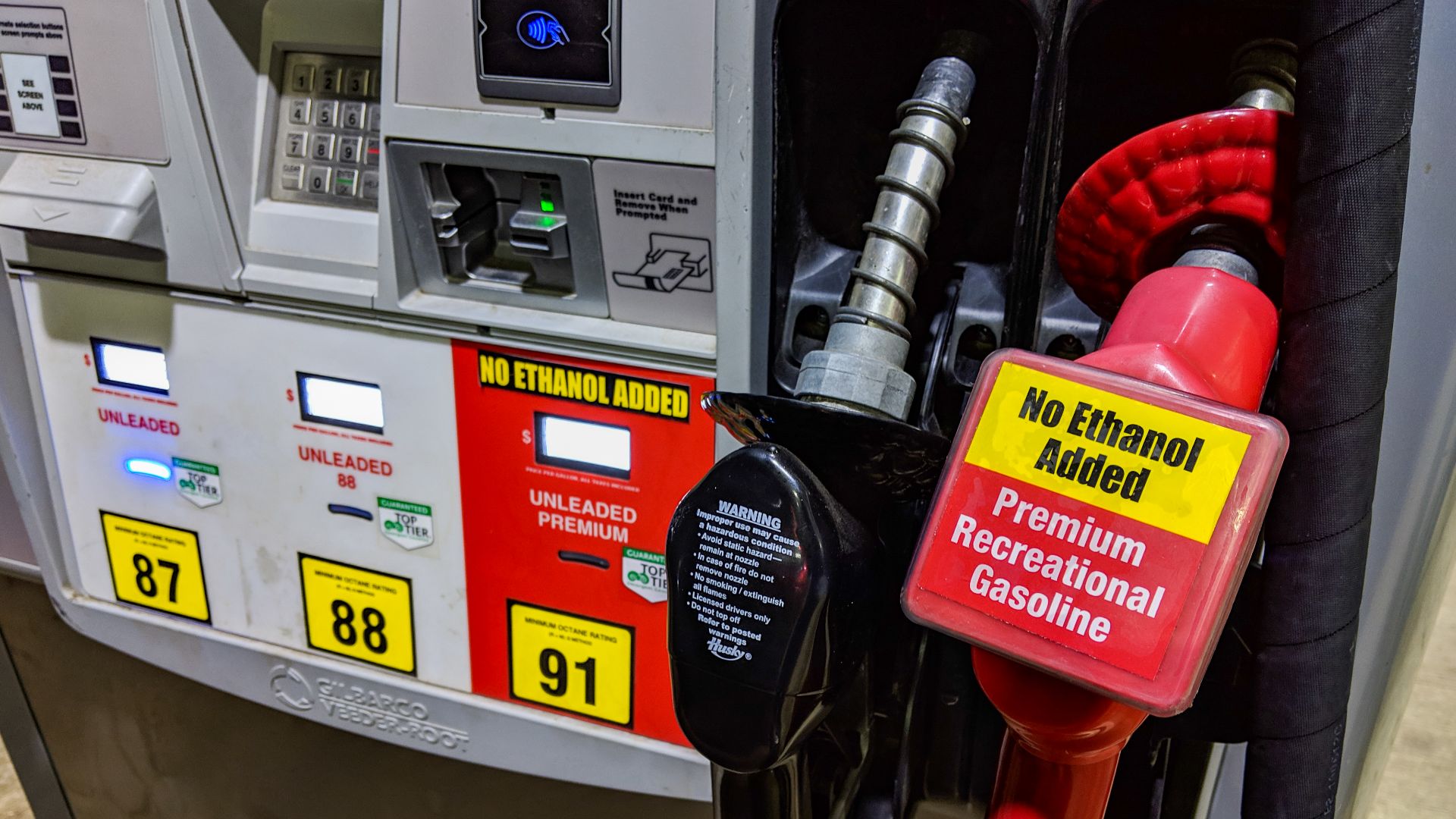
It is easy to mix up octane with detergent levels or overall gasoline quality. Top Tier standards are about detergent additives, not octane. A good regular fuel from a reputable station can be a better choice than assuming premium is automatically cleaner or better for every engine.
 Tony Webster from Minneapolis, Minnesota, United States, Wikimedia Commons
Will Using Premium Clean Your Engine
No, not by itself. Premium is not a magic cleaner just because the octane number is higher. Engine deposits and cleanliness have more to do with additive packages and fuel quality standards than whether the pump says 87 or 91.
Warranty Fears Are Common But Often Overstated
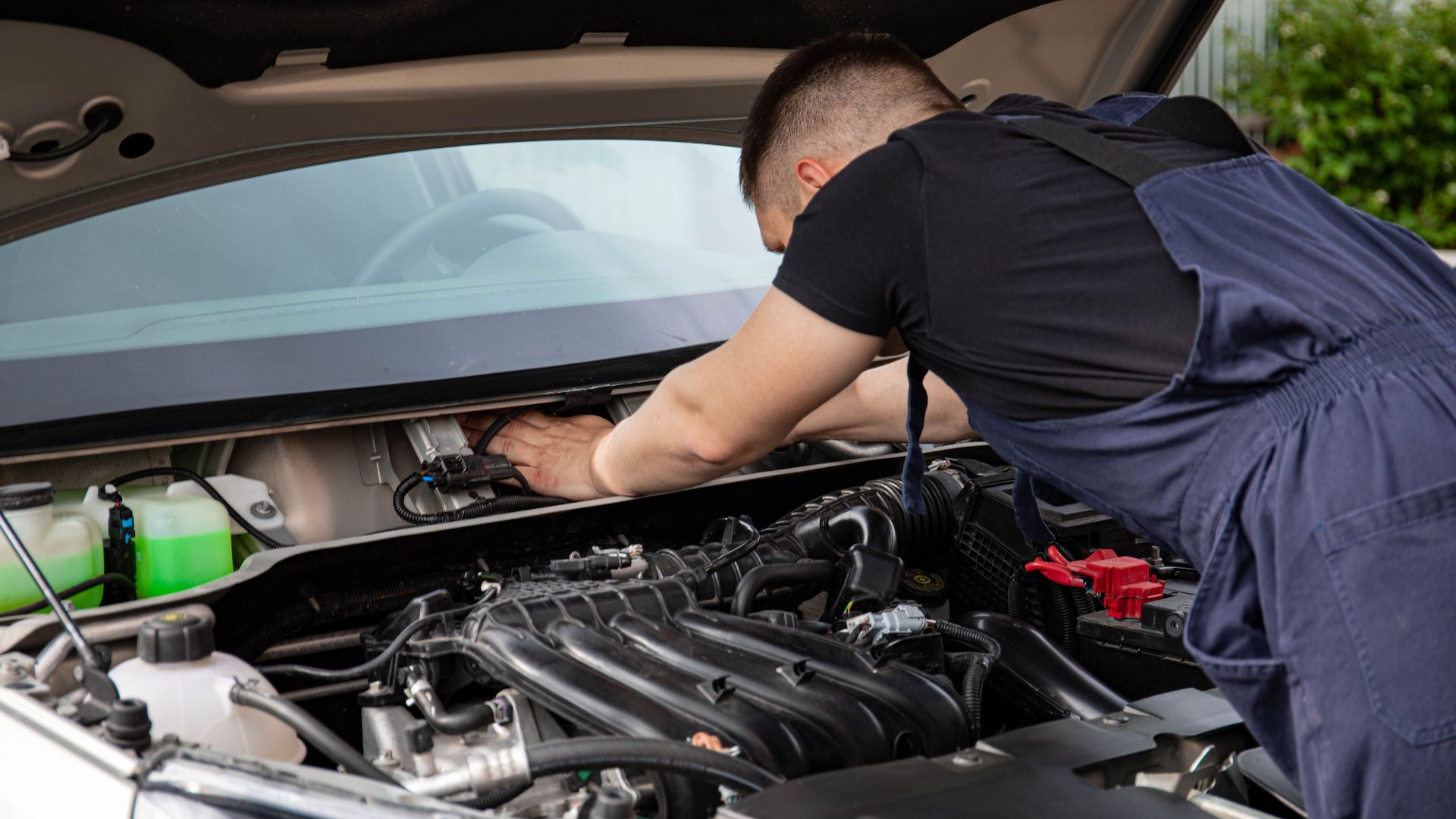
If your manual says regular is acceptable, using regular should not put your warranty at risk just because someone at the dealership prefers premium. Warranty questions come back to the manufacturer’s written guidance. If you want extra peace of mind, keep your receipts, but the manual is the key document.
How To Settle The Issue In Five Minutes
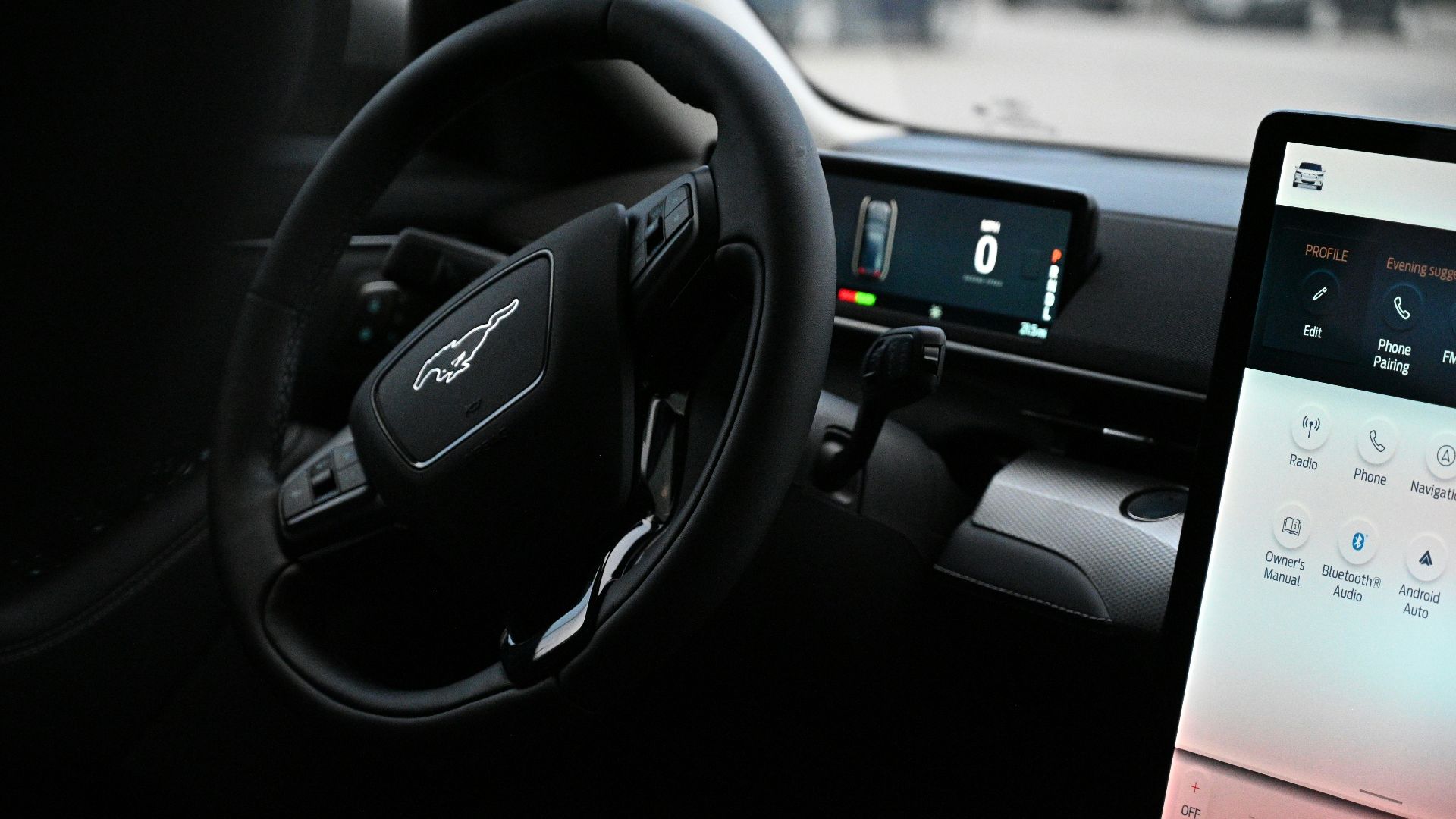
Open the fuel section of your owner’s manual and find the minimum octane listed. Then check for any notes about reduced performance, towing, high temperatures, or altitude. If the manual says 87 AKI is acceptable, that is usually your answer unless the automaker later issued updated guidance for your exact model.

When It Makes Sense To Ask The Automaker Directly
If the manual is vague, contradictory, or hard to pin down, contact the manufacturer’s customer support line. Ask them to explain the fuel requirement for your VIN and model year, and get it in writing if possible. That will usually give you a clearer answer than broad dealership advice.

The Hidden Cost Of Following Bad Advice
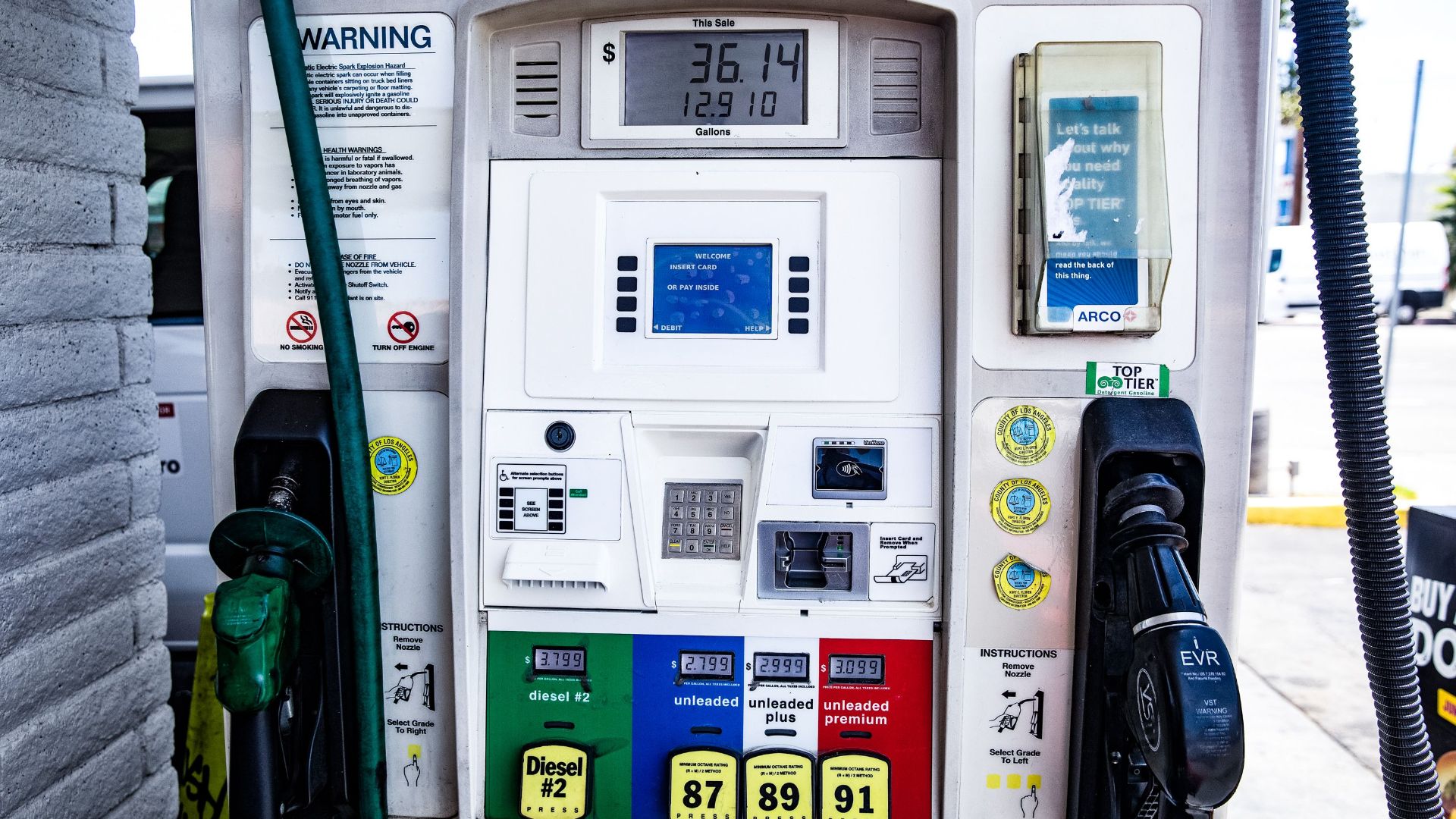
If premium costs 40 to 80 cents more per gallon where you live, the extra money adds up quickly over a year. Over thousands of miles, that can mean spending a meaningful amount for little measurable return. That is why the difference between recommended and required is not just technical fine print. It affects your wallet.
The Short Answer For Most Drivers
If your owner’s manual says regular is acceptable, you are probably wasting money by always buying premium. You may lose a little power and maybe a small amount of efficiency, but studies and consumer advice suggest the extra cost often outweighs the benefit. The safest rule is simple: buy the fuel your manual requires, and treat recommendations as optional unless your driving habits make the upgrade worth it.