“All Original” Can Sound Like A Magic Phrase
A dusty classic that's been sitting untouched for decades can feel like automotive archaeology, and sellers know that. They may point to faded factory paint, an untouched engine bay, or cracked original upholstery as reasons the car deserves a premium. Sometimes they're right. But originality only adds serious value when there's something worth preserving underneath all that dust.
Original Cars Really Can Be More Desirable
Collectors increasingly appreciate cars that still show how they actually left the factory. Original paint, upholstery, trim, drivetrain components, hardware, and finishes can provide information a restoration may erase forever. Hagerty includes exceptional originality among the factors that can increase collector-car value, while preservation-quality cars can sometimes command surprisingly strong prices.
But “Unrestored” And “Well Preserved” Aren't The Same Thing
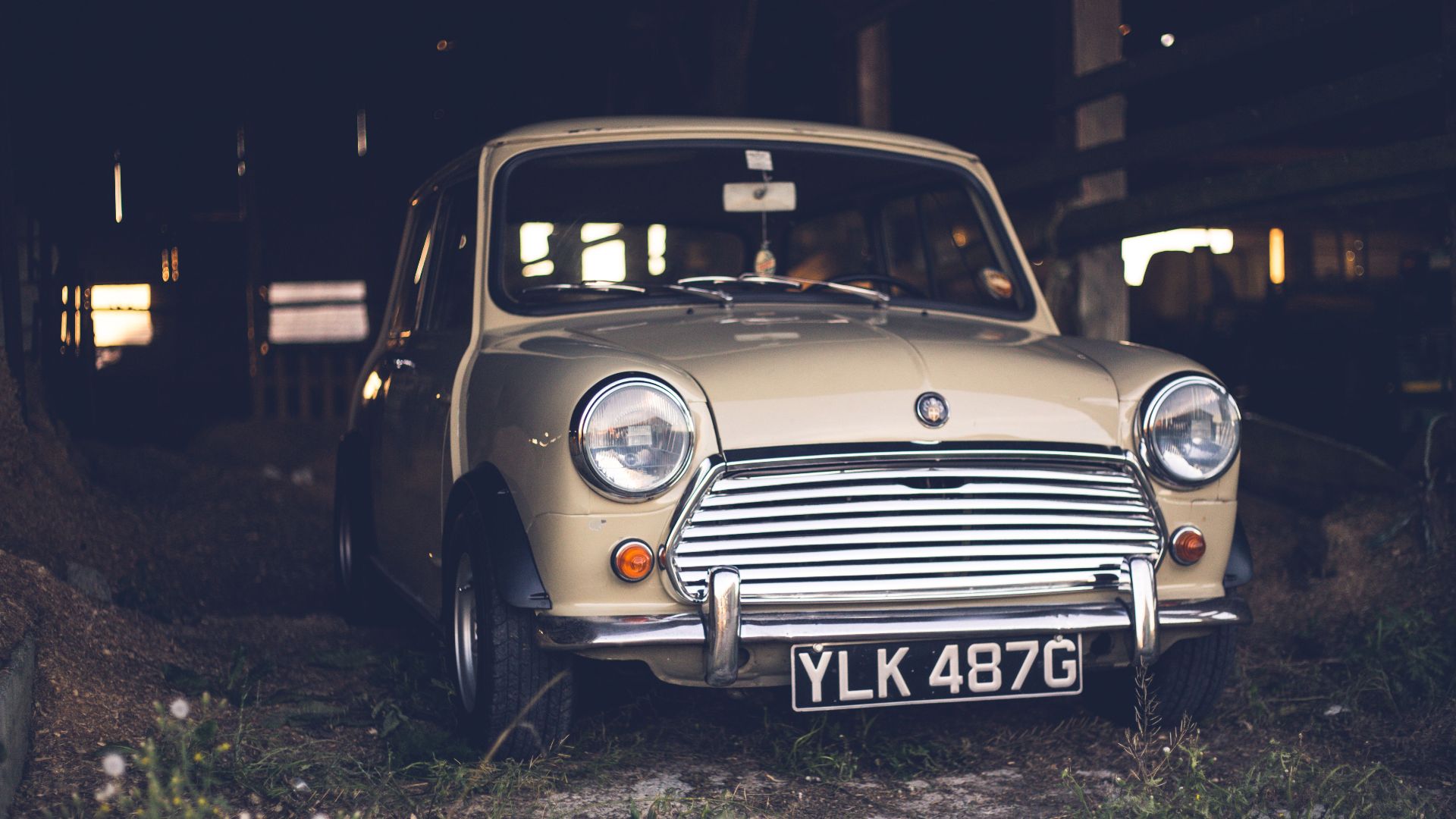
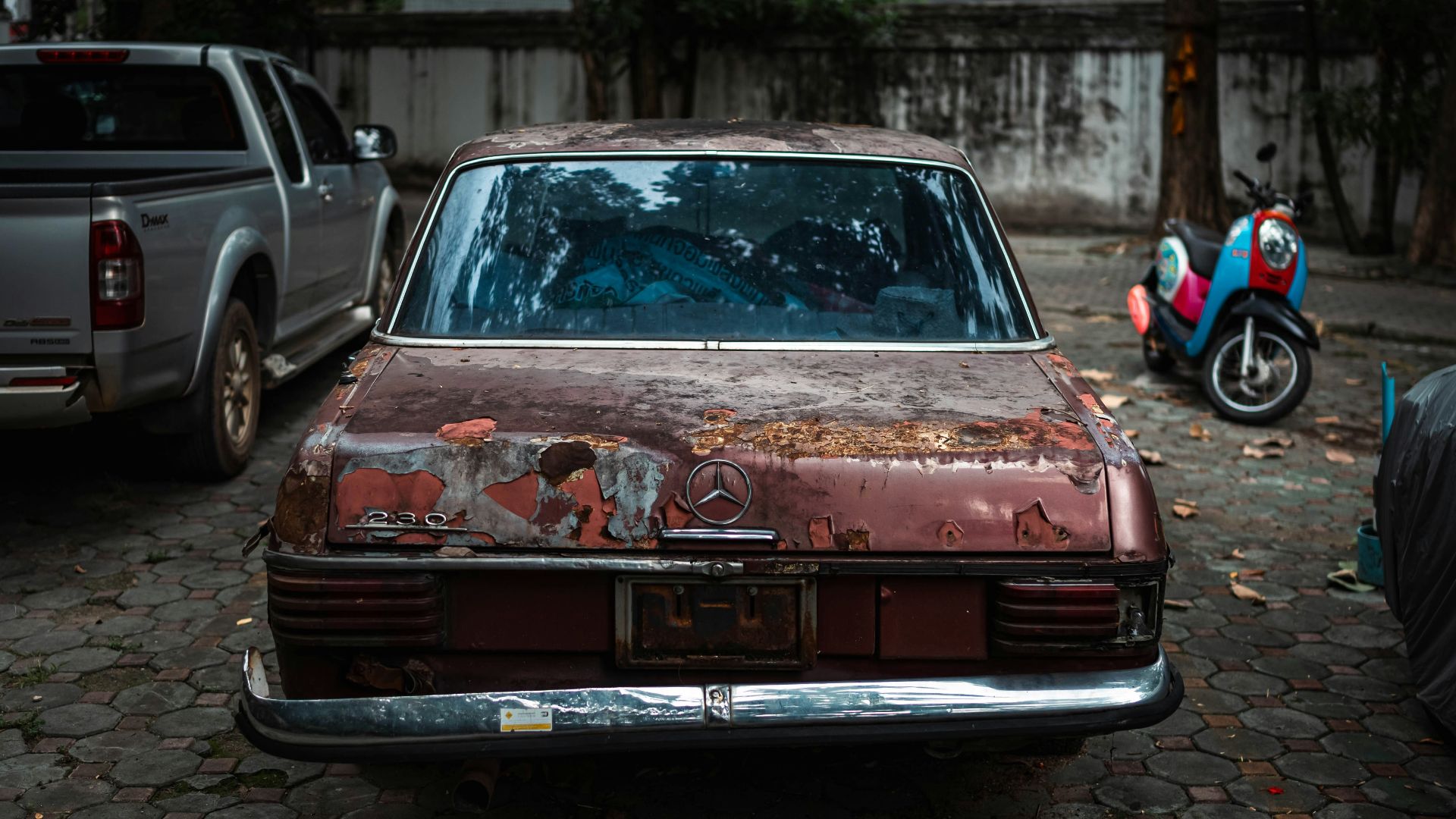
A carefully stored survivor with faded paint and a beautiful original interior is one thing. A neglected car with rust holes, rodent damage, mold, seized brakes, and an engine full of corrosion is another. Classic Motorsports has specifically warned against confusing genuine patina with outright damage and deterioration.
The Car Has To Be Desirable First
Originality doesn't suddenly make every old automobile valuable. A rare Porsche, Shelby, Corvette, or desirable muscle car may attract collectors specifically because untouched examples have become difficult to find. A common four-door sedan with little collector demand isn't necessarily worth a premium simply because nobody restored it.
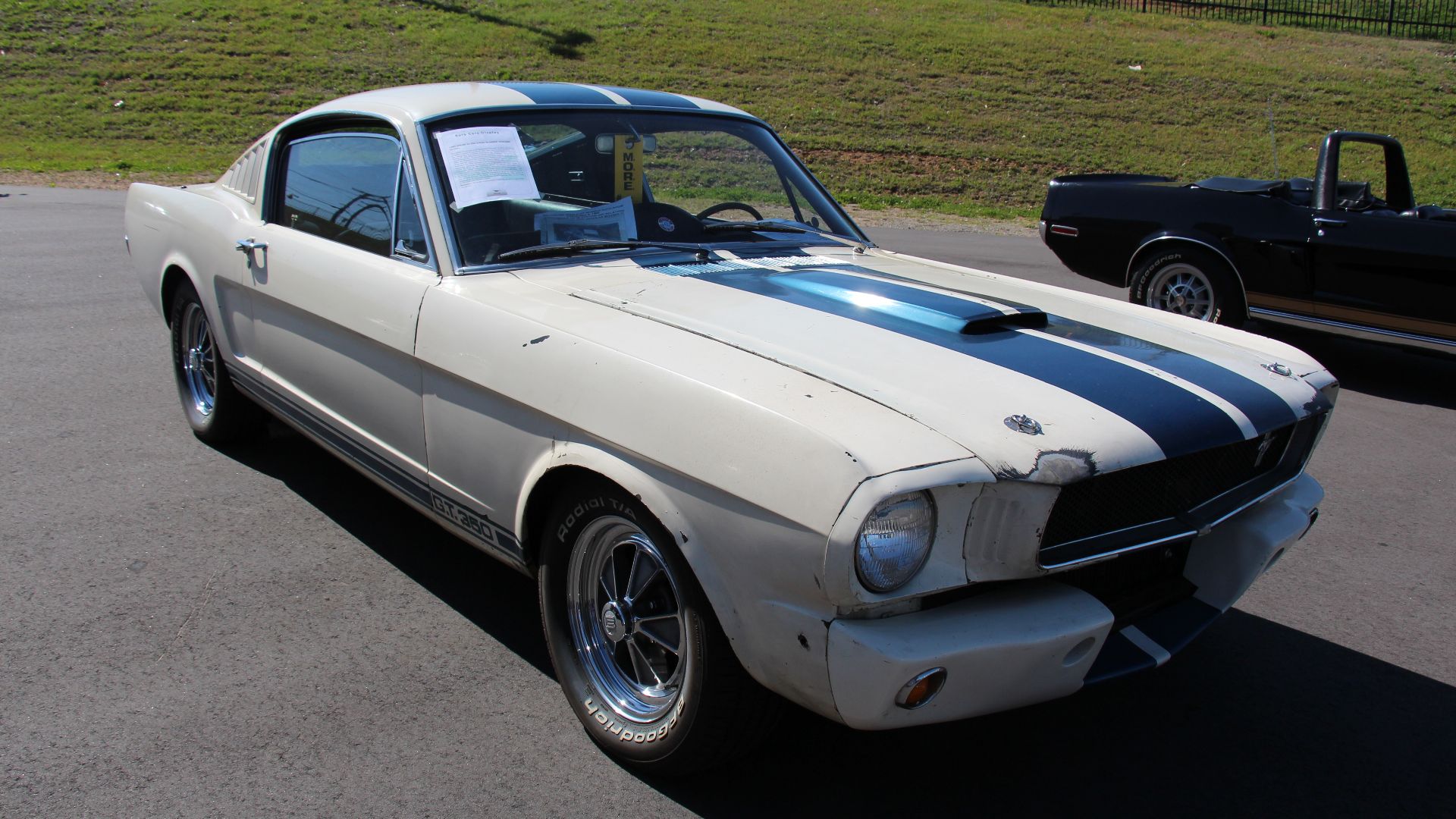
Find The Value Of The Model Before Valuing The Originality
Start by researching what similar examples actually sell for. Look separately at restored cars, good driver-quality examples, and genuinely original survivors. Make sure you're comparing the same engine, body style, transmission, trim, and options. The seller may be applying a preservation premium that exists for a rare high-performance version but not for the ordinary model sitting in their barn.
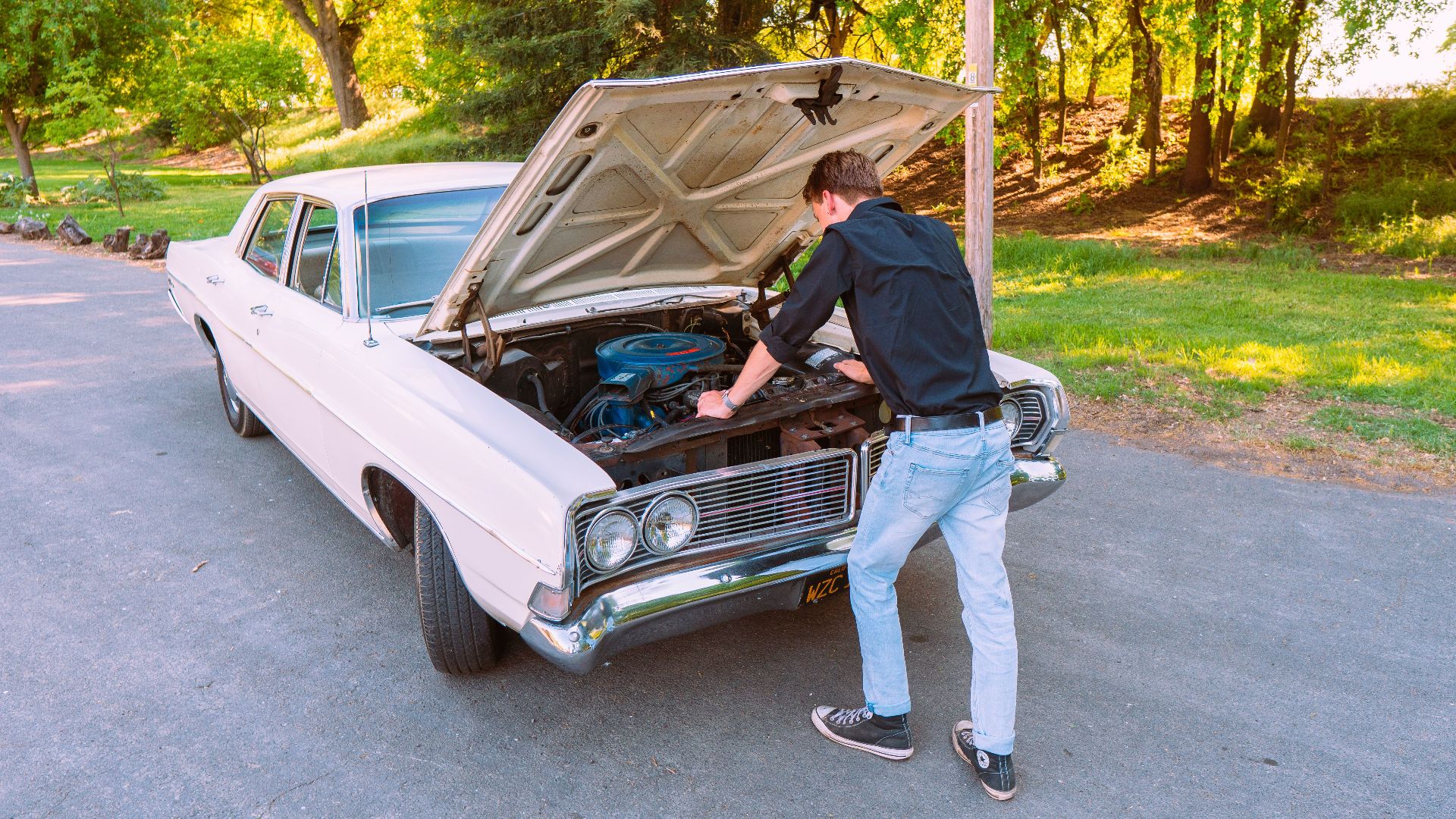
“Original” Needs A Much Better Definition
Ask the seller exactly what they mean. Original paint? Original engine? Original upholstery? Original mechanical components? Never repainted anywhere? Never disassembled? Plenty of cars described casually as “all original” have received replacement engines, repainted fenders, new interiors, or decades of ordinary repairs. None of those things automatically ruins the car, but they change what you're buying.
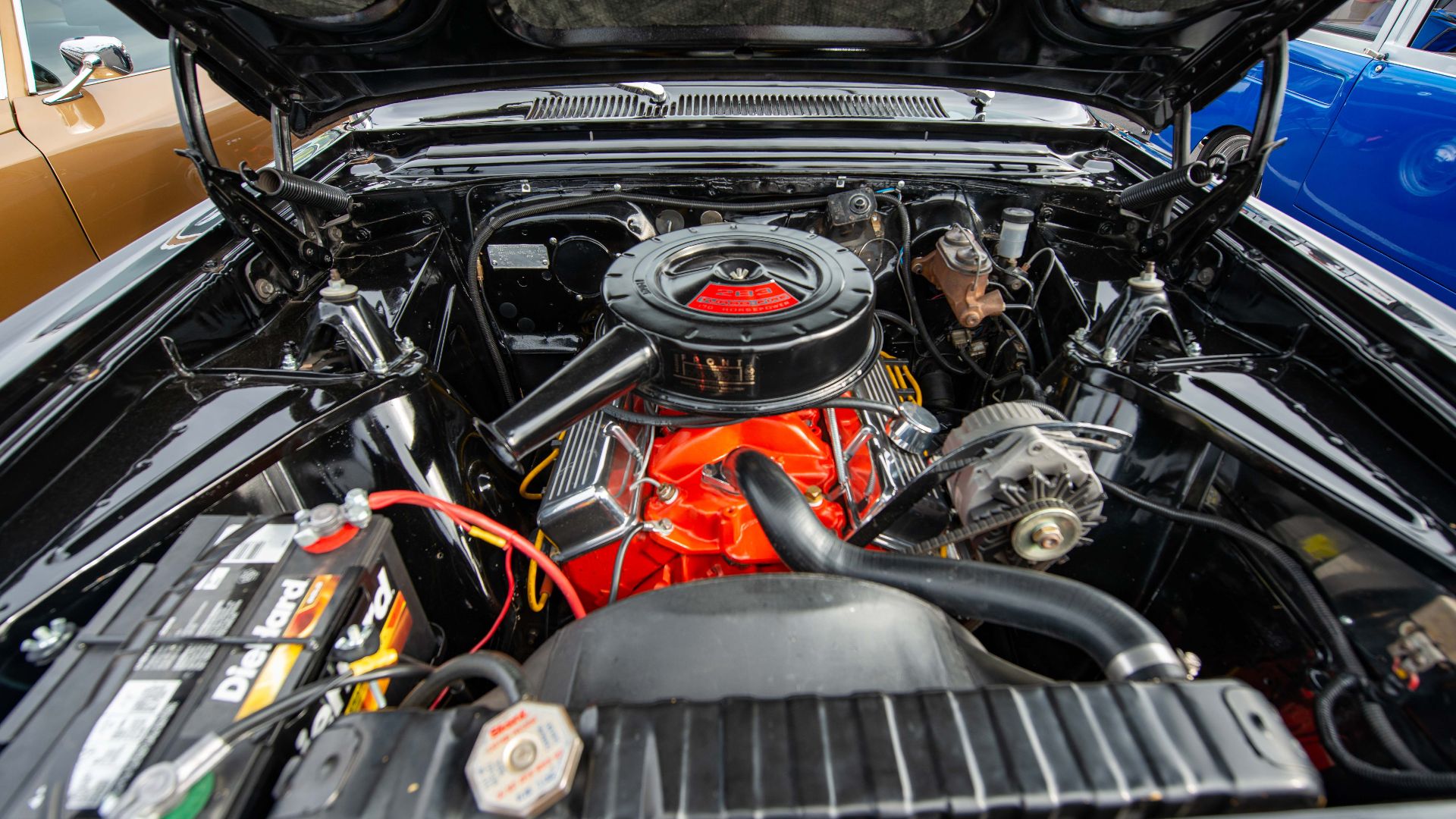
Matching Numbers Can Matter A Lot
On certain collectible cars, retaining the factory-installed engine, transmission, or other major components can make a meaningful difference in value. But “matching numbers” doesn't mean exactly the same thing for every manufacturer or era. Before paying extra, learn how authenticity is verified for that particular model rather than accepting the seller's interpretation.
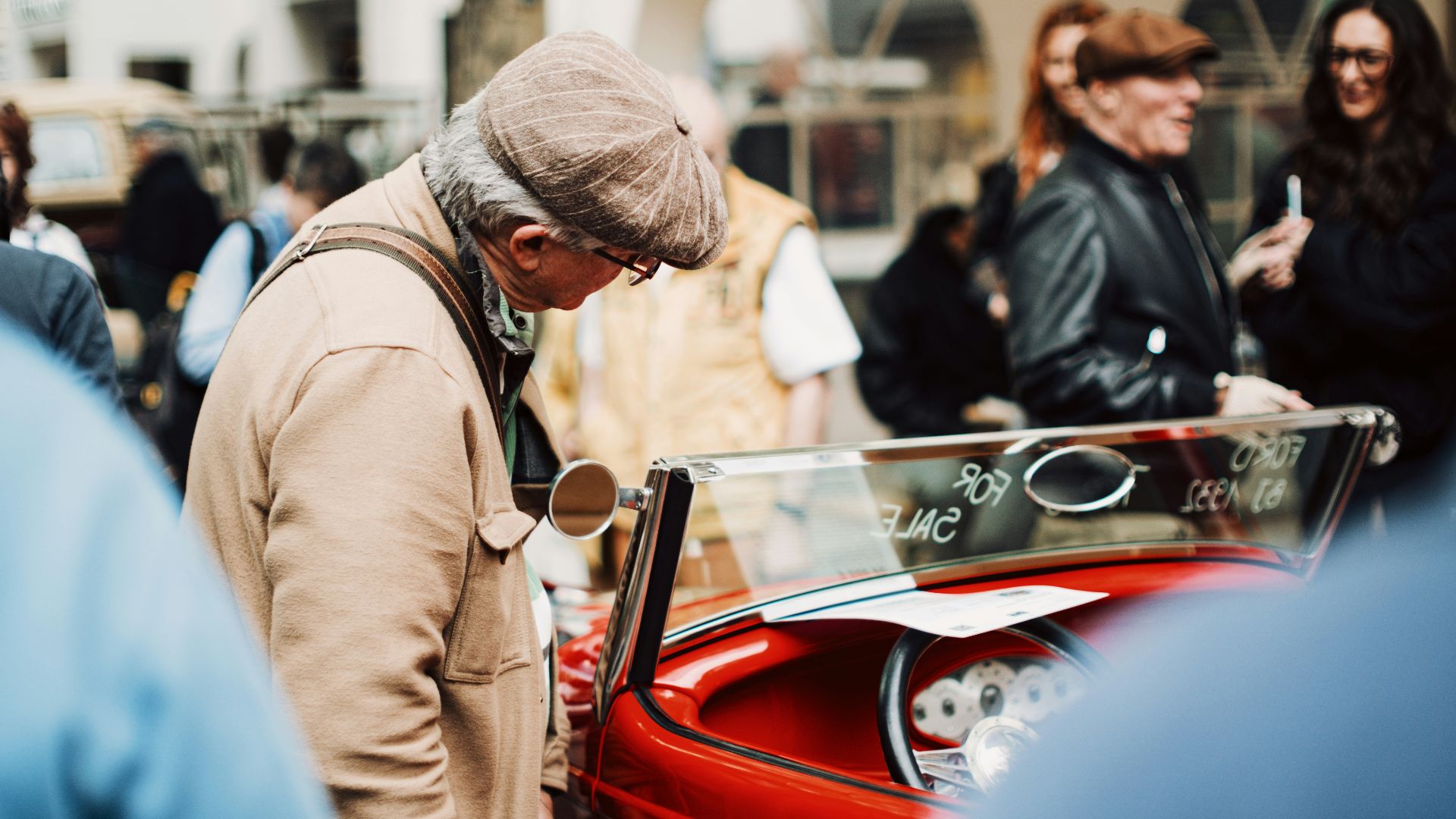
Documentation Makes The Story Much Stronger
A barn story is entertaining, but paperwork is better. Original purchase documents, registrations, service records, photographs, owner's manuals, dealer paperwork, and correspondence can help establish where the car has been and what happened to it. An untouched-looking car with decades of documented history is much easier to value than one whose past begins with “we think Grandpa parked it around 1982.”

Original Paint Can Be Especially Valuable
Factory paint provides evidence about the car that a respray can't. It can reveal whether panels have been replaced, whether accident repairs occurred, and what the original finish actually looked like. Faded paint isn't necessarily a defect in the collector world if it's genuinely original and reasonably preserved. Once it's stripped away, that evidence is gone.
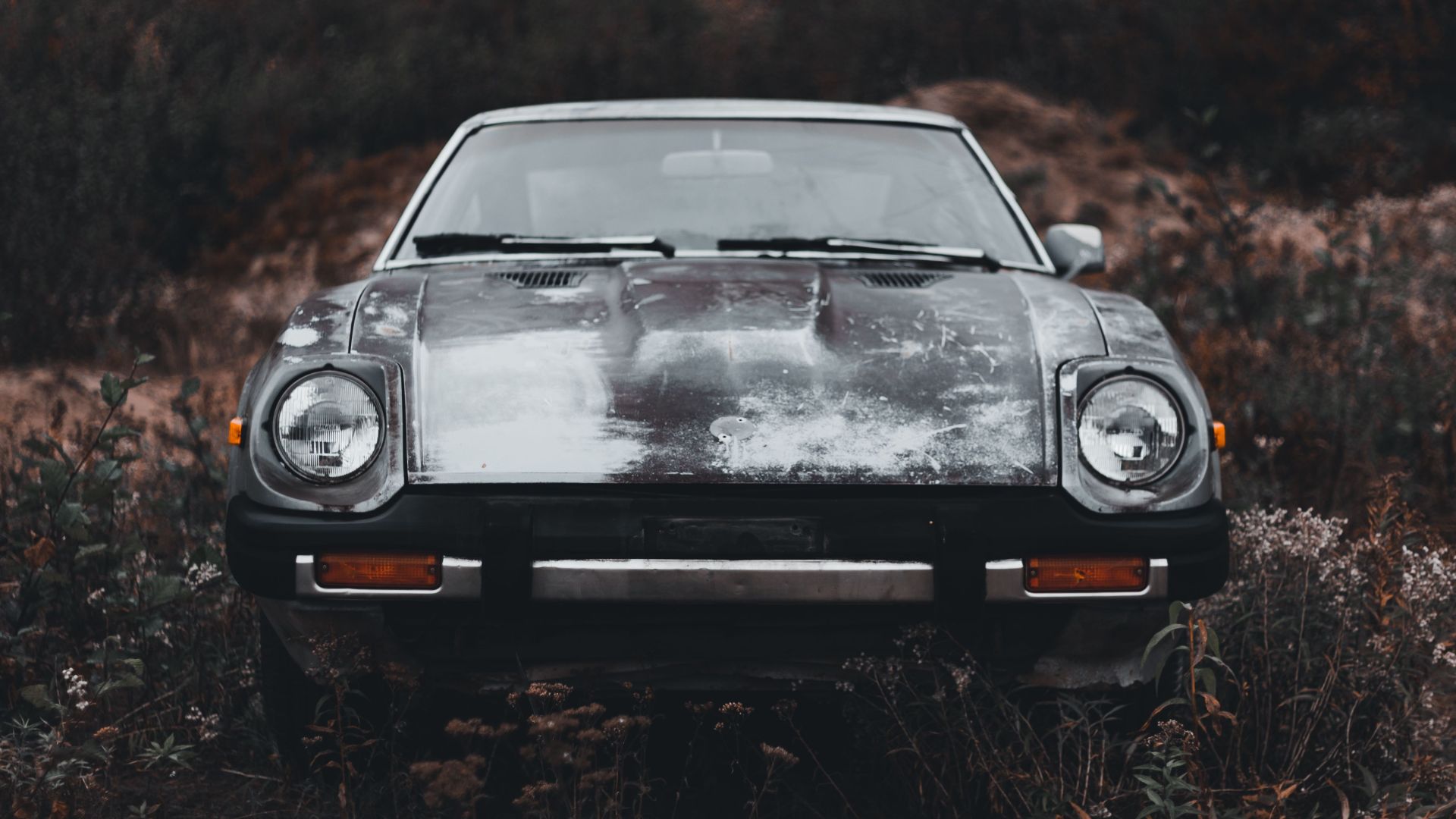
Original Interiors Can Tell The Same Story
Seats, carpets, door panels, dashboards, headliners, knobs, and switches are often replaced during restorations because they're worn. That makes a complete factory interior increasingly interesting on an older car. Light wear can add character. Huge tears, moisture damage, animal contamination, and missing pieces are different problems entirely.
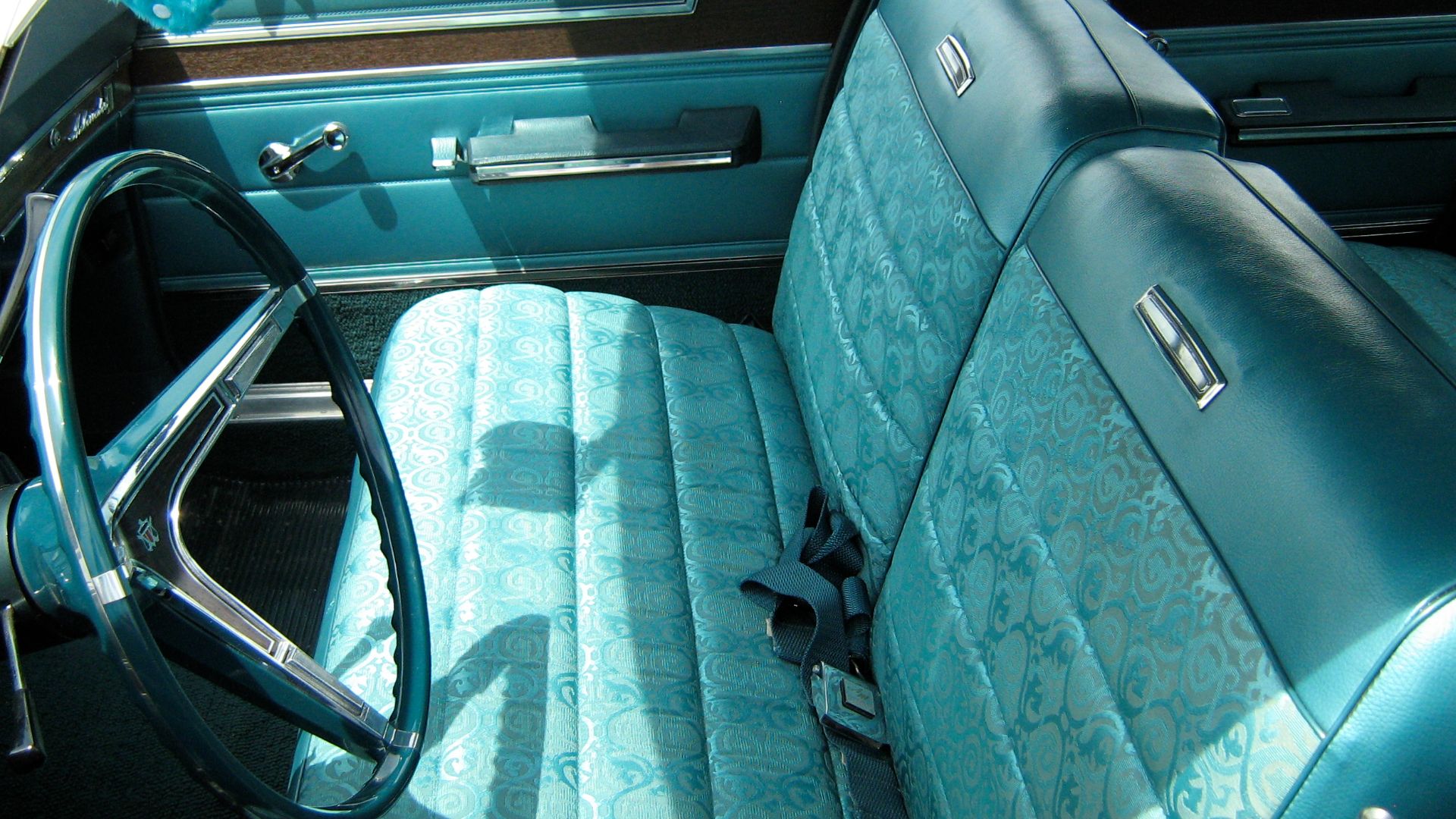
Low Mileage Can Strengthen The Case
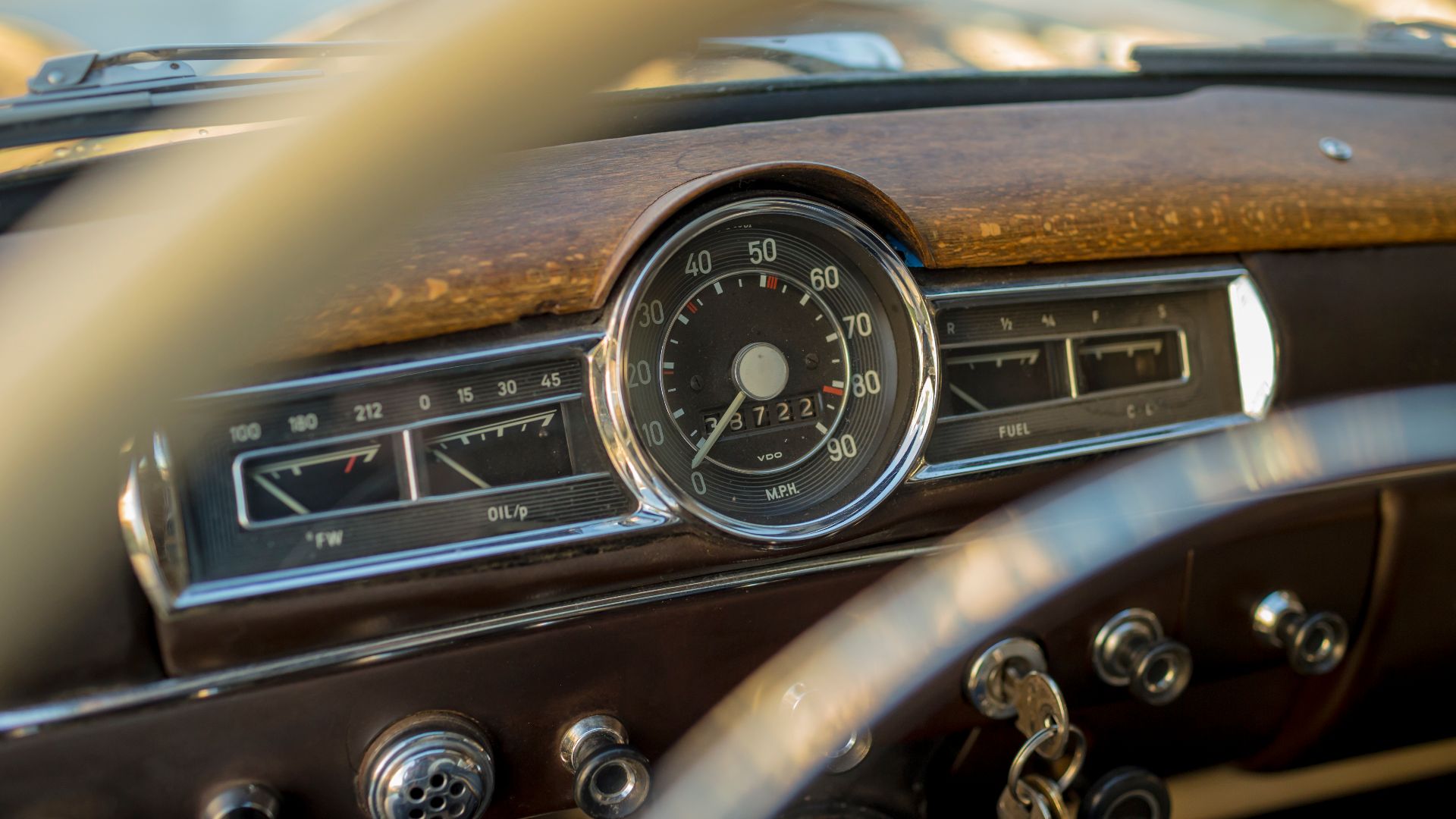
An original car showing unusually low mileage may carry a premium, especially if the mileage is documented and the condition supports it. Hagerty notes that low mileage often contributes to collector value partly because it can preserve originality. But a low odometer reading isn't enough by itself, particularly on older cars where records may be incomplete.
 Benjamin Child bchild311, Wikimedia Commons
Don't Assume Barn Storage Was Gentle Storage
Barns make great photographs, but they're not necessarily great garages. Temperature swings, humidity, dirt floors, leaking roofs, rodents, and insects can all attack a parked vehicle. Hagerty notes that truly well-preserved barn finds are exceptions rather than the rule. A car can look wonderfully untouched while deteriorating underneath.
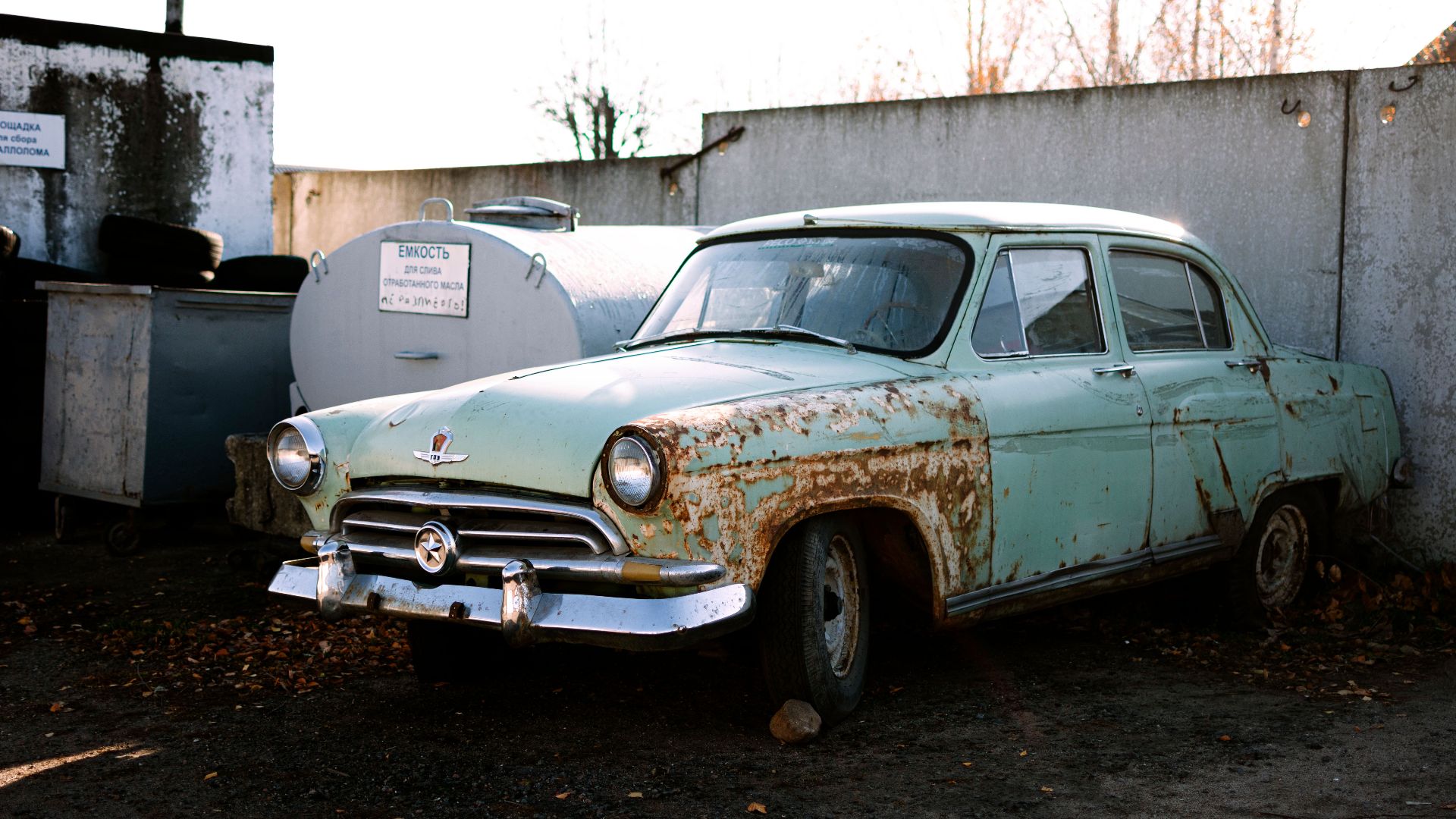
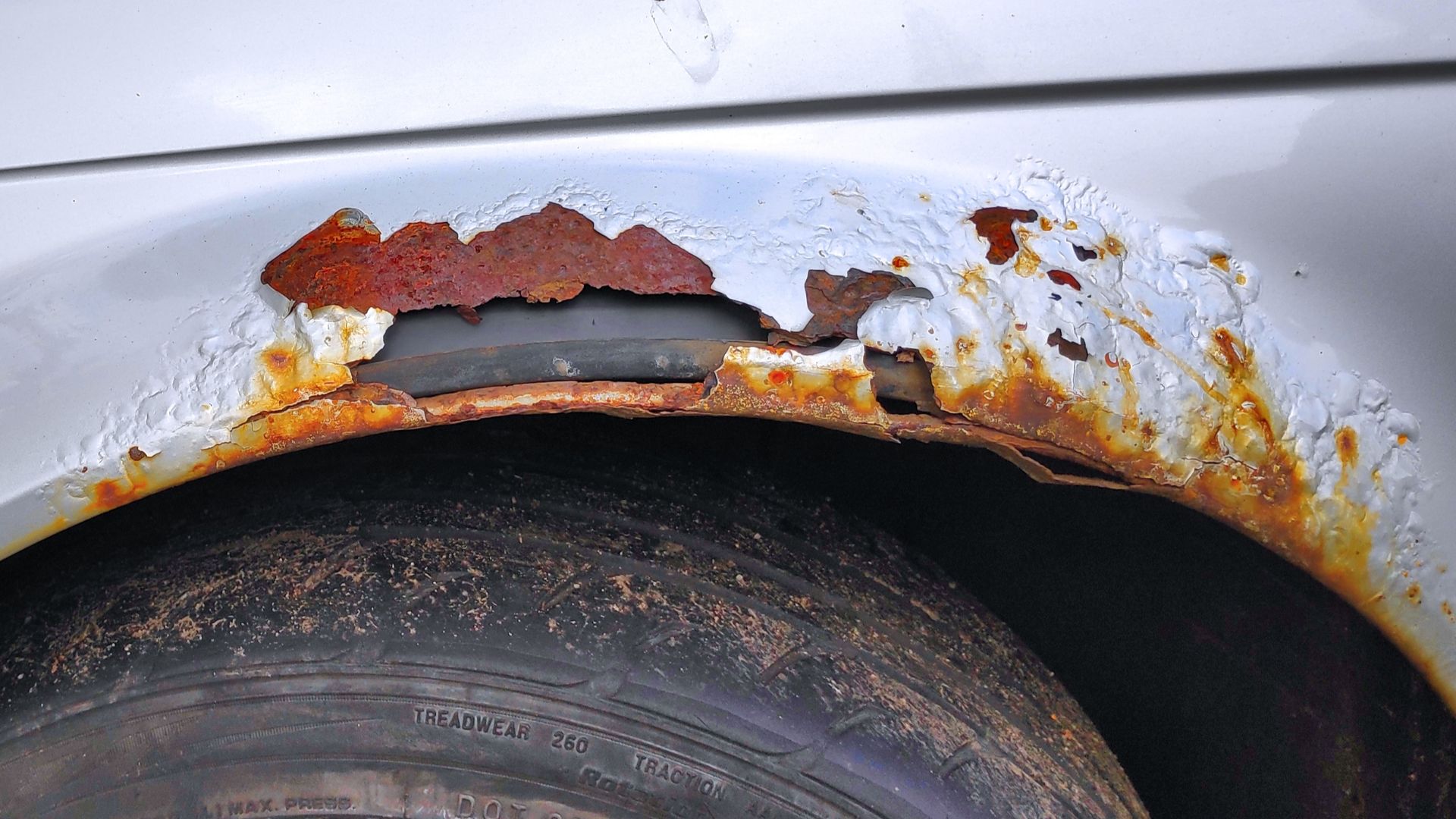
Rust Is Still Rust, No Matter How Romantic The Story Is
Surface oxidation and faded paint may qualify as patina. Rotten rocker panels, frame corrosion, perforated floors, and crumbling suspension mounts don't become valuable just because they've been untouched for 40 years. Get underneath the car and inspect structural areas carefully. Restoration costs can easily overwhelm whatever premium originality supposedly added.
 Marek Slusarczyk (Tupungato) Photo portfolio, Wikimedia Commons
Look Closely At The Barn Floor
Storage over dirt or damp concrete can expose the underside to years of moisture. Check floors, frame rails, suspension mounting points, brake lines, fuel lines, rocker panels, wheel arches, and trunk areas. Don't let a remarkably clean dashboard distract you from a chassis that could require thousands of dollars in metalwork.
Expect Mechanical Work Even If Nobody “Touched” It
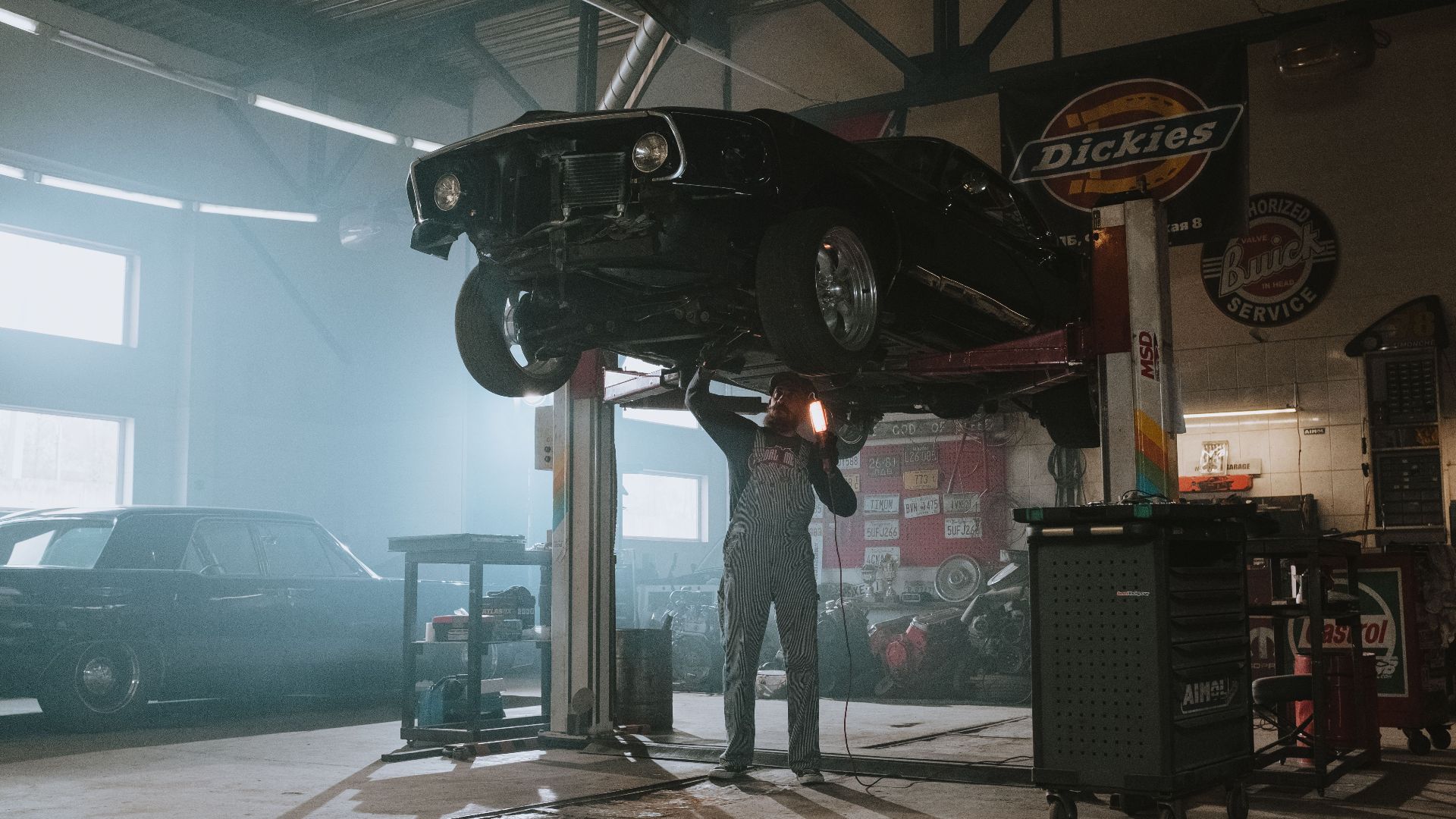
Years without use are not the same as years without wear. Fuel can degrade, rubber hardens, seals dry out, brakes seize, cooling systems corrode, and tires age. Even a remarkably preserved original car may need substantial recommissioning before it should be driven. The seller's originality premium doesn't erase those costs.
Don't Be Too Eager To Hear It Run
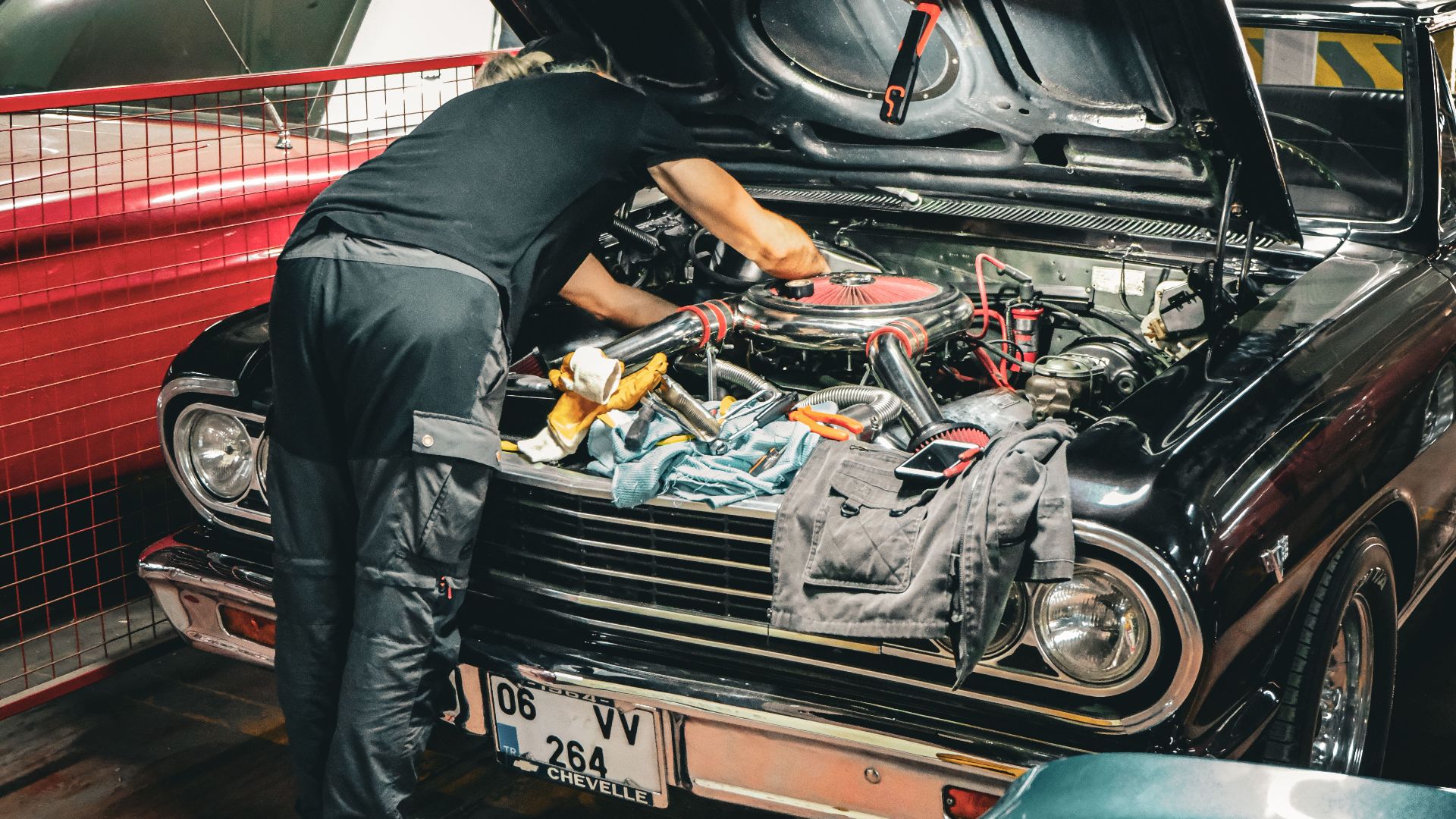
If an engine has been dormant for decades, casually attaching a battery and cranking it may not be the smartest first move. A specialist may want to inspect fluids, lubricate cylinders, check whether the engine turns freely, examine the fuel system, and address other age-related problems first. Getting a barn find running shouldn't come at the expense of damaging original components.
Have A Classic-Car Specialist Inspect It
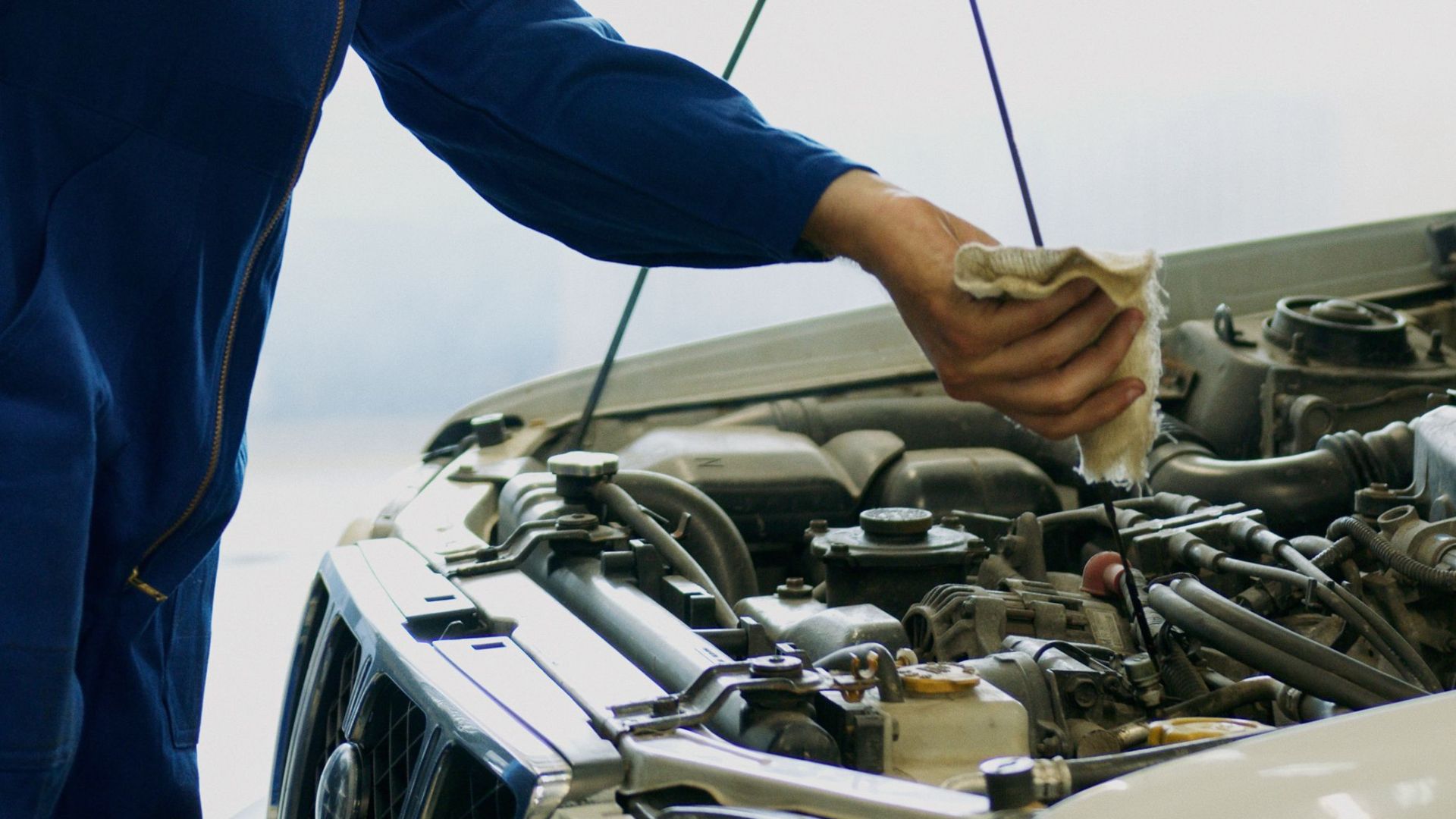
A general used-car inspection is useful, but a specialist familiar with the particular marque can tell you far more. They may recognize incorrect components, old repairs, reproduction parts, rust-prone areas, or details that establish whether the car is genuinely unusual. Hagerty recommends professional pre-purchase inspections specifically because seller claims about classic cars aren't always accurate.
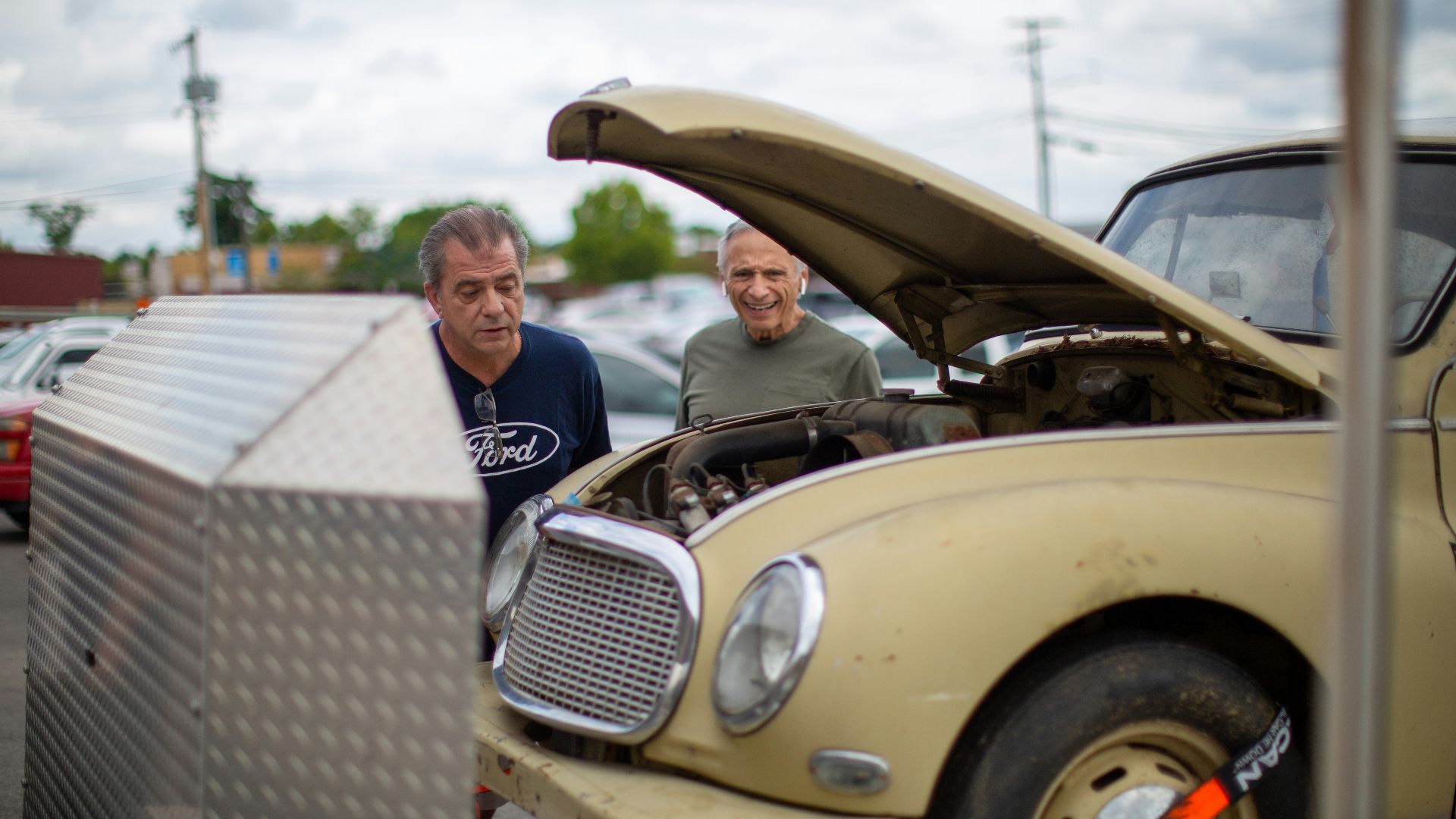
Verify Before You Pay For The Story
Someone may sincerely believe the car still wears its factory paint because that's what their father told them. A paint-depth gauge, casting numbers, date codes, body tags, factory records, and expert inspection may tell a different story. You don't need to accuse the seller of dishonesty. You simply need evidence before attaching thousands of dollars to the word “original.”
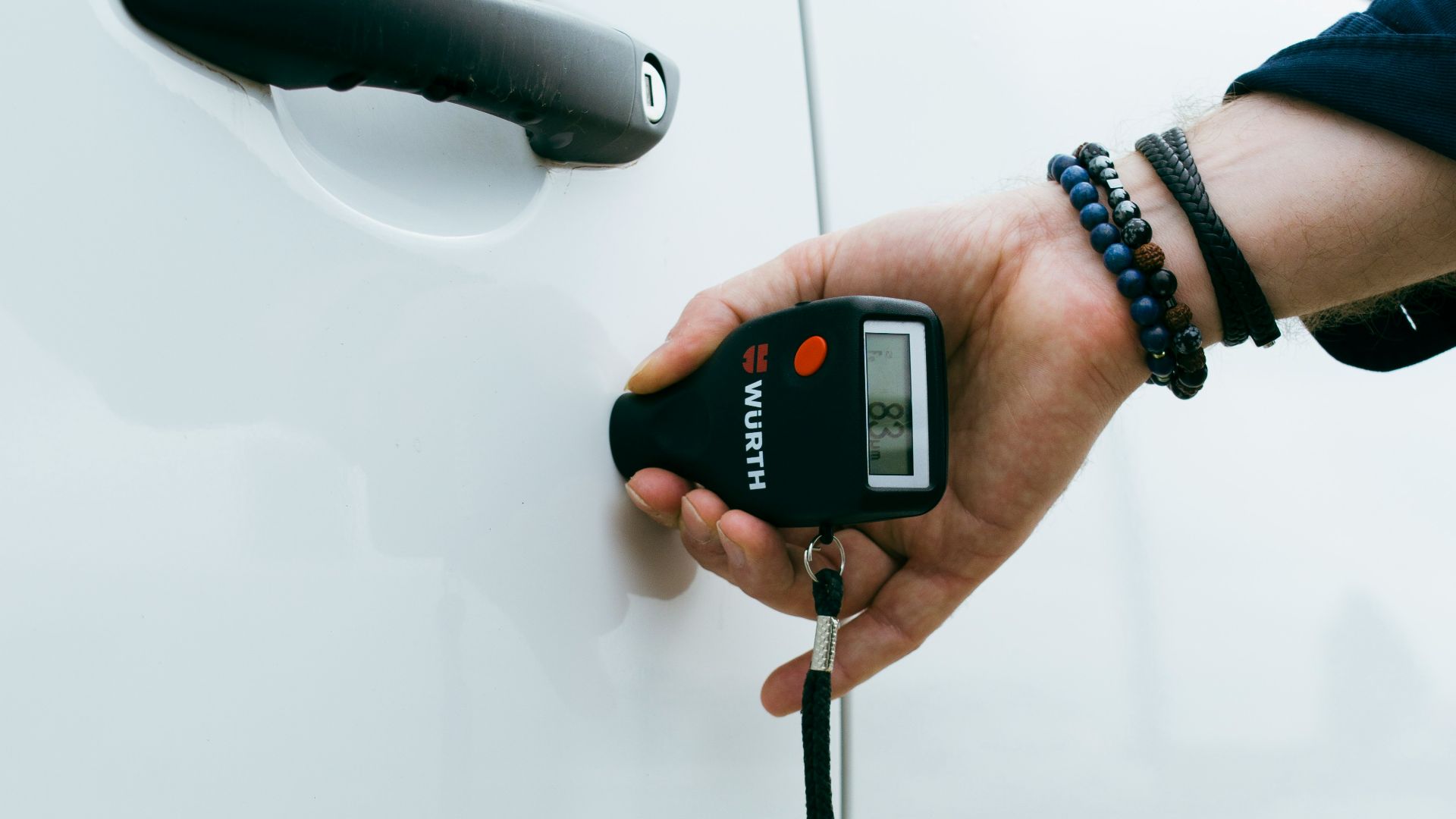
Restoring It Could Actually Reduce Its Appeal
For a rare, unusually complete survivor, a full cosmetic restoration can remove the very quality that made collectors interested. Classic Motorsports has documented cases where unrestored cars attracted more money than beautifully restored examples. Once original paint and materials are replaced, they can't be put back.
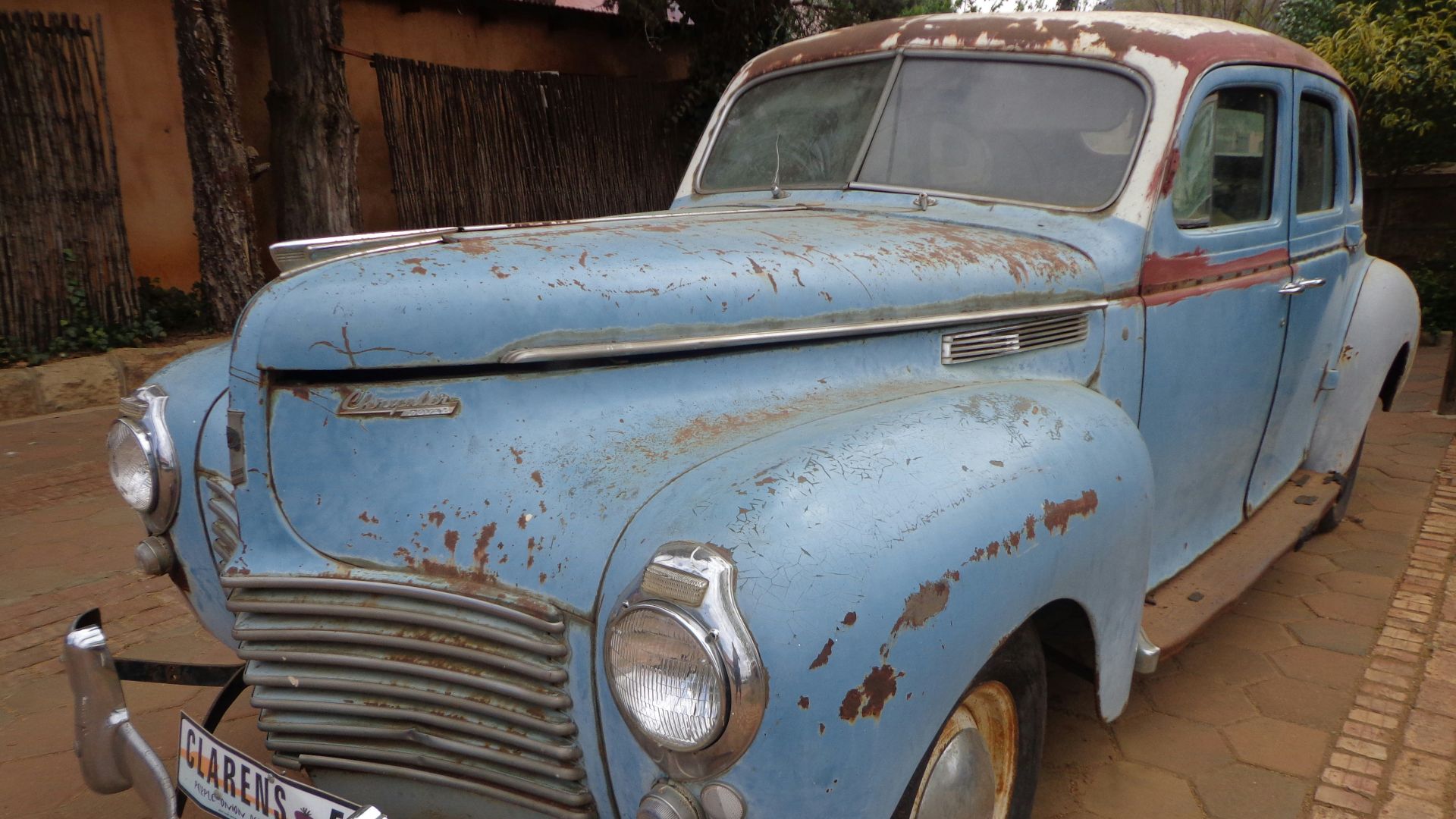 Ngobeni Communications, Unsplash
That Doesn't Mean You Should Preserve Every Scratch Forever
Preservation doesn't have to mean letting the car deteriorate. Mechanical rebuilding, careful cleaning, rust stabilization, brake work, and sympathetic repairs can make an old car usable without erasing its history. The goal may be to preserve as much original material as reasonably possible rather than choosing between total restoration and complete neglect.
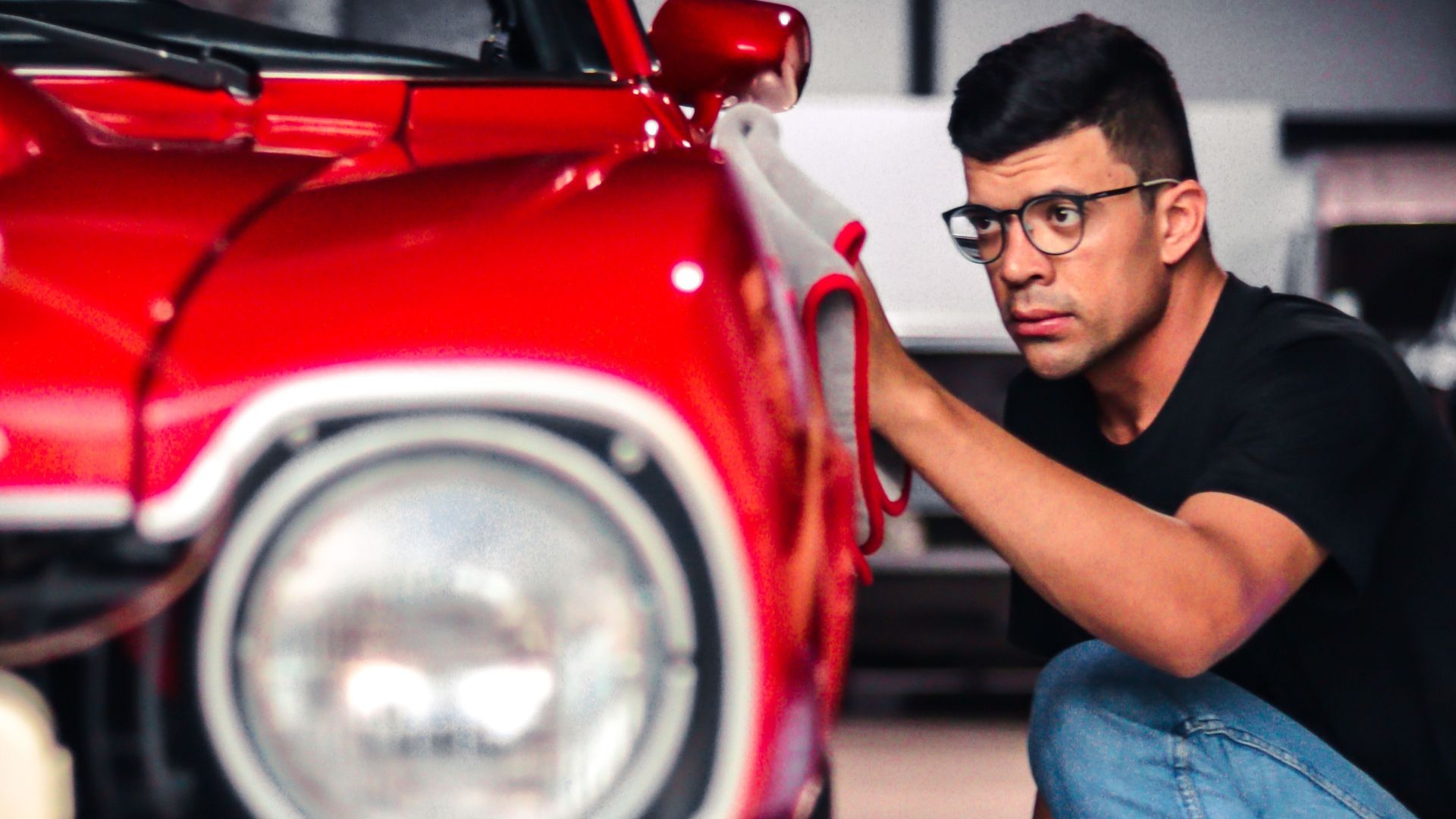
The Best Decision Depends On How You Want To Use It
If your dream is a flawless show car, paying a huge premium for untouched paint you intend to strip immediately may not make much sense. If you love preservation-class cars and want to maintain it largely as found, originality may matter enormously. Buy the version of the car that fits what you actually intend to do with it.
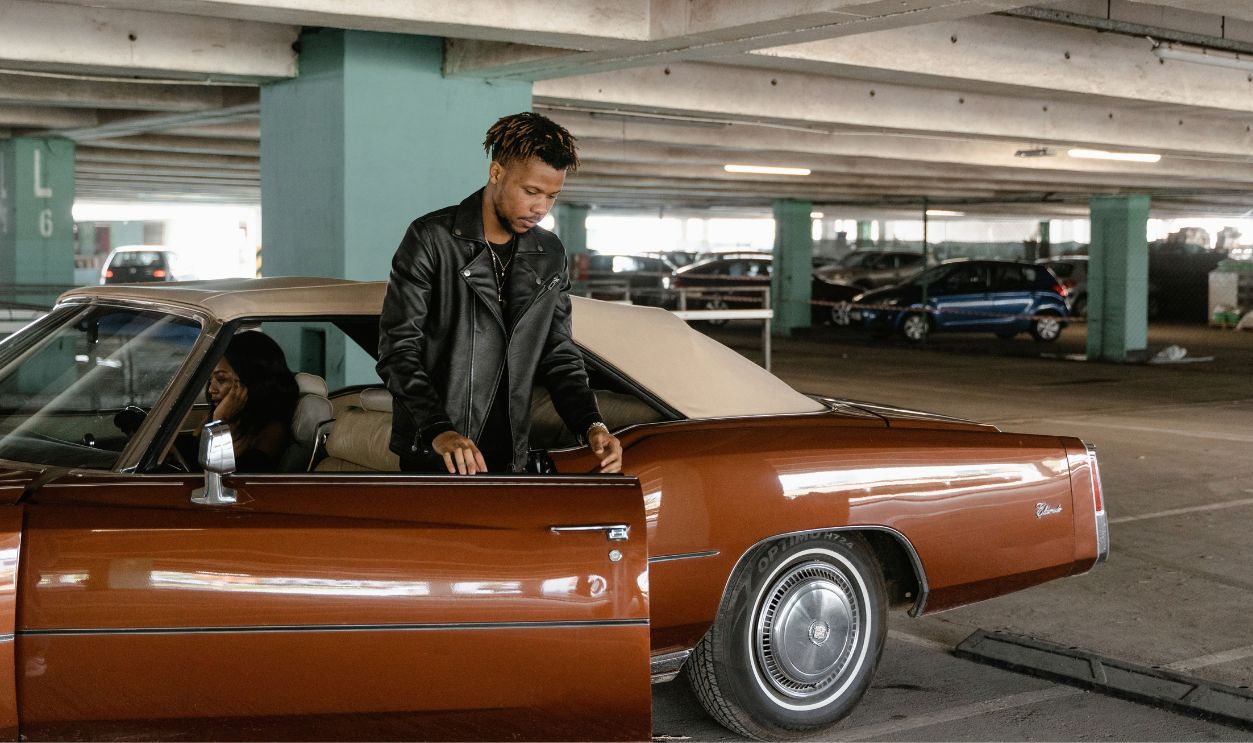
Be Careful With A Preservation Car You Want To Drive Constantly
A highly original, low-mileage survivor can become less special as you pile on miles, replace worn components, and expose the paint and interior to regular use. Hagerty has noted that buyers who pay premiums for preservation-quality, low-mileage examples need to consider how future driving affects what makes the car collectible.

Add Recommissioning Costs Before Making An Offer
Estimate tires, brakes, fluids, fuel-system work, cooling-system repairs, hoses, belts, battery, suspension components, seals, and anything else required to make the car safely usable. Then add potential rust and engine costs. A $5,000 originality premium looks very different if the car needs $15,000 before you can comfortably drive it.
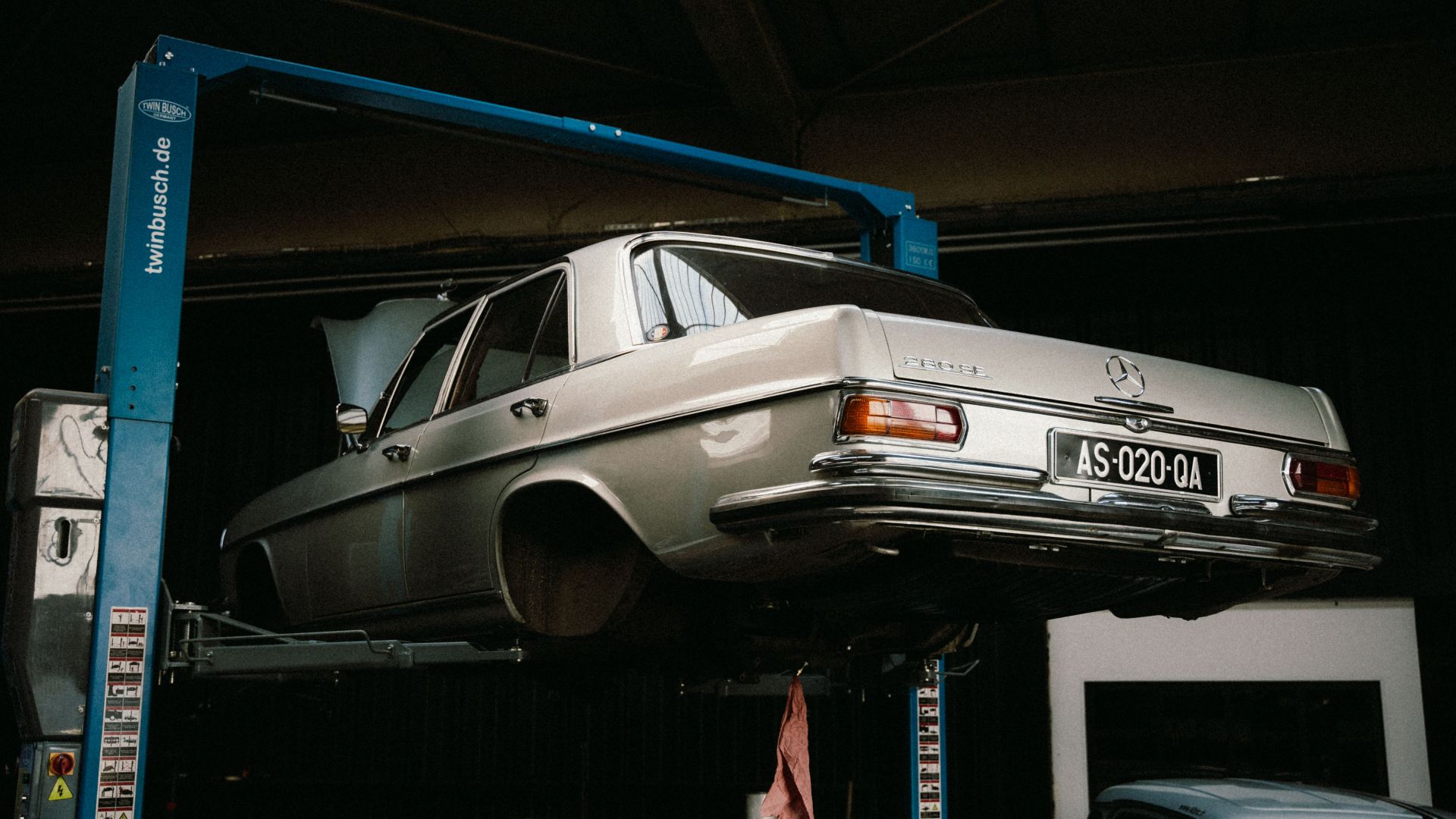
Compare It With A Finished Car You Could Buy Today
Suppose the seller wants $18,000 because the barn find is original, but a clean running example sells for $25,000. If the barn car needs $12,000 in mechanical and structural work, the romance may be costing you more than simply buying the better car. Originality has to be valuable enough to justify both the premium and the work still ahead.
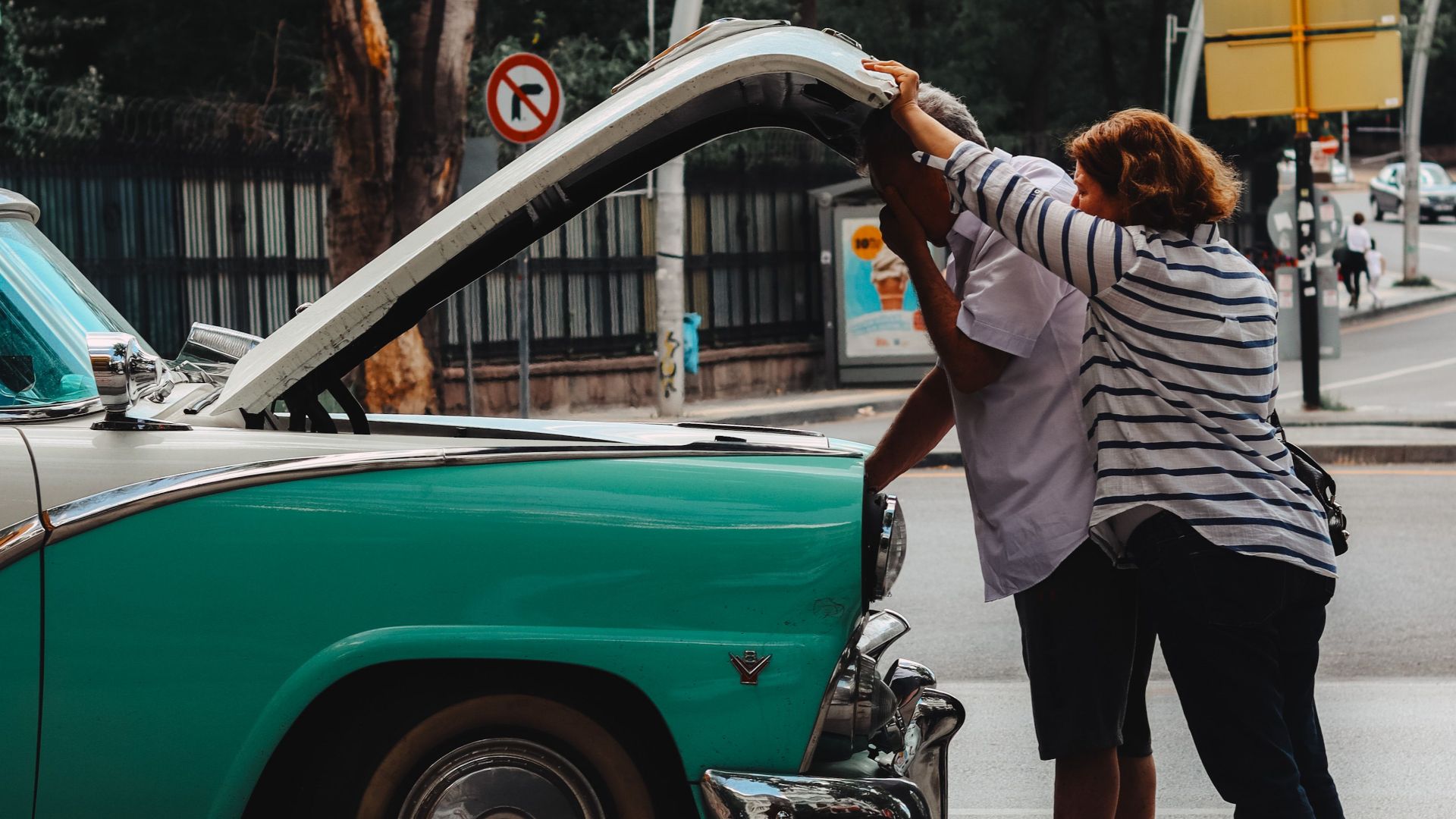
The Right Barn Find Can Absolutely Be Worth More
The collector market has produced some dramatic examples of unrestored cars commanding premiums. Classic Motorsports has reported original cars selling above restored counterparts, while famous preservation finds have brought enormous auction prices. But those cars typically combine originality with rarity, desirability, provenance, and compelling condition. Dust alone isn't valuable.
Pay Extra For Preservation, Not Neglect
An unrestored classic can be worth more when it retains rare factory materials, matching components, documented history, and the kind of honest condition collectors can't recreate. But “original” isn't an excuse for serious rust, missing parts, mechanical decay, or an inflated asking price. Verify what remains factory-original, research comparable sales, get the car professionally inspected, and calculate what it will cost to make usable. The seller may genuinely have a special survivor, but sometimes a barn find is simply a restoration project that happens to come with a better story.
You May Also Like: