

Cheap Cars Got Expensive
Nobody bought most of these cars expecting to preserve them for posterity. They were inexpensive transportation, starter cars, second cars, or little imports that owners drove until they wore out. Decades later, scarcity and nostalgia have transformed some of yesterday's cheap wheels into legitimate collectibles.
Volkswagen Beetle
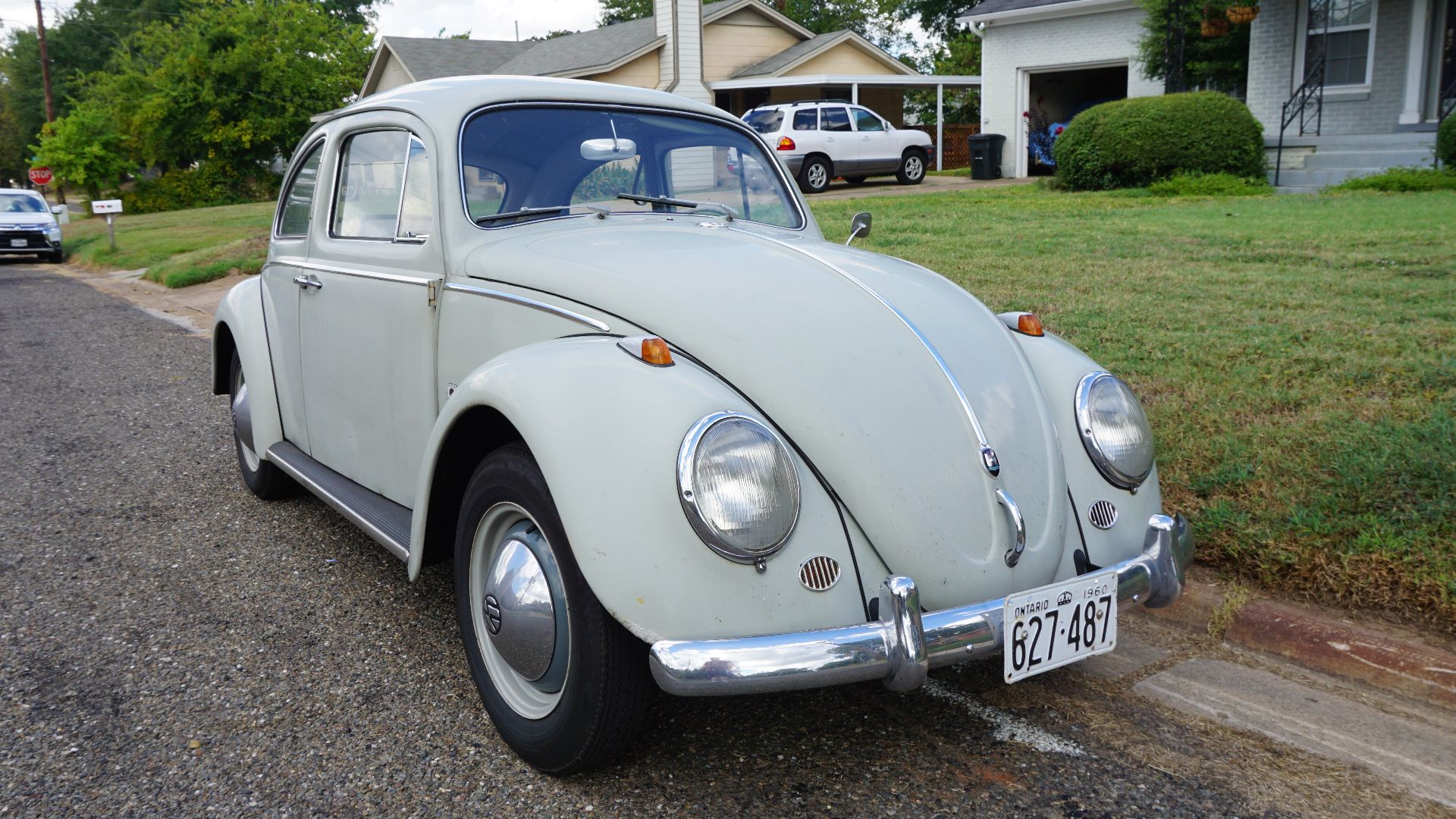
The 1960–1979 Volkswagen Beetle practically defined inexpensive imported transportation in America. A 1960 Deluxe Sedan listed for just $1,565, and Americans bought Beetles by the thousands. Today, earlier examples attract serious collectors, especially original cars with desirable details. Their unmistakable shape, enormous cultural footprint, and mechanical simplicity turned an economy car into an icon.
 Michael Barera, Wikimedia Commons
Chevrolet Corvair
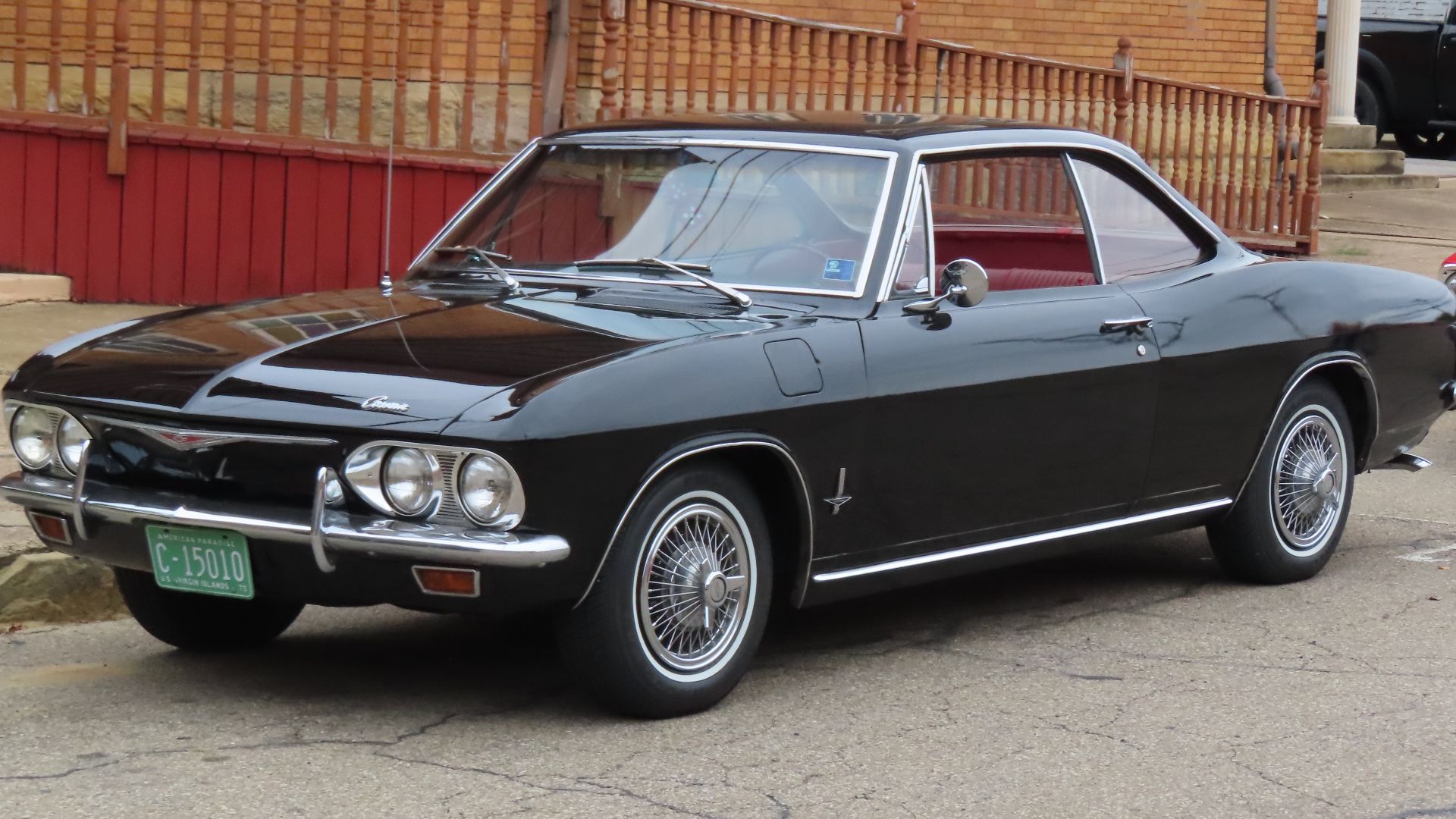
Built for the 1960–1969 model years, Chevrolet's Corvair was an unconventional answer to inexpensive European imports, giving it an air-cooled rear-mounted engine instead of Detroit's usual formula. Controversy eventually overshadowed the car, but collectors rediscovered its unusual engineering and handsome second-generation styling. Sportier Monza and Corsa versions are particularly desirable today.
 MercurySable99, Wikimedia Commons
Ford Falcon
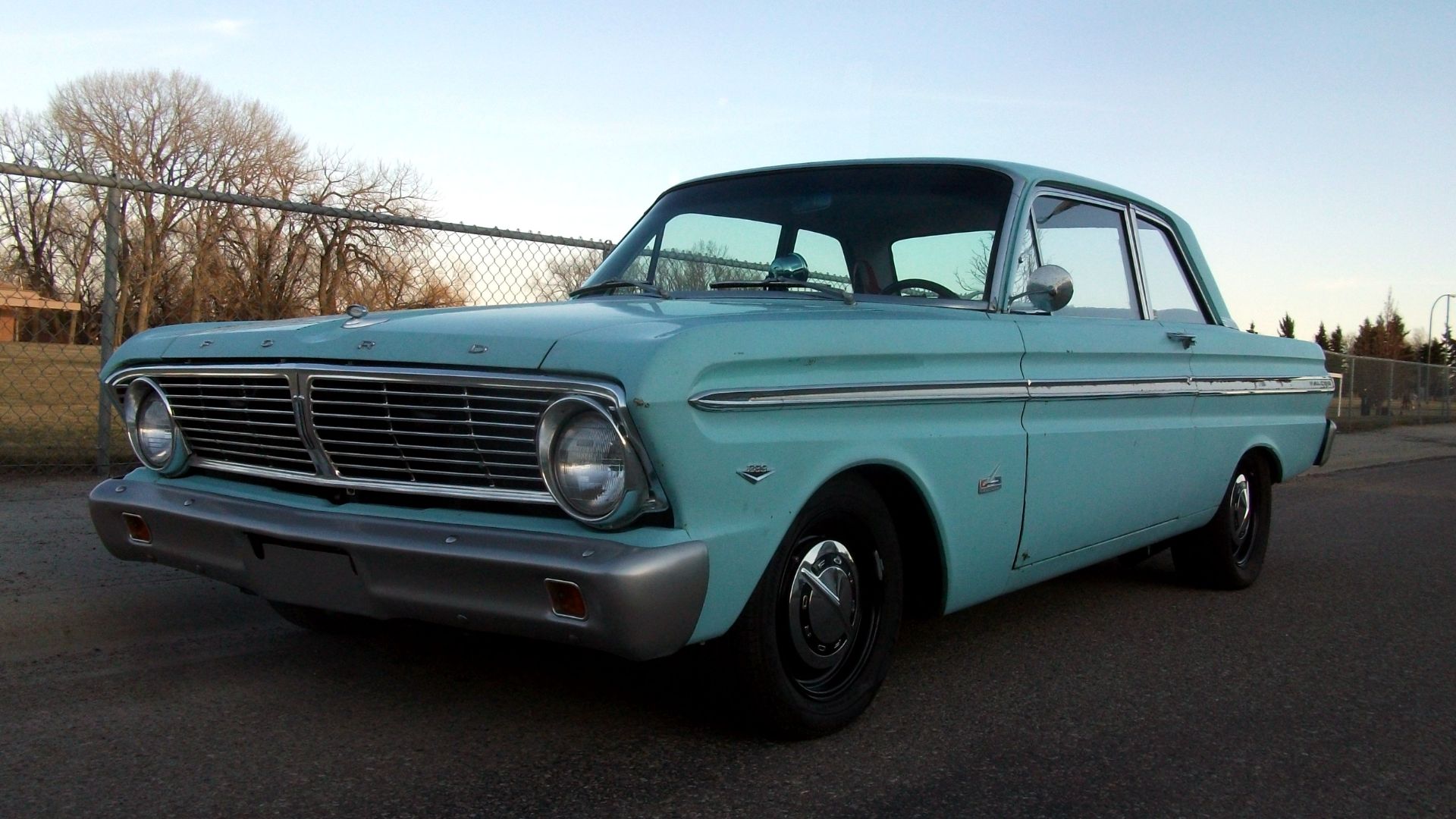
The 1960–1970 Ford Falcon arrived as Ford's sensible compact, designed for buyers who valued economy over excitement. Ford even promoted the model around the fun of saving money. Its simple mechanicals, clean styling, and relationship to the early Mustang eventually gave surviving Falcons considerable enthusiast appeal, especially two-door and V8 models.
 dave_7 from Lethbridge, Canada, Wikimedia Commons
Plymouth Valiant
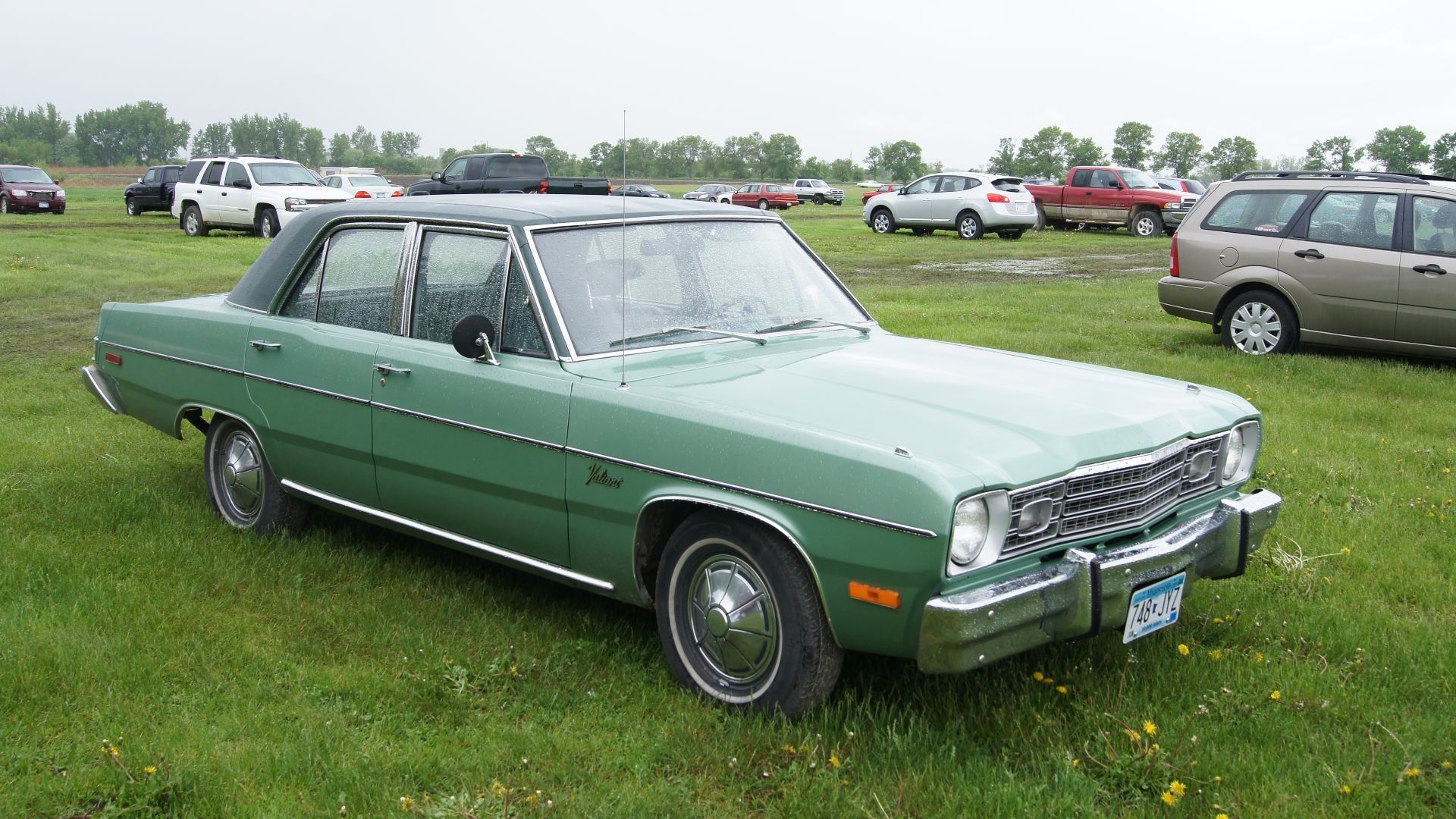
Introduced for 1960 and sold as a Plymouth from 1961 through 1976, the Valiant was basic transportation built around Chrysler's famously durable Slant Six. Early versions had wonderfully eccentric styling before the Valiant became increasingly conventional. Once disposable family transportation, survivors now appeal to enthusiasts who appreciate their durability, simplicity, and relative scarcity.
 Greg Gjerdingen from Willmar, USA, Wikimedia Commons
Rambler American
The 1960–1969 Rambler American was compact, economical, and thoroughly unpretentious. AMC built much of its reputation by appealing to buyers who didn't need enormous tailfins or giant engines. That's exactly why survivors are interesting now. Nice examples capture an overlooked side of 1960s American motoring that muscle cars don't tell.
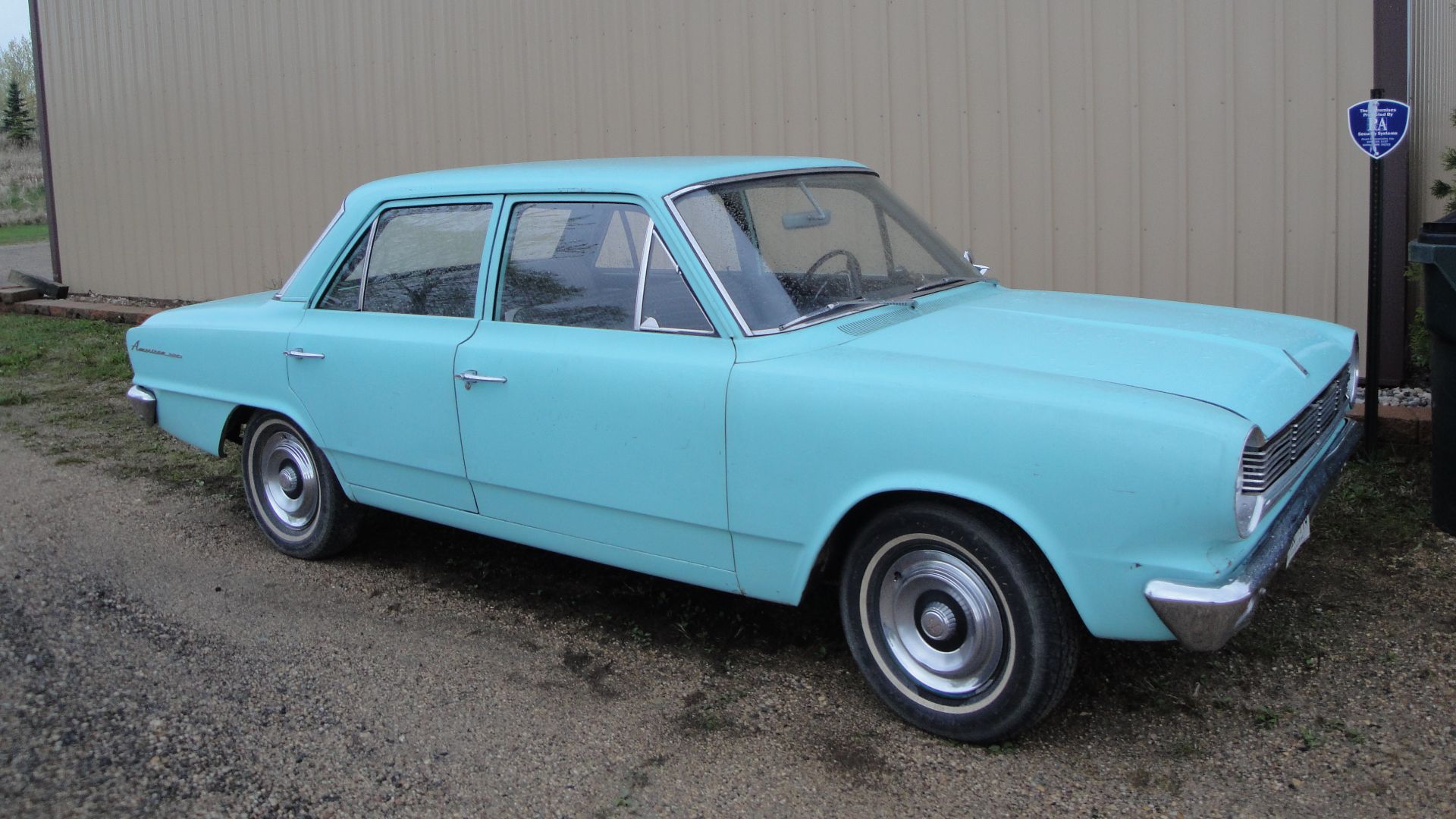 Greg Gjerdingen from Willmar, USA, Wikimedia Commons
Chevrolet Chevy II
Produced under the Chevy II name for 1962–1968, Chevrolet's straightforward compact was created to compete with Ford's Falcon. Nobody needed exotic engineering to understand it. As the model evolved into the Nova, however, performance versions appeared and its reputation changed. Even humble six-cylinder early Chevy IIs now have substantial nostalgic appeal.
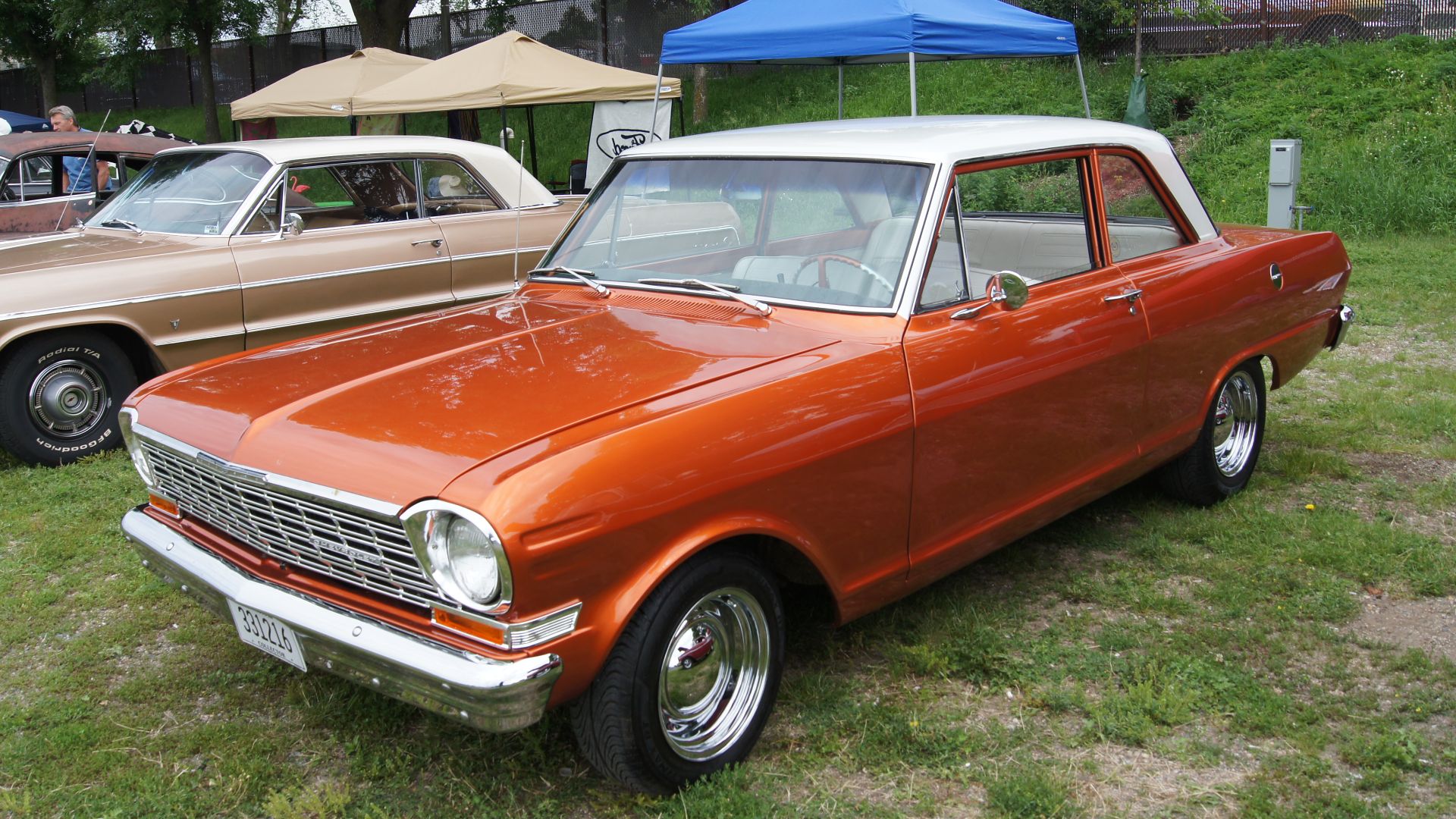 Greg Gjerdingen from Willmar, USA, Wikimedia Commons
Dodge Dart
The compact 1963–1976 Dodge Dart became synonymous with inexpensive, dependable transportation. Millions served as ordinary family cars, commuter vehicles, and hand-me-downs. Performance variants such as the Swinger and GTS get most of the attention, but even clean Slant Six Darts have become desirable reminders of an era when mechanical simplicity was a selling point.
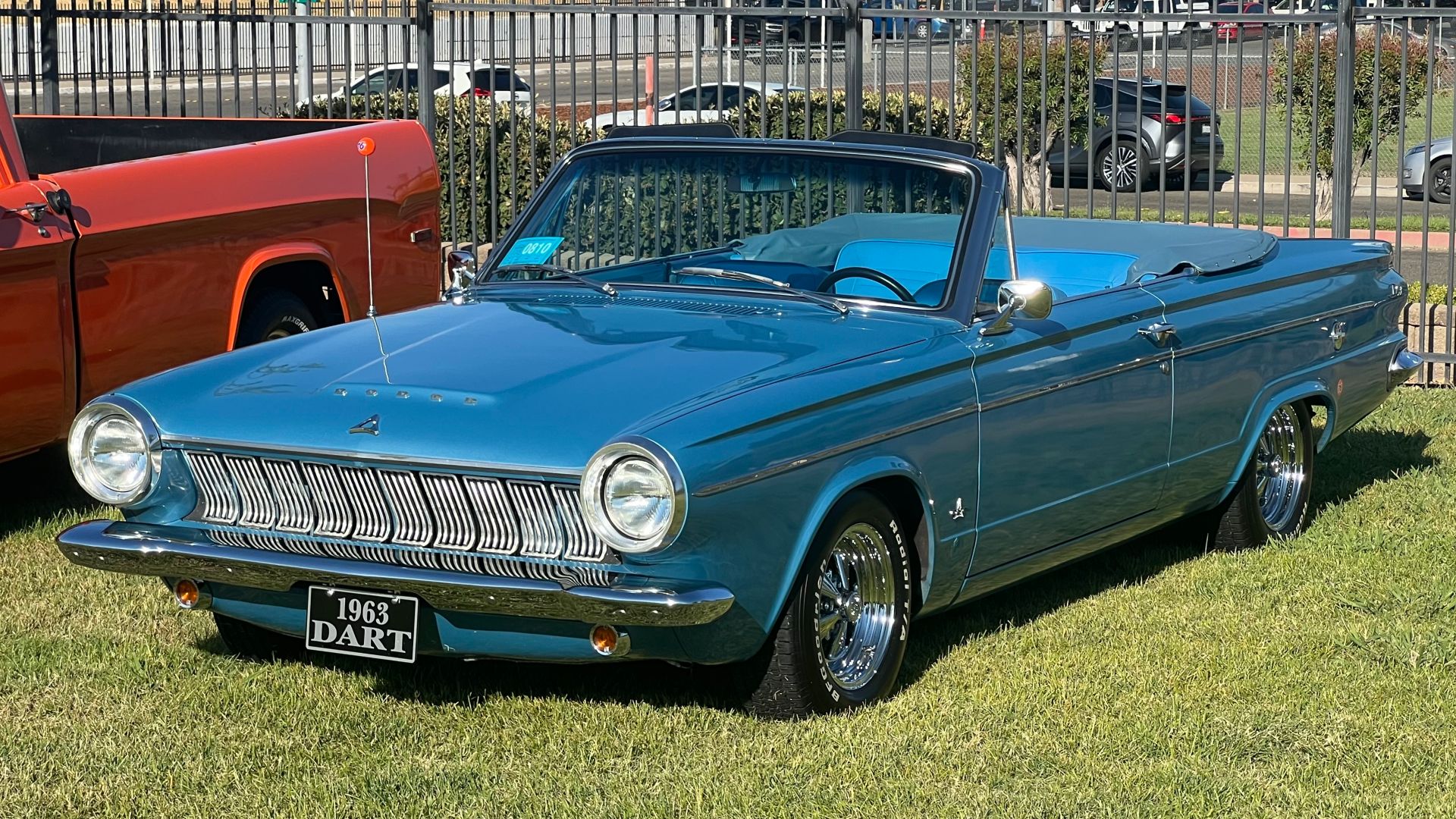 TaurusEmerald, Wikimedia Commons
Mercury Comet
Introduced for 1960, the Comet began as a compact closely related to Ford's Falcon, offering buyers slightly fancier surroundings without moving dramatically up the price ladder. Most were simply everyday transportation. Their survival rate wasn't spectacular, however, and attractive early Comets now draw collectors who want something less obvious than another Mustang or Falcon.
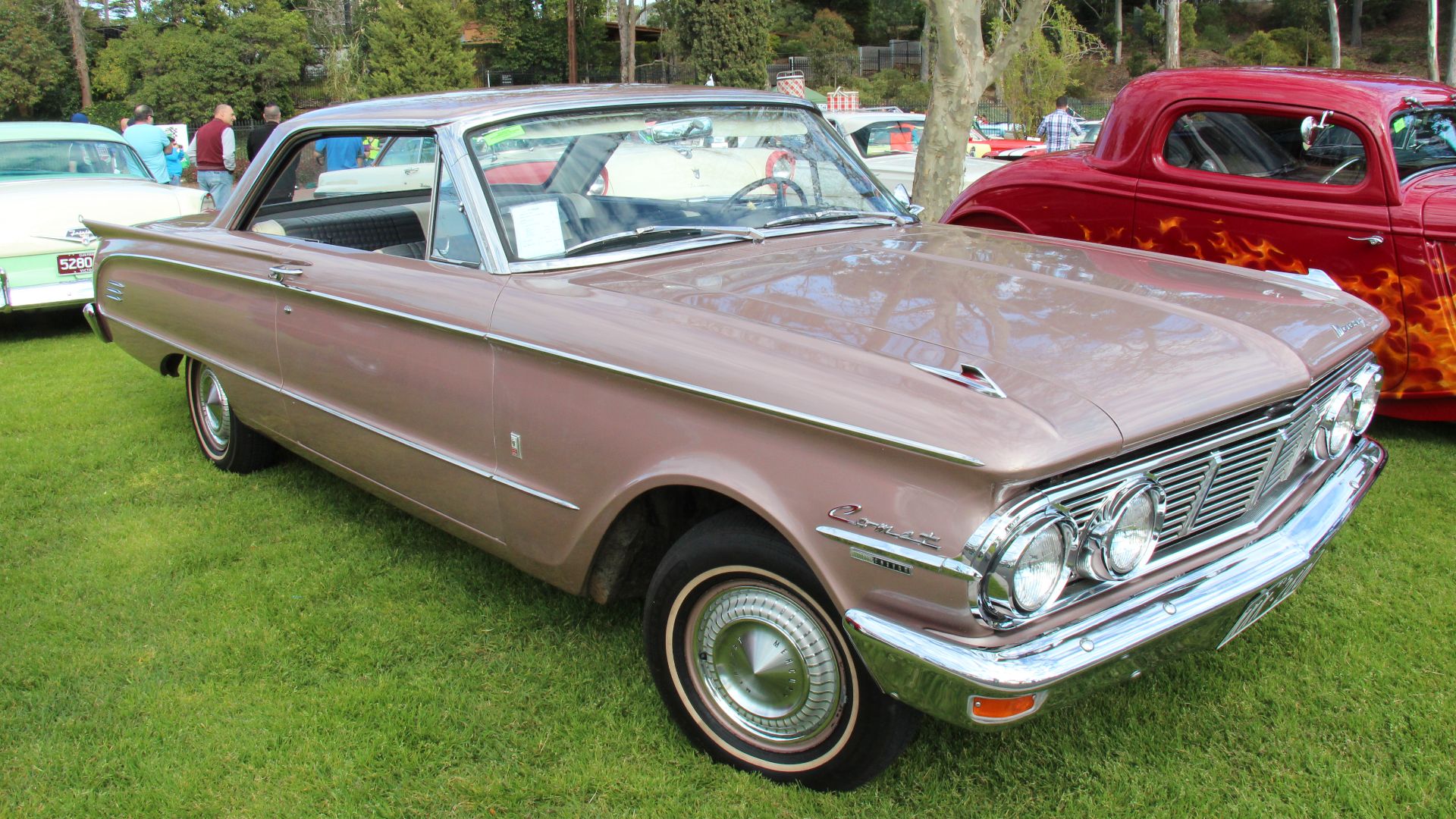
Volkswagen Karmann Ghia
The 1960–1974 Volkswagen Karmann Ghia proved that inexpensive economy-car mechanicals could wear something genuinely beautiful. Underneath its hand-finished bodywork were familiar Volkswagen components, making it far less exotic than its appearance suggested. Once an attainable stylish alternative to a Beetle, good Karmann Ghias are now firmly established as collectible classics.
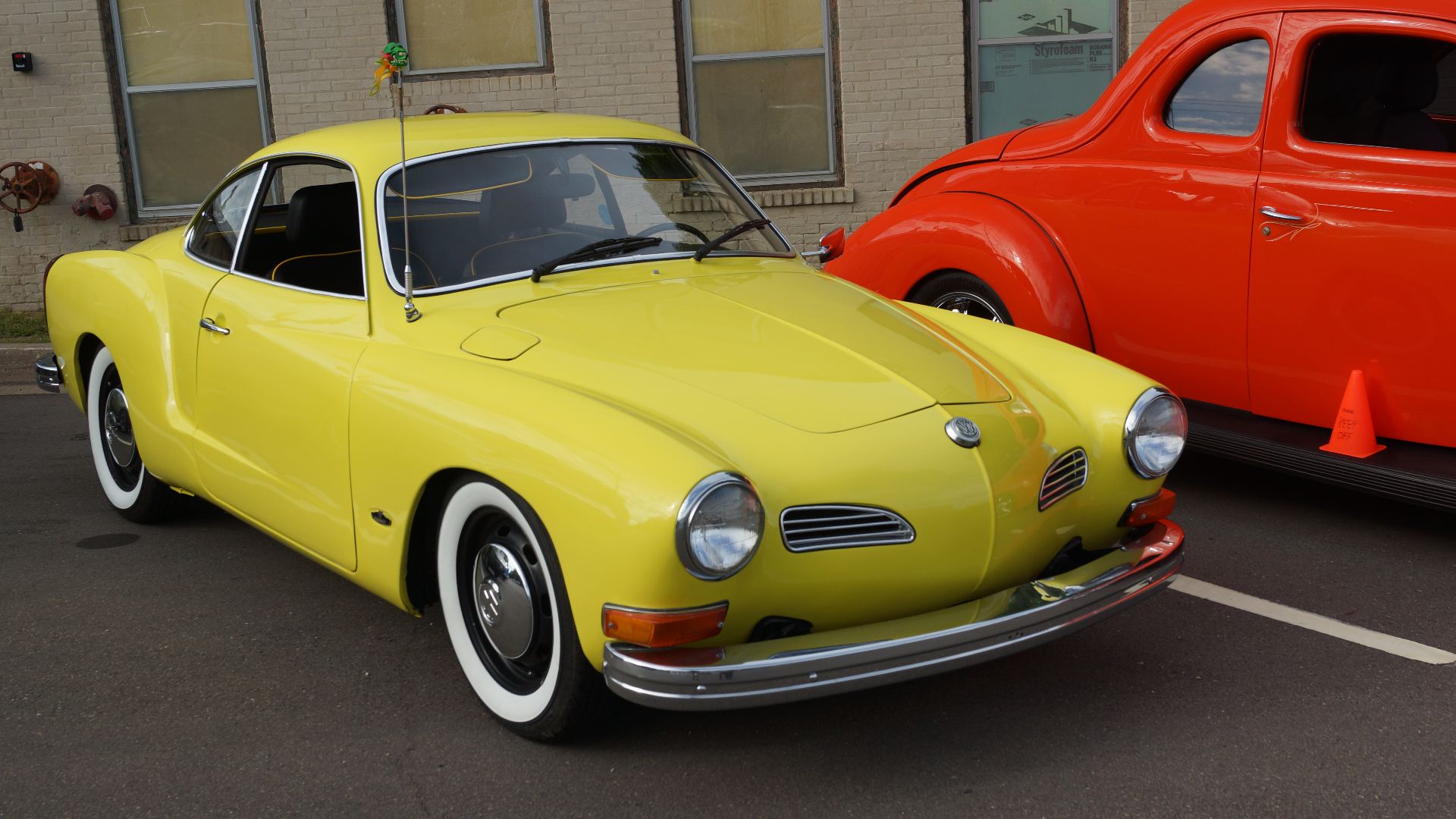 Greg Gjerdingen from Willmar, USA, Wikimedia Commons
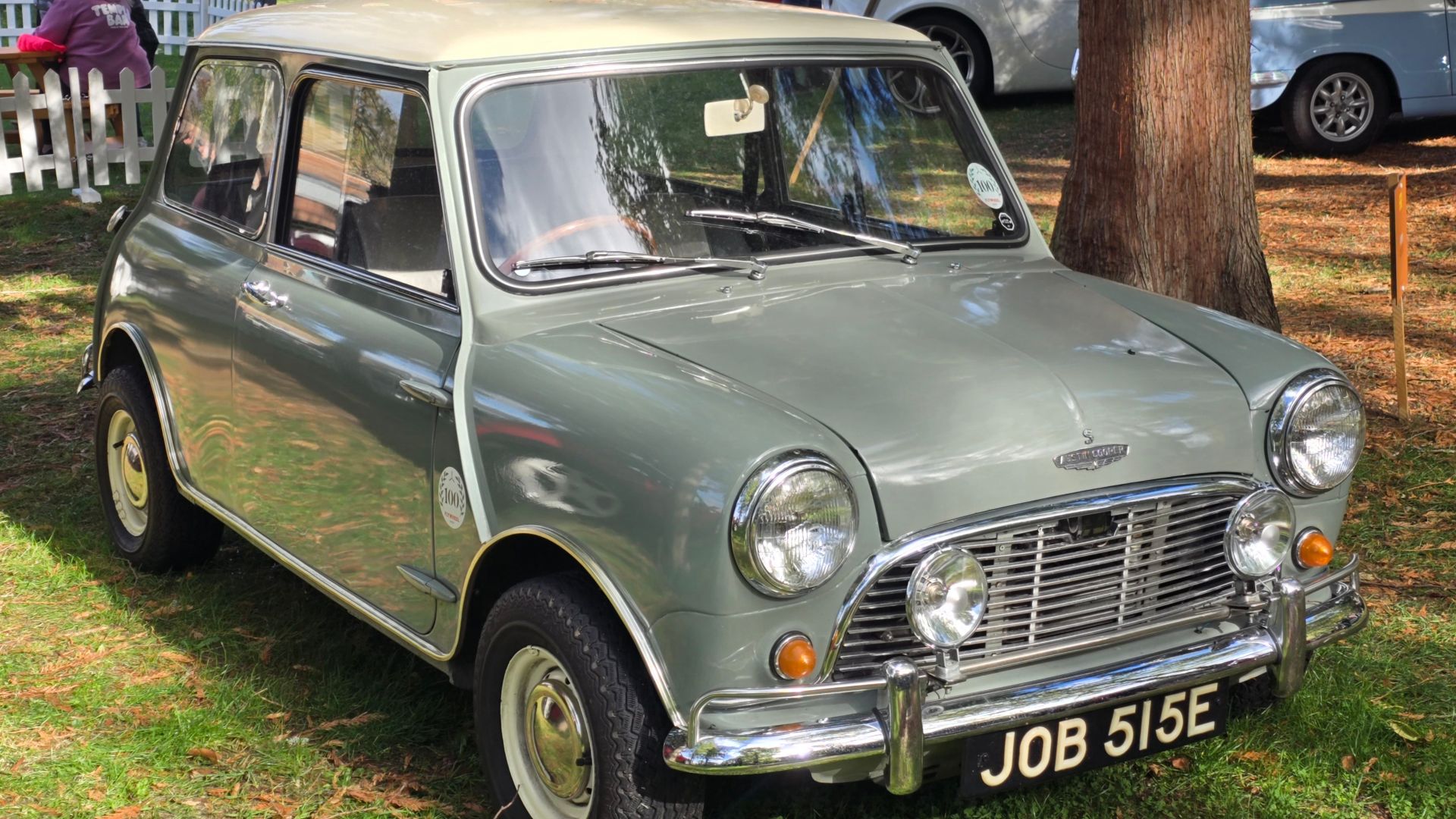
Austin Mini
The classic Mini sold throughout the 1960s and 1970s, although U.S. imports effectively ended after 1967. It was created to provide maximum interior space from minimum exterior dimensions, not to become a collector's trophy. Its ingenious transverse-engine layout, competition success, and unmistakable styling eventually transformed a humble economy car into a coveted classic.
MG Midget
The 1961–1979 MG Midget offered tiny British-roadster fun without sports-car money. A 1970 example produced only about 65 horsepower in U.S. specification, yet its light weight and simplicity made performance feel lively. Today the Midget remains collectible while still offering one of the more affordable entrances into vintage British motoring.
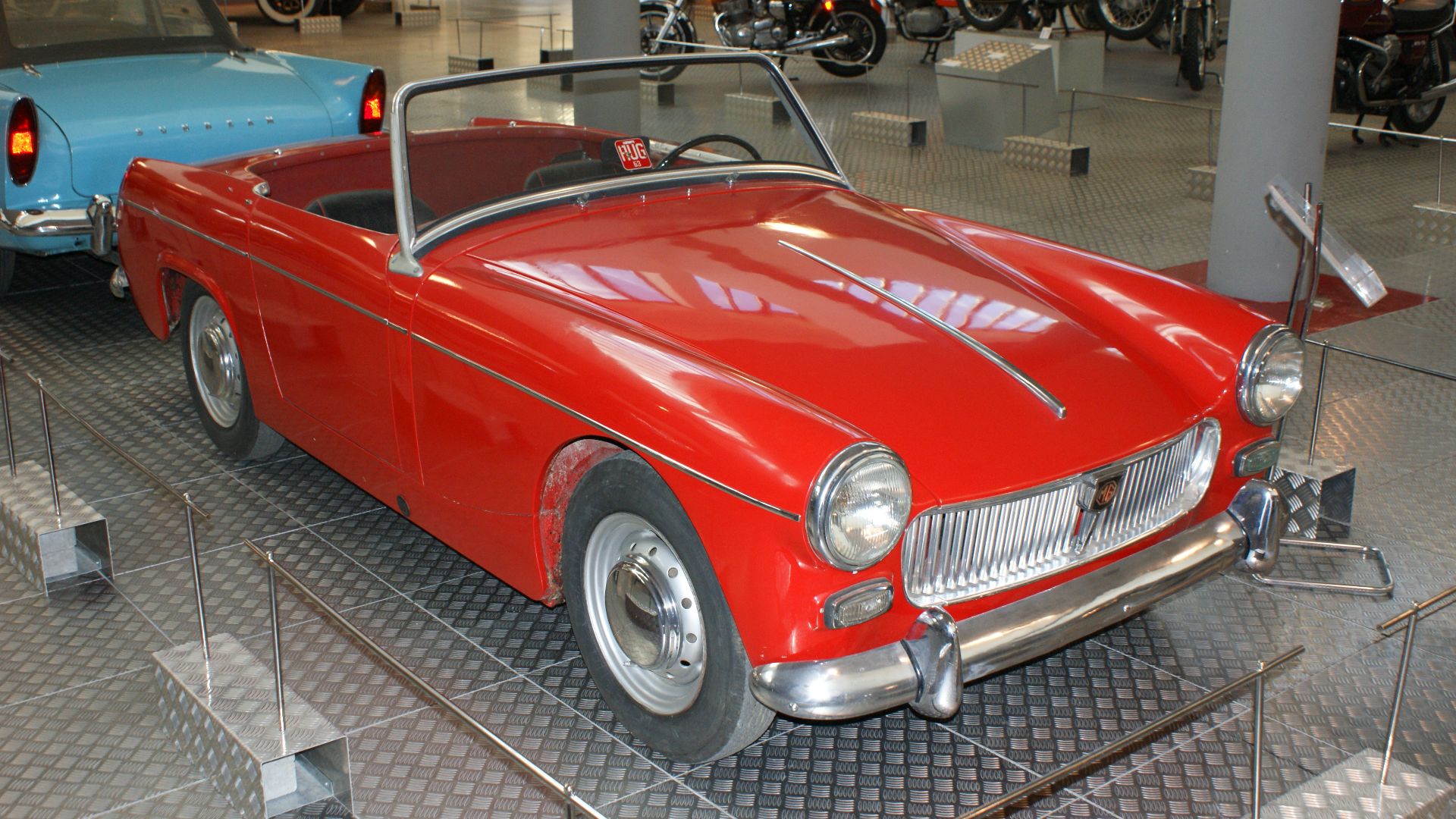 Hugh Llewelyn, Wikimedia Commons
Triumph Spitfire
Sold from the 1963–1980 model years in the U.S., the Triumph Spitfire delivered the classic British-roadster experience on an economy-car budget. By 1969, its base price was only $2,295. Buyers received a tiny convertible with lively handling and tremendous personality. Surviving examples now enjoy a devoted enthusiast following.
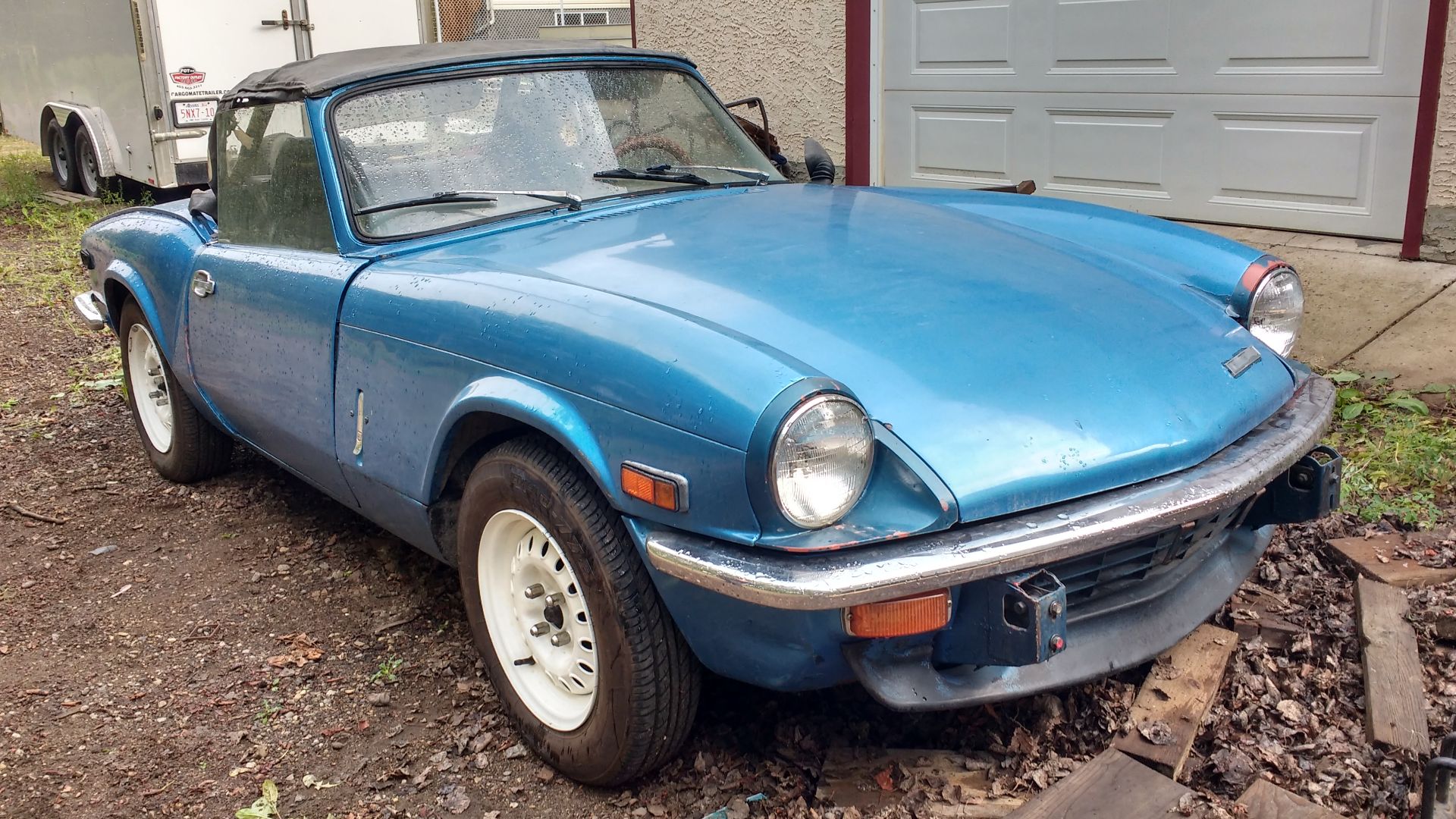 Wheatley Hill, Wikimedia Commons
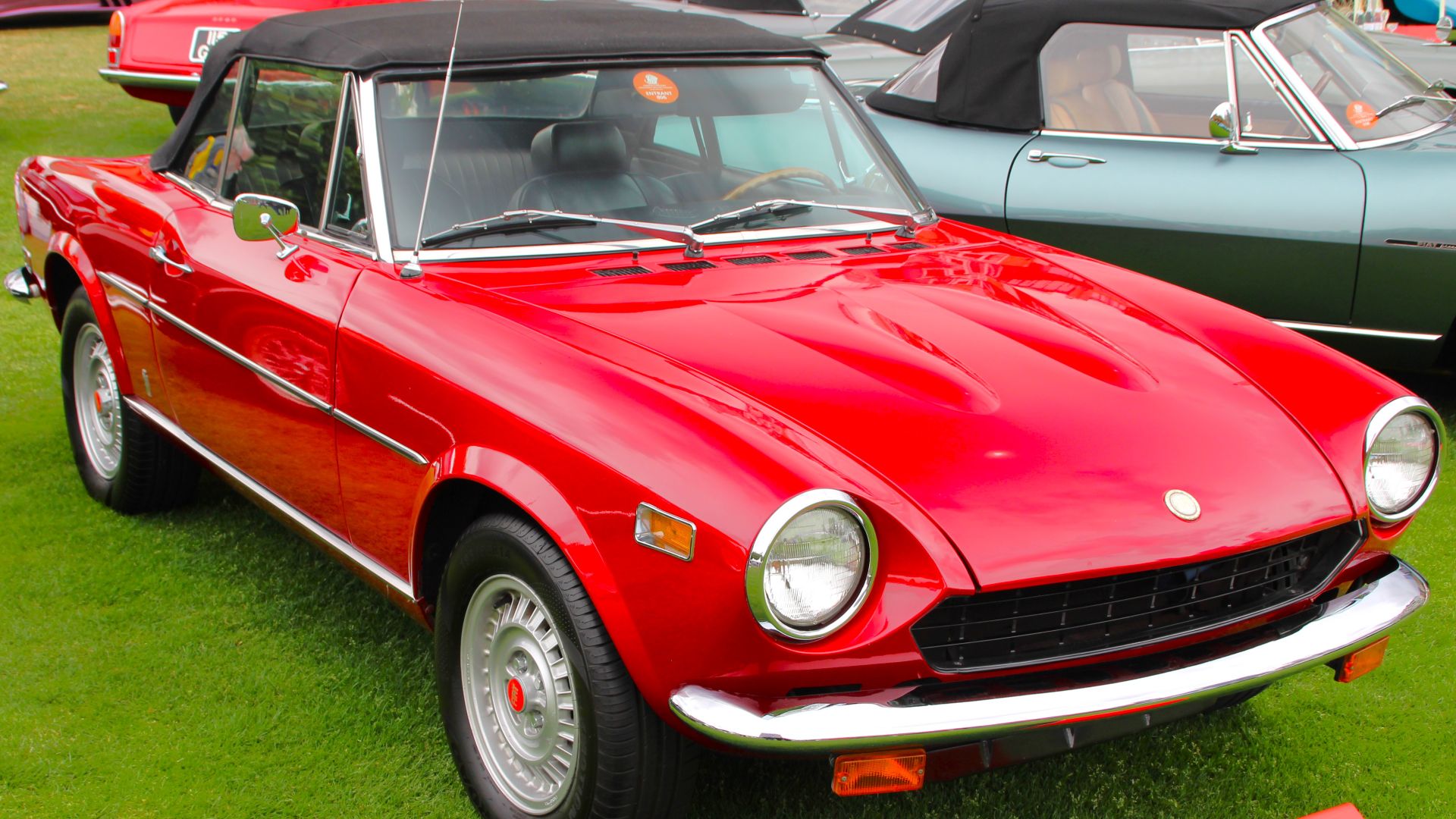
Fiat 124 Sport Spider
The Fiat 124 Sport Spider arrived in America in the late 1960s, offering Pininfarina styling and a sophisticated twin-cam engine without requiring exotic-car money. The car became a familiar affordable convertible on U.S. roads. Early small-bumper examples are particularly attractive to collectors, and good survivors have become considerably more desirable.
Opel GT
Sold through Buick dealerships in America from 1969–1973, the Opel GT appealed to buyers who wanted something sporty, inexpensive, and distinctly European. Its miniature-Corvette appearance provided far more visual drama than its modest four-cylinder performance suggested. Rust and neglect eliminated many, helping turn good surviving GTs into increasingly appreciated collector cars.
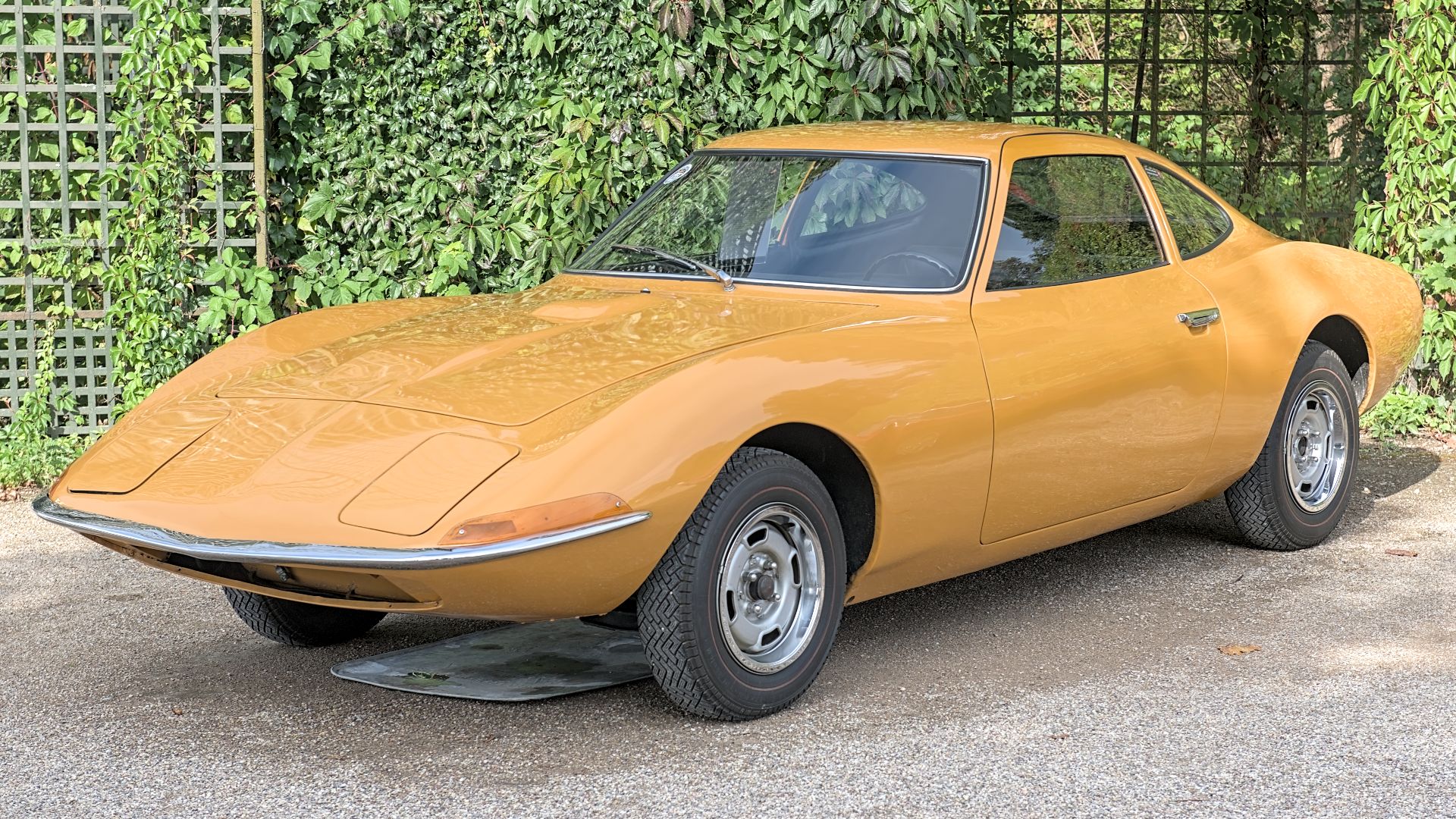 Alexander-93, Wikimedia Commons
Datsun 510
The 1968–1973 Datsun 510 underwent one of the most dramatic transformations from cheap transportation to collectible. Its sedans offered independent rear suspension, a lively overhead-cam engine, and excellent handling at a fraction of European sports-sedan prices. Racing success strengthened its reputation, while rust and modifications eventually made clean original examples scarce.
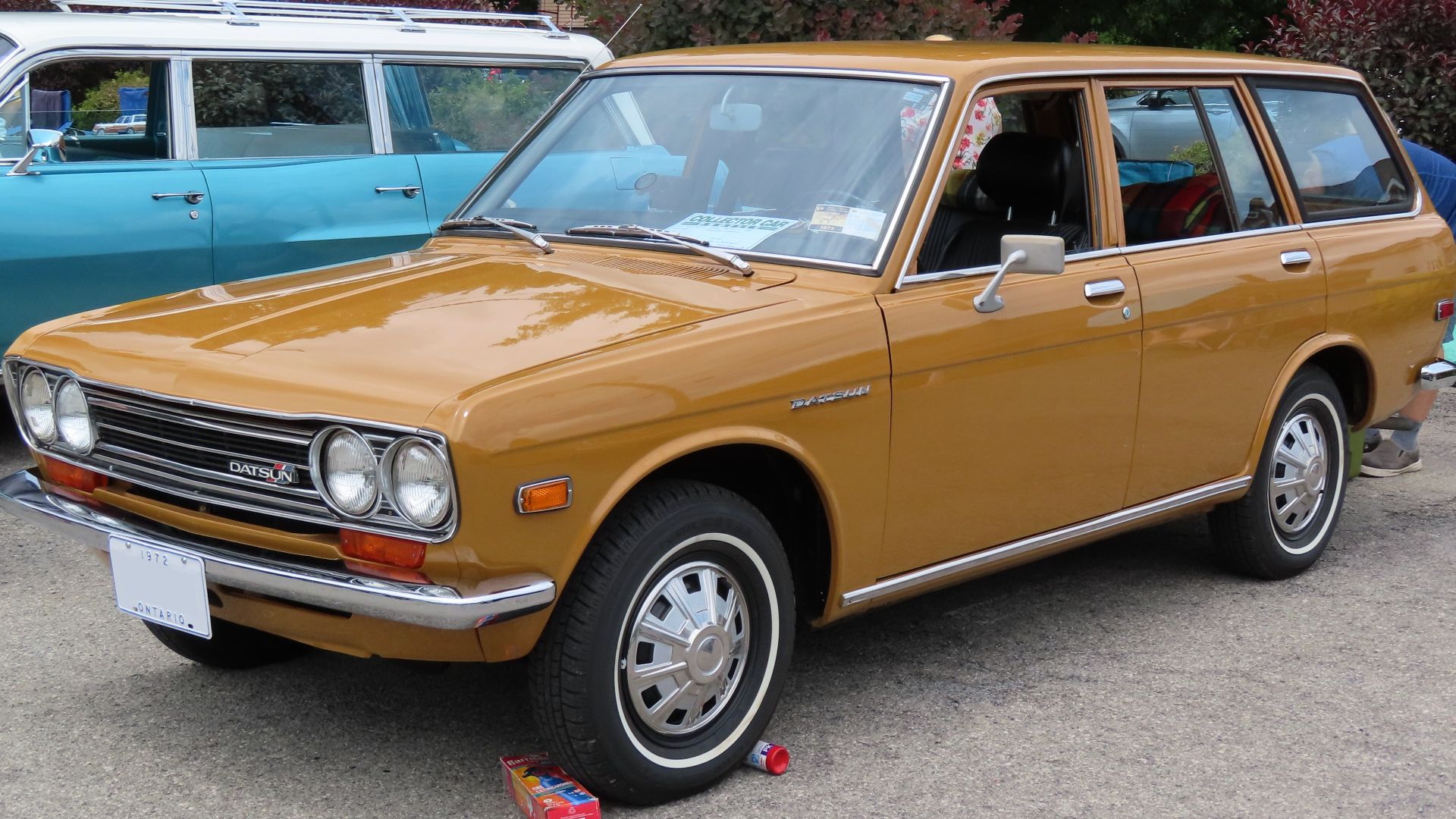 MercurySable99, Wikimedia Commons
Datsun 1200
Sold in the United States primarily for the 1971–1973 model years, the little Datsun 1200 was exactly the sort of economical Japanese car Americans once treated as disposable transportation. It was small, light, simple, and cheap to operate. Today its scarcity is a major attraction for collectors of early Japanese imports.
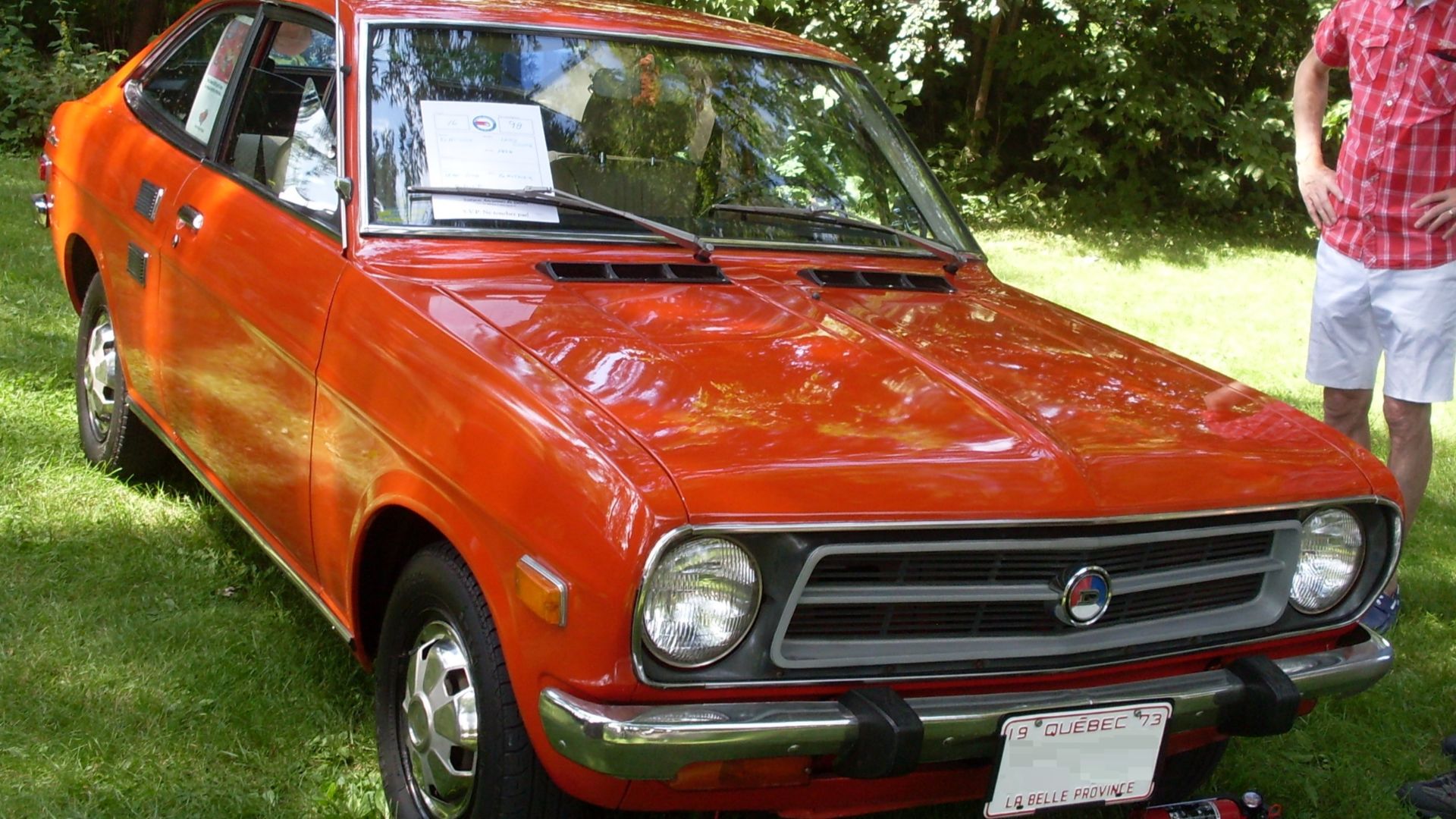
Toyota Corolla
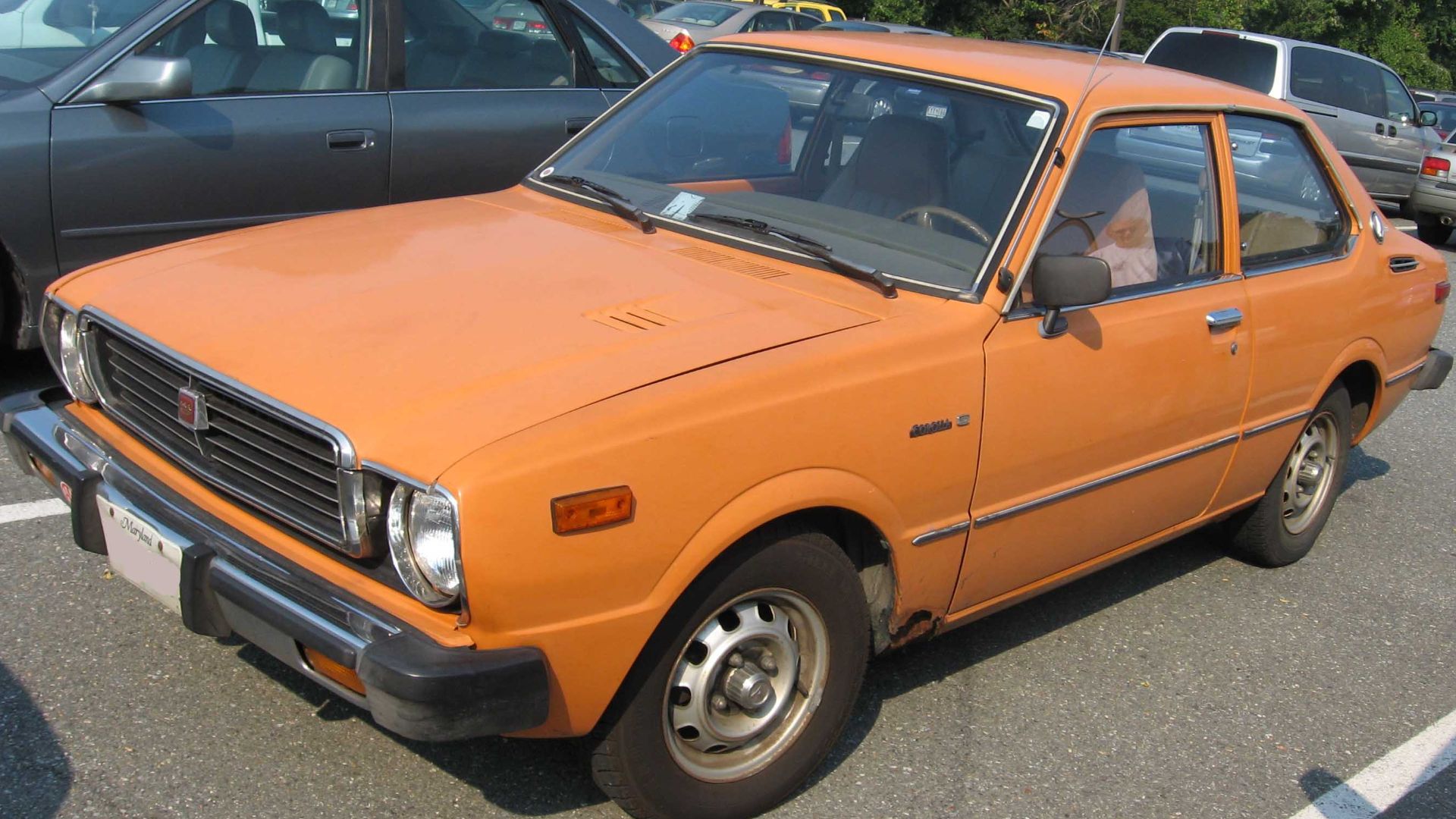
The early 1968–1979 U.S.-market Toyota Corollas were inexpensive economy cars that helped build Toyota's American reputation. Their rear-wheel-drive layouts, tiny dimensions, simple mechanicals, and classic Japanese styling make them completely different from today's Corolla. Decades of daily use and rust mean finding a clean, unmodified early survivor can be surprisingly difficult.
Toyota Celica
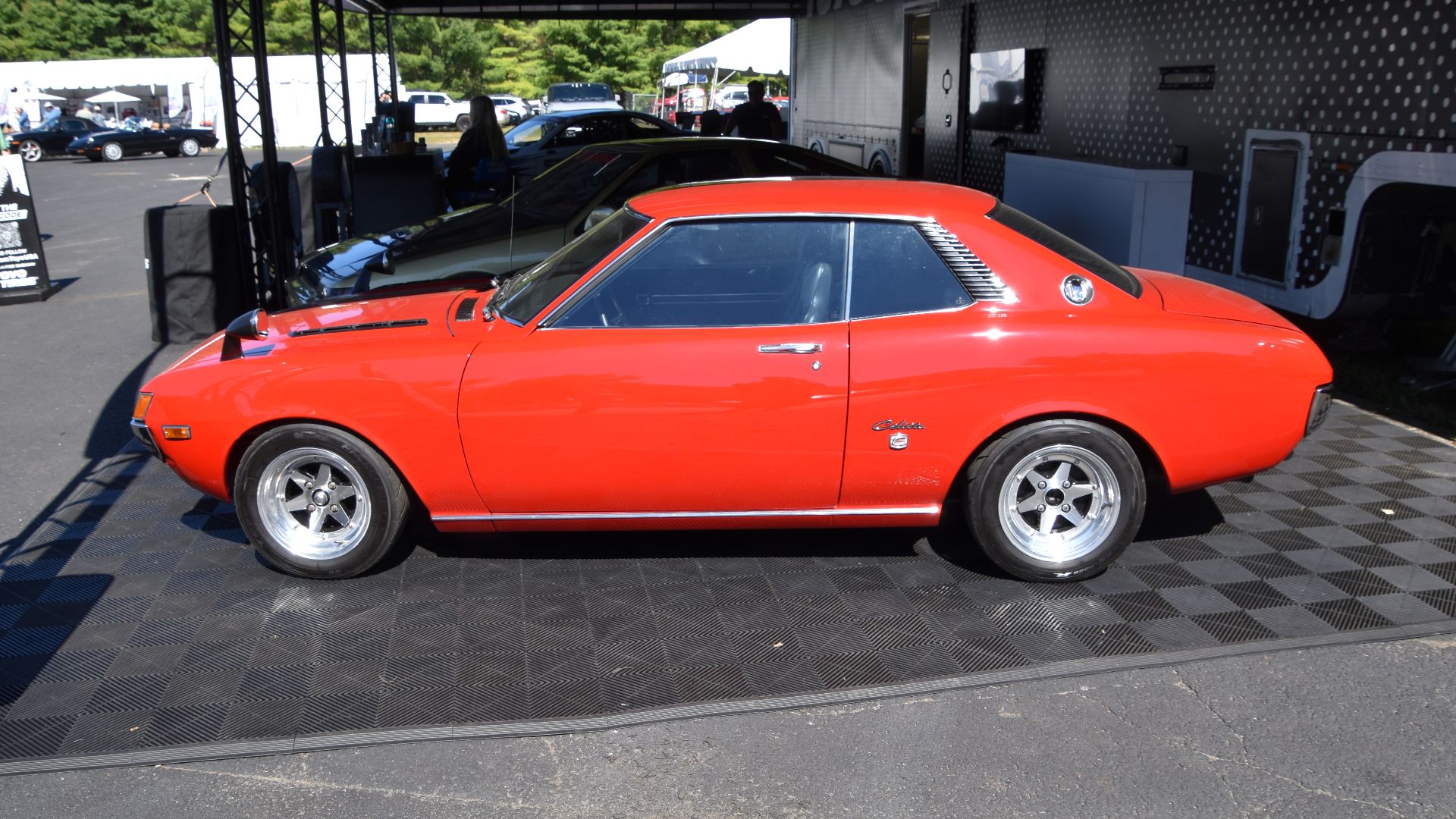
The first-generation 1971–1977 Toyota Celica gave Americans sporty styling without the price or operating costs of a traditional performance car. Coupes and later Liftbacks became enormously popular. After decades of modifications, rust, and ordinary use, clean first-generation Celicas have become sought-after representatives of Japan's rapid rise in the American market.
 Charles from Port Chester, New York, Wikimedia Commons
Honda Civic
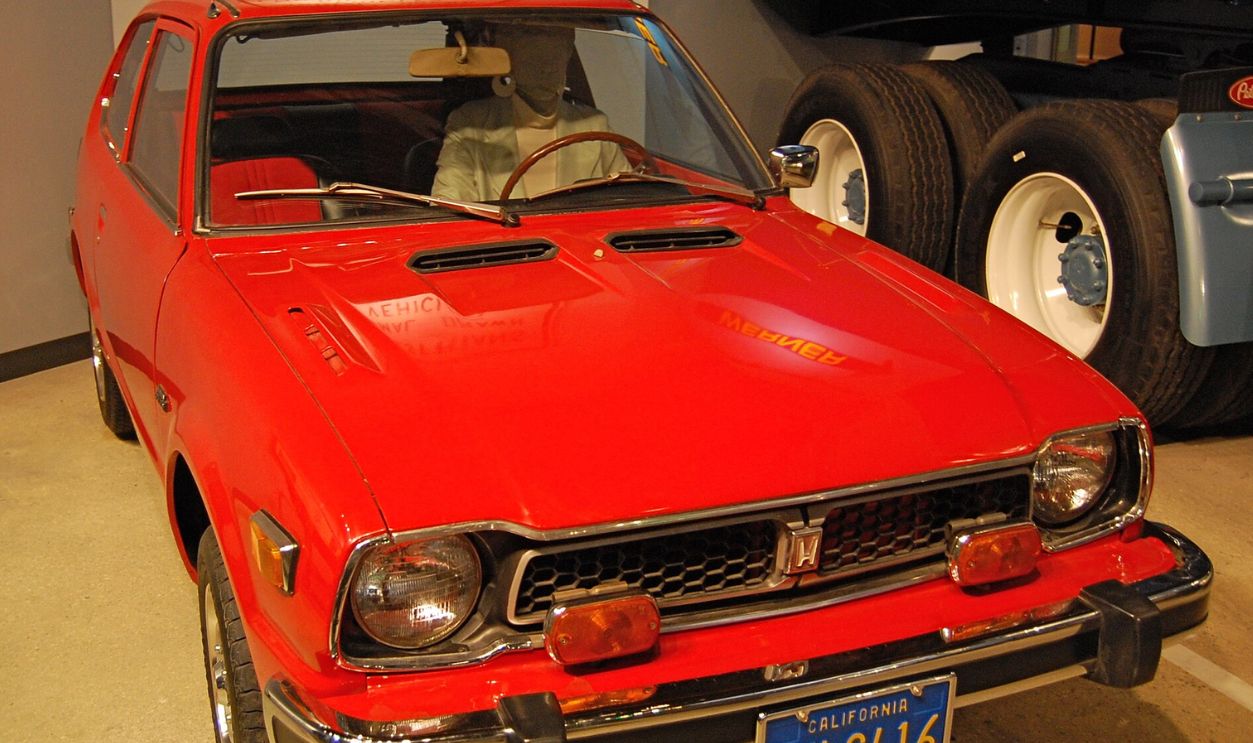
The first-generation 1973–1979 Honda Civic was inexpensive, tiny, economical, and perfectly timed for an America suddenly worried about fuel prices. It helped establish Honda as a serious automobile manufacturer here. Few buyers imagined preserving one. Rust and decades of daily use eliminated most, making original survivors genuine collectibles today.
Subaru 360
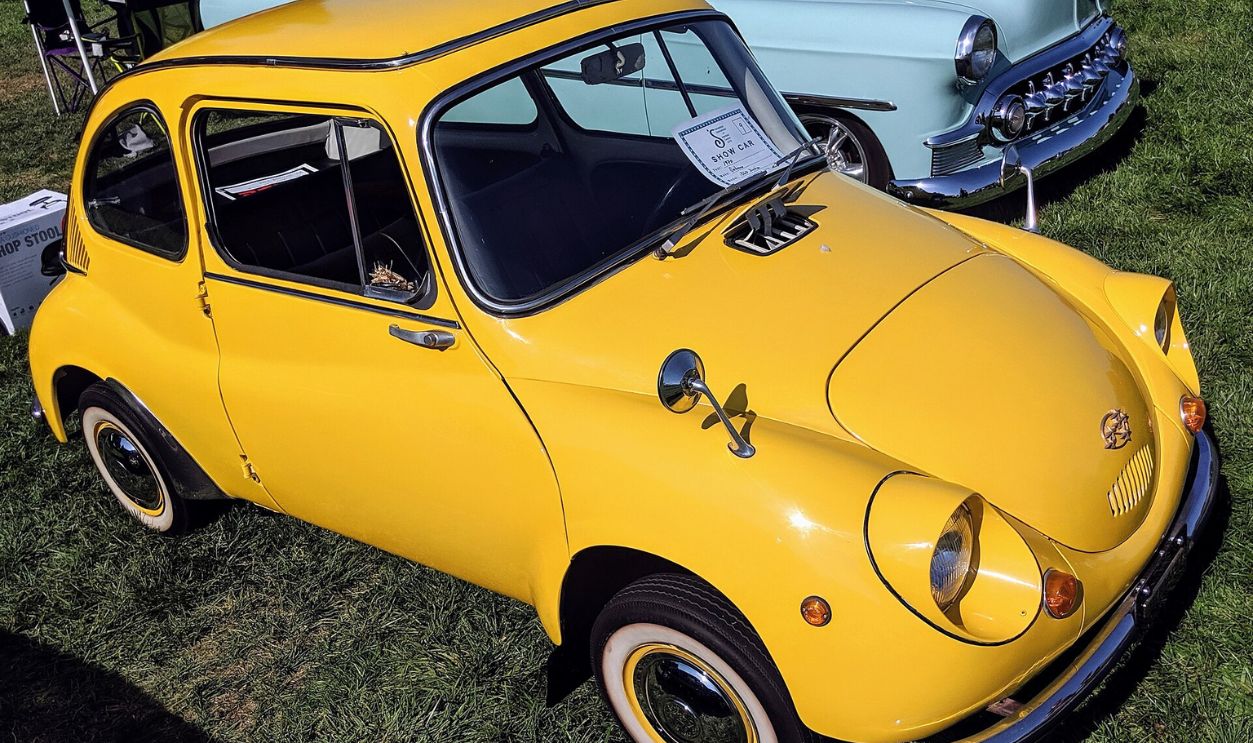
Imported to America mainly from 1968–1970, the tiny Subaru 360 weighed roughly 1,000 pounds and was promoted as extraordinarily inexpensive transportation. It never became a mainstream American success, but that's part of its modern appeal. Its unusual styling, tiny two-stroke engine, and rarity make surviving 360s highly distinctive collectibles.
Ford Maverick
The 1970–1977 Ford Maverick arrived as a simple, inexpensive alternative to increasingly costly American cars. The 1970 model initially came as a basic two-door sedan with a six-cylinder engine. Millions followed, so nobody considered Mavericks rare. Today, clean early cars, Grabbers, and V8-equipped examples attract a growing enthusiast audience.
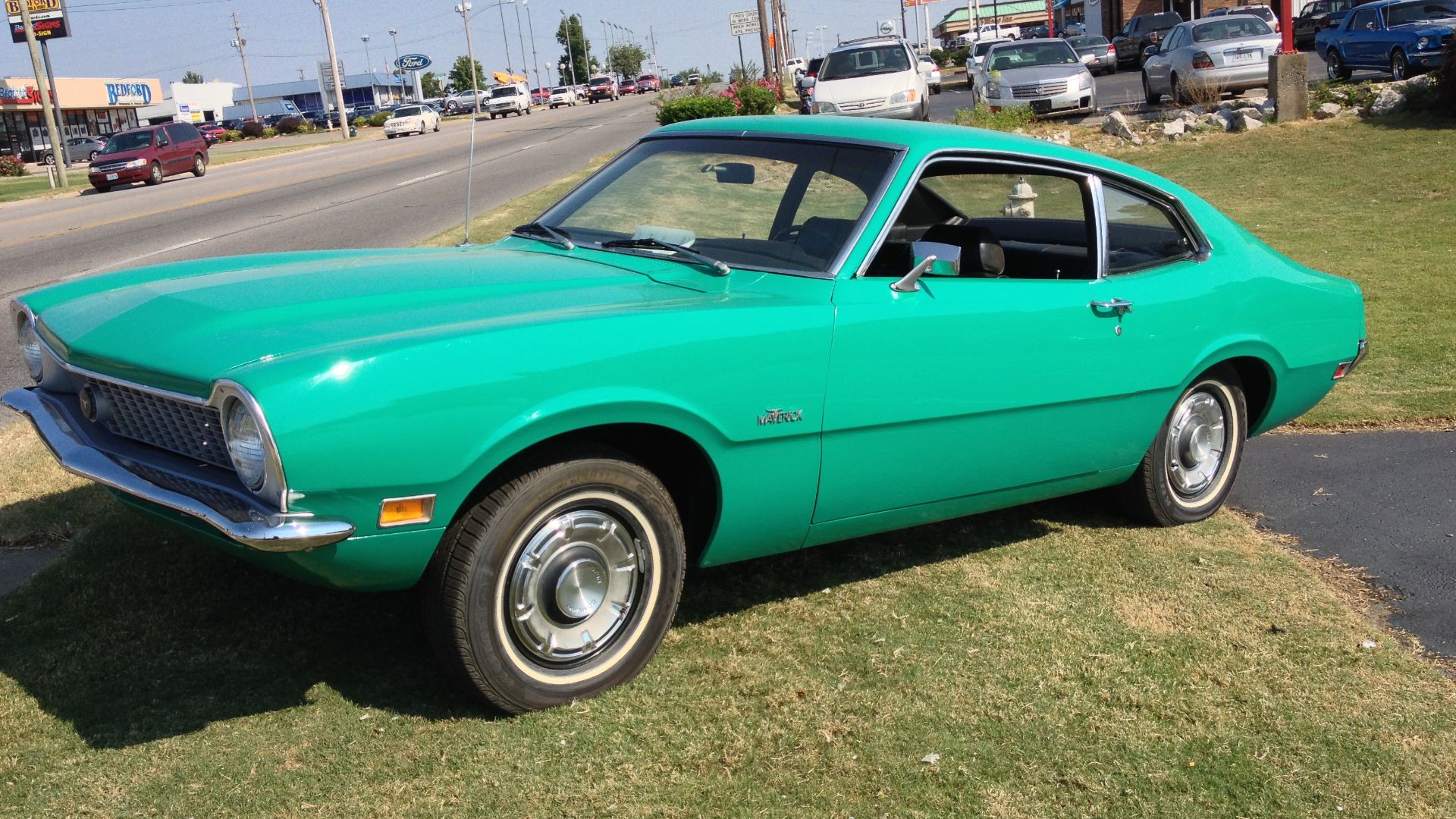 User:wallerdog, Wikimedia Commons
AMC Gremlin
The 1970–1978 AMC Gremlin may be the ultimate example on this list. AMC introduced its chopped-tail compact in 1970 at just $1,879 for the bare-bones two-seater. Its once-mocked shape is now precisely what makes it desirable, while V8-powered Gremlin X versions have developed particularly strong collector appeal.
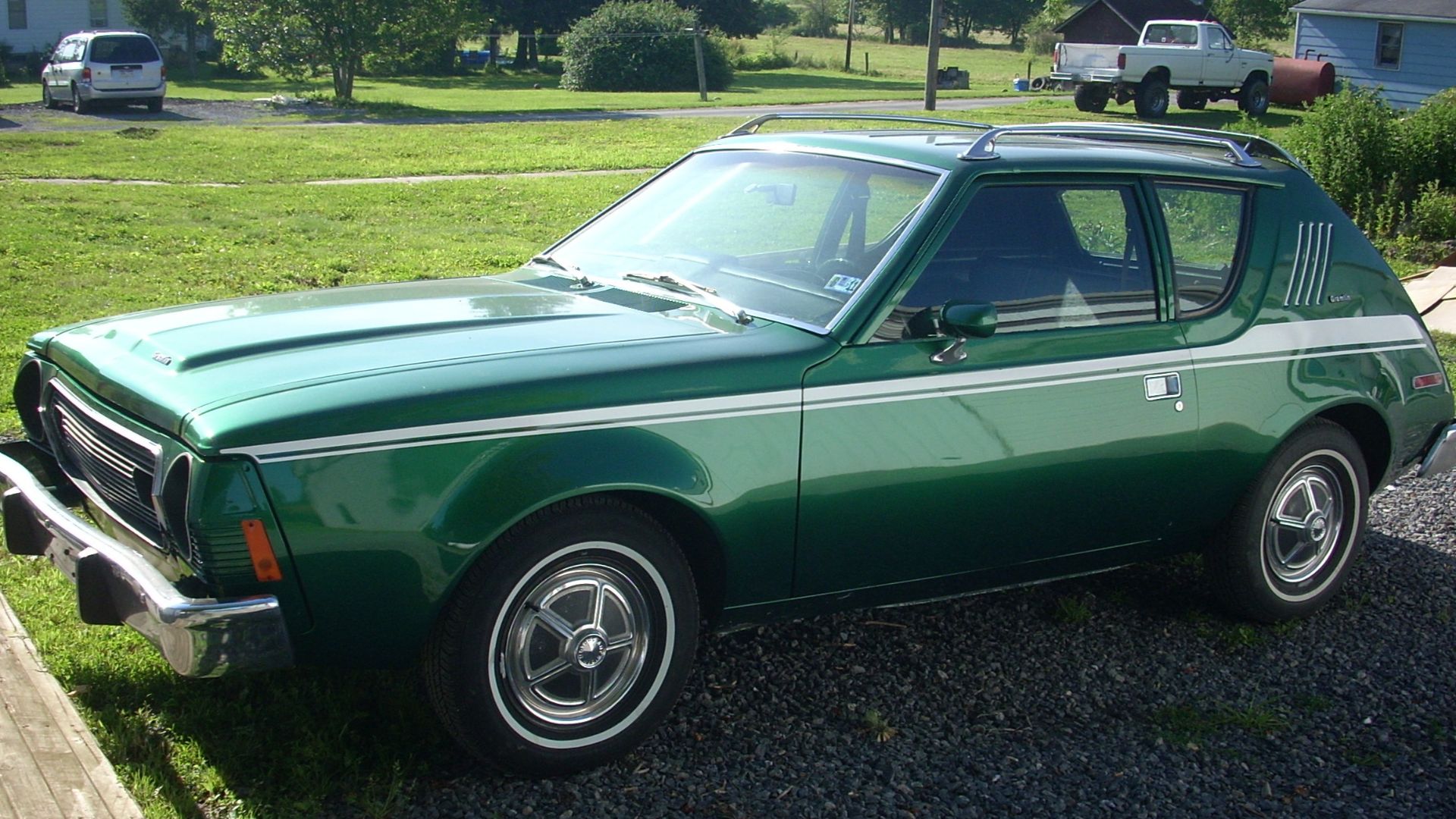 Gerry Dincher from Hope Mills, NC, Wikimedia Commons
Chevrolet Vega
The 1971–1977 Chevrolet Vega seems an unlikely collectible because its reputation became dominated by corrosion and engine problems. Chevrolet nevertheless sold enormous numbers, and its attractive styling still has admirers. Surviving GTs, Kammback wagons, and especially limited-production Cosworth Vegas attract collectors partly because genuinely good examples have become so difficult to find.
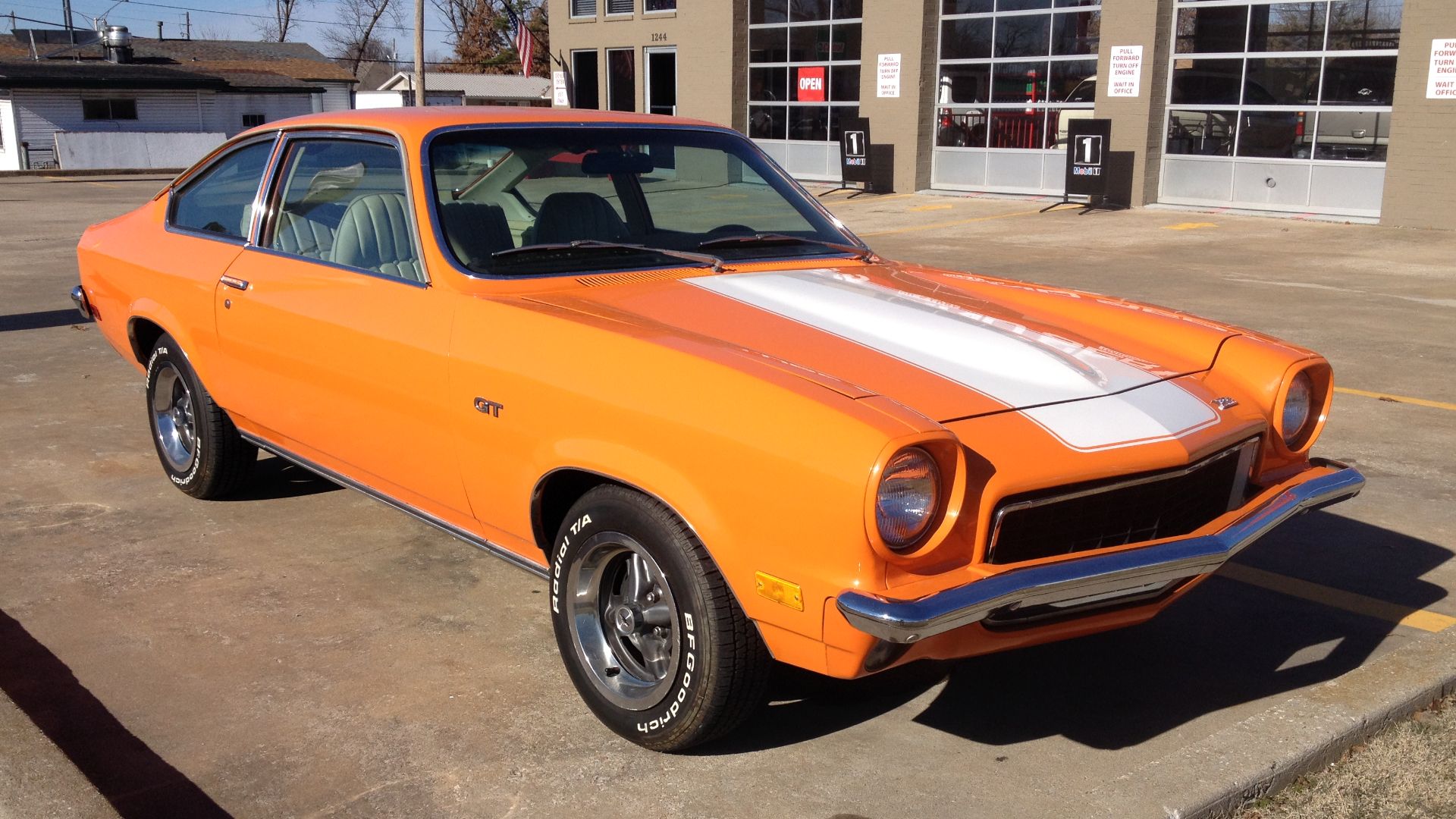
Ford Pinto
The 1971–1980 Ford Pinto was designed to be inexpensive transportation, and its controversial safety history made future collectibility seem improbable. Yet that history also made it instantly recognizable. Most disappeared decades ago, leaving clean original Runabouts, wagons, and unusual option combinations with a small but unmistakable collector following.
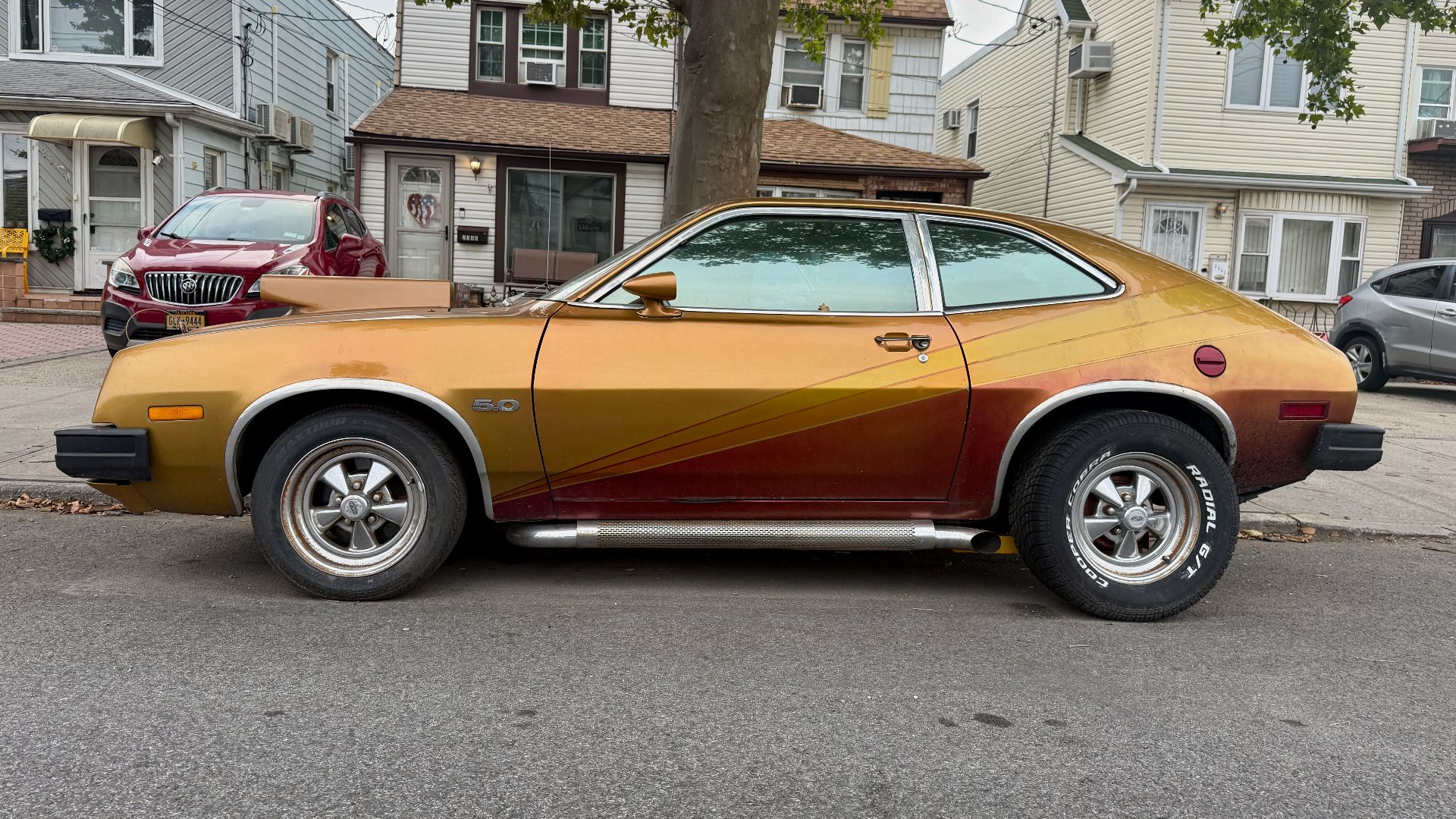 Oleg Yunakov, Wikimedia Commons
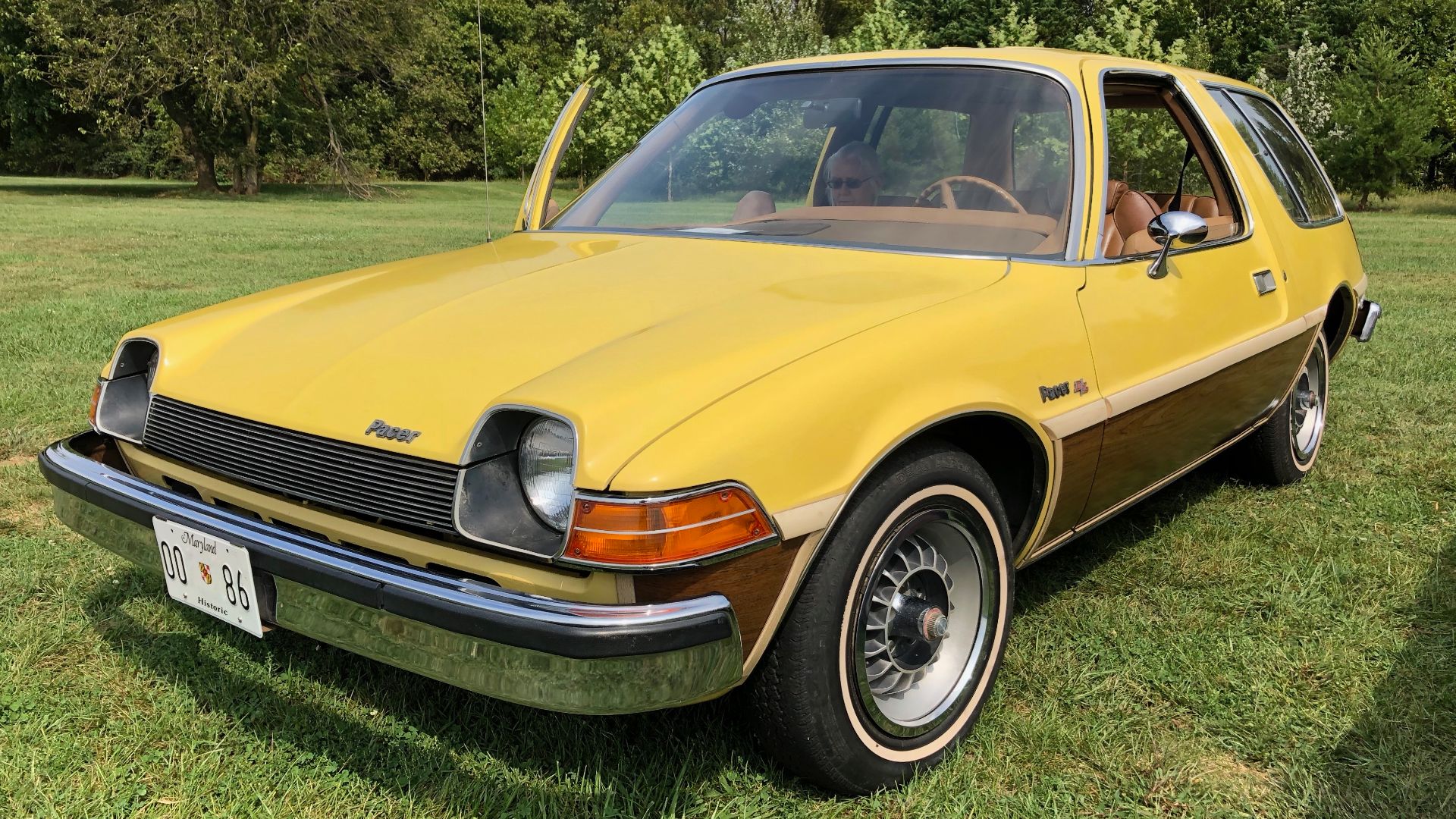
AMC Pacer
Produced for the 1975–1980 model years, the AMC Pacer looked strange when new and looks even more distinctive today, which ultimately became an advantage. AMC's wide-bodied “fishbowl” attempted to rethink the American small car. Its unmistakable styling and later pop-culture fame helped give surviving Pacers a cult following.
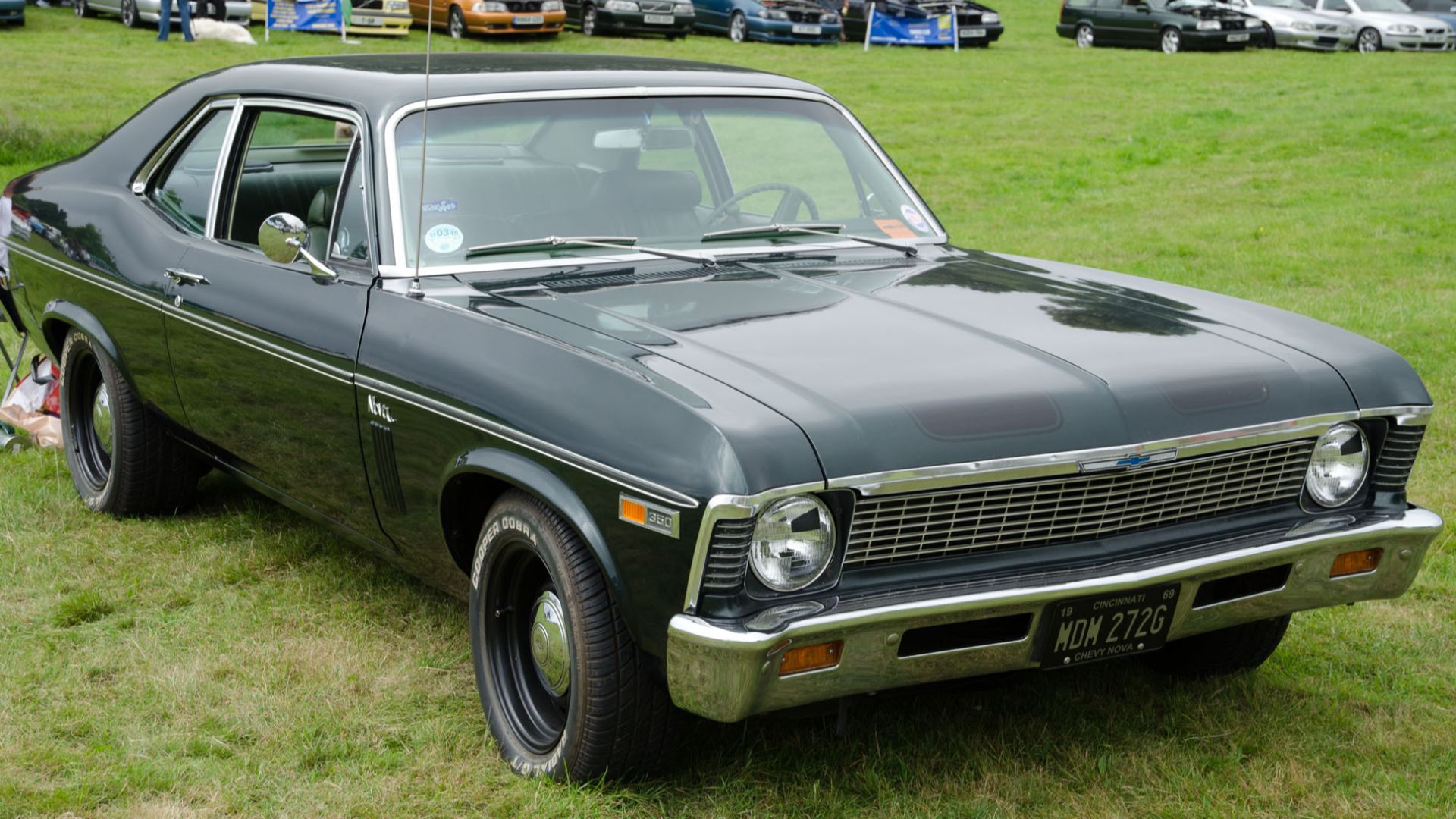
Chevrolet Nova
The 1969–1979 Chevrolet Nova could still be ordered as thoroughly basic transportation even though performance versions gave the name serious enthusiast credibility. Cheap Novas were driven hard, modified, rusted away, or sacrificed to build SS clones. Consequently, clean original cars, including humble six-cylinder versions, now attract considerably more interest than anyone once expected.
You May Also Like:
Incredible Collector Cars That Continue To Reward Owners With Rising Values
Once-Affordable Classics That Used To Be Everywhere And Are Suddenly Hard To Find
Classic Cars That You Can Buy Pretty Cheap And Restore Beautifully
Sources: 1, 2, 3, 4, 5, 6, 7, 8, 9, 10, 11, 12, 13, 14, 15, 16, 17, 18, 19





.jpg)

