The Headlights Aren't Doing What I Expected
Adaptive headlights are one of those features that sound incredible on paper. They're supposed to help you see farther around curves, reduce glare for other drivers, and make nighttime driving safer. So when you buy a vehicle equipped with them and nothing seems to happen, it's easy to wonder whether they're broken or whether you're simply using them incorrectly. In many cases, the answer is much simpler than people expect.
Adaptive Headlights Aren't The Same As High Beams
One of the biggest sources of confusion is that adaptive headlights and automatic high beams are two different technologies. Adaptive headlights physically change where the light is aimed, while automatic high beams simply switch between high and low beams depending on traffic. Many modern vehicles offer both features, but they don't perform the same job.
Different Manufacturers Use Different Systems
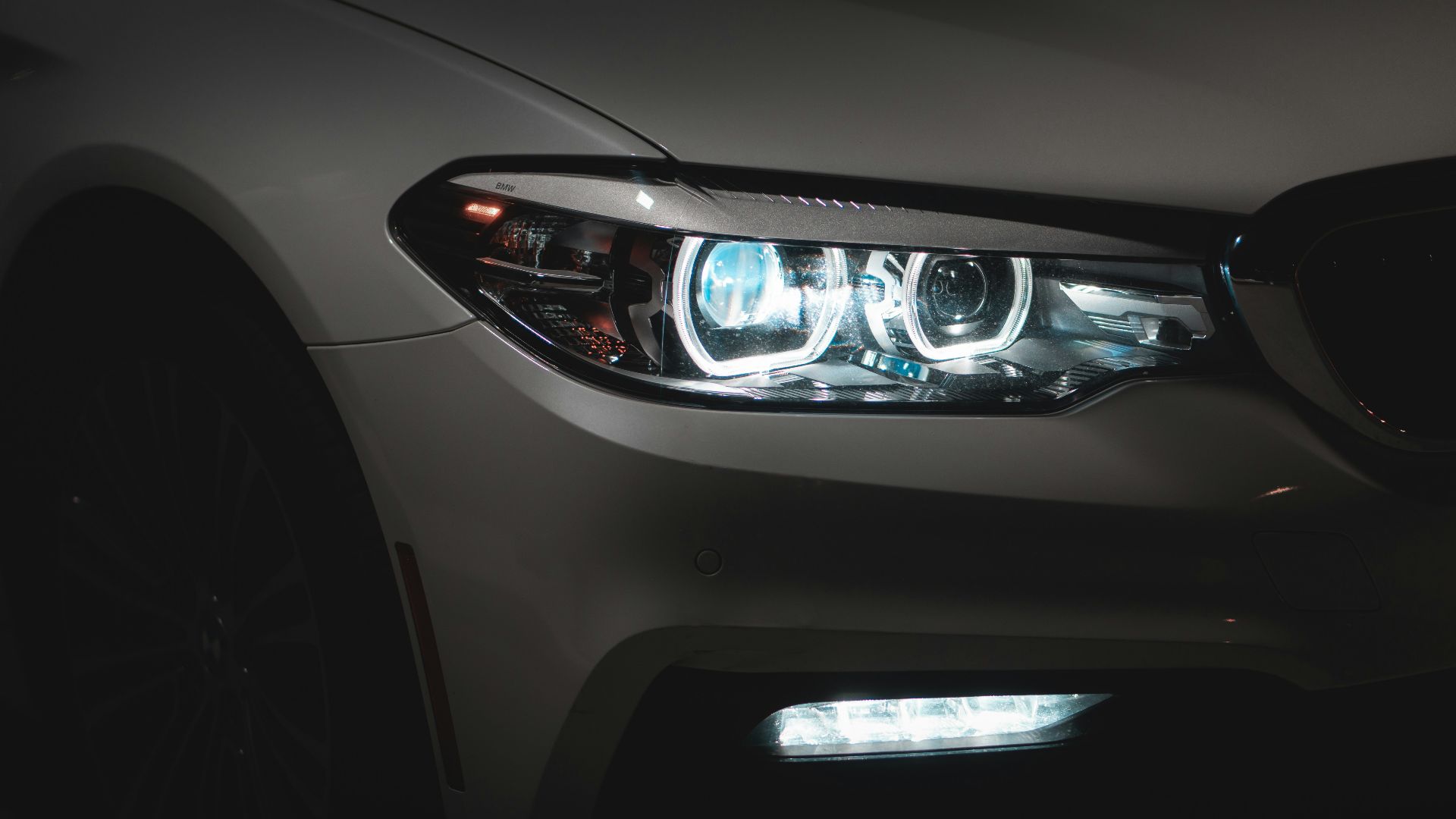
There isn't a single type of adaptive headlight. Some systems swivel the headlights left and right as you turn the steering wheel. Others adjust the beam vertically based on vehicle speed or hills. More advanced matrix or pixel LED systems can selectively dim portions of the beam while keeping other areas brightly illuminated. Exactly what your vehicle can do depends on its make, model, and trim level.

You May Never Notice Them In Daylight
Adaptive headlights only become useful in certain driving conditions. If you mainly drive during the day or on well-lit city streets, you may rarely notice them operating. Their biggest benefits usually appear on dark rural roads, winding highways, and poorly lit intersections.
The Feature May Need To Be Enabled
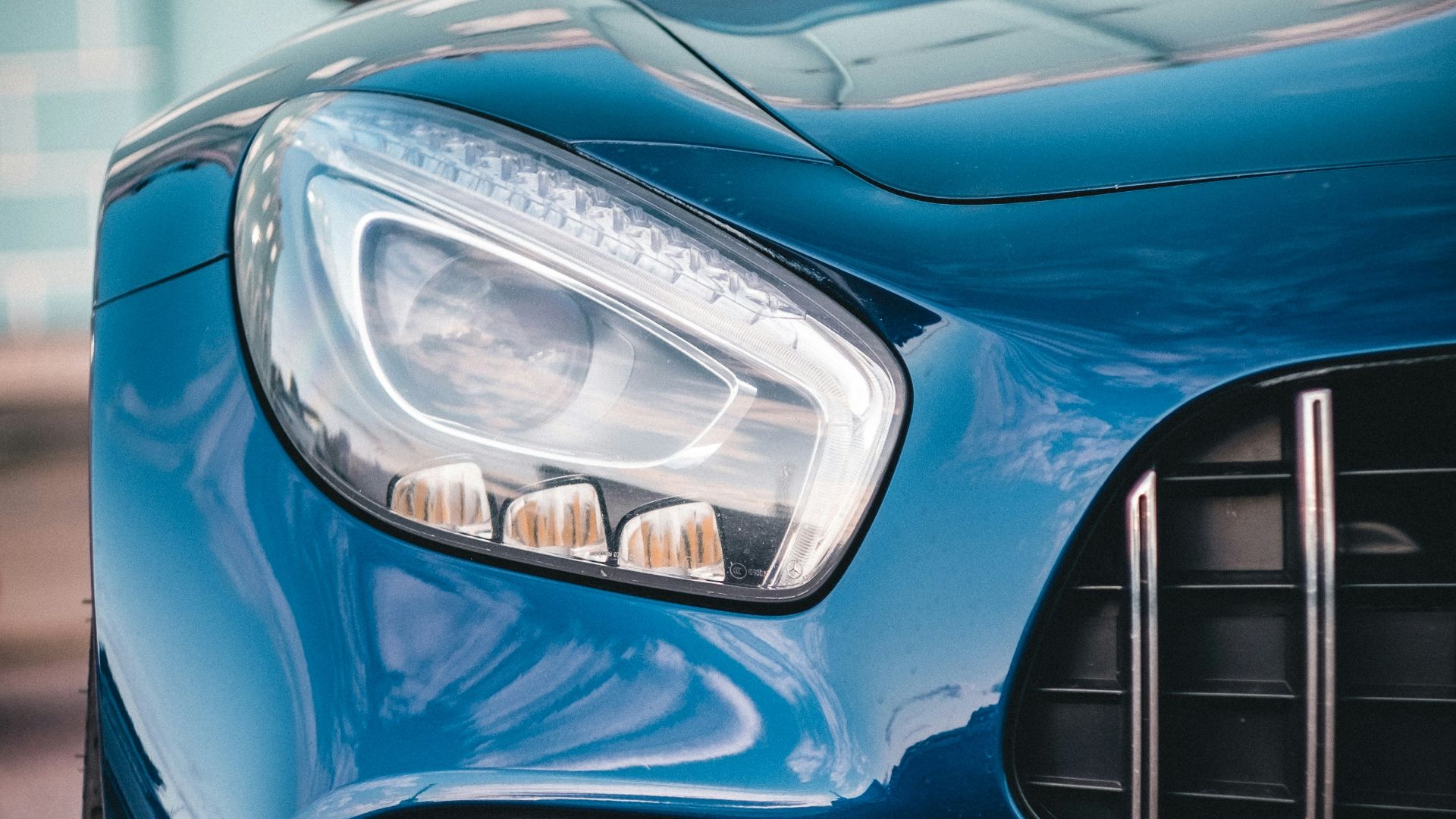
Some vehicles require adaptive headlights to be turned on through the vehicle's settings menu. Others activate them automatically whenever the headlights are on and the system is functioning normally. If you've just purchased the vehicle, review the owner's manual to confirm how your particular system operates rather than assuming it's active by default.
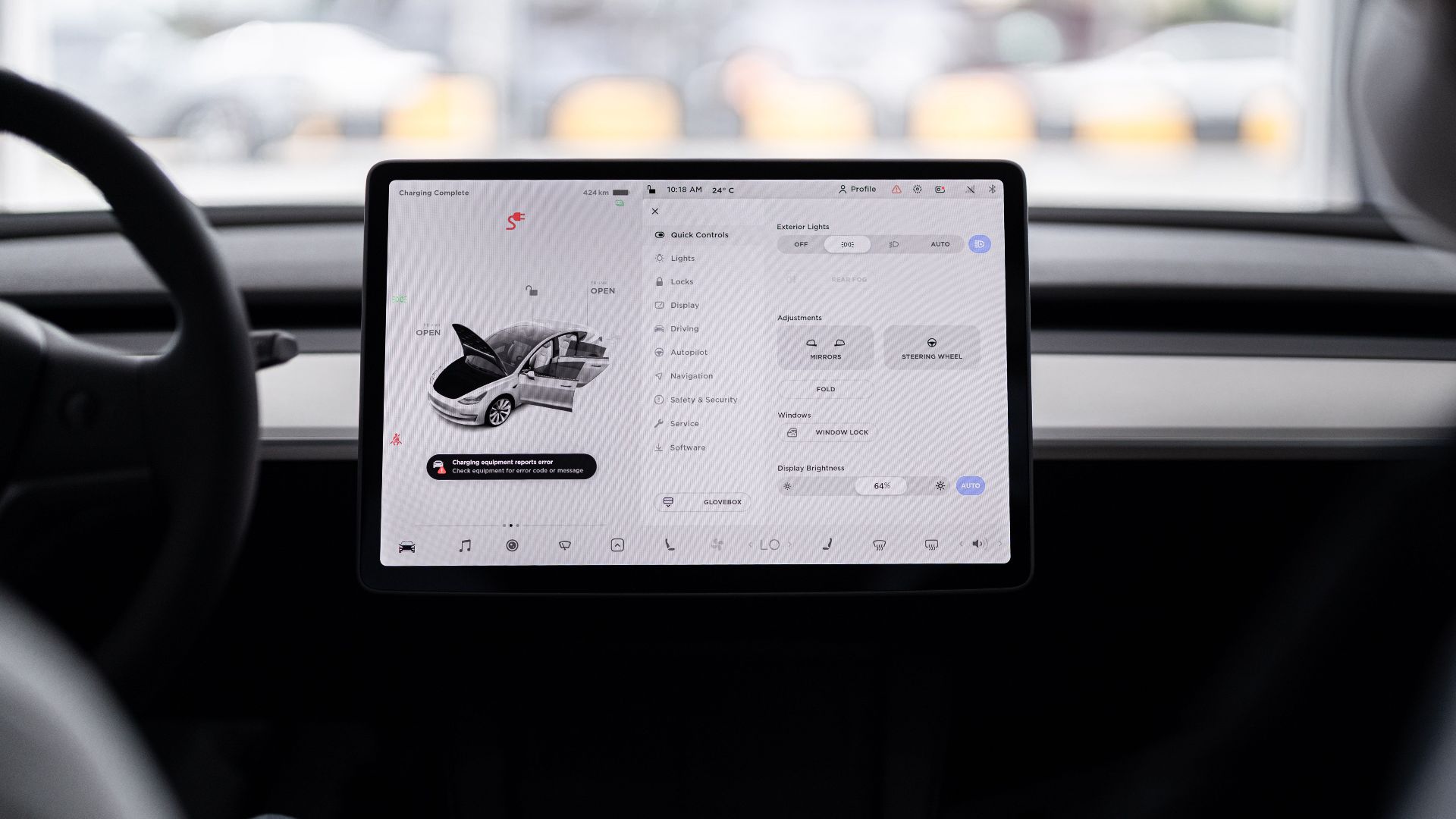
Automatic Headlight Mode Often Matters
Many adaptive lighting systems work best, or only work, when the headlight switch is left in the "Auto" position. If you've manually selected a different lighting mode, some adaptive functions may be limited or disabled. This is one of the most common reasons owners believe the feature isn't working.
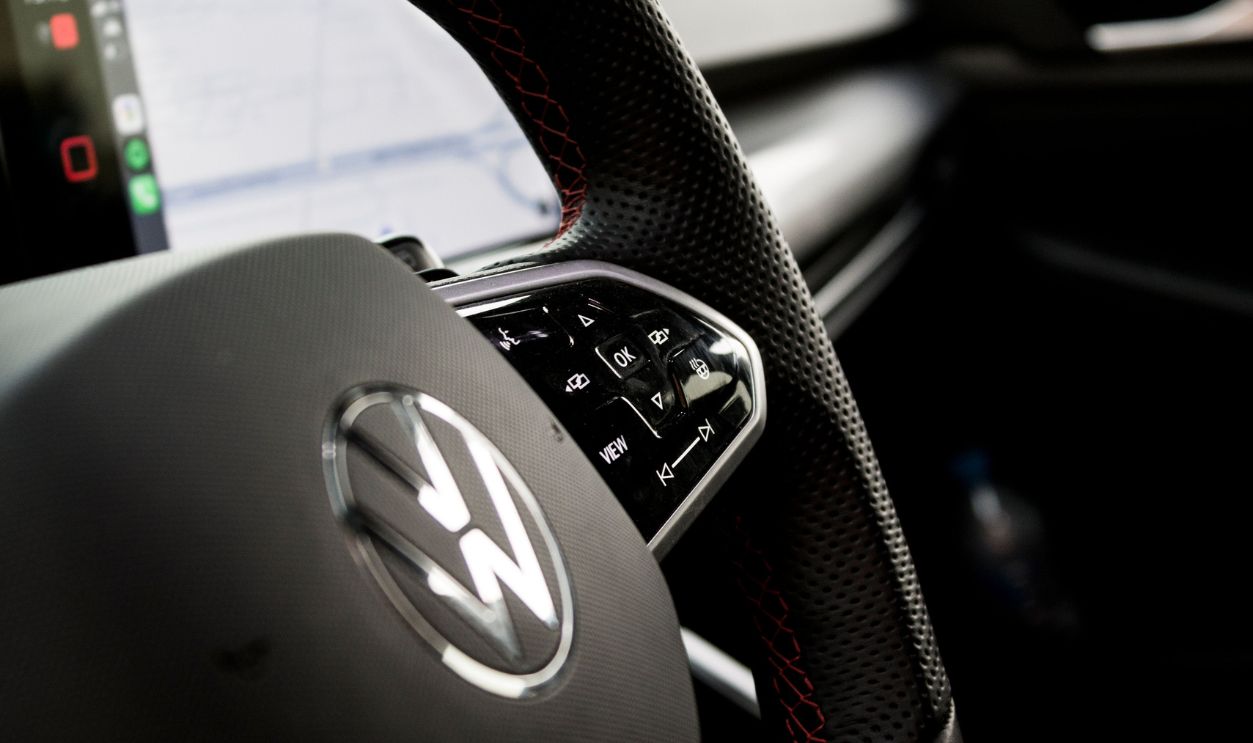
Speed Can Affect Operation
Some adaptive systems don't activate until the vehicle reaches a certain speed. Others provide different levels of adjustment depending on whether you're driving slowly through a neighborhood or cruising on the highway. If you're testing the feature in a parking lot, you may not see much movement at all.
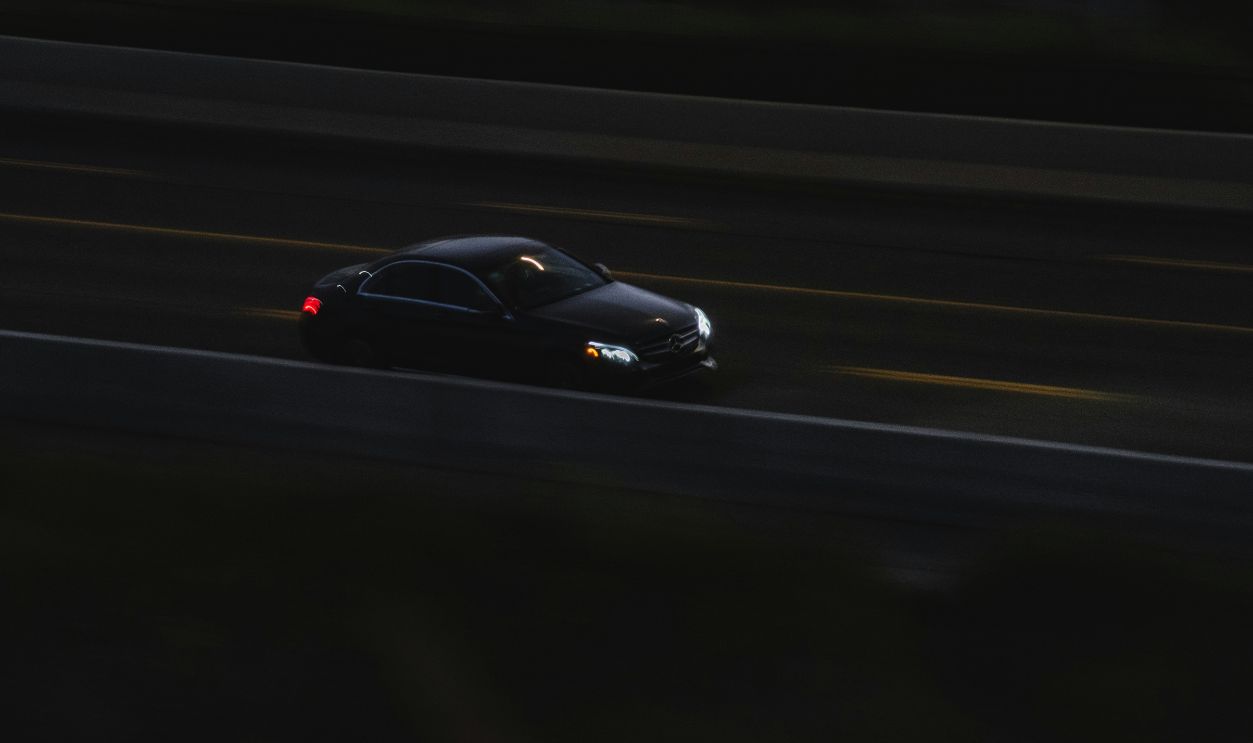
Steering Input Makes A Difference
Headlights that swivel into corners need a meaningful steering input before they respond. Gentle lane changes on a straight highway may not produce noticeable movement. On a winding road with sharper turns, the adjustment is often much easier to see.
Well-Lit Roads Can Hide The Effect
Even when adaptive headlights are working perfectly, bright streetlights can make their movement difficult to notice. Many owners first appreciate the feature while driving on dark country roads, where the changing beam pattern becomes much more obvious.

The System May Perform A Self-Test
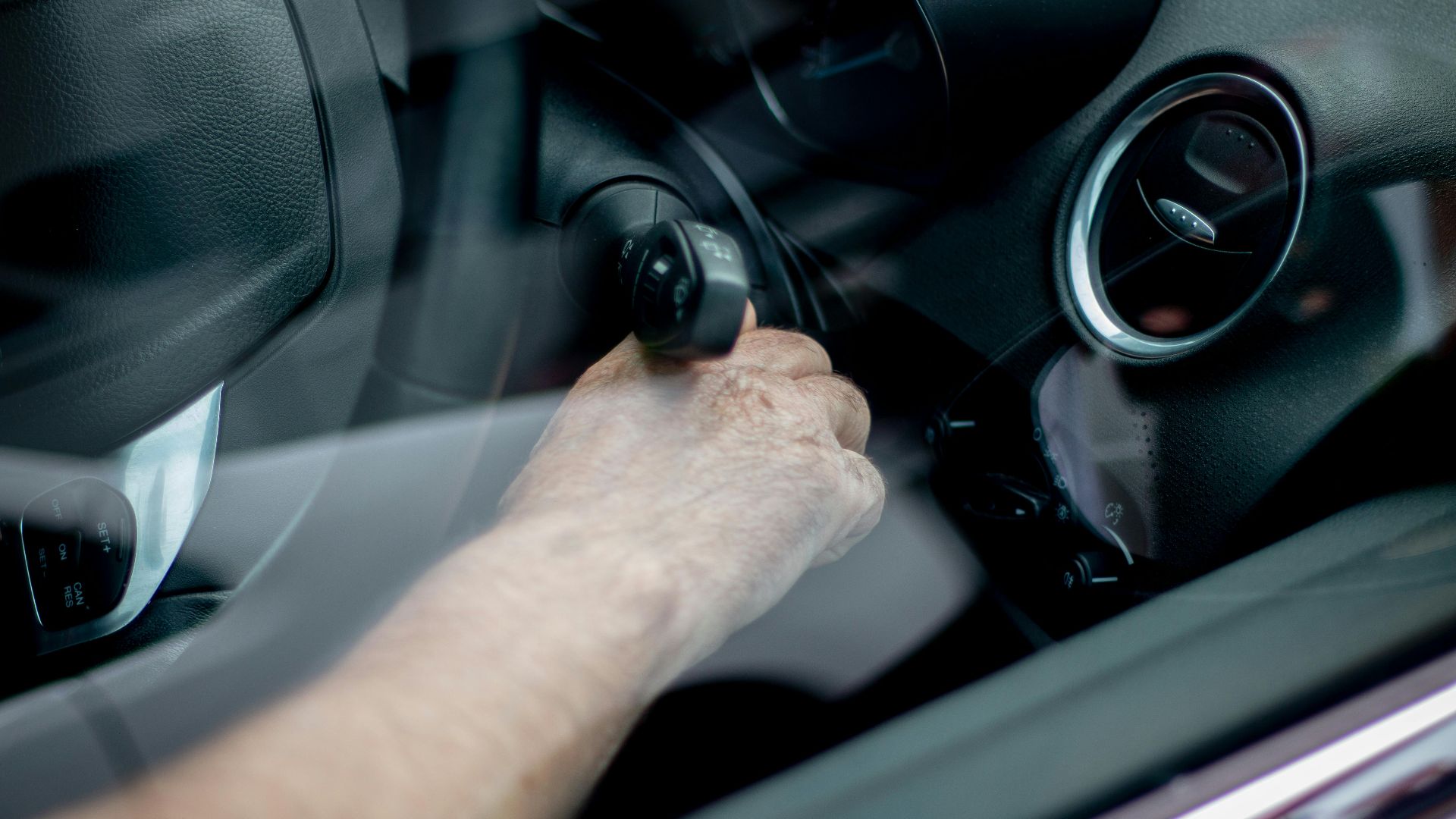
Some vehicles briefly move the headlights when the ignition is turned on. This self-test checks that motors and components are functioning correctly. If you notice the headlights briefly adjust during startup, that's often a sign the system is operating normally rather than malfunctioning.
Dirt Can Affect Performance
Many adaptive lighting systems rely on cameras or sensors mounted near the windshield or front grille. Dirt, snow, ice, or heavy road grime covering these components can interfere with proper operation. Keeping sensors clean is a simple but important part of maintaining the system.

Warning Lights Shouldn't Be Ignored
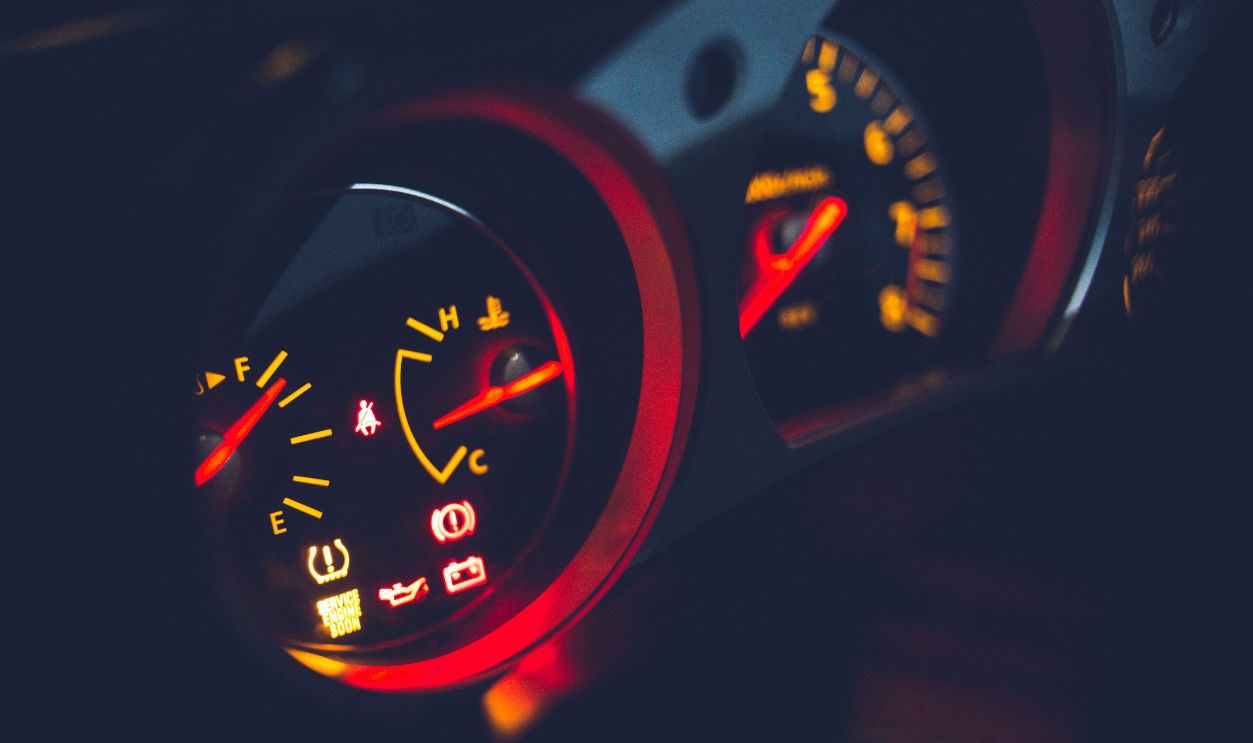
If the vehicle displays a headlight warning light or an adaptive lighting system error message, don't assume the feature will correct itself. The warning usually indicates the vehicle has detected a fault that requires diagnosis. Continuing to drive won't necessarily damage the system, but you may lose some of its intended safety benefits.
Windshield Replacements Can Matter
On some vehicles, forward-facing cameras help support adaptive lighting or other driver-assistance features. If the windshield has recently been replaced, certain cameras may require recalibration. An improperly calibrated system can sometimes affect multiple technologies, depending on how the manufacturer designed the vehicle.

Suspension Changes Can Affect Headlight Aim
If you've recently installed a lift kit, lowering springs, larger tires, or heavy aftermarket accessories, the headlight alignment may no longer be correct. Some adaptive systems compensate automatically, while others require recalibration. Changes to ride height can influence how the system performs.

Towing Can Change Headlight Position
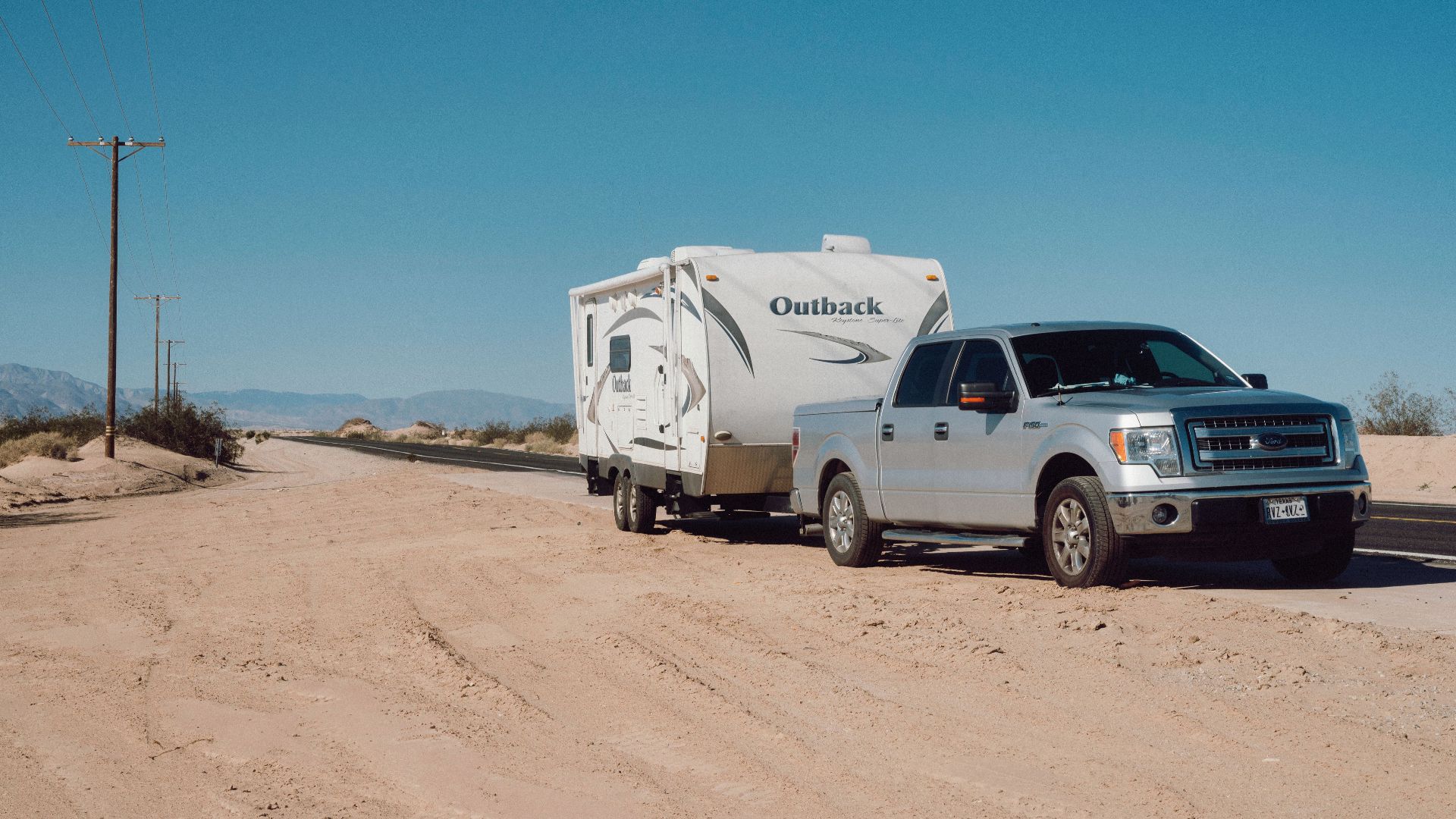
Heavy trailers or cargo in the rear of the vehicle can alter its angle. Many adaptive systems compensate for changing vehicle height, but not all do so perfectly. If the headlights suddenly seem aimed too high or too low while towing, consult the owner's manual to see whether any adjustments are recommended.
Software Updates Sometimes Improve Performance
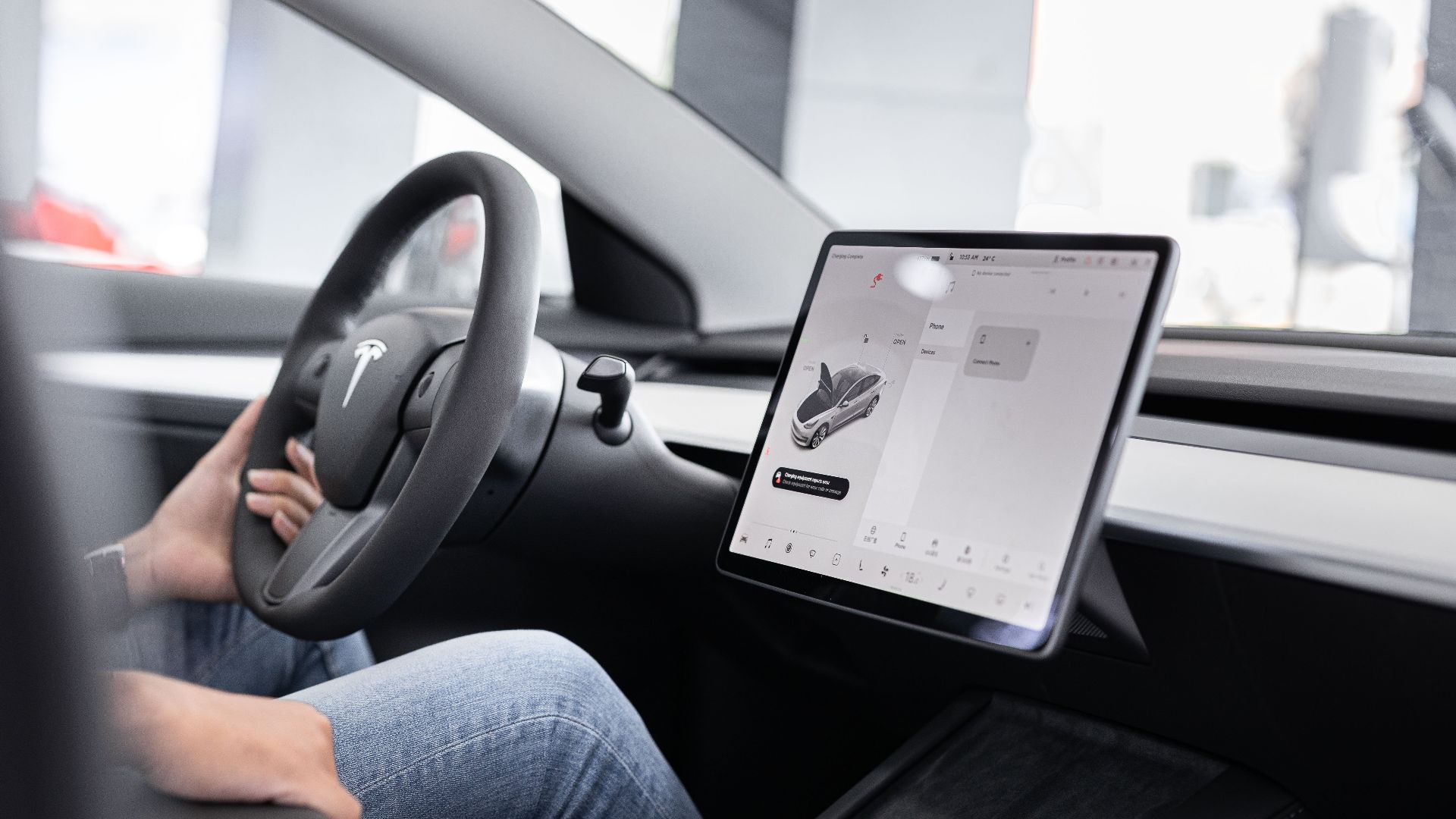
Like many modern vehicle systems, adaptive headlights are increasingly controlled by software. Manufacturers occasionally release updates that improve performance or address known issues. If your vehicle has received a recall or software campaign, ask the dealer whether any adaptive lighting updates are available.
Not Every Country Allows Every Feature
Some advanced adaptive lighting technologies available overseas have historically faced regulatory limitations in certain markets. As a result, the version installed on your vehicle may not perform exactly like demonstration videos you've seen online. Always compare your system with the specifications for your specific market and model year.
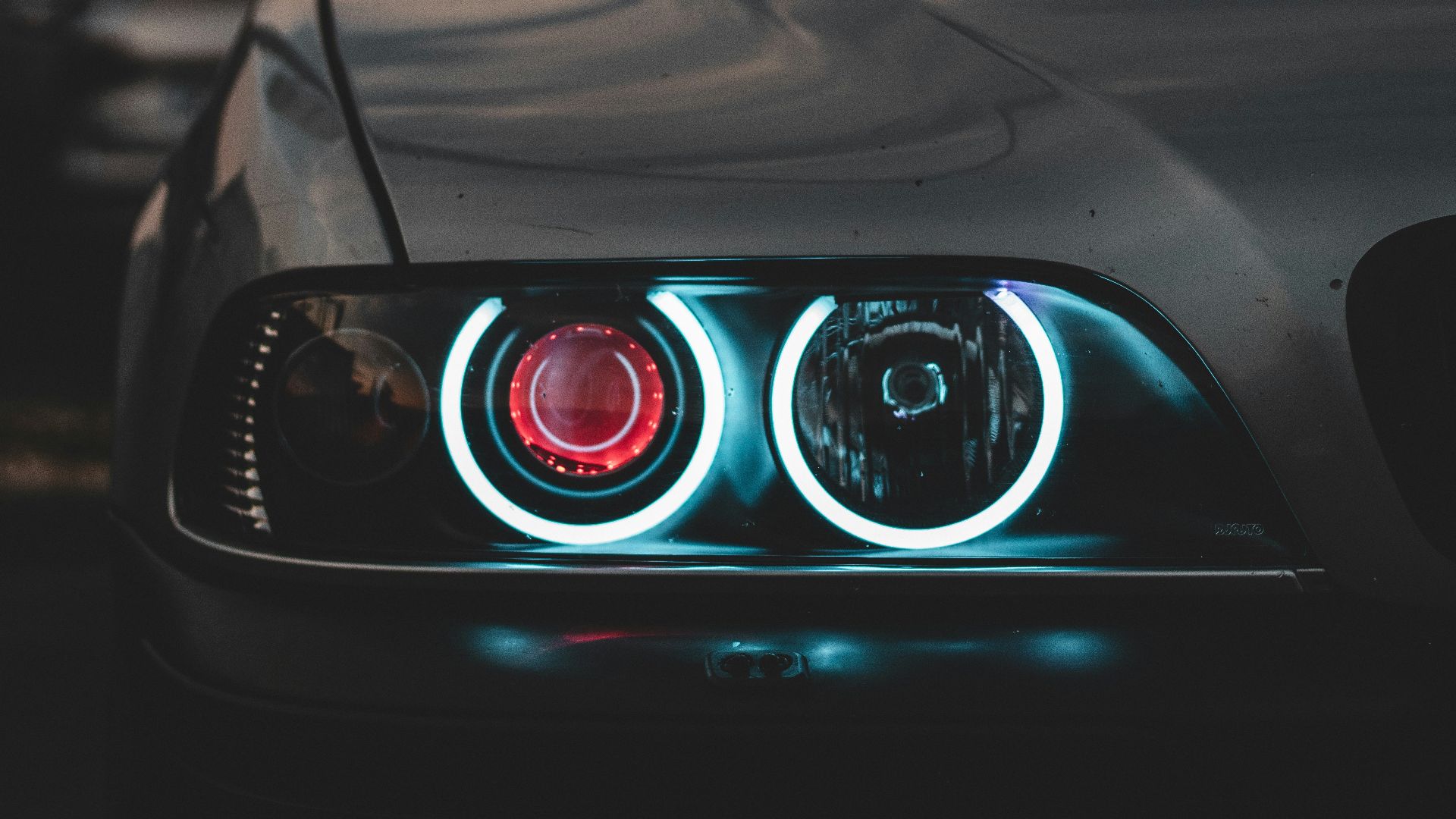
Read The Owner's Manual Carefully
This may sound obvious, but many adaptive headlight questions are answered directly in the owner's manual. Manufacturers explain activation requirements, operating limitations, warning lights, and situations where the feature may temporarily disable itself. Spending a few minutes with the manual can prevent unnecessary trips to the dealership.

Test Them Safely
If you're curious whether the headlights are working, try driving on a quiet, dark road where it's safe to observe the beam pattern. Pay attention to how the light responds while entering gentle curves or turns. Never focus so much on the headlights that you stop paying attention to the road itself.

A Dealer Can Verify System Operation
If you've followed the manual and still believe the headlights aren't functioning correctly, schedule an inspection. Many dealerships and qualified repair shops can use diagnostic equipment to check for stored fault codes, perform calibrations, and verify that the adaptive lighting system is operating according to manufacturer specifications.
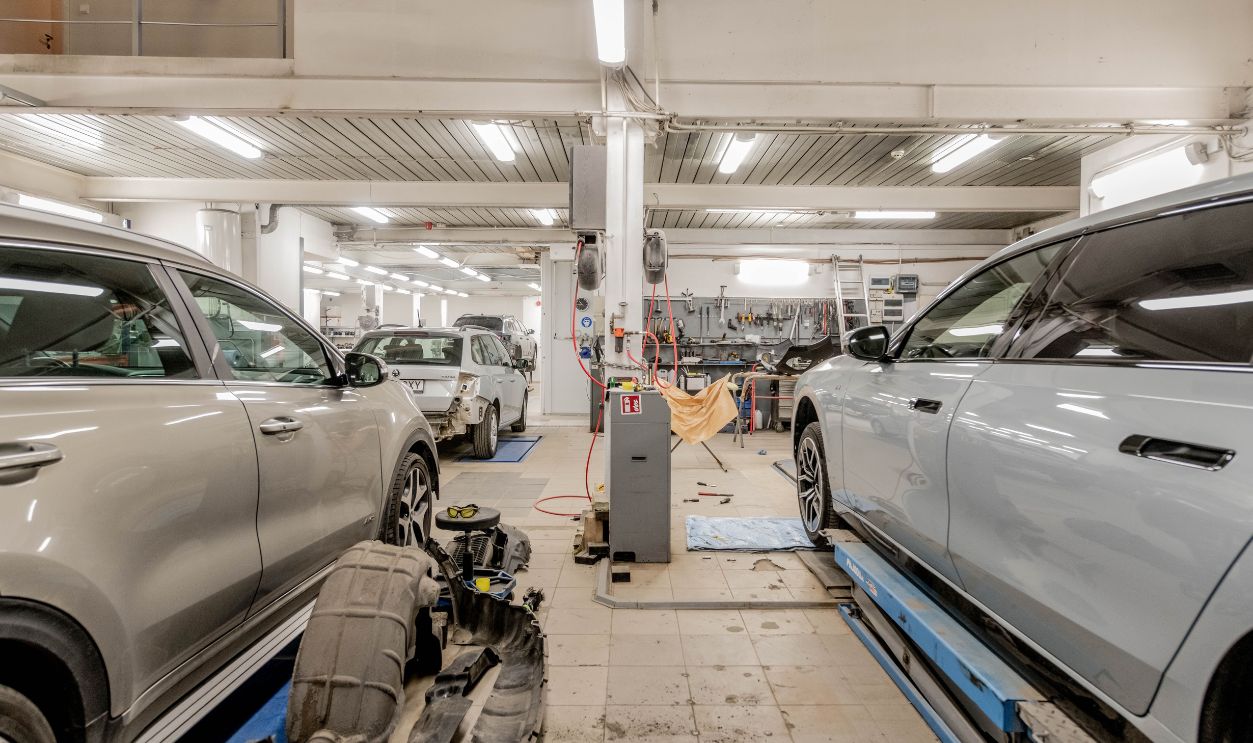
Repairs May Be Covered
If your vehicle is still under warranty, adaptive headlight problems may be covered depending on the cause of the failure. Even outside the warranty period, some issues may relate to recalls or technical service bulletins. It's worth asking before paying for expensive repairs out of pocket.
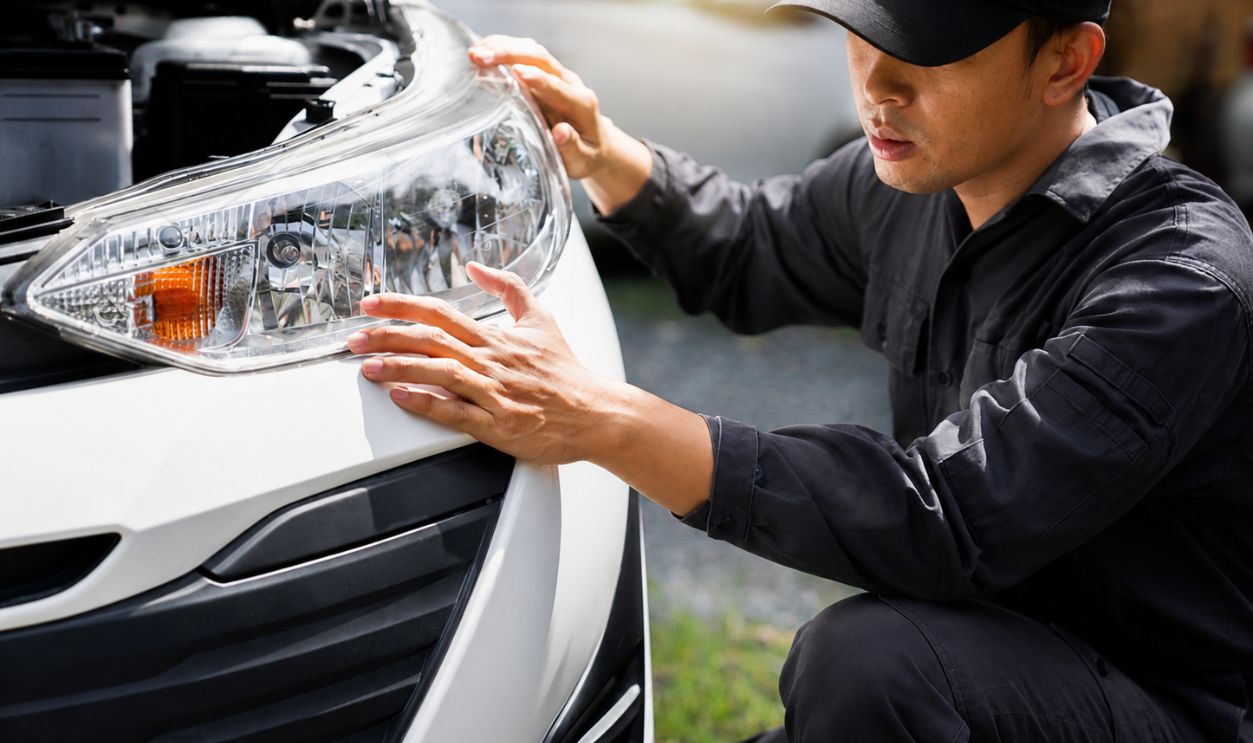
Don't Ignore A Genuine Problem
Nighttime visibility is an important part of vehicle safety. If your headlights truly aren't operating as intended, delaying repairs could reduce your ability to see hazards after dark. A professional inspection is usually worthwhile if warning lights appear or the system consistently fails to perform as described.
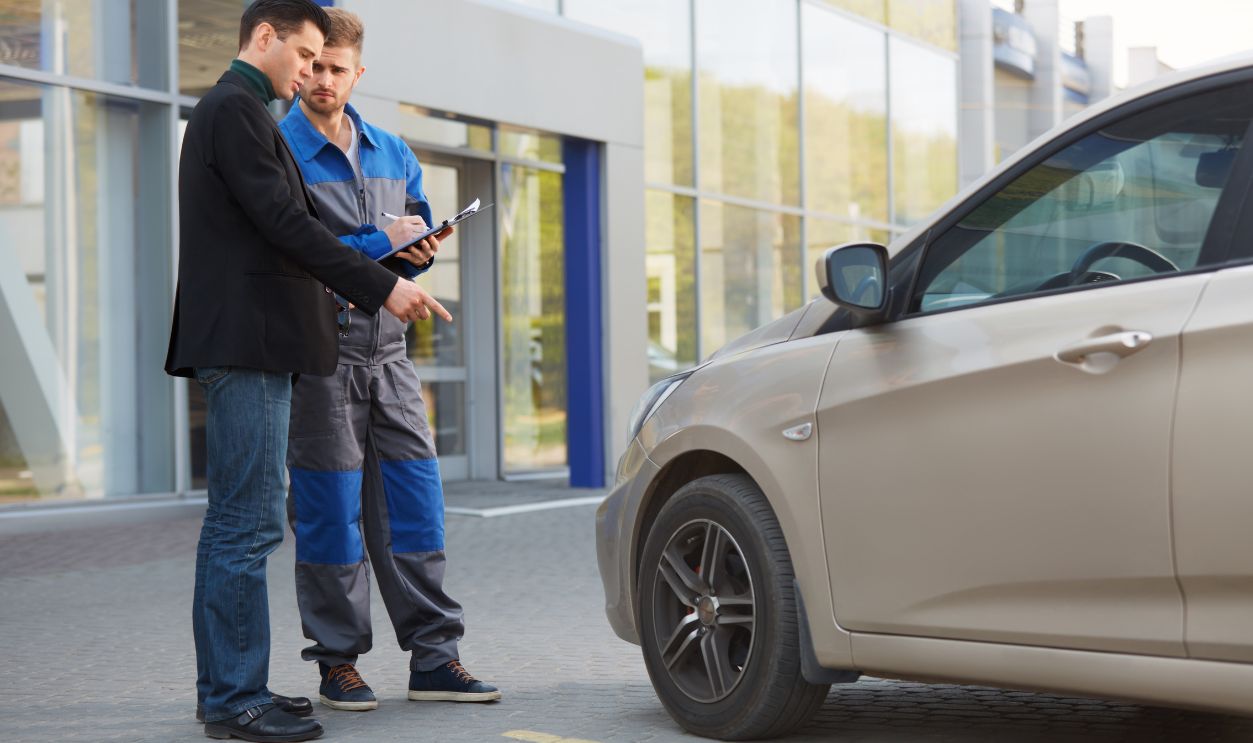
Most "Problems" Turn Out To Be Normal Operation
Many new owners expect dramatic, obvious headlight movement every time they drive. In reality, adaptive systems often make subtle adjustments that are easy to miss. Between activation settings, vehicle speed, road conditions, and different manufacturer designs, it's common for drivers to think something is wrong when the feature is actually working exactly as intended.
Technology Works Best When You Know What To Expect
If your adaptive headlights don't seem to work the way you were told they would, don't immediately assume the system is defective. Confirm that the feature is enabled, review your owner's manual, understand how your particular manufacturer designed the system, and test it under appropriate conditions. If warning lights appear or the headlights still don't behave as expected, have the system inspected. With the right setup and a little familiarity, adaptive headlights can provide valuable extra visibility and make nighttime driving more comfortable.

You May Also Like:
My EV lost 20% of its range after a software update. Is that normal?
My car shares usage data with third-party companies and I can't see a way to opt out. What can I do?