The Car Isn't Moving, So The Insurance Bill Feels Hard To Justify
If your summer car is going to spend four months under a cover in a locked garage, paying the same insurance premium can seem ridiculous. But parking eliminates only some of the risks insurance covers. The better question may be whether you can reduce your coverage for the winter rather than eliminate it completely.
Comprehensive Coverage Is Usually The Important Part
Comprehensive coverage generally protects against many non-collision losses, including theft, fire, vandalism, hail, flooding, falling objects, and certain animal damage. Those are exactly the kinds of problems that can happen while a car is stored. If you're looking for winter savings, comprehensive coverage is often the part insurers suggest keeping rather than dropping.

The Garage Reduces Risk Without Eliminating It
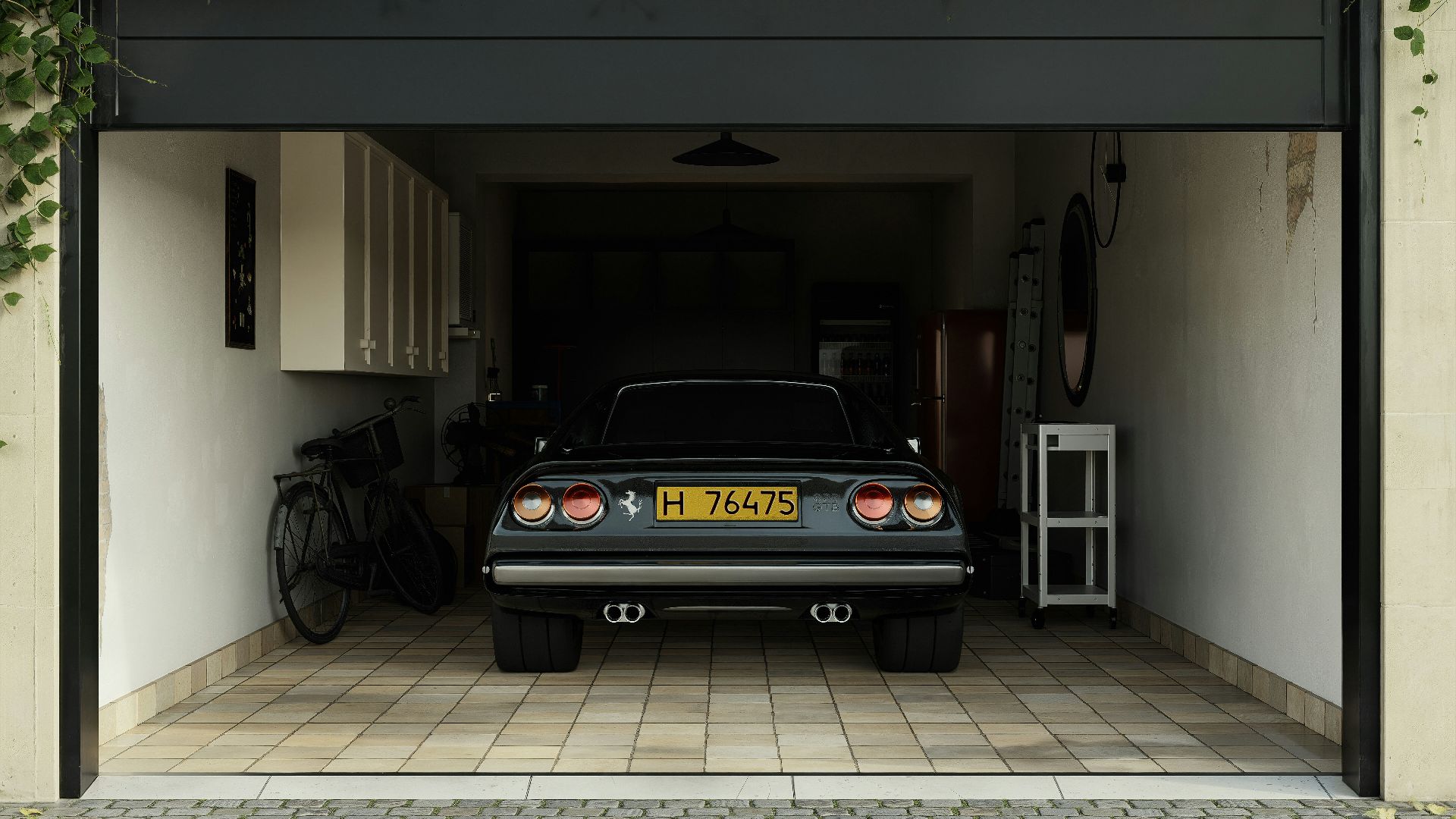
A locked garage is obviously safer than leaving a valuable car on the street, but it isn't invulnerable. Garages can catch fire, roofs can collapse, thieves can break in, rodents can damage wiring, and severe weather can affect the building itself. Storage location may affect your insurer's assessment of risk, but indoor storage doesn't make the vehicle financially indestructible.
Liability Coverage Is Mostly About The Driving Risk
Liability insurance generally pays for injuries or property damage you're legally responsible for causing with the vehicle. If the car genuinely won't be driven, that particular exposure is greatly reduced. That's why some insurers allow customers to suspend or remove liability coverage while a vehicle is formally in storage, assuming state registration rules permit it.

Collision Coverage May Also Be Less Important
Collision coverage normally protects your vehicle when it collides with another vehicle or object or rolls over. A car that stays locked inside a garage all winter has much less exposure to those events. Some insurers therefore allow collision to be temporarily removed while comprehensive remains active, although financed and leased vehicles can be a different story.
“Storage Insurance” Usually Isn't A Separate Policy
You may hear people refer to “storage insurance,” but major insurers generally aren't talking about a completely different kind of auto policy. Instead, the existing policy is often modified so the car retains comprehensive coverage while certain driving-related coverages are reduced or suspended. What your insurer permits depends on the company, state, vehicle, and length of storage.
 Zoriana Zaitseva, Shutterstock
Your State's Registration Rules Can Complicate Things
The biggest reason you shouldn't simply cancel the policy online is that insurance and vehicle registration can be connected. Many states require registered vehicles to maintain liability insurance, even when owners aren't actively driving them. Dropping coverage without completing the state's required procedure could result in registration suspension, fees, or other headaches.
 Vodafone x Rankin everyone.connected, Pexels
A Car In A Private Garage May Qualify For Different Treatment
States often distinguish between a car being driven or parked on public roads and one that has formally been taken out of use. California, for example, allows certain owners to file an Affidavit of Non-Use or place a vehicle on Planned Nonoperation status when it won't be used on public roadways. Other states have their own procedures, so check locally before changing insurance.
Don't Cancel Insurance Before Checking With The DMV
The order matters. If your state electronically monitors insurance coverage, your insurer may report the cancellation automatically. The motor vehicle department could then react before you've completed whatever non-use or registration process is required. Ask your insurer and state DMV what needs to happen first so a winter storage plan doesn't accidentally become an insurance lapse or suspended registration.

A Loan Can Prevent You From Dropping Much Coverage
If you're still making payments, the decision may not entirely be yours. Lenders commonly require comprehensive and collision coverage because the vehicle is collateral for the loan. The National Association of Insurance Commissioners notes that financed vehicles generally must carry these physical-damage coverages. Parking the car doesn't remove the lender's financial interest in it.

Leased Cars Usually Have Similar Restrictions
Leasing companies typically impose their own insurance requirements throughout the lease. Even if your state would allow you to reduce coverage, the lease contract may not. Before making any seasonal adjustment, check the agreement or contact the leasing company. Saving a few hundred dollars isn't worthwhile if it puts you in breach of the contract.

An Owned-Outright Car Gives You More Flexibility
Once there is no lender or leasing company involved, you generally have more control over optional physical-damage coverage. Depending on state rules and your insurer, you may be able to maintain comprehensive while suspending liability and collision. This can substantially reduce the premium without leaving the vehicle completely unprotected during storage.
Ask About Comprehensive-Only Coverage
State Farm and Allstate both describe situations in which vehicles stored for an extended period may qualify to retain comprehensive coverage while liability and collision are suspended or removed. Not every company handles storage the same way, but it's worth specifically asking whether a comprehensive-only or storage arrangement is available rather than simply asking whether you can “cancel insurance.”

There May Be A Minimum Storage Period
An insurer may not want customers switching coverages off every time a car sits for a weekend. Some companies require the vehicle to remain stored for a specified period, often around a month or longer, before allowing certain coverages to be suspended. A car put away from November through March is much more likely to qualify than one you simply won't use for two weeks.

Your Deductible Still Matters
Keeping comprehensive doesn't mean every scratch or minor problem will produce an insurance payment. Your deductible still applies to covered claims. If the stored car is worth relatively little, compare the premium and deductible with the amount you could realistically recover after a loss. Comprehensive makes the strongest financial case when losing or seriously damaging the car would be difficult to absorb yourself.

Canceling Everything Can Create A Coverage Lapse
Completely canceling an auto policy may save more during storage, but it can have consequences later. Progressive, GEICO, and Allstate all warn that a lapse in continuous insurance coverage can contribute to higher premiums when coverage is restarted, depending on the insurer and circumstances. Four months without premiums isn't necessarily a bargain if your future rate rises afterward.

Removing One Car Can Affect Other Discounts Too
If you insure multiple vehicles, taking the stored car completely off the policy could alter a multi-car discount or other pricing on the remaining vehicles. The amount you save may therefore be smaller than expected. Ask the insurer to quote the entire household policy both ways before assuming that canceling one car automatically saves that car's full premium.

Lower Mileage May Offer Another Way To Save
If you're not comfortable removing coverages, tell the insurer how little the car is actually driven. The NAIC advises customers to report significant mileage changes because annual mileage can affect premiums. A seasonal car driven only a few thousand miles per year may qualify for different pricing than a daily commuter, depending on the insurer.

Usage-Based Insurance Could Be Worth Comparing
Some insurers offer programs where driving habits or mileage influence the premium. That won't suit every classic, sports, or seasonal vehicle, and programs vary significantly, but it can be worth asking about if the car spends most of its life parked. Just understand how the program tracks driving and what information affects the rate before enrolling.

Collector Cars May Have Better Options
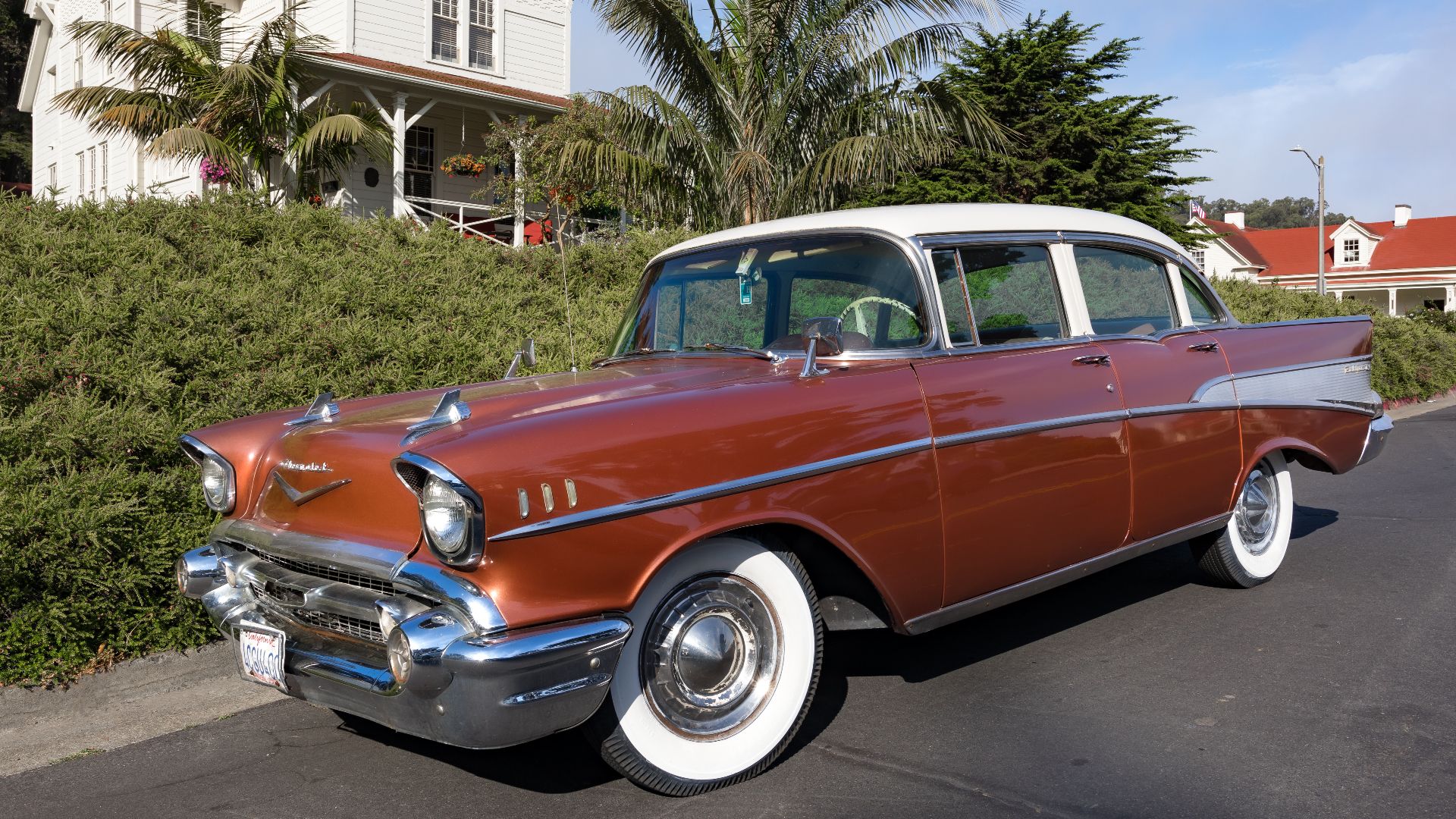
If the stored vehicle is a classic, antique, or collector car rather than an ordinary second vehicle, specialized coverage may fit it better. Collector policies often assume limited annual mileage and secure storage from the beginning. Some also use an agreed-value structure rather than treating the car exactly like an everyday vehicle. Eligibility and permitted use vary widely.
 Frank Schulenburg, Wikimedia Commons
Don't Take A “Quick Drive” On Reduced Coverage
This is where seasonal storage arrangements can become dangerous. If liability or collision has been suspended, don't decide to take the car around the block because an unusually warm January afternoon arrives. State Farm specifically warns owners to restore required coverages before driving. One short trip can expose you to far more financial risk than the winter premium you were trying to save.
Remember Anyone Else Who Could Move The Car
Think realistically about what “stored” means in your household. Could a spouse drive it? Might a mechanic take it on the road after maintenance? Will someone move it between properties? If there's any chance the car will be driven on public roads, tell the insurer before reducing coverage. A true storage arrangement works best when the vehicle genuinely stays put.

Put Restoring Coverage On Your Spring Checklist
Don't rely on remembering six months from now. Before the car moves again, contact the insurer and restore every coverage required for road use. Confirm that any registration or non-use status has also been corrected where necessary. Only after the policy and registration are active should the vehicle leave storage, even for the traditional first drive of spring.

You May Need Insurance, Just Not The Same Insurance
Your insurer isn't necessarily saying a car in a garage presents the same risk as one commuting every day. The point is that driving isn't the only way a vehicle can suffer an expensive loss, and state or lender requirements may prevent you from dropping coverage entirely. Ask about comprehensive-only coverage, seasonal suspension, lower-mileage pricing, and any DMV non-use procedure available where you live. The smartest winter policy isn't automatically full coverage or no coverage. It's the least expensive arrangement that still protects the risks you actually have.

You May Also Like: