Modern Cars Collect Far More Data Than Most Drivers Realize
Buying a new vehicle today often means buying a connected device on wheels. Many cars continuously gather information such as location, speed, braking, acceleration, diagnostic data, app usage, and connected phone information to power navigation, remote features, maintenance alerts, and other services. The challenge is that some of this information may also be shared with outside companies, leaving many owners wondering what control they actually have.

Your Vehicle's Privacy Policy Is The First Place To Look
Start by reading your manufacturer's privacy policy and connected services agreement. These documents explain what information is collected, why it's collected, who may receive it, and whether any privacy choices are available. While these policies can be lengthy, they're often the only place where data-sharing practices and consumer rights are clearly described.

Connected Services Usually Drive Most Data Collection
Many privacy concerns stem from connected services such as remote start apps, emergency assistance, Wi-Fi hotspots, vehicle health reports, and smartphone integration. These features typically rely on cellular connections that regularly transmit information back to the manufacturer. If you disable or cancel certain connected services, you may reduce the amount of information your vehicle sends.

Check Every Privacy Setting In Your Vehicle And Mobile App
Don't assume there's only one privacy menu. Some automakers place data-sharing controls inside the vehicle's infotainment system, while others manage them through companion smartphone apps or online owner portals. It's worth checking every available settings menu because privacy controls are often scattered across multiple locations.

Some Data Collection Cannot Be Turned Off
Unfortunately, not every category of information is optional. Manufacturers frequently state that certain diagnostic, safety, recall, warranty, fraud prevention, and emergency service data is necessary for operating the vehicle or complying with regulations. That means some information may continue to be collected even after you've disabled optional services.

You Can Contact The Manufacturer Directly
If you can't find an obvious opt-out option, contact the manufacturer's customer support or privacy office. Ask specifically whether you can opt out of the sale or sharing of personal information, request deletion of stored data where permitted, or disable optional telematics features. Many companies have dedicated privacy request portals even if they aren't prominently displayed inside the vehicle.

State Privacy Laws May Give You Additional Rights
Several US states—including California and others with comprehensive consumer privacy laws—allow residents to request access to personal information, ask that certain data be deleted, or opt out of some forms of data sharing. Exactly which rights apply depends on where you live and the specific law governing your state, but it's worth reviewing your state's privacy protections before assuming you have no options.

Insurance Programs Often Use Driving Behavior Data
Some connected vehicle programs measure hard braking, rapid acceleration, speeding, mileage, and other driving behaviors for insurance-related services. These programs may promise discounts, but participation is generally separate from basic vehicle ownership. If you're enrolled without realizing it, review your connected services account to determine whether you can leave the program.

Recent Government Action Shows Regulators Are Paying Attention
Privacy concerns surrounding connected vehicles have attracted increasing regulatory scrutiny. In January 2025, the Federal Trade Commission announced action against General Motors and OnStar, alleging they collected and sold precise location and driving behavior information without adequately informing consumers or obtaining appropriate consent. The proposed settlement included restrictions on sharing certain data and new transparency requirements.

Your Insurance Company May Not Be The Only Recipient
Data doesn't necessarily travel directly from your car to your insurer. Information may first pass through service providers, analytics companies, or consumer reporting agencies before reaching businesses that evaluate driving behavior. That layered ecosystem can make it difficult for consumers to understand exactly where their information ultimately ends up.

Disconnect Features You Don't Actually Use
If you never use remote unlocking, vehicle Wi-Fi, location tracking, smartphone apps, or driver score programs, consider disabling them. Every connected feature potentially creates another stream of information leaving your vehicle. Reducing unnecessary connectivity can limit data collection without affecting the vehicle's basic driving functions.

Review Permissions On Connected Mobile Apps
Many automaker apps request access to your phone's location, contacts, Bluetooth, camera, notifications, and other information. Even if your vehicle's settings are configured conservatively, an overly permissive mobile app can still collect additional personal information. Review these permissions periodically and disable anything you don't genuinely need.

Remove Personal Information Before Selling Your Car
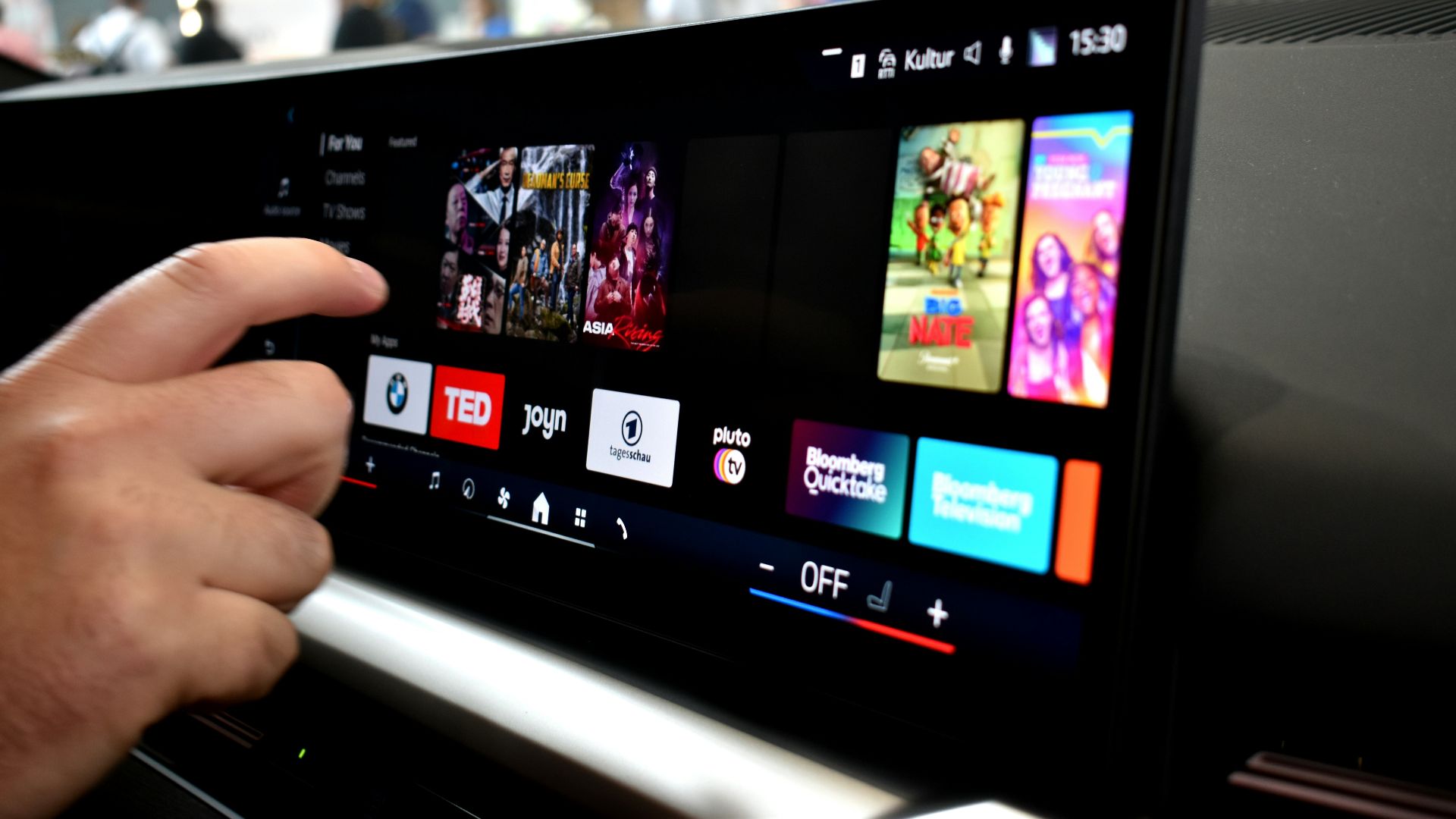
Modern infotainment systems often store phone contacts, text messages, navigation history, saved addresses, garage door codes, and account logins. Before selling, trading, or returning a leased vehicle, perform the manufacturer's recommended factory reset and remove the vehicle from your online account to reduce the chance of personal information remaining behind.
Ask For A Copy Of Your Personal Data
If your state privacy law allows it, submit an access request asking the manufacturer to provide the personal information associated with your account or vehicle. Seeing exactly what has been collected can help you better understand whether additional privacy requests or account changes are worthwhile.

Request Deletion When It's Available
Some manufacturers allow eligible consumers to request deletion of certain personal information, although they may retain records required for safety recalls, warranty obligations, fraud prevention, or compliance. Even if complete deletion isn't possible, removing optional marketing or analytics data can reduce your digital footprint.

Keep Expectations Realistic
Privacy controls for connected vehicles remain inconsistent across the automotive industry. One manufacturer may offer straightforward opt-out tools, while another requires multiple requests through different departments. Even then, essential operational data may still be collected. Understanding these limitations can help set realistic expectations.
Privacy Advocates Continue To Push For Better Transparency
Consumer advocates have argued that automakers should make privacy choices easier to find and simpler to understand. Organizations including Consumer Reports, the Electronic Frontier Foundation, and Mozilla have criticized confusing consent processes and encouraged manufacturers to provide clearer explanations about how connected vehicle data is collected, shared, and retained.

Federal Privacy Rules Remain A Patchwork
Unlike some other regions, the United States does not have one comprehensive national consumer privacy law governing every connected vehicle. Instead, oversight comes from a combination of federal consumer protection enforcement, sector-specific rules, and an expanding collection of state privacy laws. That means your rights may vary depending on where you live.

You Don't Have To Accept Every Default Setting
When activating a new vehicle, avoid simply tapping "Accept" through every setup screen. Take time to review optional connected services, marketing permissions, driver scoring programs, and data-sharing choices. Spending a few extra minutes during setup may prevent years of unnecessary information sharing.

The Best Approach Is Staying Informed
If your car appears to share usage data and you can't find an obvious opt-out, don't assume you've reached the end of the road. Review the privacy policy, explore every connected service setting, contact the manufacturer directly, and exercise any privacy rights available in your state. While today's connected cars aren't always transparent about data collection, informed consumers have more tool

You May Also Like:
Two used car dealerships have told me I can't pay cash for a car. Is that normal?
I leased a car but moved to a city with great transit. What’s the cheapest way out?
My lease is up next month and the car has a few scratches. Will I be charged for them?