Sticker Shock
You call your insurance agent expecting a routine policy review, only to hear that they recommend carrying $1,000,000 in liability coverage. The number sounds enormous compared to state minimum requirements. Before dismissing the suggestion as unnecessary, it helps to understand what liability insurance actually protects and how accident costs can quickly escalate.
What Liability Covers
Liability insurance pays for injuries and property damage you cause to others when you are at fault in an accident. It does not pay for damage to your own vehicle. Instead, it protects your savings, future earnings, and assets from claims that exceed your insurance limits.
 Shuets Udono, Wikimedia Commons
State Minimum Confusion
Many drivers assume state minimum coverage must be adequate because it is legally required. In reality, minimum limits are often designed to ensure basic compliance, not comprehensive financial protection. In some states, a serious accident can exceed minimum limits almost immediately.

Medical Costs Add Up
A single ambulance ride, emergency room visit, surgery, or extended hospitalization can generate medical bills reaching tens or even hundreds of thousands of dollars. If multiple people are injured, the total claim amount can rise far beyond what many drivers expect.

Modern Cars Cost More
Vehicle repairs have become significantly more expensive. Cameras, radar sensors, advanced lighting systems, and computerized safety equipment can turn a relatively minor collision into a repair bill worth thousands or even tens of thousands of dollars.

Lawsuits Are Possible
If damages exceed your insurance limits, injured parties may pursue compensation directly from you. Depending on your circumstances, that could place savings accounts, investments, future wages, or other assets at risk through legal action.

Understanding The Numbers
Liability limits are often expressed as three numbers, such as 100/300/100. That means $100,000 per injured person, $300,000 total bodily injury coverage per accident, and $100,000 for property damage. Understanding these figures helps you evaluate whether your protection matches your risk.

Why Agents Recommend More
Insurance agents often recommend higher limits because they regularly see claim amounts that surprise policyholders. Their recommendation is usually based on potential exposure rather than an assumption that you are a dangerous driver.

Think About Assets
One factor in choosing liability limits is the value of assets you want to protect. If you own a home, have substantial savings, retirement accounts, or investment assets, higher liability limits may provide an important layer of financial protection.

Income Matters Too
Even if you do not have significant assets today, future earnings can be a consideration. A serious judgment can affect wages and financial plans for years. Liability coverage helps reduce the risk of personally paying large accident-related costs.

Young Drivers Face Risks
Many younger drivers assume they do not need substantial coverage because they own little property. However, serious accidents can create liabilities that follow a person for years, making adequate insurance protection important even early in adulthood.

Consider Your Driving Habits
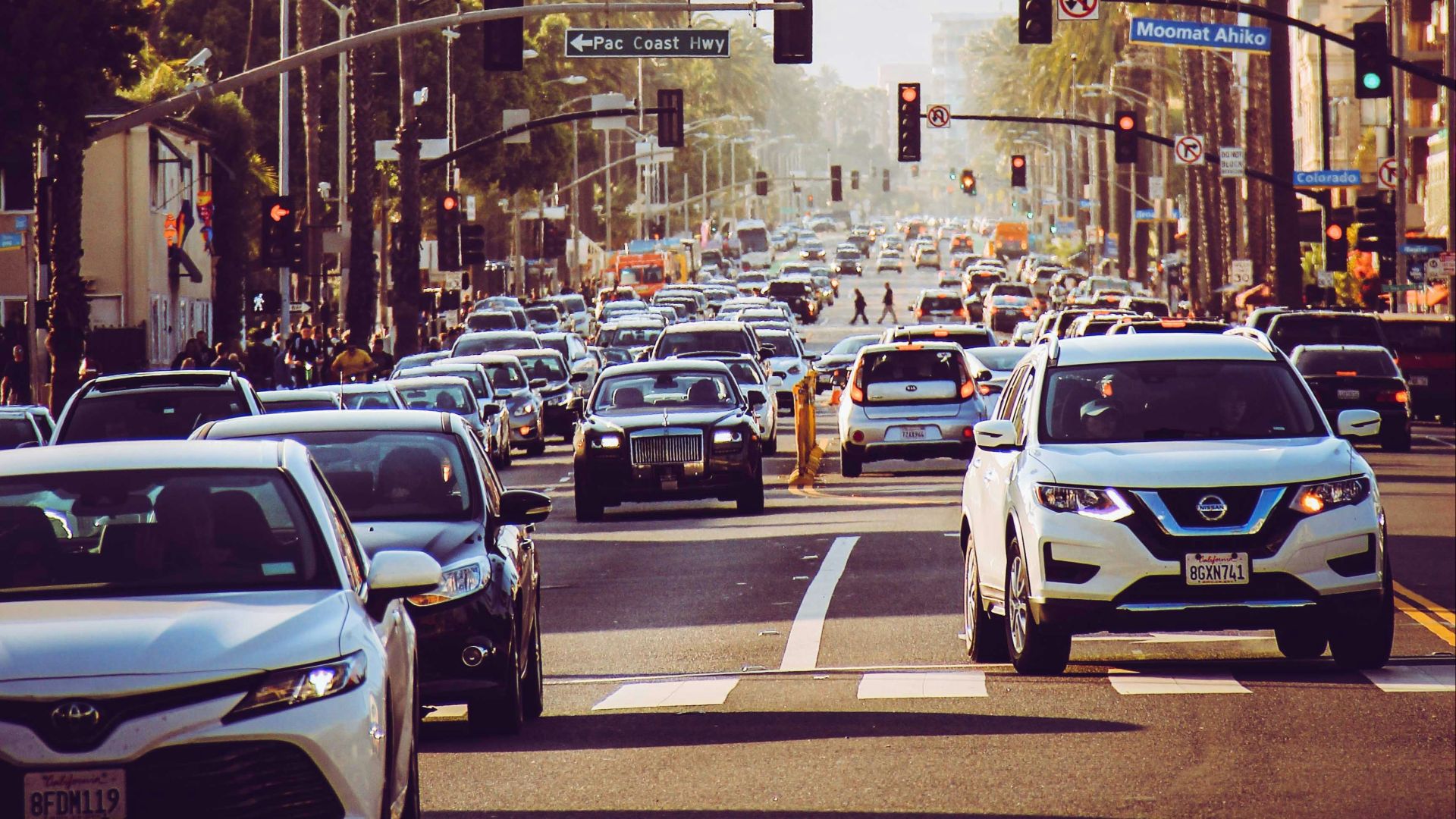
The more time you spend on the road, the greater your exposure to potential accidents. Long commutes, rideshare driving, frequent highway travel, and driving in congested urban areas may justify carrying higher liability limits.

Vehicle Type Matters
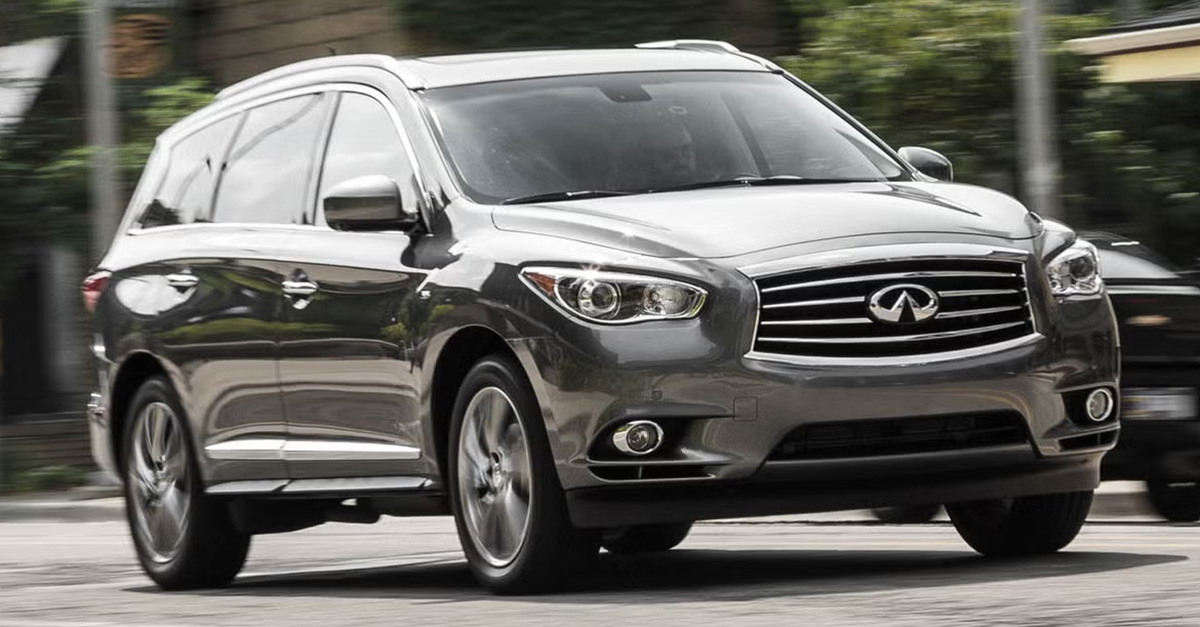
Drivers of large trucks, SUVs, and commercial-use vehicles may face greater potential liability because accidents involving larger vehicles can sometimes produce more severe injuries and greater property damage than smaller collisions.

Your State Matters
Insurance needs vary by state. Medical costs, litigation trends, traffic density, and legal rules can influence claim severity. A liability limit that feels excessive in one state may be considered routine in another.
Umbrella Policies Exist
Many people seeking $1,000,000 or more in liability protection achieve it through an umbrella insurance policy. Umbrella coverage typically sits above your auto and homeowners policies and provides additional liability protection after underlying limits are exhausted.

Higher Limits Aren't Always Expensive
One surprise for many drivers is that increasing liability limits often costs less than expected. The difference between moderate and high liability coverage may amount to a relatively modest increase in premium compared to the protection gained.

Comparing Real Risks
Ask yourself what would happen financially if you caused a multi-vehicle accident involving serious injuries. While such events are uncommon, insurance decisions are often about preparing for worst-case scenarios rather than average outcomes.

The Million Dollar Question
A $1,000,000 liability recommendation does not mean you are expected to cause a million-dollar accident. Instead, it reflects the reality that severe injury claims, legal expenses, and property damage can occasionally reach surprisingly large amounts.

Not Everyone Needs It
There is no universal liability limit that fits every driver. Someone with limited assets, minimal income, and low exposure may reasonably choose lower limits than a high-income homeowner with substantial savings and investments.

Avoid Pure Cost Shopping
Choosing insurance solely based on premium price can lead to inadequate protection. The cheapest policy is not necessarily the best value if it leaves you exposed to financial losses that could have been avoided with somewhat higher limits.

Questions To Ask Yourself
Consider how much you own, how much you earn, how often you drive, where you drive, and how much financial risk you are willing to accept. These factors provide a better framework than simply comparing yourself to other drivers.

Discuss Scenarios
Ask your agent to walk through realistic accident scenarios and explain how different liability limits would respond. Understanding specific examples often makes it easier to decide whether higher coverage levels are appropriate for your situation.

Don't Forget Umbrella Coverage
If your goal is protecting substantial assets, an umbrella policy may provide more cost-effective protection than continuously increasing auto liability limits alone. Many financial advisors recommend evaluating both options together.

Review Regularly
Insurance needs change over time. A policy that made sense when you were renting an apartment may not be appropriate after buying a home, building investments, or significantly increasing your income.

The Bottom Line
A $1,000,000 liability recommendation is not automatically necessary, but neither is it automatically excessive. The right amount depends on your assets, income, driving exposure, and risk tolerance. The goal is not meeting an arbitrary number. It is protecting yourself from financial consequences that could otherwise be difficult to recover from.

You May Also Like: