The Fog, The Flashing Lights, And The Fine
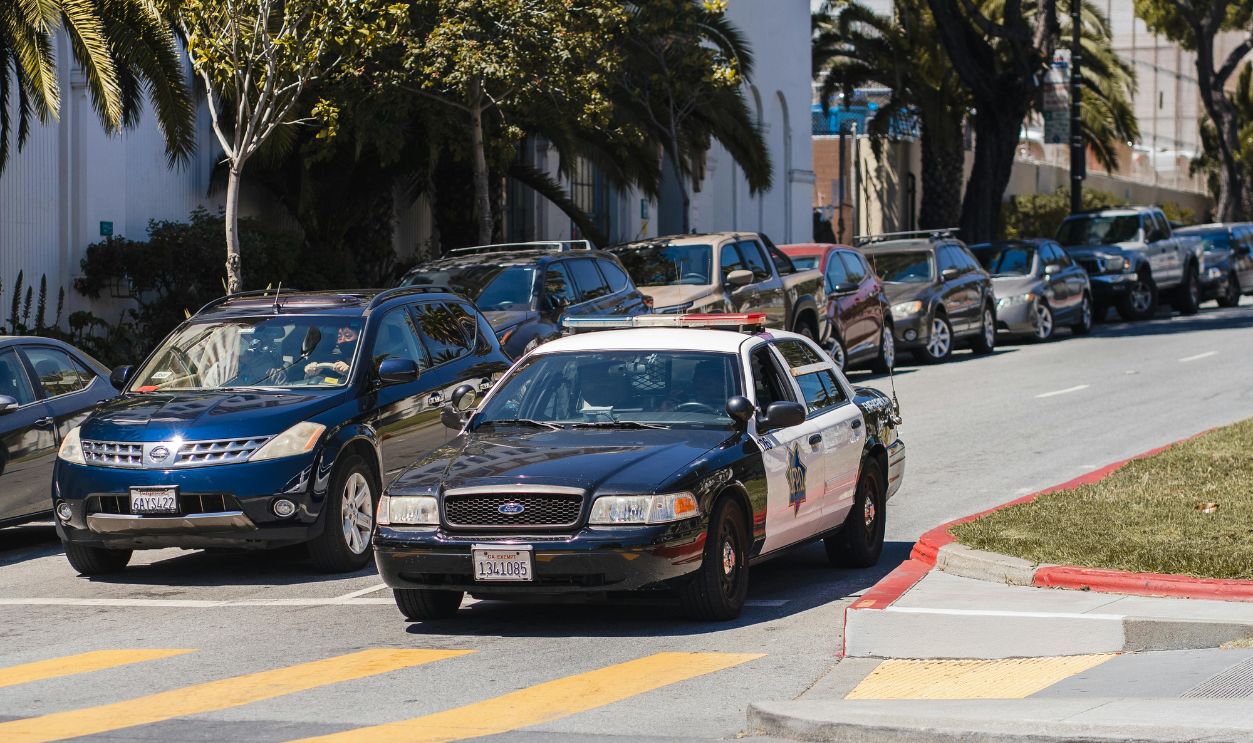
Few driving moments feel more unfair than getting pulled over in heavy fog. You are crawling through a gray blur, trying to stay safe, and suddenly an officer says your high beams were too high. The natural reaction is, “What was I supposed to do?” In America, though, the answer usually depends less on your frustration and more on the exact state law, the ticket wording, and whether you want to fight it.
Why Fog Makes Good Drivers Do Dumb Things
Fog turns normal driving into a guessing game. Lane lines fade, signs appear late, and every car ahead looks like it is vanishing into a haunted cloud. When visibility drops, many drivers instinctively reach for the brightest setting they have.

Why High Beams Are Usually The Wrong Move
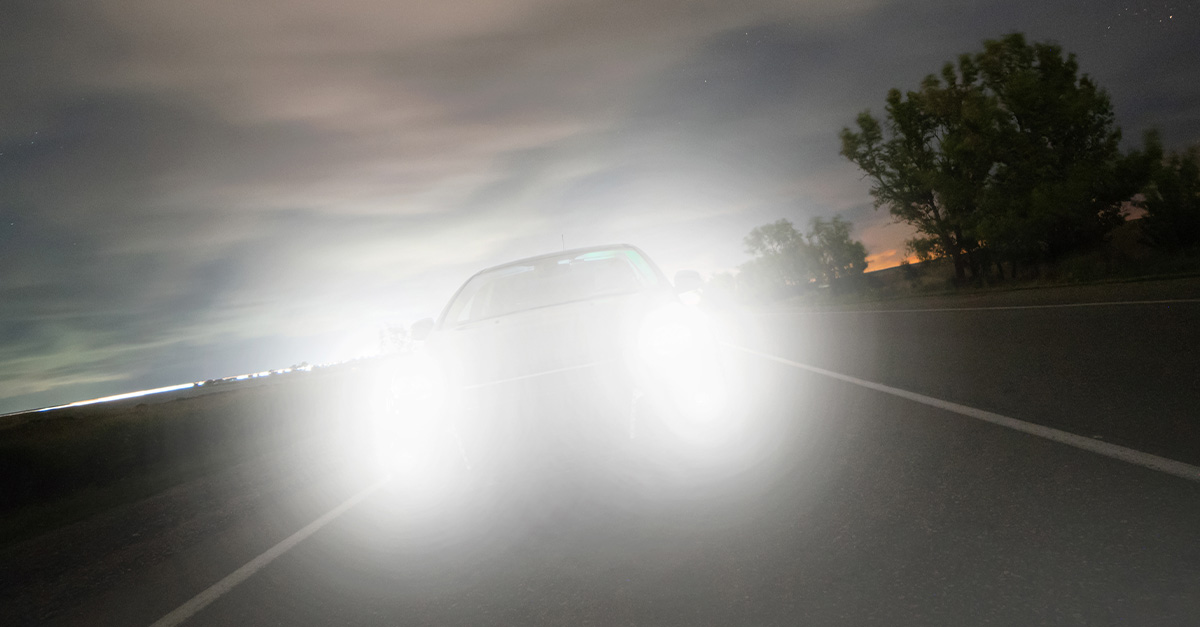
That instinct makes sense, but it often backfires. In fog, high beams can bounce light back at your windshield and make it harder to see. That is why many U.S. driver handbooks tell motorists to use low beams instead.
Why The Officer May Think The Ticket Is Easy
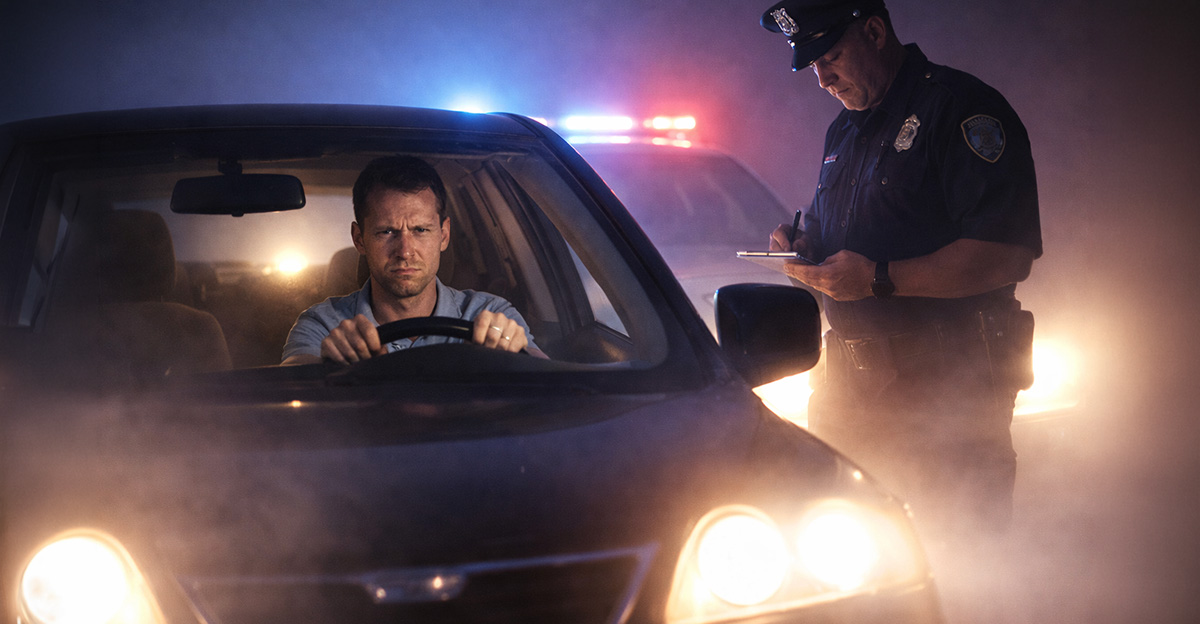
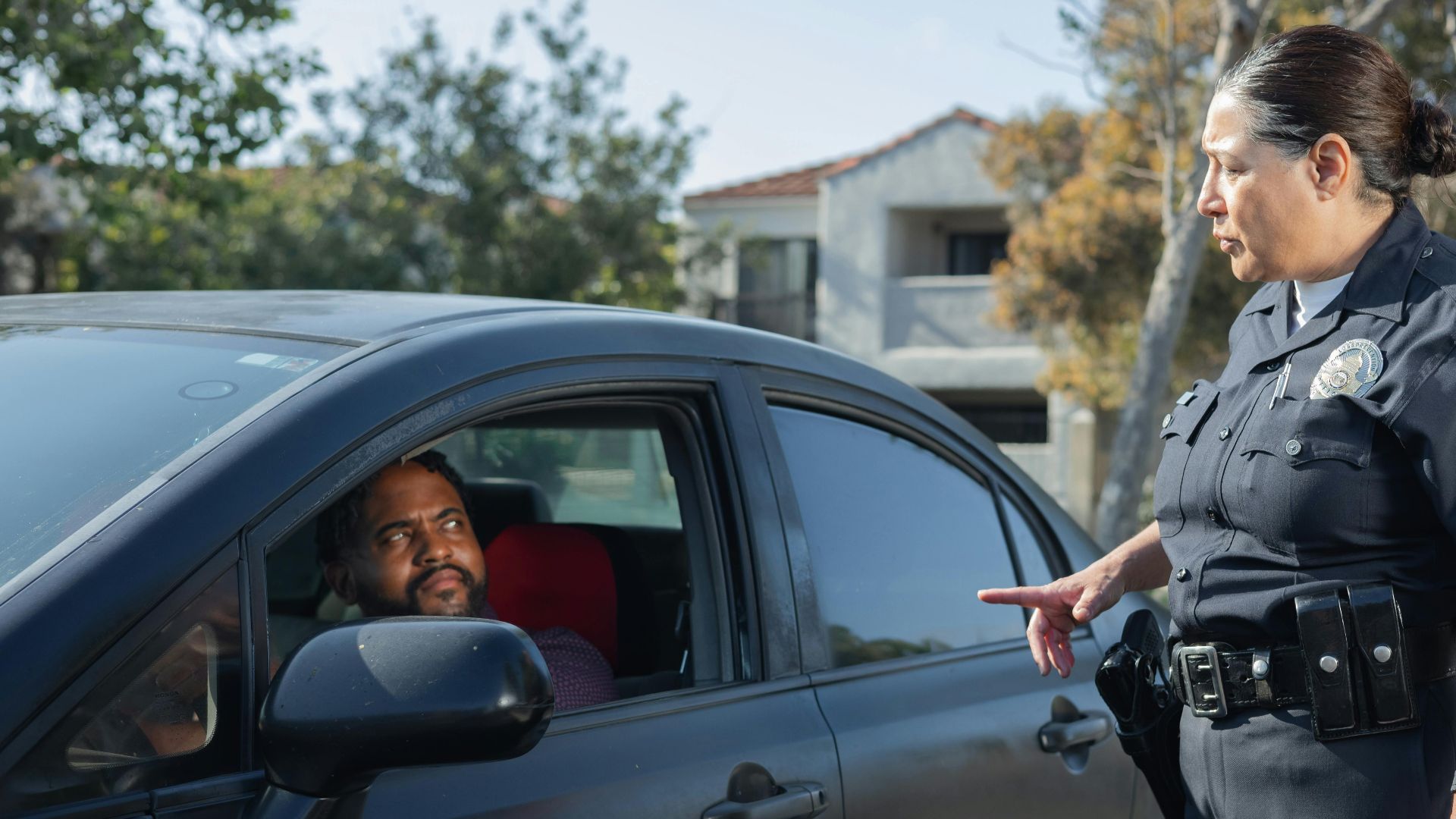
From the officer’s side, this may look simple. If your lights were glaring, aimed too high, or creating a hazard for other drivers, the stop becomes a safety issue. Your reason for using them may matter less than the fact that they created a problem.
The Big Question: Do You Have To Pay?
Not automatically. In the U.S., most traffic tickets give you a choice: pay the fine, contest the citation, or sometimes fix the problem if the violation qualifies. Whether you should pay depends on the exact charge and the possible consequences.

Read The Ticket Like It Is A Secret Code
Start with the citation itself. Look at the listed offense, the date, the time, and any notes about your headlights. A ticket for improper high-beam use is different from a ticket for misaligned headlights or defective equipment.

State Law Changes Everything
This is where American traffic law gets wonderfully annoying. One state may treat the violation as minor equipment trouble. Another may treat it as a moving offense. Another may let you correct the issue and reduce the penalty.

Fog Is Not Usually A Legal Free Pass
Unfortunately, “there was heavy fog” is not usually a complete defense. In fact, that argument can hurt if the state’s own driving rules say low beams should be used in fog. Courts tend to like the rulebook more than your panic.

But You Still Might Have A Defense
That does not mean the ticket is unbeatable. You may have a decent argument if the officer misread the situation, cited the wrong rule, or assumed your lights were on high beam when the real problem was something else.

Your Headlights Might Be Misaligned
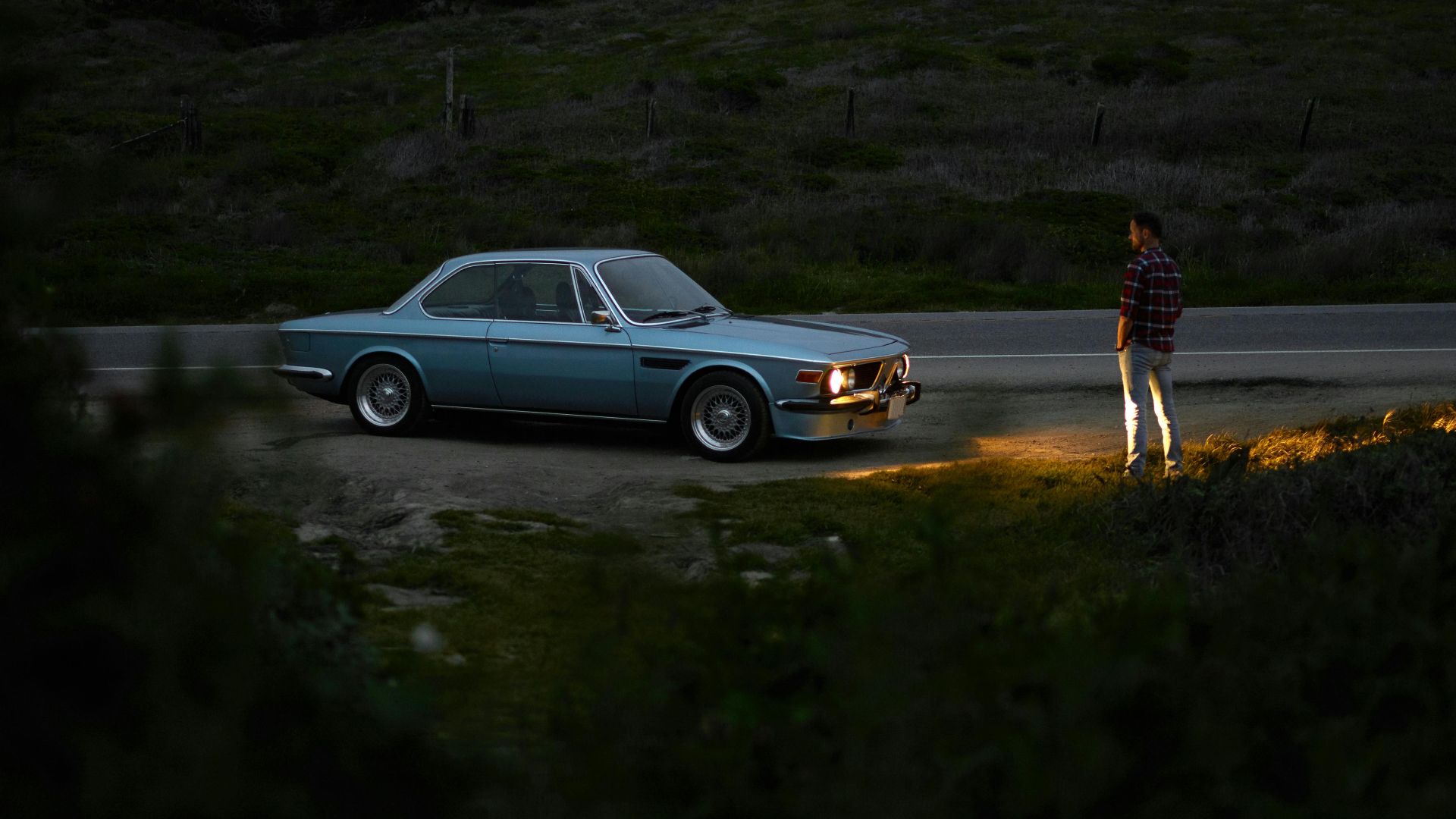
Sometimes the issue is not beam selection. It is beam aim. If your headlights were pointing too high because of a recent bulb change, suspension work, or a loaded trunk, the officer may have been reacting to glare, not necessarily improper use.
Fix-It Tickets Can Be A Lifesaver
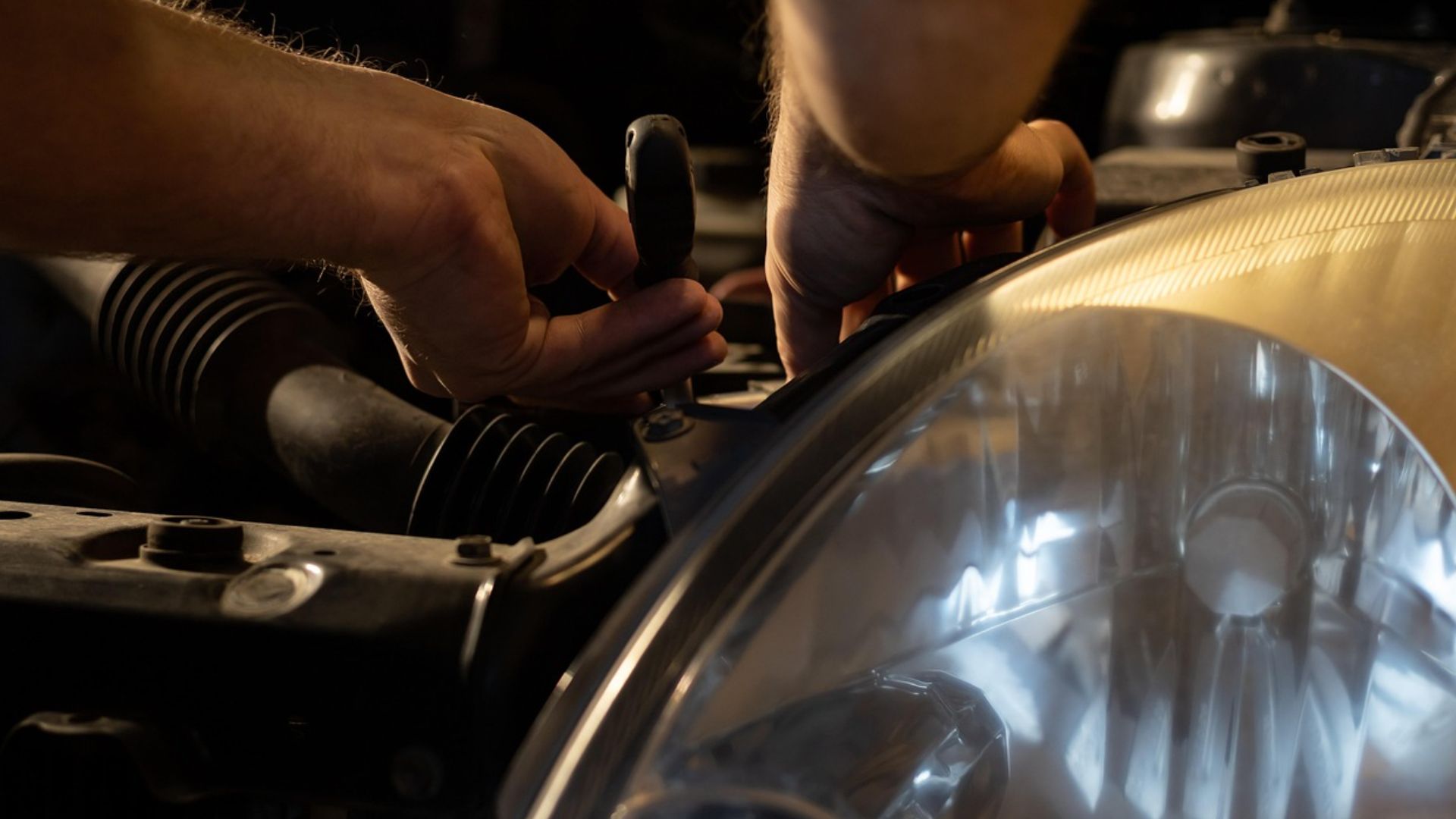
Some American jurisdictions allow equipment-related tickets to be corrected. If you repair the problem and show proof by the deadline, the fine may be reduced or dismissed. That is much better than paying first and asking questions later.
Paying The Fine Ends The Fight
When you pay a ticket, you are usually closing the case. That can mean accepting the penalty, and sometimes the driving-record consequences that come with it. It is the fastest route, but not always the smartest one.

Contesting It Is Not Crazy
A lot of drivers assume fighting a traffic ticket is dramatic or pointless. It is not. If the violation is unclear, the consequences are bigger than the fine, or the officer got the facts wrong, contesting it can be completely reasonable.
Evidence Beats A Great Speech
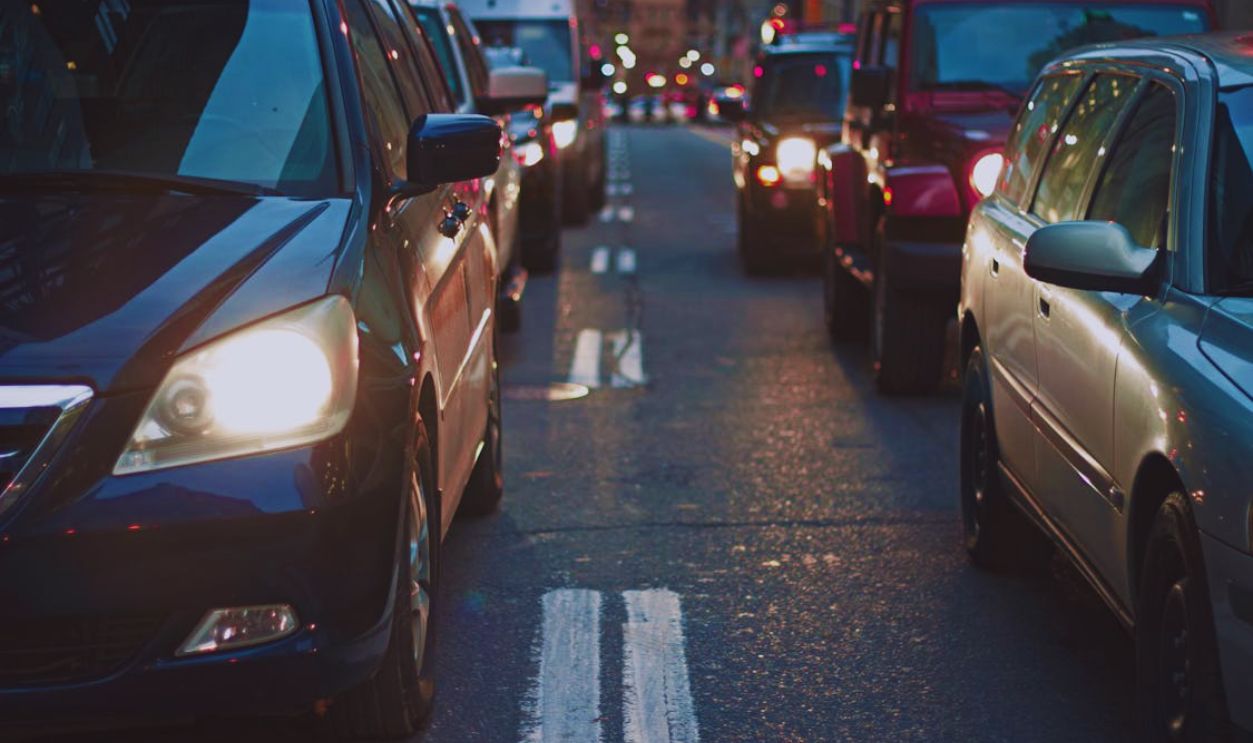
If you want to challenge the ticket, collect proof. Take photos of the headlights, save any repair paperwork, and note the weather conditions. A calm file folder full of facts is usually more useful than a passionate courtroom monologue.

Get The Lights Checked Quickly
Have a mechanic inspect the headlights as soon as possible. If they were properly aimed, that helps your case. If they were off, fixing them quickly shows you took the issue seriously and did not just shrug at a safety problem.

Fog Driving Has Better Answers
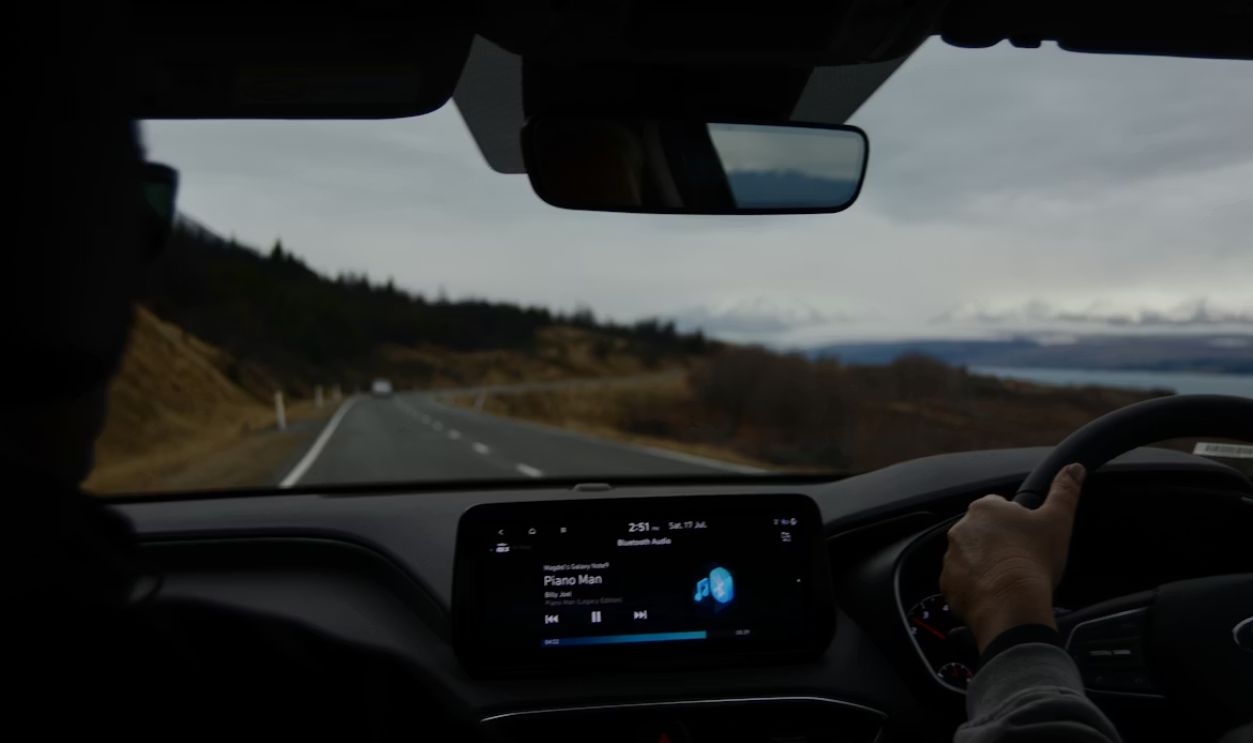
In bad fog, the smarter tools are usually low beams, slower speeds, extra following distance, and a clean windshield. If your car has fog lights, those may help too. Brighter is not always safer.

Slow Down And Embrace Your Inner Grandma
Fog is not the time for pride. If everyone behind you seems impatient, that is their emotional journey. Your job is to stay in your lane, leave space, and avoid turning a visibility problem into a collision.

What A Court Usually Cares About
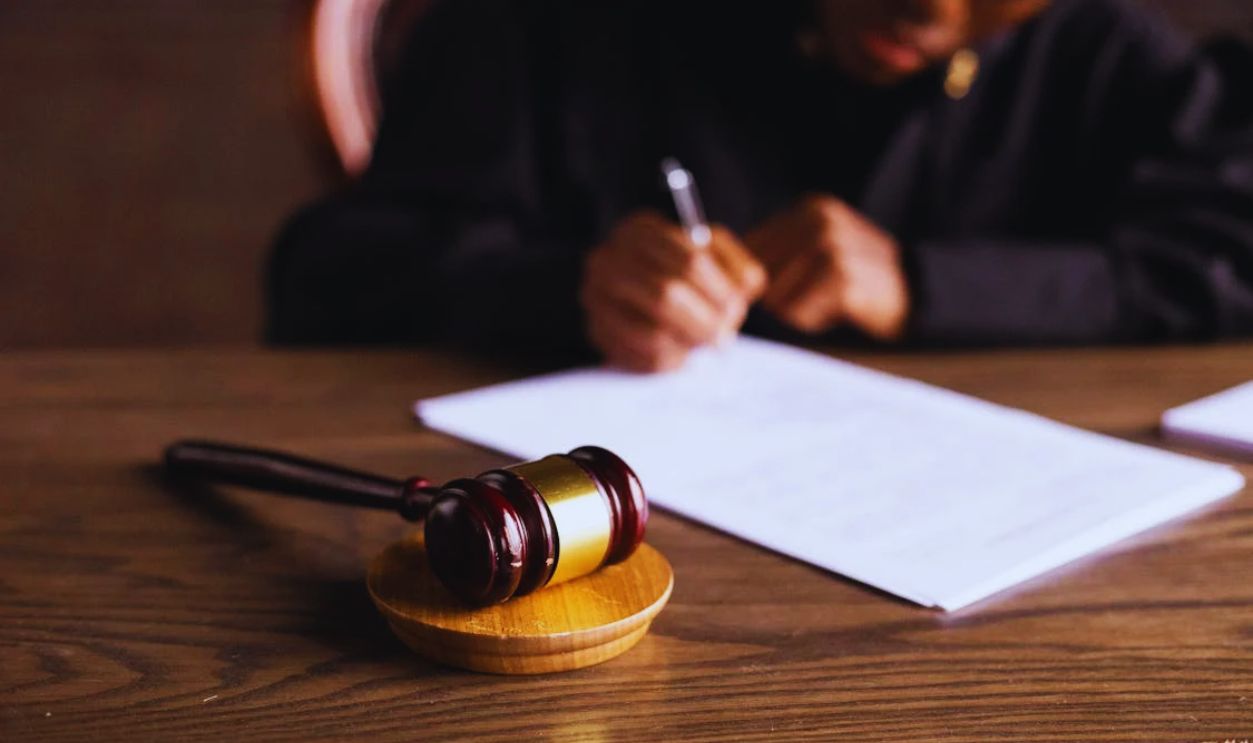
Traffic court is rarely about drama. It usually comes down to whether the violation happened, whether the officer’s observation was credible, and whether your evidence creates doubt. “I had no choice” is weaker than “the ticket does not match the facts.”
When Your Story Actually Helps
Your explanation matters most when it supports a legal point. Maybe the citation says high beams, but your inspection shows the lights were on low and simply needed adjustment. Maybe the officer described glare but cited the wrong section.

Insurance Can Hurt More Than The Fine
The dollar amount on the ticket may not be the whole problem. Some violations can affect insurance rates or driving records, and that long-term sting may matter more than the original penalty.

Deadlines Are Deadly Serious
Whatever you do, do not ignore the ticket. Missing a payment date, correction date, or court date can turn an annoying stop into a bigger mess. Traffic paperwork is boring, but it is not optional.

If You Fight It, Keep It Clean
A good challenge is short, clear, and specific. Explain what happened, point to the exact issue you dispute, and include documents that support you. Save the dramatic weather poetry for your group chat.

American Law Loves Local Rules
There is no one-size-fits-all national answer here. In the U.S., traffic rules are mostly handled at the state and local level, which means the same foggy-night stop can play out differently depending on where it happened.
When A Lawyer Might Be Worth It
If the ticket could add points, raise insurance a lot, affect a commercial license, or stack onto prior violations, legal advice may be worth the money. Sometimes a short consultation is cheaper than a bad guess.

The Best Move Before Court
Before you decide to pay or fight, check the charge, inspect the car, learn the consequences in your state, and see whether a correction process is available. A little homework can save a lot of regret.

The Real Lesson Here
This kind of ticket reminds drivers of one annoying truth: in bad weather, more light is not always better light. Fog rewards control, not aggression. The road does not care how confident your headlights feel.
So, Do You Have To Pay The Fine?
Maybe, but not by default. In America, you may have to pay if the ticket is valid and you choose not to contest it. But if the charge is wrong, the lights can be corrected, or your evidence is strong, you may have a real chance to reduce or beat it. The key is acting fast, reading the ticket carefully, and remembering that fog is usually a low-beam situation, not a high-beam emergency.

You May Also Like:
Sources: 1, 2, 3