A Surprising Drop
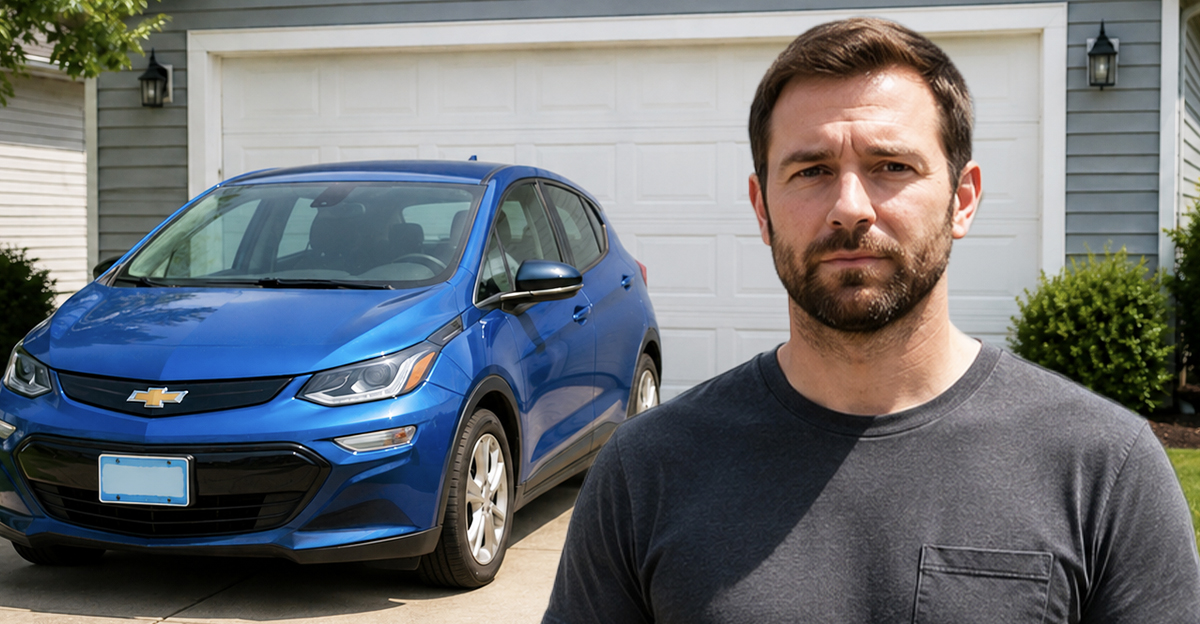
You install a software update, head out for a drive, and suddenly your EV appears to have lost 20% of its range. That can be alarming, especially if the vehicle seemed perfectly healthy beforehand. While software updates can affect displayed range estimates, other factors may also be involved.
Understanding EV Range
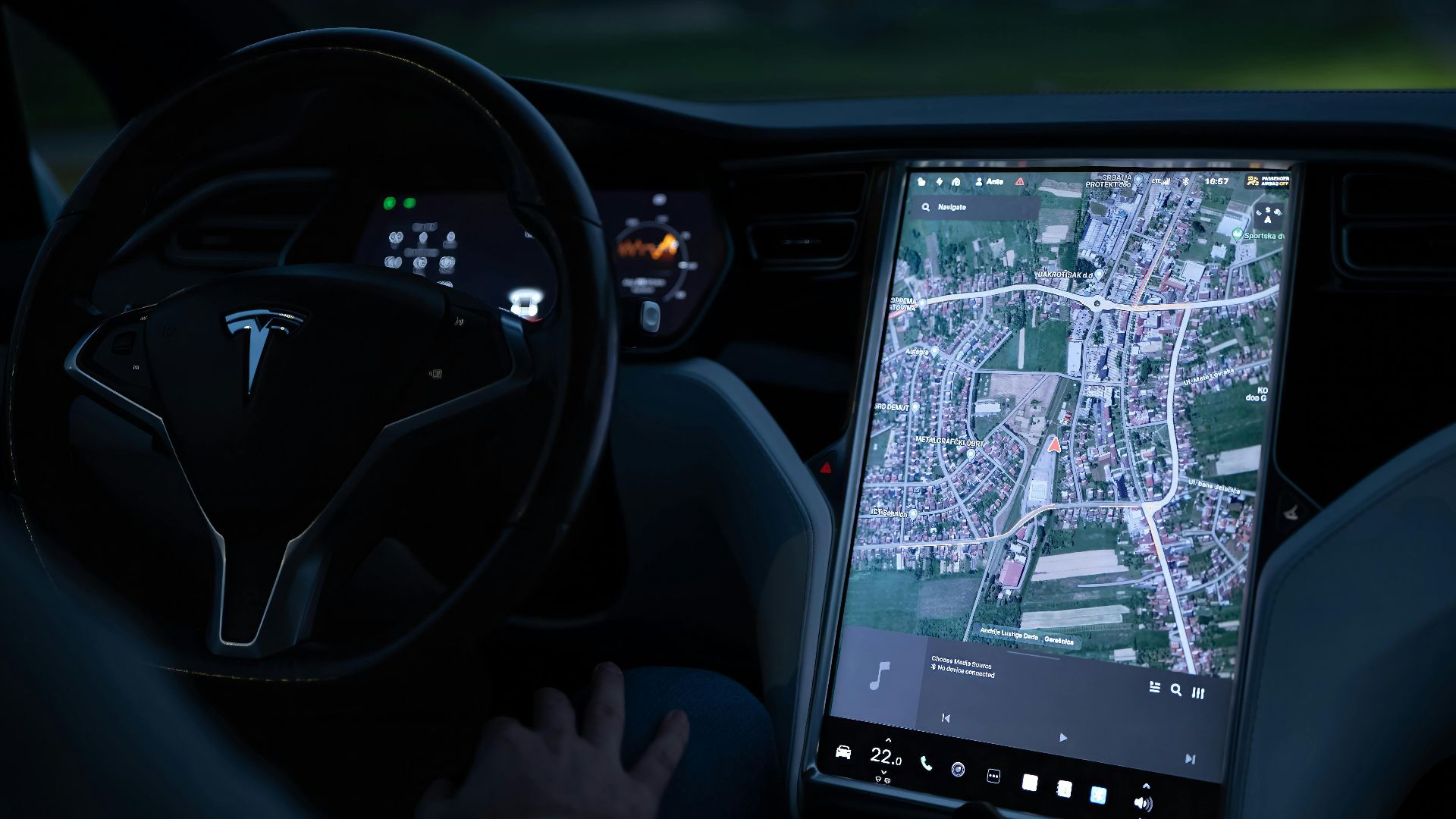
An EV's displayed range is only an estimate. The number shown on the dashboard is based on battery condition, recent driving habits, temperature, energy consumption, and other variables. The estimate can change significantly even when the battery itself remains unchanged.
Why Owners Notice It
Drivers often pay close attention to range figures. A sudden drop after an update stands out immediately because the dashboard may display fewer miles than before. That does not necessarily mean the battery suddenly lost a fifth of its capacity overnight.
Software Can Recalculate
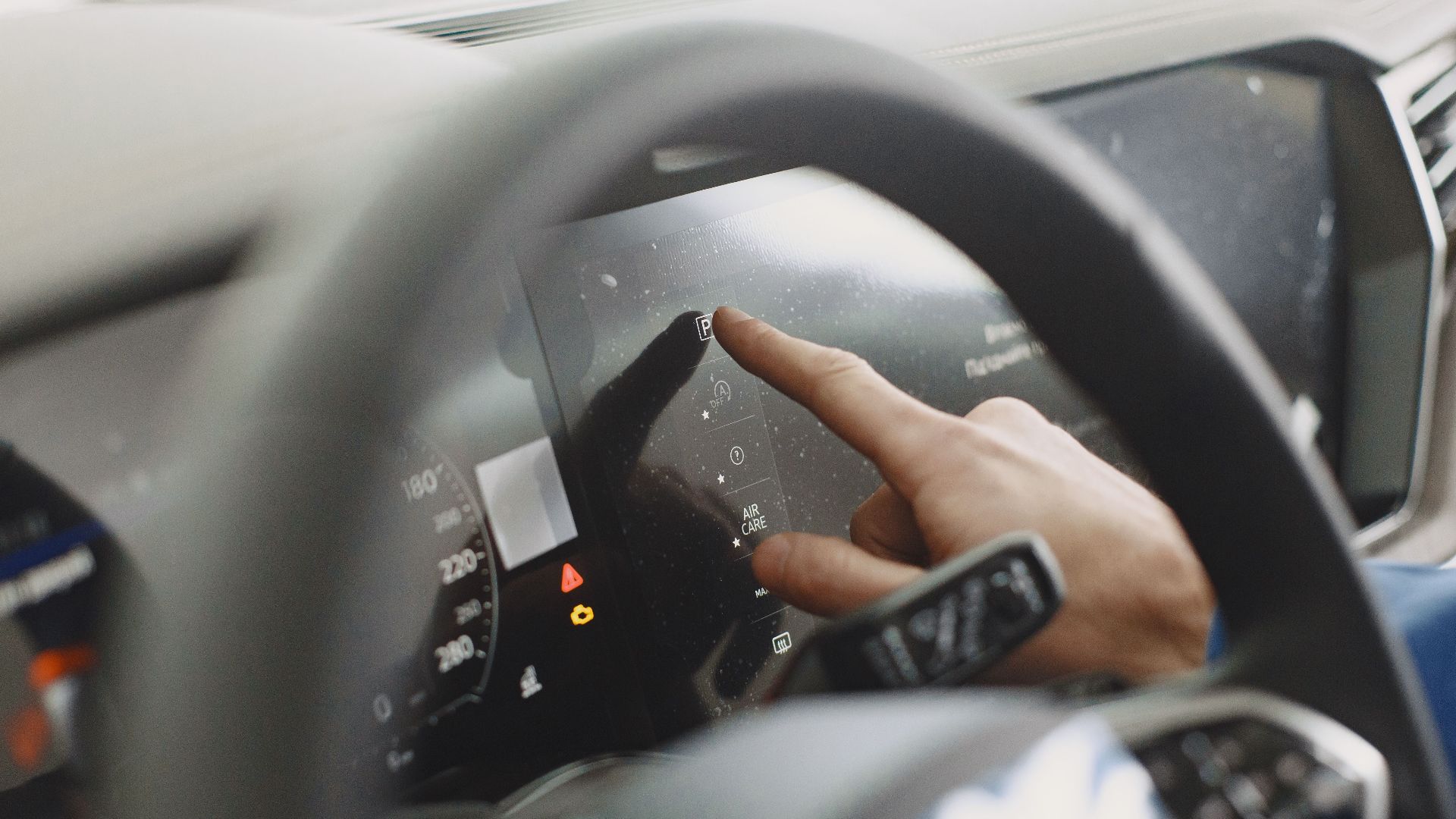
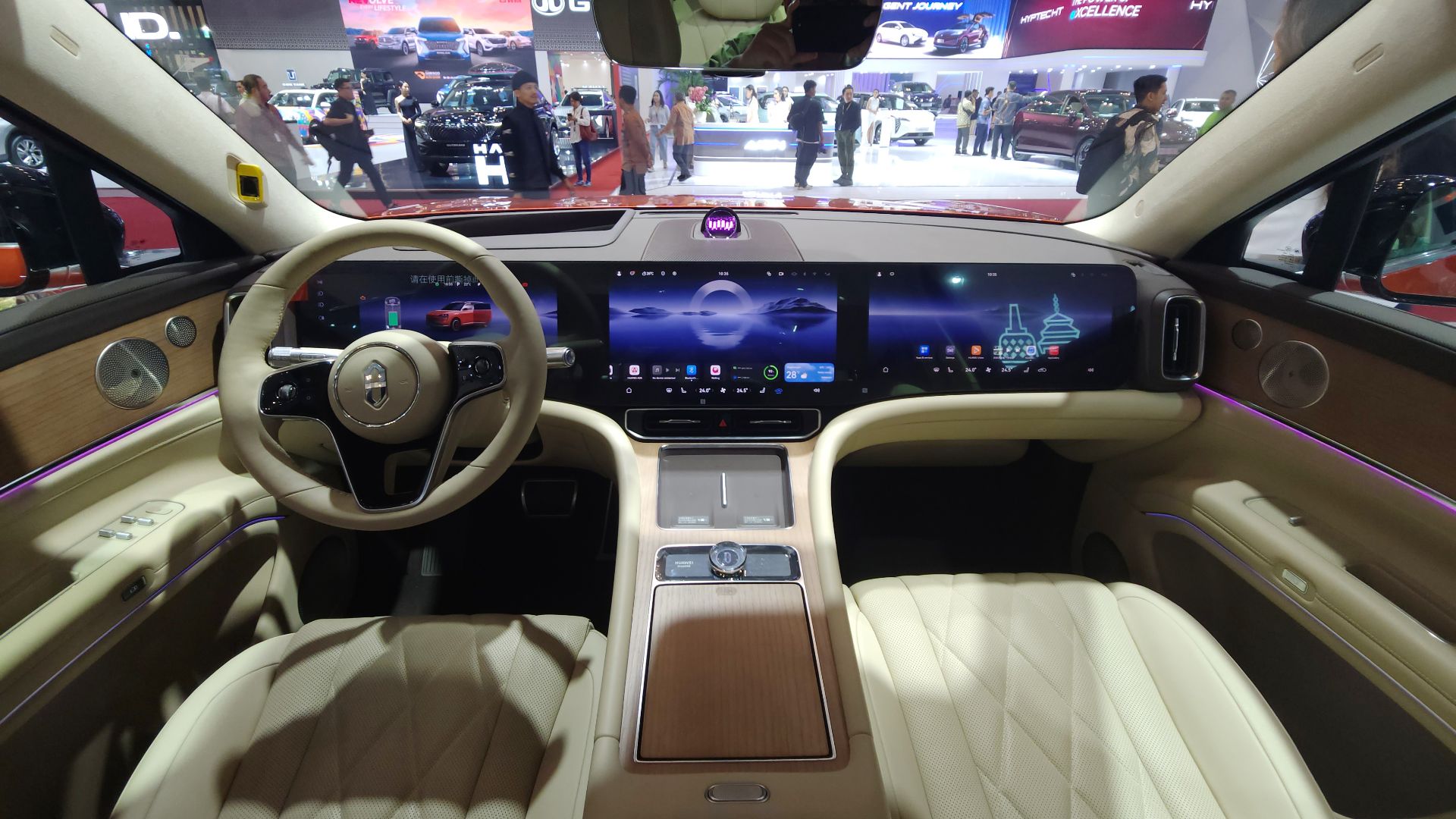
One possible explanation is that a software update changes how the vehicle calculates remaining range. If the manufacturer introduces a more conservative algorithm, the displayed estimate may decrease even though the battery contains the same amount of energy as before.
 Andra Febrian, Wikimedia Commons
More Accurate Estimates
Some updates are designed to improve accuracy. If the vehicle previously overestimated available range, a new software version may provide a more realistic number. The result can feel like a loss, even though the vehicle's actual driving capability remains largely unchanged.
Battery Management Changes
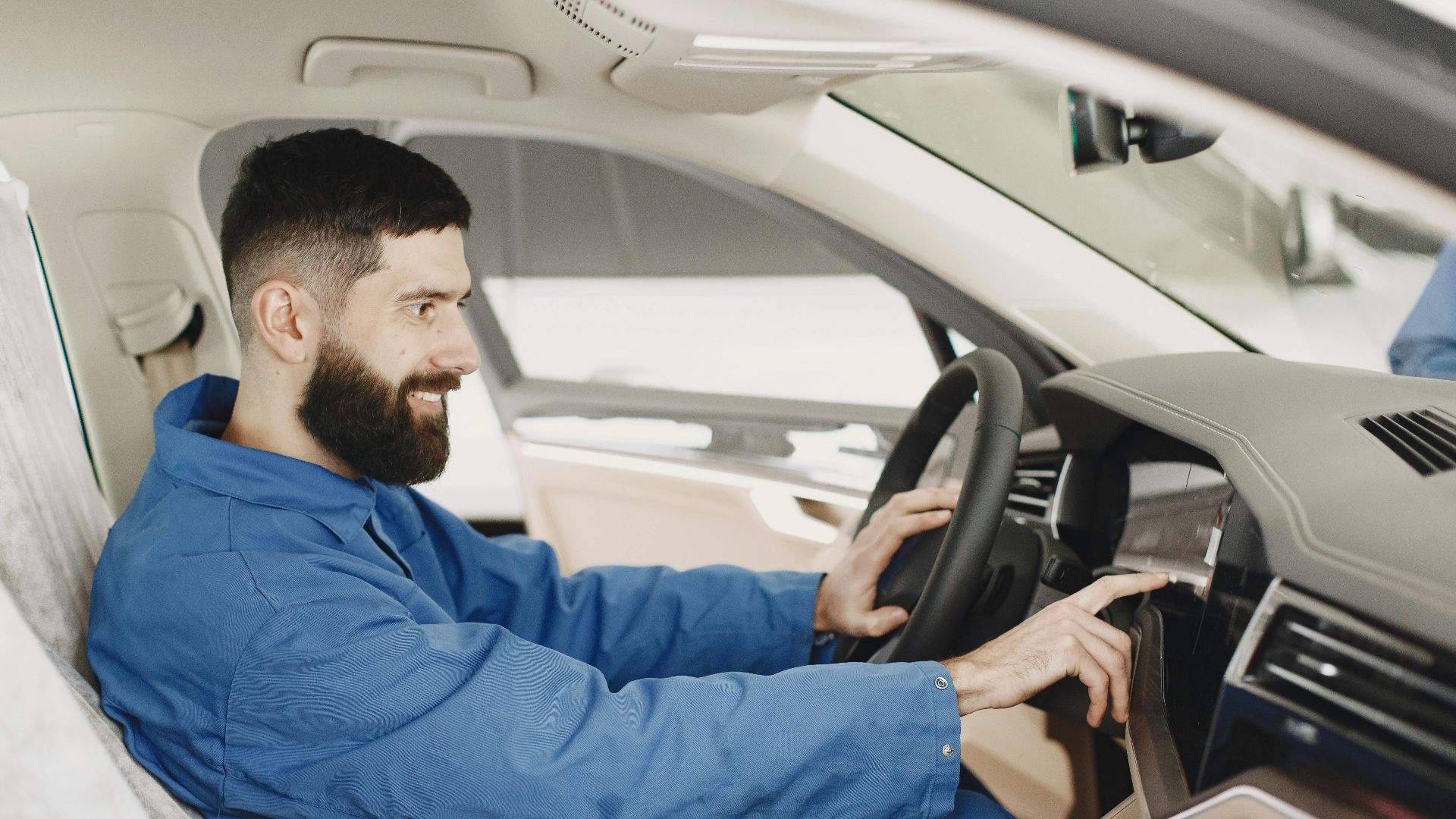
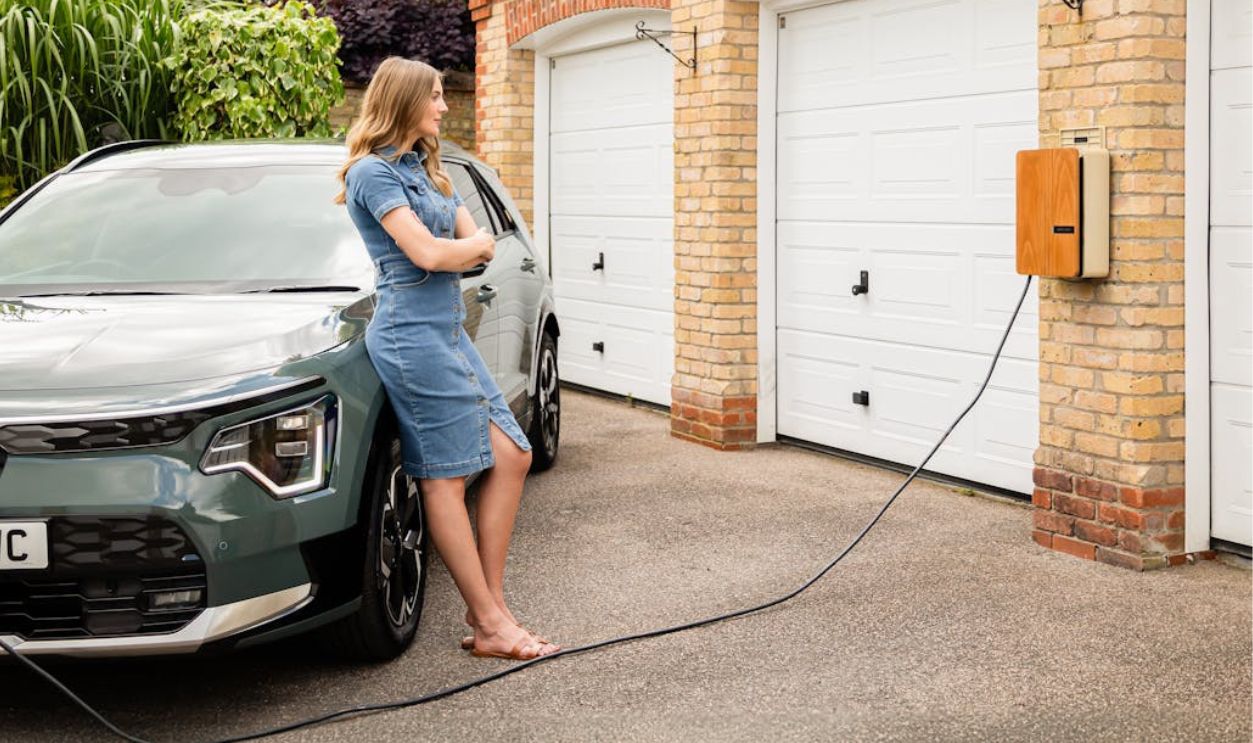
Software updates often affect battery management systems. These systems control charging, temperature management, and battery protection. A manufacturer may decide to reserve a larger portion of the battery to improve long-term durability, reducing the amount of energy available for driving.
Charging Related Updates
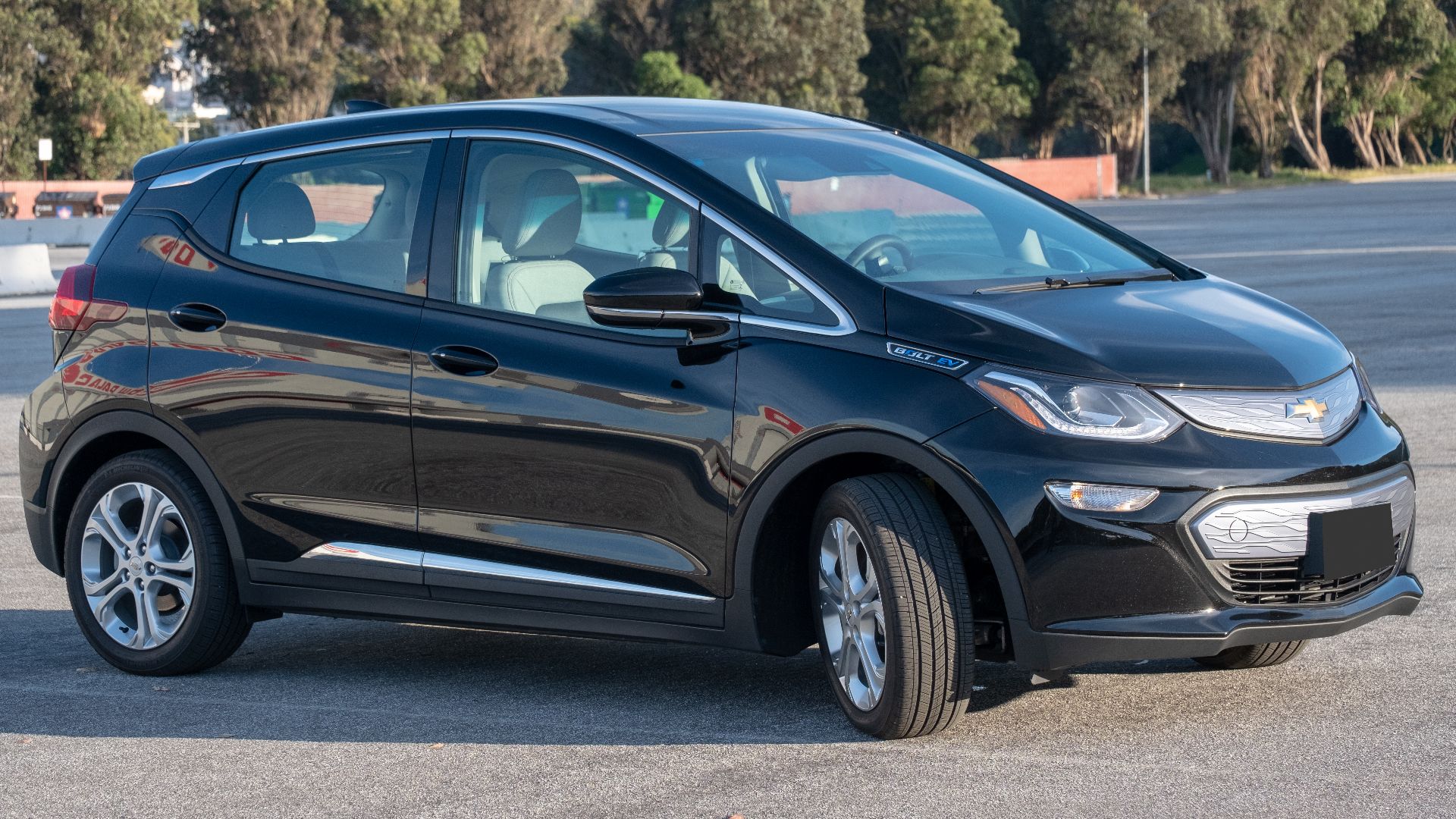
In one discussion among Chevrolet Bolt owners, some drivers reported noticeable range changes after an update that addressed charger connection issues. Experiences varied, but the reports illustrate how software modifications can sometimes affect the range estimates owners see on their dashboards.
 Gregory Varnum, Wikimedia Commons
Temperature Matters
Cold weather is one of the most common causes of sudden range loss. Lower temperatures reduce battery efficiency and increase energy consumption for cabin heating. If a software update coincides with seasonal temperature changes, the update may receive blame for a problem caused by weather.
Recent Driving Habits
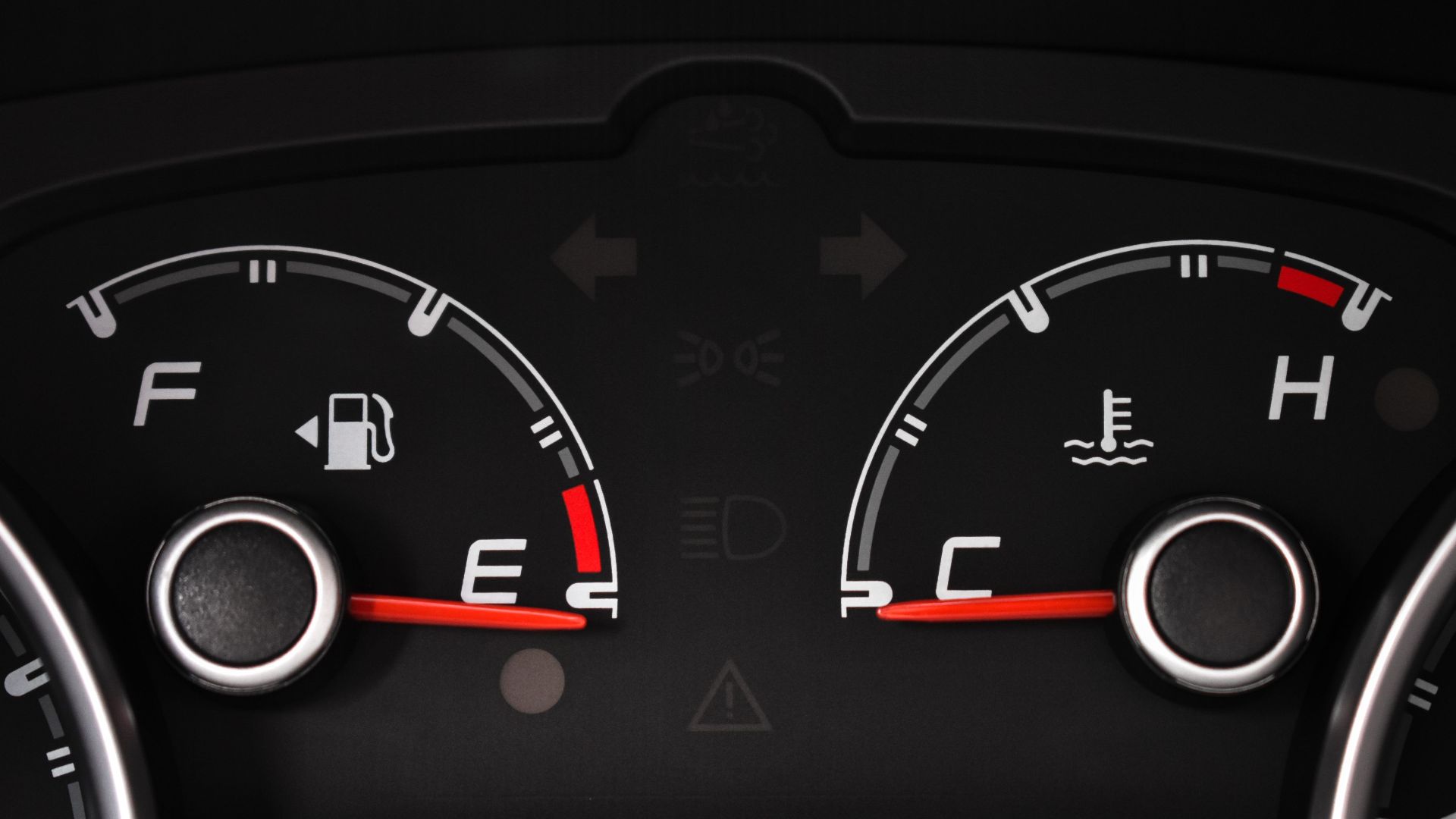
The vehicle's estimate may rely heavily on recent driving history. Aggressive acceleration, higher highway speeds, heavy cargo loads, and frequent climate control use can all reduce projected range. A recent change in driving patterns may influence displayed figures.

Tire Pressure Effects
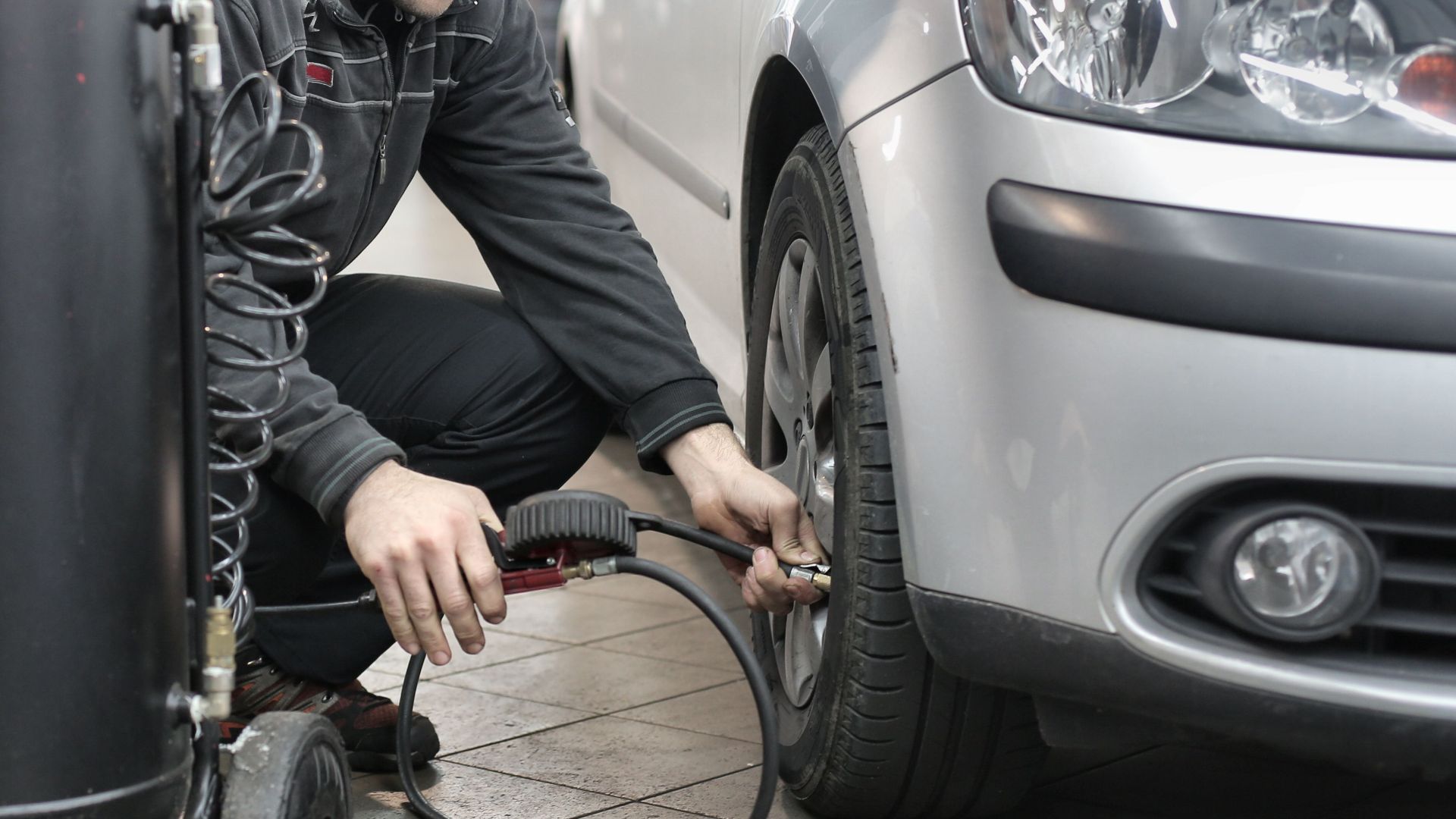
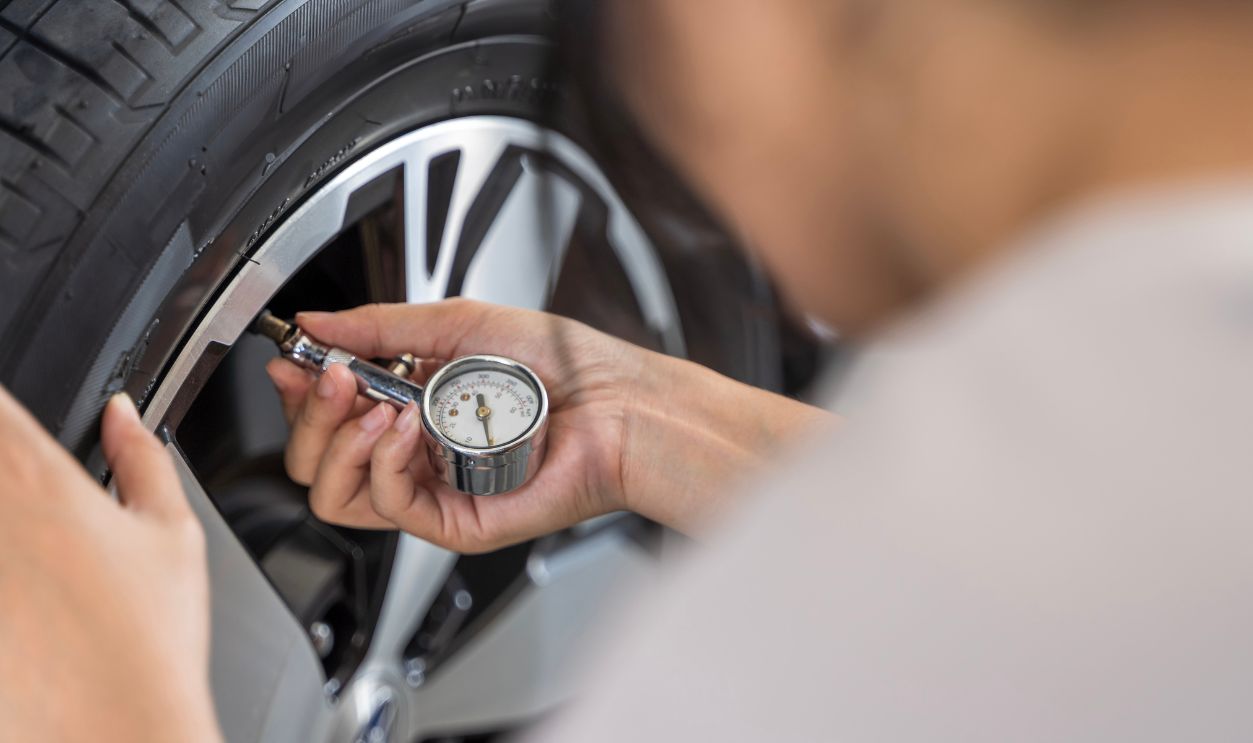
Low tire pressure increases rolling resistance and forces the vehicle to consume more energy. Even a modest drop in tire pressure can reduce efficiency. Checking inflation levels is one of the simplest steps an owner can take when investigating range concerns.
Battery Calibration Issues
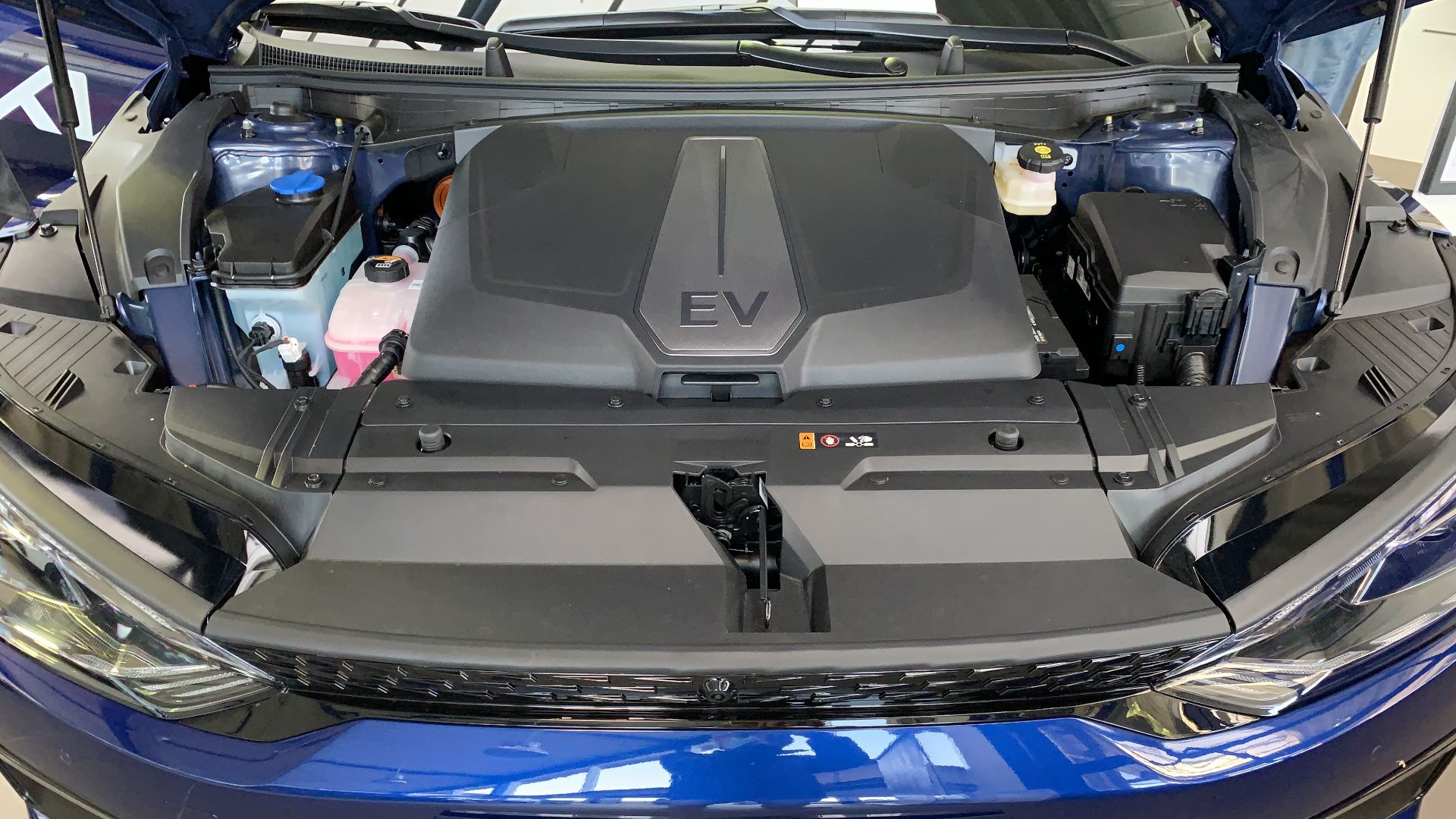
Sometimes the battery management system needs time to recalibrate after an update. During that process, displayed estimates may fluctuate. A few complete charging and driving cycles may allow the system to develop more accurate calculations.
Energy Consumption Data
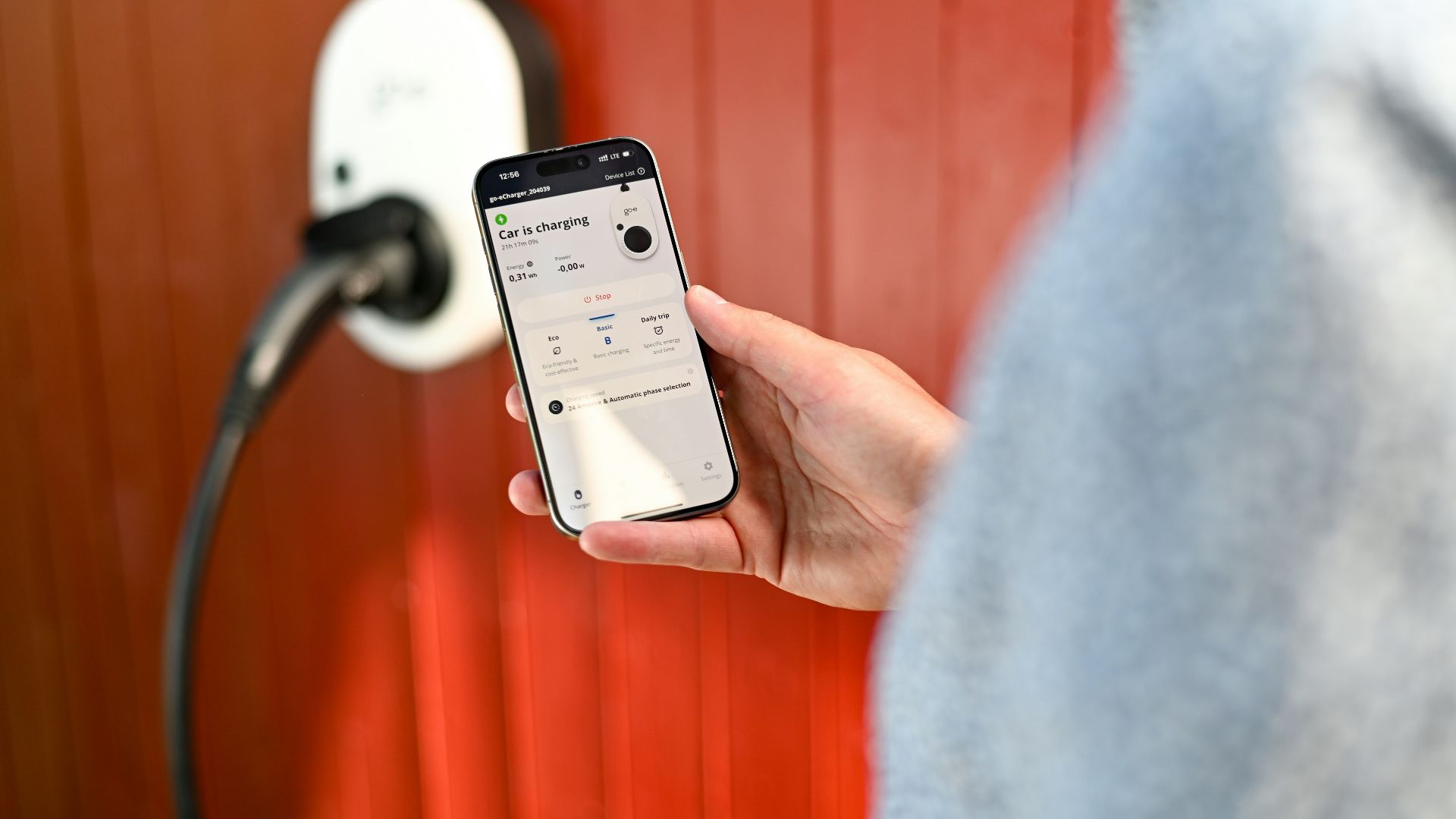
Many EVs provide detailed efficiency information through onboard displays or mobile apps. Reviewing recent energy usage can help determine whether the vehicle is actually consuming more electricity or simply reporting range differently than before.
Accessory Power Usage
Features such as cabin heating, air conditioning, heated seats, heated steering wheels, and battery conditioning systems consume power. Seasonal changes in accessory use can create noticeable differences in estimated driving range.

Battery Health Considerations
While sudden degradation is relatively uncommon, battery health should not be ignored. If actual driving range has declined significantly and consistently, rather than just the displayed estimate, further investigation may be necessary.

Compare Real Results
One useful approach is comparing actual miles driven before and after the update. If you can still travel roughly the same distance between charges, the issue may involve estimation rather than a true reduction in battery capacity.
Check Charging Behavior
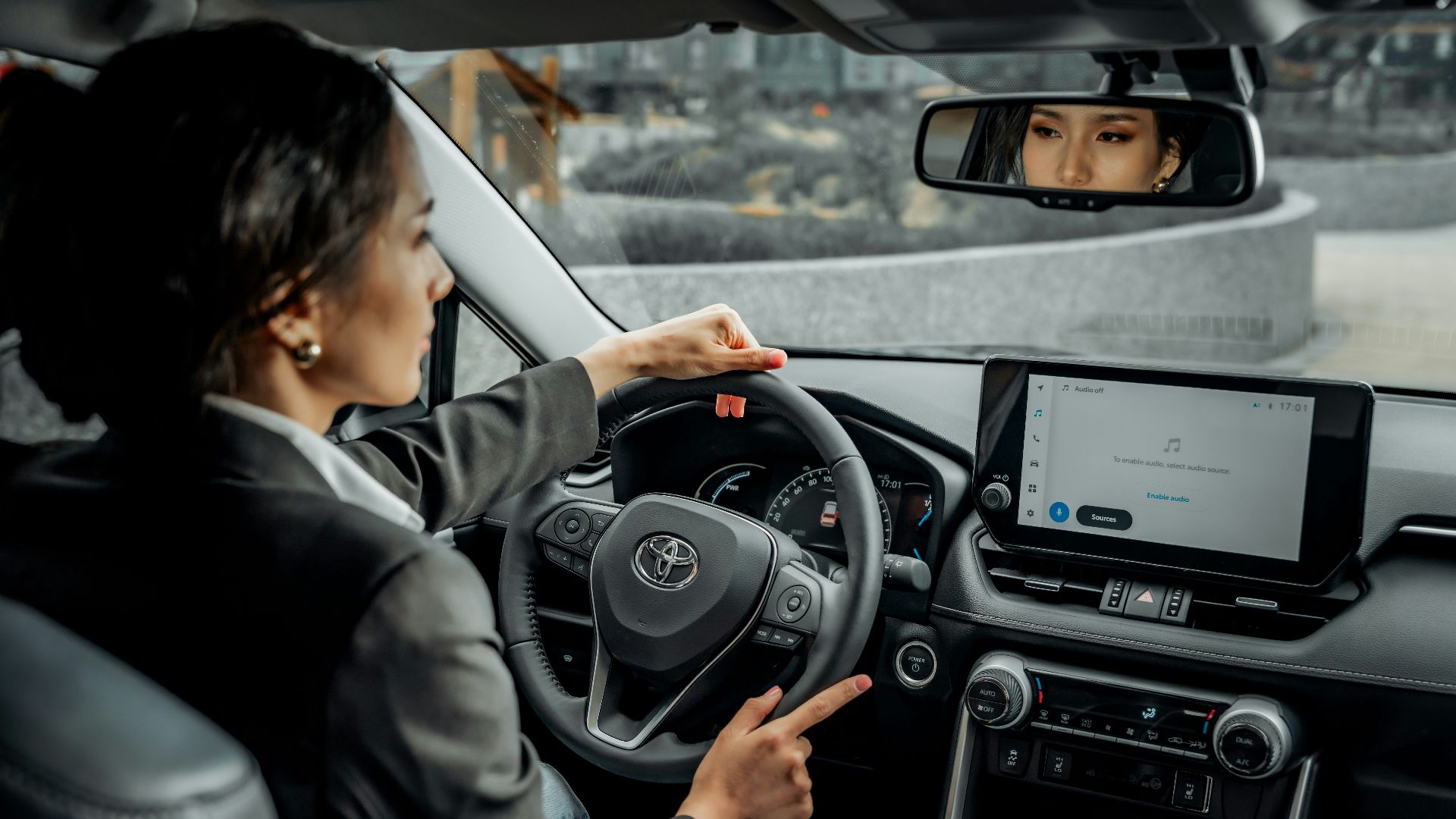
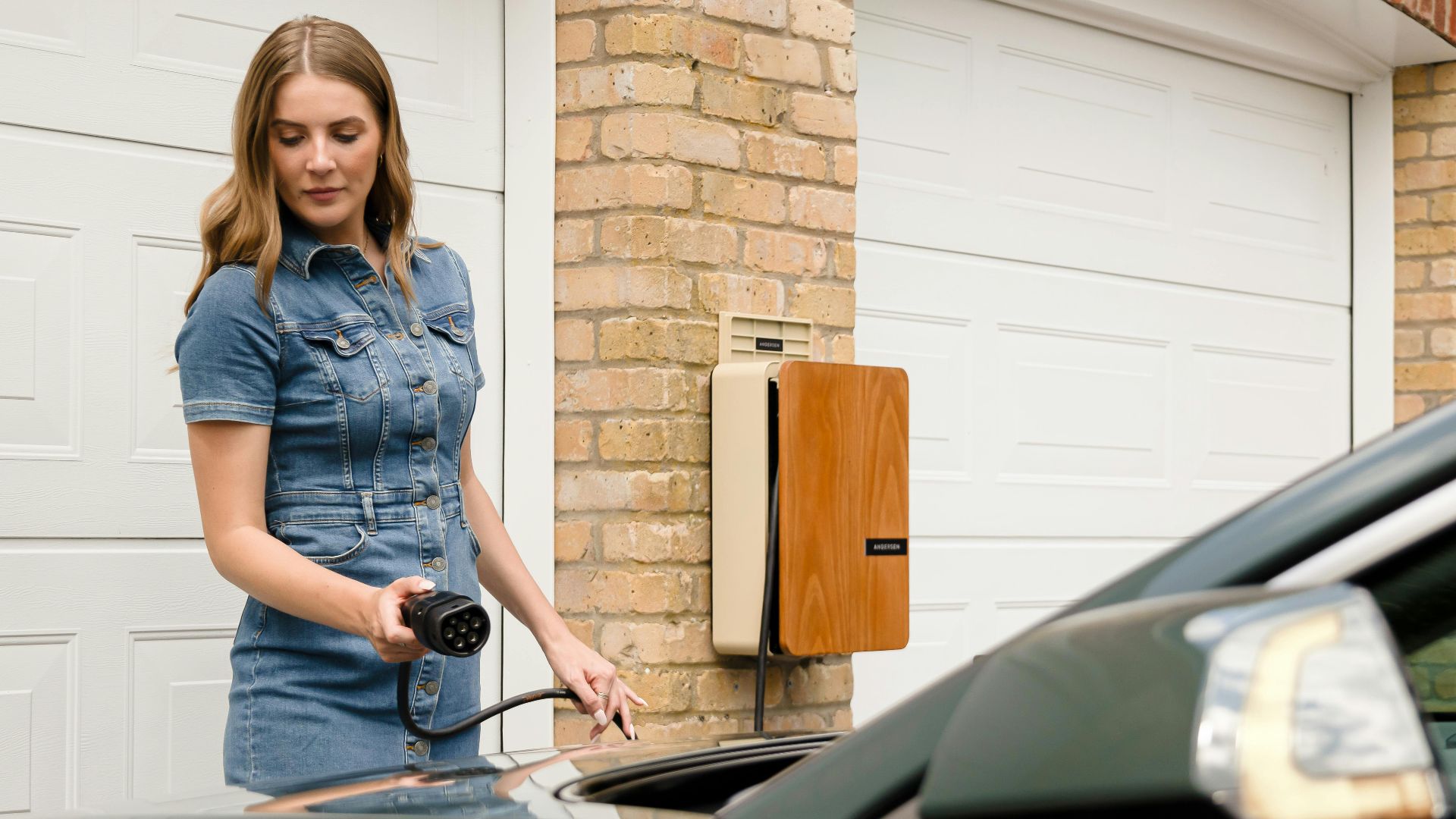
Changes in charging routines can affect range calculations. Frequent partial charging, unusual charging patterns, or recent interruptions may influence how the vehicle estimates available energy and projected driving distance.
Look For Manufacturer Guidance
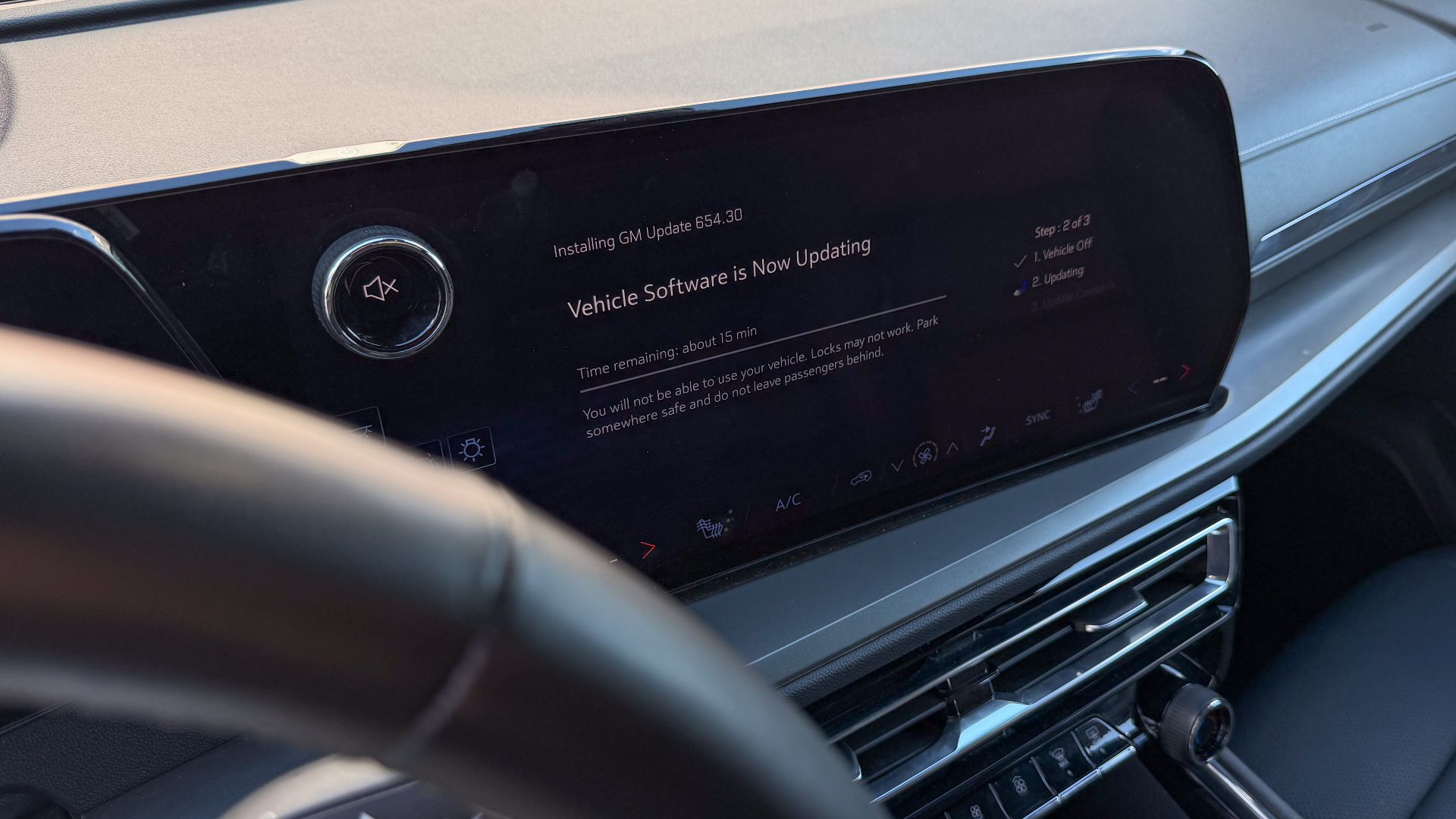
Manufacturers occasionally release notes describing software changes. Reviewing update information may reveal whether battery management, charging behavior, or range estimation algorithms were modified as part of the update.

Monitor Several Weeks
A single day of reduced range information is not enough to draw conclusions. Monitor performance over several weeks and multiple charging cycles. Temporary fluctuations often resolve themselves as the vehicle gathers additional operating data.

Diagnostic Evaluation
If concerns persist, consider scheduling a diagnostic inspection. Dealers can often review battery health information and identify whether the vehicle is experiencing a software issue, calibration problem, or hardware-related concern.

Warranty Questions
Most EV manufacturers provide battery warranties that cover significant capacity loss under specific conditions. If testing indicates genuine battery degradation, warranty coverage may become relevant depending on the vehicle's age and mileage.

Document Everything
Keep records of charging sessions, estimated range figures, software update dates, and actual driving distances. Detailed documentation can help support discussions with dealers, manufacturers, or warranty representatives if problems continue.

Beware Coincidences
Timing can be misleading. A software update may occur at the same time as colder weather, reduced tire pressure, or changes in driving behavior. Multiple factors can combine to create the appearance of an update-related problem.
 Tony Webster, Wikimedia Commons
What Owners Should Try
Start with basic troubleshooting. Check tire pressure, review energy consumption data, ensure charging habits are consistent, and monitor performance across several charging cycles. These simple steps may identify the source of the issue without requiring repairs.
When To Escalate
If actual driving range has genuinely declined by 20% and remains reduced after weeks of monitoring, contact the manufacturer or dealer. Persistent losses deserve professional evaluation, especially if battery health appears to be affected.

The Bottom Line
Yes, it is possible for a software update to change displayed range estimates or battery management behavior. However, a sudden 20% drop does not automatically mean the battery has degraded. Careful monitoring, data collection, and diagnostic testing are the best ways to determine what is really happening.
You May Also Like:
The Best New EVs You Can Buy For Under $40,000
The 12 most reliable electric vehicles—and 12 you should avoid
Excellent EV Alternatives For Your Gas-Guzzling Trucks For 2026