You Paid, Then Your Car Was Gone
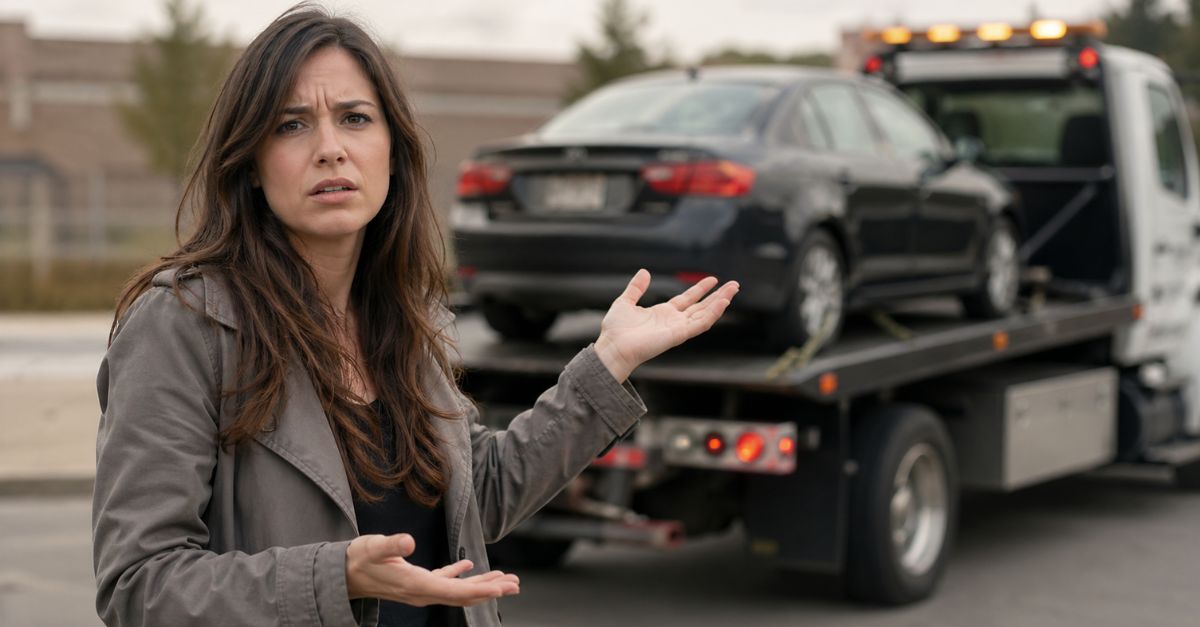
Parking can be miserable on good day, but this is a new low. You paid for a private lot, came back expecting to drive home after a long day, and found an empty space instead. The good news is that you may have more options than the tow company wants you to think.
Start With One Big Question
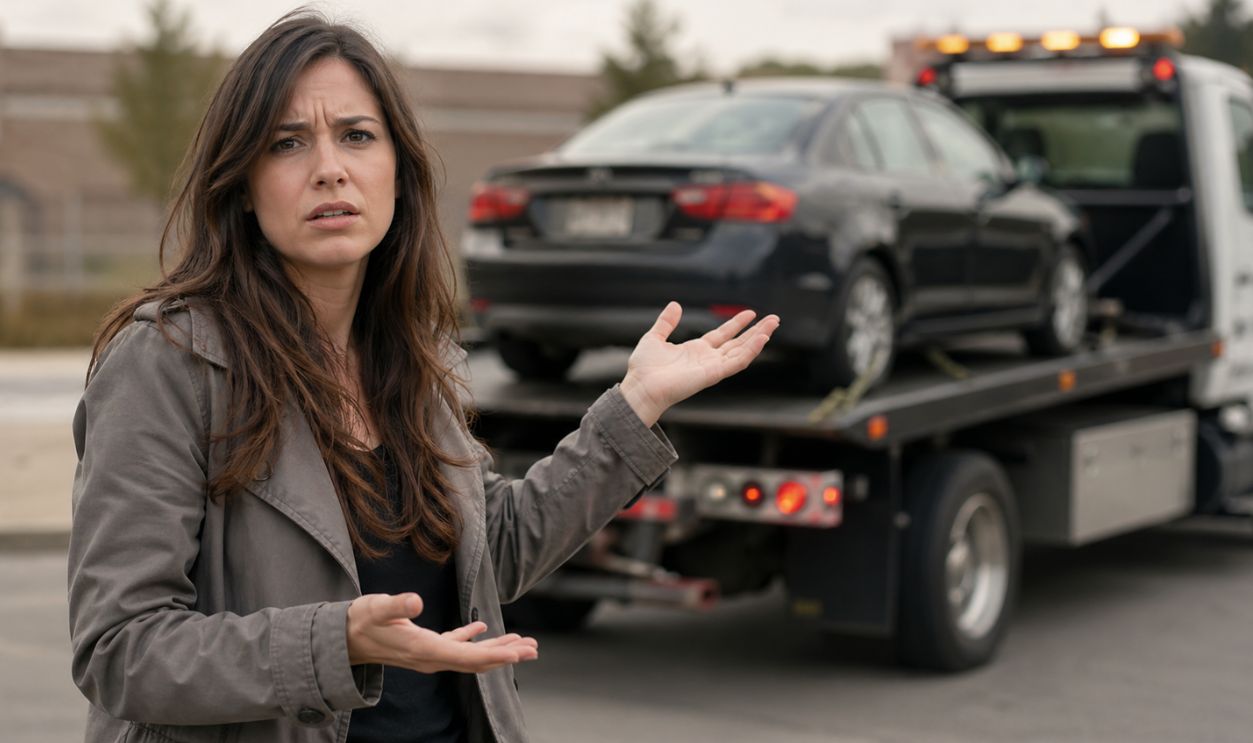
The first thing to figure out is whether the tow was legal under your state and local rules. Private property towing is usually allowed, but it is often tightly regulated. Rules commonly cover signs, authorization, notice, fees, and how quickly you can get your car back.
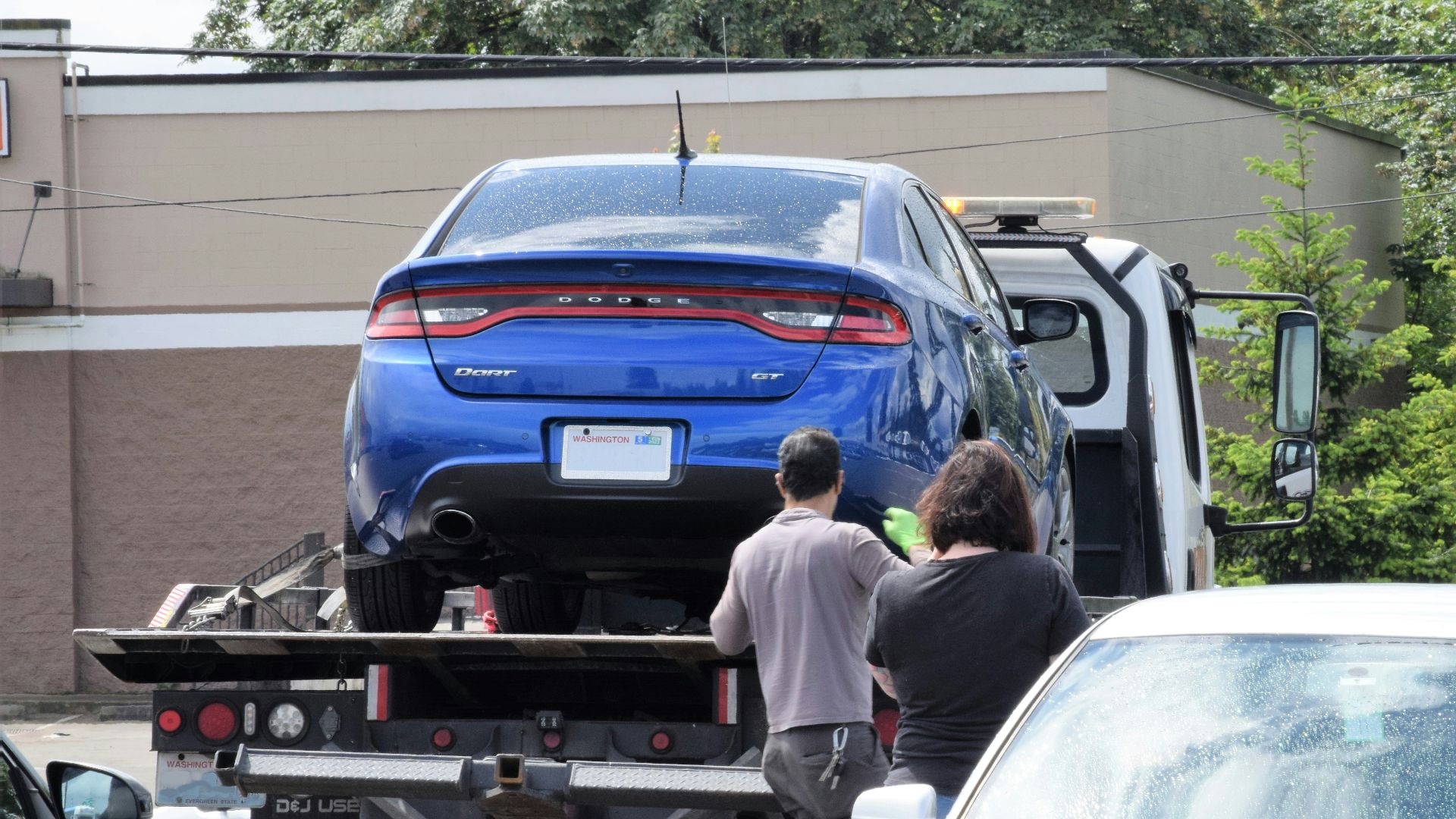
Confirm Your Car Was Actually Towed
Before assuming it was stolen, call local police or check your city or county impound page. In many places, tow companies must report private tows to law enforcement within a set time. California, for example, requires a towing company to notify law enforcement within 60 minutes after removing a vehicle from private property under California Vehicle Code section 22658.

Do Not Wait To Track The Car Down
Time matters because storage fees can pile up by the day. The Federal Trade Commission advises consumers to gather documents and understand the fees involved when dealing with vehicle disputes. Even if the tow was improper, waiting too long to get the car back can make the situation much more expensive.
Gather Proof That You Paid
Pull together your parking receipt, app confirmation, text message, email, bank charge, or credit card statement right away. Take screenshots before anything disappears from an app or website. If the lot used a license plate entry system, save any record showing the plate number you entered.

Take Pictures Before The Scene Changes
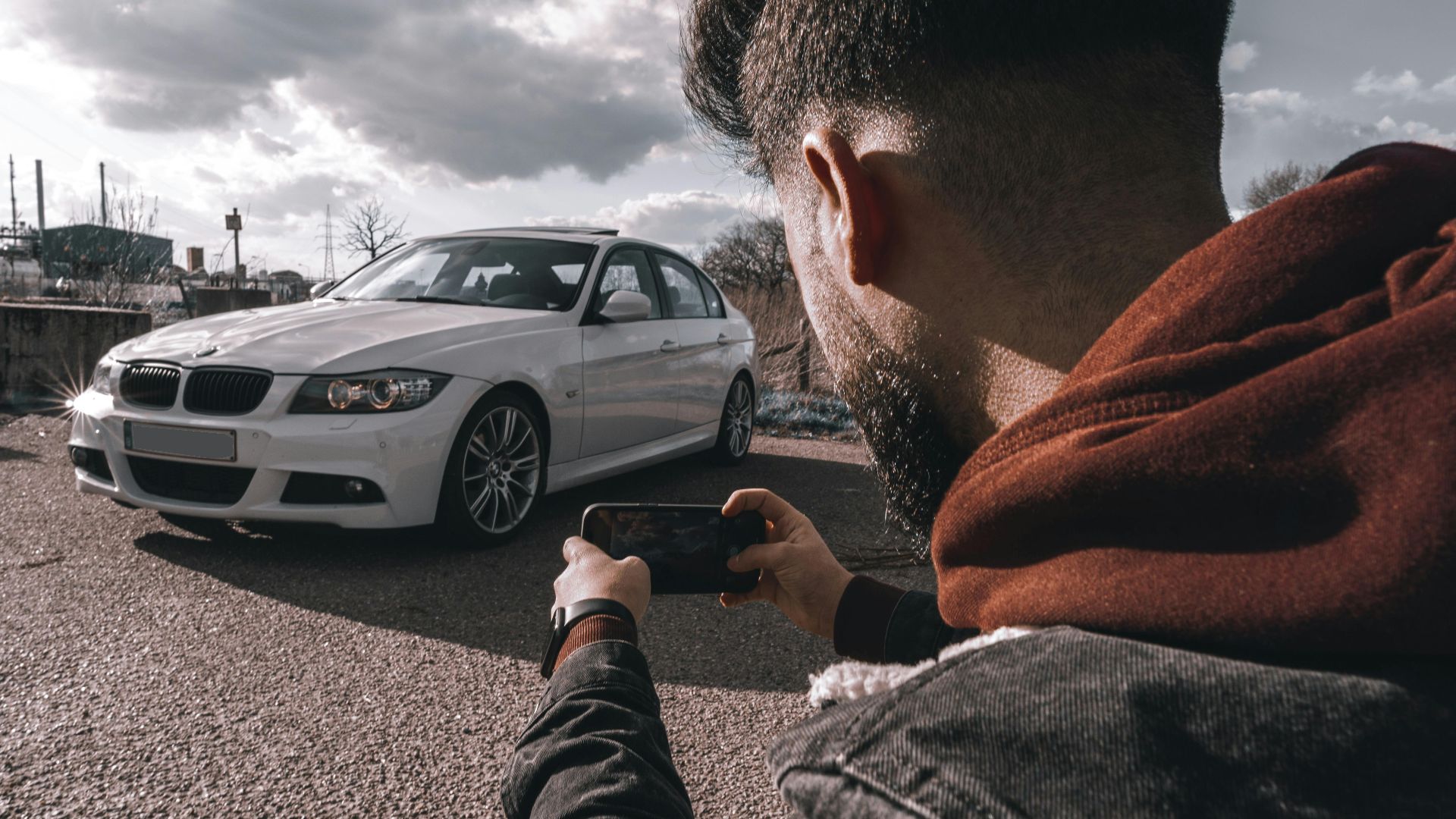
If you can return to the lot, photograph every sign at the entrance and near the parking space. Take wide shots and close-ups that show fee terms, towing warnings, lot hours, and any permit rules. Also photograph anything confusing, blocked, missing, unlit, or contradictory.
Signs Can Make Or Break A Tow
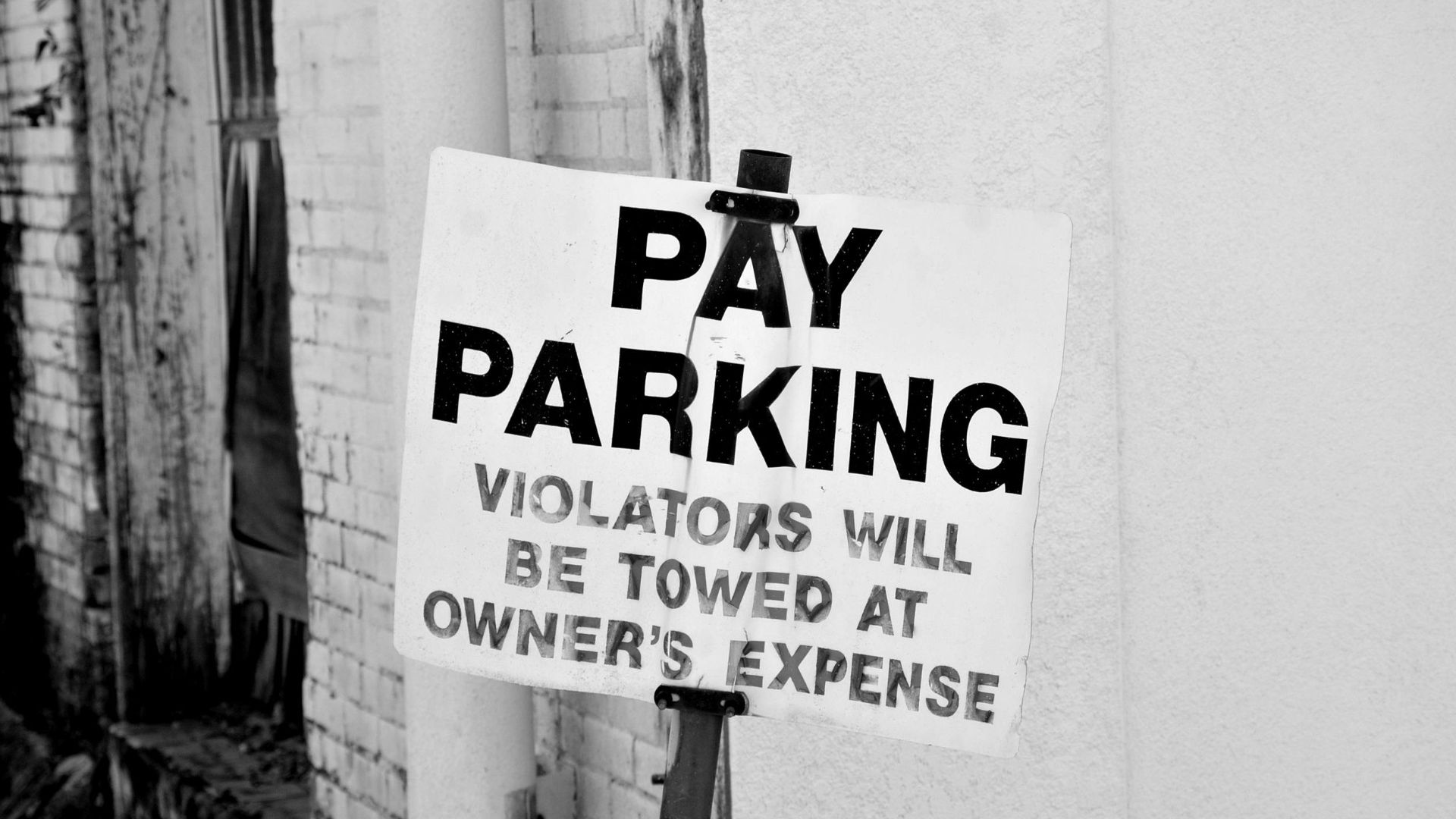
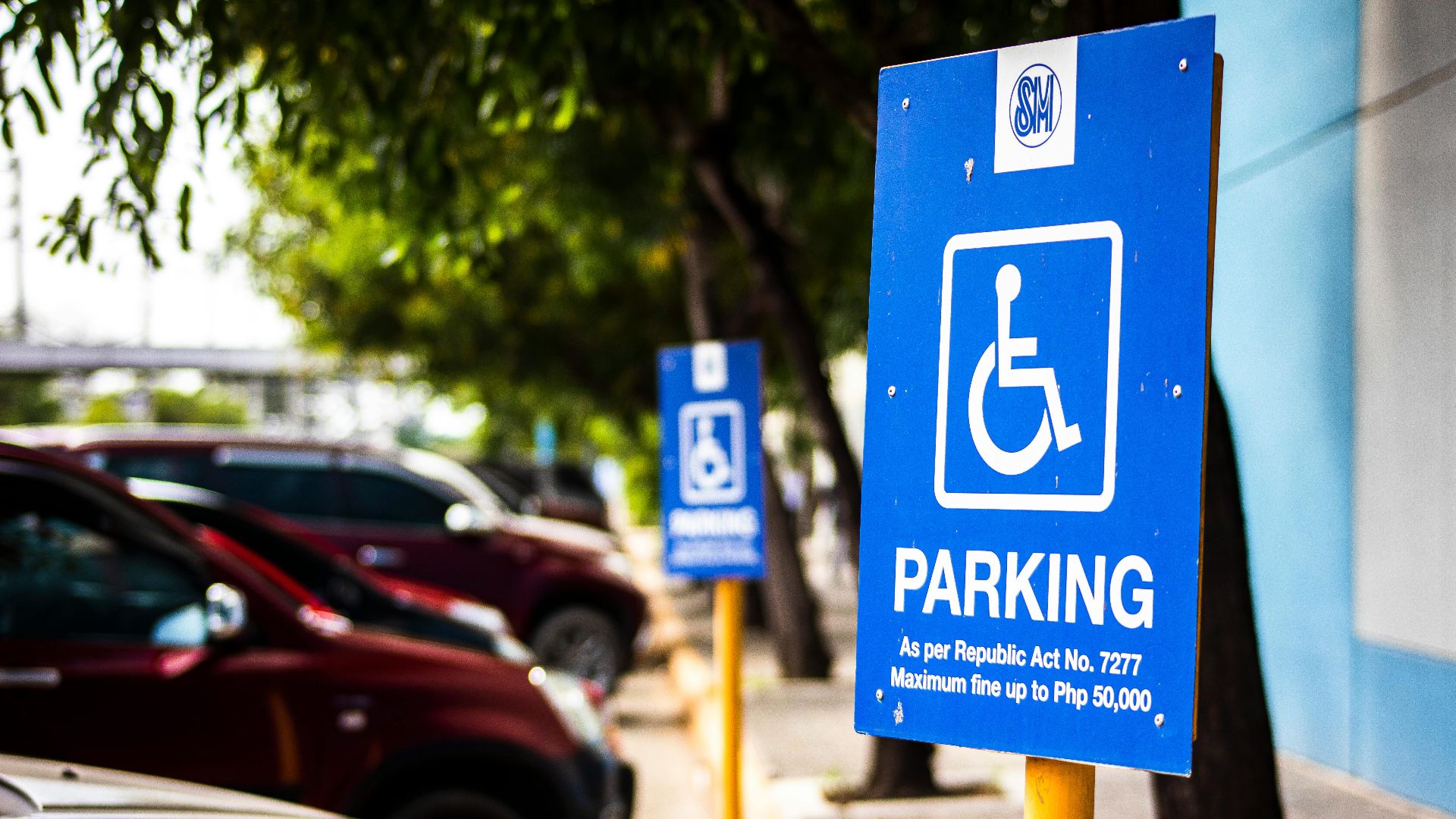
Many states require specific signs before a private-property tow is legal. California’s private tow law, for example, spells out sign placement and wording requirements in section 22658. If the signs were hidden, unreadable, missing key language, or absent at the entrance, that can matter a lot.
Ask The Lot Who Ordered The Tow
Private tows usually must be authorized by the property owner or someone in control of the lot. Ask the parking operator, store, landlord, or management company who called the tow and when. Get the name of the person you speak with, their title, and any incident number or written explanation.
Request An Itemized Bill
Ask the tow yard for a full breakdown of the charges before you pay, if possible. Some states regulate towing and storage rates, and some cities cap fees. The Consumer Financial Protection Bureau advises consumers disputing charges to gather written records and keep copies of every bill and receipt.

Pay Attention To How They Want Payment
Some states require tow companies to accept major credit cards or limit the kinds of payment they can demand. If a tow yard insists on cash only where that is not allowed, make a note of it. Save photos of posted payment policies and any refusal to provide a receipt.
You May Need To Get The Car First
In the real world, many drivers choose to pay under protest so the car can be released before storage fees grow. If you do, write “paid under protest” on the receipt if you can and keep a copy. Ask for every document tied to the tow, including the authorization, inventory, and fee schedule.

Demand The Tow Authorization Record
In many places, the towing company must keep a record showing who authorized the tow and why. California law is especially specific about required records for private-property removals. If the company cannot produce that paperwork, your challenge gets stronger.

Check Whether The Car Was Actually Eligible To Be Towed
Even on private property, the lot usually needs a legal reason to remove the vehicle. That reason may be nonpayment, parking in a reserved space, blocking access, overstaying, or violating posted lot terms. If you paid and followed the stated rules, the tow may be hard for them to justify.
Payment Errors Still Matter
Some disputes happen because a driver entered the wrong plate number, parked in the wrong zone, or paid for the wrong time block. That does not always make the tow fair, but it can change the argument. Review exactly what the app, kiosk, or receipt says before claiming the lot had no basis to tow.

Look For Predatory Patterns
The most suspicious cases often involve bad signs, quick towing, and almost no chance to fix a simple mistake. The Federal Trade Commission has long urged consumers to document unfair or deceptive business practices and report them. If a lot or tow company has a pattern of similar complaints, that can help your case with regulators or in court.

File A Complaint With Local Regulators
Depending on where you live, oversight may come from the city, county, state attorney general, department of consumer affairs, public utilities regulator, or law enforcement. California’s Department of Consumer Affairs specifically tells consumers with towing disputes to complain to local law enforcement and the right licensing or regulatory agencies. Check your city or county website for a towing complaint process, because many have one.
Use Your State Attorney General Website
State attorneys general often provide consumer complaint forms for unfair business practices. They may not resolve every individual case, but complaints help show patterns and can trigger investigations. If your records show you paid for parking and were still towed, that is exactly the kind of paper trail worth submitting.

Contact Your Credit Card Issuer
If you paid the parking fee or tow charges by credit card, you may be able to dispute the charge. The Fair Credit Billing Act gives consumers rights to dispute certain billing errors on credit accounts. The Consumer Financial Protection Bureau explains how to send a dispute and why written records matter.

Debit Card Users Should Move Quickly Too
Chargeback rights on debit cards can differ from credit cards, but many banks still offer dispute processes for unauthorized or improper charges. Contact the bank as soon as possible and provide your parking proof, tow receipt, and photos. Ask specifically whether the merchant was the lot operator, towing company, or payment platform.

Small Claims Court Is Often The Practical Fix
If the lot and tow company refuse to refund you, small claims court is often the most realistic next step. The National Center for State Courts notes that small claims court is designed to handle lower-dollar disputes without full-scale litigation. Bring your payment proof, photos of signs, receipts, witness statements, and copies of your complaints.

Your Evidence List Should Be Ruthless
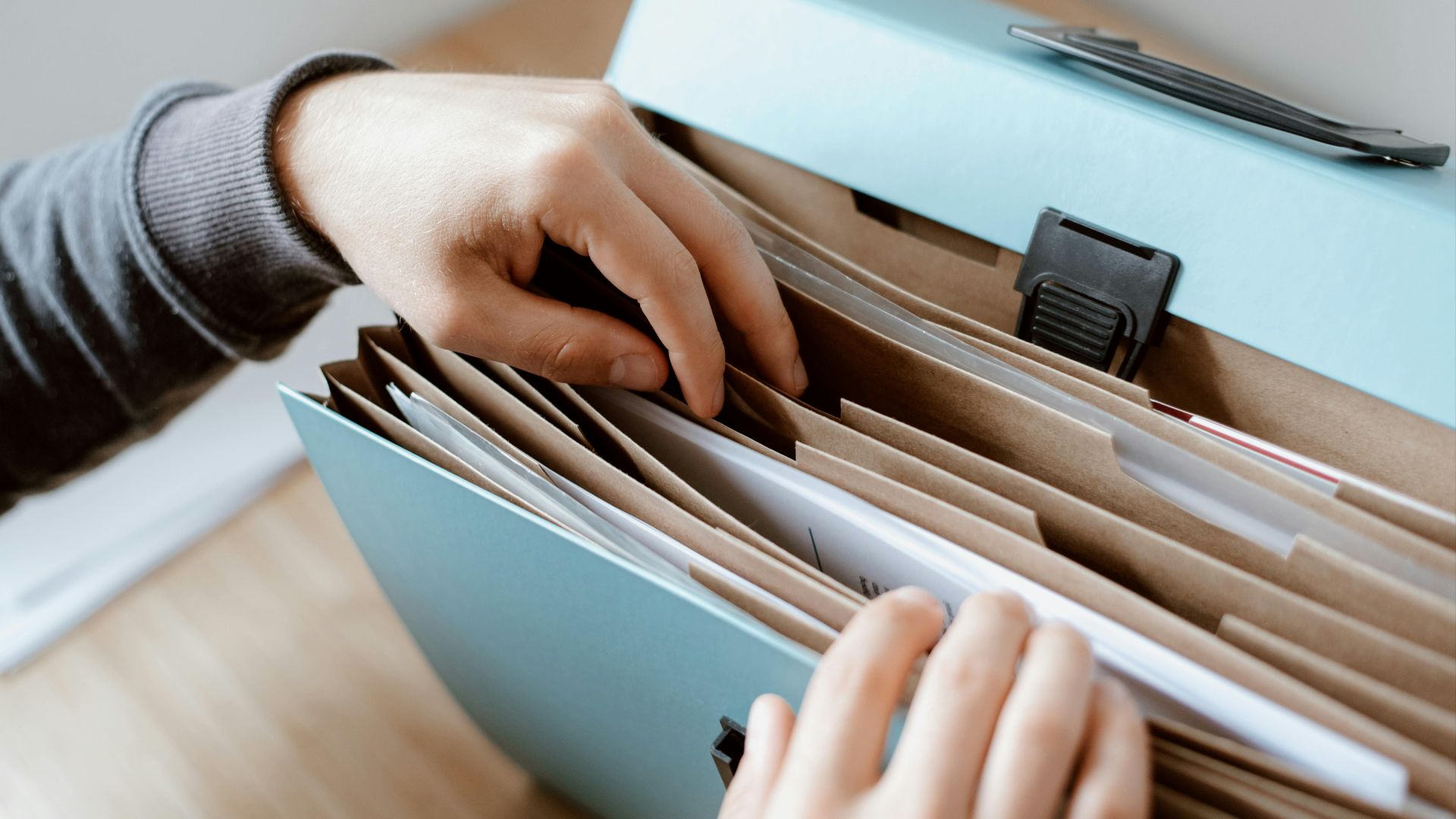
Build a folder with the parking receipt, app screenshots, bank statement, tow invoice, release paperwork, photos, call logs, emails, and names of every person you spoke with. Add timestamps wherever you can. A clear timeline can be more persuasive than a long emotional story.
Witnesses Can Help More Than You Think
If someone was with you when you paid, parked, or returned to find the car gone, ask them for a short written statement. Workers at nearby businesses may also remember whether signs were visible or whether towing was unusually aggressive that day. Keep statements factual and dated.

If Personal Property Was Lost, Document That Separately
Tow companies often inventory a vehicle, but disputes over missing items do happen. Take photos of the car’s condition and interior as soon as you get it back. If property is missing or the car was damaged, report that promptly to the tow yard, police if appropriate, and your insurer.
Insurance Usually Is Not The First Stop
Standard auto insurance generally does not reimburse a legal private tow just because it was expensive. But if the car was damaged during towing, or if there is a theft-related issue, your insurer may need to know. Ask your carrier what paperwork they want before you repair anything.

Know The Strongest Arguments
The most persuasive cases usually involve clear proof of payment, bad signage, missing tow authorization, excessive or unlawful fees, or failure to notify law enforcement when required. Weak cases usually involve driver input errors that are plainly shown in the parking system records. The facts matter more than outrage, so lead with records, times, and photos.

What To Say When You Ask For A Refund
Keep it short and direct. State that you paid for parking, identify the date and time, attach proof, explain why the tow was improper, and demand reimbursement by a specific date. Ask for the legal basis for the tow, the authorizing party’s name, and the complete fee record.

How To Avoid This Mess Next Time
Take a screenshot after every parking payment, especially in app-based lots. Photograph the nearest sign and your parked car, and double-check the plate number and zone before walking away. Those extra few seconds can save you hundreds of dollars and a long fight later.
The Bottom Line
If your car was towed from a private lot after you paid, do not assume you are stuck with the bill. Verify where the car went, collect proof, examine the lot’s signs and records, and challenge the tow through the lot, the tow company, regulators, your card issuer, or small claims court. The fastest path to a refund is usually a calm paper trail backed by the exact rules in your state and city.