The Mileage Question That Starts Fights
Used-car shoppers hear this all the time: Highway miles barely count, while city miles are what really wear a car out. There is some truth to that, but the real answer is messier. How the miles happened matters, but that doesn't necessarily mean the number on the odometer is any less important.
 Vitaly Gariev, Pexels, Modified
What Your Friend Gets Right
Steady highway driving is usually easier on a car than stop-and-go commuting. The engine spends less time idling, the transmission shifts less, and the brakes get a break on open roads. So yes, two cars with the same mileage can end up with very different wear.

Why The Odometer Still Matters
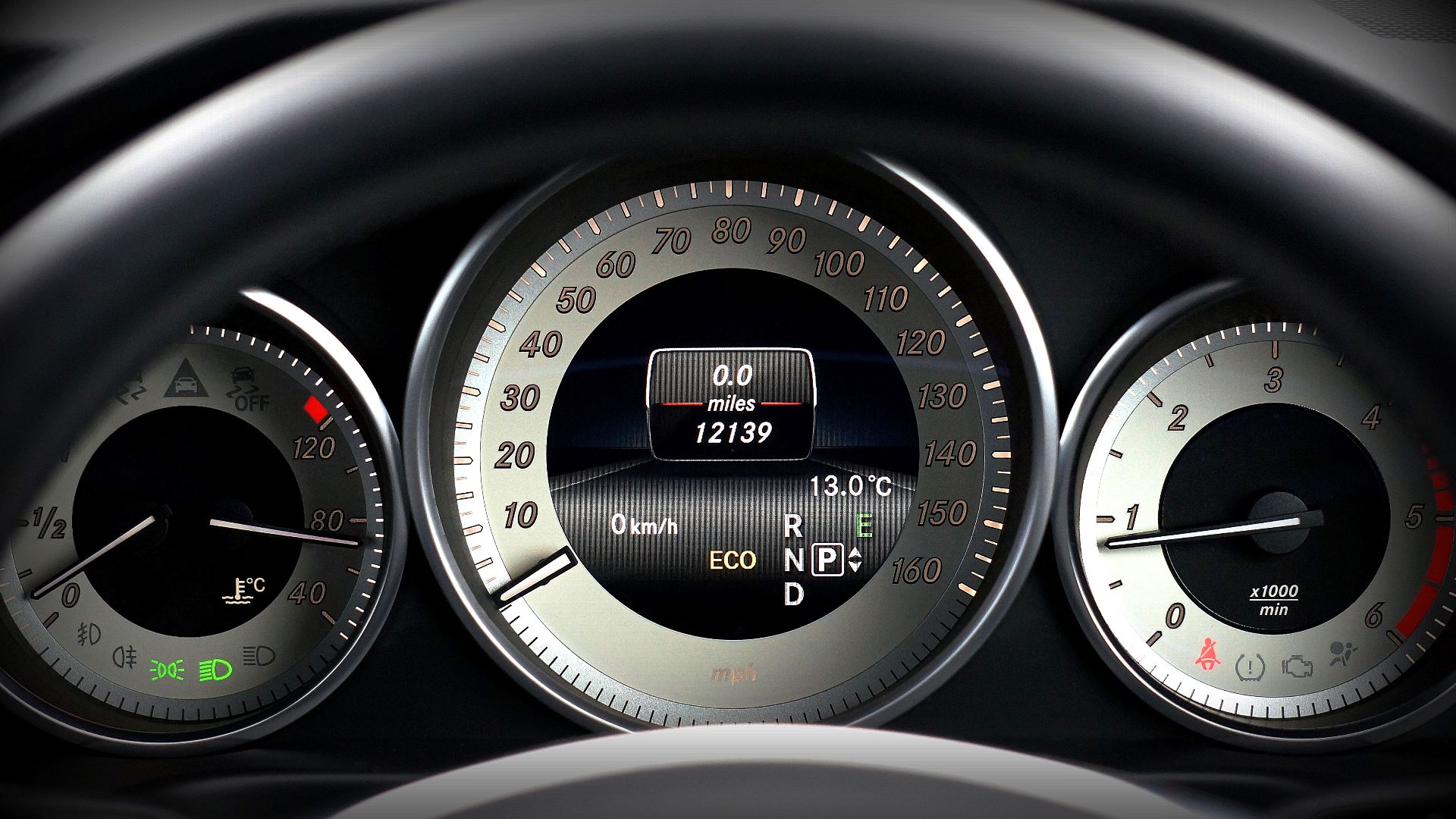
Mileage is still one of the clearest signs of how much use a car has seen. Rubber parts age, fluids break down, wheel bearings spin, suspensions move, and interiors wear down no matter where the driving happened. A high-mile car can still be a great buy, but it usually does not carry the same long-term risk as a much lower-mile one.
What The EPA Found About Driving Conditions
The Environmental Protection Agency has long said that real-world fuel economy drops in stop-and-go traffic, on short trips, and with hard driving. Those same conditions that hurt fuel economy also tend to add wear because the car is constantly heating up, cooling down, speeding up, and braking. If a driving style burns more fuel, it often puts more strain on the vehicle too.
 U.S. Air Force photo by Airman 1st Class Imani West, Wikimedia Commons
Cold Starts Matter A Lot
One of the biggest reasons to care about how miles were driven is the cold start. The U.S. Department of Energy explains that short trips keep an engine from fully warming up, which raises fuel use and emissions. For buyers, that also means the engine can spend more time running before the oil and other fluids reach their best working temperature.
 Daniel @ bestjumpstarterreview.com, Pexels
Short Trips Can Be Hard On Cars
A quick ten-minute errand in town may only add a few miles, but it can be tougher on a car than a long highway drive after everything is fully warmed up. Frequent short trips can leave moisture and fuel dilution in the oil longer, especially in cold weather. That is one reason maintenance records matter so much on city-driven cars.

Brakes Tell Part Of The Story
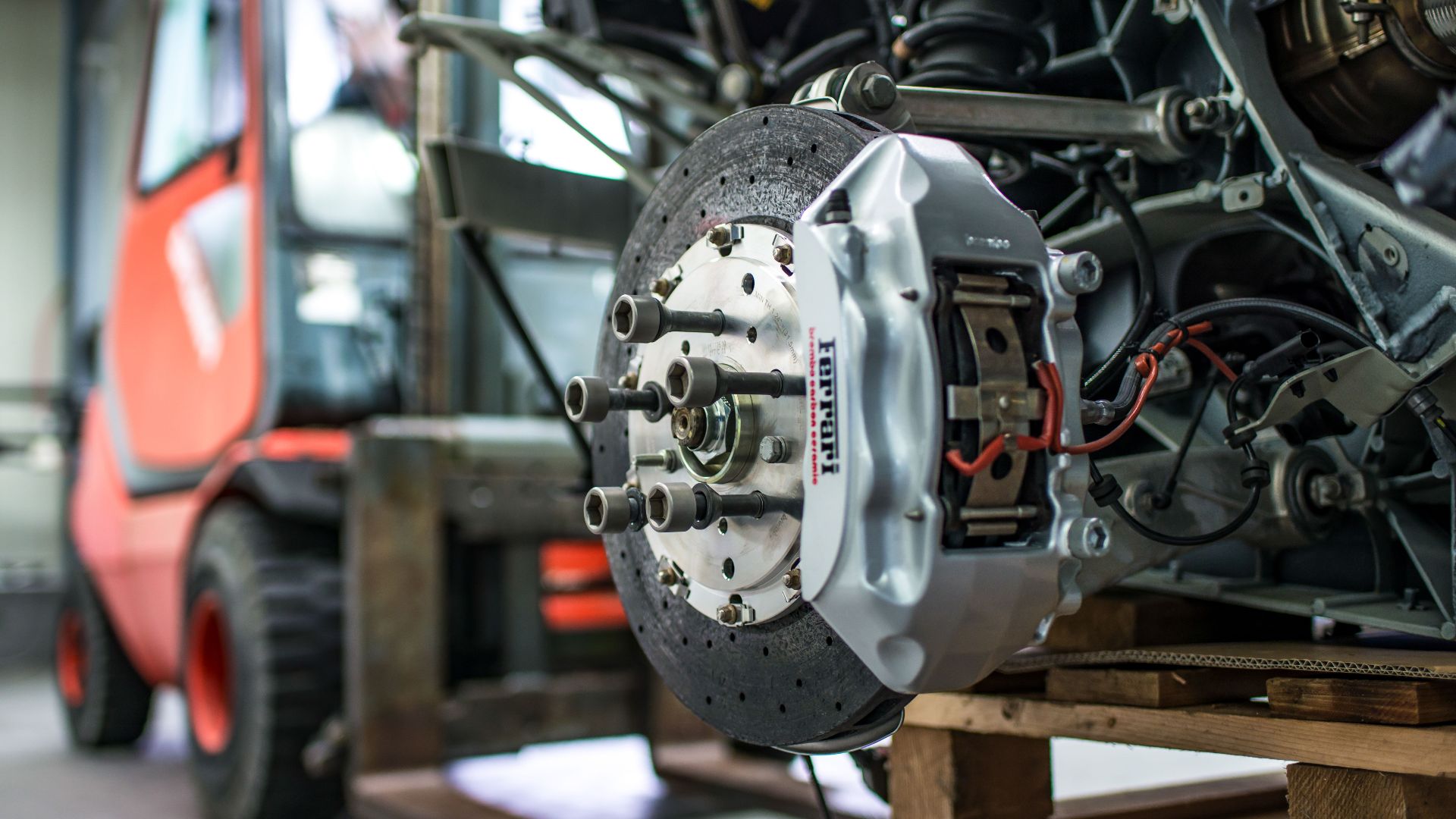
City miles usually mean a lot more stopping, and that means more brake wear. Maintenance guides from major automakers and tire retailers regularly point to stop-and-go driving as a big reason brake pads and rotors wear out faster. When you shop used, a look through the wheels and a check of the service history can show whether traffic has already done its damage.
Transmissions Like Smooth Driving
Automatic transmissions usually do better with steady driving than with constant shifting in traffic. Highway cruising often keeps shift activity and transmission temperatures more stable than city driving. That does not mean highway use causes no wear, but repeated stoplight launches are usually harder on the car than an hour at one steady speed.
Suspension Wear Is About More Than Speed
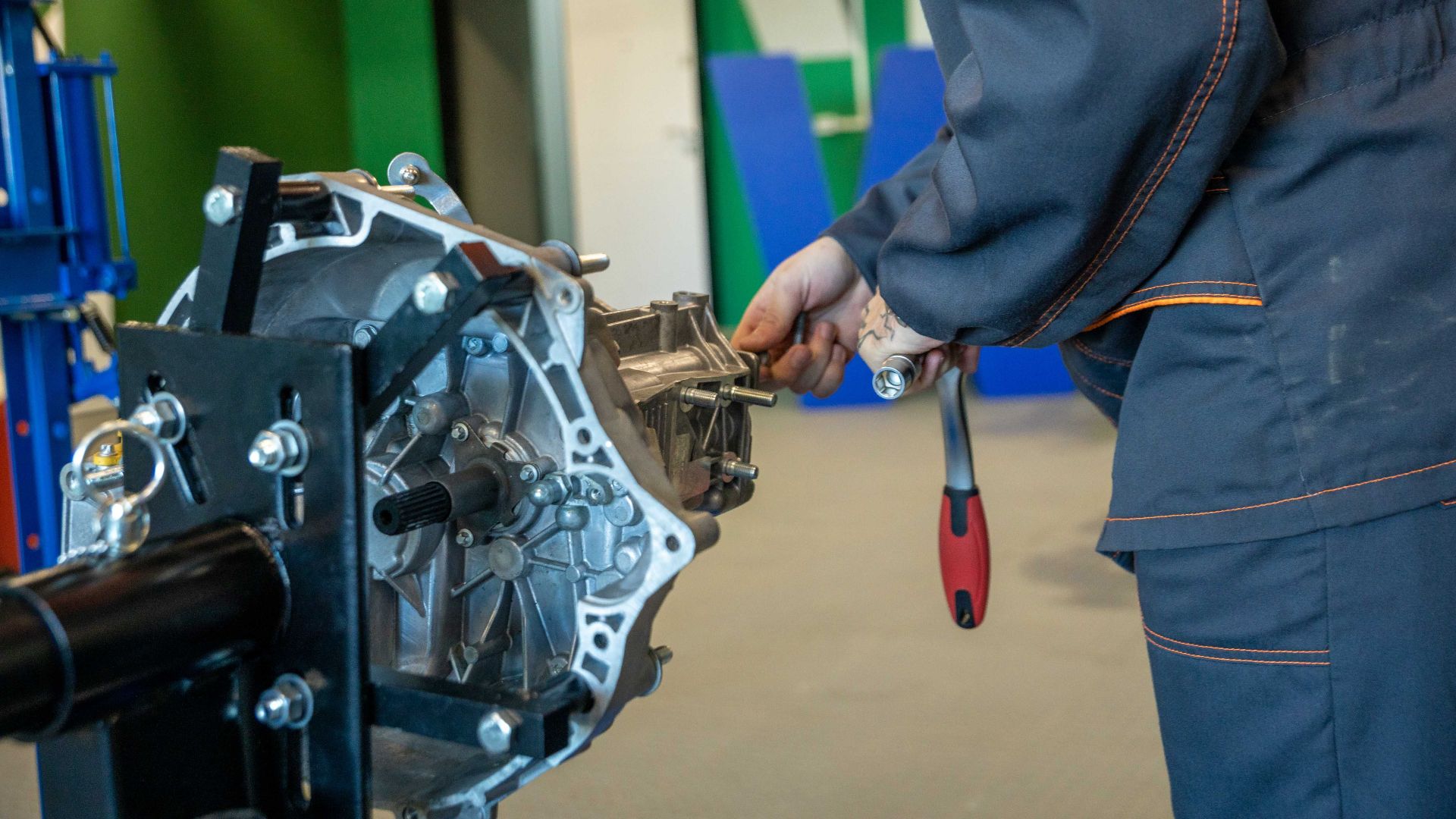
If a car spent its city life on broken streets, the suspension may have had a rough time. Potholes, speed bumps, curbs, and rough pavement can wear out shocks, struts, bushings, ball joints, and wheels faster than long interstate drives. A car with only moderate miles from rough roads can feel older underneath than the odometer suggests.
Highway Miles Are Not A Free Pass
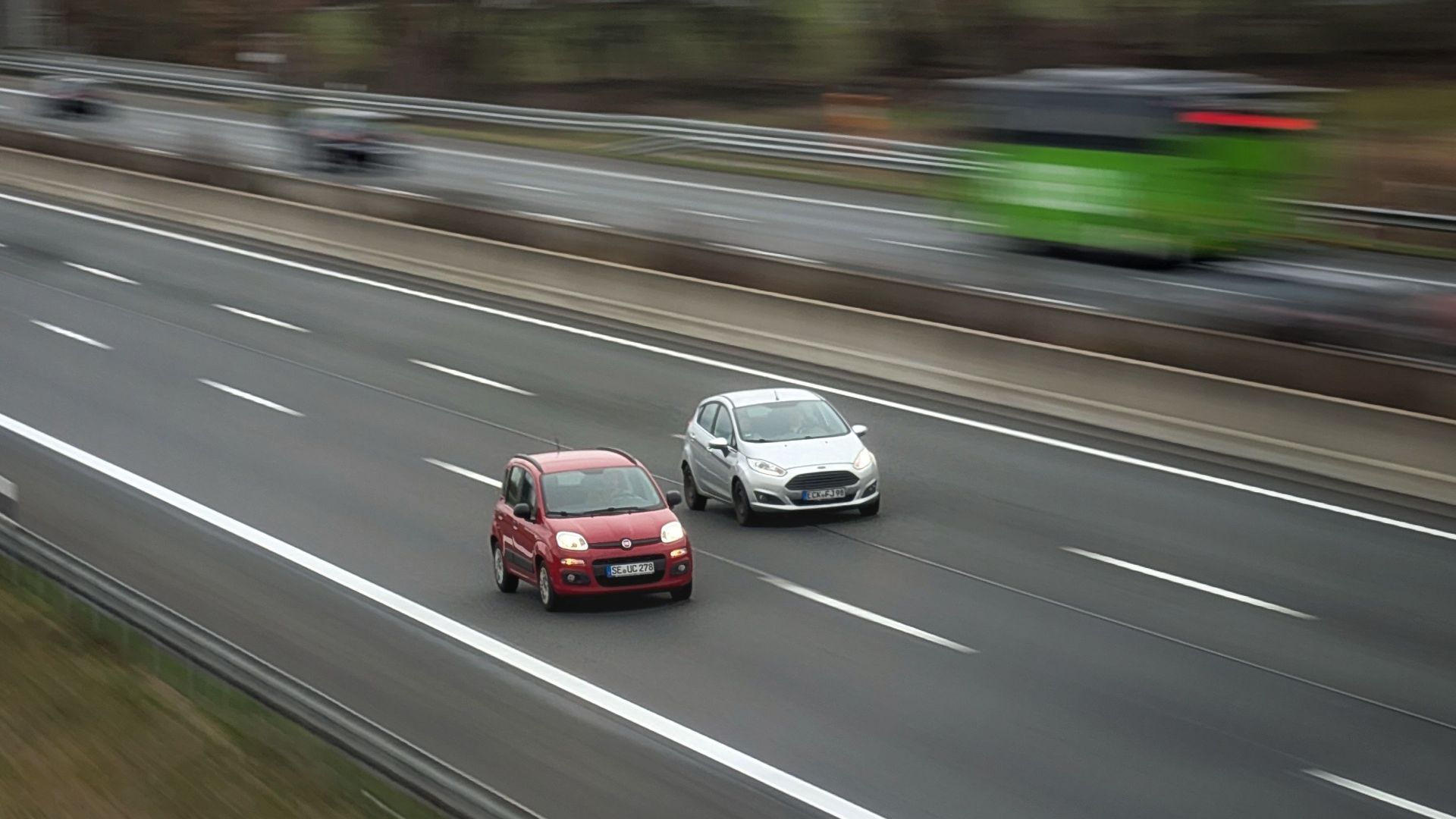
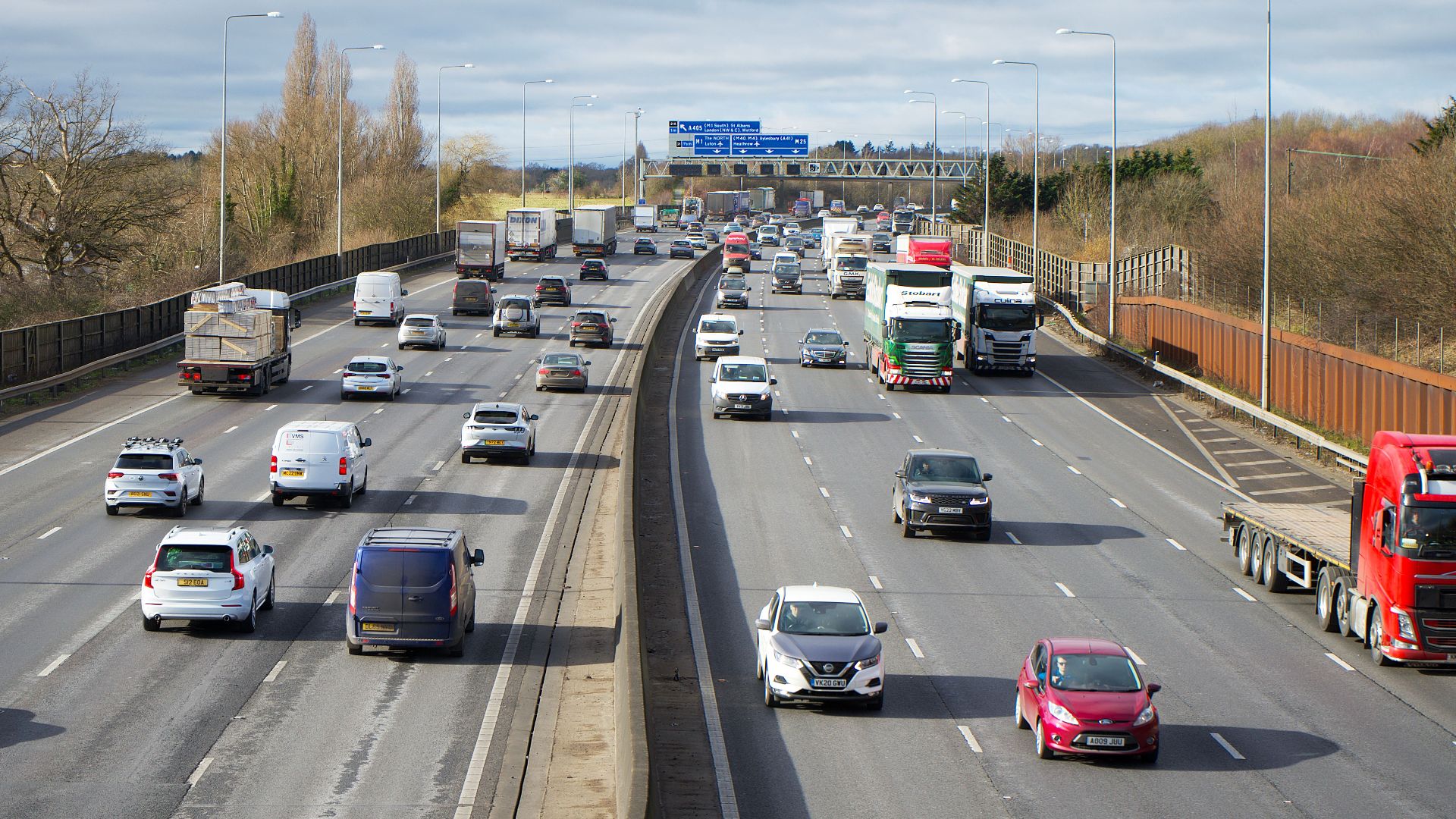
Long-distance driving still wears down tires, wheel bearings, engines, and cooling systems. A car that lived on the interstate may also have stone chips, windshield pitting, and front-end wear from years at speed. Highway use is often easier, but it still counts.

Speed Creates Its Own Stress
Higher speeds increase aerodynamic drag, which makes the engine work harder to move through the air. The EPA notes that fuel economy usually drops at speeds above about 50 mph, a sign that the vehicle is under more load. So a car that spent years cruising fast is not the same as one that spent its life at gentler speeds.
Towing Changes Things Quickly
Highway miles while towing are very different from normal commuting. Pulling a trailer can add heat and strain to the engine, transmission, brakes, and differential, especially in hilly areas. If a used truck or SUV shows signs of hitch use, ask about towing history and look for records of heavier-duty maintenance.

Maintenance History Can Beat Mileage Myths
A carefully maintained car with 140,000 miles can be a better bet than a neglected one with 80,000. Oil changes, transmission service when required, cooling-system care, brake fluid changes, and tire rotations all shape how a vehicle ages. When records are complete, they often matter more than a seller saying the miles were “all highway.”

What CARFAX Says Buyers Should Check
Vehicle history services like CARFAX tell buyers to look at title history, ownership, accident reports, service entries, and odometer consistency, not just the total mileage. That makes sense. A car’s past is a pile of clues, and miles are only one of them.

City Miles Often Mean More Inputs
Every stop, launch, lane change, parking move, and curbside scrape adds a little stress or risk. Urban driving usually means more steering, more braking, more chances for minor damage, and more wear inside the cabin from daily use. A low-speed life is not always an easy one.

Highway Cars Can Have Better Interiors
There is a practical upside to commuter and road-trip cars. Vehicles driven mostly on the highway often show less wear on seat bolsters, switches, cargo areas, and door panels than cars that were constantly being parked, entered, and exited in tight spaces. Sometimes the cabin says as much about a car’s life as the service file does.
Rust And Climate Matter Just As Much
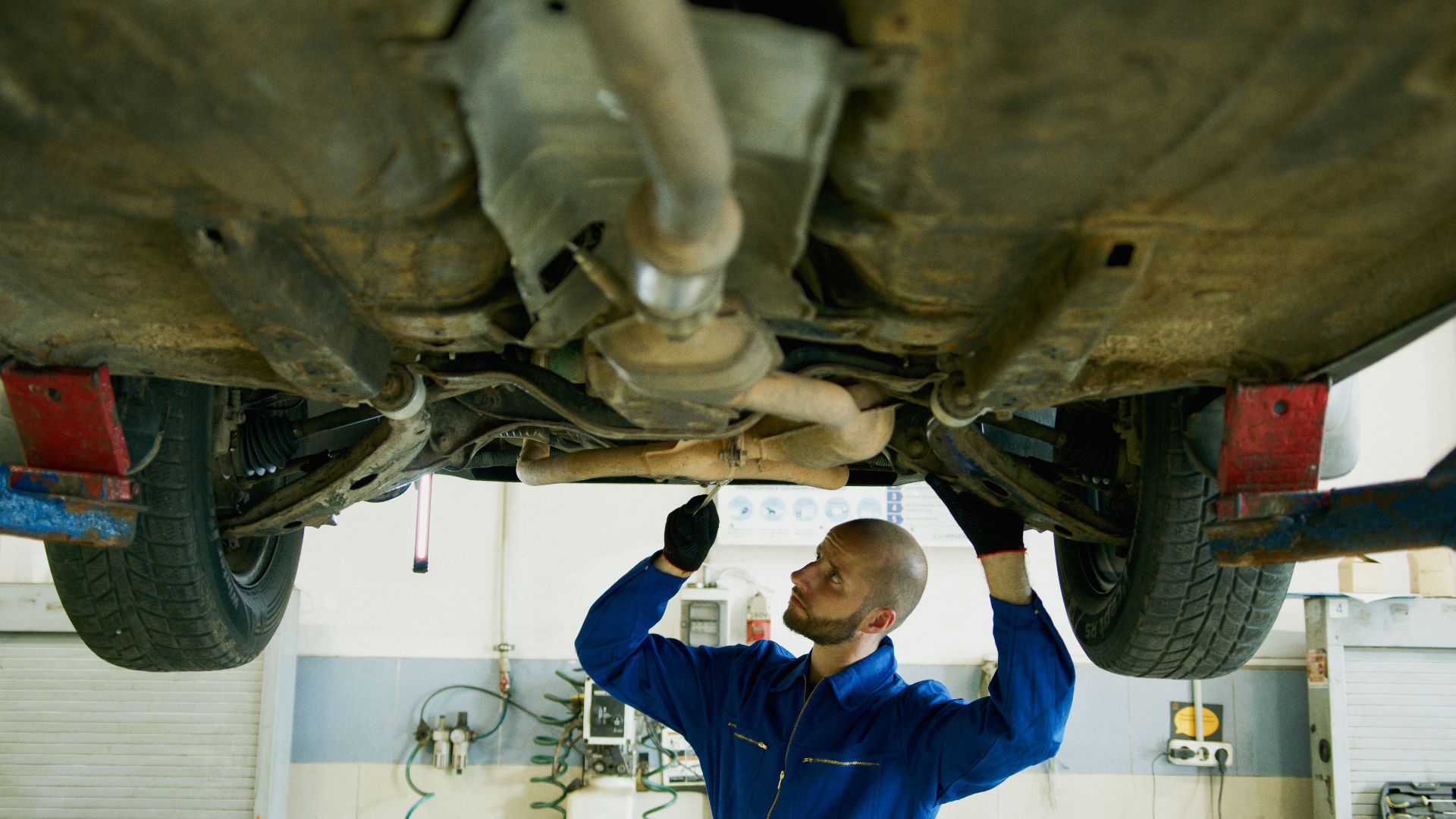
A highway car from a snowy state may have spent years getting blasted with road salt. That can be worse for long-term ownership than many city miles in a mild climate. Buyers should check the underbody, brake lines, subframes, and suspension mounting points because rust can turn a “great highway car” into an expensive problem.
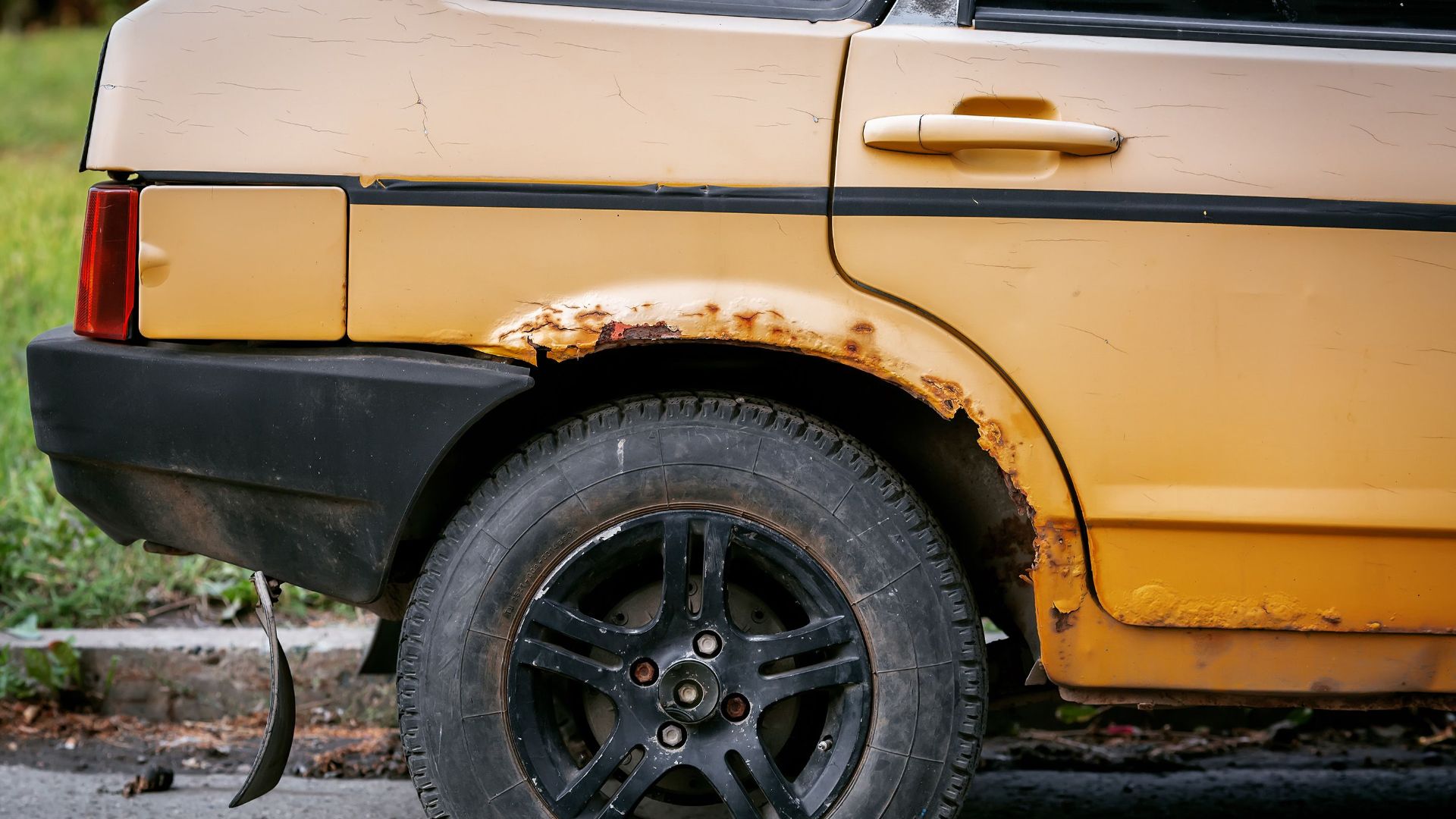
Accidents And Repairs Can Matter More Than Mileage
A well-fixed minor crash is not always a deal breaker, but structural damage should absolutely affect how you value a used vehicle. Alignment problems, uneven tire wear, mismatched paint, and body-panel gaps matter a lot more than a neat story about easy highway miles. If the car has a serious accident record, inspect it very carefully or walk away.

The Used-Car Market Has Valued Mileage For Years
Pricing guides and lenders have long treated mileage as a major factor because it is easy to measure and generally useful for predicting wear. That does not mean every mile is equal. It just means the market needs a baseline, and the odometer is still one of the clearest places to start.

Why Sellers Love The Highway-Miles Pitch
“Mostly highway miles” is popular because it sounds comforting, and sometimes it is true. It can also be hard to prove without records, commute patterns, or data from the car. Buyers should treat it as a clue, not proof that the car is somehow younger than the odometer says.

Service Records Can Back Up The Story
Look for repeated maintenance visits at mileage intervals that fit frequent long-distance use. A car that added 20,000 to 30,000 miles a year with regular oil changes at a dealership or fleet shop may really have lived an easy commuter life. If the records are thin, the highway-miles claim gets a lot less convincing.

A Pre-Purchase Inspection Beats Guessing
The best way to judge wear is to have an independent mechanic inspect the vehicle before you buy it. A technician can check for oil leaks, brake life, suspension play, transmission behavior, tire age, battery condition, and signs of delayed maintenance. That usually tells you more than the city-versus-highway debate ever will.
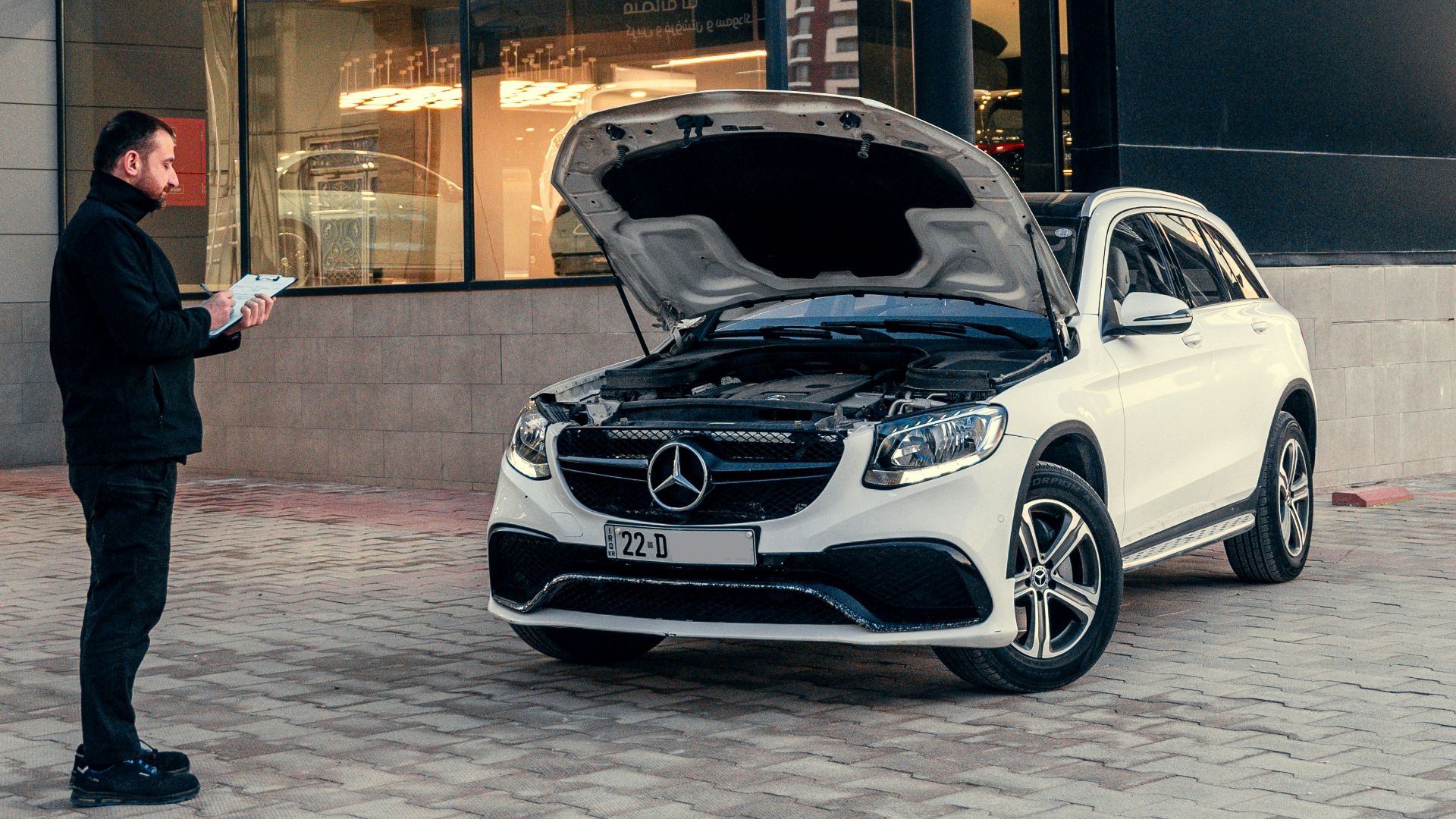
Look Closely At The Tires
Tires can reveal alignment trouble, hard driving, skipped rotations, and suspension problems. Uneven wear on the inner or outer edges may point to bent parts or poor alignment, while mismatched brands can hint at cheap or uneven maintenance. A highway car with smooth, even tire wear is usually a better sign.

Think About Engine Hours, Even If You Cannot See Them
Most buyers only see mileage, not engine hours, but the idea still matters. A car that spent years crawling through heavy traffic may have spent far more time idling and heat-soaking than its mileage suggests. That is one reason 60,000 city miles can sometimes feel older than 60,000 highway miles.

Hybrids And EVs Change The Discussion
On hybrids, regenerative braking can cut down on normal brake wear, which changes one of the usual penalties of city driving. On EVs, there is no engine oil to worry about, but tires, suspension, battery health, and charging habits still matter. Driving conditions still count, just in different ways depending on the powertrain.

So Should Buyers Care More About How Miles Were Driven
Yes, but not more than everything else put together. The smart answer is to care about both the total mileage and the type of use, while also weighing maintenance, overall condition, climate, accident history, and inspection results. Highway miles often are easier miles, but the best used-car buy is the one with the strongest proof, not the best story.

The Best Rule For Shoppers
Use mileage as a starting point, not the final answer. If two cars cost about the same, the one with good records, a clean history, and signs of gentler use is usually the better buy, even if the odometer reads a little higher. In used-car shopping, context matters most, and proof beats folklore every time.