The Big Fear Behind Used EV Shopping
Maybe you've looked at a used electric vehicle and felt a little chill when someone mentioned “battery replacement." The scary version of the story is that the battery can fail and cost more than the whole car to replace. To be fair, that concern is rooted in some real early examples, but it's definitely not the whole picture for most used EV buyers in 2026.

Why This Question Keeps Coming Up
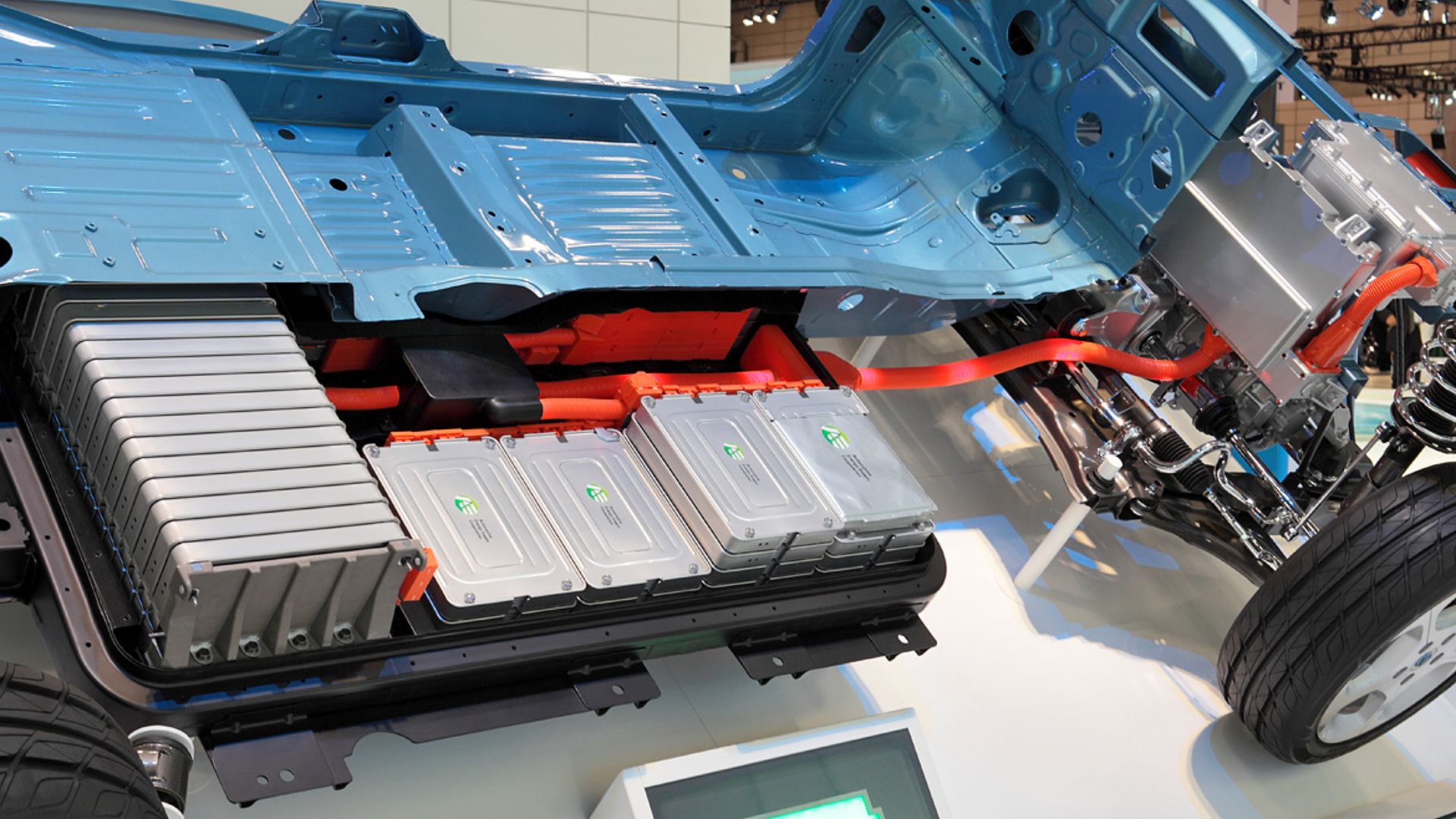
Battery packs are the single most expensive component in an EV, so they naturally get all the attention. In the early 2010s, replacement pack prices quoted for some low-volume EVs were eye-watering, and those numbers stuck in public memory. Today, the reality depends heavily on the model, the battery chemistry, the age of the car, and whether the pack needs full replacement at all.
What The Data Says About Battery Life
One of the strongest reality checks comes from a 2024 study published by Geotab. It found that EV batteries in its dataset degraded on average by about 1.8 percent per year. That points to a much more gradual decline than many shoppers fear, especially for buyers who are not expecting every used EV to deliver its original EPA range forever.
Most Batteries Do Not Suddenly Fall Off A Cliff
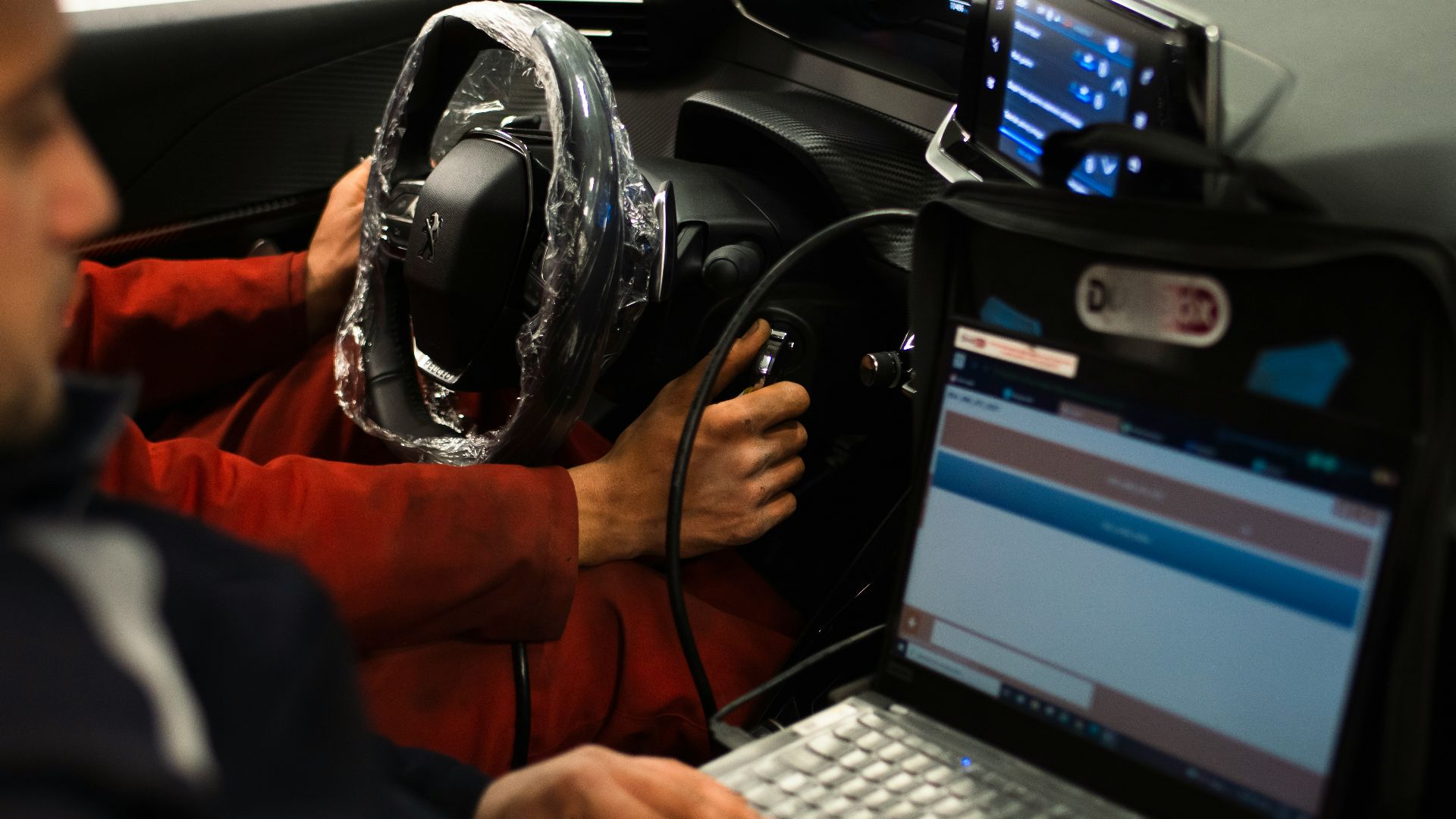
Geotab also noted that battery failures outside of recalls are relatively rare. Capacity usually fades slowly over time instead of vanishing overnight. That matters because a used EV can remain perfectly usable for years even after some measurable degradation.

The Warranty Is Your First Reality Check
In the United States, EV battery warranty coverage is a major line of defense. The Environmental Protection Agency explains that many EVs come with battery coverage for at least eight years or 100,000 miles, and some California requirements are stricter for certain vehicles. For a used EV buyer, checking whether that coverage is still active can matter more than any online horror story.

What Battery Warranties Usually Cover
Battery warranties typically cover defects and, in many cases, excessive capacity loss below a stated threshold. The exact trigger varies by automaker, so buyers should read the warranty booklet for the specific model year. That means two used EVs with similar mileage can offer very different levels of financial protection.

Yes, Replacement Can Exceed Vehicle Value
Now for the juicy part your friend is talking about. Yes, a full battery replacement can sometimes cost more than an older used EV is worth on the open market. This is especially realistic for aging, lower-value EVs whose pack pricing never fell as fast as the cars’ resale values.
The Nissan Leaf Is The Classic Example
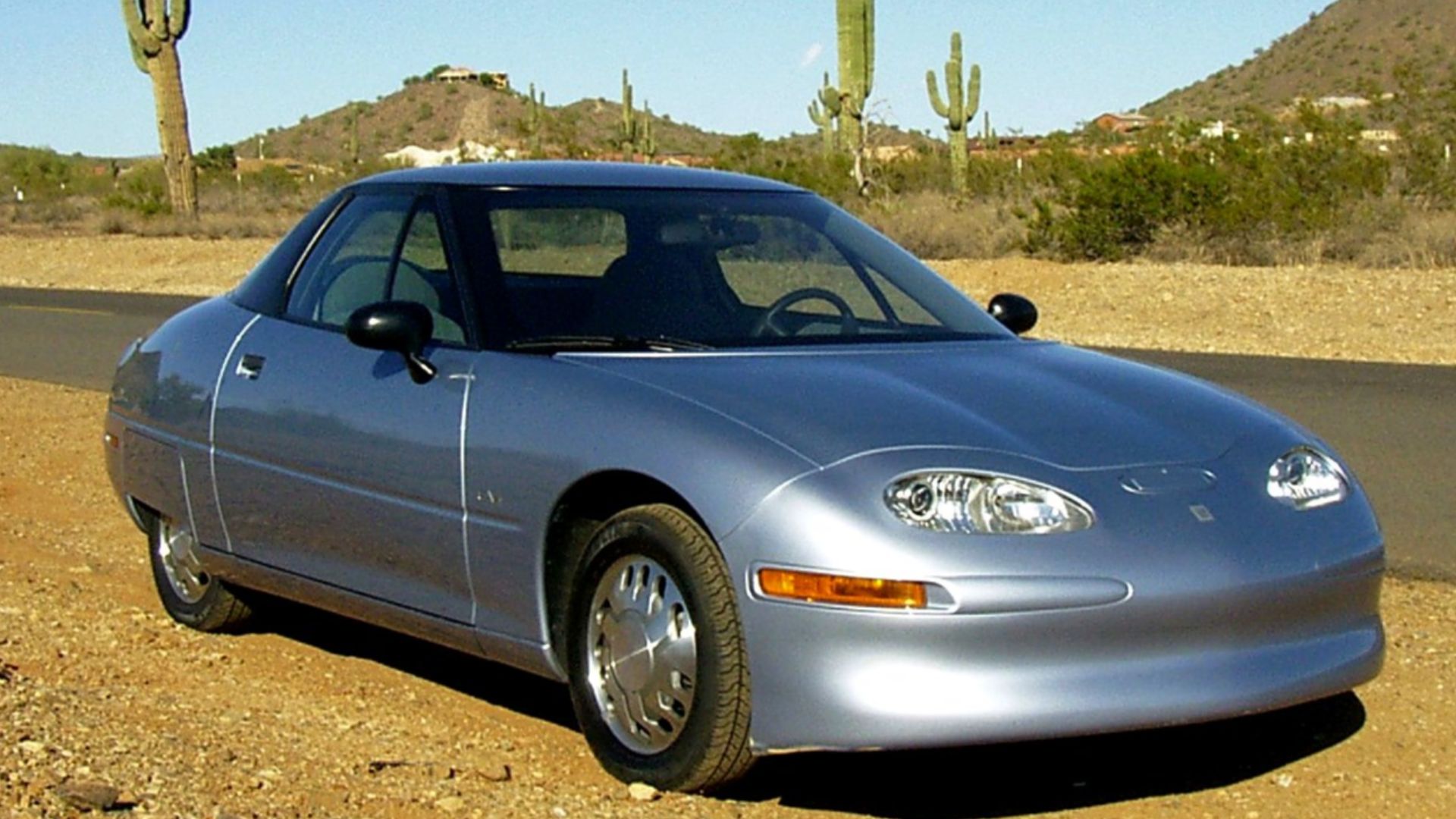
The Nissan Leaf is often the poster child in this conversation because it sold in large numbers and many early cars are now inexpensive. Older Leafs also became known for battery degradation in hot climates, especially before improved pack chemistry and thermal strategies arrived. If an early Leaf worth only a few thousand dollars needs a full pack, the math can get ugly fast.
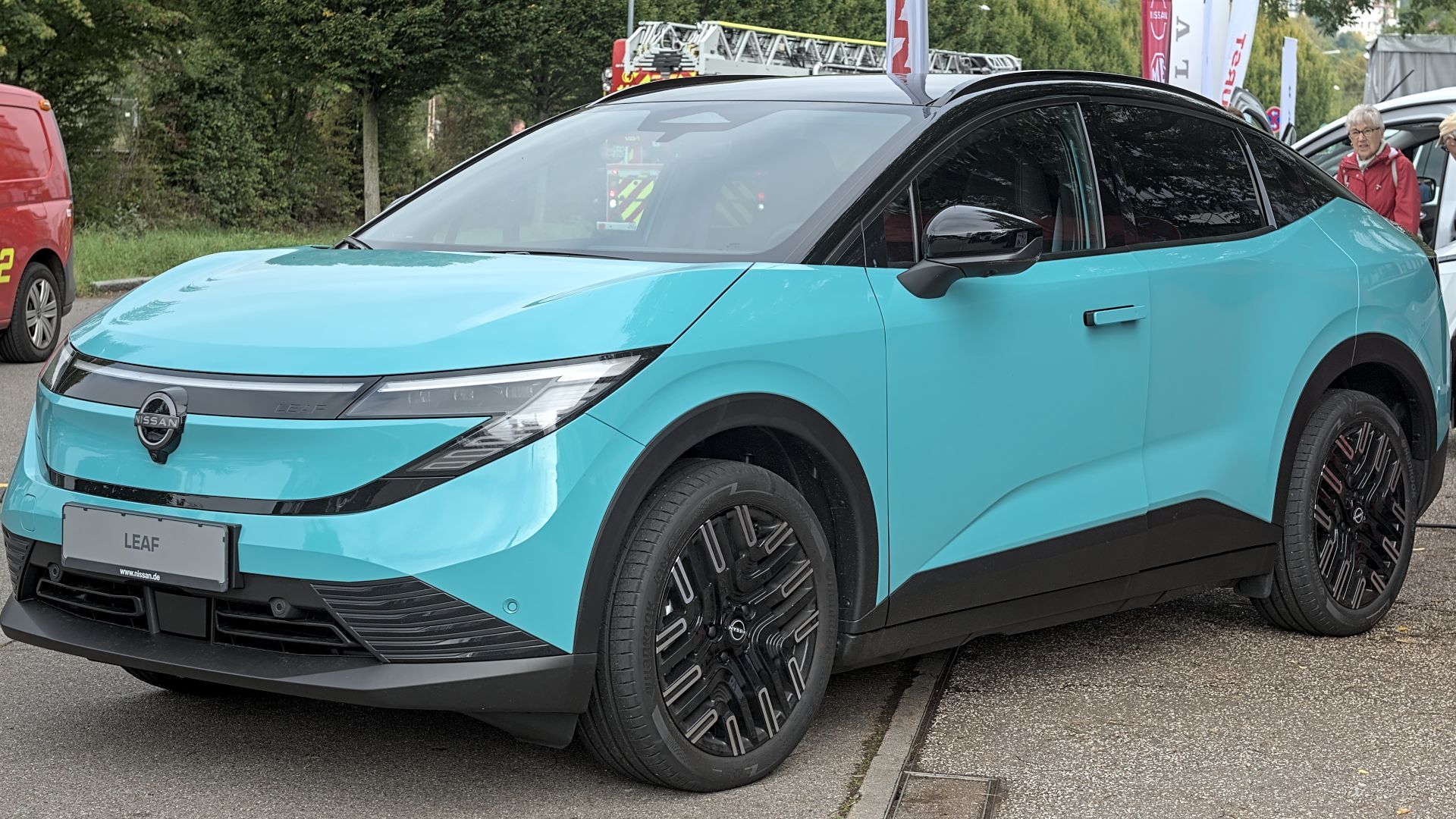 Alexander Migl, Wikimedia Commons
Why Early Leaf Owners Raised Red Flags
Battery capacity concerns around the Leaf became a widely discussed issue more than a decade ago, especially in hot states like Arizona. That early history matters because it shaped how used buyers think about EVs to this day. It also shows why climate and model-specific reputation matter much more than generic fear.

Battery Prices Have Been Falling For Years
BloombergNEF has tracked battery pack prices for years, and its annual surveys have shown a long-term downward trend. In 2023, BloombergNEF reported average pack prices of $139 per kilowatt-hour. That figure is an industry average, not a retail installed replacement price for your specific car, but it helps explain why the replacement picture is changing.

Why Average Battery Prices Do Not Tell The Whole Story
A factory replacement battery sold through a dealer is not the same thing as a mass-market pack cost estimate. Retail replacement includes labor, diagnostic work, shipping, markup, and often low-volume parts pricing. So even while battery production costs have fallen, the bill facing an owner can still be shockingly high.

Tesla Helps Show The Other Side Of The Story
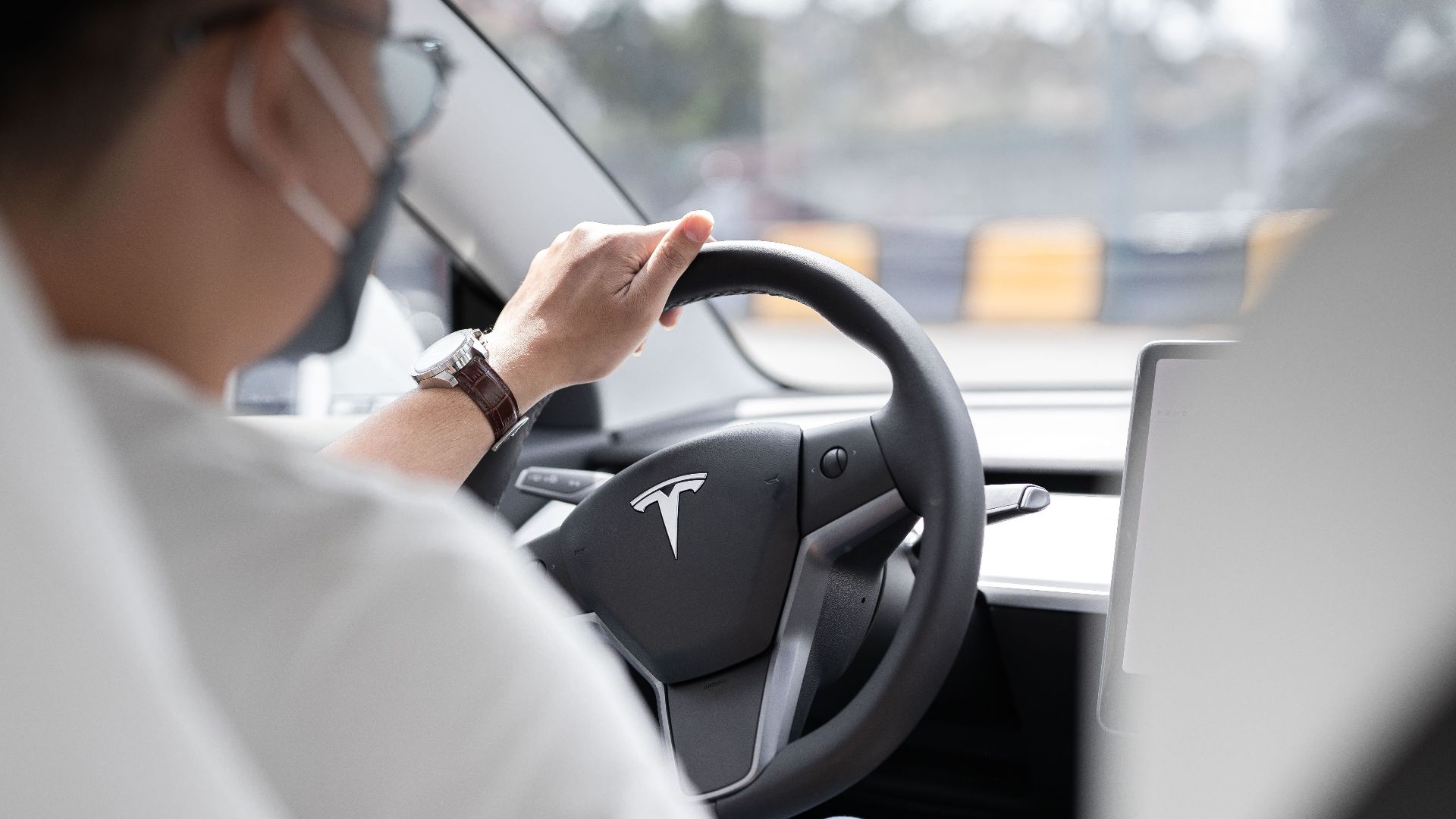
Tesla’s impact on EV battery durability has been watched closely because the company has put so many EVs on the road. Tesla’s own owner support materials note that battery capacity loss is expected over time, not considered a sudden defect by itself, and that warranties vary by model. That framework reinforces a key point for buyers: some degradation is normal, but catastrophic failure is not the default outcome.
Real-World Tesla Data Suggests Gradual Loss
In its 2023 Impact Report, Tesla said its batteries retain a large majority of their capacity even after high mileage, though results vary by model and usage. Company-reported data should always be read carefully, but it aligns broadly with independent findings that most EV packs age gradually. For a used buyer, that is far more relevant than sensational stories about one failed pack.
GM Offers Another Useful Case Study
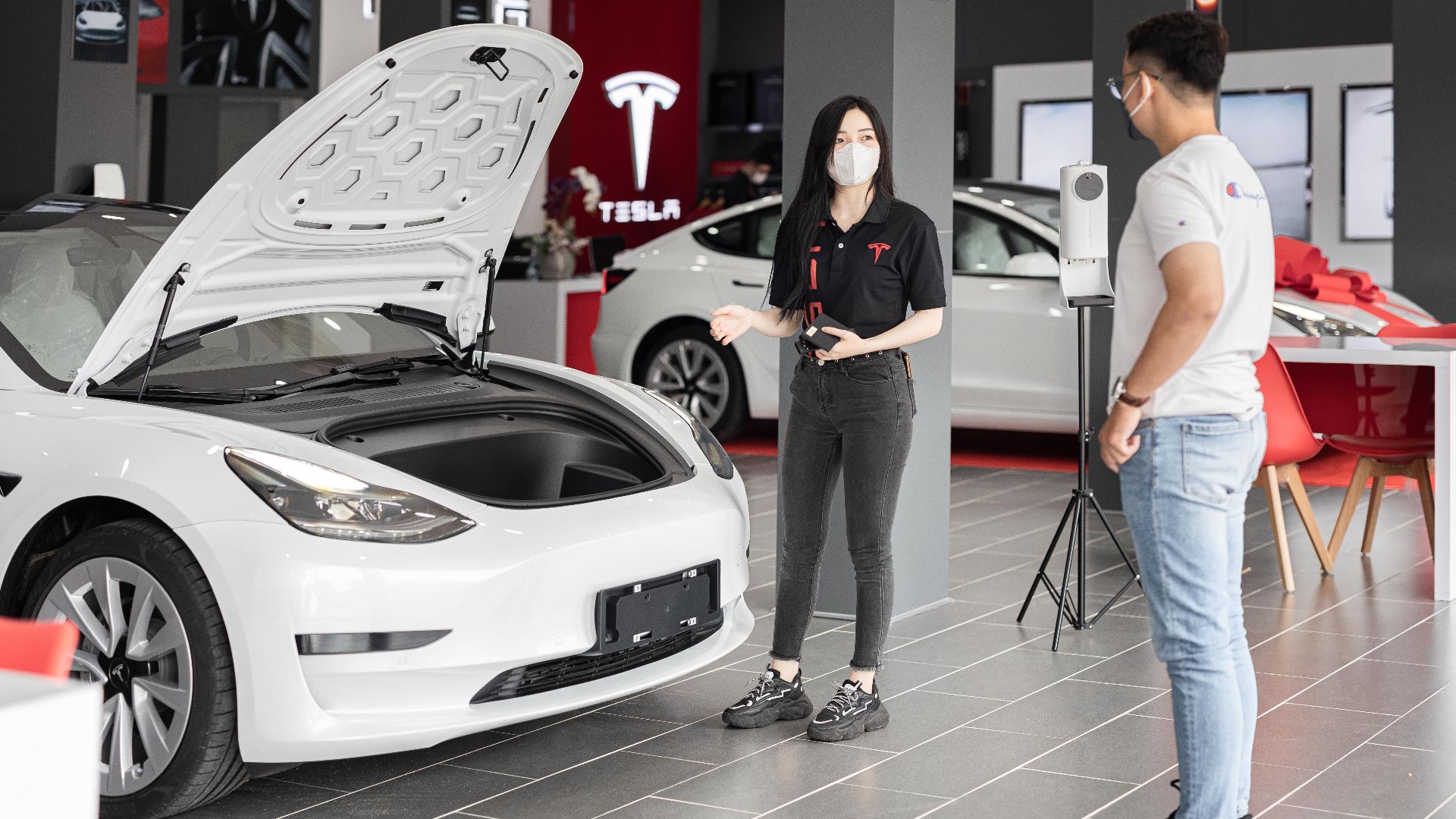
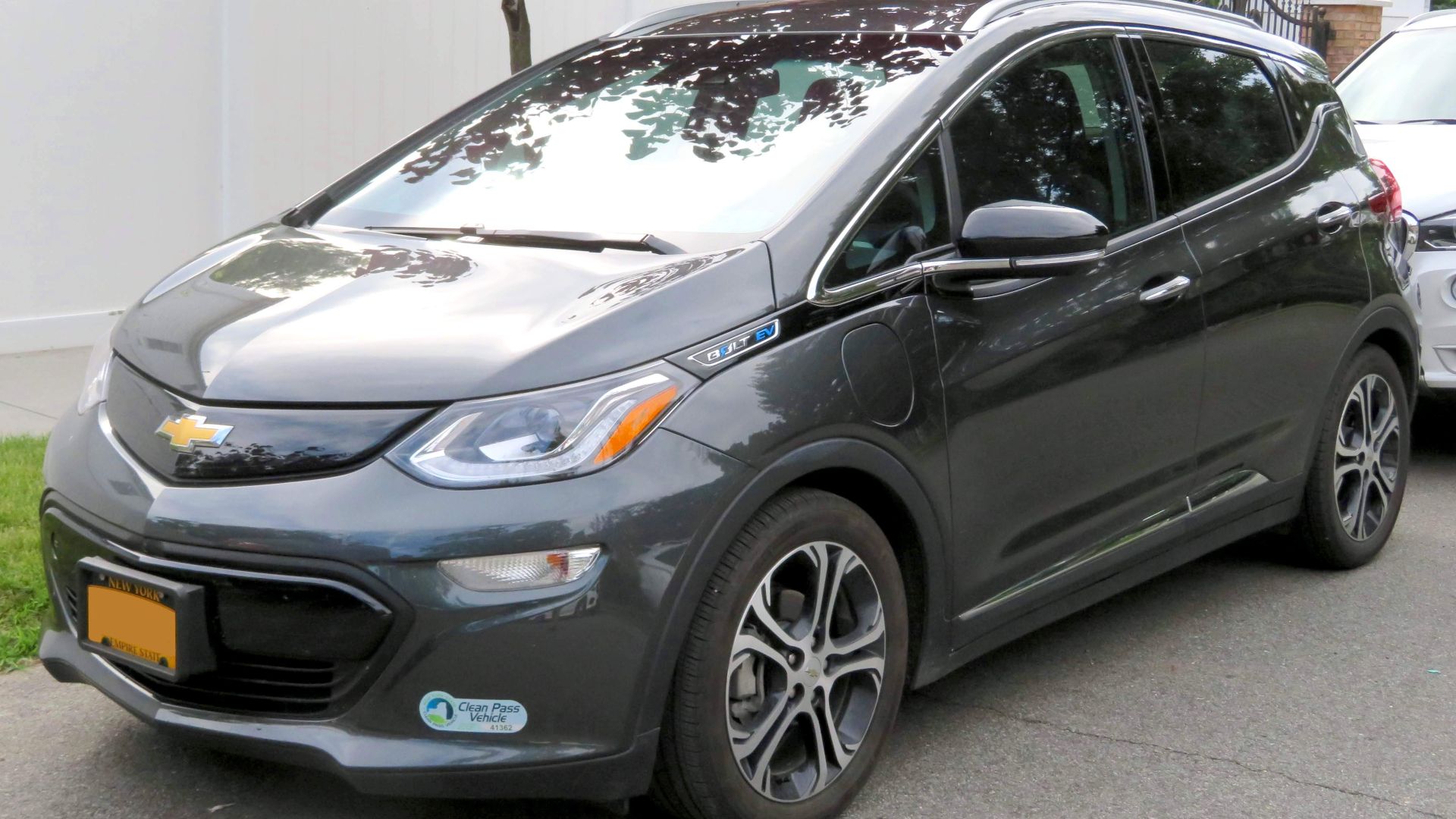
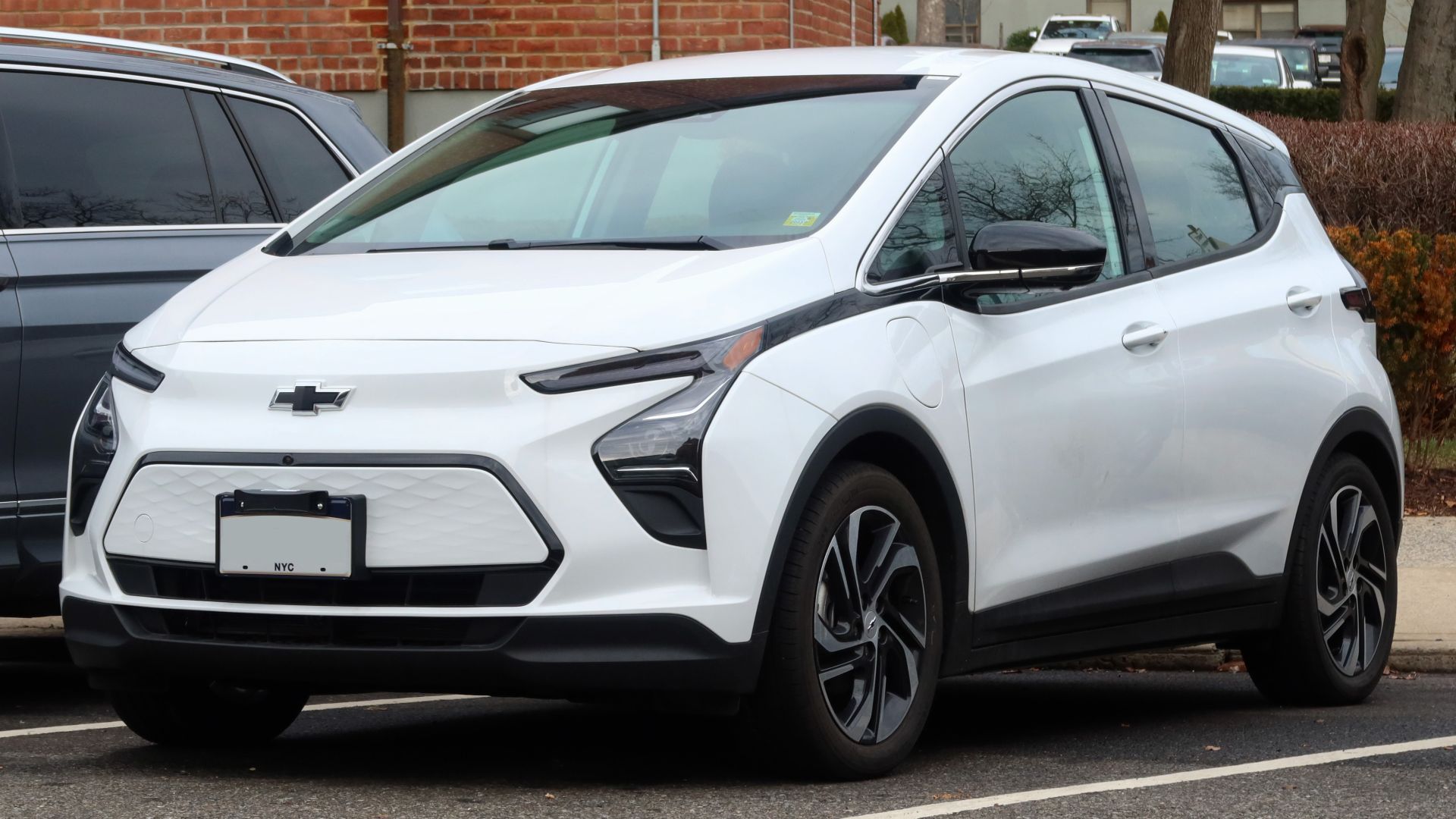
General Motors has tied some of its EV messaging to battery durability and long-term confidence, particularly with newer Ultium-based models. GM also made major headlines for the Chevrolet Bolt battery recall, which is important here for a surprising reason. It showed that in some cases, automakers end up replacing packs at scale under recall or warranty, not leaving owners to eat the full cost.
The Bolt Recall Changed The Conversation
In 2021, GM expanded the Chevrolet Bolt EV and EUV recall over battery fire risks tied to cells from a supplier plant. That was a serious and expensive event, but it also demonstrated the distinction between defect-related replacements and ordinary age-related degradation. Used buyers should understand that recalls can dramatically change ownership risk for certain models.
Battery Replacement Is Not Always The Only Fix
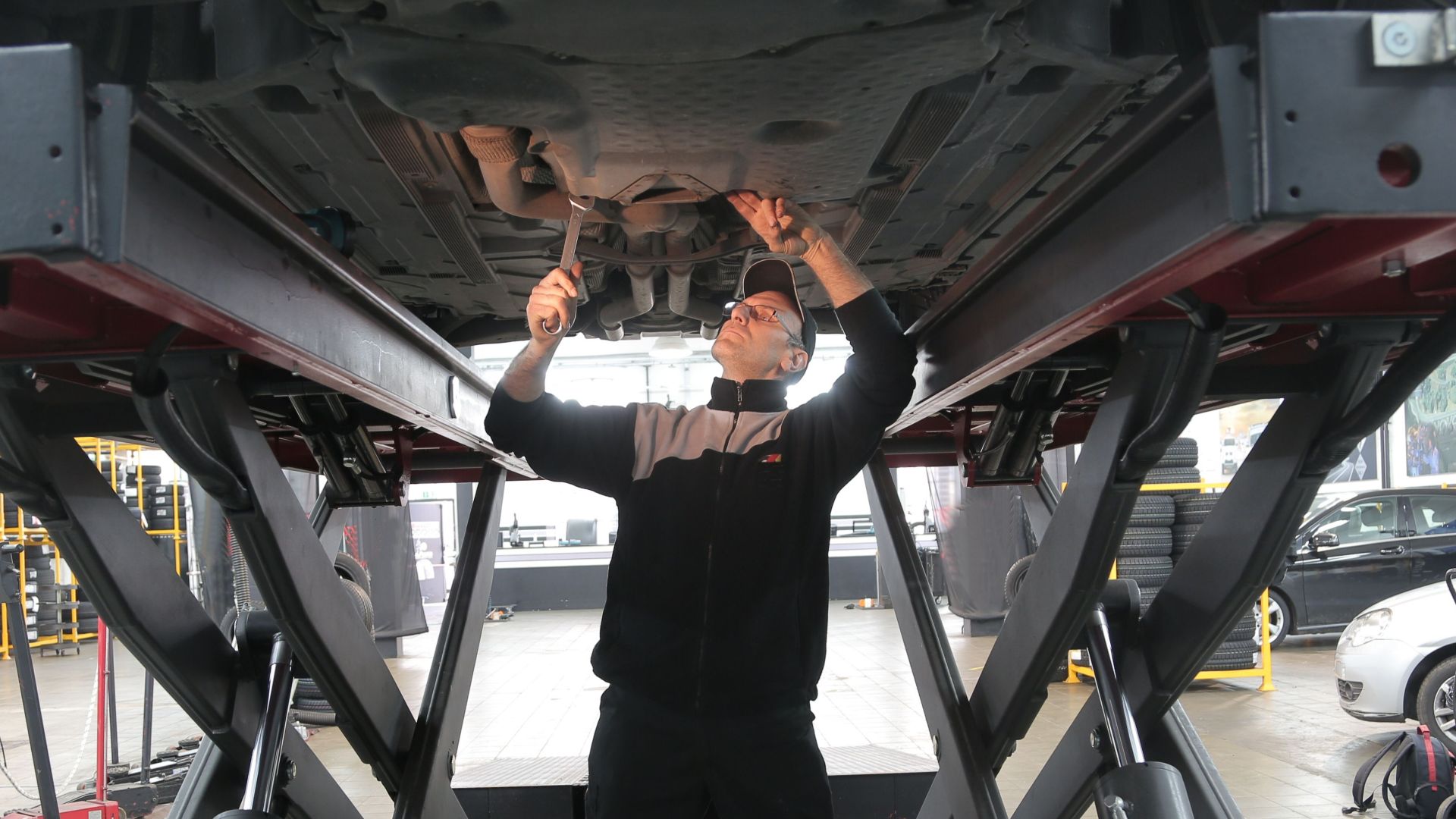
One reason the “it will cost more than the car” line can mislead people is that full pack replacement is not always necessary. Some EV batteries can be repaired at the module or component level by qualified specialists. This area is still developing, but it is already helping reduce costs in cases that would once have led straight to full replacement.
The Repair Market Is Slowly Maturing
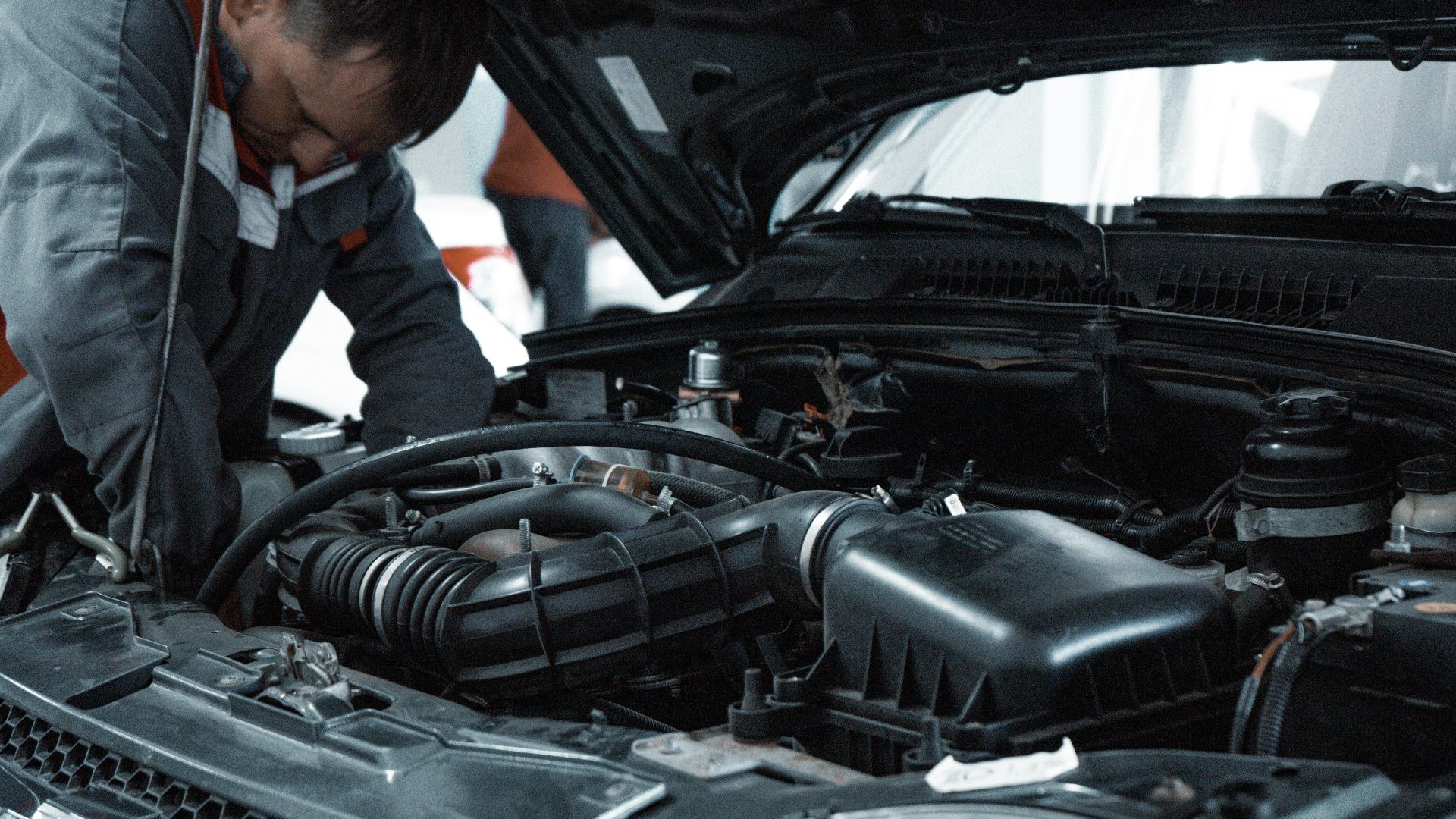
As more EVs age out of warranty, independent repair shops and specialized battery companies are gaining experience. That does not mean every pack is easily repairable, and it does not mean every local shop is ready for high-voltage work. It does mean buyers should not assume the dealership’s full-pack quote is the only possible answer.

Insurance And Salvage Value Also Matter
A battery problem can affect more than just repair cost. It can also shape whether an insurer totals the car and what the vehicle is worth in salvage. For a very cheap older EV, a very expensive battery-related repair can absolutely push the car into total-loss territory.

This Risk Is Highest On Cheap Older EVs
The replacement-cost-versus-car-value problem is most realistic at the bottom end of the used market. An EV worth $4,000 to $8,000 can be financially wiped out by a five-figure battery replacement estimate. That does not mean the battery is likely to fail tomorrow, but it does mean the downside risk is real.
 RightBrainPhotography (Rick Rowen), Wikimedia Commons
It Is Less Scary On Newer Used EVs
On a newer used EV with significant warranty remaining, the equation looks much better. The car is worth more, the battery is usually younger, and chemistry and thermal management are often improved compared with early designs. For those vehicles, battery replacement fear can be exaggerated compared with more ordinary used-car concerns.

Heat Is One Of The Biggest Clues
Battery health is strongly influenced by temperature exposure, especially repeated high heat. Geotab’s analysis and years of owner experience both point to climate as a meaningful factor in degradation. A used EV from a very hot region deserves extra scrutiny, especially if it is an older model with a weaker reputation for heat management.

Fast Charging History Can Matter Too
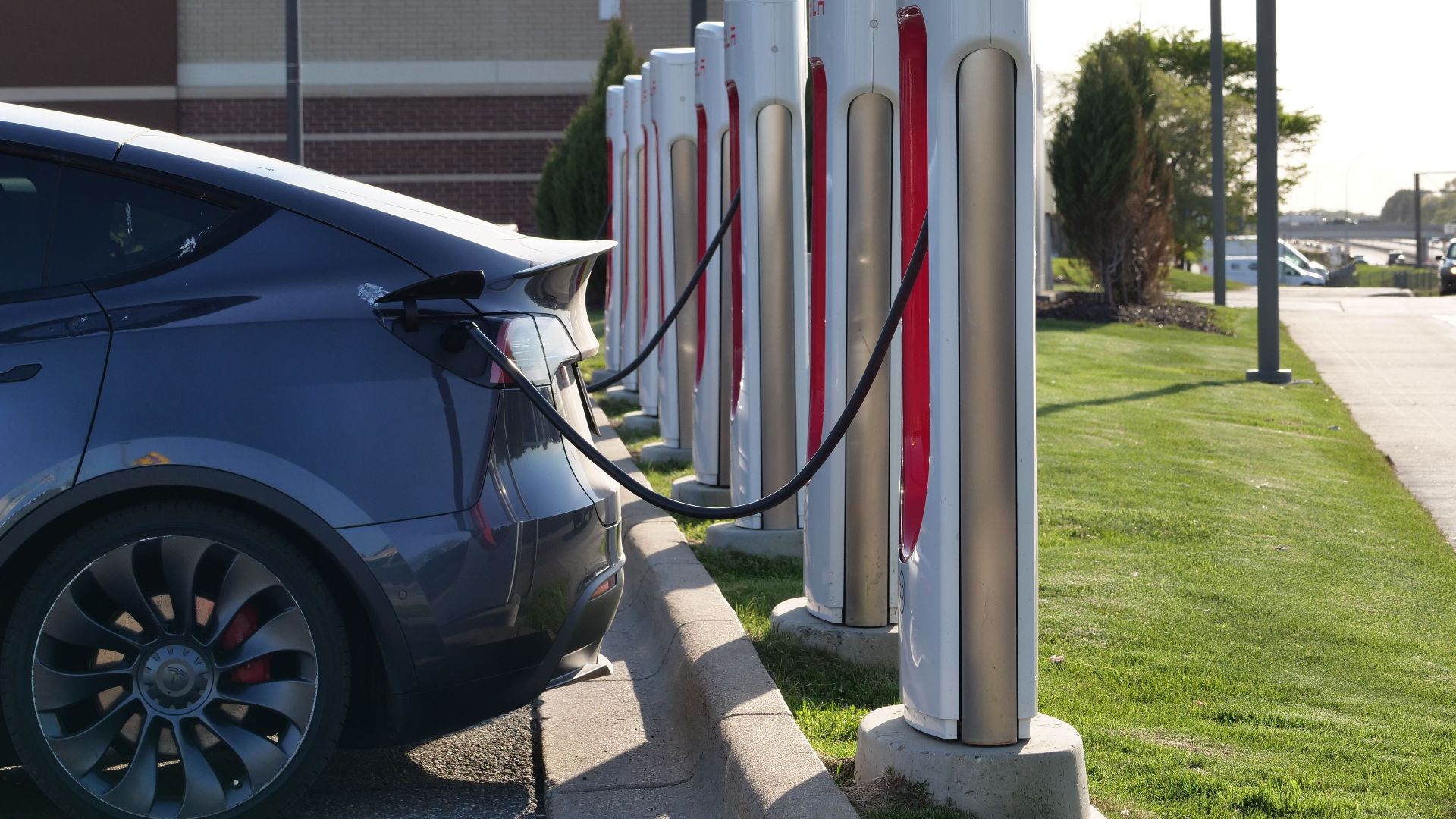
Repeated DC fast charging is not automatically harmful in normal use, but charging behavior can influence long-term battery aging. What matters is the full pattern of use, including state of charge, time spent at very high charge levels, and exposure to heat. Buyers will rarely get a perfect history, but understanding the car’s life helps frame the risk.
A Battery Health Report Is Worth Its Weight In Gold
For many used EVs, the smartest move is to ask for a battery health report before purchase. Some automakers, dealers, and third-party tools can provide state-of-health data or capacity readings. That is one of the best ways to replace rumors with something measurable.
Range Loss Does Not Equal Failure
A battery that has lost some capacity is not necessarily a bad battery. If a used EV started with 250 miles of range and now delivers 220, many commuters will never care. The key question is whether the remaining range still fits your real life, not whether it matches the original window sticker.

Shopping By Chemistry And Reputation Helps
Not all battery packs age the same way. Different chemistries, cooling systems, and software management strategies produce different outcomes over time. That is why smart used EV shopping is often about researching the exact model and year, not forming a blanket opinion about all EVs.

Ask These Questions Before You Buy
Start with battery warranty status, then ask for current range, battery health data, recall history, and service records. Check whether the model has known degradation issues or major recall campaigns. If the seller cannot answer basic battery questions, that uncertainty should affect the price you are willing to pay.

So Is Your Friend Right
Your friend is right in one narrow but important sense. A full battery replacement really can cost more than an older used EV is worth, and that is a realistic concern for certain bargain-priced models. But for most used EV buyers, the bigger picture is that total battery failure is not the norm, degradation is usually gradual, and warranty coverage or battery health data can dramatically reduce the gamble.
The Practical Bottom Line For Used EV Buyers
Treat the battery like you would treat an engine and transmission combined in a gasoline car. Verify the warranty, verify the health, and verify the model’s history before you fall in love with the price tag. If you do that homework, used EV buying looks a lot less like a leap into the unknown and a lot more like normal smart car shopping.