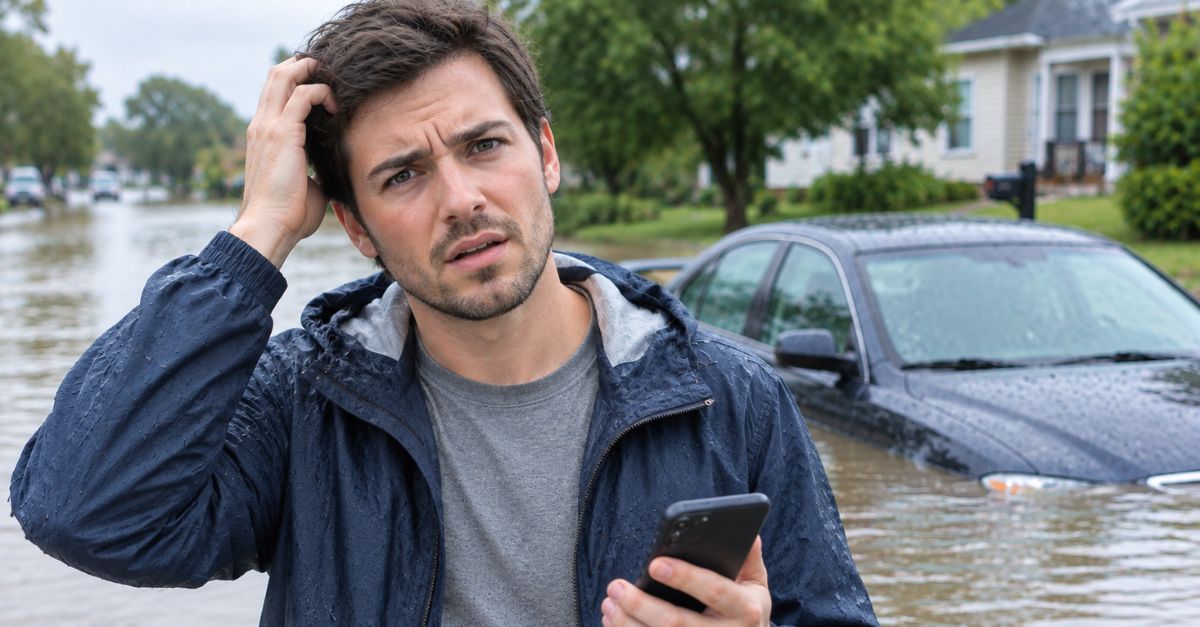
The Bad Surprise After the Storm
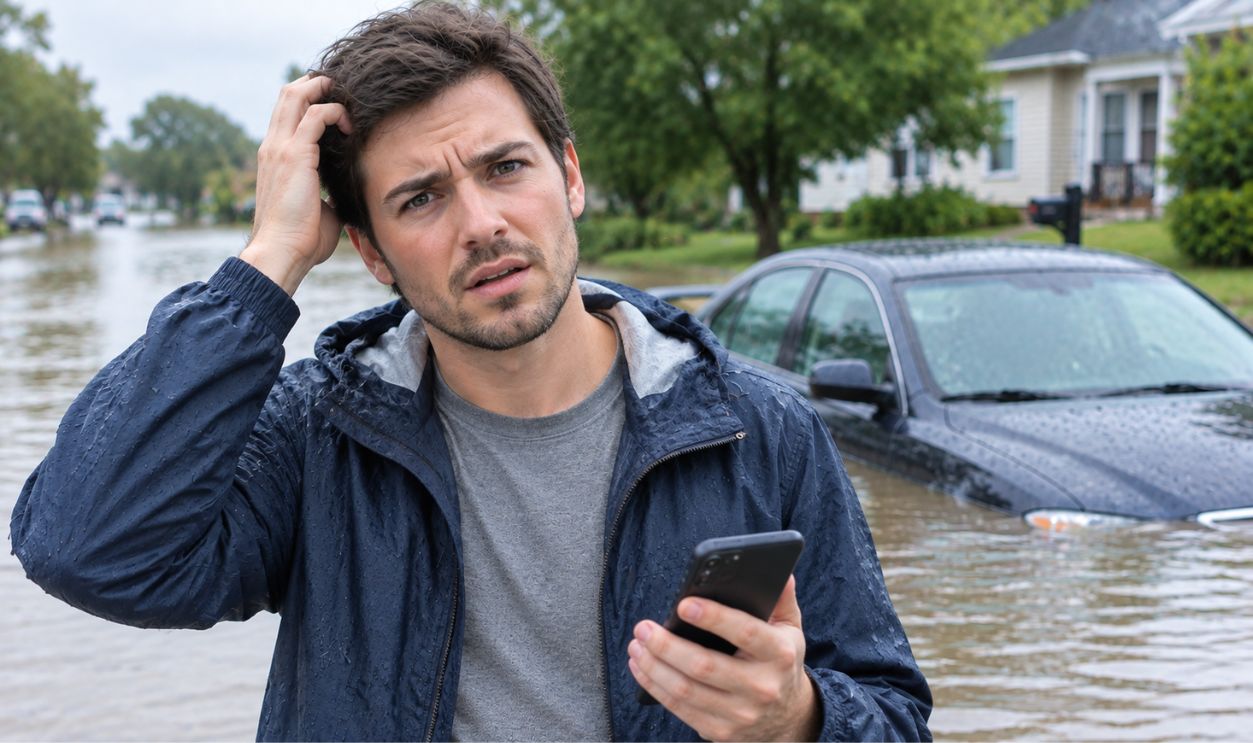
If your insurer denied a flood claim on a parked car because you turned down comprehensive coverage, that is usually how auto insurance works in the United States. A lot of drivers assume “basic” insurance covers their own car in almost any situation, but that is often not the case. In most situations, flood damage to your vehicle falls under comprehensive, not liability-only coverage.
What “Basic Insurance” Usually Means
There is no single nationwide definition of “basic insurance,” and that is where a lot of the confusion begins. Most drivers use the term to mean the minimum coverage their state requires to drive legally. That minimum usually protects other people from damage you cause, not your own parked car.

Why Your Parked Car May Not Be Covered
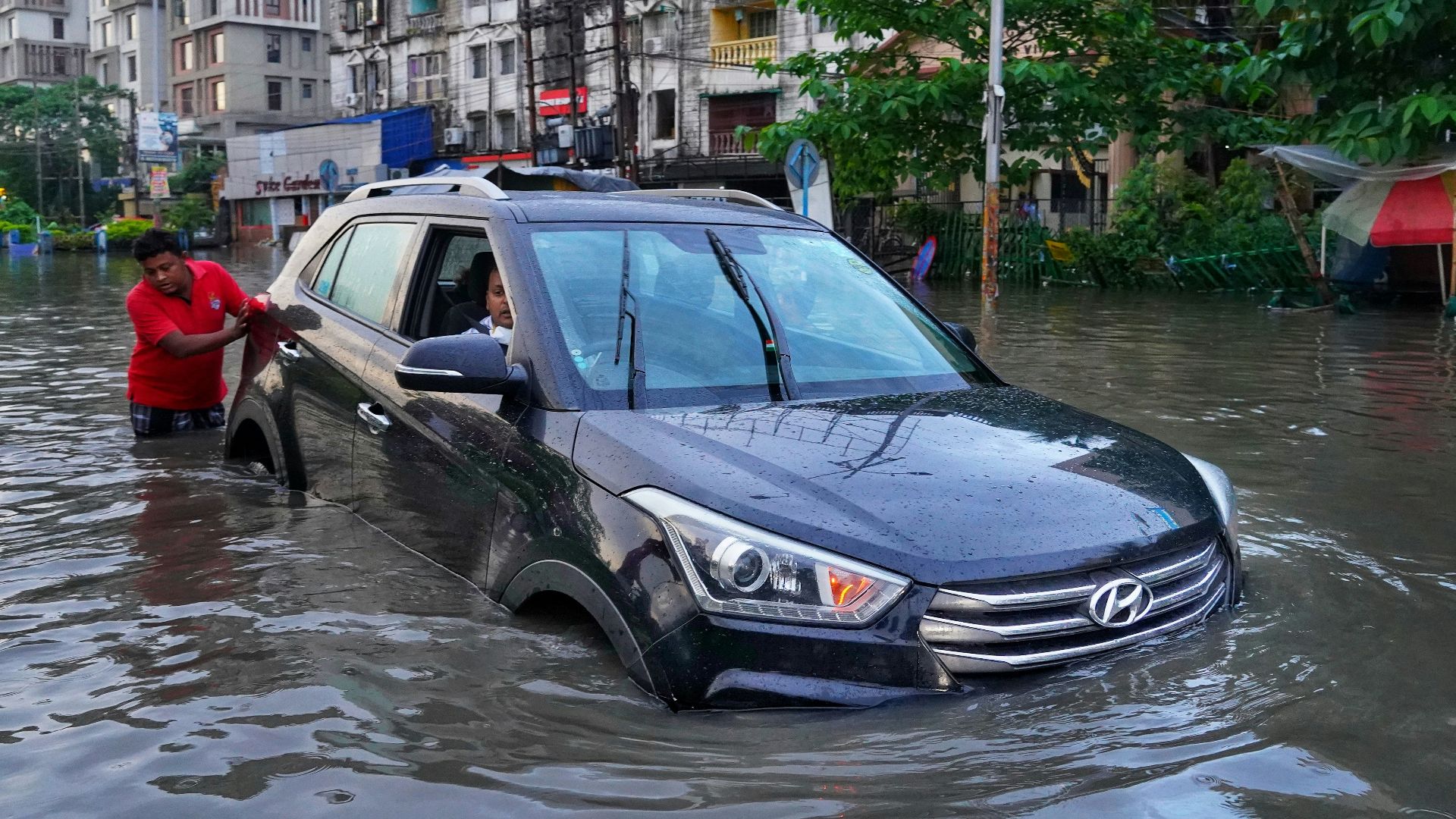
Flood damage is generally treated as a weather-related loss, sometimes called an act of nature, under auto insurance. Insurers and consumer guides usually place that kind of damage under comprehensive coverage. So if you declined comprehensive, your policy may not pay to repair or replace your car after a flood, even if it was parked and you did nothing wrong.
Liability Coverage Protects Other People First
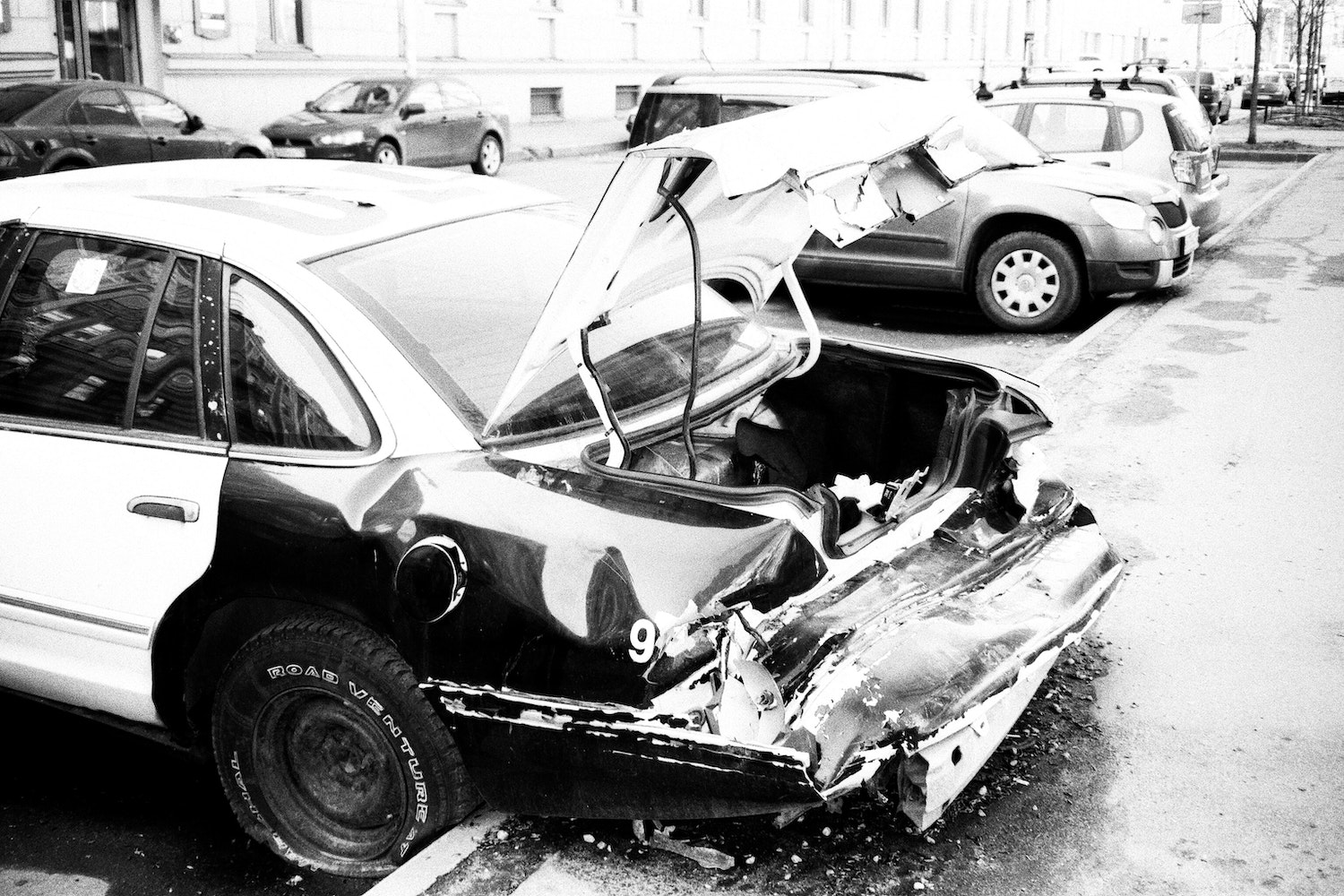
Liability insurance is the core of most state minimum auto coverage rules. It usually pays for injuries or property damage you cause to someone else in a covered crash. It usually does not pay to fix your own car after floodwater, hail, theft, fire, or vandalism.
Bodily Injury Liability in Plain English
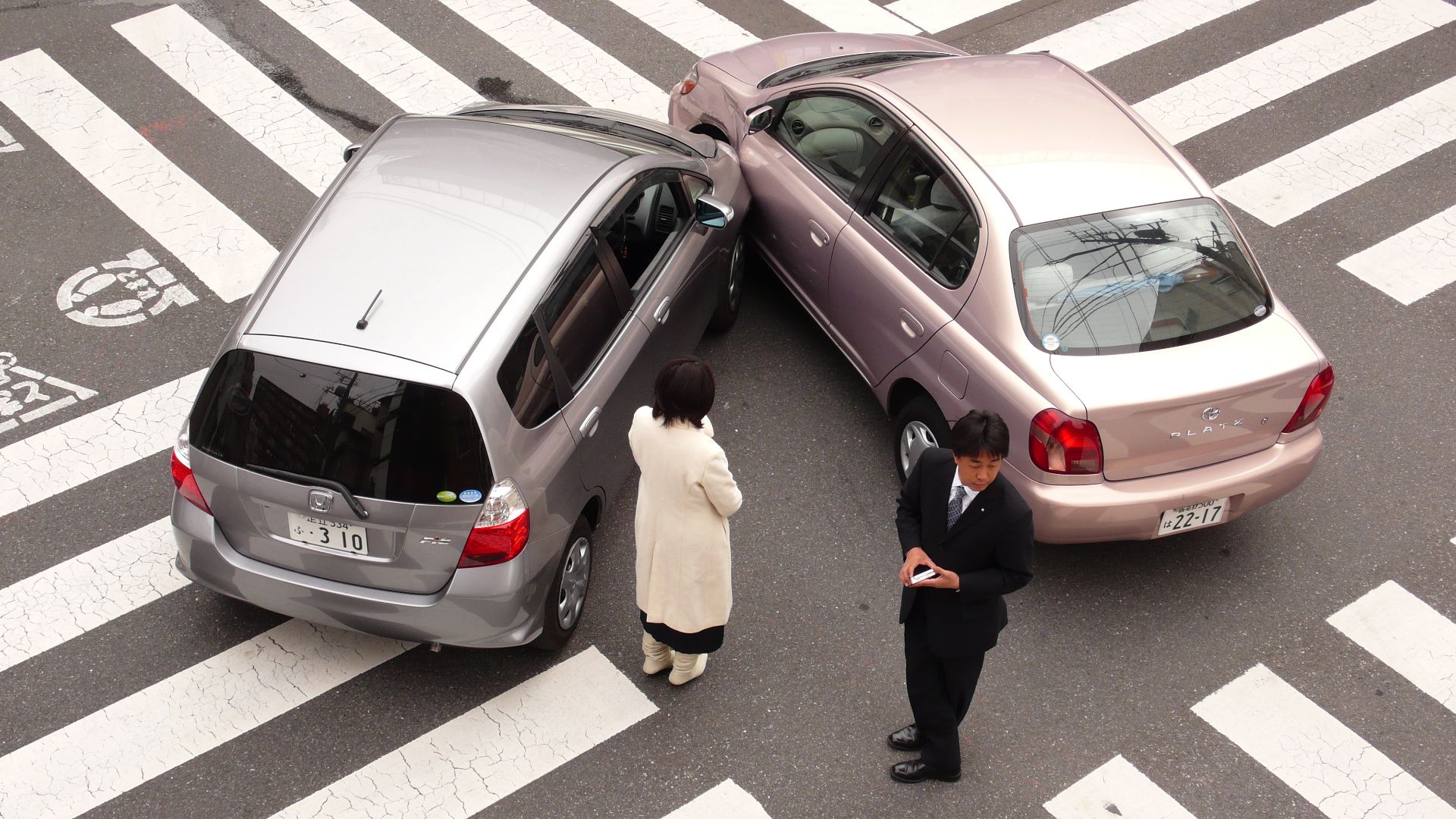
Bodily injury liability helps pay if you hurt another person in a crash and are legally responsible. Depending on the claim, that can include medical bills, lost wages, and legal defense costs up to your policy limits. It is important coverage, but it is not meant to repair your own car.
 Shuets Udono, Wikimedia Commons
Property Damage Liability Has a Narrow Job
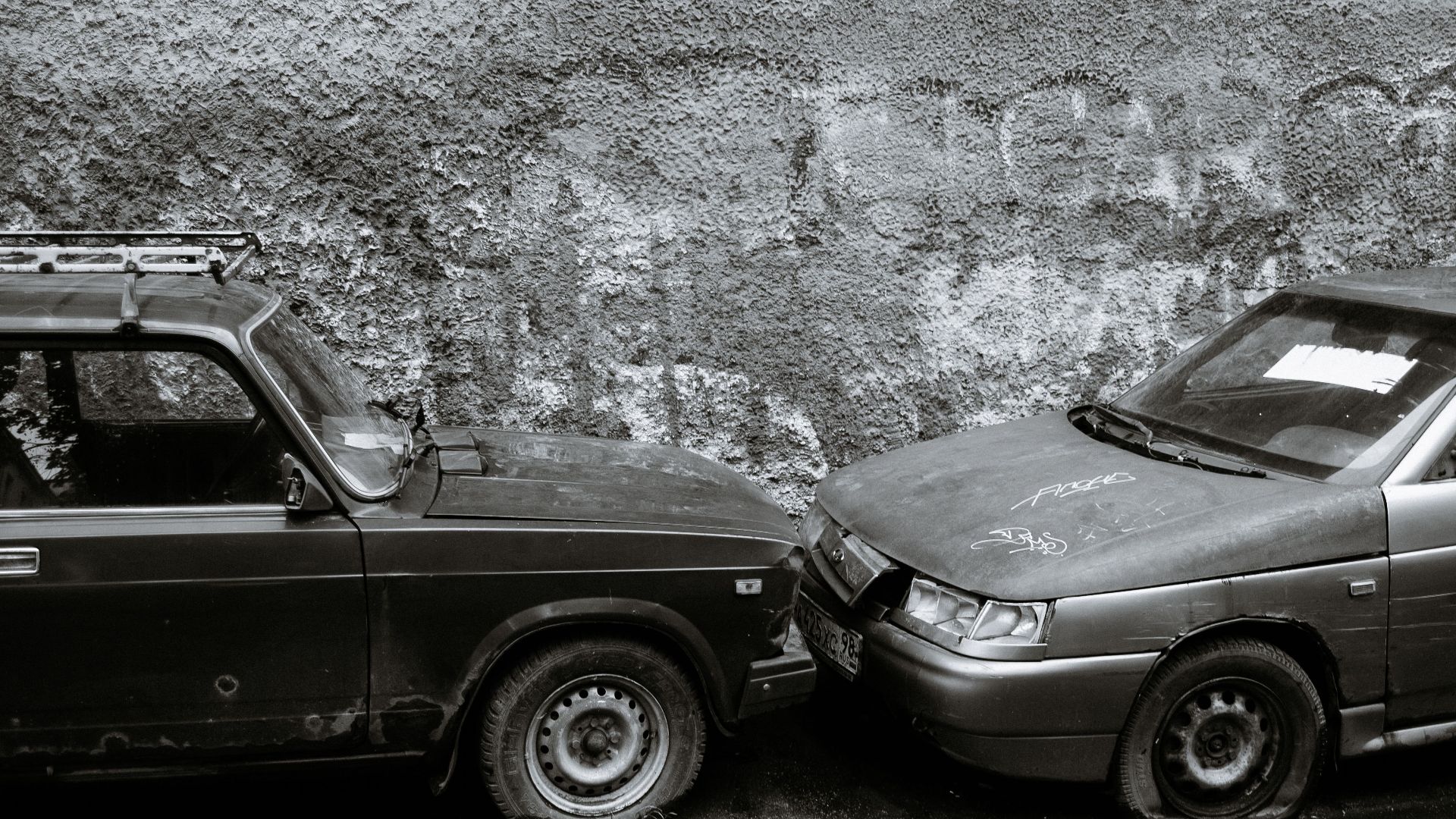
Property damage liability pays for damage you cause to someone else’s property, like another car, a fence, or a building. The name can make it sound broader than it is. In practice, it usually follows your responsibility to others, not damage to your own flooded vehicle.
Comprehensive Is Where Flood Coverage Usually Lives
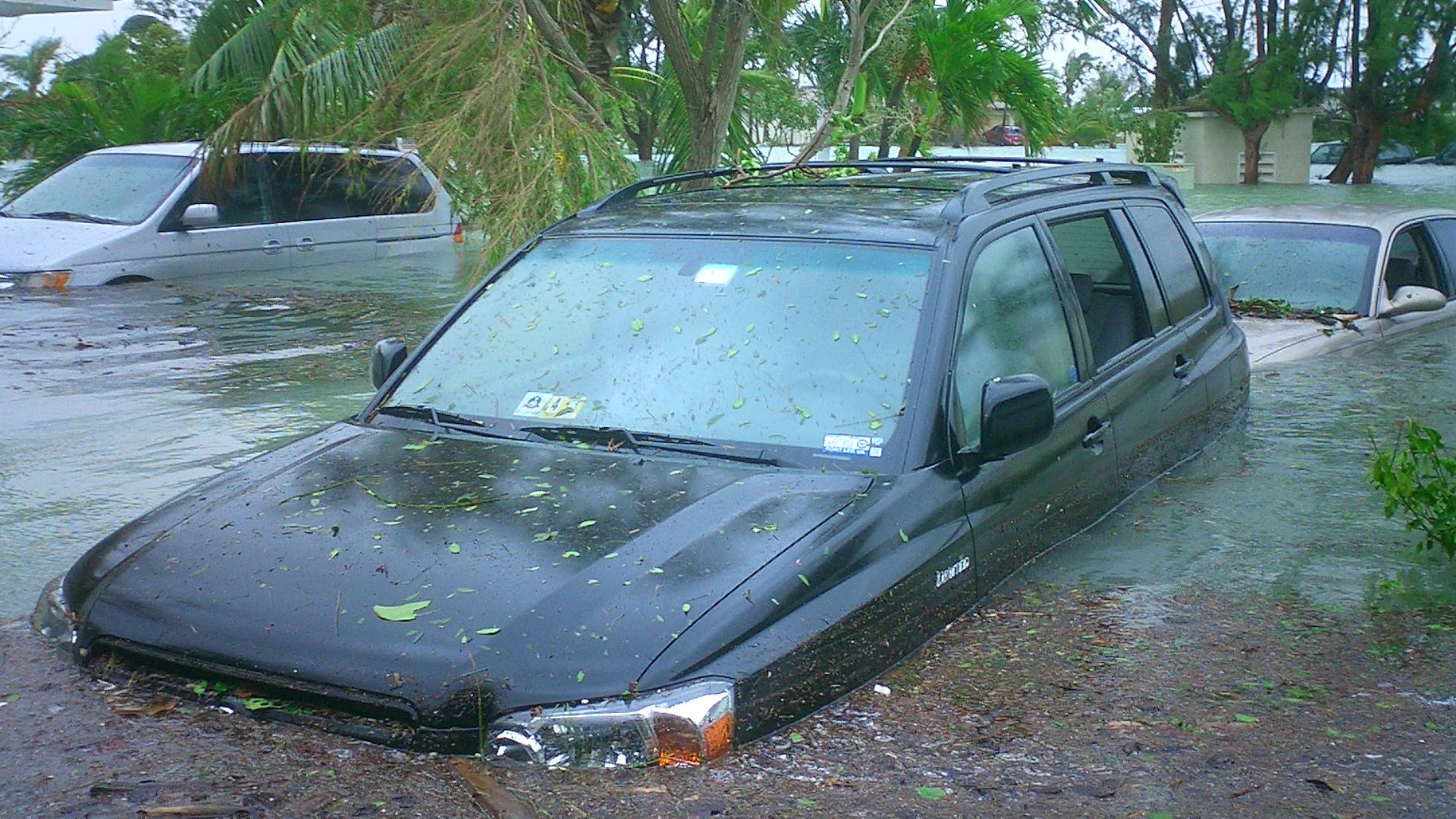
The Insurance Information Institute says comprehensive coverage protects against losses like theft, vandalism, fire, natural disasters, and contact with animals. Flood damage is usually part of that group. That is why insurers usually look for comprehensive when a parked car is damaged by rising water.
 Averette (Marc Averette), Wikimedia Commons
Collision and Comprehensive Are Not the Same
Collision coverage generally pays for damage to your vehicle from a crash with another car or object, no matter who was at fault, subject to the policy terms and deductible. Comprehensive covers many non-collision events, including weather damage. If you dropped both collision and comprehensive, you may have no coverage for physical damage to your own car at all.
A Parked Car Still Needs the Right Coverage
It is easy to think a parked car is low risk, so minimum insurance should be enough. That idea can fall apart fast when a storm surge, flash flood, falling tree, or theft hits. A car does not have to be moving to suffer a major loss, and in those moments, the coverage that usually matters is comprehensive.
Flooding Is a Real and Growing Risk
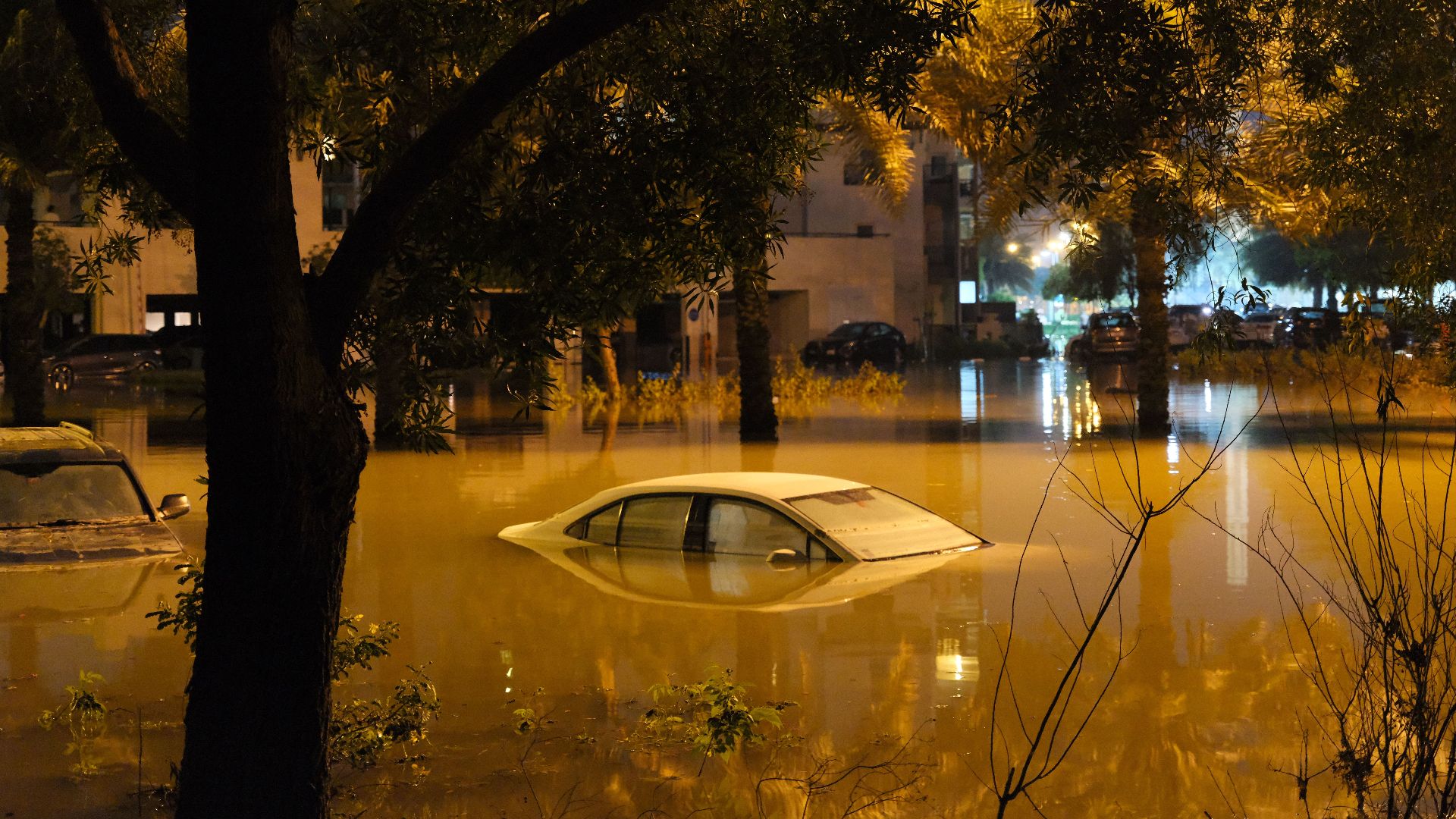
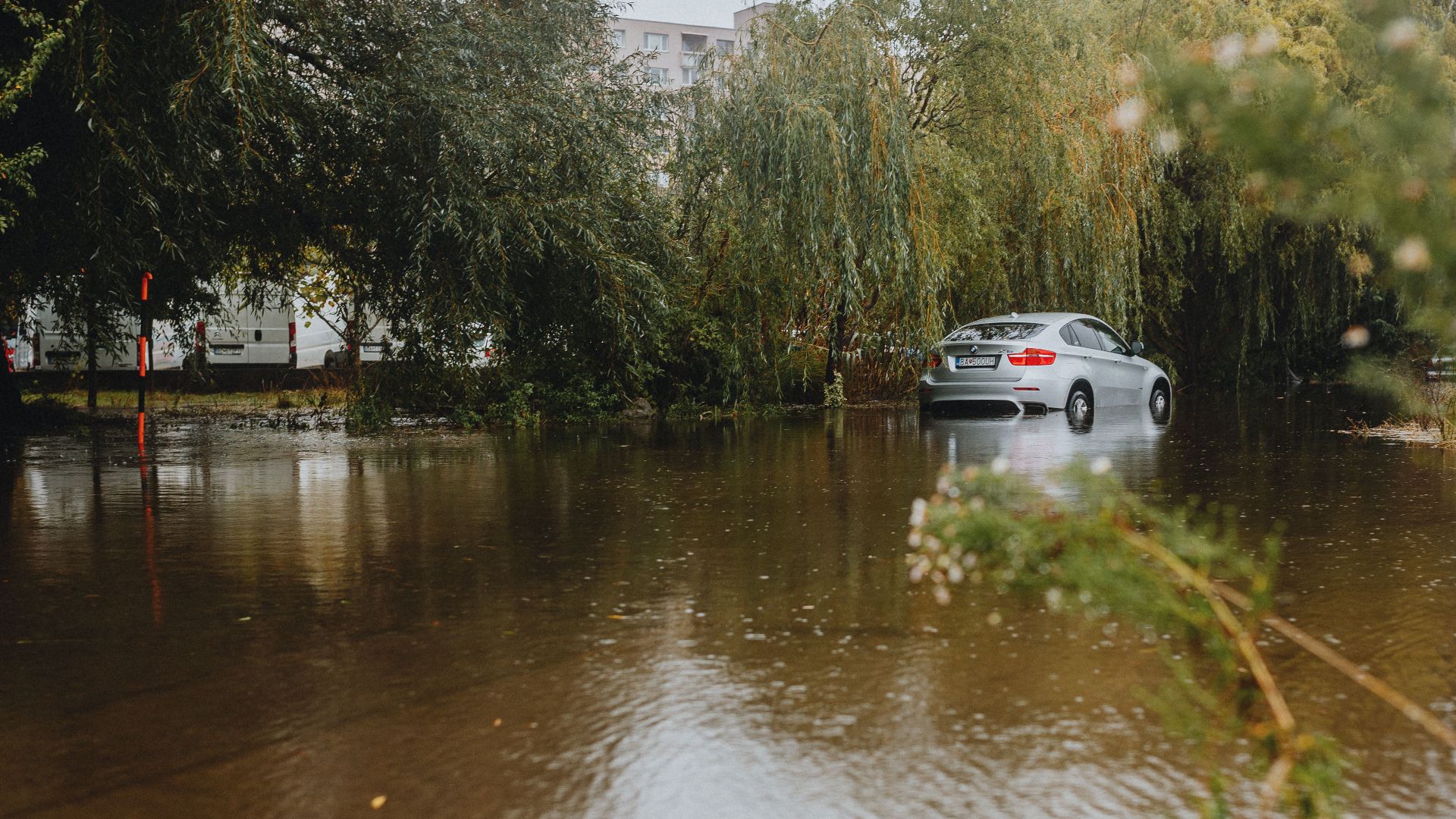
Flood claims are not some rare edge case buried in fine print. The National Weather Service notes that floods can come from heavy rain, storm surge, overflowing rivers, and fast runoff. For drivers, that means a vehicle can be ruined in a driveway, parking lot, apartment complex, or curbside space without ever being driven into standing water.
 Helena Jankovicova Kovacova, Pexels
What State Minimum Coverage Usually Leaves Out
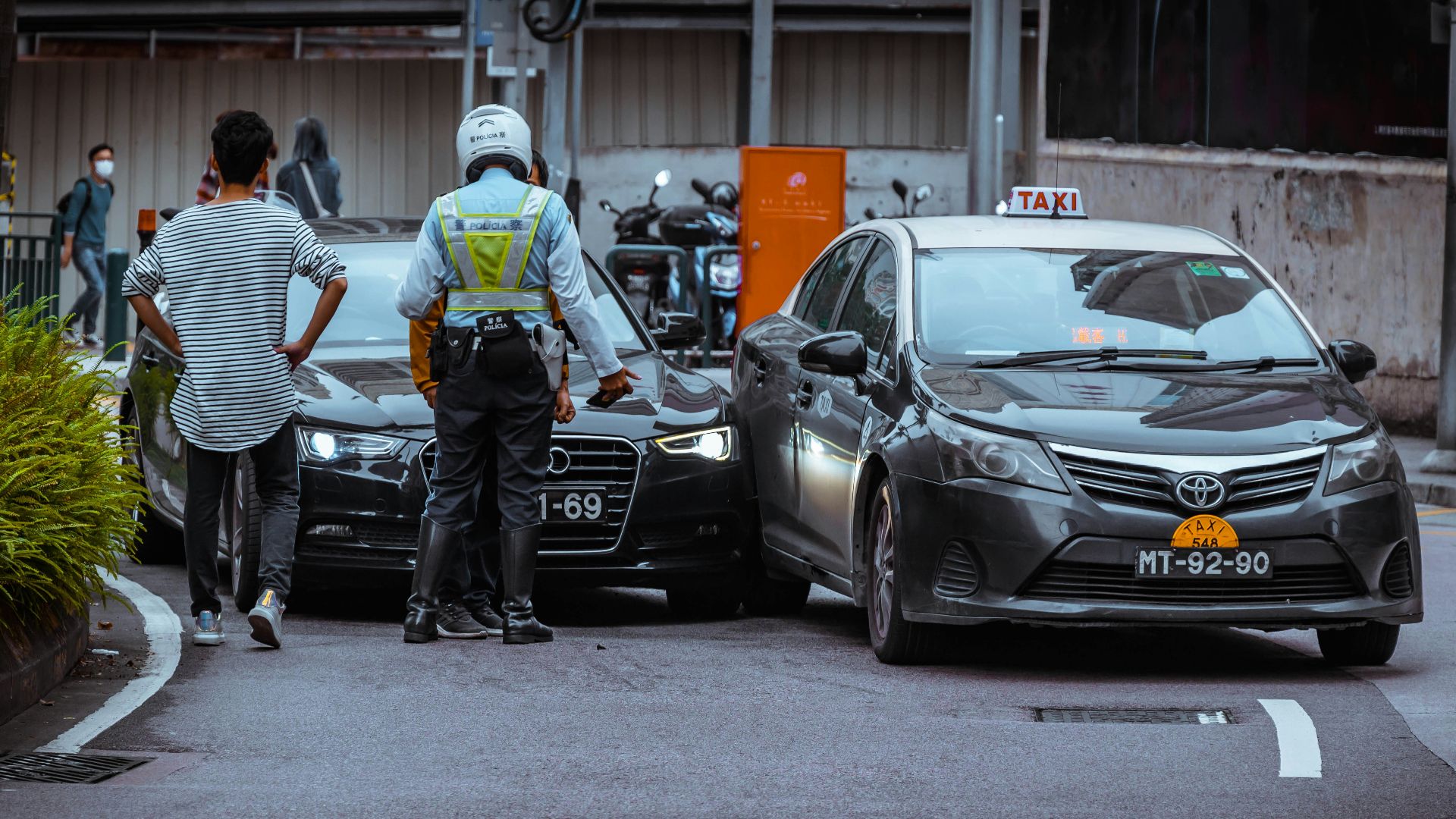
State minimum coverage often leaves out damage to your own vehicle unless you add optional coverages. The exact rules vary by state, but liability is usually the common thread. That legal minimum may keep you road-legal while still leaving you on the hook for flood damage, hail, theft, and plenty of other expensive losses.
Uninsured Motorist Coverage Is Not a Flood Fix
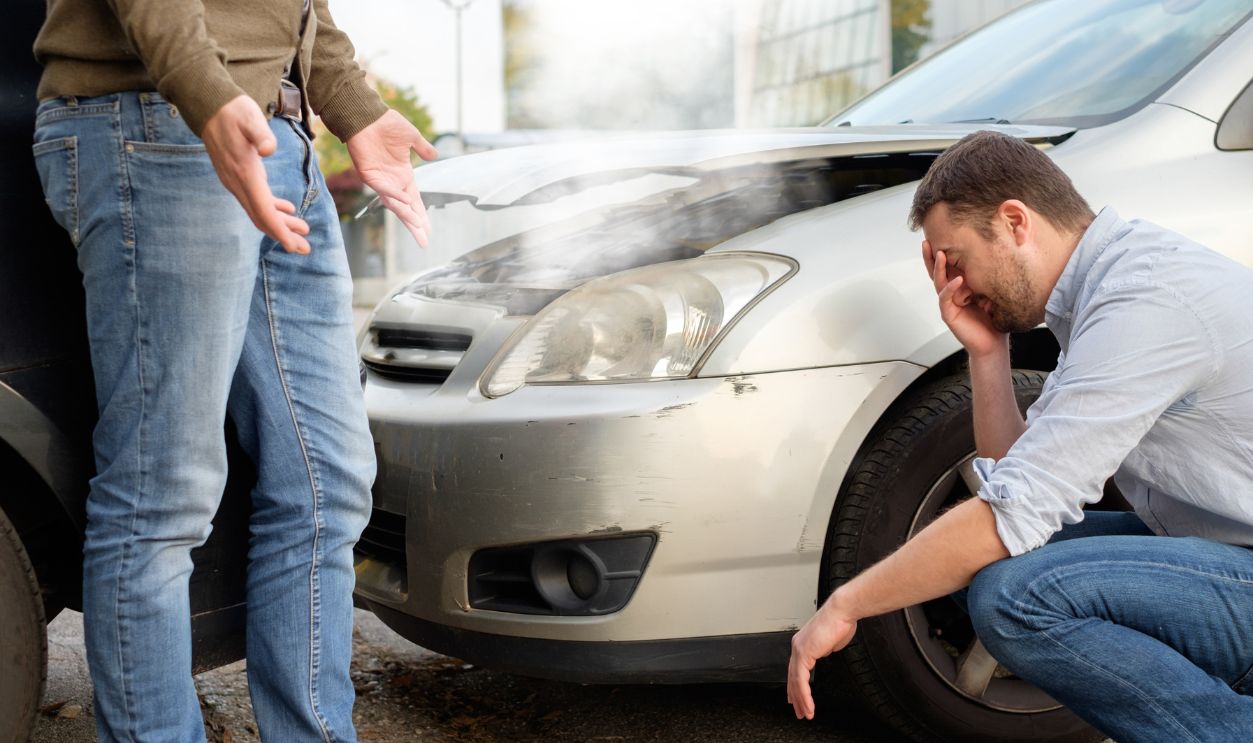
Some people hope uninsured or underinsured motorist coverage will help when their own car is damaged and no one else is clearly at fault. That coverage usually applies when another driver does not have enough insurance and causes covered injuries or, in some states, vehicle damage. It usually does not take the place of comprehensive for flood damage.
Medical Payments and PIP Do Something Else
Medical payments coverage and personal injury protection, where available, help with injury-related costs for you and your passengers after a covered accident. They can be useful because medical bills add up fast. But they are not meant to fix an engine, electrical system, or interior soaked by floodwater.

Why Flood Damage Can Total a Car Quickly
Water can do much more than stain carpet. Modern cars are packed with electronics, wiring, sensors, modules, and safety systems that may fail after being submerged. Saltwater is even worse because corrosion can keep spreading long after the water is gone.
The Hidden Danger After a Flood
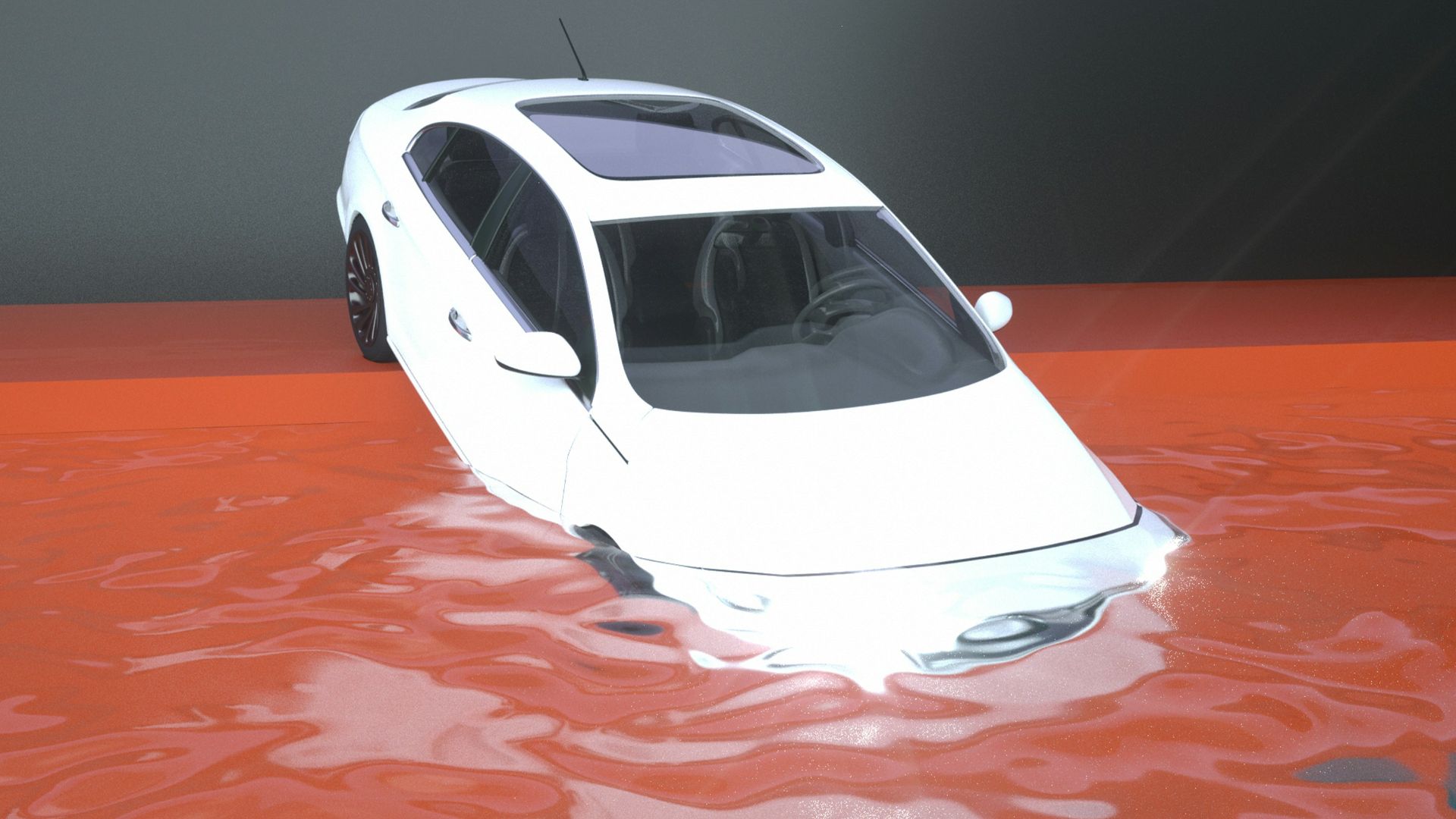
A flooded car can look repairable at first, which is part of what makes these losses so rough. Moisture in connectors, seat tracks, control units, and airbags can lead to stubborn electrical problems and mold. That is one reason insurers may total badly flooded vehicles instead of approving repair after repair.
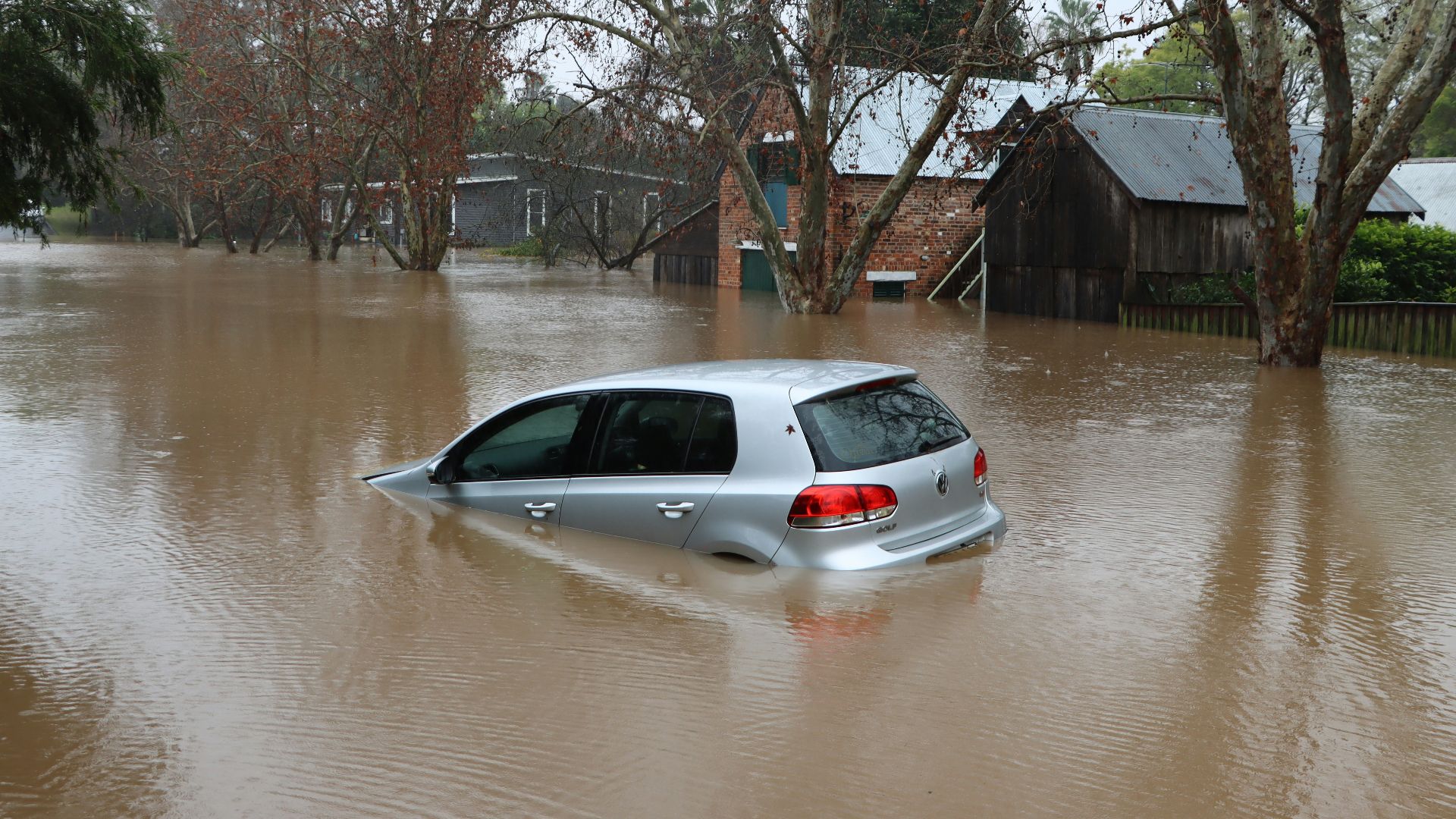
Actual Cash Value Matters Too
Even if you do have comprehensive coverage, your insurer usually does not owe you a brand-new replacement unless your policy specifically says so. Standard auto policies often settle total losses based on actual cash value, meaning the car’s market value right before the loss, minus any deductible. That can be another tough surprise for drivers expecting a bigger payout.
Your Deductible Still Applies
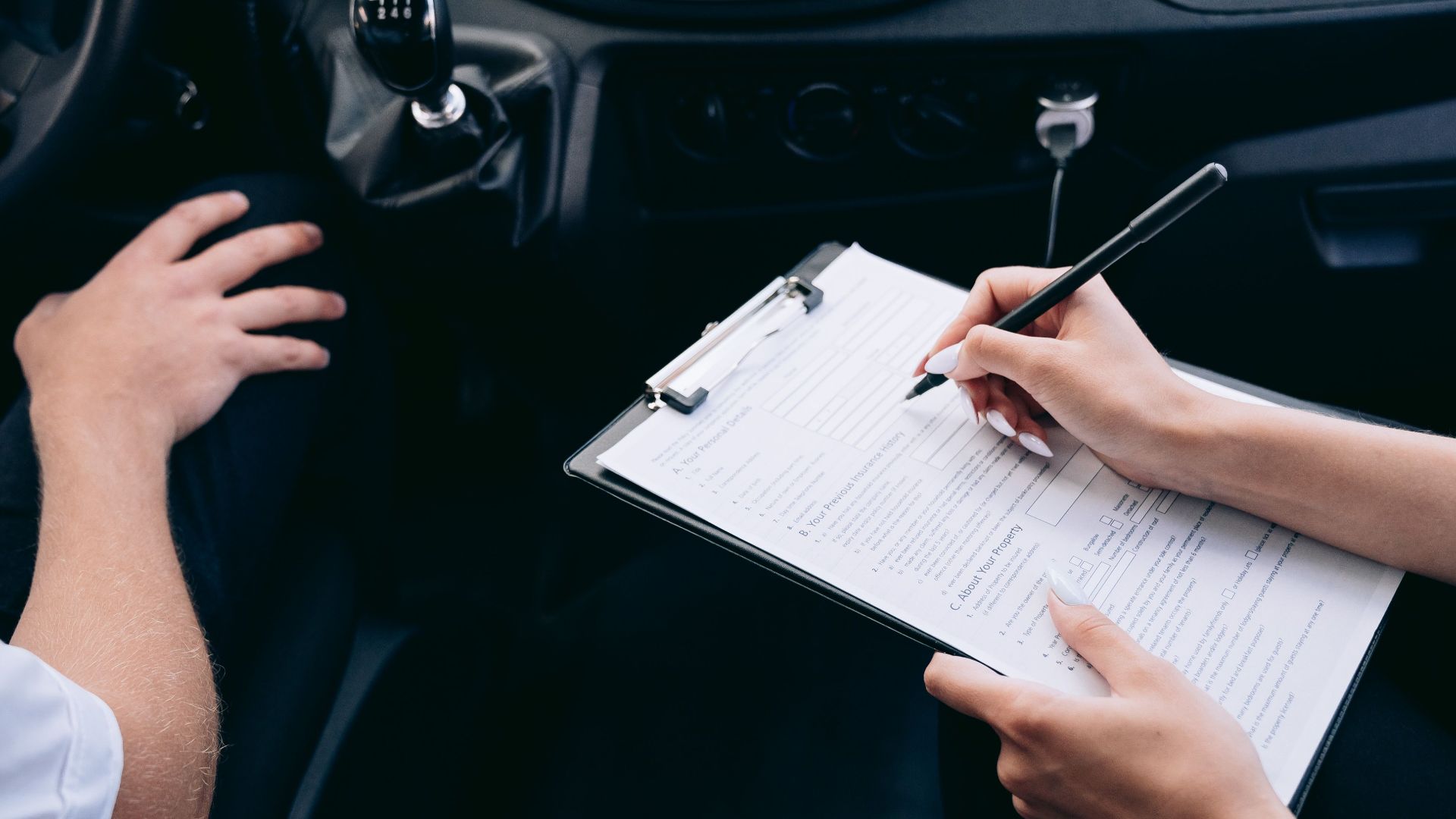
Comprehensive claims usually come with the deductible you chose when you bought the policy. If flood repairs cost $4,000 and your deductible is $1,000, the insurer may pay $3,000 if the claim is otherwise covered. If the damage costs less than your deductible, you may get nothing.

When Lenders Force the Issue
If you finance or lease a vehicle, the lender or leasing company often requires comprehensive and collision coverage. They want to protect the car that backs the loan. Drivers who own their cars outright have more freedom to turn those coverages down, but they also take on more of the risk.

Read the Declarations Page First
If you are not sure what your policy includes, start with the declarations page. It usually lists each coverage, the limits, and any deductibles in one quick summary. If comprehensive is not listed there, that is usually the clearest sign your policy will not cover flood damage to your car.

Then Read the Policy Language
The declarations page is the quick version, but the full policy has the controlling terms. Look for sections labeled liability, collision, comprehensive, exclusions, and conditions. If anything is unclear, ask your insurer or agent to explain in writing whether flood damage to your vehicle is covered.

Ask These Questions Before the Next Storm
Do not wait until the water starts rising to figure out what you bought. Ask whether your policy covers flood, hail, falling objects, theft, vandalism, glass breakage, and animal strikes. Also ask what deductible applies and whether the policy would pay actual cash value or some other amount if the car is totaled.

Basic Insurance Can Still Be Worth Having
None of this means minimum or basic insurance is useless. Liability coverage can protect you from huge financial claims if you injure someone or damage their property. The problem is that it does a different job from comprehensive, and many drivers do not see the gap until a storm exposes it.

When Dropping Comprehensive Can Make Sense
There are situations where skipping comprehensive is a reasonable money choice. If a car is worth very little and the premium savings matter, some owners decide to take the risk themselves. But the tradeoff is blunt: if floodwater destroys the car tomorrow, the repair or replacement bill is probably yours alone.
How to Decide If You Need Comprehensive
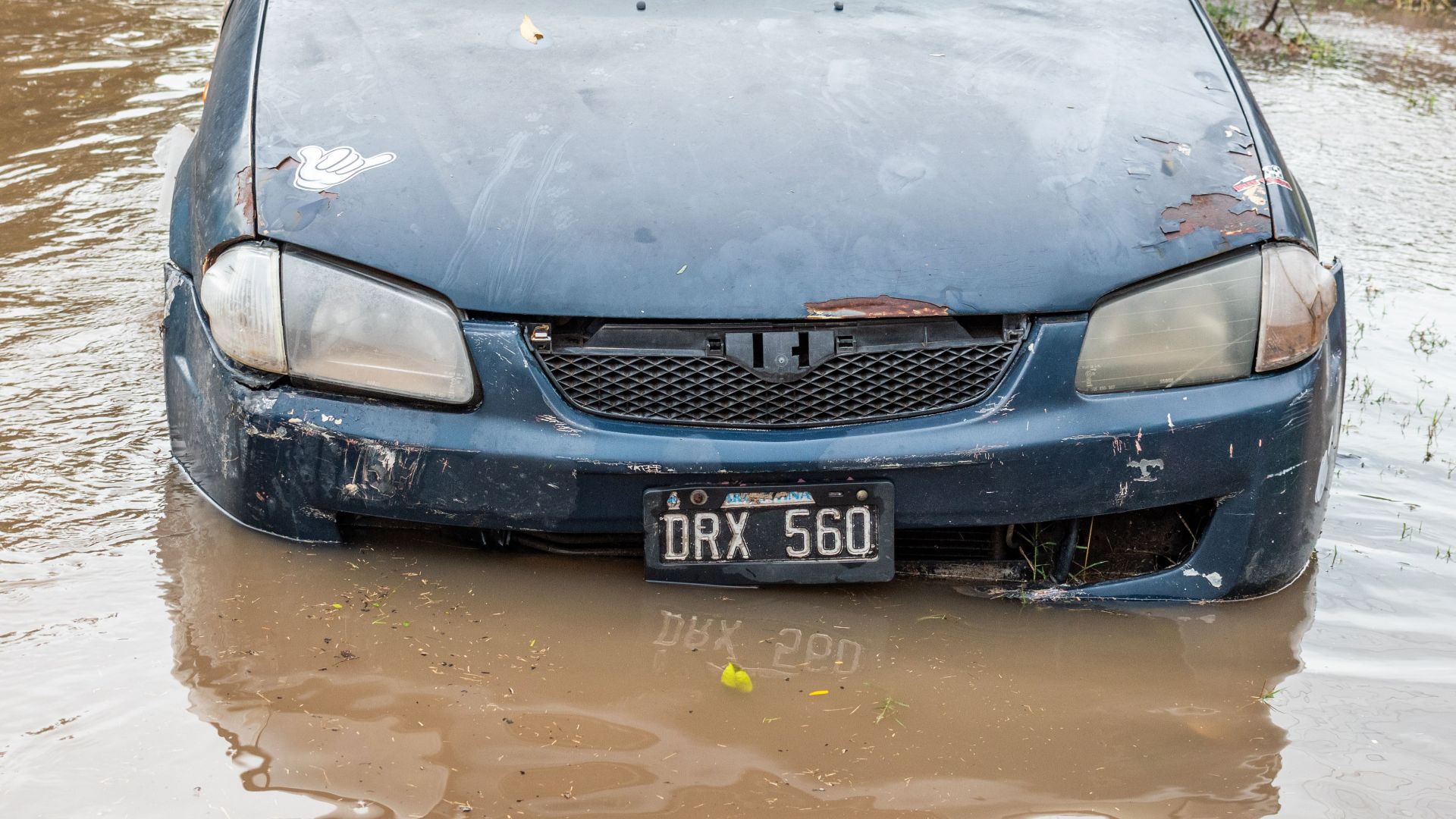
Start with your car’s value, your savings, your local weather risks, and where you park. A paid-off older car kept on high ground may not need the same protection as a newer vehicle parked on a flood-prone street or in a coastal area. The real question is whether you could comfortably handle a total loss on your own.
 Sreerag S J, Wikimedia Commons
Check Flood Risk Where You Live
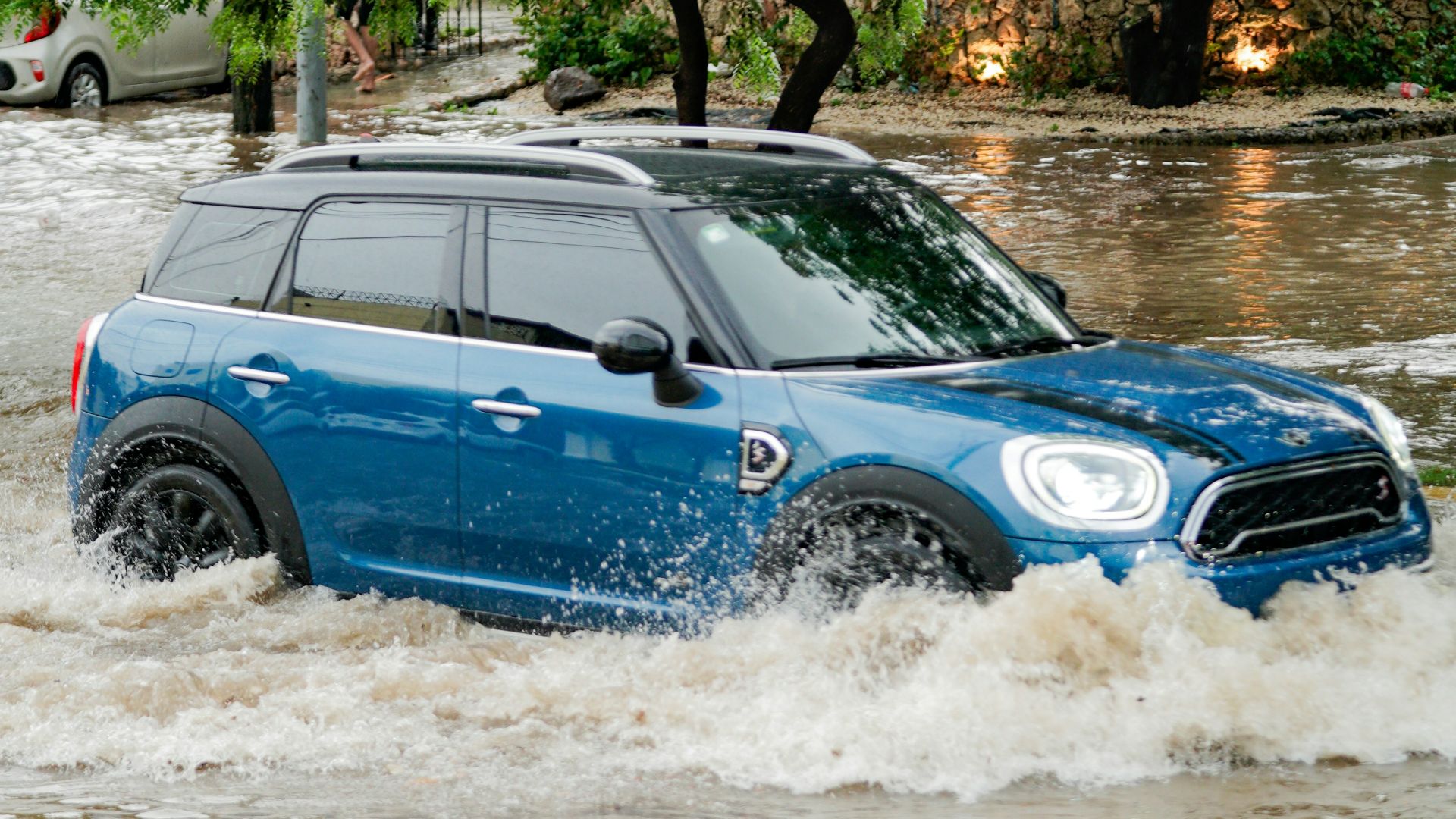
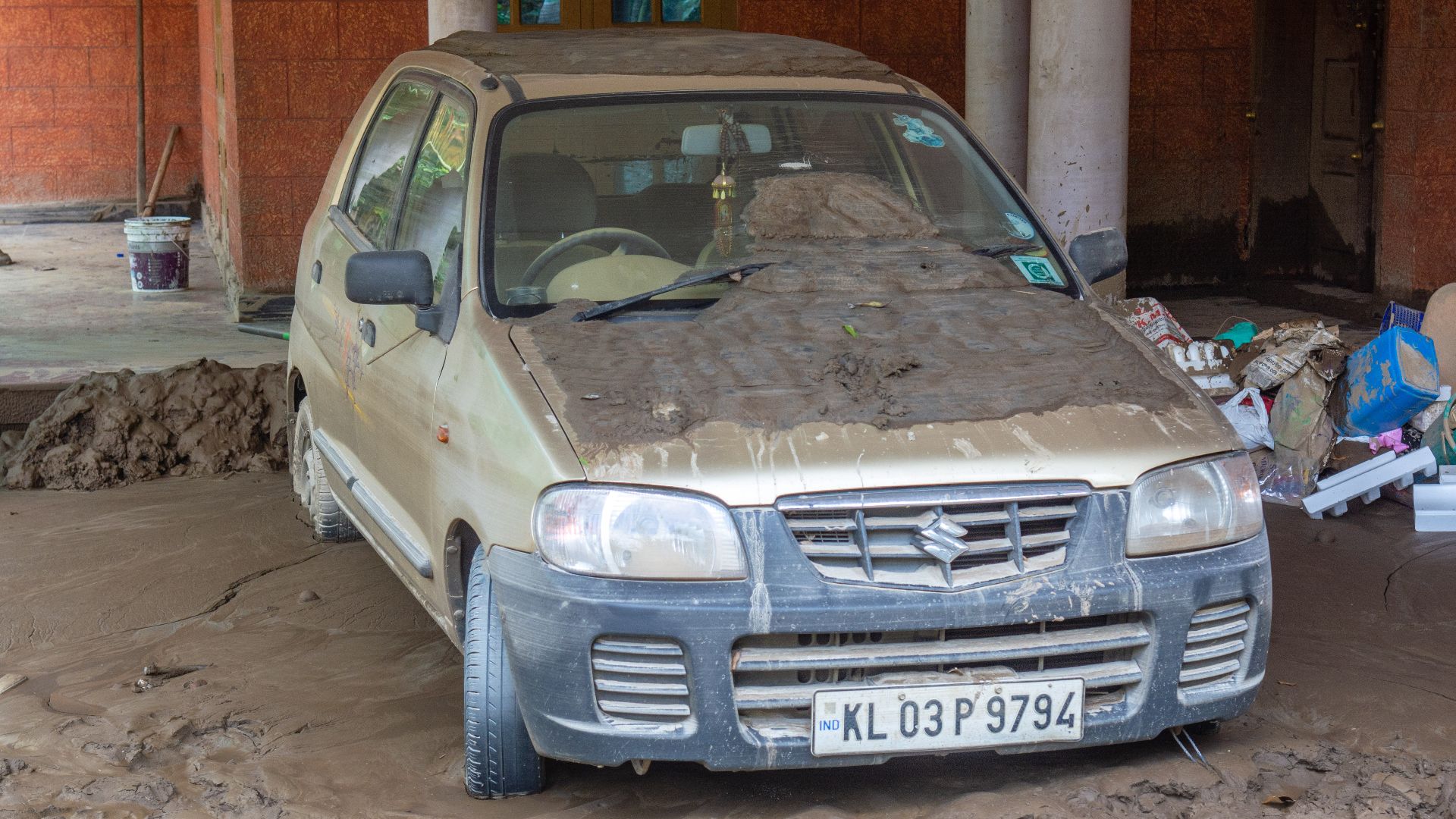
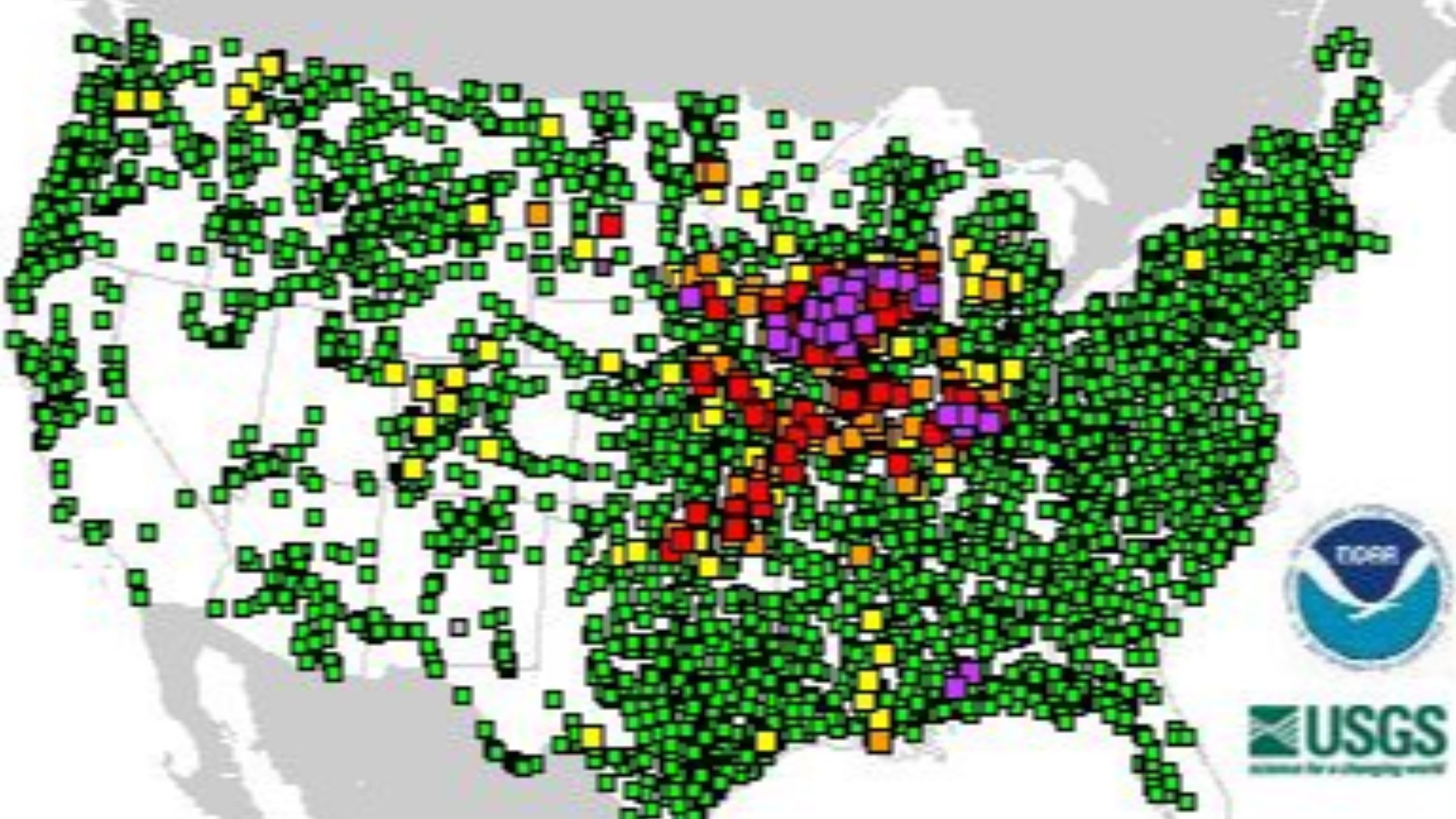
Flood risk is not limited to beachfront areas and hurricane zones. Heavy rain can overwhelm storm drains far inland, and low parking spots can turn into traps in minutes. Looking at local flood maps, storm history, and drainage patterns can help you decide whether comprehensive is just nice to have or something much closer to essential.
 National Weather Service, Wikimedia Commons
What to Do If Your Claim Was Denied
First, ask for the reason for the denial in writing and compare it with your declarations page and policy wording. If the insurer is right and you declined comprehensive, the denial may be legitimate even if it feels unfair. If you think the policy was applied the wrong way, you can appeal within the company and contact your state insurance department for guidance.

The Bottom Line for Parked-Car Flood Damage
Basic auto insurance usually protects other people from damage you cause, not your own vehicle from the weather. Flood damage to a parked car is typically a comprehensive claim. If comprehensive is not on your policy, your insurer may be right to deny the claim, which is why checking your coverage before the next storm matters so much.