When A Sale Comes Back To Haunt You
When you sold your car and handed over the keys, you thought the deal was done. Then out of nowhere, the buyer reaches out claiming you hid damage and starts talking about legal action. You know you were upfront about everything you actually knew, but you’re still left wondering if you could really be held responsible after the sale is already complete. The good news is that buyers can’t just make claims without proof, and you may be in a stronger position than it feels right now.

Private Car Sales Are Usually “As-Is”
In most private sales, vehicles are sold “as-is,” which means the buyer accepts the condition of the car at the time of purchase. That generally puts the responsibility on the buyer to inspect the vehicle before buying it. Once the sale is done, it becomes much harder for them to come back and demand compensation.
 Karolina Grabowska www.kaboompics.com, Pexels
What Matters Is What You Knew And Disclosed
The key issue in these situations is whether you knowingly misrepresented the car. If you were honest about what you knew and didn’t hide anything intentionally, that works strongly in your favor. You’re not expected to disclose problems you genuinely didn’t know about.

Buyers Have To Prove Misrepresentation
If the buyer is threatening to sue, the burden is on them to prove that you lied or intentionally hid a defect. It’s not enough for them to simply discover a problem after the sale. They would need to show that you knew about the issue and chose not to disclose it.

Written Communication Can Protect You
If you discussed the car’s condition over text, email, or messages, those records can be very helpful. They show what you told the buyer before the sale and can back up your claim that you were transparent.

Bill Of Sale Details Matter
A bill of sale that includes wording like “as-is” or notes about the vehicle’s condition can strengthen your position. Even a simple written agreement can help show that the buyer accepted the car in its current state.

Pre-Sale Inspections Work In Your Favor
If the buyer had the opportunity to inspect the car or even chose to have a mechanic look at it, that makes it harder for them to claim they were misled. Courts often expect buyers to do their own due diligence.

Problems Discovered Later Don’t Always Matter
Cars can develop issues after a sale, especially used ones. Just because a problem shows up later doesn’t mean it existed in a way you could have known about. That distinction is important in disputes like this.
 Karolina Grabowska www.kaboompics.com, Pexels
Honest Mistakes Aren’t The Same As Fraud
Even if you were wrong about something, that doesn’t automatically mean you committed fraud. Fraud usually requires intent, meaning you knowingly misled the buyer. Honest misunderstandings or unknown issues are treated very differently.

Be Careful How You Respond
If the buyer reaches out aggressively, keep your responses calm and factual. Don’t admit fault or speculate about what might have caused the issue. Stick to what you know and what you disclosed at the time of sale.

Don’t Ignore The Situation Completely
Even if the claim seems weak, it’s not a good idea to ignore it entirely. Responding briefly and clearly can help establish your position early and may prevent things from escalating unnecessarily.

You Can Ask Them For Proof
If they’re making claims, it’s reasonable to ask for details. What exactly is the issue, and how do they believe you misrepresented it? This can sometimes expose weak or exaggerated claims.

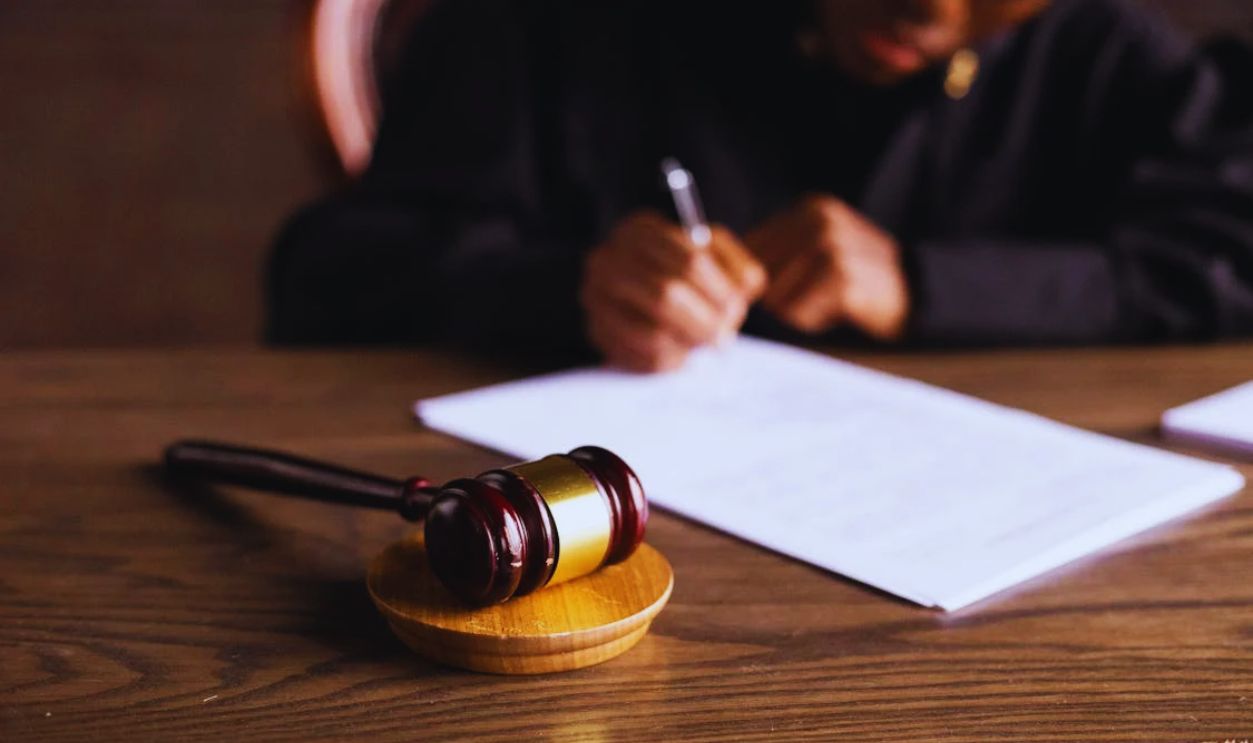
Small Claims Court Is The Likely Route
If the buyer does pursue legal action, it will likely be through small claims court. These cases are usually based on evidence and documentation rather than complex legal arguments.
Evidence Will Be The Deciding Factor
If things go that far, the outcome will come down to evidence. Your messages, bill of sale, and any notes about the vehicle’s condition will all play a role. The buyer would also need solid proof of misrepresentation.

Consider A Brief Legal Consultation
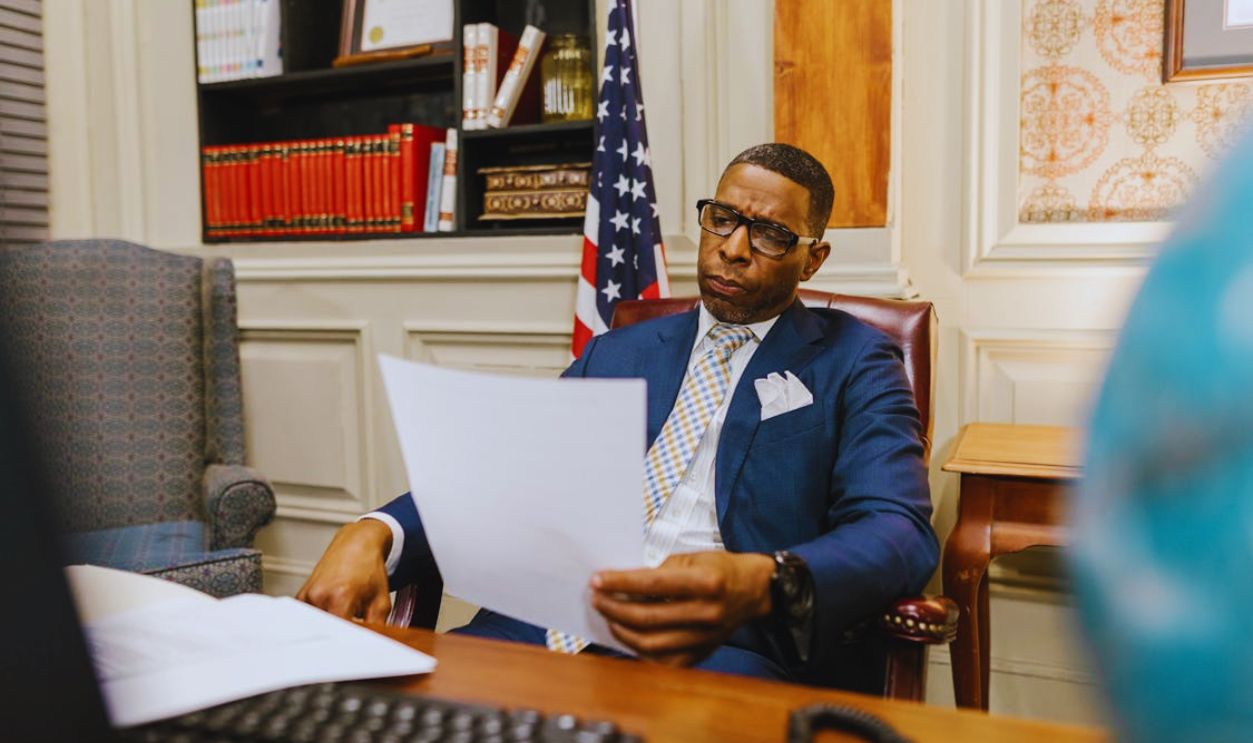
If the buyer is serious about suing, it may be worth speaking with a lawyer just to understand your position. Even a short consultation can give you peace of mind and help you prepare.
Settlement Is Sometimes An Option
In some cases, people choose to settle just to avoid the time and stress of a dispute. That’s a personal decision, and it doesn’t mean you’re admitting fault. It’s just one possible path if you want to resolve things quickly.

Scare Tactics Are Common
It’s worth keeping in mind that some buyers threaten legal action hoping you’ll panic and offer money. Not every threat turns into an actual lawsuit. Staying calm and informed can help you avoid reacting too quickly.

Keep Records Of Everything Going Forward
Save all messages, emails, and any new communication from the buyer. If things escalate, having a clear record of what’s been said can be very helpful.

You’re Not Automatically Liable
Just because someone is unhappy with a purchase doesn’t mean you’re legally responsible. The law generally protects sellers who act honestly and don’t intentionally mislead buyers.

Final Thoughts
If you disclosed everything you knew and didn’t intentionally hide damage, you’re likely on solid ground. Buyers can make claims, but proving them is another matter. By staying calm, keeping your documentation, and understanding your rights, you can handle the situation without assuming the worst.
 Emmanuel ( Super Manny) Rodriguez, Pexels
You May Also Like:
My neighbor installed a camera pointing directly at my driveway and car. Is that legal?