Remember When These Cars Were Everywhere?
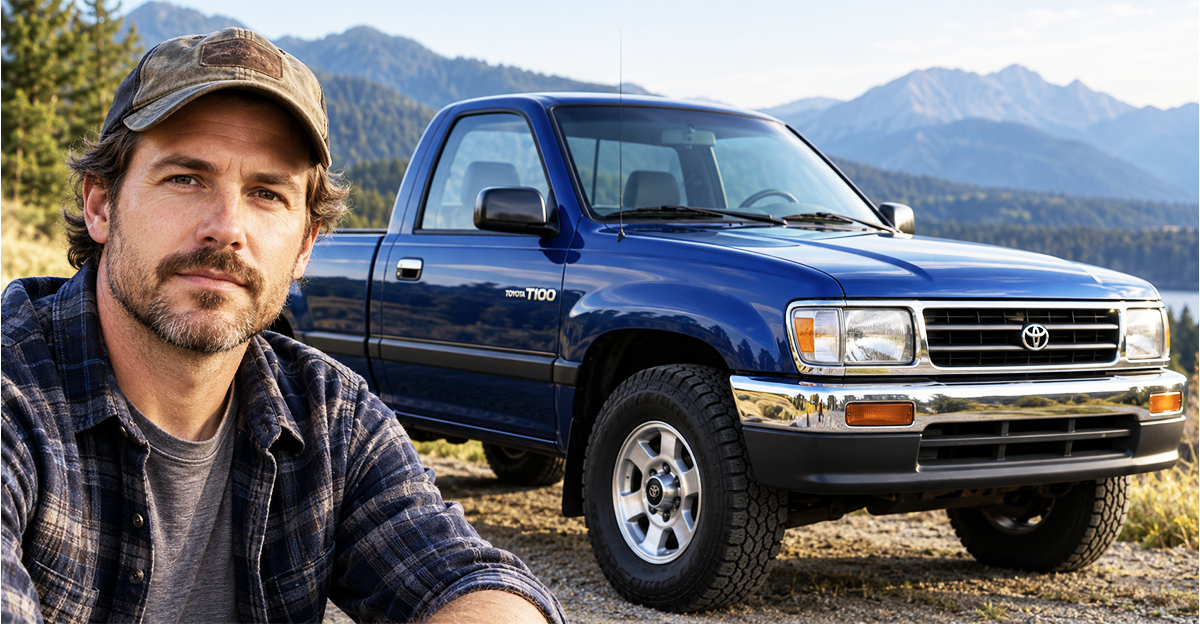
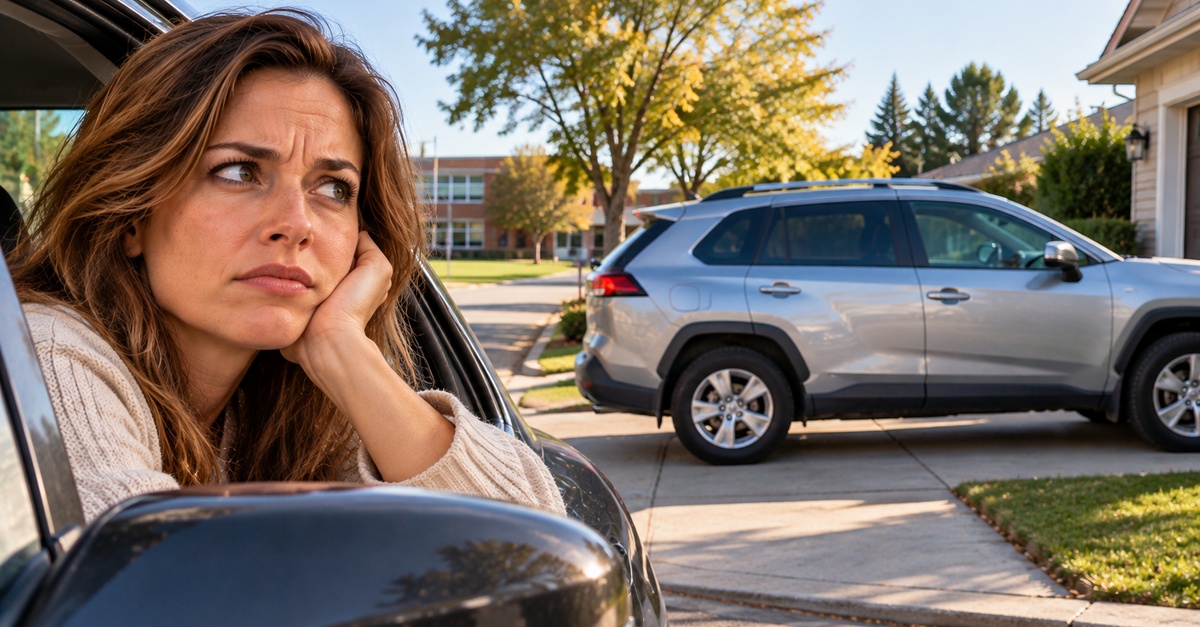
Before first cars were crossovers with touchscreens and backup cameras, they were Civics, Cavaliers, Escorts, and whatever else your parents could find for a few thousand dollars. By the late 1990s and early 2000s, yesterday's economy cars were filling used-car lots and high-school parking lots across America. Some were surprisingly fun, others were painfully slow, but getting the keys to any of them meant one thing: freedom.
The First-Car Formula Was Pretty Simple
A first car didn't need big horsepower or expensive equipment. An affordable price, reasonable fuel consumption, simple controls, and enough space for a few friends were usually much more useful. The 1990s produced an enormous variety of mainstream cars that eventually became tempting choices on the secondhand market.
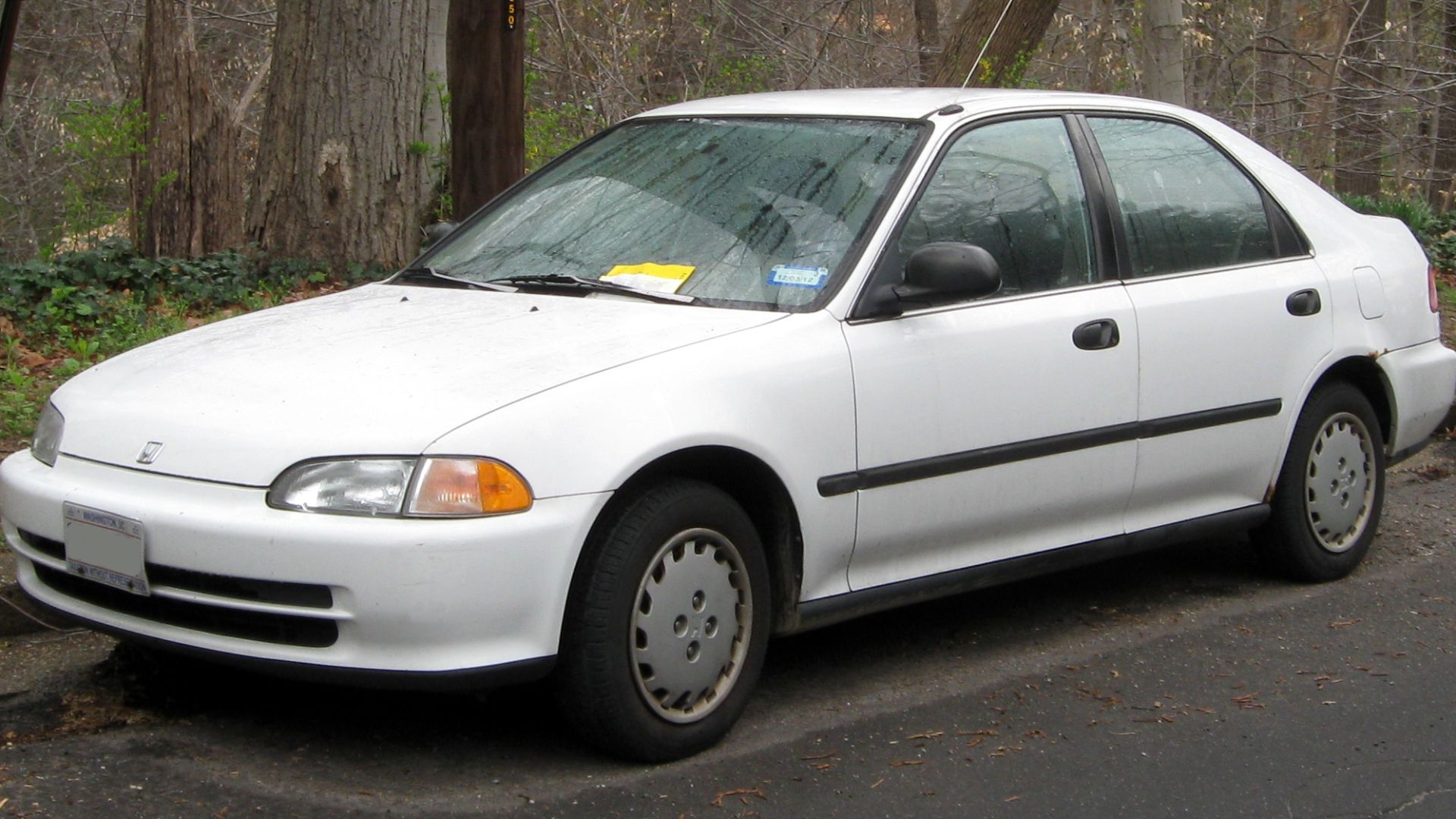
Honda Civic
Few 1990s cars fit the affordable used-car formula better than the Honda Civic. The fifth-generation model arrived for 1992, while a larger sixth generation followed for 1996 with coupe, sedan, and hatchback body styles. Civics combined useful interiors and modest running costs with handling that made even ordinary versions more entertaining than many economy-car rivals.
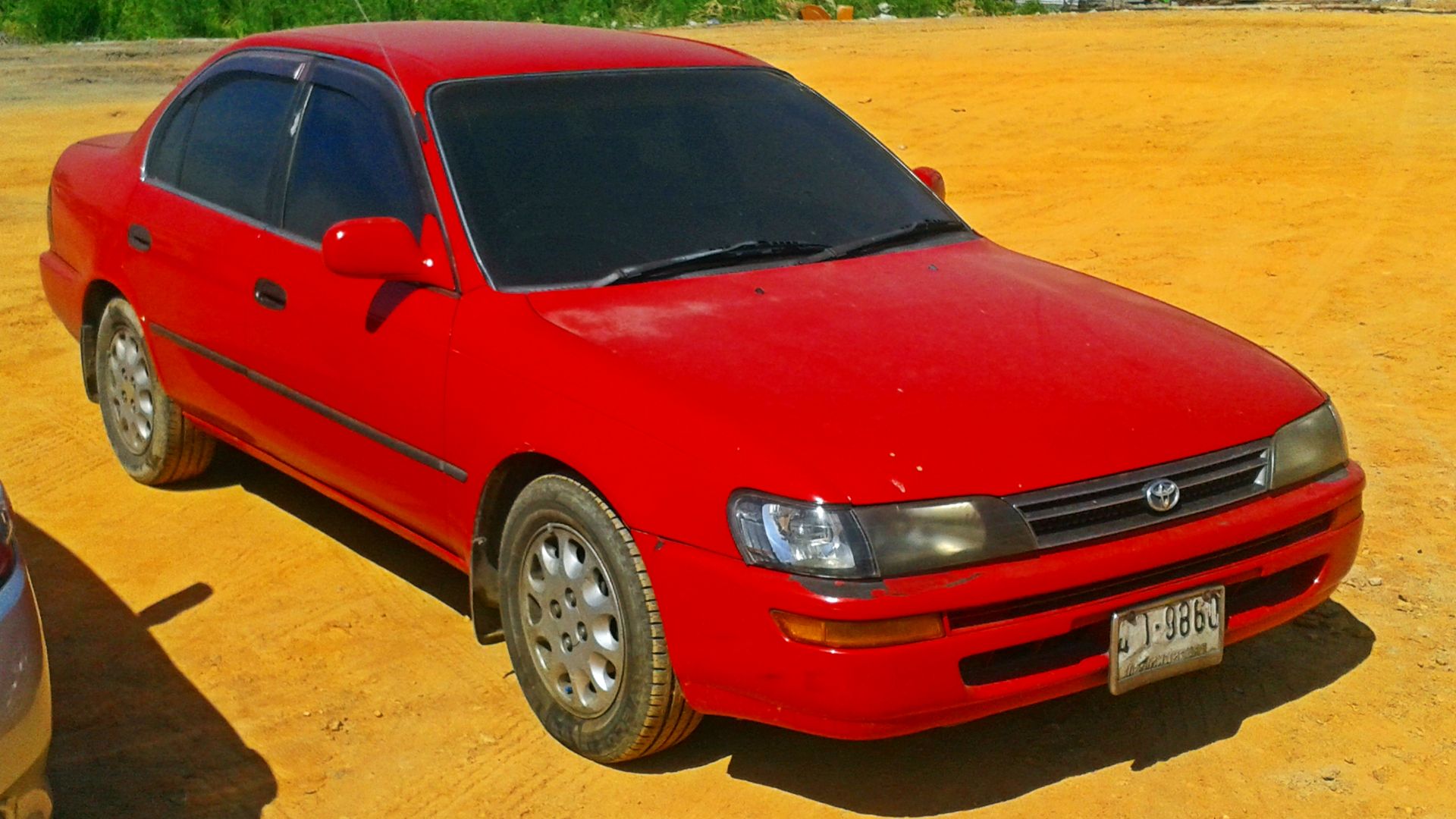
Toyota Corolla
The Corolla was the car parents suggested when teenagers wanted something considerably less sensible. Toyota's seventh-generation model arrived for 1993 with a larger body, more polished interior, and an available 1.8-liter engine. It was deliberately unexciting, but its smooth operation and straightforward practicality made that almost beside the point once used examples became inexpensive.
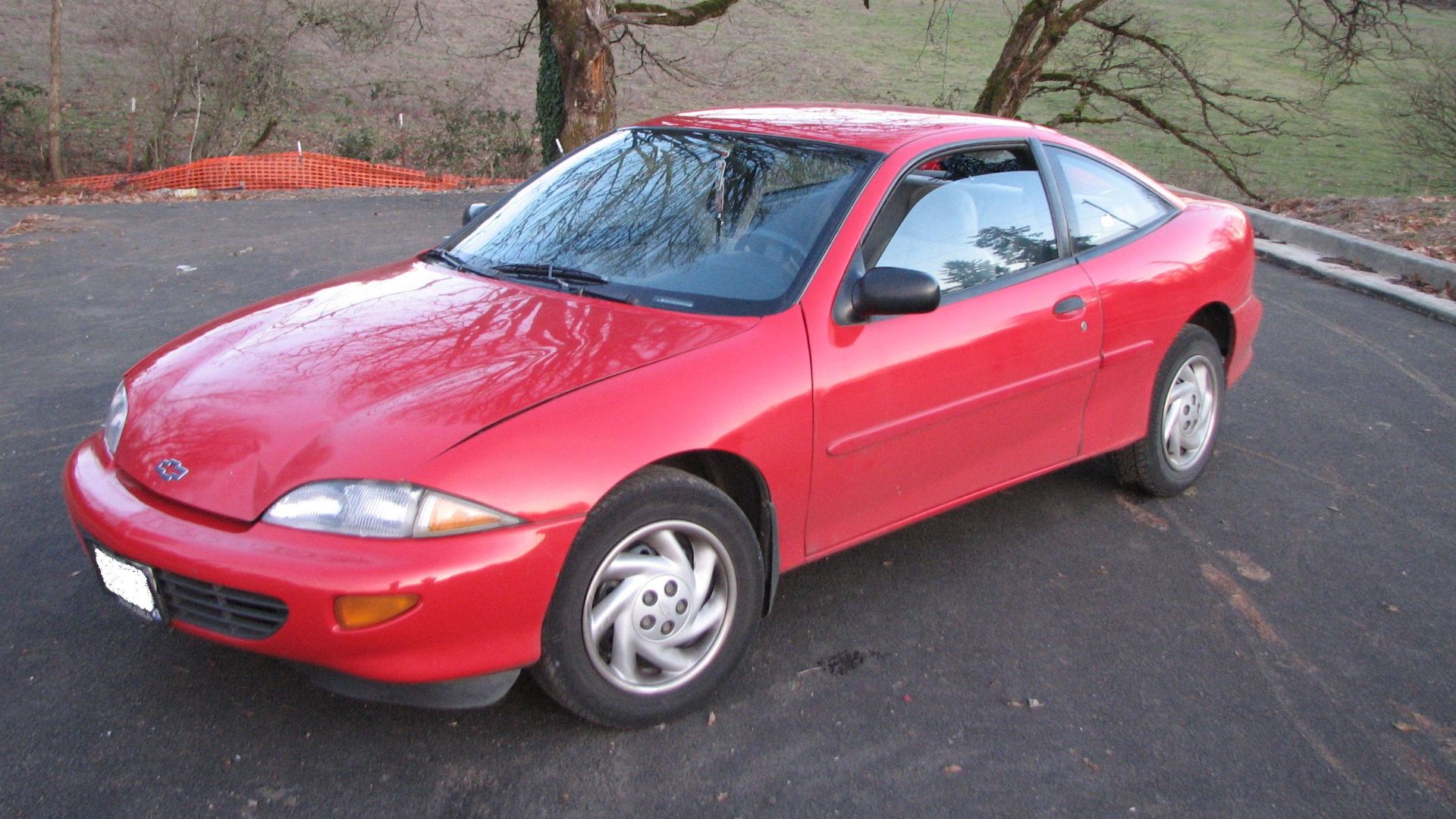
Chevrolet Cavalier
For sheer 1990s familiarity, the Chevrolet Cavalier is difficult to beat. Chevrolet introduced a substantially redesigned Cavalier for 1995, offering multiple body styles at prices aimed squarely at mainstream buyers. Its affordability and long production run eventually made used examples extremely easy to find.
Ford Escort
The Ford Escort was already an established economy-car name when the 1990s arrived. In a 1994 comparison, reviewers praised its comfortable interior, supple ride, practicality, and low price, even though its 88-hp engine was hardly exciting. Those qualities also made aging Escorts perfectly suited to life as basic, inexpensive used transportation.
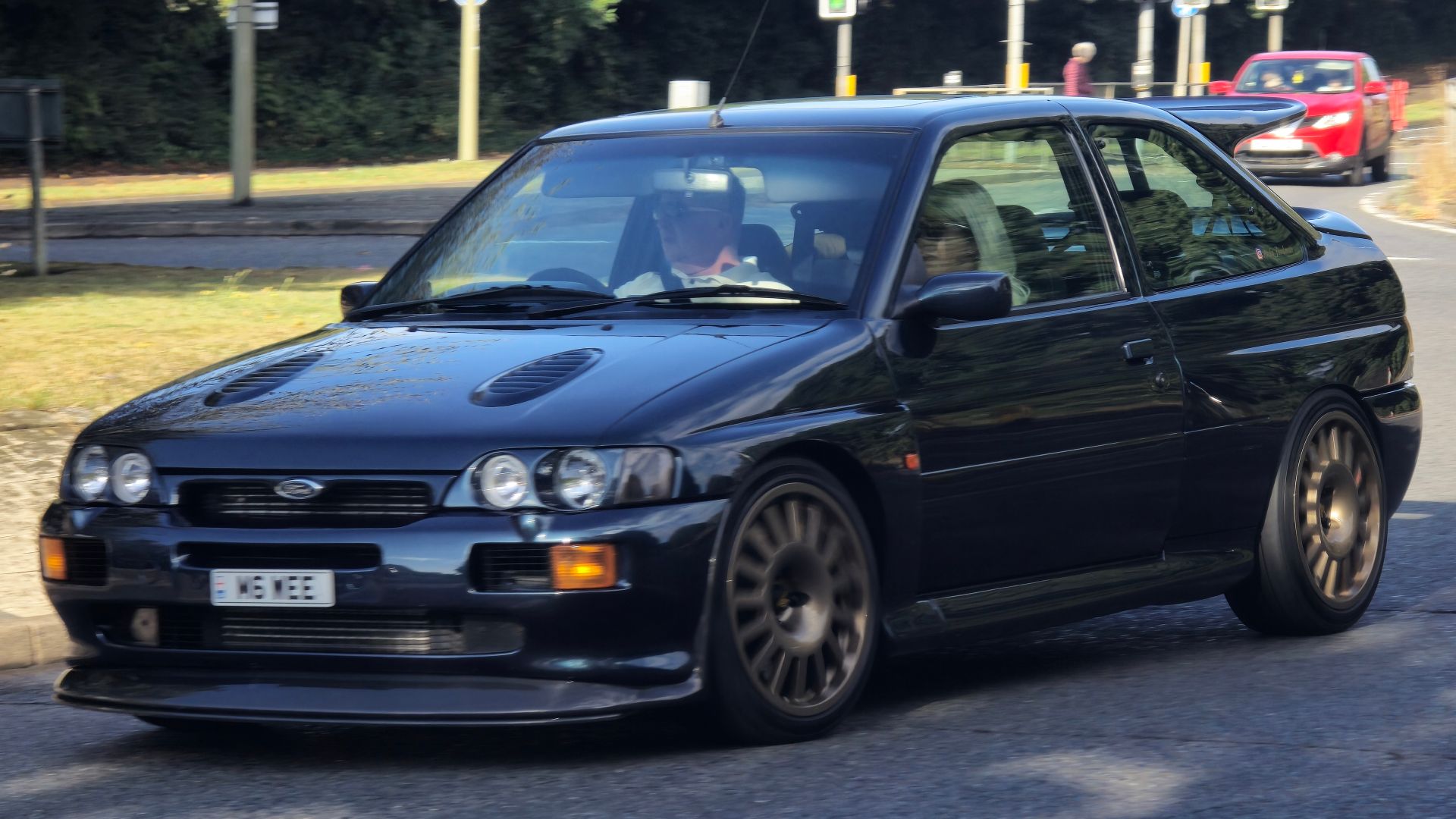
Dodge And Plymouth Neon
The Neon arrived with an unusually cheerful personality for such an inexpensive car. A 1994 Dodge Neon carried a base price below $10,000, and reviewers praised its spacious cabin, 2.0-liter engine, handling, and value. As early cars depreciated, the Neon became an increasingly affordable way to get something practical without settling for completely anonymous styling.
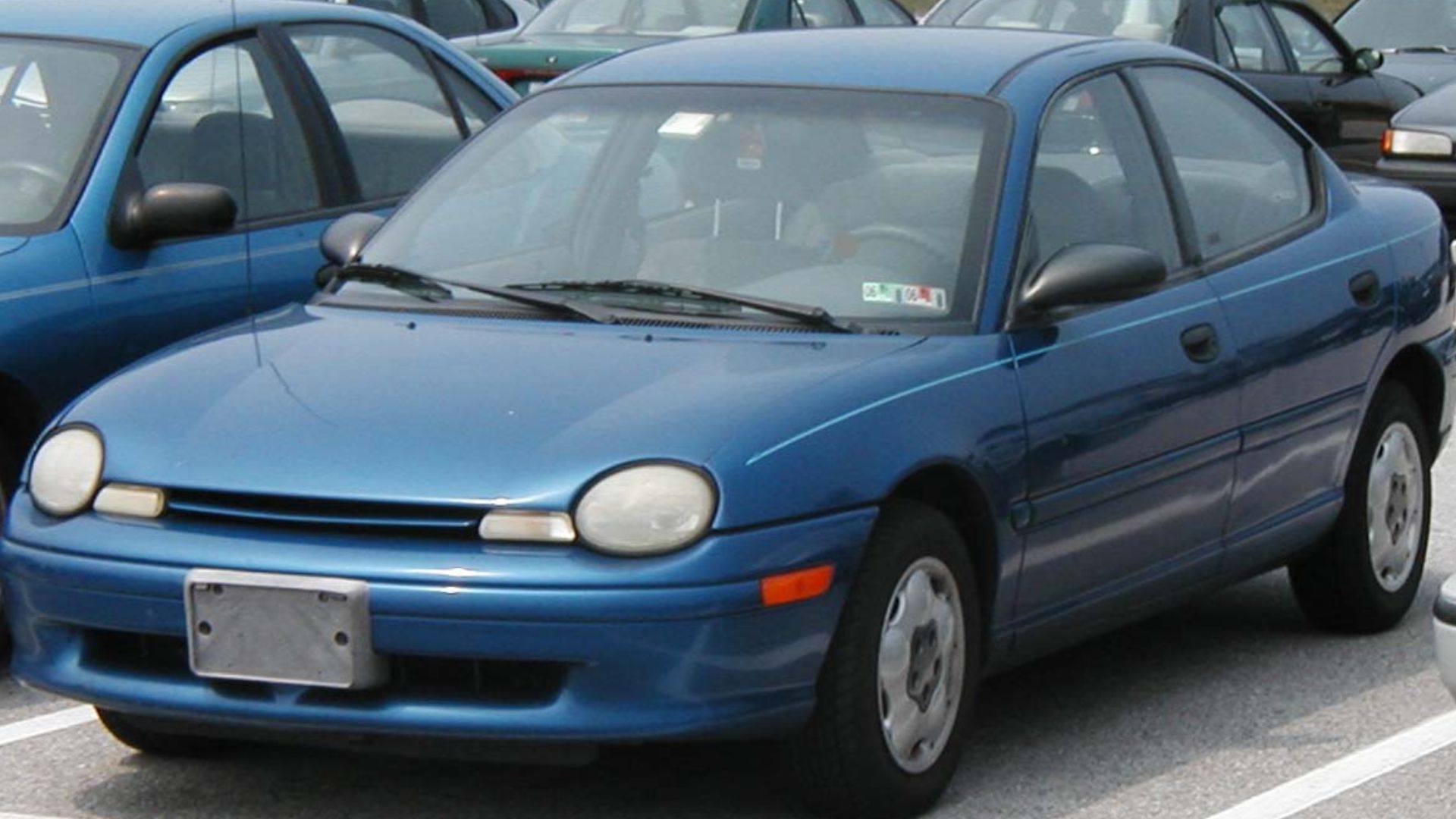
Saturn S-Series
Buying a Saturn felt a little different in the 1990s, which was exactly what General Motors intended with its new Saturn brand. The S-Series competed directly with the increasingly strong crop of affordable Japanese and American compact cars. By 1996, the SL2 combined a 1.9-liter twin-cam engine with lively handling while remaining firmly in the affordable-sedan category.
 Greg Gjerdingen from Willmar, USA, Wikimedia Commons
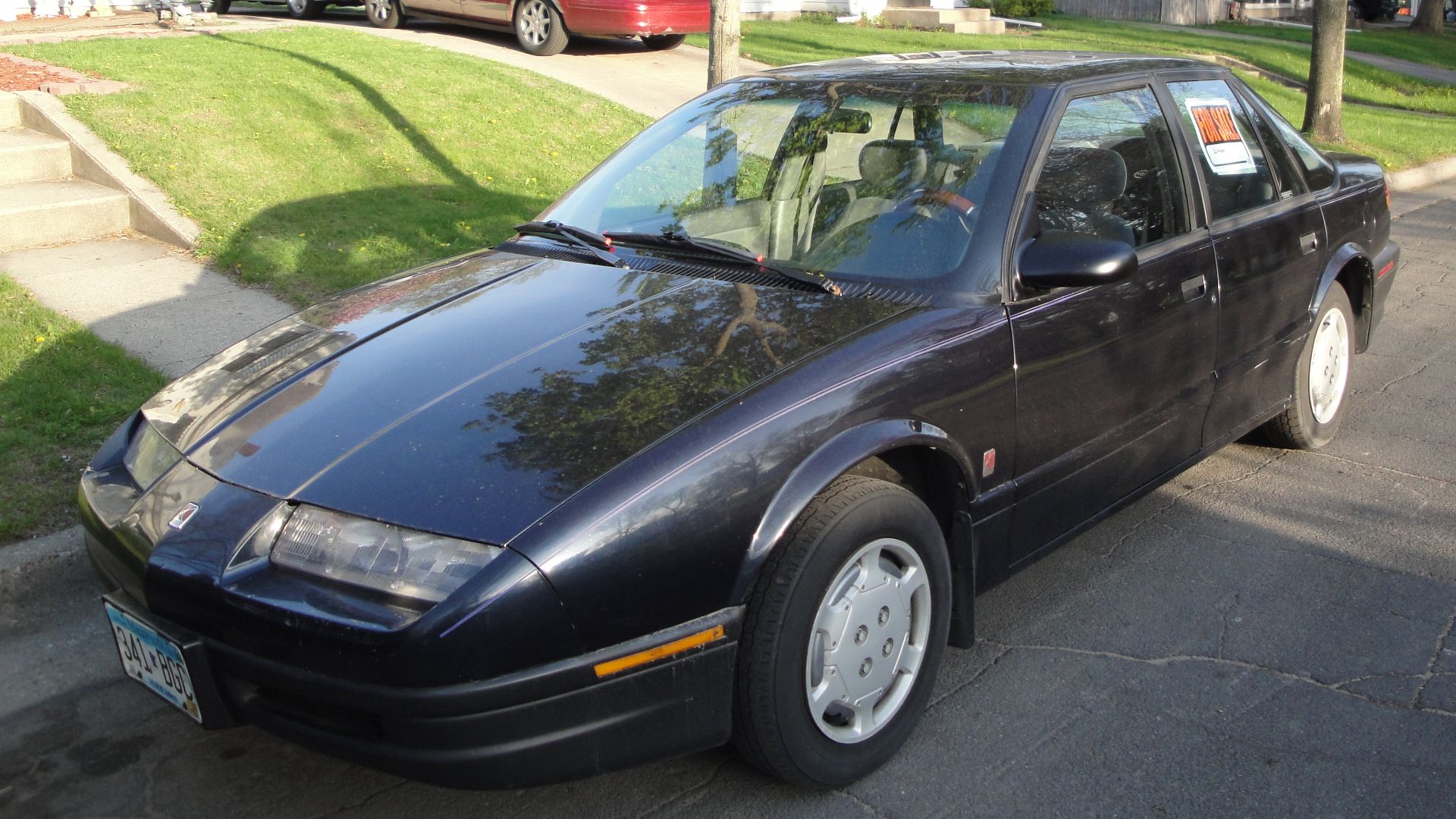
Toyota Tercel
The Tercel was never trying to impress anyone in the student parking lot. Toyota redesigned it for 1995 with coupe and sedan body styles, standard dual airbags, and a 93-hp 1.5-liter four-cylinder engine. Its modest dimensions and roughly $10,000 starting price placed it firmly among the decade's no-nonsense entry-level cars.
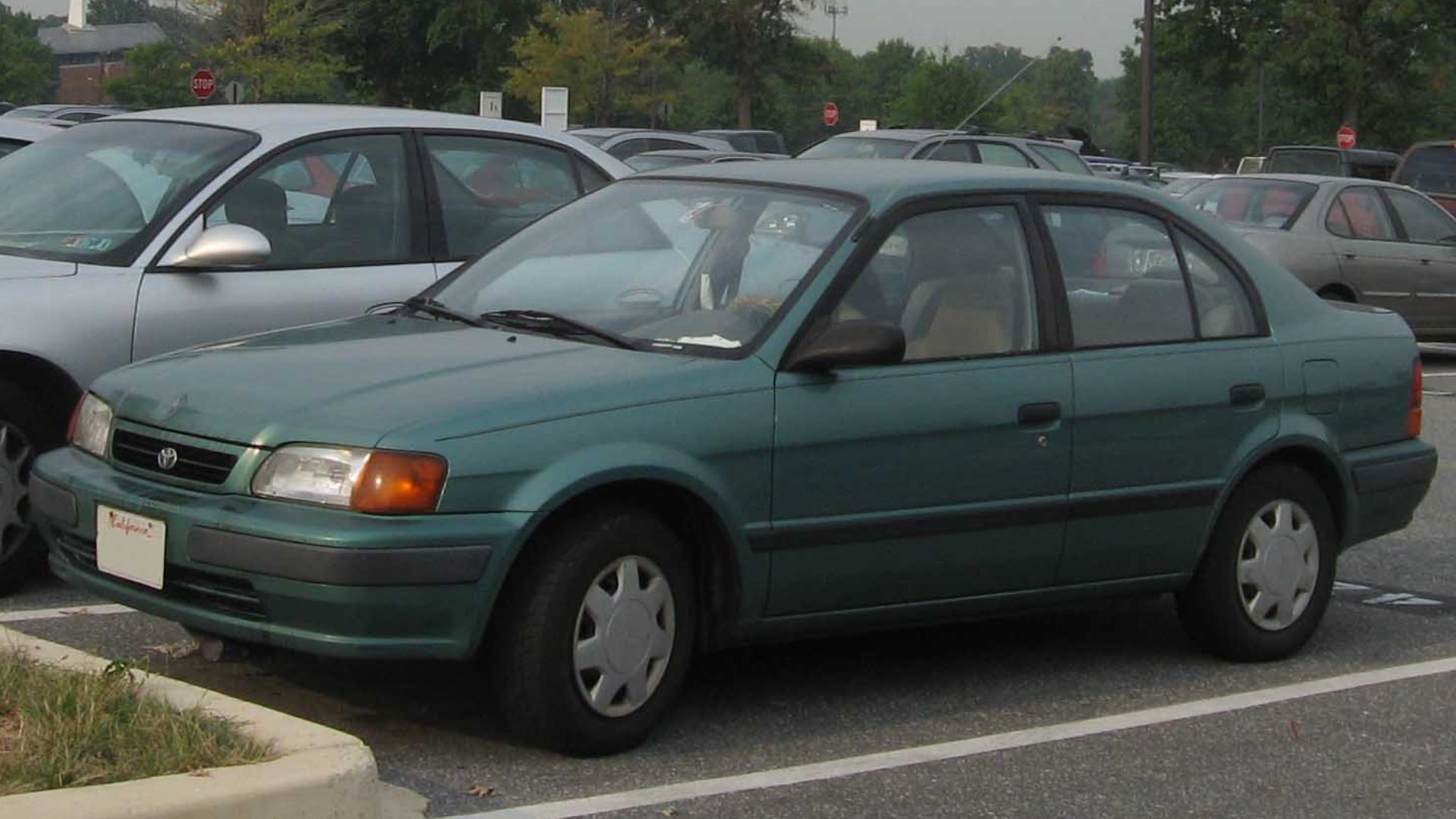
Nissan Sentra
The Nissan Sentra quietly did almost everything expected of an inexpensive compact. Nissan redesigned it for 1995, giving the GXE a 115-hp 1.6-liter engine and more rear-seat room while keeping the car's exterior dimensions manageable. Contemporary reviewers found it simple, practical, and well assembled, which is a pretty strong recipe for inexpensive transportation.
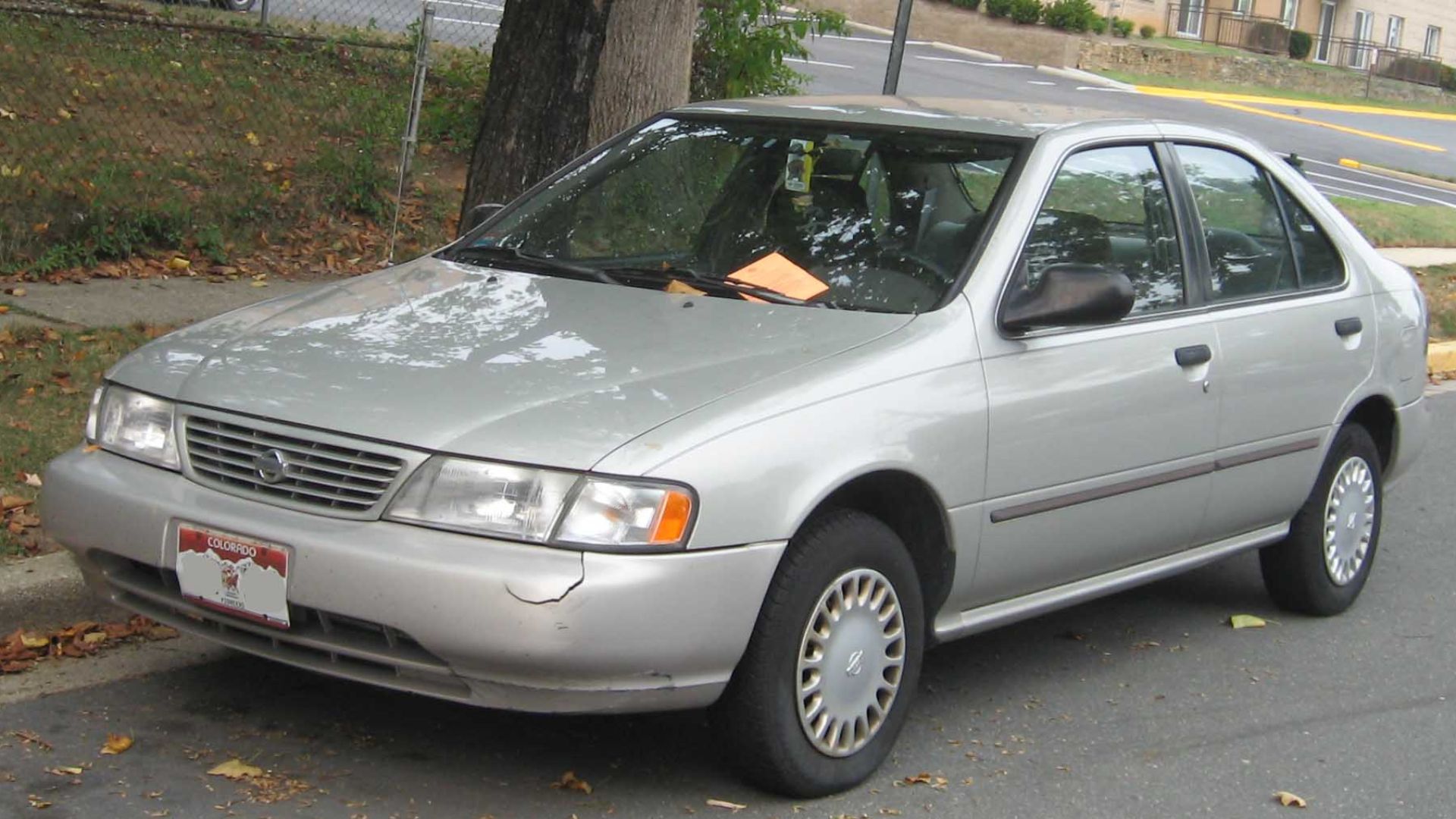
Mazda Protegé
The Protegé was one of Mazda's bread-and-butter small sedans during the 1990s. The redesigned 1995 model offered surprisingly generous interior room, dual airbags, and a substantially stiffer body than its predecessor. It did not attract much attention, but that anonymity eventually helped make used examples an affordable alternative to better-known rivals.
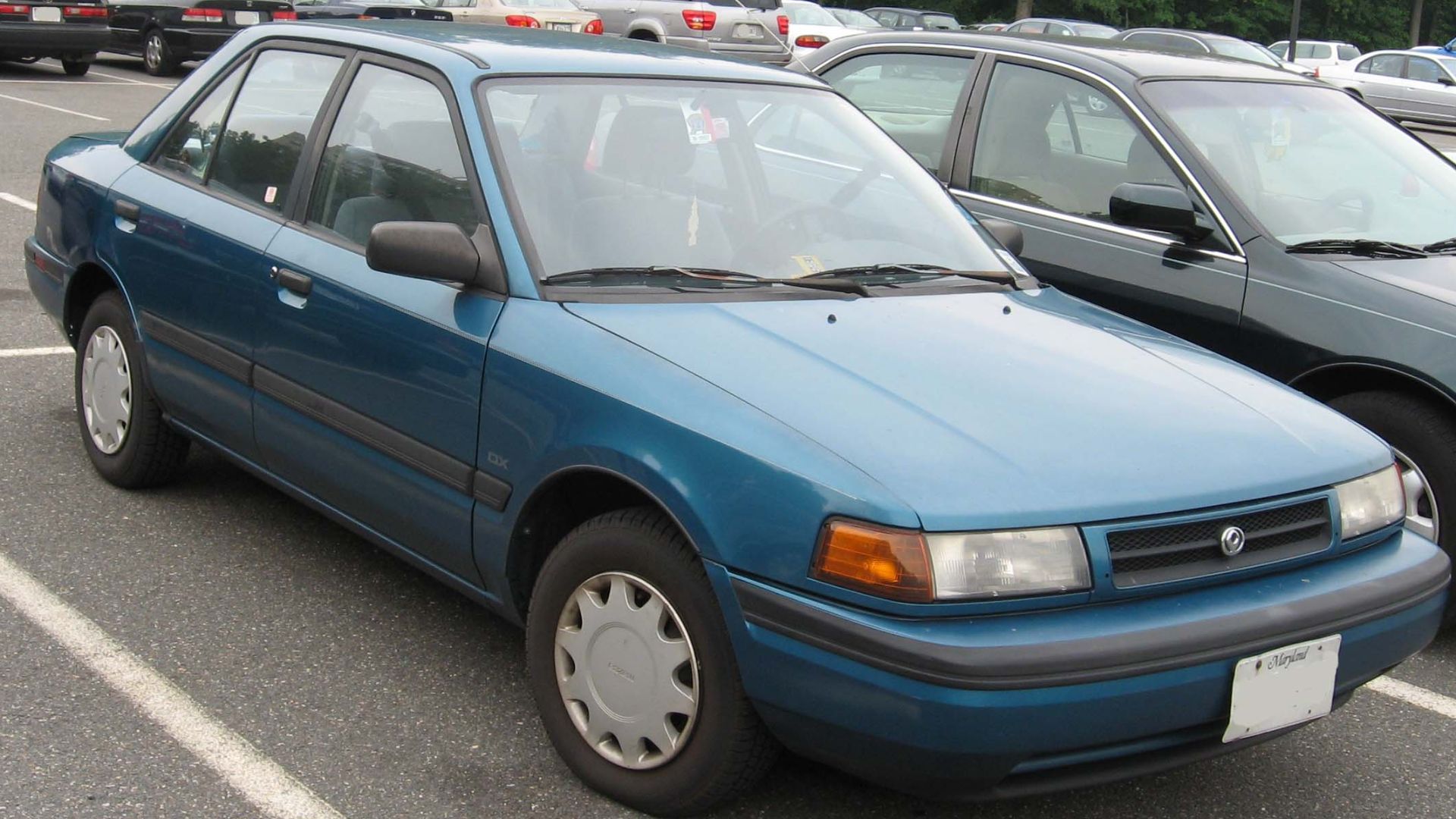
Hyundai Accent
The Hyundai Accent arrived in America for 1995 as the replacement for the Excel. The least expensive versions started just under $9,000, while the 1.5-liter engine produced 92 horsepower and dual airbags were standard. Hyundai still had plenty to prove in America, but the Accent offered buyers an unusually low entry price.
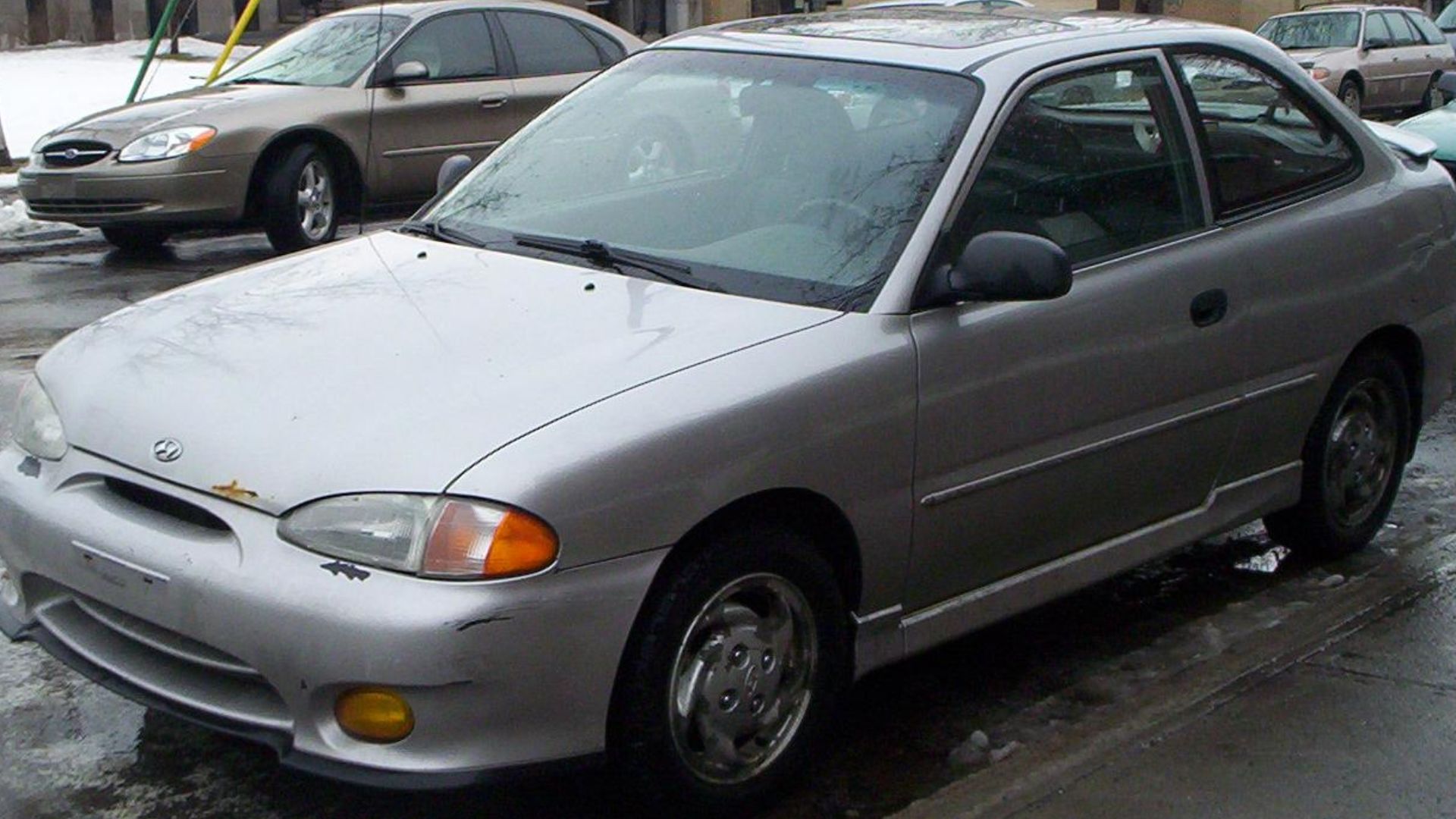
Geo Metro
The Geo Metro made virtually every other economy car seem extravagant. A 1995 hatchback started just above $8,000, and buyers could get a tiny 1.0-liter three-cylinder engine producing only 55 horsepower. Speed was not the attraction, but low purchase prices and excellent fuel economy helped old Metros remain appealing as bare-bones used transportation.
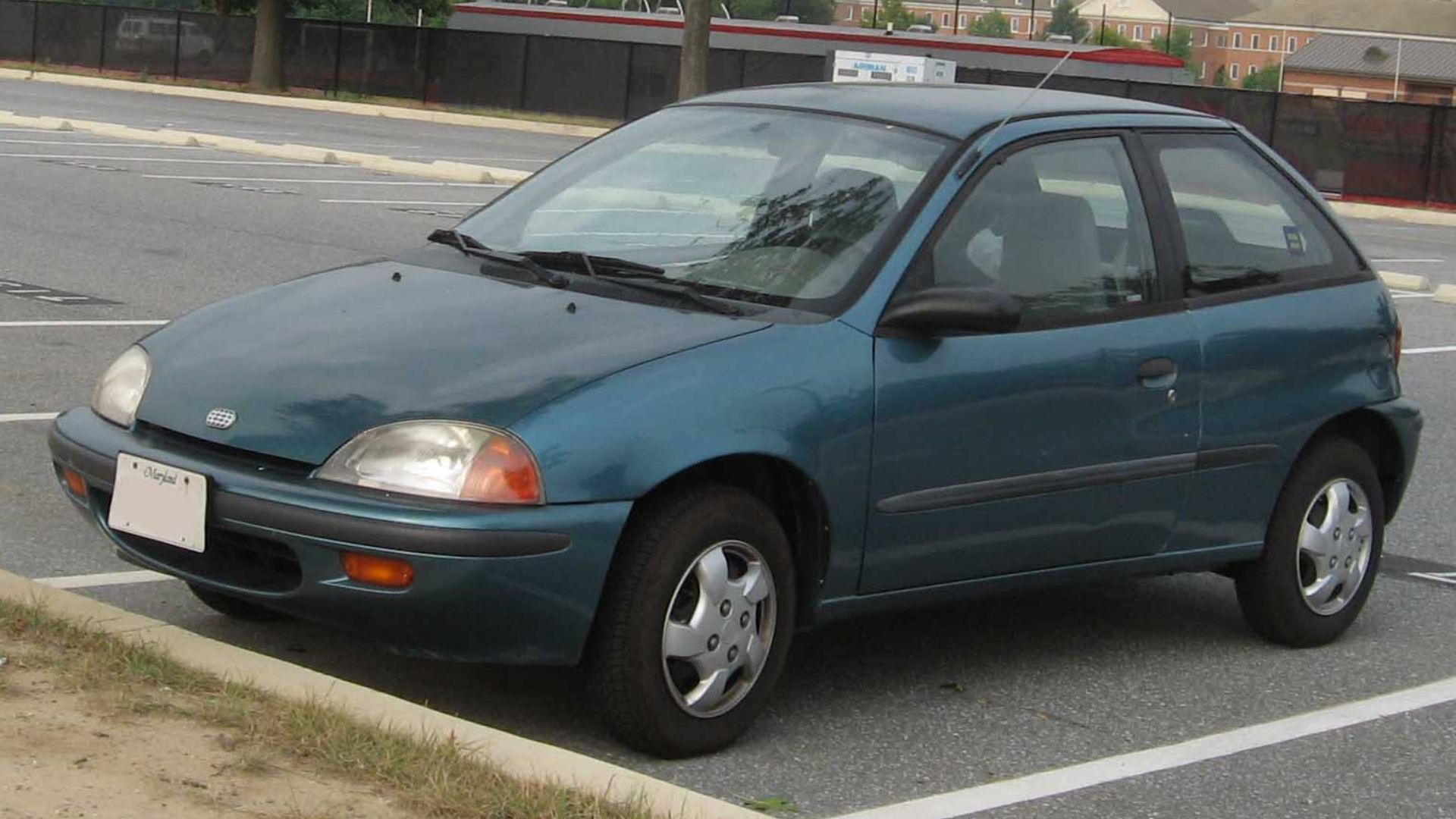
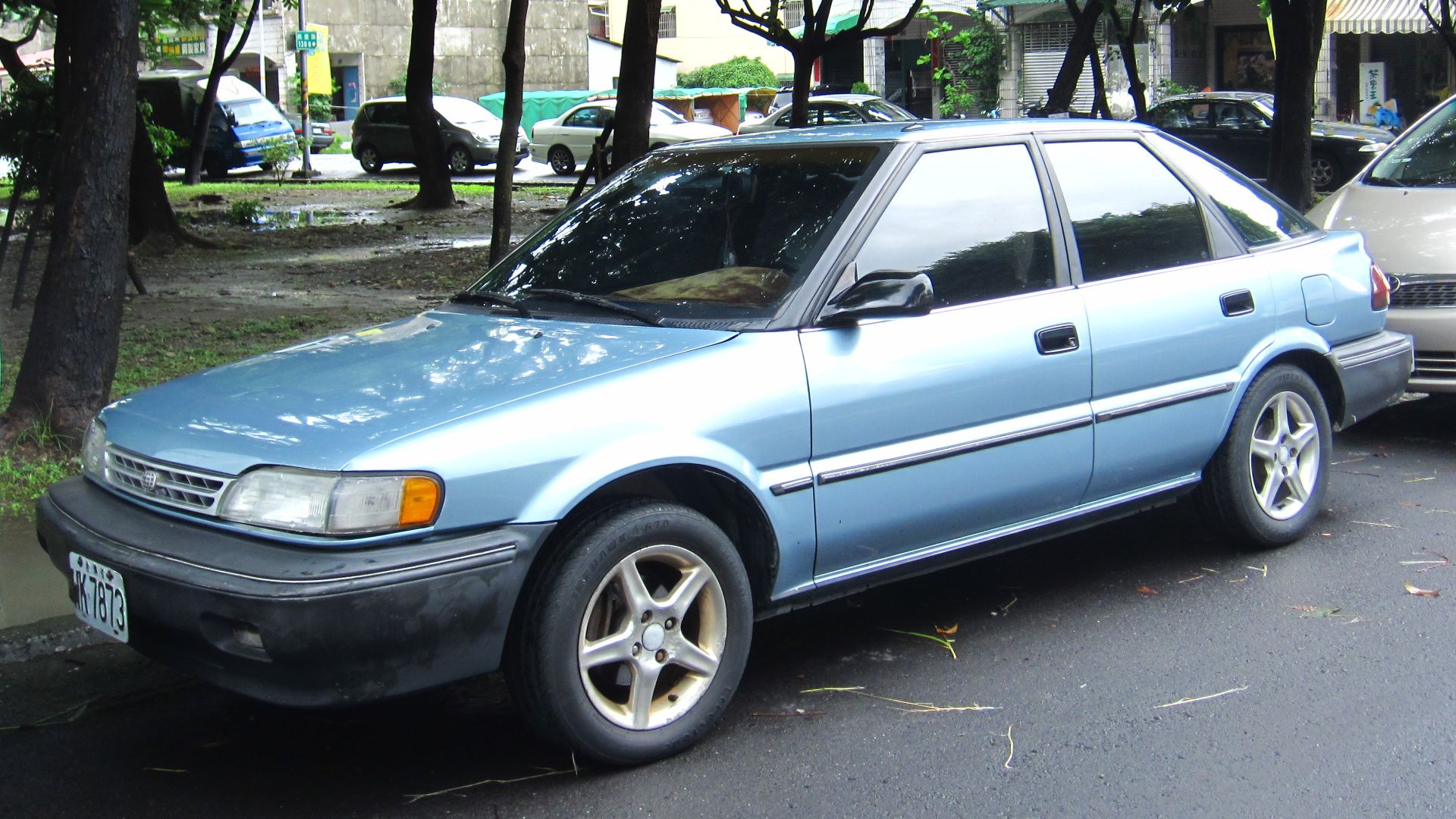
Geo Prizm
The Prizm was easy to overlook, which was part of its appeal. It was built at the NUMMI factory in California through the manufacturing venture between General Motors and Toyota, and it shared its basic underpinnings with the Toyota Corolla. That essentially gave buyers Corolla-based mechanicals through Geo and Chevrolet dealers.
 Rutger van der Maar, Wikimedia Commons
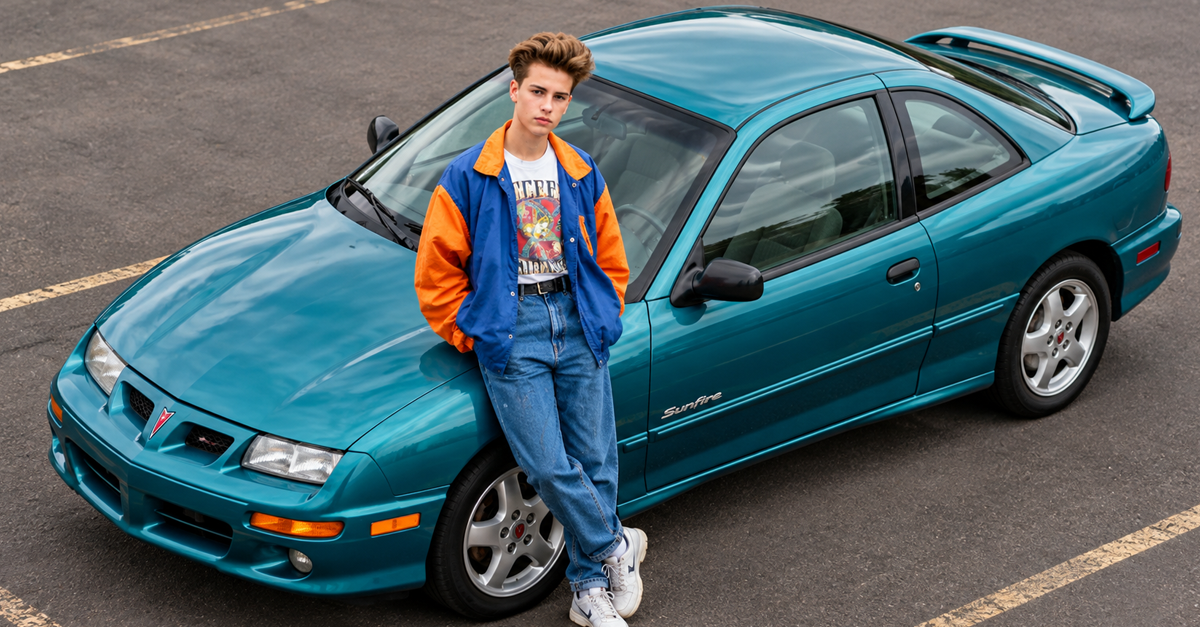
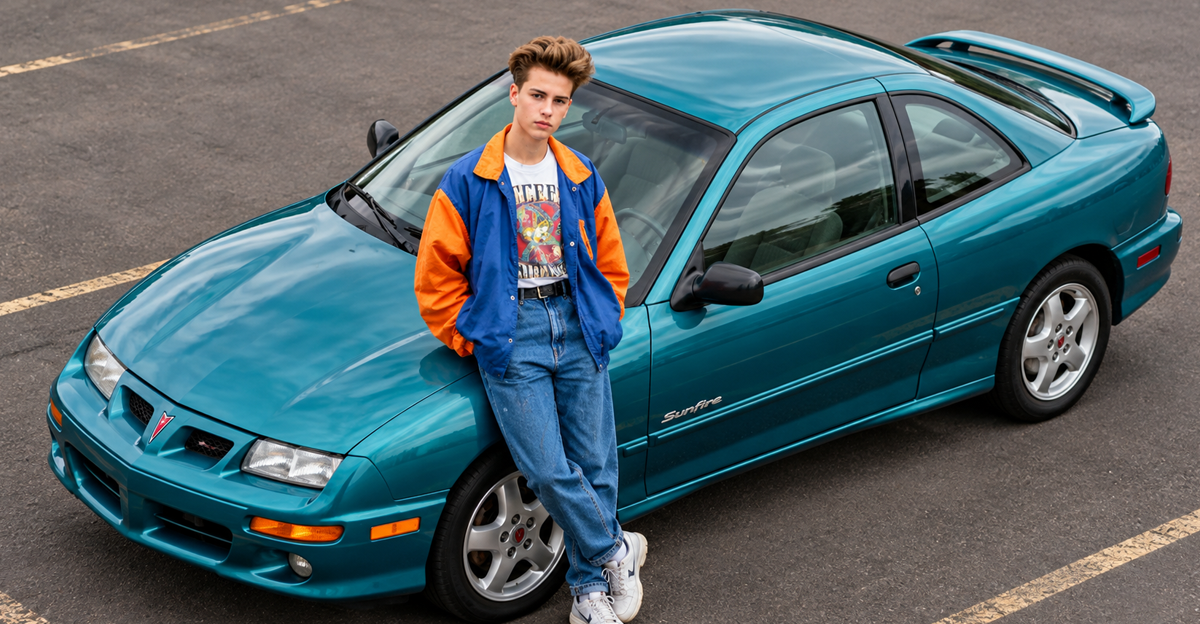
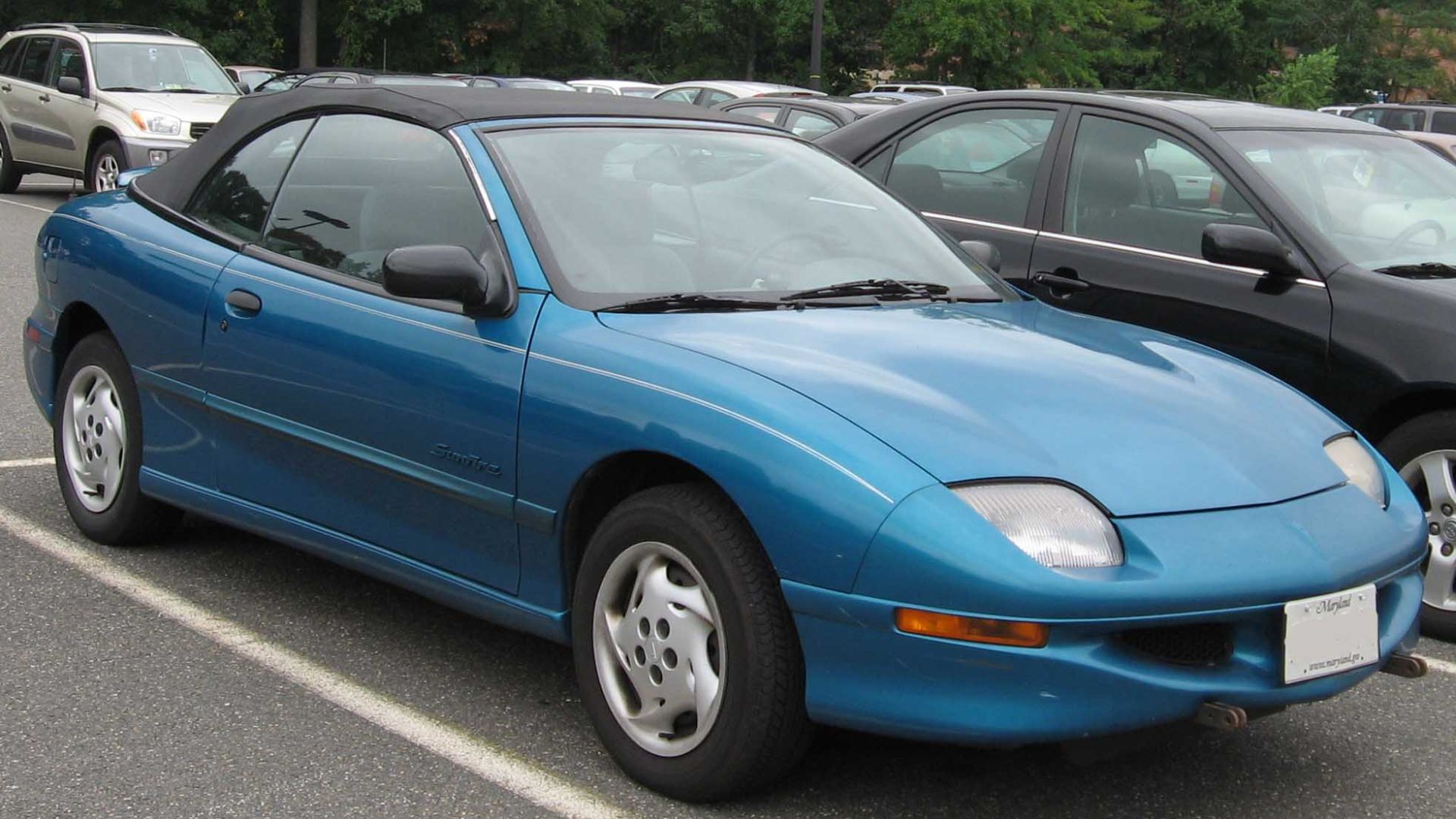
Pontiac Sunfire
The Sunfire brought some Pontiac attitude to the same basic compact-car territory occupied by Chevrolet's Cavalier. By 1996, the sportier Sunfire GT offered GM's 2.4-liter Twin Cam four-cylinder engine and styling that was considerably less anonymous than many economy cars. Coupes, bright colors, and dramatic Pontiac bodywork gave young used-car shoppers something that at least looked exciting.
Pontiac Grand Am
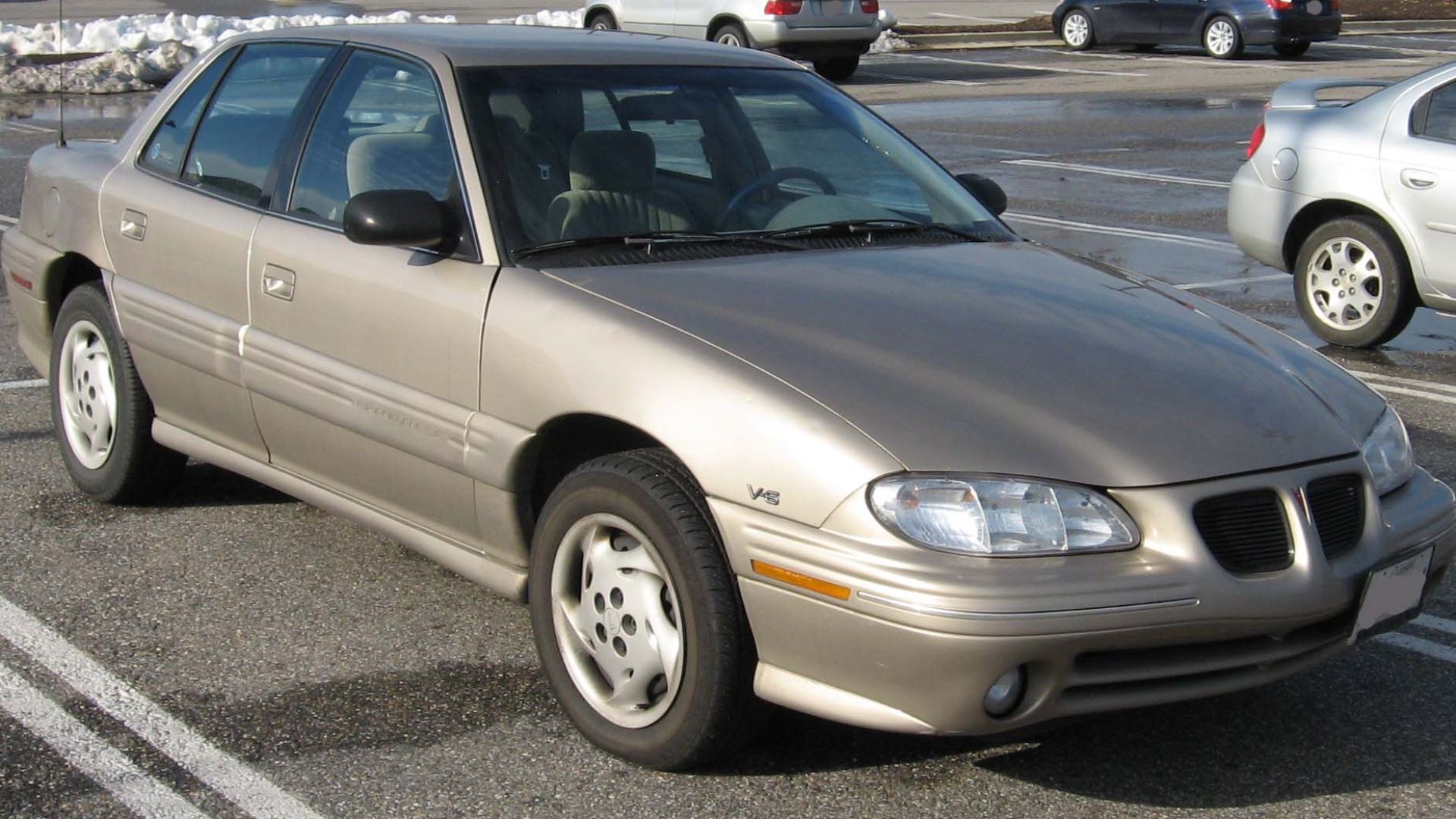
If the Sunfire felt too small, the Pontiac Grand Am offered considerably more car. A 1996 Grand Am SE still qualified for a comparison of affordable sedans costing less than $16,000. Its aggressive styling also gave it far more visual drama than the restrained Sentras and other practical sedans competing for similar buyers.
Ford Contour
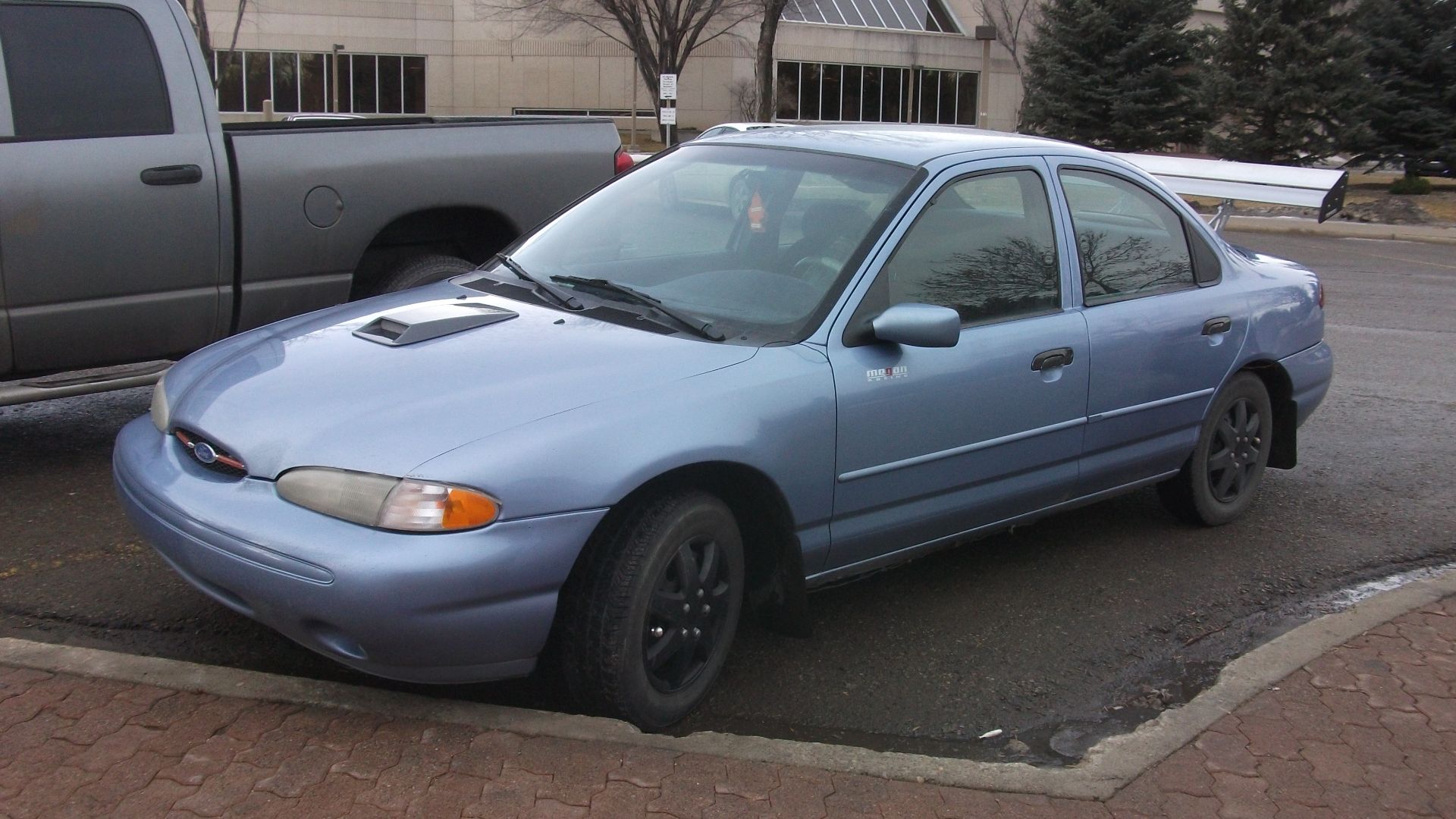
The Contour was Ford's attempt to bring a more European flavor to the American family-car market. Reviewers praised its steering, handling, solid feel, and comparatively upscale cabin when it appeared in a 1996 affordable-sedan test. Depreciation eventually brought all that sophistication down into a much cheaper corner of the used-car market.
 dave_7 from Lethbridge, Canada, Wikimedia Commons
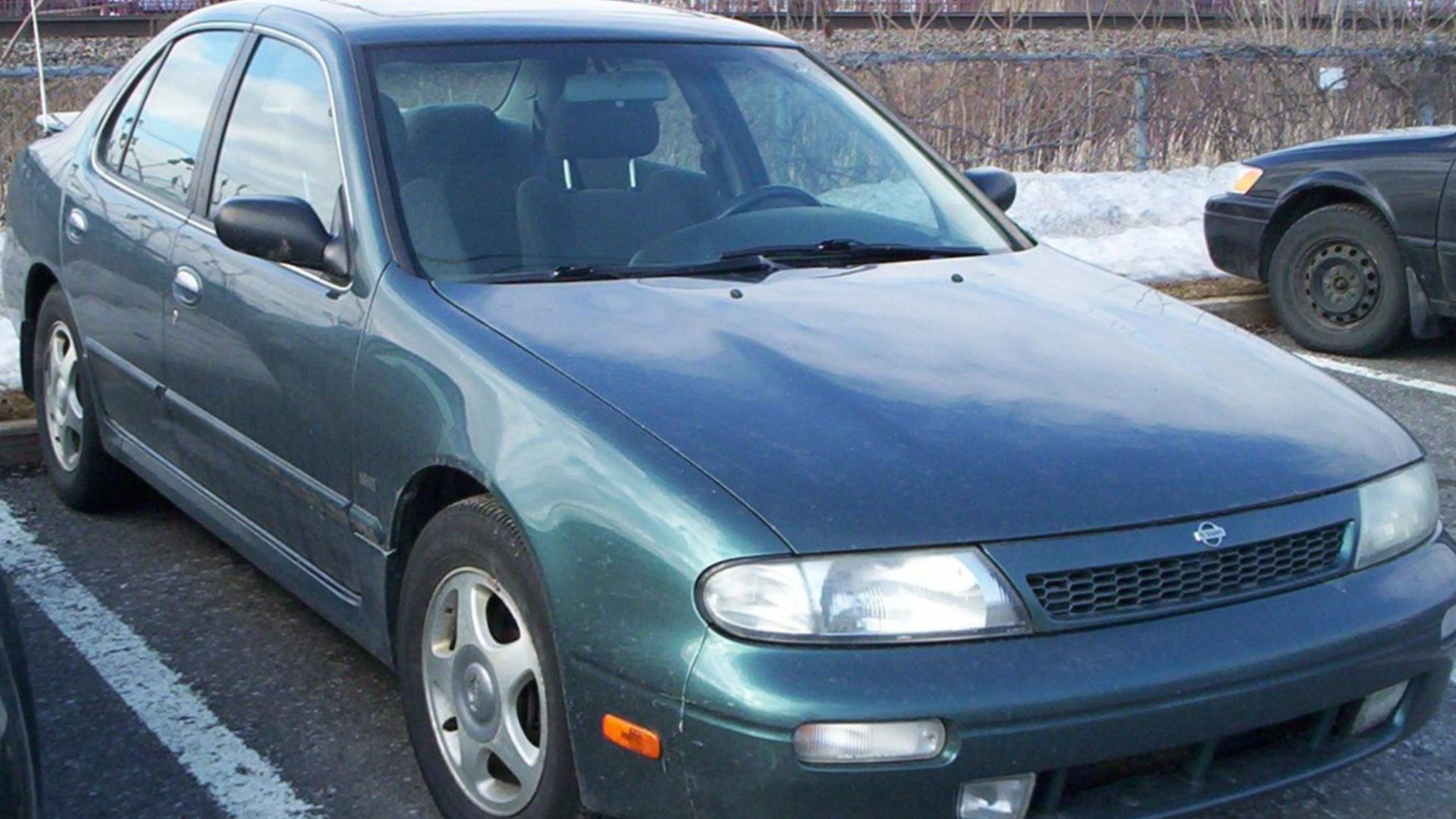
Nissan Altima
The original Altima arrived for 1993 and quickly proved Nissan had found a receptive audience. More than 120,000 were sold during its first year, about 20% more than Nissan had expected. Its strong four-cylinder engine, comfortable cabin, and attainable pricing also meant plenty of early Altimas eventually filtered onto the secondhand market.
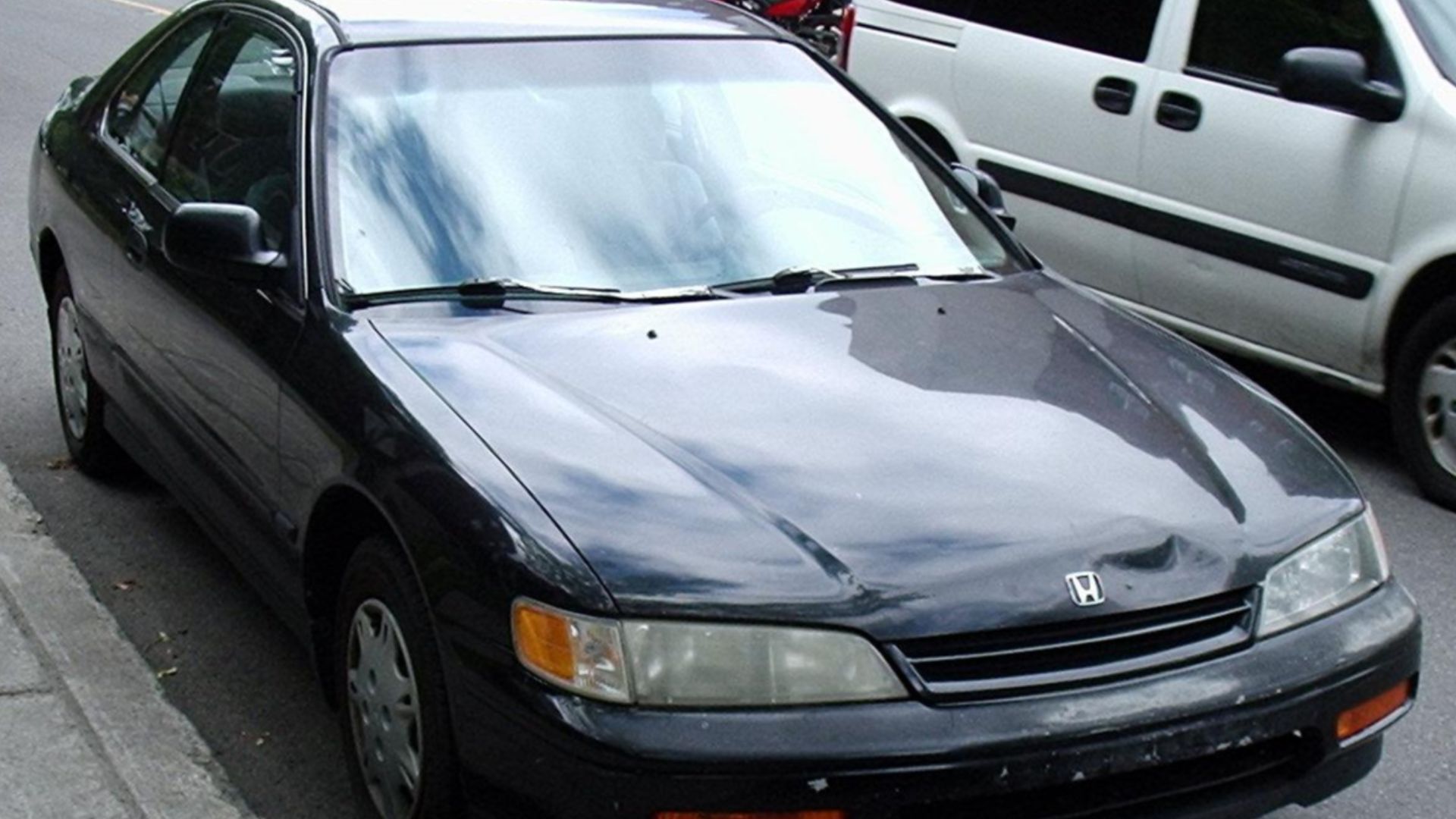
Honda Accord
Sometimes the hand-me-down first car was not a compact at all. The fourth-generation Accord was already one of America's major family sedans when the 1990s began, and Honda completely redesigned it again for 1994. Precise controls, efficient packaging, refinement, and composed driving manners helped make older Accords attractive long after their original owners moved on.
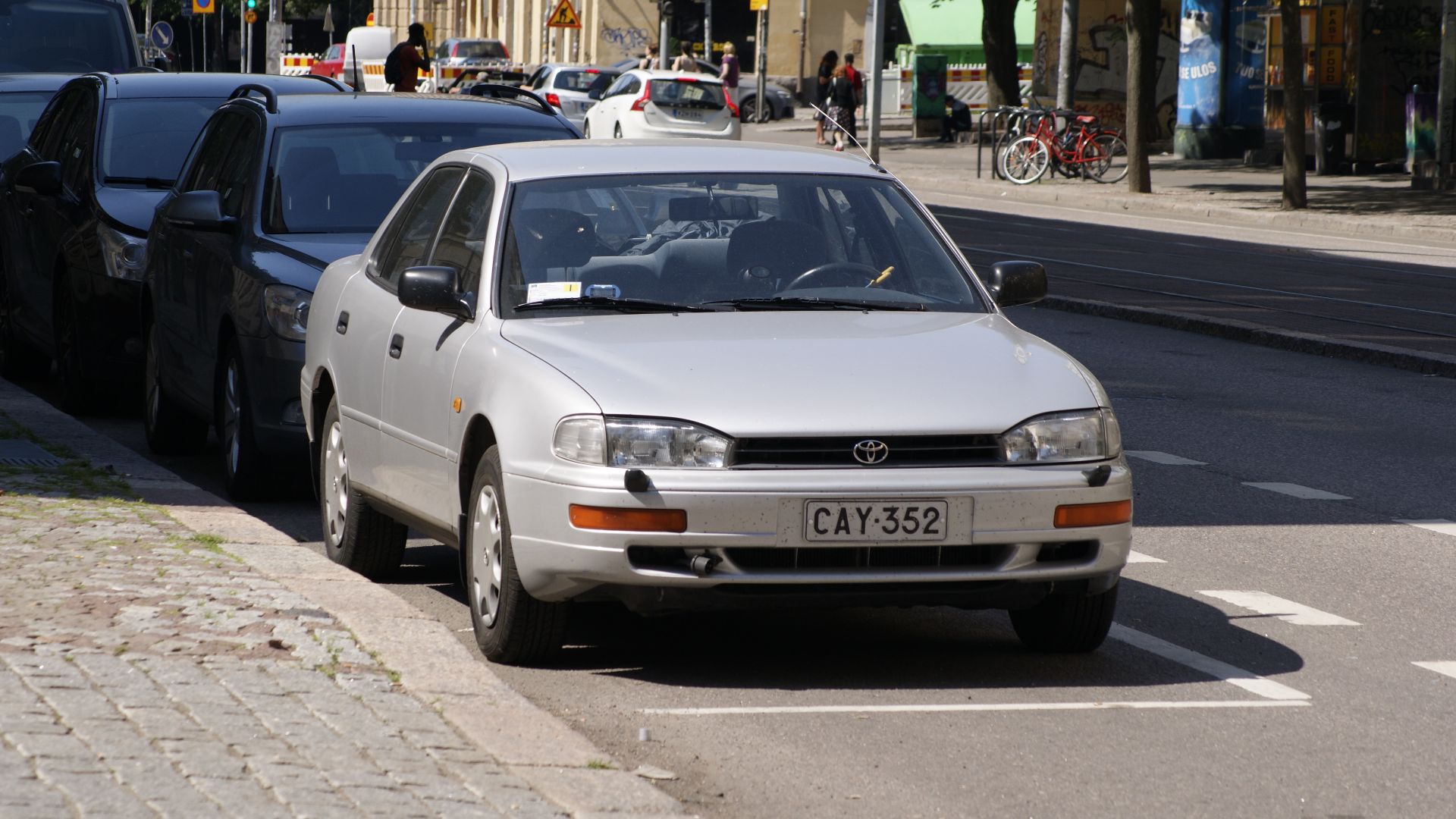
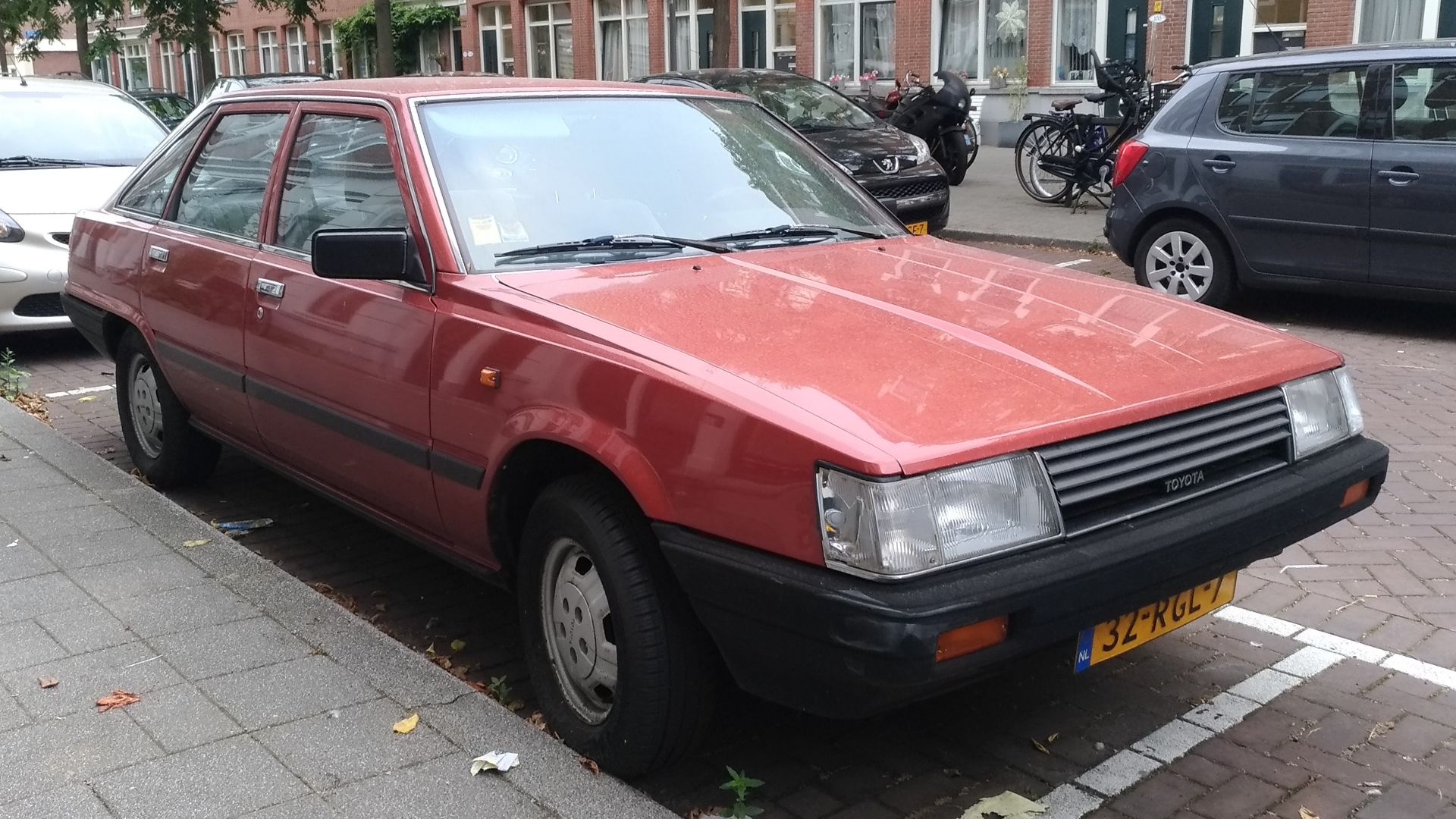
Toyota Camry
A used Camry was the automotive equivalent of sensible shoes, and that was often exactly what families wanted. The wider 1992 redesign moved the American Camry firmly into the midsize category, bringing more interior room and available four-cylinder or V6 power. Its refinement helped the Camry earn spots on Car and Driver's 10Best list in both 1992 and 1993.
 Dogs.barking.duster.rolling, Wikimedia Commons
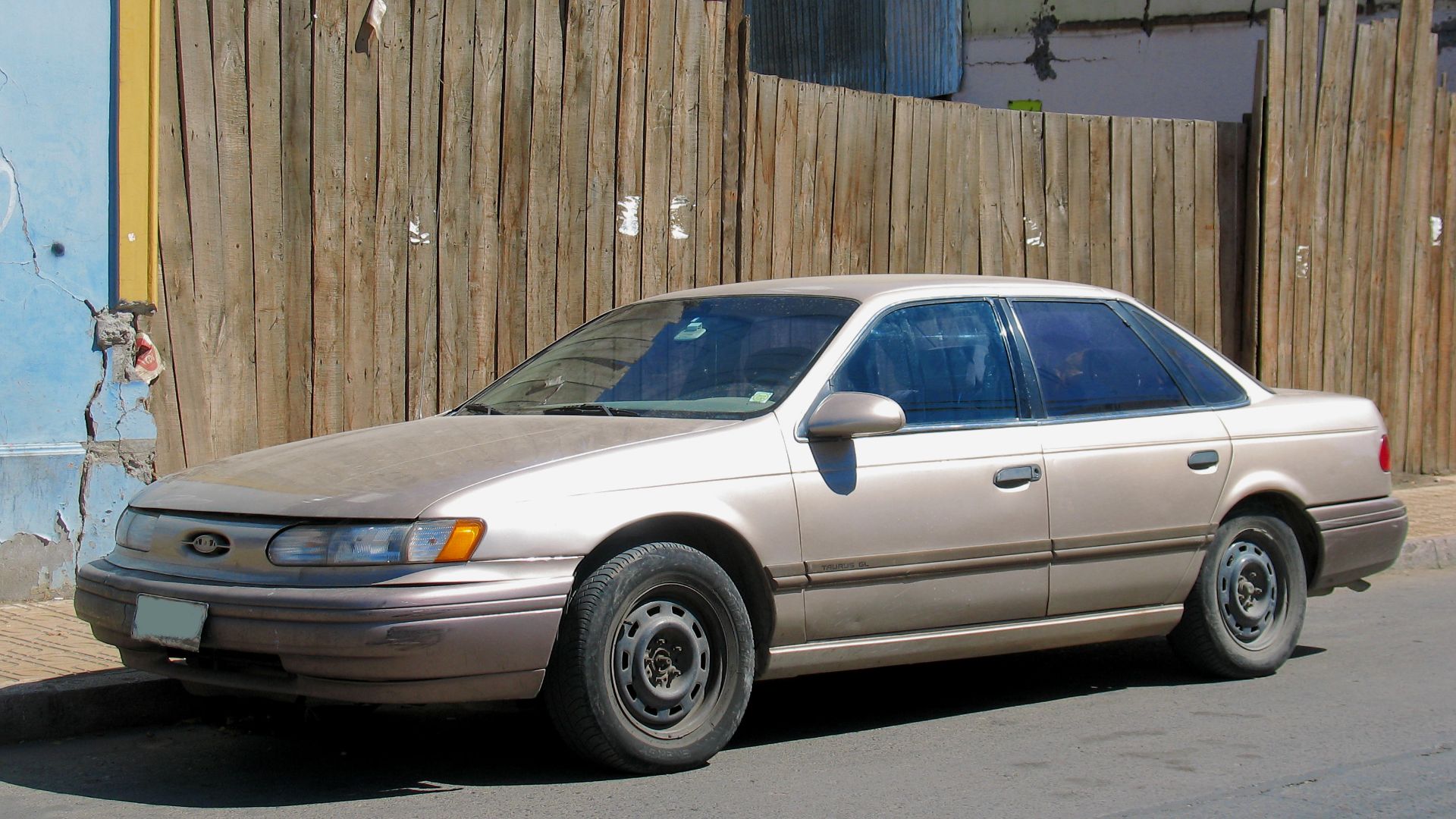
Ford Taurus
The Taurus was almost impossible to avoid during the 1990s. It was America's bestselling passenger car from 1992 through 1996, putting an enormous number of them on American roads as the decade progressed. As those cars aged and depreciated, older Tauruses became increasingly accessible to shoppers looking for a lot of car on a small budget.
 order_242 from Chile, Wikimedia Commons
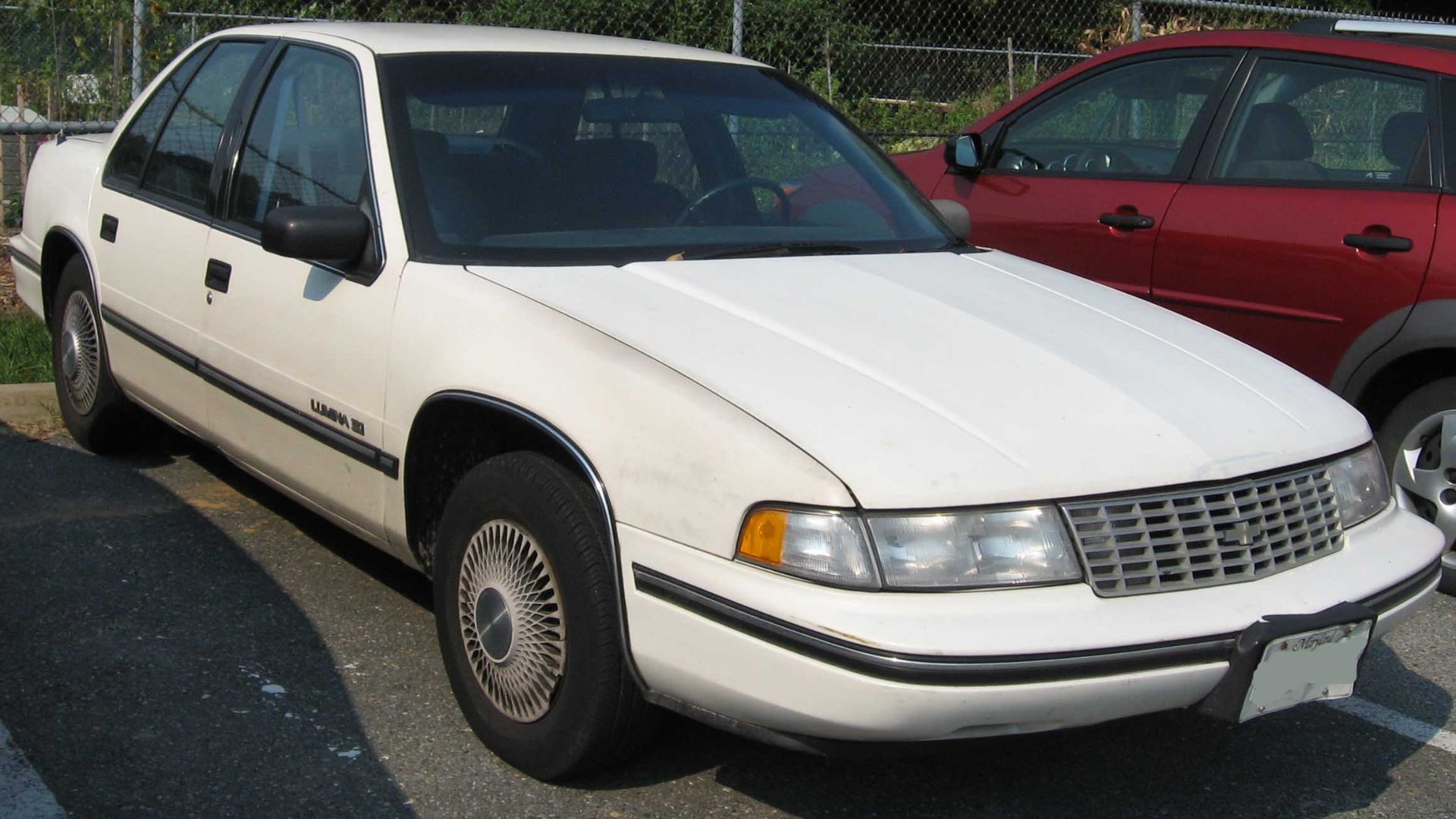
Chevrolet Lumina
The Chevrolet Lumina was another family sedan that gradually migrated into the cheaper end of the used-car market. Early 1990s versions offered roomy interiors and available V6 power while competing against cars such as the Accord, Camry, and Taurus. It was not as polished as the strongest rivals, but an older Lumina could provide plenty of basic transportation for the money.
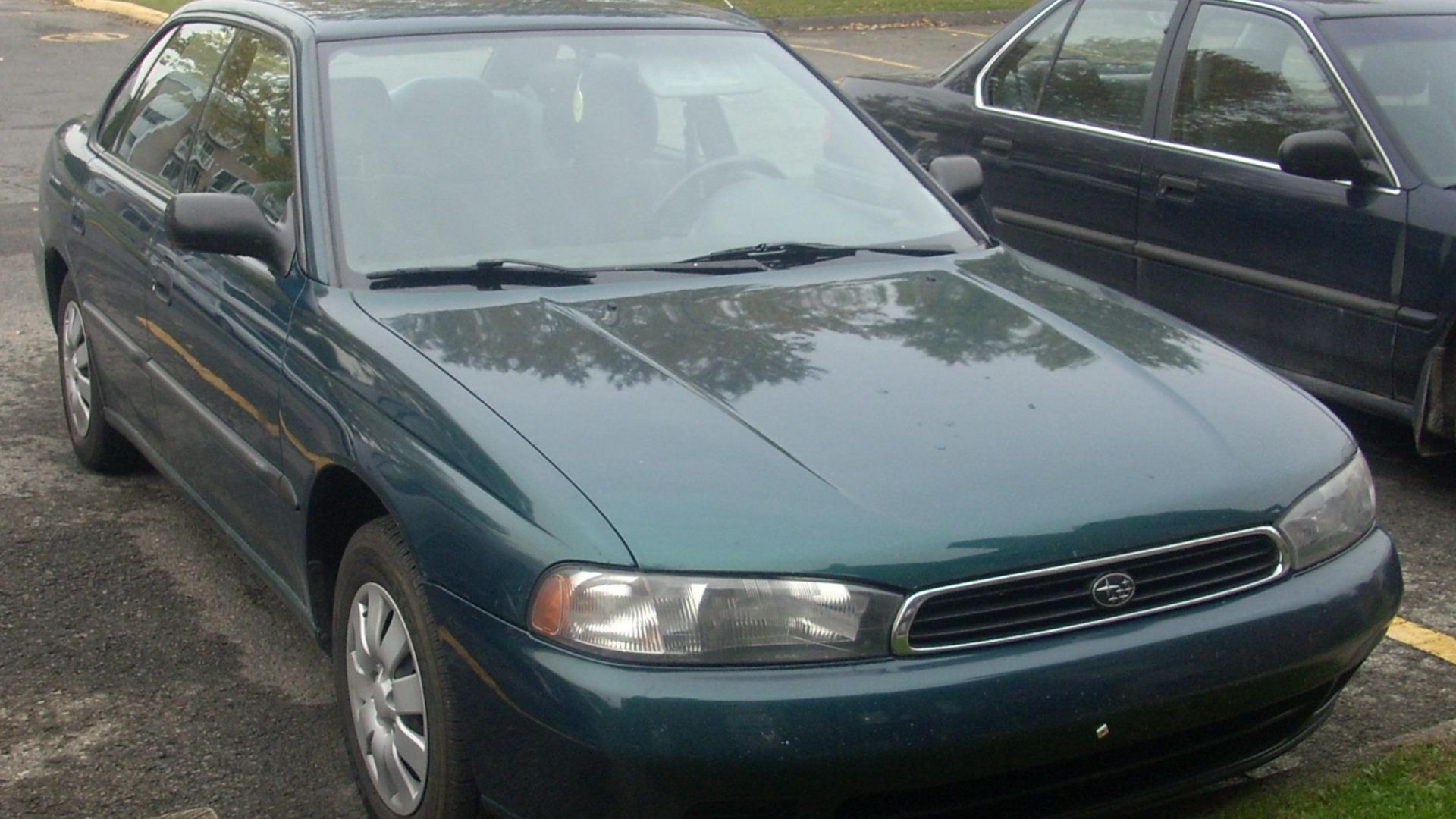
Subaru Legacy
For drivers who regularly dealt with winter weather, a used Subaru offered something many inexpensive cars did not. The redesigned 1995 Legacy had standard dual airbags, a stiffer structure, and available all-wheel drive, while its 2.2-liter flat-four produced 135 horsepower. All-wheel drive gave used Legacys an extra selling point when snow and poor road conditions were part of everyday driving.
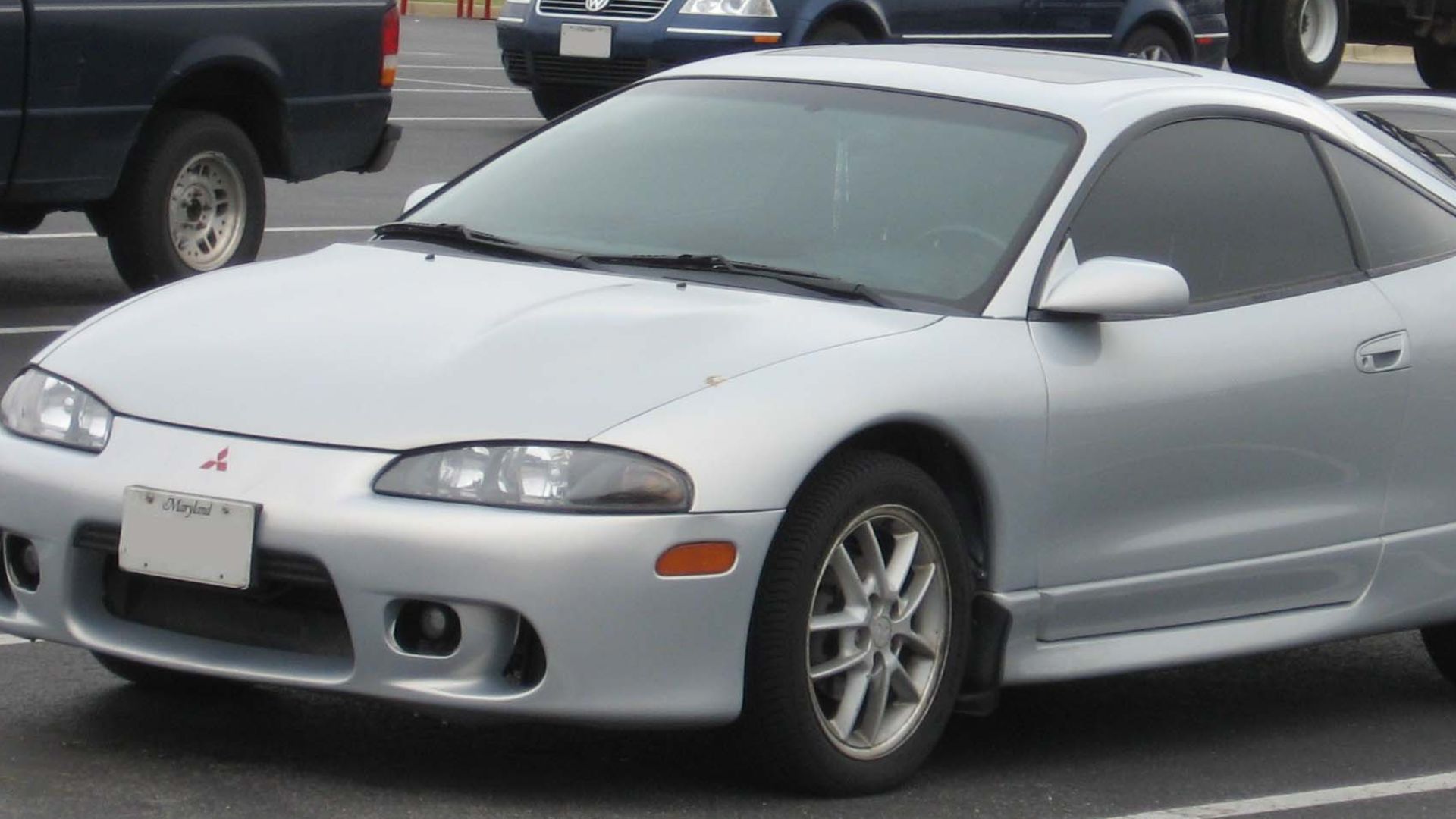
Mitsubishi Eclipse
Not every affordable used car needed to look sensible. The dramatically restyled 1995 Mitsubishi Eclipse offered the kind of low, swoopy coupe body that made teenagers look twice, even in the non-turbo GS version. That model used a 140-hp 2.0-liter engine and delivered much of the visual appeal of the quicker turbocharged versions without their performance.
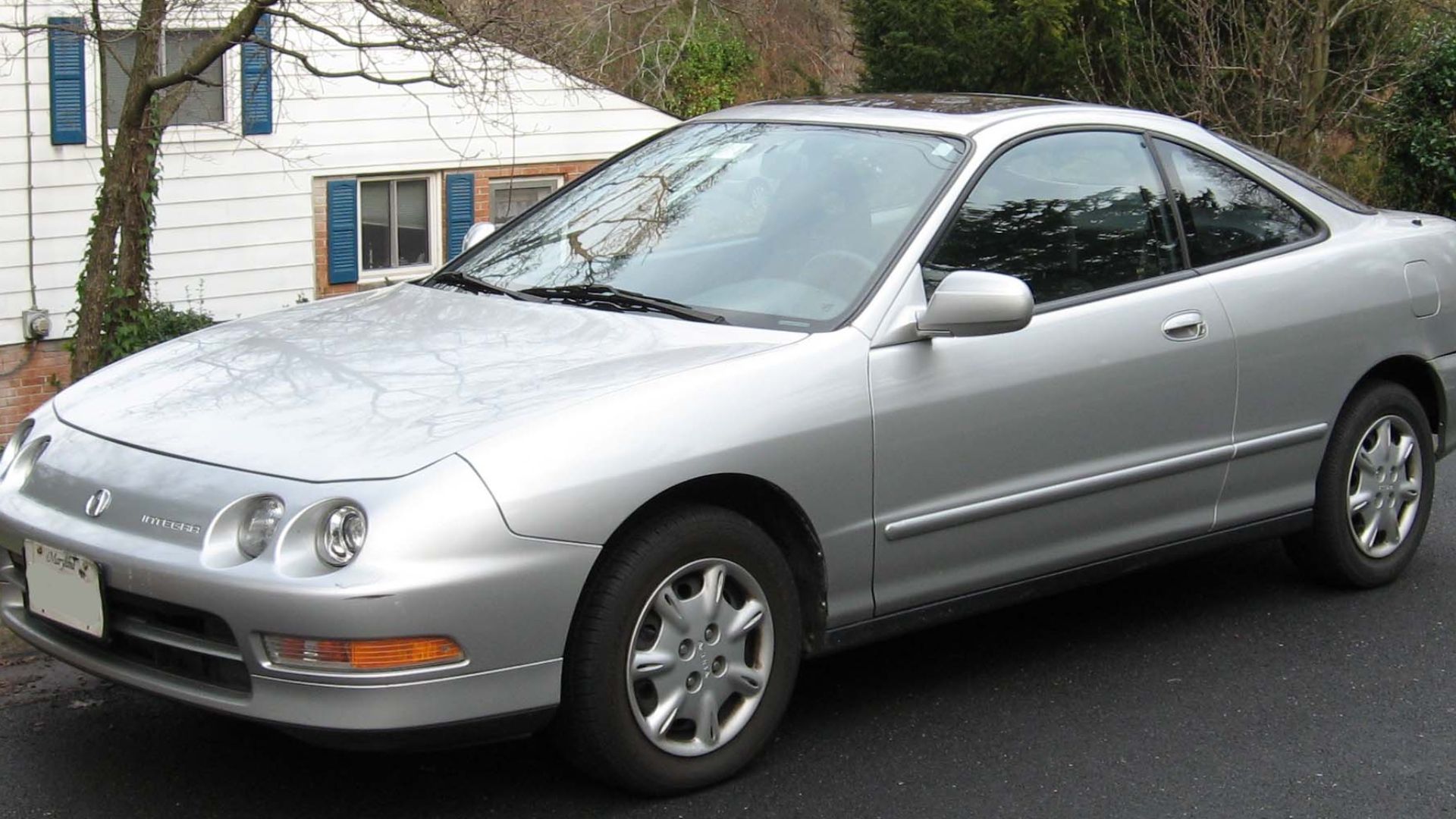
Acura Integra
The Integra proved a practical compact could also be genuinely fun. The redesigned 1994 model paired compact dimensions with responsive handling, while even the regular LS impressed reviewers with its steering and overall control feel. As ordinary Integras depreciated, they became increasingly attainable alternatives to the less sporty economy cars surrounding them.
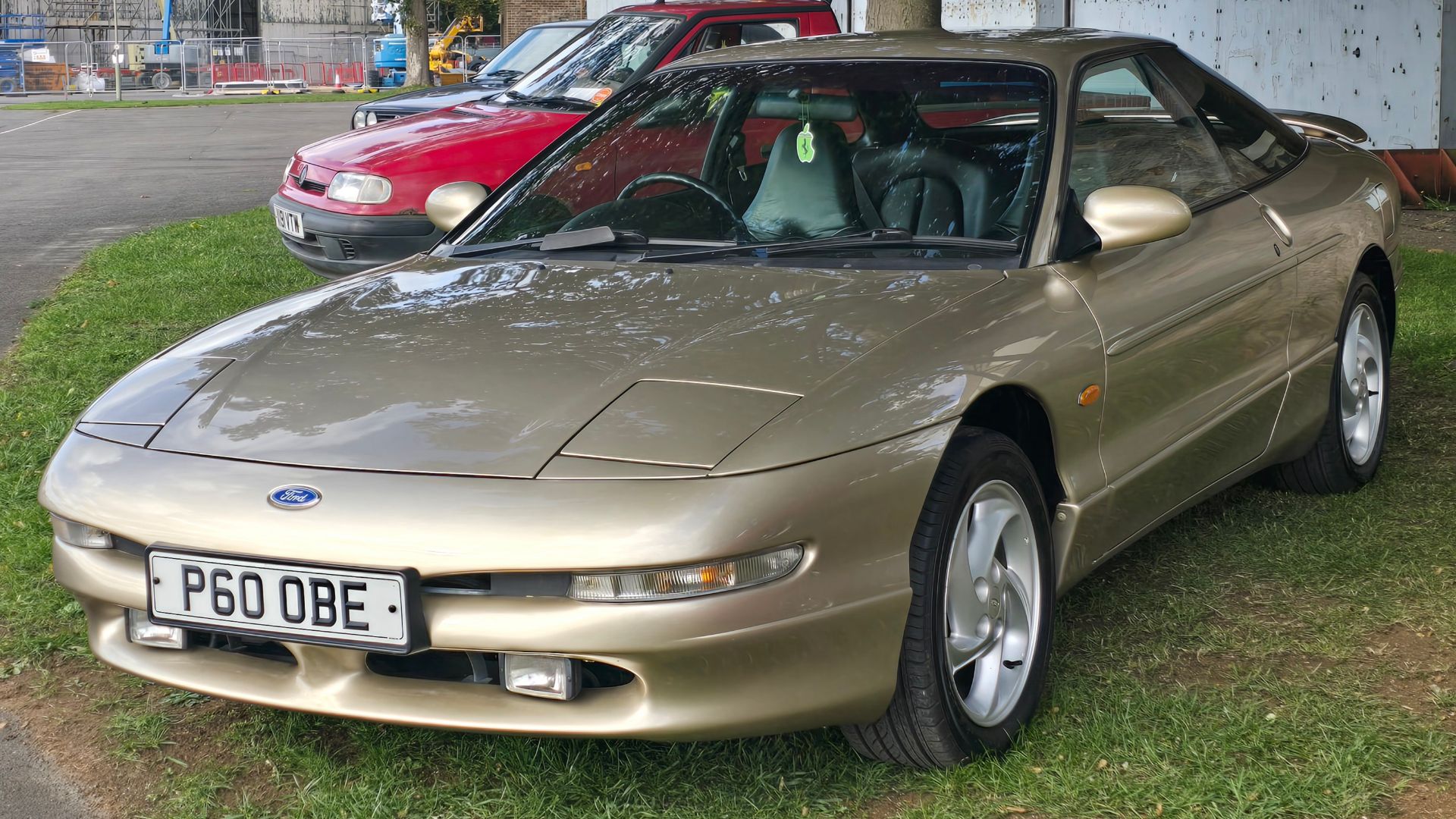
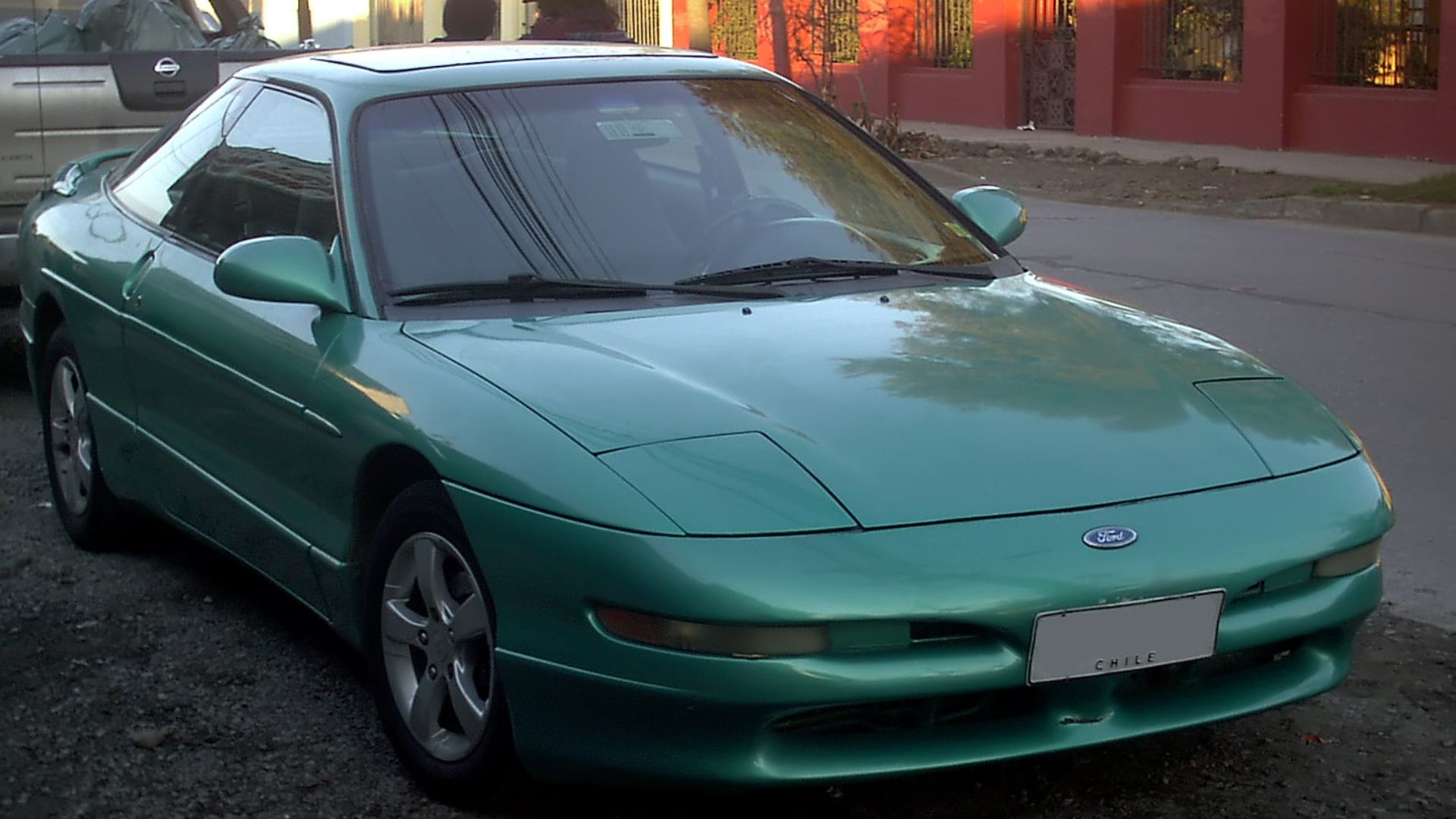
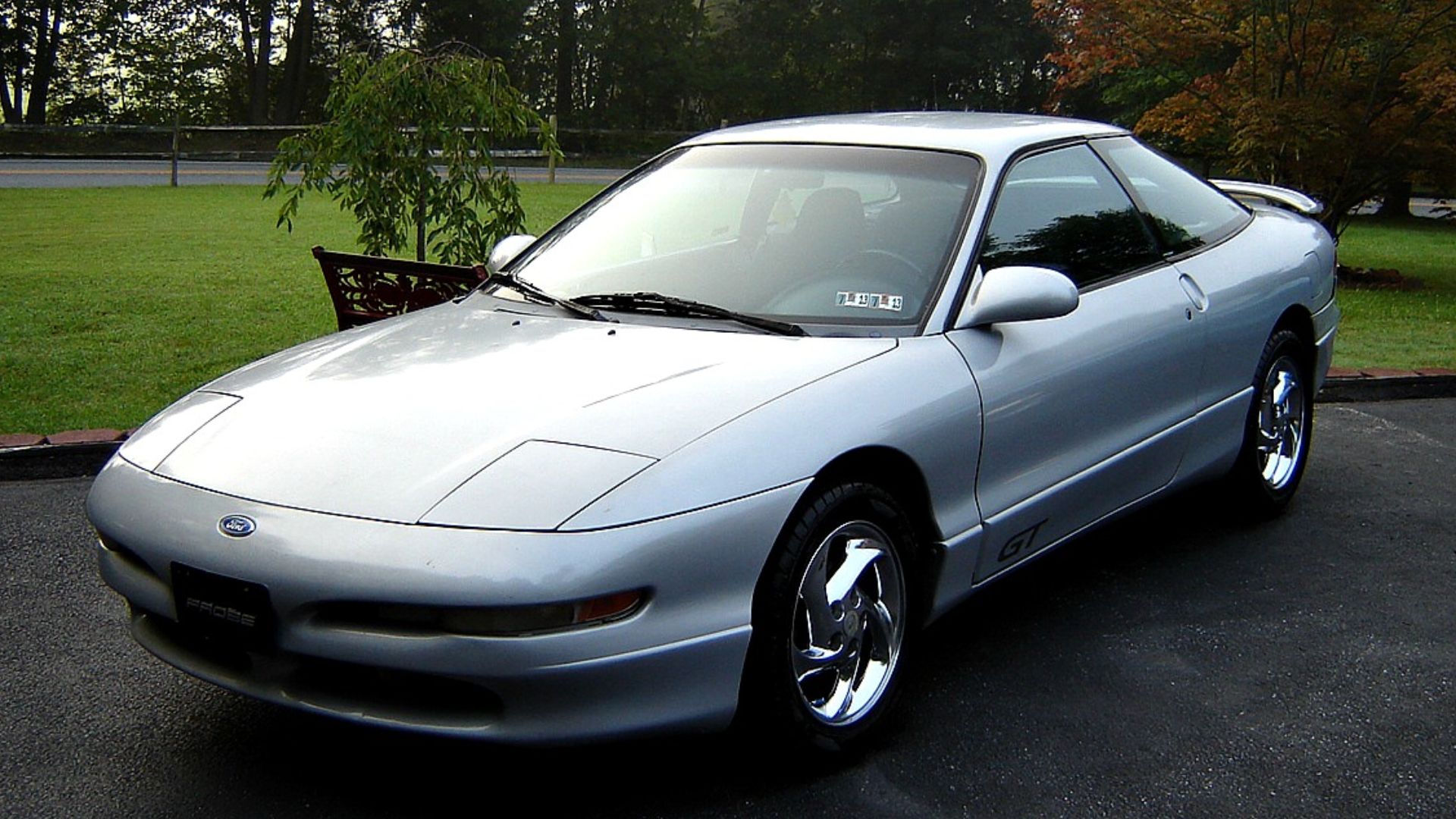
Ford Probe
For someone who wanted something that looked considerably faster than a sedan, the Ford Probe had obvious appeal. The second-generation Probe arrived with sleek 1990s styling, while the GT used a 164-hp 2.5-liter V6. Period testing put the Probe GT at roughly seven seconds to 60 mph, giving it genuine performance to accompany the sports-coupe looks.
 order_242 from Chile, Wikimedia Commons
These Cars Were Built For The Used-Car Pipeline
What links these wildly different cars together is not that every one was brilliant. Most began as relatively affordable mainstream transportation in fiercely competitive segments, so depreciation eventually pushed older examples into bargain territory. That made the 1990s a particularly rich era for anyone shopping for inexpensive wheels a few years later.
 Guillaume Vachey from Chalon sur Saone, France, Wikimedia Commons
Which One Was Sitting In Your Driveway?
For an entire generation of drivers, independence arrived with a cassette deck, cloth seats, tiny wheels, and the keys to a well-used 1990s car. Maybe yours was a Corolla, a battered Cavalier, a Civic with questionable modifications, or a Geo Metro that needed a downhill stretch to feel quick. Which one gave you your first real taste of freedom?
You May Also Like:
Sports Cars Every Kid Dreamed About In The 1990s—Which One Was On Your Bedroom Wall?
These Japanese Cars Were Everywhere In The 1990s—Now You Almost Never See Them