The Slammed-Car Look Comes With Real Tradeoffs
It's not that hard to understand the visual appeal of a car that sits low and looks planted. A dramatic drop can make even an ordinary sedan look sharper, meaner, and more customized. At least, that's what your teenager will say.
But when a suspension is lowered so far that the car nearly scrapes the pavement, the problems go well beyond comfort and straight into safety, tire wear, and parts damage.

Lowering Is Not The Same As Going Too Low
There is a big difference between a mild, well-engineered drop and an extreme one. Automakers and aftermarket suspension companies often tune moderate lowering kits around alignment, spring rates, and shock travel. Once the ride height gets very close to the ground, many of those engineering margins disappear fast.
Ground Clearance Disappears In A Hurry
The most obvious problem is simple physics. Less space between the car and the road means speed bumps, steep driveways, potholes, and road debris become threats. The National Highway Traffic Safety Administration notes that suspension systems help maximize friction between tires and the road, and constant bottoming-out works against that basic job.

Bottoming Out Is More Than An Annoying Sound
That awful scrape is not just cosmetic. Bottoming out can slam the suspension into its bump stops, upset the tires' contact with the pavement, and shock other parts underneath the car. Over time, repeated impacts can damage exhaust components, oil pans, splash shields, and underbody hardware.
Suspension Travel Matters More Than Most People Think
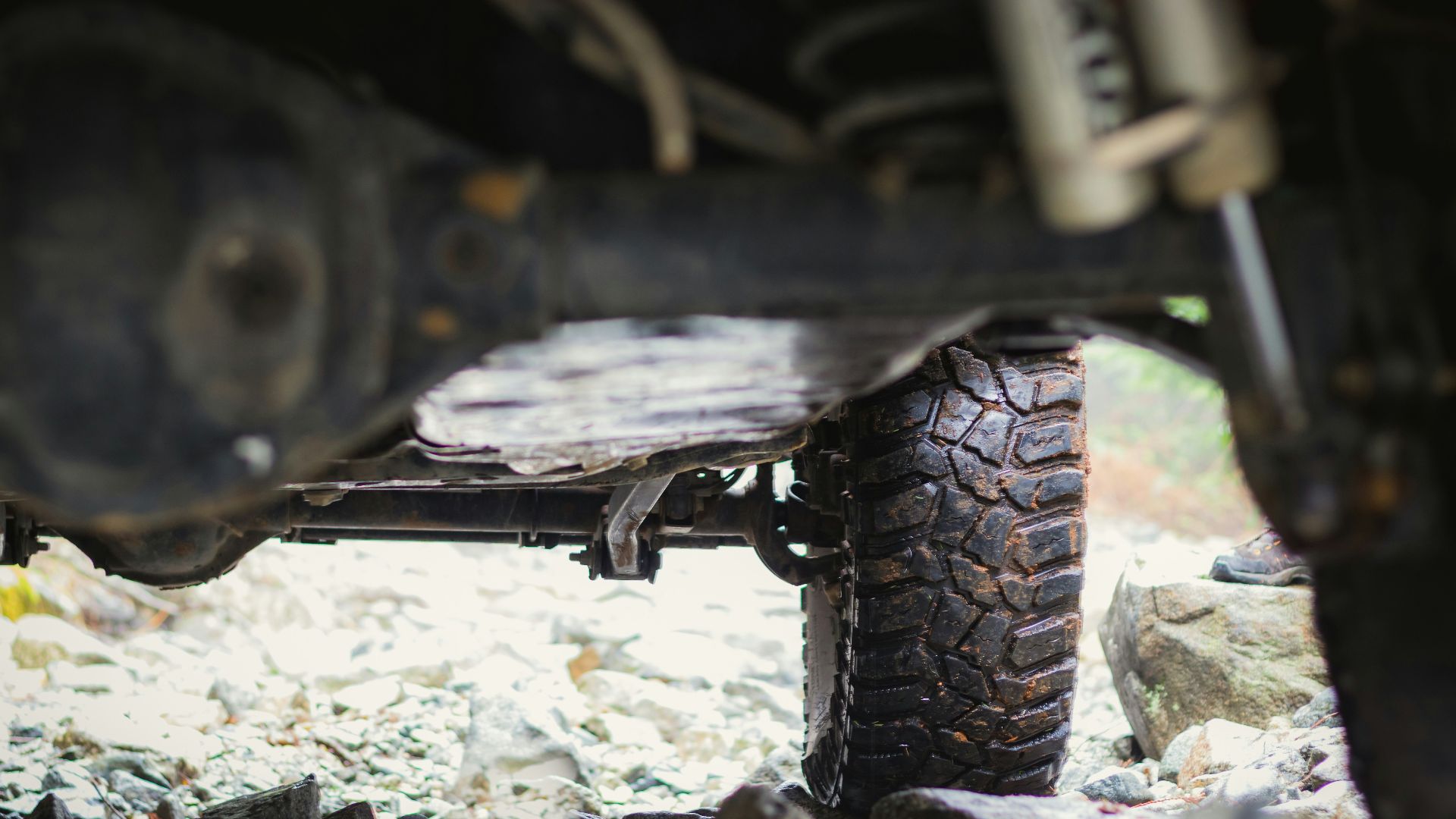
A suspension needs room to move up and down over bumps. When a car is dropped excessively, the amount of available travel shrinks, sometimes dramatically. That can make the car feel harsh and skittish because the suspension runs out of motion before it can absorb road imperfections.
Bad Geometry Can Undo The Good Looks
Modern suspensions are designed around specific ranges of motion and ride height. Lowering a car changes alignment angles, including camber and toe, and those changes can become severe if the drop is extreme. The result can be unstable handling, wandering on the highway, and tires that wear out far sooner than expected.
Alignment Trouble Can Start Immediately
Even a properly installed set of lowering springs usually calls for a fresh alignment. Go too low, and some cars cannot be brought back into spec without additional hardware such as adjustable control arms or camber kits. Tire industry guidance from Tire Rack and Les Schwab both warns that alignment changes after lowering can shorten tire life and affect handling.
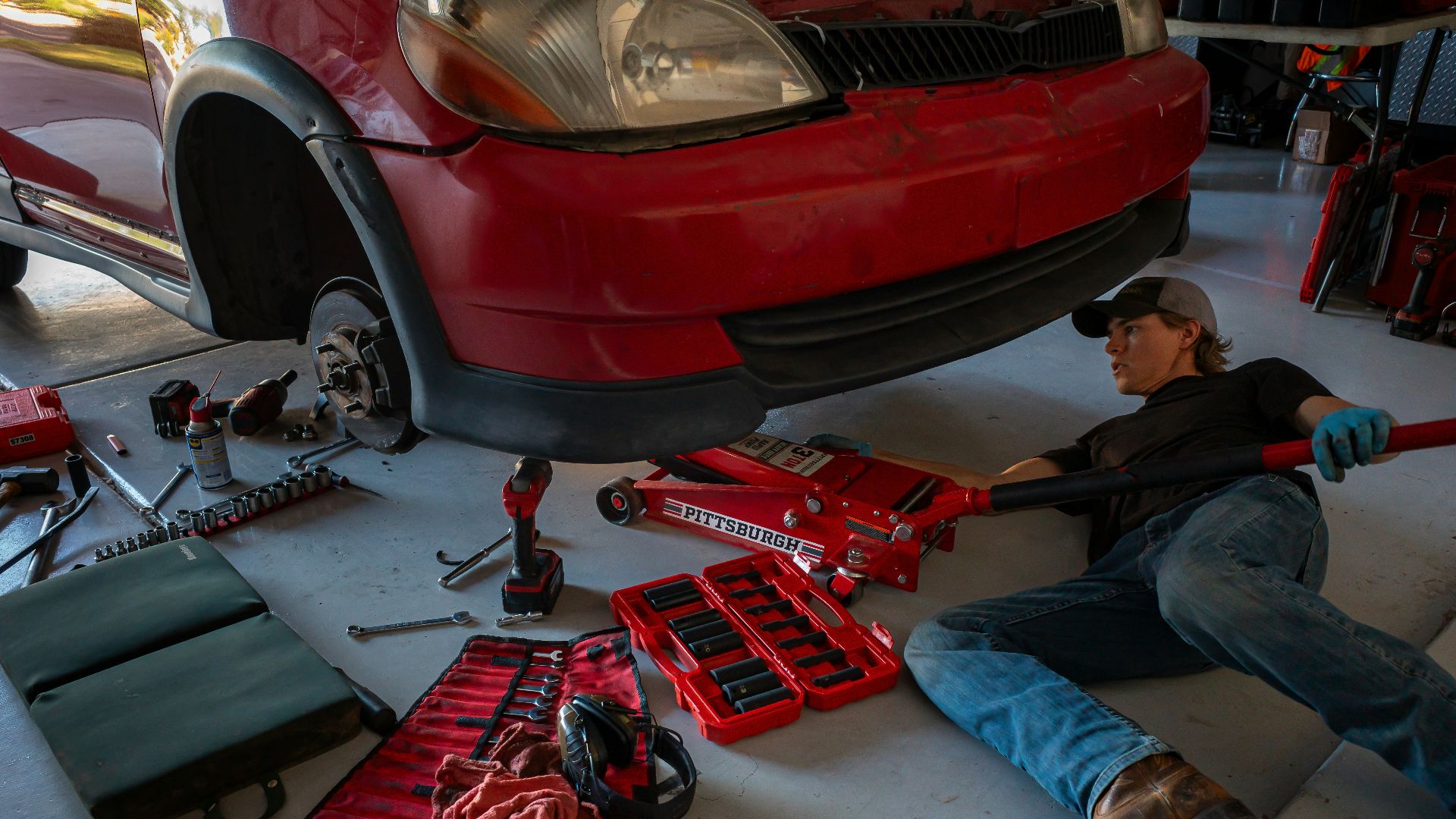
Tires Can Vanish Shockingly Fast
Extreme negative camber may look dramatic at a car meet, but it often chews through the inside edges of tires. Toe settings that drift out of spec make the problem even worse. A tire can still look decent from the outside while the inner shoulder is wearing down to cords.
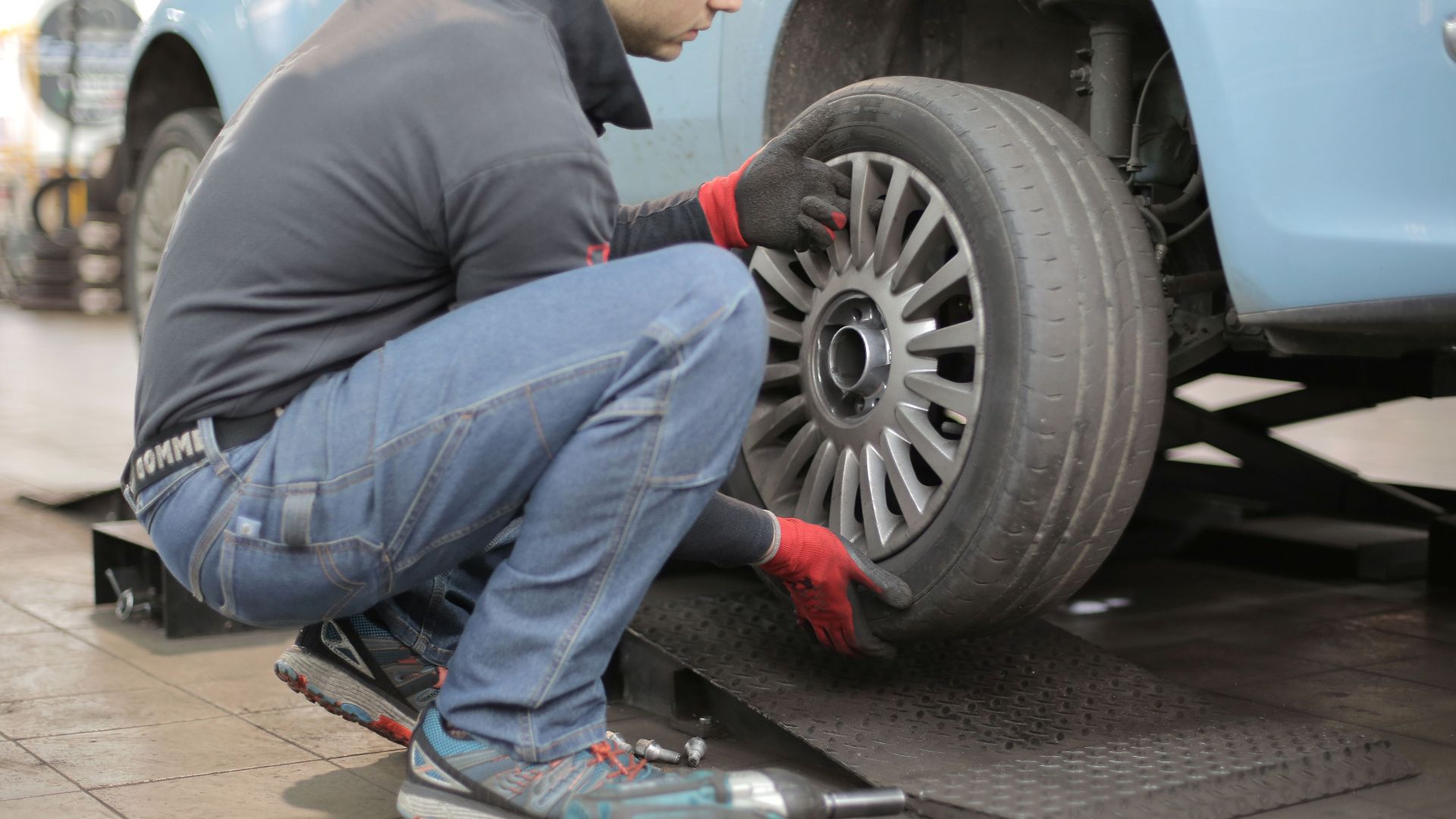
Steering Feel Can Get Worse, Not Better
Many people assume lower automatically means sportier. In reality, a heavily lowered car can tramline, follow grooves in the pavement, and feel nervous over rough surfaces. Steering components also operate at altered angles, which can affect feedback and place extra stress on joints and bushings.

Ride Quality Usually Takes A Beating
The showroom fantasy is crisp and controlled. The daily reality can be a punishing ride that turns every pothole into a full-body jolt. Consumer guidance from Kelley Blue Book points out that lowering often means a firmer ride, and pushing that idea to an extreme usually makes comfort much worse.

Shocks And Struts May Wear Out Early
Shocks and struts are designed to work within a certain range of travel. If lowering springs are too short or too stiff for the dampers, the dampers can spend their lives operating in a compromised range. That can accelerate wear and reduce the suspension's ability to control the car.
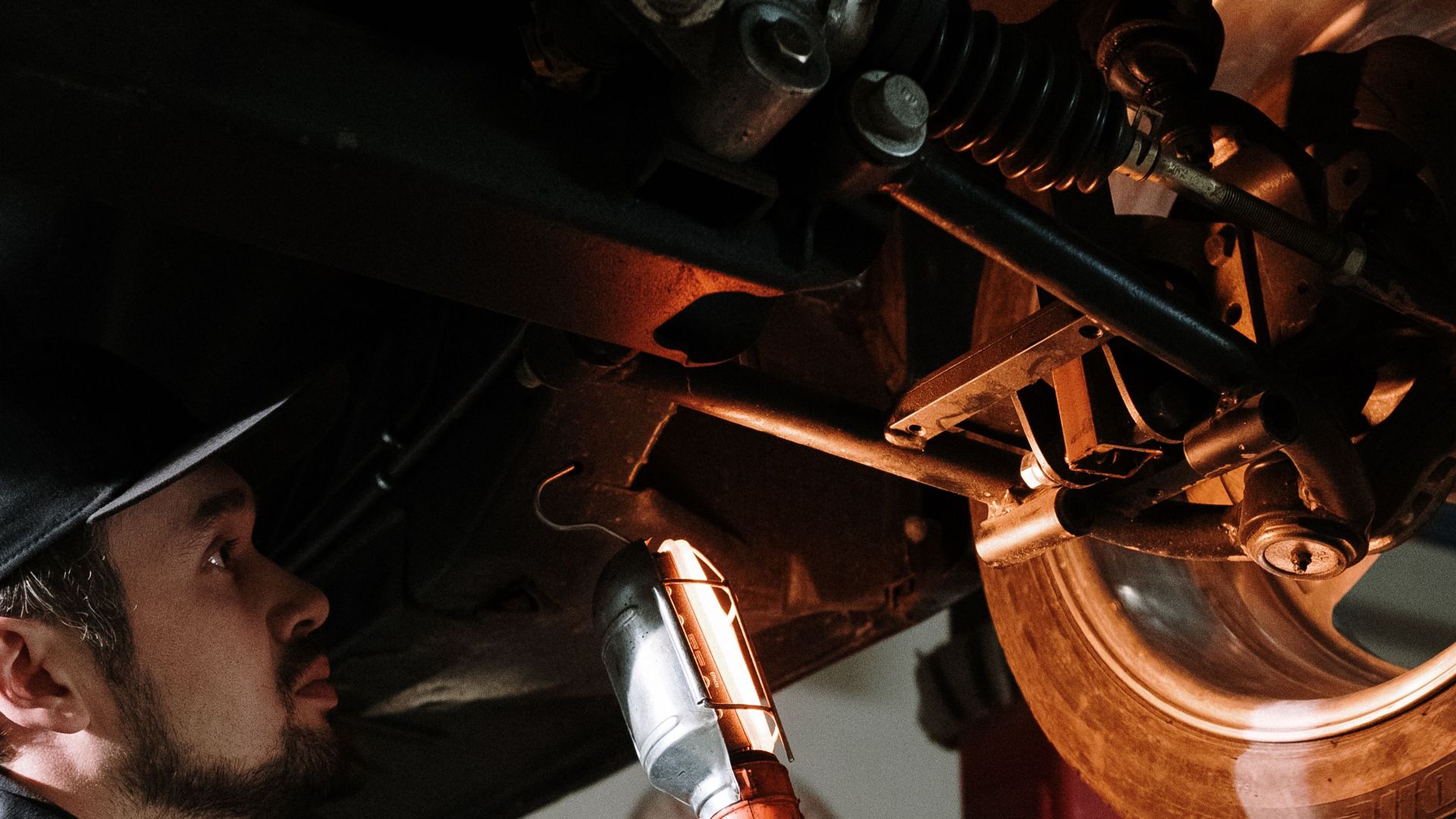
Ball Joints And Bushings Feel The Strain
Suspension joints and rubber bushings do not enjoy living at awkward angles all the time. Lowering changes the resting position of control arms and steering links, which can increase stress on those parts. The more extreme the drop, the more likely it becomes that wear speeds up.
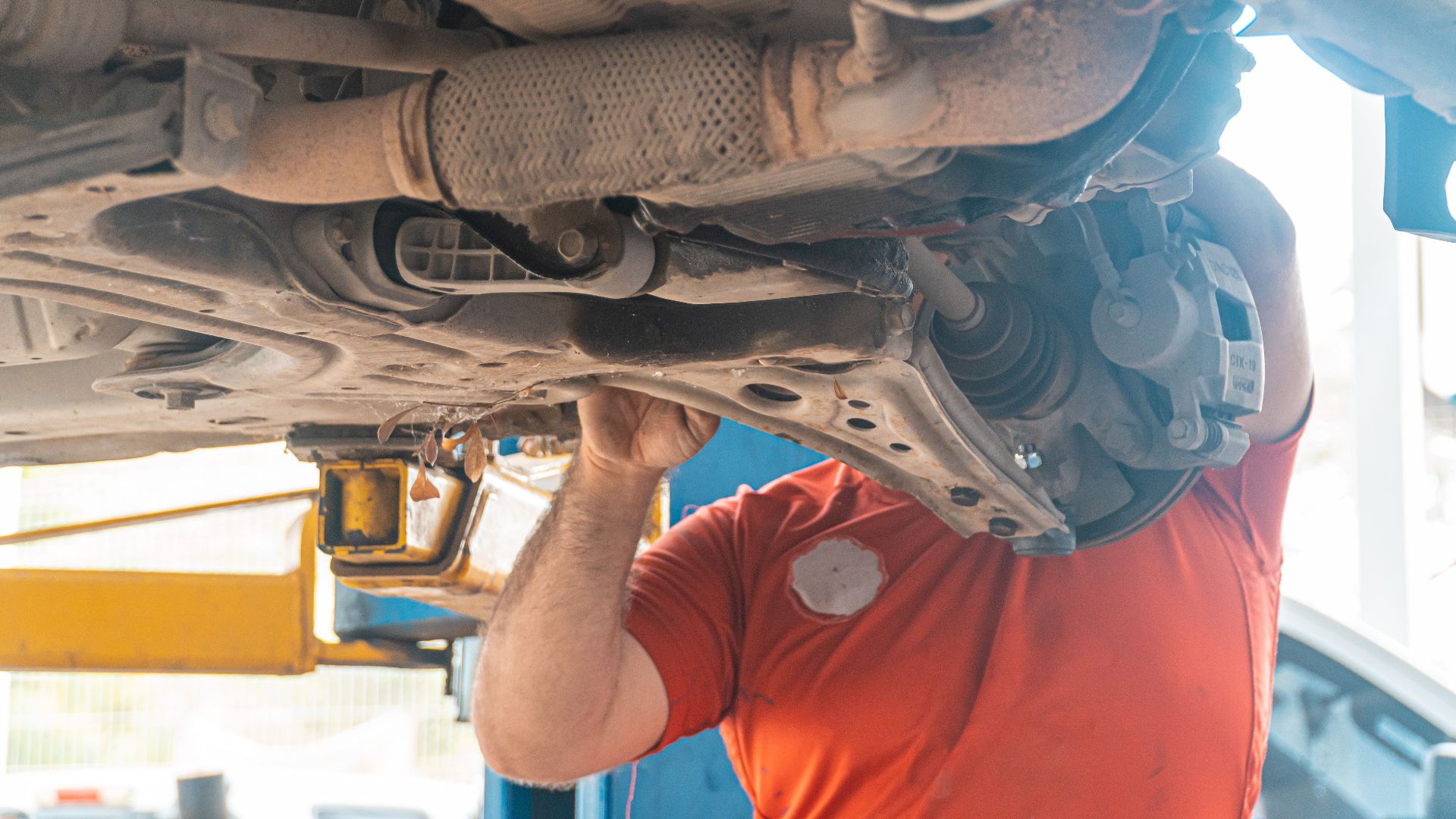 Jose Ricardo Barraza Morachis, Pexels
Scraping Can Damage The Exhaust System
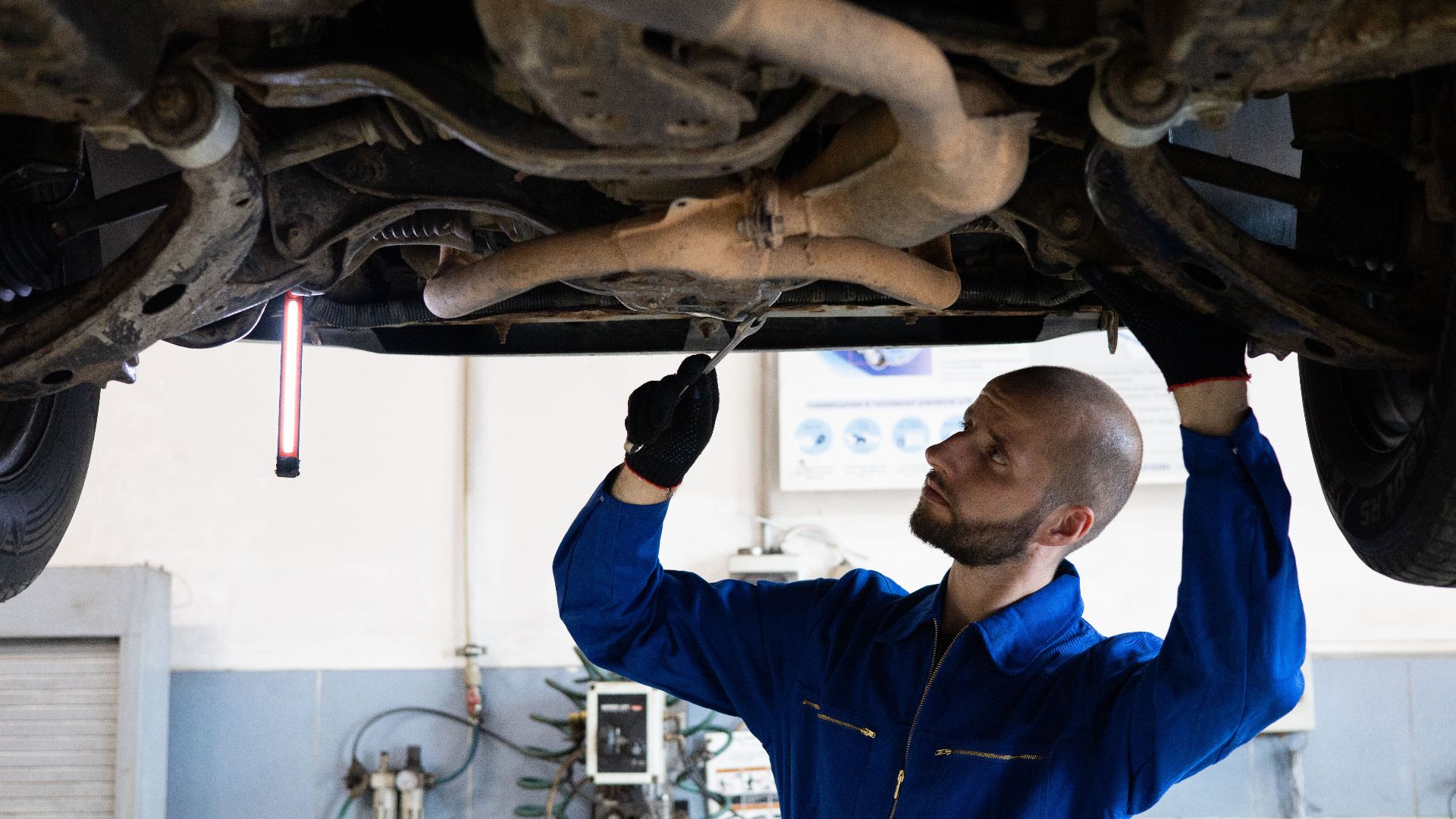
One of the first victims of a very low car is often the exhaust. Pipes, resonators, catalytic converters, and mufflers can hit speed bumps, driveway aprons, and road debris. That can lead to leaks, rattles, broken hangers, or expensive replacement bills.
Oil Pans And Undercar Parts Become Vulnerable
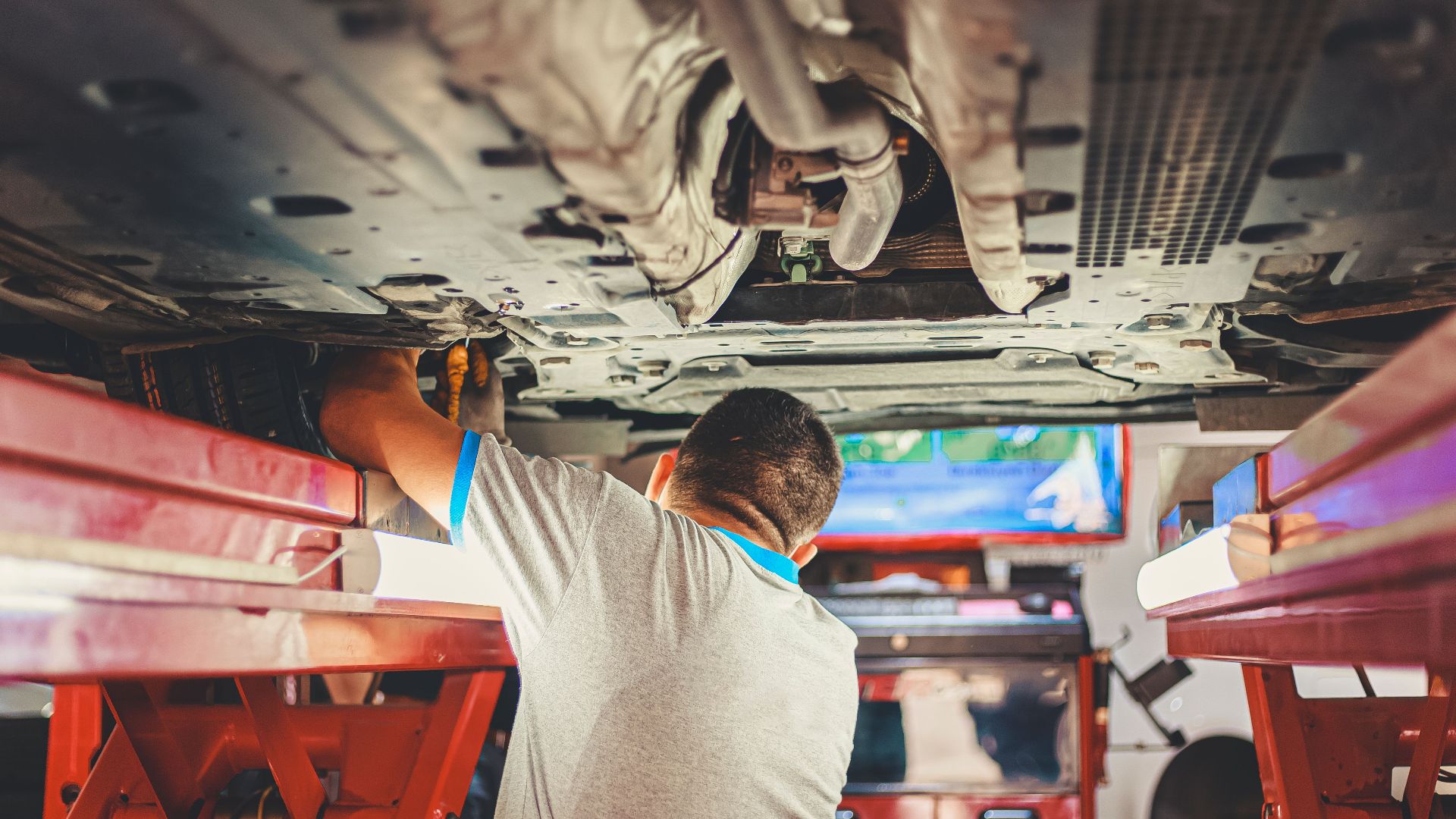
Some cars carry critical components surprisingly low from the factory. Drop the ride height much further, and the oil pan, transmission pan, or aerodynamic undertrays can become easy targets. A hard enough impact can lead to fluid loss, and that can turn a cosmetic modification into an engine or transmission disaster.
Wheel And Tire Fitment Can Turn Into A Headache
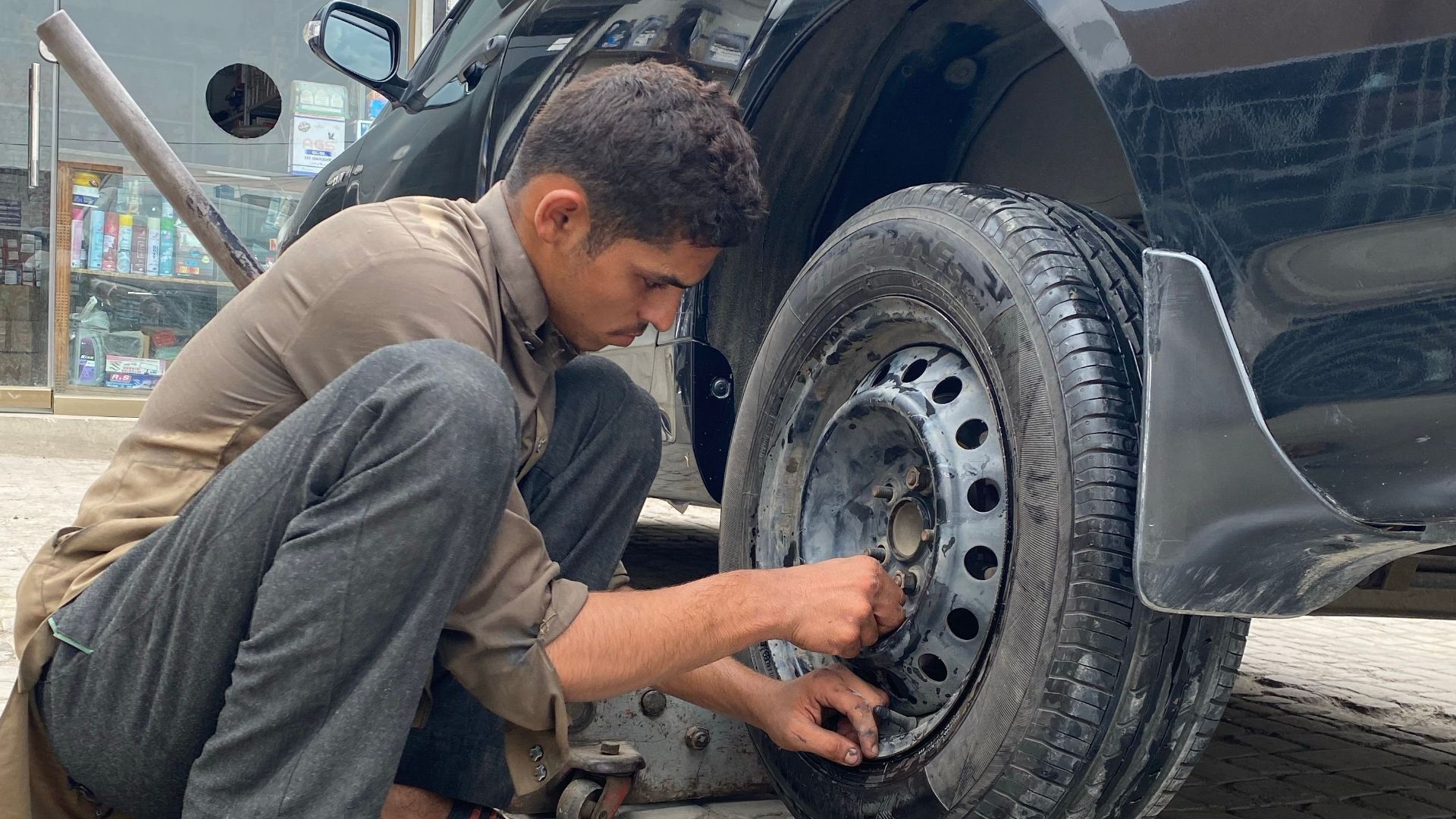
Extreme lowering often goes hand in hand with aggressive wheels and skinny tire sidewalls. That combination can increase the chance of rubbing against fenders, liners, or suspension parts when the car turns or hits a bump. It also leaves less cushioning to protect wheels and tires from pothole damage.
Braking Stability Can Suffer On Rough Roads
A car needs its tires to stay in contact with the pavement during braking. If the suspension is so stiff or so travel-limited that the tires skip over rough surfaces, stopping performance can become less consistent. That is the opposite of what any parent wants in a street-driven car.

Wet And Uneven Roads Expose The Weaknesses
Extreme setups often feel most manageable on smooth, dry pavement. Real roads are messy, with patches, dips, expansion joints, standing water, and broken edges. A car that looks fantastic in a parking lot can feel unsettled and less predictable when everyday road conditions get ugly.

Headlights And Safety Systems May Need Attention
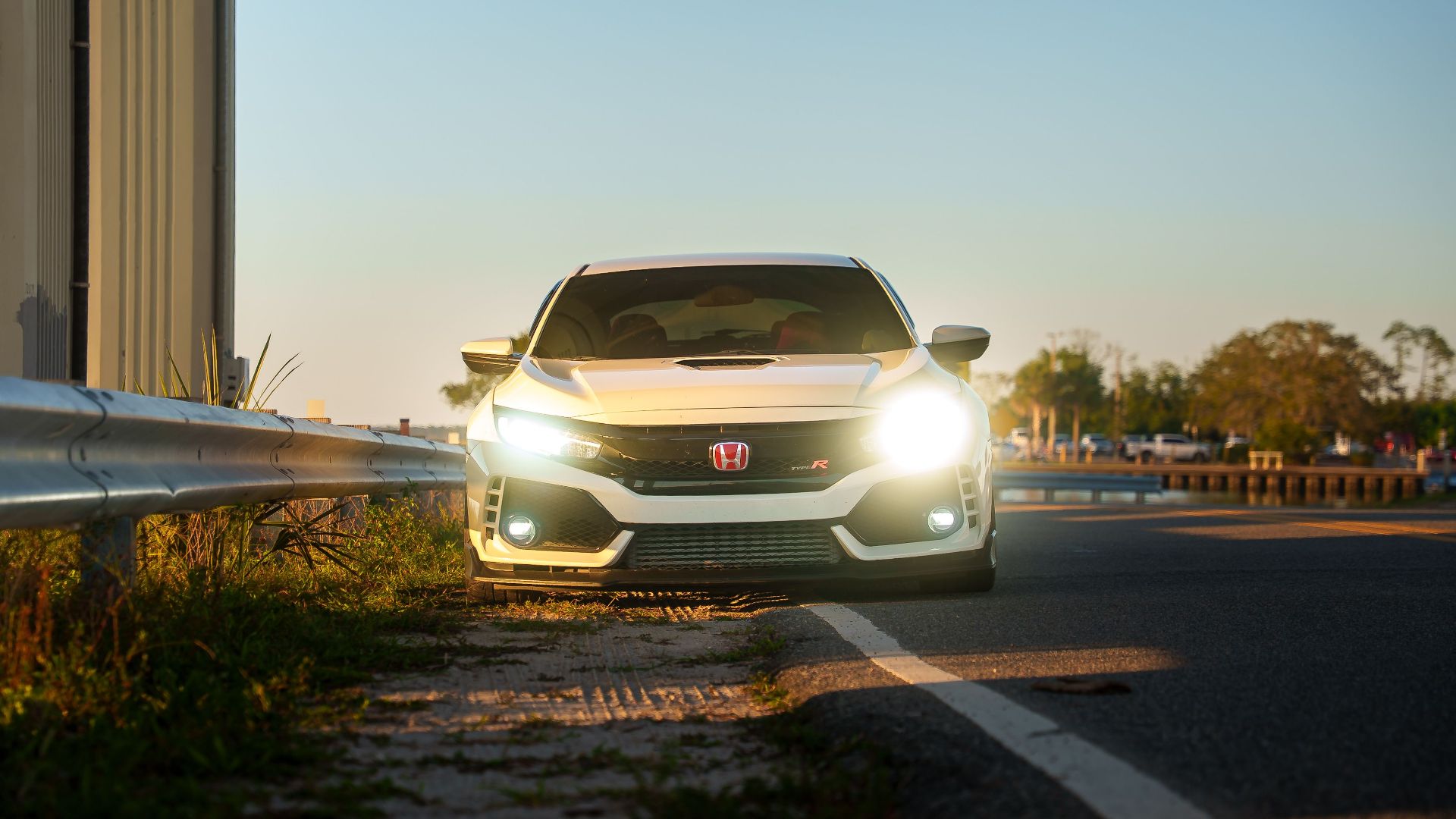
Changing ride height can also alter headlight aim. If the nose or tail sits noticeably different than stock, headlights may need adjustment so they do not point too low or glare at other drivers. On newer vehicles, ride-height changes can also affect the calibration assumptions of some driver-assistance and leveling systems, depending on the model.
Load Carrying Gets Worse Fast
A car that barely clears the road with one person inside may become almost unusable with passengers or cargo. Add a few friends, a trunk full of gear, or a full fuel load, and scraping can go from occasional to constant. That can also increase the odds of tire rub and suspension bottoming.

Winter And Bad Weather Become Harder To Live With
Low cars already struggle with snow, slush, and road debris. An extremely lowered car can start acting like a shovel when conditions get bad. Even heavy rain can become more stressful when standing water hides potholes and debris that the car no longer has enough clearance to avoid.

Insurance And Inspection Issues Can Pop Up
Depending on where you live, extreme suspension modifications may raise legal or inspection questions. State laws and vehicle equipment rules differ, but ride height, tire coverage, and headlight height can all matter. A modification that is tolerated at a show may not be so welcome during an inspection or after a crash claim.

Warranty Claims Can Get More Complicated
Lowering a car does not automatically erase an entire warranty in the United States. Still, if a modification contributes to a problem, a manufacturer can deny coverage for that related repair. The Federal Trade Commission explains that warranty coverage cannot be voided simply because aftermarket parts are installed, but causation matters.
 Harrison Keely, Wikimedia Commons
There Is A Difference Between Track Cars And Street Cars
Purpose-built performance cars can run low because the whole package is engineered around that setup. Spring rates, damping, aerodynamics, alignment settings, tire selection, and underbody packaging all work together. A street car dropped to an extreme height for style alone rarely has that same level of integrated development.

Professional Setup Makes A Huge Difference
If your son is set on lowering the car, how it is done matters almost as much as how far. Quality springs or coilovers, adequate shock travel, proper bump stops, and a correct alignment can make a moderate drop much more livable. Cutting springs or chasing the lowest possible stance usually leads to the most trouble.
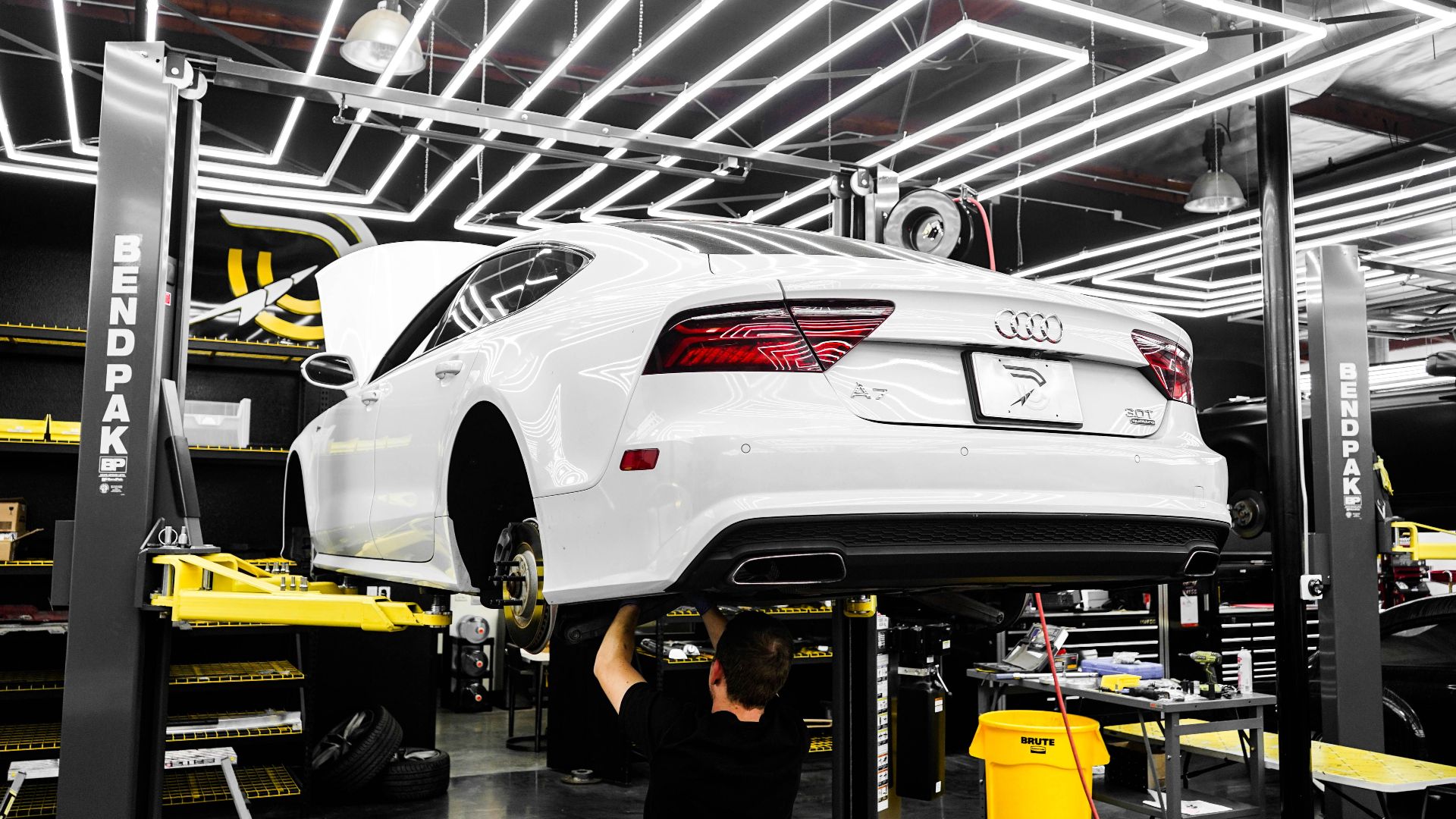
A Sensible Drop Can Deliver The Look Without The Drama
Many enthusiasts find that a modest drop gives the visual payoff they want while preserving enough clearance and suspension travel for daily use. That middle ground often improves appearance without turning every driveway into an obstacle course. It is the difference between customizing a car and handicapping it.
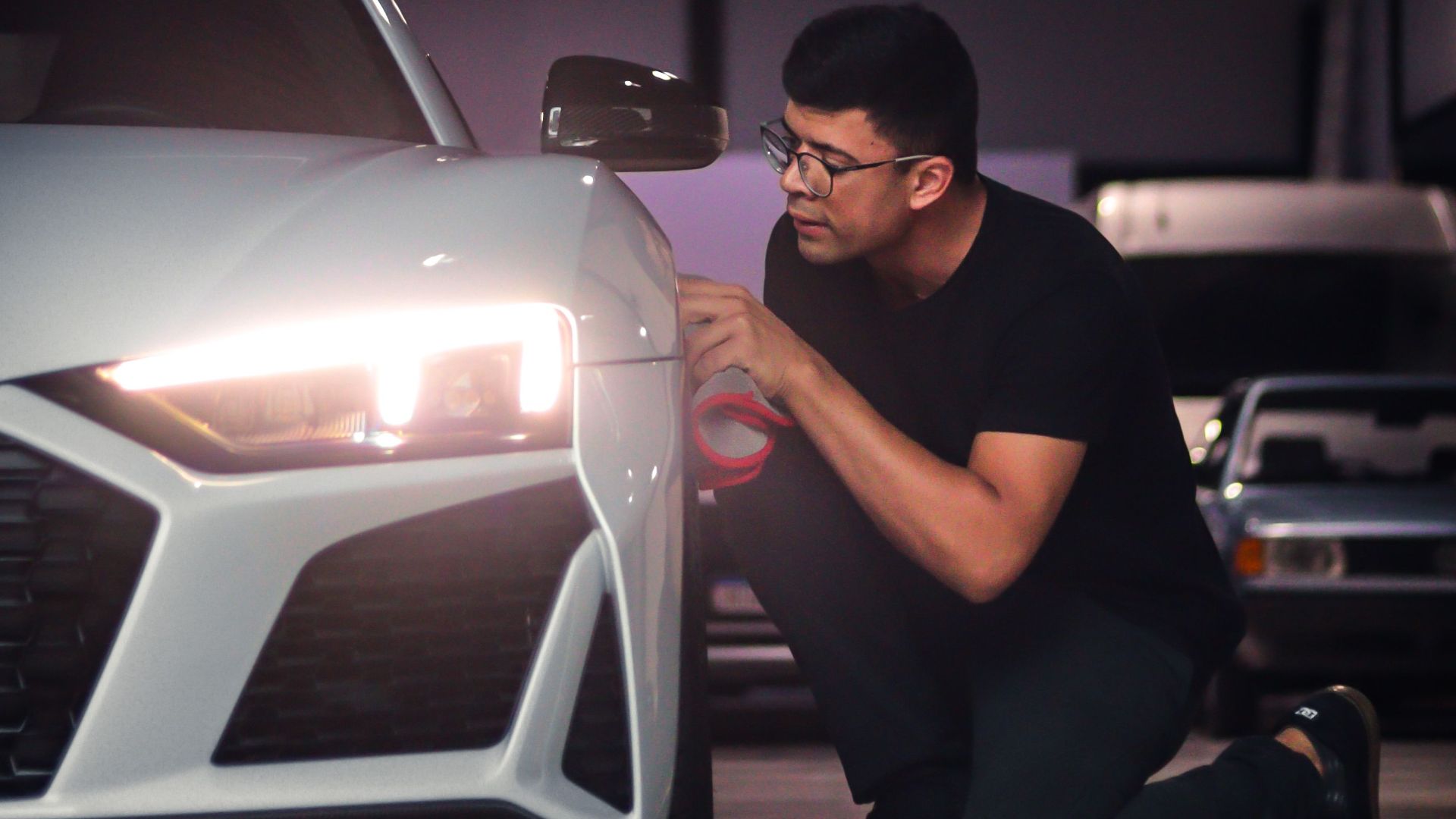
Ask One Practical Question Before Spending Money
Here is the question worth putting in front of any young driver. Does he want a car that looks low in photos, or a car he can actually live with every day without scraping, wearing out tires, and risking damage? Once the bills and hassles enter the picture, the super-slammed look can lose a lot of its charm.

The Best Advice For Parents And New Enthusiasts
If this is his first project car, encourage him to start conservatively and keep the factory parts. Have the work done by a reputable shop and insist on an alignment afterward. A car can absolutely look better with a tasteful drop, but taking it to the point that it nearly scrapes the road often creates more problems than style is worth.