The Fight Usually Starts With The HOA Documents
If your HOA says your classic car has to stay in the garage and cannot sit in the driveway, the first thing to check is not whether the rule feels unfair. It is whether the association actually has that power in its governing documents. In most HOA disputes, the answer starts with the recorded declaration of covenants, conditions, and restrictions, usually called the CC&Rs, along with the bylaws and any properly adopted rules.
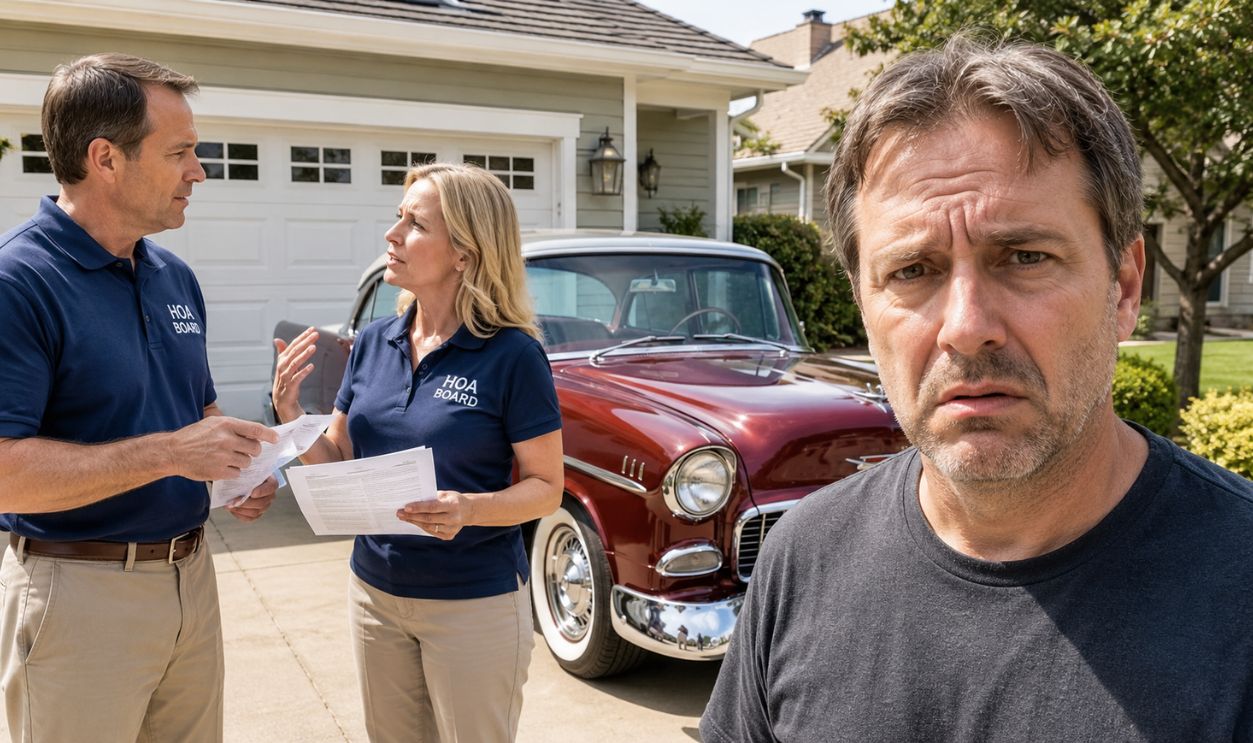
HOAs Often Have More Parking Power Than Owners Realize
Parking rules are one of the biggest sources of HOA fights. The Community Associations Institute notes that associations often regulate where owners, tenants, and guests can park, and those rules can include bans on street parking, driveway parking, or visible parking of certain vehicles. So a garage-only rule is not unusual on its face, even if it feels especially rough when the car is a well-kept classic.

Some Rules Carry More Weight Than Others
A recorded covenant usually has more legal force than a rule the board adopted later. If the garage-only restriction is written into the declaration tied to the property, owners usually have a harder time fighting it. If the board created the rule later, courts in many states may still enforce it if it was adopted properly and is reasonable, but owners may have more room to challenge it.

A Lot Of These Cases Turn On Whether The Rule Is Reasonable
Courts often look at whether the HOA acted within the power given by its documents and state law. They also look at whether the rule was enforced in a fair and consistent way. A board that goes after one owner’s classic coupe while ignoring everyone else’s visible vehicles is creating a problem for itself.

Classic Cars Usually Do Not Get Special Treatment
Many owners think a restored Mustang or Corvette should be treated differently from a half-dead project car. Usually that is not how HOA rules work. Most documents focus on visibility, storage, operability, or vehicle type, not collector value or sentimental value. If the rule says no vehicle may be parked overnight in the driveway, the fact that yours is a 1967 fastback usually does not create an automatic exception.

Some Rules Focus On Inoperable Or Unregistered Cars
This is where details matter. Many associations ban storing inoperable, dismantled, or unregistered vehicles outside, and a classic car in long-term restoration may fall right into that category. If your car runs, is insured, and is legally registered, that can help your position if the HOA is trying to stretch a narrower rule into a total driveway ban.

Garage-Only Rules Can Be Very Broad
Some HOA covenants use blunt language, requiring owners to park only in garages and keep garage doors closed except for entry and exit. If your community has wording like that, the board may not need to prove your classic is ugly, loud, or leaking. It may simply point to a recorded promise tied to the lot and say the driveway is off-limits.

State Law Can Cut Back HOA Authority
HOAs do not operate in a vacuum. State laws can limit how associations adopt and enforce rules, especially when it comes to fines, notice, hearings, access to records, and in some states even the substance of parking restrictions. The National Conference of State Legislatures tracks just how much HOA law varies by state, which is why the same driveway fight can play out very differently in Arizona, Florida, Texas, or California.

California Owners Got A Big New Protection In 2024
California passed Assembly Bill 1033 in 2023, and it took effect on January 1, 2024. The law added Civil Code Section 4756, which generally bars associations from prohibiting the parking of a personal vehicle in an owner’s driveway, apron, or assigned parking space if the vehicle is not otherwise prohibited by law. For California owners, that is a major change because it sharply limits an HOA’s ability to impose a blanket garage-only rule for ordinary personal vehicles.

California’s Rule Still Has Limits
The California law still allows restrictions on vehicles that violate other laws or that block sidewalks, traffic, or emergency access. It also does not erase every parking rule an HOA might have, because communities can still regulate common areas and other issues within the law. But for a standard personal vehicle in an owner’s driveway, January 1, 2024 marked a big shift in the balance of power.

Florida Moved In A Similar Direction
Florida enacted legislation in 2024 that limits homeowners’ associations from banning certain personal vehicles from driveways. The change appears in Section 720.3075 of the Florida Statutes and says HOAs may not prevent owners, tenants, guests, or invitees from parking personal vehicles, including pickup trucks, in driveways or other areas where they have a right to park, unless the vehicle is a commercial motor vehicle as defined by state law. For Florida owners, that means a broad driveway ban may be much weaker than it used to be.
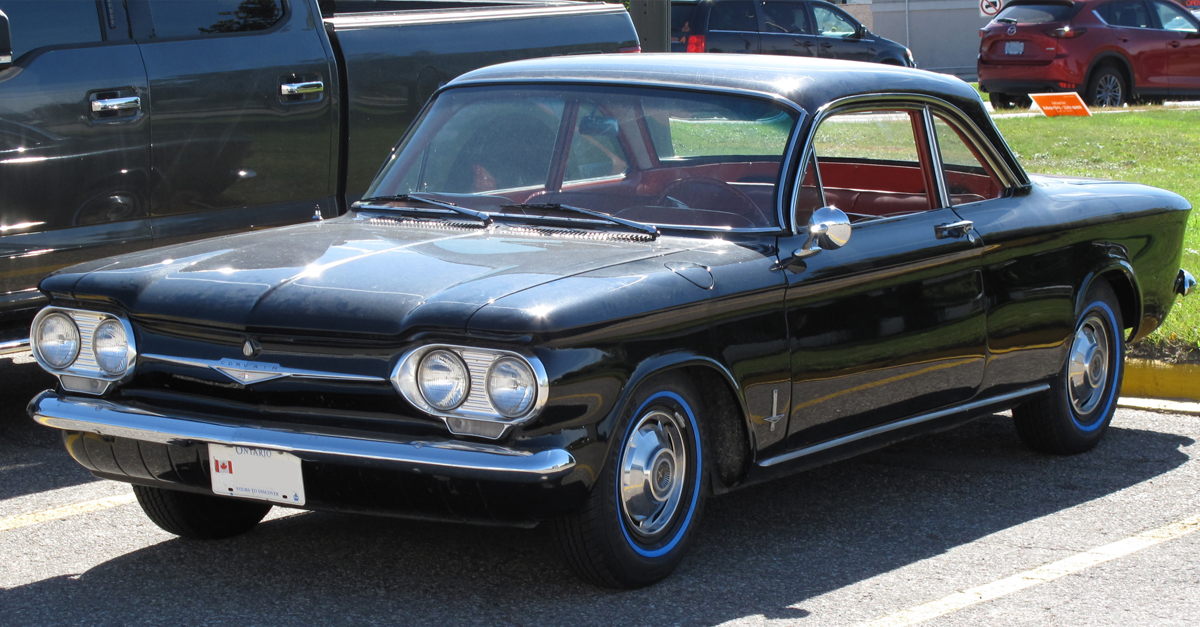
 AndrewAvitus, Wikimedia Commons
Florida Still Leaves Room For Some Limits
The Florida statute does not create a free-for-all. Associations may still regulate commercial motor vehicles and parking in places where an owner does not otherwise have a right to park. So if your classic car is stored in a way that breaks another recorded restriction or blocks access, the HOA may still have arguments to make.

Texas Also Puts Limits On HOA Parking Rules
Texas law also puts boundaries on HOA authority over vehicles in some situations. Section 202.020 of the Texas Property Code limits property owners’ associations from enforcing certain restrictions on parking vehicles on a public street, on a driveway, or in a garage, though there are important exceptions. Those exceptions can include commercial vehicles, junked vehicles, and situations involving health, safety, and emergency access, so the exact wording matters a lot.
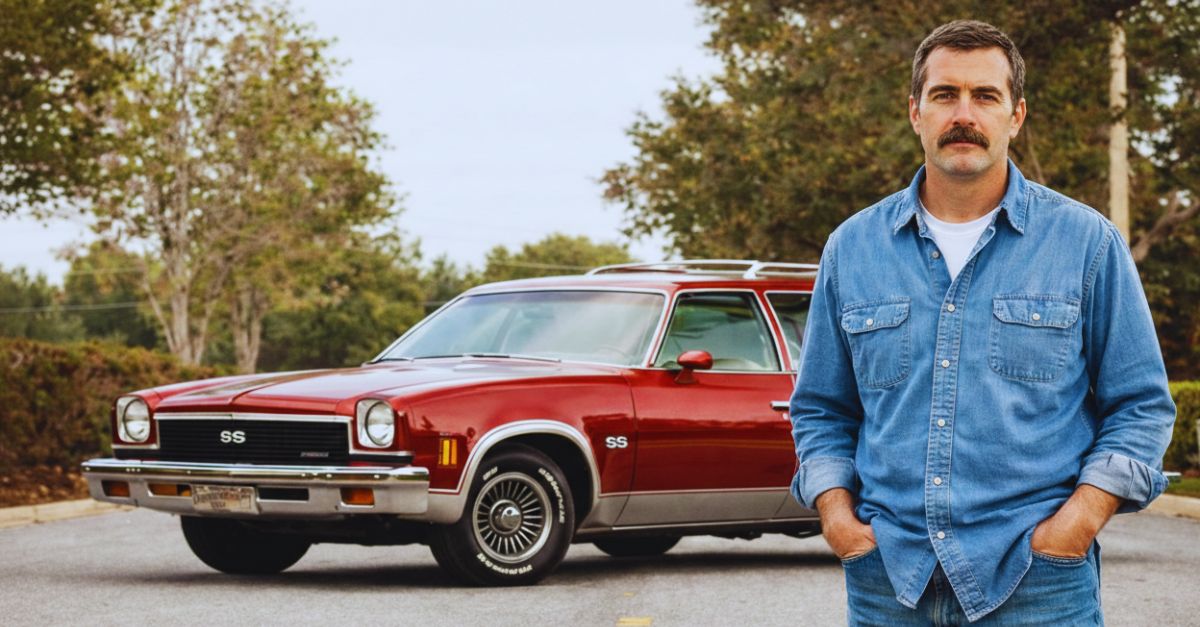
 Carol M. Highsmith, Wikimedia Commons
Arizona Owners Should Check State Statutes Too
Arizona has a long set of statutes that regulate planned communities and condominiums, including rules on notice, hearings, records, and enforcement. Depending on the type of community, an owner may be dealing with Arizona Revised Statutes Title 33 provisions for planned communities or condominiums. Even when state law does not directly ban a driveway restriction, it can shape how the HOA has to adopt and enforce it.

The Board Usually Has To Follow Due Process
If the HOA is fining you, towing a vehicle, or threatening more enforcement, most states require some form of written notice and a chance for a hearing. That process is not just a courtesy. It can be a legal requirement, and boards that skip it can weaken their own case.

Selective Enforcement Can Be A Strong Defense
If three neighbors regularly leave vehicles in their driveways and the HOA only cites your classic car, start gathering proof. Photos, dates, and copies of violation notices can matter. Uneven enforcement can become strong leverage in negotiations and, in some disputes, a real legal defense.

Your HOA Documents May Have Hidden Exceptions
Read the exact wording of the declaration, rules, and architectural guidelines. Some communities allow temporary driveway parking, guest parking, loading and unloading, or parking while the garage is being used for household activities. Others draw a line between overnight storage and daytime parking, which could make a big difference in how often your classic can be out front.

Definitions Can Decide The Whole Fight
Words like vehicle, truck, commercial, recreational, inoperable, and nuisance often have specific meanings in HOA documents or state law. A restored vintage pickup may trigger a rule aimed at trucks even if it is only used as a hobby vehicle. On the other hand, if the rule bans only commercial vehicles, your noncommercial classic may fall outside it.
Collector Plates Usually Do Not Override HOA Rules
Owners sometimes assume historic registration or collector plates give them special rights. Usually they do not. Those plates may matter under state vehicle law, but HOA enforcement usually turns on the association’s documents and any applicable state HOA statute, not on the charm of a vintage tag.

Reasonable Accommodation Can Matter In Some Cases
If the garage is needed for a disability-related use, fair housing law may come into play. The U.S. Department of Housing and Urban Development explains that housing providers, including many associations, may need to make reasonable accommodations in rules or policies when necessary for a person with a disability. That will not apply in every classic-car dispute, but it matters when a garage-only rule clashes with a valid accommodation request.

Fines Can Snowball Fast
Many HOA disputes start with a warning letter and get expensive in a hurry. Depending on state law and the governing documents, fines may add up by the day or by each violation, and unpaid amounts can lead to collections. In some states and communities, that can even turn into a lien, which is why parking fights are never smart to ignore.

Start With A Calm Request For Records
Before sending an angry email, ask for the exact covenant or rule being enforced, the date it was adopted, and the board minutes showing approval if it is a board-made rule rather than a recorded amendment. Ask whether the association has granted any variances or exceptions for similar vehicles. A polite paper trail is often more useful than a driveway shouting match.

Then Document The Car Carefully
Take clear photos showing that the vehicle is clean, operable, registered, and not leaking fluids or creating a safety issue. Keep copies of the registration, insurance, and any inspection records. If the HOA is really focused on appearance rather than an actual rule violation, that documentation can help show the gap.

Try A Practical Compromise Before A Legal Fight
Many boards are more flexible than their first letter makes it seem. You might be able to work out limited driveway parking for washing, maintenance, loading, club events, or short-term use. If the real concern is visual clutter or long-term storage, a reasonable compromise can save both sides time, money, and neighborhood resentment.
If You Have To Fight, Focus On The Strongest Arguments
The best challenges usually come down to one of four points. The HOA lacks authority in the documents, the rule conflicts with state law, the board failed to follow adoption or enforcement procedures, or the rule is being enforced selectively. Those are much stronger arguments than saying the car is beautiful and the rule is dumb.

When It Makes Sense To Call A Lawyer
If the HOA is threatening large fines, towing, litigation, or a lien, it may be time to talk to a local attorney who handles HOA or real estate law. A quick review of the CC&Rs and your state statutes can show whether the board has gone too far. Because HOA law is highly state-specific, local advice matters a lot more than generic online reassurance.

So How Far Can An HOA Really Go
Quite far, but not without limits. An HOA can often regulate driveway parking, including classic cars, if its documents and state law allow it and if it enforces the rule properly and consistently. The key wrinkle is that several states, including California and Florida in 2024 and Texas through existing statute, have put real limits on blanket driveway bans. In the end, the answer depends less on the age of your car than on the exact words in your documents and the state where you live.