The Brakes Lasted Forever
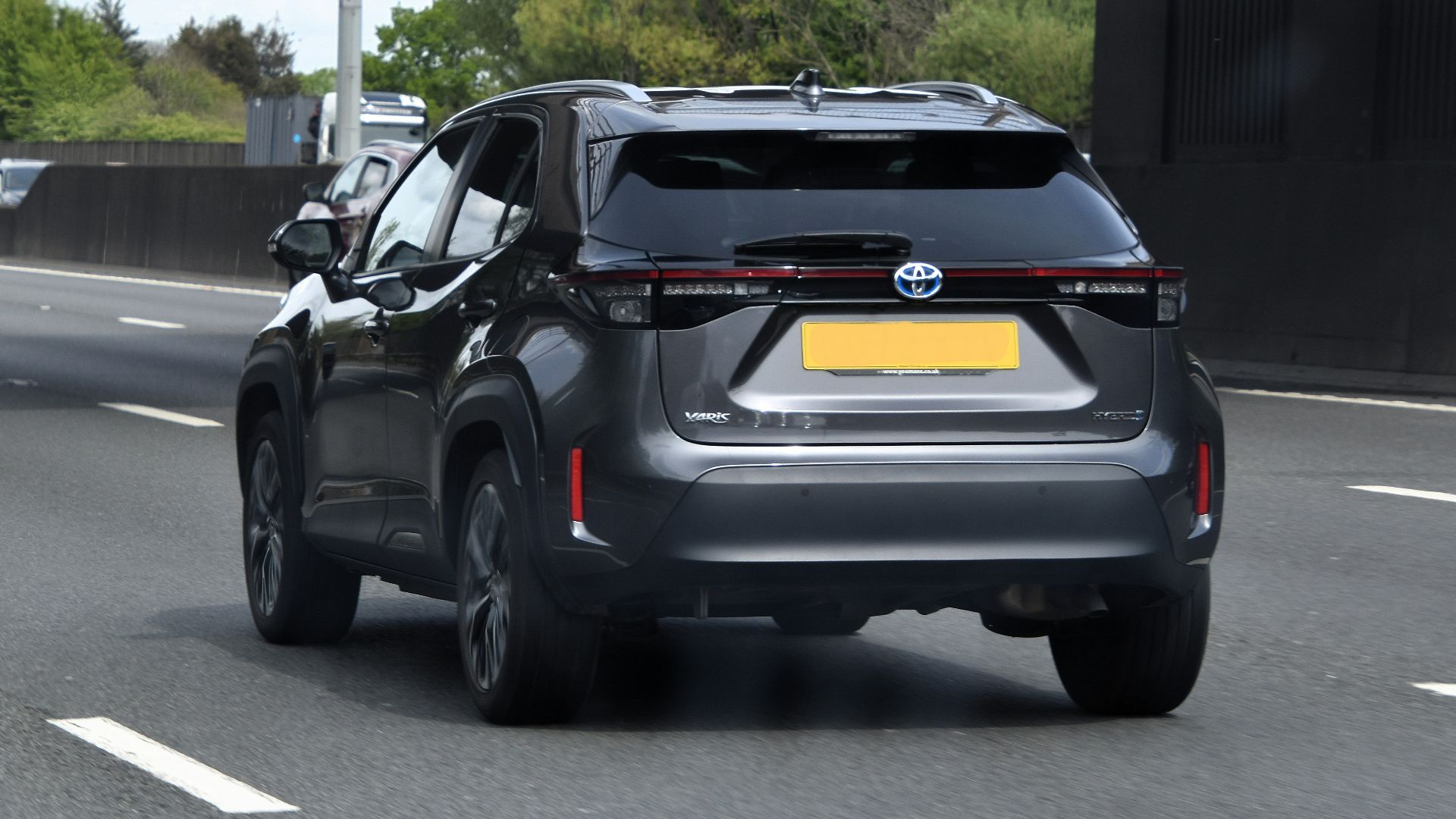
Most drivers don’t get excited about brake wear. But when a hybrid goes years before needing pads, it’s hard not to notice that something is different.
Regenerative Braking Is The Big Reason
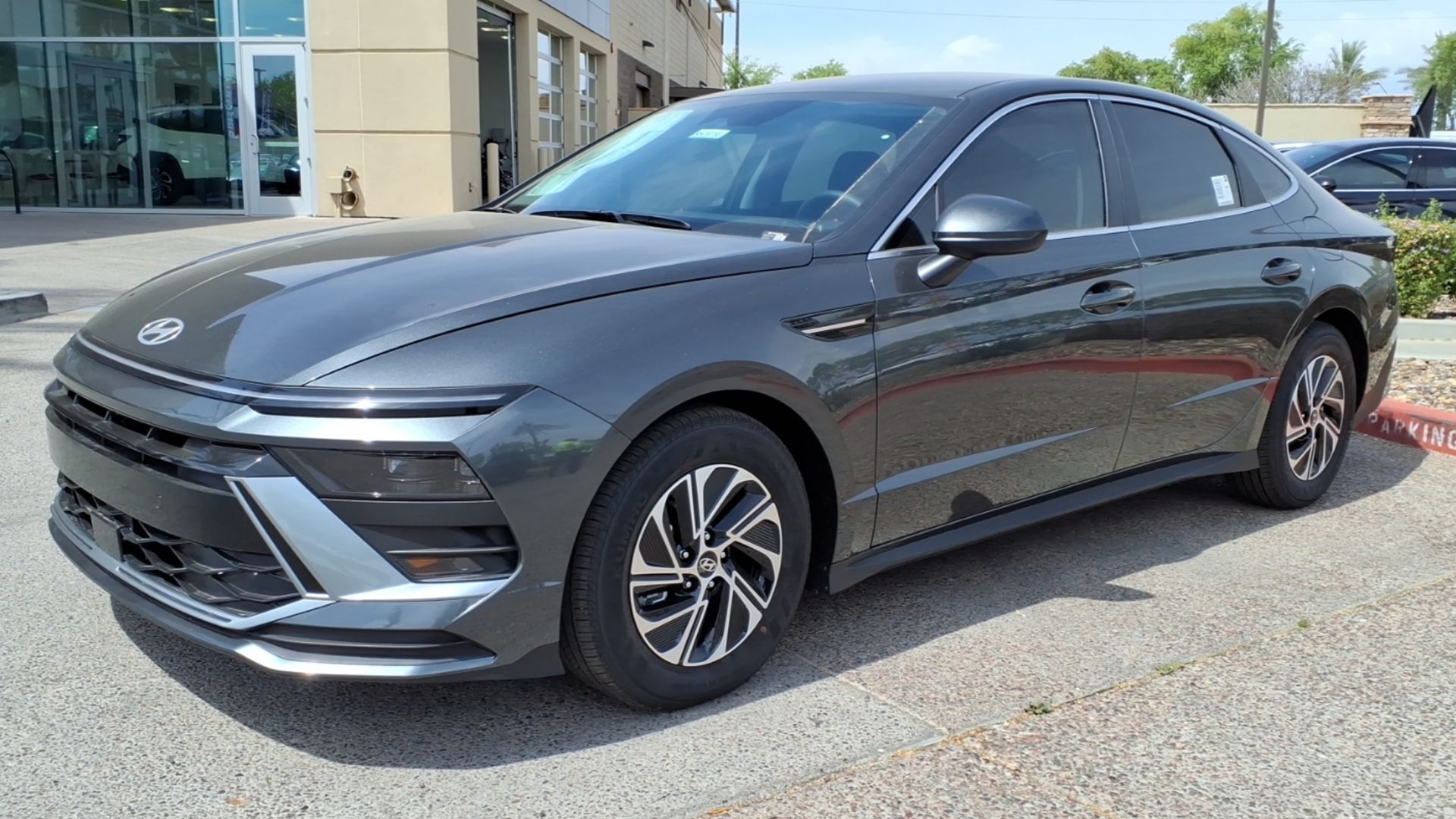
Traditional cars slow down mainly by squeezing brake pads against rotors and converting the vehicle’s motion into heat. Hybrids can recover some of that energy instead. When you slow down, the electric motor can work in reverse as a generator, helping decelerate the car while sending energy back to the hybrid battery.

That Means The Pads Don’t Work As Hard
Because regenerative braking handles part of the slowing, the friction brakes may be used much less during ordinary driving. AAA notes that hybrid brake pads and rotors often need replacement less frequently than those on conventional gasoline vehicles. That’s one of the clearest maintenance advantages hybrids can offer.
 Dinkun Chen, Wikimedia Commons
City Driving Can Actually Help
Stop-and-go traffic is normally hard on conventional brakes because they’re constantly converting speed into heat. In a hybrid, those repeated deceleration events create plenty of opportunities for regenerative braking. A driver who slows gradually in city traffic may rely surprisingly little on the physical brake pads.

Gentle Braking Usually Maximizes Regeneration
The system generally has more opportunity to recover energy when you brake smoothly and predictably. Hard emergency stops demand more stopping force, so the friction brakes have to do more of the work. That means driving style still affects how long the pads and rotors last.

The Car Blends Two Braking Systems
Most hybrid drivers don’t have to choose between regenerative and friction braking manually. The vehicle’s electronics blend them together when you press the pedal. Under lighter braking, regeneration may do much of the work, while the conventional brakes contribute more as stronger stopping power is needed.
 Charles from Port Chester, New York, Wikimedia Commons
The Physical Brakes Haven’t Disappeared
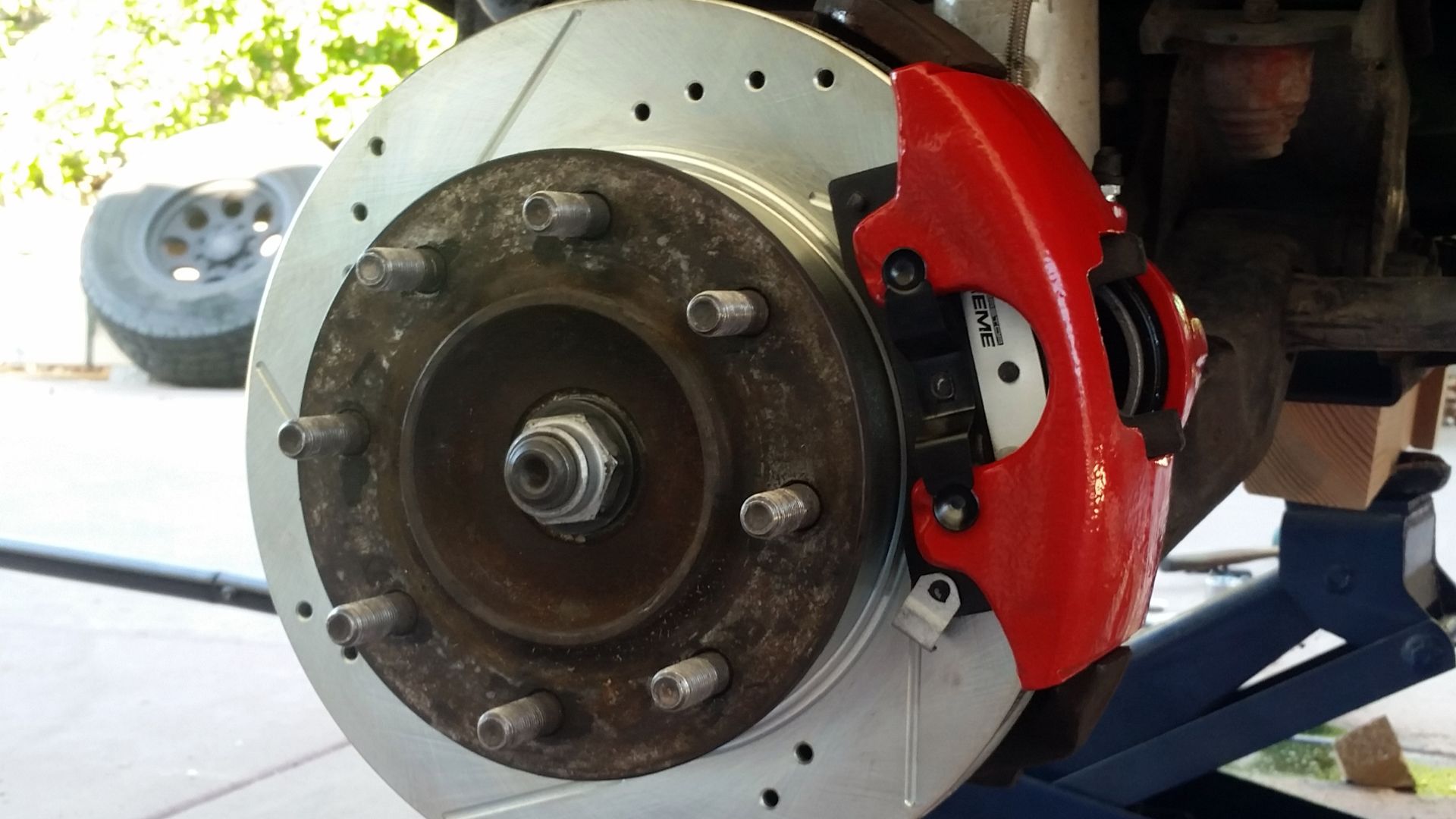
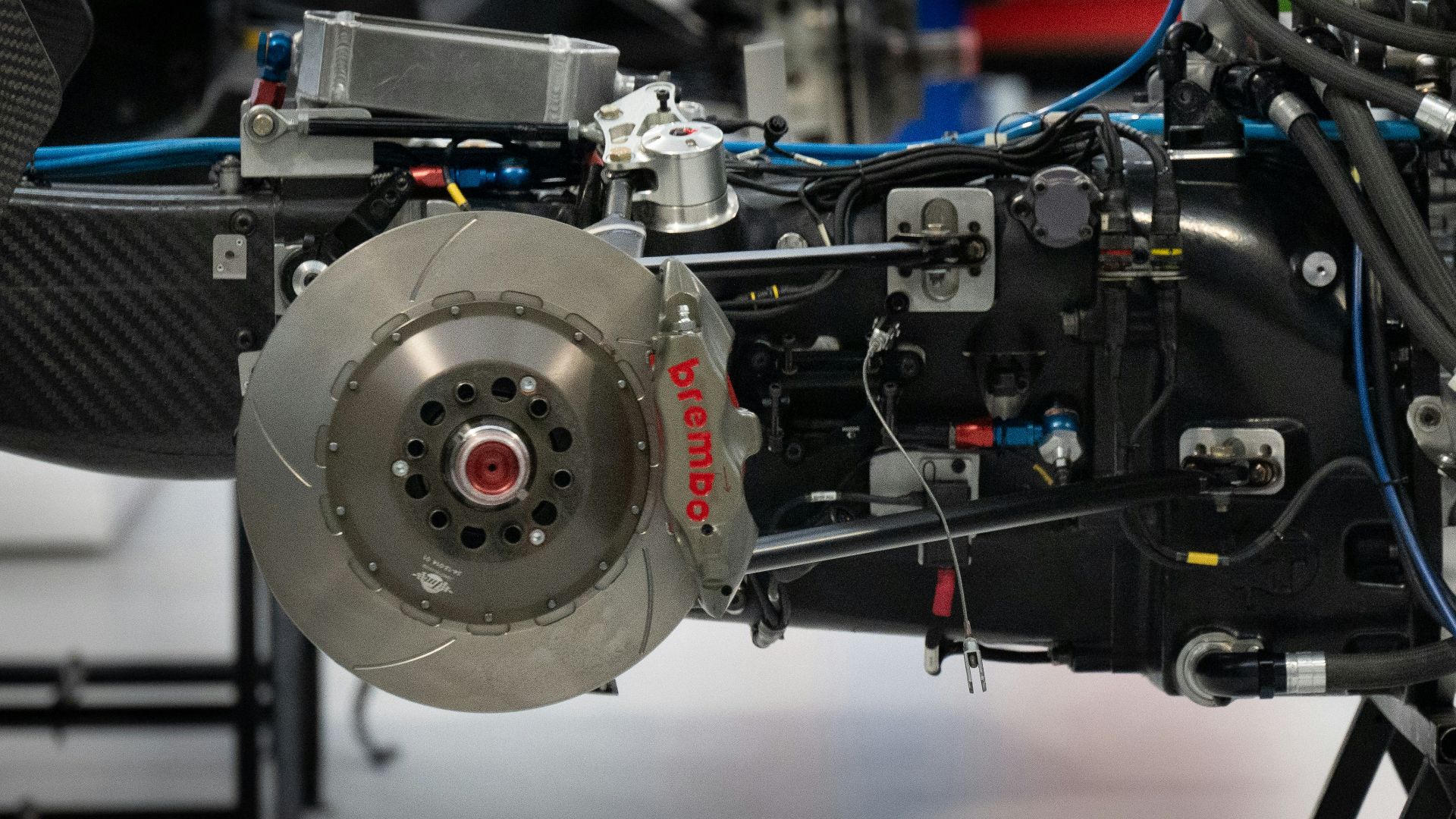
A hybrid still has brake pads, rotors, calipers, hydraulic fluid, brake hoses, ABS hardware, and other familiar components. Regeneration reduces how often some of those parts are used, but it doesn’t eliminate them. When regenerative braking can’t provide enough stopping force, the friction brakes are still essential.
Hard Stops Still Depend Heavily On Them
Emergency braking is one obvious example. The conventional brakes have to provide substantial stopping power when you slam on the pedal. That’s why worn pads, damaged rotors, sticking calipers, or contaminated fluid remain serious safety issues even if regeneration does most of the everyday work.
Regeneration Can Sometimes Be Limited
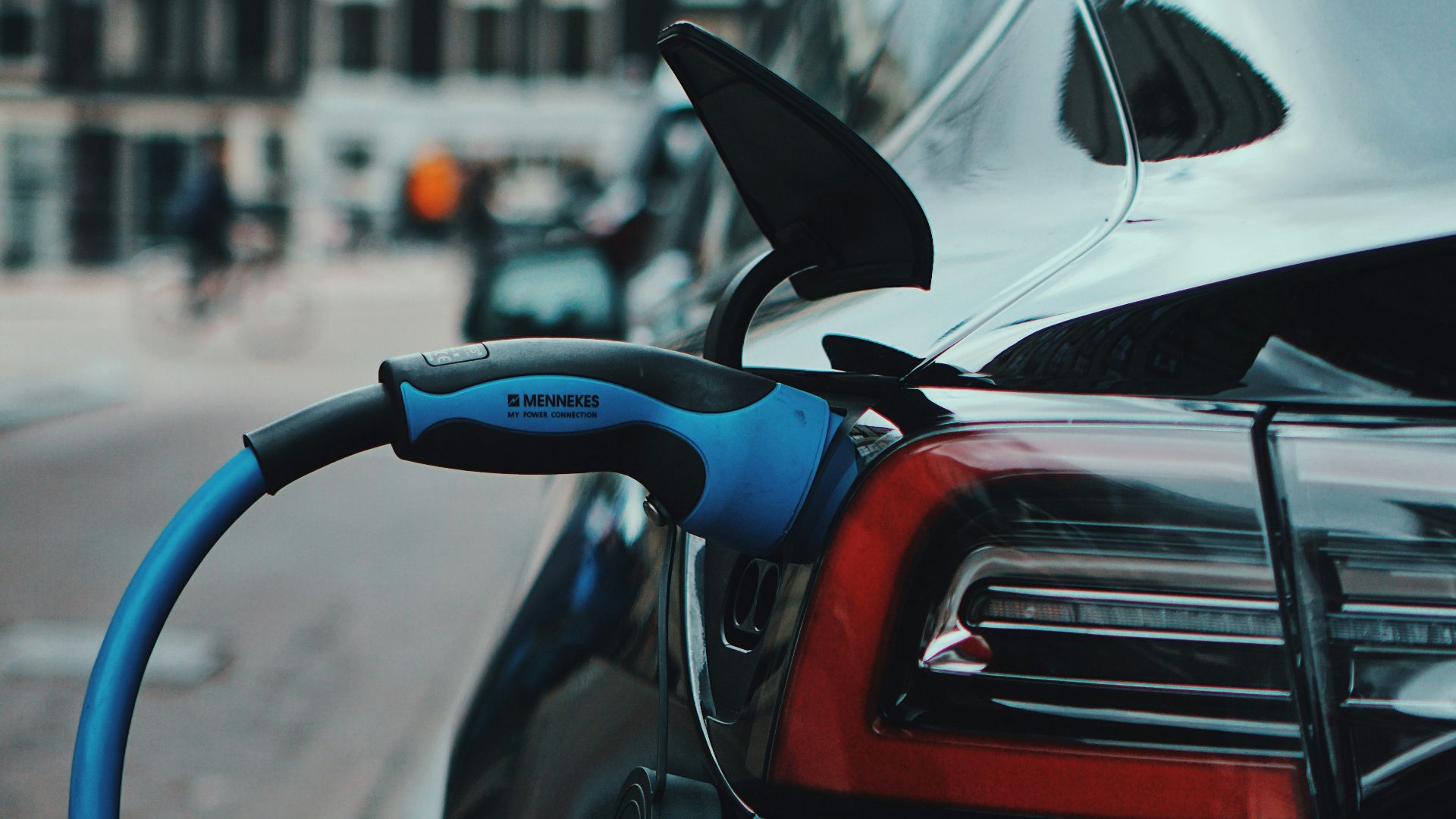
A hybrid doesn’t always provide the same amount of regenerative braking. If the high-voltage battery is already fully charged, for example, there may be less capacity to accept recovered energy. Some systems can also change behavior depending on temperature, traction, speed, and other conditions.
That’s Why The Pedal Can Feel Different
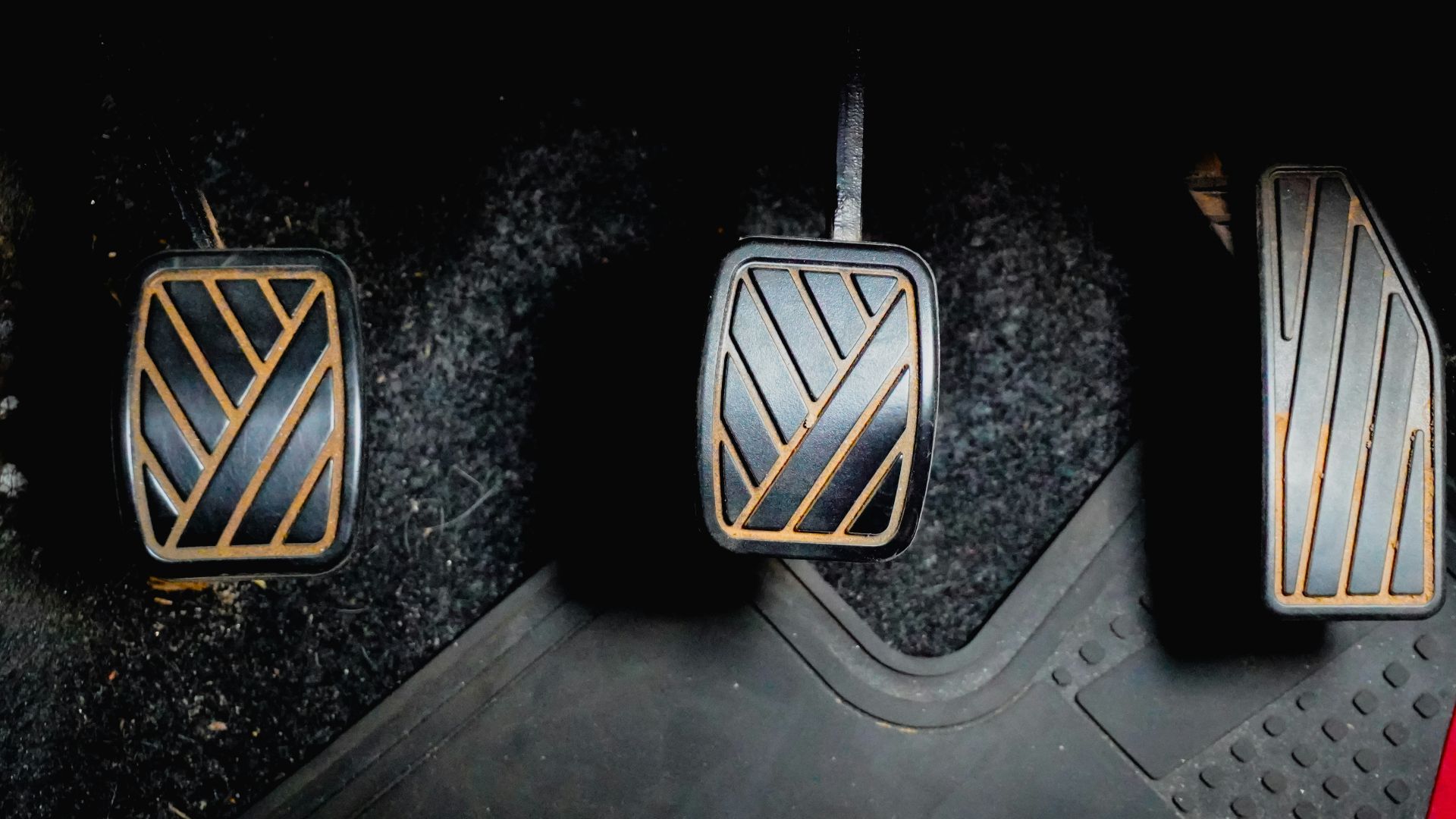
Hybrid brake pedals sometimes feel slightly unusual compared with traditional vehicles because the system is blending regenerative and hydraulic braking. Manufacturers work hard to make that transition smooth, but drivers may still notice differences at very low speeds or when the friction brakes become more involved.
Extremely Long Pad Life Isn’t Unusual
It can be startling to hear that a hybrid has gone well beyond the mileage where you expected its first brake job. Regenerative braking can extend friction-brake life dramatically under the right conditions. Exactly how long they last still depends on driving habits, climate, vehicle design, and maintenance.

But Long Pad Life Creates A Different Problem
Brake components are designed to move and make contact regularly. When the friction brakes aren’t used much, corrosion can sometimes become the issue before friction material actually wears out. In other words, a hybrid can need brake work even while plenty of pad material remains.
Rotors Can Rust Before Pads Wear Out
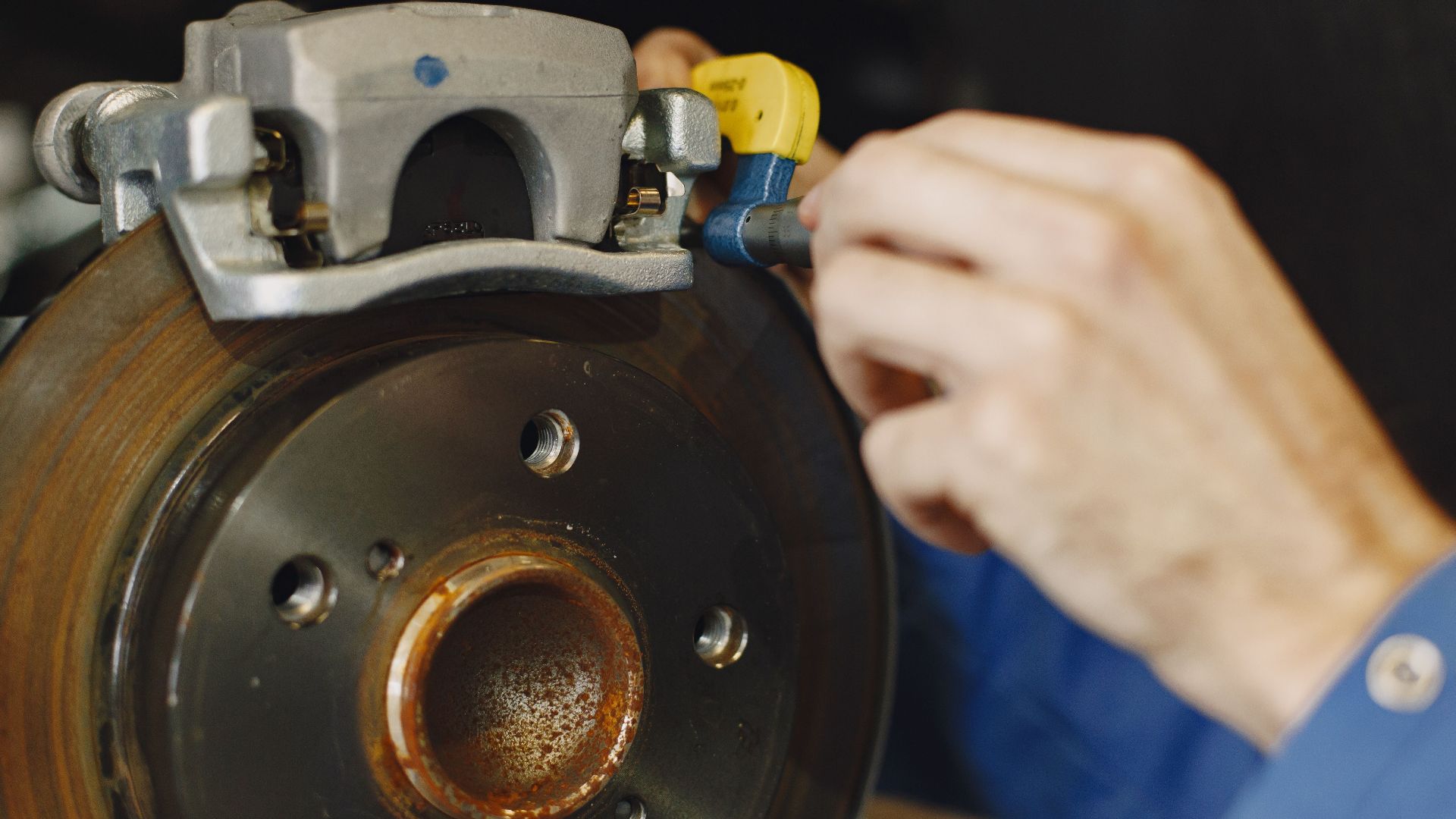
Brake rotors are exposed metal, so moisture and road salt can cause surface corrosion. Conventional cars often scrub that rust away through frequent braking. A hybrid that relies heavily on regeneration may use the pads less aggressively, allowing corrosion to become more persistent.
Short Trips Can Make This Worse
A vehicle that’s driven only short distances may never generate enough substantial friction braking to keep the rotor surfaces clean. Add wet weather, road salt, or long periods of sitting and corrosion can become more noticeable. That’s one reason low mileage doesn’t automatically mean the brakes are perfect.

Calipers Can Still Seize
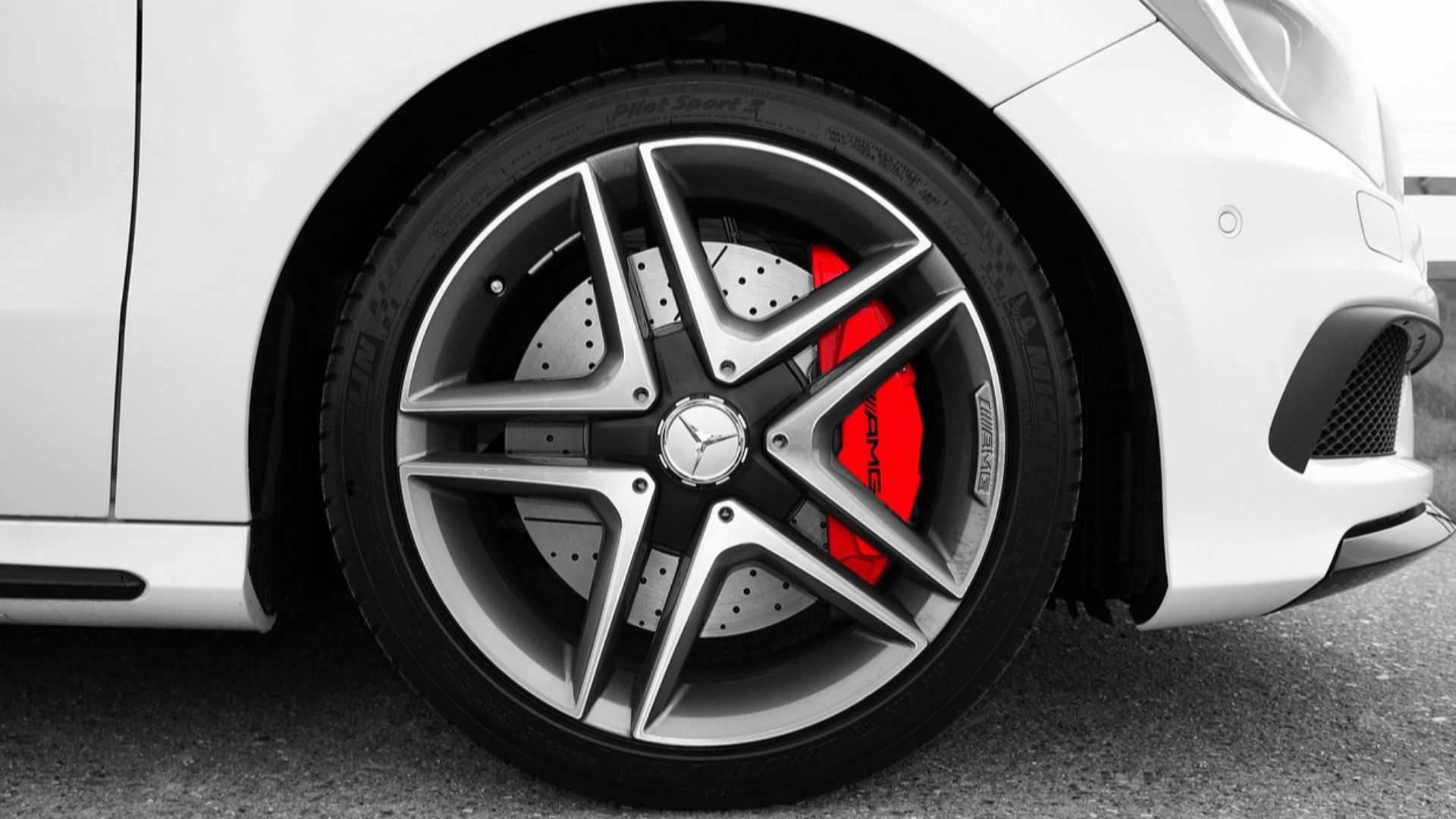
Brake calipers have moving parts that can corrode or stick over time. A hybrid’s pads lasting longer doesn’t prevent the caliper slides, pins, seals, or pistons from aging. In salty climates, lubrication and periodic inspection can be especially important.
Brake Fluid Still Ages
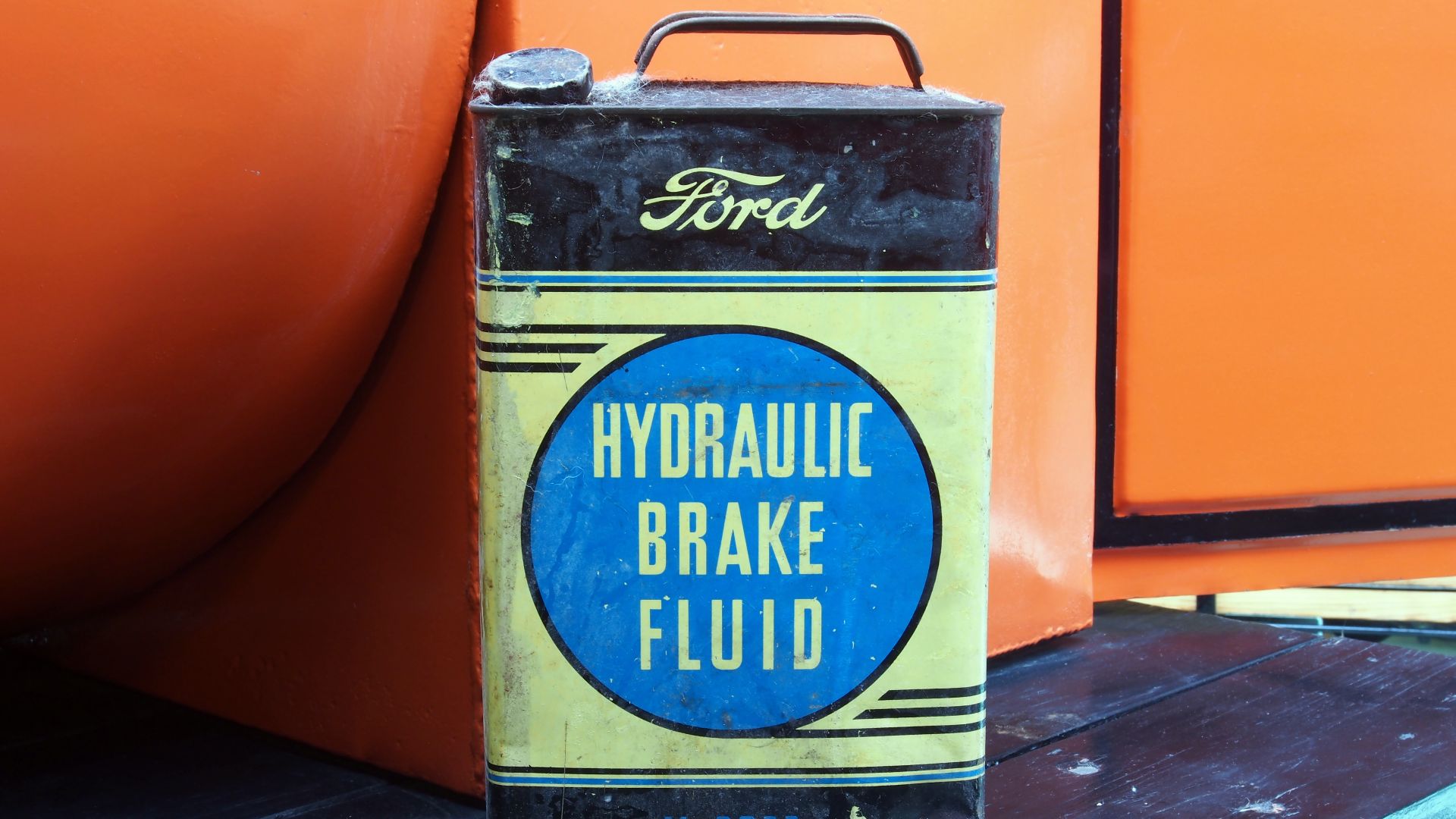
Regenerative braking doesn’t protect the hydraulic fluid from moisture absorption. Brake fluid can take on moisture over time, which may reduce performance and contribute to corrosion inside the hydraulic system. Follow the manufacturer’s replacement interval even if the brake pads look nearly new.
 Alf van Beem, Wikimedia Commons
Some Hybrids Have Time-Based Fluid Intervals
This catches owners who focus only on mileage. Honda, for example, specifies brake-fluid replacement on some hybrid models based on maintenance reminders and time, including a three-year interval if the reminder hasn’t appeared. A low-mileage hybrid can therefore need fluid service even while the pads remain in excellent shape.
 Charles from Port Chester, New York, Wikimedia Commons
Brake Inspections Still Matter
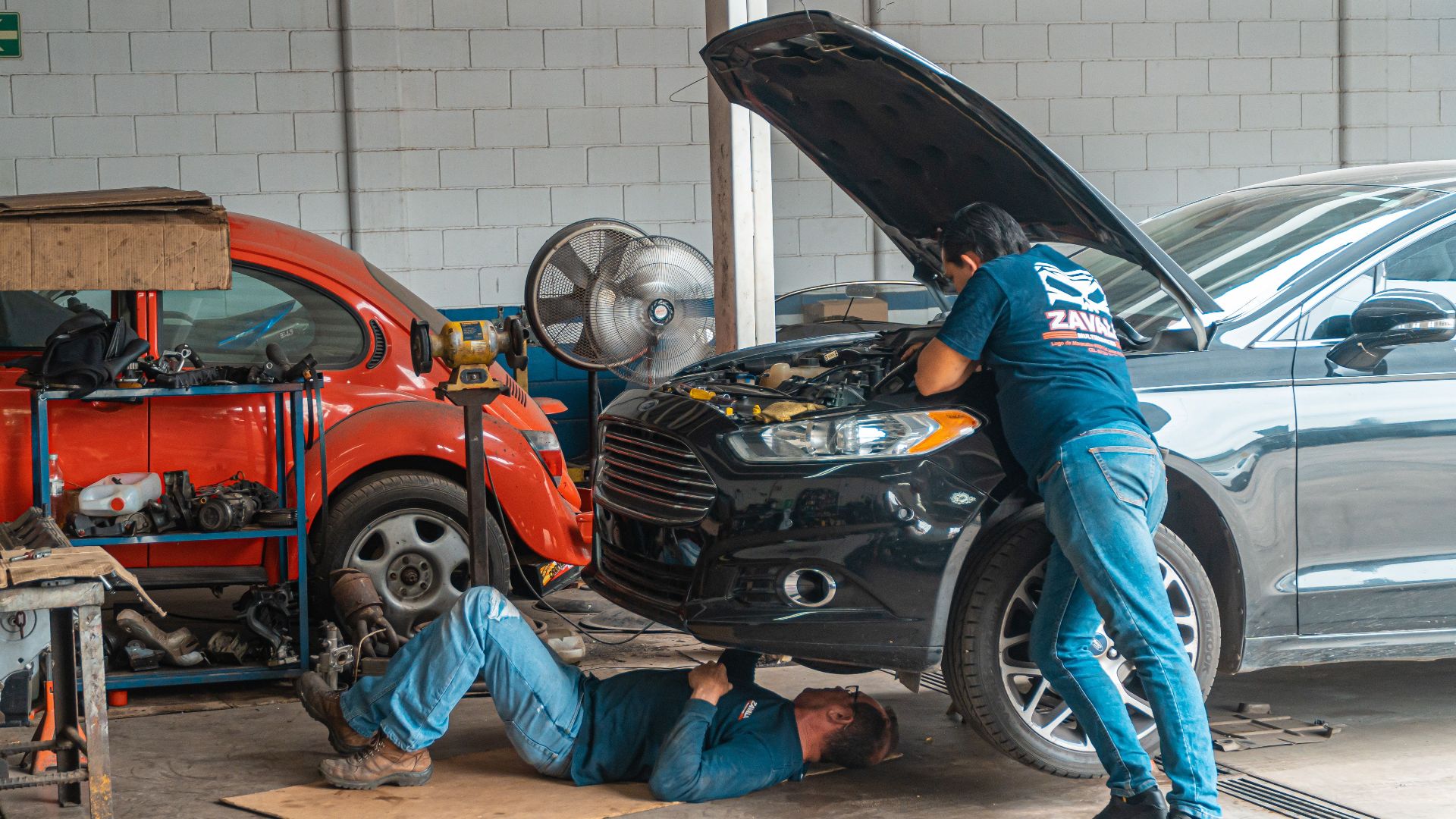
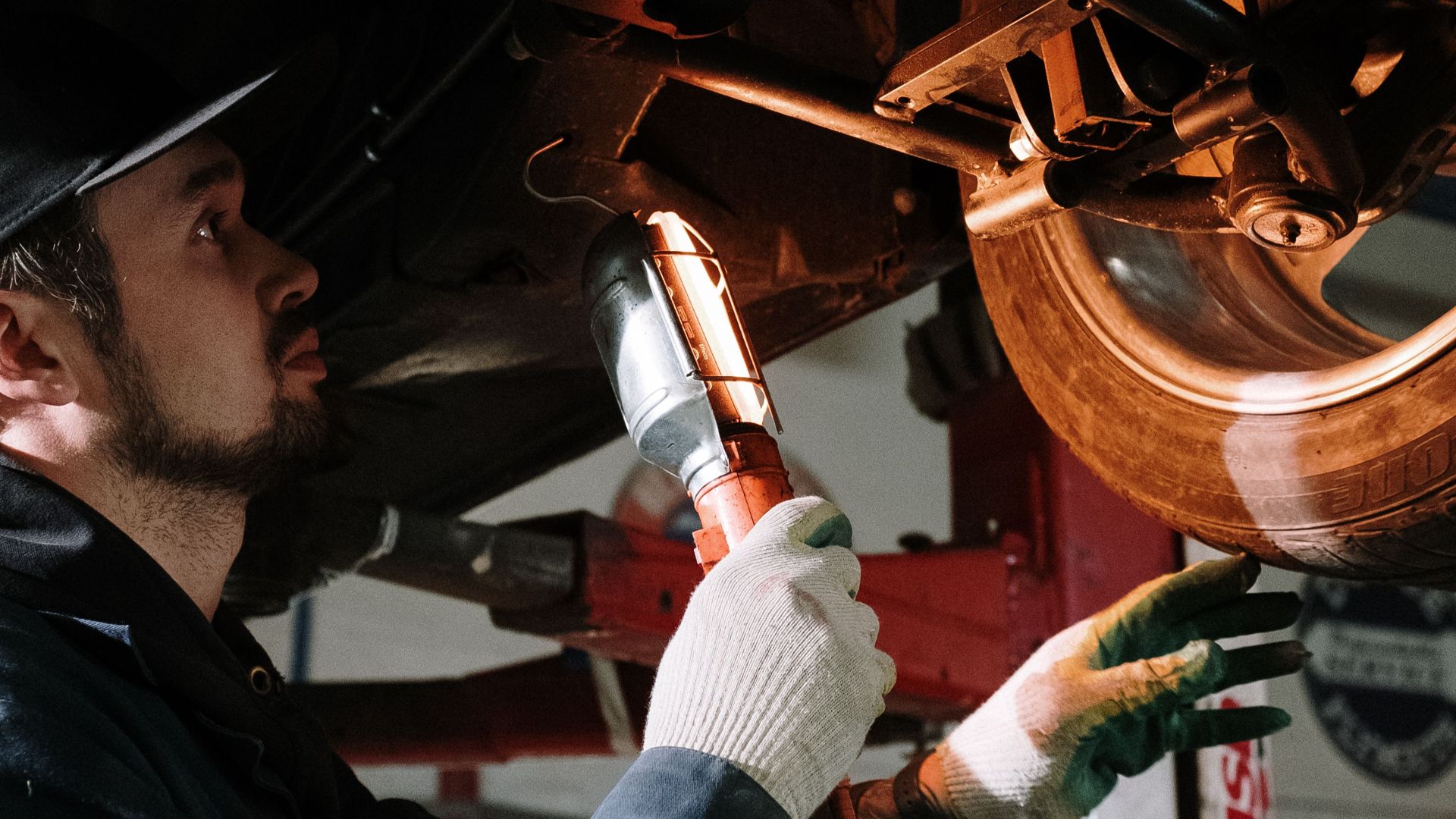
A long-lasting set of pads shouldn’t become an excuse to skip brake inspections. Technicians should still look for corrosion, uneven wear, damaged boots, fluid leaks, seized hardware, rotor condition, and proper operation. AAA specifically recommends regular brake inspection and lubrication on hybrids despite their longer pad life.
 Jose Ricardo Barraza Morachis, Pexels
Noise Can Be Your First Warning
Squealing, grinding, scraping, or persistent groaning deserves attention. Some occasional brake noise can be harmless, particularly after rain or overnight rust buildup, but a continuing metallic sound can indicate worn pads or damaged rotors. Don’t assume unusual noise is just a quirk of regenerative braking.

A Grinding Noise Is Different
Grinding or scraping can mean the friction material is gone and metal is contacting metal. That can damage the rotor quickly and turn a relatively straightforward brake-pad job into a much more expensive repair. Hybrid or not, that’s something to address immediately.

Brakes May Sound Worse After Sitting
Because hybrids may use their friction brakes less frequently, owners sometimes notice noise after the vehicle has been parked in damp weather. Light surface rust can form on the rotors and may disappear after normal braking. Persistent noise, vibration, or uneven braking should still be inspected.

Don’t Try To Avoid The Friction Brakes Completely
It can be satisfying to watch the energy-recovery display and maximize regenerative braking, but there’s no prize for never using the conventional brakes. Drive smoothly and let the vehicle manage the system. The priority is safe stopping, not keeping the regeneration gauge full.

Long Hills Need Proper Technique
Regenerative braking can be particularly useful when descending hills because it slows the car while recovering energy. But the battery can eventually become fully charged, reducing the amount of regeneration available. Follow the owner’s manual for long descents and don’t rely on regeneration as though it replaces the conventional braking system entirely.
Brake Repairs Can Still Be Expensive
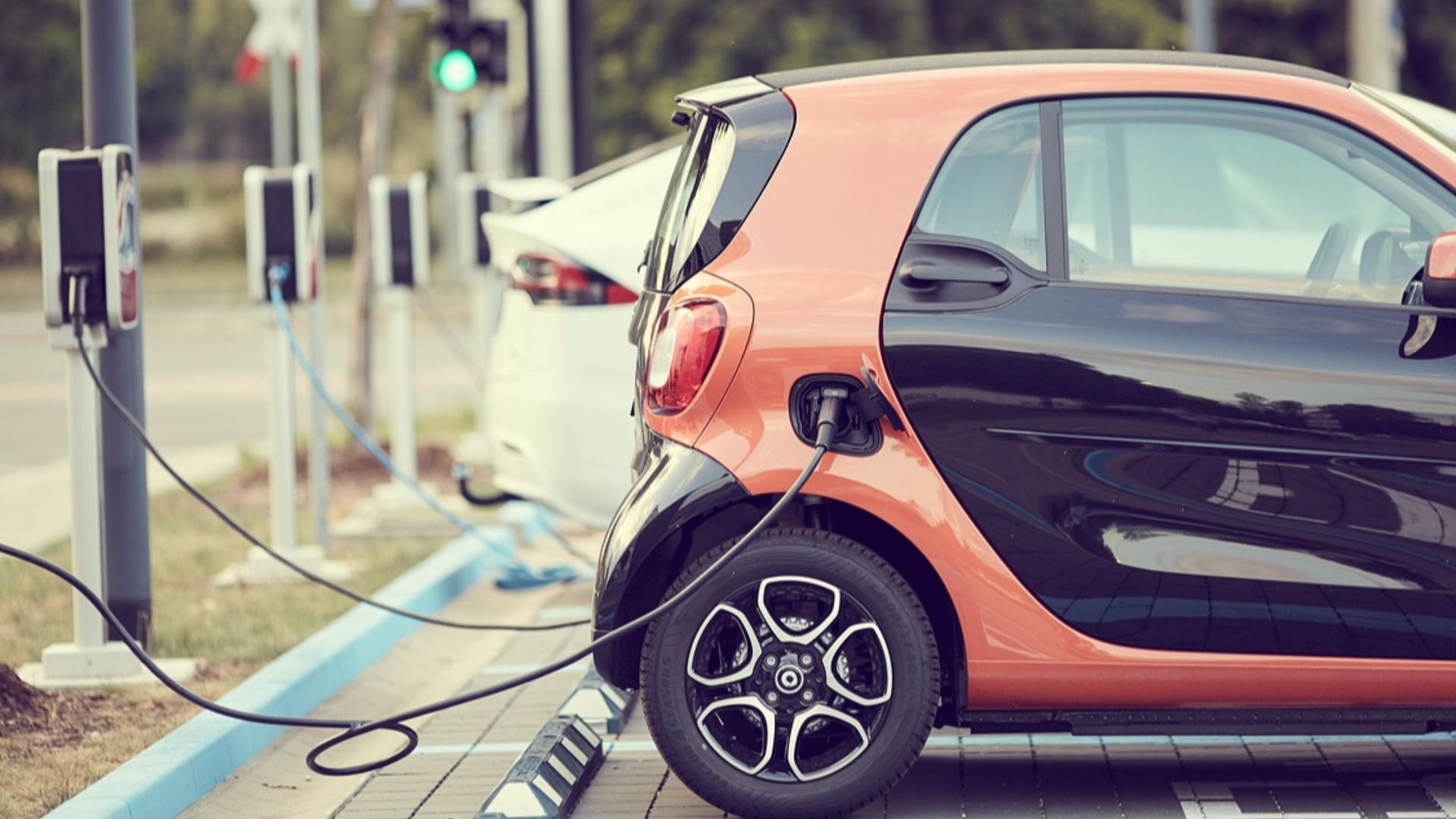
When the pads finally do need replacement, the bill may not be dramatically cheaper than on a conventional car. Rotors, calipers, labor, electronic brake components, and hydraulic parts still cost money. More complicated brake-control hardware can also make certain hybrid repairs expensive.
Specialized Components Can Change The Equation
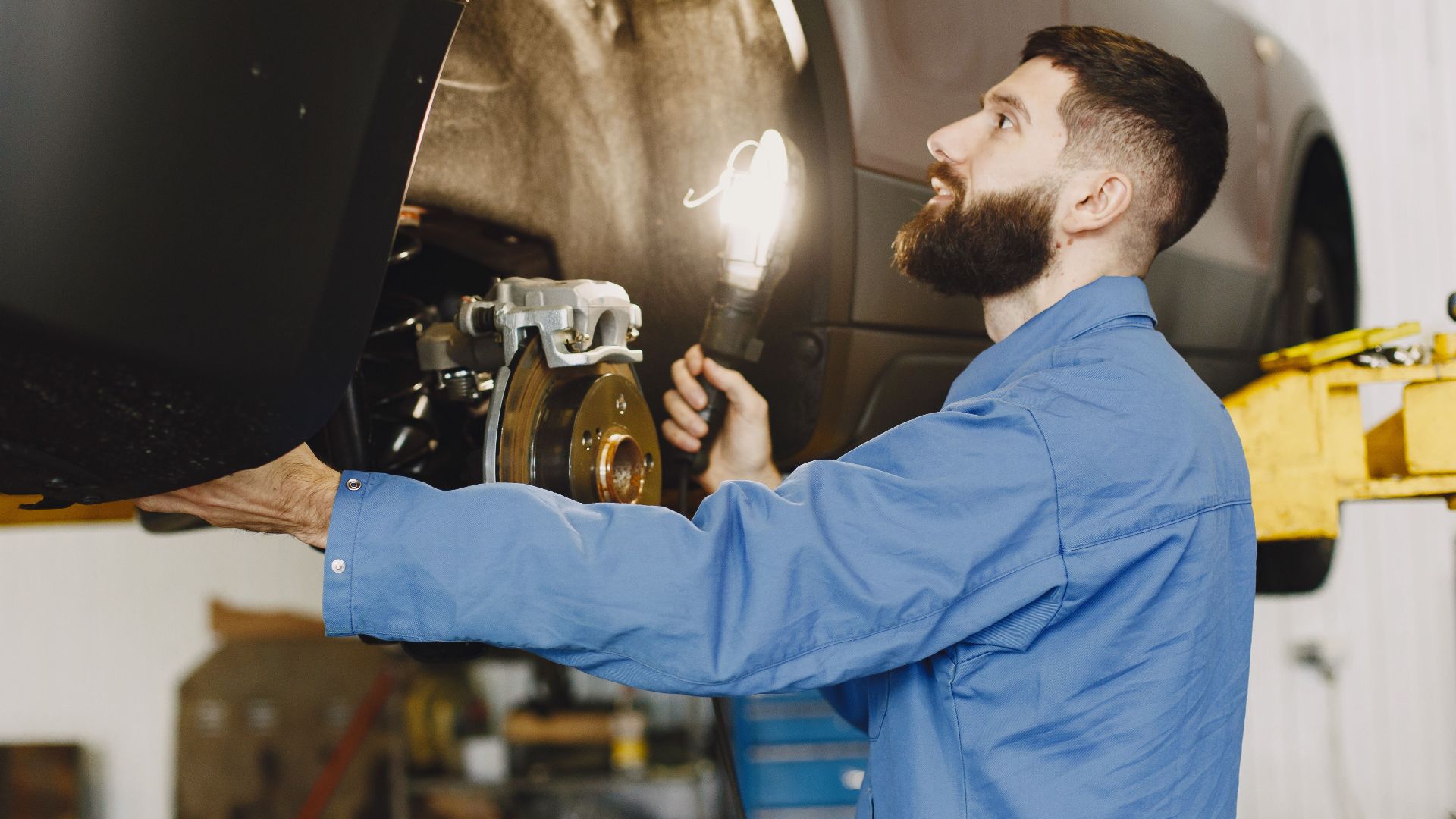
Hybrid braking systems include electronics and controls that coordinate regenerative and friction braking. Problems involving boosters, actuators, sensors, ABS hardware, or brake-control electronics can cost much more than a basic pad replacement. The savings mostly come from reduced routine wear, not from every possible brake repair being inexpensive.
Not Every Mechanic Approaches Hybrids The Same Way
Basic brake-pad and rotor work may look familiar, but hybrid brake systems can have model-specific service procedures. Some vehicles require special steps when putting the braking system into service mode or working around electronically controlled components. A shop should follow the manufacturer’s procedures rather than treating every hybrid exactly like an older gasoline car.
Follow The Maintenance Schedule, Not The Pad Mileage
If your first pads lasted an astonishingly long time, don’t use that as the new schedule for everything else. Brake fluid, inspections, lubrication, and system checks may still be due much sooner. The owner’s manual or maintenance reminder is a better guide than waiting until the pads finally disappear.
So Are Hybrid Brakes Actually Cheaper?
They often can be cheaper over the long run because regenerative braking may dramatically reduce how frequently you replace pads and rotors. But they’re better described as different rather than maintenance-free. You may trade frequent wear for occasional corrosion, fluid service, or more complicated electronic repairs. The best strategy is to enjoy the longer pad life while continuing to inspect and maintain the conventional brake system that’s still there when you need it most.
You May Also Like:
My Car Automatically Slammed On The Brakes For A Shadow. Are Modern Safety Systems Actually Safe?